Qing Dynasty Hanfu
For travelers searching Qing dynasty hanfu, the answer is rarely a clothing shop or a Pinterest board — it is a museum. The Palace Museum in Beijing holds the world's largest collection of Qing imperial dress: dragon robes, court gowns, and Manchu ceremonial wear spanning 268 years of dynasty. Beyond Beijing, the Shenyang Imperial Palace (the Qing dynasty's first capital) and three national museums display textile treasures that no replica can match. This guide shows foreign visitors the top sites to see authentic Qing dynasty hanfu in person, plus where to rent your own hanfu for a photoshoot near the Forbidden City.
Quick Facts
What "Qing Dynasty Hanfu" Actually Means
-

- Qing court dress (chaofu)
-
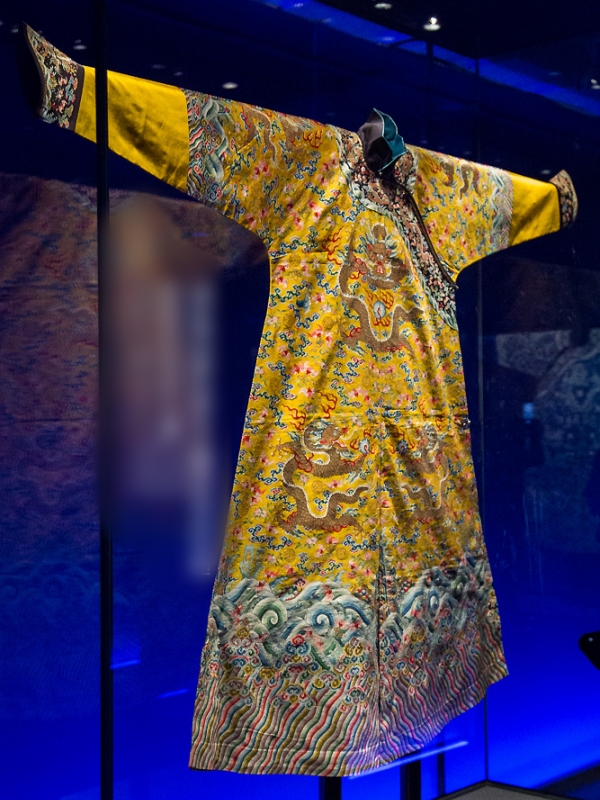
- Dragon robes (longpao)
-
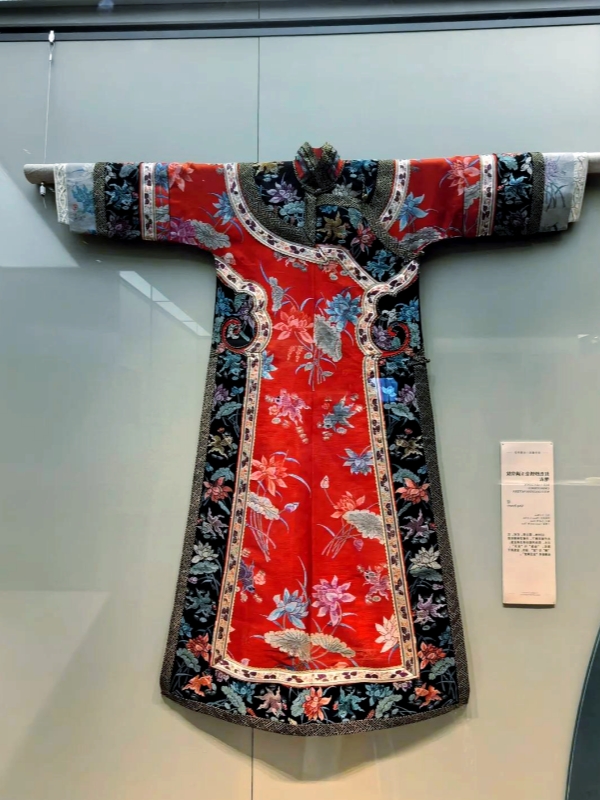
- Women’s court gowns
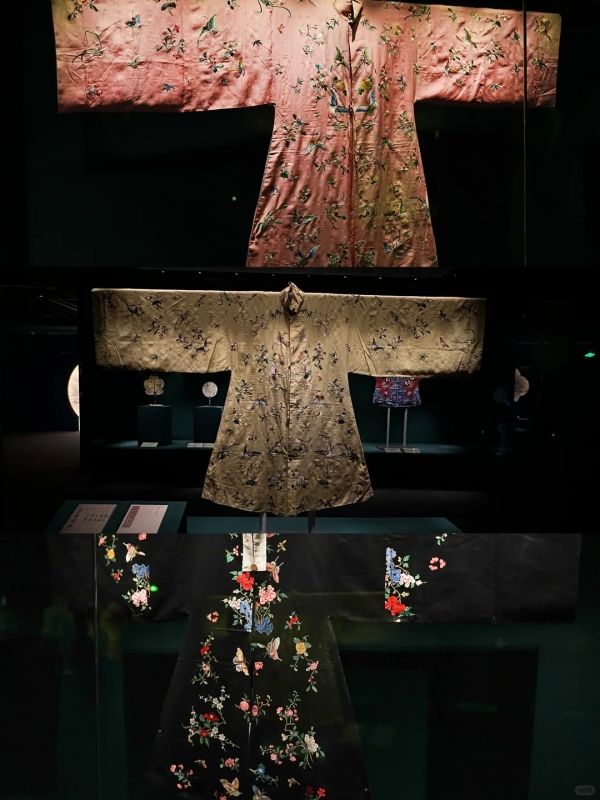
The term "Qing dynasty hanfu" causes immediate confusion. Strictly speaking, hanfu means traditional Han Chinese dress. After the Manchu-led Qing seized power in 1645, they banned Han clothing and imposed Manchu court style instead. What most visitors actually want to see is Qing court dress: imperial robes, dragon robes, ceremonial gowns, and embroidered accessories. Authentic examples survive almost exclusively in museum collections, not rental shops.
Four key points clarify the terminology for travelers:
- Qing court dress (chaofu): The formal ceremonial robes worn by the emperor, empress, and court officials; these are Manchu in origin, not Han.
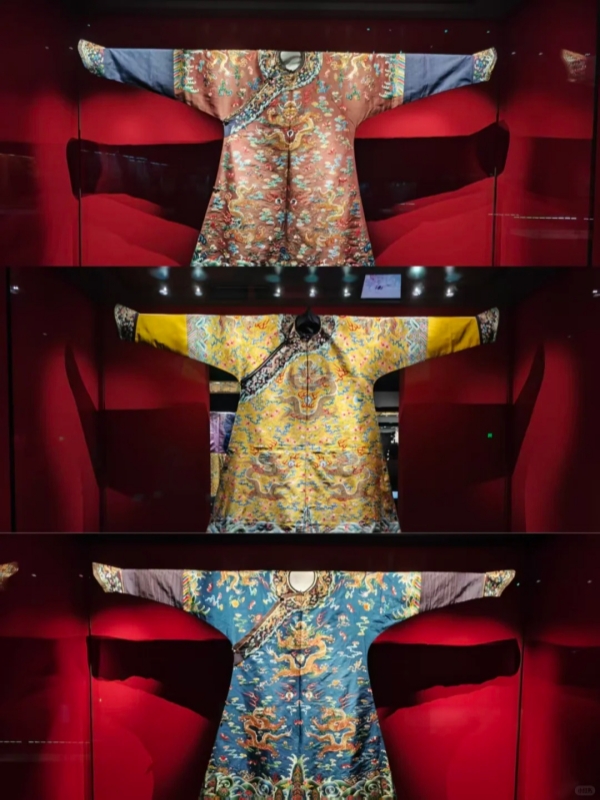
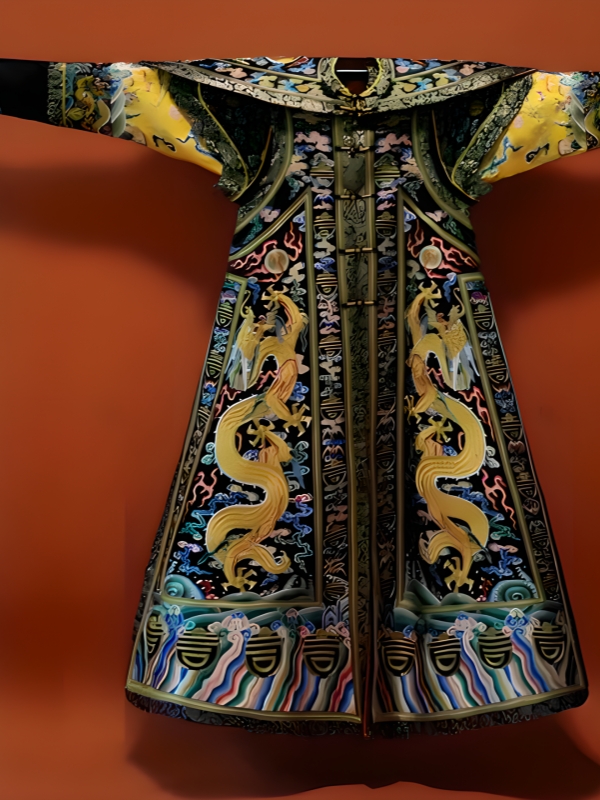
- Dragon robes (longpao): Embroidered silk robes featuring five-clawed dragons; reserved for the emperor and high princes.
- Women's court gowns: Manchu-style formal dress for empresses and consorts, distinct from the later qipao that emerged in the 1920s.
- Manchu vs. Han: The Qing dress code distinguished Manchu and Han subjects; most Qing court garments reflect Manchu aesthetics, not Han Chinese clothing traditions.
👘 Festive & Ceremonial Wear: Learn how traditional Chinese dress evolved across centuries for grand celebrations with our guide to Traditional Chinese New Year Clothing.
Court Robes, Dragon Designs, and the Twelve Symbols
Qing imperial robes followed the Twelve Symbols of Sovereignty (十二章纹), a set of embroidered motifs reserved for the emperor. These included the sun, moon, stars, mountain, dragon, pheasant, fire, axe, fu symbol, fu leaves, waterweed, and grains. Four signature features define these garments:
- Imperial yellow: Only the emperor wore bright yellow dye; princes wore less saturated shades.
- Five-clawed dragon: The coiling dragon (蟠龙) appeared across the chest, back, and sleeves as the primary motif.
- Embroidered roundels: Circular medallions (襟) on the front and back displayed the dragon surrounded by clouds, waves, or clouds.
- Seasonal motifs: Summer robes featured lotus and waterweed; winter robes incorporated heavier silk and fur trim.
Common Misconceptions About Qing Dress
Three misconceptions mislead foreign visitors most often:
- Ming and Qing are not the same: Ming dynasty hanfu has wide sleeves and crossed collars; Qing court dress has a distinct Manchu cut with front slits.
- Qipao is not Qing court dress: The tight-fitting qipao (cheongsam) popular in Western media dates to 1920s–30s Shanghai, not the Qing dynasty.
- Most Beijing rental shops sell Ming or Tang style: Authentic Qing court robes (chaofu) are rarely available for rent; most tourist hanfu is Ming or Tang revival, not historical Qing dress.
👠 Modern Style Transformations: Explore how tailored Republican-era fashion emerged from earlier court styles in our deep dive into Chinese 1920s Fashion.
The Forbidden City (Palace Museum): Beijing's Top Collection
Forbidden City (Palace Museum)
The Palace Museum holds the world's largest collection of Qing imperial textiles. Built between 1406 and 1420, the complex later became the primary repository for Qing court dress after 1644. Foreign visitors should plan for three distinct viewing angles: the central-axis displays, the auxiliary galleries, and the practical logistics of getting in.
The Outer and Inner Court Displays
The central axis of the Forbidden City offers the most theatrical view of Qing court dress. Mannequins in full ceremonial robes occupy the Hall of Supreme Harmony (太和殿) and surrounding halls. Four specific display locations deserve priority:
- Hall of Supreme Harmony: Throne room with period-accurate court settings; used for major state ceremonies where chaofu was worn.
- Hall of Preserving Harmony: Hosts rotating costume exhibitions with detailed textile panels and garment histories.
- Palace of Heavenly Purity: Emperor's private quarters with displayed ceremonial wear used in daily court audiences.
- Hall of Mental Cultivation: Smaller exhibits of imperial accessories, embroidered textiles, and seasonal robe variants.
Treasure Gallery and Clock Gallery
The Treasure Gallery (珍宝馆) in the northeastern corner holds the densest concentration of Qing imperial dress and accessories. Both galleries require separate tickets. Four highlights draw serious textile visitors:
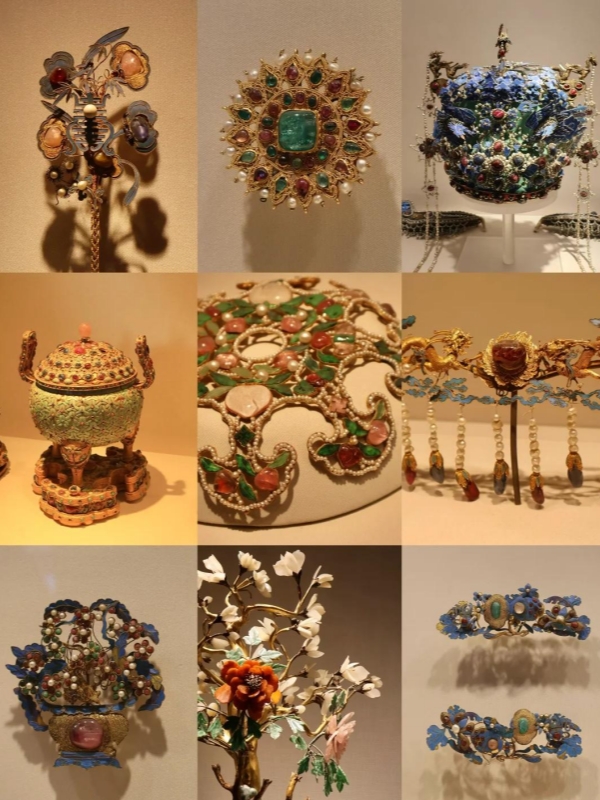
- Court headdresses: Phoenix crowns and dragon hat ornaments in gold, pearls, and gemstones.
- Embroidered ceremonial robes: Full-length dragon robes displayed flat and under glass with close-up detail panels.
- Imperial jewelry: Jade belt sets, court rank badges, and pearl strings worn with formal dress.
- Clocks and timepieces: The adjacent Clock Gallery (钟表馆) contains Western-made court gifts alongside Chinese ceremonial objects.
Visiting the Forbidden City: Hours, Tickets, Transport
🏰 Imperial Court History: Plan your visit to China's premier imperial repository using our visitor guide to Forbidden City The Palace Museum.
Shenyang Imperial Palace: The Qing Dynasty's First Capital
Shenyang Imperial Palace
The Shenyang Imperial Palace (沈阳故宫) predates the Beijing Forbidden City by two decades. Built 1625–1636 under the early Qing rulers Nurhaci and Hong Taiji, it served as the seat of power before the Manchu conquest of Beijing in 1644. The palace now functions as a museum with its own distinct collection of early Qing court dress, largely overlooked by visitors who focus only on Beijing.
Why Shenyang Matters for Qing History
Shenyang offers a chapter of Qing dress history that Beijing cannot. Three things visible here that the Beijing palace does not show:
- Earlier Manchu court dress: Fewer Han-fusion elements; robes reflect pure Manchu bannerman style before 1644.
- Horse coats and riding dress: The Shenyang collection includes outdoor ceremonial wear tied to Manchurian horse culture absent in Beijing displays.
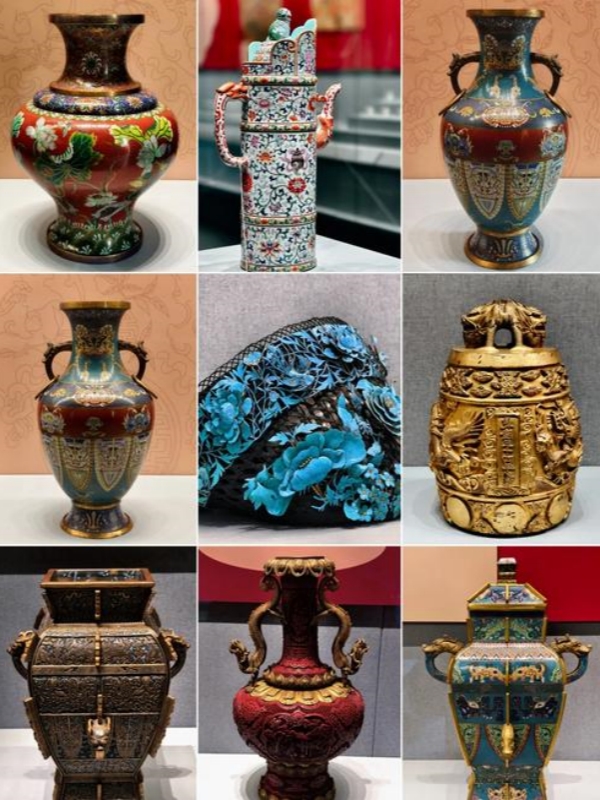
- Imperial textile workshops: Objects attributed to the early Qing weaving workshops show distinct regional embroidery techniques.
Visiting Shenyang Imperial Palace
Other Museums Worth Visiting
China National Silk Museum (Hangzhou)
Travelers with extra time can extend their Qing dress exploration beyond Beijing and Shenyang. Three national-level institutions hold significant textile collections worth a detour.
National Museum of China (Beijing)
Located on the east side of Tian'anmen Square, the National Museum of China rotates Qing dynasty textile and costume exhibitions through its historical galleries. Admission is free; a passport-required reservation is needed via the official website or WeChat mini-program. Subway access via Line 1 to Tian'anmen East. Open 9:00–17:00, closed Mondays.
China National Silk Museum (Hangzhou)
Hangzhou's China National Silk Museum documents Chinese textile history with a dedicated Qing dynasty section. Dragon robes, empress dowager court dress, and period weaving techniques feature prominently. The museum is free to enter. Address: 73-1 Yuhuangshan Road, Xihu District. Open 9:00–17:00, closed Mondays. Best combined with a West Lake visit.
Nanjing Museum
Jiangsu Province's flagship museum holds Qing court textiles among its collection of over 400,000 artifacts. The museum is free; advance reservation is required via the official site or WeChat. Address: 321 Zhongshan East Road, Xuanwu District, Nanjing. Subway access via Line 2 to Minggugong Station. Open 9:00–17:00, closed Mondays.
Hanfu Rental and Photoshoots Near the Forbidden City
Many foreign visitors want to wear traditional dress for photos at or near the Forbidden City. A practical note: most rental shops in the hutong alleys near the palace offer Ming, Tang, or generic hanfu — authentic Qing court robes are rarely available for rent. Plan accordingly if historical accuracy matters for your shoot.
Where to Rent Hanfu
Rental shops cluster along Nanluoguxiang, Yandai Xiejie, and near the Forbidden City's east gate. Practical tips for choosing a shop:
- Check cleaning standards: Ask to see recent cleaning logs; high turnover shops maintain better garment condition.
- Ask about heel options: Most hanfu comes with flat cloth shoes; platforms and heeled options may be limited — request early.
- Specify style preference: If you want Ming or Tang style, say so explicitly; staff often default to whatever is stocked.
- Confirm photographer's English: Package deals with photographers vary in English fluency — request a portfolio or ask for a test shot before committing.
Photo Spots and Photography Tips
Top photo locations around the Forbidden City for hanfu shoots include the corner towers (especially northwest), the Wanning Bridge moat, Jingshan Park's overhead view (closed Mondays), and the less-crowded western side at sunset. Four tips for better results:
- Arrive 30 minutes before opening: The north moat and west walls are quietest in early morning light.
- Avoid Tuesdays mid-morning: Monday closures push Tuesday into peak attendance; early afternoon is quieter.
- Request tripod rental: Some shops include tripod hire; confirm included before paying a package premium.
- Golden hour at the moat: Late afternoon light on the northern moat reflects the palace walls; this is the best natural-light window for group shots.
Tips for Visiting Qing Costume Exhibits
Maximize your time at Qing textile displays with these actionable logistics:
- Weekday mornings are least crowded: Tuesday through Thursday mornings see lighter foot traffic in all galleries.
- Audio guides help: The Palace Museum offers English-language audio guides; pick one up at the main entrance before entering the Treasure Gallery.
- Treasure Gallery English services: Text panels in the Treasure Gallery have English translations; the Clock Gallery relies more heavily on visual displays.
- No formal dress code: Modest clothing is expected (covered shoulders and knees), but no strict enforcement exists.
- Luggage storage available: The south gate (午门) offers cloakroom services for large bags — essential for textile-focused visits.
- Treasure Gallery closes first: Budget your time accordingly; the Treasure Gallery often closes at 16:00 while the main palace stays open later.
Frequently Asked Questions
Q: Is Qing dynasty clothing really "hanfu"?
Strictly, "hanfu" refers to Han Chinese dress. Qing dynasty rulers (Manchu) imposed Manchu-style clothing from 1645 onward, banning traditional Han dress. What tourists usually mean by "qing dynasty hanfu" is Qing court dress (chaofu, dragon robes) — the museum-displayed imperial costume. Modern hanfu revival includes some Qing-inspired styles, but historical Qing clothing is Manchu-derived.
Q: Where is the best place to see authentic Qing court robes?
The Palace Museum (Forbidden City) in Beijing holds the world's largest collection; the Treasure Gallery in particular displays the densest concentration of Qing imperial garments and accessories. The Shenyang Imperial Palace is the runner-up for earlier-period Manchu court dress from before 1644.
Q: Can I take photos inside the Forbidden City?
Photography without flash is allowed in most outdoor areas and many interior halls. The Treasure Gallery and Clock Gallery permit no-flash photography. Tripods, selfie sticks, and commercial shoots require prior permission from museum administration.
Q: Can foreigners rent hanfu in Beijing?
Yes — many shops near the Forbidden City (Nanluoguxiang, Yandai Xiejie) rent hanfu and offer photoshoot packages. Most stock Ming or Tang styles rather than authentic Qing court dress. Passport is required for ID at most shops.
Q: What is the best season to visit the Forbidden City?
April–May and September–October offer mild weather and reasonable crowds. Summer (July–August) brings peak tourist volume with heat and long queues; winter is quieter but temperatures drop significantly.
Q: How long does a visit take?
A focused Qing-costume viewing covering the main halls, Treasure Gallery, and Clock Gallery takes 3–4 hours. A full Forbidden City exploration requires a minimum of 5–6 hours.
Q: Do I need to book Forbidden City tickets in advance?
Yes — advance booking via the Palace Museum's official WeChat mini-program or website is required, especially during peak season (April–October) and on weekends and public holidays. Foreign visitors must provide passport details during booking.
Q: Is there a dress code for visitors?
No formal dress code exists, but modest clothing is advised. Covered shoulders and knees are generally expected. Revealing attire may attract staff attention. Comfortable walking shoes are essential given the scale of the site.