Chinese 1920s Fashion
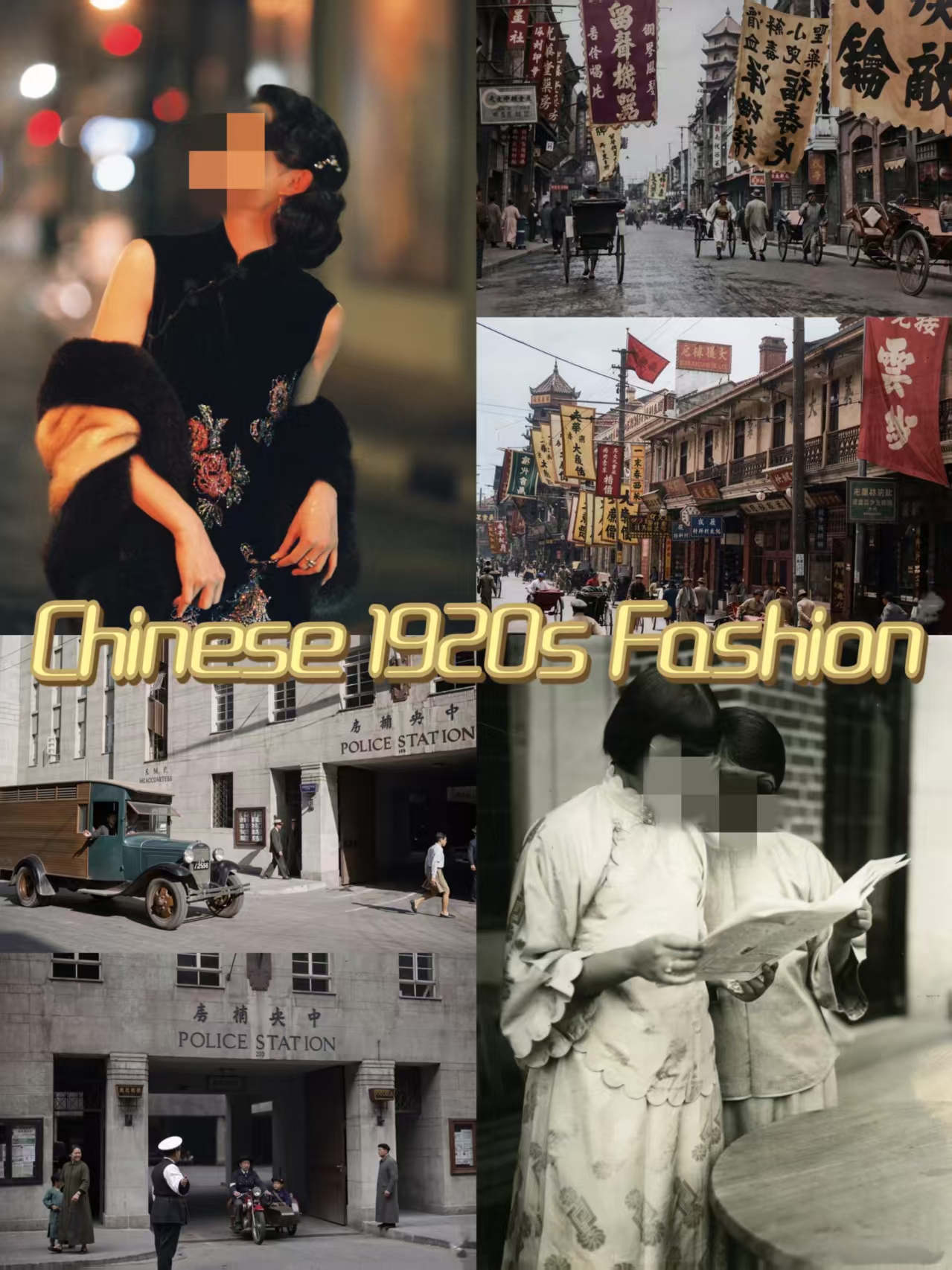
Chinese 1920s fashion looked very different from what many people expect today. Most people picture the tight-fitting Shanghai qipao seen in old movies and vintage posters, but that style became popular a little later. During the 1920s, China was in the middle of major social change, and clothing reflected it. Traditional jackets, loose early qipaos, short haircuts, leather shoes, and Western-inspired accessories all appeared side by side. Looking through photos from the period, what stands out most is not one specific trend, but how quickly fashion was changing from one generation to the next.
👗 Modern Style & Fashion Trends: Explore the evolution of modern aesthetics, local designer hubs, and street style in our guide to Contemporary Chinese Clothing.
What Women Wore in the Early Years of Chinese 1920s Fashion
Jacket-and-Skirt Outfits Were Still Common
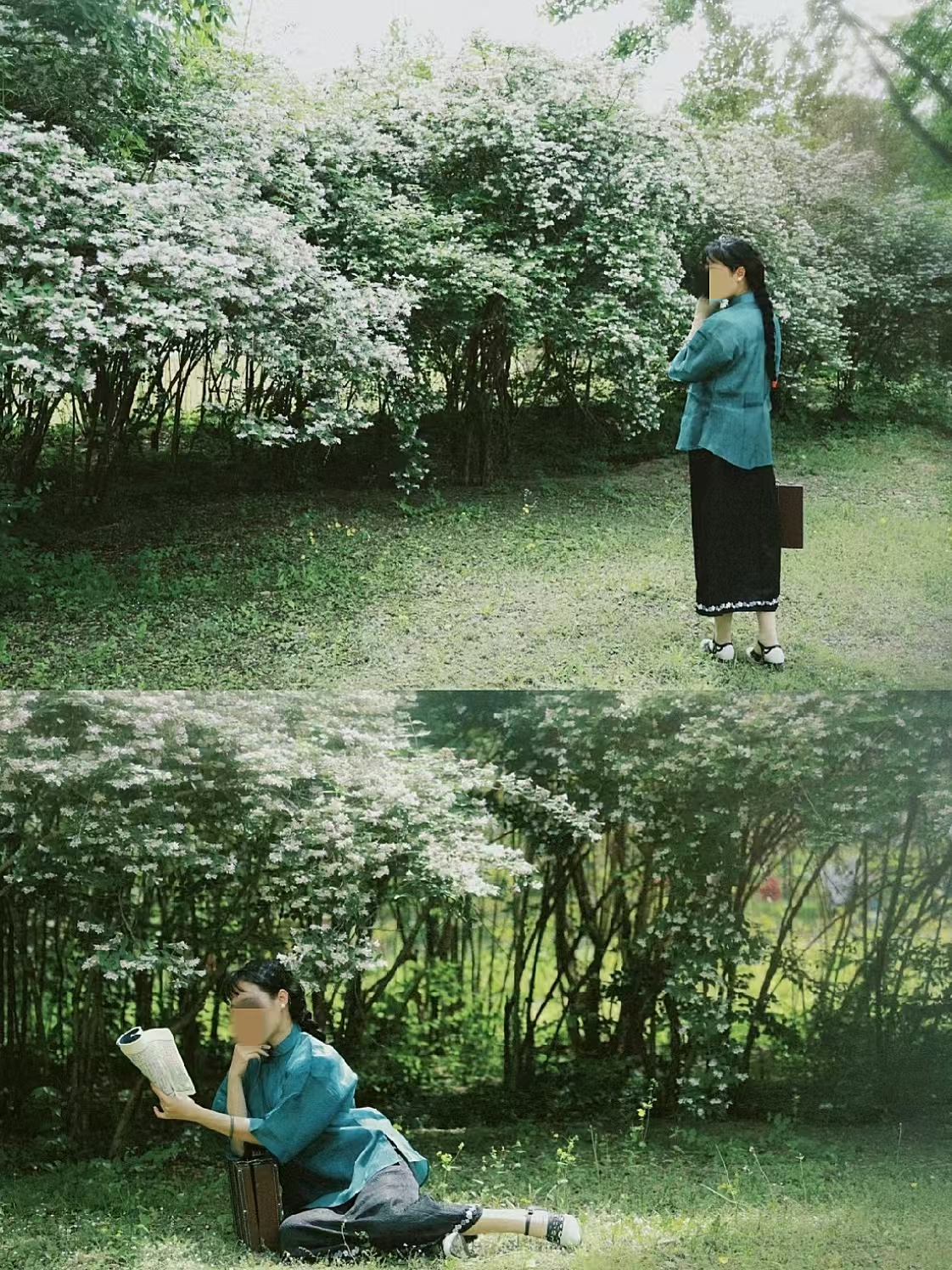
Jacket-and-Skirt Outfits Were Still Common
Before the qipao became closely associated with Chinese 1920s fashion, jacket-and-skirt outfits remained one of the most common choices for women across the country.
Appearance:
A typical outfit included a short jacket paired with a long skirt. The silhouette was relatively loose, with little emphasis on the waist. Compared with late Qing clothing, the overall look felt cleaner and less formal.
Typical Wearers:
- Female students in urban schools
- Middle-class women in major cities
- Married women handling everyday social activities
This style worked well because it balanced tradition and practicality. Women could wear it for study, shopping, family visits, or casual gatherings.
Common Fabrics:
- Cotton for everyday use
- Silk blends for wealthier households
- Lightweight woven fabrics in warmer regions
Fabric quality often reflected family income more than the design itself.
What Made It Distinctive:
- Separate jacket and skirt rather than a one-piece garment
- Easier movement than many earlier styles
- Traditional appearance with simplified tailoring
For much of the 1920s, this was still a more common sight than the qipao that later became famous worldwide.
Early Qipaos Were Loose, Straight and Surprisingly Modest
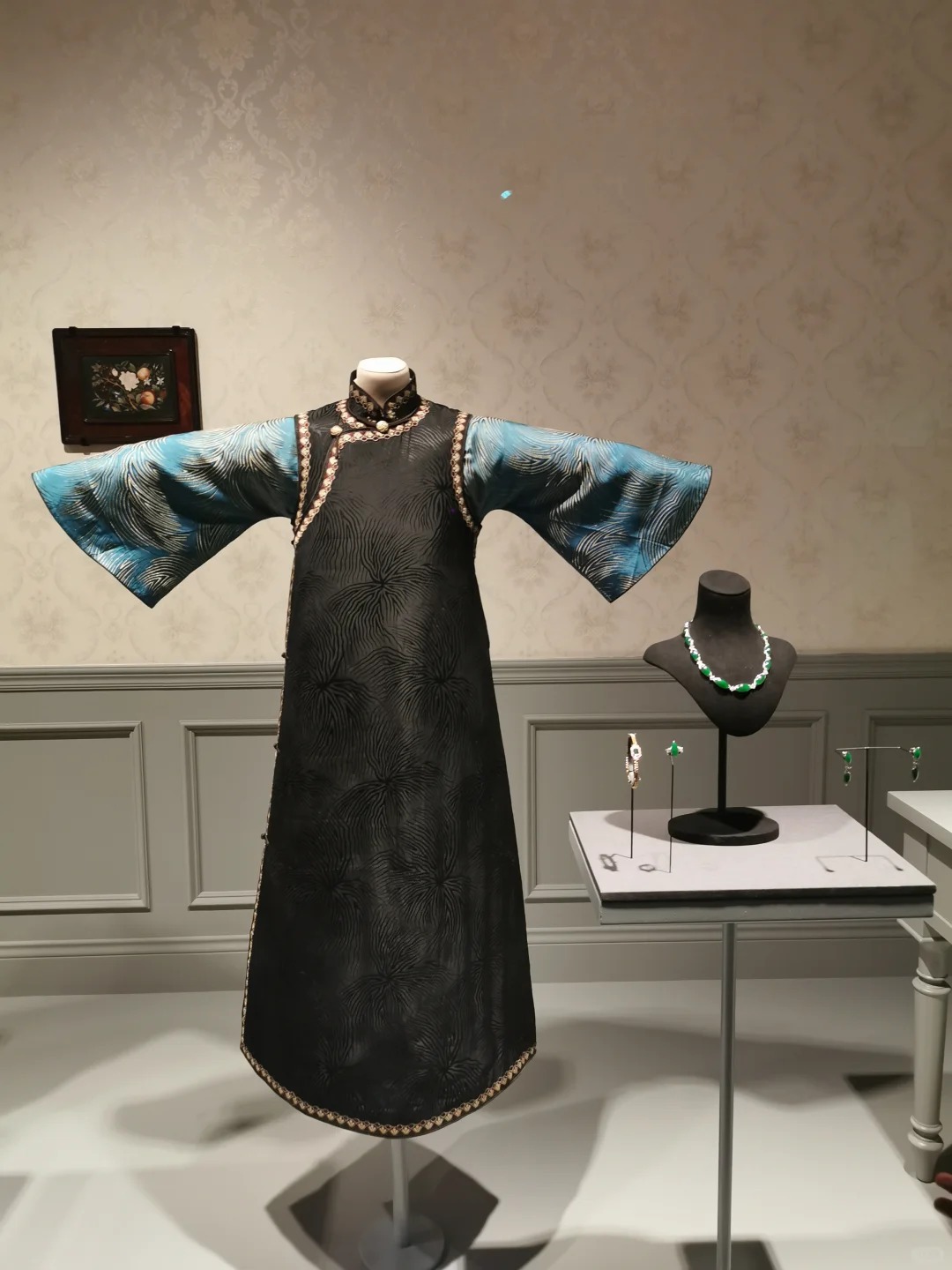
Early Qipaos
Many modern depictions of Chinese 1920s fashion show slim-fitting qipaos, but museum collections and historical photographs tell a different story.
Appearance:
Early qipaos followed a straight, loose silhouette. They hung naturally from the shoulders and showed very little body shape.
- Long overall length
- Minimal waist shaping
- Wide and comfortable fit
Typical Wearers:
- Educated urban women
- Students embracing modern trends
- Women from families open to social change
Although fashionable, these garments were not considered bold or revealing by contemporary standards.
Common Fabrics:
- Silk
- Cotton
- Fine woven textiles
The choice of fabric often depended on climate, occasion, and household income.
What Made It Distinctive:
- High standing collar
- Traditional frog-button closures
- Sleeves that were longer and fuller than later versions
- Hemlines that usually reached below the calf
The early qipao was closer to a practical everyday garment than the glamorous fashion icon most people imagine today.
Wealthy Women Preferred Silk and Fine Embroidery
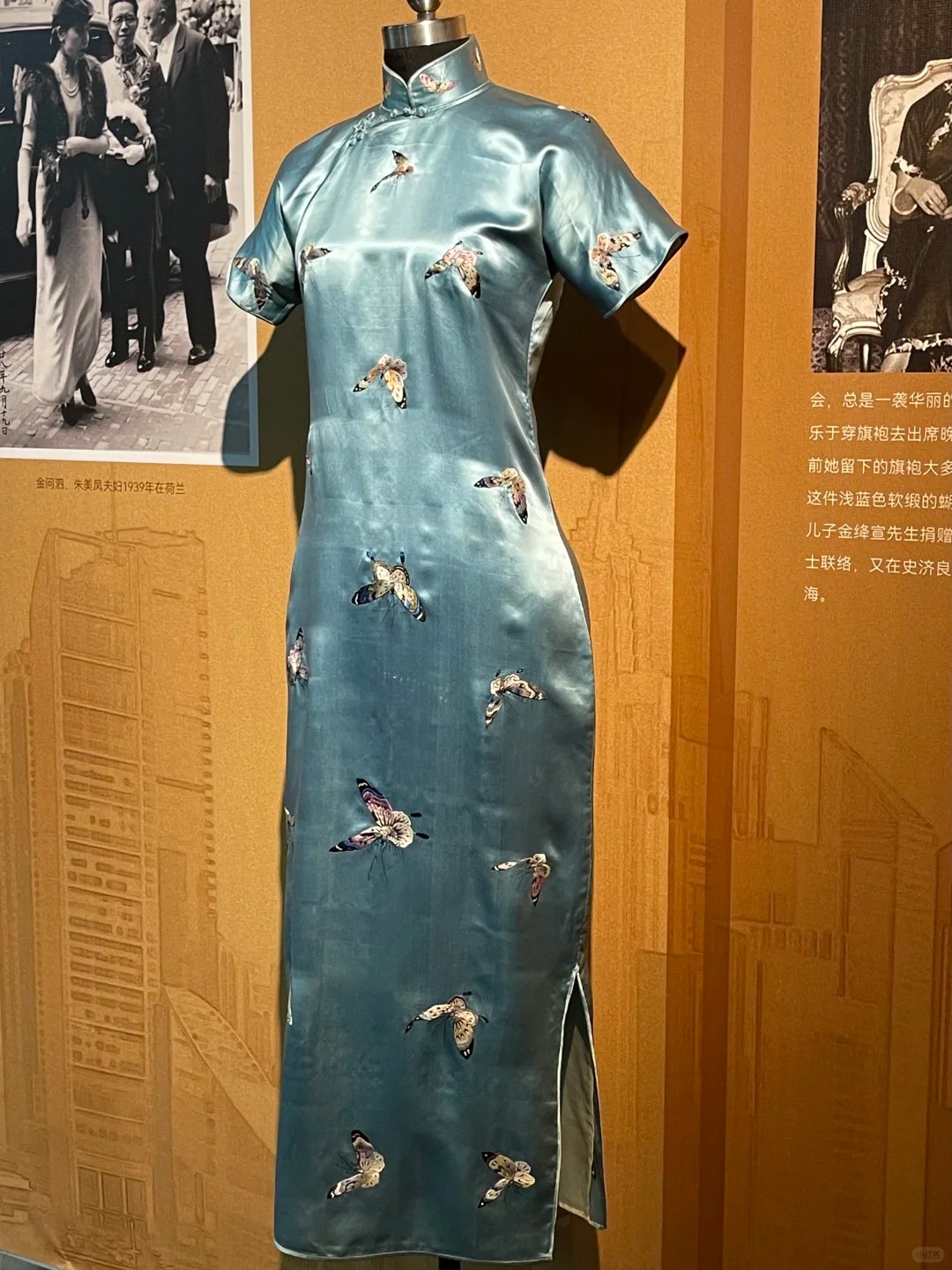
Wealthy Women Preferred Silk and Fine Embroidery
While overall clothing shapes remained relatively conservative, wealthier women often distinguished themselves through fabric quality and decorative details.
Appearance:
Clothing from affluent households generally looked more refined rather than dramatically different.
- Smoother fabric surfaces
- Better tailoring
- More decorative finishing
The goal was often elegance rather than extravagance.
Typical Wearers:
- Daughters of wealthy merchants
- Members of prominent urban families
- Women active in elite social circles
These women appeared frequently in studio portraits, advertisements, and magazine illustrations.
Common Fabrics:
- High-grade silk
- Satin
- Brocade textiles
These materials created a softer drape and a more polished appearance than ordinary cotton garments.
What Made It Distinctive:
- Hand-embroidered floral patterns
- Symbolic motifs such as birds and butterflies
- Decorative collars and cuffs
- Greater attention to craftsmanship
Many calendar posters from Shanghai presented this image of fashionable womanhood, although it represented a relatively small part of society.
The glamorous women seen in vintage advertisements often reflected aspiration as much as reality.
Seasonal Clothing Followed Traditional Habits
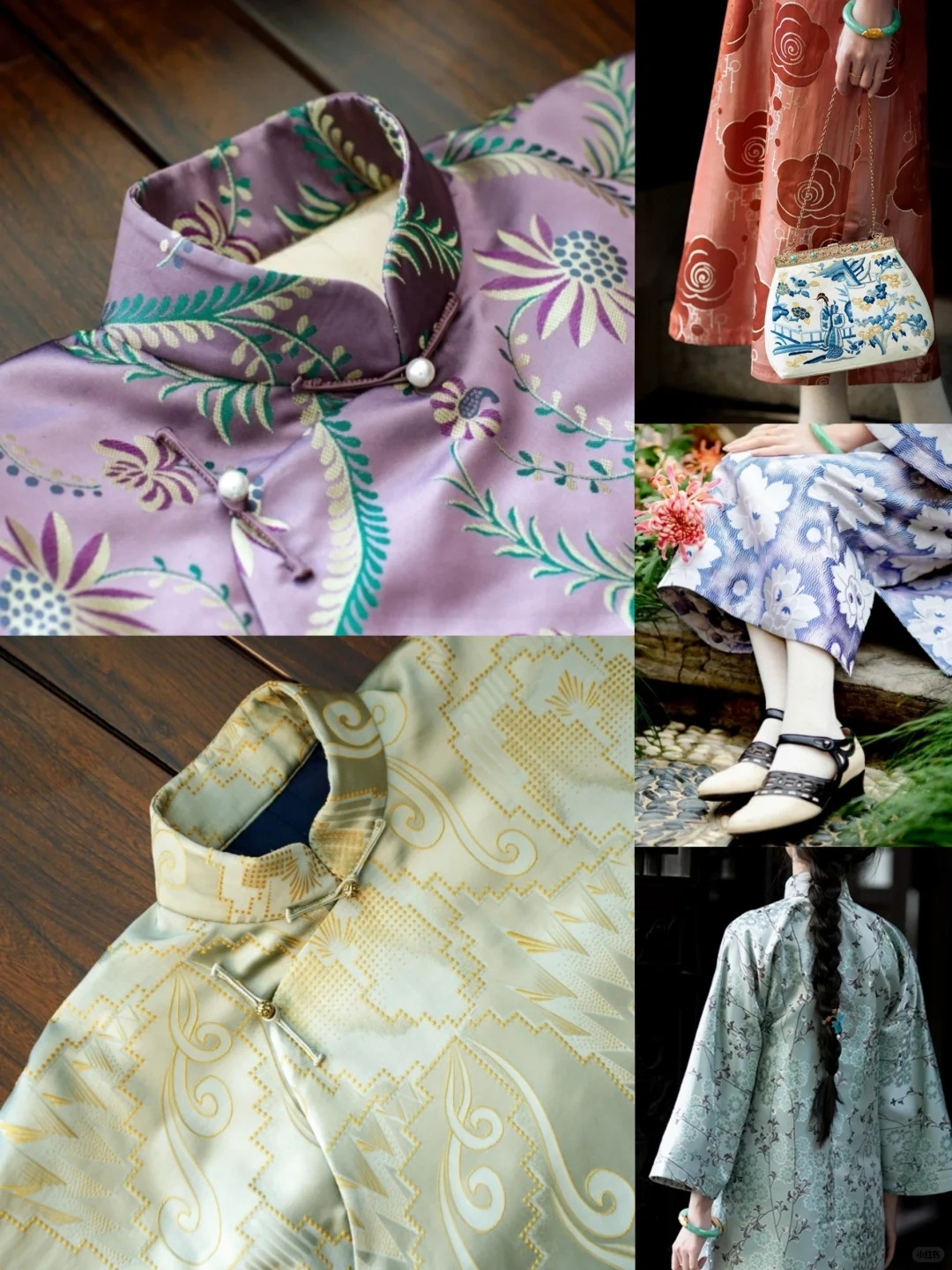
Seasonal Clothing Followed Traditional Habits
Appearance:
Despite rapid fashion changes, seasonal dressing habits remained deeply rooted in everyday life.
Summer clothing focused on comfort and airflow, while winter garments prioritized warmth.
Typical Wearers:
- Urban residents
- Rural families
- Students and office workers
Unlike some fashion trends, seasonal clothing practices appeared across different social groups.
Common Fabrics:
Summer
- Thin silk
- Gauze fabrics
- Lightweight cotton
Winter
- Cotton-padded materials
- Wool fabrics
- Heavier woven textiles
Imported wool became increasingly available in larger cities during the late 1920s.
What Made It Distinctive:
- Layered dressing remained common
- Seasonal wardrobes followed traditional habits
- Practicality often mattered more than fashion trends
- New fabrics were adopted without abandoning older clothing customs
A woman might wear a modern qipao or tailored jacket, but she still dressed according to the season in ways her mother would immediately recognize.
This blend of innovation and practicality is one of the defining characteristics of Chinese 1920s fashion.
Hairstyles, Shoes and Accessories That Defined the Look
The Bob Haircut Became a Symbol of Modern Women
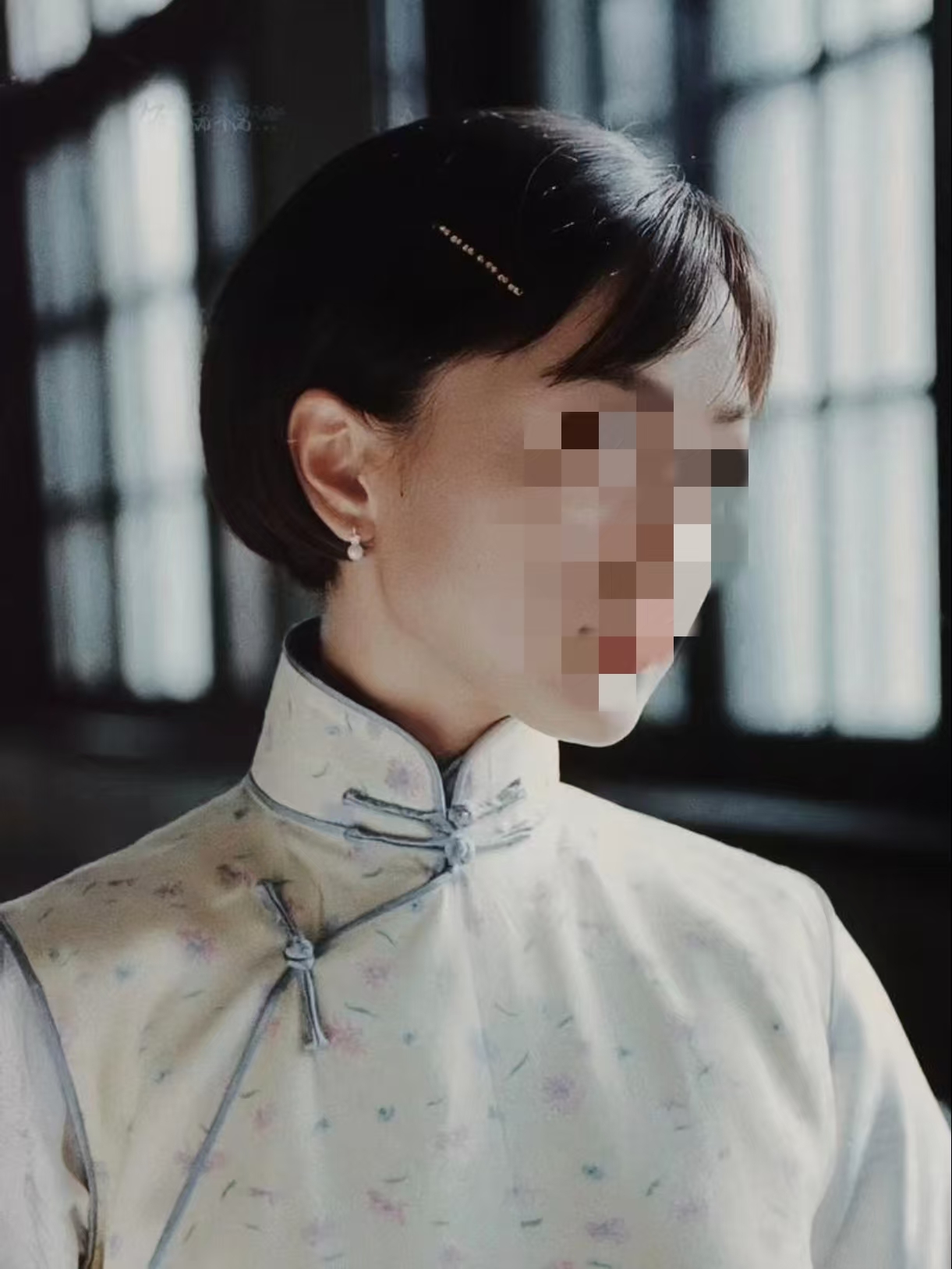
The Bob Haircut Became a Symbol of Modern Women
Form:
Short cropped bob, usually jaw-length or slightly below ears, often parted in the middle or slightly side-swept. It replaced traditional long braided hair in urban areas.
Who Wore It:
- Female students in new-style schools
- Young office workers in Shanghai
- Women influenced by magazines and early cinema
Material / Type:
Natural hair styling, no accessories needed. Sometimes lightly waved in Shanghai salons influenced by Western hairdressing.
Cultural Meaning:
Short hair was linked with education and independence.
In Shanghai, cutting hair short was often read as a visible sign of modern identity.
Some older newspapers even described it as “too Western,” but the trend kept spreading in coastal cities.
Traditional Cloth Shoes Shared the Streets With Imported Leather Pumps
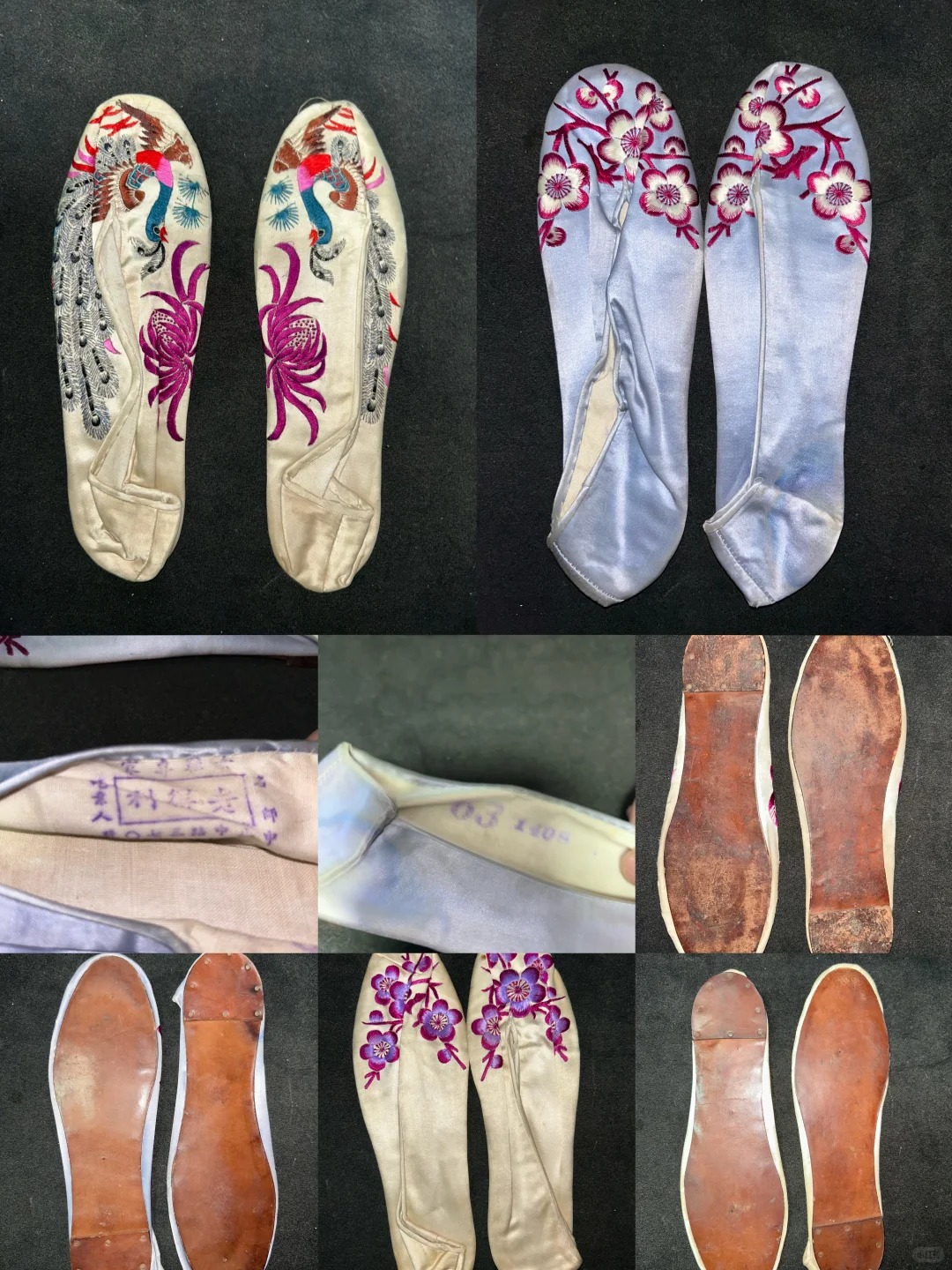
Traditional Cloth Shoes
Form:
Footwear ranged from soft cloth shoes to structured leather shoes. Styles coexisted in the same urban streets without clear replacement.
Who Wore It:
- Cloth shoes: rural residents and older generations
- Embroidered shoes: urban women for social occasions
- Leather pumps: middle-class city women
- Oxford shoes: students and office workers
Material / Type:
- Cloth shoes: cotton fabric, soft sole
- Embroidered shoes: silk with stitched patterns
- Pumps/Oxfords: imported or locally made leather
Cultural Meaning:
Shoes clearly showed social and economic differences.
In Shanghai streets, it was common to see Western shoes and traditional cloth shoes side by side.
This contrast is one of the most visible signs of fashion transition in the 1920s.
Handbags Started Appearing in Everyday Fashion
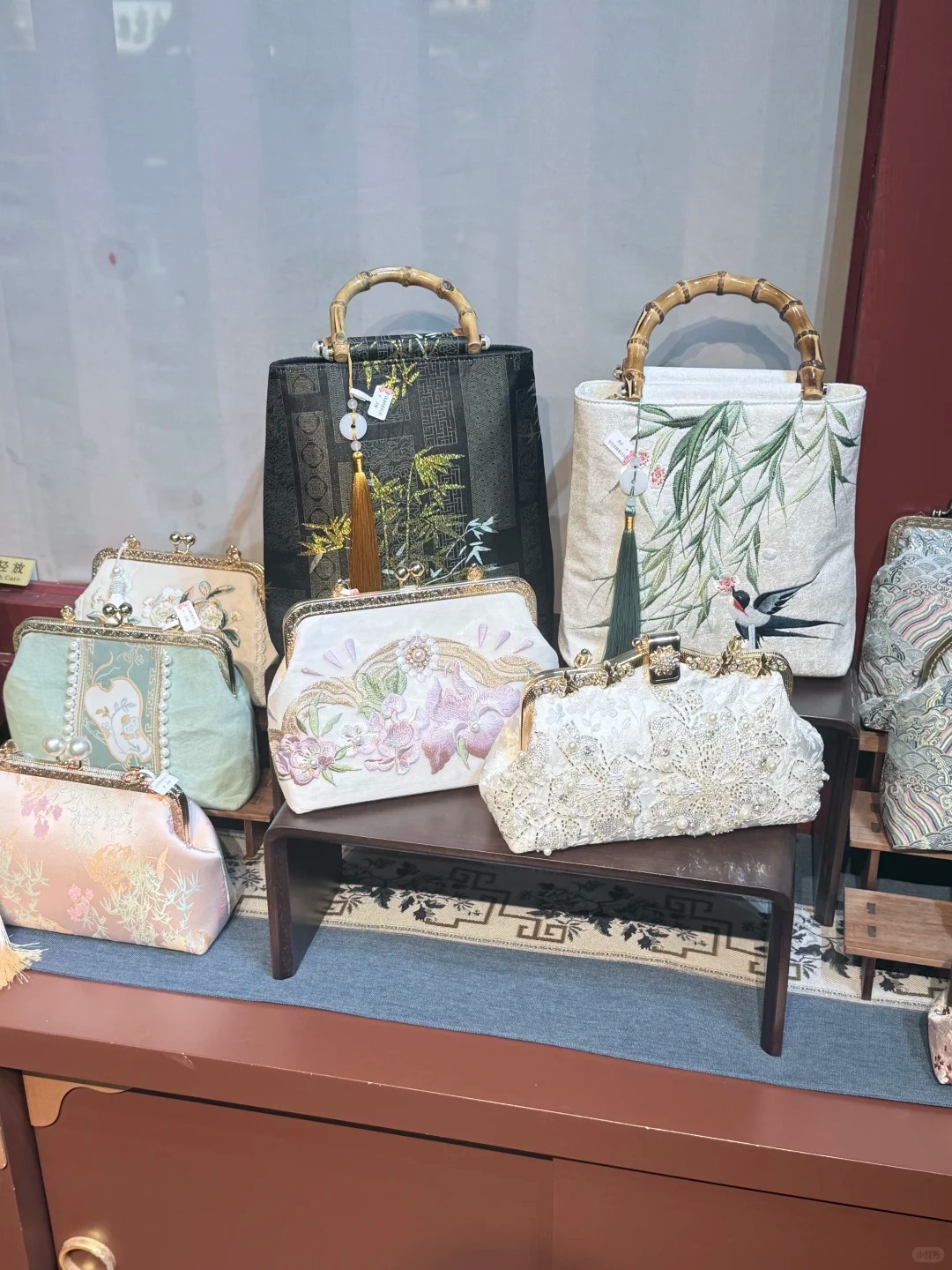
Handbags Started Appearing in Everyday Fashion
Form:
Small structured handbags began replacing traditional fabric pouches. Shapes became more defined, often rectangular or rounded with metal frames.
Who Wore It:
- Urban middle-class women
- Office workers in major cities
- Women shopping in department stores
Material / Type:
- Leather handbags (imported or locally made)
- Fabric and silk evening bags
- Metal-frame structured bags
Cultural Meaning:
Handbags were closely tied to department store culture.
They were less about necessity and more about showing urban lifestyle awareness.
Owning a handbag often meant direct exposure to modern retail culture in cities like Shanghai.
Jewelry Reflected Both Chinese and Western Influences
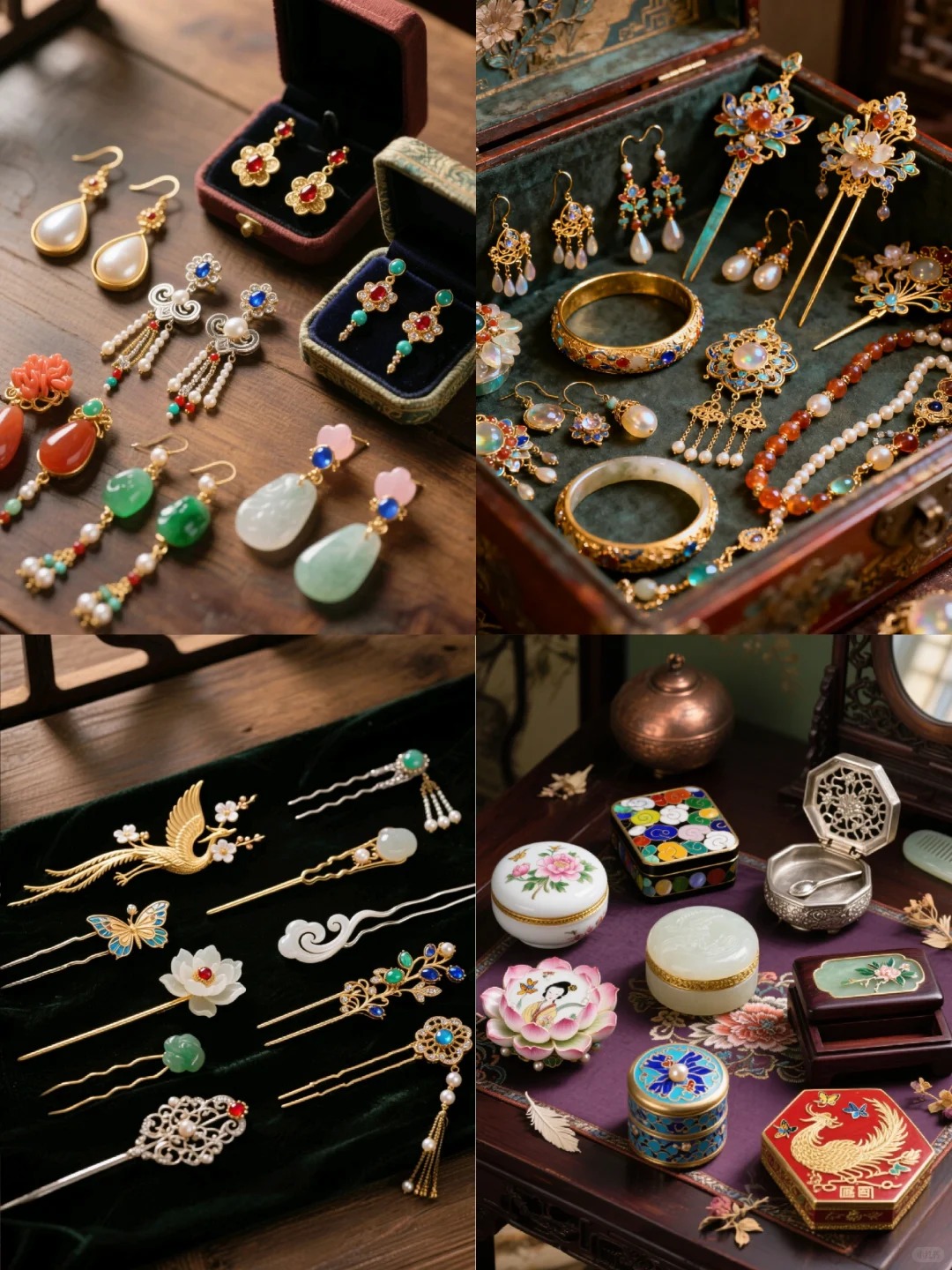
Jewelry Reflected Both Chinese and Western Influences
Form:
Jewelry styles mixed traditional Chinese designs with geometric Western elements. Pieces were often small but visually detailed.
Who Wore It:
- Wealthy urban women
- Social figures in Shanghai
- Women appearing in studio portraits and advertisements
Material / Type:
- Jade ornaments (traditional cultural value)
- Pearls (Western influence)
- Gold jewelry (formal and ceremonial use)
- Art Deco-style geometric designs
Cultural Meaning:
Jewelry reflected both heritage and global influence.
Many designs seen in magazines were aspirational rather than everyday wear.
Shanghai advertisements often shaped what people considered “modern beauty.”
Fashion Magazines and Calendar Posters Spread New Trends
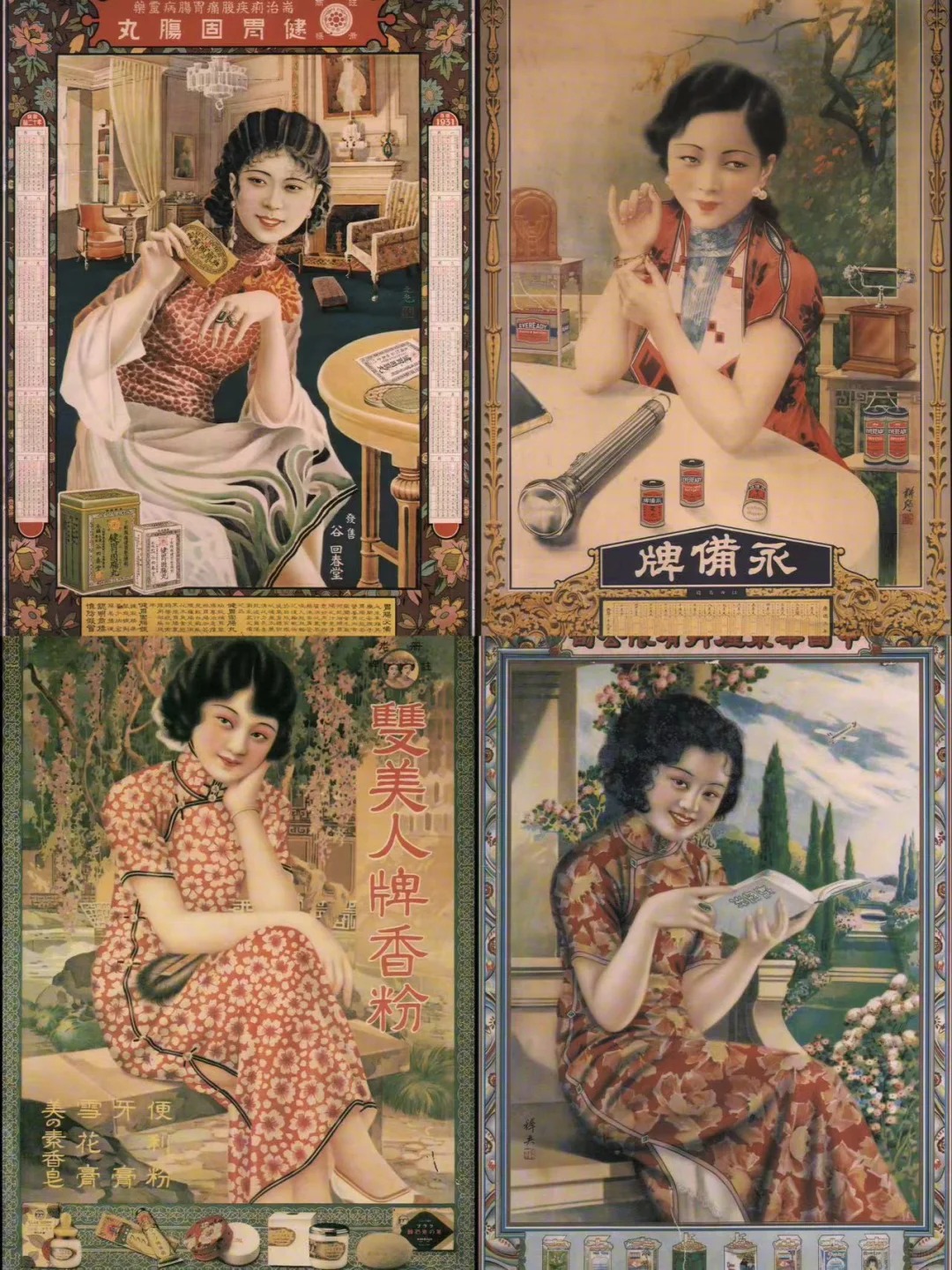
Fashion Magazines and Calendar Posters Spread New Trends
Form:
Printed media showing idealized women wearing modern clothing, often posed in studio-style compositions with decorative backgrounds.
Who Used It / Saw It:
- Urban consumers in Shanghai and coastal cities
- Shop customers and café visitors
- Middle-class households
Material / Type:
- Printed magazines
- Color calendar posters (widely displayed in shops)
- Film promotional images
Cultural Meaning:
These materials worked as early fashion distribution systems.
People often copied outfits directly from posters without ever seeing them in real life.
Calendar posters in particular helped standardize the “modern Shanghai woman” image across China.
Chinese Men's Fashion in the 1920s
Changshan Remained the Everyday Choice
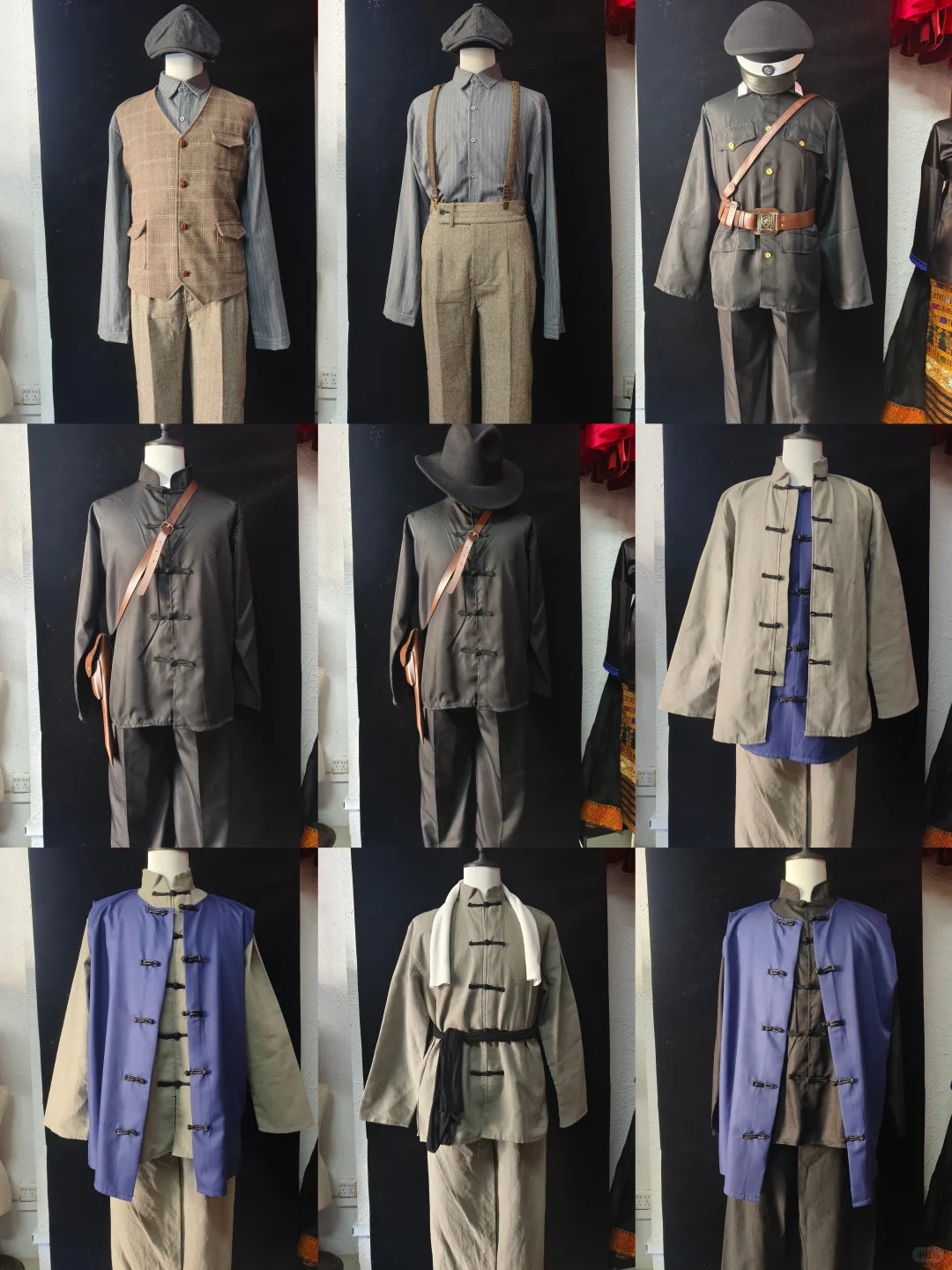
Changshan Remained the Everyday Choice
Form:
The changshan was a long, straight robe worn over trousers. It kept a traditional silhouette with minimal tailoring, usually falling below the knee or to the ankle depending on region and status.
Who Wore It:
- Urban merchants in daily business settings
- Teachers and intellectuals in semi-formal environments
- Middle-aged men who preferred traditional dress
Material / Type:
- Cotton for everyday wear
- Silk versions for formal occasions
- Dark colors such as black, navy, and deep grey
Cultural Meaning:
The changshan represented continuity rather than change.
Even during rapid modernization, it remained the most stable element in men’s wardrobes.
In many cities, it was still common to see men wearing changshan while women around them had already shifted toward more modern silhouettes.
Western Suits Became Popular Among Urban Elites
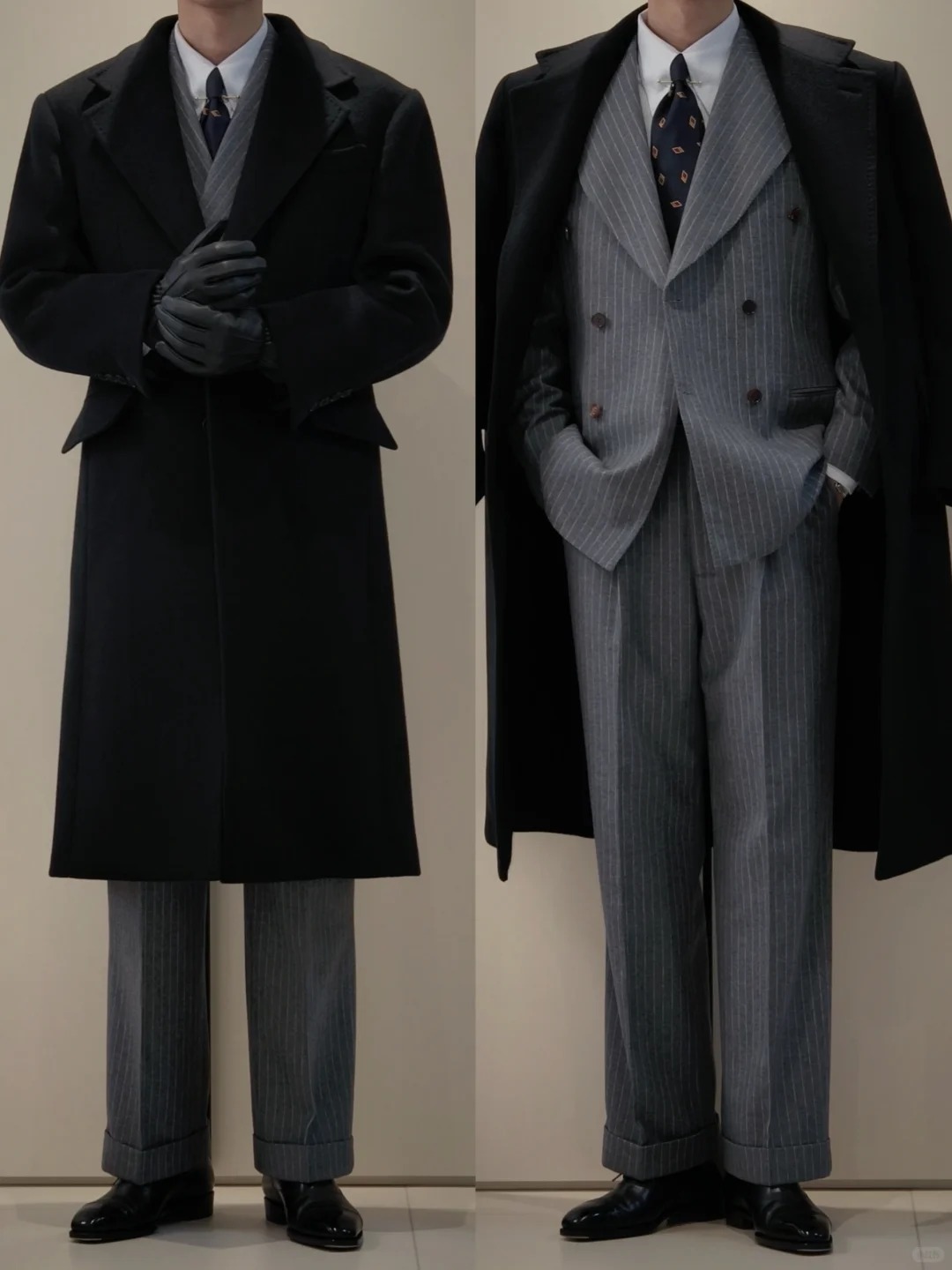
Western Suits
Form:
Western-style suits introduced structured tailoring, including fitted jackets, trousers, and shirts with ties. The silhouette was sharply different from traditional robes.
Who Wore It:
- Bank employees working in foreign and Chinese institutions
- Urban businessmen involved in trade and shipping
- Lawyers and professionals in treaty-port cities
- Students returning from Japan, Europe, or the United States
Material / Type:
- Wool suits imported or locally tailored
- Cotton shirts with detachable collars
- Leather shoes replacing cloth footwear in formal settings
Cultural Meaning:
The suit became closely linked with professional identity and international exposure.
Wearing a suit in 1920s China often signaled access to global education or foreign business networks.
Shanghai and other treaty ports were the first cities where this style became visible in daily life.
Hats, Watches and Walking Sticks Became Status Symbols
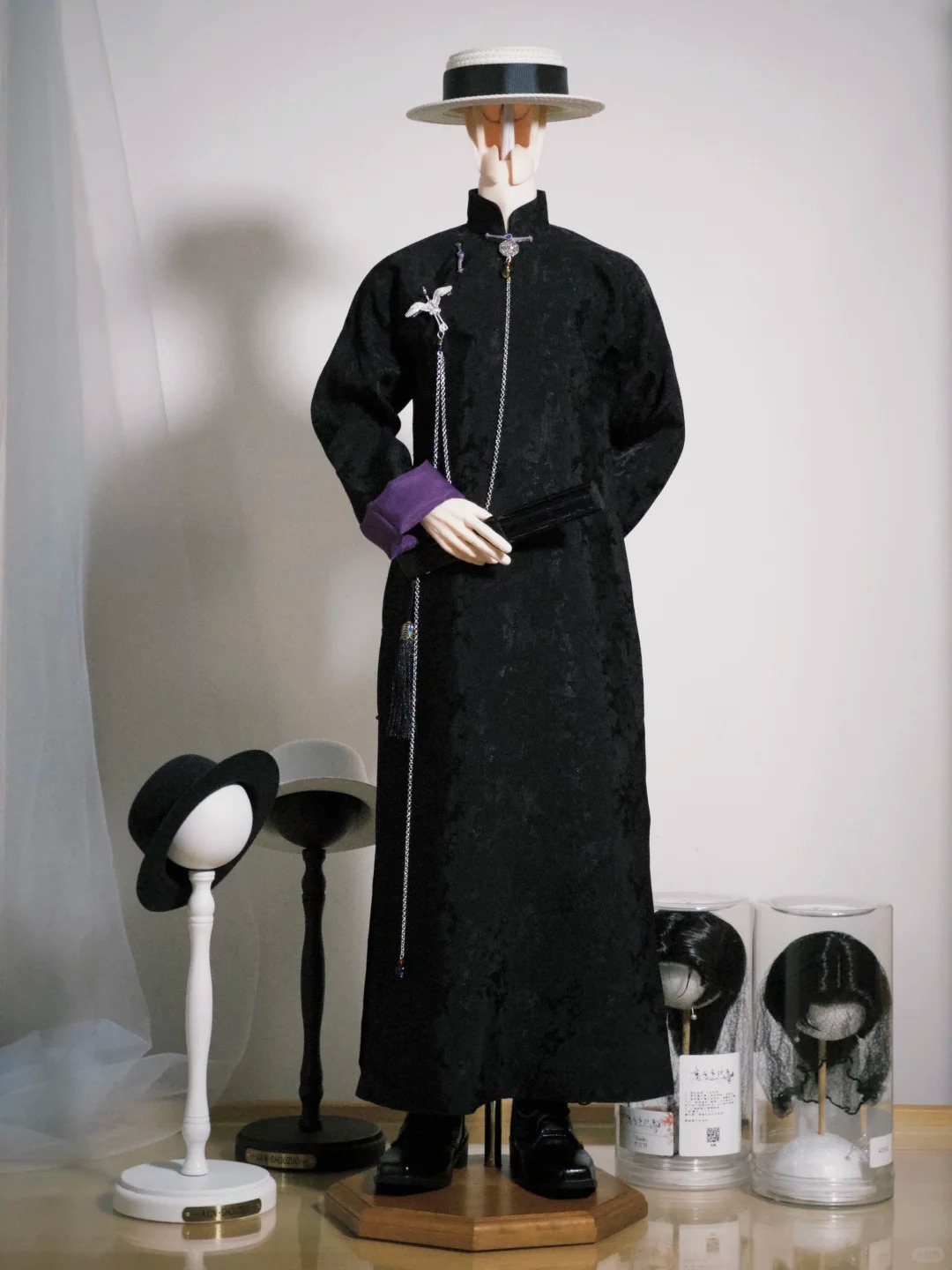
Hats, Watches and Walking Sticks Became Status Symbols
Form:
Accessories became an important part of male presentation, often used to signal status more than practicality.
Who Wore It:
- Wealthy merchants and landlords
- Urban professionals in finance and law
- Public figures appearing in photographs or social events
Material / Type:
- Felt and straw hats, including bowlers and fedoras
- Mechanical pocket watches attached to waistcoats
- Wooden or polished walking sticks, sometimes decorative
Cultural Meaning:
These items were less about necessity and more about identity.
In 1920s urban China, small accessories often communicated more social status than clothing itself.
A man with a watch chain or a well-maintained hat was immediately read as someone with financial stability and urban sophistication.
Old Shanghai Turned Fashion Into a Lifestyle
Department Stores Changed How People Shopped for Clothing
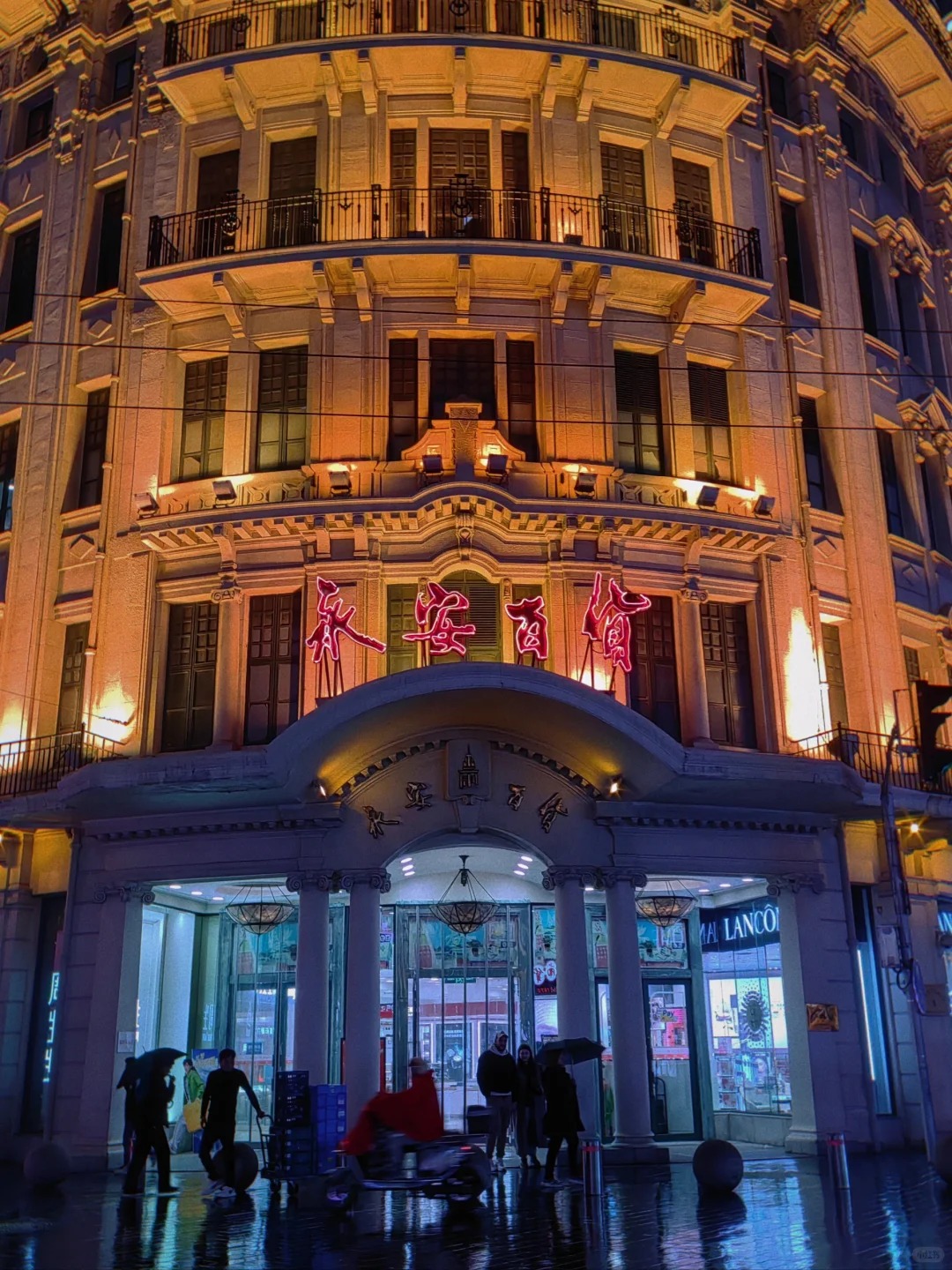
Department Stores
Form:
Department stores introduced fixed-price retail spaces where clothing, accessories, and cosmetics were displayed in organized sections rather than traditional open markets.
Who Used It:
- Urban middle-class families
- Young women seeking modern clothing styles
- Foreign residents and returning overseas Chinese
Material / Type:
- Ready-made garments
- Imported fabrics and cosmetics
- Displayed seasonal fashion collections
Cultural Meaning:
Stores like Sincere, Wing On, and Sun Sun changed how people interacted with fashion.
Clothing was no longer just made by tailors—it was something you could browse, compare, and immediately buy.
This shift made fashion faster and more visible in everyday city life.
Dance Halls Became Places to Show Off New Fashion
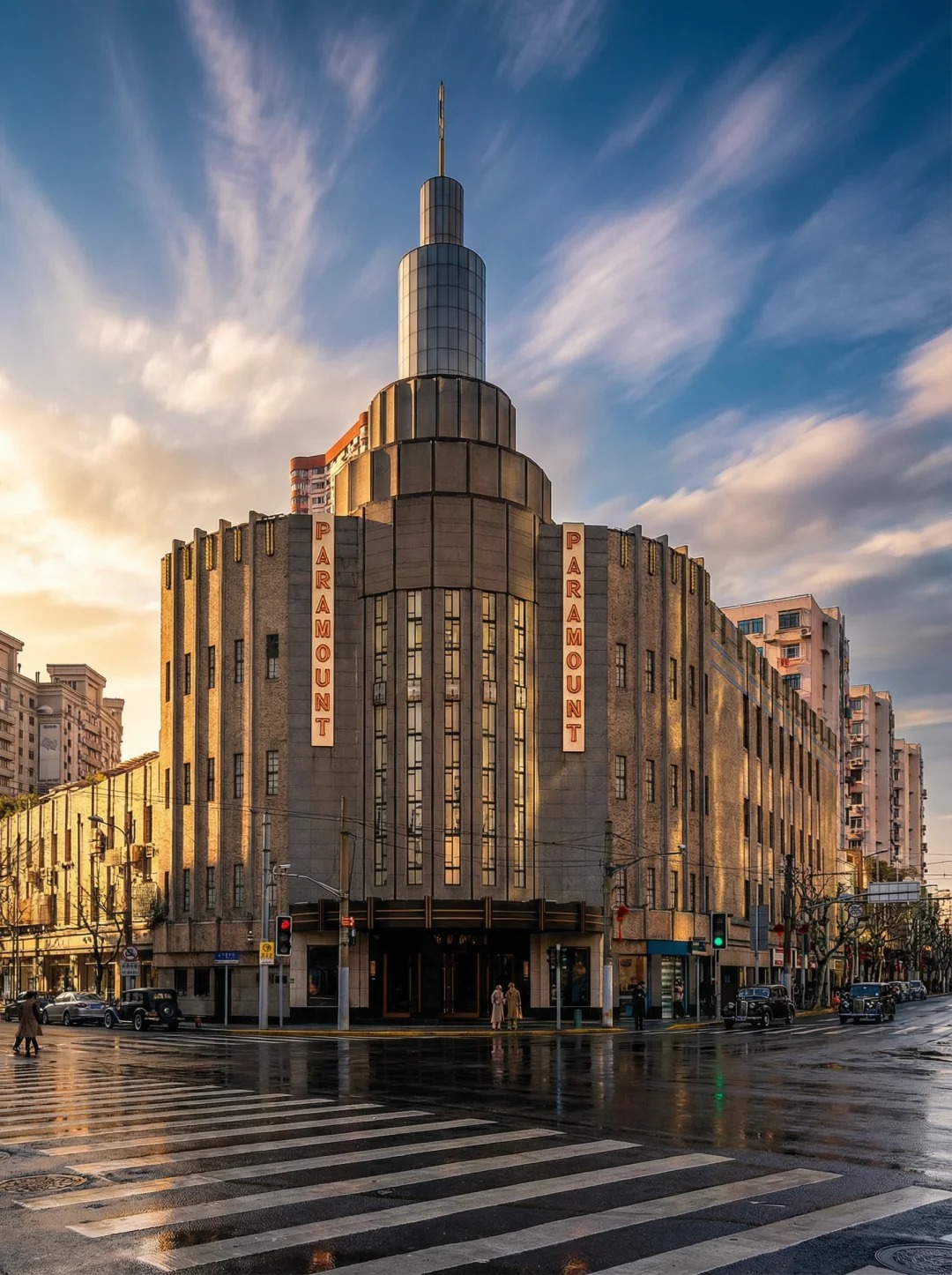
Dance Halls
Form:
Dance halls were large indoor venues with live music, mirrored walls, and open dance floors where Western-style dances such as foxtrot and tango were performed.
Who Used It:
- Wealthy businessmen and their families
- Social elites in Shanghai
- Young urban couples and entertainers
Material / Type:
- Evening dresses and tailored suits
- Imported shoes suitable for dancing
- Accessories like gloves and small handbags
Cultural Meaning:
Venues such as Paramount Ballroom (百乐门) became social stages for modern identity.
Fashion was not just worn—it was performed in public spaces.
Nightlife culture in Shanghai directly influenced what people considered elegant and modern.
Movie Stars Became China's First Fashion Influencers
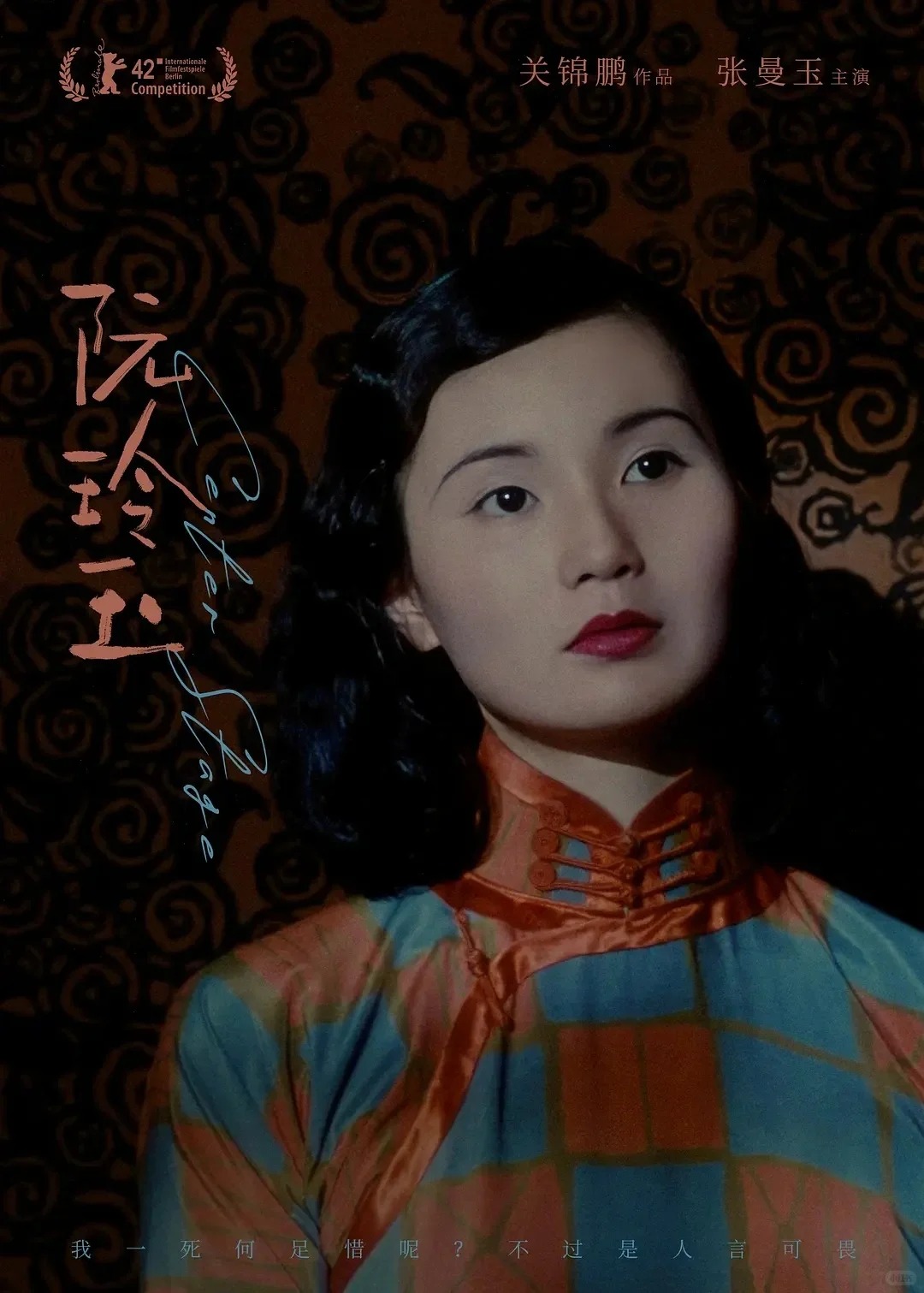
Movie Stars
Form:
Film actresses set visual trends through posters, cinema screens, and magazine covers, often wearing carefully styled qipaos and modern dresses.
Who Used It / Followed It:
- Urban women in Shanghai and coastal cities
- Young students and office workers
- Readers of entertainment magazines
Material / Type:
- Silk qipaos in studio lighting
- Stylized makeup and hairstyles
- Costumes designed for film aesthetics
Cultural Meaning:
Actresses like Ruan Lingyu (阮玲玉) and Hu Die (胡蝶) became style references for thousands of women.
Their on-screen looks often defined what “modern beauty” meant in real life.
Film culture turned fashion into something people could copy instantly from the screen.
Streets and Cafés Became Everyday Fashion Shows
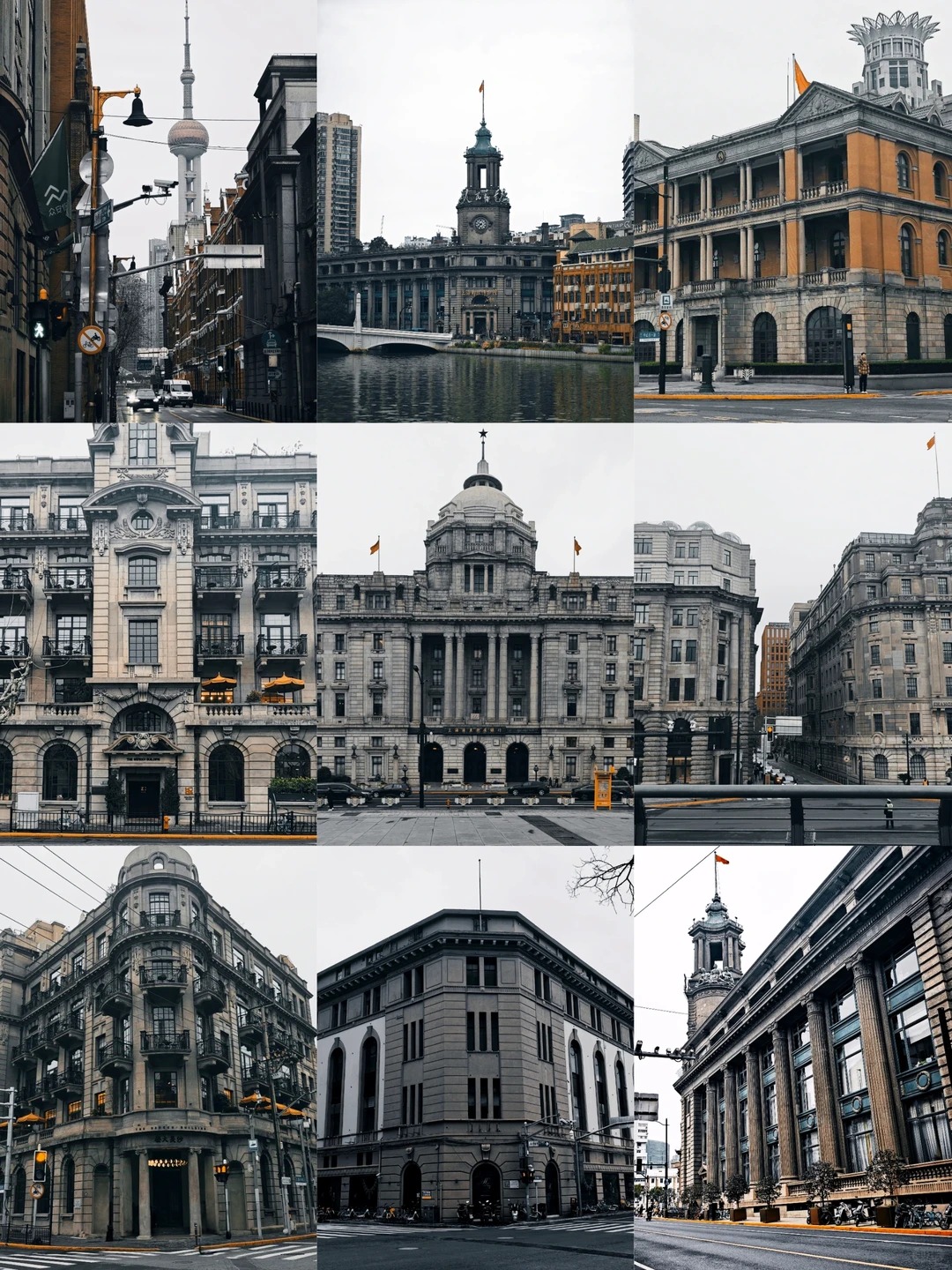
Streets and Cafés Became Everyday Fashion Shows
Form:
Public urban spaces became informal display areas where people observed and copied each other’s clothing styles.
Who Used It:
- Office workers during lunch breaks
- Students and young couples
- Travelers and visitors in Shanghai
Material / Type:
- Mixed clothing styles (qipao, suits, jackets)
- Imported coffee and Western-style desserts in cafés
- Street photography and casual portraits
Cultural Meaning:
Areas like Nanjing Road, the Bund, and central cafés turned daily life into a constant visual exchange.
People dressed not only for comfort, but for being seen in public spaces.
In Shanghai, walking outside often felt like stepping into a continuous fashion exhibition.
How 1920s Fashion Differed From the 1930s Qipao Style
The Shape of the Qipao Changed Dramatically
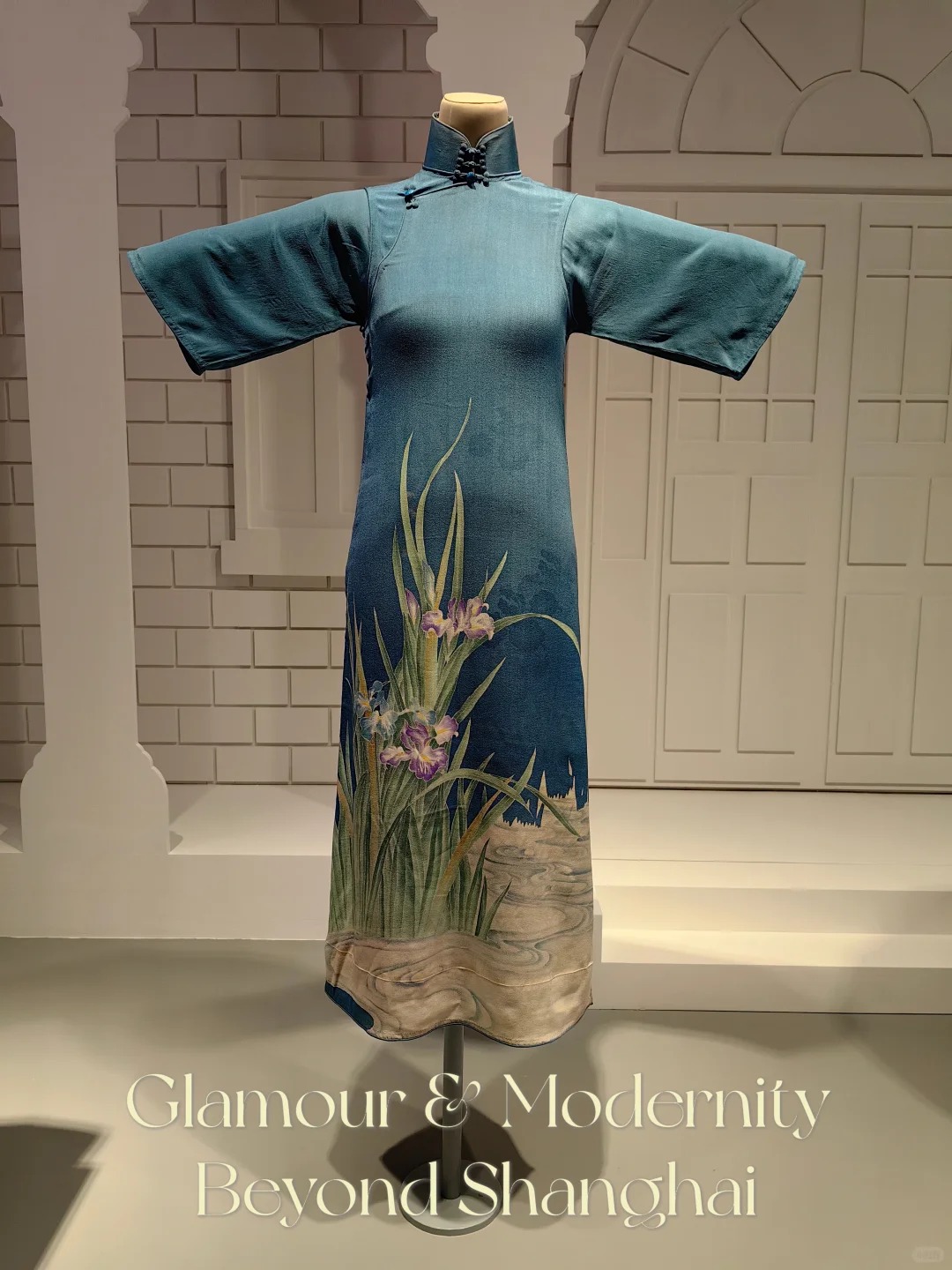
The Shape of the Qipao Changed Dramatically
The biggest shift between the 1920s and 1930s is the silhouette of the qipao. Early 1920s versions stayed loose and straight, with only a light structure following the body. Comfort mattered more than shaping the figure, and most designs still felt close to traditional robes in construction.
By the 1930s, the look changed quickly in Shanghai. Waistlines became tighter, tailoring became more precise, and the overall outline started to emphasize curves. Side slits also became more common, which made movement and visual style very different from earlier versions.
Once you compare the two side by side, it becomes clear that they belong to two very different fashion stages, even if they share the same name.
Western Tailoring Became Much More Visible
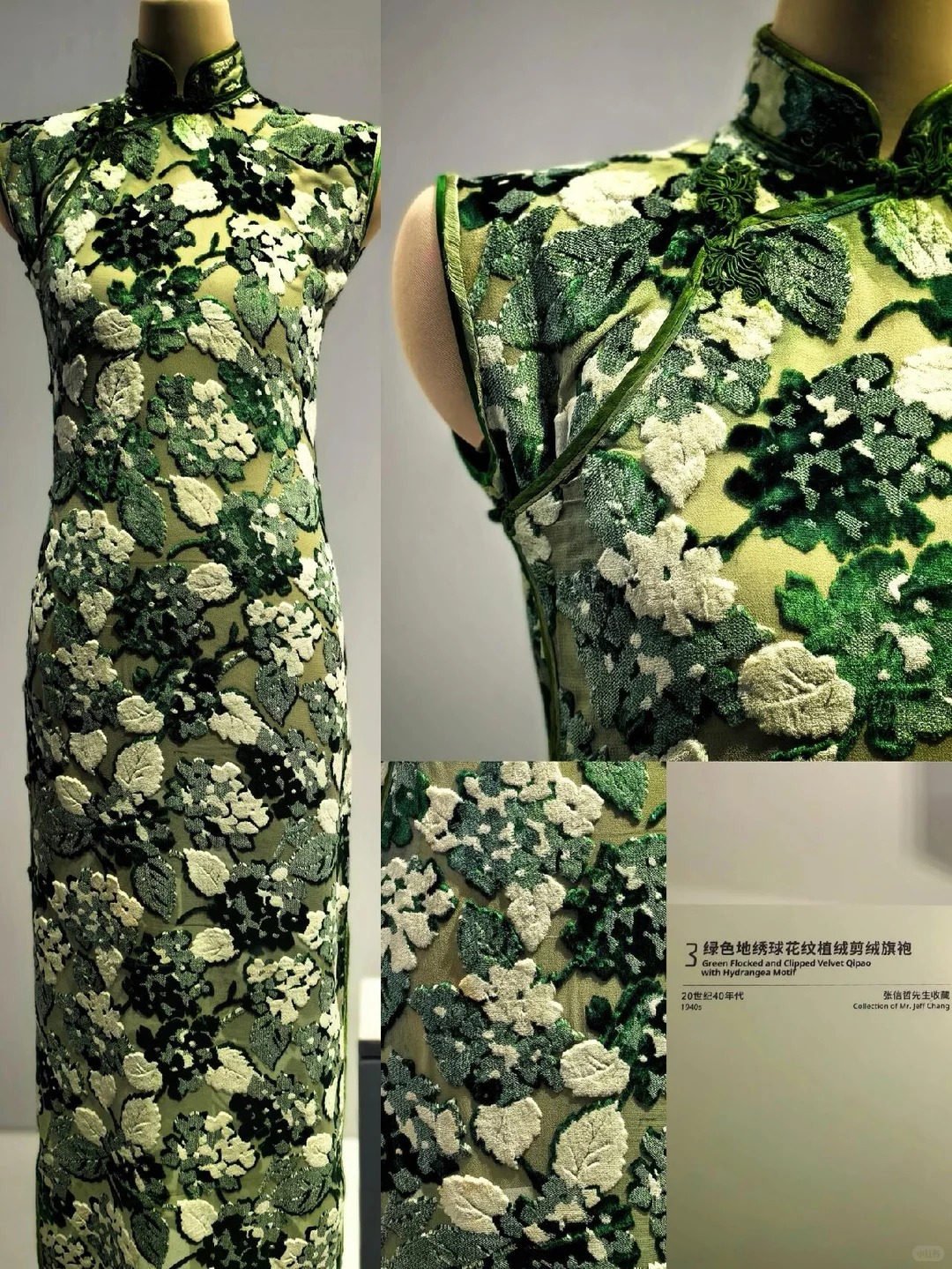
Western Tailoring Became Much More Visible
Western tailoring had only a limited influence in the early 1920s, but by the 1930s it became a defining feature of urban clothing in China, especially in Shanghai.
Waist shaping became more structured, shoulder lines turned sharper, and garments were no longer just loose forms of fabric but carefully constructed pieces. This shift reflected the rise of professional tailoring shops and stronger exposure to Western dress systems.
Clothing design gradually moved from loose draping to precise construction around the body.
Why Many Movies Get 1920s Fashion Wrong
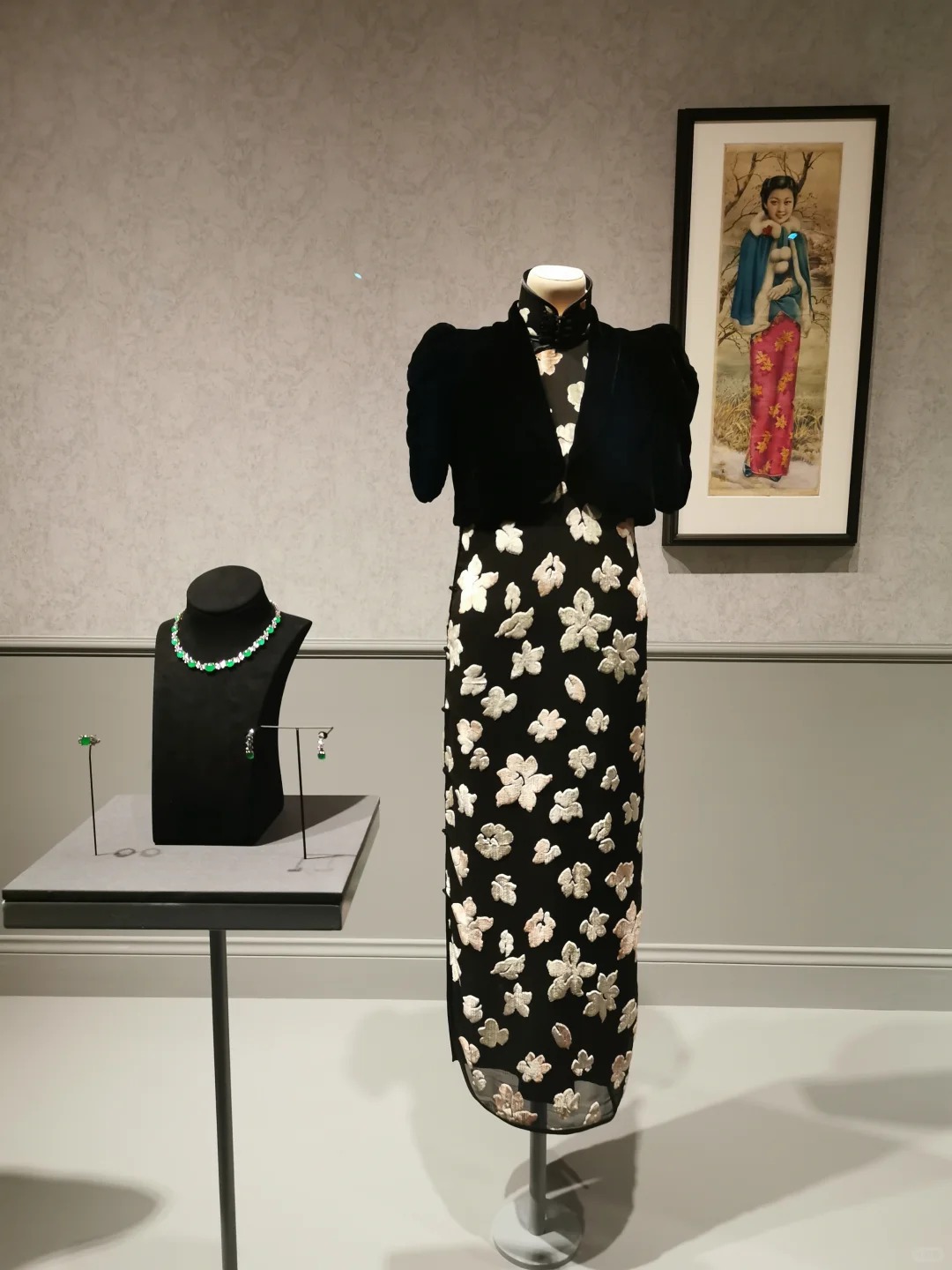
Qipao in 1930s
Many films and TV dramas set in the 1920s often show clothing that actually belongs to the 1930s. The most common mistake is the use of tight, body-hugging qipaos with high slits, which did not represent early 1920s fashion accurately.
In reality, women in the 1920s wore looser qipaos, jacket-and-skirt combinations, and much simpler silhouettes. The visual language of that decade was still transitional and less stylized than what cinema often presents.
This happens partly because filmmakers prioritize visual appeal over strict historical accuracy, and the 1930s silhouette is simply more recognizable and elegant on screen.
As a result, many visitors arrive in Shanghai expecting a more glamorous “old Shanghai look” than what actually existed in the 1920s.
Where You Can Still Experience This Style in Shanghai Today
The Bund
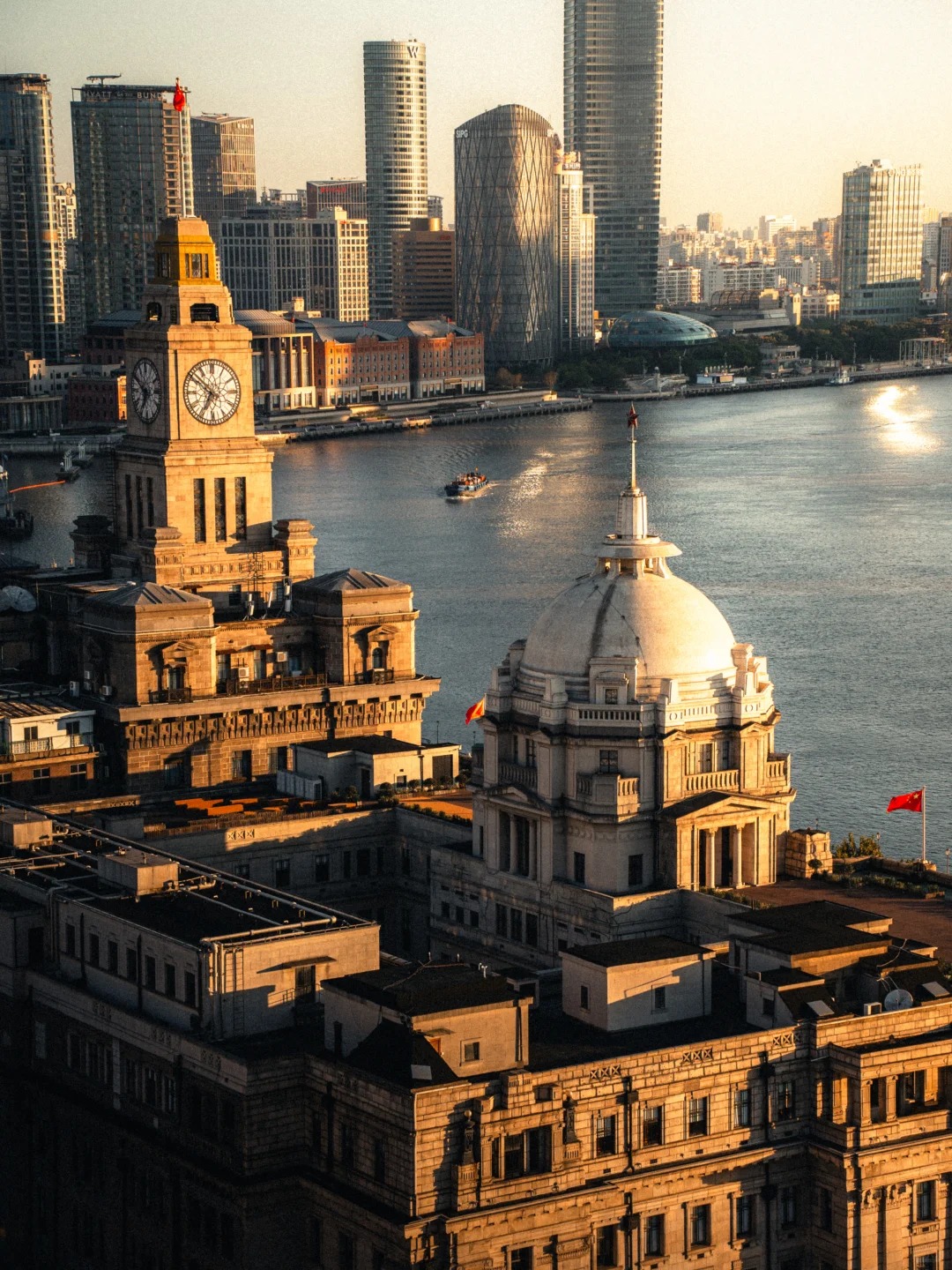
The Bund
The Bund is still one of the easiest places in Shanghai to get a sense of early modern fashion atmosphere, even if the original 1920s crowd is long gone.
The riverside line of colonial-era buildings creates a strong visual contrast between old architecture and modern skyline across the Huangpu River. While walking here, it is still common to see visitors wearing qipaos or vintage-inspired outfits for photos, especially in the early morning or late afternoon when the light is softer.
The area is not a museum, but it still carries a layered visual history that matches the old Shanghai image many travelers come for.
For photography, the combination of stone buildings, open promenade, and skyline background makes it one of the most reliable spots in the city for a “1920s Shanghai” style shot.
Wukang Road
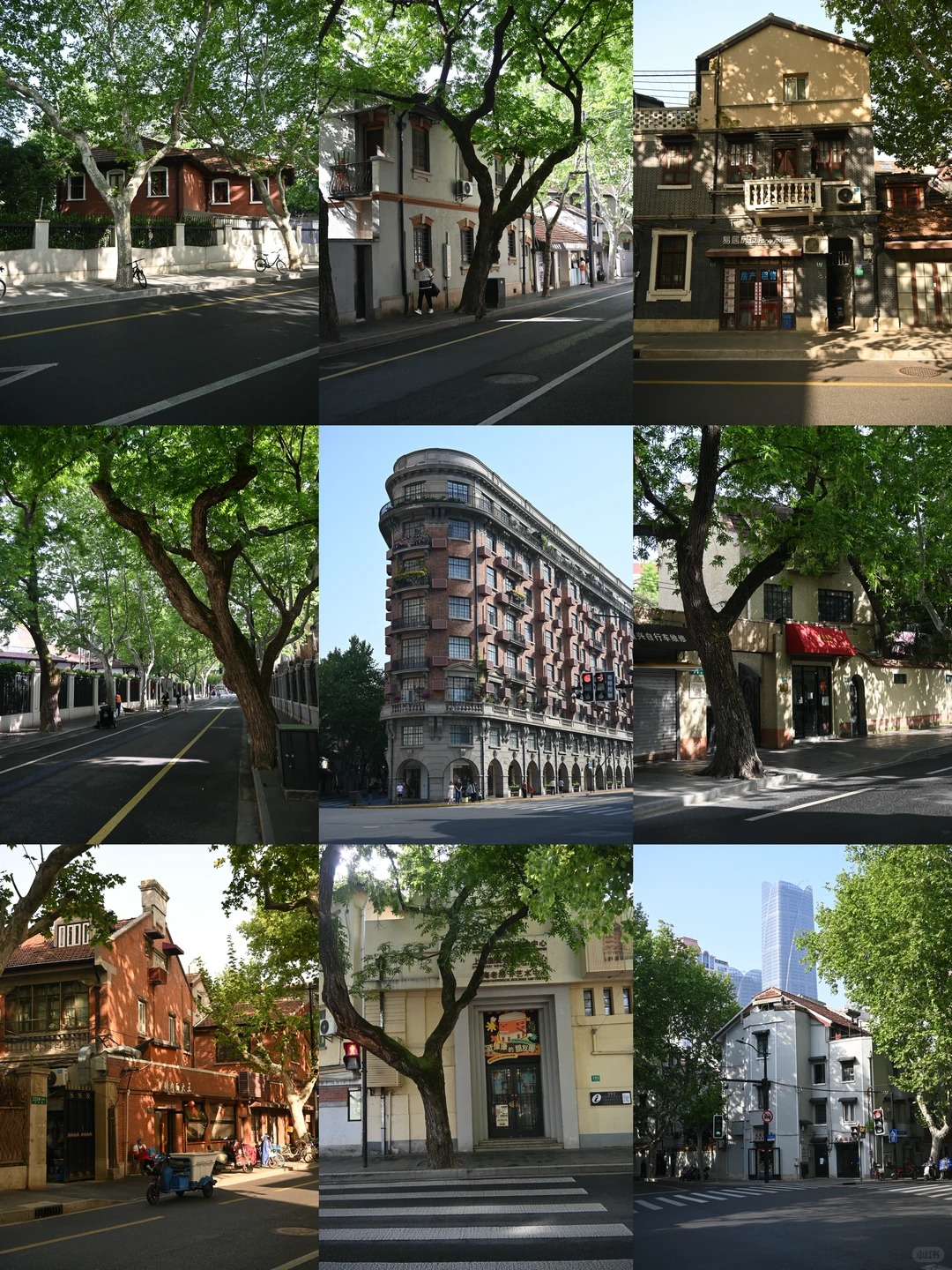
Wukang Road
Wukang Road offers a quieter and more residential version of old Shanghai aesthetics. The tree-lined street is known for its preserved European-style villas and early 20th-century apartment buildings.
Unlike the busy Bund, this area feels slower and more local. Many buildings still have original details like iron balconies, wooden window frames, and faded facade signs, which create a softer historical atmosphere.
Street photography is very common here, especially among visitors looking for a more natural and less staged background.
It is one of the few places in Shanghai where the city’s early modern architectural style still feels part of everyday life rather than a tourist display.
Vintage Photography Studios
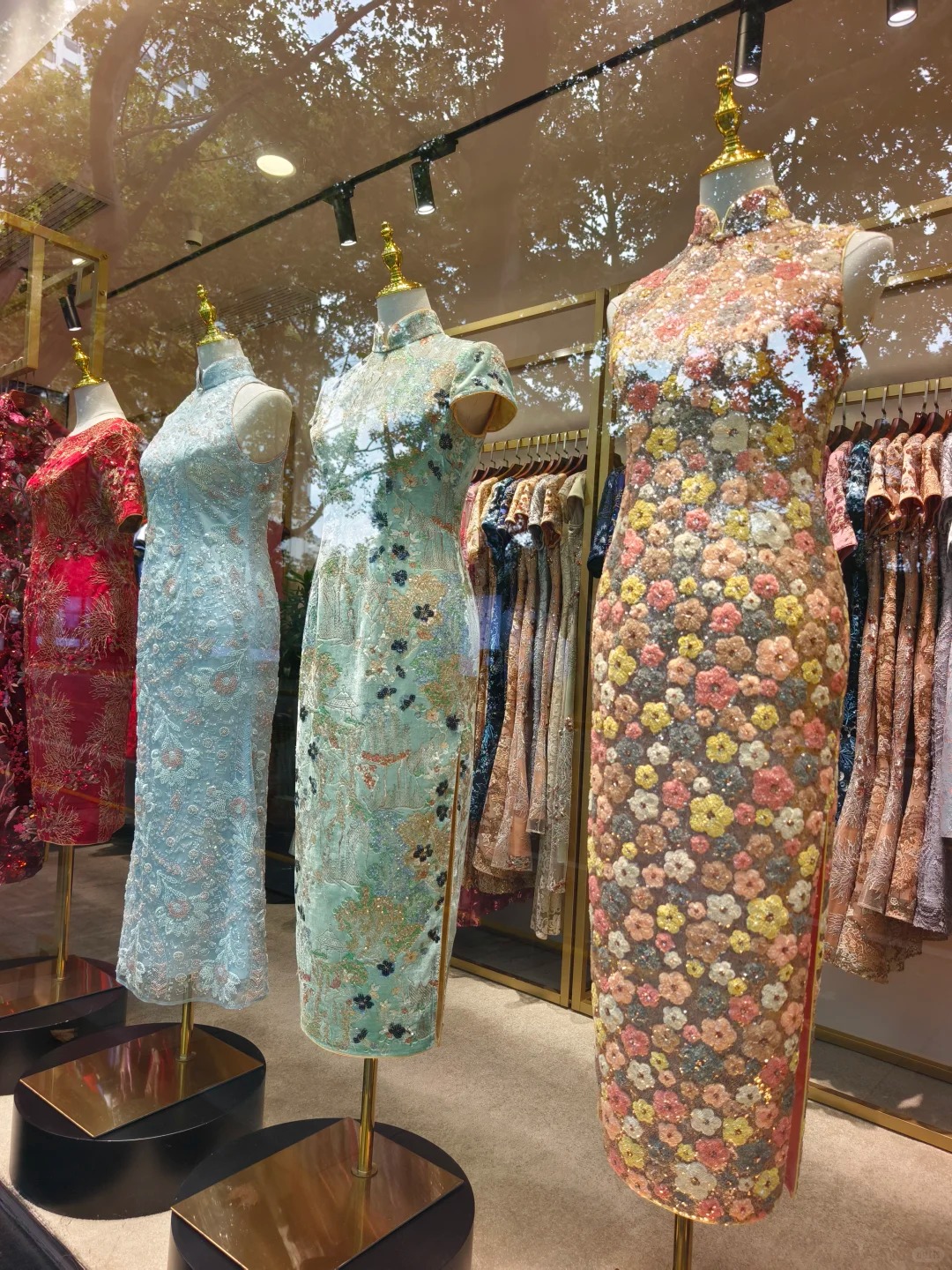
Vintage Photography Studios
Vintage photography studios in Shanghai are one of the most direct ways to experience Chinese 1920s fashion today. Many of them offer full styling services, including qipao rental, hairstyle design, and makeup inspired by early Shanghai cinema.
These studios are often located in commercial districts and are popular with both domestic and international visitors. Packages usually include costume selection and staged backdrops that replicate old Shanghai interiors.
Prices typically range around ¥200–¥600, depending on outfit quality and shooting time, though I remember some smaller studios in side streets offering slightly cheaper basic packages.
For many visitors, this is the closest way to physically “step into” the old Shanghai fashion world, even if only for a few hours.
FAQ About Chinese 1920s Fashion
Q: Was the qipao already popular in the 1920s?
The qipao existed in the 1920s, but it was not yet the tight, glamorous version many people imagine today. Early qipaos were loose, straight, and more similar to traditional robes in structure. They were worn mainly by urban women in cities like Shanghai and Tianjin. It was only in the 1930s that the fitted silhouette became widely popular. In the 1920s, jacket-and-skirt outfits were still equally common, so the qipao was just one part of a broader transitional fashion landscape rather than a dominant style.
Q: What did female students wear in 1920s China?
Female students often wore simplified jacket-and-skirt combinations or early loose qipaos. School uniforms were not standardized nationwide, but practicality was the key factor. Clothing needed to allow walking, writing, and daily movement. Dark colors like navy and black were common, partly because they were easier to maintain. In cities, student fashion also reflected modern ideas, so short haircuts and simpler designs gradually became more visible alongside traditional clothing elements.
Q: Why were early qipaos so loose?
Early qipaos were influenced by traditional Chinese robes, which prioritized comfort and straight cutting rather than body shaping. Tailoring techniques in the early 1920s had not yet fully adopted Western-style structure. As a result, garments followed a simple vertical silhouette. Social norms also played a role, as modesty and practicality were still important values. The fitted, body-hugging design only became popular later when Shanghai tailoring and fashion culture evolved in the 1930s.
Q: Did ordinary women wear silk clothing in the 1920s?
Not all women wore silk clothing. Silk was mainly used by wealthier families or for special occasions. Most ordinary women wore cotton or blended fabrics that were more affordable and practical for daily life. Silk garments were visible in urban areas like Shanghai, especially in advertisements and studio photography, but they did not represent the majority of everyday clothing. Material choice in the 1920s was strongly linked to household income and local availability rather than fashion alone.
Q: What hairstyles were fashionable in the 1920s?
The most notable hairstyle trend in urban China during the 1920s was the bob haircut. It became popular among students and young women in major cities, especially Shanghai. However, many women still kept traditional long hair tied in buns or braids, particularly in rural areas. The bob hairstyle was often associated with education and modern ideas, but it was also controversial in some conservative communities. This contrast shows how fashion changes were uneven across different regions.
Q: What shoes were popular during the 1920s?
Footwear in the 1920s ranged widely depending on location and social class. Traditional cloth shoes and embroidered fabric shoes were still widely worn, especially in rural and lower-income urban groups. In cities like Shanghai, leather shoes and early Western-style pumps became more common among middle and upper-class women. Oxford shoes also appeared among students and office workers. The coexistence of these styles on the same streets reflects the transitional nature of Chinese 1920s fashion.
Q: What did Chinese businessmen wear in the 1920s?
Chinese businessmen typically wore a mix of traditional and Western clothing. Many still preferred the changshan for daily use, especially in less formal settings. However, in international trade environments or bank settings, Western suits became more common. Accessories like hats, pocket watches, and walking sticks were also used to signal status and professionalism. Clothing choices often depended on context, with many men switching between styles depending on work, meetings, and social occasions.
Q: Was Shanghai the fashion capital of China in the 1920s?
Shanghai was not officially labeled a “fashion capital” at the time, but it functioned like one in practice. It was the first city where department stores, fashion magazines, film culture, and Western tailoring all came together. Trends often appeared in Shanghai first before spreading to other cities. The presence of international trade and a large urban population made it a natural center for style innovation during the 1920s.