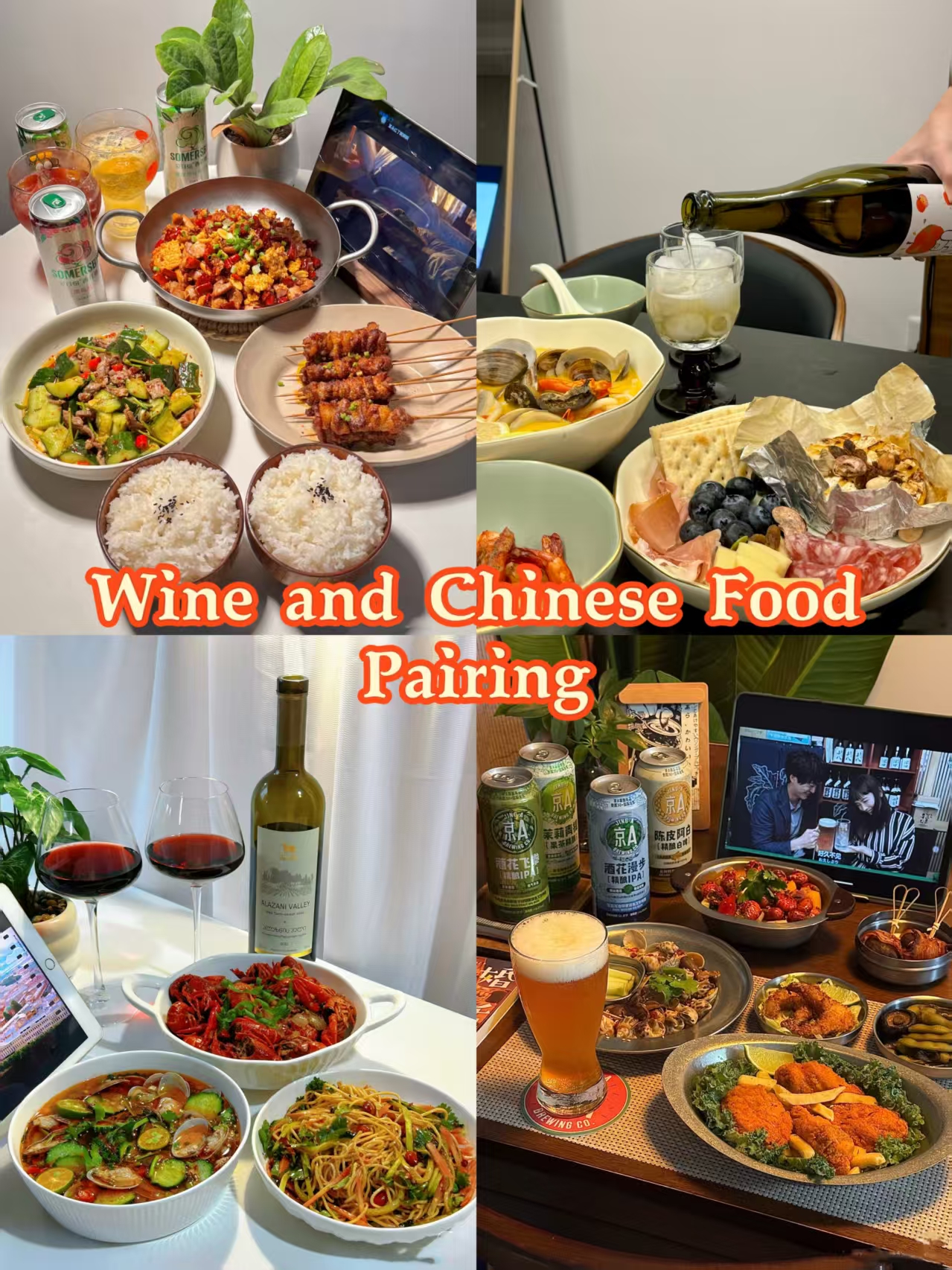
Wine and Chinese Food Pairing
When it comes to pairing wine with Chinese food, it may seem simple, but when you're at a Chinese restaurant with a table full of dishes that fall into three different categories, it's not so easy. It's hard to handle all of those flavors in one bottle, much less all of them together. Most people go with beer, and well, that's a pretty good choice! However, if the wine is wrong, everything changes. With a bit of research, you can determine what does and doesn't work in the various regional cuisines of China, so here is a dish-by-dish analysis that's worth saving for your next dinner.
Quick-Reference Wine Pairing Chart for Chinese Food
| Wine | Best With |
|---|---|
| Off-dry Riesling (sweetness 2–4/10) | Sichuan chicken, Kung Pao chicken, garlic pork, garlic chicken or shrimp, fish in XO sauce, curry chicken, sweet and sour chicken or shrimp, General Tso's chicken or shrimp |
| Dry Riesling (sweetness 1–2/10) | Moo goo gai pan, chicken or shrimp with vegetables |
| Gamay / Beaujolais | Beef in oyster sauce, beef with broccoli, beef with vegetables, Moo Shu pork |
| Sparkling Shiraz or other sparkling red | Any dish in black bean sauce |
| Dry sparkling wine | Sichuan beef, crispy duck |
| Grassy New Zealand Sauvignon Blanc | Vegetable, shrimp or chicken lo mein, fried rice |
| Prosecco (slight sweetness) | Dim sum dumplings, salt and pepper calamari, crispy duck |
| Gewürztraminer | Curry chicken, Egg Foo Yung, sweet and sour dishes, Kung Pao chicken |
| Lambrusco | Sesame beef or chicken, crispy beef, beef in garlic sauce, Sichuan beef |
| Pinot Noir / Red Burgundy | Peking duck, roast meats |
| Chenin Blanc (demi-sec) | Orange chicken, dishes with citrus-based sauces |
The Golden Rules Behind Wine and Chinese Food Pairing
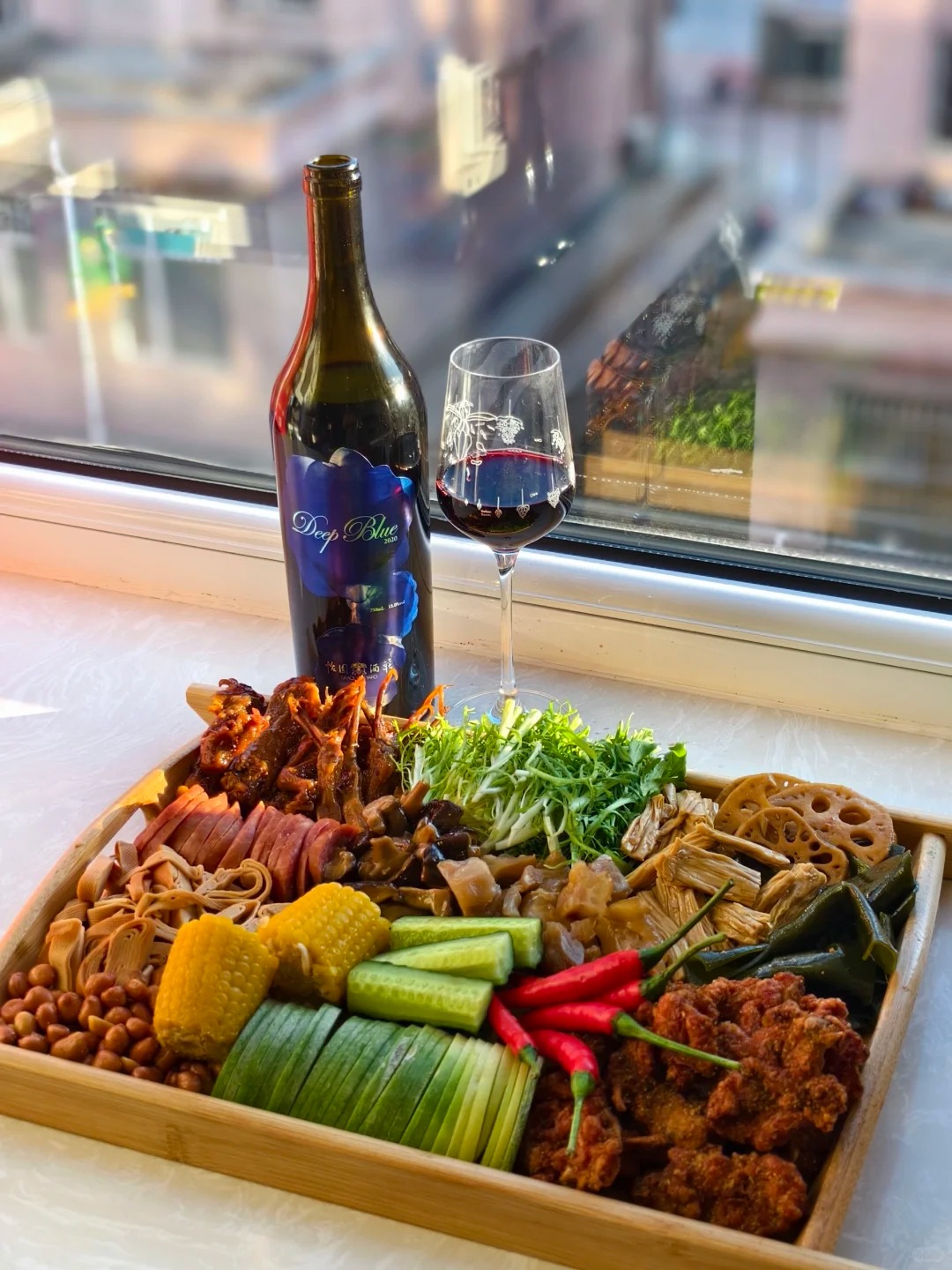
The Golden Rules Behind Wine and Chinese Food Pairing
Chinese dining works differently from a Western sit-down meal. There's no starter, then main, then dessert — dishes arrive together, and everyone shares. That means you could have spicy Sichuan tofu, a delicate steamed fish, and sticky red-braised pork all on the table at the same time. One wine has to do a lot of work.
Chinese cuisine broadly breaks down into five flavor profiles worth knowing:
- Umami-forward: Cantonese steamed dishes, fresh seafood
- Numbing and spicy (麻辣): Sichuan cuisine
- Sweet and sour: Parts of Cantonese and northern Chinese cooking
- Rich and saucy (浓油赤酱): Shanghai-style braised dishes
- Clean and mild: Huaiyang cuisine, Cantonese steamed fish
When pairing wine with Chinese food, three rules cut through most of the confusion:
- Acidity over tannin: High-tannin reds clash with umami-heavy dishes, turning bitter. High-acid wines lift the food instead.
- Off-dry for spice, dry for delicate: A touch of sweetness tames chili heat. Dry wines work better with subtle, clean flavors.
- Watch the alcohol: Anything above 13% amplifies spice. With Sichuan dishes especially, that's not a trade-off you want.
For a shared table with multiple dishes, sommelier Thomas Ho of Michelin-starred Mountain And Sea House puts it simply: focus on one versatile wine that won't clash, rather than chasing a perfect match for each dish. A dry Riesling or a light Gamay usually fits that role well.
Riesling — the Most Reliable All-Rounder for Chinese Food
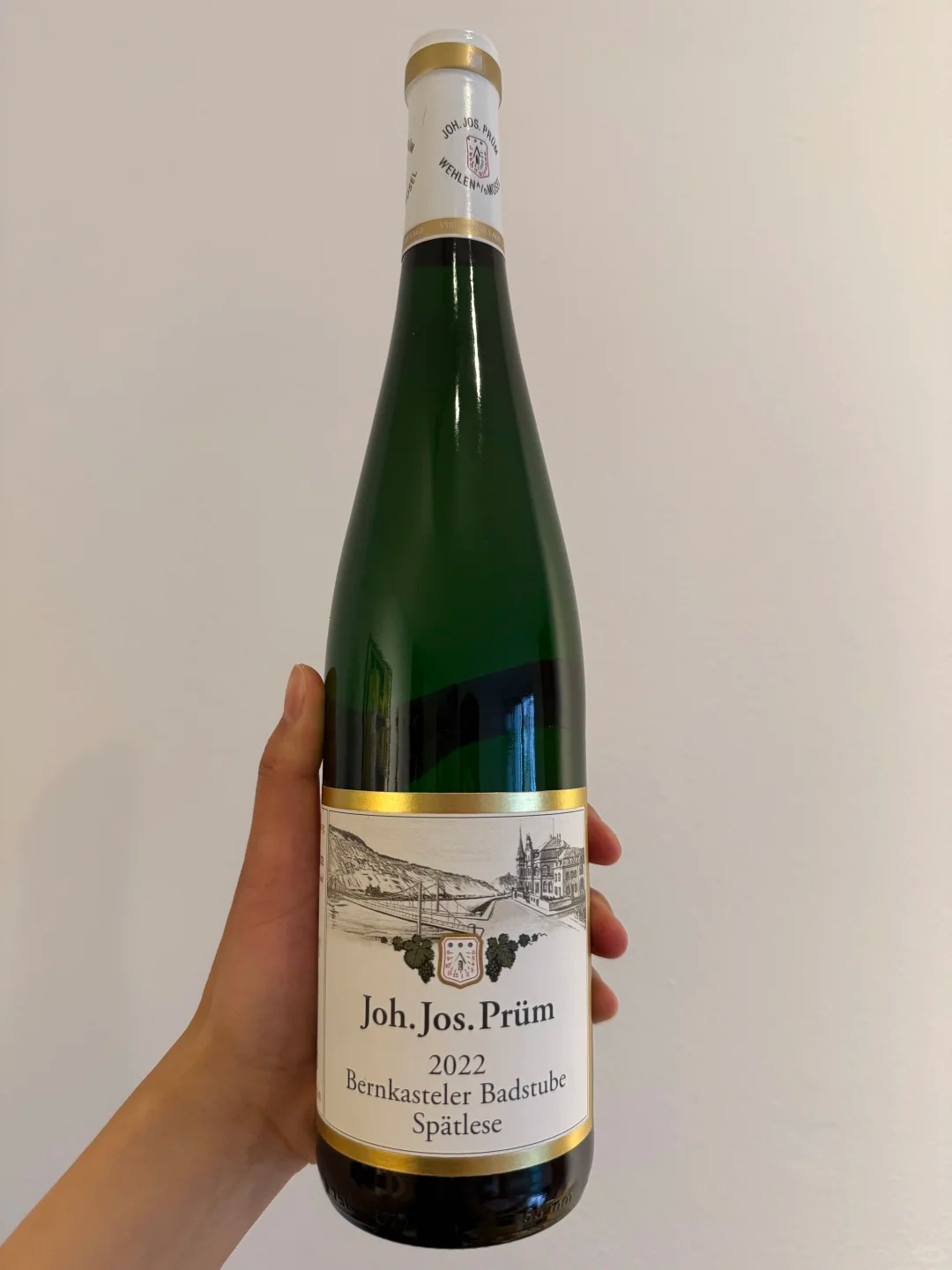
Riesling
Mapo Tofu (麻婆豆腐)
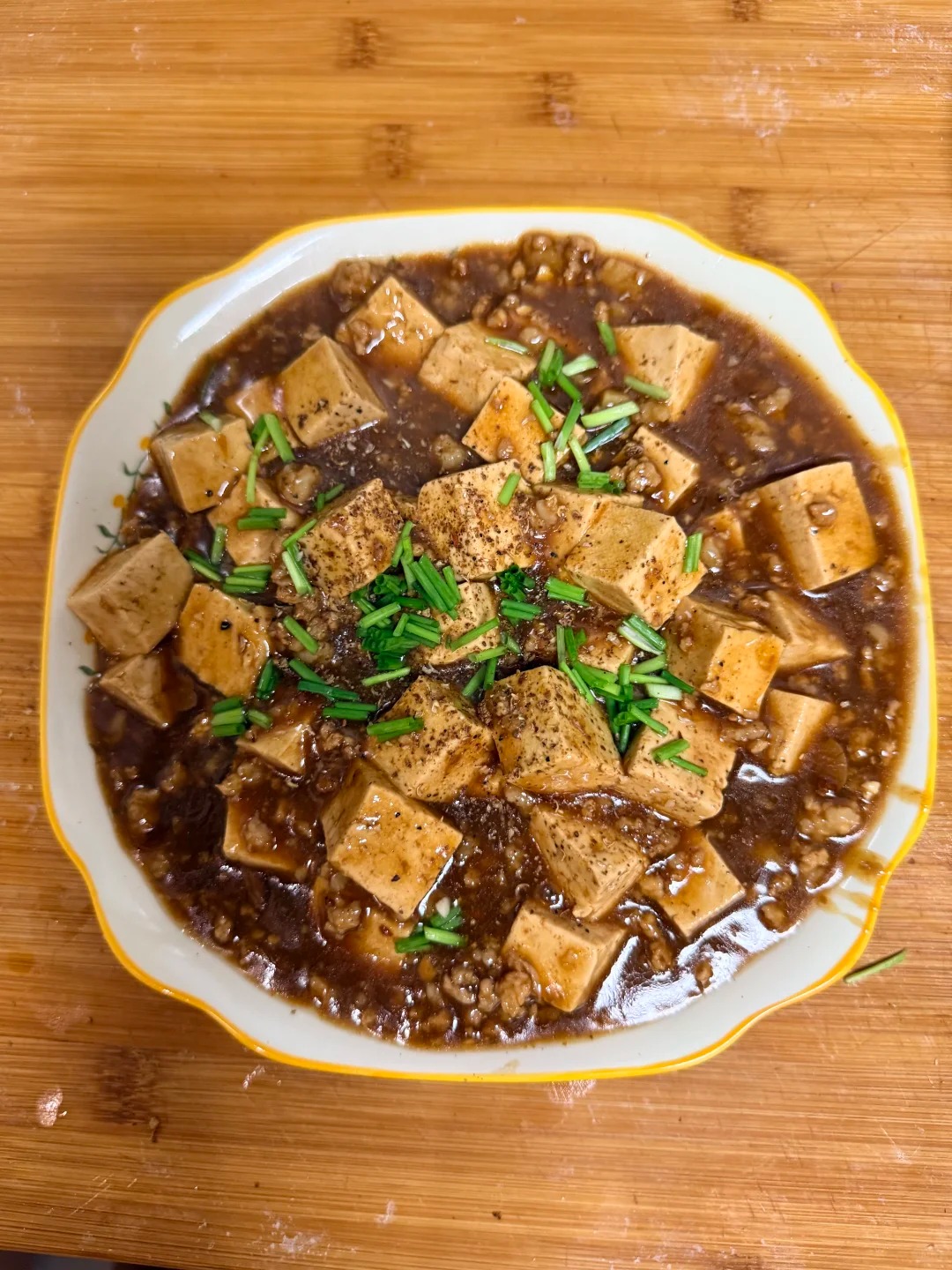
Mapo Tofu
Mapo tofu hits you in layers — first the fermented bean paste, then the chili heat, then that lingering numbing sensation from the Sichuan peppercorns (花椒) that makes your lips tingle for a good few minutes after. The oil pooling on top adds richness on top of all that. It's an intense dish, and the wine needs to absorb the heat rather than fight it.
- First choice: Off-dry Riesling, Kabinett level from Mosel — the touch of residual sweetness dials back the spice, and the high acidity cuts through the oil without disappearing into the heat
- Backup option: Demi-sec Chenin Blanc from Vouvray, which carries slightly more body and works the same way
The principle here — and really across most Sichuan dishes — is that a little sweetness acts as a buffer. Dry wines tend to taste harsh and thin up against heavy chili heat. It's one of those rules that sounds counterintuitive until you actually try it.
Dan Dan Noodles (担担面)
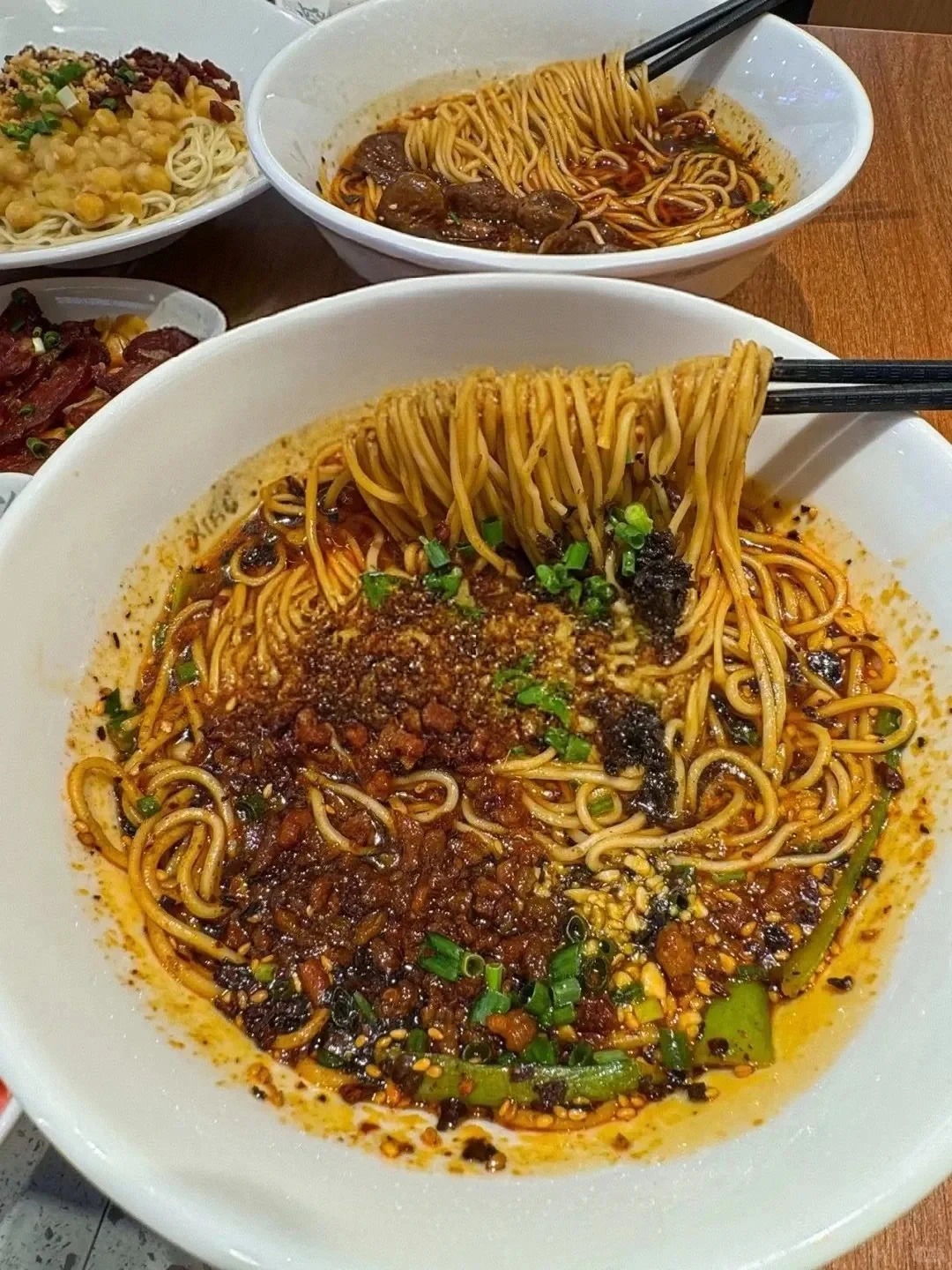
Dan Dan Noodles
Dan dan noodles are built on sesame paste, chili oil, black vinegar, and Sichuan peppercorns — nutty, acidic, spicy, and numbing all at once. What makes this dish different from other Sichuan dishes is the sesame component, which shifts the pairing logic considerably. Nutty, oily sauces respond well to wines with a similar savory or oxidative character, which is why the usual Riesling recommendation feels slightly off here.
- First choice: Manzanilla Sherry from Sanlúcar de Barrameda — its dry, slightly saline and nutty profile pairs naturally with sesame-based sauces, and it's one of those wine and Chinese food pairings that genuinely surprises people the first time they try it
- Backup option: Kabinett Riesling if you prefer something more fruit-forward and approachable
The Sherry option is worth trying at least once. Most people expect it to be wrong and come away converted.
Sparkling Wine — the Easiest Call When There's a Full Table
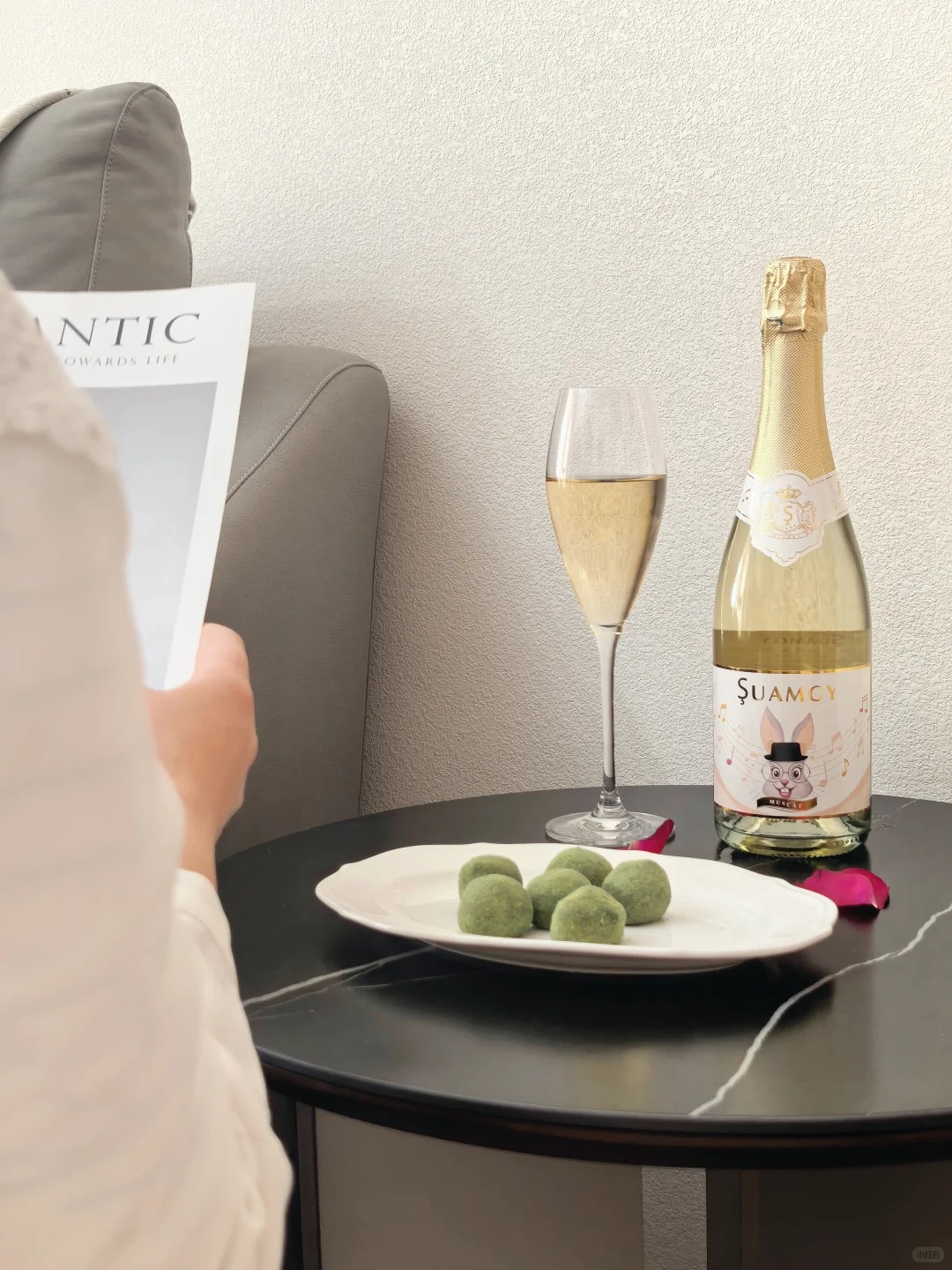
Sparkling Wine
Dim Sum (Yum Cha)
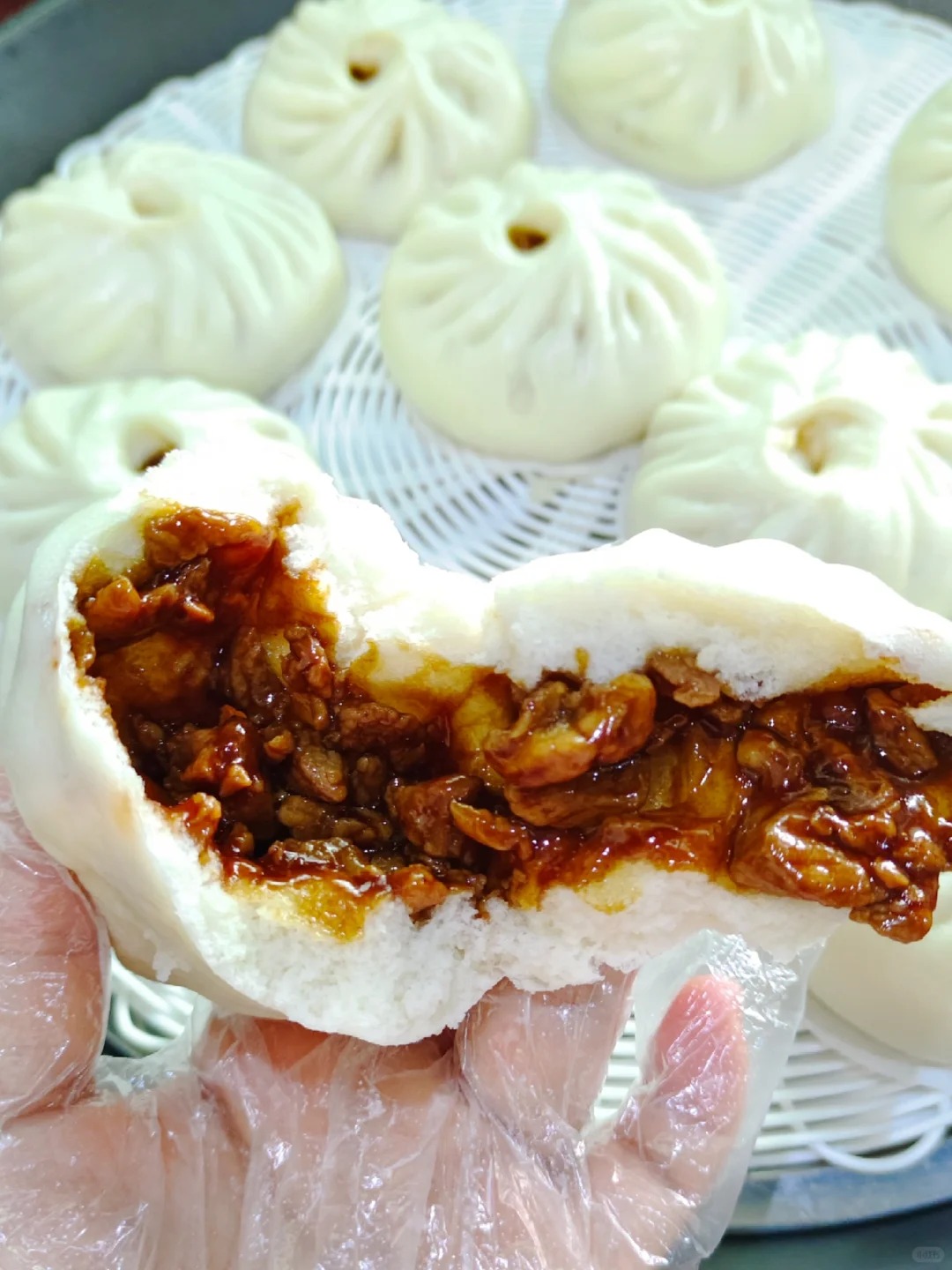
Dim Sum (Yum Cha)
Dim sum covers a lot of ground — steamed shrimp dumplings (har gow), fluffy BBQ pork buns, silky cheung fun rice rolls — and the flavors shift constantly from dish to dish. Delicate, oily, lightly sweet, sometimes savory all within the same bamboo steamer stack. Trying to find one perfect wine match for every plate is probably the wrong approach.
- First choice: Blanc de Blancs Champagne or dry Prosecco — the bubbles reset your palate between bites, the acidity lifts the natural sweetness in shrimp and pork, and nothing gets overwhelmed
- Backup option: Dry Riesling from Alsace, which has enough body and aromatic presence to hold up across the spread without bulldozing anything subtle
Sparkling wine is the easiest, most reliable call for a full yum cha session. It works across everything on the table without requiring much thought, which is exactly what you want when dishes keep arriving.
Xiao Long Bao (小笼包)
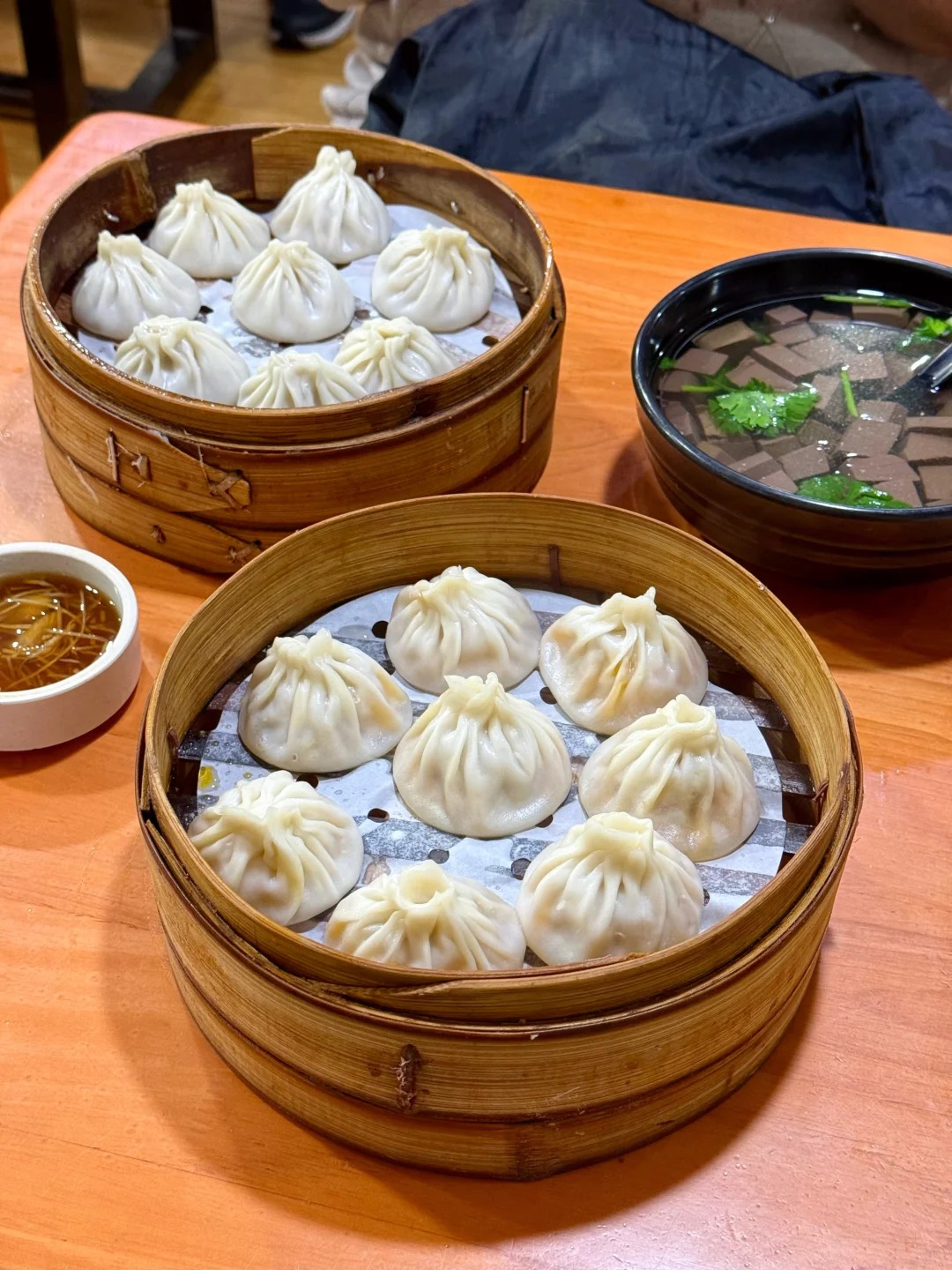
Xiao Long Bao
Xiao long bao — Shanghai soup dumplings — are delicate on the outside and explosive on the inside. You get a burst of hot, savory broth the moment you bite through the thin skin, usually followed by a dip in black vinegar and ginger. The flavors are clean and precise.
- First choice: Crémant d'Alsace — light, dry sparkling wine that doesn't overwhelm the dumpling's subtlety, and the acidity lifts the vinegar dipping sauce
- Backup option: Dry Riesling from Alsace, which has enough delicacy to complement without taking over
Sparkling wine with xiao long bao is a classic pairing among Shanghai's expat dining crowd — it sounds odd until you try it, and then it makes complete sense.
Pinot Noir and Gamay — when You Really Want a Red
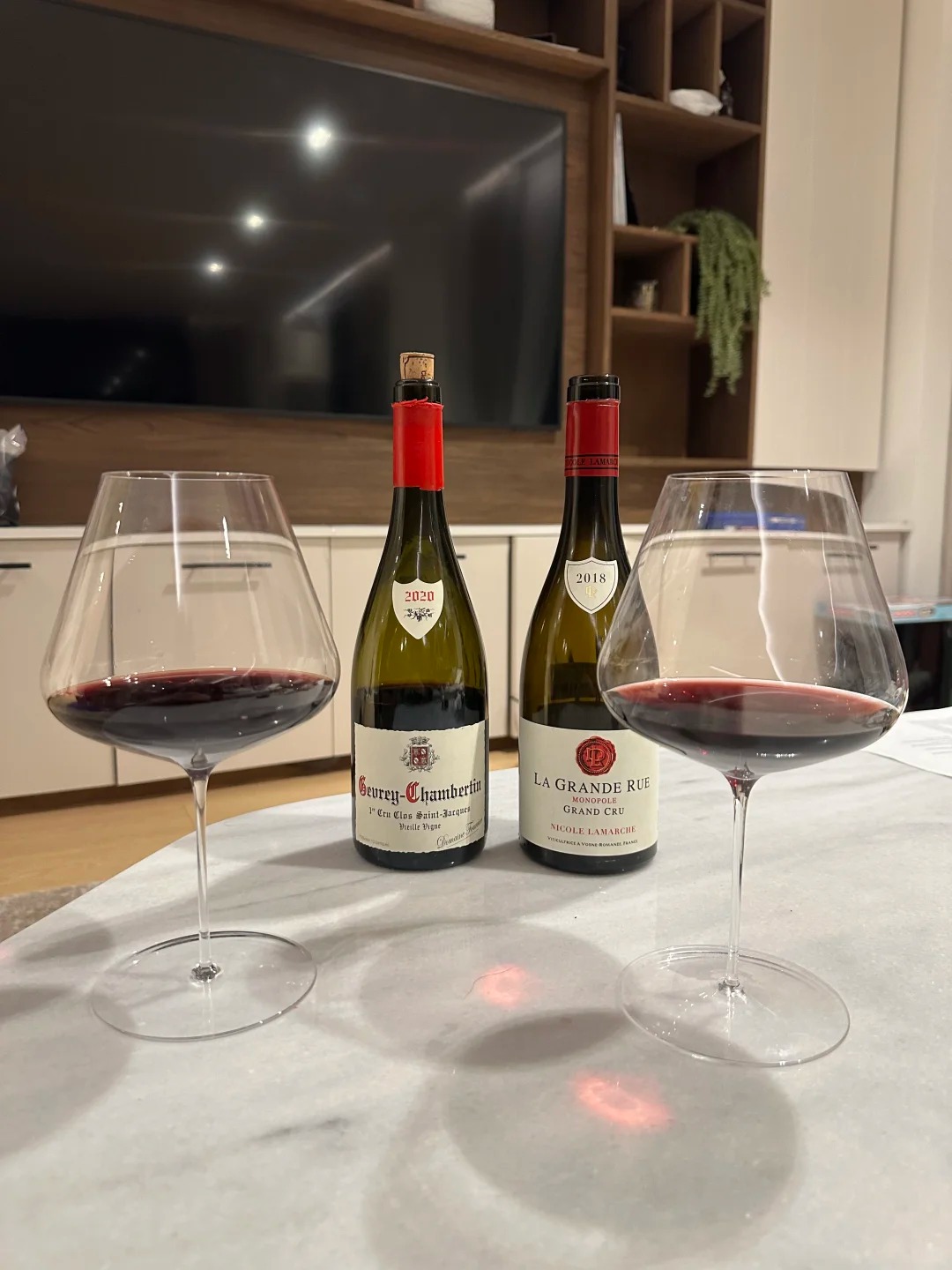
Pinot Noir and Gamay
Peking Duck (北京烤鸭)
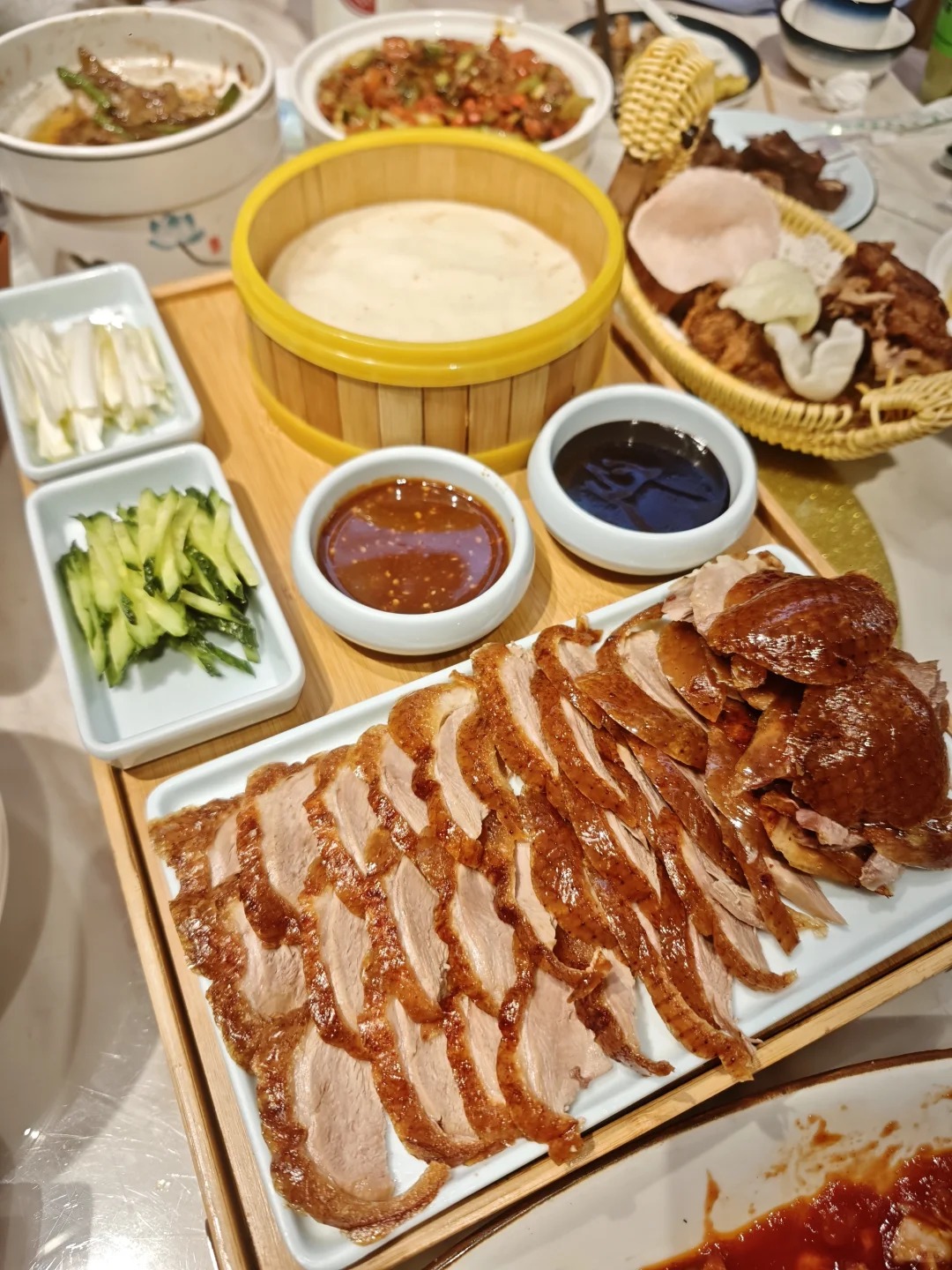
Peking Duck
Few dishes in Beijing dining carry as much ritual as Peking duck — the chef carves it tableside, the skin crackles, and you wrap everything in a thin pancake with hoisin sauce and julienned scallion. The flavors are precise: rich duck fat, crispy skin, and the gentle sweetness of the sauce all balanced together. Getting the wine wrong here is genuinely noticeable.
- First choice: Pinot Noir from Burgundy, specifically a Chambolle-Musigny style — lower alcohol, minimal new oak, red-fruit driven. The acidity cuts through the fat, and the fruit character echoes the hoisin without competing with it
- Local alternative: Ningxia Pinot Noir, which has become a serious option in recent years and pairs just as well while adding a sense of place to the meal
- Avoid: Russian River Valley Pinot Noir — too powerful and fruit-forward — and anything Cabernet-heavy, where the tannins flatten the delicate skin texture completely
This is the one Beijing dish where wine pairing Chinese cuisine gets a clear, near-universal answer from sommeliers. Pinot Noir, keep it elegant, keep the alcohol down.
Char Siu and Cantonese Roast Meats
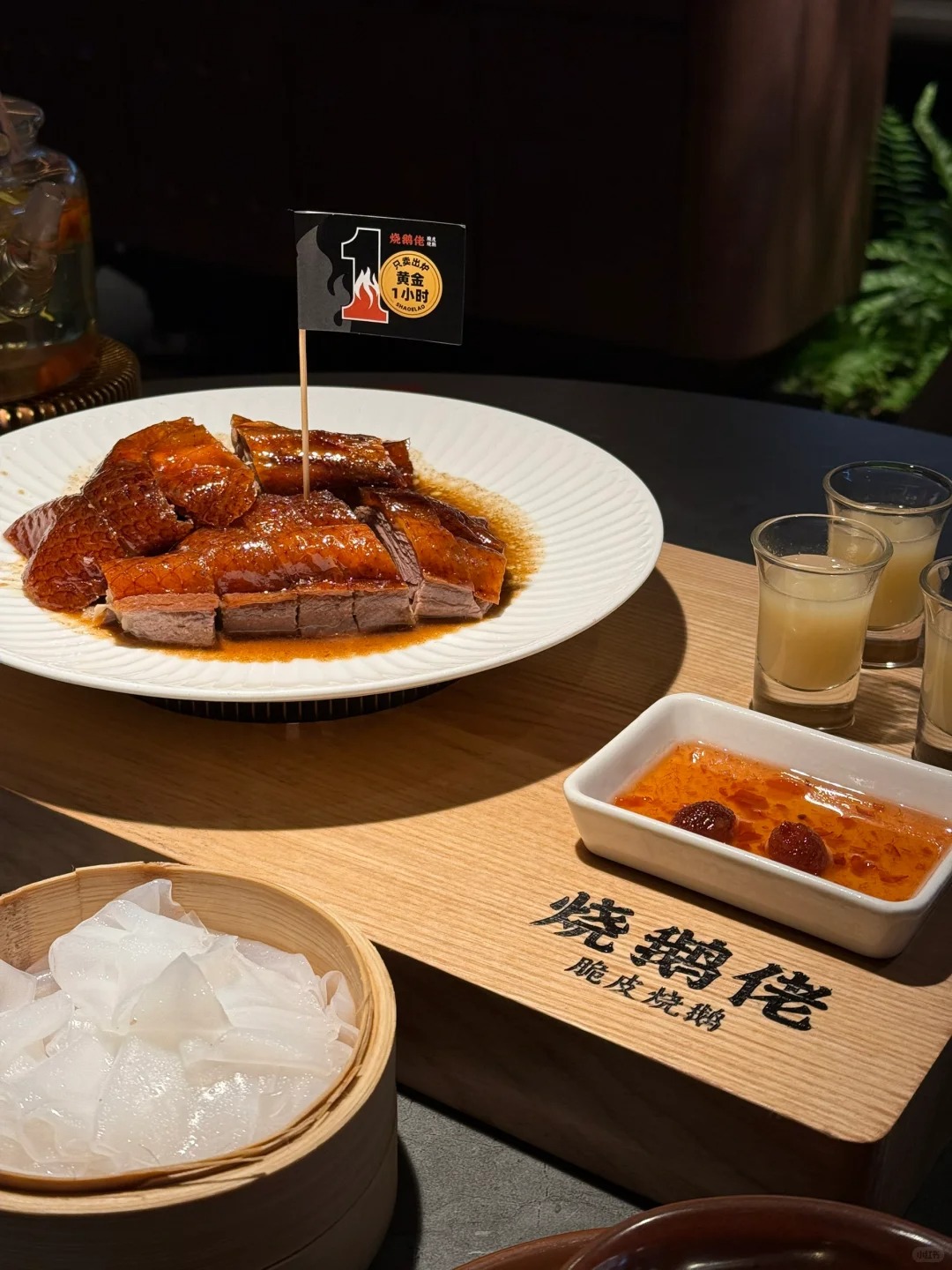
Char Siu and Cantonese Roast Meats
Char siu has that glossy, honey-lacquered sweetness with caramelized edges and a faint smokiness. Roast goose brings rendered fat and a slightly gamey depth on top of that. Both dishes sit in a sweet-savory zone that wants something fruity but not tannic — high tannins against the sticky glaze tastes harsh and dry in a way that kills the dish.
- First choice: Gamay — Beaujolais Villages or a semi-carbonic style works particularly well, where the ripe red fruit mirrors the honey glaze without grip getting in the way
- Backup option: A lean, lighter-style Pinot Noir if you prefer red, though keep it on the lower-alcohol end
The fruit-forward quality of Gamay is what makes it click here. It's not trying to compete with the food — it's running alongside it.
Sauvignon Blanc and Chablis — for Seafood and Clean Flavors
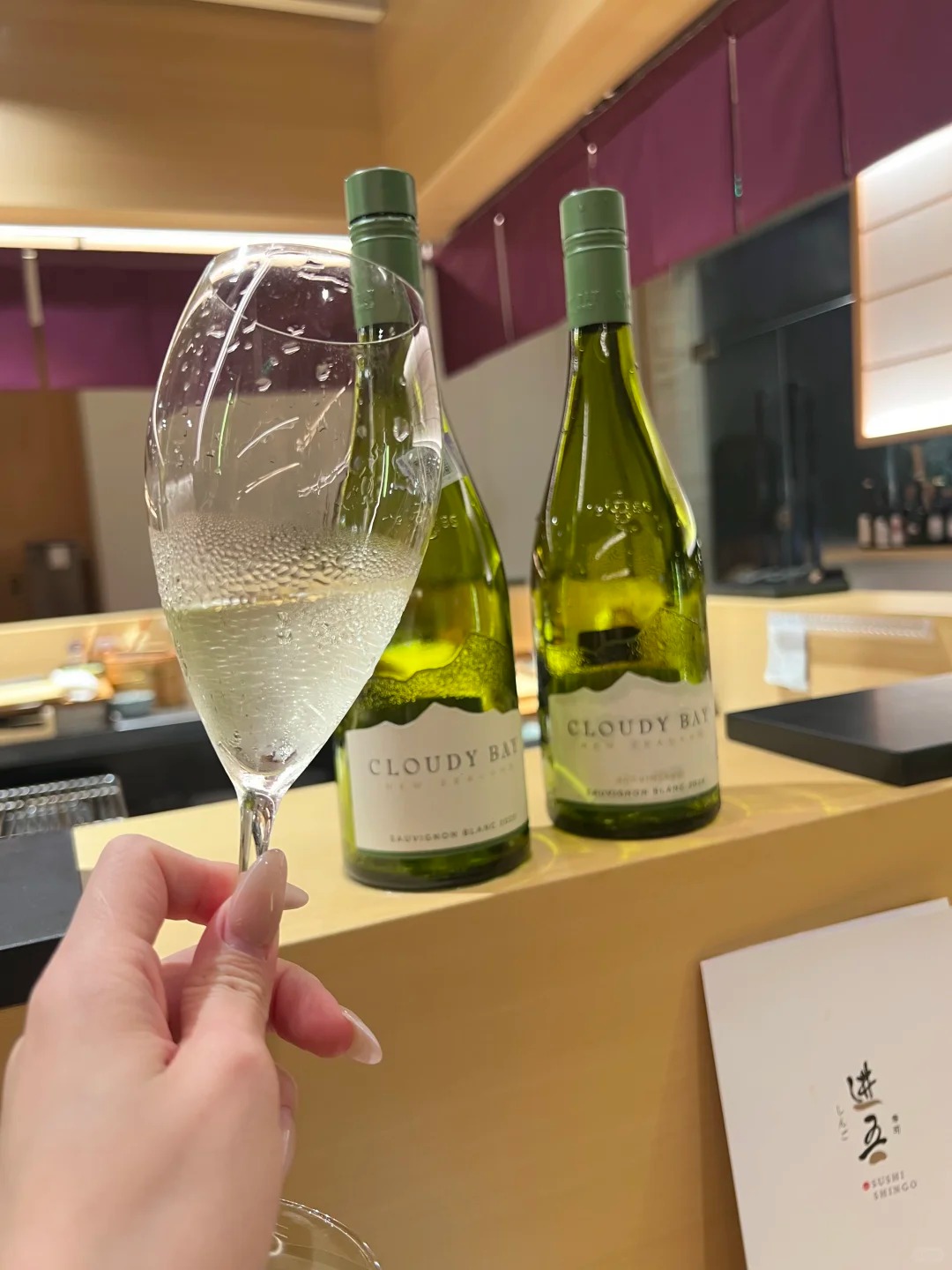
Sauvignon Blanc and Chablis
Cantonese Steamed Fish
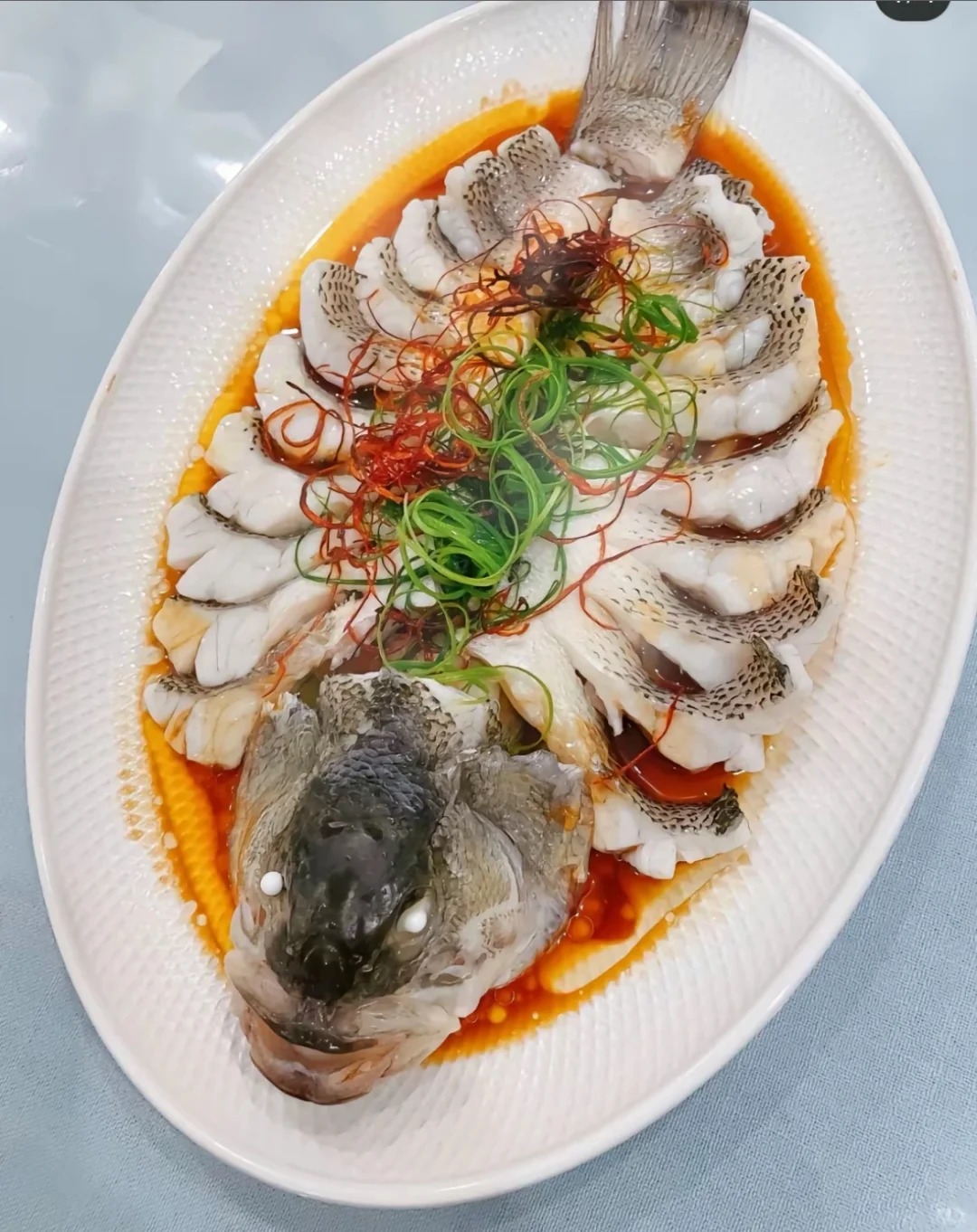
Cantonese Steamed Fish
Cantonese steamed fish is one of the most restrained dishes in the cuisine. The fish itself is mild; the actual flavor comes from the steam, the ginger, the scallion, and a light pour of soy. There's very little margin for error with wine here. A heavy, oaky white will completely bury everything that makes this dish worth eating.
- First choice: Chablis Premier Cru — unoaked, mineral-driven, clean, with enough acidity to complement the soy without dominating
- Backup option: Dry Grüner Veltliner from Wachau, Austria, which brings a peppery herbaceous note that actually works well with the ginger
An oaky Napa Chardonnay is genuinely one of the worst pours you could make here. File that one away.
Cantonese Lobster with Ginger and Scallion
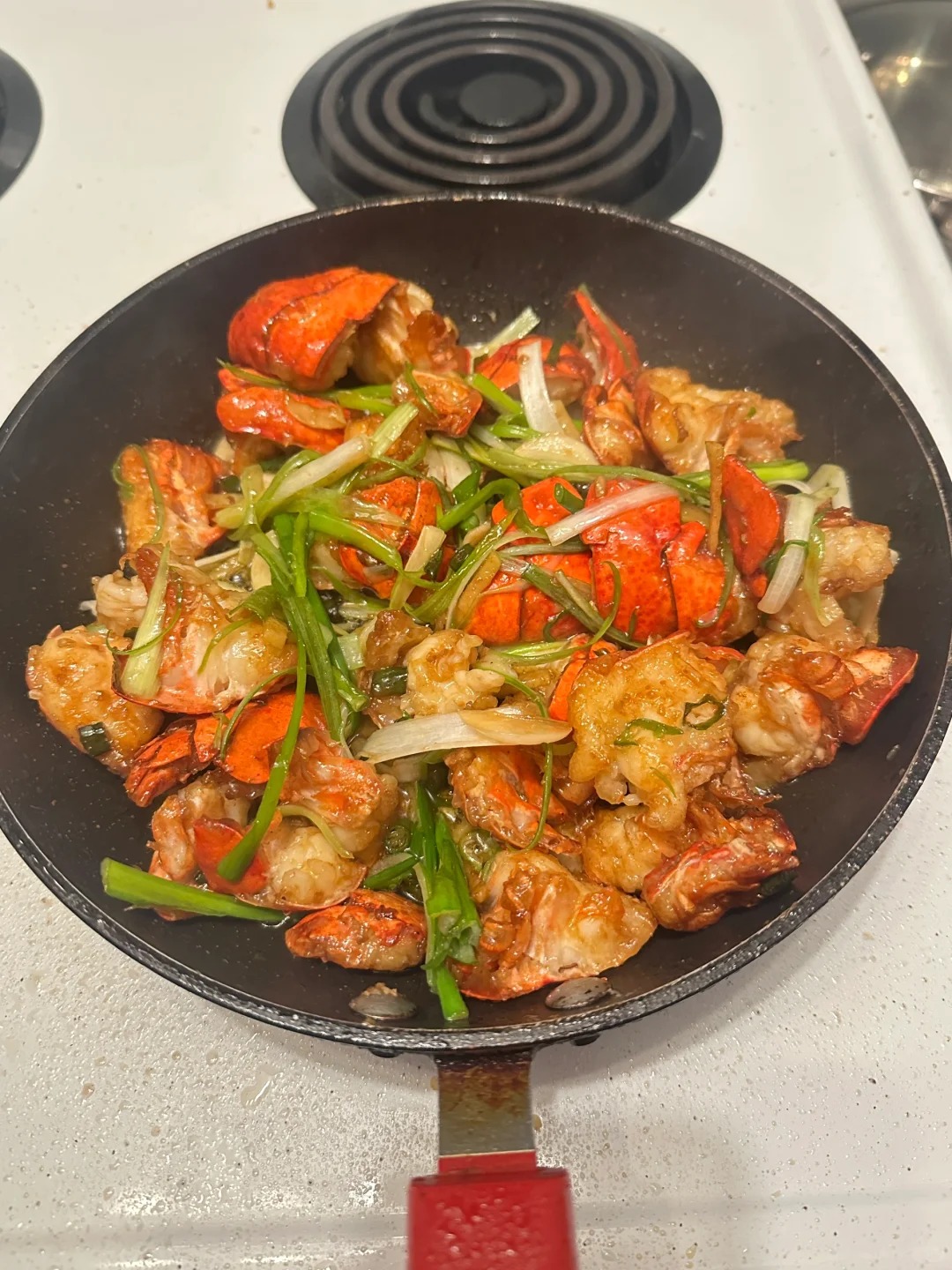
Cantonese Lobster with Ginger and Scallion
The lobster itself is sweet and tender; the ginger and scallion create a sharp, aromatic backdrop that's hard to ignore. This dish has more flavor intensity than most Cantonese dishes, which means the wine needs a bit more personality too. Something flat and neutral just disappears.
- First choice: Sauvignon Blanc from the Loire Valley or Marlborough — the herbaceous, citrus-forward character lines up naturally with the ginger and scallion
- Backup option: A lower-alcohol Viognier if you want something rounder and more floral rather than green
The aromatic match is what drives this pairing. Sauvignon Blanc's green-edged acidity echoes the ginger in a way that most other whites simply don't.
Gewürztraminer — the Aromatic Match for Spice and Sweetness
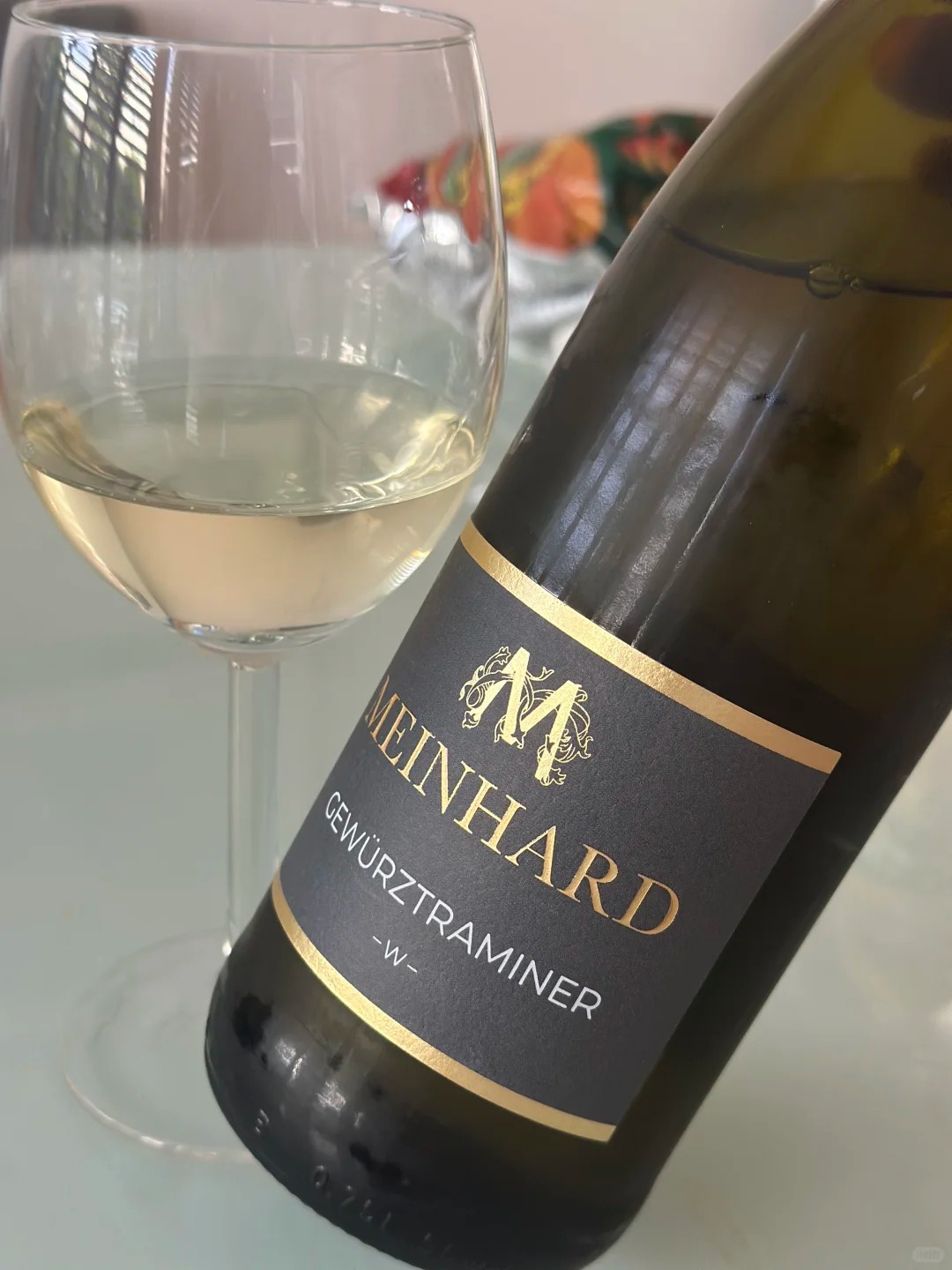
Gewürztraminer
Kung Pao Chicken (宫保鸡丁)
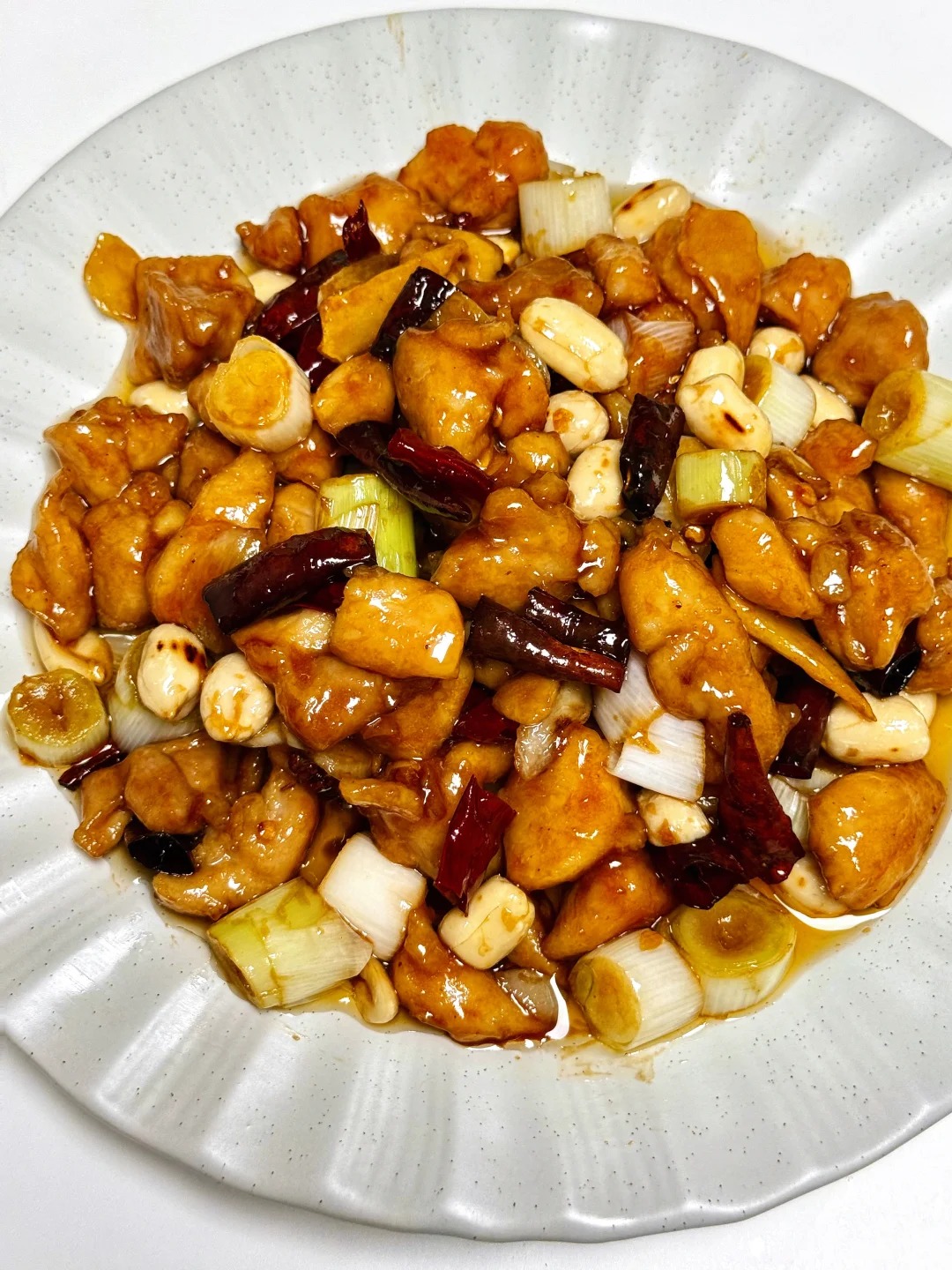
Kung Pao Chicken
Kung Pao chicken has a lot going on — dried chilies, roasted peanuts, a sweet-sour-spicy sauce, and tender chicken all in the same wok. The peanut element adds a toasty richness, and the sauce swings between sweet and sharp depending on the version. This is one of those dishes where Gewürztraminer makes an almost suspiciously good match — the aromatics just click in a way that's hard to explain until you try it.
- First choice: Gewürztraminer from Alsace — the lychee and rose notes echo the sweet-spicy sauce, and the natural sweetness smooths out the chili edge without making the wine taste cloying
- Backup option: Off-dry Riesling at sweetness level 2–4, which is the safer, more versatile call if you're ordering multiple Sichuan dishes and need one bottle to cover the table
Fuller Reds — Syrah, Merlot, and GSM for Richer Dishes
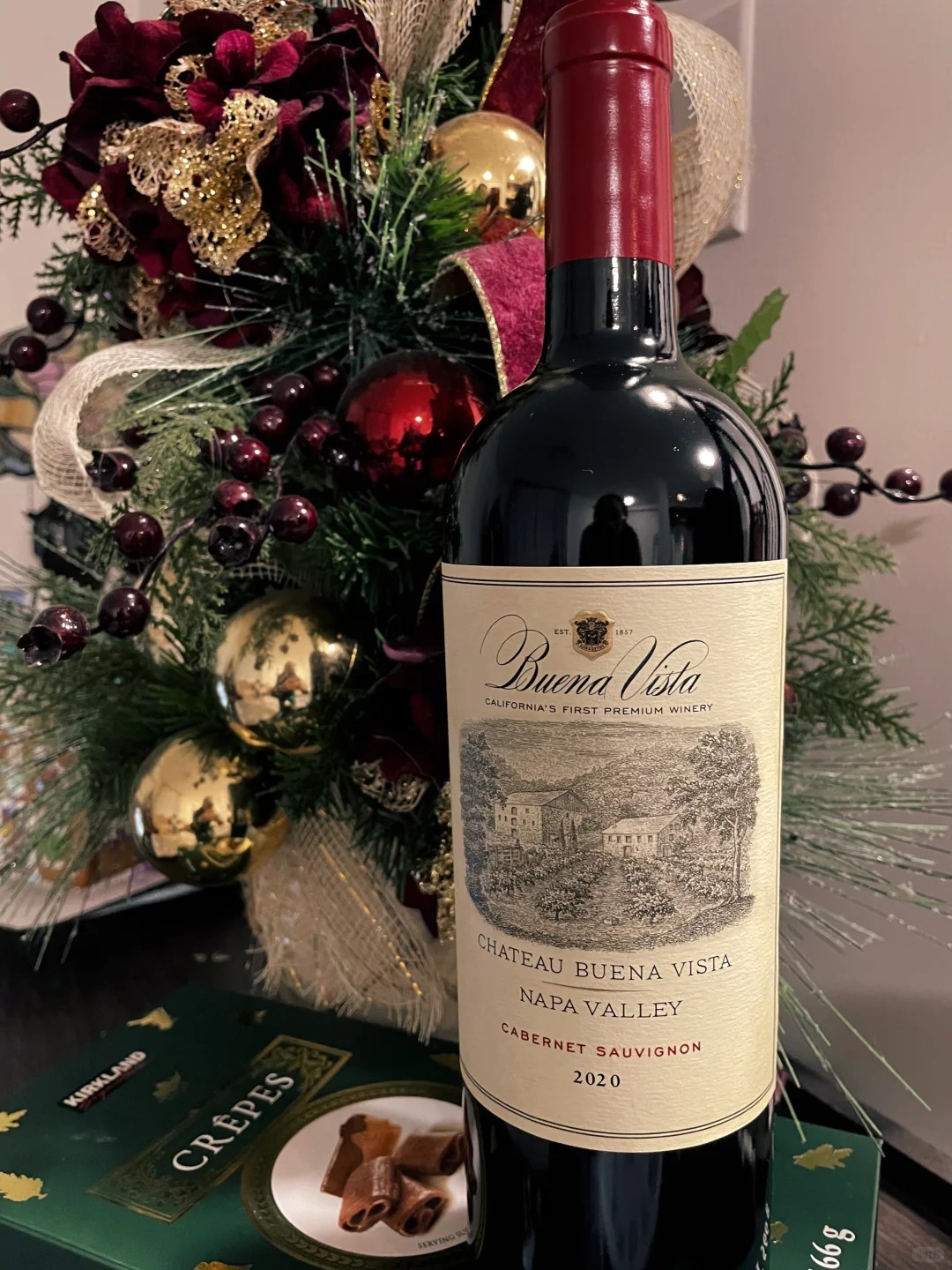
Fuller Reds
Hong Shao Rou (红烧肉)
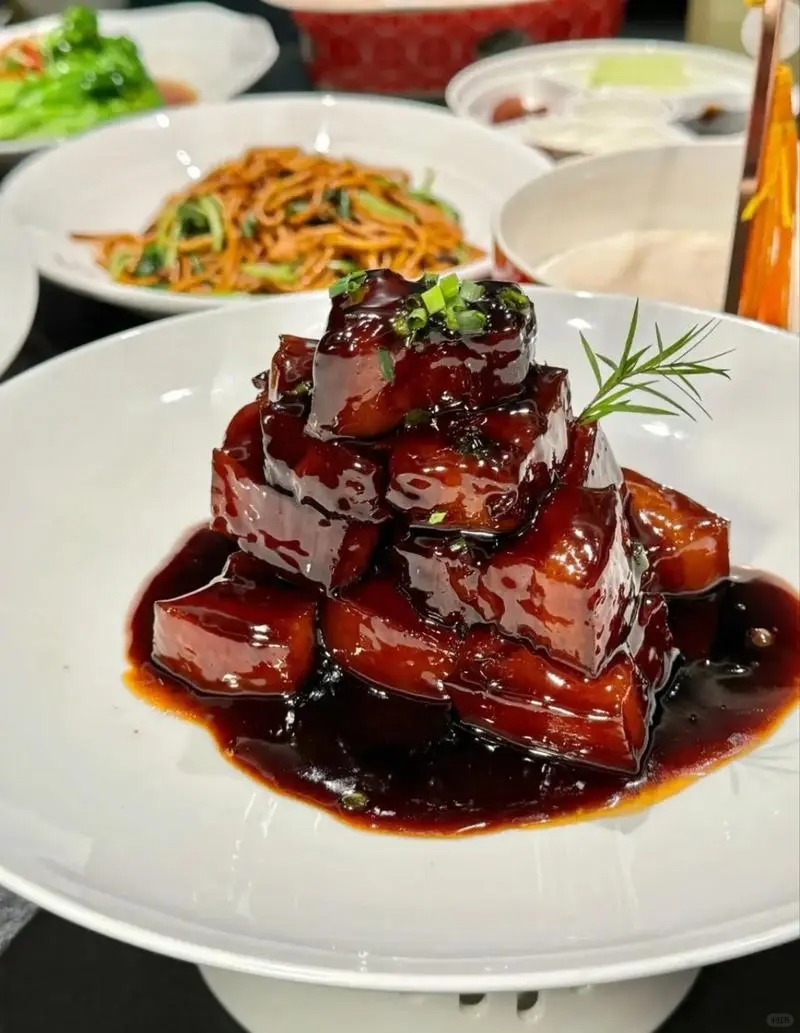
Hong Shao Rou
Red-braised pork belly is Shanghai cooking at its most unapologetic — thick cuts of pork slow-cooked in soy sauce, Shaoxing wine, and rock sugar until the fat is almost liquid and the sauce coats everything in a deep, glossy glaze. It's rich, sweet, and heavy in a way that actually opens up some interesting red wine options.
- First choice: Merlot from Saint-Émilion — the soft tannins and plum-fruit sweetness run alongside the braising sauce without clashing, and the weight matches the dish
- Backup option: Australian Shiraz, which brings enough fruit density to keep up with the sugar and soy depth
This is one of the clearest cases where wine and Chinese food pairing actually favors a red, as long as you're choosing something fruit-forward rather than tannic and dry.
Zha Jiang Mian (炸酱面)
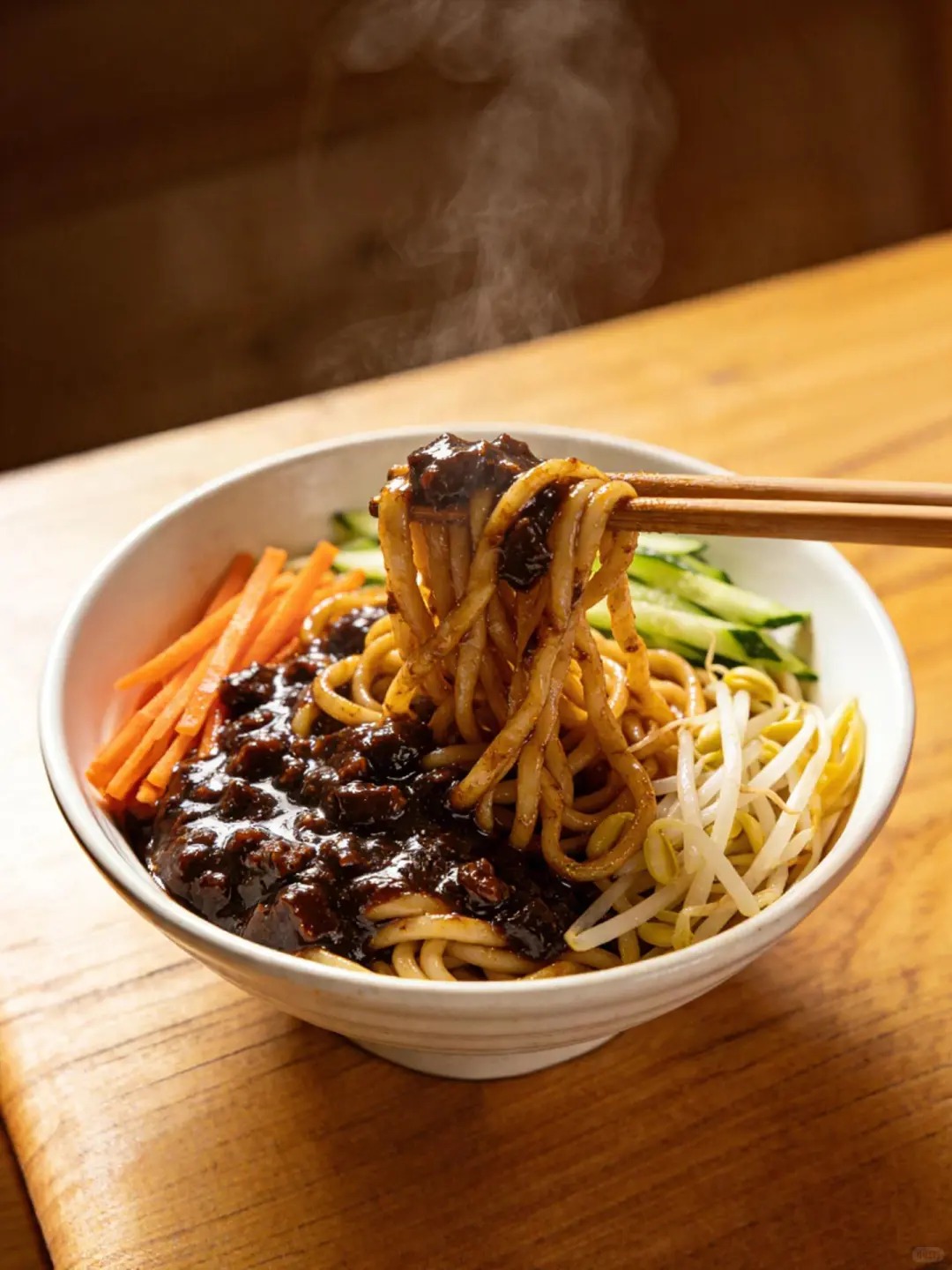
Zha Jiang Mian
Zha jiang mian is Beijing comfort food — thick wheat noodles topped with a slow-cooked pork and fermented soybean paste sauce, finished with fresh cucumber and bean sprouts. The sauce is savory, slightly sweet, and has real depth from the fermentation.
- First choice: Northern Rhône Syrah from Saint-Joseph — the peppery, meaty character of cool-climate Syrah matches the fermented paste without overwhelming the dish
- Backup option: Beaujolais-Villages, which is lighter and fruitier but handles the savory-sweet balance reasonably well
Beijing Lamb Skewers (烤羊肉串)
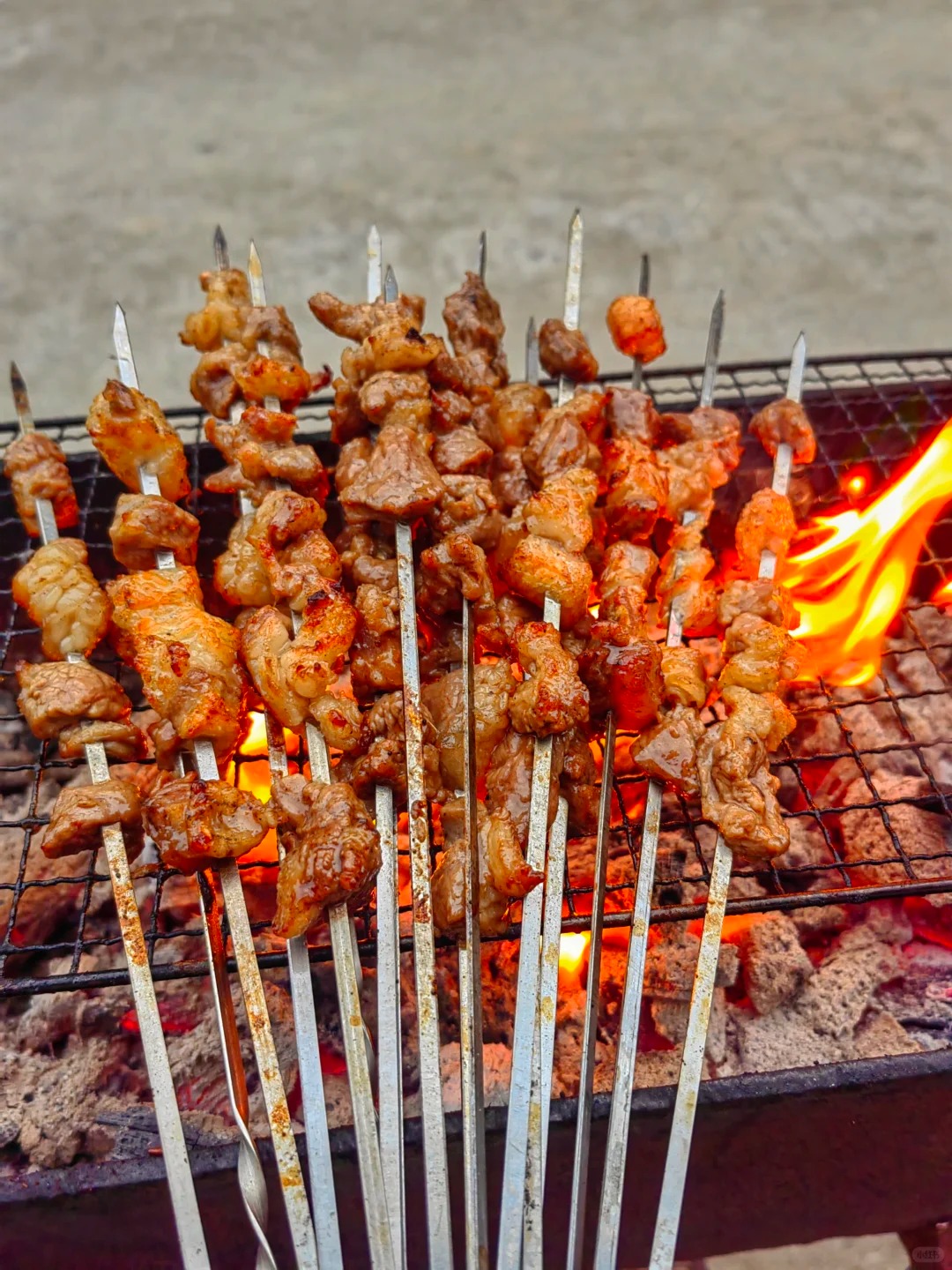
Beijing Lamb Skewers
These aren't a formal restaurant dish — you'll find them at night markets and street stalls, heavy with cumin, dried chili, and char from the grill. The flavor is bold and smoky, with that distinct lamb funk underneath. It needs a wine with enough backbone to stand up, not something delicate.
- First choice: A Grenache-based GSM blend — the warm spice and red fruit hold their own against the cumin and char
- Local option: Xinjiang red wine, produced near where this style of lamb cooking originates — worth trying purely for the regional experience, and easier to find than you'd expect in Beijing's larger restaurants
Should You Try Chinese Wine with Chinese Food? The Answer Might Surprise You
Most visitors to China don't think to order local wine — they default to imported bottles or just drink beer. That's understandable, but it means missing out on some genuinely good pairings that also happen to make sense geographically. Chinese wine has improved significantly over the past decade, and a few regions are now producing bottles that hold up against international competition.
Ningxia — China's Answer to Bordeaux
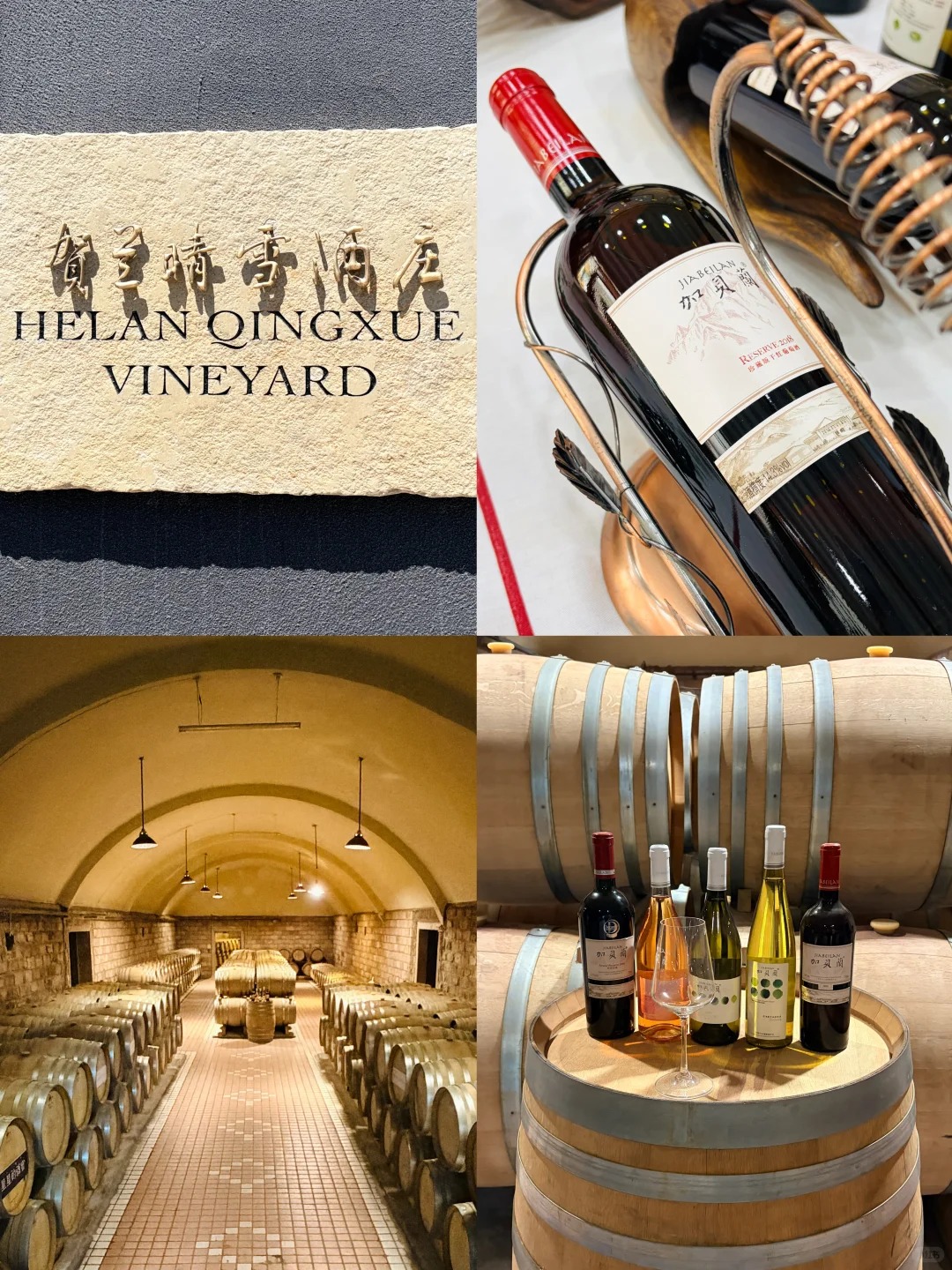
Ningxia — China's Answer to Bordeaux
The Helan Mountain East Foothills region (贺兰山东麓) in Ningxia has become China's most serious wine-producing area. The conditions are favorable: high altitude, dramatic day-to-night temperature swings, and well-drained sandy soil that stresses the vines in useful ways.
- Region: Ningxia Hui Autonomous Region, northwest China
- Key producers: Helan Qingxue (贺兰晴雪) — their Jia Bei Lan range is widely available in Chinese restaurants; Silver Heights (银色高地) produces more boutique, structured reds
- Best pairings: Ningxia Cabernet or Merlot with roast lamb, Peking duck, or Beijing-style braised meats
These wines drink closer to a mid-weight Bordeaux than anything else, which makes them genuinely versatile at a Chinese dinner table.
Yunnan and Xinjiang — High-Altitude Surprises
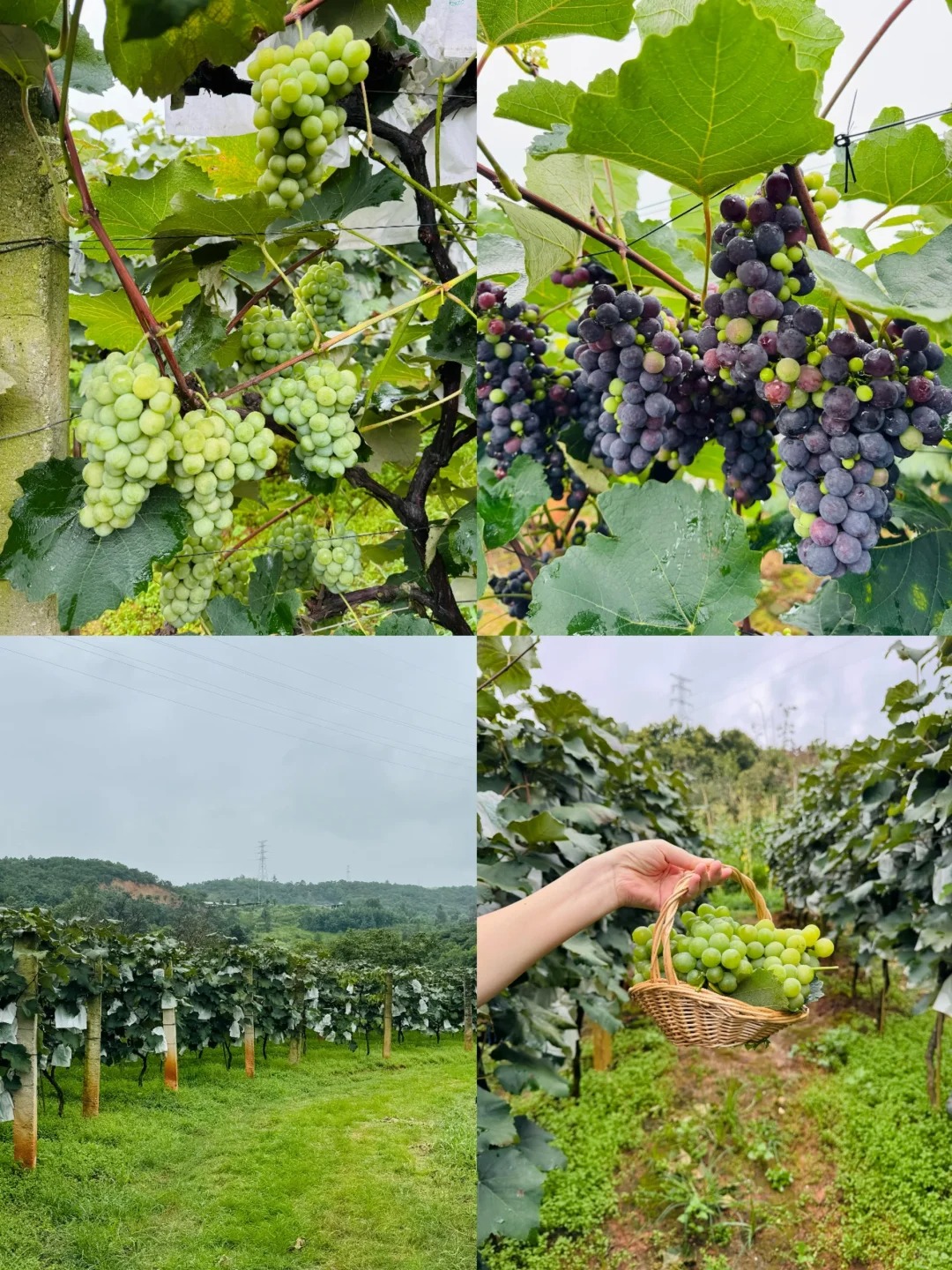
High-Altitude Surprises
These two regions are less talked about but worth knowing, especially if you're traveling through either area.
- Yunnan: The Deqin plateau near Shangri-La sits above 2,600 meters. Ao Yun (敖云), operated by LVMH, produces structured reds from Cabernet Franc and Cabernet Sauvignon that have received serious international attention — though the price reflects that
- Xinjiang: The Tianshan North Slope benefits from an extremely dry continental climate. Local reds tend to be fruit-forward and approachable, and they pair naturally with the cumin-heavy lamb dishes common to the region
The broader point is simple: if you're eating regional Chinese food in the region it comes from, drinking the local wine just makes sense. That's terroir dining in its most straightforward form, and it's an experience most visitors to China don't think to seek out.
FAQ about Wine and Chinese Food Pairing
Q: What is the best wine for Chinese food overall?
If you need one answer, go with an off-dry Riesling — Kabinett or Spätlese level from Germany's Mosel or Rheingau regions. The combination of high acidity and a touch of residual sweetness handles umami, spice, and delicate flavors without clashing with any of them. If you want a red, Gamay is the most versatile option: low tannins, bright fruit, and light enough to work across vegetables, poultry, and lighter meat dishes without overwhelming anything on the table.
Q: Does red wine go with Chinese food?
It can, but the style matters more than the color. High-tannin reds — think full Cabernet Sauvignon or heavily extracted Shiraz — tend to clash with umami-heavy dishes, turning bitter and metallic. The better options are low-tannin, fruit-forward reds: Gamay, light Pinot Noir, or Beaujolais. Peking duck, red-braised pork, and lamb skewers are the dishes most naturally suited to red wine. For most other Chinese dishes, a white or sparkling wine will serve you better.
Q: What wine goes with spicy Sichuan food?
Sweetness is your friend here, not dryness. An off-dry Riesling — Kabinett level from Mosel — is the most reliable choice, as the residual sugar buffers the chili heat while the acidity keeps the palate clean. Gewürztraminer from Alsace also works well, particularly with dishes like Kung Pao chicken where the sweet-spicy-nutty combination benefits from the wine's aromatic richness. Avoid anything above 13% alcohol — higher alcohol amplifies Sichuan peppercorn heat significantly, and not in an enjoyable way.
Q: What wine pairs best with Peking duck?
Red Burgundy is the near-universal answer among sommeliers — specifically a lighter, lower-alcohol Pinot Noir from villages like Chambolle-Musigny, with minimal new oak. The high acidity cuts through the duck fat, and the red-fruit character complements the hoisin sauce without competing with it. Avoid Russian River Valley Pinot Noir, which tends to be too powerful, and anything Cabernet-based, where the tannins flatten the delicate skin texture. Ningxia Pinot Noir from China is also a strong local alternative worth trying.
Q: Can I drink white wine with Chinese food?
White wine is actually a more natural fit for Chinese food than red in most cases. Chinese cuisine generally leans toward fresh seafood, steamed dishes, and lighter proteins — all of which work better with the high acidity of whites than with red wine tannins. Dry Riesling, Chablis, Grüner Veltliner, and Sauvignon Blanc all have strong track records across different Chinese regional cuisines. The one white to approach carefully is heavily oaked Chardonnay, which overwhelms delicate Cantonese dishes and steamed preparations.
Q: What wine goes with dim sum?
Sparkling wine is the most practical choice for a full yum cha spread. Blanc de Blancs Champagne or a dry Prosecco work across the variety of flavors — shrimp dumplings, BBQ pork buns, rice rolls — without requiring you to match each dish individually. The bubbles refresh the palate between bites, and the acidity lifts the natural sweetness in seafood and pork fillings. If you prefer still wine, a dry Riesling from Alsace handles the spread reasonably well and is usually easier on the budget.
Q: Is Riesling good with Chinese food?
Riesling is probably the single most recommended grape variety for Chinese food pairings, and the reputation is well-earned. The key is matching the sweetness level to the dish: dry or Trocken Riesling for delicate Cantonese dishes and steamed seafood, Kabinett for Sichuan spice, and Spätlese for Shanghai's sweeter braised dishes. German Mosel Rieslings tend to be lighter and more mineral; Alsatian Rieslings are fuller-bodied and more aromatic. Both work — it just depends on what you're eating and how heavy the dish is.
Q: Are there good Chinese wines to pair with Chinese food?
More than most visitors expect. Ningxia's Helan Mountain East Foothills region produces Cabernet and Merlot-based wines that drink like mid-weight Bordeaux — Helan Qingxue's Jia Bei Lan range and Silver Heights are the most accessible labels in restaurants. Yunnan's Ao Yun, produced by LVMH at altitude near Shangri-La, is at the premium end but internationally recognized. Xinjiang also produces approachable local reds that pair naturally with the region's lamb-heavy cuisine. Drinking regional Chinese wine with regional Chinese food is one of the more underrated dining experiences the country offers.