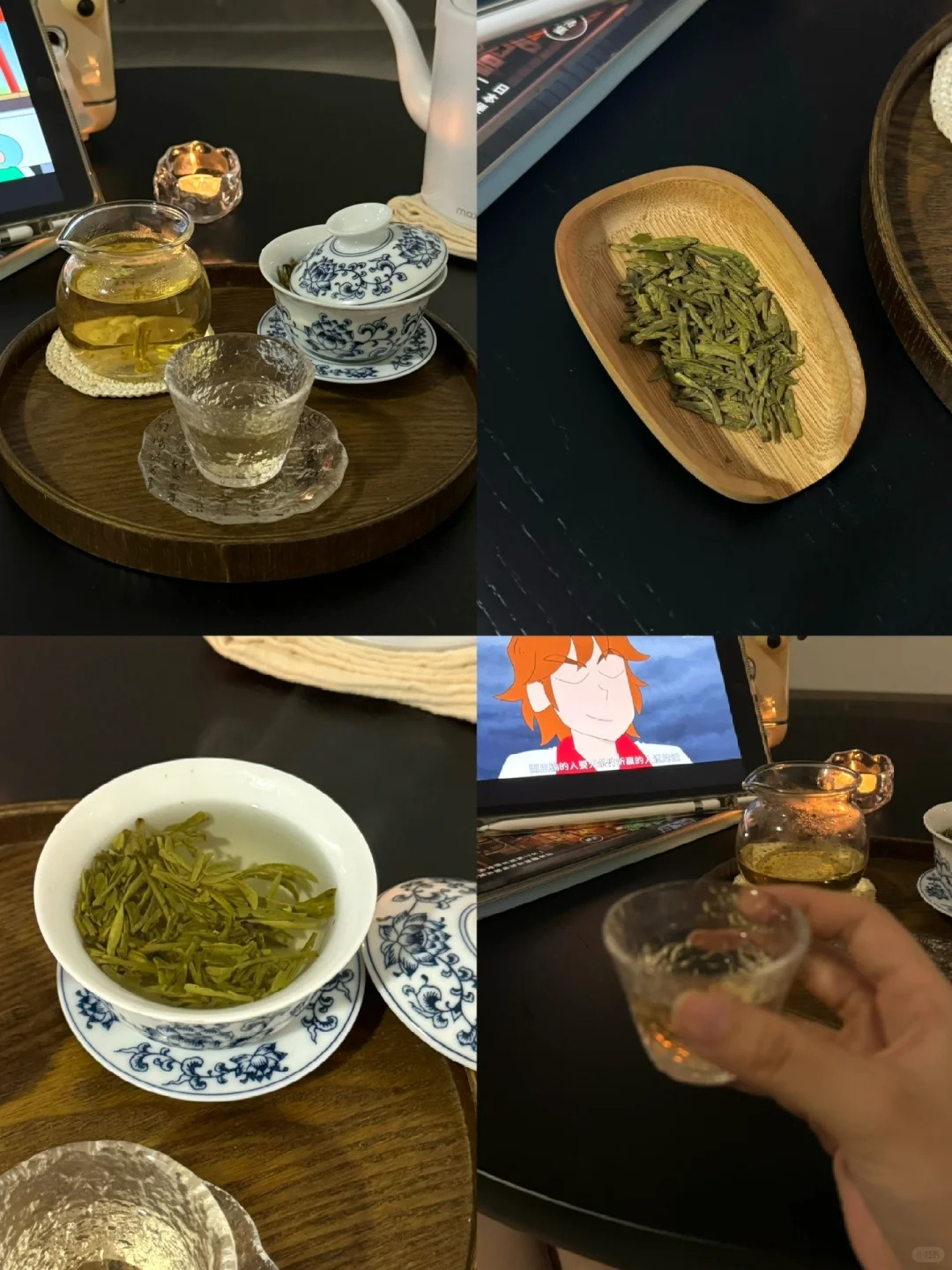
Chinese Tea
Chinese tea is much more practical than a lot of visitors expect. People drink it with breakfast, after hot pot, during long office hours, or just because plain hot water feels boring after a while. Some chinese teas and benefits connect to digestion or staying awake, while others are more about habit and comfort than anything scientific. Chinese health tea also goes far beyond green tea. In different parts of China, you’ll see chrysanthemum tea, pu’er, jasmine tea, or even herbal cooling drinks sold in small roadside shops. Curious what people usually drink besides tea in China? Read more about China’s drinking culture here. After a while, you stop noticing tea as a “cultural experience” and start seeing it as part of daily life.
The Main Types of Chinese Tea
Green Tea
Green Tea
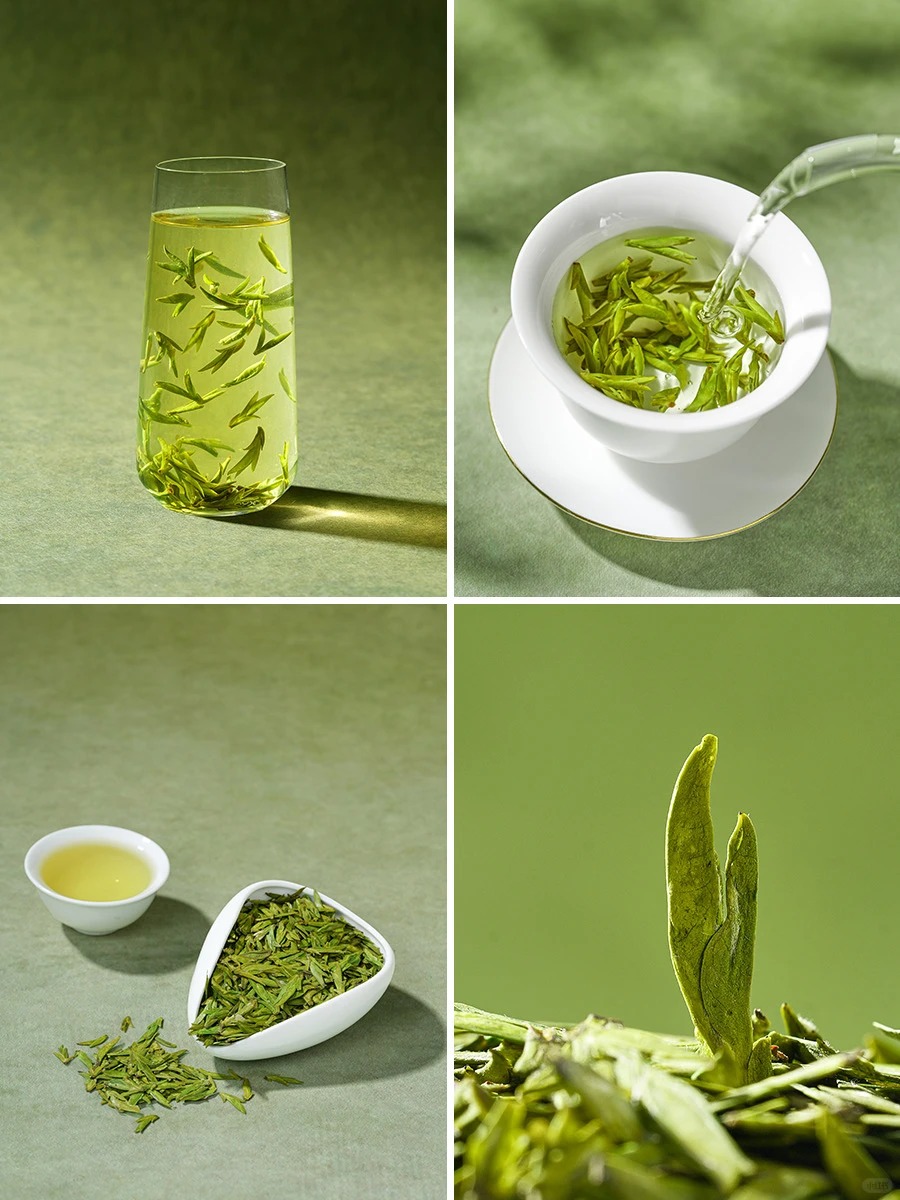
Green tea is still the default tea for many people in China. In offices, train stations, parks, and even construction sites, it’s common to see someone carrying a glass bottle filled with loose tea leaves and hot water. Unlike tea bag culture in many countries, Chinese green tea usually stays inside the cup the entire day. People just keep adding more water.
- How It’s Made: Fresh tea leaves are heated soon after picking to stop oxidation, which helps preserve the green color and fresh aroma.
- Flavor: Fresh, grassy, sometimes slightly nutty depending on the variety and harvest season.
- Popular Types: Longjing (Dragon Well), Biluochun, Huangshan Maofeng.
- Health Benefits: Often associated with antioxidants, lighter caffeine levels, and helping people feel more refreshed during long work hours.
- How To Brew It: Water that is too hot can ruin the taste. Most people use water around 80–85°C. The first steep is usually drinkable immediately, unlike some darker teas that people rinse first.
- Common Situations: Office tea, spring tea season, casual restaurant tea.
- Suitable For: People who like clean, refreshing flavors without heavy aftertaste.
Longjing from Hangzhou probably has the strongest reputation among all chinese tea types. During spring harvest season, tea shops around West Lake get crowded surprisingly early in the morning. Some locals care a lot about the exact picking date. I once heard two men arguing over whether tea picked before Qingming Festival really tasted “fresher,” which honestly felt very similar to wine discussions.
Green tea also appears constantly in conversations about chinese teas and benefits because people associate it with antioxidants, focus, and metabolism. Still, many Chinese people avoid drinking strong green tea on an empty stomach. The caffeine can hit quite hard, especially with freshly picked spring tea.
White Tea
White Tea
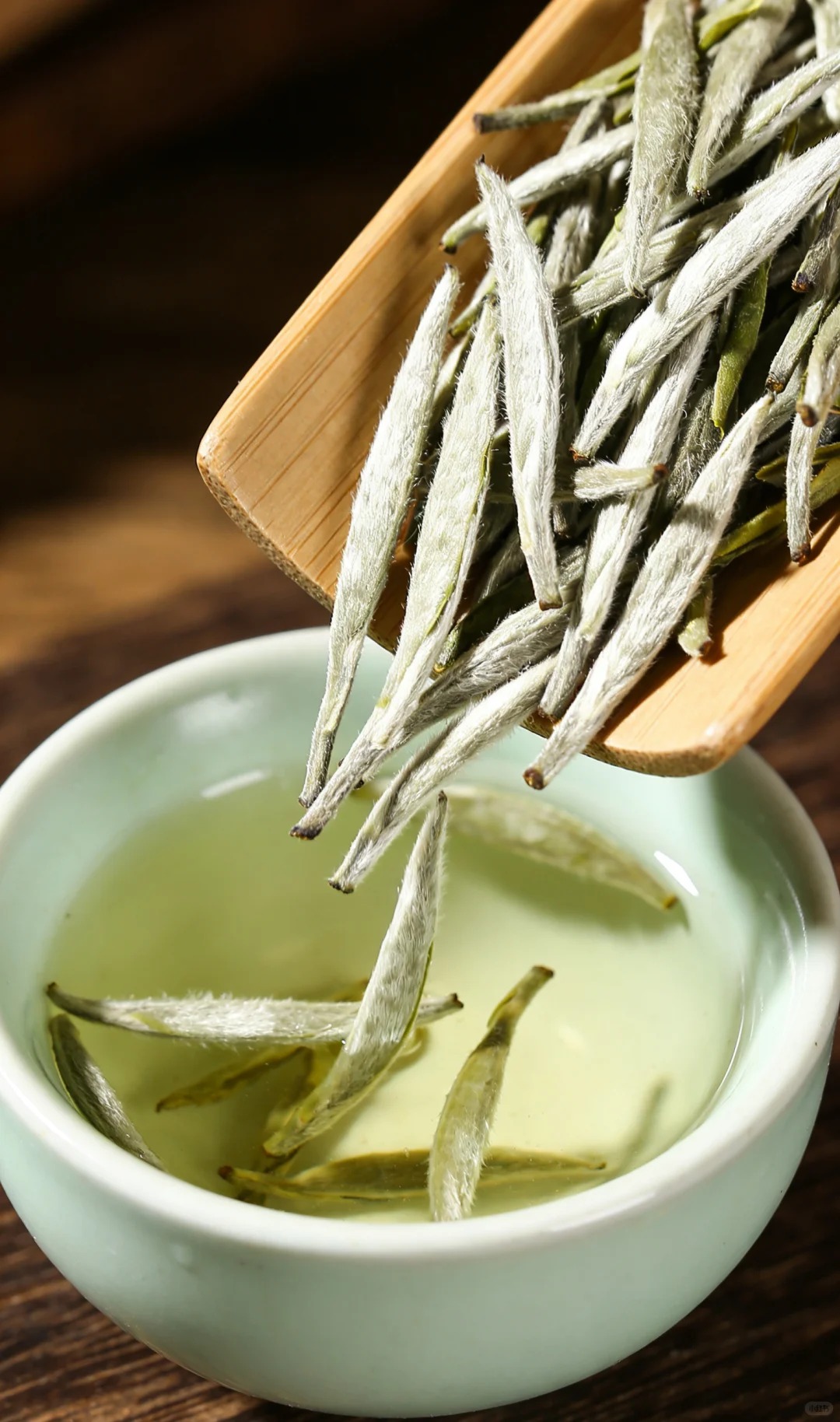
White tea feels softer and less aggressive than green tea. A lot of first-time visitors actually end up preferring it because the flavor stays lighter and easier to drink for long periods. In Fujian, where much of China’s white tea comes from, tea sellers often describe it as something you can drink slowly without getting tired of it.
- How It’s Made: White tea goes through very light processing, usually with simple withering and natural drying, which keeps the leaves closer to their original state.
- Flavor: Mild, floral, soft, and slightly sweet with very low bitterness.
- Popular Types: Bai Mudan (White Peony), Silver Needle.
- Health Benefits: Many people drink white tea for its lighter caffeine level and smoother texture, especially during hot weather or late afternoons.
- How To Brew It: Use water around 85°C instead of boiling water. Some tea drinkers briefly rinse aged white tea, but fresh white tea is usually brewed directly from the first infusion.
- Common Situations: Afternoon tea, quiet tea sessions, slower social gatherings.
- Suitable For: Beginners, people sensitive to bitterness, and those who prefer softer tea flavors.
Compared with stronger chinese health tea options like pu’er, white tea feels gentler on the stomach. Some Chinese drinkers even keep aged white tea at home for years, although opinions about its health effects vary quite a bit.
Silver Needle usually costs more because it uses young unopened buds only. In tourist tea shops, prices can jump quickly once sellers mention “premium spring harvest.” Sometimes the packaging looks more expensive than the tea itself, honestly.
Yellow Tea
Yellow Tea
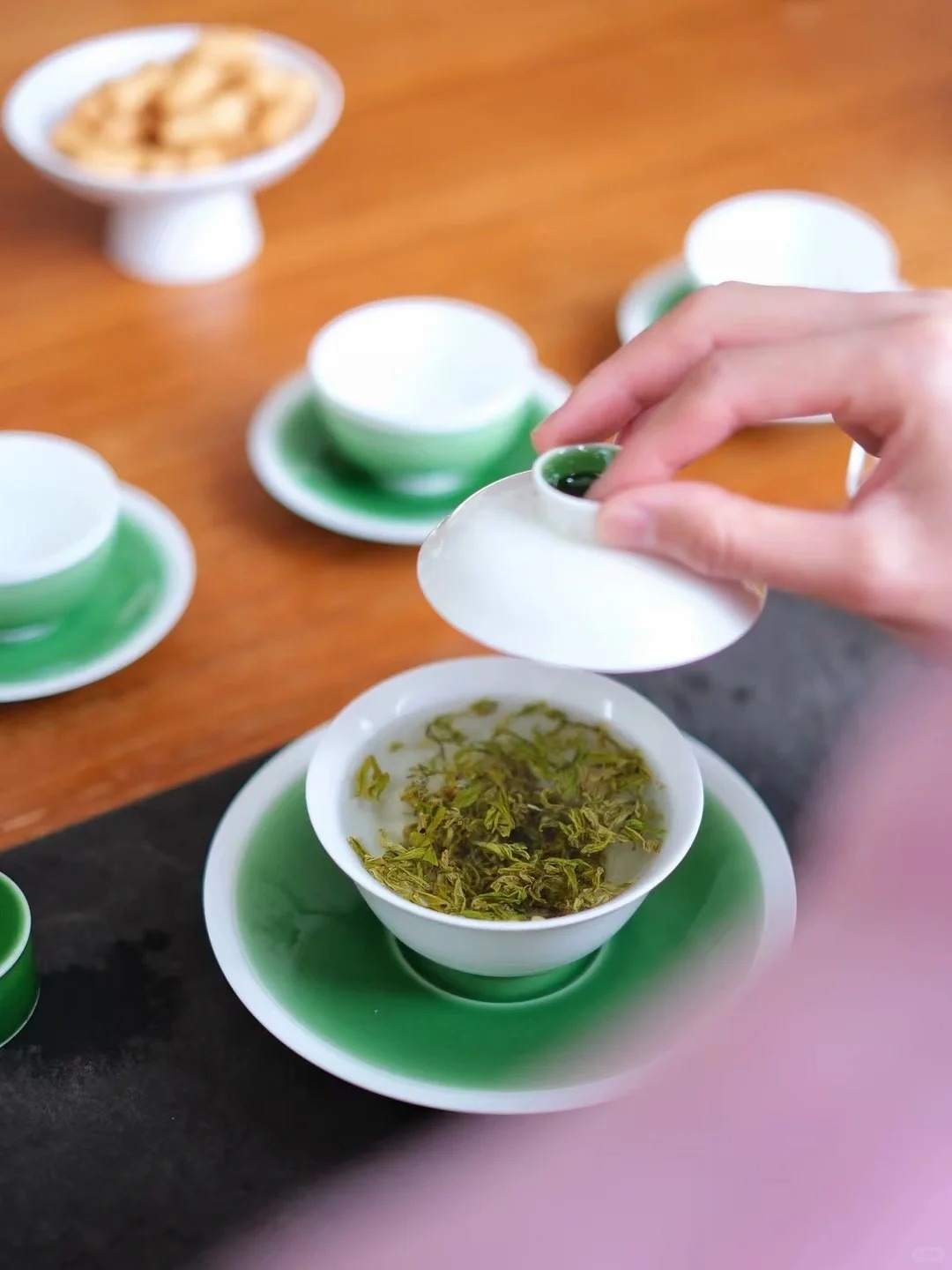
Yellow tea remains one of the least common categories, even inside China. Many locals know the name but rarely drink it regularly. It sits somewhere between green tea and white tea in flavor, though production methods are closer to green tea.
- How It’s Made: Yellow tea is lightly fermented through a slow “sealed yellowing” process, where the warm leaves rest for a period before drying, softening the sharper green tea notes.
- Flavor: Smooth, mellow, gentle, and less grassy than green tea.
- Popular Types: Junshan Yinzhen, Mengding Huangya.
- Health Benefits: Often considered easier on the stomach than stronger green teas, while still offering a clean and refreshing feel.
- How To Brew It: Water around 80–85°C works best. Most yellow teas are brewed directly without rinsing, and the second infusion is often smoother than the first.
- Common Situations: Specialty tea tastings, traditional tea houses, collector-style tea sessions.
- Suitable For: Travelers curious about rare Chinese tea varieties and people who find green tea slightly too sharp.
Part of the reason yellow tea stays uncommon is simple: production takes more time, and output stays limited. Some tea shop owners told me they only stock small amounts because most customers still choose green tea or oolong instead.
Real Junshan Yinzhen can be difficult to find outside higher-end tea stores. In busy tourist areas, some cheaper green teas get relabeled as yellow tea for visitors who probably will not notice the difference.
Oolong Tea
Oolong Tea
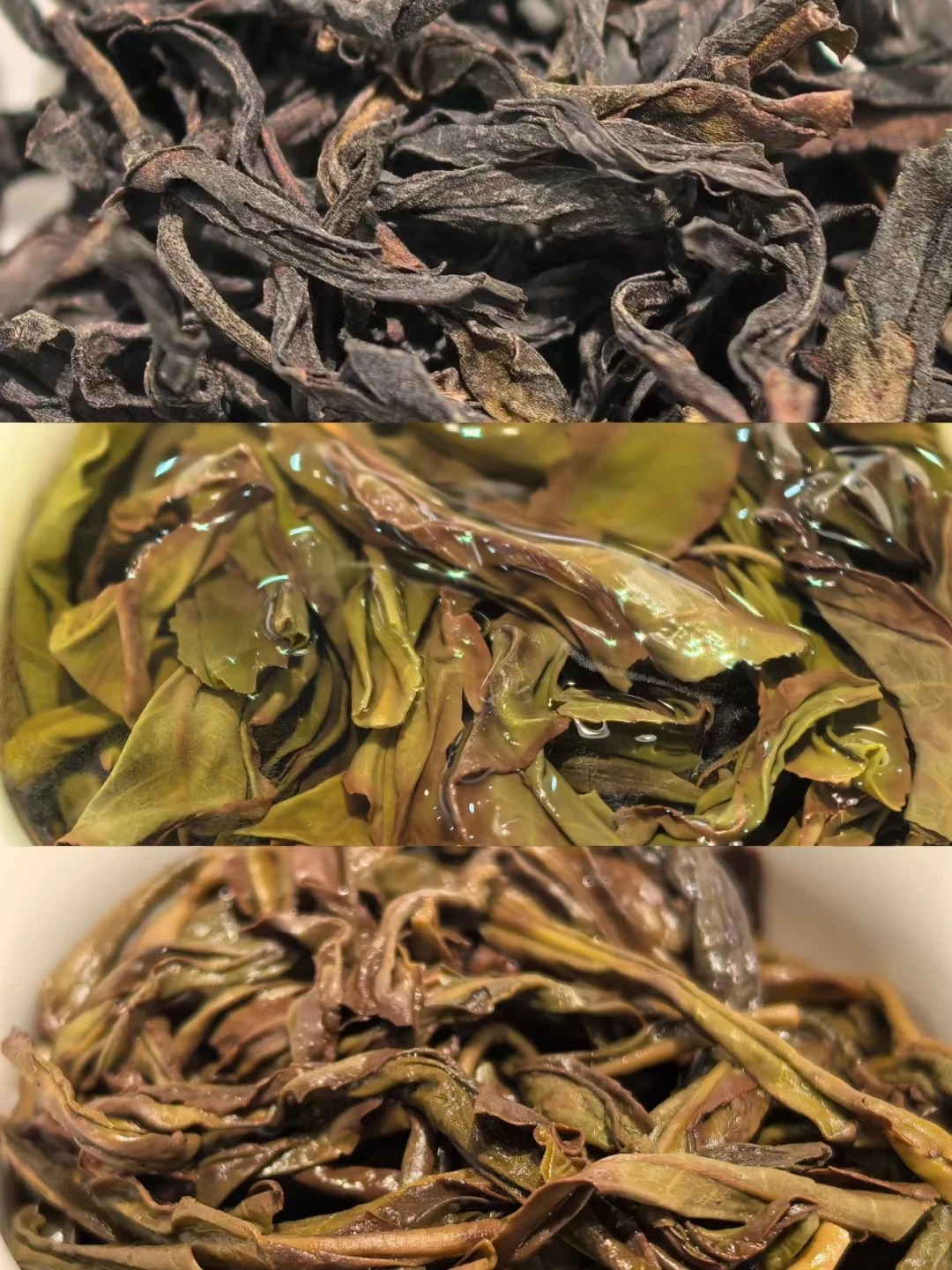
Oolong tea has one of the widest flavor ranges in China. Some versions taste floral and light, while others feel roasted and almost smoky. This partly explains why oolong tea gets connected so often with chinese teas and benefits discussions online. People seem to find a version that fits almost any preference.
- How It’s Made: Oolong tea is partially oxidized, sitting between green tea and black tea, with processing levels changing greatly depending on the region and style.
- Flavor: Floral, roasted, fruity, creamy, or sometimes mineral-like, especially in rock teas from Fujian.
- Popular Types: Tieguanyin, Da Hong Pao, Phoenix Dancong.
- Health Benefits: Many tea drinkers choose oolong tea after heavy meals because it feels less greasy and has a stronger aroma without being overly harsh.
- How To Brew It: Oolong is commonly brewed with near-boiling water around 95–100°C. Many people rinse the leaves quickly before the first real infusion, especially during gongfu tea sessions.
- Common Situations: Dim sum meals, hot pot restaurants, gongfu tea ceremonies, business tea tables.
- Suitable For: Drinkers who enjoy stronger aroma and layered flavors without the heaviness of some black teas.
In Fujian and Guangdong, oolong often appears beside oily food. Hot pot restaurants regularly serve it because many diners feel it helps balance heavier meals. Whether that effect is scientific or just habit probably depends on who you ask, but the pattern is everywhere.
Oolong also connects heavily with weight-loss conversations. Most Chinese people do not treat it as a miracle diet drink, though. It works more as a replacement for sugary beverages and a tea people enjoy after rich food.
Traditional gongfu tea brewing is especially common for oolong. Small clay teapots, quick pours, tiny cups — the process looks complicated at first, but after sitting through one session, it starts feeling surprisingly relaxed.
Black Tea
Black Tea
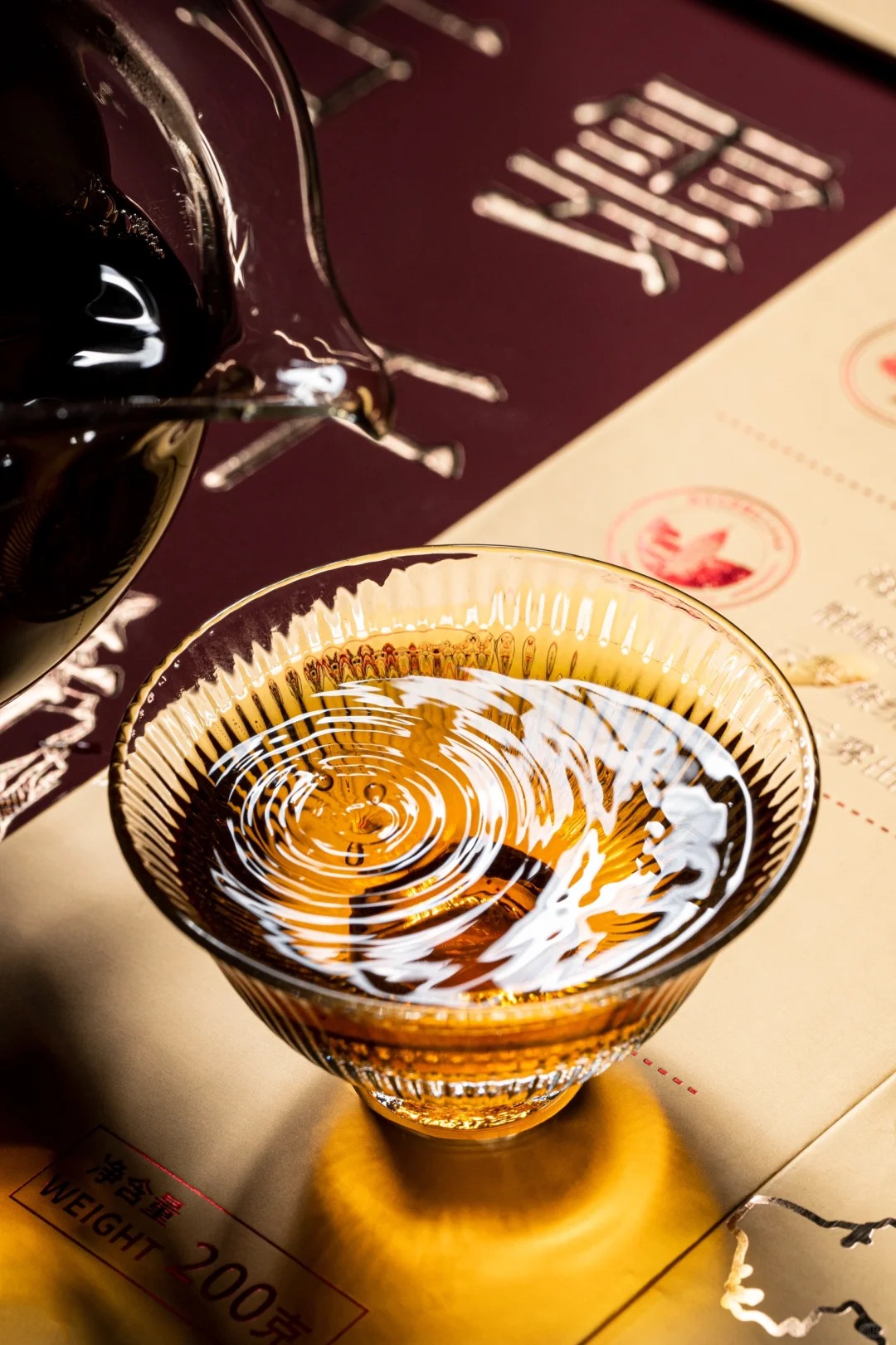
Chinese black tea confuses many foreign visitors because in Chinese it is actually called “red tea.” The naming comes from the color of the brewed liquid rather than the tea leaves themselves. Once people understand that difference, tea menus in China suddenly make much more sense.
- How It’s Made: Black tea is fully oxidized, which darkens the leaves and creates a deeper, richer flavor compared with lighter Chinese teas.
- Flavor: Rich, smooth, malty, and naturally sweeter than green tea, sometimes with hints of chocolate, fruit, or honey.
- Popular Types: Dianhong (Yunnan Black Tea), Keemun, Lapsang Souchong.
- Health Benefits: Many people drink black tea for its stronger caffeine effect and warming feeling, especially during colder months or long mornings.
- How To Brew It: Most black teas work well with boiling water around 95–100°C. The first brew is normally consumed directly without rinsing, though smoked teas like Lapsang Souchong can taste stronger in the first infusion.
- Common Situations: Winter tea drinking, breakfast tea, hotel tea service, milk tea preparation.
- Suitable For: Coffee drinkers, beginners trying loose-leaf tea, and people who prefer fuller-bodied flavors.
Dianhong from Yunnan often carries a soft honey-like sweetness without adding sugar. Keemun feels more fragrant and slightly lighter. During colder months, black tea becomes noticeably more common in northern China because people prefer warmer, heavier flavors.
A lot of modern milk tea brands in China also use local black tea as the base. Some shops advertise imported blends, but many still quietly rely on Chinese tea leaves instead.
Dark Tea and Pu’er Tea
Pu’er Tea
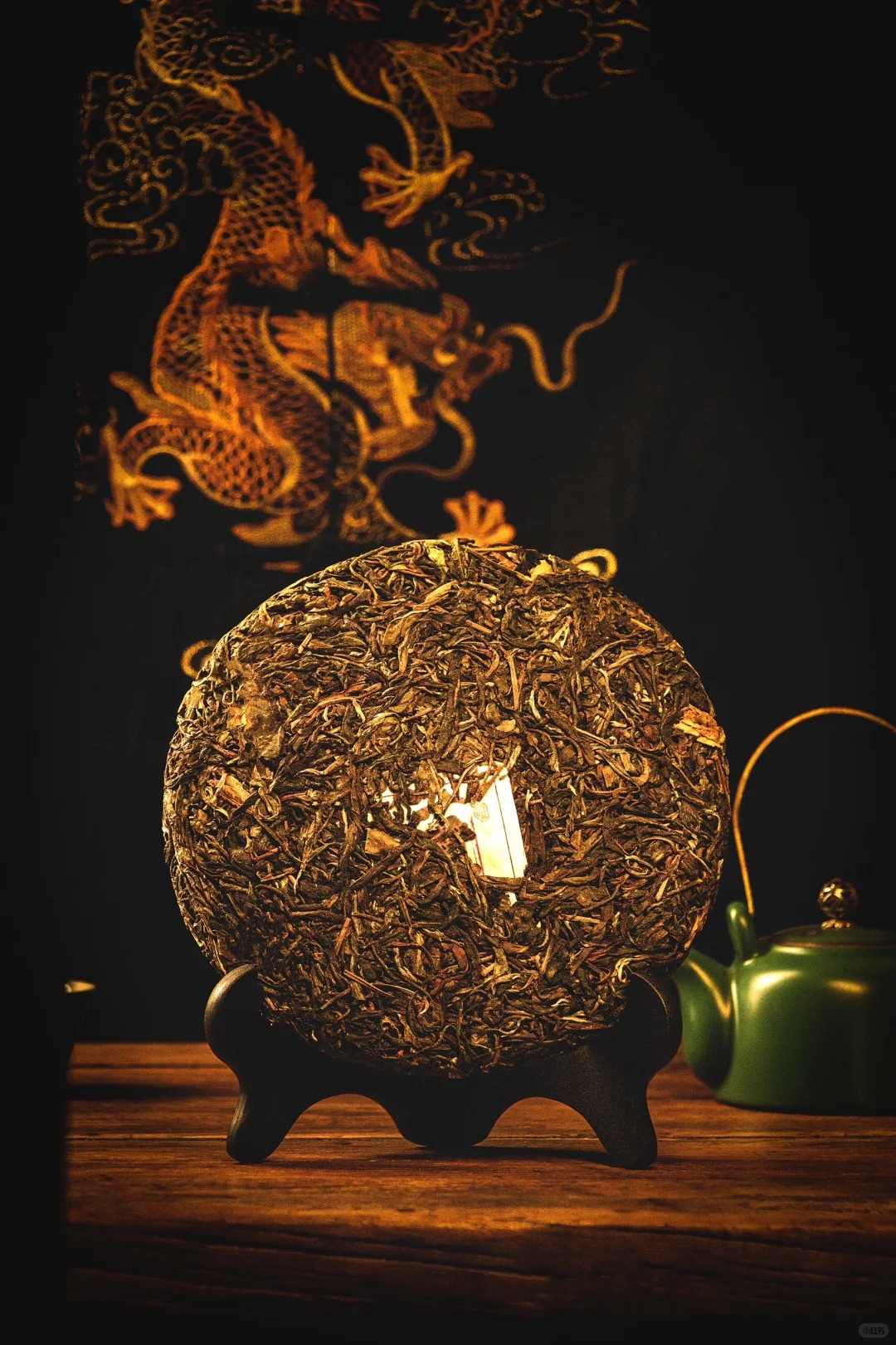
Pu’er tea probably creates the strongest first impression out of all chinese health tea categories. Some people immediately love the earthy flavor. Others look slightly confused after the first sip. I watched a traveler in Kunming describe it as “forest floor after rain,” which honestly was not completely wrong.
- How It’s Made: Pu’er tea is fermented and aged over time, sometimes for many years, which gradually changes both the flavor and aroma of the tea.
- Flavor: Earthy, woody, deep, mellow, and occasionally slightly medicinal, especially in older aged varieties.
- Popular Types: Raw pu’er (sheng pu’er) and ripe pu’er (shou pu’er).
- Health Benefits: Pu’er is often associated with digestion support, especially after oily or heavy meals, which is one reason it stays popular in southern China.
- How To Brew It: Most people rinse pu’er leaves briefly before drinking the first proper infusion, especially ripe pu’er. Near-boiling water around 95–100°C is usually recommended for fuller flavor extraction.
- Common Situations: After meals, tea markets in Yunnan, long tea conversations, traditional tea houses.
- Suitable For: People interested in digestion-focused tea, aged tea culture, and stronger earthy flavors.
Pu’er belongs to the dark tea category and comes mainly from Yunnan. Tea shops there often encourage customers to sit down and taste several rounds before buying. The atmosphere usually feels casual rather than luxurious.
Raw pu’er tastes sharper and changes over time as it ages. Ripe pu’er feels darker, smoother, and easier for beginners. Many Chinese diners order pu’er automatically after barbecue or hot pot because they think it helps with digestion after oily food.
Flower Tea and Scented Tea
Flower Tea
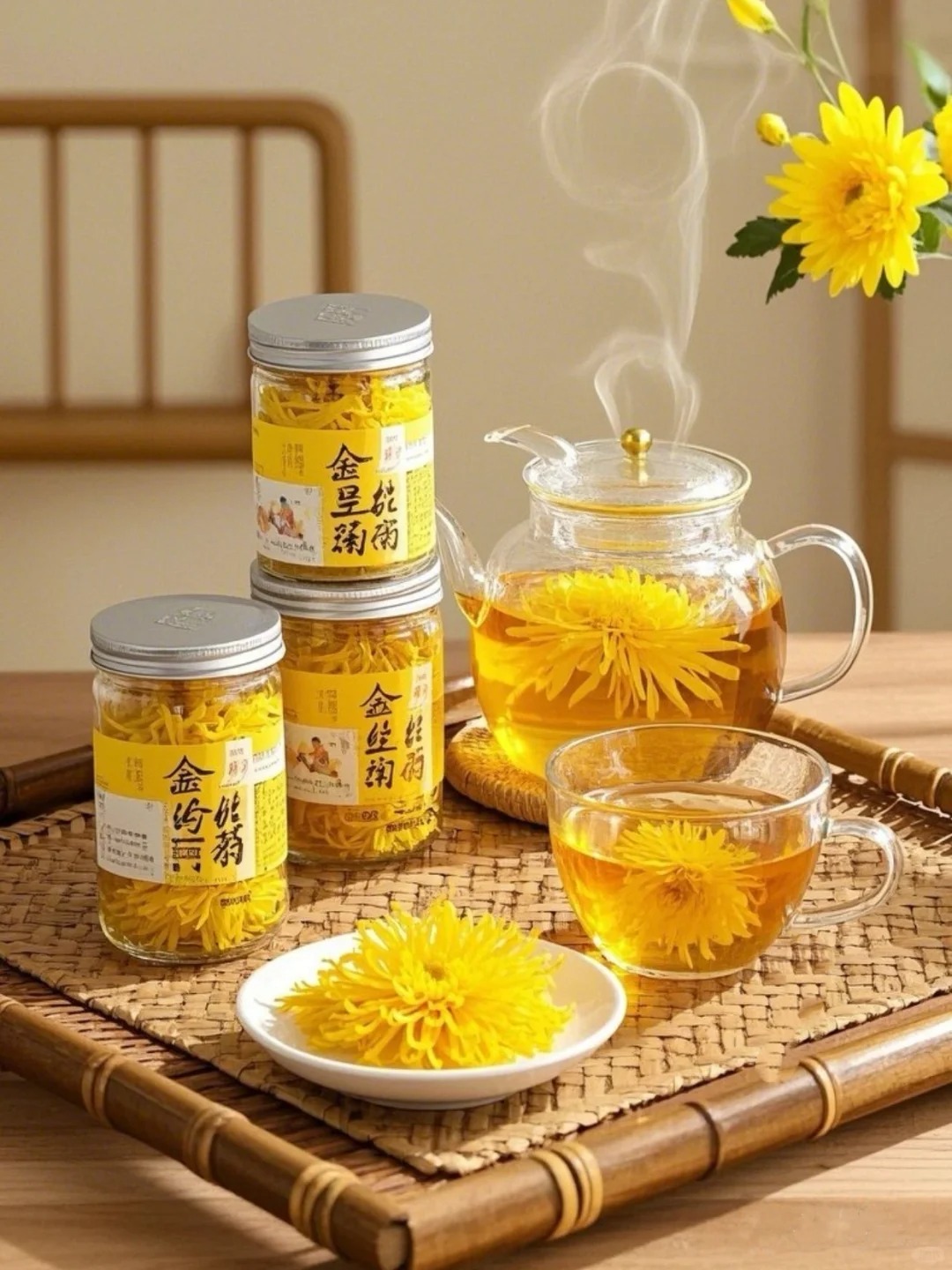
Flower tea often becomes the easiest starting point for visitors because the aroma feels familiar right away. Jasmine tea especially appears everywhere in northern China, from Beijing restaurants to hotel breakfast areas. The smell drifts out almost immediately once hot water hits the leaves.
- How It’s Made: Flower tea is usually created by scenting tea leaves with flowers or blending dried flowers and herbs directly into the tea. Jasmine tea, for example, is often layered repeatedly with fresh jasmine blossoms during processing.
- Flavor: Floral, light, fragrant, and slightly sweet, usually with a softer aftertaste than stronger Chinese teas.
- Popular Types: Jasmine tea, chrysanthemum tea, osmanthus tea.
- Health Benefits: Many people drink flower teas for relaxation and a lighter feeling after meals, especially during warmer seasons. Chrysanthemum tea is also commonly associated with cooling effects in traditional Chinese tea culture.
- How To Brew It: Most flower teas work best with water around 80–90°C. Delicate floral teas usually do not need rinsing, and over-steeping can make the flavor taste slightly bitter or overly perfumed.
- Common Situations: Restaurant tea service, summer tea drinking, casual family meals, light afternoon tea sessions.
- Suitable For: First-time tea drinkers and people who prefer softer flavors without strong bitterness.
Not all flower tea contains actual tea leaves. Chrysanthemum tea sometimes uses only dried flowers. In southern China, people often drink it during hot weather or after spicy food because of the traditional “cooling” idea connected to chinese health tea culture.
Osmanthus tea smells sweeter and softer, while jasmine tea feels sharper and more refreshing. Many restaurants serve these teas for free or for a very small fee, usually just a few yuan per person. After several heavy meals in China, they start making a lot more sense than iced soda.
Chinese Health Tea People Drink in Daily Life
Chrysanthemum Tea During Summer
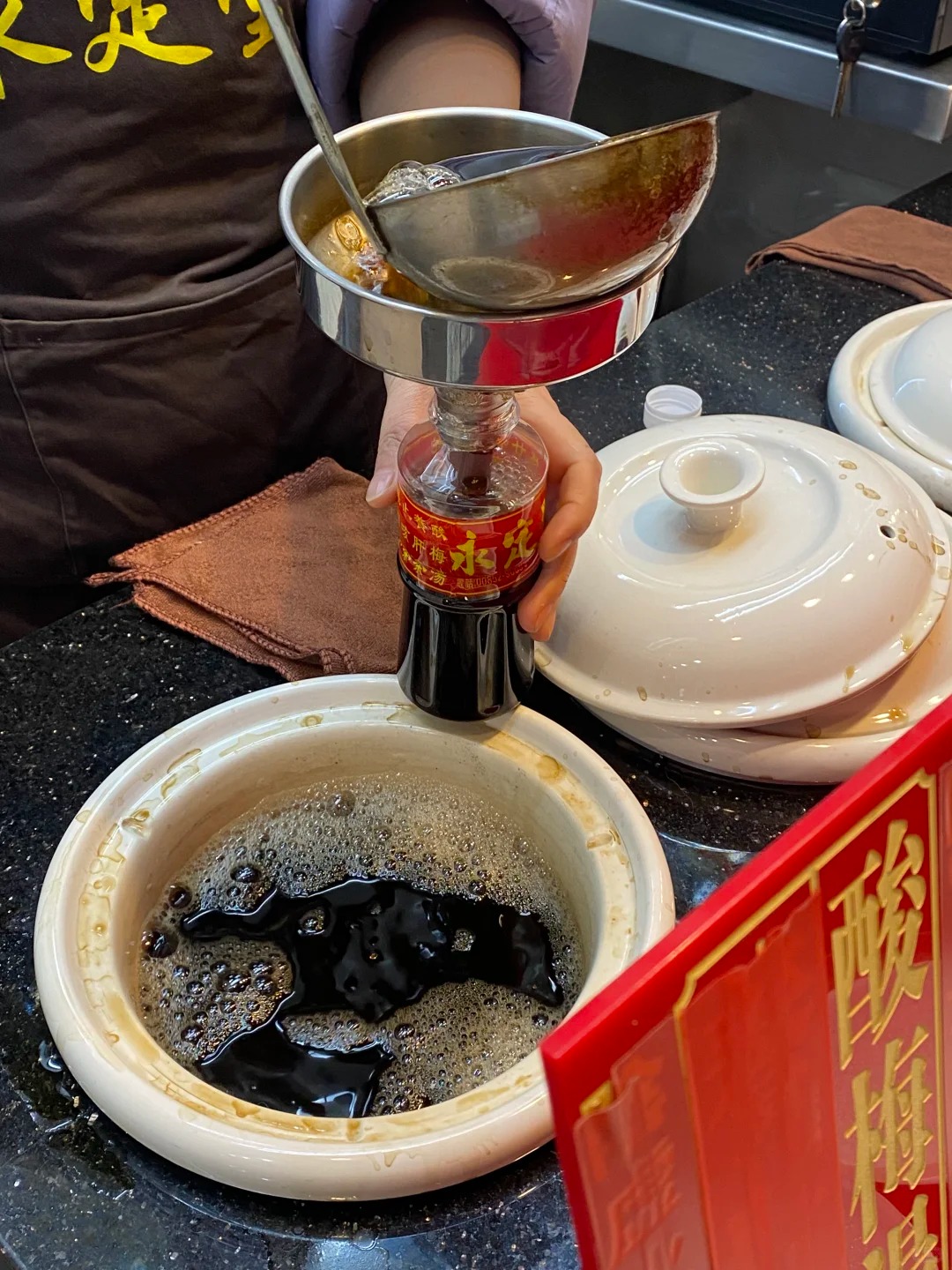
Chrysanthemum Tea
Chrysanthemum tea becomes much more visible once temperatures rise, especially in southern China. In Guangzhou, small herbal tea shops sit between noodle restaurants and fruit stores, and many people stop by almost automatically after work. The idea of “cooling the body” comes up constantly in conversations about chinese health tea, particularly after spicy food, barbecue, or hot pot.
- Location: Common in Guangdong, Guangxi, and other humid southern regions of China.
- Typical Shops: Local 凉茶铺 (herbal tea shops), convenience stores, Cantonese restaurants, traditional street-side herbal drink counters.
- Main Features: Floral taste, light sweetness, slightly herbal aroma, and often served cold during summer.
- Recipe: Usually made with ingredients such as chrysanthemum, honeysuckle, licorice root, monk fruit, or dried grass jelly herbs simmered slowly in water for several hours. Different regions adjust the recipe depending on climate and local habits.
- Health Benefits: Many locals drink these herbal teas to reduce internal heat, especially after spicy food, hot weather, or late nights.
- How To Drink It: Often consumed chilled or slightly warm rather than fully hot. Some versions taste mildly bitter at first, especially stronger traditional formulas.
- Best For: Travelers struggling with spicy food, humid weather, or heavy summer heat in southern China.
Bottled chrysanthemum tea also appears in almost every convenience store refrigerator during summer. Wanglaoji and Jiaduobao dominate shelf space, usually costing around ¥4-7 per bottle. Some foreigners love it immediately. Others think it tastes halfway between iced tea and herbal medicine. Honestly, both reactions are pretty normal.
After a few days of hot weather in cities like Guangzhou or Shenzhen, cold chrysanthemum tea starts making more sense than soda. The sweetness stays lighter, and restaurants often serve it with fried or spicy dishes instead of soft drinks.
Goji Berry Tea in Office Thermos Cups
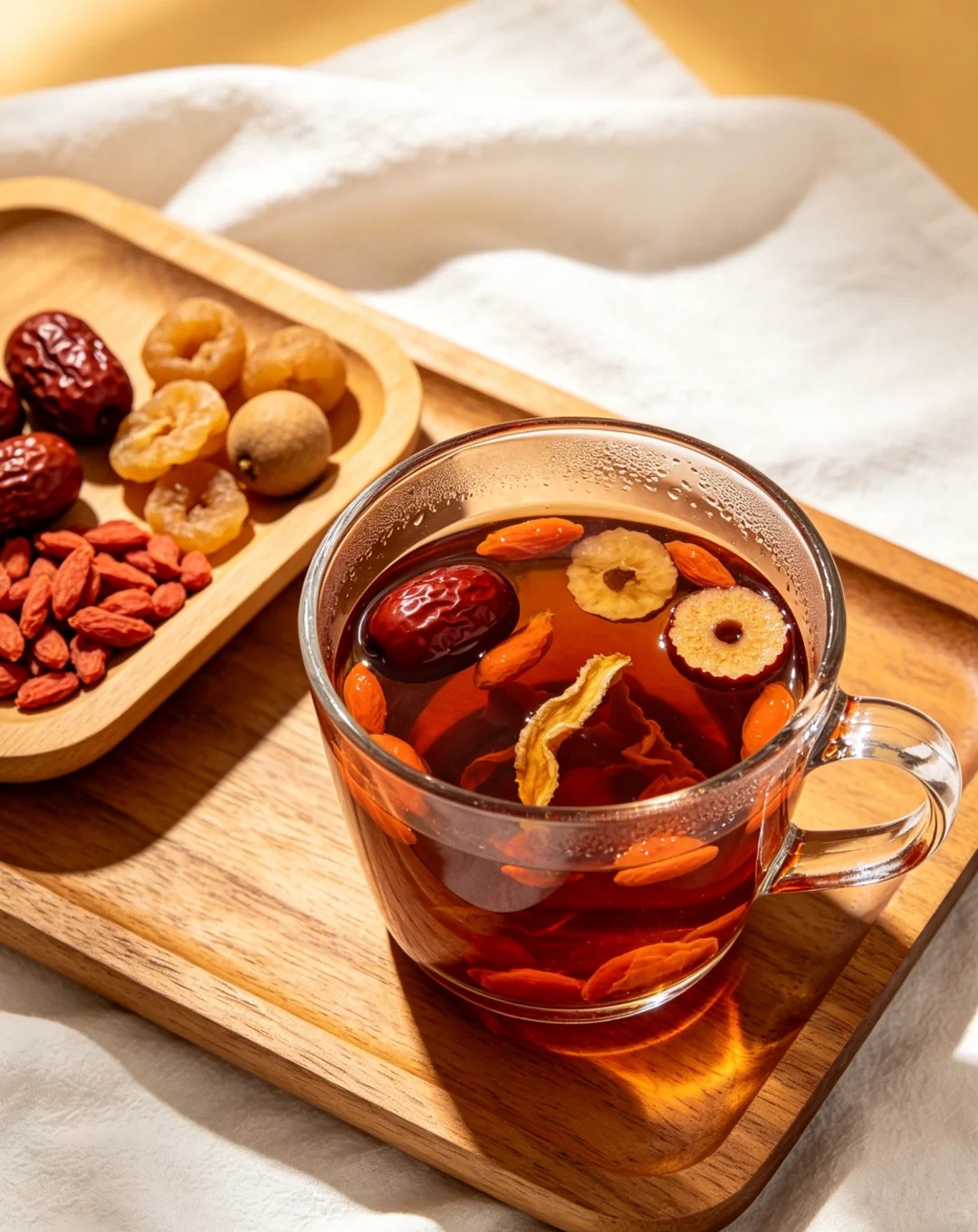
Goji Berry Tea
Goji berry tea probably represents modern Chinese wellness culture better than anything else right now. It shows up constantly in offices, especially during colder months. A transparent thermos with floating goji berries and red dates has almost become a stereotype for young professionals trying to “take care of themselves” after too many late nights.
- Location: Common in offices, coworking spaces, and apartment kitchens across major Chinese cities.
- Typical Shops: Office pantries, bubble tea stores, supermarkets, online wellness tea brands, lifestyle cafés.
- Main Features: Mild sweetness, light herbal aroma, easy home preparation, and often combined with red dates or goji berries.
- Recipe: Frequently made with ingredients like goji berries, red dates, rose petals, longan, ginger slices, or chrysanthemum simmered or steeped in hot water. Some office workers simply place the ingredients directly into insulated bottles and refill water throughout the day.
- Health Benefits: Commonly associated with improving energy balance, reducing dryness, and helping tired office workers recover after long work hours or lack of sleep.
- How To Drink It: Usually brewed directly in cups or thermos bottles rather than formal teapots. Many people continue refilling hot water several times during the day.
- Best For: Office workers, students, frequent overtime workers, and people sleeping too little.
The funny part is that many younger Chinese people joke about this habit online while still doing it every day. On Xiaohongshu, desk photos with thermos cups, dried flowers, and wellness tea packs have become their own category somehow.
Most versions taste very light. Some contain only hot water, goji berries, and two or three sliced red dates. Others add chrysanthemum, longan, or even ginger. It is less about strong flavor and more about routine. In many workplaces, coffee still feels secondary compared with hot tea.
Eight Treasures Tea in Northwest China
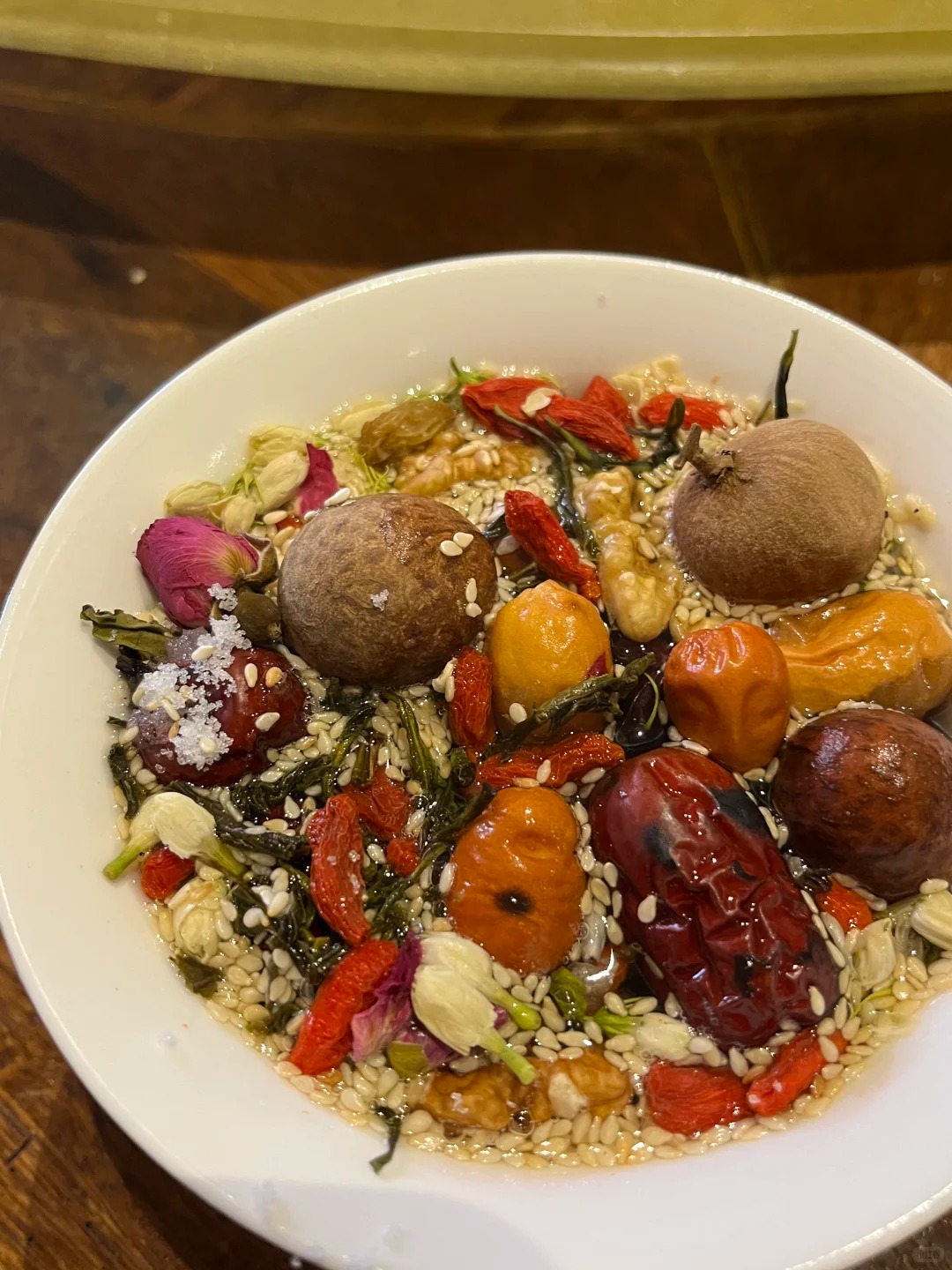
Eight Treasures Tea
Eight Treasures Tea, or babao cha, feels completely different from standard loose-leaf tea. It looks busy inside the cup, almost like dessert soup at first glance. In Ningxia, Gansu, and parts of Qinghai, restaurants often serve large glasses filled with tea leaves, rock sugar, dried fruit, sesame, walnuts, or longan.
- Location: Common in Northwest China, especially in Muslim Hui communities across regions like Ningxia, Gansu, and Xinjiang.
- Typical Shops: Hui halal restaurants, traditional teahouses, local street markets, and family-run noodle shops that also serve tea.
- Main Features: Sweet, rich, and slightly thick in texture, often served with visible mixed ingredients rather than clear tea liquid.
- Recipe: Usually prepared by boiling tea leaves together with ingredients like rock sugar, raisins, walnuts, red dates, dried fruits, and sometimes milk. The mixture is simmered so the flavors blend into a more filling drink.
- Health Benefits: Often used as a warm, energy-giving drink, especially in cold climates or after heavy meals. The combination of tea and dried fruits is also believed locally to support digestion and stamina.
- How To Drink It: Typically served hot in large cups or bowls, and it is common to eat the soaked ingredients together with the tea rather than just drinking the liquid.
- Best For: Travelers looking for a more substantial, food-like tea experience instead of a light beverage.
Because the ingredients vary by shop, no two versions taste exactly the same. Some lean sweeter, while others focus more on nuts and dried flowers. In Lanzhou, I once ordered one expecting ordinary tea and ended up with something closer to a hot snack in liquid form.
Many halal restaurants include Eight Treasures Tea on the menu for around ¥12-25 per glass. The serving size is usually large enough to share. Compared with delicate green tea, this feels much more direct and practical.
Herbal Cooling Tea in Southern China
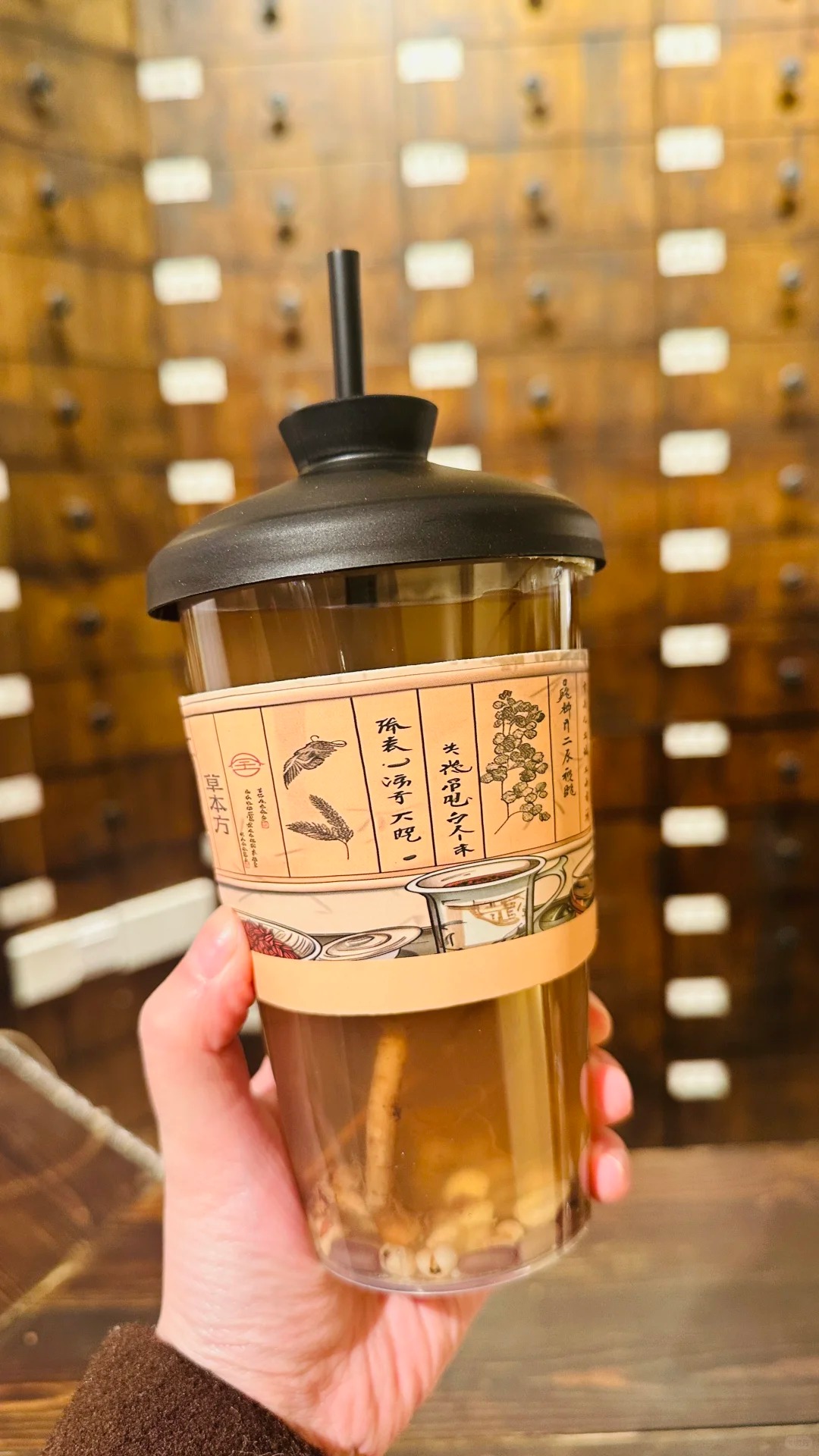
Herbal Cooling Tea
Herbal cooling tea, usually called liang cha, is technically not always “tea” at all. Many versions contain roots, leaves, flowers, and medicinal herbs instead of tea leaves. This part confuses foreign visitors quite a bit because herbal chinese tea culture overlaps heavily with traditional wellness ideas in Guangdong.
- Location: Common in Guangdong, Hong Kong, and Macau, especially in humid coastal urban areas where “heat-clearing” drinks are widely consumed.
- Typical Shops: Traditional liang cha (涼茶) herbal tea stores, old street-side herbal counters, and small family-run wellness shops that specialize in decoctions.
- Main Features: Dark-colored liquid, noticeably bitter herbal taste, and a cooling reputation in traditional Chinese wellness culture.
- Recipe: Usually made by slowly boiling a mix of medicinal herbs such as honeysuckle, chrysanthemum, dried lotus leaf, liquorice root, and other region-specific plants. Some formulas are tightly guarded and vary between shops, with boiling times often lasting several hours.
- Health Benefits: Locally believed to reduce “internal heat,” ease throat discomfort, and balance the body after spicy or fried food. Many residents drink it during hot, humid summers as a preventive routine rather than a treatment.
- How To Drink It: Commonly served chilled or at room temperature in takeaway cups. The bitterness is strong at first, so some versions include slight sweetness or herbal aftertaste.
- Best For: Curious travelers exploring regional wellness culture, especially those interested in traditional Cantonese herbal medicine practices.
Wanglaoji helped commercialize this style nationally, but older herbal tea shops still exist in many southern neighborhoods. Some look surprisingly old-fashioned, with metal pots, handwritten menus, and rows of dried herbs behind the counter.
The taste can be rough at first. A friend compared it to “cold cough syrup without sugar,” which honestly was not far off. But locals grow up drinking it from childhood, especially during humid summers or after eating too much fried food. Among healthy chinese drinks, few feel more connected to everyday southern life than liang cha.
Chinese Teas Often Linked to Weight Loss
Oolong Tea and Heavy Meals
Oolong tea appears in a huge number of conversations about tea for weight loss, especially in southern China. The connection usually starts with food rather than dieting. After hot pot, barbecue, or dim sum, restaurants often serve strong oolong automatically. Many people describe the feeling as “cutting the grease,” even if that phrase sounds a little strange in English.
- Location: Fujian, Guangdong, Sichuan hot pot restaurants.
- Typical shops: Dim sum restaurants, tea houses, hot pot chains.
- Main features: Roasted aroma, medium-to-high caffeine, strong aftertaste.
- Best for: Heavy meals and people trying to reduce sugary drinks.
Fitness-focused cafés in larger cities sometimes offer unsweetened oolong instead of soda or bottled juice. In Shanghai and Shenzhen, I noticed more gym-goers carrying large tea bottles instead of protein shakes during daytime workouts. Whether it directly causes weight loss is another question, but many people clearly prefer it over sweet milk tea.
Tieguanyin and Da Hong Pao show up the most in these discussions. Both feel stronger than green tea but less heavy than pu’er.
Pu’er Tea After Dinner
Pu’er tea probably has the strongest reputation among chinese health tea options connected with digestion. In Yunnan and Sichuan especially, it often appears after dinner rather than during meals. Hot pot chains sometimes serve ripe pu’er almost by default because customers expect it.
- Location: Yunnan, Sichuan, Guangdong.
- Typical shops: Tea markets, barbecue restaurants, hot pot chains.
- Main features: Earthy flavor, fermented tea, lower bitterness in ripe versions.
- Best for: Oily meals and late-night eating.
Ripe pu’er, or shu pu’er, usually gets recommended more often than raw pu’er for beginners. The taste feels smoother and less sharp. Some people drink it after late-night barbecue because they think it settles the stomach better before sleep.
One thing I noticed in Kunming tea markets: sellers rarely push pu’er as a “diet product.” They talk more about long tea sessions, digestion, and daily habits instead. That difference honestly makes it feel more believable.
Green Tea and Everyday Metabolism Discussions
Green tea dominates metabolism discussions online, both inside and outside China. A lot of this comes from caffeine and the general idea that green tea feels “lighter” compared with sugary drinks.
- Location: Nationwide, especially eastern China.
- Typical shops: Office tea corners, convenience stores, tea supermarkets.
- Main features: Fresh taste, noticeable caffeine, easy daily drinking.
- Best for: Morning energy and replacing bottled soft drinks.
Office workers often drink green tea through the entire afternoon because it helps them stay awake without another coffee run. Fresh Longjing especially feels strong when brewed heavily. Some people even get shaky after drinking too much on an empty stomach.
That said, most Chinese drinkers do not treat green tea as some dramatic fat-burning product. It works more as part of routine eating habits. Someone replacing two sugary milk teas a day with plain green tea probably notices a difference eventually, even without thinking much about calories.
Chinese Tea Is Not a Miracle Fat-Loss Drink
Despite frequent online claims, chinese teas and benefits are not viewed in China as a shortcut for weight loss. Tea is part of long-term eating habits rather than a targeted diet tool. People drink it because it is convenient, unsweetened, and easy to repeat every day.
In reality, the main impact comes from substitution. Replacing sugary drinks with plain tea naturally reduces calorie intake over time. This is why chinese health tea often appears in weight-loss discussions, even though locals rarely frame it in such direct terms. Tea supports a lifestyle pattern, but it does not replace diet or exercise.
How Chinese Tea Is Actually Brewed
Why Chinese People Rarely Use Tea Bags
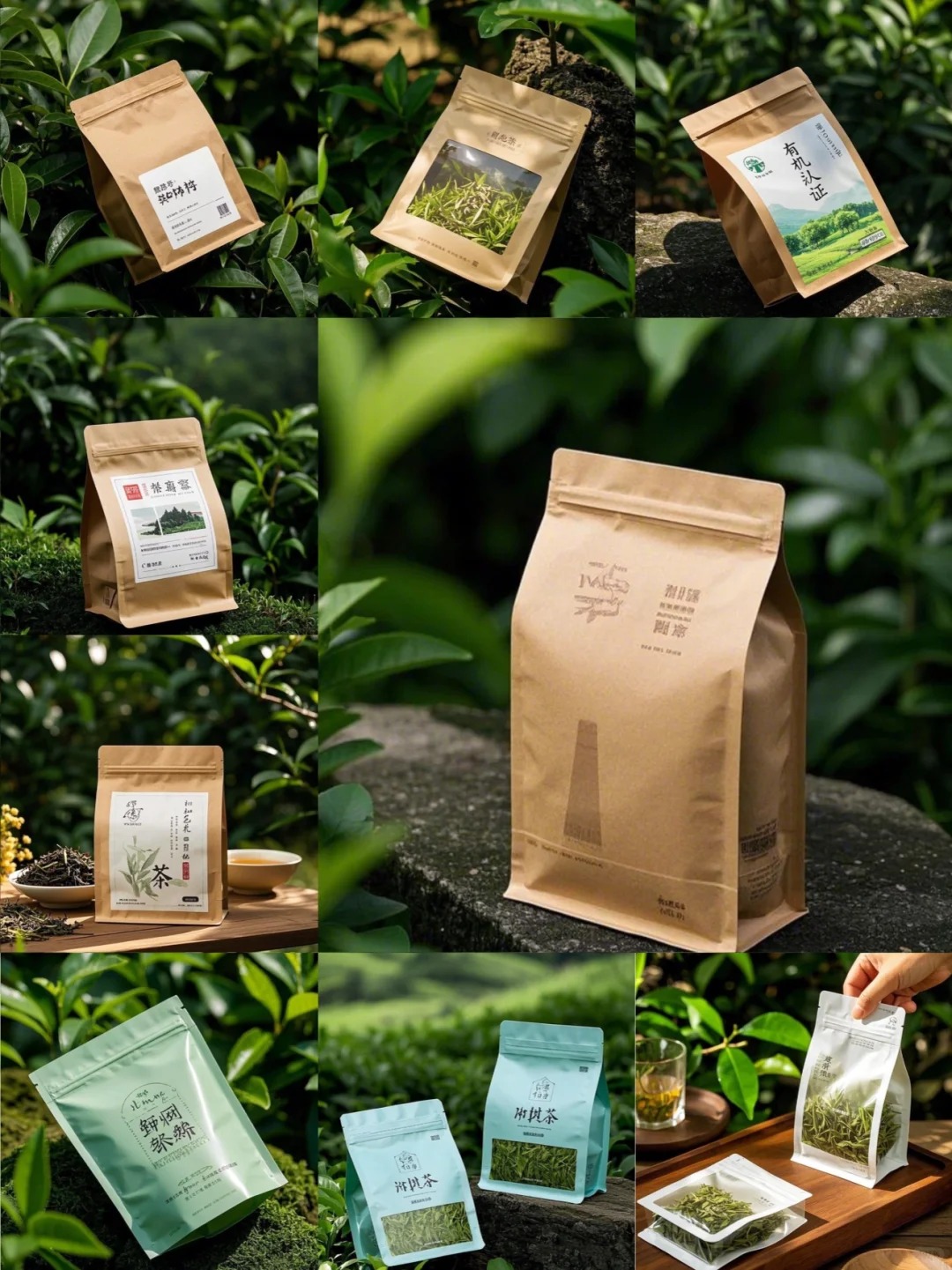
Why Chinese People Rarely Use Tea Bags
Tea bags are not really part of everyday tea culture in China. Most people still use loose leaves, even in offices or small street restaurants. One reason is simple: tea leaves are reused multiple times. A single portion can be refilled with hot water three to five times, and the taste changes slowly instead of disappearing after one cup.
Loose tea also has a visible process. Leaves slowly expand, sink, and rotate in hot water, which many people consider part of the drinking experience. In tea houses, it is common to see people watching the leaves unfold before even taking the first sip.
Different Teas Need Different Water Temperatures
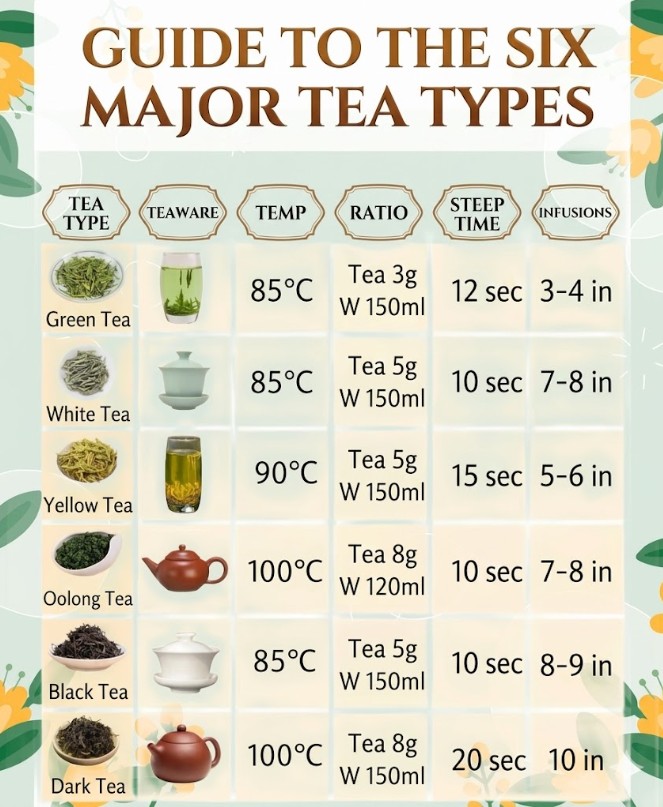
Different Water Temperatures
Chinese brewing is not random. Water temperature changes everything, and locals usually adjust it depending on the tea type.
- Green tea: around 75–85°C
Hot water can easily make it bitter, especially fresh spring tea like Longjing. - Pu’er tea: near boiling (95–100°C)
Strong fermentation needs higher heat to release flavor properly. - Flower tea: around 80–90°C
Too hot often makes it taste harsh or overly medicinal.
This is why many Chinese households keep a kettle that can control temperature, especially if they drink different teas during the day.
Gongfu Tea Is More Common in Fujian and Guangdong
Gongfu tea is a brewing style rather than a type of tea, and it is especially common in Fujian and Guangdong. It focuses on small tools and repeated short brewing sessions.
- Tools: Small clay teapot, tiny cups, tea tray for drainage.
- Process: Multiple short infusions instead of one long brew.
- Serving style: Tea is poured quickly and shared in small amounts.
- Visitor appeal: Highly visual, often seen in tea shops and tourist areas.
Many travelers find Gongfu tea interesting because it feels more like a performance than just drinking. Tea is poured repeatedly in quick rhythm, and the smell changes slightly with each round. In places like Chaozhou, tea sessions can last for an hour without feeling rushed, which surprises many first-time visitors.
Some Chinese Tea Is Better Earlier in the Day
Timing matters more than many visitors expect. Most strong teas are not usually consumed late at night because of caffeine. Green tea and oolong in particular can feel too stimulating if drunk after dinner.
Drinking tea on an empty stomach is also not always recommended in China. Some people report discomfort from strong green tea first thing in the morning, especially during spring harvest season when leaves are more concentrated. Because of this, many households prefer tea after breakfast or during work hours instead of immediately after waking up.
In daily routines, tea is often treated as a daytime drink rather than something for the evening, especially when the leaves are strong or freshly picked.
Places in China Where Tea Culture Feels Most Visible
Chengdu Tea Houses
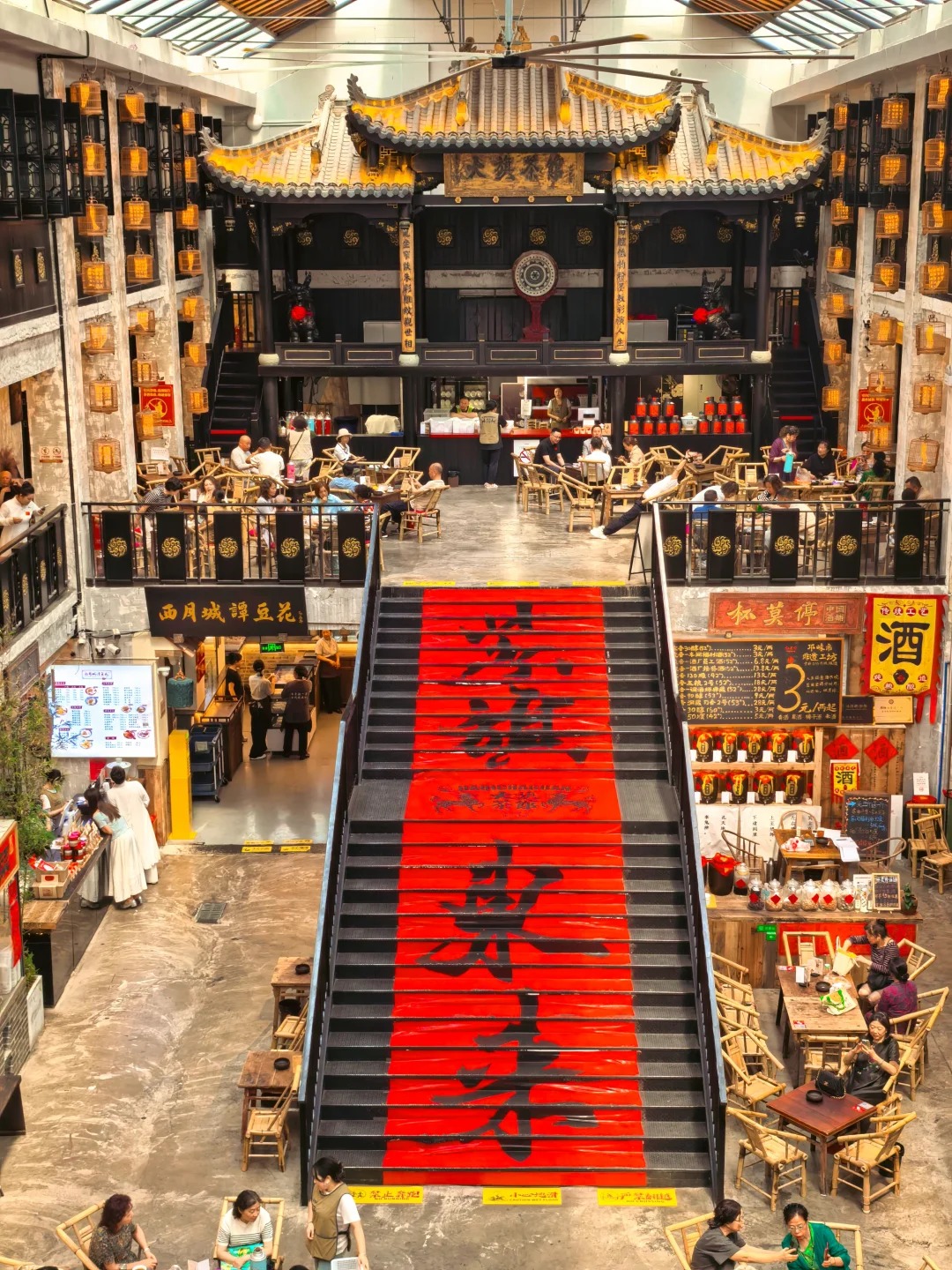
Chengdu Tea Houses
Chengdu tea houses inside People’s Park show a very slow version of city life. People sit for hours with a single pot of tea, often doing nothing in a hurry. Some are reading, some are chatting, and others are simply watching the park move outside the windows. Tea here is not treated as a product, but more like a reason to stay in one place for a long time.
In the same space, you often see locals getting ear cleaning services while drinking tea, which surprises many first-time visitors. Mahjong tables are also everywhere, with soft noise filling the room instead of silence. It feels less like a café and more like a social routine that just happens to involve tea.
Hangzhou and Longjing Tea Villages
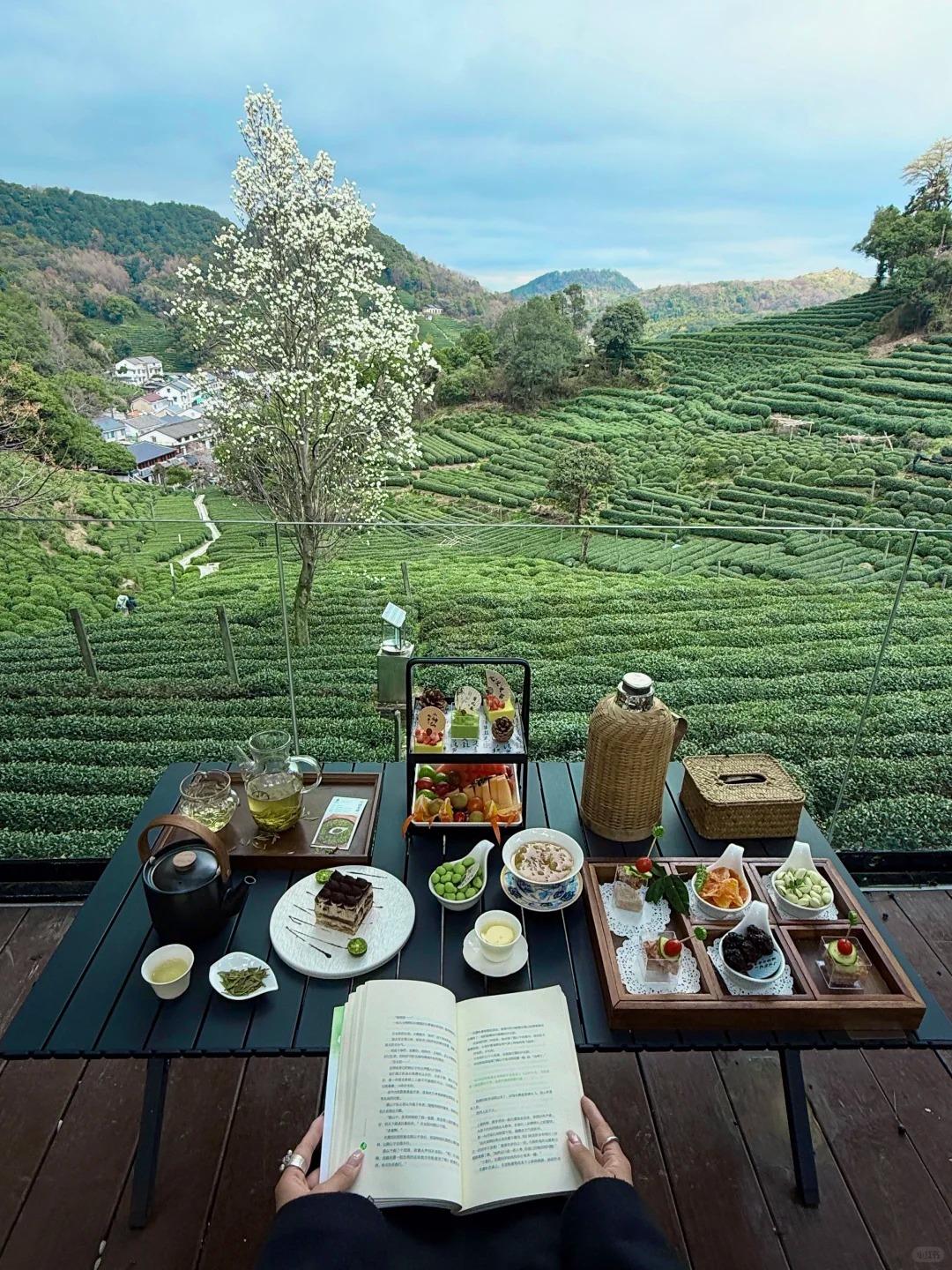
Hangzhou and Longjing Tea Villages
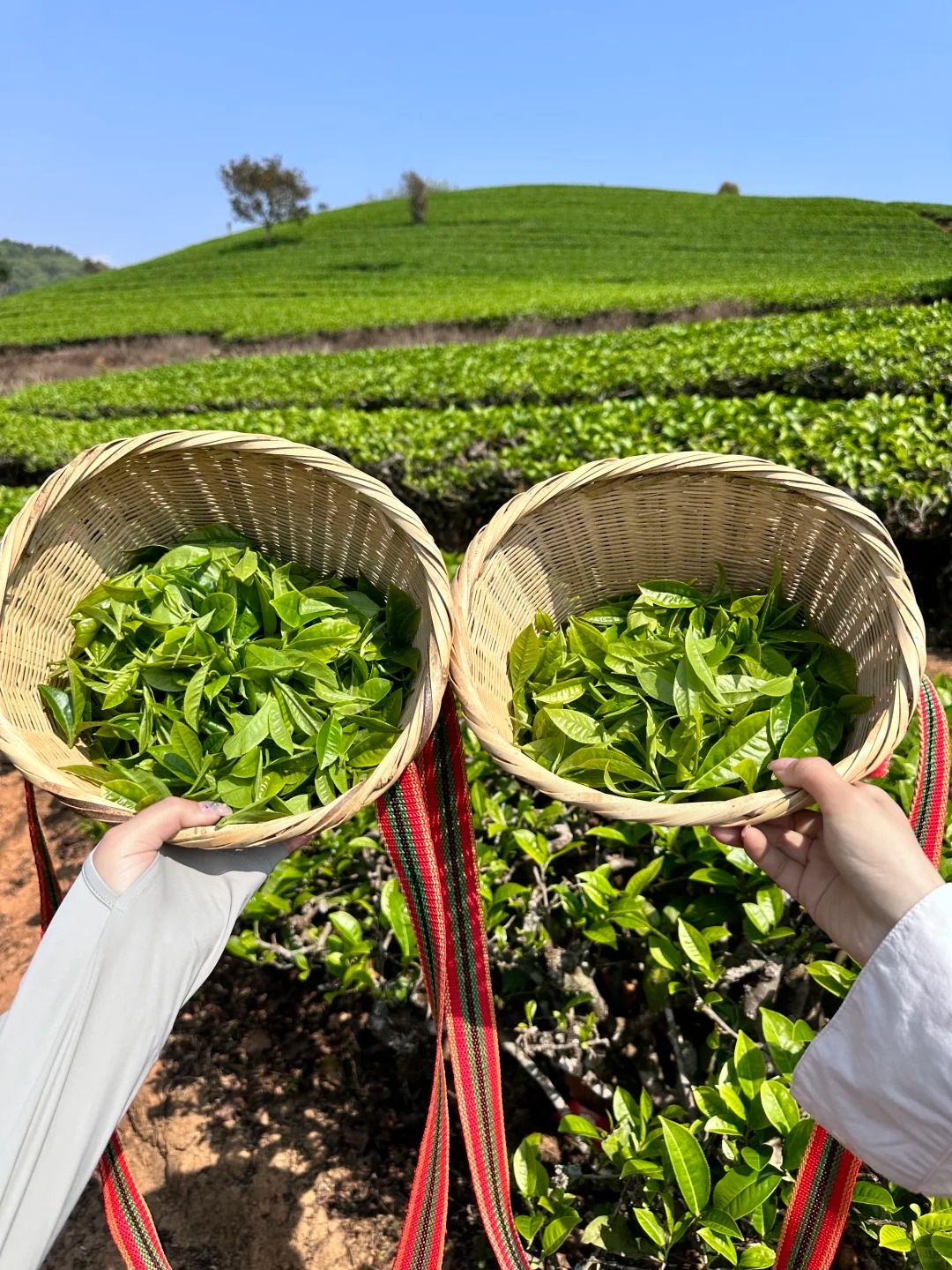
Hangzhou is closely tied to Longjing tea, especially around the West Lake area. During spring harvest season, small villages near the tea plantations become active with pickers, buyers, and tourists. Fresh leaves are usually sold quickly, and the early spring batches are considered the most valuable.
Visitors can walk through tea fields and see how leaves are picked and sorted. Many small family-run farms also offer simple tastings, usually in wooden houses overlooking the hills. The experience is less commercial than expected, although prices for fresh Longjing can vary widely depending on the harvest period.
Yunnan Tea Markets
Hangzhou and Longjing Tea Villages
Yunnan tea markets, especially in Kunming, are one of the most direct ways to experience pu’er culture. Shops often encourage visitors to sit down and try multiple teas before buying anything. This tasting culture is very open, and it is common to spend time moving from one vendor to another without pressure.
Tea cakes are stacked in large displays, sometimes aging for years before being sold. For many travelers, this is the first time they see tea treated almost like a collectible item rather than a daily drink. The buying process feels informal but also very focused on personal taste.
Chinese Drinks Beyond Tea
While tea dominates daily drinking culture, it is not the only common beverage in China. Many travelers first encounter milk tea shops, which have become extremely popular in cities. These drinks are sweeter and more modern, often serving as a contrast to traditional loose-leaf tea culture.
In addition, soy milk is a standard breakfast drink across much of China, usually paired with fried dough sticks. Sour plum drink (suanmei tang) is another traditional option, often served cold during summer and found in both restaurants and street stalls. For readers interested in broader beverage habits, I’ve covered more details in this article on Chinese daily drinks and café culture, which connects closely with how tea fits into everyday life.
FAQ About Chinese Teas and Benefits
Q: What is the healthiest Chinese tea to drink daily?
There is no single “healthiest” option, because different chinese teas and benefits depend on how and when you drink them. Green tea is often chosen for daily use because it is light and easy to brew in offices. Pu’er tea is more common after meals, especially oily food, while white tea is seen as gentler on the stomach. In practice, most Chinese people rotate teas instead of sticking to one type every day.
Q: Is Chinese tea actually good for weight loss?
Chinese tea is often mentioned in tea for weight loss discussions, but it is not treated as a direct fat-burning solution in China. The real effect usually comes from replacing sugary drinks like soda or milk tea. Oolong and green tea are popular choices because they are unsweetened and easy to drink regularly. The long-term habit matters more than any single cup.
Q: Which Chinese tea has the least caffeine?
White tea generally has lower caffeine compared to green tea, oolong, or black tea, although exact levels depend on brewing strength. Many people who are sensitive to caffeine choose white tea or lighter flower teas like chrysanthemum. In China, these are often consumed in the afternoon or evening because they feel less stimulating.
Q: Why do Chinese people drink tea after heavy meals?
This habit is mostly related to comfort and routine rather than strict medical reasons. After oily food like hot pot or barbecue, people often drink pu’er or oolong because they feel lighter and less greasy afterward. In many restaurants, serving chinese health tea after meals is standard practice, especially in southern China.
Q: What is the difference between Chinese tea and Western tea bags?
The main difference is that Chinese tea usually uses loose leaves, not tea bags. Loose tea can be brewed multiple times, and the flavor changes with each refill. Tea bags are more single-use and consistent. In China, the visual process of leaves expanding in hot water is also part of the experience, not just the drink itself.
Q: Why does Pu’er tea taste so earthy or unusual?
Pu’er is a fermented tea, which gives it a strong earthy and sometimes woody flavor. Some people describe it as similar to wet wood or herbal medicine, especially the first time they try it. Ripe pu’er is smoother and more common for beginners, while raw pu’er has a sharper taste that changes as it ages over time.
Q: Can Chinese herbal tea replace medicine?
No, herbal chinese tea like liang cha or chrysanthemum tea is part of daily food culture, not a replacement for medical treatment. People drink it mainly for comfort, hydration, or traditional beliefs about “cooling” the body. In places like Guangdong, it is very common in daily life, but it is not used as a medical substitute.
Q: What is the best time to drink Chinese tea?
Most Chinese teas are best consumed during the daytime. Green tea and oolong are usually avoided late at night because of caffeine. Many people drink tea after breakfast or during work hours. Drinking strong tea on an empty stomach is sometimes avoided, especially with fresh green tea, as it can feel too intense for some people.
Q: Is Chinese tea culture difficult for tourists to understand?
At first, it can feel a bit complex because there are many types and brewing styles. However, most tourists quickly notice that tea is part of daily routine rather than a formal ceremony. Once you understand basic categories like green tea, oolong, and pu’er, it becomes easier to order and enjoy tea in restaurants, tea houses, and markets across China.


