Confucianism Festivals-Confucius Birthday
Confucianism festivals are easy to misunderstand at first. A lot of visitors expect something colorful and loud like Chinese New Year, then end up standing inside a quiet temple courtyard listening to ritual music and people bowing in complete silence. These festivals are less about celebration and more about family, ancestors, respect, and tradition. Some, like Qingming Festival, still affect everyday life across China in a very real way — crowded train stations, flower markets near cemeteries, entire families returning home for tomb sweeping. If you only look at the surface, honestly, you miss most of what makes these traditions interesting.
The Main Festivals Connected To Confucian Traditions
Confucius Birthday
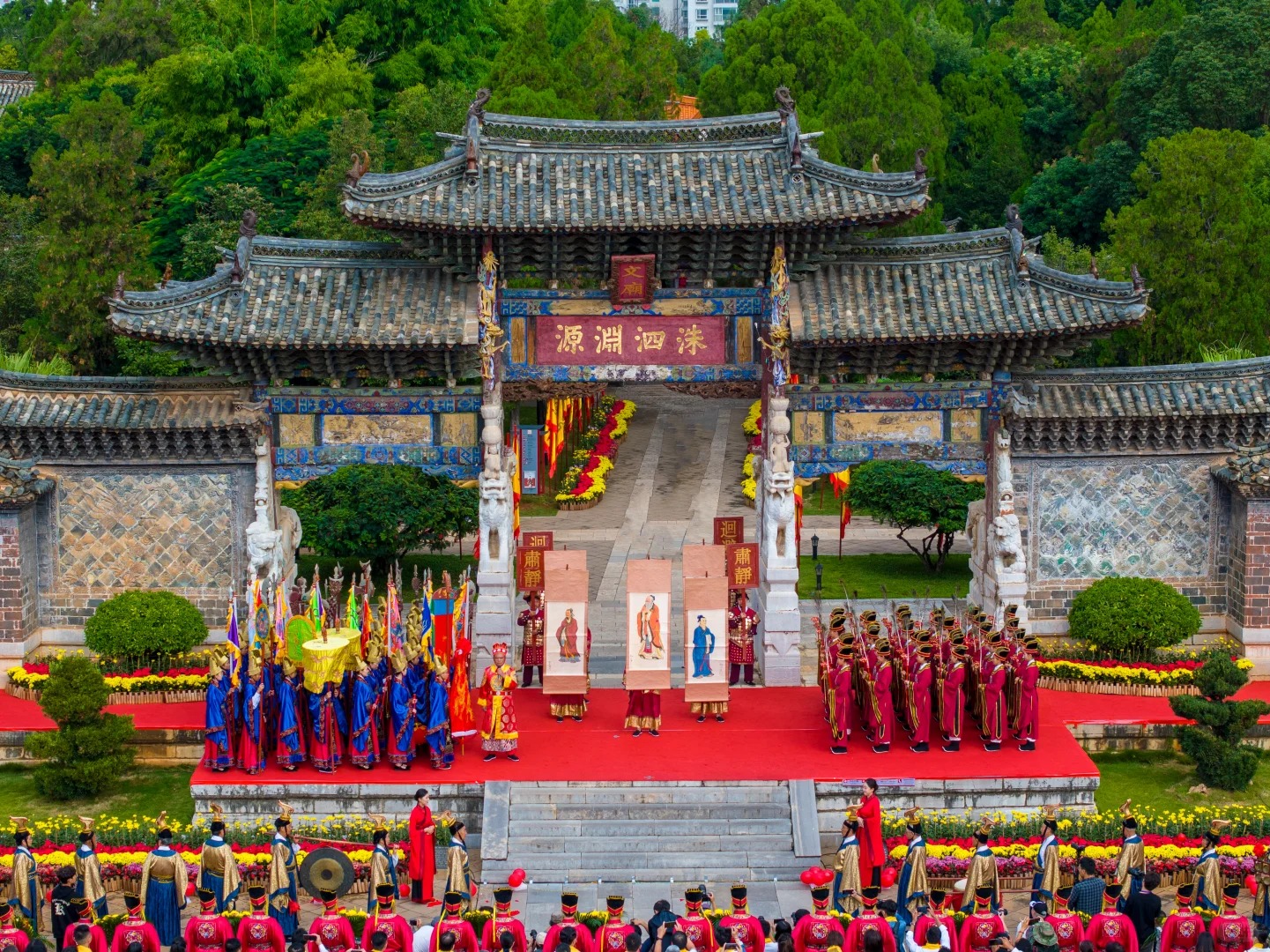
Confucius Birthday is usually the first thing people mean when talking about confucianism festivals. The date follows the birth of Confucius, traditionally celebrated around September 28, though some ceremonies still use the lunar calendar locally. In mainland China, the largest events happen in Qufu, Shandong, where Confucius was born. Taiwan also holds formal ceremonies, especially at the Taipei Confucius Temple, and the atmosphere there often feels slightly stricter and more ceremonial.
- Ceremony Style: Ritual dances, ancient music, incense offerings, and students reading passages from the Analects. Some ceremonies begin early in the morning, sometimes before large tourist crowds arrive.
- Atmosphere: Quiet and formal rather than festive. A lot of foreign visitors expect something closer to a street festival and end up surprised by how controlled everything feels.
- Clothing: Performers often wear long robes that look almost theatrical at first glance. Honestly, some tourists think it looks like a historical TV drama until the ceremony begins.
- Visitor Experience: In Qufu, people usually gather around the outer courtyards first because the main ritual areas can become crowded with local students, officials, and tour groups.
This is probably the most recognizable festival directly tied to Confucian traditions today. Qufu becomes especially busy during the annual Confucius Cultural Festival, which later sections will cover in more detail. The city itself stays fairly calm most of the year, so the sudden appearance of banners, ceremony rehearsals, and traditional music can feel surprisingly dramatic when the festival period starts.
Qingming Festival
Qingming Festival appears in almost every discussion about confucian holidays, even though many Chinese people simply treat it as part of normal family tradition. The connection comes from filial piety, ancestor respect, and family responsibility — all central ideas in Confucian culture. Unlike many Western holidays, Qingming rarely feels commercial.
- Main Activity: Families clean graves, burn incense, place flowers, and offer food to ancestors. Some also burn paper items meant to symbolically reach deceased relatives.
- Travel Pattern: Millions return to hometowns during the holiday. Train tickets can sell out surprisingly fast, especially on routes between large cities and smaller hometown areas.
- Mood: Not loud or celebratory. Parks may feel busy, but cemeteries stay quiet and serious.
- Season: Qingming happens during spring, so the weather is often comfortable. In many cities, flowering trees and green parks create a strange contrast with the reflective mood of the holiday.
A foreign visitor once described Qingming as “part memorial day, part spring picnic,” which honestly is not completely wrong. After tomb sweeping, many families continue the day with outdoor meals or short trips nearby. Some younger people even combine the public holiday with small domestic vacations. That mix of remembrance and ordinary family life feels very Chinese in a way that is hard to explain quickly.
Another thing visitors notice is how normal ancestor traditions in China still feel during Qingming. Flower shops near cemeteries become crowded, roadside vendors sell paper offerings, and entire extended families arrive together carrying bags of fruit and incense. It does not feel staged for tourists at all.
Chinese New Year And Other Traditions Influenced By Confucianism
Chinese New Year is not technically a Confucian festival, but Confucian values appear everywhere during the holiday. Competitor articles usually mention this briefly, and honestly they should — it matters. Many everyday customs during Spring Festival still reflect ideas connected to hierarchy, respect, and family responsibility.
- Family Order: Elders sit first during reunion dinners in many households.
- Greetings: Younger relatives greet older family members before receiving hongbao.
- Ancestor Traditions In China: Some families still place incense or food offerings before ancestor tablets at home.
- Respect Culture: In certain households, younger people avoid arguing openly with elders during the holiday because harmony inside the family remains important.
Even small details connect back to Confucian traditions. In some homes, children avoid speaking too casually during New Year dinners because respect toward older relatives still matters a lot. Seating arrangements, gift giving, and even the order of toasts at family meals can quietly reflect seniority within the family.
You notice quickly that many Chinese festivals focus less on religion itself and more on family structure, obligation, and memory. That is one reason confucianism festivals can feel difficult to define neatly. The philosophy influences daily customs so deeply that people often follow these traditions without consciously thinking about Confucianism anymore.
Confucius Birthday Ceremonies In Qufu
What The Ceremony Actually Looks Like
What The Ceremony Actually Looks Like
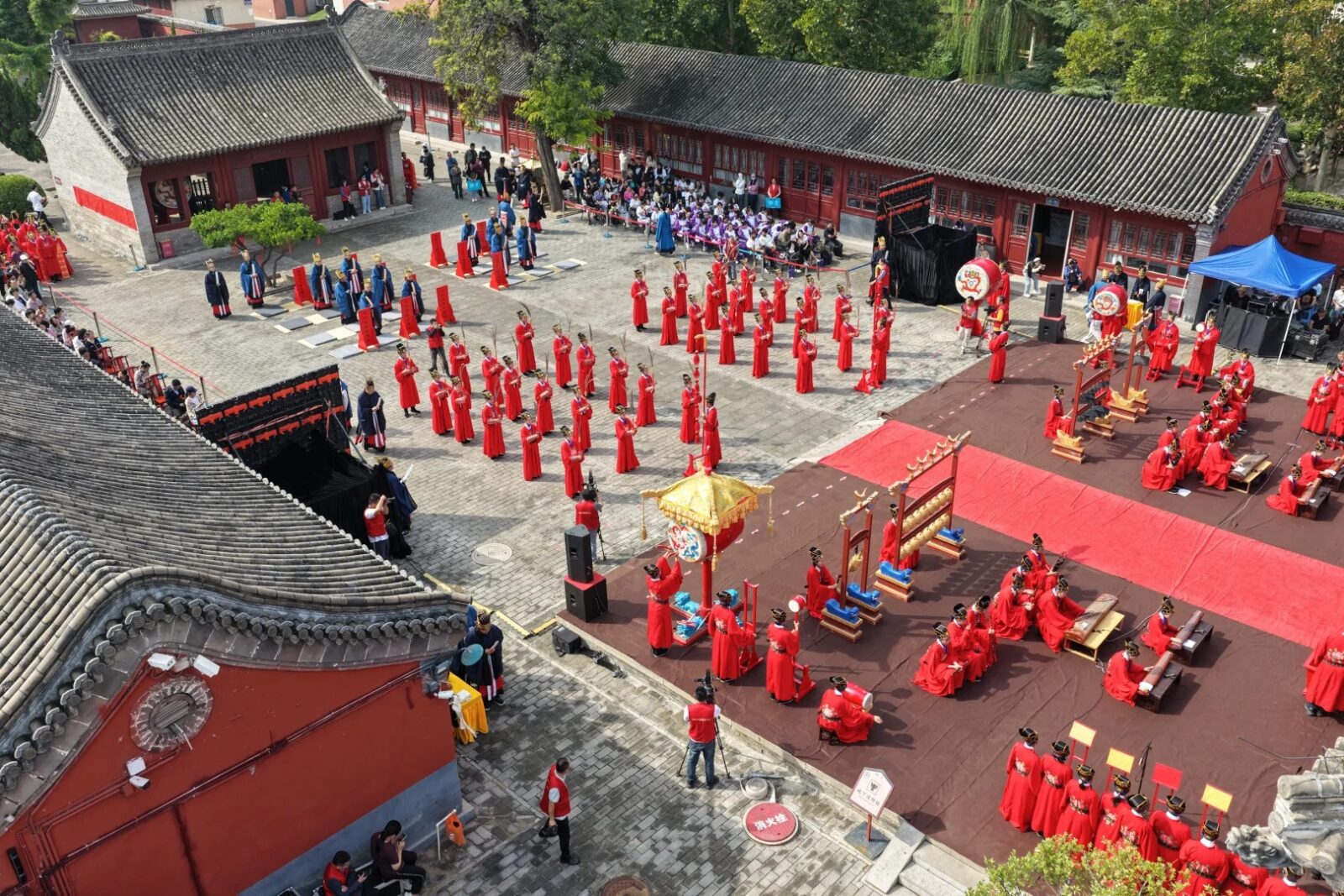
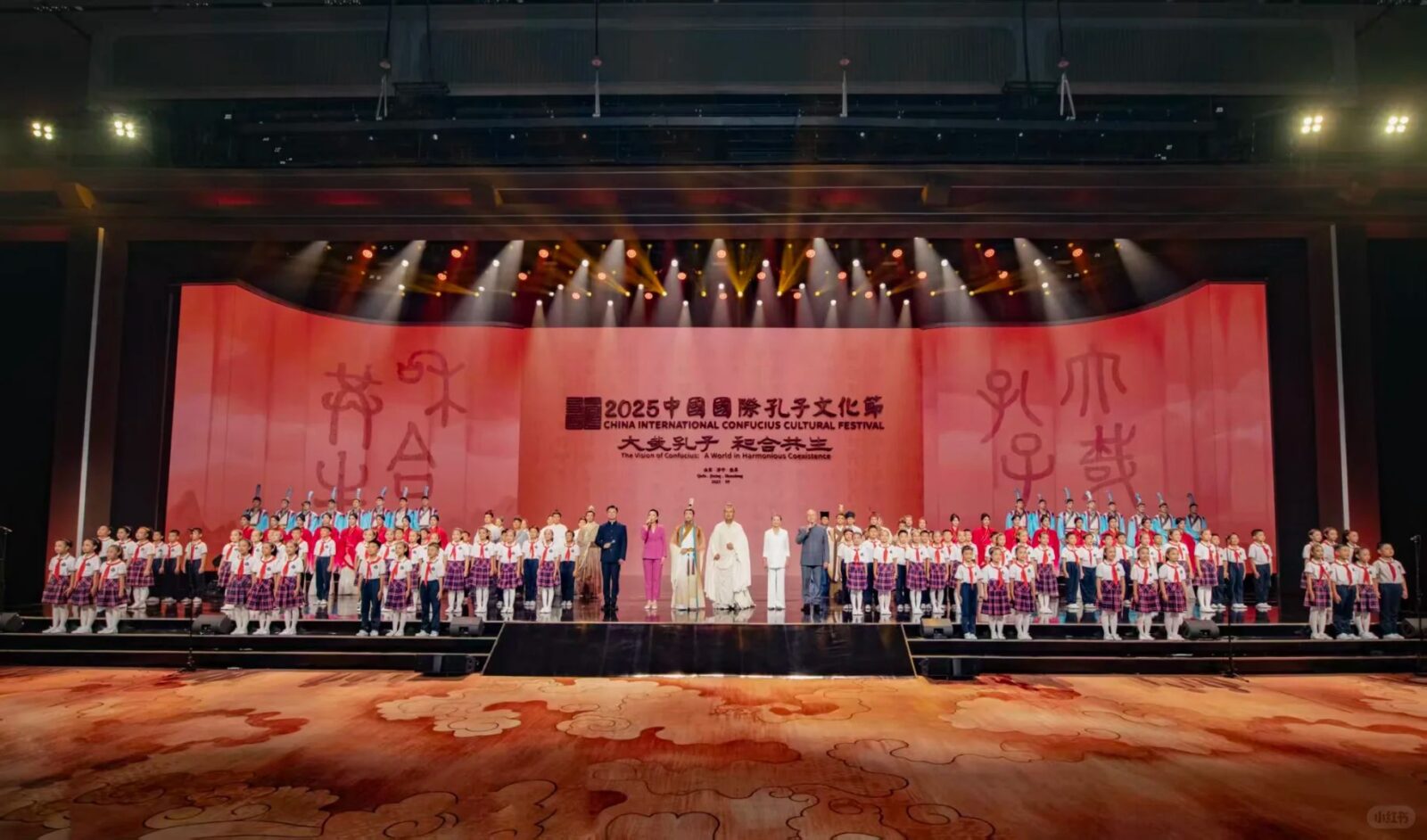
The Confucius Birthday ceremony at the Qufu Confucius Temple feels more formal than many visitors expect. There are no fireworks or loud crowds like Spring Festival. Instead, the atmosphere becomes quiet very quickly once the ritual music starts. You usually hear the bronze bells and drums first before seeing the main ceremony area.
- Music: Traditional yayue ritual music plays slowly with drums, bells, and flutes. The rhythm feels almost deliberately slow.
- Clothing: Performers wear red, yellow, and dark blue robes modeled after ancient ceremonial dress.
- Ritual Dance: Rows of dancers move in synchronized patterns while officials bow toward the altar.
- Reading Ceremony: Local students sometimes recite passages from the Analects in unison.
A lot of foreign tourists initially stand around taking photos casually, then slowly stop talking once the ceremony begins. The event feels less like a performance and more like a preserved ritual that people still take seriously. That difference surprises many first-time visitors.
One thing I noticed in Qufu was how mixed the crowd looked. Elderly local visitors stood beside student tour groups and foreign travelers carrying cameras bigger than the actual incense burners. Some people stayed only ten minutes. Others ended up watching the entire ceremony even though they clearly had not planned to. On Xiaohongshu, several Chinese travelers described the same thing: they came for the Confucius Temple itself but stayed much longer because the ritual atmosphere felt unexpectedly immersive.
Best Time To Visit Qufu
Confucianism Cultural Festival
September is usually considered the best time to visit Qufu, especially around the annual Confucius Cultural Festival connected to Confucius Birthday celebrations. The weather in Shandong becomes cooler by then, and walking around the temple courtyards feels much easier than during the humid summer months.
- Best Season: Late September to early October.
- Temperature: Usually around 20-28°C during daytime, though evenings can feel cooler.
- Festival Period: The city becomes noticeably busier during the Confucius Cultural Festival.
- Crowds: Student groups from schools and universities arrive in very large numbers.
Outside the festival season, Qufu is honestly quieter than many people expect. It does not feel like a giant tourist city. Some streets near the temple area become calm surprisingly early at night, especially on weekdays. During festival periods, though, the atmosphere changes completely. Tour buses line up outside the main scenic area, hotels near Sankong Scenic Area become harder to book, and local restaurants fill with school groups wearing matching hats.
- Ticket Reference: The Sankong Scenic Area ticket covering the Confucius Temple, Mansion, and Cemetery usually costs around ¥140-150 depending on season.
- Booking Tip: Ctrip normally lists combined tickets and English descriptions, though translations can look slightly awkward sometimes.
If the goal is to experience confucianism festivals rather than simply sightseeing, September is easily the strongest period to visit Qufu.
How Tourists Usually Experience The Festival
Most visitors experience Confucius Birthday ceremonies through a half-day or full-day route around the three main Confucian sites in Qufu: Kong Miao (Confucius Temple), Kong Fu (Confucius Mansion), and Kong Lin (Confucius Cemetery).
- Half-Day Route: Usually focuses on the Confucius Temple and nearby ceremony areas.
- Full-Day Route: Adds the Confucius Mansion and Cemetery with guide explanations about family lineage and Confucian traditions.
- Guide Content: Stories about imperial exams, ancestor worship, and Confucian temple rituals appear in almost every guided tour.
TripAdvisor reviews often mention the same thing repeatedly: the site feels much larger and more ceremonial than expected. Some visitors compare the main courtyards to imperial palace architecture because the temple layout becomes increasingly formal as you walk deeper inside.
Foreign travelers sometimes miss smaller etiquette details.
- Photography: Photos are generally allowed, but blocking ritual pathways during ceremonies is considered rude.
- Behavior: Loud conversation inside ceremony areas stands out quickly because most local visitors stay relatively quiet.
- Dress: Nobody expects formal clothing, but extremely casual beachwear can feel slightly awkward inside ritual spaces.
The strongest part of visiting Qufu is not really the buildings themselves. It is the feeling that Confucian traditions still shape how people behave inside these spaces today.
Is Confucius Birthday A Public Holiday?
Confucius Birthday is not a national public holiday in mainland China. Offices, schools, and transport systems continue operating normally. That surprises some foreign visitors because the historical importance of Confucius in Chinese culture is enormous.
- Mainland China: No nationwide holiday arrangement.
- Taiwan: Some schools and temples organize larger public ceremonies.
- Festival Type: More cultural and educational than commercial.
- Comparison: Very different from Chinese New Year, which affects almost every part of daily life.
In practice, Confucius Birthday functions more like a cultural commemoration day than a mass celebration. Schools may organize reading events or traditional ceremonies, especially in Shandong. Universities with Confucian studies programs sometimes hold public lectures or ritual demonstrations.
Taiwan generally preserves stronger public ceremony traditions connected to Confucius Birthday. In Taipei, some rituals start very early in the morning and attract photographers hoping to capture the formal temple atmosphere before crowds arrive.
That quieter style is exactly why many travelers find these confucianism festivals interesting. They do not try to entertain visitors constantly. Instead, they preserve rituals and social traditions that still feel connected to everyday life.
Qingming Festival Feels More Personal Than Festive
Why Qingming Is Closely Linked To Confucian Values
Confucian Values
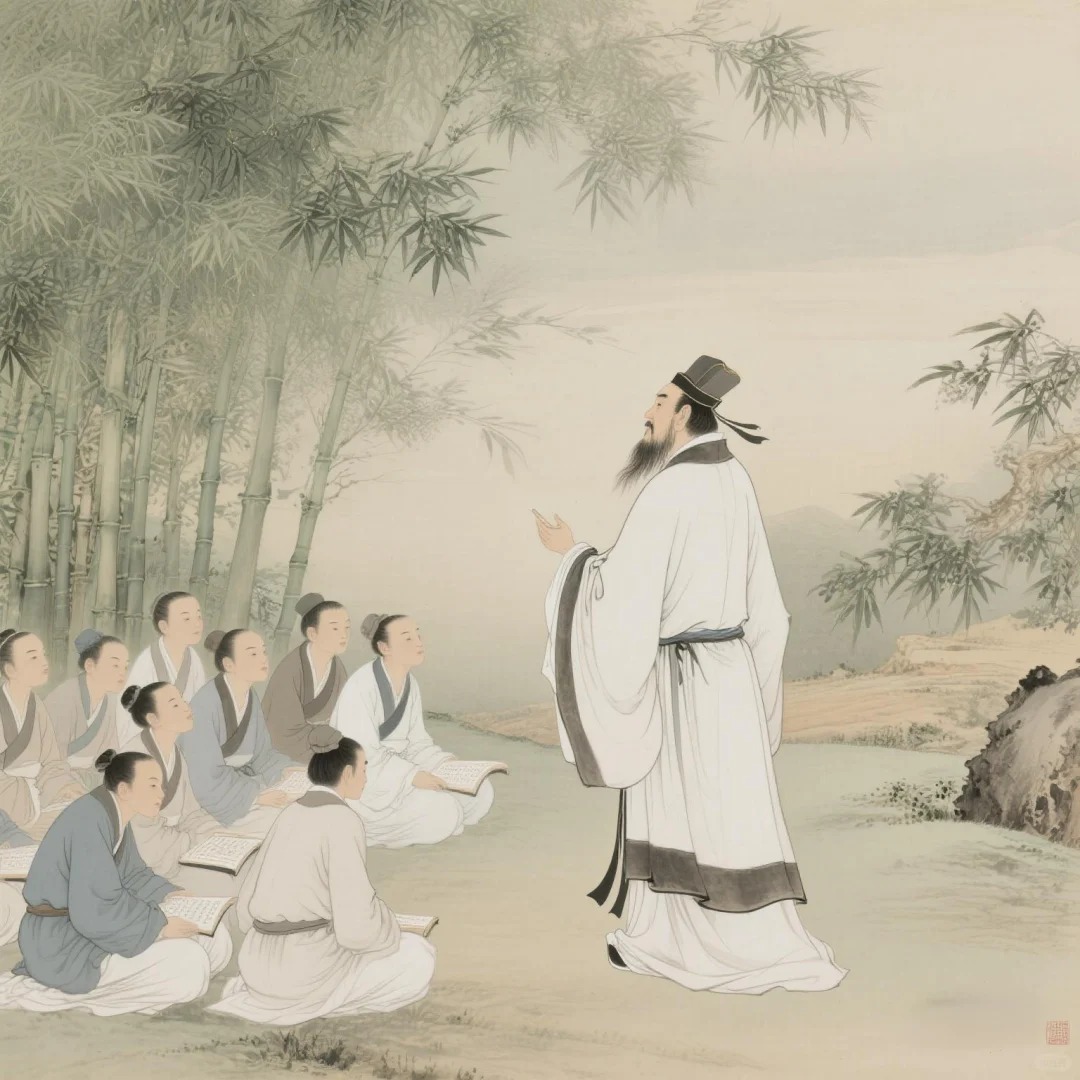
Qingming is often mentioned in discussions about confucianism festivals because it reflects core ideas of filial piety and family duty rather than celebration. It is not a religious festival in a strict sense, but it is strongly connected to ancestor worship in China and long-standing family traditions.
- Filial Piety Core: Qingming is built around respecting parents and remembering ancestors. Many scholars link this directly to Confucian teachings about family hierarchy.
- Family Responsibility: Visiting graves is usually seen as a duty, not an optional activity. Even people living in other cities try to return home if possible.
- Ancestor Connection: Families believe maintaining contact with ancestors through rituals is part of keeping family continuity.
- Academic View: Many researchers classify Qingming as part of confucian traditions because it reflects social ethics more than religious belief.
- Religious Difference: There is no fixed worship system or deity involved. The focus stays on family memory and ritual behavior.
Qingming feels less like a festival and more like a social routine that repeats every year without much public discussion. That is probably why it is sometimes misunderstood by first-time foreign visitors.
What Families Actually Do During Qingming
What Families Actually Do During Qingming
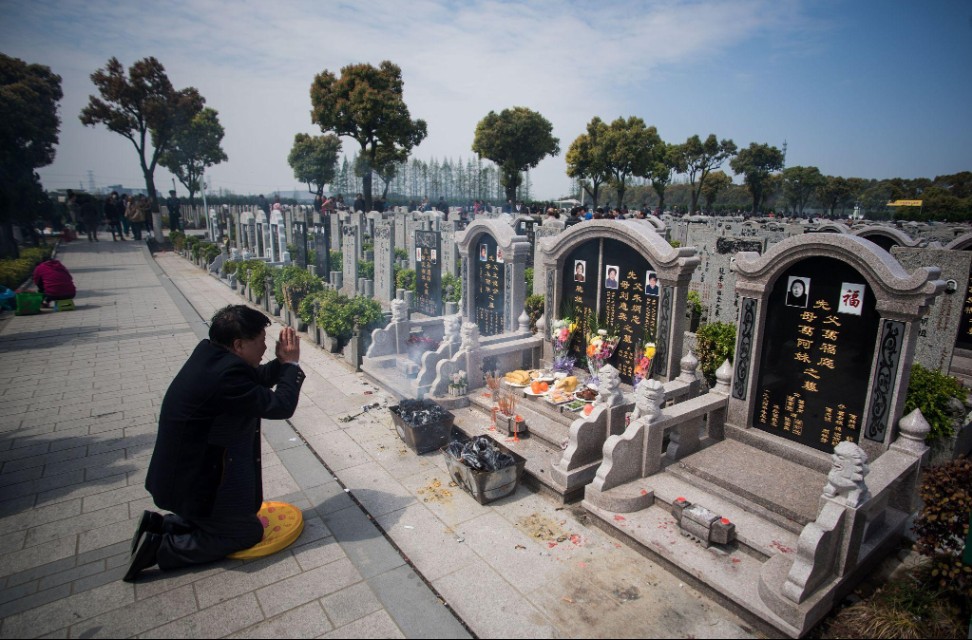
Qingming activities are simple, but they follow a clear pattern that has changed very little over time. Most families complete tomb sweeping in the morning, then continue the day with regular meals or short trips.
- Tomb Sweeping: Cleaning graves, removing leaves, and tidying burial sites. This is usually the first step of the day.
- Incense Offering: Burning incense sticks at the grave as a form of respect. The smoke is often light but constant in cemeteries during this period.
- Paper Offerings: Burning paper money or symbolic objects. It is a traditional practice still common in many regions.
- Food Arrangement: Fruits, snacks, and sometimes home-cooked dishes are placed in front of graves.
- Flowers: In larger cities, fresh flowers are now more common than paper offerings.
- Family Meal: After visiting graves, families often eat together nearby or return home for lunch or dinner.
- Travel Reality: Highways leading out of big cities often become congested. People mention traffic jams lasting several hours during peak return days.
- Spring Atmosphere: Qingming happens during spring, so weather is usually mild, with green parks and blooming trees everywhere.
The combination of ritual and daily life makes the experience feel very grounded. It is not a festival people “watch” — it is something they participate in quietly with their own families.
What Travelers Notice During Qingming Holiday
For travelers, Qingming Festival changes the atmosphere of many cities in a noticeable way. It is not visually dramatic, but the shift in movement and crowd patterns is easy to see.
- Crowd Increase: Popular tourist sites become unexpectedly busy, especially parks and scenic mountain areas.
- Transport Pressure: Train stations and highways experience heavy domestic travel flow, often starting one or two days before the holiday.
- Cemetery Atmosphere: Places near cemeteries feel unusually quiet, even if the nearby streets are crowded.
- Visitor Misunderstanding: Some foreign tourists initially describe Qingming as a “sad holiday,” because they only see tomb sweeping activities.
- Dual Behavior: Many local families combine ancestor visits with short spring outings, such as picnics or park visits.
One detail often missed is that Qingming is not purely about mourning. In many cities, people still go hiking, fly kites, or visit botanical gardens during the same holiday period. That contrast between quiet memorial spaces and lively public parks can feel confusing at first.
The same Qingming Festival can feel completely different depending on whether you are inside a cemetery or just a few kilometers away in a city park.
2026 Qingming Festival Dates And Holiday Arrangements
In 2026, Qingming Festival is expected to fall around April 4, following the traditional solar calendar system used in China. The official holiday arrangement usually lasts one day, but in practice it often connects with weekend adjustments, creating a short travel period.
- Official Date: Around April 4, 2026 (may vary slightly based on government calendar release).
- Holiday Duration: Typically 1 official day, sometimes extended through weekend adjustment.
- Travel Impact: Short-distance domestic travel increases significantly, especially routes connecting major cities with hometown regions.
- Hotel Pricing: Prices in tourist cities often rise moderately during the holiday. In popular destinations, increases of 20%–60% are commonly reported.
- Best Travel Choice: Urban sightseeing is usually easier than rural transport routes during this period.
From a travel perspective, Qingming is not the easiest time for flexible trips. Train tickets sell quickly, and popular scenic areas become crowded earlier than expected. However, it also offers a rare chance to observe ancestor traditions in China in a very direct way, especially in smaller towns.
If the goal is to understand confucianism festivals in real daily life rather than staged cultural shows, Qingming is one of the clearest examples.
Places Where Confucian Traditions Still Feel Strong
Qufu Still Feels Like The Center Of Confucian Culture
Qufu
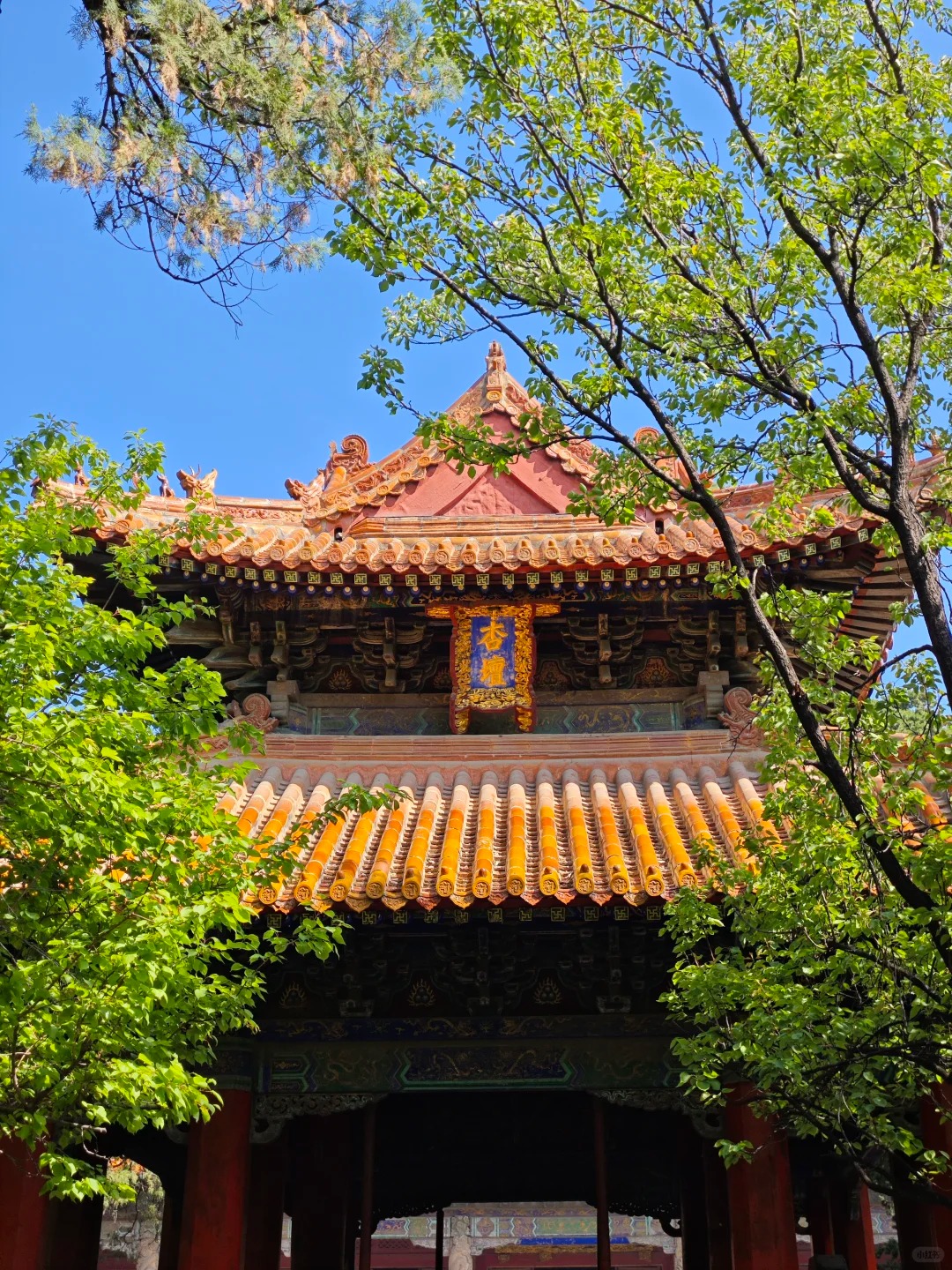
Qufu in Shandong is still the most direct place to understand confucian traditions in real life. The city is closely built around the Confucius Temple, Confucius Mansion, and Confucius Cemetery, known locally as “Sankong.” These sites are not isolated attractions, they sit inside the city layout itself, so you naturally move between them while walking around.
The atmosphere in Qufu is not heavily commercial in most areas. Around the Confucius Temple, there are souvenir shops and guided tour groups, but once you move a few streets away, it becomes a normal provincial city again. Cafes are simple, restaurants mostly serve local Shandong food, and the pace is noticeably slower than major tourist cities.
Foreign visitors are present, but not in large numbers compared with domestic school groups and guided tours. On regular weekdays, the streets feel calm, and even near the temple gates you often hear more footsteps than conversations. During confucianism festivals, however, the rhythm changes quickly, especially when student groups gather for ceremonies.
Qufu is one of the few places where Confucianism is not just displayed, but still quietly embedded into daily surroundings.
Beijing Confucius Temple Is Easier For First-Time Visitors
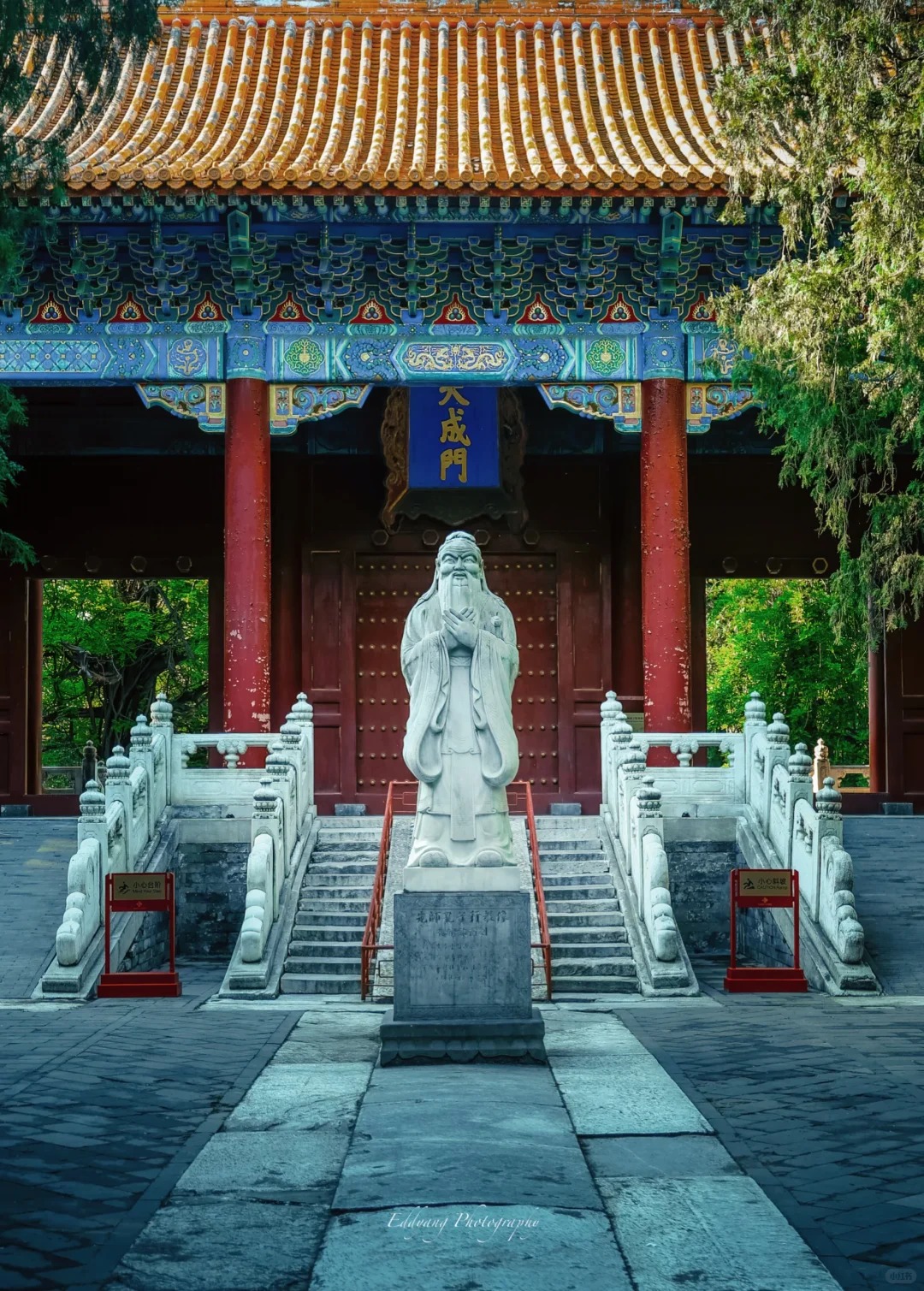
Beijing Confucius Temple
The Confucius Temple in Beijing sits next to the Guozijian area, which used to be the imperial academy. Compared with Qufu, everything here is smaller and easier to navigate, making it a common first stop for travelers who want to understand Confucian culture without leaving the capital.
The location is very convenient, just a short walk from Lama Temple and several hutong streets. Most visitors spend one to two hours here, often combining it with nearby sightseeing routes. The site is well preserved, but it does not feel like an active ritual space in the same way as Qufu during confucianism festivals.
In autumn, the courtyard becomes more visually distinctive because of the ginkgo trees turning yellow. That seasonal detail often appears in travel notes on platforms like TripAdvisor, where visitors mention the contrast between the quiet temple environment and the busy streets just outside.
Beijing Confucius Temple feels more like a historical introduction to Confucian education culture rather than a living ritual site.
Nanjing Fuzimiao Feels More Commercial But Very Lively
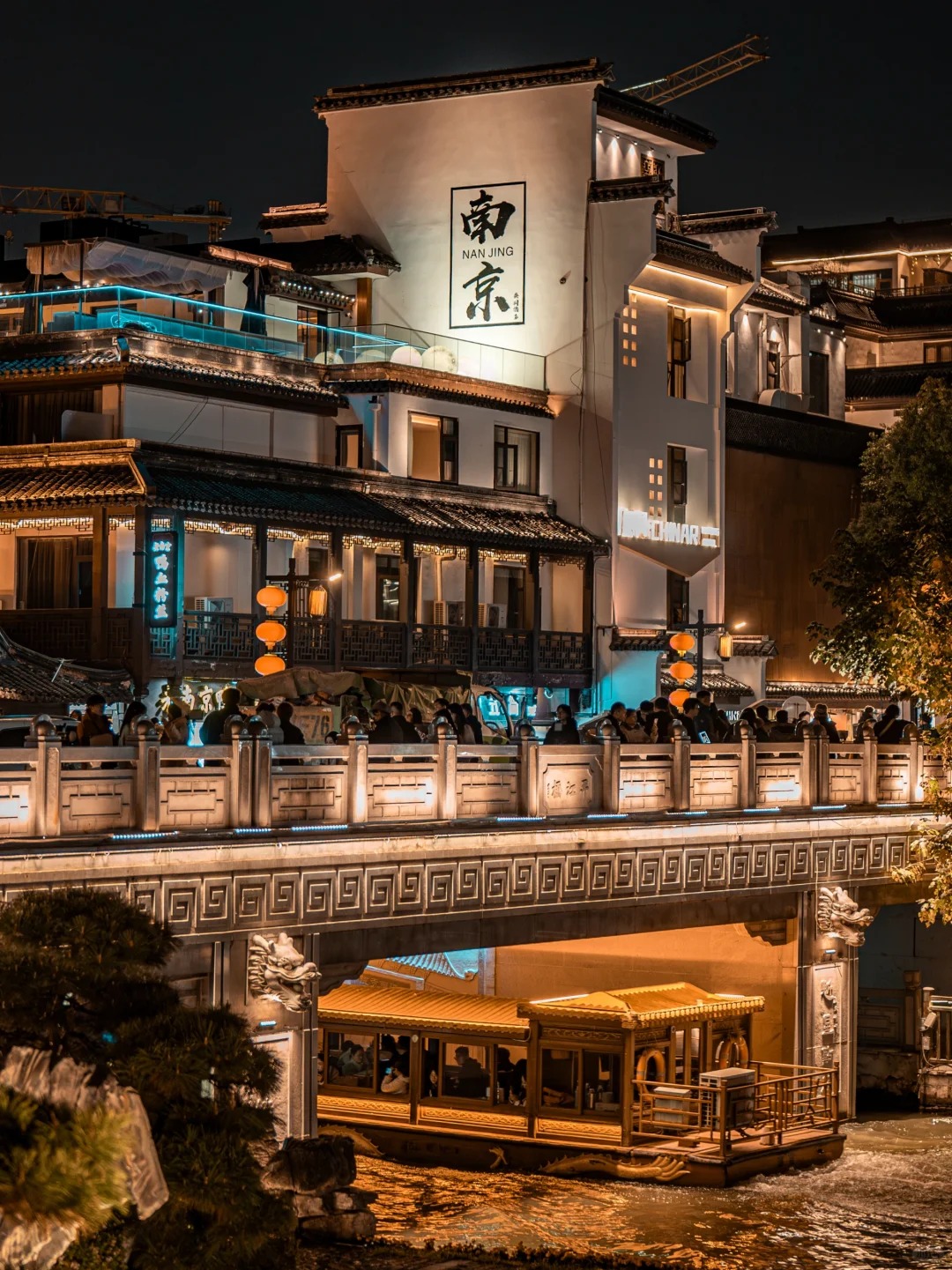
Nanjing Fuzimiao
Nanjing Fuzimiao presents a very different side of confucian traditions in China. It is located along the Qinhuai River, and while it originally functioned as a Confucius Temple, the surrounding area has developed into a dense commercial and nightlife district.
At night, the whole area becomes bright with lanterns reflecting on the river water. Street performances, food stalls, and souvenir shops fill the pedestrian zones. The atmosphere is much more energetic than Qufu or Beijing, and the visitor profile is also different, with more young domestic tourists and couples walking through the area.
Food is a major part of the experience here. Local snacks are sold everywhere, and the smell of grilled street food mixes with river humidity in the summer evenings. Some visitors focus more on eating and walking than on the Confucian temple buildings themselves.
Compared with Qufu, the contrast is quite clear. Qufu stays close to ritual and education, while Nanjing Fuzimiao blends heritage with entertainment and tourism. Both are part of Confucian temples in China, but they function in completely different ways today.
This variation shows how Confucian spaces can shift from ritual centers to urban cultural districts without losing their historical identity.
Travel Tips For Visiting Confucian Festivals
Temple Etiquette Is More Important Than Many Visitors Expect
In most confucian festivals, temple behavior matters more than people expect. These are still working ritual spaces, especially in places like Qufu Confucius Temple, not just photo spots. The first thing I noticed is how quickly visitors lower their voices once they enter the main courtyard.
You don’t need formal rules, but a few basics help. Don’t stand in the middle of ritual routes, because ceremonies sometimes follow fixed walking lines. Keep photos discreet instead of blocking movement. Incense is usually simple to observe rather than perform. Dress is also low-key; nothing strict, but overly bright beachwear feels out of place in Confucian temple rituals. If you’re unsure about how to behave in temples or traditional settings, here’s a simple breakdown of cultural manners in real situations.
The key point is simple: people are not just visiting a monument, they are stepping into an active cultural space.
Qingming Holiday Travel Can Become Extremely Busy
Qingming Festival travel is short but intense. High-speed rail tickets often sell out early on major routes, and hotels in both big cities and smaller hometown regions can rise by around 20–60% depending on demand. Even outside tourist cities, local transport gets noticeably busier because ancestor worship in China brings millions back to their hometowns at the same time.
What surprises many visitors is that it doesn’t feel chaotic like Chinese New Year, but everything becomes fully booked faster than expected. Scenic parks and memorial areas also get crowded, since many families combine tomb sweeping festival visits with short spring outings. Planning too loosely usually leads to limited options.
Spring And Early Autumn Usually Feel Best
Timing changes the experience of visiting Confucian sites more than most people expect. Spring is the main period for Qingming-related activities, with mild weather and green landscapes, although occasional rain can affect travel plans. Early autumn, especially September, is better for Qufu because temperatures stay comfortable for walking between temples during Confucius Birthday events.
Summer often feels too hot in open courtyards, while winter reduces the number of ceremonies and outdoor activity. If the goal is visiting confucian traditions in a natural setting rather than rushing through sites, spring and autumn are the most practical choices.
In most cases, the season decides how “alive” confucianism festivals actually feel on the ground.
FAQ About Confucianism Festivals
Q: What are confucianism festivals in China?
Confucianism festivals are not a single fixed holiday system, but a group of traditional events influenced by Confucian values like filial piety, ancestor respect, and family hierarchy. The most common examples include Confucius Birthday ceremonies in Qufu and Qingming Festival. Some are formal rituals held in temples, while others are family-based traditions practiced across China. They are less about celebration and more about remembrance and social order.
Q: Is Confucius Birthday a public holiday in China?
No, Confucius Birthday is not a national public holiday in mainland China. Schools and offices remain open, and only specific locations like Qufu or Confucius temples hold formal ceremonies. In Taiwan, the day is more visibly marked with organized rituals, but it still does not function like a mass public holiday such as Chinese New Year or National Day.
Q: Why is Qingming Festival linked to Confucian traditions?
Qingming Festival is closely connected to Confucian values because it focuses on filial piety and ancestor worship in China. Families visit graves, clean tombs, and offer food or incense to deceased relatives. While it is not purely a religious festival, many scholars consider it part of confucian traditions because it reflects long-standing social ethics about family responsibility and respect for elders.
Q: Where is the best place to experience Confucian ceremonies?
The best-known place is Qufu in Shandong, especially the Confucius Temple, Confucius Mansion, and Confucius Cemetery. This is where large Confucius Birthday ceremonies still take place. For easier access, Beijing Confucius Temple near Guozijian is good for short visits. Nanjing Fuzimiao offers a more commercial but lively version of Confucian temple culture.
Q: What should visitors expect during Confucian temple rituals?
Visitors should expect a quiet and structured environment rather than a lively festival. Ritual music, formal bowing, incense burning, and coordinated ceremonies are common. Talking loudly or standing in ritual paths is discouraged. Many travelers are surprised that confucianism festivals feel closer to cultural rituals than entertainment events.
Q: Can tourists attend Confucius Birthday ceremonies?
Yes, in most cases tourists can observe Confucius Birthday ceremonies, especially in Qufu. However, access may be limited during the most formal ritual moments. Visitors are usually allowed to stand in designated areas. It is important to remain quiet and avoid interrupting the ceremony flow, as these Confucian temple rituals are still treated with respect.
Q: How crowded is China during Qingming Festival?
Qingming Festival can be very busy because millions of people travel back to their hometowns for tomb sweeping festival activities. Train tickets often sell out in advance, and hotels may increase prices in both major cities and tourist destinations. Parks and scenic areas also become crowded due to spring outings combined with ancestor worship in China.
Q: Is Nanjing Fuzimiao still related to Confucianism?
Yes, but in a modern way. Nanjing Fuzimiao is built around a Confucius Temple site, but today it functions more as a cultural and commercial area. It still reflects Confucian traditions in architecture and history, but the surrounding streets are filled with food stalls, shops, and nightlife, making it very different from Qufu’s ritual-focused environment.
Q: When is the best time to visit Confucian festivals in China?
The best time depends on the experience you want. Early autumn, especially September, is ideal for Qufu and Confucius Birthday events because of the weather and ceremony schedule. Spring is best for Qingming Festival if you want to observe ancestor traditions in China. Summer can be hot and crowded, while winter is quieter but less active in terms of rituals.