China at Thanksgiving
Thanksgiving falls on Thursday, November 26 in 2026 — and that Thursday is just another working day in China. No closures, no holiday traffic, no special events. For international visitors, that makes late November one of the most underrated windows of the year to be in the country. Crowds are thin at major sites, hotel rates sit well below peak season, and the weather splits cleanly between a warm south (beach weather in Sanya, tropical Xishuangbanna) and a snow-dusted north (ski season is just opening). Meanwhile, visa-free neighbors like Thailand, Japan, and Malaysia are close enough for a long four-day weekend. Whether you want to follow the warmth south, hit the slopes early, or bolt overseas for a few days, here is what actually matters.
Quick Facts
Is Thanksgiving a Public Holiday in China?
Thanksgiving falls on the fourth Thursday of November. In 2026 that is November 26; in 2027 it falls on November 25. It is not a Chinese public holiday. Banks, schools, government offices, and most local businesses run a normal schedule. The only major November date in China is Singles' Day on November 11, a commercial shopping event that moves retail but has no impact on the work calendar. There are zero Thanksgiving closures anywhere in the country, and museum hours stay normal. That said, the week of November 23–30 is one of the lowest-volume periods for inbound international tourism to mainland China — expat neighborhoods are quieter than usual, and popular sites see noticeably short queues.
Thanksgiving Dates & Why China Doesn't Observe It
Thanksgiving is a U.S. federal holiday observed on the fourth Thursday of November each year. The dates are: November 27 in 2025, November 26 in 2026, and November 25 in 2027. Canada observes a separate Thanksgiving in October and has no influence on the Chinese calendar. China has no equivalent autumn holiday and treats the entire week as ordinary working days. The competing November date is Singles' Day (November 11), a massive online retail event driven by Alibaba — but it falls on a workday on both sides of the holiday, so it does not create a long weekend or affect travel logistics.
Late-November Weather Snapshot Across China
Late November divides China into two very different travel climates. The warm south remains beach-friendly, while the north transitions into winter conditions.
Warm-Weather Escapes in China for Thanksgiving
Late November is the sweet spot for escaping to China's warm south. Hotel rates are 30–50% below their Lunar New Year peak, the ocean is still swimmable in several destinations, and the dry season makes this one of the most reliable windows for sunshine. Four destinations stand out for different reasons.
- Sanya (Hainan Island): Ocean temperature holds around 25°C; Yalong Bay and Dadonghai are the two main beach strips. Mid-range beachfront hotel roughly $70–120/night (¥500–850); luxury properties (Atlantis, Mandarin Oriental, EDITION) run $250–450/night (¥1,800–3,200). Direct flights from Beijing are roughly $200–350 RT (¥1,400–2,500). Note that late November marks the start of domestic peak season for Sanya, so book at least two to three weeks out.
- Xishuangbanna (Yunnan): Tropical south Yunnan reaches 26°C highs in late November; dry season begins this month, making it one of the most reliable warm-weather windows of the year. Key draws include Mengle Temple, Wild Elephant Valley, and the night market in Jinghong. Mid-range hotel runs roughly $50–100/night (¥350–700); flight from Shanghai is about $250–400 RT (¥1,800–2,800).
- Hong Kong & Macau: Highs of 22–23°C, dry and sunny — one of the most comfortable months to visit either city. Victoria Peak, the Star Ferry, Tai O, and the West Kowloon cultural district are major draws. Mid-range hotel is roughly $120–250/night (¥850–1,800). Macau is a 30–45-minute ferry ride from Hong Kong. Both are visa-free for most Western passport holders.
- Beihai & Coastal Guangxi: Silver Beach averages around 22°C and stays swimmable into late November. Weizhou Island is a 1.5-hour ferry ride away and is significantly quieter than Hainan. Mid-range hotel runs roughly $40–80/night (¥280–580); flights from Shanghai are about $200–350 RT (¥1,400–2,500), or take the high-speed rail from Guangzhou for roughly $35–50 (¥250–350).
Sanya & Hainan Island

Banana Boat in Hainan
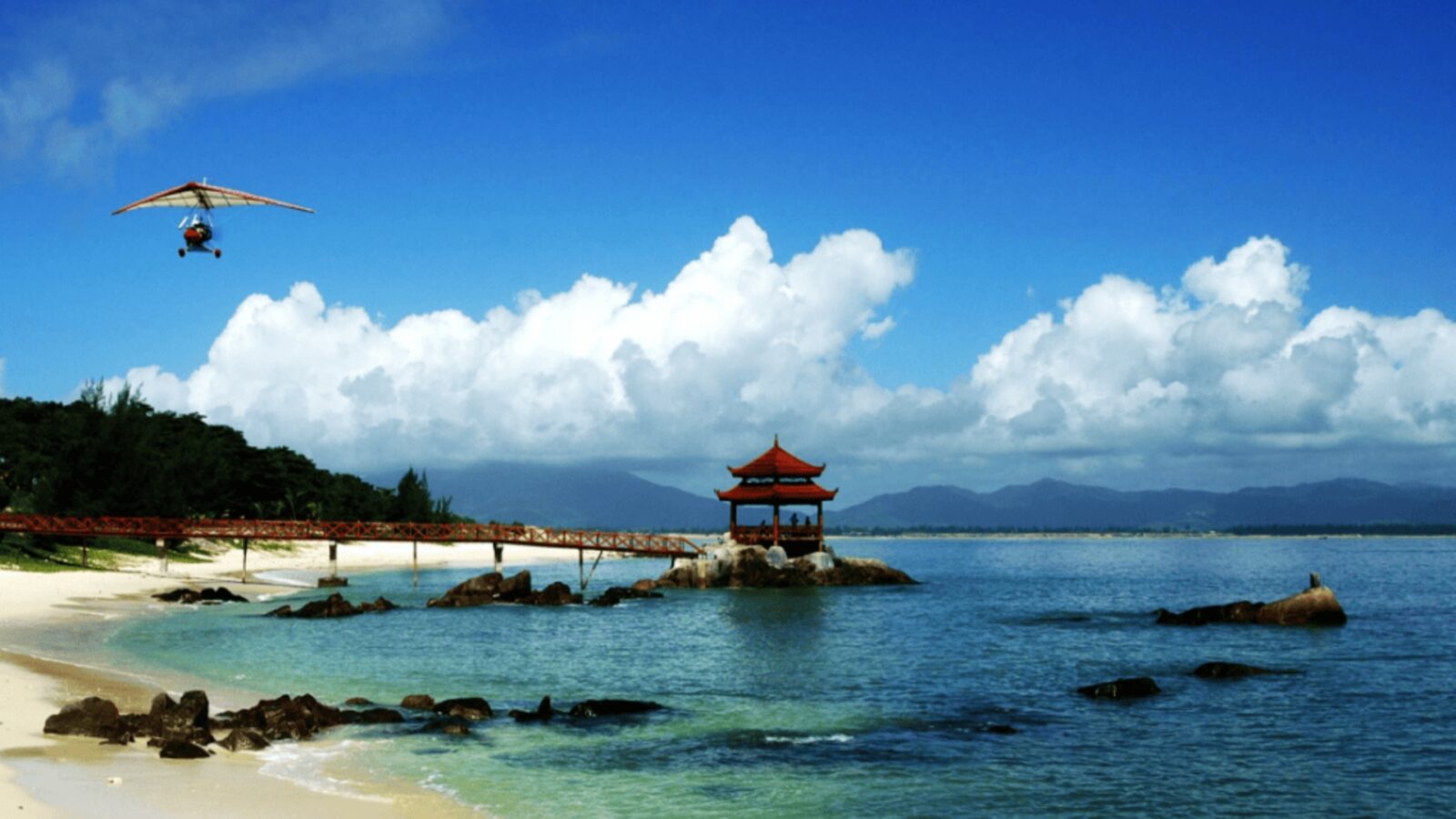
Sanya averages 24–25°C in late November, with ocean water still holding around 25°C. Yalong Bay and Dadonghai are the two most established beach strips — the former more resort-heavy, the latter more compact and walkable. Mid-range beachfront hotels run roughly $70–120/night (¥500–850), while luxury properties such as the Atlantis Sanya, Mandarin Oriental, and EDITION Sanya typically charge $250–450/night (¥1,800–3,200). Direct flights from Beijing land around $200–350 RT (¥1,400–2,500). Late November marks the start of peak domestic travel season for Hainan, so securing accommodation two to three weeks ahead is strongly advised.
Xishuangbanna, Yunnan

Xishuangbanna(Tropical Monsoon Climate)
Xishuangbanna occupies the tropical far south of Yunnan Province and hits roughly 26°C highs in late November. The dry season kicks off this month, which means minimal rainfall and clear skies — the most reliable warm-weather conditions of the year here. The main draws are Mengle Temple (a Theravada Buddhist complex), Wild Elephant Valley (home to semi-wild Asian elephants), and the nightly沅江 night market in Jinghong. A mid-range hotel runs roughly $50–100/night (¥350–700). Flights from Shanghai are around $250–400 RT (¥1,800–2,800). The airport serving Jinghong has direct connections to several major Chinese hubs.
Hong Kong & Macau
-

- Hong Kong Neighbourhoods
-
- Hong Kong to Macau

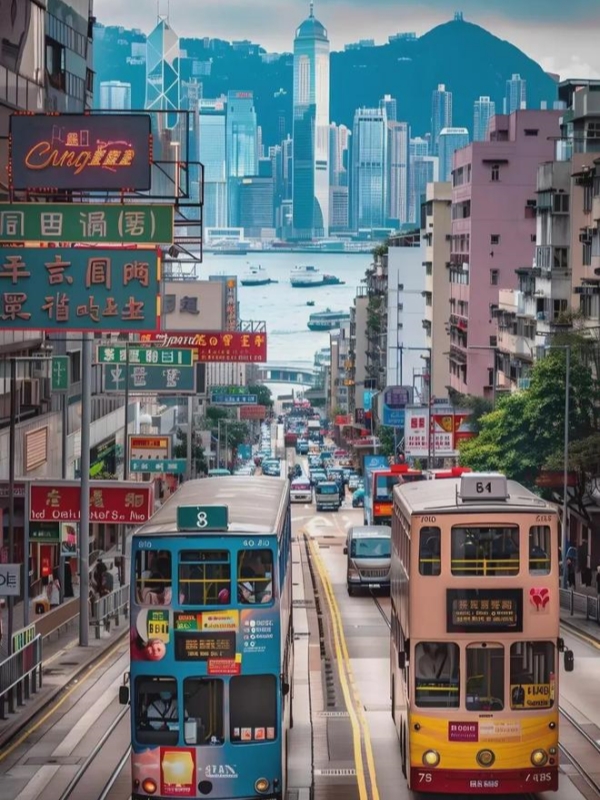
Hong Kong sees 22–23°C highs in late November with dry, sunny skies — one of the most comfortable stretches of the year. Victoria Peak offers panoramic views over the harbor, the Star Ferry remains a classic two-minute crossing, and Tai O fishing village provides a very different side of the city. The West Kowloon Cultural District, home to the M+ museum and the Palace Museum branch, rounds out newer attractions. Mid-range hotels in Hong Kong typically run $120–250/night (¥850–1,800). Macau is a 30–45-minute ferry ride away and is visa-free for most Western passport holders. The Portuguese colonial architecture and Macau's food scene are the main reasons to cross over for a day or two.
Beihai & Coastal Guangxi

Longji Rice Terraces, Guangxi
Beihai's Silver Beach stretches 24 km along the Guangxi coast and averages around 22°C in late November — still warm enough to swim. It is significantly quieter than Hainan and draws mainly domestic Chinese tourists, which means lower prices and less crowding. Weizhou Island sits 1.5 hours by ferry from Beihai and is known for its volcanic geology and diving. Mid-range hotels in Beihai run roughly $40–80/night (¥280–580). Access from Shanghai is either a direct flight (about $200–350 RT, ¥1,400–2,500) or a high-speed rail from Guangzhou (roughly $35–50, ¥250–350).
China's Early Ski Season: Resorts Open by Thanksgiving
Thanksgiving week coincides with the opening weekend of ski season across northern China. Lift tickets typically run $40–70/day (¥280–500), and weekend packages with lodging are roughly $200–350 (¥1,400–2,500). Snowmaking standards have improved significantly since the World Cup and Asian Winter Games raised infrastructure benchmarks, so early-season coverage is more reliable than a decade ago. The main clusters are in the northeast and around Beijing.
- Yabuli (Heilongjiang): China's largest ski resort; typically opens mid-to-late November. Lift ticket roughly $50–70/day (¥360–500). Access via high-speed rail from Harbin (about 1.5 hours).
- Changbaishan (Jilin): On the North Korean border; typically opens late November with a dedicated beginner zone. Lift ticket roughly $50–65/day (¥350–460). Access via Changbaishan Airport.
- Nanshan (Beijing area): Beijing's Miyun district, roughly 1.5 hours from central Beijing; most convenient option from the capital. Lift ticket roughly $40–55/day (¥280–390). Open by late November.
- Thaiwoo (Hebei): Roughly 3 hours from Beijing; known for terrain suited to intermediate and advanced skiers. Lift ticket roughly $40–60/day (¥280–430). Open by late November.
- Wanlong (Hebei): Roughly 3 hours from Beijing; typically opens late November to early December. Lift ticket roughly $40–55/day (¥280–390).
- Songhua Lake (Jilin): Opens early December with night skiing available. Slightly later start than the others but offers extended hours once operational.
Northeast China Resorts

Yabuli (Heilongjiang)
Yabuli in Heilongjiang is China's largest ski resort by skiable area and often opens by mid-to-late November. The resort has hosted national team training camps and international competitions, so the infrastructure is solid. Lift tickets run roughly $50–70/day (¥360–500). The most convenient access is via high-speed rail from Harbin — the journey takes about 1.5 hours to the nearby Yabuli station. Changbaishan in Jilin Province sits on the North Korean border and typically opens in late November. It offers a longer vertical than some Beijing-area options and a separate magic-carpet beginner zone. Access is through Changbaishan Airport with shuttle service to the resort. Songhua Lake in Jilin opens early December with night skiing — it is slightly later than the others but draws crowds once the runs are fully operational.
Beijing-Area & Northern Resorts

Thaiwoo (Hebei)
Thaiwoo in Hebei is roughly 3 hours from Beijing by road and is known for terrain that skews toward intermediate and advanced skiers. Lift tickets run roughly $40–60/day (¥280–430). Nanshan sits in Beijing's Miyun district, about 1.5 hours from central Beijing, and is the most accessible option from the capital — direct buses and hired cars both work well. Wanlong in Hebei typically opens late November to early December. All three Beijing-area resorts are reachable by direct bus or hired car, and weekend packages bundling lodging and lift access typically run $200–350 (¥1,400–2,500). Booking ahead, even one to two weeks out, is advisable for the Thanksgiving opening weekend.
Where to Find a Western-Style Thanksgiving Dinner in China

Western-Style Thanksgiving Dinner
International hotels in China's tier-1 cities routinely run Thanksgiving set menus on the Thursday evening. Prices typically range $80–150/person (¥580–1,080) with turkey, trimmings, and a welcome drink; some add a kid-friendly buffet for roughly $30–45 (¥200–320). Western restaurants in expat neighborhoods also run one-night specials, usually at $40–80/person (¥280–580) without drinks. Book one to two weeks ahead — most seatings fill quickly.
- Marriott, Hilton, Shangri-La, Ritz-Carlton: Active in Beijing, Shanghai, Guangzhou, Shenzhen, Chengdu, Tianjin, and Sanya; typically run a Thanksgiving set menu on the Thursday evening
- Sofitel, InterContinental, Mandarin Oriental: Also active in major tier-1 cities; some include a welcome drink in the package
- Sanlitun (Beijing): Highest concentration of western restaurants in the city; several venues publish a Thanksgiving menu in the weeks before
- Jing'an & Former French Concession (Shanghai): Densest cluster of western dining in the city; menus shared via WeChat or Instagram 1–2 weeks before
- Pearl River Area (Guangzhou): Smaller but active expat dining scene with several one-night Thanksgiving specials
International Hotels in Tier-1 Cities
Marriott, Hilton, Shangri-La, Ritz-Carlton, Sofitel, InterContinental, and Mandarin Oriental properties in Beijing, Shanghai, Guangzhou, Shenzhen, Chengdu, Tianjin, and Sanya typically run set-price Thanksgiving menus on the Thursday evening. Pricing usually lands at $80–150/person (¥580–1,080), often including a welcome drink. Some properties add a separate kid-friendly buffet for roughly $30–45 (¥200–320). Booking through the hotel's official website or front desk is the most direct route — calling the concierge is usually faster than navigating the brand app. Seatings are limited, so one to two weeks' advance notice is the practical minimum.
Western Restaurants & Expat Neighborhoods
Sanlitun in Beijing, Jing'an and the former French Concession in Shanghai, and the Pearl River-area venues in Guangzhou host the densest clusters of western restaurants running a one-night Thanksgiving special. Per-person spend typically runs $40–80 (¥280–580) without drinks. Menus are often published on WeChat or Instagram one to two weeks before the date. Same-day walk-ins are possible at less popular spots, but the venues that appear on expat community recommendation lists fill within hours of opening reservations.
Short Outbound Trips from China Over Thanksgiving
Thanksgiving week is a natural four-day window for a short trip abroad. Several visa-free or visa-on-arrival neighbors make this straightforward for holders of most Western passports. Flights are bookable on Trip.com and Klook; visa eligibility depends on your specific passport — confirm before booking.
- Bangkok, Thailand: Visa-free entry (typically 30 days) for most Western passports; beach weather around 30°C; flights from Shanghai/Guangzhou roughly $250–450 RT (¥1,800–3,200)
- Tokyo, Japan: Visa-free (typically 90 days) for many Western passports; late-November momiji (autumn leaves) at peak in Kyoto; flights from Beijing/Shanghai roughly $400–700 RT (¥2,800–5,000)
- Kuala Lumpur, Malaysia: Visa-free (typically 30 days); hot and humid; flights from major Chinese cities roughly $300–500 RT (¥2,100–3,600)
- Bali (Denpasar), Indonesia: Visa on arrival available; tropical; flights roughly $300–500 RT (¥2,100–3,600)
- Seoul, South Korea: Visa-free or K-ETA for many Western passports; late November near freezing with potential first snow; flights roughly $350–650 RT (¥2,500–4,600)
Visa-Free Neighbors Worth a Long Weekend
Thailand — particularly Bangkok, Chiang Mai, and Phuket — offers visa-free entry for many Western passport holders, typically 30 days, with beach weather sitting around 30°C. Japan allows visa-free stays of typically 90 days for many Western passports; late November brings peak momiji (autumn leaves) in Kyoto and around Nikko, which is a strong draw. Malaysia grants visa-free entry for typically 30 days; the weather is hot and humid year-round. Vietnam offers visa-free entry for many Western passports for typically 45 days, and the dry season runs November through March. South Korea allows visa-free entry or a streamlined K-ETA process for many Western passports, though late November can bring near-freezing temperatures and the first snow of the season in Seoul.
Flights, Costs & Logistics
Book two to four weeks ahead for the best Thanksgiving-week fares. Round-trip flights to Bangkok run roughly $250–450 (¥1,800–3,200) from Shanghai or Guangzhou; Tokyo flights land around $400–700 (¥2,800–5,000) from Beijing or Shanghai; Bali runs $300–500 (¥2,100–3,600). Most major Chinese airports have direct metro or airport express rail connections, so city-center transfer is straightforward. Off-peak immigration at the destination typically takes 20–45 minutes. Carry printed or offline copies of your return ticket and hotel booking — border officials at some airports ask to see these. Confirm your specific passport's eligibility against current visa policy before purchasing flights.
Getting Around China During Thanksgiving Week
Domestic transport operates normally during Thanksgiving week — there are no holiday-related closures or surge periods on the mainland. Late November is shoulder season, so fares and availability are generally favorable. A few practical notes for navigating the system:
- High-speed rail (CRH): The backbone of intercity travel; second-class Beijing-Shanghai roughly $80 (¥580). Book via 12306, Trip.com, or Klook.
- Domestic flights: Typically cheaper mid-week; useful for covering large distances quickly. Major routes are bookable on Trip.com and Klook.
- Metro systems: Beijing, Shanghai, Guangzhou, Shenzhen, and most major cities have English-language signage and app integration.
- Metered taxis: Start at roughly $2 (¥14–15) for the first 3 km in tier-1 cities; always ask for a receipt.
- Didi (ride-hailing): China's main ride-hailing app now accepts foreign credit cards linked to the account; English-language interface available.
Carry your passport — it is required for hotel check-in and high-speed rail ticket collection. A cash reserve of roughly $100 (¥700) is useful as a backup in smaller towns and rural areas where card acceptance varies. VPN-ready apps are worth having if you rely on Google Maps, Gmail, or other blocked services. Booking transport two to three days ahead is sufficient for most rail and flight routes during this quiet week.
Frequently Asked Questions
Q: When is Thanksgiving in 2026?
Thursday, November 26, 2026. The Friday after (November 27) is not a Chinese public holiday. U.S. embassies and consulates in China are closed on the Thursday itself.
Q: Does China celebrate Thanksgiving?
No — Thanksgiving is not a Chinese public or cultural holiday. It is observed informally by expatriate communities and some international hotels and restaurants. Singles' Day on November 11 is the major November date in China, but it is a commercial event, not a public holiday.
Q: Where is it warm in China in late November?
Sanya on Hainan Island reaches around 24°C; Xishuangbanna in Yunnan hits roughly 26°C; Hong Kong and Macau sit around 22–23°C; Beihai in Guangxi averages 22°C with Silver Beach still swimmable. Kunming is cooler at around 18°C but stays dry and sunny.
Q: Are Chinese ski resorts open by Thanksgiving?
Yes, several open by late November. Yabuli in Heilongjiang, Changbaishan in Jilin, and Thaiwoo and Nanshan in the Beijing area typically open in that window. Songhua Lake in Jilin opens in early December. Book lodging one to two weeks ahead for the opening weekend.
Q: Is China crowded during American Thanksgiving week?
No — it is one of the lowest-volume weeks of the year for inbound tourism. Major attractions are noticeably quieter than October's National Day Golden Week. Domestic travelers do begin to uptick at Sanya, so booking ahead there is advisable.
Q: Are there Black Friday sales in China?
Limited and growing. Tmall Global and some international brands run Black Friday promotions online. In-store Black Friday is not a Chinese retail tradition. Singles' Day on November 11 is the dominant November shopping event by a significant margin.
Q: Can I take a visa-free trip from China over Thanksgiving?
Yes for many passport holders. Thailand, Japan, Malaysia, South Korea, and Vietnam all allow visa-free short stays for holders of most Western passports. Round-trip flights from major Chinese cities run roughly $250–700 depending on destination. Book two to four weeks ahead for the best fares.
Q: Is November a good month to visit China overall?
Yes for most regions. Late November is shoulder season — crowds are low, hotel rates are down outside of Sanya, and weather is stable and dry across most of the country. The north is cold and snow season is opening; the south is warm and comfortable.