Hong Kong to Macau
Macau sits just 60 kilometres south of Hong Kong across the Pearl River Delta, yet crossing that stretch of water involves choosing between six genuinely different routes. A catamaran ferry cuts directly between the two cities in about an hour. A shuttle bus can take you across the world's longest bridge-tunnel system for under ten dollars. A high-speed rail line now threads through the same bridge corridor, depositing you in mainland Zhuhai for a short onward transfer. For door-to-door convenience, coaches run Kowloon-to-hotel, and for those who want to make an entrance, a helicopter lifts off from Sheung Wan and lands on the Macau waterfront in fifteen minutes.
Each option trades differently on cost, speed, comfort, and how close it gets you to your final destination. This guide breaks down every crossing — fares, frequencies, border procedures, and which route suits which traveller.
Quick Facts
Ferry from Hong Kong to Macau
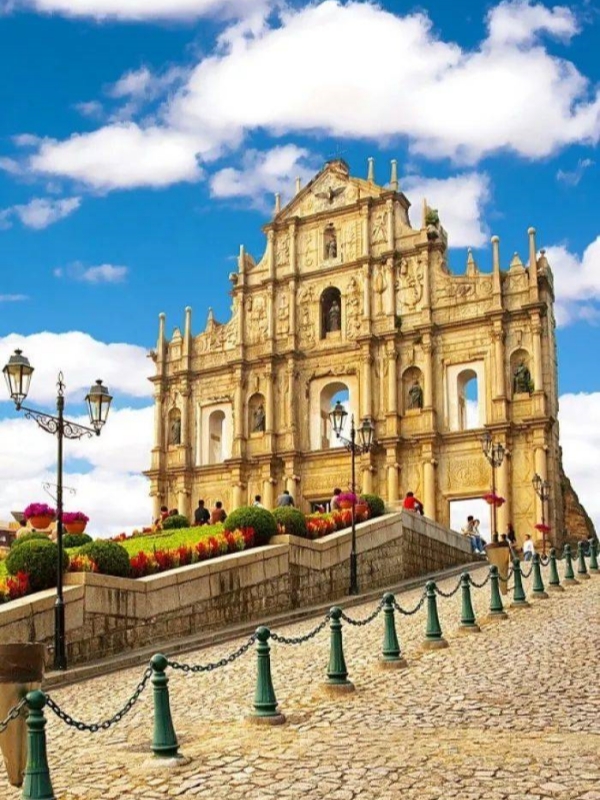
Hong Kong to Macau
Two operators run the Hong Kong to Macau ferry corridor. Both depart from the same terminal in Sheung Wan and take roughly an hour to cross the Pearl River Delta. The choice between them comes down to which Macau terminal you want to land at and how much you value schedule frequency.
TurboJET — Sheung Wan to Outer Harbour
TurboJET (Shun Tak-China Travel Ship Management Ltd) runs the densest schedule on the Hong Kong to Macau ferry route. Macau Outer Harbour Ferry Terminal places y
ou closest to the peninsula's historic centre — Senado Square, the Ruins of St Paul's, and the older casino hotels are all within walking distance.
Standard weekday daytime fares start at $22 (HK$175). Premier class and weekend or night sailings add a surcharge, pushing the fare to around $28–32 (HK$215–235). Tickets are consistently cheaper online via Trip.com or Klook than at the terminal counter, and a round-trip booking often saves an additional 10–15%. The hotline is 2859 3333.
Cotai Water Jet — Sheung Wan to Taipa
Cotai Water Jet, operated by Chu Kong High-Speed Ferry Co, lands at Macau Taipa Ferry Terminal. That dock puts you nearest the Cotai Strip — the Venetian, Parisian, Londoner, Studio City — and Macau International Airport (MFM). It is the natural ferry choice if your destination is any of those properties or you have a connecting flight.
Daytime standard fares start at $24 (HK$185). The schedule runs roughly every 30 minutes, less frequent than TurboJET, but reliable. Book online to lock in the lower fare and skip the counter queue.
Luggage, Check-in and On-Board Basics
Arrive at the boarding gate at least 30 minutes before departure. One piece of checked luggage is included free — maximum 60×20×35 cm and 20 kg. A small carry-on backpack is typically not weighed. Passport is required for automated border control; scan at the e-channel gates and board.
Seating is assigned and numbered. Standard class has no formal meal service, but you can bring food and drink purchased at the terminal restaurants aboard. The crossing is generally smooth in normal conditions. Sailings are suspended only during summer typhoon advisories, at which point the operator rebooks or refunds affected tickets.
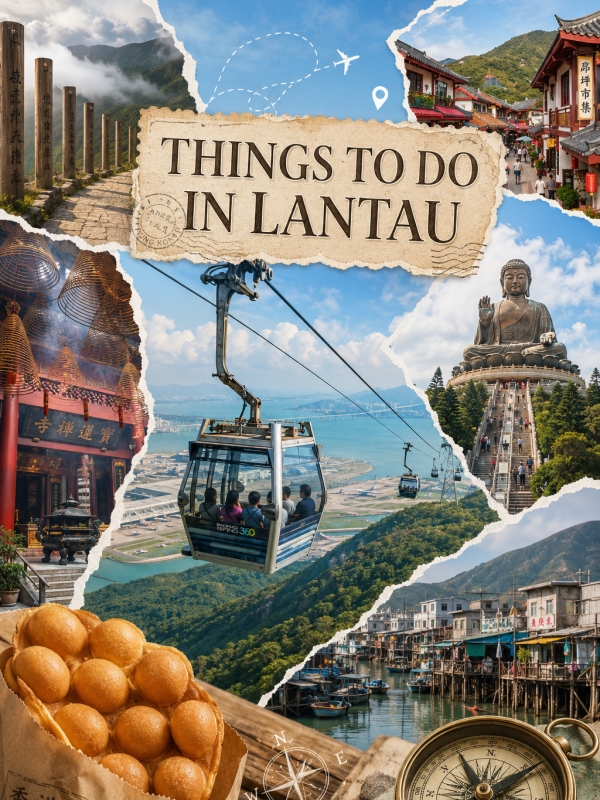
🚠 Explore the Gateway Island: The massive bridge-tunnel system to Macau departs directly from the edges of Hong Kong's largest outlying island, which is also home to the giant Tian Tan Buddha and scenic cable cars. Discover how to spend your time near the transit hub with our guide to the top Things to Do in Lantau.
Hong Kong-Zhuhai-Macau Bridge Bus
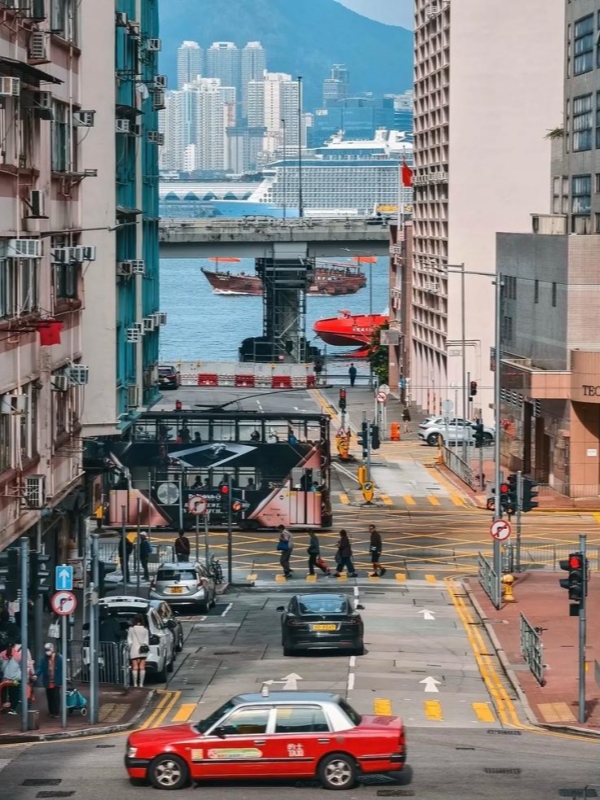
Hong Kong to Macau
The Hong Kong-Zhuhai-Macau Bridge (HZMB) opened in October 2018 and stretches approximately 55 kilometres — the world's longest sea-crossing bridge-tunnel system. It links three separate customs territories: Hong Kong, mainland Zhuhai, and Macau, with an artificial-island boundary facility at each end. All passengers disembark and clear immigration at both the Hong Kong Port and the Macau Port on foot, with hand luggage.
Golden Bus — The Main HZMB Crossing
The HZMB Shuttle Bus — universally called the Golden Bus — runs directly between HZMB Hong Kong Port and HZMB Macau Port. It operates 24 hours a day, 7 days a week, with departures every 5 minutes at peak times and every 10–15 minutes off-peak. Crossing time is approximately 45 minutes between the two ports.
Daytime tickets cost HK$65 (~$8); night fares are HK$70 (~$9). Buy at the port ticket counter on arrival, or pre-buy via Trip.com or Klook to skip the queue. Both single-deck and double-deck coaches run the route. The Golden Bus is the cheapest legitimate Hong Kong to Macau crossing for a traveller who can first reach the HK Port.
Getting from Central or Kowloon to the HK Port
HZMB Hong Kong Port sits on an artificial island next to Hong Kong International Airport on Lantau. Reaching it adds the most significant time cost to the crossing.
From Central, the B3X or B4 shuttle bus departs from near the HK-Macau Ferry Terminal in Sheung Wan and takes roughly 45–60 minutes. The Airport Express from Hong Kong Station reaches the airport terminal, followed by a short shuttle to the HZMB HK Port. From Kowloon, the B3 bus from Jordan, Austin, or Mong Kok takes about 60 minutes. A taxi from Central costs roughly HK$200–250 (~$26–32) and 40 minutes off-peak. Budget 90 minutes total from central Hong Kong to boarding, including immigration at the port.
Border-Crossing Procedure on the Bridge
All passengers disembark at both the Hong Kong Port and the Macau Port to clear immigration, taking every piece of luggage through customs on foot. Buses wait approximately 20 minutes at each border stop. If immigration takes longer, the bus may leave without you — confirm the next-bus policy with the driver before entering the processing hall.
Eating and drinking on board is not permitted. Automated e-channel gates at HK immigration can cut the Hong Kong-side wait to under five minutes for eligible travellers — bring the physical passport, not a copy.
🌊 Discover More Historic Coastal Hubs: If you enjoy traveling between vibrant maritime cities in the region and want to explore another historic island destination famous for its colonial architecture, coastal fortresses, and seaside charm, check out our guide on how to spend a day with a Xiamen City Tour.
Hong Kong to Macau by High-Speed Rail
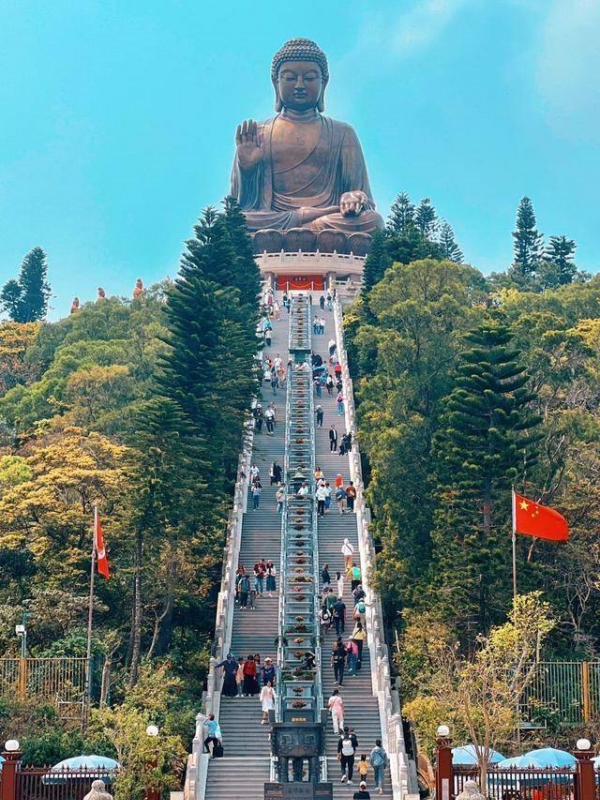
Hong Kong to Macau
High-speed rail adds a third viable corridor to the Hong Kong–Macau route. The train departs from HK West Kowloon Station, runs south through the HZMB immersed-tunnel section to Zhuhai Station on the mainland side, then requires a short transfer to Macau. Total door-to-door time from central Hong Kong to Macau city centre comes to roughly 75–90 minutes.
Second-class one-way tickets cost HK$185 (~$24). First class is HK$235 (~$30), with business class higher. Services run roughly hourly throughout the day, fewer in the early morning and late evening. HK West Kowloon Station connects directly with MTR Austin Station on the Tung Chung Line and sits within the West Kowloon Cultural District. HSR suits travellers who want a comfortable, station-to-station ride with co-located immigration done before boarding — there is no separate departure formalities at Zhuhai.
Route and Stations
Board at HK West Kowloon Station (MTR Austin Station, West Kowloon Cultural District). The train passes through the HZMB immersed-tunnel section and arrives at Zhuhai Station on the mainland side of the bridge. From Zhuhai Station, transfer by HZMB shuttle bus (approximately 30 minutes, HK$50–80 / ~$7–11), taxi (approximately 30 minutes, HK$150–250 / ~$20–32), or local bus.
Hengqin Station on the Macau side opened in stages from late 2024. If direct Zhuhai-to-Macau HSR runs are operating, total journey time drops. Otherwise, the Zhuhai transfer remains the standard onward route — verify current transfer options on the day of travel.
Frequency, Journey Time and Pricing
Roughly hourly HSR services depart HK West Kowloon for Zhuhai throughout the day. The on-train segment takes approximately 50 minutes; add roughly 30 minutes for the Zhuhai-to-Macau transfer. Second-class one-way is HK$185 (~$24); first class is HK$235 (~$30). Weekend and Macau-holiday trains sell out 1–2 days ahead — book in advance via Trip.com or Klook.
Compared with the ferry, HSR is similar in total door-to-door time but more weather-proof and has co-located immigration that removes the in-terminal boarding shuffle.
Booking, Tickets and Border Logistics
Foreign passport holders can buy HSR tickets via Trip.com, Klook, or at HK West Kowloon ticket counters with a passport. China Railway's own 12306 app requires a mainland Chinese phone number for full functionality, so most international visitors use Trip.com or Klook instead.
Co-located immigration at HK West Kowloon means both the Hong Kong departure check and the mainland China arrival check are completed before boarding. There is no separate departure formalities at Zhuhai beyond collecting bags. Macau entry is processed separately at the Macau border on arrival. Bring the same passport used at booking — name and passport number must match.
Alternative Routes: Coaches, Private Transfer and Helicopter
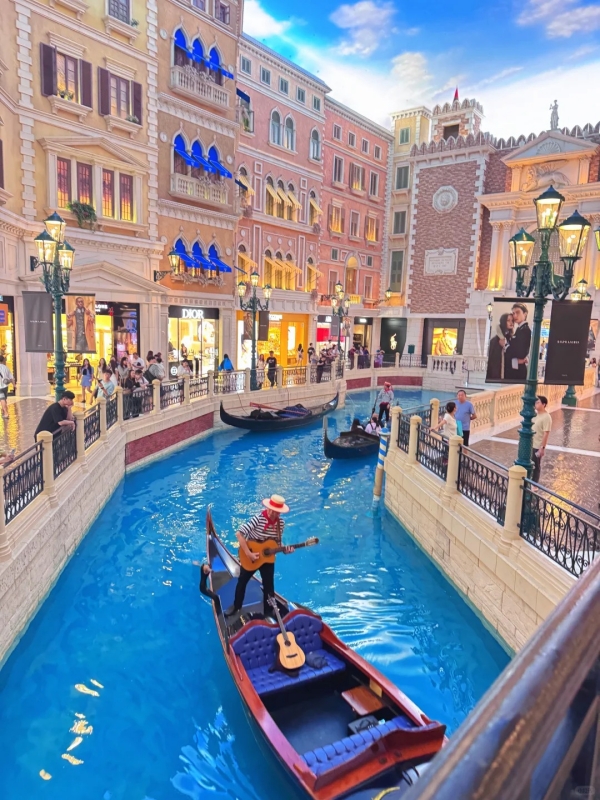
Hong Kong to Macau
Three options sit outside the main ferry, bridge-bus, and rail corridors. Each prioritises a different traveller need — door-to-door convenience, group economics, or a once-in-a-lifetime flight.
Cross-Boundary Coaches from Kowloon
ONE Bus and similar operators run direct coaches from Jordan Bus Terminus — with a handful of additional Kowloon stops — to Macau peninsula and Cotai Strip hotels including Sands, Venetian, Londoner, Parisian, and Studio City. The journey takes 2–3 hours including a 20–30 minute border stop.
Standard fares range from $19–28 (HK$150–220) one-way; round-trip is typically 10–20% cheaper. The main appeal is hotel-to-hotel service without the extra leg to HZMB HK Port. Coaches suit travellers based in Kowloon who want a single-seat ride straight to their Macau accommodation.
Private Door-to-Door Transfer
Pre-booked private transfer picks up at any Hong Kong address, drives to the HZMB HK Port, crosses the bridge, and drops at any Macau address. The driver waits through the border crossing, so there is no risk of being left behind if immigration is slow. Pricing runs approximately $103–192 (HK$800–1,500) per vehicle — often cheaper per person than two ferry tickets for a couple or family.
This option works best for families with children, business travellers on a tight schedule, or anyone with oversized luggage that would be cumbersome on public transport.
Helicopter from Sheung Wan
Sky Shuttle Helicopter operates from the heliport on the 3rd floor of the HK-Macau Ferry Terminal in Sheung Wan. The flight to Macau Outer Harbour takes approximately 15 minutes, landing on a helipad a short walk from the peninsula. The service runs Thursday through Monday only — no Tuesday or Wednesday flights.
Pricing is around $577 (HK$4,500) per person; up to 12 passengers share each flight. It is functionally more experience than transport, but the aerial view of the Pearl River Delta makes the crossing itself part of the trip.
Frequently Asked Questions
Q: How far is Hong Kong from Macau?
About 62 km as the crow flies across the Pearl River Delta. The actual ferry sailing route covers roughly 65–70 km. The HZMB bridge is approximately 55 km end-to-end. HSR travels about 50 minutes on the train to Zhuhai, then a short transfer to Macau. Macau covers about 33 sq km, Hong Kong about 1,100 sq km — Macau is roughly one-thirtieth the size of its neighbour.
Q: How long does it take to get from Hong Kong to Macau?
The helicopter is fastest at about 15 minutes of flight time. Ferry and HZMB Golden Bus are tied at roughly 45–60 minutes for the crossing itself, with city-centre-to-city-centre totals of 75–120 minutes depending on your starting terminal. HSR via West Kowloon takes about 75–90 minutes total door-to-door. Cross-boundary coaches are the slowest at 2–3 hours.
Q: Can I drive from Hong Kong to Macau?
Tourists cannot drive their own rental car across the border. Separate permits are required for Hong Kong, mainland China, and Macau, and they are generally unavailable to short-term visitors. The practical alternative is a pre-booked private door-to-door transfer where you ride as a passenger. You still disembark at both ports for immigration, even in a private vehicle.
Q: Do I need a passport or visa to enter Macau from Hong Kong?
Most foreign passport holders need only a valid passport and, where applicable, a Macau entry permit or visa arranged in advance. Hong Kong, Macau, and Taiwan residents can use HKID or travel permits with faster processing. Immigration at the ferry and HZMB ports uses e-channel gates for eligible travellers — bring the physical passport, not a copy.
Q: What is the cheapest way to get from Hong Kong to Macau?
The HZMB Golden Bus at about $8 (HK$65) daytime fare is the cheapest legitimate crossing. Ferry starts at about $22 (HK$175) in standard class. Both are bookable on Trip.com and Klook, often 5–10% below the on-site counter price.
Q: What is the fastest way to get from Hong Kong to Macau?
The helicopter wins on pure speed at about 15 minutes flight time, provided you do not mind the $577 (HK$4,500) fare. Among public-transport options, ferry and HZMB Golden Bus are tied at roughly 45–60 minutes. Ferries have the edge if you are based near Sheung Wan; the HZMB bus wins if you are near Lantau or the airport. HSR via West Kowloon is competitive at about 75–90 minutes total.
Q: Can I take the ferry from Hong Kong Airport to Macau?
Yes — SkyPier Terminal at HK International Airport offers ferry service to Macau Taipa and Outer Harbour, but the service is restricted to transit passengers with a connecting flight on the same booking, or to those who have already cleared air-side immigration on arrival. Day-of Macau-bound visitors from the airport typically take the HZMB Golden Bus from the adjacent HZMB HK Port instead.
Q: Is the ferry from Hong Kong to Macau rough?
Generally smooth. The Pearl River Delta crossing is sheltered compared to open sea, and standard catamaran hulls handle normal swell comfortably. Rough conditions are rare except during summer typhoon advisories, when sailings are cancelled and the operator rebooks or refunds affected tickets. If prone to seasickness, sit amidships on the lower deck and avoid the front-row window seats.