Things to Do in Lantau:Sacred Heritage · Coastal Villages · Mountain Escapes
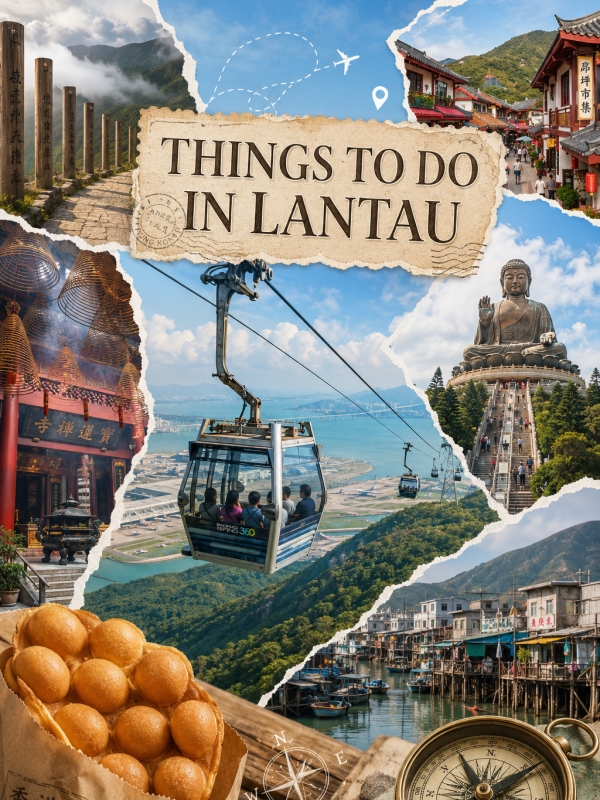
Hong Kong's skyline is one of the most photographed on the planet — but 40 minutes and a cable car ride away, a completely different world exists. I still remember the exact moment the wheels left the terminal and the Tsing Ma Bridge appeared below me — the urban intensity I'd been breathing for days simply dissolved, giving way to open sky, forested ridgelines, and the turquoise shimmer of the South China Sea. Standing beneath the Tian Tan Buddha later that morning, watching the incense coils curl in the mountain air, I understood with absolute clarity: this island is nothing like the city it belongs to. What follows is a guide to the experiences that make Lantau one of Hong Kong's most rewarding escapes — written from having walked every step described here.
Ride Cable Car for Mountain and Airport Views
1. Ngong Ping 360 Cable Car Experience
-
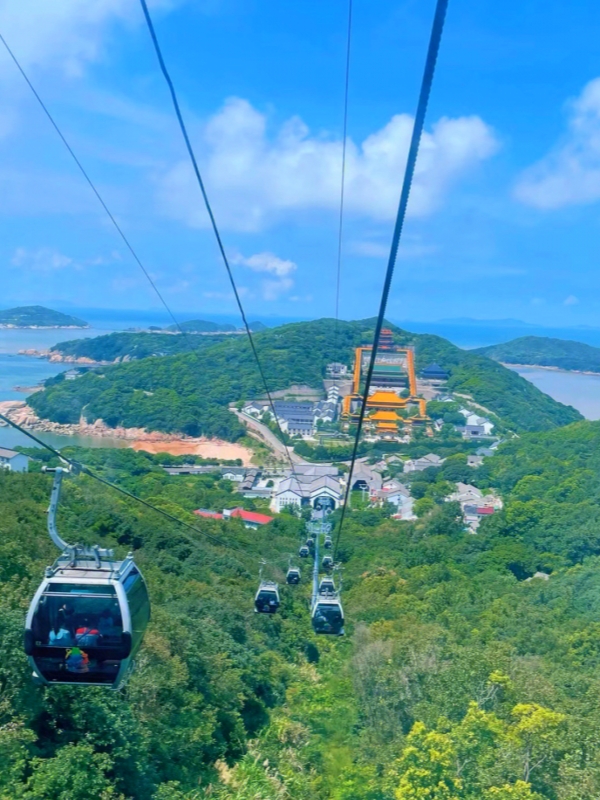

- Crystal Cabin Cable Car Ride Over Lantau
-
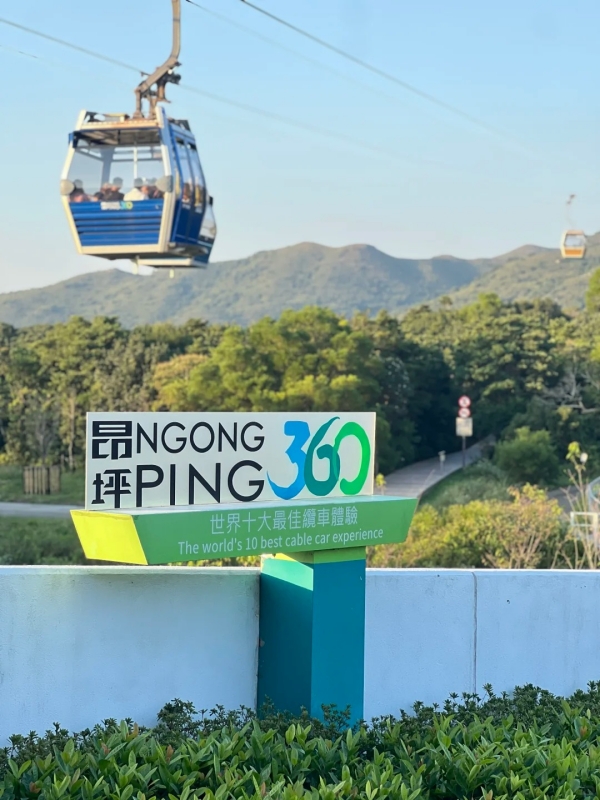
- Ngong Ping 360 Crystal Cable Car
The Ngong Ping 360 was never really about efficiency — it was about the view. Five-point-seven kilometres and 25 minutes of ascent over Tsing Ma Bridge, the airport runway, and the green interior of Hong Kong's largest island. I remember watching the cable car wires stretch ahead through the window and thinking: this is already the highlight — and I haven't even set foot on the island yet. That sense of suspension between city and mountain, between the known and the unknown, is something I've rarely felt on any other cable car ride.
I chose the Crystal Cabin for the glass floor on my first visit, and whether it was worth the extra HK$70 comes down to one thing: camera discipline. The transparent floor makes the hills below look closer and the sky closer still — but getting that perfect shot requires timing the angle as the cabin banks gently around the support towers. On a return trip I rode the standard cabin back, and honestly? The views are nearly as good. I'd still pay for the Crystal cabin on the way up, though — especially in morning light.
Cabin Options and Ticket Prices
The standard cabin has the longest queues and the most opaque experience — you see everything, but through glass you trust rather than glass you can see through. The Crystal cabin adds the floor. The Panoramic combo removes the last two walls entirely.
📍 Plan Your Hong Kong Itinerary: To help orient yourself between the bustling city center, airport connections, and Lantau's mountain trails, check out regional routes and area maps in our guide to Maps for Hong Kong.
Climb Buddha Steps and Visit Monastery Halls
Nothing prepares you for the scale of the Tian Tan Buddha — one of the most photographed things to do in Lantau, seen by every visitor who makes the trip up the mountain. Even from the monastery gates 268 steps below, the bronze figure dominates the ridgeline — head tilted slightly upward, hands resting in a gesture of perfect stillness against the mountain sky. I had seen dozens of photos before my visit, but standing at the base and having to crane my neck to see the face — that physical sensation of smallness doesn't come through in any picture.
2. Buddha Stairs and Bronze statue
-
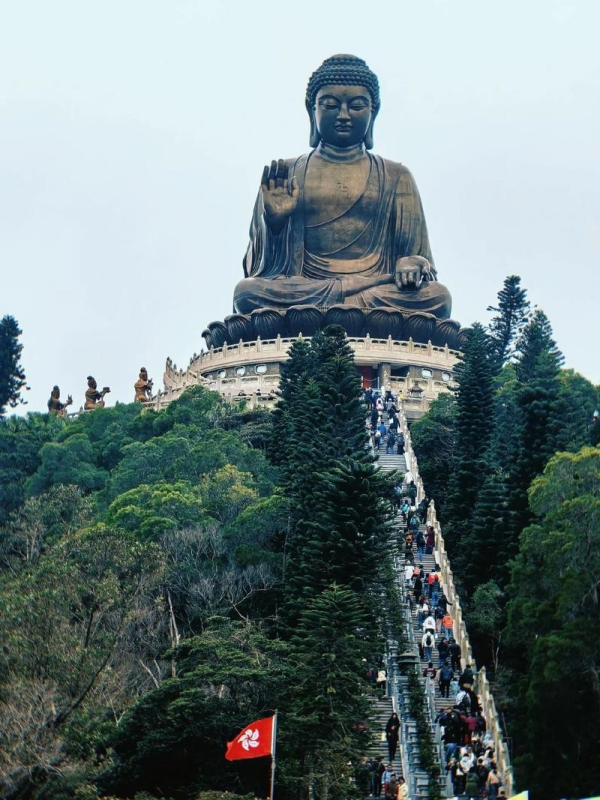
- Tian Tan Buddha & Stone Steps
-
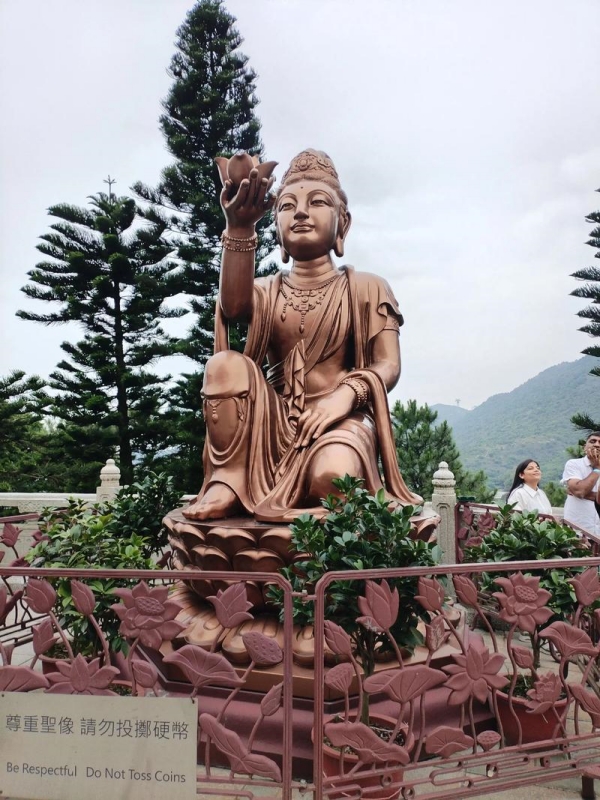
- Bodhisattvas and Divine Generals
The Po Lin Monastery gates frame a long stairway, and at the top the bronze colossus comes into full view: 34 metres tall, over 250 tonnes, cast from 202 individual bronze pieces over 12 years. The raised right hand means the removal of affliction; the open left hand, generosity; the lotus beneath, purity. A local guide shared this with me on my first visit, and knowing it shifted my experience from photo stop to something more deliberate — the kind of things to do in Lantau that leaves a stronger impression than expected. One practical note: the platform at the top has no shade, so bring water and sunscreen.
3. Bodhisattva and Divine General Statues
For any things to do in Lantau itinerary, six bronze Bodhisattva statues ring the Buddha, each a different expression of the path toward enlightenment. Below the monastery entrance, the Twelve Divine Generals line the approach — each holding a weapon linked to one of the twelve animals of the Chinese zodiac. I spent more time here than I expected, matching each general to its zodiac sign and time of day.
- The Buddha's chest bears a swastika — a Buddhist symbol of peace used across Hindu, Jain, and Buddhist art throughout Asia for thousands of years, unrelated to its twentieth-century associations.
- Best photo angle: the left colonnade of the lower platform — an oblique upward shot against open sky, no crowd in frame.
4. Po Lin Monastery
-
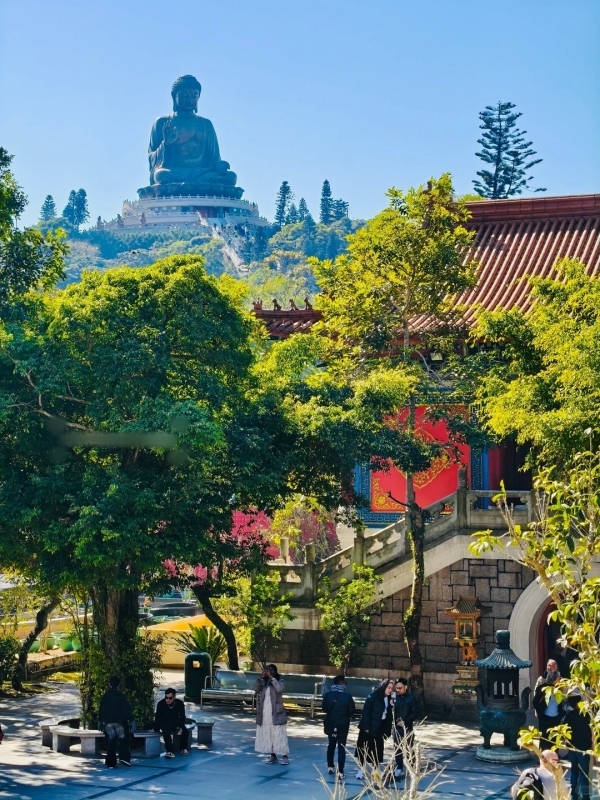
- Traditional Po Lin Buddhist Monastery
-
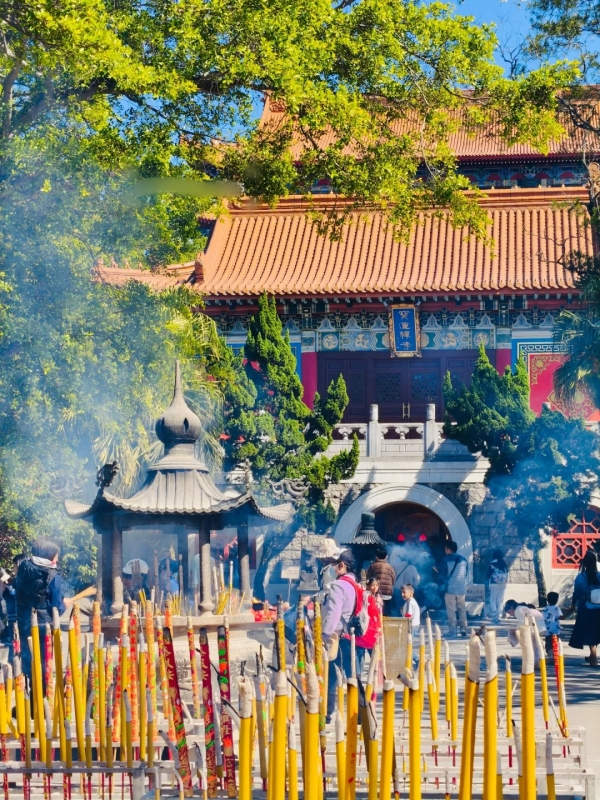
- Traditional Po Lin Buddhist Monastery
Walking through the monastery gates, the first thing that registered for me was the smell — thick, fragrant smoke from enormous incense coils suspended overhead, burning as part of active, continuous worship. The canteen-style vegetarian restaurant beside the entrance serves simple, affordable dishes at the counter; I've eaten here twice and the tofu and vegetable dishes are genuinely satisfying after the climb. Dress modestly before entering the worship halls — shoulders and knees covered — and arrive before noon on weekends to secure a table.
If Lantau sparks a deeper interest in exploring the region's mountains and natural scenery, the hillside trails around Guangzhou's Baiyun Mountain offer a very different but equally rewarding experience — lush forested peaks right inside one of China's largest cities, just a short train ride from Hong Kong.
Explore Village Culture and Multimedia Theater Shows
5. Multimedia and Motion Theater Attractions
-
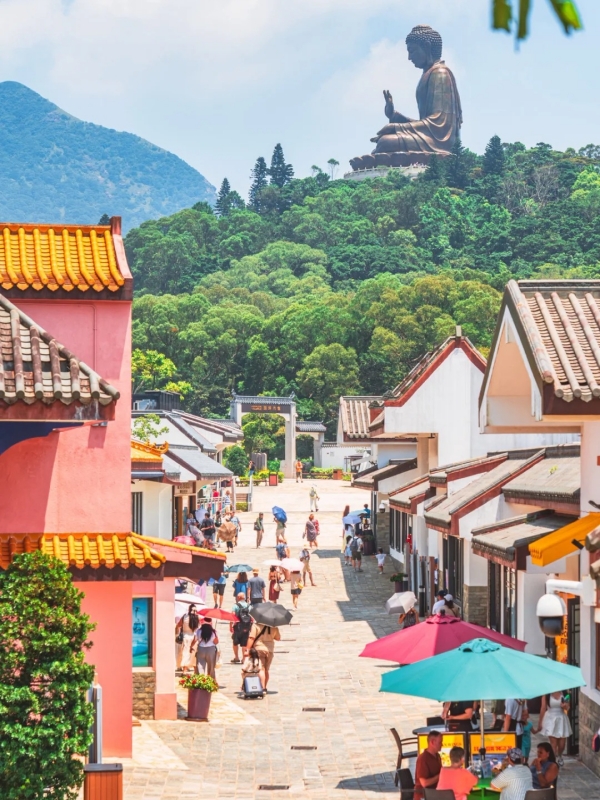
- Ngong Ping Cultural Village
-
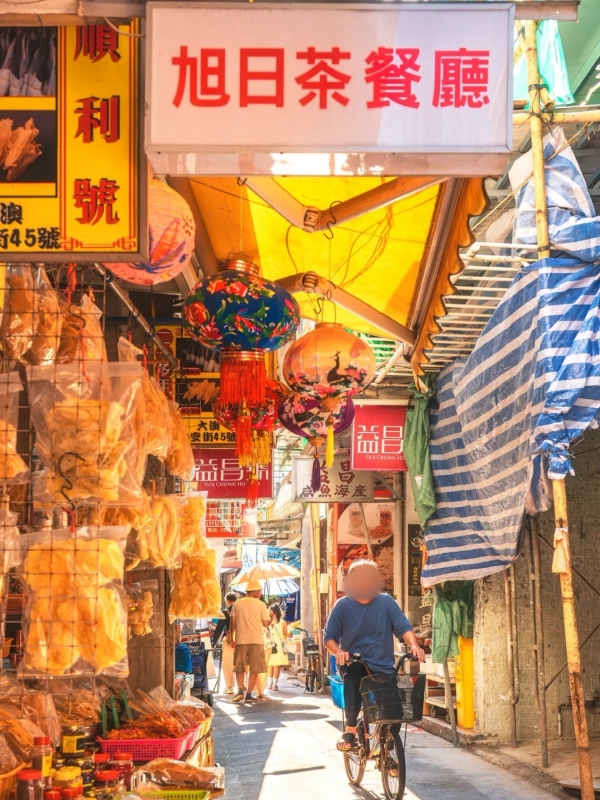
- Traditional Ngong Ping Village, Lantau
Most visitors rush straight through Ngong Ping Village toward the Buddha, and I nearly made the same mistake on my first trip. This 1.5-hectare culture zone deserves a slower look — the food stalls, the red-lacquer architecture, and the mountain air give the place a different texture than the city below. I've skipped all four attractions more than once and spent the time on street food and photography, which still fills an hour comfortably and feels more authentic.
- Quick-service noodle shops and cha chaan teng-style counters: HK$50–80 for a full meal; street snacks HK$10–20.
- All four themed attractions together take two to two-and-a-half hours — if queues are long, an hour on food and photography is time better spent.
Stage 360 runs a live movie-effects show; Motion 360 adds wind and spray. Walking with Buddha offers the most substantive experience — a multimedia journey through Siddhartha's life that I found genuinely moving on my second visit. The table below covers what's on offer and who each suits best.
Walk Wisdom Path for Forest and Sea
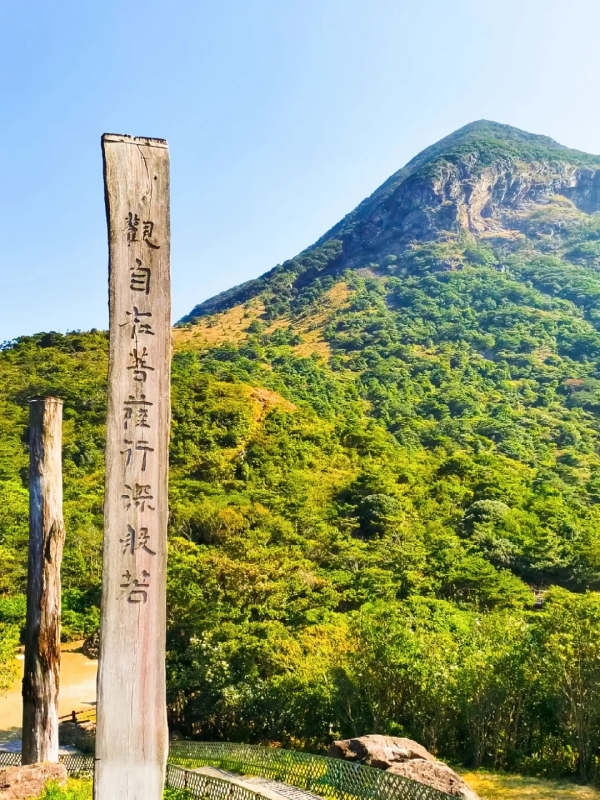
Ten minutes from the Buddha platform, the tourist energy drops away almost completely. Most visitors never leave the Buddha's immediate perimeter — which is precisely why the Wisdom Path deserves a place on any things to do in Lantau list. On weekday mornings, I've walked the site in near-silence, hearing nothing but wind moving through the tall wooden columns and the occasional distant drone of an aircraft heading into the airport below.
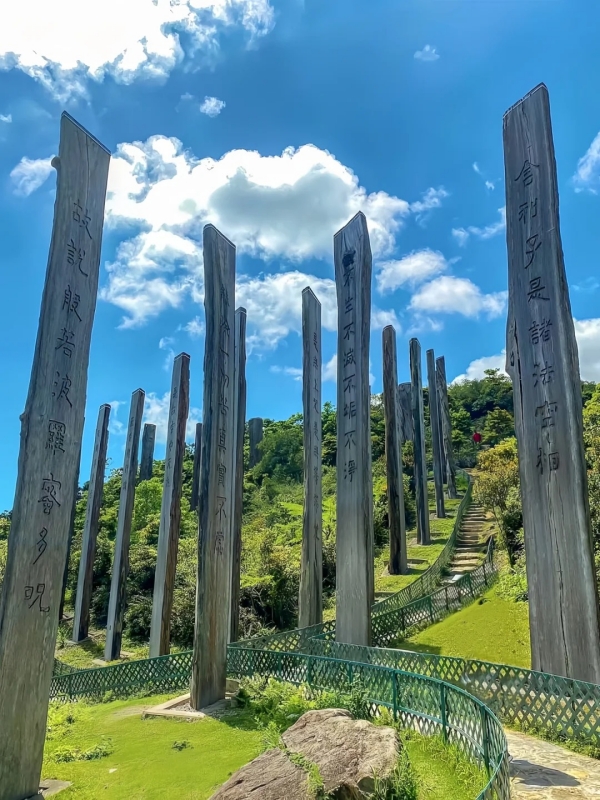
6. Wooden Columns and Heart Sutra Calligraphy
-
- Lantau Wisdom Path Wooden Pillars
-
- Lantau Wisdom Path Wooden Pillars
The Wisdom Path takes its name from 38 wooden columns — each eight to ten metres tall — bearing individual characters of the full Heart Sutra, with calligraphy by Professor Jao Tsung-I. The columns are planted in a continuous figure-eight curve across the hillside, and Column 23 is intentionally left blank — representing shunyata, the concept of emptiness. I stood in front of it for longer than I expected; it's the detail that has stayed with me most vividly from the entire visit.
- Mist rolls in without warning and the stone path becomes slippery — non-slip shoes make a meaningful difference.
- On clear days the upper section opens onto views stretching to the South China Sea. For anyone inspired to explore further, the best season to visit Hainan makes a significant difference to the experience.
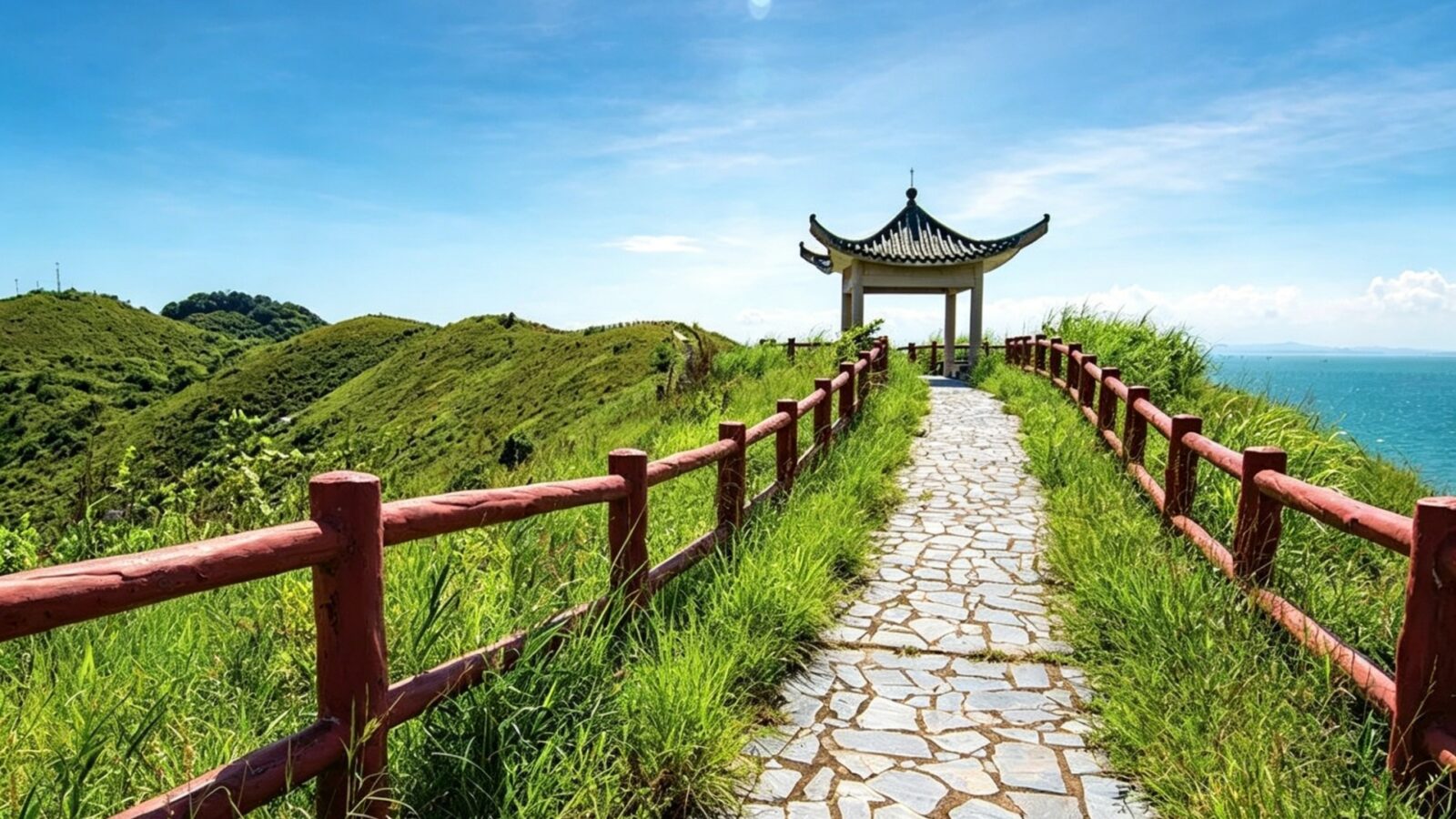
7. Connecting Hiking Trails and Viewpoints
Wisdom Path on Lantau Island
Lantau Trail Section 4 branches from the Wisdom Path and loops back to Po Lin Monastery in about 0.4 kilometres — a short detour that takes the sting out of retracing steps. For hikers willing to extend further, Nei Lak Shan (789 m) delivers sweeping views of the airport, the Hong Kong–Zhuhai–Macau Bridge, and the cable car line from a single vantage point — one of the finest viewpoints I've found in all of Hong Kong. Temperatures at elevation sit five to eight degrees below the city even in summer, so I always carry a light layer; check the forecast before setting out, as fog arrives quickly.
If this kind of mountain hiking resonates, the trails around Mangshan Mountain in southern Hunan represent one of China's most underrated natural experiences — lush primeval forest, a staggering 99% forest coverage rate, and far fewer visitors than Lantau on any given day.
Discover Fishing Village Stilt Houses and Seafood
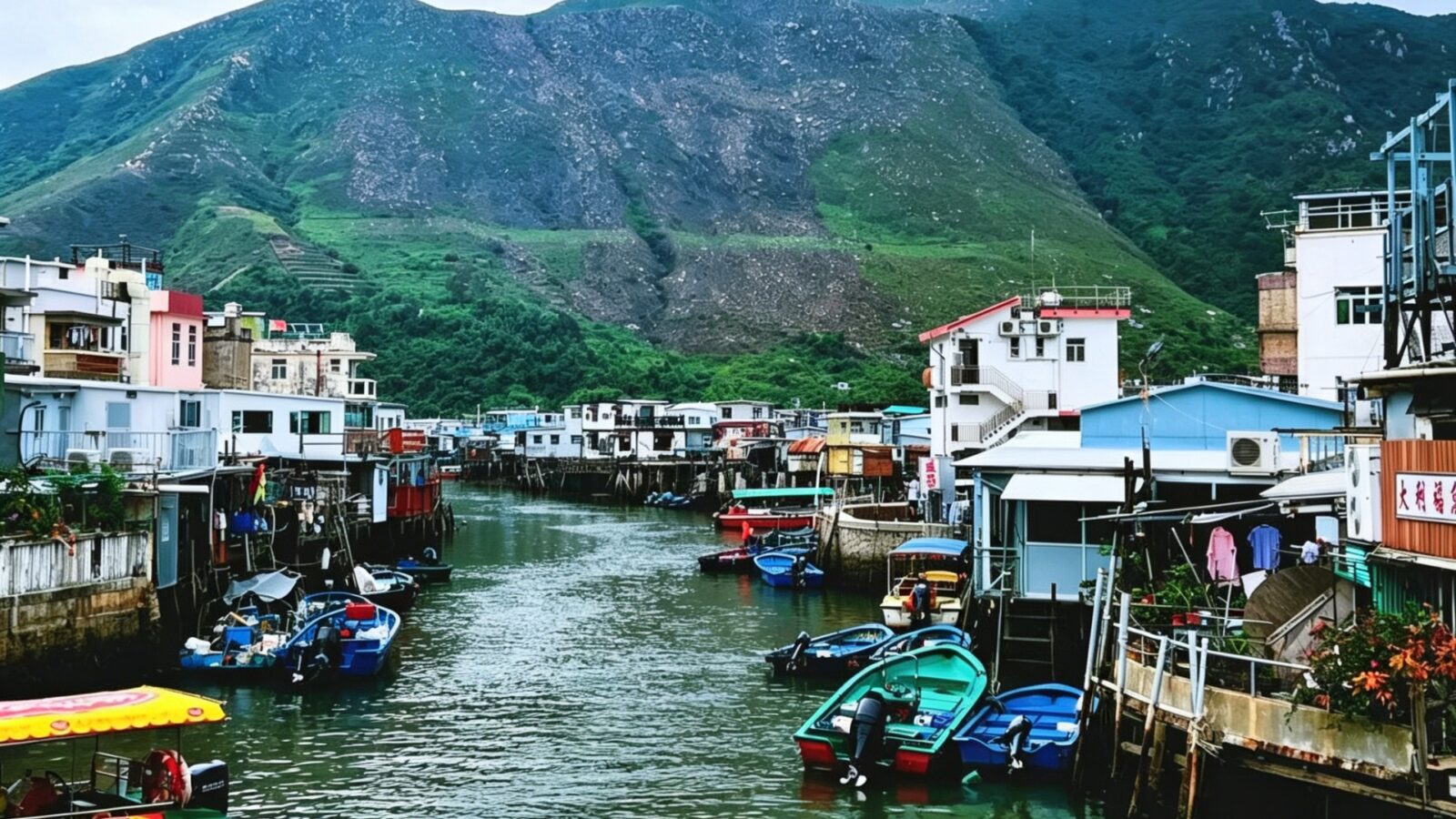
Tai O sits at the western tip of Lantau and earns its place on any things to do in Lantau itinerary as one of Hong Kong's most distinctive surviving communities. Before the village came into full view on my first approach, the smell of the sea and dried fish arrived first — salt, smoke, and something briny underneath. It's one of those sensory triggers that brings the whole memory back instantly, even now.
8. Estuary Boat tours and Dolphin Sightings
Tai O Ancient Stilt Village
Local fishing families run informal motorboats from the Tai O waterfront — HK$30 per person, 15–25 minutes, cash on the spot, no booking required. I've taken this tour twice: the boat threads through the stilt-house waterways and out to the estuary, where the Hong Kong–Zhuhai–Macau Bridge appears in the distance like a grey line across the water. The Indo-Pacific humpback dolphin does live in these waters, but populations have declined substantially; I didn't spot a single one on either visit. The estuary scenery alone made both rides worthwhile.
- Bus 21: from Ngong Ping Village — approx. 20 min; Octopus or cash.
- Bus 11: from Tung Chung MTR Exit B — approx. 50 min; recommended during cable car maintenance (June 2–21, 2026).
9. Stilt Houses and Tanka Heritage
-
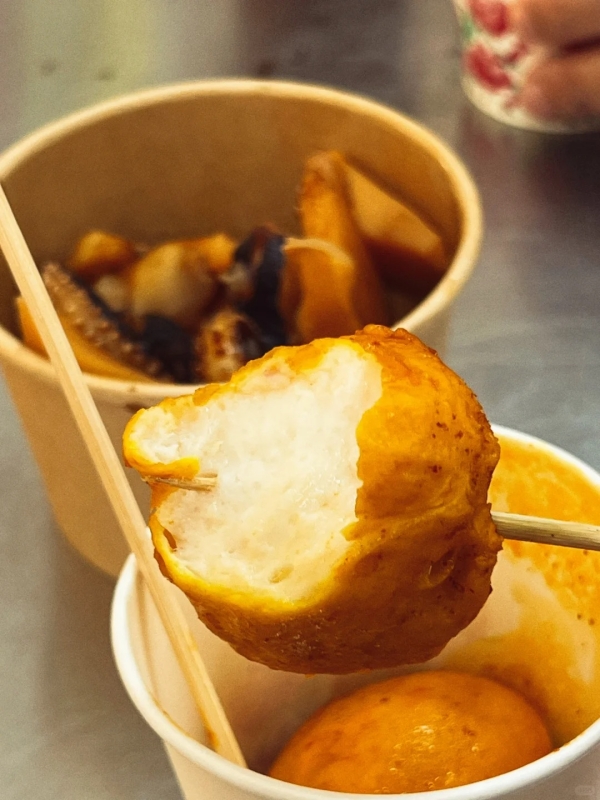
- Tai O Local Street Food
-
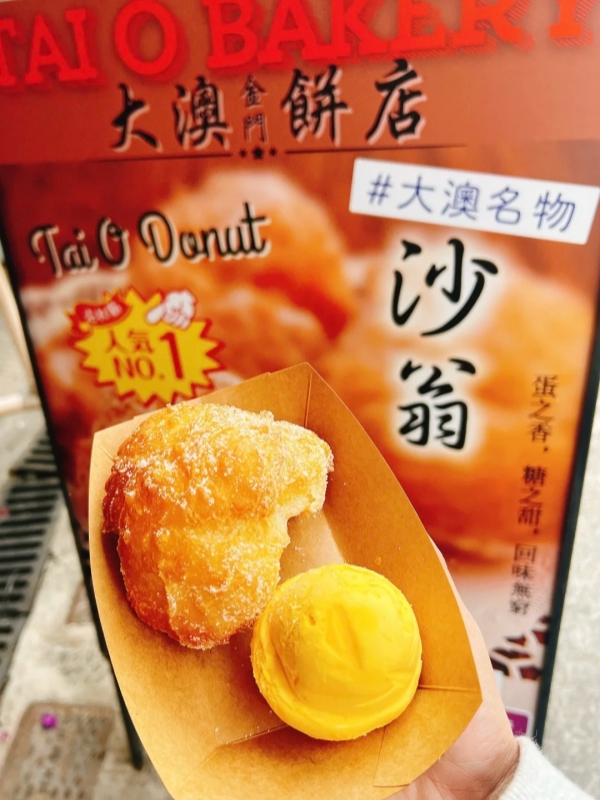
- Tai O Local Street Food
-
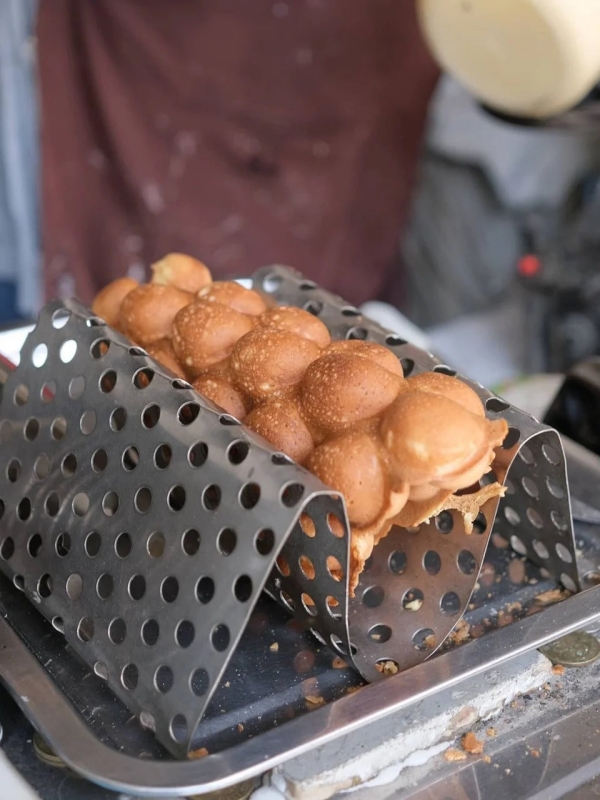
- Tai O Local Street Food
The village earns its "Venice of Hong Kong" nickname from narrow waterways threading between traditional stilt houses known as pang uk — structures built on bamboo and wood over tidal flats, floating at high tide and standing on grey mud at low. The residents are predominantly Tanka people, a Han Chinese subgroup who lived aboard fishing boats for centuries before settling these waters. I stopped to speak with one older resident who had lived in the same stilt house for over 60 years and showed no interest in moving anywhere else.
- The main alley is lined with dried fish, shrimp paste, salted duck eggs, fish balls, and egg waffles fresh from the griddle — all HK$10–20 per item.
- For a proper seafood meal, always check the price list first; handwritten menus can cause confusion over per-plate versus per-item pricing.
Tai O's waterside pace and street food culture reminded me of other island communities worth exploring — anyone curious about that kind of slow-travel experience might enjoy Shanghai's Chongming Island, another largely overlooked destination that rewards visitors who go beyond the obvious city itinerary.
Transport Options for Lantau Island
Getting to Lantau is the first practical decision on any things to do in Lantau itinerary. Three routes exist, each with a different trade-off between time, cost, and scenery — and the choice shapes the rest of the day. I've used all three at different points and have a clear preference depending on conditions.
Most visitors to Lantau arrive from Hong Kong itself, but the island also makes a logical anchor for travellers crossing the border from the mainland. If you're arriving overland, understanding your options at Shenzhen's railway stations can save real time — the high-speed connection between Shenzhen and Hong Kong's West Kowloon station runs in under 30 minutes, putting Lantau well within reach of a day trip from the mainland. For a wider perspective on the destinations within easy reach of Hong Kong, the cities near Hong Kong guide covers the best options across the Greater Bay Area.
Frequently Asked Questions About Lantau
Q: Is Lantau Island worth visiting?
Lantau is absolutely worth a full day — the things to do in Lantau span natural scenery, Buddhist heritage, and living fishing culture that urban Hong Kong simply cannot match. The Ngong Ping 360 cable car, the Tian Tan Buddha, and Tai O stilt village together deliver a genuinely different experience from the city, and most visitors who expected a quick side-trip leave surprised by how much the island offers in a single day.
Q: How much time do you need for a Lantau day trip?
Plan for six to eight hours to cover the main things to do in Lantau comfortably — cable car queue time is the biggest variable, and arriving before 10:00 AM with a pre-purchased ticket can free up four to five hours of sightseeing. Don't try to combine the full Lantau circuit with Hong Kong Disneyland in one day; both deserve more time than that rushed approach allows.
Q: How to get to Lantau from Kowloon or Tsim Sha Tsui?
The most direct route to the key things to do in Lantau is via MTR: Tsuen Wan Line to Lai King, transfer to the Tung Chung Line, then ride to the terminus at Tung Chung Station — roughly 50 to 60 minutes total. Exit B puts you directly in front of the cable car terminal; Exit A is the boarding point for Bus Route 11 to Tai O; and a single additional stop to Sunny Bay connects to the Disneyland Resort line.
Q: What is the best time to visit the Big Buddha and Lantau?
October through March is the most comfortable season for things to do in Lantau — cooler air, lower humidity, and clearer visibility over the South China Sea. The May-to-September period brings heat, humidity, and frequent thunderstorms that can interrupt cable car operations, while weekends and public holidays year-round are noticeably busier than weekdays. Arriving before 10:00 AM on the day of your visit remains the single most effective way to get ahead of the crowds.
Q: Can I visit Lantau without the cable car?
Yes — and the experience is genuinely full without it, with plenty of things to do in Lantau accessible by other means. New Lantau Bus 23 connects Tung Chung MTR to Ngong Ping in about 45 minutes at a fraction of the cable car fare, while the Tung Chung to Tai O ferry offers a more local, waterborne perspective. Experienced hikers can also reach Ngong Ping on foot via the Lantau Trail, though the Lantau Peak approach is a steep two-hour climb not suited to casual visitors.
Q: Are there restaurants and food options on Lantau?
Food is available at every major stop on the things to do in Lantau route, though style and comfort vary considerably by location. Po Lin Monastery's canteen-style vegetarian restaurant is the most reliable option near the Big Buddha; Ngong Ping Village offers noodle shops and cha chaan teng counters; and Tai O is best for street food and small informal eateries. Always carry water when visiting the highland plateau — there are no large convenience stores between the monastery and the Wisdom Path.
Q: Is Lantau suitable for kids?
Families with children aged five and above will find plenty of things to do in Lantau that work well, though a few points need planning. The 268 shadeless steps to the Big Buddha are demanding in summer heat; the Crystal Cabin's glass floor can unsettle height-sensitive children; and Tai O boat rides have no child safety seats, so younger kids must be held throughout. Most attractions involve a fair amount of outdoor walking on uneven terrain, so lightweight strollers are not well suited to the full circuit.
Q: Are there any 2026 closures or maintenance notices?
The most important update affecting things to do in Lantau in 2026 is the Ngong Ping 360 cable car closure from June 2 to June 21 for scheduled maintenance — during this window the car is completely non-operational, though the Big Buddha, Po Lin Monastery, Wisdom Path, Tai O, and Ngong Ping Village all remain open and accessible by Bus Routes 11 or 23 from Tung Chung MTR. Check np360.com.hk or Google Maps reviews for the most current status before you travel.
Q: Can you see pink dolphins from Tai O?
Spotting dolphins is possible but far from guaranteed on the boat tours that are one of the more popular things to do in Lantau at Tai O — the Indo-Pacific humpback dolphin population has declined substantially due to coastal development, and I didn't see a single dolphin on either of my two visits. The boat tour still earns its HK$30 for the estuary views and the stilt-house waterways alone; those seeking a reliable dolphin sighting should book in advance with an AFCD-certified eco-tour operator rather than relying on informal dock arrangements.
Q: What should I wear or bring when visiting Po Lin Monastery?
Dress modestly for the monastery — shoulders and knees covered — and prioritise sturdy, non-slip shoes for the 268 stone steps and the uneven Wisdom Path terrain, both of which can become slippery after rain; these are the practical essentials for the most demanding things to do in Lantau on the highland plateau. Sunscreen, at least one bottle of water, and a light rain jacket round out what you need — the monastery and Ngong Ping Village accept Octopus and contactless payment, but Tai O street vendors often prefer cash.