Culture in Shanghai
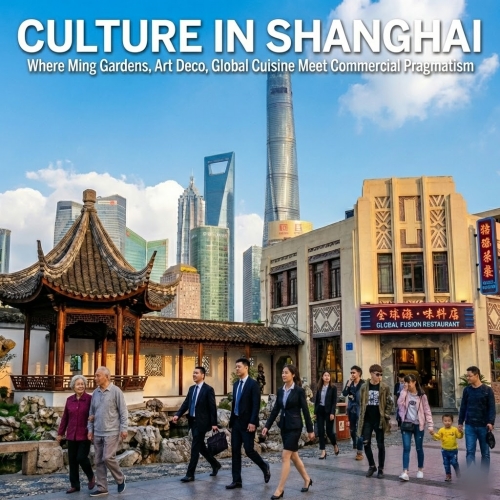
Culture in Shanghai is one of Asia’s most exciting cultural concoctions. China, the most ancient civilization on earth, meets 180 years of global influence. Tai chi practice happens under glass towers. 8,000 tea houses share the streets with modern coffee shops. There is street-life in the stone-gate longtangs running through French Concession boulevards.
❄️ Looking for the soul of the North? If you find Shanghai’s refined social rules fascinating, you’ll be stunned by the unfiltered hospitality of the Northeast. Go beyond the ice and snow to meet the people in: [Harbin People in Northeast China: Hospitable Residents Known for Direct Communication and Generous Hearts].
Shanghai's Culture Stands Apart from the Rest of China
Shanghai stands alone as China's only city that Westernized before fully developing its Chinese identity. This unique timeline created a cultural personality distinct from Beijing, Guangzhou, or any other mainland city.
Haipai Culture—The Soul That Defines Shanghai
Comprehensive Cultural Identity:
Haipai (海派), literally “sea style,” refers to Shanghai’s open, accommodating mentality. The term originated in the 1920s as an insult edible out of the mouths of Beijing intellectuals who found Shanghai too commercially-minded, too foreign. Over the decades, “insult” has evolved into pride. Haipai is Shanghai’s greatest strength, its ability to absorb elements from all over the world while remaining Chinese.
Four Cultural Pillars:
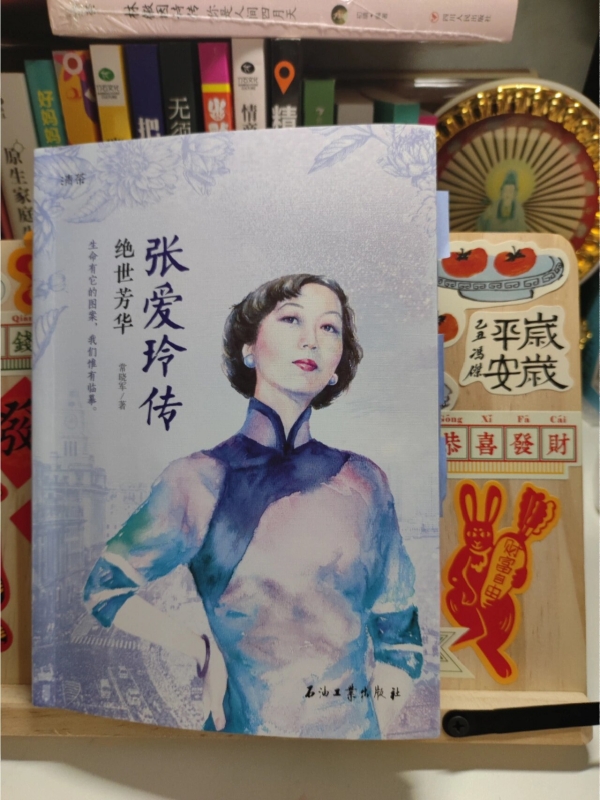
- Literature: Zhang Ailing's novels captured 1940s Shanghai glamour and complexity
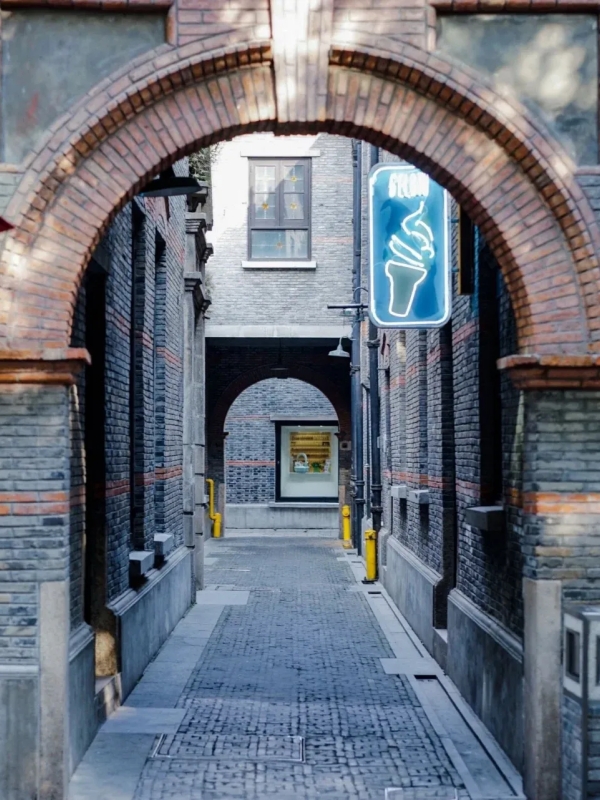
- Architecture: Shikumen stone gates blend Chinese courtyards with European facades
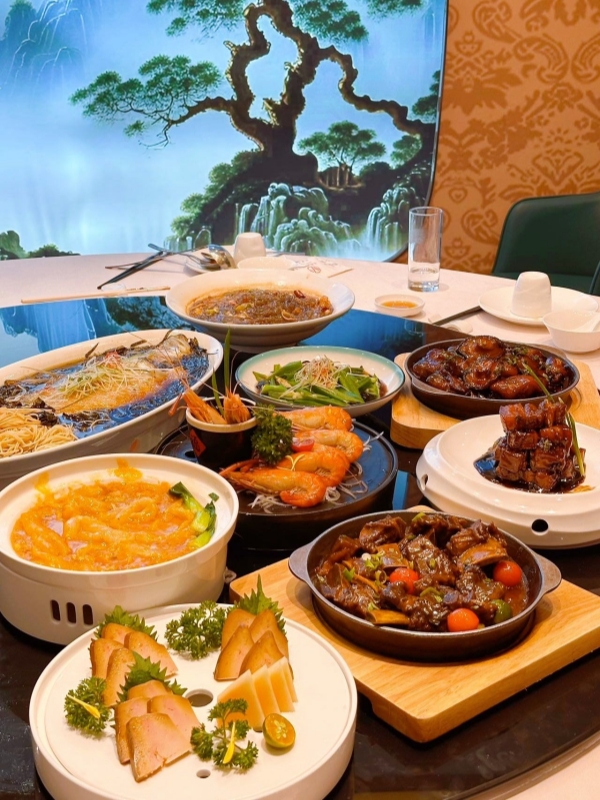
- Cuisine: Benbang dishes evolved by incorporating Western techniques
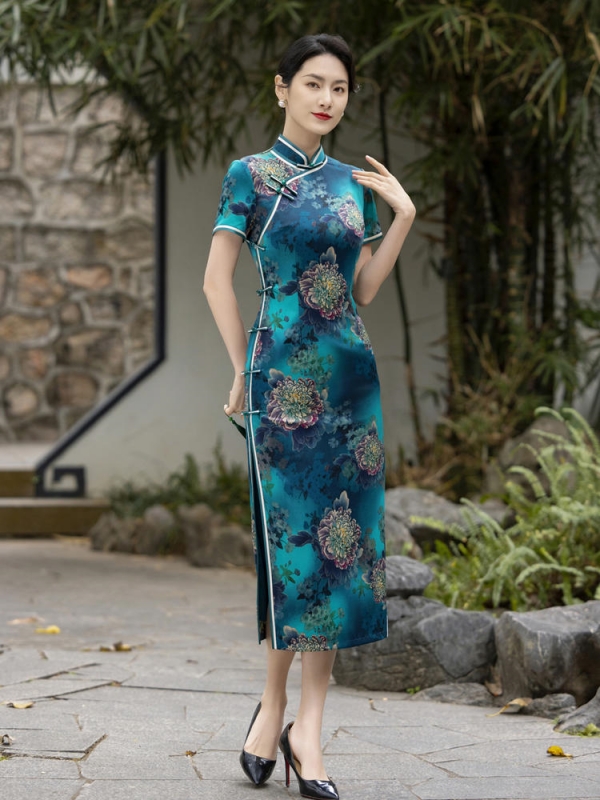
- Fashion: The qipao dress modernized traditional Manchu robes with French tailoring
👗 Vintage Style Trends: To understand how this iconic silhouette evolved alongside other cultural shifts during this golden era of style, explore our complete guide on Chinese 1920s Fashion.
Practical Understanding:
Walk through the French Concession today. You'll see young people wearing hanfu traditional robes while drinking Italian espresso. Elderly gentlemen in three-piece suits practice calligraphy in century-old parks. This isn't confusion—it's Haipai in action.
Local Perspective:
From Fishing Village to Asia's Largest Cultural Melting Pot
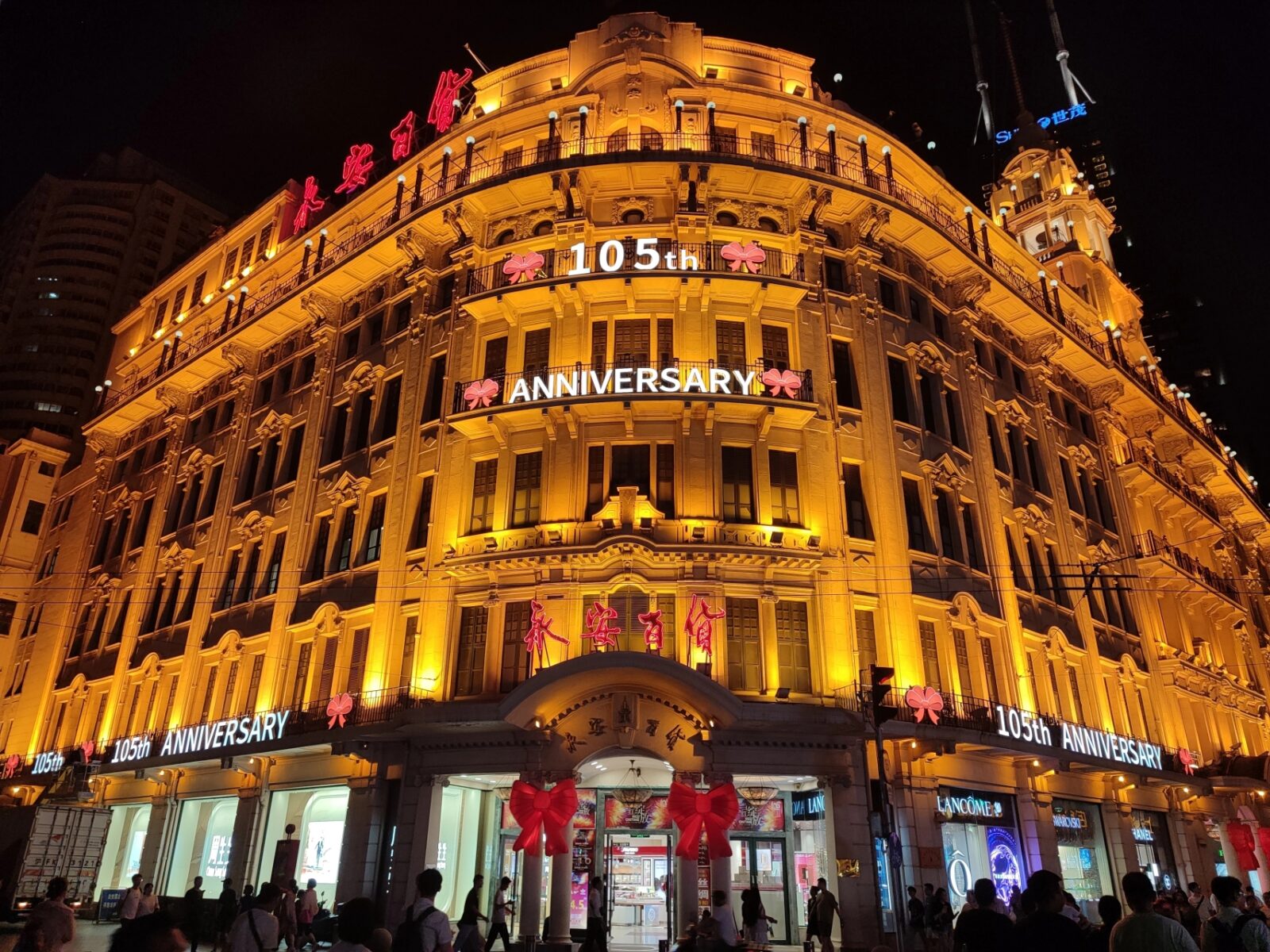
The Bund Waterfront
Historical Timeline Creates Unique Character:
Shanghai's transformation happened in compressed time. A small fishing village became Asia's most cosmopolitan city in just 150 years.
- 1843: Treaty ports opened Shanghai to British, American, and French settlements
- 1920s-1930s: The "Paris of the East" golden age attracted global adventurers
- 1938-1941: 25,000 Jewish refugees found safe haven in Hongkou district
- 1990: Economic opening accelerated international connections
- 2010: UNESCO recognized Shanghai as a "Creative City of Design"
Living Evidence of Diversity:
Please browse through 24 buildings representing different nations generously spaced along Shanghai’s Bund waterfront. British neoclassical banks coexist with American art deco hotels, Japanese modernist structures rub shoulders with French baroque mansions—what a museum! These buildings still host offices, restaurants, and cultural spaces.
Contemporary Statistics:
Over 100,000 foreign nationals now call Shanghai home (2024 data). This represents China's largest expatriate community. The city hosts international schools teaching in 15+ languages. Cultural festivals from Lunar New Year to Christmas receive equal celebration.
Travel Insight:
Traditional Chinese Culture Still Alive in Modern Shanghai
Many assume Shanghai's modernity erased traditional culture. The reality tells a different story. Ancient practices thrive here—they simply adapted to contemporary contexts.
Ancient Gardens, Temples, and Jiangnan Heritage
Classical Beauty Preserved:
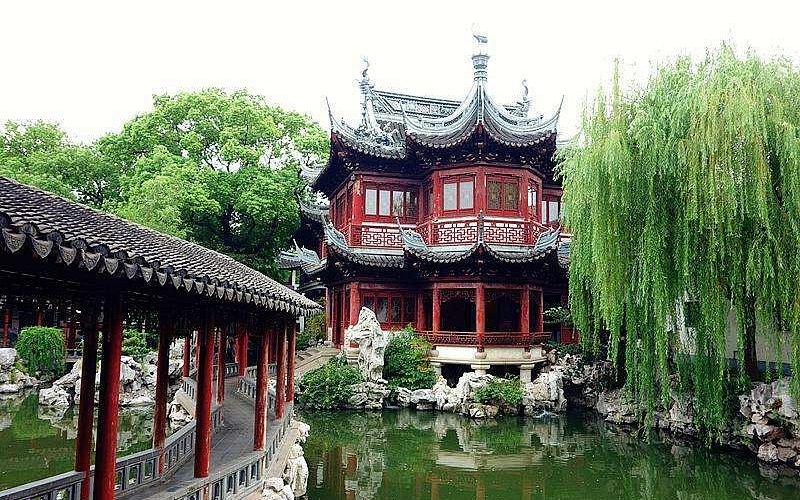
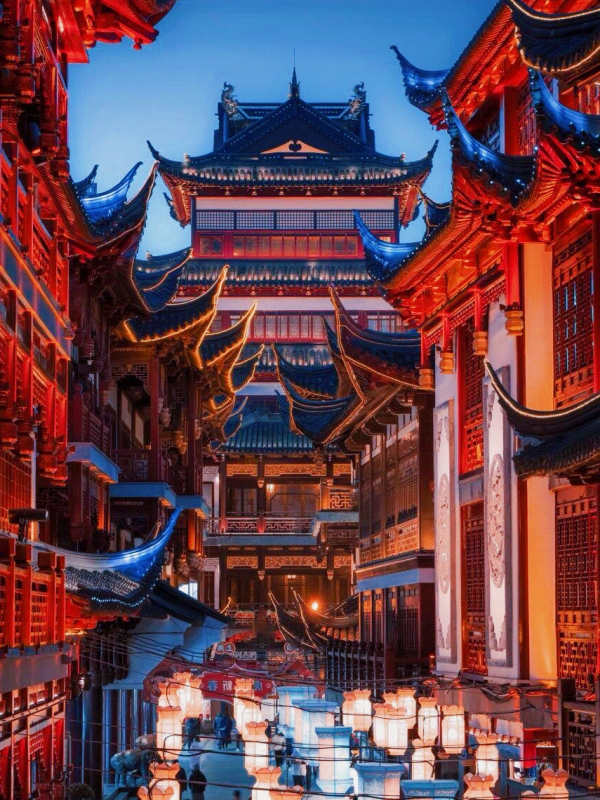
Yuyuan Garden (豫园) dates to 1559 during the Ming Dynasty. This is a beautiful representation of Jiangnan garden style (Yangtze Delta). The use of artificial mountains represents nature. Curving paths will keep evil spirits from coming through straight lines. Bridges that zigzag will slow the visitor and give them time to think about why they are there.
Active Spiritual Spaces:
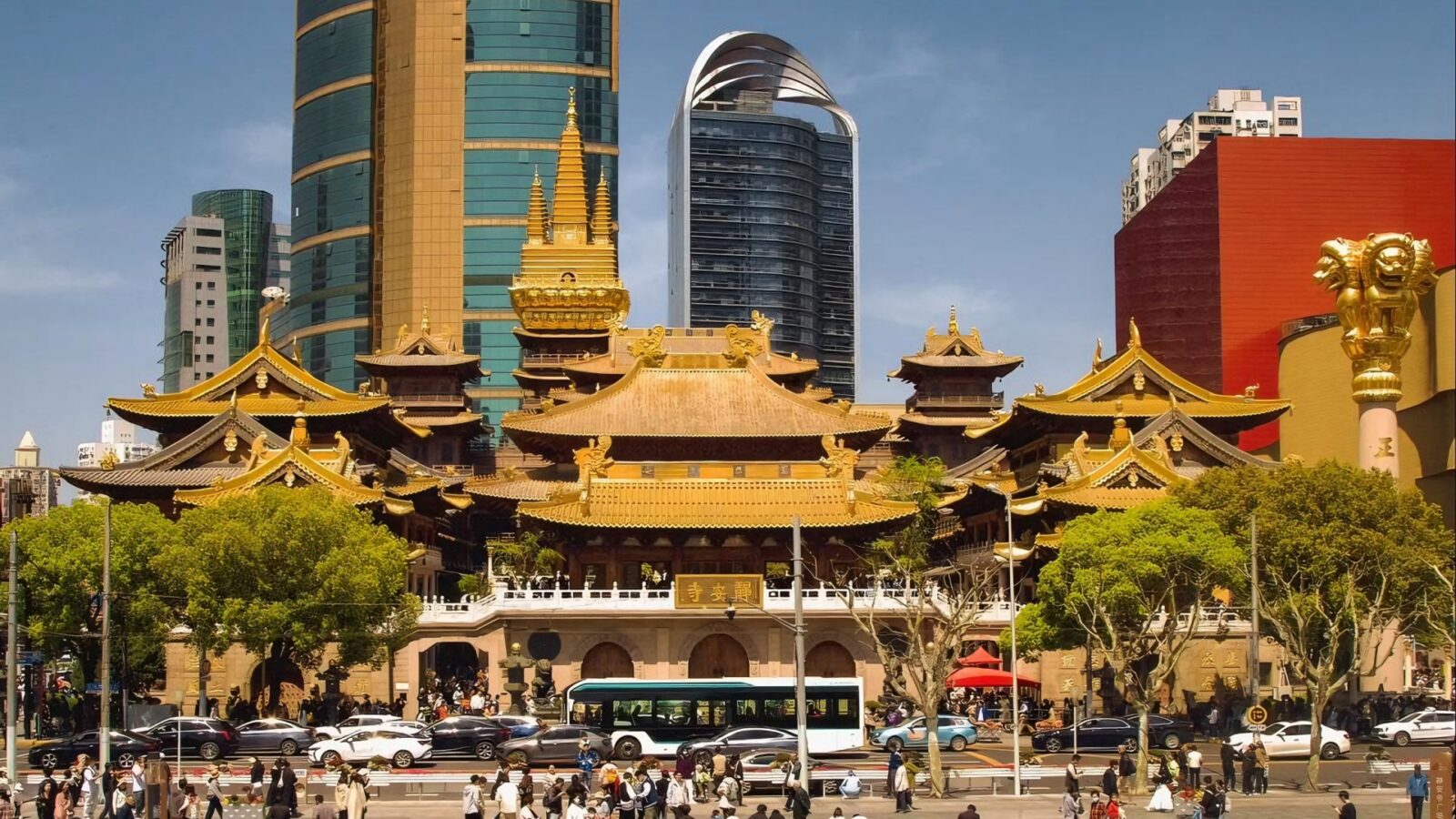
- Jing'an Temple: Incense smoke rises daily from this 1,800-year-old Buddhist sanctuary
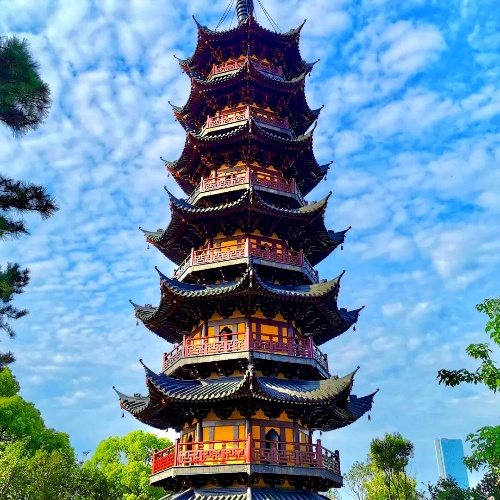
- Longhua Temple: Shanghai's largest temple complex hosts traditional ceremonies
- Jade Buddha Temple: Houses two jade Buddha statues brought from Burma in 1882
Contemporary Green Culture:
Shanghai maintains 849 parks open 24 hours (2024 municipal data). Visit any park at dawn. You'll witness tai chi groups, sword dancing, traditional opera practice, and calligraphy on water-covered pavement.
Spring Festival Experience:
Visitor Tip: Visit Yuyuan Garden on weekday mornings (7-9 AM) to avoid tour group crowds while experiencing local exercises in adjacent parks.
Living Folk Arts: Shanghai Opera, Pingtan Storytelling, and Paper Cutting
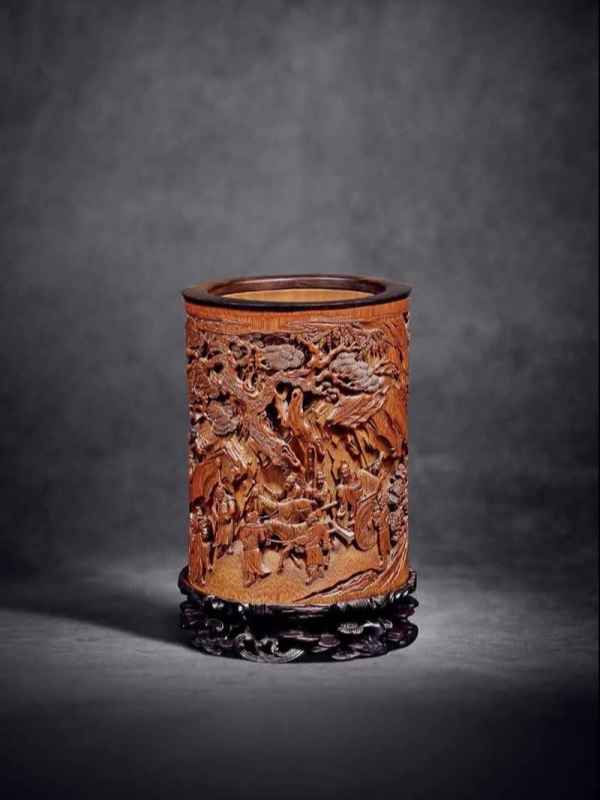
Traditional Performance Arts:
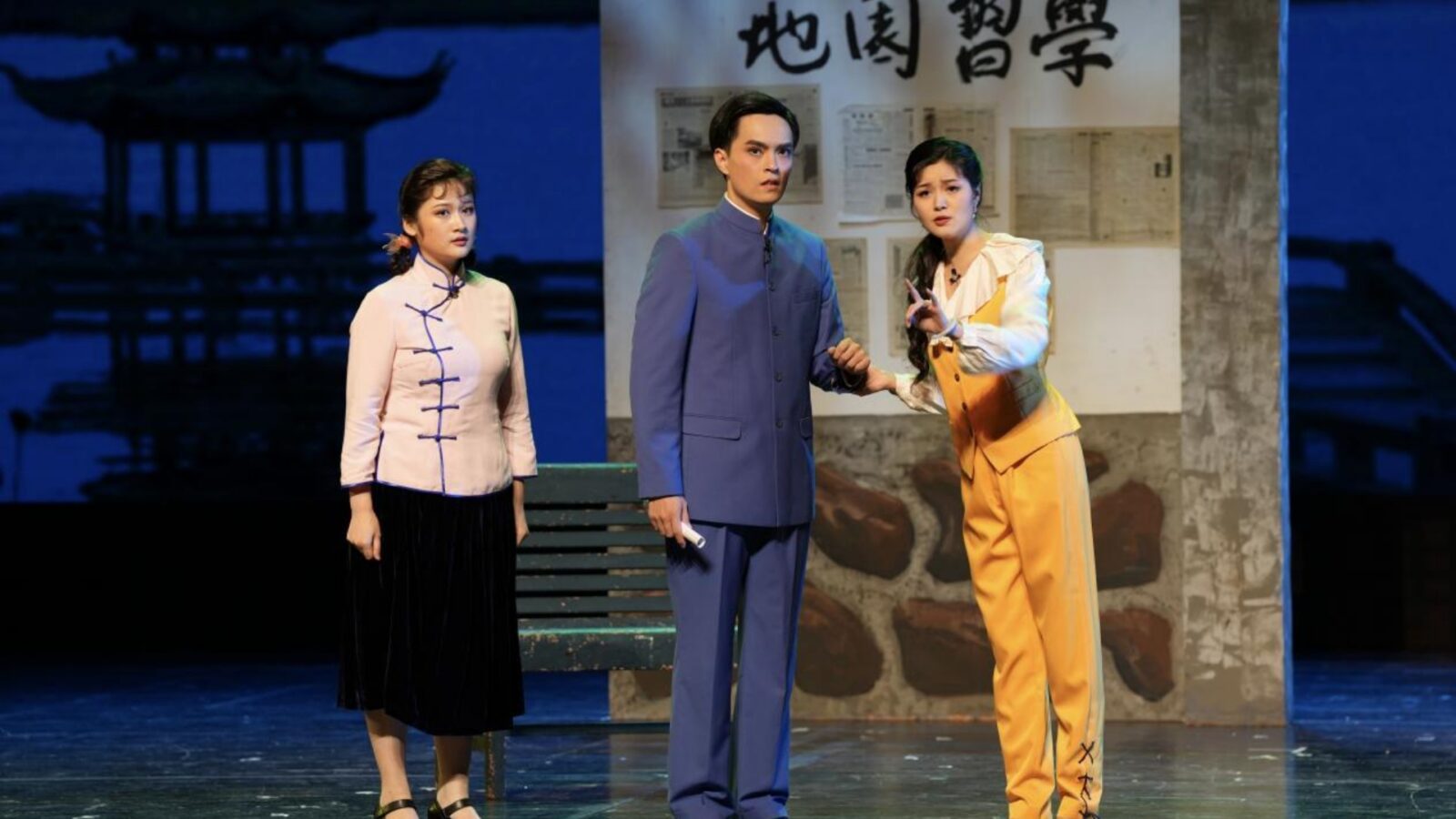
Shanghai Opera (沪剧), which works in Shanghai dialect, is also a popular folk art, lacking the stylized gestures of Beijing Opera. It is performed in modern theatres, in addition to the conventional old plays.
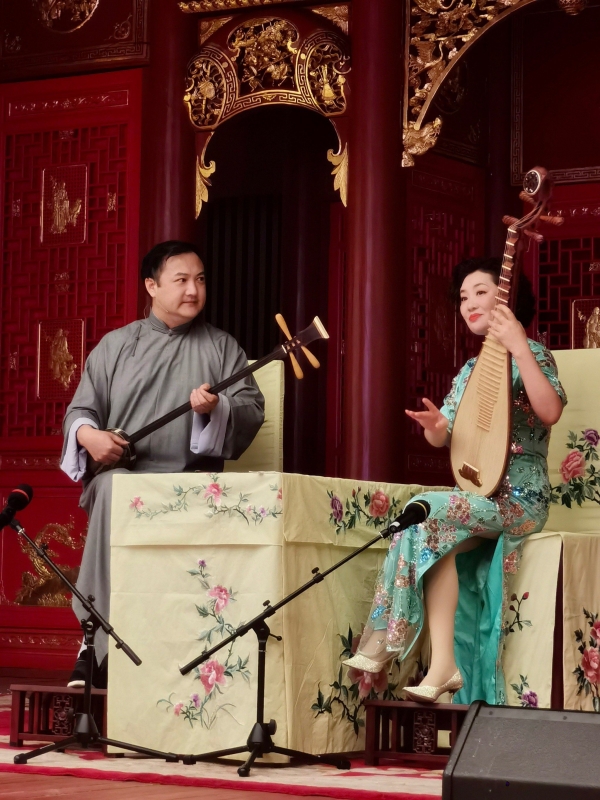
Pingtan (评弹). Narrators from Suzhou reciting stories accompanied by the pipa lute and sanxian. In teahouses old gentlemen sit in the afternoons and listen to complete tales they know by heart.
Recognized Heritage:
- UNESCO recognition: 55 national intangible cultural heritage items originate in Shanghai
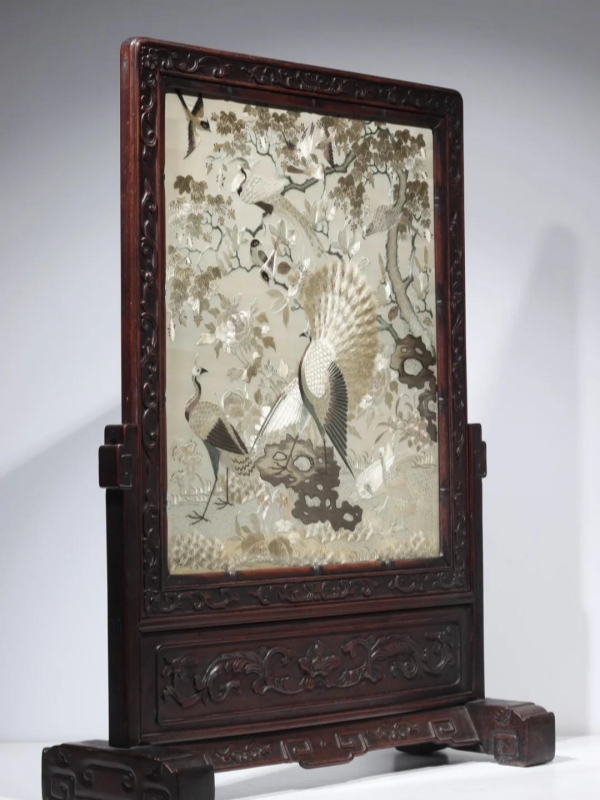
- Living crafts: Gu embroidery, Jiading bamboo carving, dragon-phoenix candles
- Modern preservation: Master craftspeople teach apprentices through government programs
Hands-On Cultural Access:
Changning Intangible Cultural Heritage Center reopened December 2025. Visitors can attend workshops in paper cutting, traditional knot tying, and clay figurine sculpting. Artisans demonstrate techniques passed through generations.
Authenticity Note:
Visitor Tip: Book heritage center workshops at least one week in advance. Most require minimum 4-person groups. English interpretation available upon request.
Festivals That Connect Past and Present
-
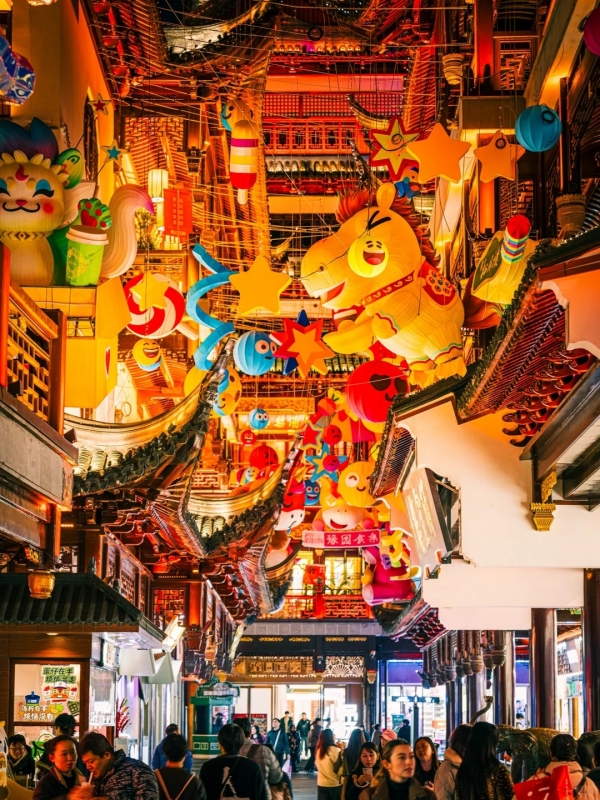

- Yu Garden Lantern Festival
-
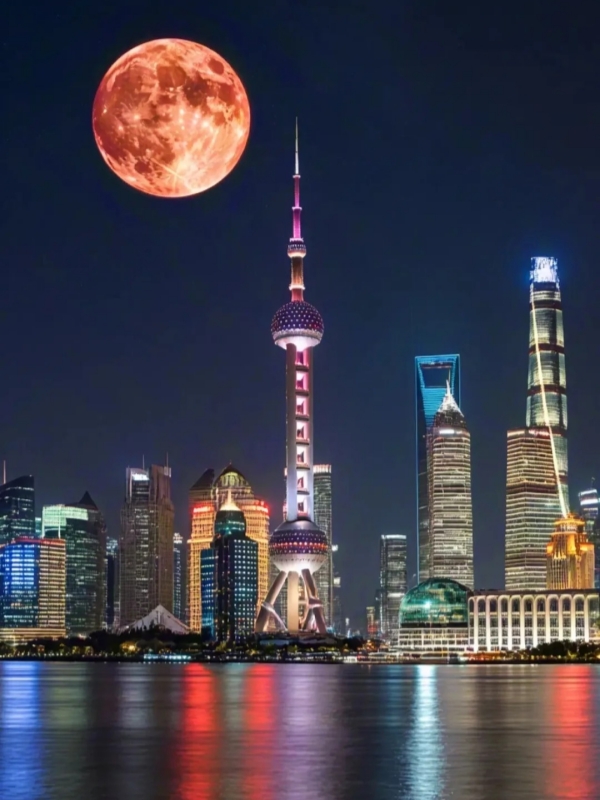
- The Bund-Best Moon-viewing Location
-
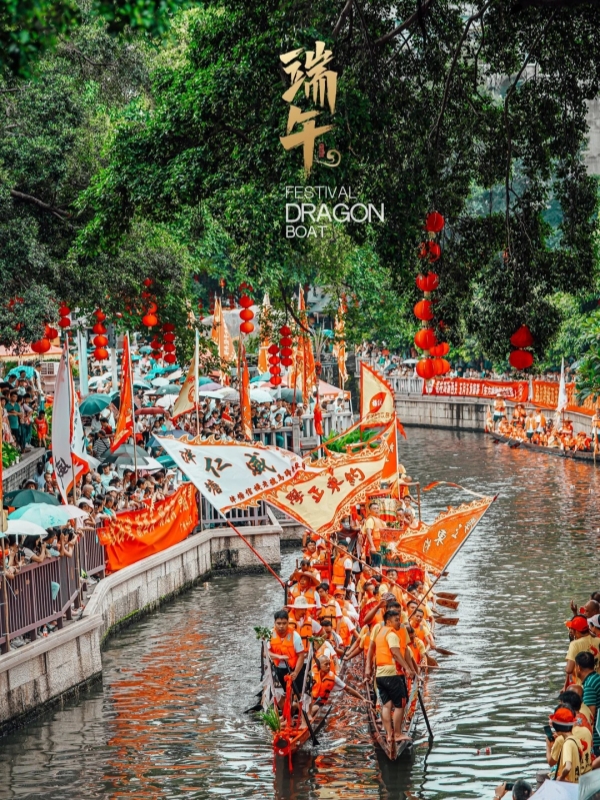
- Suzhou Creek Dragon Boat Races
Traditional Celebrations Adapted:
Shanghai honors major Chinese festivals with local flavor. The city adds unique interpretations while maintaining ceremonial significance.
- Spring Festival: Yuyuan Garden's lantern festival attracts 3 million visitors annually
- Mid-Autumn Festival: Bund riverside moon-viewing parties blend poetry and modern performances
- Dragon Boat Festival: Teams race on Suzhou Creek with corporate sponsors alongside traditional clubs
Contemporary Additions:
Each June, Shanghai hosts the International Film Festival from around the world. Each spring, the Strawberry Music Festival brings alternative indie bands to Shanghai. Formula 1 events like the Chinese Grand Prix represent international racing. New or newish traditions like these co-exist with ancient ones in Shanghai.
Temporal Contrast Observation:
The Architectural Stories Behind Shanghai's Cultural Identity
Shanghai's buildings function as a three-dimensional cultural textbook. Each architectural layer reveals a different chapter of history and cultural exchange.
Shikumen and Longtang—Where Old Shanghai Lives On
-
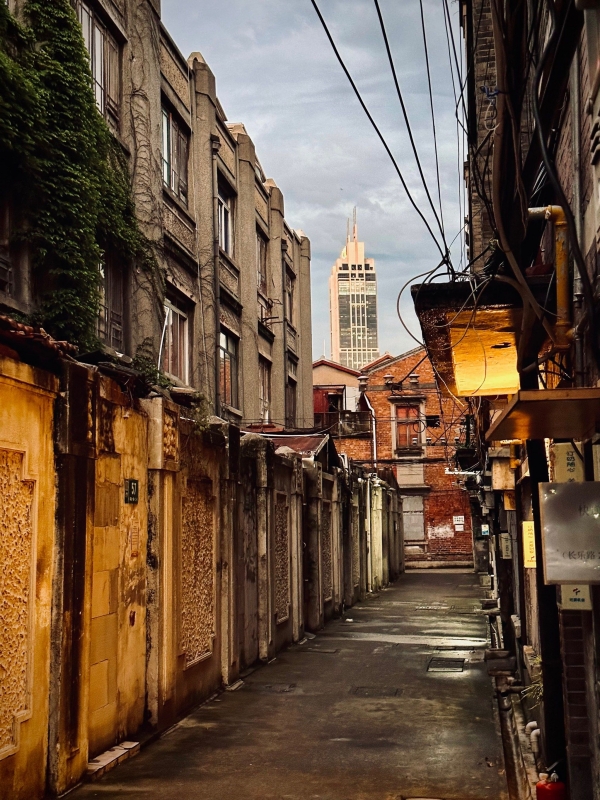
- Shanghai Longtang
-
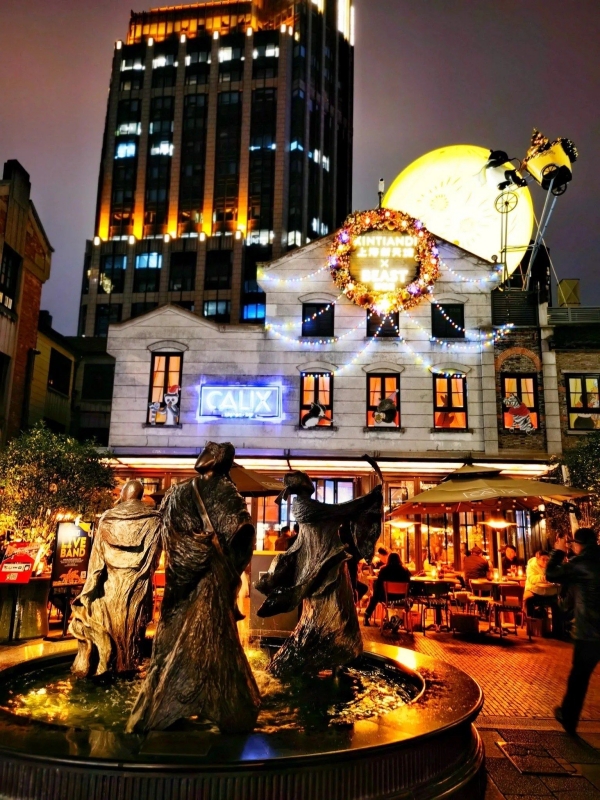
- Xintiandi
-
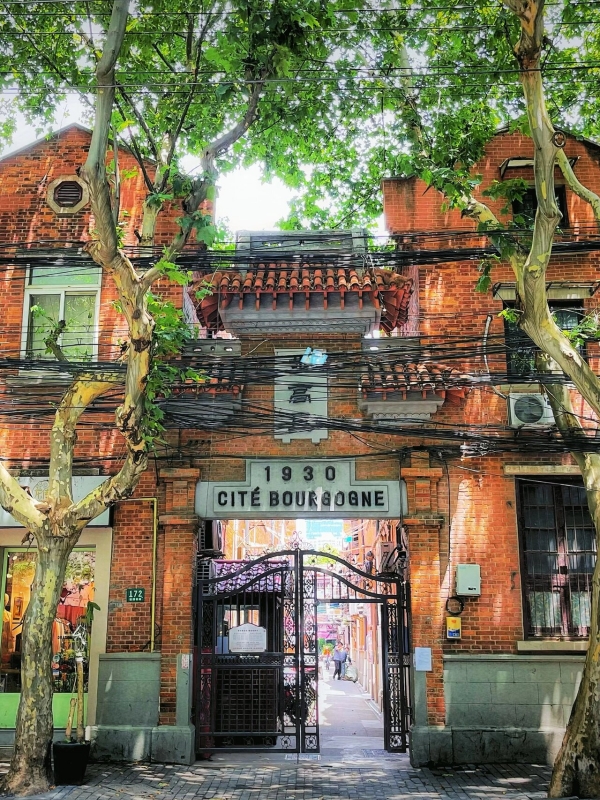
- Bugaoli
Hybrid Architectural Innovation:
Shikumen (石库门) means "stone warehouse gate." These residential buildings combine Chinese courtyard principles with European row house design. Stone gate frames (from Western architecture) protect traditional Chinese interior layouts. Each shikumen complex contains narrow longtang alleys where neighbors share daily life.
Statistical Significance:
These structures once housed 70% of Shanghai residents. Today, fewer than 1,000 original complexes survive (Shanghai Urban Planning Bureau data). Preservation efforts protect remaining examples while redevelopment pressures remain constant.
Longtang Social Culture:
- Morning routines: Residents hang laundry across alley spaces, creating colorful canopies
- Street food: Mobile vendors sell breakfast items—jianbing crepes, soy milk, youtiao fried dough
- Neighborhood gossip: Evening conversations flow between households through open windows
Contrasting Preservation Models:
Xintiandi is a commercial adaptive reuse project where designer shops and foreign restaurants have colonized the old shikumen houses from which the original residents departed decades ago.
Tianzifang has chosen mixed preservation, where art studios and cafes coexist with the remaining resident households, and where authenticity and tourism collide in unpredictable ways.
Bugaoli (步高里) remains little altered where real families still live the longtang life; visitors get access to real everyday life rather than staged heritage.
Resident Reality Check:
Visitor Tip: Respect resident privacy in non-commercial longtang areas. Ask permission before photographing people or entering private courtyards.
The French Concession's Century-Old European Charm
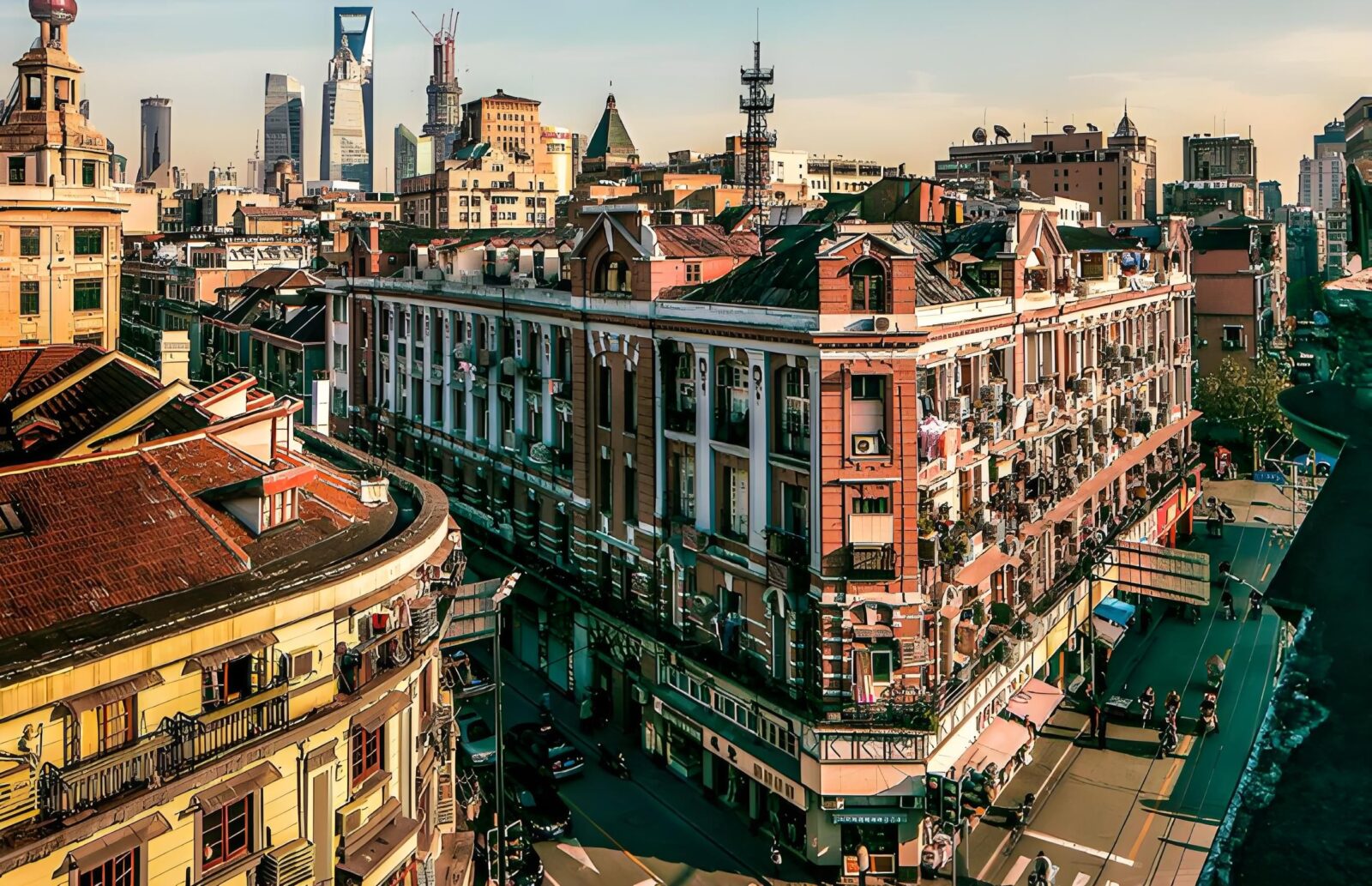
Former French Concession
Colonial History Creates Lasting Character:
From 1849 to 1943, the French Concession functioned as an independent department from the French mother state. French municipal elders planted over 30,000 plane trees, constructed villas in an undulating European architectural style, and opened a pastry shop and café. That 94-year colonial reign touched and transformed permanently 10 square kilometers of Shanghai’s center.
Protected Architectural Heritage:
Xuhui District maintains 632 buildings with historical protection status (district cultural bureau registry). These structures represent Art Deco, Spanish Colonial, British Tudor, and French Renaissance styles.
Signature Streets Experience:
- Wukang Road: Features the iconic Wukang Mansion (designed by Hungarian architect László Hudec)
- Anfu Road: Transforms into coffee shop corridor with independent roasters every 50 meters
- Hengshan Road: Preserves villa compounds where Shanghai's elite once lived
Recommended Walking Route:
Start at Wukang Mansion (former International Savings Society building). Walk south to Soong Ching-ling's Former Residence—Chinese leader's family home preserved as museum. Continue to Zhang Leping's Former Residence honoring the Sanmao cartoon creator. End on Anfu Road's cafe strip.
Total distance: 2.5 kilometers. Walking time: 90 minutes without stops. Budget 3-4 hours with museum visits and coffee breaks.
Seasonal Perfection:
Visitor Tip: Avoid weekends on Wukang Road. Instagram crowds overwhelm the street from 10 AM to 4 PM. Visit Tuesday-Thursday mornings instead.
The Bund and Art Deco—Shanghai's Golden Age Legacy
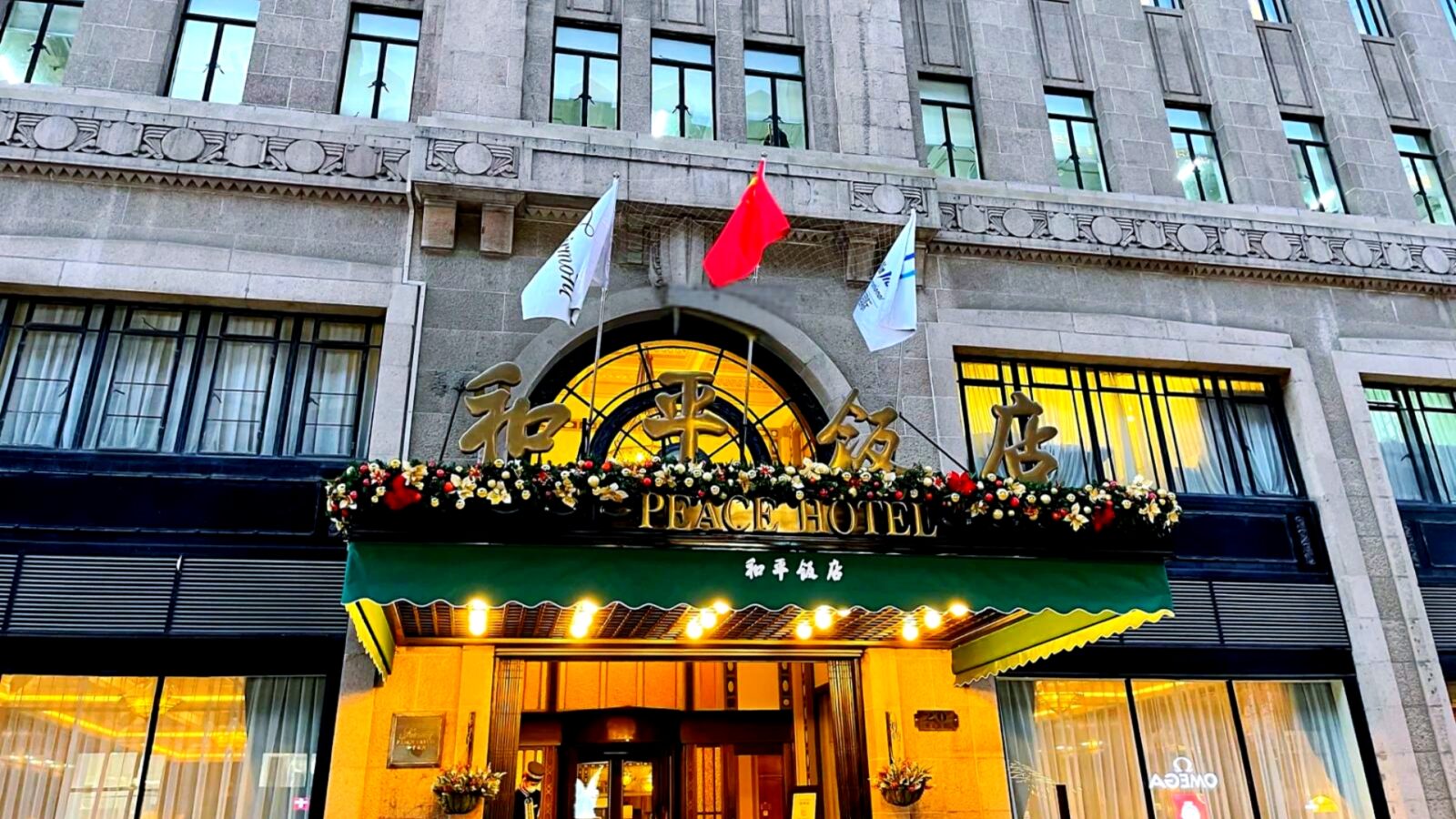
Shanghai Peace Hotel
Architectural Timeline Display:
The Bund waterfront presents 24 buildings constructed between 1843 and 1937. Each structure represents a different decade's architectural trends and national influences. This linear progression creates a walkable architectural history lesson.
Art Deco Capital Recognition:
Shanghai contains Asia's largest collection of Art Deco buildings. The 1920s-1930s building boom coincided with this architectural movement's global peak.
- Peace Hotel (1929): Victor Sassoon's luxury hotel featured Shanghai's first air conditioning
- Park Hotel (1934): Held "tallest building in Asia" title for decades
- Grand Cinema (1933): Combined Art Deco facade with advanced acoustical engineering
Optimal Viewing Strategy:
Sunset (5:30-6:30 PM in spring/fall) provides ideal lighting for Bund photography. Buildings on the west bank glow with warm light. Pudong's futuristic skyline across the river creates maximum contrast between historical and contemporary Shanghai.
Crowd Navigation:
Visitor Tip: Access the Bund via Nanjing Road Pedestrian Street's eastern end. This approach provides gradual revelation of waterfront views rather than immediate overwhelming exposure.
Shanghai Food Culture—From Street Carts to Michelin Stars
Shanghai offers China's most diverse culinary landscape. Local Benbang cuisine provides cultural foundation. Global influences add infinite variety.
Benbang Cuisine—The Authentic Shanghai Flavor
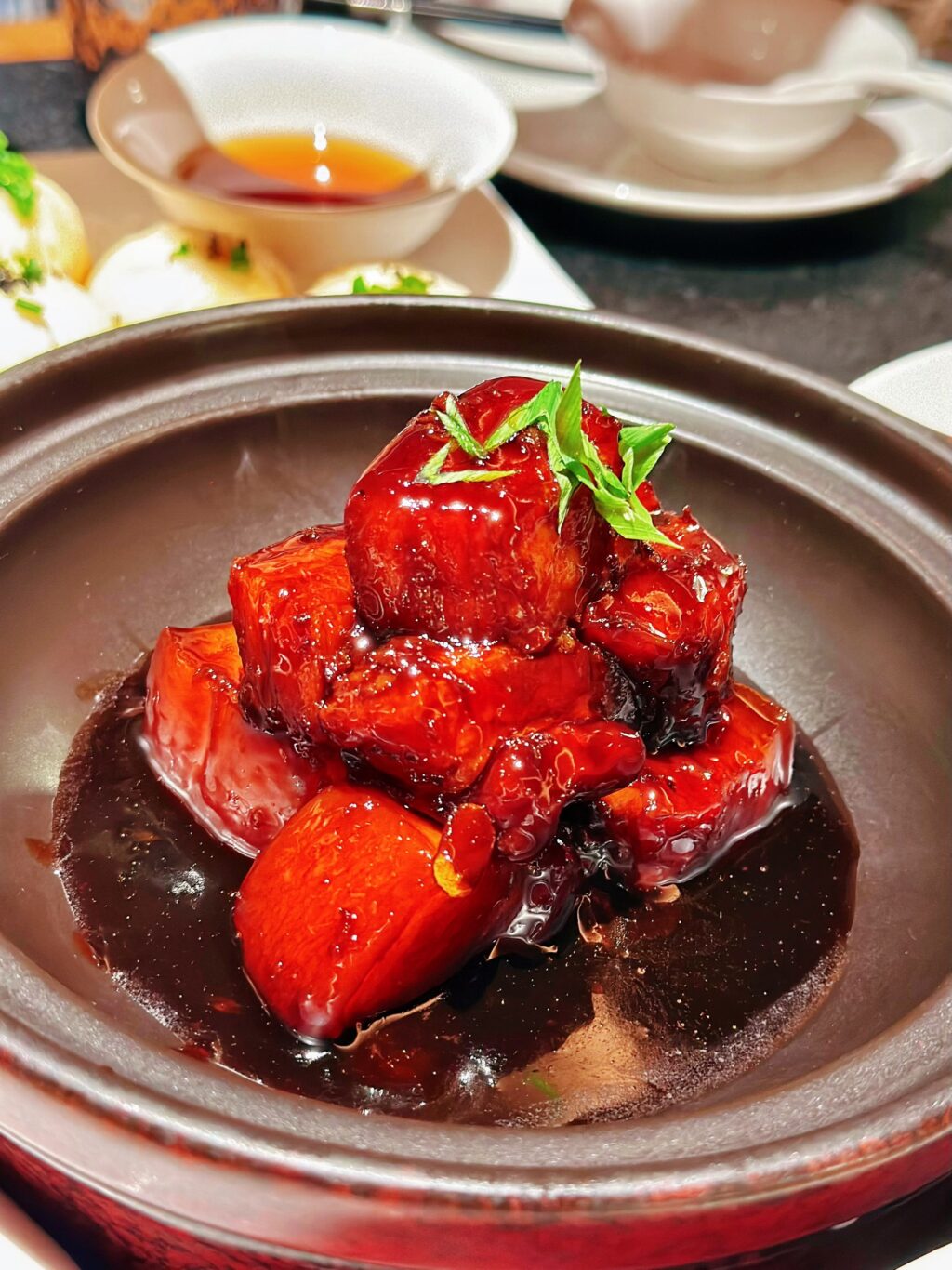
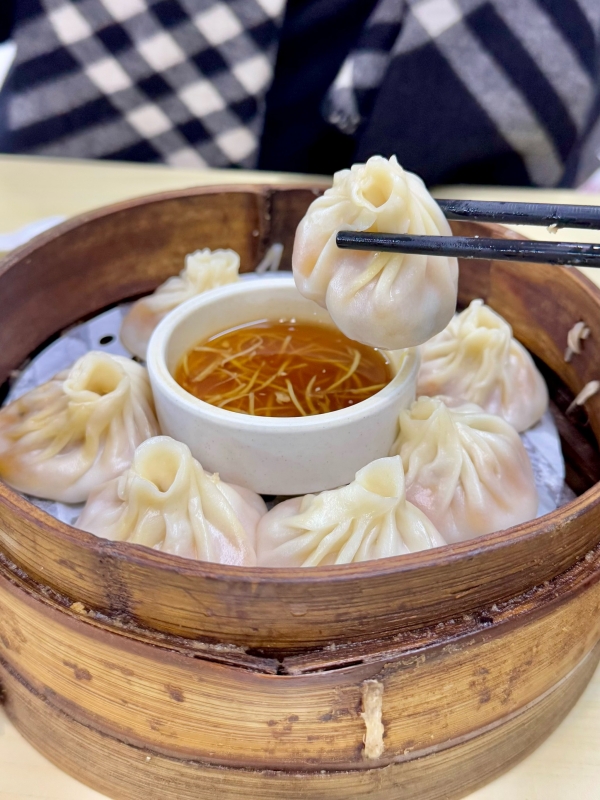
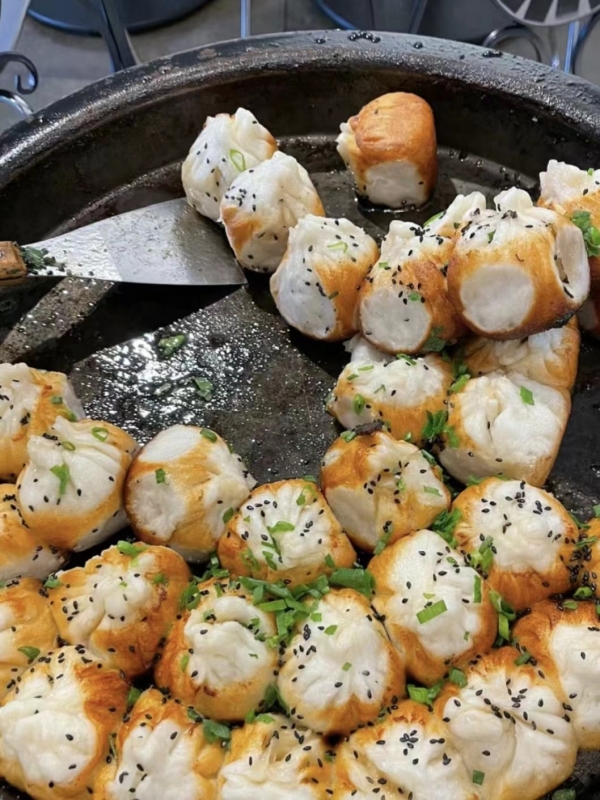
Defining Characteristics:
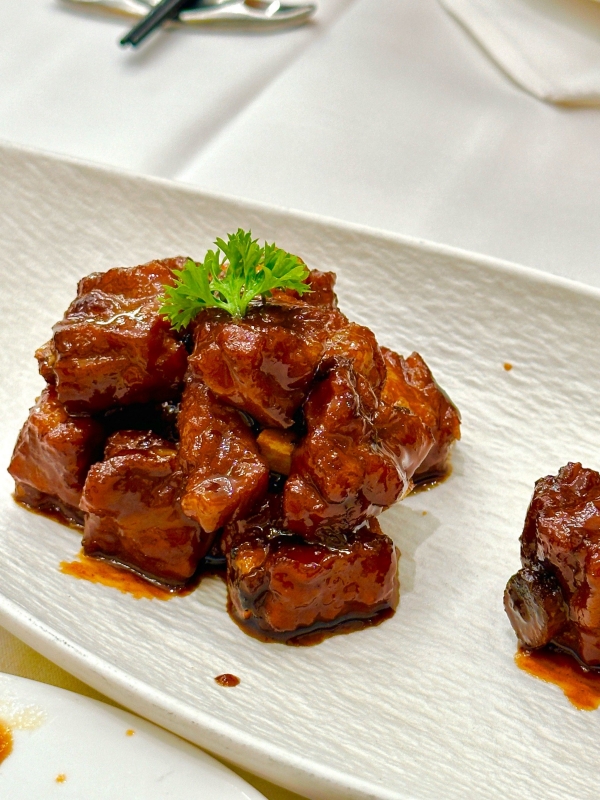
Benbang (本帮) means "local gang" or "our group." This cuisine emphasizes rich flavors, subtle sweetness, and seasonal ingredients. Cooking methods favor braising, steaming, and stir-frying. The phrase "thick oil, red sauce" (浓油赤酱) perfectly describes Benbang visual and taste profile. To experience these traditional flavors firsthand at one of the city's most iconic institutions, read our review of the Old Jesse Restaurant Shanghai.
Essential Dishes Explained:
- Red-Braised Pork (红烧肉): Pork belly braised until fat turns silky. Sweetness balances rich meat
- Xiaolongbao (小笼包): Soup dumplings originated in Nanxiang town. Broth sealed inside delicate wrapper
- Shengjianbao (生煎包): Pan-fried buns with crispy bottom, fluffy top, juicy pork filling
- Sweet & Sour Spare Ribs (糖醋小排): Tangy-sweet glaze coats tender pork ribs
Michelin Recognition Statistics:
Six restaurants specializing in Benbang cuisine earned Michelin recognition in 2024 Shanghai guide. This validates traditional cooking's continued relevance despite international competition.
Authentic Experience Navigation:
Tourist-focused restaurants often over-sweeten dishes expecting foreign preferences. Local establishments balance flavors more subtly. Ask Shanghai friends for recommendations, or observe where neighborhood residents actually eat.
Budget Reality
- Street stalls: ¥10-25 per person for breakfast/snacks
- Neighborhood restaurants: ¥60-120 per person for full meals
- Michelin Benbang: ¥300-600+ per person with wine
Culinary Revelation:
Visitor Tip: Learn to say "不要太甜" (bù yào tài tián) meaning "not too sweet." This phrase helps communicate preference for authentic rather than tourist-adapted flavoring.
Haipai Fusion and the World's Most Caffeinated City
-
- Shanghai Coffee Culture
-
- Coffee Culture in Shanghai
-
- Coffee Culture
Contemporary Culinary Evolution:
Haipai combines classic Benbang seafood dishes with western cooking methods and materials. For example, a chef applies a french sauce on a local fish; an Italian method for making noodles is used as a basis for Chinese noodles, etc. This is true fusion — nothing about the dishes are "confused."
Coffee Culture Explosion Statistics:
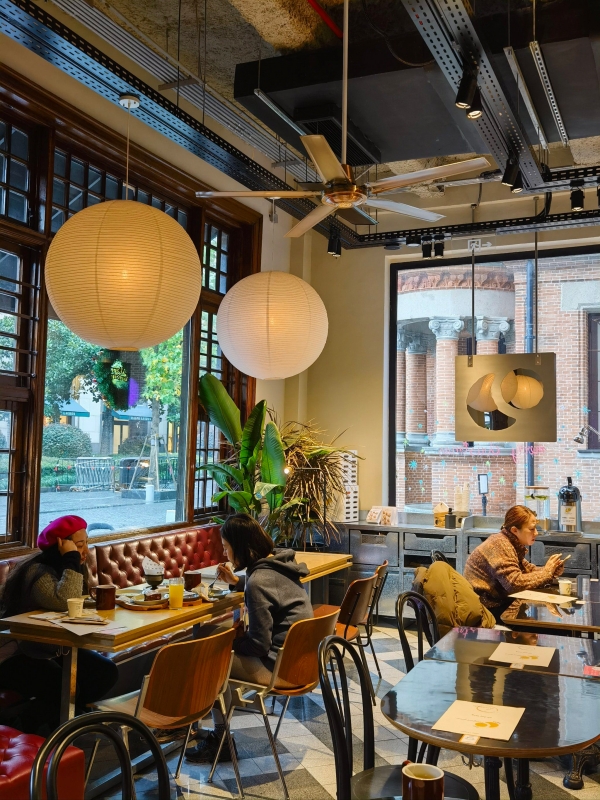
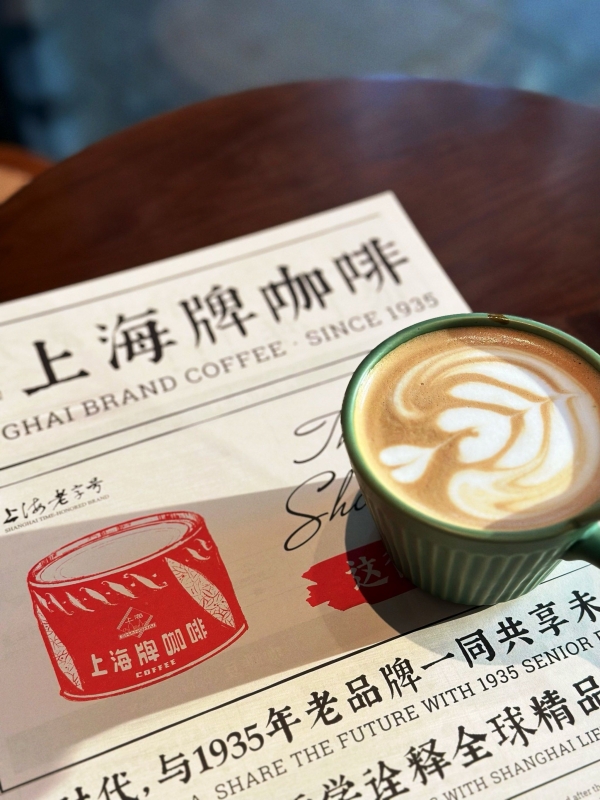
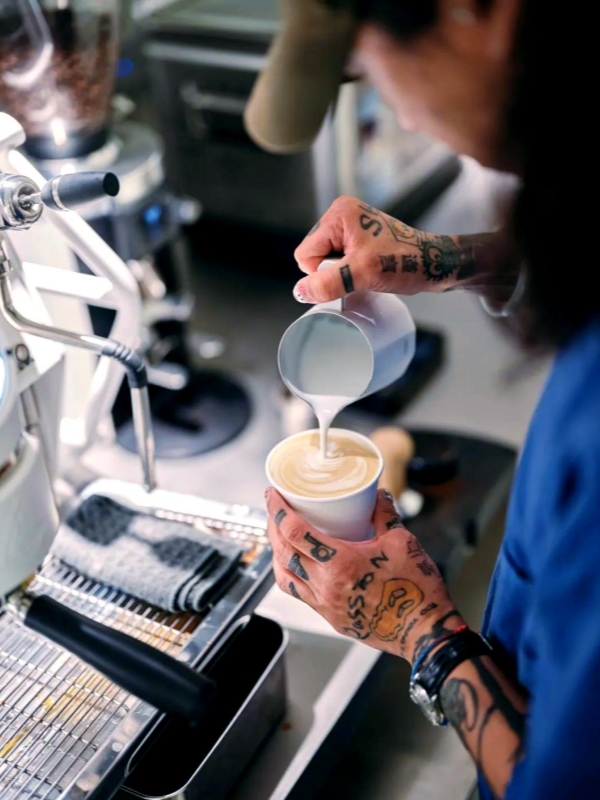
Shanghai hosts over 8,000 coffee shops (2024 count). This makes it the world's highest coffee shop density per capita. The city transitions from traditional tea culture to coffee obsession within single generation.
Cultural Shift Significance:
- Social spaces: Coffee shops replace teahouses as meeting venues for young professionals
- Slow culture: Third-wave coffee movement encourages mindful consumption contrary to fast-paced city rhythm
- Identity expression: Coffee preference signals sophistication and internationalism
Neighborhood Coffee Distinctions:
Yongkang Road pioneered Shanghai's coffee street concept. Compact alley contains 20+ independent roasters. Anfu Road targets design-conscious customers with minimalist aesthetics. Wukang Road attracts tourists seeking Instagram-worthy vintage settings.
Generation Gap Observation:
Visitor Tip: Independent coffee shops often close Monday-Tuesday. Major chains remain open daily. Expect to pay ¥35-50 for specialty coffee drinks—comparable to Western cities.
🎨 Modern Lifestyle Costs: To understand how the city's vibrant, cosmopolitan culture influences the daily expenses and standard of living for locals and expats alike, explore our breakdown of the Shanghai Cost of Living.
The People of Shanghai—Language, Character, and Social Customs
Understanding Shanghai means understanding Shanghainese people. Stereotypes rarely capture reality. Direct observation reveals more complex cultural character.
What Shanghainese People Are Really Like
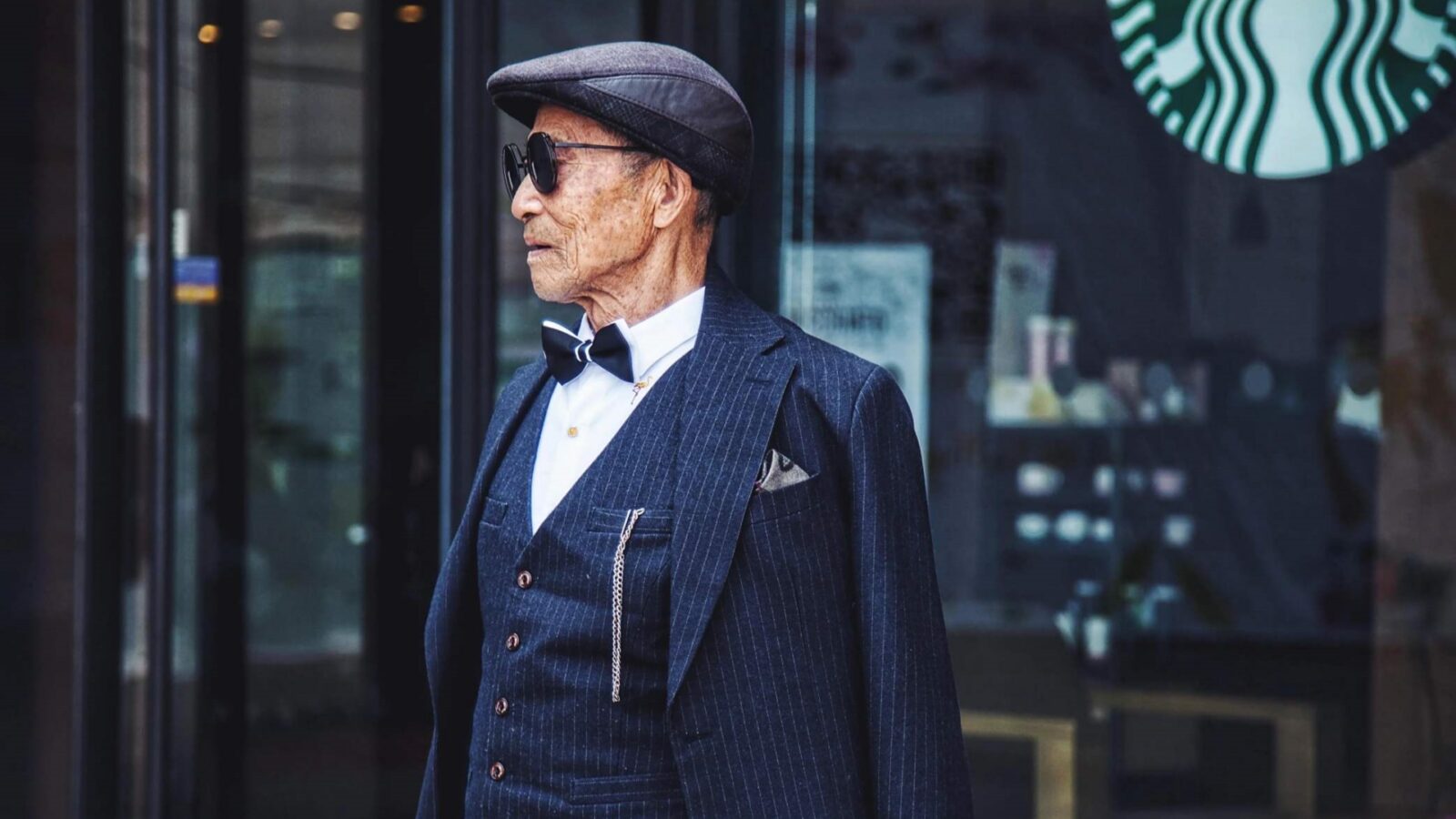
Old Keller in Shanghai
Core Cultural Traits:
Shanghai residents want quick and direct communication, and value their personal space because many people in Shanghai have a commercial history of conducting business with strangers. The Jiangnan culture of Shanghai promotes subtlety and restraint, adding yet another dimension to my previous point.
Stereotype Reality Check:
- "Shanghainese are cold and distant": Actually reflects respect for privacy rather than unfriendliness
- "They're overly concerned with money": Practical negotiation skills developed from merchant culture
- "They exclude outsiders": Language barrier creates perceived exclusion. Once broken, warmth emerges
Old Keller Cultural Legacy:
Old Keller (老克勒) describes elderly gentlemen maintaining pre-1949 Shanghai cosmopolitan lifestyle. They wear tailored three-piece suits. They dance social ballroom steps in public parks. These men preserve Shanghai's international heritage through everyday habits.
Cultural Complexity Example:
Visitor Tip: Don't interpret initial reserved behavior as rejection. Shanghai social culture values quality over quantity in relationships. Authentic connection takes time.
The Shanghainese Dialect and Why It Still Matters
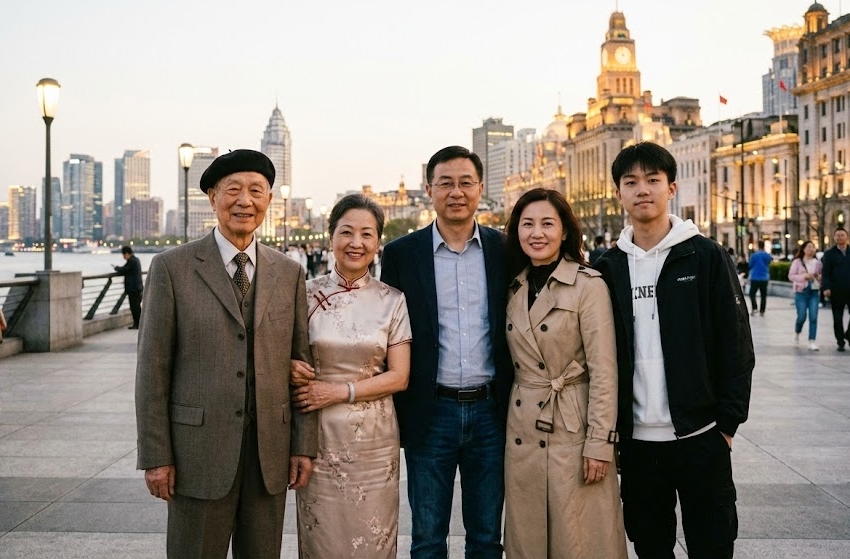
A Family in Shanghai
Language Crisis Statistics:
A study (Shanghai Academy of Social Sciences, 2023) indicated that fewer than 30% residents under age 18 can speak fluent dialect (the actual figure might be higher). It said that this trend had been accelerated by the use of Mandarin. “Many parents believe their children will be disadvantaged in school if they have Shanghainese-speaking skills,” it said.
Preservation Movement Response:
Recent years witnessed grassroots dialect protection efforts. Metro announcements restored Shanghai dialect options. Kindergartens pilot dialect instruction programs. Social media campaigns encourage intergenerational language transmission.
Cultural Significance Beyond Communication:
- Identity marker: Speaking Shanghainese signals authentic local belonging
- Humor preservation: Countless jokes and sayings lose meaning in Mandarin translation
- Historical continuity: Language carries cultural memory across generations
Practical Phrases:
- 侬好 (nóng hǎo): Hello / How are you
- 谢谢侬 (xiè xie nóng): Thank you
- 几钿 (jǐ diǎn): How much? (for prices)
Linguistic Observation
Visitor Tip: Learning even two Shanghai dialect phrases earns disproportionate appreciation from locals. It demonstrates cultural respect beyond typical tourist effort.
Understanding Face, Harmony, and Relationship Networks
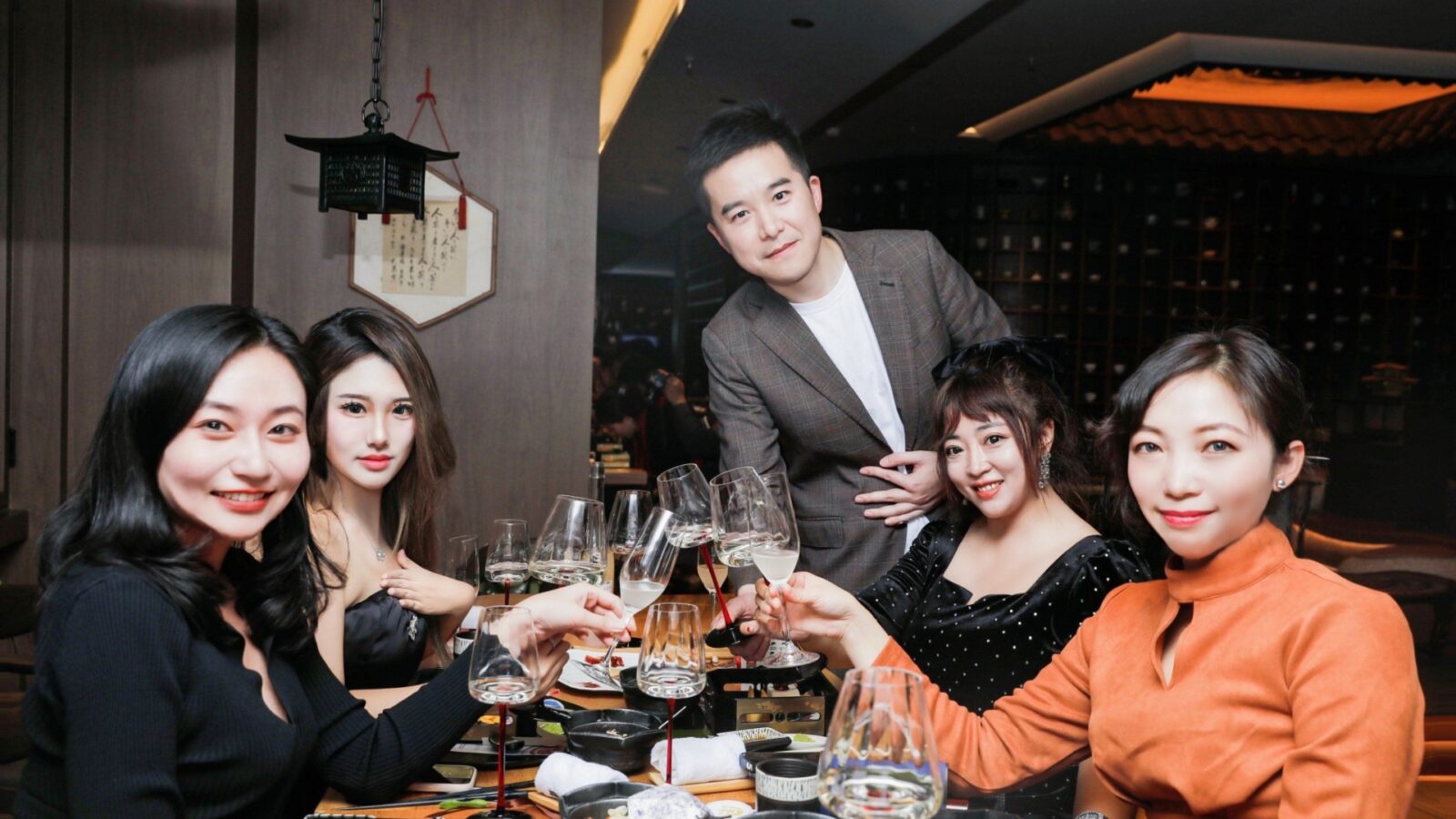
Shanghai Business Dinner
Face Culture Fundamentals:
"Face" (面子, miànzi) represents social reputation and dignity. Causing someone to "lose face" in public creates serious offense. This operates across all Chinese culture, but Shanghai interpretations emphasize subtlety and indirect communication.
Practical Applications:
- Disagreement expression: State "this could use reconsideration" rather than direct "you're wrong"
- Refusal etiquette: Provide face-saving excuse rather than blunt "no"
- Public vs private: Never embarrass someone before audiences. Save criticism for private settings
Relationship Network Dynamics:
Guanxi (关系) describes reciprocal obligation networks. Helping someone creates future debt. Refusing help without legitimate reason damages relationships. This system operates on long-term trust rather than transactional exchanges.
Business Dinner Observation:
Visitor Tip: If invited to dinner, never arrive empty-handed. Bring quality fruit, imported chocolate, or small gifts from your home country. This demonstrates understanding of reciprocal culture.
Best Cultural Experiences in Shanghai Right Now (2025-2026)
These recommendations prioritize cultural depth over superficial tourism. They represent authentic engagement with Shanghai's living culture.
Must-Visit Cultural Landmarks and Hidden Gems
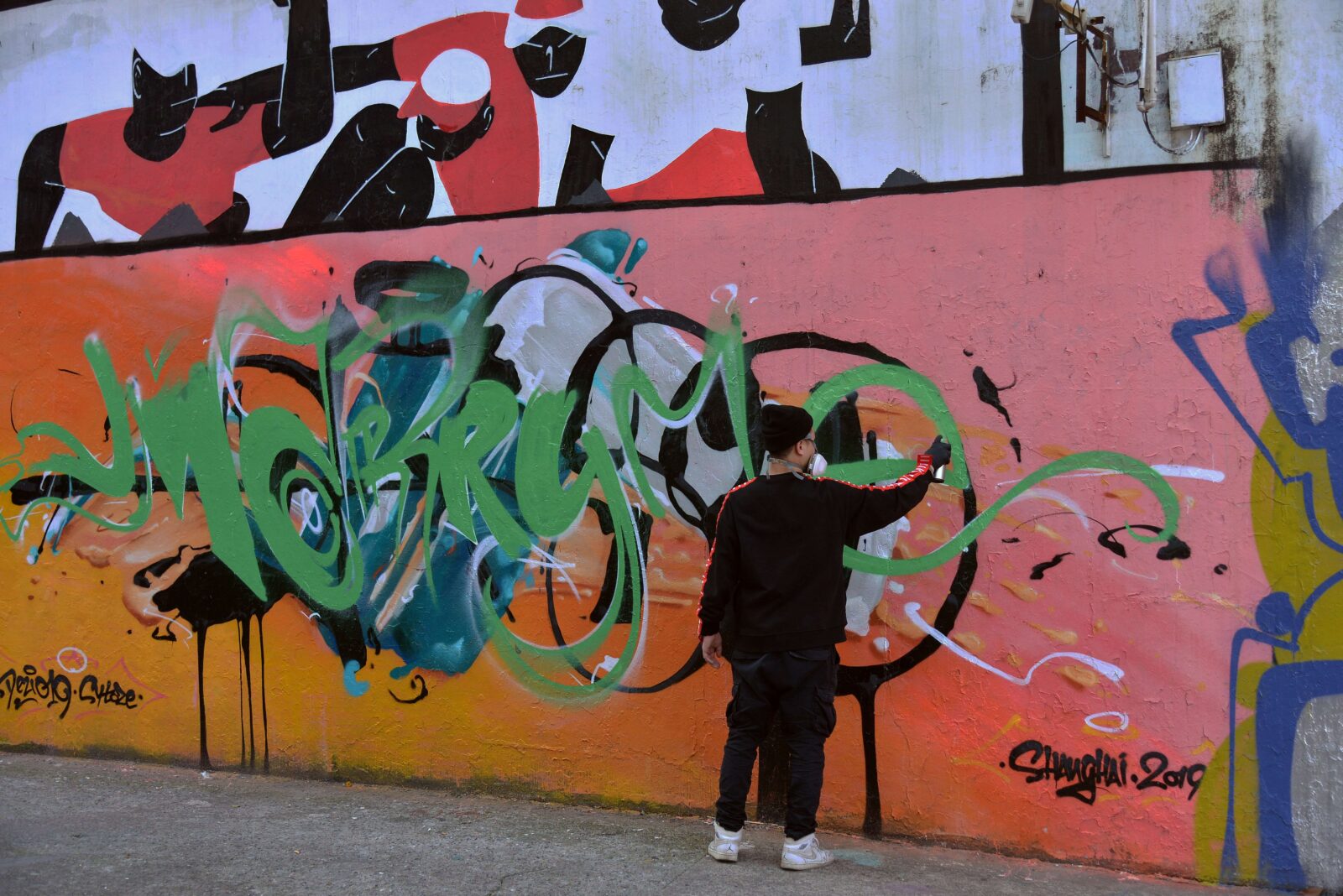
M50 Art District
Stratified Experience Levels:
Entry-Level Cultural Sites (2-4 hour commitment):
- The Bund at sunset: Architectural storytelling through 24 historical buildings spanning 1843-1937
- Yuyuan Garden: Ming Dynasty classical garden demonstrating Chinese spatial philosophy
- French Concession walk: Wukang Road to Anfu Road covers 2.5km of historical preservation
- Xintiandi: Commercialized shikumen district introducing stone-gate architecture basics
Intermediate Cultural Immersion (half-day to full-day):
- Shanghai Museum East Branch (2024): New Pudong facility hosting international exhibitions. Current: Ancient Egypt civilization
- 1933 Old Millfun: British-designed slaughterhouse transformed into creative arts complex
- M50 Art District: Working artist studios in repurposed industrial buildings
- Zhujiajiao Water Town: 1,700-year-old canal village preserving traditional Jiangnan architecture
Deep Cultural Engagement (requires local knowledge):
- Renmin Park Sunday Dating Corner: Parents advertise children's marriage credentials on handwritten signs. Fascinating social anthropology observation
- Early morning park culture: Join 6 AM tai chi groups, fan dancing, traditional opera practice
- Longtang breakfast ritual: Bugaoli or Tianzifang shikumen alleys before 8 AM. Witness authentic neighborhood routines
Timing Strategy Revelation:
Visitor Tip: Museums close Mondays. Historic sites receive tour buses 10 AM-3 PM. Schedule cultural landmark visits Tuesday-Thursday mornings or late afternoons for optimal experience.
What's New—Cultural Developments Shaping Shanghai's Future
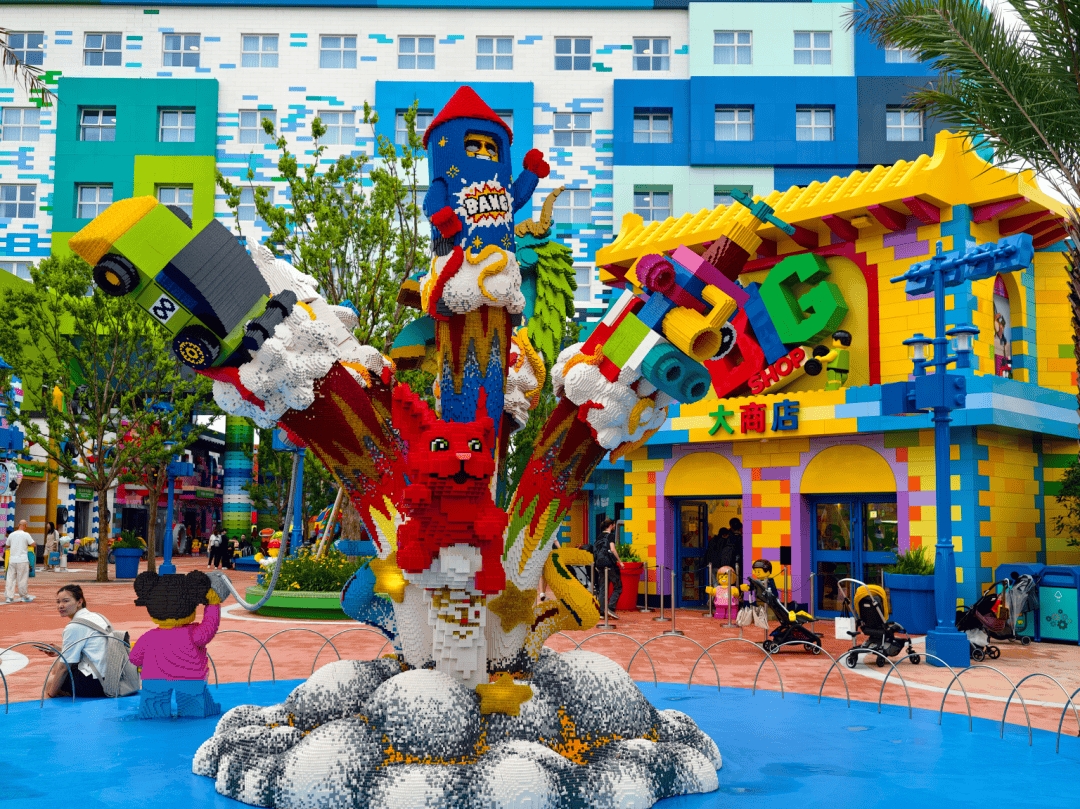
LEGOLAND Shanghai Resort
Recent and Upcoming Cultural Infrastructure:
LEGOLAND Shanghai Resort (opened July 2025):
Combines Western entertainment concept with Chinese cultural elements. Journey to the West-themed sections introduce traditional stories. Represents cultural localization of global brand.
Shanghai Grand Opera House (expected completion 2026):
Norwegian architecture firm Snøhetta designed this world-class performance venue. Location in World Expo site's Houtan waterfront positions it as new cultural landmark. Will host Chinese traditional opera alongside Western classics.
Shanghai Museum Ancient Egypt Exhibition (2024-2025):
First comprehensive Egyptian civilization exhibition in mainland China. Features 800+ artifacts from seven Italian museums. Demonstrates Shanghai's growing position as international cultural exchange hub.
Changning Intangible Cultural Heritage Center (reopened December 2025):
Upgraded facility offers hands-on workshops in traditional crafts. English-language programs available for international visitors. Addresses gap between passive observation and active cultural participation.
Visa-Free Transit Policy Impact:
144-hour visa-free transit (expanded 2024) enables spontaneous Shanghai visits. Foreign arrivals reached 4.56 million in 2024—double 2023 numbers. This surge brings renewed international attention to Shanghai culture.
Infrastructure Update Reality:
Visitor Tip: Book opera house and museum tickets through official websites. Third-party resellers often charge 30-50% markup. Many cultural sites offer English audio guides via smartphone app downloads.
Cultural Etiquette Every Foreign Visitor Should Know
These guidelines prevent 99% of cultural misunderstandings. They're not rigid rules but helpful frameworks for respectful interaction.
Dining Dos and Don'ts
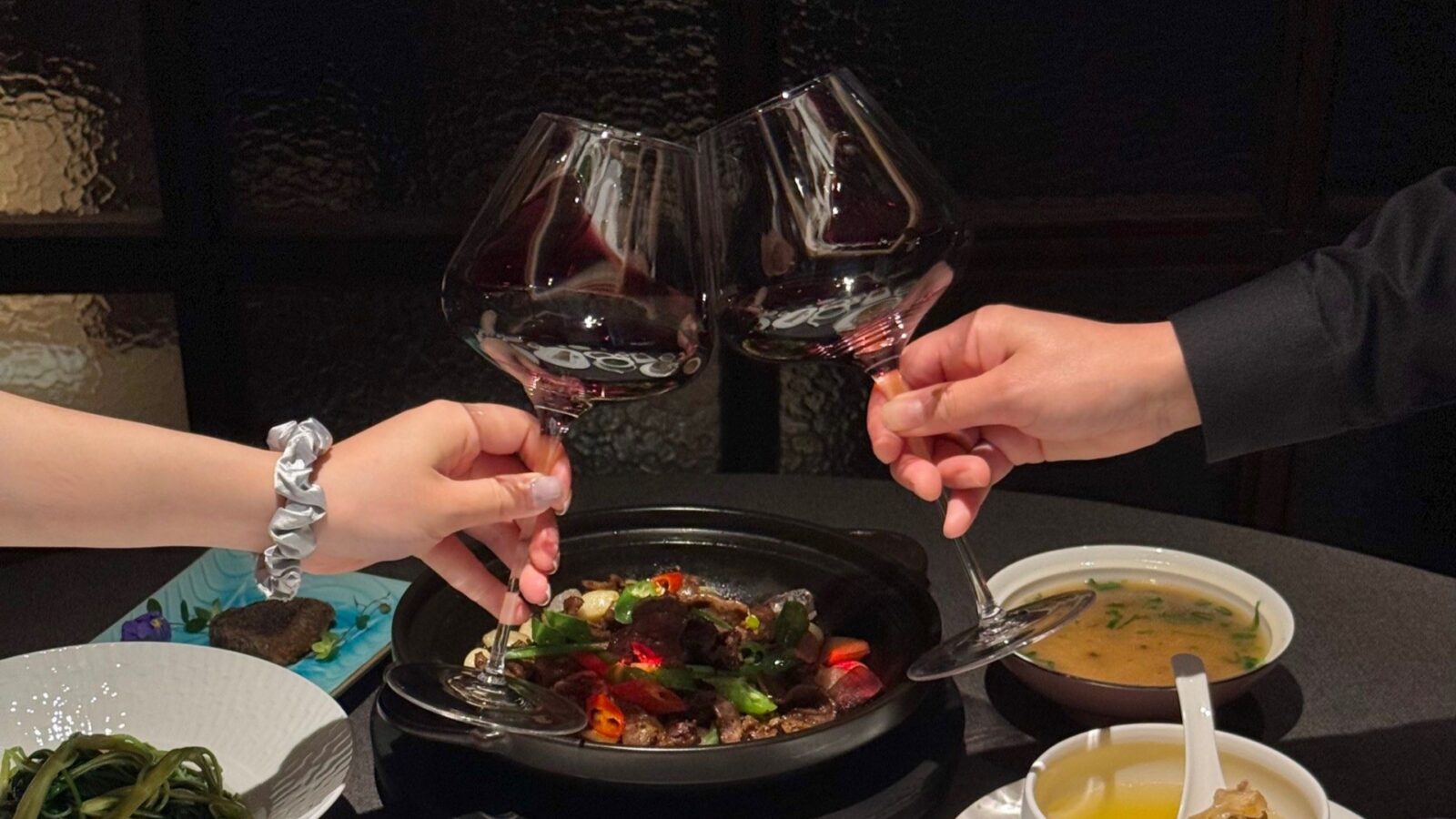
Toasting Culture in Shanghai
Chopstick Taboos:
These rules carry deep cultural significance rooted in funeral traditions and respect protocols.
- Never stick chopsticks vertically in rice: This resembles incense sticks at graves and funerals
- Don't point chopsticks at people: Considered aggressive and rude
- Avoid spearing food: Use chopsticks as pincers, not skewers
- Rest chopsticks on provided stand: Never lay them across bowl top
Meal Sharing Customs:
Chinese dining emphasizes communal eating from shared plates. Understanding unspoken rules prevents social awkwardness.
- Don't finish everything: Leaving small amounts signals hosts provided adequate food
- Use serving utensils: Many restaurants provide separate spoons for shared dishes
- Accept offered food: Refusing what host places in your bowl shows disrespect
Toasting Culture Basics:
- Hold glass with both hands: Right hand holds glass, left supports bottom
- Keep rim lower than elder/senior: Physical gesture demonstrates respect hierarchy
- "Ganbei" means empty glass: Unlike Western sipping, Chinese toasts expect complete drinking
Payment Etiquette Complexity:
Visitor Tip: If someone clearly insists on paying (especially if they invited you), accept graciously after two polite refusal attempts. Plan to reciprocate by hosting future meal.
Gift-Giving Rules and Number Superstations
Prohibited Gift Categories:
Chinese homophonic language creates taboos. Words sounding similar to negative concepts become unlucky.
- Clocks (钟 zhōng): Sounds like "attending a funeral" (送终 sòng zhōng)
- Umbrellas (伞 sǎn): Sounds like "separation" (散 sàn)
- Pears (梨 lí): Sounds like "leaving/parting" (离 lí)
- Green hats: Idiom implies romantic infidelity
Number Significance:
- 4 (四 sì): Unlucky—sounds like "death" (死 sǐ). Avoid in quantities and prices
- 8 (八 bā): Lucky—sounds like "prosperity" (发 fā). Premium for phone numbers and addresses
- 6 (六 liù): Lucky—sounds like "smooth/flowing" (溜 liū)
- 9 (九 jiǔ): Lucky—sounds like "longevity" (久 jiǔ)
Safe Gift Options:
Foreign specialty foods, quality tea, imported chocolate, and silk scarves universally please hosts. These gifts show thoughtfulness without cultural risk.
Wrapping Customs:
- Never use white wrapping: White symbolizes mourning and funerals
- Avoid black paper/ribbons: Another mourning color association
- Red and gold preferred: Represent luck and prosperity
Gifting Learning Experience:
Visitor Tip: When uncertain, ask hotel concierge or Chinese friends for gift recommendations. Most people appreciate effort to follow customs more than they judge mistakes.
Digital Life Adaptation—Payments, Apps, and the Super App Era
Cashless Society Reality:
Mobile payments reached 98% adoption in Chinese cities (China Payment & Clearing Association 2024 data). Many businesses literally cannot accept cash—their systems lack capability. This creates immediate challenges for international visitors.
Essential Setup Steps:
- Download WeChat: China's super app handles messaging, payments, and services
- Link international card: WeChat accepts Visa, Mastercard, American Express
- Verify identity: Passport photo and basic information required
- Load balance: Small initial deposit tests system functionality
Critical App Trinity:
- Dianping (大众点评): China's Yelp equivalent for restaurant discovery and reviews
- Amap (高德地图): Navigation app with better China coverage than Google Maps
- Didi (滴滴): Ride-hailing service (China's Uber)
Internet Access Reality:
Google services, Instagram, Facebook, WhatsApp, and Twitter face restrictions in China. International visitors typically use VPN services to access these platforms. Purchase and configure VPN before arriving—domestic downloads prove difficult.
First-Hour Checklist:
Visitor Tip: Airport arrival halls have service counters specifically helping tourists with WeChat payment setup and app downloads. Allow 30-45 minutes for this process.
Frequently Asked Questions About Shanghai Culture
Q: Is Shanghai more Western or Chinese in culture?
Shanghai remains fundamentally Chinese with significant Western influences. Culture in Shanghai represents Chinese traditions adapting to cosmopolitan context. About 70% of daily life—family structure, food preferences, festival celebrations, and core values—follows Chinese cultural patterns. Western elements appear most visibly in architecture, coffee culture, and business practices. This creates surface impression of Western dominance while Chinese cultural foundations persist underneath.
Q: What language do they speak in Shanghai?
Three languages operate in Shanghai simultaneously. Mandarin serves as official language—all services, business, and education use it. Shanghainese dialect functions among locals, especially older generations. English works in business districts like Luajazui and tourist areas like the French Concession. Visitors speaking Mandarin communicate everywhere easily. Culture in Shanghai values linguistic flexibility while maintaining Shanghai dialect as identity marker.
Q: How is Shanghai different from Beijing culturally?
Beijing represents political power and imperial tradition. Shanghai embodies commercial energy and international fusion. Beijing cuisine favors bold flavors and wheat-based foods. Shanghai prefers subtle sweetness and rice dishes. Beijingers display direct communication styles. Shanghainese use indirect suggestion. Culture in Shanghai developed through merchant interactions and foreign contact, creating pragmatic, outward-looking character distinct from Beijing's historical conservatism.
Q: What should I not do in Shanghai?
Avoid vertical chopstick placement in rice bowls—it resembles funeral incense. Don't finish all food on shared plates—leaving small portions signals adequate hosting. Skip loud public behavior—Chinese culture values harmony and restraint. Never write names in red ink—traditionally reserved for death records. Culture in Shanghai tolerates minor mistakes foreigners make but appreciates visible effort to learn basic etiquette.
Q: Is Shanghai safe for solo travelers?
Shanghai ranks among world's safest major cities according to Economist Intelligence Unit safety index. Solo travelers, including women, report minimal safety concerns. Violent crime remains rare. Petty theft happens occasionally in crowded tourist areas. Late-night subway and taxi use feels secure. Culture in Shanghai emphasizes public order and collective safety, creating environment where solo exploration proceeds comfortably.
Q: When is the best time to experience Shanghai culture?
Spring (March-May) and autumn (September-November) offer ideal weather for cultural exploration. Spring brings French Concession flowering trees and comfortable walking temperatures. Autumn features hairy crab season—major food culture event—and pleasant park weather. Winter hosts Yuyuan Garden Lantern Festival. Culture in Shanghai varies seasonally but remains accessible year-round. Avoid October National Holiday week when domestic tourism peaks.
Q: How much does a cultural trip to Shanghai cost?
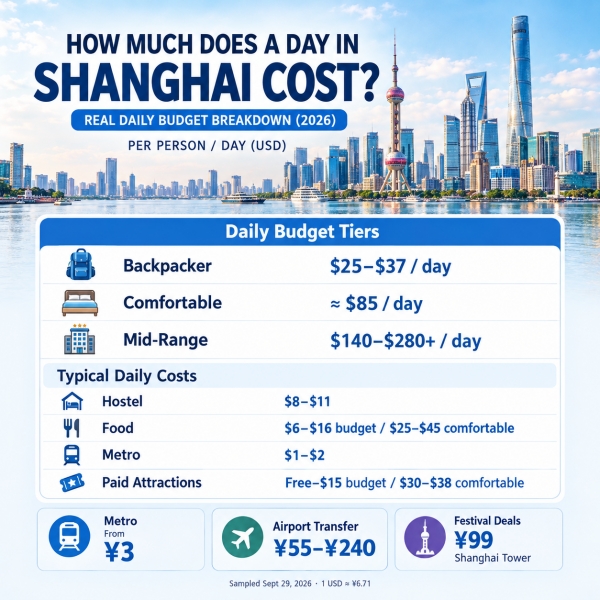
Budget varies significantly by travel style. Economy travelers spend ¥300-400 daily (hostels, street food, free sites, public transit). Mid-range visitors budget ¥800-1,200 daily (3-star hotels, mix of restaurant types, taxis, paid attractions). Luxury experiences require ¥2,000+ daily (5-star accommodation, fine dining, private guides). Culture in Shanghai offers options across all price points. Museums and many parks provide free admission.
Q: Do I need a tour guide to understand Shanghai culture?
Tour guides provide valuable historical context and language bridges in specific situations. Museums, historic districts, and cultural performances benefit from expert interpretation. However, modern Shanghai remains accessible for independent travelers. Smartphone translation apps, English signage, and helpful locals enable self-guided cultural exploration. Culture in Shanghai reveals itself through both structured tours and spontaneous wandering—combining approaches works best.
Q: Can I experience authentic Chinese culture in Shanghai?
Shanghai absolutely showcases authentic Chinese culture, though not frozen-in-time tradition. Culture in Shanghai represents living, evolving Chinese identity rather than museum preservation. Morning park tai chi, temple festivals, family dining customs, and neighborhood life demonstrate how Chinese traditions adapt to urban modernity. This dynamic authenticity often proves more valuable than staged "traditional village" performances.
Q: What makes Shanghai's coffee culture unique?
Shanghai developed distinctive coffee culture rather than simply importing Western models. The city hosts 8,000+ coffee shops—among world's highest per-capita densities. Culture in Shanghai transformed coffee from luxury import to daily necessity within one generation. Third-wave specialty coffee coexists with traditional teahouse aesthetics. Young professionals use coffee shops as remote offices and social hubs, creating new Chinese urban rituals.