Chinese Auspicious Symbols
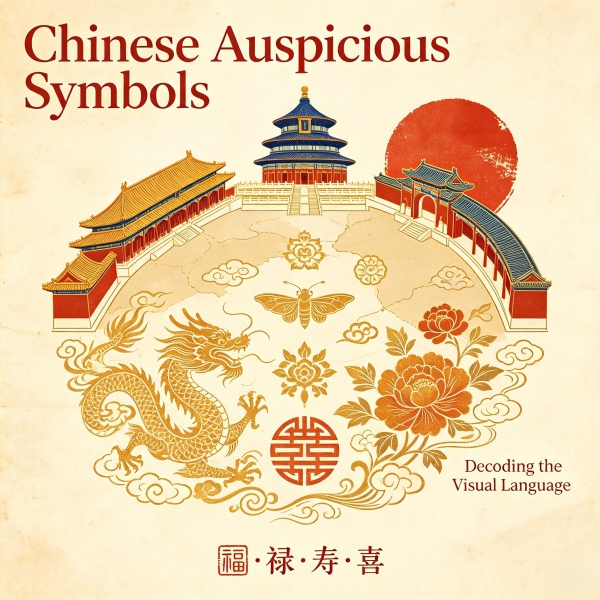
China operates on a visual code. Every motif you encounter — a bat on a beam, a dragon coiled on a roof ridge, a pomegranate painted on a screen — carries a deliberate meaning. Foreign visitors who know the key can read this language across imperial palaces, temple courtyards, and festive street decorations. The system rests on two interlocking ideas: four core wishes for a good life, and a rebus principle that lets any homophone stand in for a blessing. Once the logic clicks, a single courtyard visit reveals twenty or more encoded images. The dragon means power and rain. The bat means fortune. The upside-down Fu means luck has arrived. This guide gives visitors the decoder ring to read it all.
Quick Facts
What Auspicious Symbols Mean
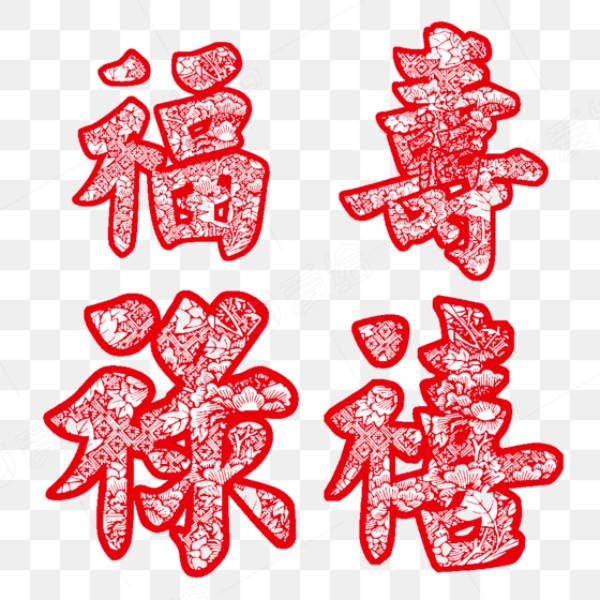
Chinese Characters of Fu, Lu, Shou, Xi
The Four Wishes: Fu, Lu, Shou, Xi
Four characters form the backbone of Chinese auspicious imagery. Fu (福) means blessing and good fortune. Lu (祿) means official rank and material prosperity. Shou (壽) means longevity, and Xi (喜) means happiness, joy, and marriage. These four wishes appear individually or combined in almost every decorative context, from palace beams to shop signs. The Five Blessings (Wu Fu) expand the set to five — adding health and a peaceful death to longevity, wealth, and virtue. Visually, all five are encoded as five bats (wu fu), which visitors will recognise on beams and coffered ceilings throughout the Forbidden City and Summer Palace.
How Homophones Shape the Visuals
The second key to the system is the rebus principle. Because Chinese is tonal and many characters share the same sound, an image that sounds like a wish-word can stand in for it. A bat reads as fortune because the word for bat (fu, 蝠) sounds exactly like the word for blessing (fu, 福). A deer reads as official prosperity because lu (鹿, deer) matches lu (祿, salary and rank). A rooster (ji) evokes good luck through the same sound. Pomegranates signify many sons — the fruit's many seeds match the wish for large families. Peonies represent wealth because mu dan echoes concepts of honour and prosperity. Lotus (he) reads as harmony. Mandarin ducks pair for life, making them the symbol of conjugal fidelity.
🔢 Explore Number Homophones & Modern Wordplay: Just as traditional rebuses rely on homophones—like using bats for blessings—modern internet culture uses numeric homophones to express hidden meanings. Discover how 520, 888, and 1314 work in our guide to Chinese Number Slang.
Animals and Mythical Creatures in Chinese Symbolism
Real animals and mythical creatures form the most vivid category of auspicious imagery. They appear on palace roof ridges, temple gate finials, stone plinths, and scholar's objects. The following lists cover the full bestiary a visitor is likely to encounter.
Auspicious Real Animals
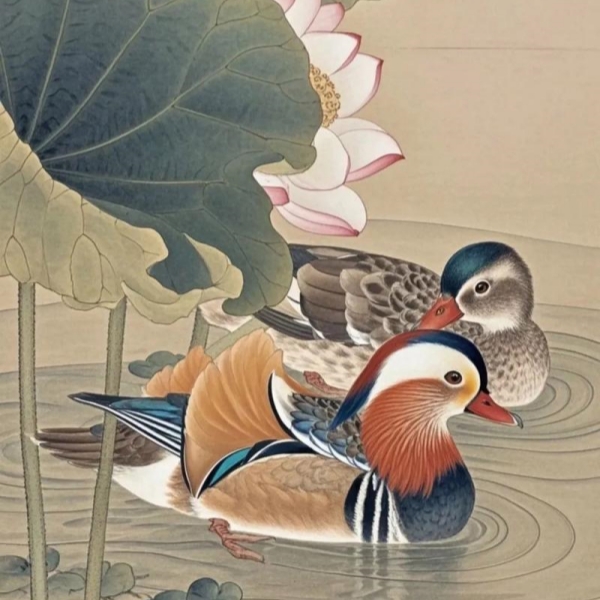
Mandarin Ducks
- Bats: Five bats (Wu Fu) represent the Five Blessings — longevity, wealth, health, virtue, and a natural death. Found on beams, ceilings, and decorative borders throughout imperial sites.
- Mandarin ducks: Paired male and female ducks symbolise love and marital fidelity. Common in wedding decorations and on screens in traditional homes.
- Cranes: The crane is a primary symbol of longevity, often depicted with pine trees or in flight over water. Appears in garden paintings and as carved motifs at temples.
- Deer: Represents prosperity and official rank through the Lu homophone. Frequently shown alone or alongside pine trees in palace and garden art.
- Fish: Symbolises abundance and surplus — the word yu (fish) sounds like the word for surplus or abundance. Depicted in water scenes, on paper cuttings, and at New Year.
- Magpies: Known as the "happy bird" (xi que), magpies herald good news and joy. Often shown on plum blossoms, where xi (喜, happiness) and the bird's name share a sound.
- Roosters: Represent good fortune, luck, and rank. The ji (rooster) homophone echoes concepts of fortune and good omen.
Mythical Creatures and the Qilin
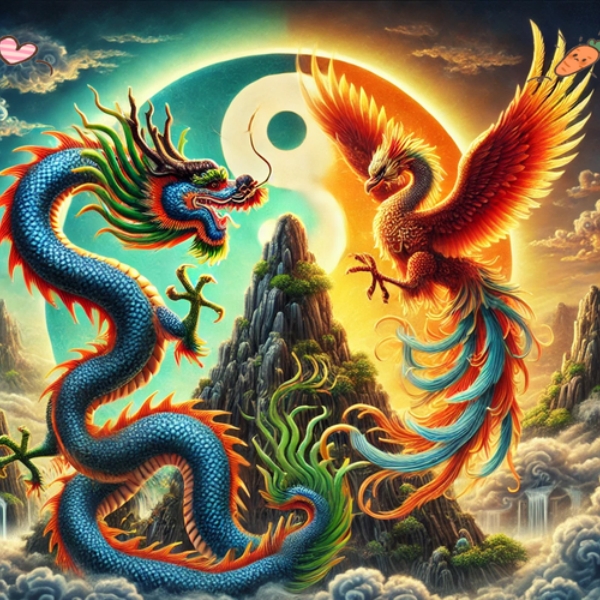
Dragon (long) and Phoenix (fenghuang)
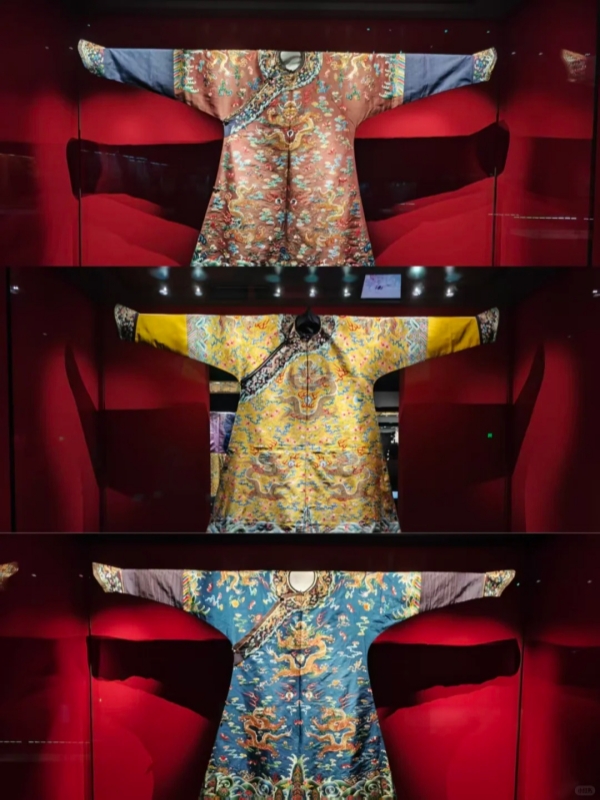
- Dragon (long): The supreme yang symbol — imperial authority, cosmic power, rain, and good fortune. Unlike Western dragons, the Chinese dragon is benevolent and unwinged. It controls water, not fire. Found on imperial robes, roof ridges, the Nine Dragon Screen at the Forbidden City, and on dragon-boat festival regalia.
- Phoenix (fenghuang): The feminine yin counterpart to the dragon — virtue, renewal, and grace. Pairs with the dragon on throne backs, palace gates, and wedding imagery.
- Qilin (kirin): A chimeric creature with the body of a deer, the tail of an ox, the hooves of a horse, and a single horn. It signals the arrival of a sage or great ruler. A common motif at temple gates and on scholar's objects. The same creature is called kirin in Japanese.
- Tortoise: One of the Four Supernatural Creatures (with dragon, phoenix, and qilin), symbolising cosmic support, stability, and longevity. Tortoise-shell divination is one of the oldest forms of Chinese record-keeping. Stone tortoises commonly carry stelae at temple and palace entrances.
Symbolic Plants and Flowers
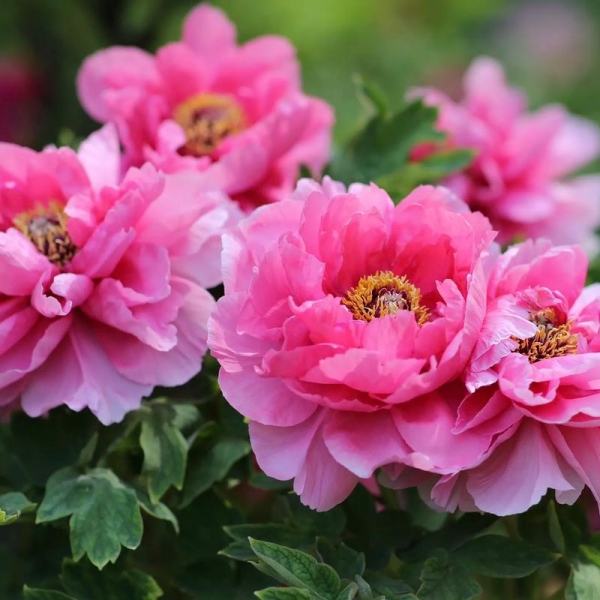
Peony Flower
- Peony: Called the "king of flowers" — wealth, honour, and status. Blooms peak in May at the Summer Palace's courtyard gardens.
- Lotus: Symbolises purity and harmonious marriage. Depicted in temple carvings, garden pools, and on ceramics.
- Pine, bamboo, and plum: Known as the Three Friends of Winter — resilience and integrity through adversity. Common in ink paintings and garden decorations.
- Peach: Longevity and immortality. Associated with the Queen Mother of the West in mythology.
- Pomegranate: Many seeds symbolise many sons and family continuity.
- Osmanthus: Associated with rank, success, and academic achievement.
- Chrysanthemum: Longevity and autumn. Featured in the chrysanthemum festival at temples and gardens.
- Three Abundances (sanduo): Buddha's-hand citron, peach, and pomegranate together represent blessings, longevity, and progeny — three wishes in one decorative group.
📛 How Symbolic Characters Shape Names: The same characters representing fortune, strength, and harmony found on courtyard motifs are frequently chosen by parents to convey life wishes in personal names. Learn how names are crafted in our guide to a Typical Chinese Name.
Symbols You'll See at China's Top Sites
The table below maps each major Beijing site to its most visible auspicious motifs. Full details follow in the site-by-site sections.
Forbidden City, Beijing
The Palace Museum is the densest concentration of imperial symbolism in China. The Nine Dragon Screen — a glazed-tile relief with nine coiling dragons in vivid colours — guards the entrance to the inner palace and is one of the most photographed motifs in Beijing. Inside, the Hall of Supreme Harmony features a dragon-and-phoenix throne, the imperial couple's yin-yang authority encoded in carved wood. The roof ridges carry a procession of roof beasts (zhen shou): the number indicates rank, with ten reserved for emperors alone. Bat motifs encoding the Five Blessings (Wu Fu) appear on beams and coffered ceilings throughout. The Fu character is carved into door panels across the complex. Peak-season entry is about $8 (¥60); low season about $6 (¥40). Both are bookable on Trip.com.
Temple of Heaven, Beijing
The Temple of Heaven complex encodes celestial cycles into its architecture. The Hall of Prayer for Good Harvests is a triple-eaved circular structure clad in blue glazed tiles — blue represents heaven. Its 28 main pillars encode the seasonal and celestial cycles (twelve months, twelve two-hour periods, four seasons). The Circular Mound Altar centres on the Nine-Dragon Pillar at its heart. The Imperial Vault of Heaven is encircled by the Echo Wall, an acoustic marvel that carries whispers across its curved surface. Combined-ticket entry is about $4–5 (¥28–34), bookable on Trip.com.
Summer Palace, Beijing
The Summer Palace rewards visitors who look upward. The Long Corridor roof beams carry more than 14,000 painted scenes drawn from Chinese folklore — peonies for wealth, magpies for joy, dragons for power, and Fu characters for blessing. The Seventeen-Arch Bridge is lined with stone lions carved in different postures, each pair subtly different. The peony gardens in the courtyard of Joyful Longevity (Le Shou Tang) peak in May. Entry ranges from about $4 in low season to $8 in peak season (¥30–60), bookable on Trip.com or Klook.
Buddhist and Taoist Temples
Buddhist temples display the Eight Auspicious Symbols (Ashtamangala) on carved beams, prayer flags, and thangka paintings. The wan character (卍) — a Sanskrit-derived auspicious mark — appears on Buddhist architecture and is unrelated to its later association in other contexts. Taoist temples feature the ruyi scepter (a curved symbol of wish-fulfilment), the lingzhi fungus (immortality), and the Three Star Gods of Fu, Lu, and Shou painted on altar walls. Major sites include Beijing's Lama Temple (Yonghegong), Hangzhou's Lingyin Temple, Famen Temple in Shaanxi, and the Kumbum and Ta'er monasteries in Qinghai.
Stone Lions and Courtyard Gates
Stone guardian lions (shi) flank the gates of palaces, temples, and traditional courtyard homes (siheyuan). The male lion plays with a绣球 (embroidered ball) — symbolising supremacy over the world. The female holds a cub — nurturing and protective. The number of lions, the design of the ball, and the embroidery details all serve as encoded status markers. Traditional courtyard entrances also feature drum stones (marking the gate's importance), screen walls (ying bi) (blocking negative qi from entering), and door gods (men shen) — painted or carved figures that guard the threshold.
🏅 Decoding Round & Medallion Symbols: Circular emblems carved into temple doors, worn as jade pendants, or woven into silk robes carry deep layers of protection and harmony. Discover the history behind these designs in Chinese Medallion Meaning.
Chinese New Year and Festival Symbols
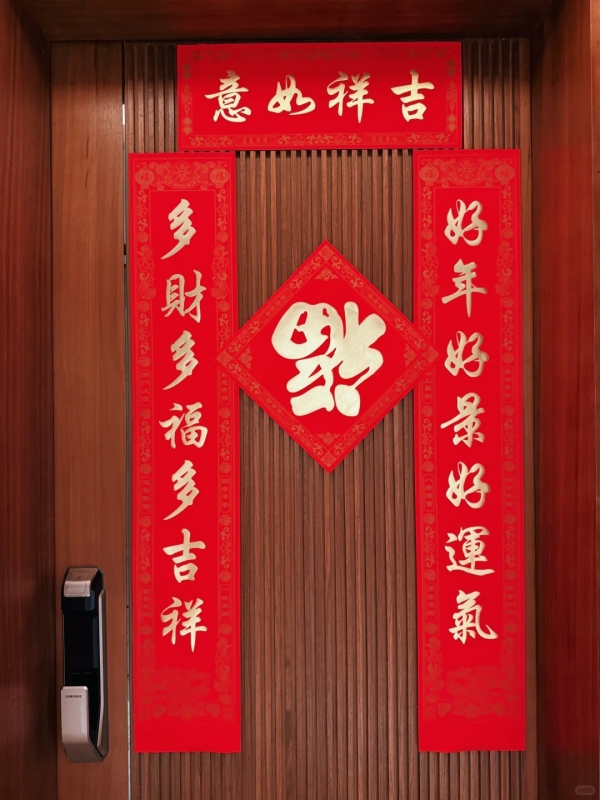
Fu Character Hung Upside Down
Chinese New Year is the most concentrated display of auspicious symbols. Every January and February, the visual language spreads from homes and temples into streets, shops, and public spaces across China and in Chinatowns worldwide.
The Fu Character Hung Upside Down
The most photographed CNY motif is the Fu character (福) hung upside down. The pun works through sound: "dao" (倒, upside-down) sounds like "dao" (到, to arrive). The inverted character reads "fortune has arrived" (福到). It appears on doors, windows, and shopfronts from late January through the Lantern Festival in February.
Spring Couplets, Paper Cuttings, and Door Gods
- Spring couplets (chun lian): Red banners with auspicious verse pasted on door frames — one on each side, with a horizontal banner (heng pi) across the top.
- Paper cuttings (jian zhi): Cut-out designs of Fu characters, double happiness (囍), peonies, and fish decorating windows and doors.
- Door gods (men shen): Historically martial figures — Qin Shubao and Yuchi Gong — or benevolent Tang dynasty officials painted on entrance doors. Their gaze wards off evil and invites good fortune.
Auspicious Foods and the Color Red
- Fish (yu): Served at New Year dinner because the word sounds like "surplus" — the wish for abundance in the year ahead.
- Dumplings: Shaped like ancient gold ingots (yuanbao) — the wish for wealth.
- Longevity noodles (chang mian): Uncut noodles symbolising a long life — served at birthdays and New Year.
- Whole chicken and round fruits: Represent family wholeness and completeness.
- Red (hong): The dominant festival colour — it symbolises luck and drives away the nian monster. Red envelopes (hong bao) filled with money pass good fortune to the younger generation.
⚔️ Deep Dive into the Five Elements System: To see how elemental balance shapes traditional design, color choices, and art motifs across palaces and gardens, check out our overview of Metal WuXing.
The Eight Auspicious Symbols in Buddhism
The Eight Auspicious Symbols (Ashtamangala) entered Chinese culture along the Silk Road via Tibetan and Chinese Buddhism. They appear on carved temple beams, painted ceilings, woven thangka, and printed prayer flags at Buddhist sites across China — from Beijing's Lama Temple to Kumbum Monastery in Qinghai and Ta'er Temple.
The Eight Symbols Explained
- Precious Umbrella (san): Protection from suffering and the obscurations of mind.
- Golden Fish (yu): Fertility, abundance, and freedom from the chains of attachment.
- Treasure Vase (bumpa): Spiritual and material richness — the wish for both forms of wealth.
- Lotus Flower (padma): Purity rising above the murky water — the emergence of enlightenment from samsara.
- Conch Shell (dung): The sacred sound of the Dharma — calling all beings to awaken.
- Endless Knot (shrivatsa): Interdependence and the interconnection of all phenomena — no beginning and no end.
- Victory Banner (dhvaja): The Buddha's victory over ignorance, desire, and death.
- Dharma Wheel (dharmachakra): The Buddha's teaching — the eight spokes represent the Noble Eightfold Path.
Faqs about Chinese Auspicious Symbols
Q: What are the most common Chinese auspicious symbols?
The most common are Fu (福) blessings, Shuang Xi (囍) double happiness, the dragon, the phoenix, the mandarin duck, the peony, the bat, and the lion. These eight cover the majority of motifs visitors will see across Chinese palaces, temples, and traditional homes.
Q: Why is the Fu character hung upside down at Chinese New Year?
The upside-down Fu is a homophone pun — "dao" (倒, upside-down) sounds like "dao" (到, to arrive), so the inverted character reads "fortune has arrived" (福到). It hangs on doors, windows, and shop entrances from late January through the Lantern Festival.
Q: What does the dragon symbolize in Chinese culture?
The dragon (long) is the supreme yang symbol — imperial authority, cosmic power, rain, and good fortune. Unlike Western dragons it is benevolent and unwinged. It controls water rather than fire. It appears on imperial robes, roof ridges, the Nine Dragon Screen at the Forbidden City, and on dragon-boat festival regalia.
Q: What is a qilin (kirin) in Chinese symbolism?
The qilin is a chimeric creature with the body of a deer, the tail of an ox, the hooves of a horse, and a single horn. It signals the arrival of a sage or a great ruler, and it is a common motif at temple gates and on scholar's objects. In Japanese the same creature is called kirin.
Q: What does the tortoise mean in Chinese symbolism?
The tortoise is one of the Four Supernatural Creatures (with the dragon, phoenix, and qilin), symbolising cosmic support, stability, and longevity. Tortoise-shell divination is one of the oldest forms of Chinese record-keeping. Stone tortoises often carry stelae at temple and palace entrances.
Q: What are the Eight chinese auspicious symbols in Buddhism?
The Eight Auspicious Symbols (Ashtamangala) are the Precious Umbrella, Golden Fish, Treasure Vase, Lotus Flower, Conch Shell, Endless Knot, Victory Banner, and Dharma Wheel. They appear in temples, on prayer flags, in thangka paintings, and on carved beams at Buddhist sites across China.
Q: Where can visitors see Chinese auspicious symbols in person?
The Forbidden City (Nine Dragon Screen, roof beasts, Fu panels — entry about $8/¥60 peak, about $6/¥40 low); the Temple of Heaven (about $4–5/¥28–34 combined); the Summer Palace Long Corridor (about $4–8/¥30–60 by season); Beijing's Lama Temple; Hangzhou's Lingyin Temple; and any traditional siheyuan courtyard. Spring Festival is the most concentrated time to see New Year motifs in public.
Q: How do Chinese folk symbols differ from Buddhist chinese auspicious symbols?
Chinese folk symbols (Fu, dragon, phoenix, peony, mandarin duck) carry Han cultural and Daoist-Confucian meanings and focus on family, longevity, prosperity, and harmony. Buddhist auspicious symbols (the Ashtamangala) come from Indian Buddhist iconography carried in along the Silk Road and concentrate on protection from suffering, the path to enlightenment, and the teaching of the Buddha. The two systems coexist at many Chinese temples.