What Is A Panda's Life Cycle
Wild‑giant pandas progress through five markedly different life stages across their 15‑20‑year wild lifespan, with captive individuals living even longer — what is a panda's life cycle. A newborn is a 100-gram hairless pink bean roughly the size of a stick of butter; an adult weighs up to 150 kg and eats bamboo 14 hours a day. This guide walks through each stage of the panda life cycle in turn, then shows where foreign visitors can actually observe them in China — from newborn cubs napping in incubators behind the nursery windows at Chengdu each autumn, to active adults bleating through the bamboo groves during the brief mating window in spring.
Quick Facts
The Five Stages of a Panda's Life
What Is A Panda's Life Cycle
A giant panda's life divides into five biologically distinct phases, each with its own behaviors, physical traits, and conservation implications. For visitors, understanding these stages helps set realistic expectations about what you will see at each base — a panda born in August will look completely different by October. The biology below underpins everything in the travel sections that follow.
Newborn (0–2 Months)
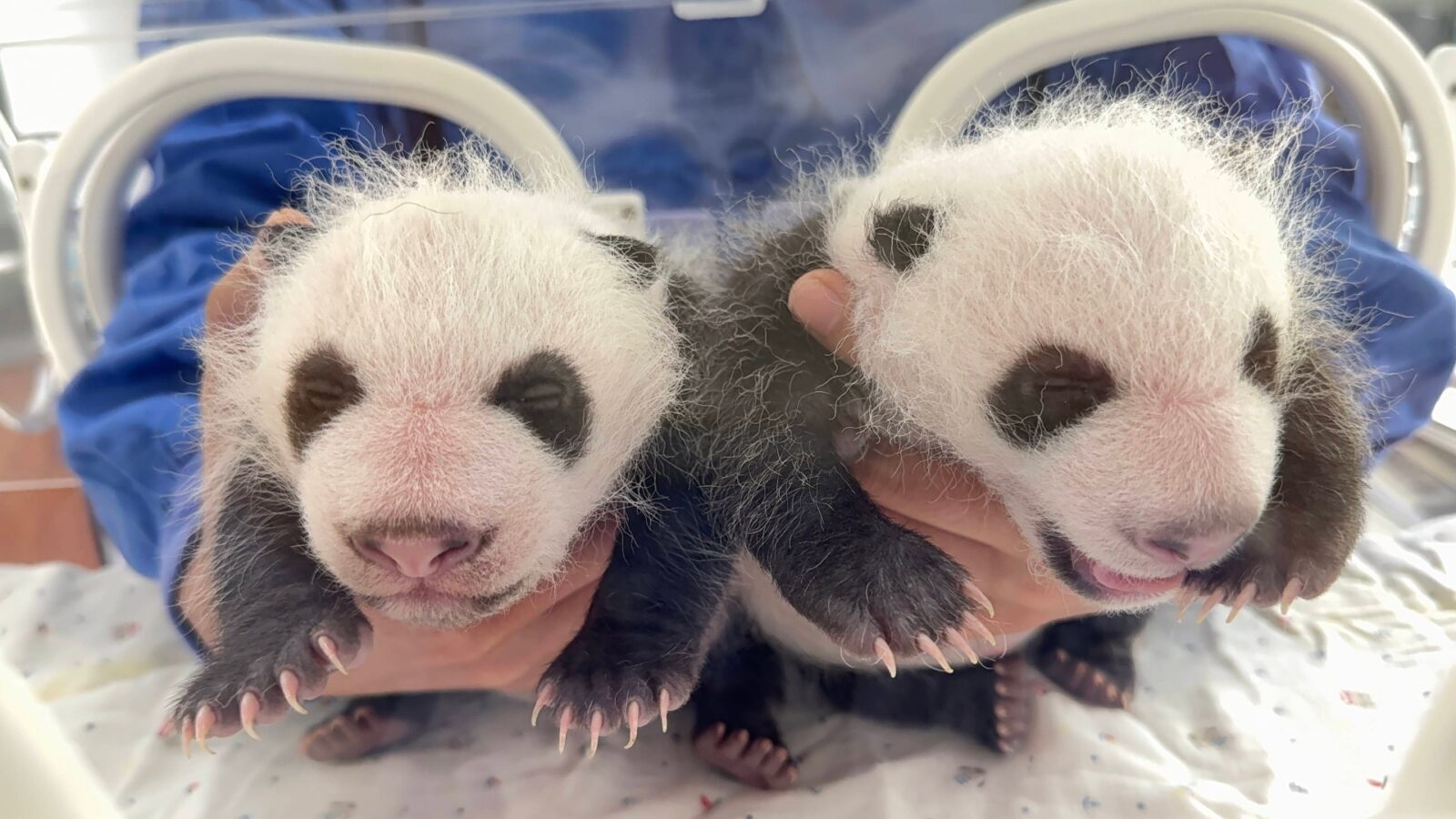
A newborn giant panda weighs just 90–130 grams — less than a smartphone. The cub is hairless, pink-skinned, and blind at birth. The mother holds the infant almost constantly, nursing every 1–2 hours around the clock. In the wild, twins occur but the mother typically focuses care on the stronger cub, so only one usually survives. In captivity, the Shenshuping center and Chengdu nursery rotate twins between incubators to maximize survival rates. Cubs become visible to the public at around one month old, once they are large enough to be safely handled in the nursery viewing rooms.
Cub (2 Months – 1.5 Years)
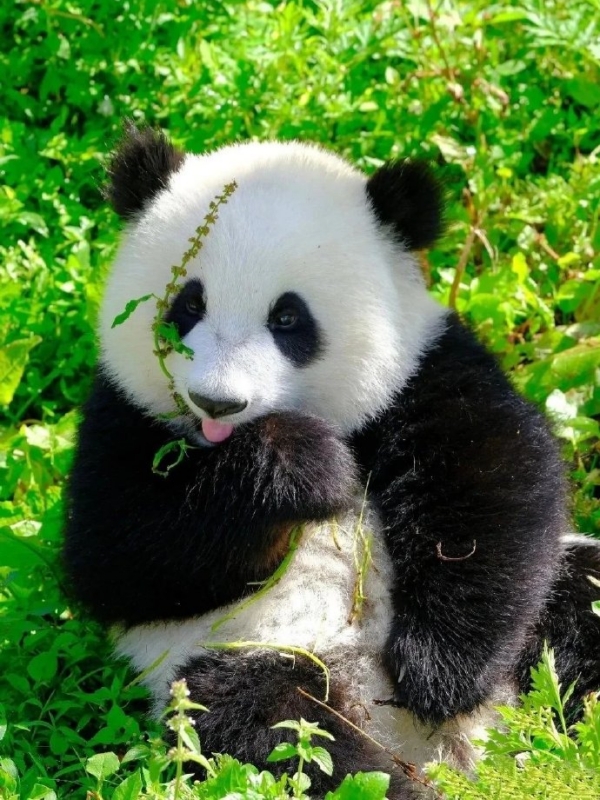
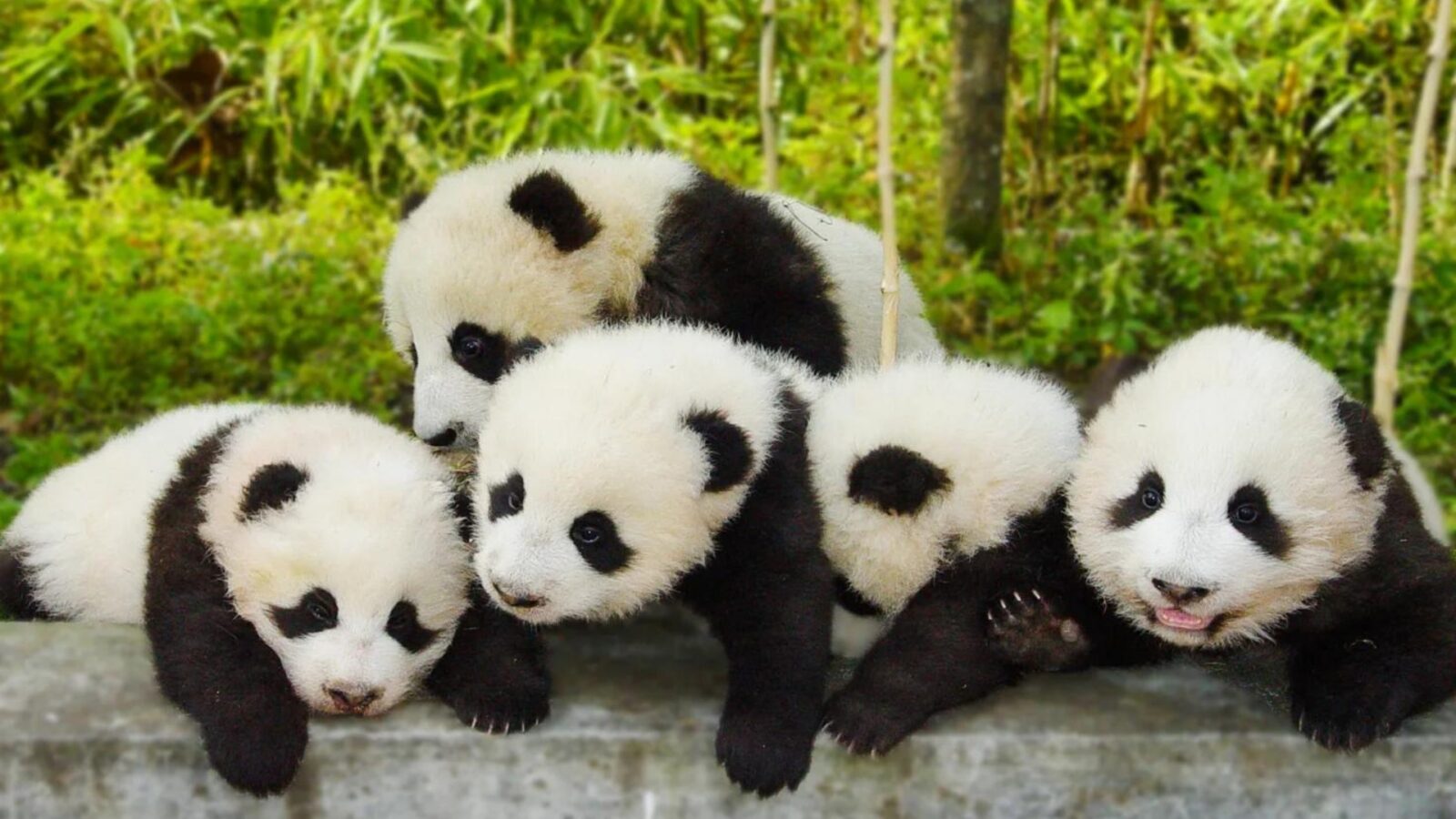
Eyes open around six to eight weeks. Soft white fur fills in within the first month, and the iconic black-and-white pattern is clearly visible by six months. Cubs take their first tentative bites of bamboo around the six-month mark, though nursing continues until roughly nine months. Motor milestones arrive quickly: standing by three months, walking by four to five months, and climbing by six months. By the end of this stage, the cub has grown from a 100-gram bean to a 15–20 kg bundle of energy that can already scramble up low branches.
Juvenile (1.5 – 5 Years)
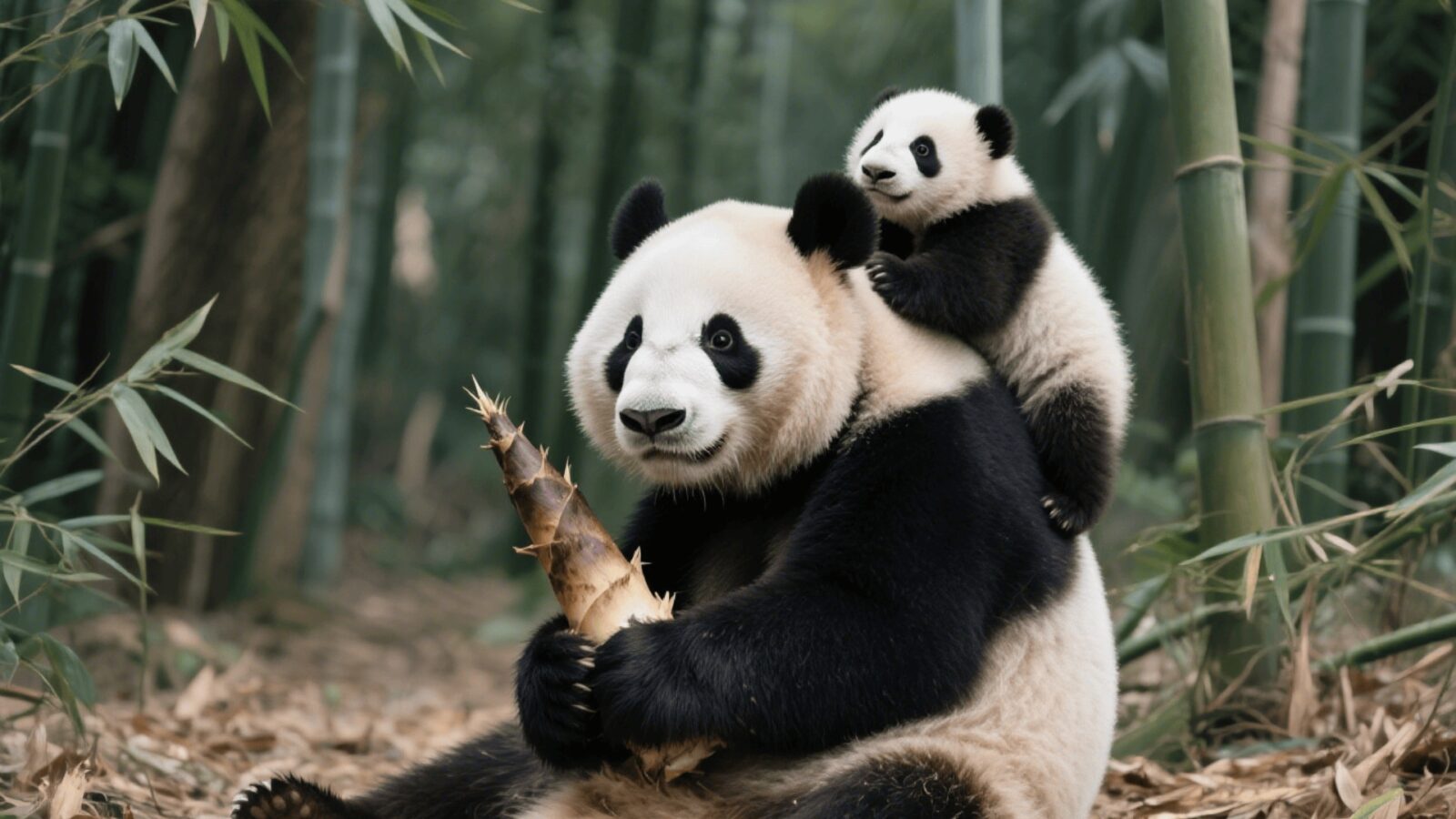
Weaning occurs at about 18 months. In the wild, juveniles remain with their mothers for 18–24 months and then disperse to establish their own home ranges by age two or three. Bamboo becomes the primary food source, and the juvenile panda spends increasing time foraging independently. In captivity, juveniles are usually separated from the mother around age two and moved to dedicated youth enclosures where keepers can monitor their growth and social development. This stage covers the period when the panda is most visibly curious and playful — the age group that typically draws the loudest reactions from visitors.
Adult and Mating Season
Sexual maturity arrives at four to five years for females and five to seven years for males. The mating season runs from March through May, with each female receptive for only two to three days per year. That narrow window is why captive breeding programs track hormonal cycles so precisely and why spring visitors may hear males bleating and females scent-marking throughout the enclosures. Gestation spans three to five months because of delayed implantation — the fertilized egg does not immediately implant in the uterine wall, allowing birth timing to adapt to environmental conditions. Twins occur in roughly half of all captive births, which makes the hand-rearing operations at Chengdu and Bifengxia especially busy in late summer.
Old Age and Lifespan
Wild pandas typically live 15–20 years. In captivity, they commonly reach their late twenties or early thirties with good veterinary care. The oldest verified captive panda was Jia Jia, who lived at Hong Kong Ocean Park and was 38 years old at the time of her death. Older pandas tend to reduce their food intake, move more slowly, and may develop dental issues that keepers manage with softer bamboo cuts and regular health screenings. For visitors, spotting a senior panda — identifiable by slightly faded fur and a more measured pace — is a reminder of how far China's breeding programs have come since the species was first brought into managed care in the 1960s.
🐼 Plan Your Nursery & Base Visit: If you want to see neonates in incubators and juvenile cubs playing outdoors in Sichuan, check out top itineraries and booking tips in Chengdu Panda Experience.
Where to See Each Stage in China
What Is A Panda's Life Cycle
The panda bases near Chengdu cater to different life stages at different times of year. Newborns and tiny cubs require a visit in autumn; active adults are on show year-round but are most animated in spring; the mating window itself is a short, concentrated spectacle that draws specialists from around the world.
Newborns and Tiny Cubs
Chengdu Panda Base and Bifengxia Panda Base both operate dedicated cub-rearing buildings with public viewing through glass. Newborns are typically moved into a nursery building within 24 hours of birth, where temperature-controlled incubators line the viewing corridor. The Moonlight Nursery at Chengdu — open October onward — is the main destination for autumn visitors hoping to see cubs in their first weeks. Flash photography and loud noise are restricted near the nursery because they disturb the mothers; visitors should keep voices low and phones on silent in these zones. Cubs are usually large enough for limited public display by about one month old, which means the best viewing window runs from October through December each year.
Older Cubs and Juveniles
From roughly six months onward, cubs are active, climbing, and clearly visible in outdoor nursery enclosures at both Chengdu and Bifengxia. Chengdu has a separate Adolescent Panda area housing juveniles between one and three years old — the age group most likely to be seen play-wrestling or sliding down enrichment logs. Dujiangyan Panda Base also maintains a small juvenile section. It is closer to Chengdu — about 1.5 hours by car versus 2.5 hours for Bifengxia — and because visitor numbers are lower, the enclosures can feel less crowded and the viewing windows longer.
Adults and Active Pandas
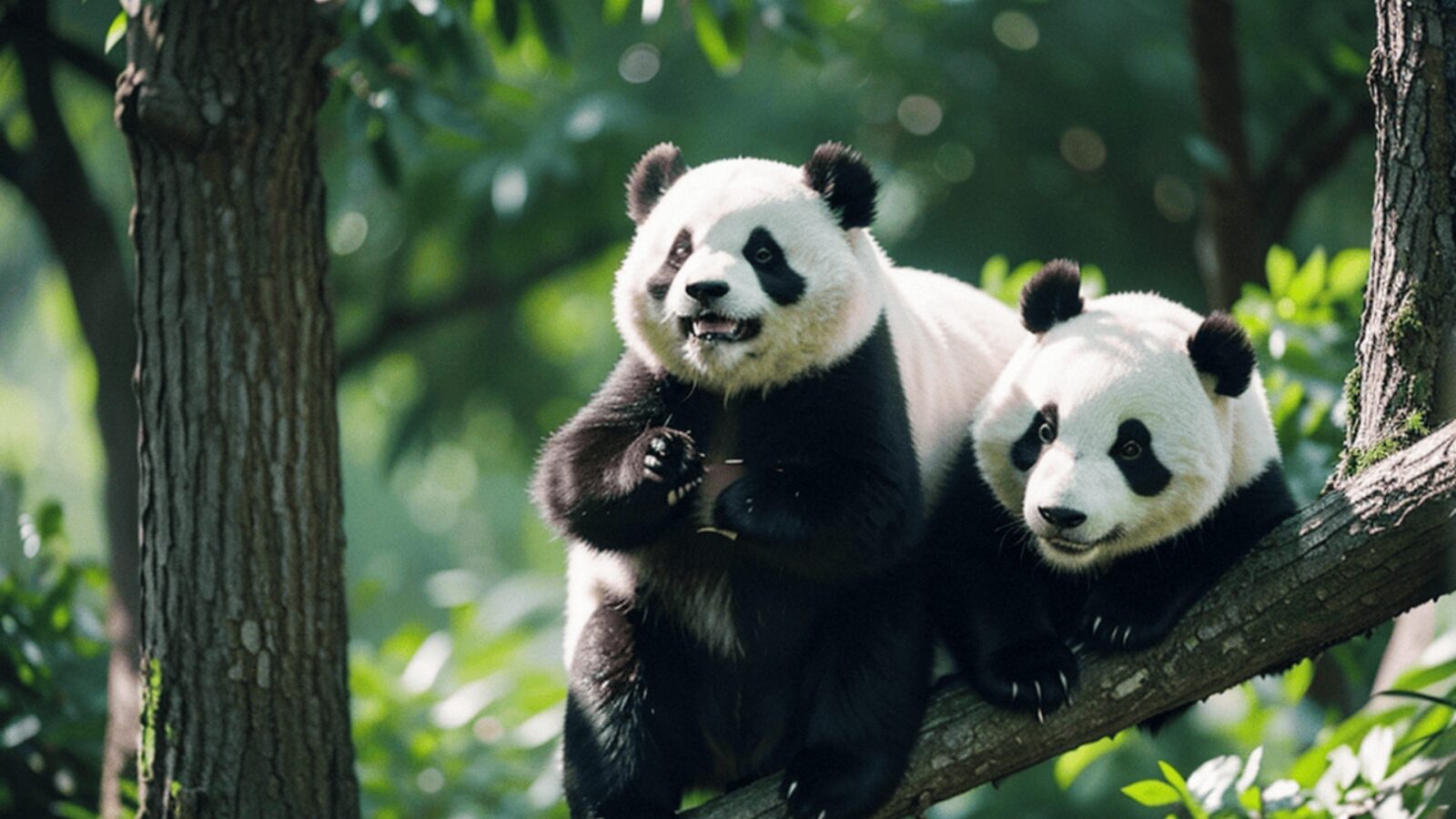
Adults are the easiest life stage to see at any time of year — every major base has them, and most pandas spend 12–14 hours a day eating, which means they are rarely off-display. Chengdu Research Base alone holds roughly 80–100 adult pandas, more than any other facility. March through May is the most dynamic period: males bleat loudly, females scent-mark their territory, and keepers sometimes direct visitors toward active enclosures over the PA system. Arriving at the 07:30 opening gives the best chance of catching pandas in their outdoor enclosures before the heat pushes them inside.
⭐ Meet Famous Celebrity Pandas: As cubs mature into adult ambassadors, many gain international fame—such as Hua Hua, Meng Lan, and Fu Bao. Read their stories in Famous Panda Names.
China's Top Panda Bases Compared
Chengdu Research Base of Giant Panda Breeding
The Chengdu Research Base sits in Chenghua District, roughly 30 minutes from central Chengdu by Metro Line 3 or a short taxi ride. It holds the world's largest captive panda population and runs the most successful captive breeding program on record. The base covers multiple zones — nursery, juvenile enclosures, adult holdings, and the Heming Mountain mating area — which means a single visit can expose visitors to four or five different life stages in a single morning. The in-city location makes it the default choice for travelers with limited time.
Bifengxia Panda Base
Bifengxia sits in Ya'an City, about 2.5 hours from Chengdu by car or shuttle bus from Xinnanmen Bus Station. The facility is newer than Chengdu, with larger enclosures built into a forested hillside that gives pandas more vertical space and natural cover. Visitor numbers are consistently lower than at Chengdu, which translates to shorter queues at peak times. Bifengxia also runs a wild-release training program — pandas that pass the behavioral tests are moved toward semi-wild or full wild reintroduction, which visitors may hear about during keeper talks.
Dujiangyan Panda Base
Dujiangyan Panda Base is in Dujiangyan City, reachable by car in about 1.5 hours or by high-speed rail in 30 minutes from Chengdu. The base is smaller than Chengdu and Bifengxia, which keeps crowds manageable even on weekends. Its focus leans strongly toward education programs and keeper experiences, making it a solid option for visitors who want more structured interaction rather than pure spectacle. The smaller footprint also means shorter walks between enclosures — a practical advantage for families with young children.
Wolong National Nature Reserve
Wolong National Nature Reserve is in Wenchuan County, 2.5 to 3 hours from Chengdu by road. The Shenshuping panda center inside Wolong offers a wild-context setting that feels different from the urban bases — the surrounding forest is actual panda habitat, not a constructed landscape. Access is slower; the mountain roads can be challenging in wet weather, and public transport options are limited. Most visitors reach Wolong by private car or as part of an organized tour. The trade-off is a quieter experience and the closest feel to a wild panda environment that a general tourist can access.
📜 Explore Name Meanings & Characters: Want to learn how characters like Bao ("treasure") or Meng ("cute") are chosen for newborn cubs? Read our breakdown of Chinese Panda Names.
Best Season by Life Cycle Stage
What Is A Panda's Life Cycle
Each season at the panda bases brings a different phase of panda behavior — and therefore a different viewing experience. Spring means active mating displays; summer means early-morning outdoor viewing before the heat drives pandas indoors; autumn brings the year's newest cubs into the public nursery; winter keeps pandas outdoors in their most active, playful state. Plan your trip around the stage you most want to see.
Spring Mating Season
March through May is the mating window. Males bleat loudly from the bamboo groves, females scent-mark trees and rocks, and the receptive two-to-three-day period per female concentrates all activity into a short, intense spell. The Heming Mountain area at Chengdu is the main mating zone. Weather is mild, crowds are thinner than in October, and the dynamic behavior — males competing for proximity, females communicating through vocalizations — is unlike anything visible at other times of year. Timing a visit for late March or April gives the best chance of seeing active mating behavior without having to coordinate around a specific daily schedule.
Summer Indoor Viewing
June through August brings Chengdu summer temperatures of 30–35°C with high humidity. Pandas tolerate heat poorly and retreat to air-conditioned indoor enclosures by late morning, sometimes by 10:00. The best strategy is to arrive at the 07:30 opening and spend the first two hours watching outdoor pens before the pandas move inside. Visitors who arrive at midday will find fewer outdoor animals on display, though the indoor viewing rooms — climate-controlled and equipped with glass-fronted enclosures — still offer clear close-up views. Bring water and a hat; the walk between enclosures offers little shade in summer.
Autumn Newborn Cubs
September through November is the peak visitor season for one reason: cubs born in August are large enough for limited public viewing by October. The Moonlight Nursery viewing room at Chengdu becomes the main attraction, with visitors pressing close to the nursery glass to watch the season's youngest pandas sleep, crawl, and occasional tumble over each other. Tickets should be booked two to four weeks ahead for weekends and Chinese national holidays. Arriving at opening helps beat the mid-morning crowd surge that forms once tour groups arrive from 09:30 onward.
Winter Peak Activity
December through February brings Chengdu winter temperatures of 4–10°C — cold for humans, but pandas tolerate cold well and stay outdoors most of the day. Smaller crowds than autumn, and pandas are noticeably more active at these temperatures than in summer heat. The rare snowy day, which occurs a handful of times each winter, tends to bring out playful behavior: rolling in the snow, sliding down slopes, and general high-energy activity that summer heat suppresses. This is also the quietest season for foreign visitors; weekday mornings in January can feel nearly empty at the outdoor enclosures.
🐾 Panda Naming Guide: Looking for inspiration or curious how keepers assign nicknames throughout a cub's growth stages? Explore Panda Bear Names.
Planning Your Visit
Practical logistics — ticket channels, transport, and the keeper experience — are the details that determine whether a panda visit goes smoothly. The bases are well-run, but foreign visitors face some specific constraints around payment and booking that are worth resolving before you arrive.
Tickets and Booking Channels
Adult tickets at Chengdu Panda Base cost roughly $8–11 (¥55–80); Bifengxia runs $11–14 (¥80–100); Dujiangyan charges about $11 (¥80). Foreign visitors cannot easily use Meituan, Dianping, or the official WeChat mini-program, which require a mainland phone number and WeChat Pay or Alipay. Trip.com and Klook sell advance tickets in English and accept international payment cards — these are the realistic channels for foreign visitors.
- Channel choice: Use Trip.com or Klook for advance tickets in English. The official WeChat mini-program requires a mainland phone and WeChat Pay, which most foreign visitors do not have.
- Advance window: Book two to four weeks ahead for autumn visits (October–November). Same-day tickets at the gate are possible but not guaranteed during peak season.
- ID required: Bring the passport you booked with; ticket gates match the booking name to your ID at entry.
- Combined tickets: Some packages on Trip.com bundle the base ticket with a keeper experience add-on at a modest discount versus buying each separately.
Getting to the Panda Bases
All four bases are reachable from Chengdu as a base. Chengdu Panda Base is in-city by Metro Line 3 (Panda Avenue Station) or a 30-minute taxi. Bifengxia requires a 2.5-hour drive or a shuttle bus from Xinnanmen Bus Station in Chengdu — the shuttle is cheap but leaves on a set schedule, so confirm departure times in advance. Dujiangyan is 1.5 hours by car or 30 minutes on the high-speed rail from Chengdu East Station to Dujiangyan, followed by a short taxi from the station. Wolong is 2.5 to 3 hours by mountain road; the most practical option for most visitors is a private car or an organized day tour that bundles transport, entry, and a guide.
- In-city Metro: Metro Line 3 to Panda Avenue Station is the cheapest and most reliable option for Chengdu Panda Base.
- Intercity HSR: Chengdu East to Dujiangyan takes 30 minutes; Dujiangyan Panda Base is a short taxi ride from the station.
- Shuttle bus: Xinnanmen Bus Station runs scheduled coaches to Bifengxia; confirm schedules at the station or with your hotel the day before.
- Private transfer: Recommended for Wolong, where public transport is limited and mountain roads require experience driving in Sichuan conditions.
Volunteer and Keeper Programs
Both Chengdu and Bifengxia run structured keeper programs that allow visitors into areas normally closed to the public. The half-day experience costs roughly $300–500 (¥2,000–3,500) and includes the base ticket, bilingual guide, and activities such as enclosure cleaning, bamboo preparation, and behavior observation sessions. Full-day programs run about $350–450 (¥2,500–3,200) and go deeper into the daily routines of the care team. All programs require booking two to four weeks ahead; last-minute availability is rare, especially in autumn. Minimum age limits apply — check current rules on the base's official site before booking, as policies change.
- Price range: Half-day programs start around $300 (¥2,000); full-day programs run $350–450 (¥2,500–3,200) including base entry.
- Lead time: Book two to four weeks ahead minimum; autumn weekends fill fastest.
- What you do: Enclosure cleaning, bamboo cutting and distribution, behavioral data recording, and a keeper briefing session.
- Language support: Bilingual guides are standard on programs booked through Trip.com or Klook; confirm language before confirming.
Frequently Asked Questions
Q: What is a panda's life cycle?
Giant pandas move through five stages — newborn, cub, juvenile, adult, and old age — spanning 15–20 years in the wild and up to 30 or more in captivity. Sexual maturity arrives between four and seven years depending on sex.
Q: How long do pandas live?
Wild pandas typically live 15–20 years. In captivity, they frequently reach their late twenties or early thirties. The oldest verified captive panda was Jia Jia, who lived at Hong Kong Ocean Park and reached age 38.
Q: What is a red panda's life cycle?
Red pandas follow a similar five-stage cycle but on a shorter timeline — eight to 14 years in the wild and up to 20 in captivity. Sexual maturity comes at two to three years, and litters usually contain one to four cubs, most commonly two.
Q: Where can I see baby pandas in China?
The main options are Chengdu Panda Base's Moonlight Nursery and Bifengxia's cub pens. Cubs born in August are typically large enough for limited public display by October. Dujiangyan also has a small juvenile section that sometimes shows younger animals.
Q: What is the best time to see newborn pandas?
October through November at Chengdu Panda Base, when cubs born in August enter the public nursery viewing rooms. Book tickets two to four weeks ahead for weekends and public holidays during this window.
Q: Do giant pandas mate in captivity?
Yes, from March through May. Females are receptive for only two to three days per year, which is why captive breeding programs monitor hormonal cycles closely and why the spring mating window is tightly managed at every base.
Q: How do I book Chengdu Panda Base tickets in advance?
Trip.com and Klook sell advance tickets in English with international payment support. The official WeChat mini-program requires a mainland phone number and WeChat Pay or Alipay, which most foreign visitors cannot set up without a Chinese bank account.
Q: What's the difference between Chengdu Panda Base and Bifengxia?
Chengdu is in-city — Metro Line 3 or a 30-minute taxi — and holds the world's largest captive panda population at roughly 80–100 animals. Bifengxia is 2.5 hours from the city in a forested hillside setting with larger enclosures and fewer crowds, and it runs a panda wild-release training program.
Q: Are pandas only found in Sichuan?
Wild giant pandas live in Sichuan, Shaanxi, and Gansu provinces — not only Sichuan. Captive pandas are also at zoos globally including Atlanta, San Diego, Edinburgh, Tokyo, Washington DC, Vienna, Berlin, Madrid, and Taipei.
Q: Can foreign visitors volunteer with pandas?
Yes. Chengdu and Bifengxia both offer half-day (~$300–500 / ¥2,000–3,500) and full-day keeper programs. Book two to four weeks ahead. Minimum age limits apply — confirm current rules on the base's official site before booking.