How Many Steps on the Great Wall of China
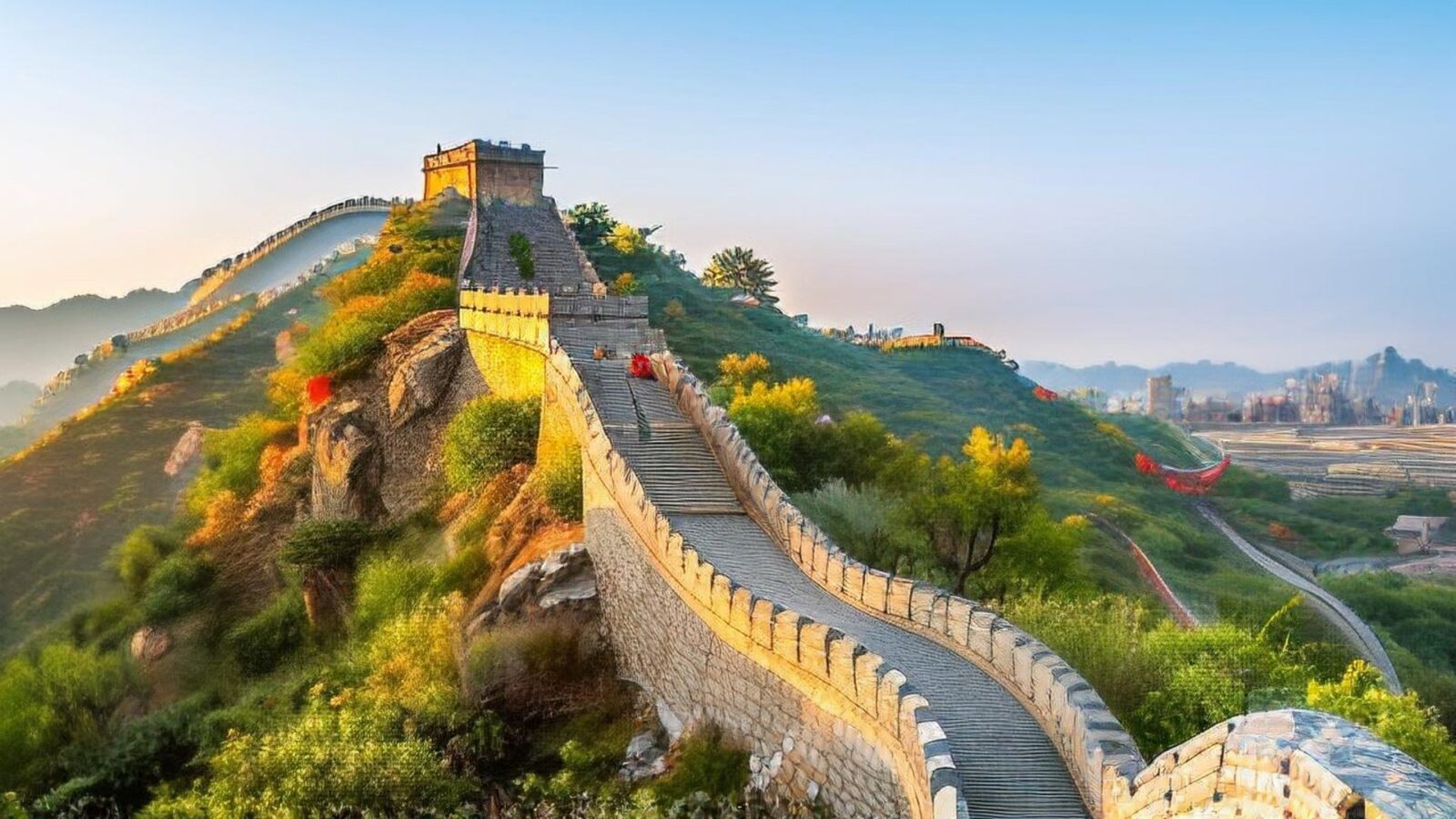
How many steps are on the Great Wall of China? There is no single official count. The wall stretches 21,196 km across 15 provinces, and step totals change depending on which section you climb and whether you take a cable car. Published estimates cluster around roughly 200 steps at Juyongguan, 800 at Mutianyu, and 1,500 or more at Simatai. This guide breaks down the concrete step counts visitors actually encounter at the seven most-climbed sections near Beijing, ranks them by difficulty, and provides everything needed to plan a smart climb.
Quick Facts
The Headline Answer
How Many Steps on the Great Wall of China
The Great Wall of China has no single official step count. Published estimates cluster around two reference numbers: a widely-cited claim of roughly 3,889 steps over a representative Badaling-Mutianyu connected corridor, and the specific Mutianyu cable-car-free climb at approximately 800 steps. Meanwhile, the wall's full extent spans 21,196 km across 15 provinces, with the Ming-dynasty walls alone accounting for approximately 8,850 km of structure. Step totals vary sharply by section — from around 200 at Juyongguan to 1,500 or more at Simatai — and the "step" itself is a loose unit. Cable-car-free climbs involve staircases of varying riser heights, while wild sections feature uneven boulders that visitors count as steps. For visitors who want a concrete number, Mutianyu's roughly 800 steps serves as the most reliable anchor point. Cable cars at Mutianyu, Badaling, Jinshanling, and Simatai can reduce the on-foot count substantially, making the climb accessible for different fitness levels.
🏰 Historical Highlights: Learn more about the architectural legacy and scenic viewpoints with our guide to History and Beauty on Beijing Great Wall Tour.
Steps by Section: A Comparison Table
🚌 Itinerary Planning: Looking to visit a section near the capital? Plan your excursion with our step-by-step guide to a Beijing Great Wall Day Trip.
Climbing Difficulty Grading Guide
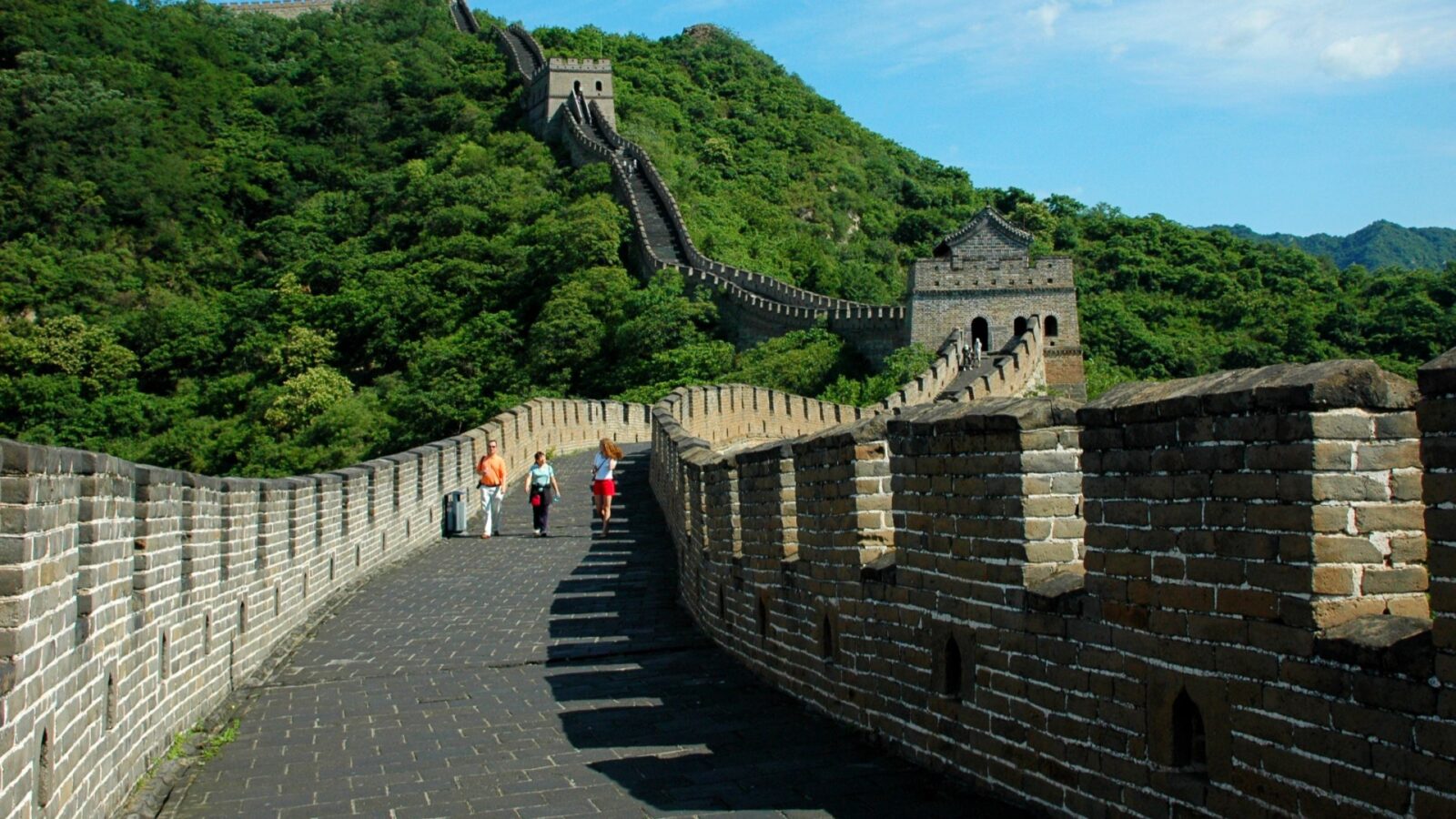
How Many Steps on the Great Wall of China
Step count alone does not capture how hard a section feels. Surface condition, gradient steepness, restoration level, and the presence of handrails all affect the actual difficulty. The three-tier guide below sorts the most-visited sections near Beijing by effort required, helping visitors match a climb to their fitness level and experience.
Tier 1 — Easy
Sections rated Easy offer paved walkways, handrails, and gentle gradients that make the climb manageable for most visitors. These are the best choices for families with young children, older travelers, and anyone with mobility limitations.
- Juyongguan: Roughly 200–300 steps, with the lowest elevation gain of any accessible section near Beijing. Fully restored pathways and handrails along the pass make this the most accessible option for visitors with limited mobility.
- Badaling with cable car: The on-foot step count drops to roughly 300–400 when visitors take the cable car up and walk the restored ramparts. A daily visitor cap of 65,000 has been reported by local authorities, so arriving early helps avoid crowds.
- Huanghuacheng (partial): Some restored segments near the lake offer easy walking with handrails. More out-of-the-way than Juyongguan or Badaling, but quieter on weekdays.
Tier 2 — Moderate
Moderate sections involve continuous staircases with consistent riser heights, occasional handrails in restored stretches, and mixed terrain combining paved and wild segments. Visitors with average fitness and no fear of heights will find these challenging but achievable.
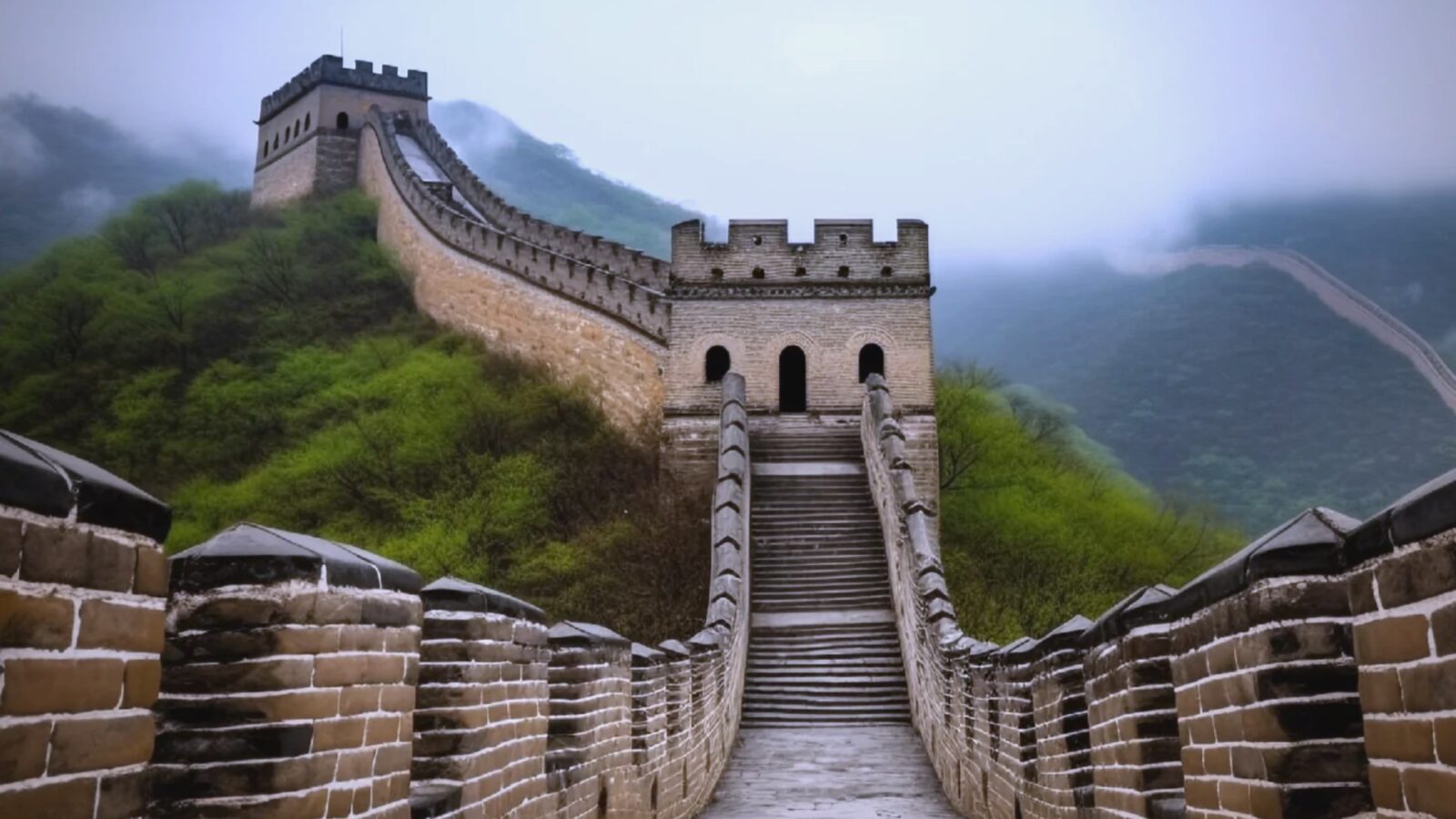
- Mutianyu: Approximately 800 steps for the cable-car-free climb, spread across restored and unrestored stretches. The climb between Tower 6 and Tower 1 is the steepest segment in this section, with grades that test leg strength but lack the extreme exposure of wild sections.
- Gubeikou to Jinshanling trek: A popular multi-section route combining moderate elevation gain with changing surface conditions. The mix of restored watchtowers and crumbling battlements keeps the terrain interesting without venturing into unstable territory.
- Partial Jinshanling: Taking the cable car partway up reduces the on-foot step count while preserving views of the restored crenellations. The eastern loop offers gentler gradients than the full 10.5 km western route.
Tier 3 — Strenuous
Strenuous sections feature steep grades, uneven surfaces, unstable battlements, and in some cases no handrails at all. These climbs suit experienced trekkers with good fitness and no fear of heights. After rain, the stone becomes slippery and the risk increases significantly.
- Simatai: Roughly 1,500 steps and some of the steepest grades on any restored section near Beijing. Uneven stone and occasional gaps between walkway sections require attention on every step.
- Jiankou: A wild section with no published step count. Unstable crumbling walls, missing stair treads, and steep natural-rock ascents make this the most hazardous option without a guide.
- Jiankou to Mutianyu trek: The most famous difficult route in the region, crossing unstable battlements and sharp ridgelines between the two sections. Guides strongly recommended; do not attempt solo.
- Full Jinshanling western route: The complete 10.5 km western loop with over 1,000 steps involves sustained climbs with little flat recovery. Most visitors underestimate the cumulative fatigue over this distance.
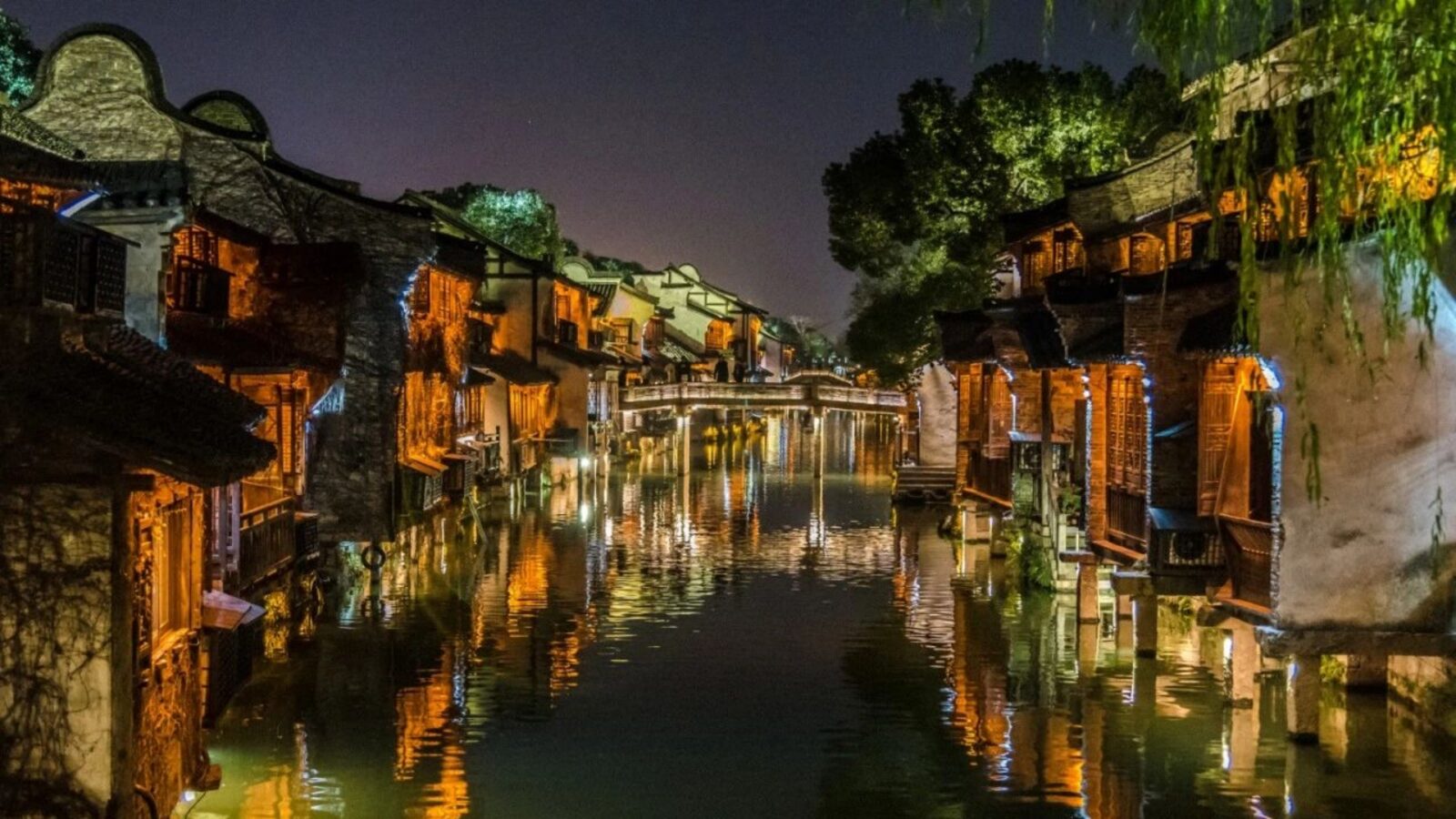
🏮 Nearby Attractions: Pair your climb at Simatai with a visit to the scenic canal streets of Gubei Water Town.
How to Reach Each Section from Beijing
🥢 Dining & Refreshments: Fuel up before or after your climb by checking out local options for Great Wall of China Food.
Climbing Preparation and Practical Tips
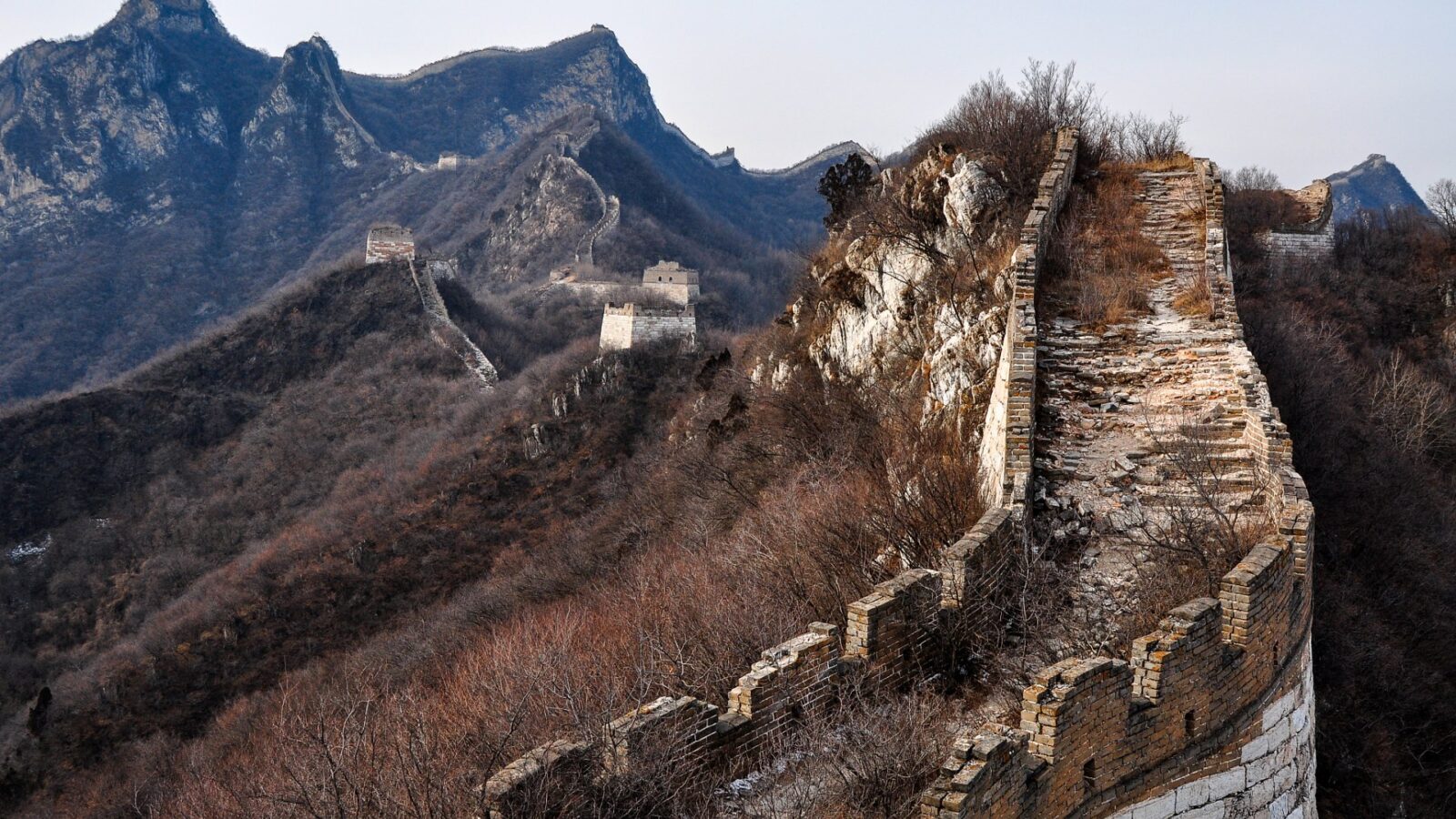
How Many Steps on the Great Wall of China
Proper preparation makes a significant difference on any Great Wall section. The wall's stone surfaces vary from smooth restored flagstones to uneven wild-rock, and weather conditions can change quickly, especially at higher elevations. The following tips cover gear, booking channels, timing, and safety.
- Footwear: Sturdy shoes with good grip are essential. The wall's stone steps are uneven, and surfaces become particularly slippery after rain. Trail shoes or hiking boots with ankle support work better than running shoes.
- Sun and weather protection: Bring a hat, sunscreen, and sunglasses, especially in summer. Layered clothing is wise — shaded tower corridors can be noticeably cooler than exposed ridge sections. Insect repellent helps in warmer months.
- Water and snacks: Carry sufficient water for the planned route. Longer sections like Jinshanling or Simatai have limited vendor access. Bring cash as some vendors may not accept mobile payment.
- Ticket booking: Trip.com and Klook carry tickets for Badaling, Mutianyu, Jinshanling, and Simatai with credit-card payment. Domestic channels like Meituan require a mainland phone number and WeChat Pay or Alipay, making them inaccessible for most foreign visitors.
- Timing for crowds: Arrive by 8:00 am to beat peak crowds and the worst midday heat at Badaling and Mutianyu. Avoid weekends, August, and Chinese public holidays — particularly Golden Week in early October and Spring Festival in late January or early February — when step climbs become gridlocked.
- Safety on difficult sections: Do not leave the marked path at Simatai or Jiankou after rain. Unstable battlements and steep grades with no handrails make solo hiking at Jiankou particularly risky. Bring a printed passport copy as ticket pickup at some sections requires ID verification.
Frequently Asked Questions
Q: How many steps does the Great Wall of China have in total?
No single number covers all 21,196 km. Published estimates for a representative Badaling-Mutianyu corridor suggest roughly 3,889 steps, though full-walk counts vary by route and are not officially published. For a concrete anchor, the standard Mutianyu cable-car-free climb involves approximately 800 steps.
Q: How many steps at Mutianyu?
Mutianyu involves roughly 800 steps for the cable-car-free climb, scattered across both restored and unrestored stretches. The climb between Tower 6 and Tower 1 represents the steepest segment in this section.
Q: How many steps to climb the Great Wall of China?
It depends entirely on the section chosen. Juyongguan has roughly 200–300 steps, Badaling with cable car involves about 300–400, Mutianyu around 800, Jinshanling over 1,000, and Simatai approximately 1,500 or more. Cable cars at Mutianyu, Badaling, Jinshanling, and Simatai reduce the on-foot step count substantially.
Q: How many steps in the Great Wall of China marathon?
The Great Wall Marathon course reports approximately 5,164 steps along the route. The event is held annually in May at Huangyaguan and Yinhu sections near Tianjin, not at the tourist sections near Beijing.
Q: How many steps to Fortress 12?
"Fortress 12" or "Tower 12" likely refers to Mutianyu's steepest inner climb — the segment between Tower 6 and Tower 1. Roughly 400 of Mutianyu's 800 total steps fall within this high-tower ascent. The tower-numbering convention varies between English-language sources and on-site signage.
Q: What is the easiest section to climb?
Juyongguan and Badaling with a cable car offer the easiest climbs. Both have handrails, paved walkways, and gentle gradients. Juyongguan has the lowest step count at roughly 200–300 and suits families, seniors, and visitors with mobility limitations. Huanghuacheng also has accessible segments but is more remote.
Q: What is the hardest section to climb?
Simatai and Jiankou are the most demanding sections near Beijing. Simatai features steep grades, roughly 1,500 steps, and uneven stone that becomes slippery in wet weather. Jiankou is a wild section with unstable crumbling walls and no published step count — the Jiankou-to-Mutianyu trek is the region's most famous difficult route and is rated strenuous.