Things to do in Yangshuo
Yangshuo doesn’t feel like a typical destination where you just tick off sights and move on. The landscape is obvious — sharp karst peaks, slow rivers, that postcard view everyone recognizes — but the experience changes a lot depending on how you plan your days. Some people leave thinking it was crowded and overrated, others can’t stop talking about it.
Most lists of things to do in Yangshuo look similar, but they don’t really explain what’s worth your time or what to skip. Wondering which local dishes and street foods you shouldn’t miss while exploring the area? Take a look at this comprehensive Guilin food guide. Based on how people actually travel here now, a few choices make a big difference — especially if it’s your first visit.
Things to Do in Yangshuo You Shouldn’t Miss on Your First Visit
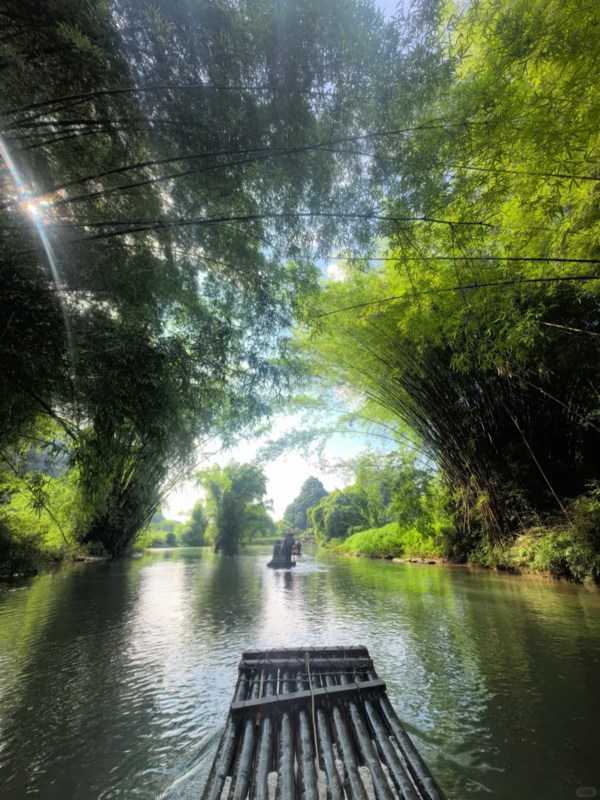
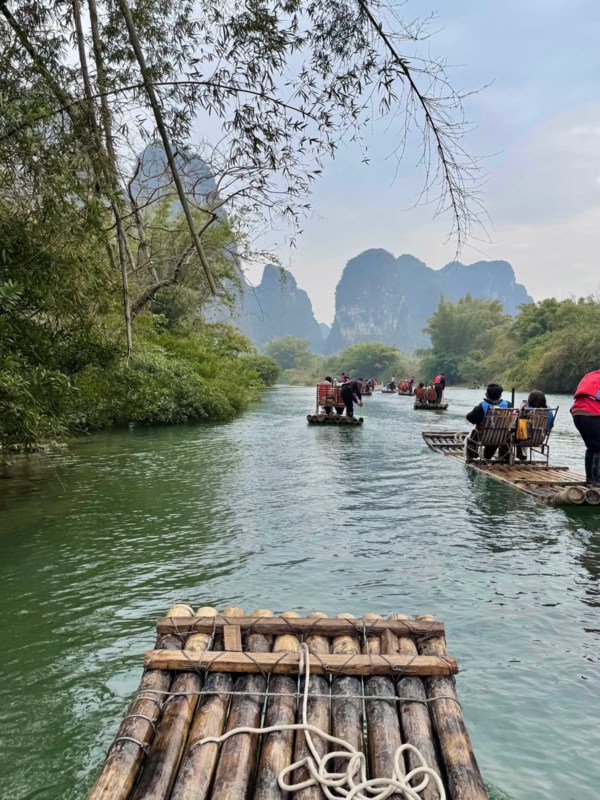
1. Bamboo Rafting on the Yulong River Feels Quietly Unreal
-

- Bamboo Rafting
-
- Bamboo Rafting on the Yulong River
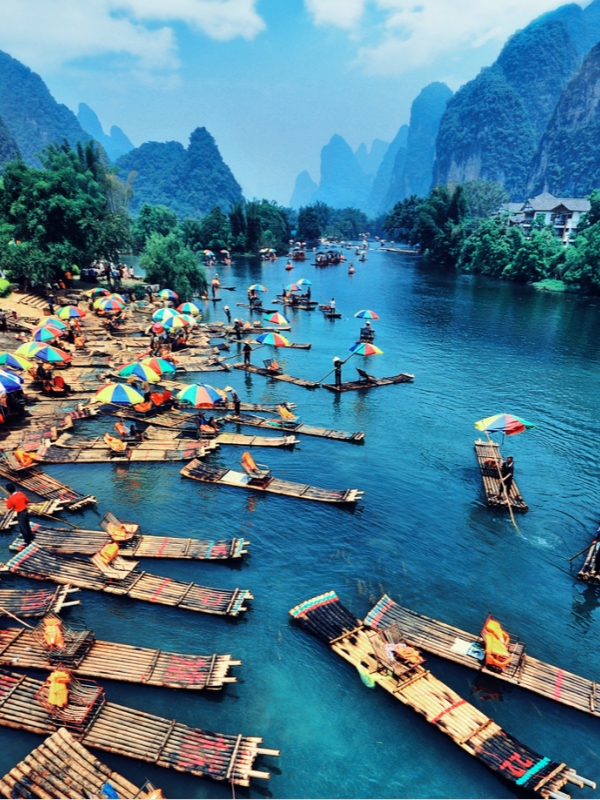
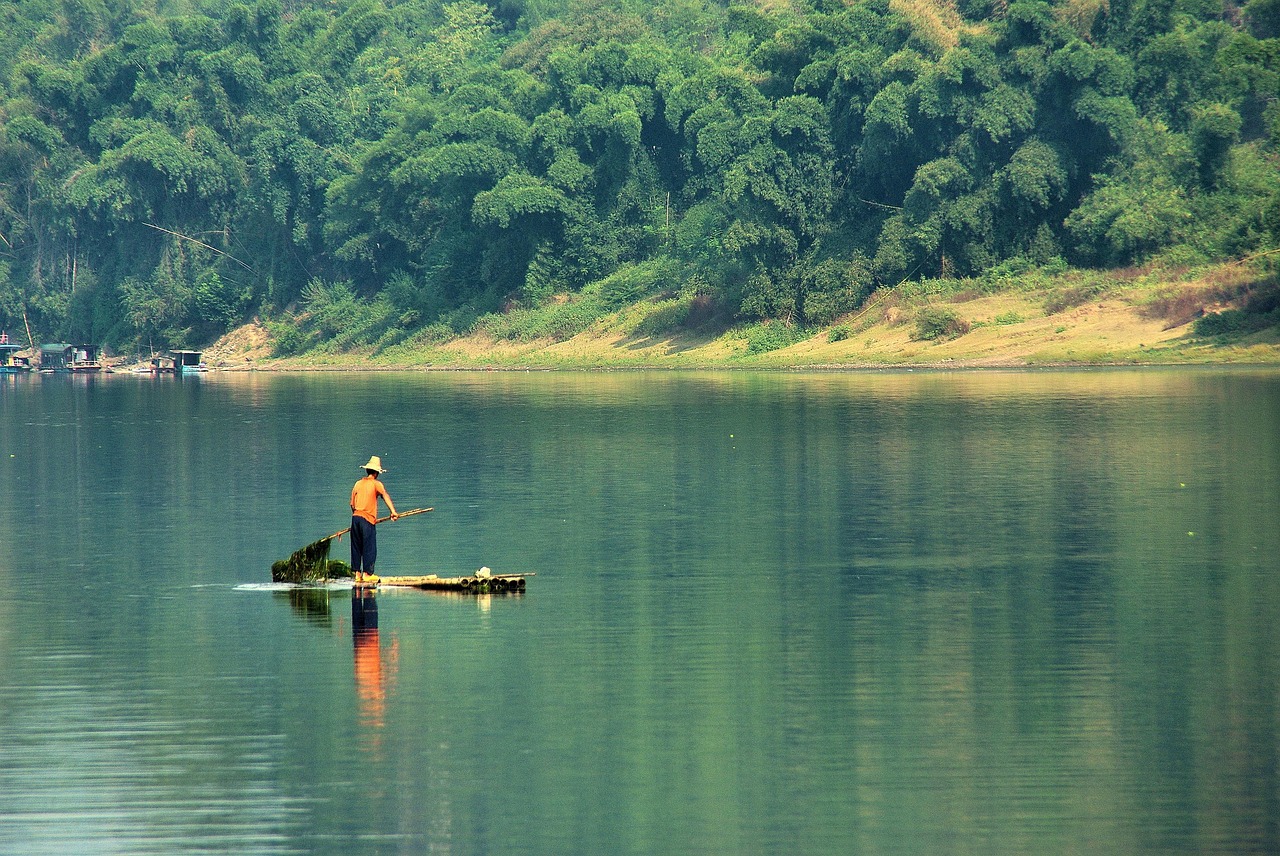
The first thing you notice here isn’t the view — it’s the silence. No engines, no speakers, just water moving slowly and the occasional splash when the raft slides over a small dam. That drop is gentle, maybe half a meter, but it wakes you up a bit.
Compared with the Li River, this feels more local. You pass rice fields, bamboo groves, and sometimes locals working by the riverbank. It doesn’t feel staged, even though it is managed.
That quiet atmosphere is exactly why many people consider it one of the best things to do in Yangshuo:
- Route:Jinlong Bridge → Jiuxian Village is often recommended for a calmer ride
- Duration: usually 40–90 minutes, depending on water level
- Price:around ¥200–¥320 per raft (2 people), based on recent Ctrip listings
- Booking:searchable on Trip.com under “Yulong River rafting”
Morning light, roughly 8–10am, feels noticeably softer, and the reflections on the water look clearer. By midday, the light gets harsher and the whole experience feels less relaxed. Crowds can build up quickly in peak season — I’ve seen people waiting close to two hours at certain docks, especially the more commercial ones.
⛰️ Beyond the Living Masterpiece: For travelers who wish to pair Yangshuo's poetic landscapes with spectacular waterfalls, deep valleys, and rich cultural heritage just a short bullet train ride away, discover the ultimate itinerary in our Guizhou Tour planner.
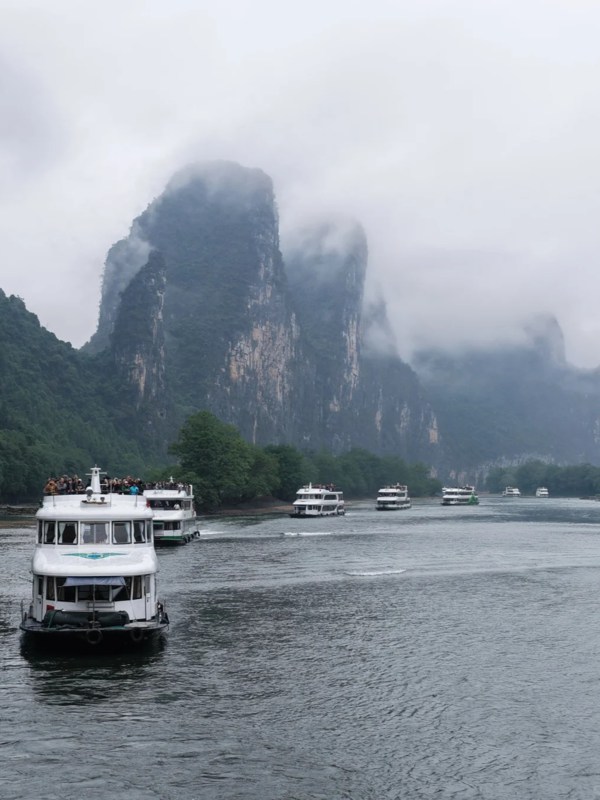
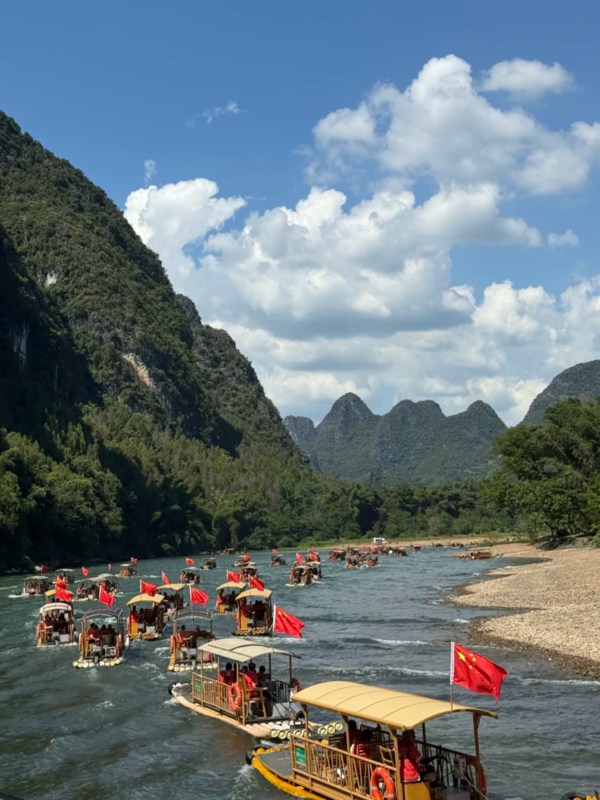
2. Li River Cruise Is Still Worth It If You Pick the Right Section
-
- Li River
-
- Li River Cruise
This is probably the most debated activity in Yangshuo. Some people say it’s overrated, others say it’s essential. The difference usually comes down to which section you choose.
The full cruise from Guilin to Yangshuo is the classic route. It’s longer, more structured, and gives you that iconic wide-river scenery.
Then there’s the shorter Xingping section, which focuses on the most photogenic part of the river:
- Route option 1: Guilin → Yangshuo
- Duration: about 4 hours
- Price:roughly ¥400–¥600, depending on seating class
- Experience: large cruise boats, stable but more crowded
- Route option 2: Xingping short cruise
- Duration:1–1.5 hours
- Price:around ¥120–¥200
- Experience: smaller scale, more focused scenery
If you’re going through your list of things to do in Yangshuo, the full cruise still makes sense for a first visit. But if you don’t want to spend half a day on a boat, Xingping feels more efficient. The scenery on the Li River is more dramatic overall, with wider water and denser mountain formations, but the boat setup also matters. Large boats feel comfortable but less personal, while smaller options give a closer view. Sitting on the upper deck usually gives a better perspective, though it can get crowded.
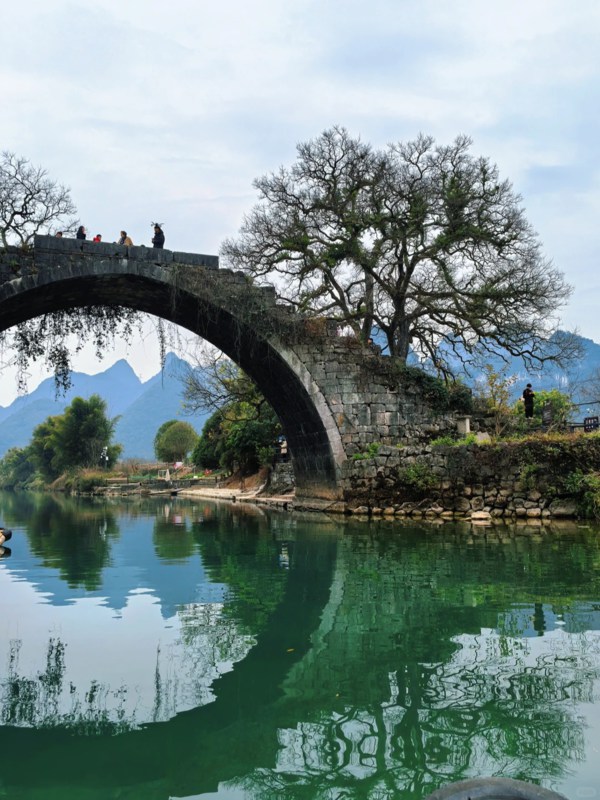
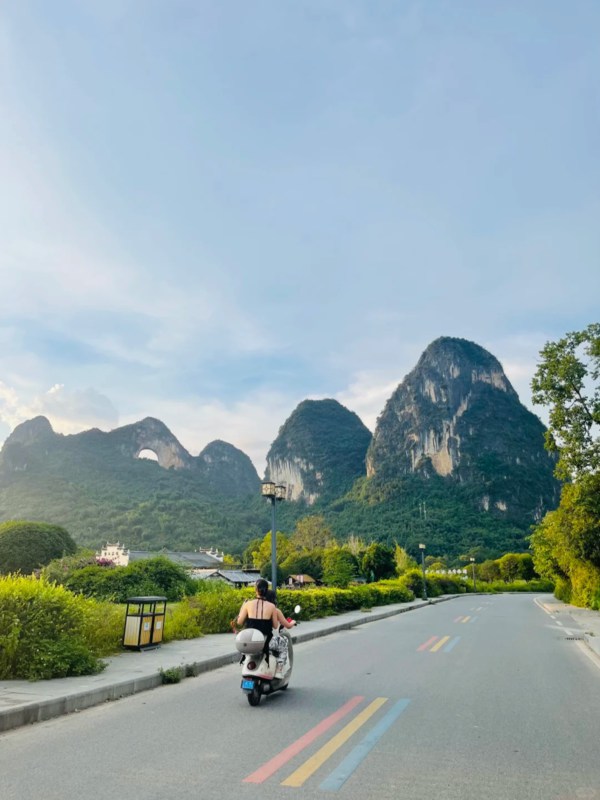
3. Cycling Through Ten Mile Gallery Is Better Than You Expect
-
- Ten Mile Gallery
-
- Cycling Through Ten Mile Gallery
This sounds simple on paper — just cycling along a scenic road — but it ends up being one of the most flexible experiences in Yangshuo.
You’re not following a strict schedule, and that makes a difference:
- Transport choice:
- Electric scooter (¥30–¥50/day) feels easier and more popular
- Bicycle (¥15–¥30/day) works if weather is mild
- Route: around 10 km, mostly flat
- Highlights: rice paddies, riverside paths, small villages
The road itself isn’t the main attraction — it’s what happens when you stop. You might pull over near a random riverbank, hear insects in the grass, or find a small café with handwritten menus in mixed English and pinyin. That kind of detail doesn’t show up on maps.
The Yulong River sections along the route are especially worth stopping for. Late afternoon feels more comfortable for riding, with softer light and fewer people. Midday can be surprisingly intense — the sun is strong, and there’s not much shade along long stretches.
If you’re figuring out what to do in Yangshuo beyond the main attractions, this is where the place starts to feel less like a checklist and more like an open space.
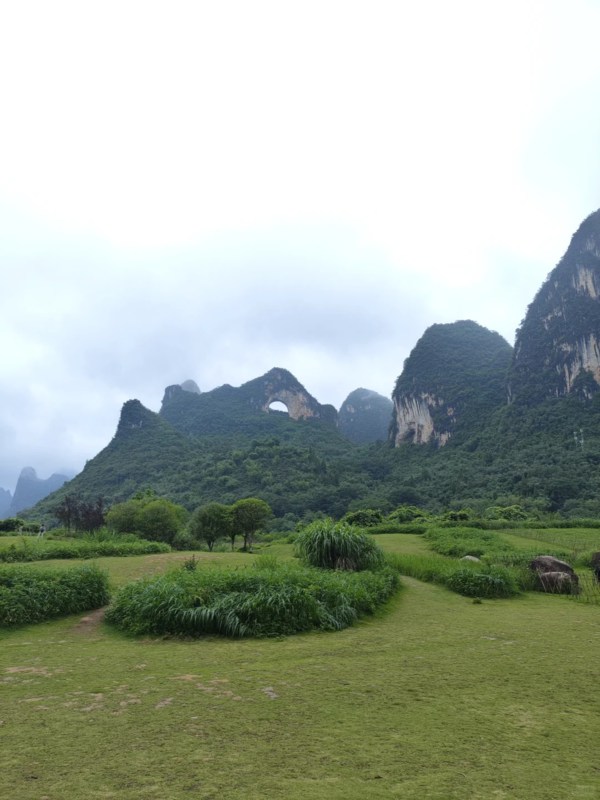
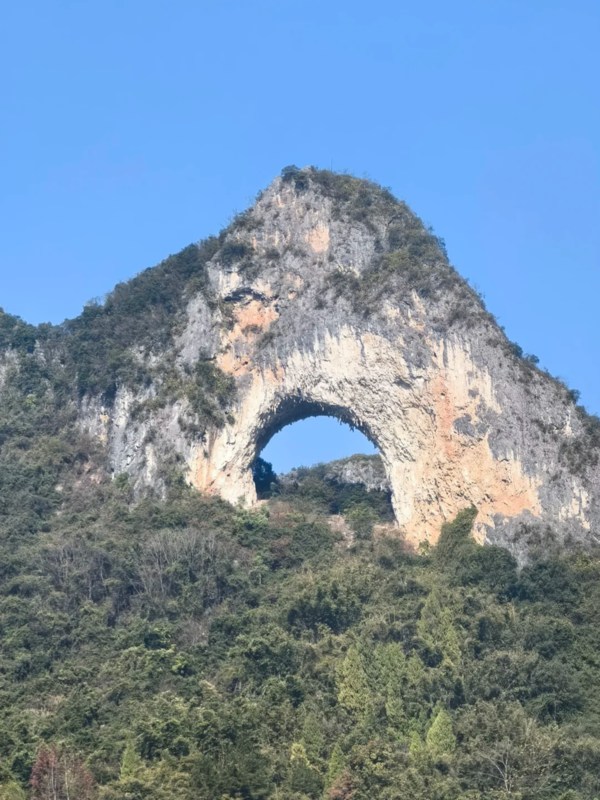
4. Climbing Moon Hill Is Short but Surprisingly Intense
-
- Moon Hill
-
- Climbing Moon Hill
Moon Hill does not seem complicated as seen in the distance, and it is possible to outline this rounded arch cut out of the mountain.
At a closer, it is more corporeal than anticipated:
- Climb time: 30 -40 minutes up the top.
- Entrance fee: around ¥35
- Path: steps, mostly of stone, not very even.
The ascending height only increases with elevation and the humidity contributes to the work. It is not very long, but it wears you out more quickly than you would imagine. As soon as you arrive to the top, the panorama is opened on the countryside, and the arch gives the sky the frame that cannot be fully captured in photos.
It is better in the evening, when the sun becomes softer and the air becomes a little colder. When the season is hot, particularly in summer, it may be exhausting since there is not much shade in the staircase.
This is a short but physically tangible thing to do in Yangshuo because out of all the activities in the area it is not something that you can simply take a walk and enjoy the sight.
5. Watching Impression Liu Sanjie at Night Feels Like a Movie Scene
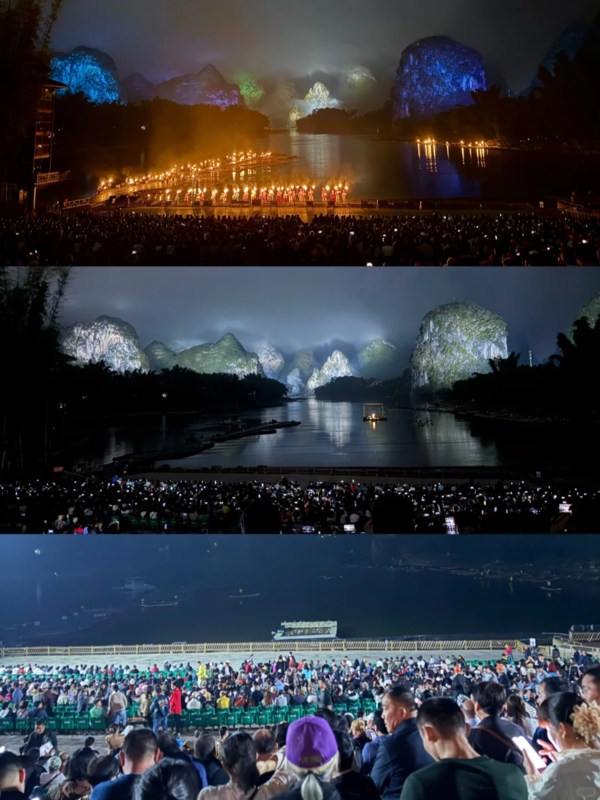
Liusanjie
The first stage is the river itself. The background is made out of mountains and the performance is scattered all over the water as it is performed by hundreds of local performers. It does not seem like a regular theater performance:
- Location: along Li River, near Yangshuo.
- Duration: about 70 minutes
- Price:Typically 198-320, based on the type of seat.
- Ticket: sold on Trip.com (“Impression Liu Sanjie”)
The center of attention is visuals, namely, lighting, reflections, synchronized movements. It is not a very easy story to follow, particularly when one does not comprehend Chinese, but the atmosphere makes the experience.
The issue of the seat choice is more than anticipated. The less expensive seats are further and a bit angled, and it minimizes the overall effect. Even a central position, although that is a little more expensive, is much nicer.
It is usually ranked among the best activities in Yangshuo, yet it is relative to expectations. It works in case you want images and size. It may seem insufficient to you in case you are expecting a good story.
6. West Street at Night Is Chaotic but Fun for a While
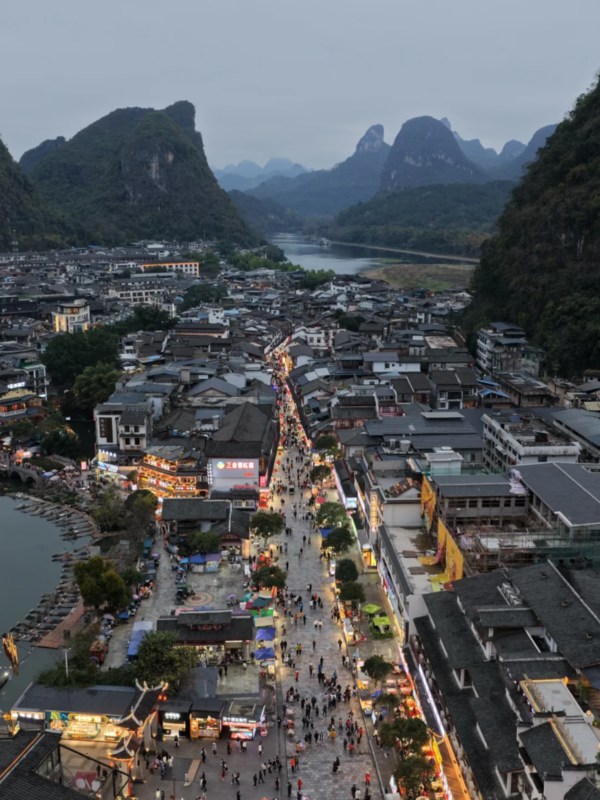
West Street
The minute you enter West Street you feel that it is busy. The sounds of bars can be heard in unison, people are moving everywhere, there can be shop signs and some of them use rather awkward translations into English.
You will have everything here: skewers, beer, fish, milk tea, souvenirs and small bars close together. It is obviously written in a tourist-friendly manner but it is the best part of it, which makes it easily accessible.
This remains the primary nightlife area to anyone who vents to mark things to be done in Yangshuo. But it is rather a short-stop than a protracted evening program. Strolling around, having a drink, perhaps a local meal, that is usually all one needs.
Remain a bit longer and this repetition becomes evident. The prices are also at a little higher rate than in other sections of town.
7. Exploring Xingping Ancient Town for That 20 RMB View
Xingping feels quieter the moment you arrive. It’s still a tourist destination, but the pace slows down compared to Yangshuo town.
The main highlight is straightforward — the landscape printed on the 20 RMB note is located here. You can walk to the viewpoint or take a short boat ride to get a better angle.
The streets in the town are narrow and simple, with small shops selling snacks and souvenirs. It’s less crowded, and the atmosphere feels more relaxed overall.
Morning and late afternoon work best. The light is softer, and the river reflections look clearer. Around midday, the scenery loses some depth, and more tour groups start to appear.
If you’re looking into yangshuo things to do that feel less rushed, this is an easy addition without needing too much time.
8. Taking the Yangshuo Cable Car for a Different Perspective
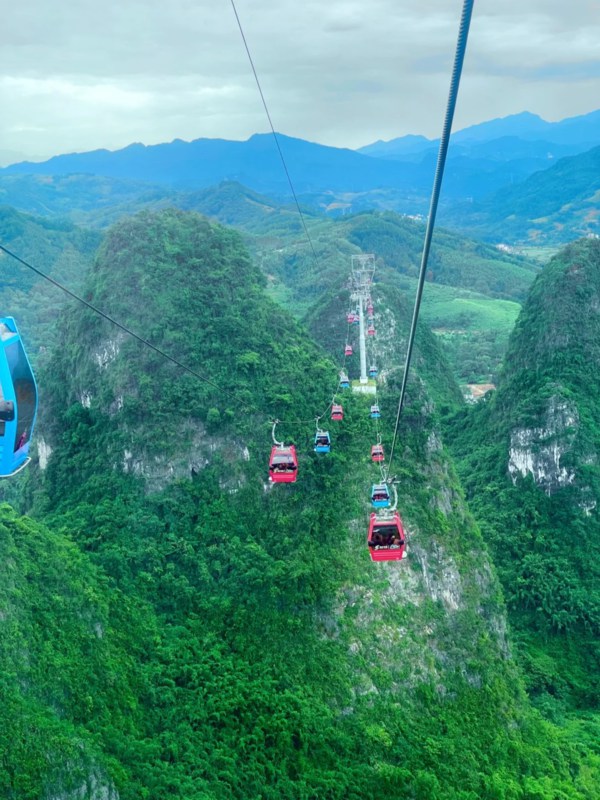
Cable Car
The cable car experience is newer compared to the classic Yangshuo activities, but it offers a completely different angle — literally.
Instead of looking up at the mountains, you move above them. The ride itself is smooth, and the viewing platforms at the top give a wide panoramic look at the karst landscape:
- Location:Ruyi Peak scenic area
- Price:roughly ¥180–¥260, depending on season
- Experience:cable car ride combined with short walking paths
It’s a good option if you don’t want a long hike but still want elevated views. The scenery feels broader from above, though slightly less immersive compared to being down by the river.
Weather matters a lot here. On clear days, visibility is excellent. On foggy or rainy days, the view can disappear almost completely, which makes the experience feel less worthwhile.
It’s not always the first thing people think of when planning things to do in Yangshuo, but on the right day, it adds something noticeably different to the trip.
💖 Romantic Getaways: If the misty river views and bamboo raft drifting have you dreaming of a perfect romantic escape with your partner, discover China’s most enchanting, couple-friendly destinations in our guide to the Best Honeymoon Places in China.
More Things to Do in Yangshuo If You Have Extra Time
1. Visit Small Villages Like Fuli and Jiuxian for a Slower Pace
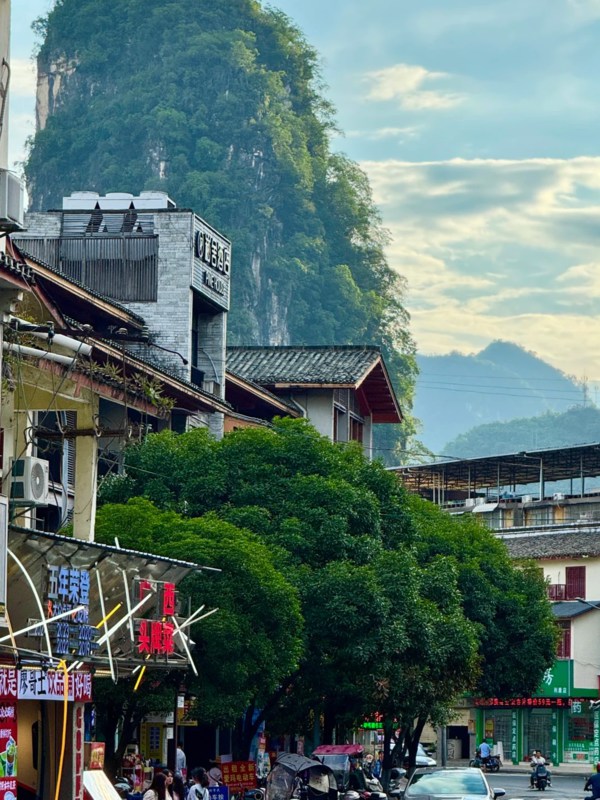
Visit Small Villages
Yangshuo town can feel busy, especially at night. If you go just 20–30 minutes out, the pace changes quickly.
Fuli and Jiuxian are two places that still feel lived-in rather than designed for tourists:
- Location: both villages sit along the Yulong River area, reachable by scooter or short taxi ride (¥20–¥40)
- Atmosphere:quieter streets, fewer tour groups, more local daily life
- Highlights:old stone houses, small workshops, occasional calligraphy or fan painting shops
Fuli is known for traditional fan-making. You might see handwritten signs like “paint fan DIY,” sometimes with slightly off English. Jiuxian feels even simpler — narrow lanes, small courtyards, and not much organized tourism.
The main difference compared to central Yangshuo is the lack of pressure. No one is trying too hard to sell you something. You walk, stop, maybe sit by the river, and that’s it.
If you’re looking beyond typical things to do in Yangshuo, this is where the trip starts to feel less structured and more personal.
2. Try a Cooking Class or Tai Chi in the Countryside
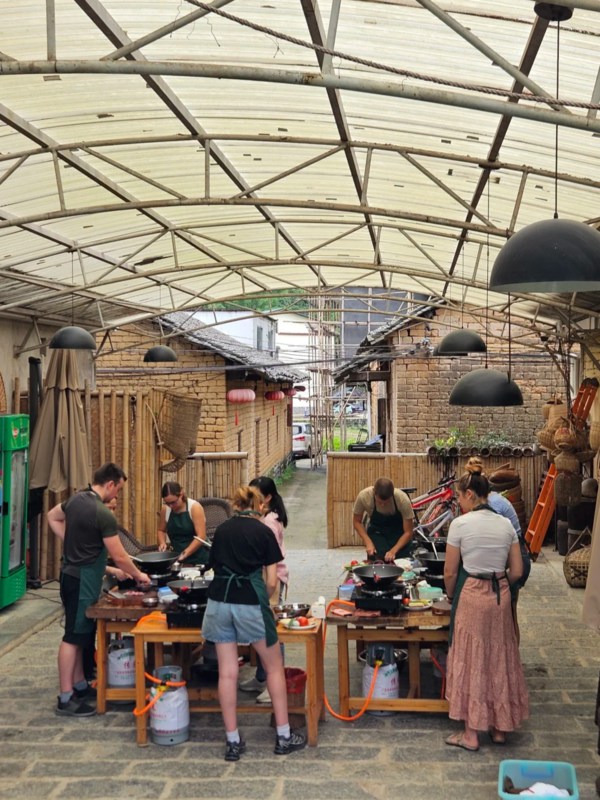
Try a Cooking Class
This is one of those activities people don’t plan at first, but often remember later. It’s slower, more interactive, and gives you a break from moving around all day:
- Cooking class:
- Content:Guilin rice noodles, beer fish, simple stir-fry dishes
- Duration: about 3–4 hours
- Price: usually ¥150–¥300 per person
- Booking: available on Trip.com or through local hostels
Most classes start with a quick market visit. Ingredients are simple — garlic, chili, fresh vegetables — nothing complicated, but the process feels hands-on.
- Tai Chi session:
- Time: early morning, often around 7–9am
- Setting: open courtyards or riverside spaces
- Price:around ¥80–¥150 per session
Morning Tai Chi feels very different from the rest of the day. It’s quiet, sometimes slightly misty, and you move slowly while everything else hasn’t fully started yet.
I’ve seen several Tripadvisor comments mentioning how these classes felt “unexpectedly relaxing,” especially for travelers who had already done the main sightseeing.
3. Cave Exploring Like Silver Cave Feels Touristy but Interesting
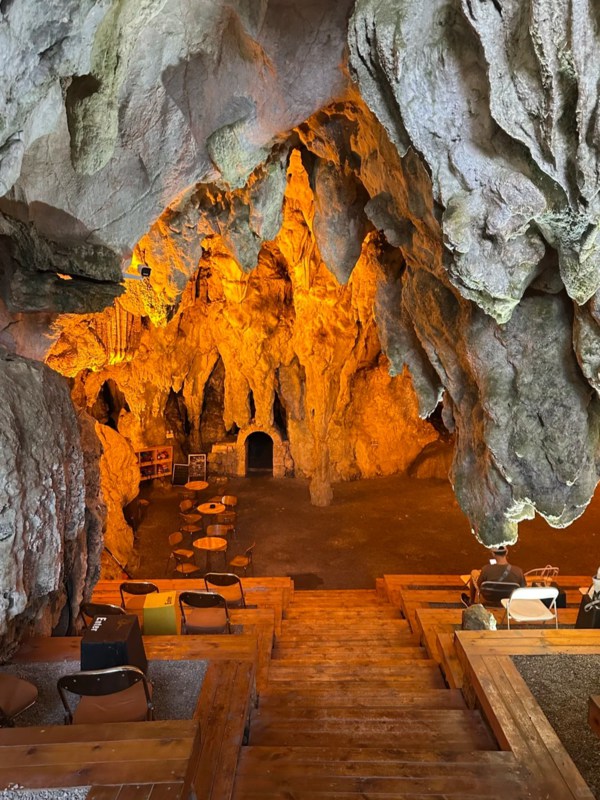
Cave Exploring
Silver Cave is one of the more developed cave sites near Yangshuo. It’s clearly set up for visitors, but still worth considering if you haven’t seen this kind of landscape before:
- Location:about 30 minutes from Yangshuo town
- Entrance fee:around ¥65–¥80
- Visit time: roughly 1–5 hours
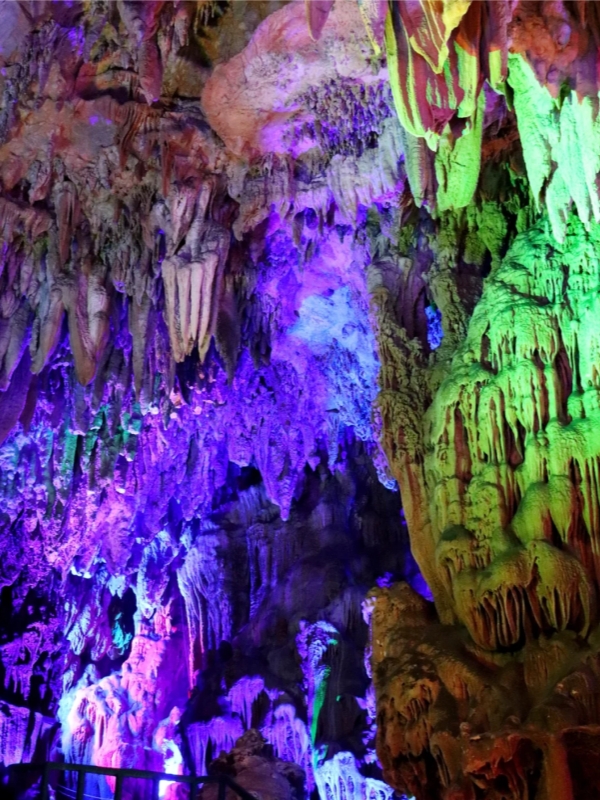
Inside, the cave is filled with stalactites and stalagmites, highlighted by colored lighting. Some sections look almost artificial because of the lighting design, but the formations themselves are real.
- Pros: visually interesting, easy to walk through
- Cons: lighting feels staged, can get crowded
It’s not the most natural experience compared to outdoor scenery, but it adds variety. If your list of things to do in Yangshuo feels too focused on rivers and mountains, this gives you something different.
4. Yangshuo Park and Riverside Walks for Easy Evenings
Not every activity here needs planning. Some of the better moments happen when you slow down, especially in the evening.
Yangshuo Park and the nearby river paths are simple, but they give you a look at daily life. You’ll see locals walking, kids playing, older people doing light exercise, sometimes even small group dances:
- Location: central Yangshuo, easy to reach on foot
- Cost: free
- Best time:after dinner, around 7–9pm
The atmosphere is noticeably calmer compared to West Street. Street lights reflect on the water, and the temperature drops slightly. It’s not a “highlight” in the usual sense, but it balances out the more structured activities.
If you’ve already covered the main things to do in Yangshuo, this is where the place starts to feel normal again — not a destination, just a town where people live.
How to Experience Yangshuo Better Instead of Just Ticking Off Things to Do
-
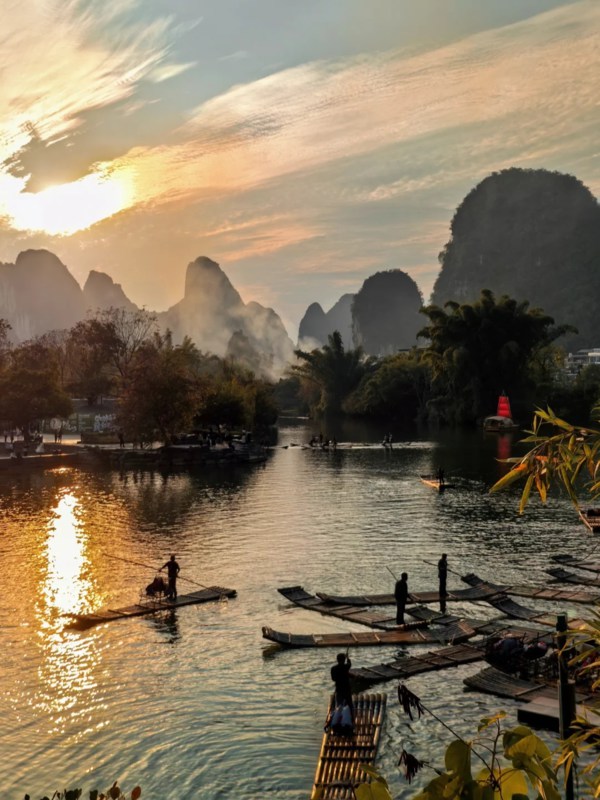
- Sunset in Yangshuo
-
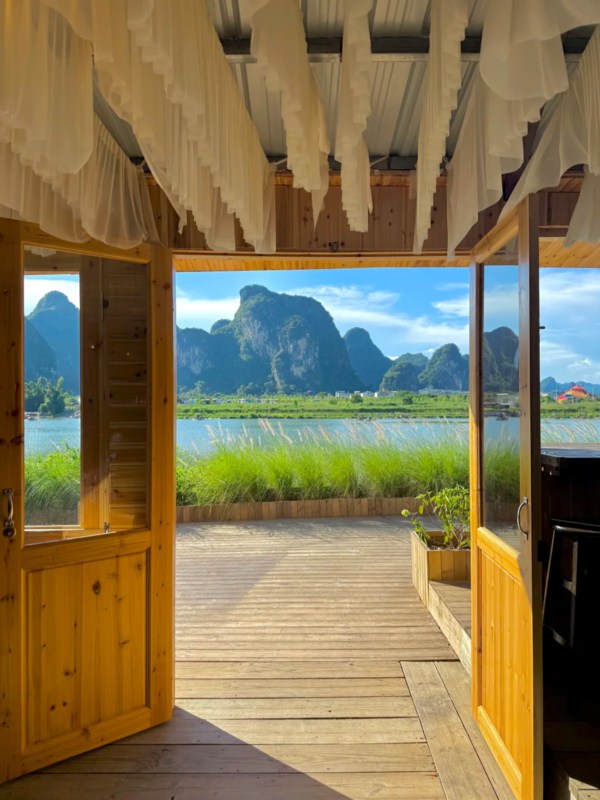
- Coffee Shop in Yangshuo
The Classic Combo Most Travelers End Up Loving
The vast majority of people do not start planning it this way, but the days that seem to have the most complete ones tend to have a simple rhythm: something quiet in the morning, something flexible in the afternoon, and something open-ended in the evening.
It is a good idea to start with the bamboo rafting on the Yulong River as it sets the mood at the beginning. It is not in a hurry, and you are not even talking about the high-season crowds yet. Next, you can go to cycling or a ride on a scooter all over Ten Mile Gallery and choose your own speed. You do not need to be afraid of missing anything since you can just stop, turn about or simply sit somewhere and relax.
At the end of the afternoon, the majority of the people naturally slow down. It is then that it would be reasonable to find a place in the vicinity of a river or in an open field to have the sunset. It becomes more subdued and the temperature is a little lower and everything seems more unorganized.
The trick to this combination is the balance. You are not going through a list of things to see in Yangshuo, you are letting time pass between the scheduled and unscheduled, and it feels, quite frankly, like it ought to be experienced like.
A Slower Version That Feels More Local
There are a few travelers who get in Yangshuo and soon understand that they do not desire a busy schedule. The central town is bustling and it does not take many to get out of that.
A day that is slower would typically begin outside the center. In villages, such as Jiuxian or Fuli, it is less noisy, there are fewer signs, fewer shops, and more commonplace life, around you. You pass houses rather than shops and the beat is nearly at once different.
It is quite common that midday becomes a full day off instead of any other activity. Spending time in a small cafe or guesthouse with handwritten menus or poorly read English turns out to become part of the experience. There’s no rush to move on.
During the afternoon, there is no need of planned attractions, as a stroll between villages or along the river is more reasonable. It is not so much that you are visiting anything in particular, but the landscape remains the same at all times, just fields, water, and mountains in the background.
It does not tick a lot of boxes, but this version is more suitable to those who want to spend more time in a single location. Rather than entailing what to do in Yangshuo, it switches to the actual feeling of the place when you cease attempting to see everything.
What Most People Regret Doing in Yangshuo
There’s a pattern that comes up again and again in reviews and conversations with other travelers.
The same mistakes tend to repeat, especially on short trips:
- Overplanning:trying to fit rafting, caves, hiking, shows, and cycling into one or two days
- Staying central only:spending all your time around West Street and nearby areas
- Ignoring the countryside:skipping the villages and rural scenery that define Yangshuo
The result is usually the same — the trip feels rushed, and the experience ends up looking more commercial than it actually is. Most of the landscapes people come for are outside the main town, not inside it.
If there’s one adjustment that makes a difference, it’s simply leaving space in your schedule. Yangshuo doesn’t work well as a checklist destination, even though many guides present it that way.
Where to Stay in Yangshuo Without Picking the Wrong Area
-
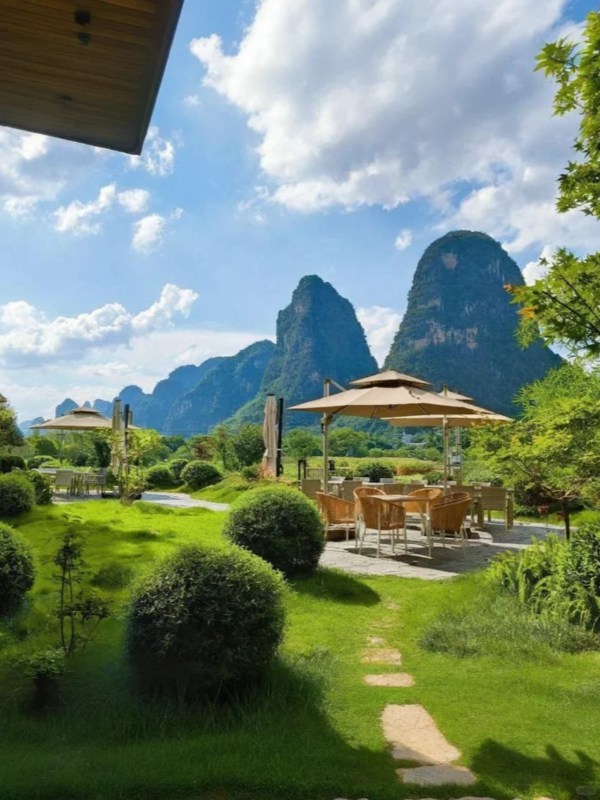
- Yangshuo Mountain Retreat
-
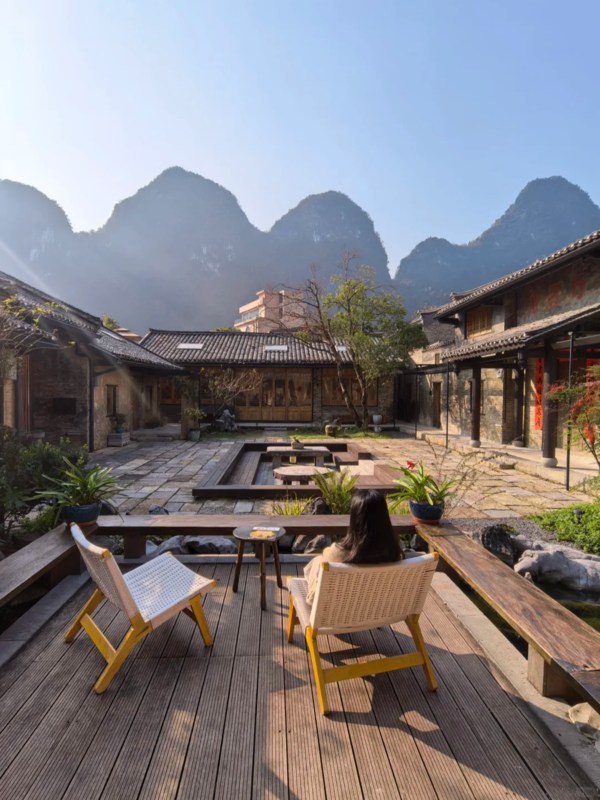
- Yangshuo Secret Garden Boutique Hotel
-
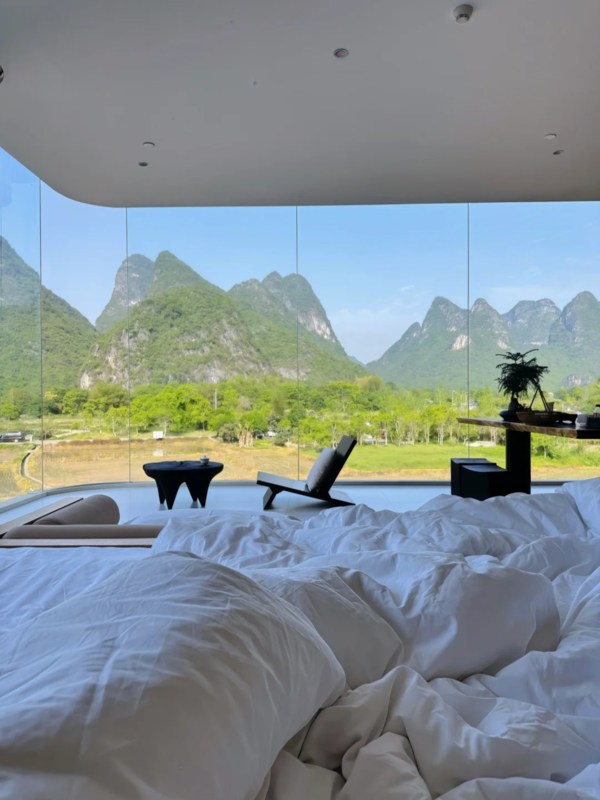
- The Bamboo Leaf Yangshuo
Choosing where to stay in Yangshuo affects your trip more than people expect. The town itself is small, but the difference between staying near West Street and staying out in the countryside is noticeable — noise, views, and overall experience all change.
Staying Near West Street Is Convenient but Can Get Noisy
If it’s your first time and you want everything within walking distance, this is the easiest option. Restaurants, bars, shops, and tour agencies are all concentrated here.
- Location: central Yangshuo town (Xi Jie / West Street area)
- Price range: around ¥150–¥400 per night for mid-range hotels
- Suitable for: short stays, easy access, nightlife
Representative hotel:
- Yangshuo Mountain Retreat (阳朔山水度假酒店)
Most hotels here accept foreign guests, especially larger chains or well-known boutique hotels. You’ll often see signs like “Foreigners Welcome” or it will be clearly stated on Trip.com.
The downside is the noise. Music from bars can go on late, and streets stay busy well into the night. If you’re a light sleeper, it might be an issue.
Staying by the Yulong River Feels Completely Different
This is where Yangshuo starts to feel like the photos. Instead of shops and crowds, you wake up to fields, rivers, and mountains right outside your window.
- Location: villages like Jiuxian, Baisha, or along Yulong River
- Price range: about ¥300–¥800 per night for boutique guesthouses
- Suitable for: couples, slow travel, photography
Representative hotel:
- Yangshuo Secret Garden Boutique Hotel (阳朔秘密花园精品酒店)
Many boutique hotels here are designed for international travelers and do accept foreign guests, but it’s safer to double-check when booking. Platforms like Trip.com usually indicate this clearly.
The main trade-off is distance. Getting into town takes about 15–30 minutes by taxi (¥30–¥60) or scooter. Food options at night are also more limited.
Boutique Hotels vs Guesthouses — What Actually Works Better
Yangshuo has a mix of modern boutique hotels and smaller family-run guesthouses. The choice depends on how much comfort you want.
- Boutique hotels:
- Better design, cleaner rooms, English-speaking staff
- Higher price but more predictable experience
- Guesthouses:
- More personal, sometimes run by local families
- Can feel more authentic, but quality varies
Representative hotel (boutique style):
- The Bamboo Leaf Yangshuo (阳朔竹叶酒店)
Some guesthouses have great reviews but limited English support. I’ve seen situations where check-in took longer just because of communication gaps — not a big issue, but something to be aware of.
Choosing Between Li River and Yulong River Can Change Your Entire Trip
-
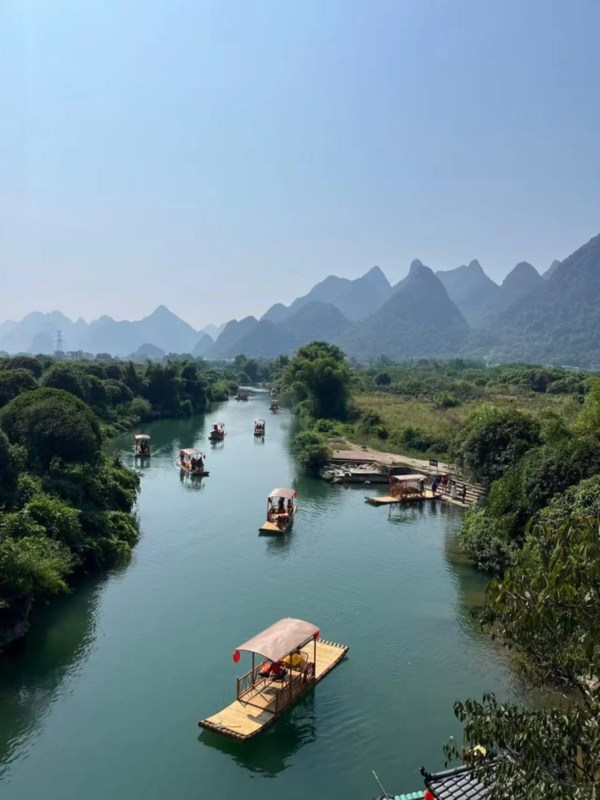
- Li River
-
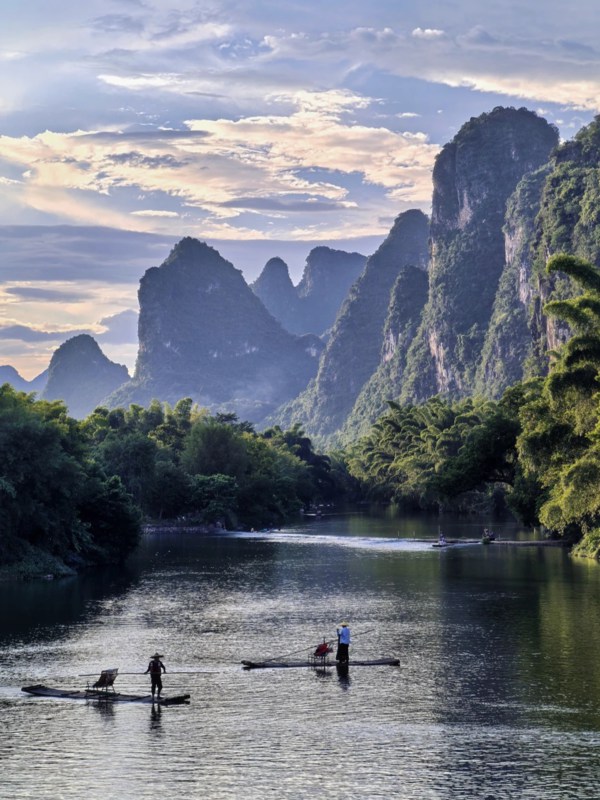
- Yulong River
Which One Is More Scenic
The Li River beats the river by far when it comes to pure size. The mountain tops are even higher, the river is broader and everything that you might have viewed in a postcard is found here. It is dramatic, recognizable and will immediately appeal to first-time visitors or anyone interested in capturing the image of the so-called forbidden Yangshuo.
The Yulong River however is a completely different one. It is smaller, slower and it is a great deal quieter. It feels more like you are entering a countryside painting with the surrounding farmland, small villages and bamboo groves. To photographers or travellers, who are more relaxed in their speed, this is a beauty that sometimes has the effect of being more rewarding than the splendour of the Li River.
Which One Is Less Crowded
Many travelers are truly dependent on crowds. The Li River is a well-known river and as such, large ships and sightseeing parties abound particularly between the Guilin to Yangshuo stretch. Lines can be formed at an early stage and it is not unusual to have several huge boats go on the same time and this makes the ride not so serene.
The Yulong River diffuses the visitors. A number of small docks and shorter raft paths ensure that you can hardly ever see more than just a few other tourists at the same time. The experience is less noisy, the bamboo rafts go at very slow speed, and you can easily feel that you have the river almost to yourself.
Which One Is Actually Worth the Money
Cost is another important consideration. Li River cruises can range from ¥150–¥250, depending on the size of the boat and route. For the classic Guilin to Yangshuo section, it feels expensive but justified if you want iconic scenery.
Yulong River rafting usually costs ¥80–¥120, much less for the same 40–90 minute experience. While it doesn’t have the same dramatic scale as Li River, the calmer pace and closer connection to local life make it feel like better value for those prioritizing experience over postcard views.
Ultimately, choosing between these two rivers can define your trip: one delivers the sweeping, unforgettable landscapes, the other delivers peace, quiet, and authenticity — and either choice will shape the kind of memories you take home.
A Simple Yangshuo Itinerary That Actually Works for 1 to 3 Days
-
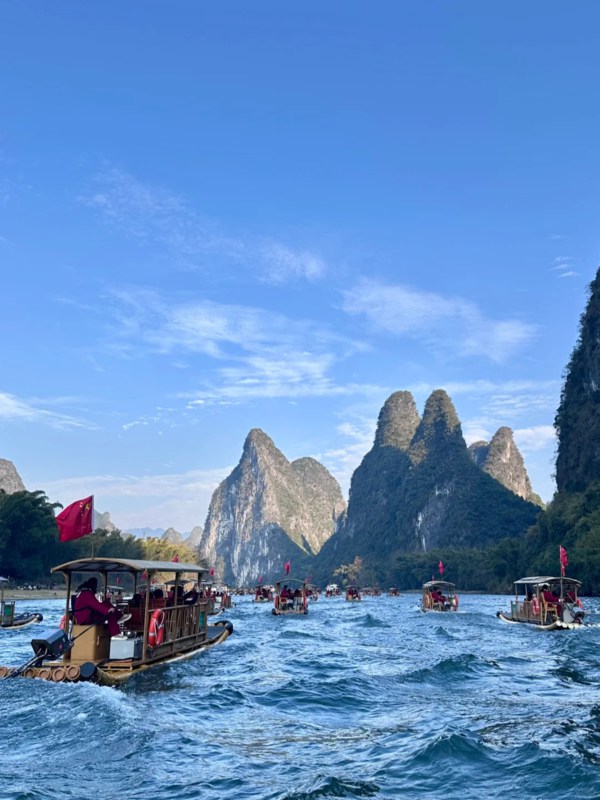
- Scenery of Yangshuo
-
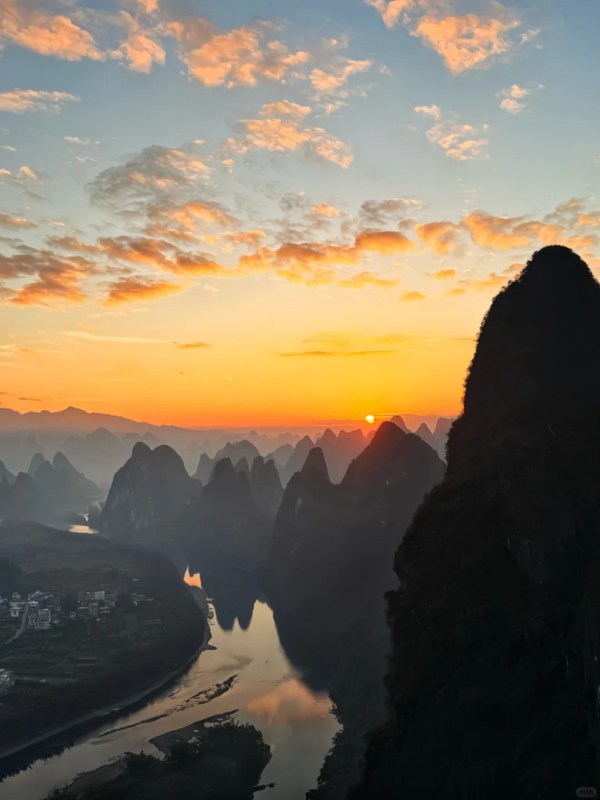
- Sunrise in Yangshuo
1 Day in Yangshuo Without Feeling Rushed
A one-day visit works best if you focus on just a couple of experiences. Start with a bamboo raft ride on the Yulong River in the morning when the light is soft and the crowds are minimal. The ride usually lasts around 40–60 minutes, enough to see villages, rice paddies, and karst peaks from the water. Afterward, spend the afternoon walking around West Street. Browse local shops, try street snacks, and maybe grab a coffee in one of the quieter side alleys. Ending the day here gives you a clear sense of Yangshuo without feeling like you’ve rushed through everything. The combination of river scenery and town atmosphere covers the best things to do in Yangshuo in a compact timeframe.
2 Days in Yangshuo With the Best Balance
For two days, you can mix activities that show both scenery and physical engagement. Day one can mirror the one-day plan: bamboo rafting → West Street. On day two, add cycling through Ten Mile Gallery. Start in the morning for cooler temperatures and softer light. The roughly 10 km route passes rivers, farmland, and small villages.
After cycling, head to Moon Hill for a late afternoon climb. It takes about 30–40 minutes to reach the top, and the panoramic view is worth it. If timed correctly, you catch the sun lowering behind the karst peaks, giving a different perspective from the rivers. This two-day combination balances structured sightseeing with more flexible, free-form activities, making it ideal for travelers wanting to experience both iconic views and quieter landscapes while still covering key things to do in Yangshuo.
3 Days in Yangshuo for a Slower Trip
Three days allow for a more relaxed and immersive schedule. Day one can stay similar: bamboo rafting → West Street. Day two keeps the cycling + Moon Hill climb, but you can go slower, stop more often, and explore additional areas like Xingping Ancient Town.
Day three is reserved for villages such as Fuli or Jiuxian, and optional activities like cooking classes or morning Tai Chi. These experiences show a side of Yangshuo that most first-time visitors miss. By spreading out the activities, you avoid exhaustion while still seeing iconic sights. This extended plan is particularly good for travelers who prefer depth over speed, and it highlights what to do in Yangshuo beyond the obvious tourist spots.
FAQ about Things to Do in Yangshuo
Q: What is the best time of year to visit Yangshuo?
Yangshuo is generally best from April to October, when the weather is warm and rivers are navigable. Spring offers lush green landscapes, while autumn provides clearer skies for photography. December and January are cooler and quieter but can be foggy, which limits visibility for river or mountain views. Curious about the absolute worst times to visit China and why they can ruin your trip? Check out this detailed guide. Some travelers like the fog for moodier photos, but overall spring and autumn are safer bets for outdoor activities.
Q: How long should I spend on the Li River vs Yulong River?
For the Li River, a typical cruise lasts 4–5 hours if you go Guilin → Yangshuo. The Yulong River bamboo rafting is shorter, around 40–90 minutes, depending on the section. The Li River offers dramatic scenery but larger crowds, while the Yulong is quieter and more intimate. Planning both in one day is possible but can feel rushed, so most recommend choosing one per day.
Q: Are bikes or electric scooters better for exploring Yangshuo?
Bikes give a slower, more flexible experience, letting you stop frequently and interact with the landscape. Electric scooters save time and energy, which is useful if you have limited days. Either option works well for the Ten Mile Gallery route, and many rentals offer both choices at similar prices. Consider temperature and sun exposure when choosing; mornings and late afternoons are more comfortable.
Q: Is Moon Hill difficult to climb?
The climb is moderate, about 30–40 minutes, but the humidity and steep steps make it feel harder in summer. Bring water and avoid midday. The payoff is panoramic views of karst peaks and surrounding villages. Visiting near sunset gives softer light for photography. It’s one of the things to do in Yangshuo that rewards effort with perspective.
Q: What’s the best way to experience West Street?
Evening visits are ideal for atmosphere. The street is crowded with bars, shops, and food stalls. One hour is usually enough to soak in the vibe, grab snacks, and take photos. Spending too long can feel overly commercial. Walk slowly, explore side alleys, and focus on local details rather than trying to see every shop.
Q: Are cooking classes or Tai Chi worth trying?
Yes, especially for travelers seeking local experiences. Cooking classes often include Guilin rice noodles or home-style dishes, while Tai Chi sessions in the morning offer a peaceful start to the day. Many foreign visitors rate these activities highly for immersion, and they provide a quiet contrast to the busier tourist spots.
Q: How crowded are Xingping Ancient Town and Yulong River?
Xingping is quieter than Yangshuo County, especially early morning or late afternoon. The 20 RMB view spot is a highlight, so visiting at off-peak hours improves the experience. Yulong River spreads visitors across multiple docks, making it feel almost private compared to the Li River. Both locations reward early planning and timing for less crowded experiences.
Q: Is the Yangshuo Cable Car worth it?
The cable car offers a unique aerial view of the karst landscape without hiking. It’s best on clear days, as fog or low clouds reduce visibility. Suitable for travelers who prefer a quick look from above or have limited mobility. While it’s not essential, it complements other activities like Moon Hill or Ten Mile Gallery for a fuller sense of the area.