
Guilin Food
Guilin food looks simple on the surface, but it doesn’t always land the way you expect. You’ll see rice noodles everywhere, beer fish on almost every menu, and plenty of street stalls that all seem similar. The tricky part is that small differences—how noodles are served, which shop you walk into—can change the whole experience.
I didn’t try everything, but I went back to a few dishes more than once, sometimes just to see if they tasted better somewhere else. Some did, some didn’t. That’s kind of how Guilin food works—you adjust as you go, and eventually, you find the versions that make sense. If you want to explore the scenic spots and local eats that make Yangshuo a foodie’s delight, check out the must-see attractions and experiences in Yangshuo.
🏞️ Sightseeing & Local Experiences: Discover karst mountains, Li River cruises, historic caves, and essential travel tips in our comprehensive guide to Things to Do in Guilin.
5 Local Guilin Food Dishes Worth Trying
1. Guilin Rice Noodles In Small Shops
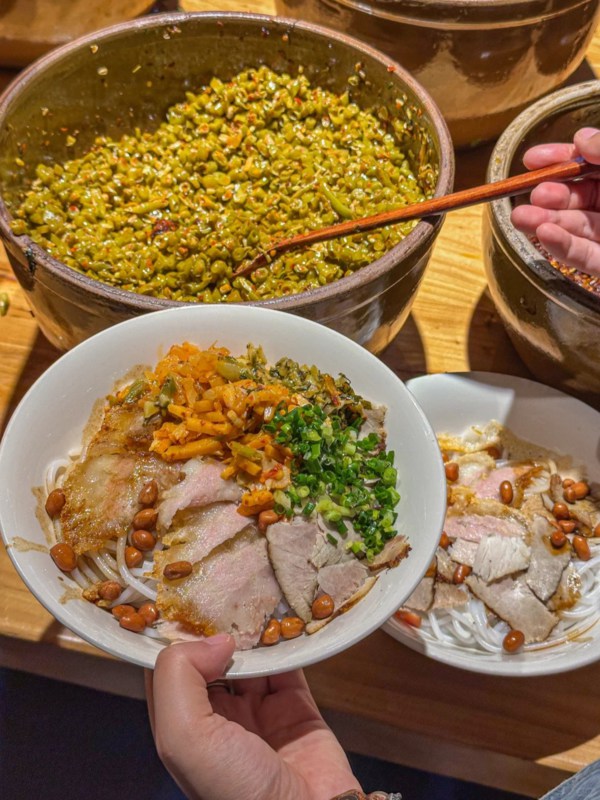
Guilin Rice Noodles
Guilin noodles are everywhere, but the way locals eat them is not always obvious at first glance. The base is simple, yet small differences completely change the experience: slightly sour pickles, oily balance, and crunchy peanuts make all the difference.
Recommended Restaurants:
Chen’s Rice Noodles (陈米粉店, downtown Guilin): Classic banfen served dry in the morning; short lines, authentic flavor, very local vibe.
Lao Jie Rice Noodles (老街米粉, old neighborhood): Known for fresh toppings and perfectly balanced broth; locals finish quickly, rarely sit.
Morning Market Stall (正阳早市小摊): Tiny setup, open around 6–9am, excellent for sampling fresh guilin noodles without tourist prices.
People don’t linger here; a bowl is usually done in a few minutes. Ordering the soup version is common among visitors but not the local default. Small shops, especially with older storefronts or short morning queues, generally deliver the most authentic guilin food experience.
2. Beer Fish In Yangshuo Area
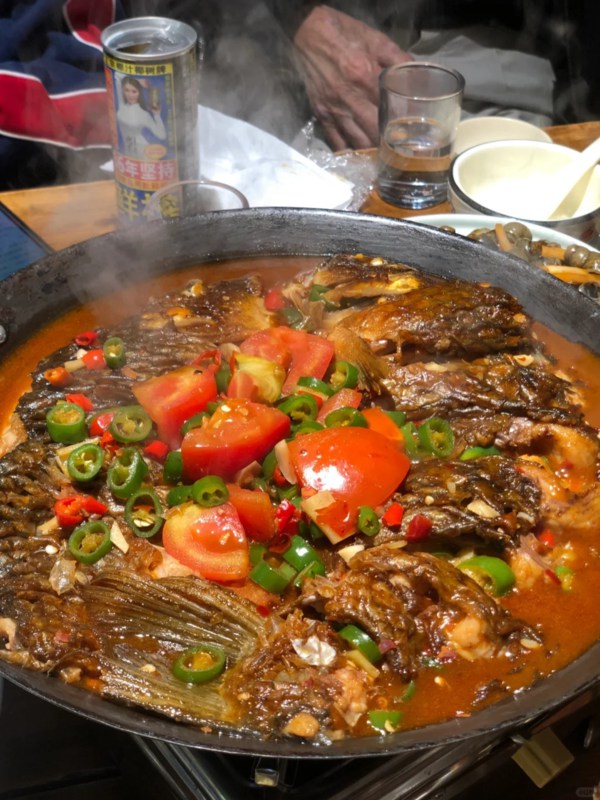
Beer Fish
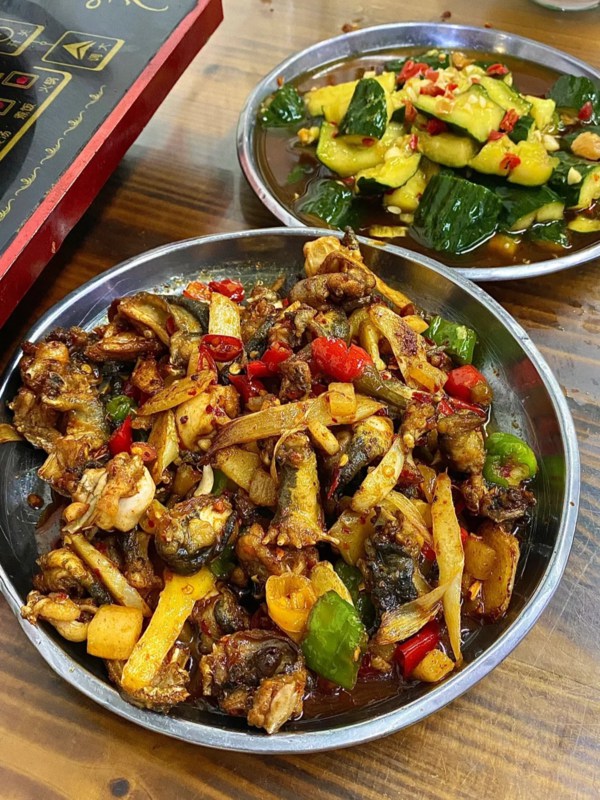
Beer fish is a signature dish in Yangshuo, popular among tourists yet still rooted in local flavor. The fish is cooked in beer with chili, garlic, and tomato, giving a rich, slightly oily sauce and soft texture. It’s communal, best shared, and tends to be salty and mildly spicy, making it an easy introduction to guilin food.
Recommended Restaurants:
West Street Beer Fish (西街啤酒鱼, Yangshuo): Central location, consistent flavor, sauce balanced, great for first-timers.
Lao Yang Beer Fish (老杨啤酒鱼, near the riverside): Slightly spicier, more oily, very local style, popular with domestic visitors.
Riverfront Small Eatery (江边小吃店): Less touristy, excellent fresh fish, communal setting, opens around lunch and dinner, short queues in the morning.
The quality can vary dramatically between nearby restaurants, so avoid places that aggressively pull in tourists—they often prioritize volume over flavor. Yangshuo’s concentration of restaurants, especially along West Street and riverside alleys, makes it easy to sample multiple spots to find the version that suits your taste.
3. Lipu Taro Pork Texture
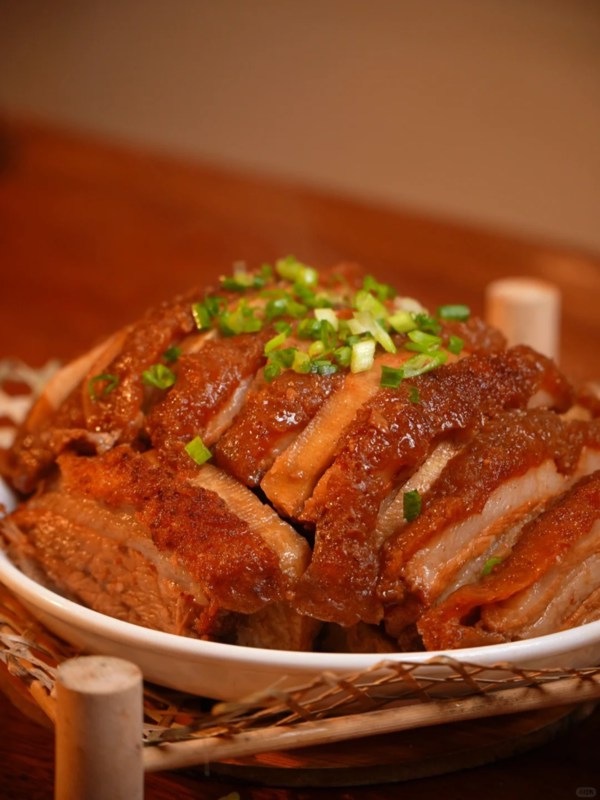
Lipu Taro Pork Texture
Lipu taro pork is a Guilin specialty that appears lighter than it is. The dish combines steamed taro slices with pork belly, resulting in a soft, creamy texture and a noticeable richness from the fat. It’s usually served as part of a shared meal rather than individually, and the taro absorbs much of the pork’s oil, making it smooth but heavy.
Recommended Restaurants:
Lipu Specialty Restaurant (荔浦特色馆, Guilin): Traditional version, well-balanced taro and pork layers, popular with locals.
Old Town Taro House (老城芋头馆): Slightly sweeter sauce, creamy texture, ideal for sharing with a group.
Morning Market Eatery (早市小馆, Guilin): Opens early, fresh ingredients, smaller portions suitable for tasting several guilin specialties.
The dish can feel overwhelming if eaten alone, so pairing with lighter dishes is recommended. For those unaccustomed to fatty cuts, it’s better enjoyed with friends or family as part of a full table of local flavors.
4. Oil Tea Breakfast Experience
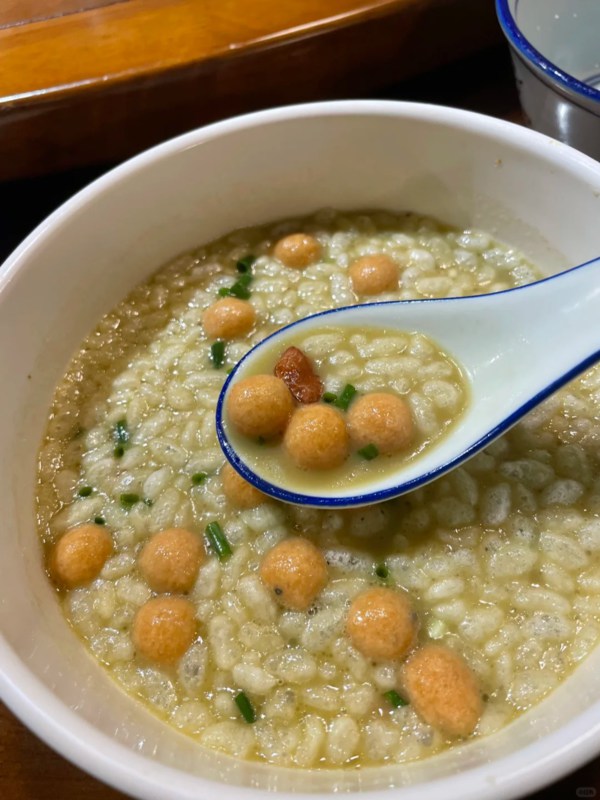
Oil Tea
Oil tea is a Guilin breakfast specialty that looks like a simple tea but tastes more like a savory beverage. The leaves are ground with ginger, lightly fried, and mixed with hot water and salt, creating a thin, slightly greasy drink with occasional bits of crushed ingredients. The flavor leans salty with a noticeable ginger kick, which can surprise first-time tasters.
Recommended Restaurants:
Small Town Breakfast Stall (小镇早点摊, Guilin): Authentic, simple seating, traditional preparation, popular with locals in the morning.
Old Alley Tea House (老巷茶馆, Guilin): Slightly thicker texture, served alongside small local snacks, quiet and very local.
Morning Market Eatery (早市小馆, Guilin): Early opening hours, fresh ingredients, perfect for sampling oil tea with other breakfast items.
Oil tea is not about being instantly liked; it’s about experiencing how guilin food integrates into everyday life. Most locals drink it quickly, sometimes with a second cup to adjust to the flavor. The setting is simple, usually with few English signs, giving a very authentic morning experience.
5. Stuffed Snails Local Dish
Stuffed Snails
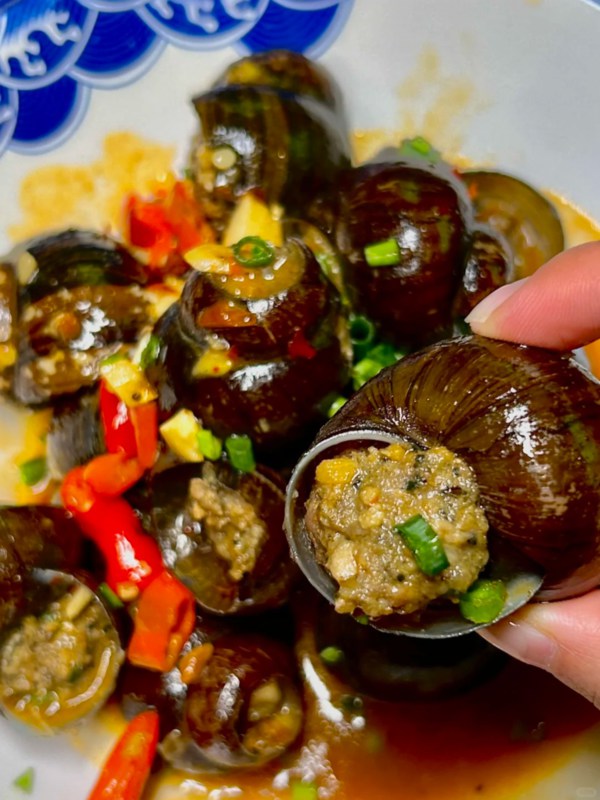
Stuffed snails are a classic guilin food dish that combines freshwater snails with minced pork, garlic, chili, and local spices. The snails are carefully cleaned, stuffed, and either steamed or stir-fried, resulting in a firm, chewy texture with a flavorful, savory stuffing. The taste is concentrated, slightly briny, and aromatic from the spices, making it distinctive among Guilin snacks. First-time tasters may hesitate, but it’s a dish worth trying for those curious about local flavors.
Recommended Restaurants:
Old Alley Snail Stall (老巷田螺摊, Guilin): Traditional preparation, small local setup, popular with early-morning customers.
Riverside Snack House (江边小吃, Guilin): Slightly spicier version, served with chili sauce, casual street setting.
Morning Market Snail Stand (早市田螺小摊, Guilin): Opens early, snails freshly prepared, perfect for sampling with other local bites.
Stuffed snails are not a must-eat for everyone, but they offer a real glimpse into how guilin food can balance unusual textures and bold flavors in a single snack.
🌿 From River to Mountain: While Guilin masters the pungent art of river-freshed "Mala" and pickled bamboo, its neighbor to the west offers a completely different palette. Explore our Yunnan Cuisine Guide: 10 Signature Dishes to see how the landscape shifts from spicy beer fish to wild mountain mushrooms and exotic ethnic herbs.
Guilin Street Food And Snacks
-


- Guilin Food Street Night Markets
-
- Safe Guilin Snacks
-
- Unusual Street Food
Guilin Food Street Night Markets
Night markets are where guilin food street culture is at its liveliest. During the day, streets like Zhengyang Pedestrian Street in Guilin city or West Street in Yangshuo can seem ordinary, but after sunset everything changes—more stalls pop up, smoke hangs in the air, and the volume of voices rises:
- Location:Zhengyang Pedestrian Street, West Street in Yangshuo
- Timing:6 pm to late night, busiest after 8 pm
- Atmosphere: Crowded walkways, constant grilling smells, vendors shouting their offerings
The scent of grilled meat and spices hits you first. Vendors call out, customers jostle, and there’s a rhythm to how orders are taken and food served. Zhengyang feels more local, with small shops tucked in alleys, while West Street has a tourist-heavy vibe. Both streets offer plenty of guilin food street options if you want an immersive experience, but the pace and energy differ noticeably. It’s easy to get lost in the variety and the crowd, which makes exploring fun but also requires a bit of patience. If you enjoy vibrant night markets and want to see how crowds and stalls create the atmosphere, take a look at Guangzhou’s famous night market scene.
Safe Guilin Snacks To Try
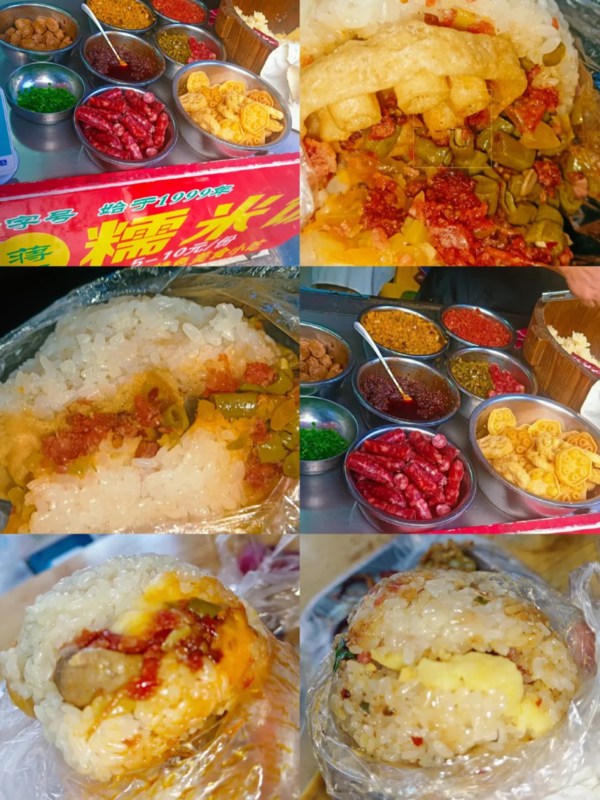
Snacks are safer to begin with the street food in Guilin in case you are new to street food. Sticky rice (糯米饭) is not hot, is full, and usually has the same taste among the sellers. Meat or vegetable skewers are grilled in your presence and this gives the assurance of cleanliness and freshness. Sweet soups (糖水) are a warm, light sweet food, which is not unknown to the majority of visitors.
These are snacks that are popular in most of the night markets and are seldom disappointing. The preparation itself is easy to observe and the ingredients are visible, not to mention the ability to choose one that looks attractive without the fear of strange tastes. These are also a good place to begin as it allows you to adapt to the speed and the intensity of the guilin food street culture before you attempt anything more daring. Even first time customers visit the same stall several times due to the reliability and satisfactory nature of these choices.
Unusual Street Food Choices
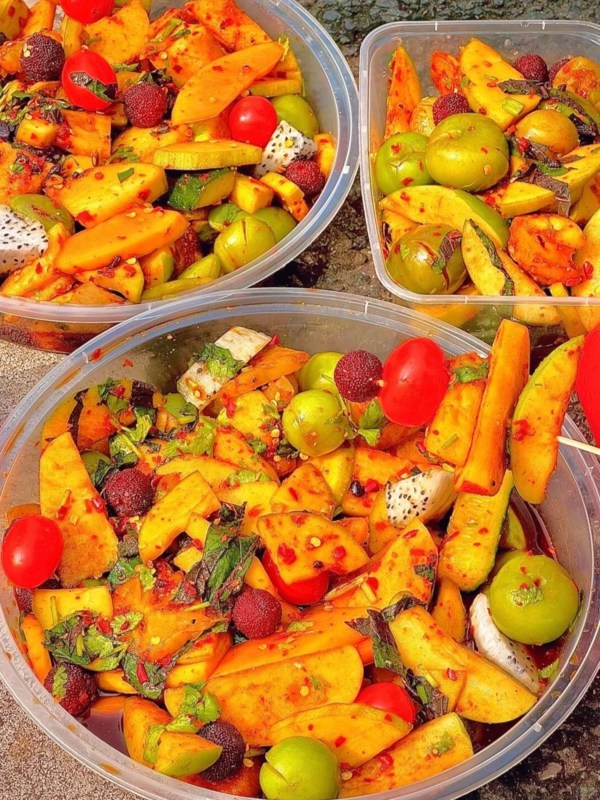
Some street food items challenge expectations, and they can be fun to try if you’re curious. Stinky tofu, for instance, has a strong smell but a surprisingly mild taste, with a slightly crispy exterior. Pickled fruits, known locally as 酸野, combine sour, sweet, and chili notes in one bite, offering a flavor punch that can catch you off guard.
Trying these snacks often comes with hesitation. Many people pause before tasting, unsure if the smell or appearance matches the flavor. Once you try one, though, it’s usually memorable, and it provides a better understanding of what guilin food can be beyond the standard options. While not essential, experimenting with one or two unusual street foods gives a richer sense of local eating habits and the adventurous side of guilin food street culture.
🏮 Authentic Market Guide: To navigate these flavors like a pro, see our ranked list of the 8 Best Guilin Night Markets in 2026: Ranked by Food, Vibe & Local Authenticity to find the most legendary stalls and hidden gems across the city.
Where To Eat Guilin Food
| Place Name | Area | Best For | Signature Dish | Price Range | Notes |
|---|---|---|---|---|---|
| Old Alley Rice Noodle Shop | Downtown Guilin | Classic dry noodles | Guilin rice noodles | ¥10–15 | Busy mornings, locals favorite |
| Morning Market Noodle Stall | Market area, Guilin | Breakfast noodles | Fresh rice noodles | ¥8–12 | Simple, high turnover |
| Neighborhood Corner Noodle Shop | Residential Guilin | Authentic local taste | Dry mix noodles | ¥10–15 | No-frills, very local |
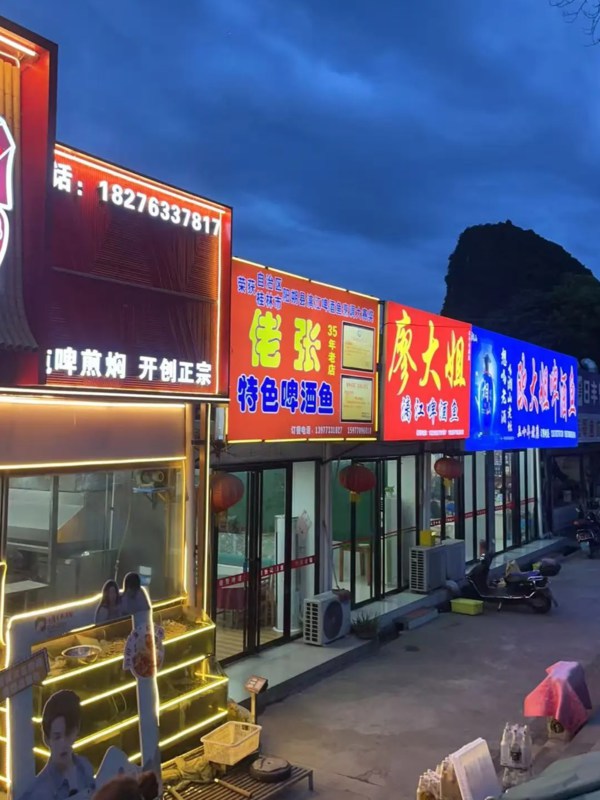
| Lao Zhang Beer Fish | Near West Street, Yangshuo | First-time visitors | Beer fish | ¥60–100 | Popular, balanced flavor |
| Moon River Riverside | Li River, Yangshuo | Scenic dining | Beer fish + local dishes | ¥80–120 | River views |
| Alleyway Local Kitchen | Yangshuo alleys | Local specialties | Mixed Guilin dishes | ¥50–90 | Less touristy |
| West Street Taste House | West Street, Yangshuo | Easy ordering | Beer fish, noodles | ¥60–100 | English menu available |
Best Small Local Noodle Shops
- Old Alley Rice Noodle Shop (老巷米粉店, Guilin):This small neighborhood shop serves some of the most authentic guilin noodles in the city. The menu is simple—rice noodles, pickles, peanuts, and chili oil—all prepared fresh daily. Locals typically eat quickly, often standing or at small tables, finishing a bowl in just a few minutes. The dry mix (banfen) is perfectly balanced, with a slight sourness from pickles and crunch from peanuts. Lines form early, so visiting before 9am ensures the freshest experience.
- Morning Market Noodle Stall (早市米粉摊, Guilin):Located near the local morning market, this stall offers minimal options but high-quality preparation. The noodles are slightly sour, oily but not overwhelming, and the peanuts add a crunchy texture. The atmosphere is informal, with regular breakfast crowds. For first-timers seeking an authentic start to the day, this is a good choice, and the short wait often indicates freshness.
- Neighborhood Corner Noodle Shop (社区角落小店, Guilin):Tucked away in a residential area, this shop focuses on traditional preparation without extra additives. The braised stock and dry mix (banfen) have an authentic local taste. The experience is fast-paced, and the locals finish bowls quickly, giving visitors a real sense of everyday guilin food culture. It’s a reliable choice for those looking to taste noodles the way locals do.
Reliable Restaurants In Yangshuo
- Lao Zhang Beer Fish Restaurant (老张啤酒鱼, Yangshuo):Located just off West Street, Lao Zhang is famous for its beer fish, cooked with local river fish, beer, chili, garlic, and tomato. The flavor is slightly salty, rich, and well-balanced, making it approachable for first-time guilin food diners. The restaurant is medium-sized, casual, and popular among tourists, but you’ll still see local patrons here, which is a good sign of authenticity. Portions are generous, perfect for sharing, and the wait staff are accustomed to assisting foreigners with English menus.
- Moon River Riverside Restaurant (月亮河边餐厅, Yangshuo):Nestled along the Li River, this eatery combines a scenic view with traditional guilin food offerings. Beer fish remains the highlight, but the menu also includes fried rice noodles and stuffed snails. Flavors are consistent, slightly oily but not overpowering, and the setting is relaxed, ideal for enjoying a meal after exploring the river. Tourists appreciate the English-friendly service, yet the dishes retain a local touch thanks to fresh ingredients sourced daily. And if you want to combine a scenic river experience with local dining, explore the Li River attractions and activities in Yangshuo.
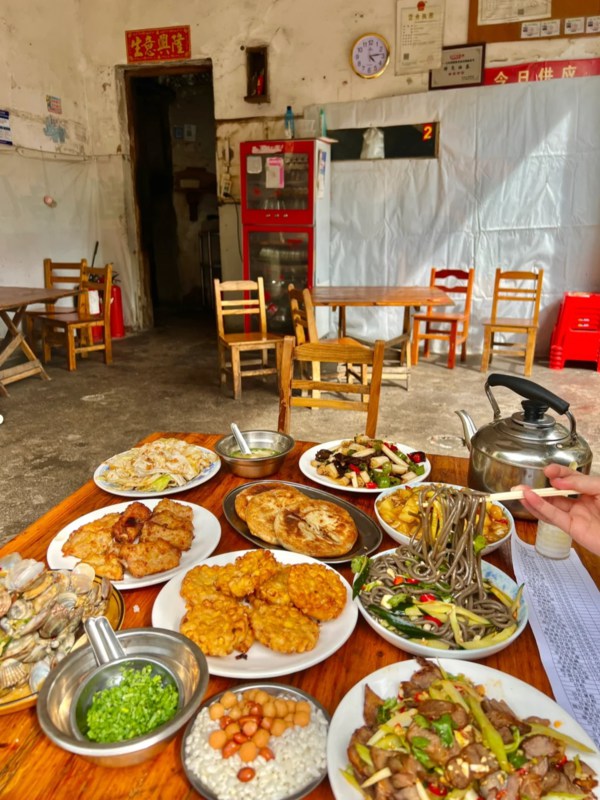
- Alleyway Local Kitchen (巷弄小厨, Yangshuo):This small, tucked-away restaurant focuses on authentic flavors rather than tourist appeal. Their beer fish and guilin specialty dishes are cooked to order, ensuring freshness. The interior is modest, tables are simple, and the atmosphere feels like a local home-style meal. While English menus are available, watching locals enjoy the dishes can help guide your order. It’s particularly recommended for those wanting to sample Yangshuo’s traditional guilin food without the crowded street feel.
- West Street Taste House (西街味道馆, Yangshuo):Positioned on the lively West Street, this restaurant manages to balance local flavor with tourist accessibility. Beer fish here is reliably savory with a hint of spice, and the fried rice noodles are crisp yet soft. Seating is more comfortable than small alley shops, and the staff can guide you in English. Despite being on a busy street, the food maintains authenticity because the kitchen prepares dishes only when ordered, not pre-made for volume.
How To Spot Good Restaurants
- Local Ratio: Higher numbers of local customers often indicate fresh ingredients and authentic preparation.
- Made-to-Order:Dishes cooked on the spot taste fresher than pre-prepared batches and reduce the risk of stale flavors.
- Menu Cues:English menus are helpful, but too much focus on them may suggest tourist-adjusted flavors rather than true guilin food.
- Observation: Watch how quickly dishes are served and how staff handle ingredients. Consistency and care are good indicators.
- Repeat Visits:Shops with returning customers, especially locals, usually maintain quality across meals.
How To Order Guilin Food
Dry Or Soup Noodles Choice
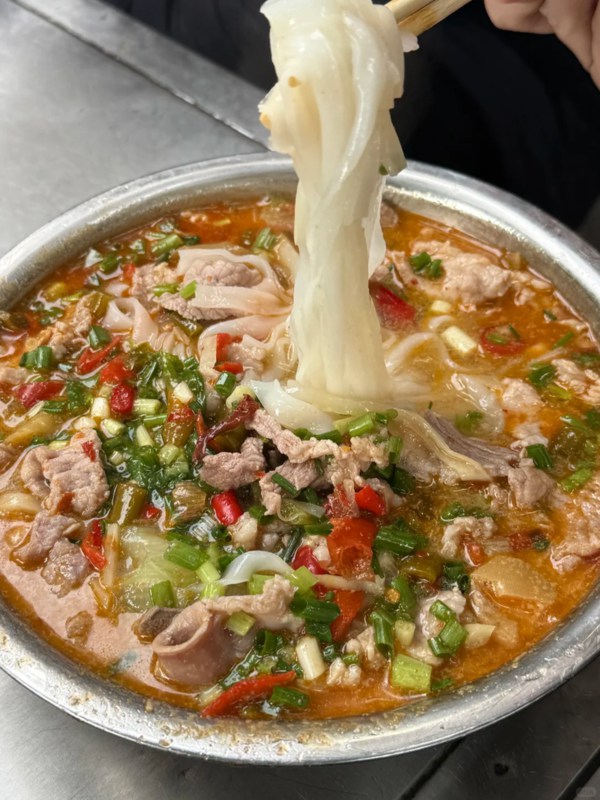
When ordering guilin noodles, the main choice is between dry noodles (banfen) and soup noodles (tangfen). Locals almost always prefer dry noodles, mixed with a rich sauce and toppings like peanuts, pickles, and chili oil:
- Core difference: Dry noodles have concentrated flavor and are less diluted; soup noodles can feel bland if you’re expecting traditional local taste.
- Recommendation: Start with dry noodles for a more authentic experience. Soup noodles are fine for beginners or those who prefer something lighter.
The choice also affects texture—dry noodles tend to be chewier and retain their bite, while soup noodles can be softer and more slippery. Many first-time visitors mistakenly order soup noodles and wonder why it tastes ordinary, so knowing this distinction improves the guilin food experience.
Common Ingredients Explained
Several ingredients define guilin food’s flavor profile. Pickled long beans (酸豆角) add a mild sour crunch, chili oil brings heat and aroma, and the braised stock (卤水) provides a savory base.
The combination of these three ingredients creates the typical taste balance of sour, spicy and salty. Peanuts add a crunch and texture, while green onions and herbs provide freshness. You can find out what locals add/request by paying attention to the type of things that they put on their dishes. Just changing a small amount of an ingredient (with less chili or using more pickles) can impact how the overall dish tastes. Knowing these ingredients will help you appreciate the true flavor of authentic Guilin noodles.
Ordering Without Chinese Skills
You don’t need to be fluent in Chinese to enjoy guilin food. In most small shops or tourist-friendly areas, pointing at menu items is perfectly acceptable. Many menus include pictures, making selection straightforward. Translation apps like Google Translate or Pleco are handy for clarifying ingredients or confirming spiciness levels. Simple English phrases such as “dry noodles” or “spicy” often work, especially in Yangshuo around West Street. Combining these approaches lets you explore guilin noodles and other local specialties without stress, making your street food experience smoother and more enjoyable.
Dietary Tips For Guilin Food
-
- Halal Food
-
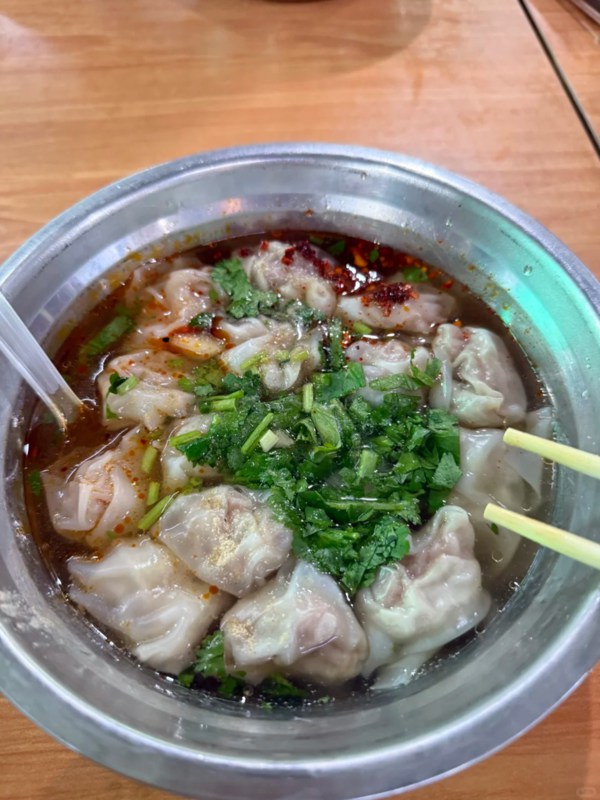
- Halal Dumplings
-
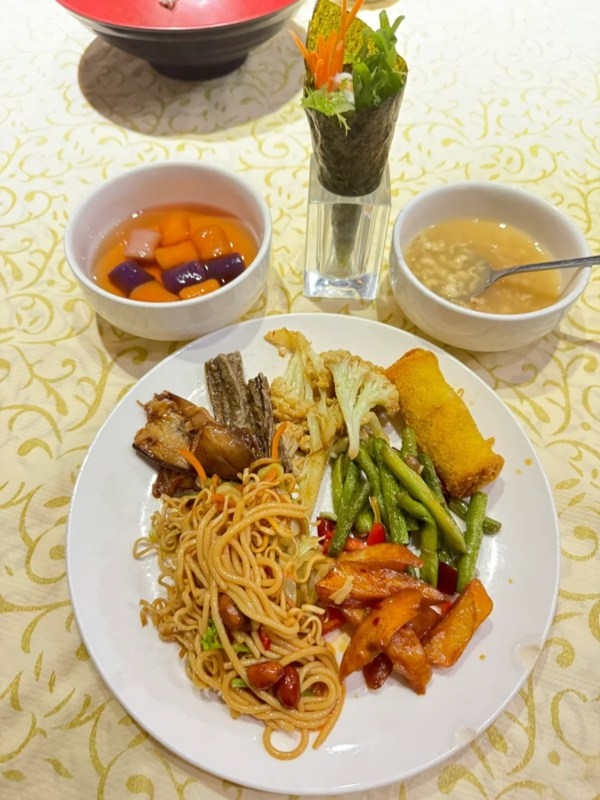
- Vegetarian Eating
Halal Food In Guilin
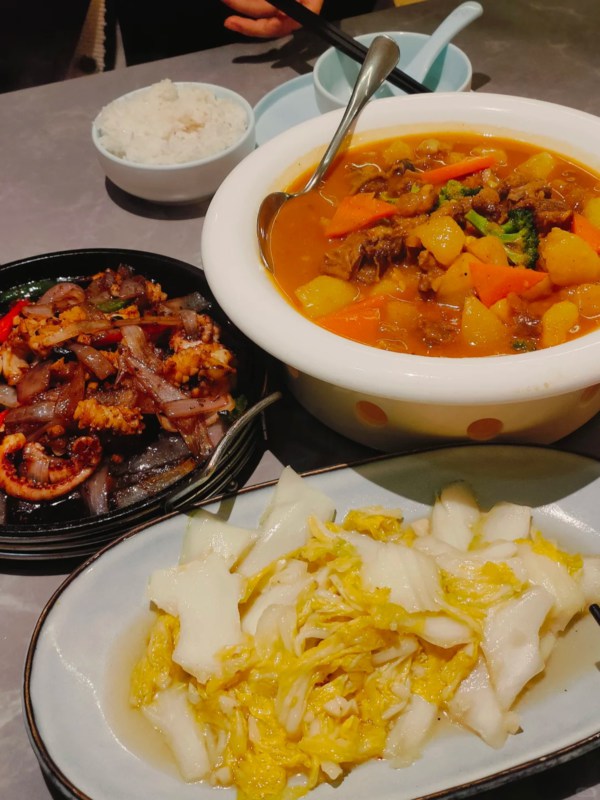
Halal options in Guilin are somewhat limited compared to larger Chinese cities, so planning ahead helps. Look for restaurants with the 清真 (Qingzhen) sign, which indicates adherence to halal standards. Most of these establishments are concentrated around city centers or near the railway station, making them easier to locate if you’re staying in town.
While the selection isn’t huge, halal restaurants usually serve a mix of noodles, dumplings, and stir-fried dishes that follow dietary restrictions. Some small local noodle shops also indicate halal compliance on their menus, but it’s best to confirm before ordering. Prices are generally reasonable, often around ¥20–40 per dish, and the quality tends to be consistent. Visiting during lunch or dinner can be busy, so arriving slightly early helps avoid long waits.
Vegetarian Eating In Guilin
Eating vegetarian in Guilin is possible but requires care. Many local dishes are cooked with animal-based oils or stocks even if they appear vegetable-heavy. Always clarify with the staff by saying “不要肉” (no meat) and ask whether any broths or sauces contain hidden animal ingredients.
Traditional options include stir-fried greens, tofu dishes, and vegetable dumplings. Some noodle shops will replace meat with mushrooms or extra vegetables upon request. Rice noodles are usually safe, but check if the sauce contains meat stock. Being explicit helps ensure a genuinely vegetarian meal. Overall, with some attention, visitors can enjoy a variety of guilin food while maintaining dietary preferences without missing the authentic flavors.
FAQ about Guilin Food
Q: What are the must-try guilin food dishes?
The most iconic guilin food dishes include Guilin rice noodles (dry noodles preferred), beer fish from Yangshuo, Lipu taro pork, and stuffed snails. Dry noodles offer the authentic local taste with a mix of peanuts, pickles, chili oil, and savory sauce. Beer fish is richer and slightly oily but very popular with tourists. Lipu taro pork is ideal for sharing due to its heavy oil content, while stuffed snails are more niche. Sampling these gives a well-rounded introduction to guilin food and the city’s culinary culture.
Q: Where can I find authentic guilin noodles?
Authentic guilin noodles are best found in small, busy neighborhood shops rather than chain stores. Look for short menus, crowded counters, and locals eating quickly. Shops near city neighborhoods, markets, or breakfast areas typically serve the most traditional flavors. In Yangshuo, West Street has some options but can be tourist-oriented. Fresh ingredients, daily-prepared noodles, and proper dry noodles (banfen) are the signs to check. Observing which stalls locals frequent is often more reliable than online reviews. These spots let visitors enjoy genuine guilin food without adjusting flavors for tourists.
Q: Is it safe to try street food in Guilin?
Street food in Guilin is generally safe if you pick vendors with a steady local following. Popular items include sticky rice, grilled skewers, sugar water, and fried vegetables. Avoid unusual meats or rarely seen items if you are not adventurous. High-traffic stalls often indicate freshness and turnover, which reduces risk. Observing locals and busy counters helps identify reliable vendors. For first-time visitors, choosing simple, cooked items and avoiding raw or unsealed food ensures safety. With these precautions, tasting guilin food street snacks is convenient and enjoyable.
Q: Can I eat halal food in Guilin?
Halal food options in Guilin exist but are limited. Restaurants with the 清真 (Qingzhen) sign guarantee halal compliance and are mostly in central areas or near the railway station. Common dishes include noodles, dumplings, and stir-fries, often priced between ¥20–40 per dish. Some small noodle shops indicate halal on menus, but it’s always better to confirm. Halal establishments generally follow consistent preparation, so you get a safe and tasty experience. Planning ahead and knowing their locations helps visitors enjoy guilin food comfortably while following dietary requirements.
Q: Is vegetarian eating possible in Guilin?
Vegetarian eating in Guilin is feasible but requires attention. Many seemingly vegetable dishes use meat stock or animal oils. Always clarify by saying “不要肉” (no meat) and ask whether sauces or broths are animal-based. Safe options include stir-fried greens, tofu dishes, and rice noodles without meat. Some shops will substitute mushrooms or extra vegetables. Being explicit ensures a genuinely vegetarian meal while still enjoying guilin food flavors. Even small adjustments like checking chili oil or pickles make a significant difference, helping maintain dietary restrictions without missing out on local culinary experiences.
Q: How do I order guilin food without speaking Chinese?
Ordering guilin food without Chinese is quite doable. Many small shops include pictures on the menu, so pointing works well. Translation apps like Google Translate or Pleco can clarify ingredients and confirm spice levels. Simple English phrases like “dry noodles,” “spicy,” or “no meat” are usually understood, particularly in tourist areas like West Street in Yangshuo. Combining pointing, app translation, and basic words lets visitors navigate menus confidently. Even in places with minimal English, using gestures and patience allows one to order guilin food successfully without stress, ensuring a smooth culinary experience.
Q: What’s the best time to try guilin food street markets?
Evenings are the liveliest time to explore guilin food streets, especially Zhengyang Pedestrian Street and Yangshuo West Street. Vendors set up grills, sugar water stands, and skewers, creating a smoky, bustling atmosphere. Arriving slightly before peak hours gives better seating and a chance to see locals enjoying dinner, which is a good indicator of authentic flavors. Early evenings also allow tourists to avoid long queues and sample multiple items in one visit. Observing which stalls have repeat customers ensures fresh food, making the guilin food street experience safe and enjoyable while experiencing local night-time culture.
Q: Are beer fish restaurants in Yangshuo tourist traps?
Some beer fish restaurants in Yangshuo target tourists, but many maintain quality with freshly cooked fish and traditional beer-based sauce. Look for local customers, freshly prepared dishes, and consistent turnover, which indicate reliability. Flavors can vary significantly between restaurants, so checking reviews or asking locals helps. Beer fish is richer and slightly oily, making it a hearty dish, and Yangshuo’s concentration of restaurants allows easy comparison. Even if some places are touristy, finding a well-rated spot lets you enjoy this famous guilin food specialty without compromising authenticity.