Worst Time to Visit China
Some trips fall apart slowly, not because of where you go, but when you go. In China, timing shapes almost everything—how long you wait, how much you pay, even how patient people around you feel. The worst time to visit China doesn’t always look bad on a calendar, but it shows up on the ground in crowded stations, overheated streets, and plans that stop making sense by noon.
This guide looks at those moments. Not to scare anyone off, but to explain which weeks and seasons quietly work against travelers—and why avoiding them can change the whole experience.
The Worst Time to Visit China for Crowds: National Holidays That Break Travel Plans
-

- Crowds in Spring Festival
-
- Crowds in National Day
-
- Crowds of Labour Day
Chinese New Year: The Week Trains Sell Out and Cities Go Quiet
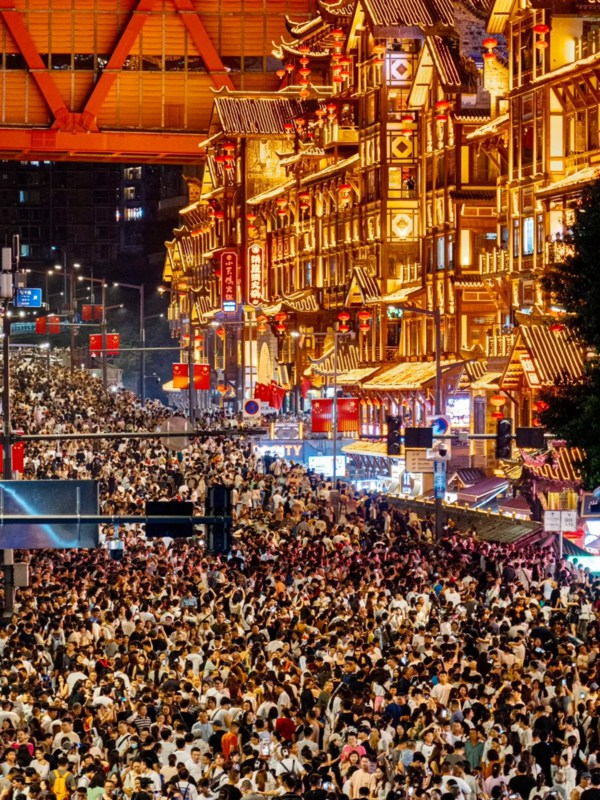
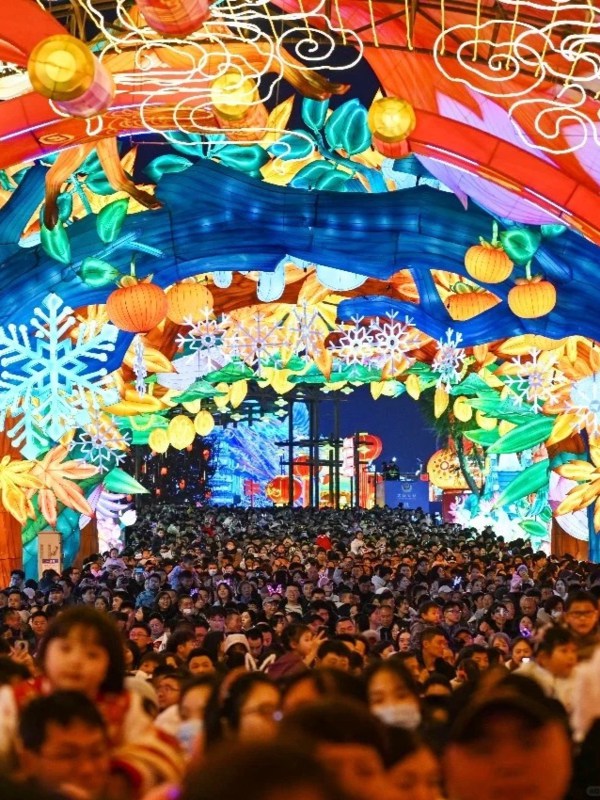
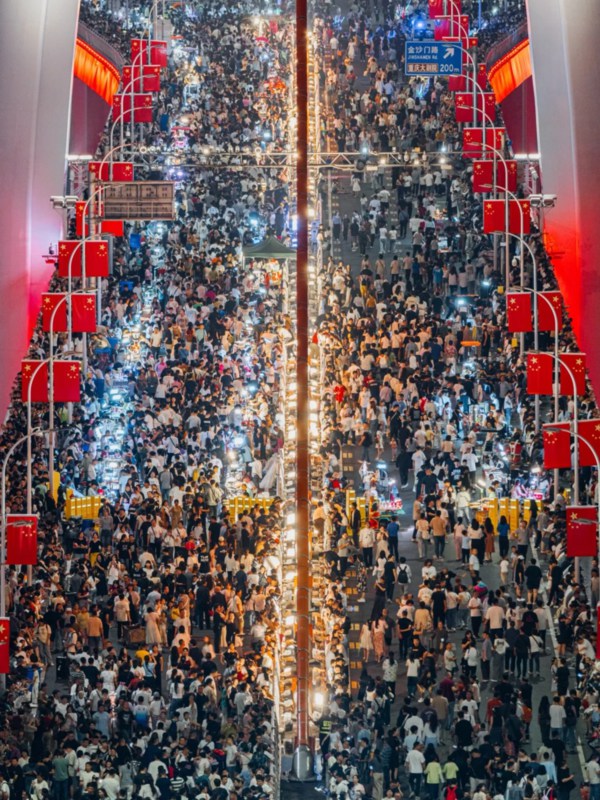
Travel posters make Chinese New Year not appear that exciting. At ground level, it is like a logistical wall. This is the apex of chunyun, the annual migration as hundreds of millions of people are moving simultaneously. Train tickets sell out as soon as they are available on sale, flights surge fast and scalable planning is no longer scalable. Even domestic flights, such as Beijing to Tianjin, Shanghai to Hangzhou can become a puzzle of many days.
The silence is something that surprises a great number of visitors. Small restaurants shut down, stores in neighborhoods are closed, and whole streets are frozen in the first order cities. I recall one afternoon walking around Beijing in the main city with my phone loaded with saved restaurants when there were metal shutters all over. The city was clogged in transportation centers but strangely deserted where life should be. The traffic-to-space ratio, i.e., there are too many people and too few places to go, characterizes that aspect of the situation that makes this perhaps the worst time to travel independently in china.
🧧 Despite the chaos, some spots offer a magic that outweighs the crowds. If you're willing to brave the rush, see our [Best Places to Celebrate CNY 2026] for destinations that are truly worth the trip!
Golden Week in October: When Famous Sights Become Standing Rooms
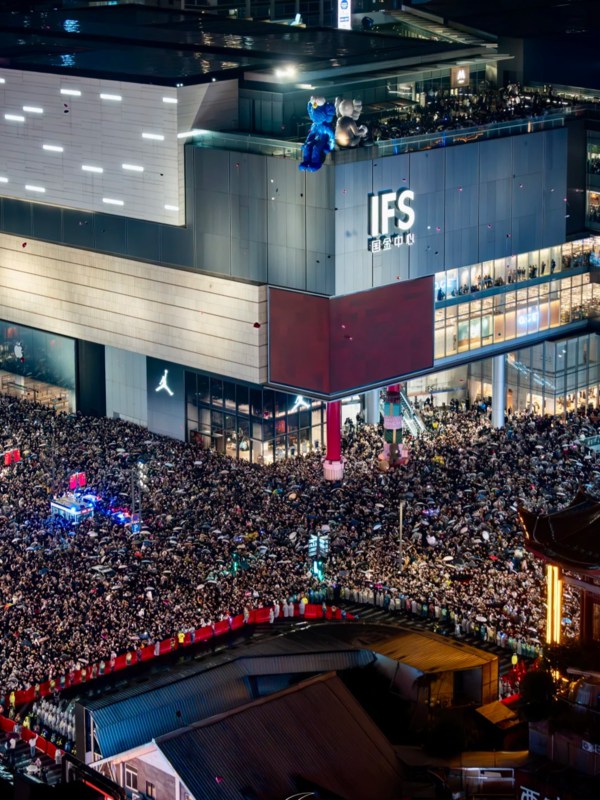
When the logistics are upset because of the Chinese New Year, then Golden Week ignites sightseeing. The national holiday of October condenses annually worth of domestic travel to seven days. At Forbidden City, the pace is reduced to shuffle. People do not continue climbing at the Great Wall, but wait. In Zhangjiajie, there are platforms which fill up quicker than cleared ones.
The words used in TripAdvisor reviews in this period are the same: overcrowded, exhausting, not worth it. Lines extend way past the checkpoints of the tickets, in some cases, even longer than the visit. It is high season in China when dawns cannot be purchased to any quietness. Most first-time visitors underrate it thinking that the crowds will be compensated by October weather. It doesn’t. To most people, this turns into an unforeseen badest moment to travel to China, simply because the expectations are high.
May Day Holiday: Short Trip, Long Queues
May Day on paper sounds innocent. Just a few days off. This is precisely why it is a trap to people. Domestic tourists prefer short-trip journeys and domestic destinations take the strain. The speed trains are popular, and the hotels are priced higher, and in many cases, it is not noticeable that the prices are going up, and this may not be clearly written on the hotel booking websites.
I have had more than one traveller tell me he determined to travel in early May to beat the worst of the throng, and found himself crowded onto platforms before noon and rooms full to capacity. It is not all anarchy but it is concentrated at a high rate with a concentration around big cities. May Day suits are appropriate to those who are flexible or slow movers. With fixed schedules, it slips down into another form of the worst time to visit China.
📜 Stay Informed on Local Regulations: Alongside timing your trip to avoid peak crowds, keeping aware of local customs and legal guidelines ensures a smooth journey. Read our guide on [Weird Laws in China].
Worst Time to Visit China for Weather: Heat, Rain, and Air That Changes the Experience
-
- Sunshine of Summer
-
- Rainy Season of Hangzhou
-
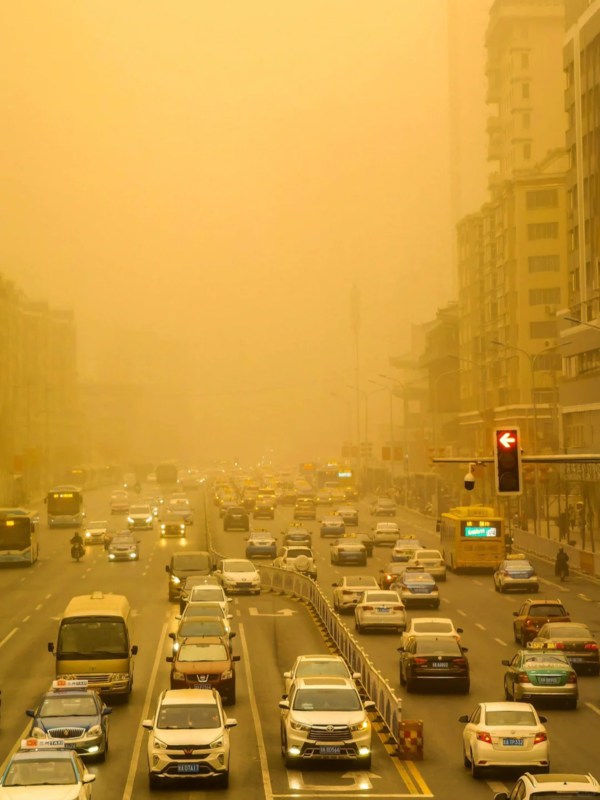
- Sandstorm Weather
July–August Heat: When Walking Outside Feels Like a Task
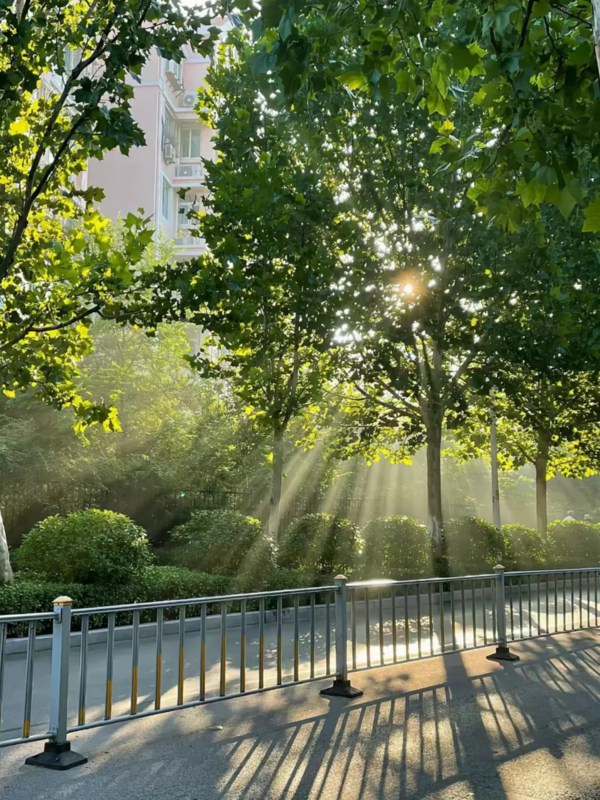
Summer in China doesn’t feel dramatic at first. It just wears you down. The heat sticks, the air feels heavy, and sweat shows up before you finish tying your shoes. It’s not about temperature numbers; it’s the humidity that turns short walks into small endurance tests. Phones overheat, cold drinks vanish fast, and sightseeing plans shrink by lunchtime.
The distance between attractions may seem like ten minutes is a distance that does not require travel. I have seen tourists stand under bridges and consult the maps they already have, just to avoid going back out. That is why the summer sneakily turns out to be the most inappropriate period in visiting China as a city tourist destination, particularly in such cities as Beijing, Shanghai, or Chongqing. Night walks, food streets and river cruises remain, yet with day touring it always seems like work and not like traveling.
Southern China Rain & Typhoons: Delays You Don’t See in Photos
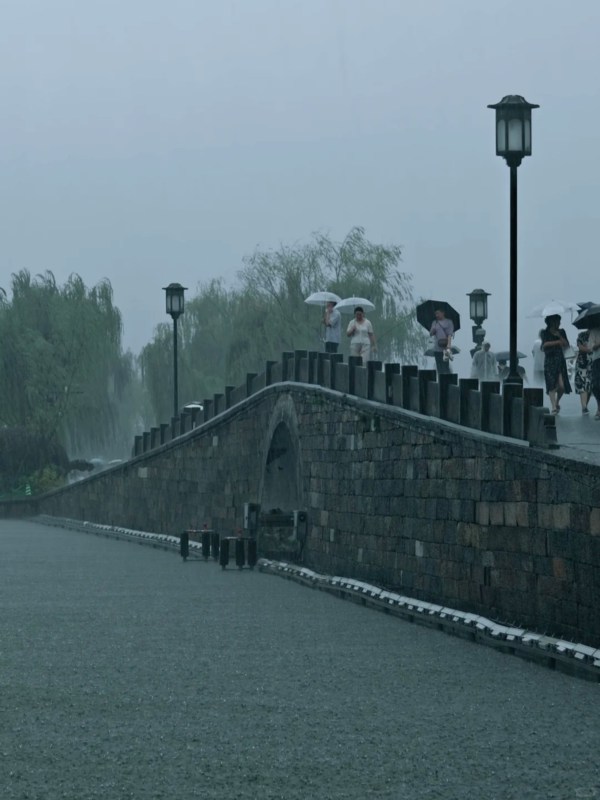
Plans are easily thwarted by weather in the south. Shanghai, Guangzhou and Guilin fall into long periods of rainy weather with occasional bursts of downpour drenching the streets in few minutes. Typhoons are not frequent, but when they occur, there is a flight standstill, ferries cease operations and timetables are disrupted within a very short time.
It is not about danger, it is about disruption. A picturesque hill swings shut. A sailing trip is cancelled on your arrival. Aircrafts hold back hours, even silently, flight after flight on airport screens. Such uncontrollable stops cause the largest psychological disconnect between anticipation and reality, and this is why most of the travelers would recollect this season as the worst season to visit China to travel hassle-free. The photographs are still fine on the Internet. The waiting doesn’t.
Spring Dust Storms in the North: A Surprise Most Guides Skip
In northern China, spring is associated with sunny days- and dust. Within the span of hours the sky of Beijing or Xi’an can change its color to a pale yellow. Small particles remain suspended in the air, blurring lines and smooth colors. Photos lose contrast. Distant landmarks fade.
Inhalation becomes more cumbersome and especially to those who are sensitive to air quality. Wearing masks is not about gathering people, but about comfort. This is not described in many itineraries but can silently change the whole experience making what would have been a nice season a different form of the worst time to visit China. It is not always the case, however, when it strikes you you can feel that instantly and most of the time you would have wished someone had warned you.
City-Specific Worst Time to Visit China: Timing Mistakes by Destination
-
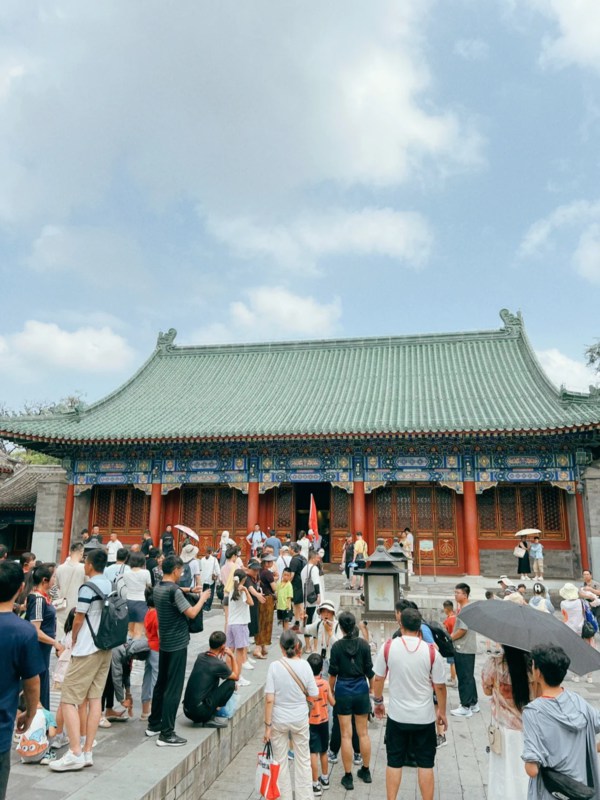
- Heat of Beijing
-
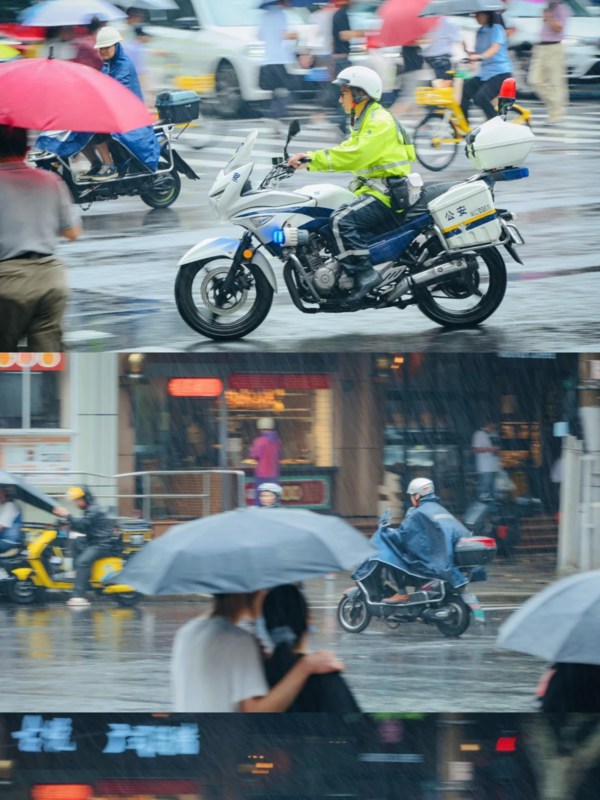
- Rainy Weather of Shanghai
-
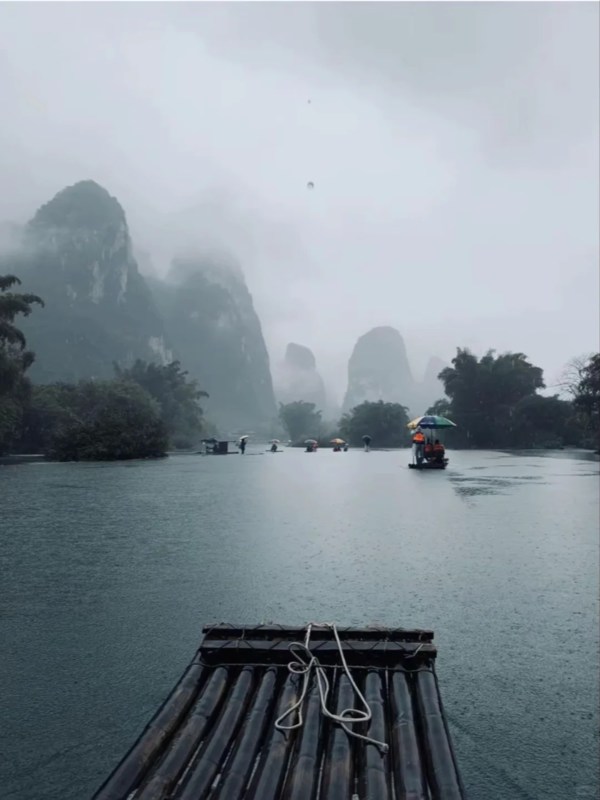
- Rainy Weather of Guilin
Beijing & the Great Wall: Heat, Holidays, and Human Traffic
To most first time visitors, the most terrible experience of visiting China can begin with them in Beijing without their knowledge. The period between late June and August is very hot and has a huge number of visitors due to the Forbidden City and the Great Wall. Strolling is not only tedious but also tiresome due not to the distance, but to people and sunshine.
It is worsened by the existence of public holidays. The major sites become a bottleneck due to national day and summer school vacation. Queues are elongated, bus stops are paralysed and there are hardly any moments when one can relax. The density of the crowd is a factor that can create or ruin the experience of many travelers.
The greatest error is expecting that so-called iconic sights are pleasant at all times.
Late October or early November, when the weather drops and crowds are minimal, although not always the best, is a relatively less painful window.
Shanghai & Hangzhou: Humidity, Rain, and Price Spikes
The most unpleasant experience that can be had with the city of eastern cities can be seen through the most dreadful price-punishment: discomfort and price. The period between June and early September is rather humid, occasional rains are common, and walking, even over short distances, makes one feel exhausted.
Simultaneously, the prices of hotels are high during exhibitions, festivals, and national holidays. The quiet business calendar in Shanghai coincides with the high tourist season to drive up prices and comfort level down. The same case applies to Hangzhou, particularly in summer weekends.
The most shocking thing is that within minutes pleasant city hiking transforms into survival indoors, as many visitors find themselves in.
It makes more sense to visit those cities in the spring or towards the end of autumn, when humidity is less and prices are not so high, and the process of sightseeing does not seem that urgent.
Guilin, Yangshuo & Scenic South: When Nature Looks Better Online
Time errors in the scenic south are more often visual. Landscapes are not necessarily what they are supposed to be during the rainy season (typically May to July). Strong rainfall levels contrast, fog obscures mountains and river levels alter the water color and movement.
Photography suffers first. The iconic perspectives become shallow and the drone shots are not possible in many cases. Tourists have deep images in their minds, and they arrive to find disappointment of something they can do nothing about.
It is a typical instance of photos not telling the truth and time telling.
Due to the high expectations, disappointments concerning weather are more extreme here and this is a quiet yet real worst time of year to visit china, as a nature oriented traveler.
The Worst Time to Visit China for Budget Travelers: Prices, Tickets, and Hidden Costs
-
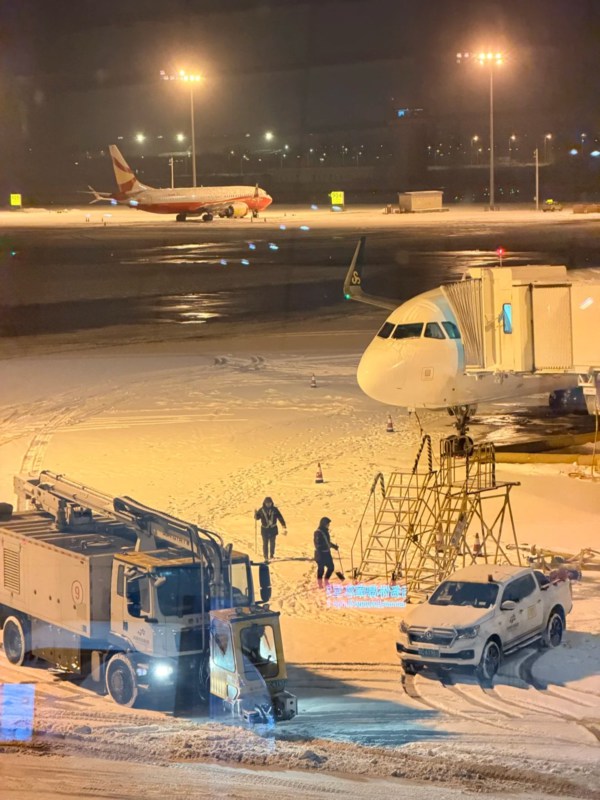
- Airport
-
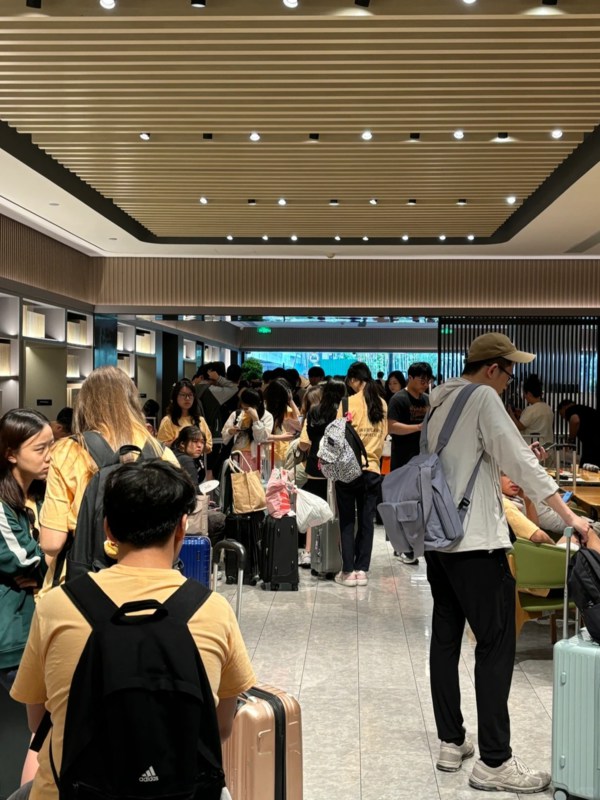
- Crowds in Hotel
-
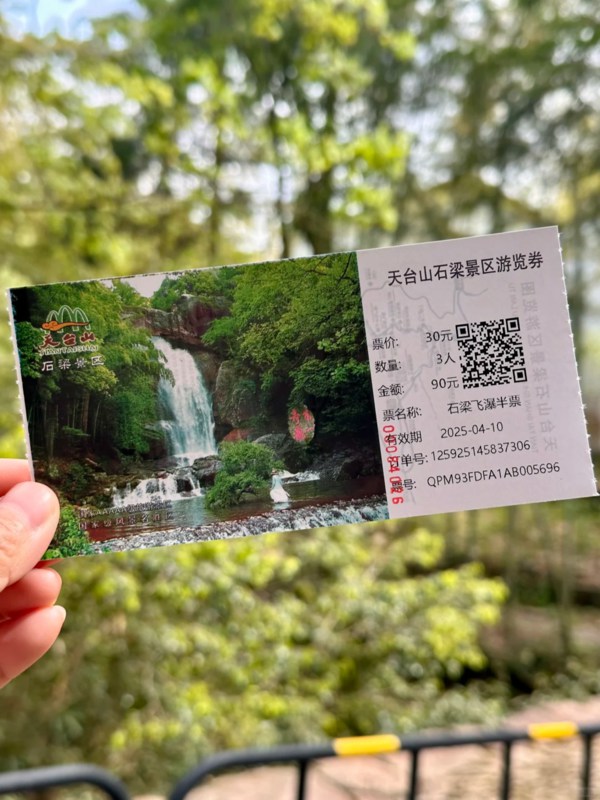
- Attraction Tickets
Flights and Trains: When Availability Matters More Than Price
The most unfortunate period of time to visit China is when tickets are not costly, yet they are not available at all, and this is the situation that can be found by the budget-minded travelers. Flights and high-speed trains are quickly sold during major holidays, and it can take minutes before they are sold.
The real cost shows up later. The travelers have to alter their dates, divide the routes into several parts or even travel by nights instead of days. These additions are silent cost upgrading, although the ticket price appears usual.
Availability is an inevitable budget issue, and not a planning error. After there is no flexibility, all options are accompanied by time, stress, or money.
Hotels During Peak Travel Weeks: What Actually Gets Expensive
The pricing of hotels during peak weeks hardly increases in a straightforward manner. Middle-level hotels will be able to transition to a higher price category, but service and quality of the room will remain the same. This change is irritating and difficult to overestimate by those travelers who are concerned with expenditures.
Budget hotels tend to be sold out in the first place in popular cities. Those that are left are expensive rooms that are not in convenient locations and they cost additional time and transportation cost per day. This is what makes budget travel leakage cost.
You are not paying to be more comfortable, you are paying to not have no room at all.
That price to experience difference is an unseen cost most people who travel do not consider.
Attraction Tickets and “Holiday Pricing”
At major attractions, ticket prices may stay fixed, but access does not. Reservation systems, daily visitor caps, and holiday quotas mean entry is never guaranteed. Arriving early does not always help.
For budget travelers, the worst time to visit China often includes this uncertainty. Time is spent waiting, rechecking apps, or reshuffling plans after a sold-out notice appears.
The psychological cost of planning without certainty can outweigh the ticket price itself. That constant adjustment erodes both time and enjoyment, making holidays far less budget-friendly than they appear.
How to Avoid the Worst Time to Visit China Without Overplanning
-
- Small Timing Adjustments
-
- Travel Slowly
Small Timing Adjustments That Change the Trip
It does not take a complete calendar transformation to avoid the worst moment to visit China. A change in arrival or departure by only several days can be very significant. As an illustration, when you decide to leave Beijing earlier than the National day or arrive in Shanghai later after a brief rainstorm and you can turn the hot and sweaty days to cooler and comfortable days.
Even small adjustments, such as going to an excellent park in the morning instead of the middle of a day, can make the life of the person much more comfortable and accessible. Such minor modifications decrease lines, heat exposure, and stress; and make traveling flexible. Planning is nothing to do with timing; a flexible schedule is better than a fixed one in some cases.
When the “Worst Time” Is Still Okay for Certain Travelers
Not every traveler needs to avoid these periods entirely. Food lovers might enjoy street markets in spring or summer evenings when crowds disperse at night. Visiting relatives often overrides peak-season inconveniences. Slow travelers, who spend multiple days in one city, can ride out weather or crowd spikes without feeling rushed.
The worst time to visit China is not absolute—it depends on what you value most. Understanding your priorities allows you to navigate heat, rain, or holidays with more patience. For some, the season’s challenges are part of the experience rather than obstacles, making even peak weeks worthwhile.
FAQ about Worst Time to Visit China
Q: Is Chinese New Year really the worst time to visit China?
Yes, for many travelers, Chinese New Year is often considered the worst time to visit China. During this peak migration, high-speed trains sell out within minutes, flights spike in price, and hotels fill fast. Surprisingly, major city streets can feel empty because shops and local restaurants close, leaving only transportation hubs crowded. Visiting a few days before or after the holiday can reduce stress, but the experience during the actual week is chaotic. Many foreign tourists report that trying to sightsee during this week can feel more like a challenge than a vacation.
Q: Are summer months in China unbearable for sightseeing?
July and August rank among the worst time to visit China for outdoor exploration in most cities. The combination of high humidity, strong sun, and heavy pedestrian traffic can make even short walks exhausting. Electronics overheat, cold drinks disappear quickly, and casual sightseeing turns into a sweat-heavy task. Night markets, evening street food areas, and river cruises remain more comfortable, but daytime city touring is challenging. Travelers often underestimate how draining the summer heat feels, and many admit they had to shorten their plans or spend more time indoors than expected.
Q: Can I still travel south China during the rainy season?
Southern China, including Guilin, Yangshuo, and Guangzhou, experiences heavy rainfall from May to July, which makes it one of the worst time to visit China for outdoor sightseeing or photography. Torrential showers can close attractions temporarily, delay flights, and create slippery paths along riverbanks or mountains. While the risk is rarely dangerous, the disruption frustrates travelers who expect calm scenery. Slow travelers or those focusing on indoor activities—like cooking classes or museum visits—can still enjoy the trip. For photographers, however, clouds and fog may obscure the views they came to capture.
Q: How do holidays like Golden Week affect costs and crowds?
Golden Week in early October compresses massive domestic travel into a single week, making it one of the worst time to visit China for both crowds and cost. Hotels often charge 1.5–2x normal rates, attractions become overcrowded, and queues can last longer than the visit itself. Even arriving early doesn’t always guarantee entry to popular sites. Many TripAdvisor reviews during this period repeat words like overcrowded, exhausting, and not worth it. Travelers can reduce impact by adjusting dates slightly before or after the official holiday, but most casual visitors underestimate how disruptive it is.
Q: Are budget travelers better off avoiding peak seasons entirely?
Not entirely, but the worst time to visit China for budget reasons usually coincides with major holidays and summer months. Prices for hotels, flights, and trains spike, while availability drops. Small adjustments, like traveling on weekdays or shoulder seasons, make a significant difference. Booking early, splitting train routes, or staying slightly outside city centers can reduce costs. Flexibility is essential. Without it, even modest travel plans can become expensive. For budget travelers, understanding these peak periods is crucial to avoid unplanned financial stress.
Q: Does northern China have hidden weather pitfalls?
Yes. Spring in northern cities like Beijing and Xi’an often brings dust storms, which are rarely mentioned in guidebooks. These storms reduce visibility, make the sky appear yellowish, and can affect photography. Breathing may feel uncomfortable, especially for those with respiratory sensitivity. This makes spring a frequently overlooked worst time to visit China if clean air and clear skies are important. Planning for indoor activities or checking daily air quality reports can help, but travelers should not underestimate how such conditions can subtly reduce the enjoyment of iconic sights.
Q: Are short holidays like May Day risky for tourists?
Many travelers misjudge May Day, thinking it’s a minor holiday. In reality, it concentrates domestic tourists for 3–5 days, filling trains, hotels, and attractions. This makes it unexpectedly one of the worst time to visit China for timing. Popular destinations like Hangzhou, Suzhou, or Guilin can feel claustrophobic. Hotels raise rates quietly, and last-minute booking becomes difficult. Visitors with fixed itineraries may feel trapped in long lines or crowded buses. Flexible travelers who adjust arrival times, plan early departures, or avoid hotspot regions can still enjoy short trips despite the temporary chaos.
Q: Can some travelers still enjoy China during high-risk periods?
Absolutely. Not all travelers are affected equally by periods considered the worst time to visit China. Food enthusiasts can still enjoy night markets, street stalls, and festivals even when crowds peak. Family visits or slow travelers, who spend multiple days in one city, can manage the higher density of people or weather disruptions without rushing. The key is adjusting expectations—crowds, heat, or rain might become part of the experience rather than obstacles. Understanding personal priorities allows visitors to navigate peak periods effectively and still enjoy meaningful travel.