Popular Chinese Candy
China's candy culture runs deeper than most visitors expect. Sweets mark childhood birthdays, fill Lunar New Year gift boxes, and line the shelves of every convenience store from Shanghai to Chengdu. For tourists, a small bag of Chinese candy makes an unexpectedly meaningful souvenir—light enough to carry, distinctive enough to remember, and affordable enough to share. The trick is knowing which ones actually travel well and where to find them without a Mandarin fluency exam. This guide covers the brands worth buying, the regional specialties worth seeking out, and the practical logistics of getting them home.
Quick Facts
The Most Popular Chinese Candy Brands Worth Buying
White Rabbit Creamy Candy (大白兔奶糖)
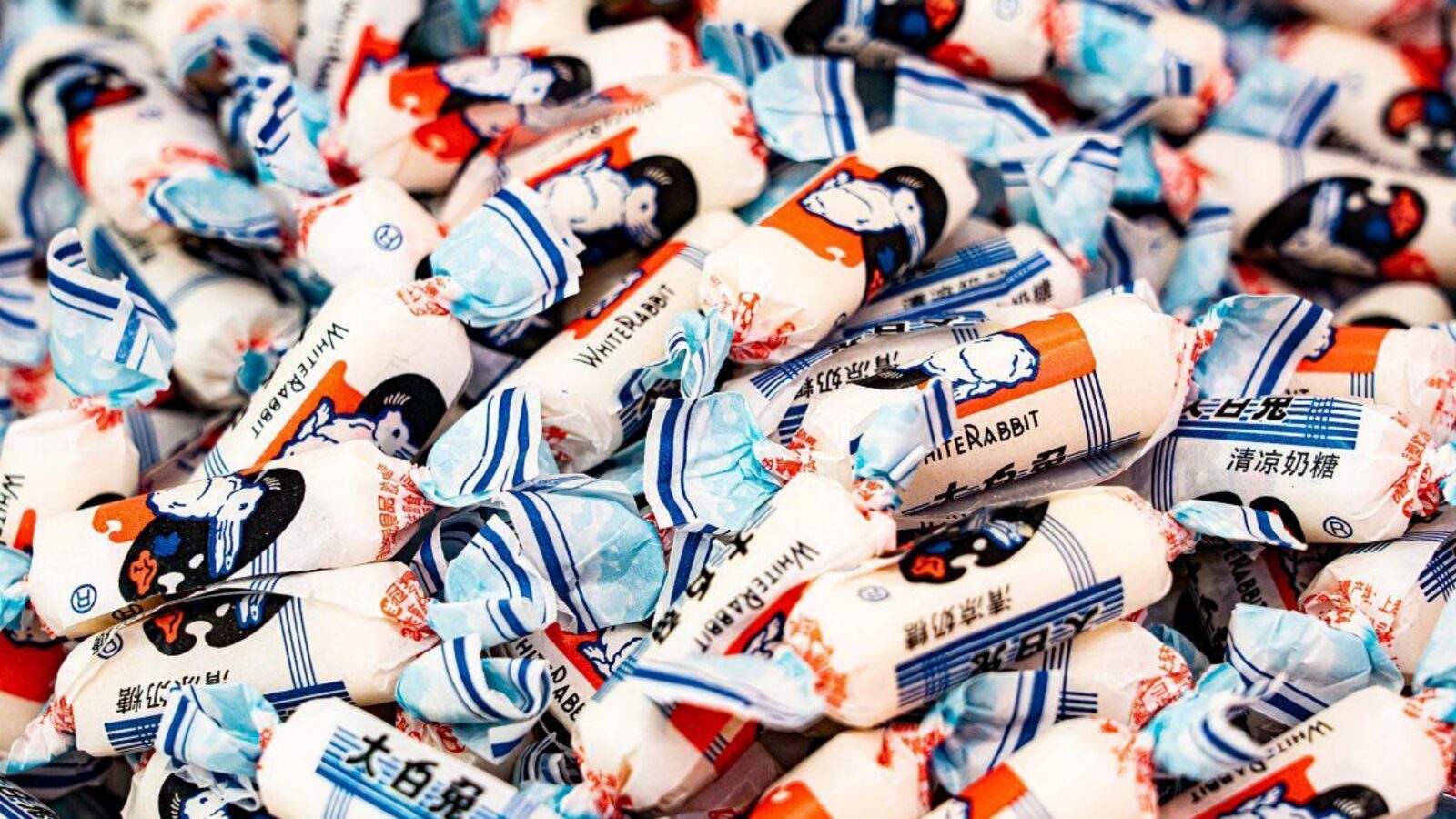
The White Rabbit Creamy Candy
White Rabbit is the most recognizable Chinese candy in the world, and for good reason. The brand launched in Shanghai in 1943 and has been in continuous production ever since, making it one of the oldest mass-market confectionery lines in China. The signature blue-and-white wrapper features a cartoon rabbit and is instantly identifiable on any shelf. Each individually wrapped piece has an edible rice-paper coating that melts slightly on the tongue before releasing the condensed-milk sweet interior. The flavor is clean and milky, not artificially fruity or overly sweet—a taste that travels well across cultural palates. Most visitors buy White Rabbit as their primary souvenir precisely because it bridges the gap between exotic and approachable.
Three packaging formats dominate the tourist market. Single rolls work for personal consumption or small gifts; the 150g resealable pouch suits families or office giveaways; and the branded gift tins—often decorated with Lunar New Year or Shanghai-themed artwork—make the most presentable option when visiting someone's home. Souvenir pricing typically falls between $3–12 depending on format, with gift tins commanding the higher end. White Rabbit is reliably stocked in tourist-facing supermarkets and airport shops across Beijing, Shanghai, Guangzhou, and Hong Kong, so you rarely need to hunt for it.
🍬 Explore Classic Creamy Flavors: To learn about the nostalgic milk taste and famous edible rice paper wrapping of Shanghai's most iconic sweet, discover white rabbit candy flavor.
Lao Huang Sou and Spicy Candy Strips
For visitors with a tolerance for heat, Lao Huang Sou represents the savory-sweet side of Chinese candy that Western snack culture rarely prepares you for. These chewy strips are made from a gluten or lentil base and finished with a glossy chili-sugar coating that delivers sour, spicy, and mildly numbing sensations in quick succession. The packaging is flat and wrapped, designed to survive being stuffed in a jacket pocket during a train ride. The flavor profile skews adult—children rarely develop a taste for it—but this makes it an unexpectedly popular choice for travelers seeking something genuinely different from their home country's candy aisle.
Prices typically range from $2–6, placing Lao Huang Sou in the impulse-buy category rather than the gift-tin category. You will find it most readily at train-station kiosks, convenience store chains, and the snack sections of supermarkets near tourist transit hubs. The product does not require refrigeration and tolerates baggage handling reasonably well, though the individually wrapped format is more travel-friendly than any loose or loosely packed variant.
Haw Flakes, Dragon's Beard, and Other Classics
-
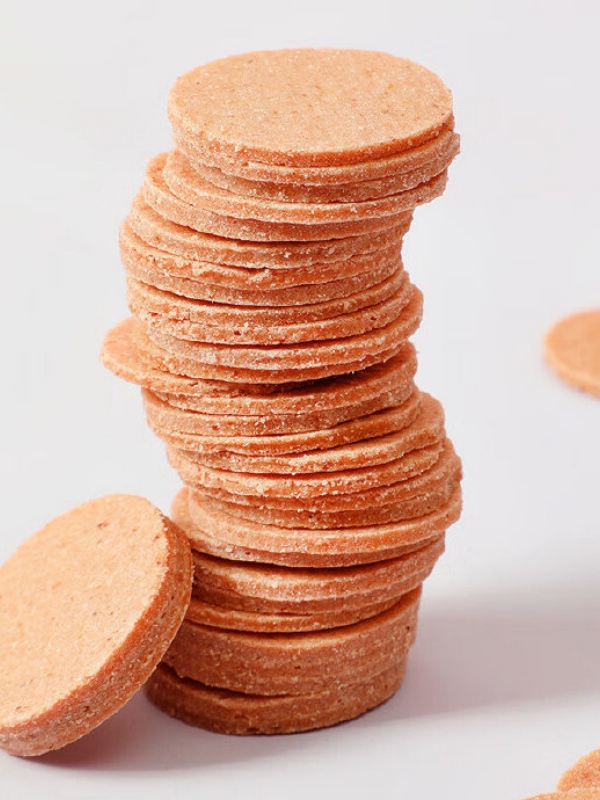

- Haw Flakes
-
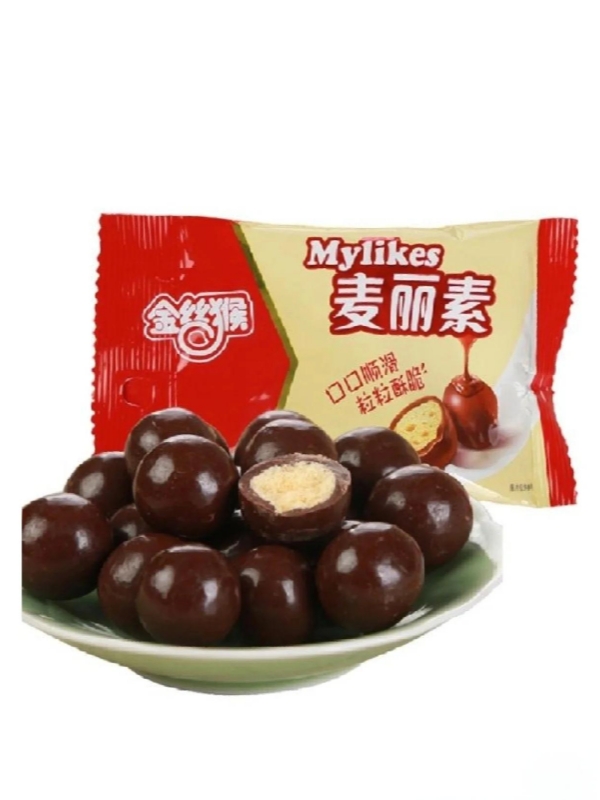
- Malt Milk Balls
Beyond White Rabbit and Lao Huang Sou, several other classic Chinese candies deserve a spot on a tourist's sampling list. Each has a distinct texture, origin story, and cultural context worth understanding before you buy.
- Haw Flakes (山楂片): Thin, stacked discs of dried hawthorn fruit paste with a sweet-tart profile. They are individually wrapped and have an exceptionally long shelf life, making them one of the most practical souvenirs for international travel.
- Dragon's Beard (龙须糖): Hand-pulled white sugar threads gathered around a peanut or sesame center. This candy is sold fresh in tourist zones and requires same-day consumption—do not attempt to pack it in checked luggage.
- White Rabbit Branded Mints: A compact, travel-friendly mint format that carries the White Rabbit condensed-milk flavor into a smaller, shareable package.
- Malt Milk Balls: Chocolate-coated malted milk centers that bear a passing resemblance to Maltesers but with a distinctly Chinese milk flavor profile.
- Milk-Tea Chewy Candies: Soft chews infused with taro, matcha, or classic Hong Kong-style milk tea flavors, popular in convenience stores across Guangdong and Shanghai.
Price bands for these classic items generally fall between $3–10 depending on brand, packaging, and where you purchase them.
🥮 Discover Heritage Snack Culture: Beyond individual wrapped candies, explore centuries of savory pastries, dried fruits, and heritage treats in traditional chinese snacks.
Regional and Seasonal Chinese Candy Specialties
Hong Kong and Macau Souvenir Sweets
-
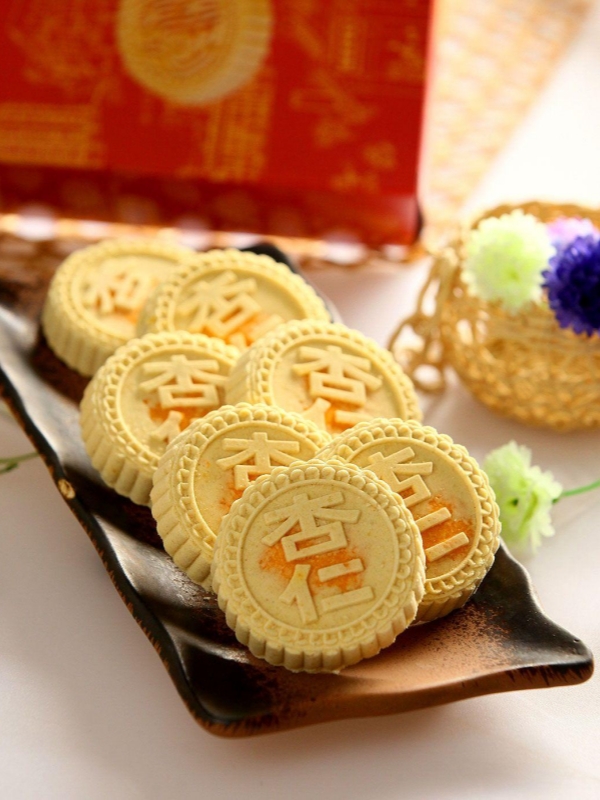
- Dragon Phoenix Almond Cookie
-
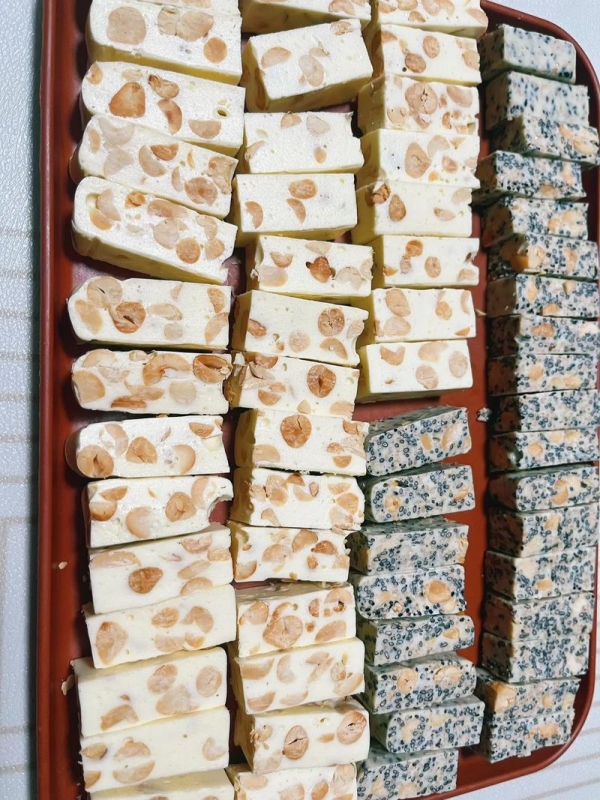
- Sesame Peanut Nougat
Hong Kong and Macau have developed their own candy identities that diverge meaningfully from mainland Chinese sweets. The most iconic retail product remains the Dragon Phoenix Almond Cookie, a buttery, dense biscuit that has anchored Hong Kong bakery culture for generations. The Koi Kei and Choi Heong Yuen chains operate flagship stores in tourist districts and do a brisk business in vacuum-sealed tins designed for international travel. Beyond almond cookies, the region favors sesame peanut nougat, dried mango slices, pineapple cubes, and candied winter melon strips—all of which share a common thread of dried fruit and nut textures rather than the dairy or grain bases common on the mainland.
The walkable shopping districts around Macau's Senado Square and Hong Kong's Central Market offer the densest cluster of dedicated sweet shops. You can move between three or four stores in an hour, sampling and purchasing without needing transport. Most items price between $4–8, with premium branded tins commanding more. The convenience of these districts makes them a practical shopping destination even if your itinerary does not otherwise call for Hong Kong or Macau.
Lunar New Year Candy Traditions
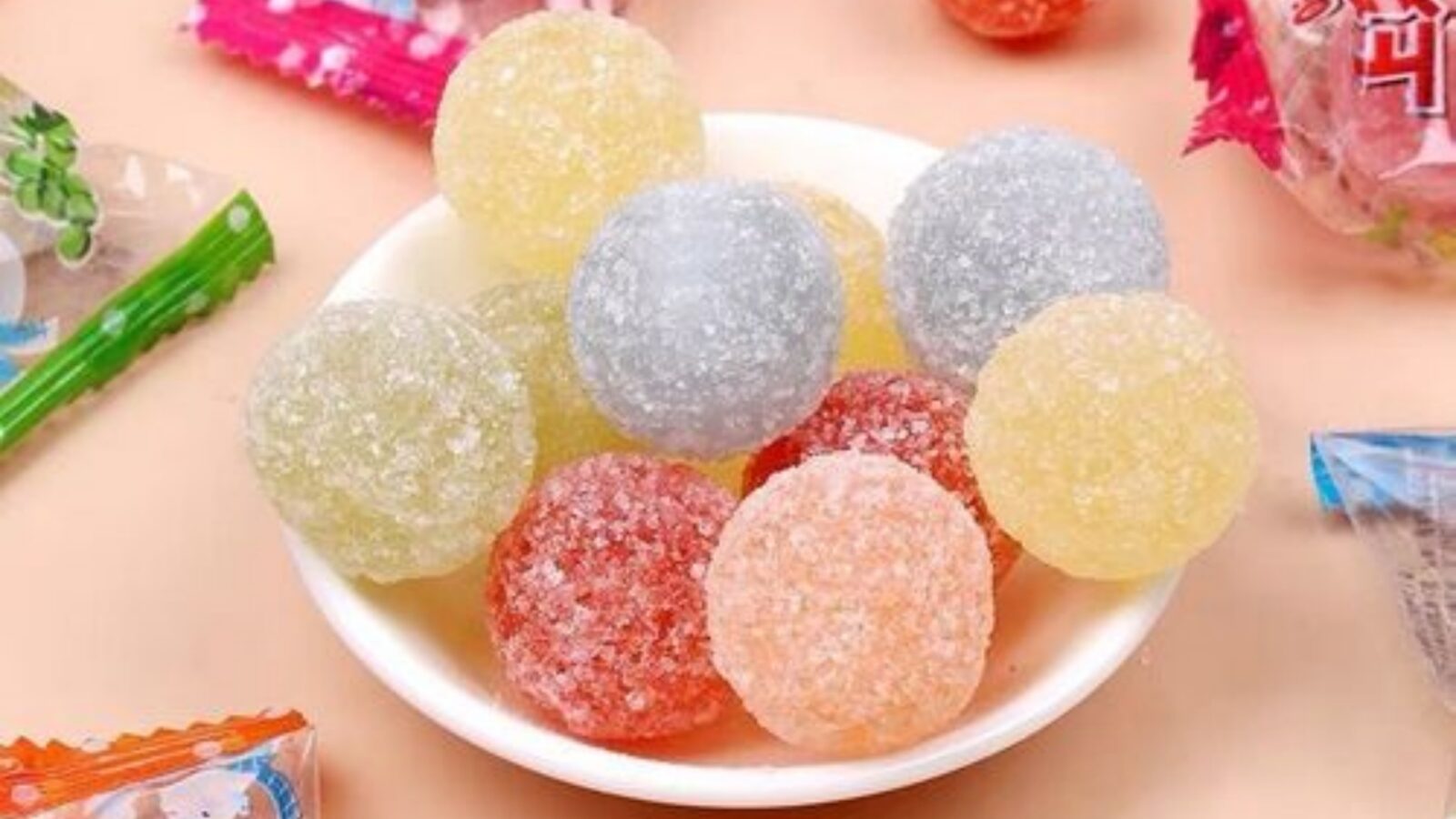
Eight Treasures Candy Box
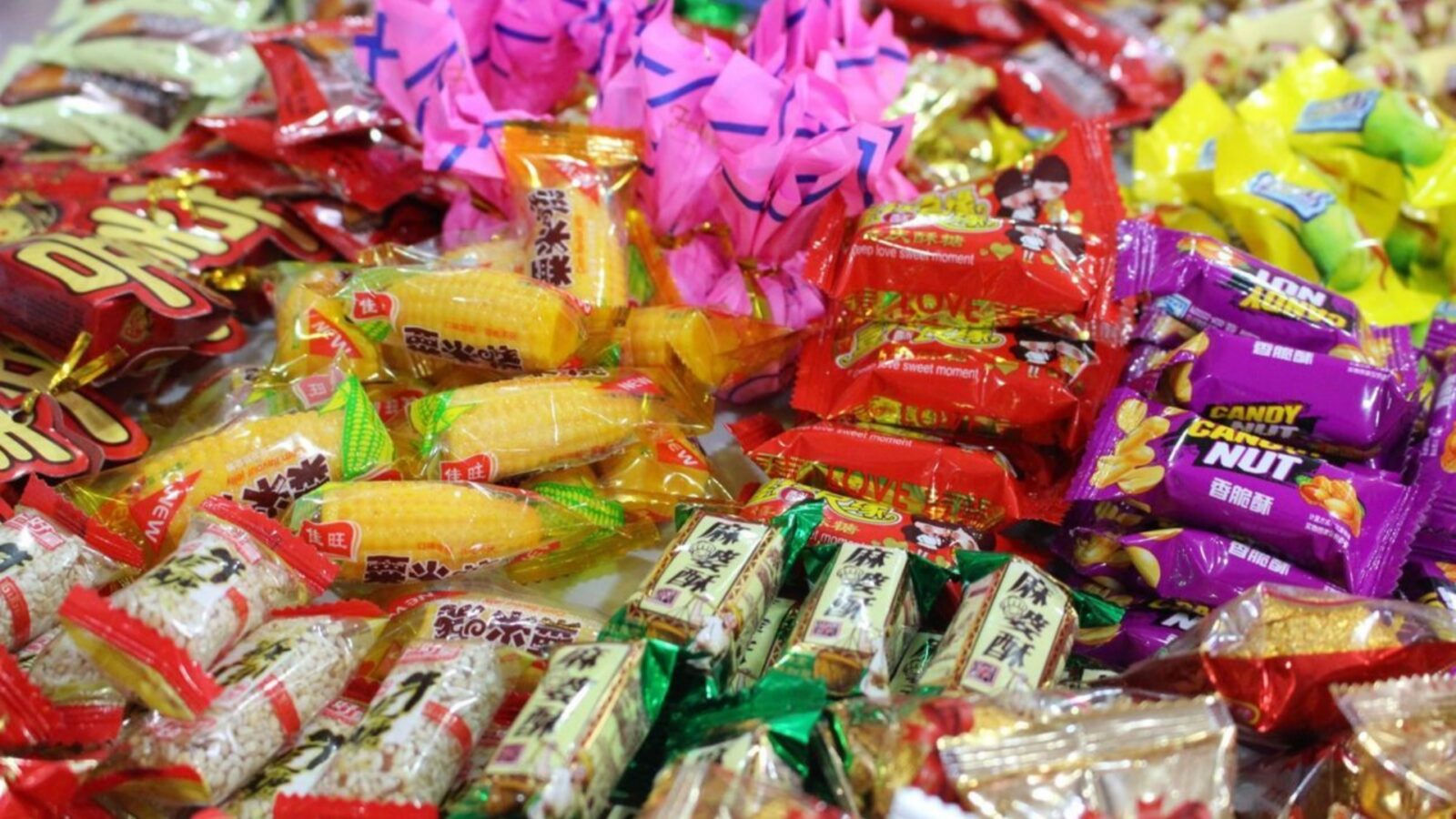
The Lunar New Year season reshapes Chinese candy culture entirely. The "eight treasures candy box" (八宝糖) sits at the center of family visiting rituals across the mainland, particularly during the Spring Festival period from late January through February. The box traditionally mixes eight different sweet and savory items: candied lotus root slices, sesame crunch bars, candied winter melon strips, melon seed clusters, dried longan, preserved plums, candied coconut, and sometimes small red-dyed peanuts. Guests arriving at a family home expect the open box to be waiting on the coffee table, andHosts replenish it throughout the holiday as supplies dwindle.
The cultural weight here is hospitality rather than premium packaging. Tourists visiting during the Spring Festival can purchase assembled eight-treasure boxes from market stalls and gift shops in every major city, often decorated with red and gold paper packaging that makes them visually distinctive as souvenirs. The mainland Lunar New Year tradition centers on this mixed-format box, which differs substantially from Hong Kong and Macau's preference for a narrower range of premium dried-fruit and sesame-based sweets.
Where to Buy Chinese Candy as a Tourist
China's retail landscape offers multiple channels for purchasing candy, each with distinct advantages in terms of selection, price, and convenience. Understanding these channels before you arrive helps you allocate shopping time efficiently rather than wandering supermarket aisles without a plan.
- Large supermarket chains: Walmart, Lotus, Vanguard, and Hema operate in most major cities and dedicate significant shelf space to domestic candy brands. These stores offer the widest selection at standard retail prices.
- Convenience stores: 7-Eleven, FamilyMart, and Lawson stock popular impulse items like single rolls of White Rabbit and small-format Lao Huang Sou at slightly higher per-unit prices.
- Dedicated candy counters: Specialist shops and traditional market stalls offer bulk purchasing and regional varieties not found in chain supermarkets. Beijing's Mong Kok district and Shanghai's old town tourist areas host several established candy shops.
- Airport duty-free halls: Beijing, Shanghai, Hong Kong, and Chengdu airports stock branded gift tins and travel-friendly formats. Prices run 15–20% above city retail, but convenience justifies the premium for last-minute purchases.
- Seasonal pop-up markets: Spring Festival candy markets appear in every major city from January through February, offering assembled gift boxes and bulk regional specialties unavailable at other times of year.
Shopping In-Store in China
The standard supermarket candy aisle in China mixes domestic brands with imported products from Japan, South Korea, and Southeast Asia. Domestic Chinese candy occupies the middle shelves at eye level, while imported items command premium refrigerator space near the checkout. Dedicated souvenir outlets near major tourist zones take a different approach: they stock English-labeled tins, sealed gift sets, and travel-ready packaging designed specifically for the export market.
Airport duty-free halls represent the most expensive channel but the most friction-free experience. White Rabbit branded tins, Lao Huang Sou mini-packs, and Hong Kong or Macau dried sweets appear prominently in departure hall display cases. The mark-up over city prices typically runs 15–20%, which is reasonable if you are short on time or shopping on departure day rather than arrival.
Buying Candy Online as a Foreign Traveler
Online purchasing works for foreign visitors, though the channel requires more setup than walking into a store. Several large cross-border e-commerce platforms accept international credit cards and ship from Hong Kong or overseas warehouses, which means you do not need a mainland payment method or Chinese delivery address. Platforms that cater to cross-border buyers include sites with global shipping programs and dedicated international storefronts.
- Check seller ratings and review dates before ordering—candy has a shelf life, and you want recent production batches.
- Verify packaging freshness by reviewing product photos carefully; avoid listings with damaged or unsealed bags shown.
- Understand customs rules for your destination country before ordering—some countries restrict dairy or meat-based imports.
- Account for delivery time of 7–15 days outside China, which means online orders suit planned purchases rather than last-minute gifts.
🛍️ Complete Souvenir Shopping Guide: Looking to combine sweet treats with silk, teas, and local handicrafts for your luggage home? Explore items to buy in china.
Tips for Bringing Chinese Candy Home
Bringing Chinese candy back home requires some advance planning, particularly if your destination country has strict biosecurity regulations. A few practical steps prevent surprises at customs and keep your souvenirs in good condition through the journey.
- Keep factory seals intact: Original sealed packaging simplifies customs inspection and confirms the product's freshness and ingredients.
- Pack Dragon's Beard separately: This hand-pulled candy is sticky and leaks at altitude. Carry it in a sealed container in your personal bag rather than in checked luggage.
- Declare food items when entering countries with strict biosecurity—Australia, New Zealand, and parts of North America have specific requirements for dairy and plant-based products.
- Mind the shelf life: White Rabbit stays fresh for approximately 12 months when sealed; haw flakes last 6–9 months. Check the production date on factory packaging before purchasing.
- Protect fragile tins: Gift tins dent and crush under checked luggage. Carry them in your personal bag or wrap them in clothing for padding.
- Consider climate: Chocolate-coated products and some malt-based candies melt in hot, humid conditions. Avoid purchasing these items if your journey passes through tropical climates.
A practical souvenir haul of three to five gift items—perhaps a White Rabbit tin, a bag of haw flakes, and a box of Hong Kong almond cookies—typically costs between $15–40 and fits comfortably within most airlines' checked baggage allowances.
Frequently Asked Questions
Q: Is White Rabbit the most popular Chinese candy?
White Rabbit holds the highest recognition both inside China and internationally, making it the most requested souvenir candy among foreign visitors. However, by production volume and domestic market share, several larger domestic brands move more weight annually. The candy originated in Shanghai in 1943 and has expanded from its original condensed-milk flavor to include red bean, matcha, and durian variants. For tourists specifically, White Rabbit dominates the conversation.
Q: Is "candy" a popular Chinese name?
The English loanword "Candy" (坎迪, Kǎndí) appears occasionally as an affectionate nickname within diaspora families, but it does not rank among the most commonly registered given names in mainland China. Children and pets there more typically receive Chinese-character names with specific meanings. Foreign visitors sometimes encounter English nicknames on name tags or in school settings, but "Candy" as a formal given name remains uncommon in mainland registers.
Q: How much does popular Chinese candy cost?
A standard bag of White Rabbit retails for about $3–4 (¥20–28); Lao Huang Sou pouches cost roughly $2–3 (¥15–20); hand-rolled Dragon's Beard from a tourist-zone vendor runs $5–10 (¥35–70). A curated five-item souvenir selection—say a gift tin, a haw flake bag, a dried mango pack, and two regional items—typically totals around $15–25 (¥110–180). Airport duty-free tins cost approximately 15–20% more than equivalent items in city stores.
Q: Are Hong Kong Lunar New Year candies different from mainland candy?
Yes, the traditions diverge meaningfully. Hong Kong and Macau Lunar New Year sweets emphasize dried fruit, sesame, and coconut—pineapple cubes, candied winter melon, almond cookies, and coconut candy bars. Mainland tradition centers on the eight-treasure candy box (八宝糖) containing a curated mix of eight sweet and savory items including candied lotus root, sesame crunch, and melon seed clusters. Both regions use family-sharing gifting as the core occasion, but the ingredient profiles and visual presentation differ substantially.
Q: Can foreign travelers bring Chinese candy through airport customs?
Most countries permit sealed, low-dairy, low-meat confectionery in tourist quantities, but regulations vary by destination. Australia and New Zealand enforce the strictest biosecurity rules and require declaration of all food items. Canada and the United States have more permissive policies for commercially packaged sweets. White Rabbit contains milk and is produced in a facility that processes eggs and wheat. Always keep items in original labeled packaging and declare them where required; sealed factory bags travel more smoothly than loose or repackaged candy.
Q: Is Chinese candy popular in Singapore?
Yes, Singapore's Chinese-majority population imports many of the same brands—White Rabbit, Dragon Phoenix, and Lao Huang Sou all appear in Singaporean convenience stores and specialty shops. Dedicated Chinese-candy retailers cluster around People's Park Centre and in the Chinatown district, and diaspora Lunar New Year gifting drives significant demand during the festival season. Singapore and Malaysia together form a substantial secondary market for Chinese confectionery brands, and tourists traveling to these destinations will find familiar options readily available.