Traditional Chinese Snacks
Travel writing about Chinese food usually leads with sit-down dishes — Peking duck, hot pot, regional noodles — and skips the wider, parallel snack culture that fills street carts, tea house trays, and Lunar New Year tables across the country. This approach misses something essential. Chinese snack culture runs on a different logic than restaurant cuisine: fast, cheap, tied to season and region, and often carrying a story about the people who make it. A northern wheat crepe and a Cantonese rice roll exist in completely different culinary worlds, even if both are eaten standing up from a street cart.
A regional look at traditional Chinese snacks — savory crepes, sugar-coated hawthorn, fermented tofu, brittle candy, and tea-house pairings — explains how each region's grains, sauces, and occasions shape what counts as traditional. Where long snack lists exist online, this one leads with regional structure and a practical note on how visitors can actually try the food.
Quick Facts
🍡 Explore More Street Food Favorites: From bustling night market stalls to regional market carts, discover a broader checklist of must-try treats in our guide to Popular Chinese Snacks.
Regional Snacks Across China
Chinese snack culture reorganizes cleanly by region — northern wheat belt, eastern Yangtze refinement, southern seafood and dim-sum tradition, western and southwestern street food. Each area built its snack identity around what grows locally, what the climate demands, and what traditions the kitchen passed down through generations. Visiting a Beijing hutong cart, a Shanghai old-town teahouse, and a Chengdu night market will feel like three different food countries.
Northern China
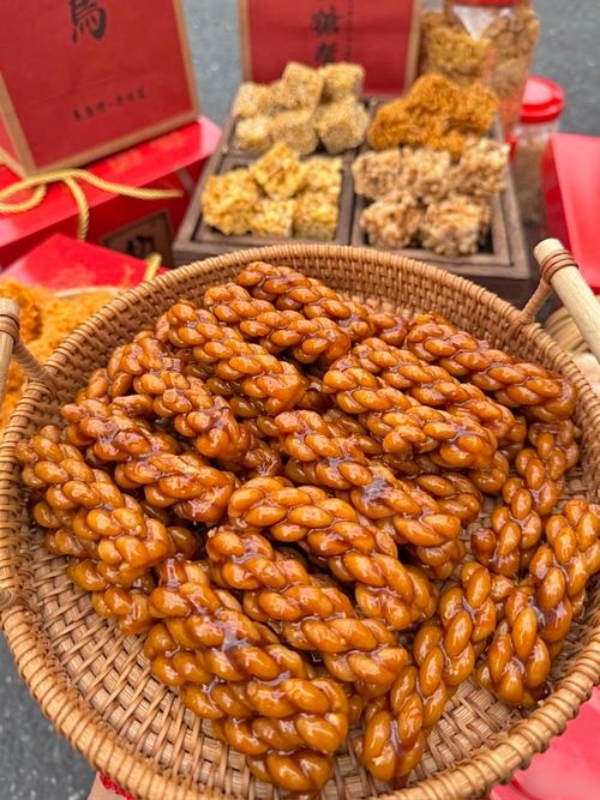
Mahua
Northern snacks lean on wheat and millet, with heartier cooked items that suit the colder climate. In Beijing and Tianjin especially, snack stalls cluster near hutongs and tourist areas, making them accessible to visitors who know what to look for.
- Lü da gun (驴打滚): Beijing sticky rice rolls rolled in soybean flour, filled with red bean paste. The name references the way the roll picks up the golden flour as it tumbles.
- Ai wo wo (艾窝窝): Beijing glutinous rice cakes with a sweet filling, a fixture of imperial-era snack stalls. Shaped into small white rounds, they are commonly sold near the Drum Tower.
- Mahua (麻花): Tianjin twisted fried dough, eaten on its own or paired with porridge. The braided shape crisps evenly and keeps well, which is why it appears at breakfast tables across the north.
- Jianbing guozi (煎饼果子): Shandong savory crepe distinct from the street jianbing served at breakfast carts nationwide. The Shandong version uses a coarser millet batter and omits the wonton crisp.
- You xiang bing (油香饼): Shaanxi flatbread-fried dough, often eaten at small-town stalls. The deep-fried round is lighter than mahua and slightly sweet inside.
- Walnut and sunflower seed mix: The everyday northern snack-plate staple, sold by weight from open bins. Markets near the Niujie Muslim Quarter keep large displays of mixed nuts and seeds alongside the savory items.
🥣 Traditional Capital Morning Meals: To explore what locals in the north eat to start their day—from warm soy milk to fresh street-side griddle items—read our guide on Beijing Breakfast.
Eastern and Yangtze Delta
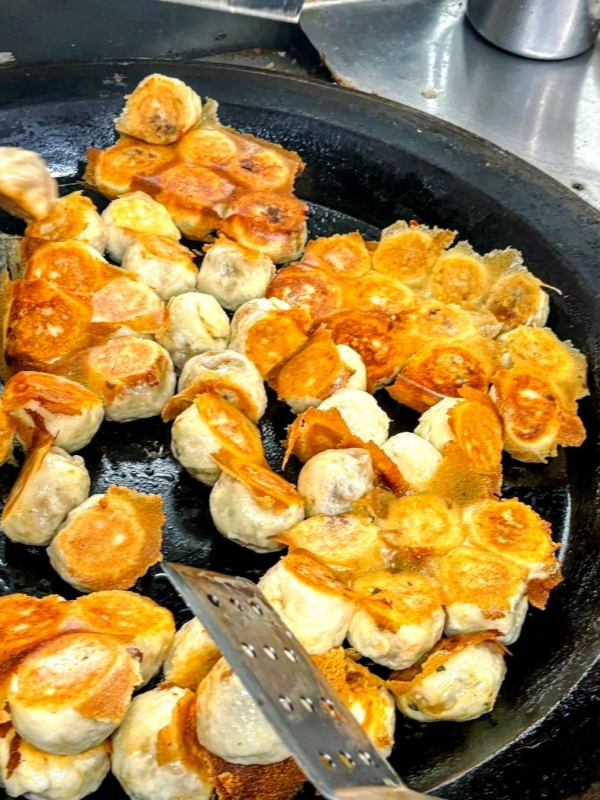
Shengjian bao
The Yangtze Delta refines snack-making toward slightly sweet, layered flavors — the legacy of Suzhou, Hangzhou, and Shanghai tea-house culture. These cities developed their snack traditions alongside silk trade and water-town tourism, so many items are portioned for sharing over tea rather than eating on the move.
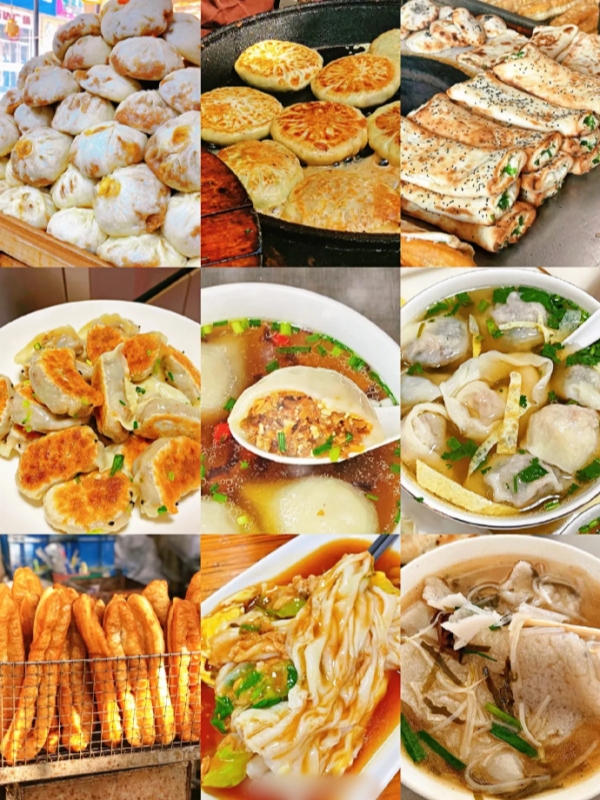
- Shengjian bao (生煎包): Shanghai pan-fried pork soup dumplings, served sizzling with vinegar and ginger. The pleated top stays soft while the bottom develops a crisp golden layer from the hot pan.
- Xiaolongbao (小笼包): Steamed soup dumplings, lighter and smaller than shengjian, originating in Suzhou and perfected in Shanghai's Nanxiang neighborhood. They arrive at the table in bamboo steamer baskets.
- Cong you bing (葱油饼): Shanghai scallion-oil pancake, flaky and pan-griddled. Layers of dough and scallion oil are rolled and pressed flat before frying, creating a crisp, fragrant disk.
- Sweet osmanthus cake (桂花糕): Suzhou translucent rice cake scented with osmanthus blossoms. The floral note comes from preserved osmanthus petals mixed into the glutinous rice flour base.
- Ding sheng gao (定胜糕): Suzhou and Hangzhou mung-bean rice cake shaped like an ancient ingot, served at celebrations. The pink cake is firm but crumbly, scented with rose water and rose-flavored syrup.
- Small rice crackers (米饼 / 锅巴): Pantry snacks sold in local markets, eaten between sips of tea or carried on day trips outside the city.
Southern and Cantonese
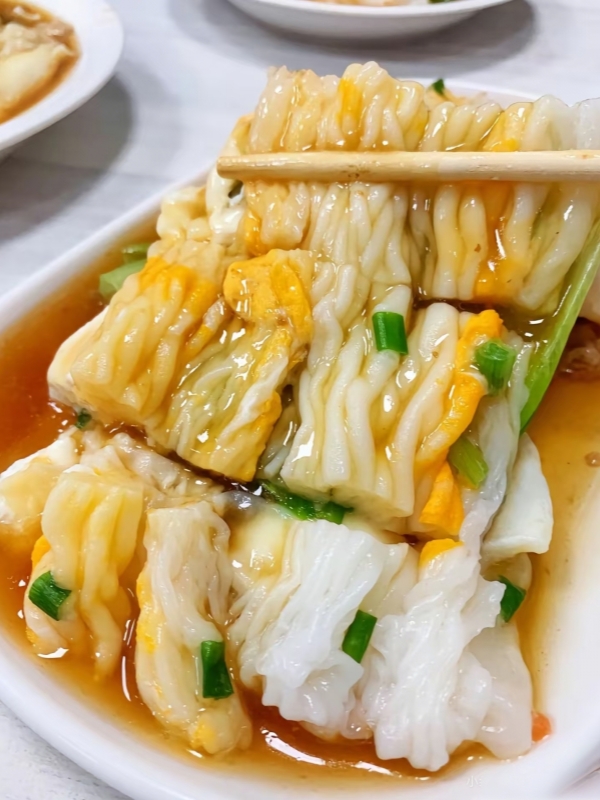
Cheung fun
Southern snacks skew lighter, seafood-influenced, and (especially in Hong Kong and Guangzhou) tied to dai pai dong breakfasts and dim-sum service. The same snack lineage also traveled overseas — bak kwa, soon kueh, and ang ku kueh are widely available in Singapore's Hokkien and Teochew diaspora communities.
- Cheung fun (肠粉): Rice-noodle rolls with shrimp, beef, or pork, served with sweet soy sauce. The silky rice wrapper is steamed to order, then folded around the filling and sliced into thick rounds.
- Gai daan zai (鸡蛋仔): Hong Kong bubble egg waffles, sold by street vendors. The crisp honeycomb shape cools into individual bite-sized spheres that shatter on the first bite.
- Curry fish balls (咖喱鱼蛋): Hong Kong street-stall skewers in curry broth. The fish balls are dense and slightly bouncy, served on a toothpick with curry sauce poured over.
- Cheung juan / "love letter" egg rolls (春卷 / 蛋卷): Cantonese crispy egg rolls shared as Lunar New Year gifts. The thin crepe wrapper crisps to a golden shell around a savory filling.
- Dried shredded squid (鱿鱼丝): Southern coastal savory snack, chewy and umami. Sold in open bins at market stalls, where vendors pull thin strips from a larger dried block.
- Preserved fruit (蜜饯 / 果脯): Guangdong and Fujian candied plum, lemon, ginger, and kumquat. These appear in gift boxes during Lunar New Year and as everyday snacking in markets year-round.
🥟 Dive Into Southern Flavors: To explore the broader culinary world of southern China, including dim sum classics and delicate regional plates, browse our guide to Cantonese Food Dishes.
Western and Southwestern
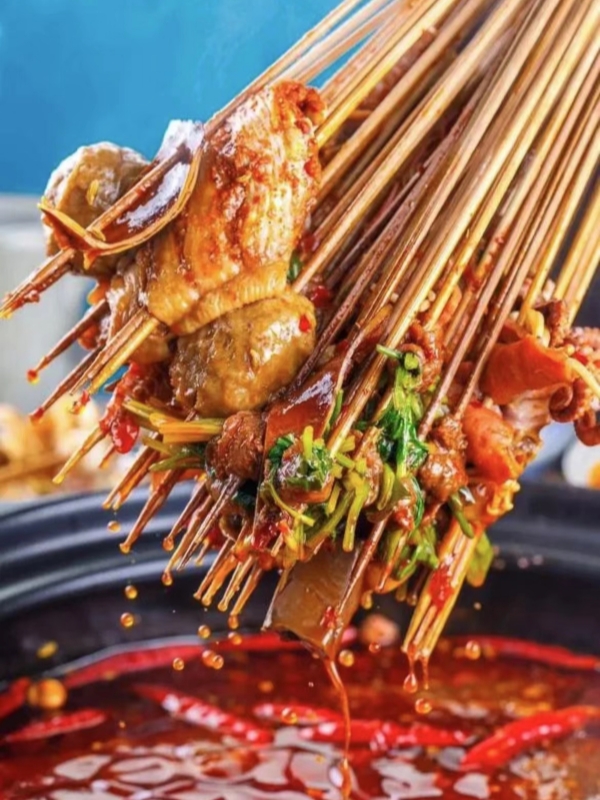
Chuan chi
Western and southwestern snack culture centers on Sichuan's night-market staples, Yunnan's dairy- and rice-based snacks, and Xinjiang's halal Muslim-Quarter skewers and pastries. The region covers a wide culinary range, from the numbing heat of Sichuan pepper to the butter-and-nut richness of Yunnan highland cuisine.
- San da pao (三大炮): Sichuan glutinous rice balls thrown onto a drum with a wooden mallet, served with brown sugar and ground soybean. The name translates as "three cannon shots" and refers to the sound the balls make when dropped.
- Chuan chi / chuan chuan (串串 / 串串香): Sichuan street skewers in spicy broth, the snack version of hot pot. Vegetables, tofu, and meat are threaded on bamboo sticks and cooked in a shared bubbling pot of chili stock.
- Bing fen (冰粉): Sichuan seed-flower ice jelly with brown sugar, sold as a cooling street snack. The translucent jelly cubes dissolve slightly on the tongue and are often topped with crushed peanuts and osmanthus syrup.
- Rushan (乳扇): Yunnan "dairy fan", stretched milk sheets eaten fried or with rose jam. Made from cow's milk酸化 into thin, pliable sheets that are dried over a rod and then quickly fried.
- Erkuai (饵块): Yunnan pressed rice cake, grilled and topped with soy, chili, and pickles. The rice cake is steamed, pressed flat, then grilled over charcoal until it develops charred edges.
- Xinjiang samsa and lamb skewers: Muslim-Quarter halal baked meat pies and cumin lamb skewers. The lamb is threaded on long metal skewers, dusted with cumin and salt, and grilled over open flame at the night-market edge.
Iconic Snacks Worth Traveling For
Five widely searched Chinese snacks have become signature draws for visitors. Each has its own history, cooking method, and price point that explains why travelers specifically seek them out.
Jianbing
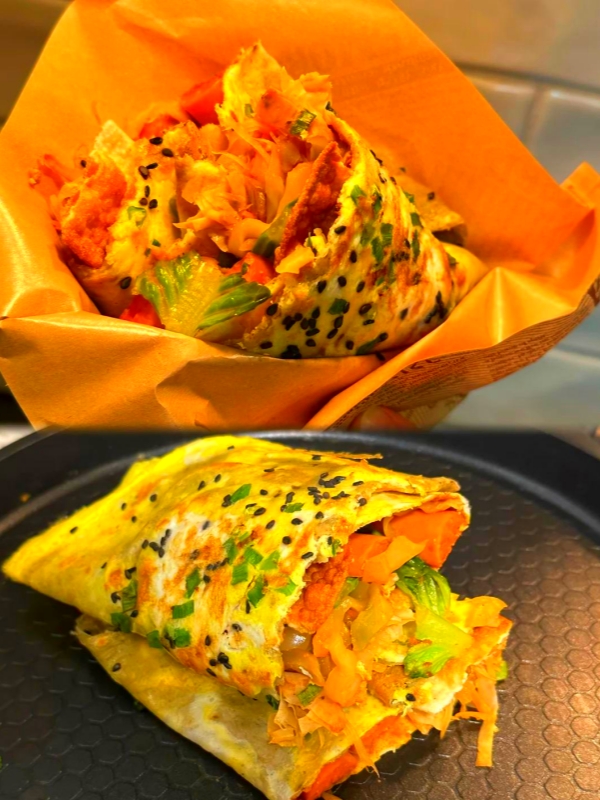
Jianbing guozi
The savory crepe appears at nearly every urban intersection in northern and central China, making it the most-Googled Chinese snack by name. Vendors set up their griddles in the early morning and work through breakfast and into late afternoon, feeding office workers and students before the lunch rush.
- What it is: Savory crepe made from mung-bean-and-wheat batter, cooked on a flat griddle.
- How it's cooked: Egg cracked onto the crepe, scallion and cilantro added, smeared with hoisin or sweet bean sauce, then rolled with a fried wonton crisp inside.
- How to eat: Eaten handheld from a street cart, usually at breakfast or late afternoon.
- Price: Roughly $1.50–3 (¥10–¥20) per serving, depending on city and fillings.
- Why it's iconic: Visible at nearly every urban intersection in northern and central China; the most-Googled Chinese snack by name.
Tanghulu
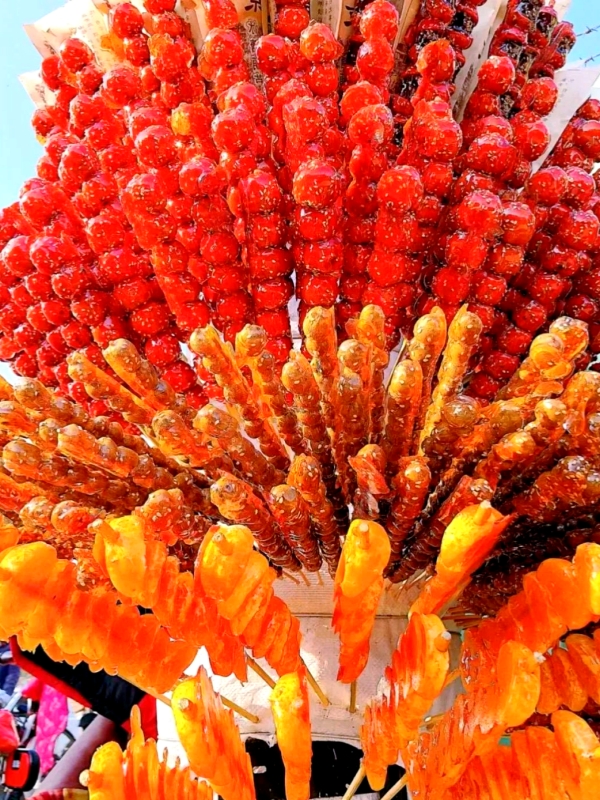
Beijing Tanghulu
The sugar-coated fruit skewer became the most recognizably "Chinese" candied snack at Yuyuan Bazaar in Shanghai and Wangfujing in Beijing. Its rise as a tourist item is relatively recent, driven by social media and the visual appeal of the glossy red shells against white marble slabs.
- What it is: Hawthorn (or strawberry, grape, or mandarin) skewer dipped in hot sugar syrup that hardens to a glassy shell.
- How it's made: Sugar boiled to crack stage, fruit skewers dipped and cooled on a marble slab. The quick temperature drop creates the characteristic snap.
- When to find it: Historically a Beijing and Tianjin winter snack; now sold in most large cities year-round.
- Price: About $1–2.50 (¥8–¥18) per skewer at street stalls and tourist markets.
- Why it's iconic: Became the most recognizably "Chinese" candied snack at Yuyuan Bazaar in Shanghai and Wangfujing in Beijing.
Stinky Tofu
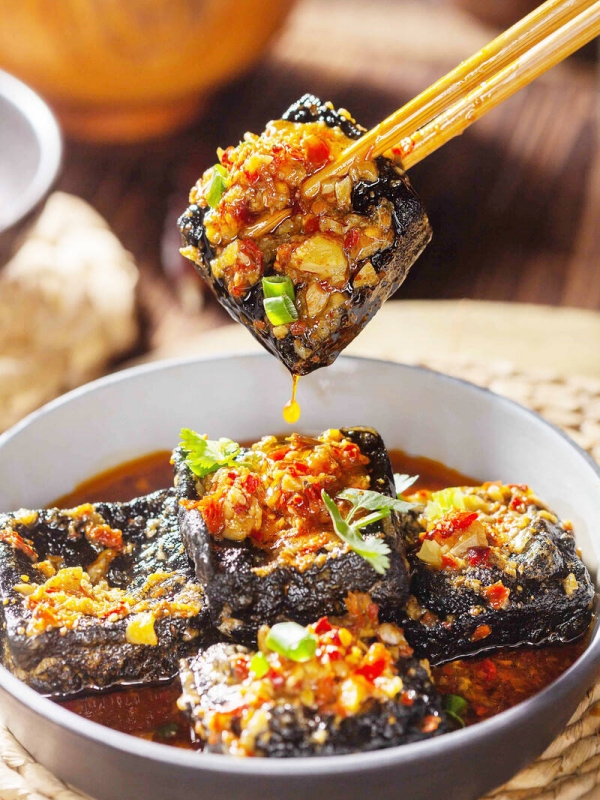
Stinky Tofu
The fermented tofu has a strong sulfurous aroma that draws first-time tasters in despite themselves. Across different cities, the preparation and accompaniments change enough that trying it in Changsha, Shanghai, and Shenzhen yields three distinct experiences.
- What it is: Fermented tofu with a strong sulfurous aroma, served fried or stewed in chili broth.
- Regional variants: Changsha (Hunan) black version in chili oil; Taipei and Shanghai in kimchi-style brine; Shenzhen in mild broth.
- How it's served: Cubed, pierced with a toothpick, topped with chili paste, garlic, and pickled vegetables.
- Price: About $1–2 (¥8–¥15) per portion from night-market stalls.
- Safety for tourists: Entirely edible; the smell is a fermentation by-product, not spoilage. High-turnover stalls are best.
Haw Flakes
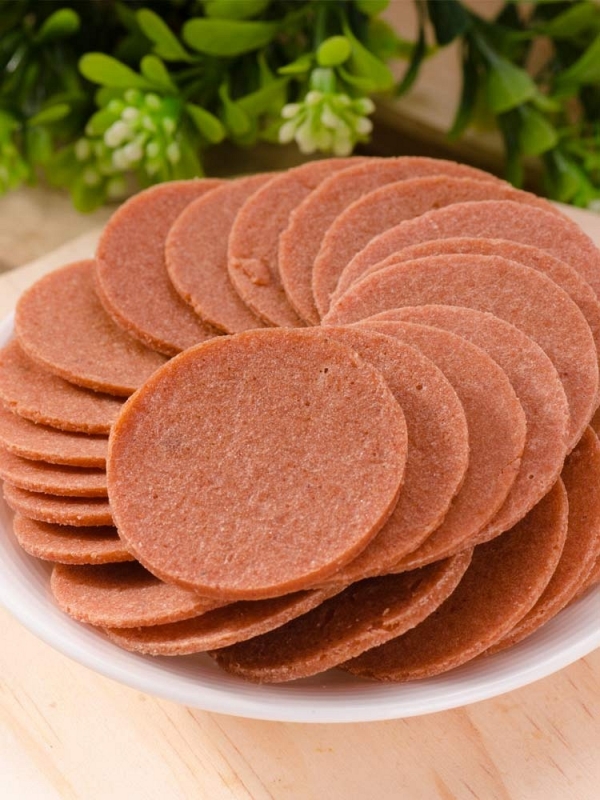
Haw Flakes
Shan zha pian (山楂片) fills a specific niche in the Chinese snack hierarchy — it is simultaneously a children's candy, a digestive aid, and a tea-time item. The rolled tube format makes it easy to carry and share, which is why it appears in school lunchboxes and tea houses alike.
- What it is: Shan zha pian (山楂片), rolled fruit-leather slices of hawthorn and sugar.
- How it's made: Hawthorn pulp cooked with sugar, dried into thin sheets, and rolled into tube-shaped stacks of bite-sized pieces.
- Where to find it: Major supermarket snack aisles and dedicated Chinese-snack aisles in Asian markets worldwide.
- How to eat: Eaten slightly sticky and sweet-sour, often paired with tea. Price point: $2–4 (¥15–¥28) per typical packaged roll.
Sesame Peanut Candy and White Rabbit
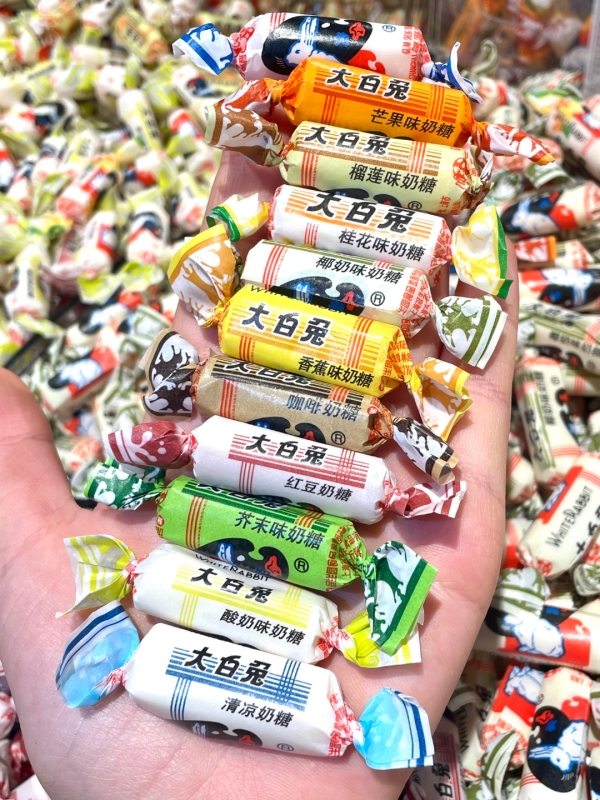
White Rabbit Candy
Two nostalgic Chinese treats sit at opposite ends of the candy spectrum: one is a brittle slab tied to celebration and gift-giving, the other is a individually wrapped cream candy that has traveled internationally since the 1970s. Both are mass-produced but carry strong emotional associations.
- Sesame peanut candy (芝麻花生糖): Brittle made from sesame, peanut, sugar, and oil; sliced into slabs; traditionally homemade and shared at Lunar New Year to spread "sweetness"; now mass-produced; roughly $3–6 (¥20–¥42) per 500 g.
- White Rabbit (大白兔): Creamy milk candy wrapped in an edible rice-paper sleeve (the rice paper is meant to be eaten with the candy, not peeled); made in Shanghai since 1943; one of China's most internationally recognized candies; roughly $0.30 (¥2) per piece in China.
Snacks for Tea and for Lunar New Year
Two well-defined occasions drive a separate, recurring snack culture that visitors can sample at tea houses and during the Lunar New Year window. These snacks are less about street-vendor speed and more about the social ritual around eating.
Snacks Paired with Tea
At Chinese tea houses, 茶点 (tea snacks) accompany gongfu tea service — small, dry items that complement rather than overpower the tea. The combination of caffeine and something savory or slightly sweet is deliberate: the snacks slow down the drinking pace and provide contrast to the tea's bitterness.
- Roasted sunflower seeds (葵花籽): Everyday pairing, cracked by hand at the table. Northern China produces enormous quantities, and the large striped seeds are the default snack at most tea sessions.
- Roasted green peas (炒青豆): Crunchy savory sipping snack. The dried peas are roasted with a touch of salt and oil, creating a firm texture that requires slow cracking between the teeth.
- Peach-kernel cakes (桃酥): Crumbly flour-and-pork-fat biscuits, very common with green tea. The crumbly texture soaks up tea without becoming soggy, which is why they appear at nearly every dim-sum table.
- Almond cookies: Shortbread-style tea biscuits sold at most dim-sum halls. Their buttery, melt-in-the-mouth texture pairs well with oolong and pu-erh.
- Water-chestnut cake (马蹄糕): Translucent Cantonese jelly cake, slightly sweet. Made from water-chestnut starch, it has a gentle crunch from the actual chestnuts suspended inside.
- Jujube / red-date candies and slices (红枣): Valued both as a snack and as a health food. The dried dates are sweet and chewy, often sold in slices or pressed into hard candies.
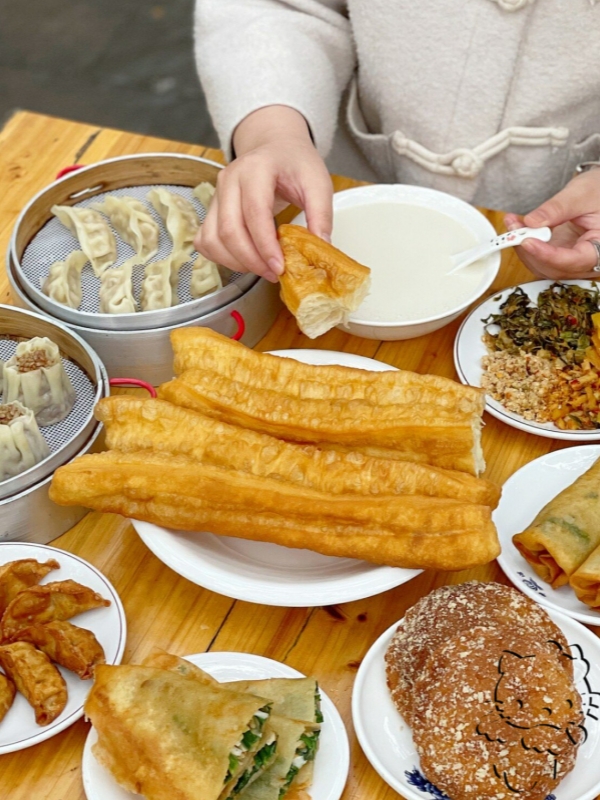
- Soy milk and youtiao (豆浆 + 油条): The breakfast pairing that counts as a snack course in northern cities. Fried dough sticks (youtiao) are dunked into warm soy milk at the table, a ritual as much as a meal.
Snacks for Lunar New Year
Lunar New Year (Spring Festival) features a tradition of sweets and snacks distributed to children and guests, each carrying symbolic meaning. The snack table at home — the 糖果盘 (candy tray) — is arranged with compartments holding different items, and guests select from each one as a gesture of blessing for the new year.
- Nian gao (年糕): Glutinous rice cake literally meaning "rising year", sweet in southern versions and savory pan-fried in northern ones. The name sounds like the word for "high" or "tall", so eating it is said to bring progress and advancement in the coming year.
- Fa gao (发糕): "Prosperity cake", a steamed sponge cake whose name puns on the word for "prosper". The cake rises and cracks open during steaming, which is considered a good sign.
- Spring rolls (春卷): Crispy southern rolls served at Lunar gatherings. The golden cylinder represents gold bars and therefore wealth for the coming year.
- Fruit preserves (果脯 / 蜜饯): Candied kumquat, plum, ginger, and citrus peels. The candying process preserves fruit beyond its season, which ties into the Lunar New Year theme of abundance and preparation.
- Mixed nuts and sunflower seeds: The most common household candy-box filler. The round shapes of seeds and nuts symbolize completeness and wholeness for the year ahead.
How Visitors Can Try Traditional Snacks
A handful of practical steps make Chinese snack-hopping work for foreign visitors — most stalls don't have English menus, pricing varies, and payment is almost universally mobile-first. The good news is that street food culture is set up for speed, so a visitor who knows where to go and how to pay can work through a wide range of snacks in a single afternoon.
- Where to find them: City night markets (almost every Chinese city has at least one), old-town snack streets (Beijing Niujie Muslim Quarter, Shanghai Yuyuan Bazaar, Guangzhou Shangxiajiu Pedestrian Street), dedicated tea houses, and supermarket snack aisles during Lunar New Year.
- How to pay: Alipay now accepts international Visa and Mastercard via its "Tour Pass" feature in-app; WeChat Pay is more restricted for foreign cards. Cash still works at smaller markets. Foreign-friendly food tours booked on Trip.com or Klook handle payments in advance.
- Language barrier: Point at what others are eating; keep food photos saved on your phone for vendor pointing; not all stall-holders speak English. An English-speaking food-tour guide (bookable on Trip.com or Klook) removes the issue entirely.
- What to budget: Typical snack costs $0.30–$4 (¥2–¥28) per item at street level; a snack-focused half-day walking tour with English guide typically runs $30–60 (¥210–¥420) per person.
- Dietary cautions: Peanuts and sesame are everywhere; many snacks contain wheat gluten (jianbing, baozi, shaomai); pork is common in northern and western snacks; vegetarian options exist at Buddhist-friendly shops in major cities.
- Food safety: High-turnover stalls and busy night markets are generally safer than slow ones; stick to bottled water; start small with unfamiliar fermented items (stinky tofu, preserved egg) to test tolerance.
Frequently Asked Questions
Q: What are typical traditional Chinese snacks for Chinese New Year?
Nian gao (glutinous rice cake for the "rising year"), fa gao (prosperity steamed cake), southern spring rolls, mixed sunflower seeds and peanuts, sesame peanut candy, fruit preserves, and assorted candy boxes distributed to children and guests form the core of Lunar New Year snacking traditions.
Q: What is tanghulu and when can visitors buy it?
Tanghulu is sugar-coated hawthorn, strawberry, or grape skewers in a hard sugar shell. It was traditionally a northern winter treat but is now sold year-round at most large snack markets including Yuyuan Bazaar in Shanghai and Wangfujing in Beijing, priced at about $1–2.50 (¥8–¥18) per skewer.
Q: What snacks are traditionally paired with tea or rice wine?
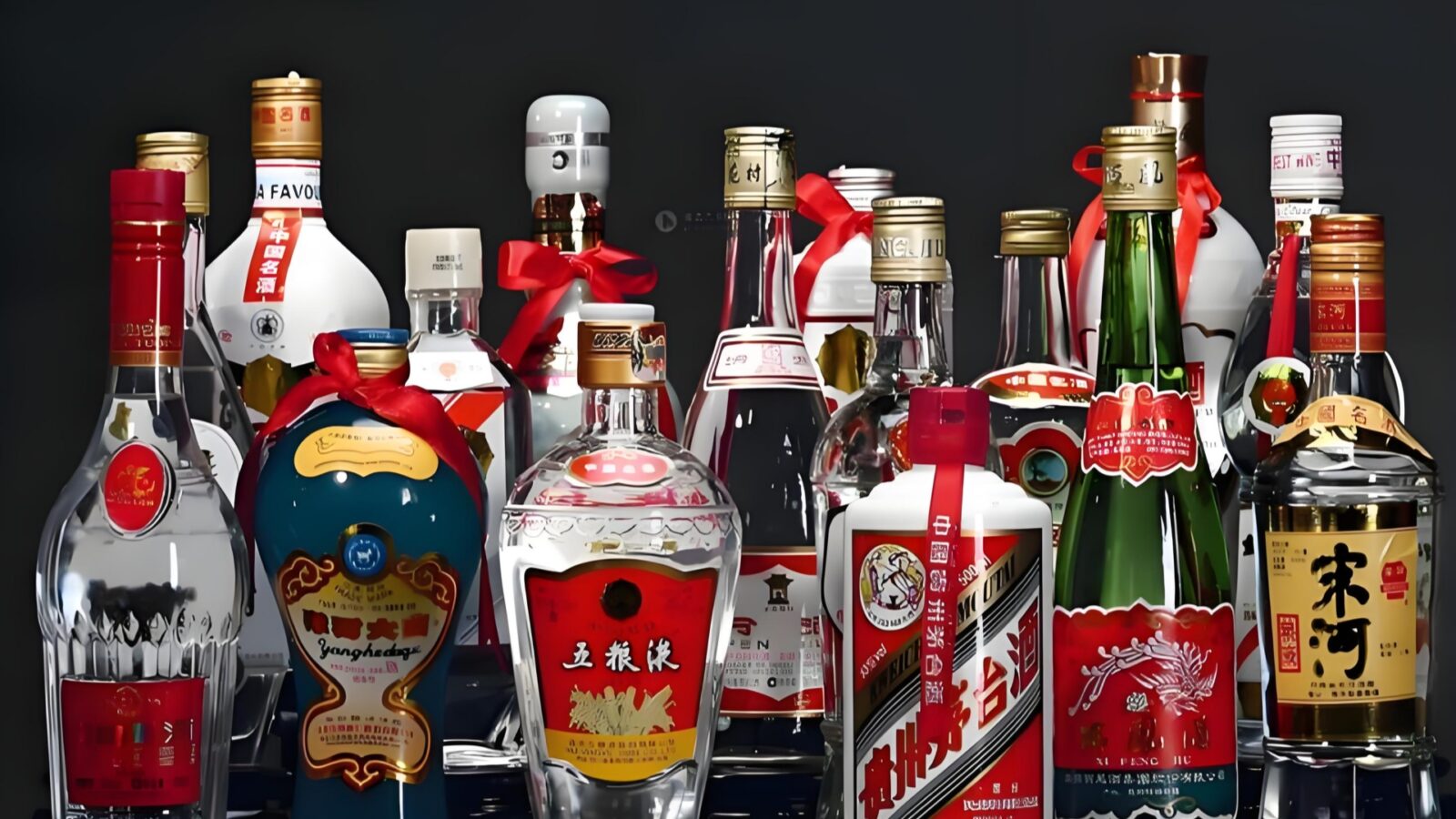
With gongfu tea, the standard pairings are roasted sunflower seeds, roasted green peas, peach-kernel cakes, almond cookies, water-chestnut cake, and jujube candy. With Chinese rice wine (particularly Shaoxing huangjiu), fennel beans (茴香豆, made famous by Lu Xun's writing about Shaoxing), peanuts, dried tofu, and lightly salted fish are traditional.
Q: Is stinky tofu safe to try as a tourist?
Yes — the strong odor is a fermentation by-product, not spoilage. Best tried in Changsha (Hunan's signature black version in chili oil), in Taipei, or at Shanghai night markets; served fried or in chili broth. Start with a small portion at a busy stall. Roughly $1–2 (¥8–¥15) per order.
Q: Where can visitors find traditional Chinese snacks in China?
City night markets (every major city has at least one), dedicated snack streets — Beijing Niujie, Shanghai Yuyuan, Guangzhou Shangxiajiu — tea houses, supermarket snack aisles during Lunar New Year, and bookable English-language food tours available on Trip.com and Klook in major cities.
Q: What is jianbing and how is it served?
Jianbing is a savory mung-bean-and-wheat crepe cooked on a flat griddle, finished with egg, scallion, cilantro, hoisin sauce, and a fried wonton crisp rolled inside. It is eaten handheld from a street cart, typically at breakfast or late afternoon, costing roughly $1.50–3 (¥10–¥20) per serving.
Q: How much do Chinese street snacks typically cost?
Street snack items range from $0.30–$4 (¥2–¥28) each. Sit-down snack meals in dim-sum halls and tea houses run $5–10 (¥35–¥70). Half-day English-language food-tour experiences cost $30–60 (¥210–¥420) per person, including guide and multiple tastings.
Q: Can visitors find traditional Chinese snacks outside China?
Yes — Chinatowns in London, San Francisco, New York, Sydney, and Singapore carry bak kwa, sesame peanut candy, White Rabbit, jianbing carts, and full regional lineups. The Lau Pa Sat market in Singapore and Ang Mo Kio-area Hokkien stalls are reliably stocked for sesame peanut candy, bak kwa, and preserved fruits.