Kosher China
China may not immediately come to mind when planning a kosher-friendly trip, yet the country hosts an active network of Chabad Houses and kosher restaurants spanning from Beijing to Hong Kong. Tel Aviv–Guangzhou routes rank among the busiest inbound flights to China, and a growing number of Israeli and Jewish travelers now include mainland cities on their itineraries. Whether you need a Shabbat dinner reservation, a reliable kosher meal between meetings, or want to walk the same streets where Jewish refugees found refuge in the 1930s, China offers more infrastructure than most realize.
This guide maps the kosher landscape city by city — from the Beijing Chaoyang cluster to Shanghai's French Concession bistros — alongside a service-times table and the payment realities that catch most first-time visitors off guard.
Quick Facts
Kosher Restaurants in Beijing
Kosher Restaurants in Beijing
Beijing hosts the densest kosher restaurant cluster in mainland China. The scene concentrates in Chaoyang District, near the embassy area and CBD. Chabad House Beijing anchors the community and runs a regular meal program alongside its prayer services. Several Israeli-style restaurants operate under rabbinical supervision. A smaller number of home-based or referral-only options serve the Haidian university area. The Beijing scene is the most English and Hebrew-friendly in mainland China and the easiest entry point for first-time kosher travelers.
Where to Eat in Beijing
The Chaoyang District hosts the main cluster. The rest of the city has scattered options.
- Chabad House Beijing: Community meals and Shabbat dinners — book 24–72 hours ahead; Chaoyang District
- Israeli-style restaurant (Chaoyang CBD): Mid-range, kosher-supervised; $15–25 per person
- Kosher-style spot (Wangfujing/Dongdan): Mid-range dining near central Beijing
- Embassy-area Israeli restaurant: Operated by Israeli owners; English and Hebrew menu available
- Haidian university area: Smaller, home-based or referral-only options; verify current status before visiting
Reservations and Payment
Weekday walk-ins are often accepted at smaller venues. Friday-night Shabbat dinner requires advance booking.
- Weekday dining: Walk-ins accepted at most smaller kosher venues
- Shabbat dinners: Reserve 24–72 hours in advance via Chabad email or phone
- Cash: RMB widely accepted at all venues
- Cards: International credit cards frequently rejected at smaller establishments
- Online booking: Trip.com lists select Beijing kosher restaurants for advance reservation
Kosher Restaurants in Shanghai
Kosher Restaurants in Shanghai
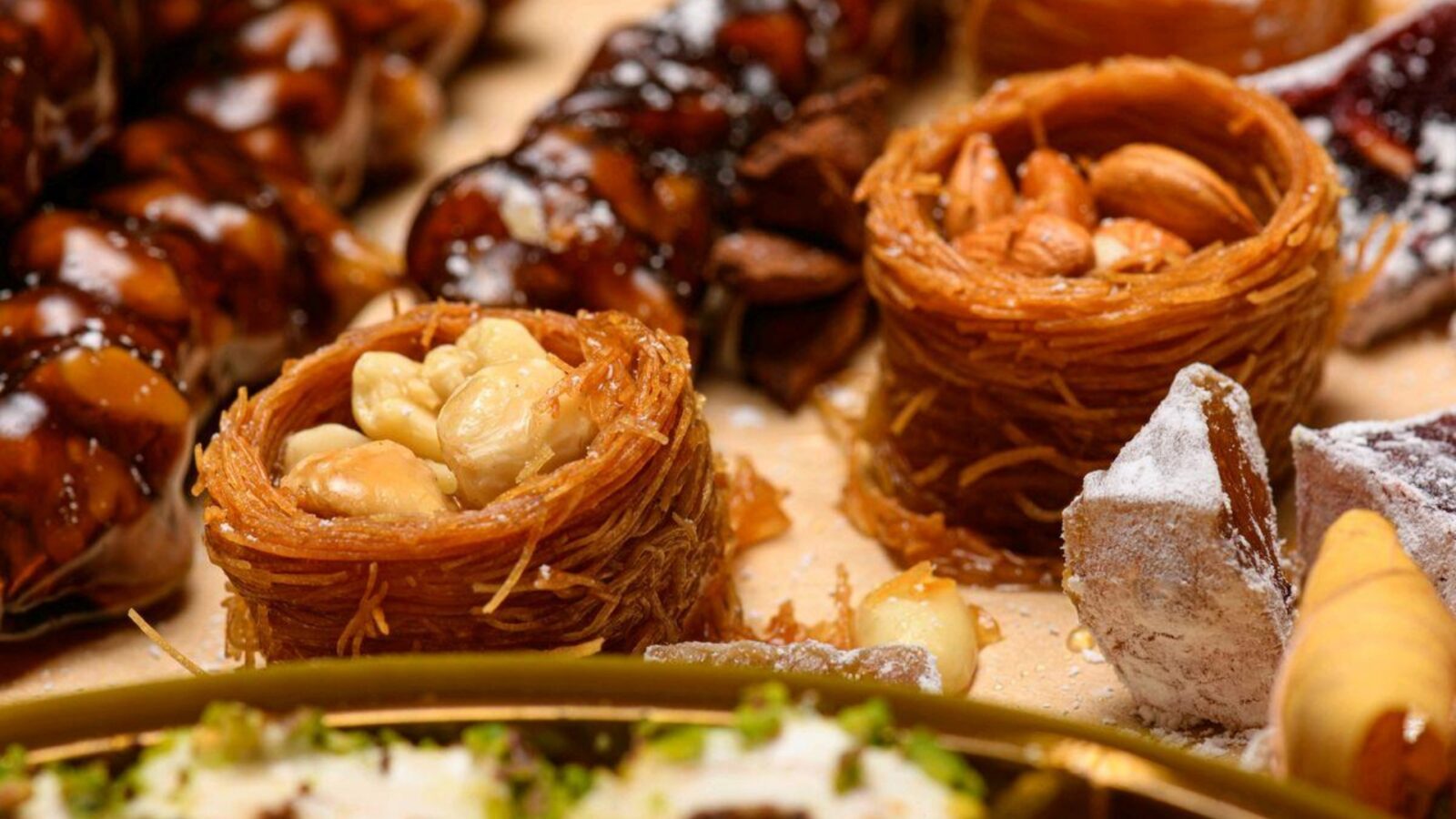
Shanghai's kosher scene splits between the former French Concession, where most Israeli-owned bistros cluster, and the older Hongkou area tied to the 1930s–40s Jewish refugee history. Establishments include venues named in homage to the Harbin rabbi, Israeli-owned bistros, and Chabad Shanghai's community meals. Shanghai pairs the second-best mainland kosher density with the richest Jewish heritage layer, making it the strongest single-city destination for kosher travelers who want both dining and history.
Where to Eat in Shanghai
Two main areas hold the city's kosher options. Each has a distinct character.
- French Concession Israeli bistro: Mid-range; Xujiahui area; $15–25 per person
- Mogilevitch-style restaurant: Mid-range; named after the Harbin rabbi; $18–30 per person
- Kosher spot (Xintiandi/Xuhui): Modern venue near the entertainment district; ¥120–220 per person
- Chabad Shanghai: Community meals — book ahead; Hongkou District
- Hongkou kosher option: Near heritage sites; modest pricing; verify current status locally
Jewish Heritage in Hongkou
The Hongkou district preserves Shanghai's Jewish refugee history from the 1930s–40s. All four sites are reachable within a half-day walking tour.
- Shanghai Jewish Refugees Museum: Located in Huoshan Park; official municipal museum with English signage
- Ohel Moshe Synagogue: Built 1927, restored; Hongkou District
- Former refugee apartments: Zhoushan Road area; walking tour accessible
- Peace Hotel / Pacific Hotel: Historic connections to the Jewish community
Kosher Restaurants in Guangzhou, Chengdu & Hong Kong
Kosher Restaurants in China
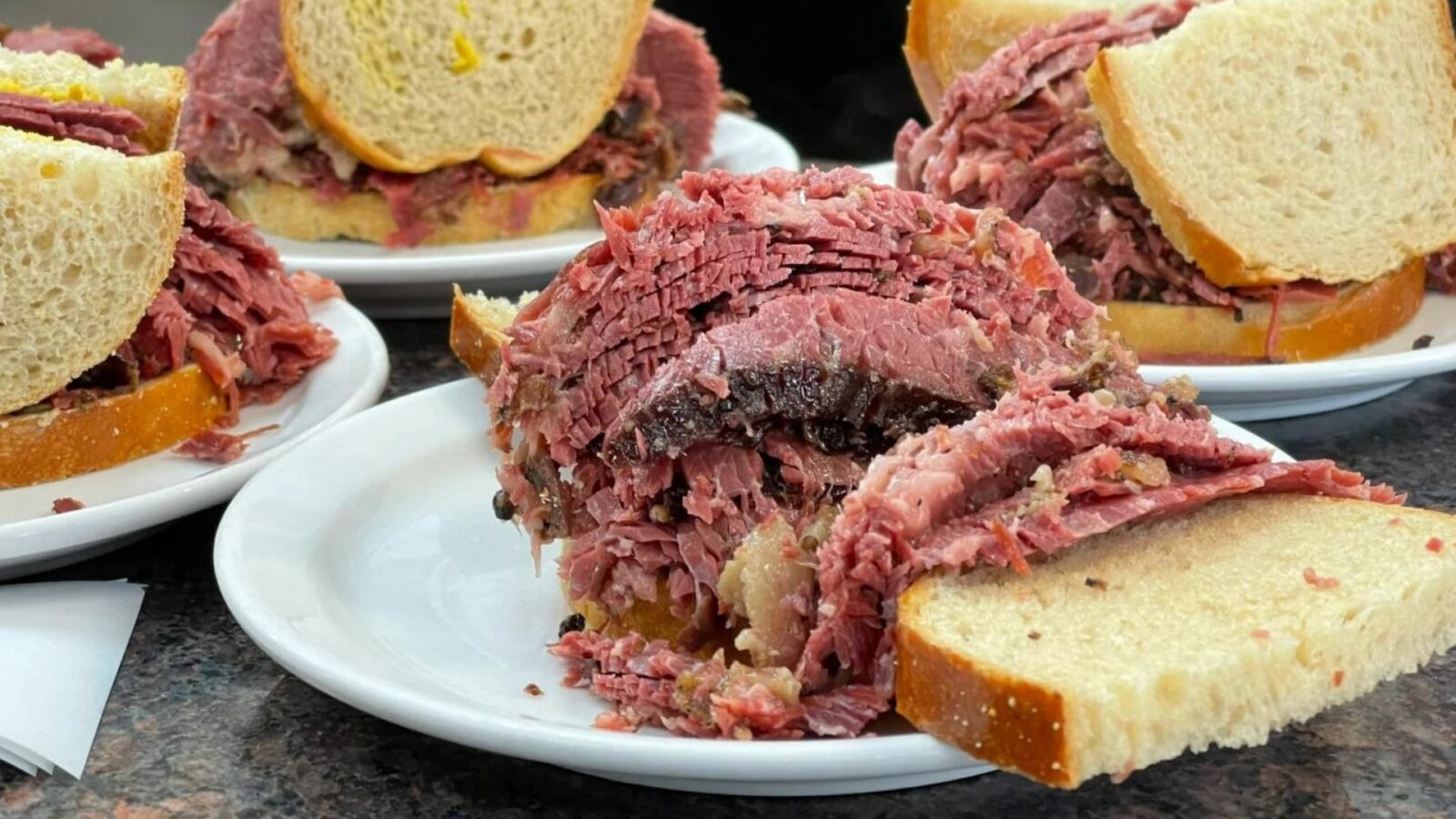
Guangzhou and Chengdu have smaller scenes anchored by Chabad Houses and a handful of restaurants. Chengdu sees regular Israeli backpacker traffic on the panda route, so a couple of small kosher-friendly spots cycle in and out of operation. Hong Kong — outside the mainland but on most kosher China itineraries — has the most developed scene after Beijing and Shanghai, with multiple certified restaurants and Chabad Hong Kong meals. Meal prices are comparable to the mainland range.
- Guangzhou: Chabad House anchors the scene; a few restaurants and home-cooked referrals available
- Chengdu: Small kosher-friendly spots cycle in and out; Chabad referrals are the most reliable option
- Hong Kong: Most developed scene after Beijing/Shanghai; multiple certified restaurants; Chabad Hong Kong meals available
Shabbat Services and Chabad Houses Across China
Chabad Houses operate in Beijing, Shanghai, Guangzhou, Chengdu, Shenzhen, and Hong Kong. Friday-night dinners and Saturday-morning services are open to traveling Jews regardless of background. Meals require advance reservation. Services are conducted in Hebrew and English, with Russian at some locations that serve the post-Soviet Jewish community. This is the only network of regular Jewish religious services across mainland China and the primary infrastructure any kosher traveler should plan around.
Service Times by City
Exact weekly times vary. Confirm the current week's schedule with the local Chabad before arrival.
Practical Tips for Kosher Travelers in China
Mainland China's payment ecosystem is the single biggest practical barrier for kosher travelers. Most visitors need a mainland SIM card for app-based bookings, and WeChat Pay or Alipay linked to an international card. Cash in RMB remains the reliable backup. Trip.com books some kosher restaurants; smaller Israeli-owned venues often require direct contact through the local Chabad. English signage is rare outside luxury hotels, though Hebrew and English work at Chabad venues and Israeli-owned kosher spots. Kosher food imports are limited — travelers needing specialty items should bring sealed items from home or use international kosher delivery services that reach Beijing, Shanghai, Guangzhou, and Hong Kong.
Booking, Payment and Apps
Getting mobile payments set up before arrival makes a significant difference. Shabbat dinners need advance booking. Confirming card acceptance prevents awkward moments at upscale venues.
- WeChat Pay / Alipay: Install before arrival and link an international card
- Cash: Keep RMB on hand for smaller kosher venues and taxis
- Shabbat dinners: Book 24–72 hours ahead via Chabad email or phone
- Trip.com: Lists select kosher restaurants and kosher-friendly tours
- Card acceptance: Confirm before dining at upscale kosher venues
Language, Customs and Etiquette
Hebrew and English are spoken at Chabad Houses and Israeli-owned kosher venues. Mandarin is needed for taxis, subway, and most non-kosher interactions. Many kosher restaurants close Friday evening for Shabbat. Modest dress is required at synagogues and Chabad events. Tipping is not customary in China, though rounding up is appreciated in upscale settings.
- Languages: Hebrew and English at Chabad venues; Mandarin needed for general travel
- Shabbat closures: Many kosher restaurants close Friday evening — plan ahead
- Dress code: Modest dress required at synagogues and Chabad events
- Tipping: Not customary; rounding up appreciated in upscale settings
- Apps: WeChat and Alipay are essential for daily transactions
Importing Kosher Food to China
Specialty kosher items are difficult to source in mainland China. Travelers with strict dietary requirements beyond what local Chabad Houses stock should bring sealed items from home or arrange international kosher delivery services. Availability varies by city but is generally limited to Beijing, Shanghai, Guangzhou, and Hong Kong.
Frequently Asked Questions
Q: Where can I find kosher food in China?
Kosher dining concentrates in Beijing and Shanghai, with smaller scenes in Guangzhou, Chengdu, and Shenzhen. Hong Kong, though outside the mainland, offers the most variety outside Israel.
Q: Do I need a visa to travel to China as an Israeli or Jewish visitor?
Israeli citizens need a visa arranged at a Chinese consulate before arrival. Visa policy varies by nationality — check the latest requirements before booking.
Q: How do I pay at kosher restaurants without WeChat Pay?
Set up WeChat Pay or Alipay linked to an international card before arrival. Carry RMB cash as backup. Use Trip.com for venues that accept international cards. Some Israeli-owned spots accept USD cash.
Q: Are kosher restaurants in China expensive?
Typical meals run $15–30 (¥100–200) per person. Shabbat dinners cost $25–40 (¥180–280). These are comparable to mid-range non-kosher dining in major Chinese cities.
Q: Can I attend Shabbat services at a Chabad in China without being a member?
Yes. Chabad Houses welcome traveling Jews regardless of affiliation. Friday-night dinner typically requires advance reservation.
Q: Which Chinese city has the best kosher scene?
Beijing and Shanghai tie for the most kosher restaurants. Hong Kong ranks third. Shanghai adds the richest Jewish heritage layer with its Hongkou district.
Q: Are there kosher options outside Beijing and Shanghai?
Limited but yes. Chabad Houses in Guangzhou, Chengdu, and Shenzhen offer meals and referrals. Chengdu sees regular Israeli backpackers passing through on the panda route.
Q: Do kosher restaurants in China serve Passover food?
Some Chabad Houses host communal Passover seders with advance booking. Regular restaurants rarely stock kosher-for-Passover items.
Q: Is China safe for Jewish travelers?
Generally yes. Major cities are safe for Jewish travelers. The Jewish community is small and welcoming. Standard travel precautions apply.