Items to Buy in China
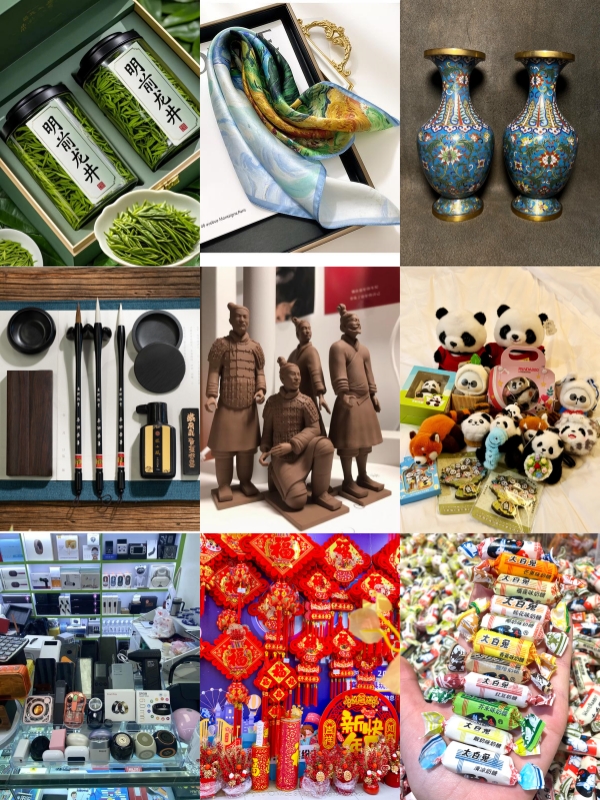
China's mix of ancient craft traditions and modern manufacturing creates a souvenir landscape unlike anywhere else on earth. Visitors can walk away with a hand-thrown Yixing teapot from the same kilns that supplied the Ming court, then cross the street to buy a DJI drone that won't be available at home for another three months. This combination of tradition and technological edge makes the list of items to buy in China unusually wide. The article covers three lenses: traditional Chinese souvenirs rooted in centuries of craft, modern electronics where China leads global production, and the cultural icons—pandas foremost among them—that travelers cross oceans to bring home. All prices listed use USD first with RMB in parentheses, so foreign visitors can budget immediately without mental arithmetic.
The country's regional specializations matter as much as the products themselves. Hangzhou is synonymous with silk and Longjing tea; Jingdezhen has called itself the Porcelain Capital for eight centuries; Yangjiang in Guangdong produces the chef's cleavers that professional Chinese kitchens demand. Knowing which city to visit can mean the difference between buying an authentic craft and buying a reproduction marketed to tourists. The practical sections that follow cover payment, bargaining, tax refunds, and customs—so travelers know how to actually complete the purchase, not just select it.
Quick Facts
Traditional Crafts and Cultural Souvenirs
The traditional items to buy in China are the same crafts that have anchored commerce for centuries—many still made by hand in the cities that originated them. Authenticity matters more than brand at this tier. A porcelain cup from Jingdezhen carries the weight of eight hundred years of continuous production; a Yixing clay teapot from Jiangsu absorbs the flavor of every brew. Visitors who prioritize craft over convenience will find the most satisfying souvenirs in small workshops and dedicated markets rather than in hotel gift shops.
🎁 Discover Authentic Keepsakes & Craft Ideas: From hand-painted lacquerware to traditional silk scarves, explore the best regional gifts to bring home in our guide to Souvenirs from China.
Tea and Drinkware
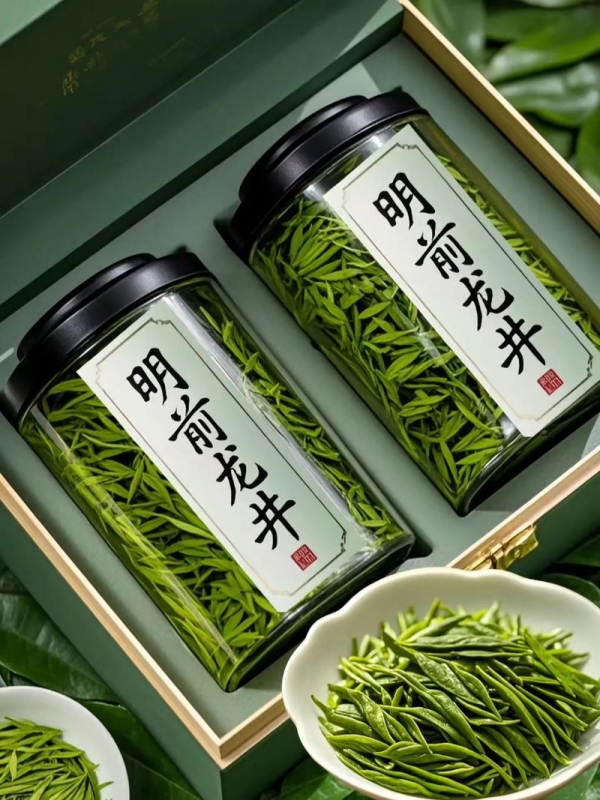
Longjing (Dragon Well)
Chinese tea is both a leaf and a craft tradition, and the vessels that serve it are works in their own right. Five varieties anchor any serious collection. Longjing green tea from Hangzhou offers a nutty, vegetal character; Pu-erh aged tea from Yunnan develops earthiness over decades; Tieguanyin oolong from Fujian delivers floral notes; Da Hong Pao rock oolong from Wuyi Mountains provides mineral depth; Bi Luo Chun green tea from Jiangsu brings a fruity sweetness. Premium grades command $15–280 (¥100–2,000) per 50g, with Pre-Qingming harvest Longjing at the highest end.
- Longjing (Dragon Well): Hangzhou — nutty, vegetal green tea; Pre-Qingming harvest commands premium pricing
- Pu-erh: Yunnan — aged, fermented; improves with decades of storage
- Tieguanyin: Fujian — floral, lightly oxidized oolong
- Da Hong Pao: Wuyi Mountains — mineral, roasted rock oolong
- Bi Luo Chun: Jiangsu — fruity, aromatic green tea
- Yixing clay teapot: $14–200 (¥100–1,400) — porous clay absorbs tea oils, enhancing future brews
- Porcelain gaiwan: $7–30 (¥50–200) — lidded bowl for precise steep control
- Fangshan tea market (Beijing) and Wuyuan (Jiangxi): dedicated tea markets with direct-from-farm pricing
Silk, Clothing, and Accessories
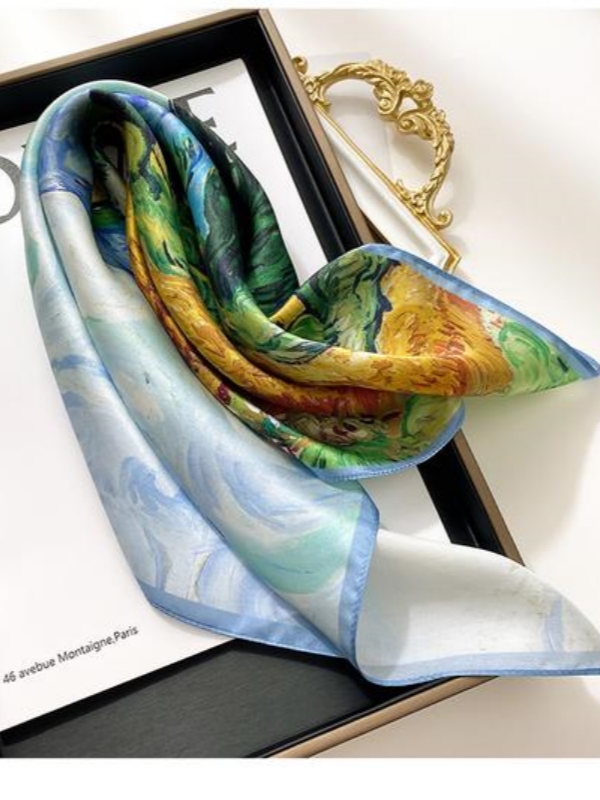
The Silk Scarf
Silk has defined Chinese luxury exports for three millennia, and the product range extends far beyond scarves. Ready-to-wear and custom tailoring both offer strong value. Shanghai tailors can produce a custom qipao for $140–700 (¥1,000–5,000), a fraction of what comparable craftsmanship costs elsewhere. Folding fans painted with calligraphy or opera motifs run $3–15 (¥20–100); lacquered chopstick sets in bamboo or wood cost $5–15 (¥35–100).
- Silk scarf: $14–70 (¥100–500) — Suzhou and Hangzhou have the deepest selection
- Custom qipao / cheongsam: $140–700 (¥1,000–5,000) — Shanghai tailors specialize in precise fit
- Folding fans (sensu): $3–15 (¥20–100) — painted calligraphy or opera motifs
- Chopstick gift sets: $5–15 (¥35–100) — wood, bamboo, or lacquered finishes
- Jade jewelry: $20–140 (¥150–1,000) for small pendants and bracelets; "mutton-fat" nephrite commands the highest prices
- Authenticity test: real silk chars and smells like burnt hair when held to a flame; synthetic does not
Porcelain, Cloisonné, and Decorative Crafts
Jingdezhen Porcelain
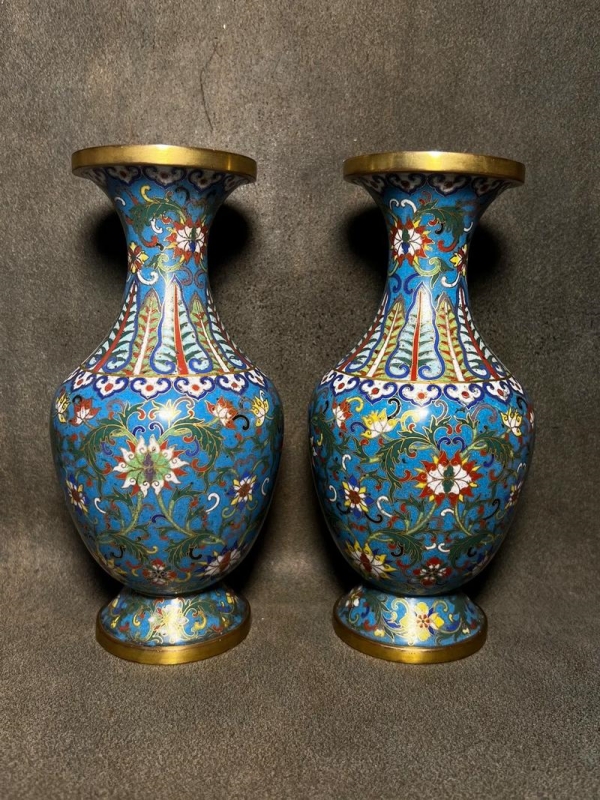
Jingdezhen has called itself the Porcelain Capital since the Song dynasty, and the designation still reflects reality. Blue-and-white qinghua ware in the Ming style— cobalt pigment under a clear glaze—remains the signature output. Beyond porcelain, cloisonné enamel-on-copper production centers in Beijing, where artisans fill copper outlines with enamel paste before firing and polishing. Hetian nephrite jade from Xinjiang represents the highest grades of carving material on the mainland.
- Jingdezhen porcelain: $7–50 (¥50–350) tea cups; $28–85 (¥200–600) small vases — blue-and-white qinghua Ming-style ware is the signature
- Beijing cloisonné: $40–280 (¥280–2,000) vases — enamel-on-copper; intricate and durable
- Hetian nephrite jade: $50–500+ (¥350–3,500+) — from Xinjiang; "jade" without qualification usually means nephrite in mainland shops
- Bamboo and wood carvings: $15–140 (¥100–1,000) — Fujian, Zhejiang, and Anhui produce the finest examples
- Antique caution: pieces older than ~100 years require a Cultural Relics Bureau export certificate; most "antiques" in tourist markets are modern reproductions
Calligraphy and Folk Crafts
Four Treasures Gift Set
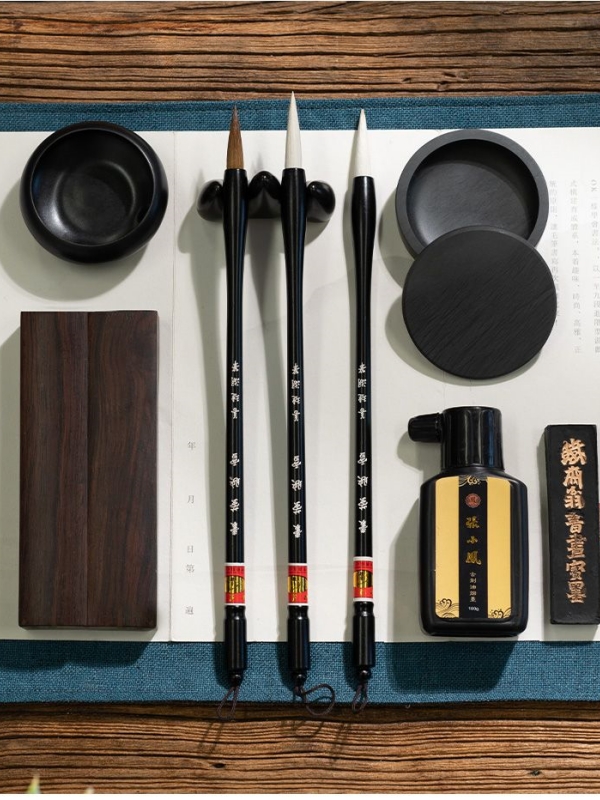
The Four Treasures of the Study—brush, ink stick, xuan paper, and inkstone—form the foundation of Chinese calligraphic tradition. Huzhou in Zhejiang produces the brushes most calligraphers consider the standard; Hu Kaiwen is the most celebrated ink stick brand. Beyond the scholarly tools, folk crafts offer immediate visual impact at modest prices. Paper cuttings in red paper with zodiac motifs, Chinese knots in silk cord, and personalized stone seals carved with a name in Chinese characters all translate well as gifts.
- Four Treasures gift set: $7–50 (¥50–350) — brush, ink stick, xuan paper, inkstone; Hu Kaiwen ink and Huzhou brushes are benchmark brands
- Calligraphy scrolls: $10–50 (¥70–350) — auspicious characters 福 (fortune) or 寿 (longevity), or classical poetry
- Paper cuttings (jianzhi): $3–15 (¥20–100) — red paper, zodiac and flower motifs
- Chinese knots (zhongguo jie): $3–15 (¥20–100) — red silk cord; luck symbols
- Stone seals (yinzhang): $7–50 (¥50–350) — personalized with a name in Chinese characters; ideal for marking books or correspondence
- Traditional medicine: herbal teas and acupressure tools — purchase at reputable pharmacies rather than market stalls
Cultural Icons and Collectibles
Terracotta Army Replicas
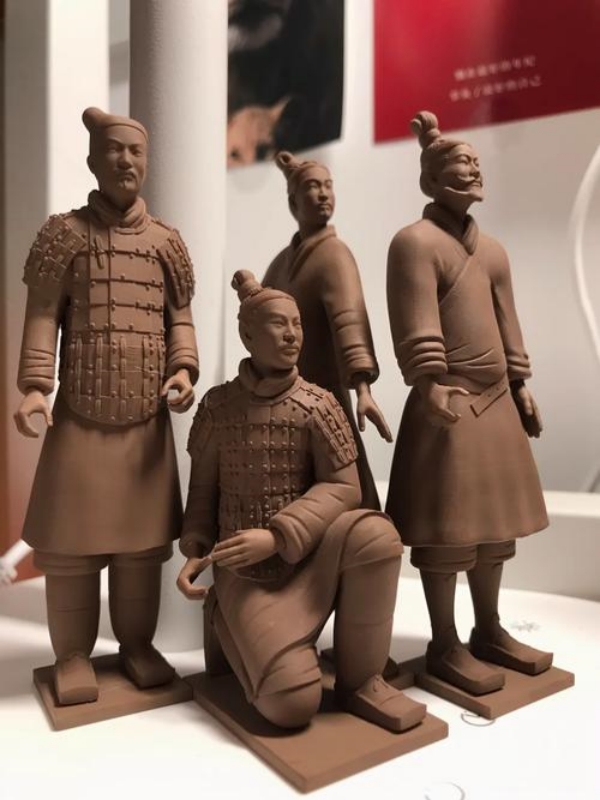
Some Chinese souvenirs function less as objects than as cultural shorthand. Terracotta Army figures from Xi'an, regardless of size, communicate the scale of Qin-era ambition. Mahjong sets work as game equipment and sculpture simultaneously. Chinese musical instruments—the erhu two-stringed fiddle, the pipa lute, the guzheng zither, the dizi bamboo flute—carry both aesthetic and practical value for anyone curious about learning.
- Terracotta Army replicas: $7 small / $30 medium / $280 life-size (¥50–2,000) — Xi'an workshops; three size tiers
- Mahjong sets: $20–60 (¥150–420) portable; $100+ (¥700+) premium — bamboo, melamine, or resin tiles; 144 tiles standard
- Erhu: $30–150 (¥200–1,000) — two-string bowed instrument; entry-level models are affordable
- Guzheng zither: $200–700 (¥1,400–5,000) — 21-string plucked zither; higher investment but dramatic presence
- Mao memorabilia: little red books, badges, posters — most are modern reproductions for the tourist market; political items can be culturally sensitive abroad
💃 Discover Traditional Performance Props: If you are looking for lightweight, iconic cultural gifts like carved bamboo and silk folding fans, read our full feature on Chinese Dance Fans.
Panda Souvenirs and Where to See Them
The Panda Souvenirs
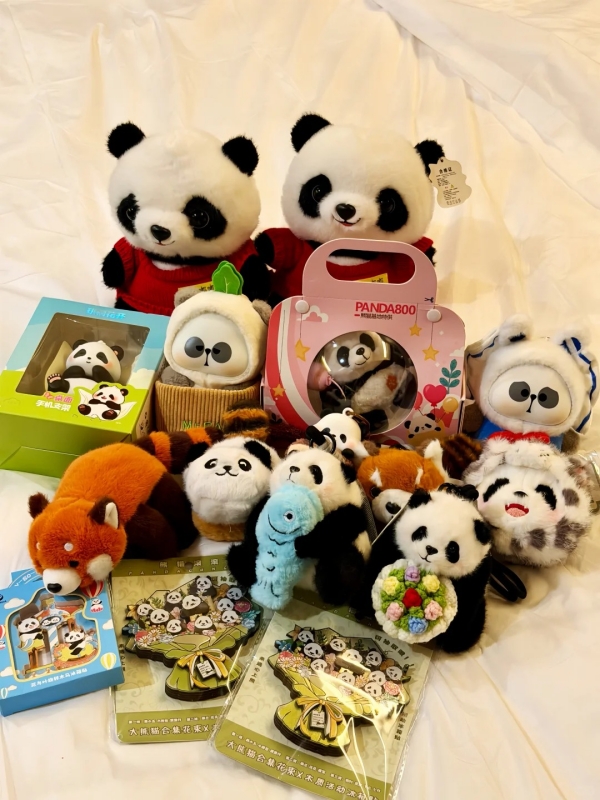
Pandas are China's most photographed animal, and panda-themed merchandise is the most uniquely Chinese item available. Giant pandas exist in the wild only in China, and every major panda base operates an on-site gift shop stocked with officially licensed products. For travelers who want both the experience and the keepsake, the Chengdu Research Base of Giant Panda Breeding anchors any panda itinerary, but satellite bases in Dujiangyan and Bifengxia offer shorter queues and equally active animals.
The Chengdu base hosts several residents with dedicated fan followings. Hua Hua, born in 2020, became a viral favorite with her short snout and rounded face. Qi Qi and other well-known individuals rotate through the breeding program's enclosures. Several overseas-born pandas have returned to China in recent years: Ya Ya arrived at Beijing Zoo from Memphis Zoo in April 2023; Tian Tian and Yang Guang returned from Edinburgh Zoo to Sichuan in late 2024; Bao Li and Qing Bao came back from San Diego Zoo in 2025.
- Panda plush toys: $10–30 (¥70–200) depending on size — officially licensed at base gift shops
- Panda T-shirts and apparel: $7–20 (¥50–140) — available at base shops and Chunxi Road in Chengdu
- Mugs, scarves, stationery, jewelry: sold at base gift shops, airport duty-free, and online flagship stores
- Best viewing tip: arrive before 9am when pandas are most active; no flash photography in enclosures
Electronics and Modern Tech Items
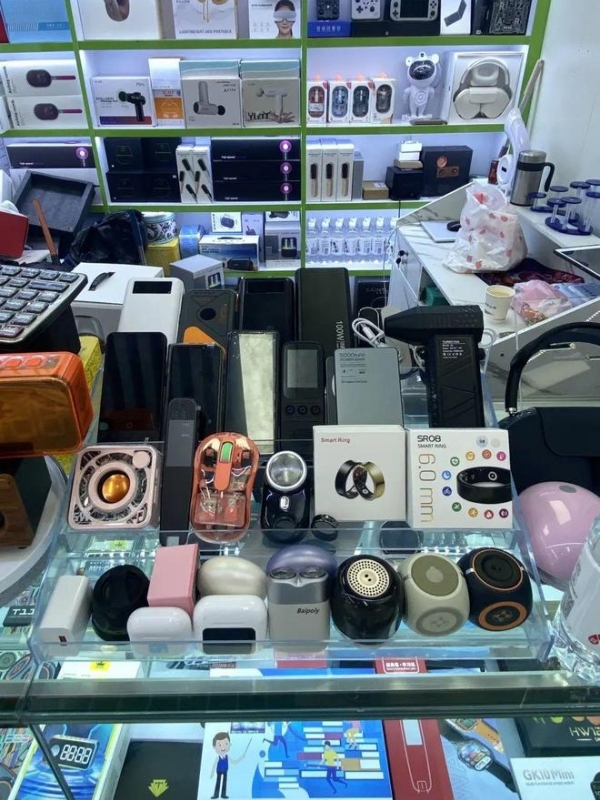
Electronics and Modern Tech Items
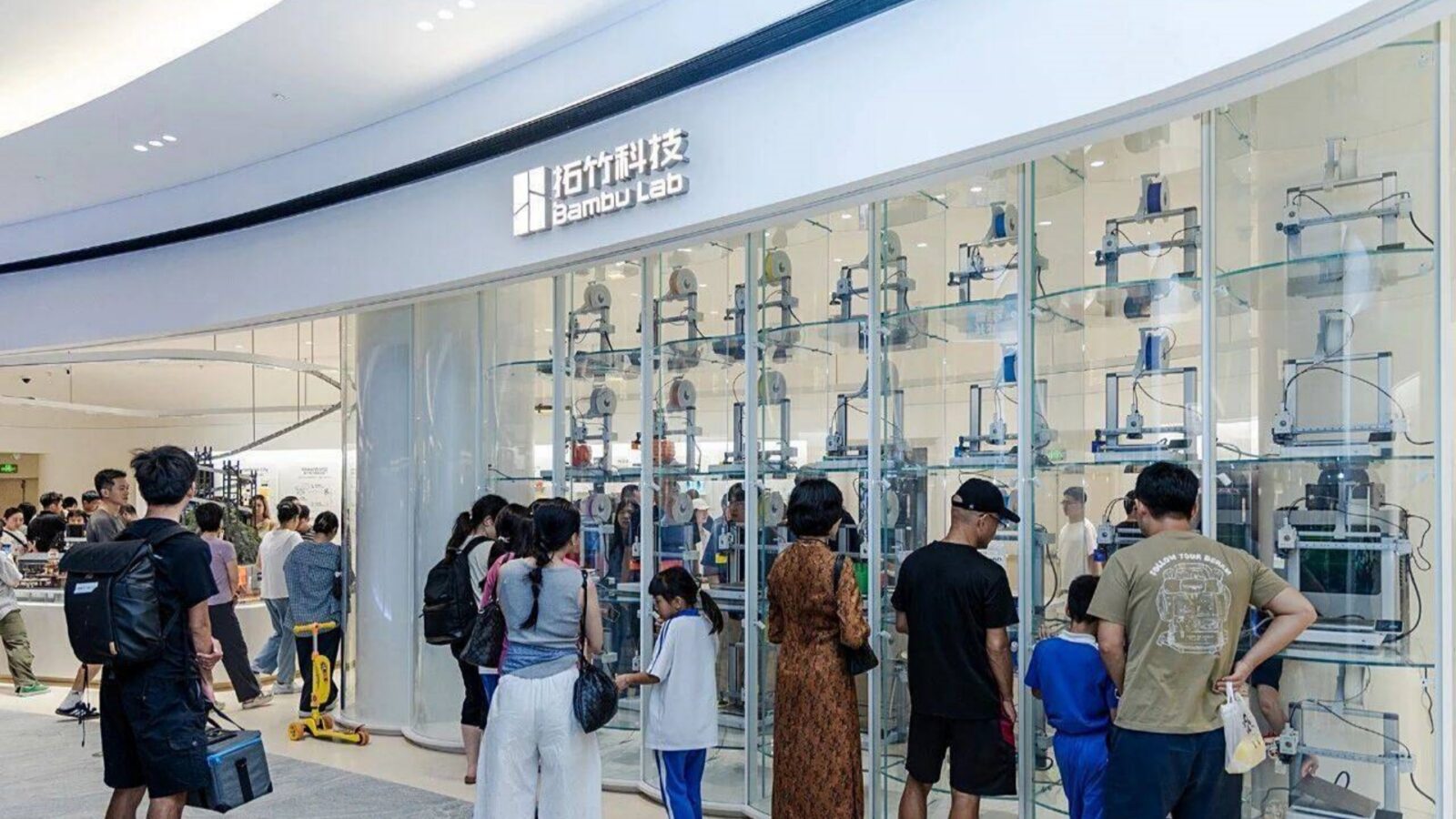
China is the world's factory for smartphones, drones, cameras, and audio equipment, and visitors shopping for tech frequently find prices 5–15% lower than abroad. Shenzhen, in particular, concentrates the headquarters of brands that dominate global markets in their categories. The practical advantage is real—but so are the caveats around voltage, warranty, and customs.
- DJI drones: Shenzhen brand; DJI Mini 4 Pro ~$560 (¥3,988), Mavic and Air series also available — world leader in consumer drones
- Smartphones: iPhone 17 Pro ~$1,100 (¥7,999) at Apple flagships; Huawei Mate/Pura series, Xiaomi 14, OnePlus, OPPO, vivo offer strong alternatives
- Smartwatches and bands: Huawei Watch, Xiaomi Band (~$25 / ¥179) — functional and affordable
- Wireless earbuds: Huawei FreeBuds, Xiaomi, Edifier, SoundPEATS — strong value across price tiers
- Action cameras: Insta360 and DJI Osmo Action (both Shenzhen brands) compete directly with GoPro
- Power banks: Anker, Romoss, Xiaomi — $30–50 (¥200–350) for high-capacity models
- Official brand stores: Apple, Huawei, Xiaomi, DJI flagship stores in major cities — best for warranty and authenticity
- Huaqiangbei (Shenzhen): massive electronics market for wholesale and hard-to-find models; verify authenticity before purchase
- JD.com: reliable online ordering with delivery to hotels or airports before departure
- Voltage warning: China uses 220V/50Hz; US devices need a converter
- Warranty note: most warranties are region-locked; international coverage varies by brand
- Customs note: some countries cap duty-free phone imports at 1–2 per traveler; check before purchasing multiple devices
- Model caution: some Chinese-only smartphone models lack English UI; confirm global firmware before buying
💻 Shop for Tech Gadgets & Components: From drone parts to custom computer hardware, discover how to navigate Asia's largest electronics market in our complete breakdown of Huaqiangbei Shenzhen China.
Edible Souvenirs and Cooking Tools
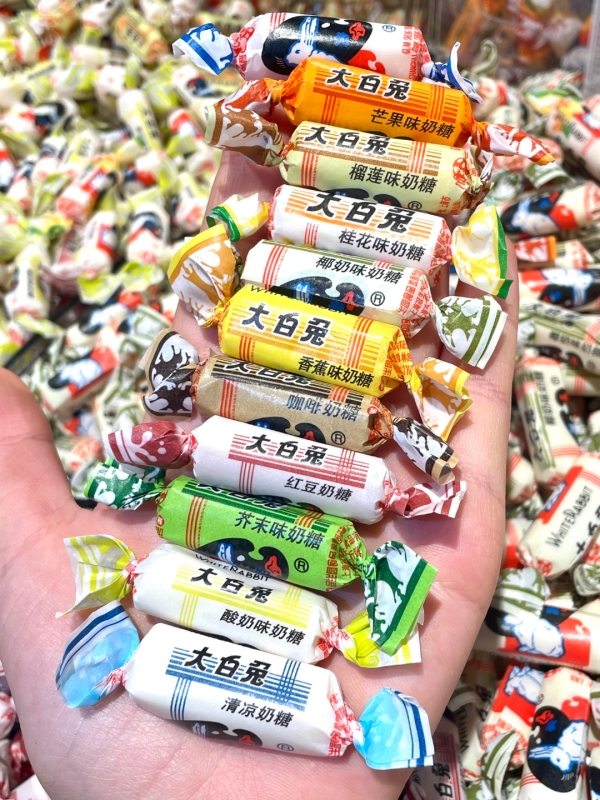
White Rabbit Candy
Edible and cooking items rank among the most practical items to buy in China—gifts that do not gather dust, paired with tools that genuinely improve a home kitchen. Supermarkets and specialty food halls make sourcing straightforward, and the regional specialties that define Chinese cuisine at home are precisely the ones that resist export.
- White Rabbit candy: $2–5 (¥15–35) per bag — creamy milk candy available at any supermarket; iconic and shelf-stable
- Spicy duck neck and preserved plum: regional snack standbys; sold at convenience stores and supermarkets
- Mooncake gift boxes: $15–50 (¥100–350) — Mid-Autumn Festival specialty; best purchased during or shortly after the festival
- Regional pastries: Beijing's 京八件 eight pastries, Shanghai butterfly pastries, Cantonese dim sum-style selections
- Sichuan peppercorns (花椒): ~$5–10 (¥35–70) per 250g — the citrus-numbing spice that defines Sichuan cooking
- Laoganma chili crisp: widely available; the condiment that introduced Chinese chili oil to global audiences
- Zhenjiang vinegar and premium soy sauce: aged varieties that elevate any Asian kitchen
- Yangjiang chef's cleaver: $15–50 (¥100–350) — Guangdong's cleaver capital produces the knives Chinese kitchens demand
- Carbon-steel wok: $15–40 (¥100–280) for a 12–14 inch wok with lid — the foundational cooking vessel
- Bamboo steamer: $10–30 (¥70–200) — stackable for dim sum, dumplings, and fish
- Clay sand pot (砂锅): for slow-cooked soups and stews; widely available at kitchen supply markets
- Where to buy: supermarkets (Walmart China, Sam's Club, Hema); Yangjiang cleaver specialty shops; JD.com for home delivery before departure
- US customs warning: many meat, dairy, and plant seed products face import restrictions; check before packing
🍬 Discover Nostalgic Chinese Sweets: Beyond traditional tea and ceramics, iconic creamy milk candies make delicious edible gifts. Learn about the history and taste of these famous treats in our guide to White Rabbit Candy Flavor.
Best Cities and Markets to Shop
The items to buy in China often depend as much on where as on what—each city has developed its own specialty over generations. A silk scarf purchased in Suzhou carries different provenance than one bought in a Beijing tourist market, even if the price looks similar. Understanding city-level specializations sharpens every purchasing decision.
Different venue types call for different purchasing strategies. Bargaining is expected and welcome at bazaars like Yuyuan in Shanghai, Panjiayuan in Beijing, and the Muslim Quarter in Xi'an—start at 30–50% of the asking price and walk away if no counteroffer comes. Fixed prices apply at department stores and supermarkets. Museum gift shops charge more but guarantee authenticity. Online platforms like Taobao, Tmall, and JD.com offer the widest selection but require a Chinese phone number for account setup.
- Bazaars and night markets: bargain expected; start at 30–50% of asking price
- Antique markets: weekend mornings offer the best selection; verify certificates for older pieces
- Department stores and supermarkets: fixed prices; best for snacks and everyday items
- Museum gift shops: premium pricing but guaranteed authenticity and quality
- Online platforms: Taobao/Tmall/JD.com require a Chinese phone number; plan ahead for account setup
📱 Explore Top Products & Tech to Buy: Beyond traditional crafts, explore the best tech gadgets, local fashion brands, and unique consumer goods in our breakdown of Things to Buy While in China.
Practical Tips for Foreign Shoppers
Many items to buy in China are easy to find but harder to actually pay for as a foreigner. Cash-heavy vendors, mobile payment dominance, and unfamiliar bargaining norms trip up even seasoned travelers. These practical tips address the gaps that most souvenir lists ignore entirely.
- Payment: Alipay Tour Pass and international WeChat Pay link to Visa/Mastercard without a mainland bank account; credit cards work at hotels, brand stores, and airport duty-free but not at street markets; bring ¥200–500 in cash for small vendors; exchange at airports, ICBC branches, or use UnionPay/Visa ATMs
- Bargaining: expected in markets (Yuyuan, Panjiayuan, Muslim Quarter); start at 30–50% of asking and walk away if no deal; fixed prices at malls, supermarkets, and brand stores; use Pleco or Google Translate with an offline Chinese language pack
- Tax refund (VAT): 11% refund at departure airports in Beijing, Shanghai, Guangzhou, Chengdu, and others; minimum spend ¥500 per receipt at stores displaying "Tax-Free Shopping" signs; process at airport tax-refund counter before check-in; plan to arrive 2+ hours early
- Shipping: SF Express or EMS international shipping costs $50+ per box for fragile or bulky items; cheaper to ship within China via SF to a hotel before departure; airlines allow 1–2 extra checked bags at $30–60 each
- Avoid: counterfeit branded goods (illegal to import to many countries; poor quality); antiques older than ~100 years without a Cultural Relics Bureau certificate; ivory, rhino horn, tiger parts (banned internationally); fake "vintage" jade (often glass-filled or polymer-treated); unmarked food items that may exceed home-country customs limits
- Apps to download before arrival: Pleco (Chinese dictionary with camera scan), Google Translate with Chinese offline pack, Maps.me or Amap for navigation within China
Frequently Asked Questions
Q: What are the best items to buy in China?
The best items vary by traveler type. Gift-givers should prioritize panda plush from Chengdu, Jingdezhen porcelain, silk scarves, and White Rabbit candy. Home cooks benefit most from a Yangjiang chef's cleaver, carbon-steel wok, Sichuan peppercorns, and laoganma chili crisp. Tech buyers should look at DJI drones, iPhone or Huawei flagships, and Anker power banks. Collectors will find the strongest value in Yixing clay teapots, cloisonné from Beijing, Hetian jade from Xinjiang, and traditional musical instruments like an erhu or guzheng.
Q: What electronic items should I buy in China?
DJI drones (Mini 4 Pro, Air series) lead the list, priced 5–15% lower than abroad. Insta360 action cameras, iPhone and Huawei flagship phones, Xiaomi smart bands, Edifier and SoundPEATS wireless earbuds, and Anker power banks all offer strong value. Visitors should bring a 220V converter for any small appliances, confirm the warranty covers their home country, and check their country's customs rules on duty-free phone imports before purchasing multiple devices.
Q: Where can I meet giant pandas in China?
The Chengdu Research Base of Giant Panda Breeding is the primary destination—reservation required via the official WeChat mini-program. Bifengxia Panda Base in Ya'an sits about two hours from Chengdu and sees fewer visitors. Dujiangyan Panda Base offers the shortest travel time from Chengdu with modest crowds. Wolong National Nature Reserve provides a wilder setting. Beijing Zoo houses some returned pandas including Ya Ya, who arrived from Memphis Zoo in April 2023. Panda populations rotate through breeding programs, so star residents change over time.
Q: Can foreigners use Alipay or WeChat Pay in China?
Yes. Alipay Tour Pass and the international version of WeChat Pay both support foreign passport holders and link directly to Visa or Mastercard. Major hotels, brand stores, restaurants, and tourist sites accept these payments. Street vendors and small market stalls may still prefer cash, so carrying ¥200–500 in RMB as backup covers situations where mobile payment is not accepted.
Q: Can I get a tax refund when shopping in China?
Yes. The VAT refund rate is 11%, available at designated "Tax-Free Shopping" stores with a minimum spend of ¥500 per receipt. Claim the refund at the airport tax-refund counter before checking bags. Major refund-capable airports include Beijing Capital, Shanghai Pudong, Guangzhou Baiyun, and Chengdu Shuangliu. Travelers should plan to arrive at least two hours earlier than usual to allow time for the refund process.
Q: What should I avoid buying in China?
Avoid counterfeit branded goods—they are illegal to import to many countries and often of poor quality. Antiques predating approximately 100 years require a Cultural Relics Bureau export certificate; without one, they cannot be legally exported. Ivory, rhino horn, and tiger parts are banned internationally regardless of documentation. "Vintage" jade sold at tourist markets is frequently glass-filled or chemically treated. Food items that lack clear labeling may violate home-country customs restrictions on meat, dairy, or plant products.
Q: Are items made in China safe to buy?
Yes. Most consumer goods sold through legitimate domestic channels meet Chinese national standards (GB standards). The main exceptions are counterfeit branded products and unmarked medicines or herbal remedies of unknown composition. Sticking to brand stores, supermarkets, museum gift shops, and authorized retailers provides the highest confidence in product safety and authenticity.
Q: What unique items can I buy only in China?
Panda-themed merchandise at Chengdu Research Base gift shops carries an authenticity unavailable elsewhere. Yixing clay teapots from Jiangsu and Jingdezhen blue-and-white porcelain represent centuries of unbroken craft tradition. Sichuan peppercorns and laoganma chili crisp are pantry staples that rarely export successfully. Yangjiang chef's cleavers, cloisonné from Beijing workshops, Hetian jade from Xinjiang, and traditional instruments like the erhu, guzheng, and dizi bamboo flute are distinctly Chinese in origin and quality. West Lake Longjing tea, bought directly from Hangzhou, and Chinese zodiac paper cuttings offer cultural depth at modest prices.