Best Souvenirs from China
China produces some of the world's most distinctive handmade goods, and bringing a piece home is one of the lasting memories of any visit. The trick is knowing which city to buy in, which product to trust, and which deal is actually a deal. This guide covers every major category — from Hangzhou silk and Fujian tea to Xi'an shadow puppets and Chengdu panda plush — with real prices, named markets, and practical advice on duty-free shopping and customs rules that apply in 2025.
Whether you are looking for a single small gift or a set of traditional keepsakes, the country has a clear geography of quality. Tea comes from Hangzhou and Yunnan. Silk centers on Suzhou and Hangzhou. Jade is best sourced through reputable shops in Beijing or Shanghai, where authentication standards are stricter. Markets vary wildly by city — a tourist-trap stall in Chengdu will not stock the same hand-embroidered Shu pieces you find in the city's own arts quarter. Work with this guide and you will spend money on things that actually matter.
Quick Facts
City-Specific Souvenirs by Region
China's craft traditions are intensely local. A product described as "Chinese" in a generic souvenir shop is almost always a regional specialty that travels poorly when bought outside its origin city. Hangzhou produces Longjing tea; Suzhou has specialized in silk weaving for a thousand years; Xi'an's markets are stocked with Tang-dynasty artifacts and folk art that simply do not appear in Shanghai malls. Knowing which city to target is the single most effective way to improve what you bring home. The sections below cover five city clusters, each with three to four named items and the specific market or street where they are most reliably sourced.
Top Local Crafts and Souvenir Shopping Locations
- Beijing: Cloisonné (jingtailan) from factory shops in the historic district; Peking Opera masks in painted wood or porcelain; Mao-era watches, propaganda posters and antique letters from Panjiayuan Antique Market; calligraphy chops and stationery carved on Liulichang cultural street; Da Shan Zi art zone near 798 for contemporary prints and modern craft.
- Shanghai: Tailored Qipao from the South Bund Fabric Market; silk scarves and home textiles along Nanjing Road; original ceramics, hand-printed textiles and contemporary crafts from Tianzifang and Xintiandi; painted fans, teapots and chopsticks from the Yu Garden bazaar area.
- Xi'an and the Northwest: Terracotta-warrior replicas in graduated sizes from the museum district; Tang-dynasty papercuts and shadow puppets from the Muslim Quarter bazaar; Shaanxi folk embroidery in bold geometric patterns; hand-pulled noodle vacuum packs and premium dried Sichuan pepper from brand-name vendors in the food market.
- Hangzhou and Suzhou: Longjing tea from Meijiawu tea village (Hangzhou); silk scarves and embroidered pillowcases from the city centre's silk shops; Qinghefang Street for antique-style craft items. Suzhou supplies Su embroidery and Song brocade, double-sided embroidered fans, silk bed sets and Taihu pearls — the silk corridor between the two cities is the densest concentration of quality fabric in the country.
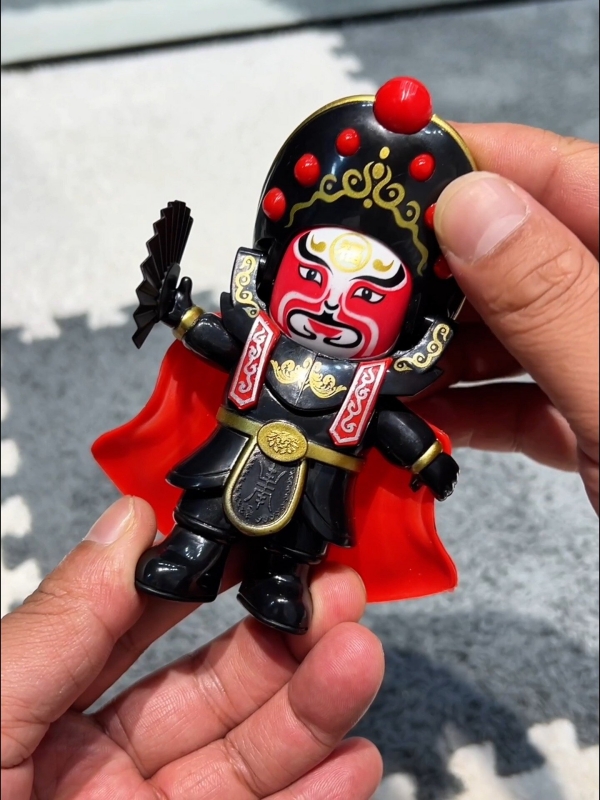
- Chengdu and Sichuan: Certified giant-panda plush and branded stationery from outlets near the research base; Shu embroidery pieces in silk or cotton; Sichuan opera face-changing masks in painted wood or resin; Pixian chili bean paste, Sichuan pepper and vacuum-packed regional snacks from local supermarkets and the Jinli Street bazaar.
Beijing
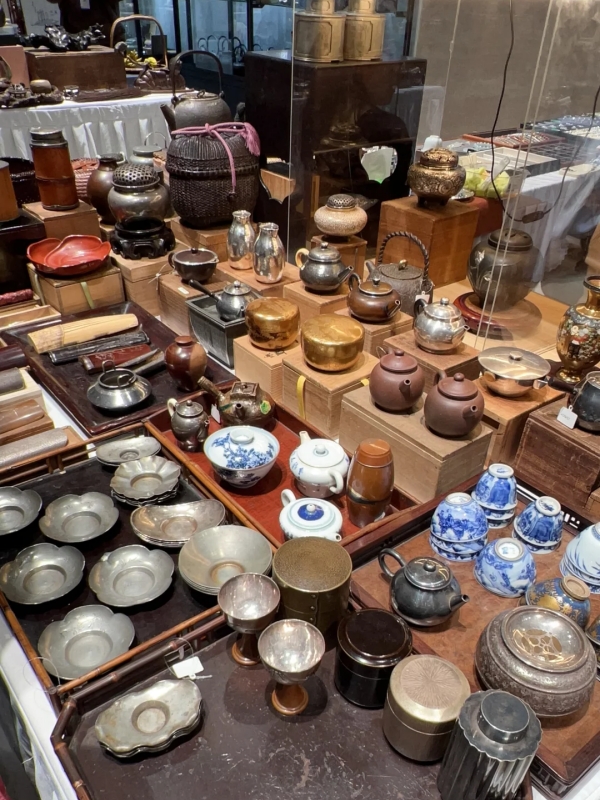
Best Souvenirs from Beijing
Beijing has the longest tradition of any Chinese city as a craft and antique center, and its markets reflect that depth. Cloisonné — the enamel-on-copper technique known locally as jingtailan — is the city's signature metalwork, produced in small factory shops clustered near the historic hutongs where craftspeople still work in visible workshops. Prices for a decent pendant or small vase start around $28 (¥200) and rise steeply with size and complexity.
The Panjiayuan Antique Market, open on weekends, is where collectors hunt for Mao-era watches, old propaganda posters and period ephemera — items that carry real cultural weight as historical souvenirs. For calligraphy lovers, Liulichang Cultural Street has shops specializing in brushes, ink stones, paper and personalized name chops carved from stone or wood. Da Shan Zi, a short distance from the 798 Art District, stocks contemporary prints and smaller-format modern craft work in a less tourist-saturated setting.
Shanghai
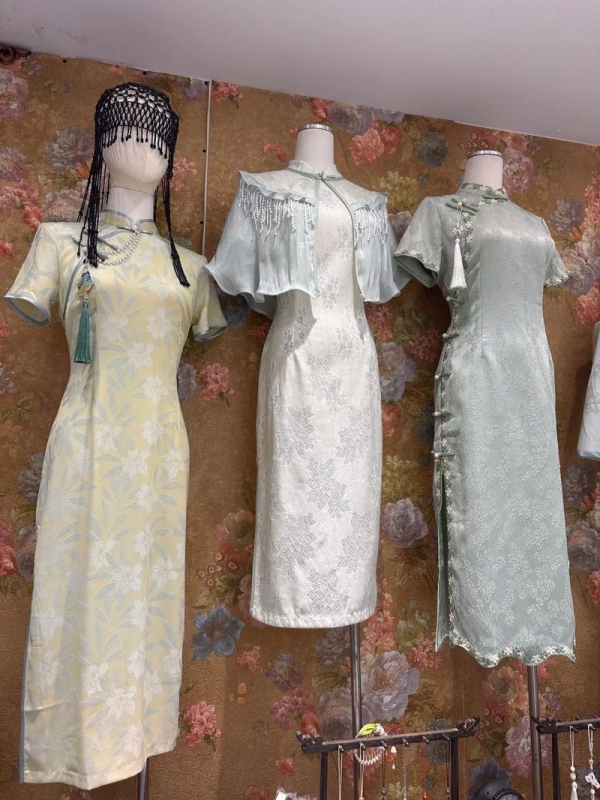
Best Souvenirs from Shanghai
Shanghai's shopping personality is modern and tailored. The South Bund Fabric Market on the Huangpu riverbank is famous for made-to-measure Qipao — a skilled tailor can produce a fitted dress in two to three days, with silk fabric purchased on the same floor. Off-the-rack Qipao in ready-to-wear shops along Nanjing Road costs roughly $30–70 (¥200–500), while bespoke work runs $140–280 (¥1000–2000) depending on fabric quality.
Tianzifang, a renovated shikumen neighborhood in Huangpu District, has replaced the old tourist notion of "Shanghai craft" with genuinely contemporary work — hand-thrown ceramics, original screen prints and small-run textile pieces that make for more personal gifts than a mass-produced fan. The Yu Garden bazaar, despite its age and heavy foot traffic, retains a reliable selection of painted folding fans, tea sets and chopstick sets in various materials and price brackets.
Xi'an and the Northwest
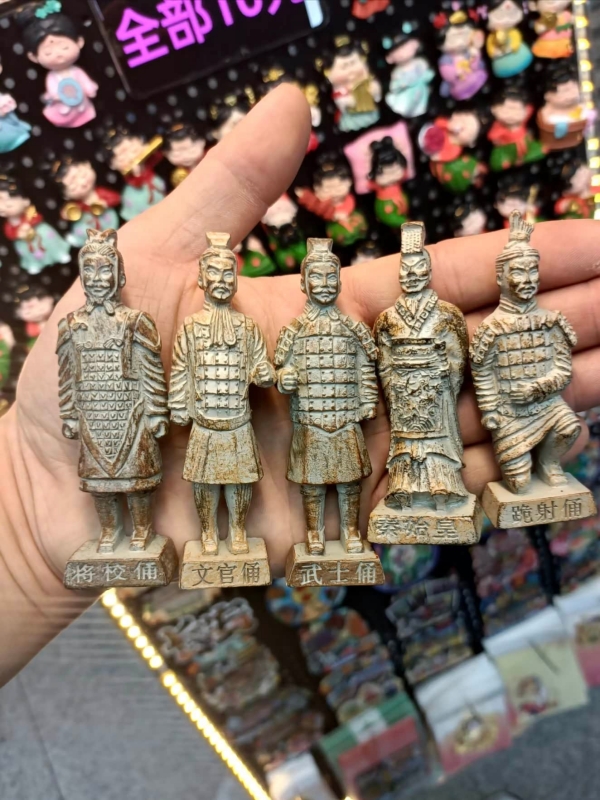
Best Souvenirs from Xian
Xi'an sits at the crossroads of China's silk-road and ancient-capitol traditions, and its markets reflect both. Terracotta-warrior replicas — from pocket-sized figures to half-meter command statues — are sold widely around the museum and city wall area, with quality and price scaling roughly with detail and finish. The Muslim Quarter bazaar is the reliable source for Tang-dynasty papercuts (cut paper art sold in flat-packed sheets), Shaanxi shadow puppets carved from donkey hide, and bold geometric folk embroidery in cotton or silk.
For edible souvenirs, Xi'an's food markets stock premium dried Sichuan pepper and dried chili under brand names, vacuum-packed for export. The same vendors usually carry cumin, cassia bark and star anise at prices significantly lower than equivalent quality in foreign supermarkets. Avoid the loose unpackaged spices at stall counters — buy sealed bags from established brand-name counters to ensure freshness and clean export documentation.
Hangzhou, Suzhou and Silk
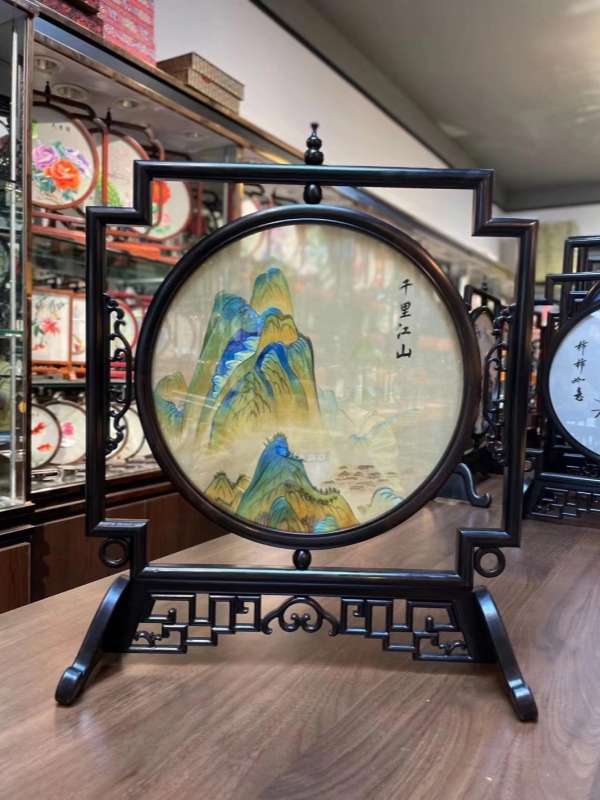
Best Souvenirs from Suzhou
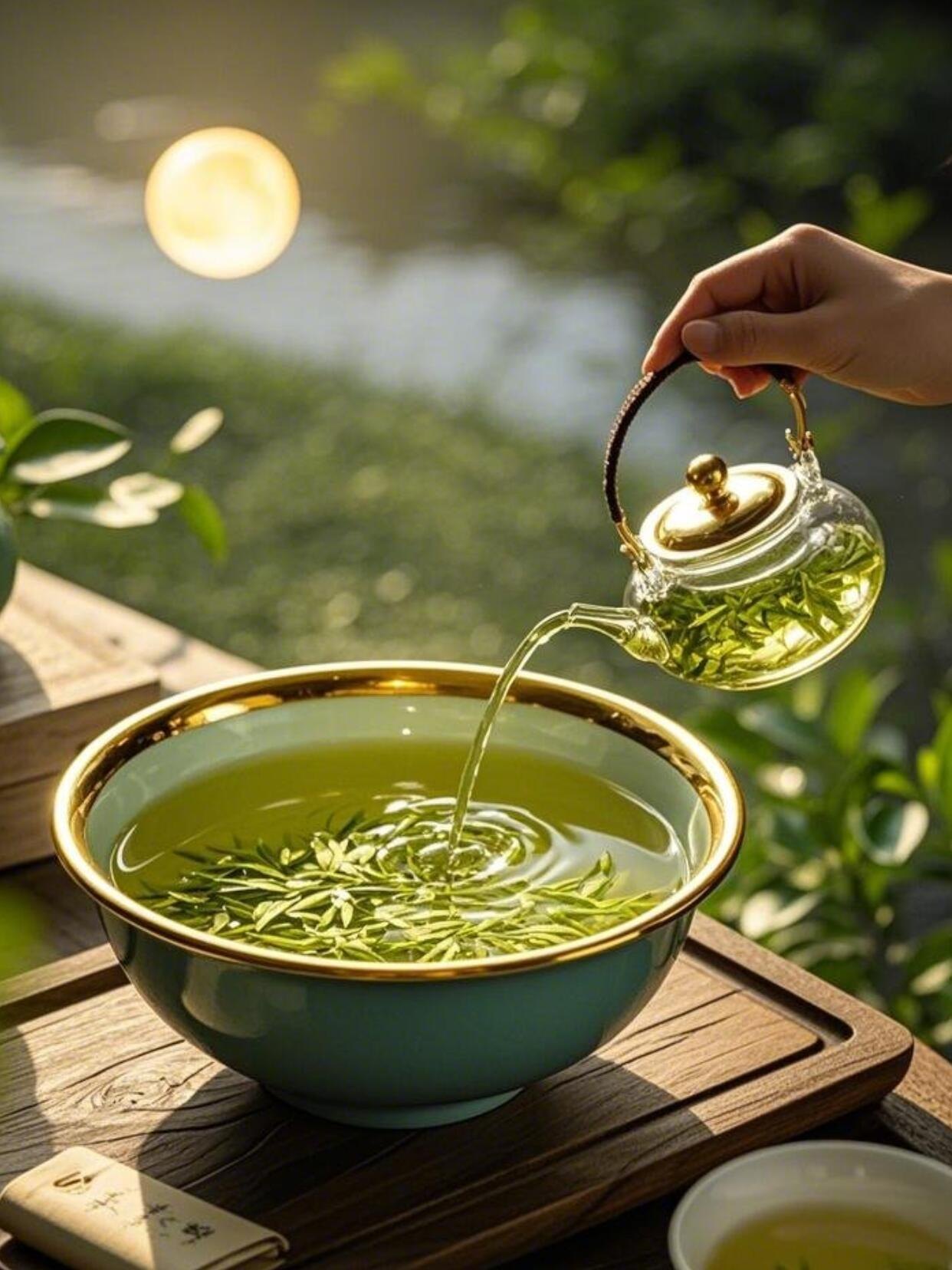
The silk corridor between Hangzhou and Suzhou is the most concentrated center of high-quality fabric production in China. Hangzhou's Meijiawu tea village is the primary source for authentic Longjing (Dragon Well) tea — buy directly from the cooperative shops at the village rather than the airport or city-center tourist stores, where blends and lower grades are common. A sealed tin of good Longjing costs about $28–42 (¥200–300) per 50g; premium early-spring pickings cost considerably more.
Suzhou has specialized in embroidery for over two thousand years. Su embroidery and Song brocade are the two most celebrated regional varieties, with Su work known for its delicate color transitions and Song brocade for its strong geometric patterns used historically in imperial court dress. Double-sided embroidered fans — where a single piece of silk shows a different image on each face — are the most transportable and gift-friendly of Suzhou's craft exports. Qinghefang Street in Hangzhou mixes silk shops with antique-style craft vendors and small tea houses, making it a workable single-stop for visitors short on time.
Chengdu and Sichuan
Best Souvenirs from Sichuan
Chengdu's most distinctive souvenirs are panda-themed goods and Sichuan craft, with food specialties running a close second. Certified panda plush — meaning items sold through the official Chengdu Research Base of Giant Panda Breeding outlets — carries authentication that mass-market imitations do not. The same outlet shops stock branded stationery, postcards and small bamboo items that make coherent, themed gift sets.
Sichuan opera face-changing masks (lianpu) in painted wood or resin are among the most visually striking souvenirs China produces. Authentic pieces show the character face painted directly on the mask surface, with the transitions between emotion states represented by the color changes the opera tradition is famous for. Shu embroidery, the regional needlework style, uses vivid silk threads on fine cotton to depict pandas, flowers and traditional motifs — smaller pieces like bookmark-size panels are the most practical to transport. For the kitchen, Pixian doubanjiang (chili bean paste) and Sichuan peppercorns in sealed bags represent Sichuan cuisine better than any packaged snack.
🛍️ Discover Southwest Shopping Hotspots: Beyond silk and tea regions, southwestern megacities offer vibrant multi-level commercial districts, pedestrian food streets, and local craft markets. Explore top retail areas in our guide to Shopping in Chongqing.
Classic Chinese Souvenirs to Buy
The traditional categories — tea, silk, jade, calligraphy, fans, chopsticks — appear in every Chinese souvenir guide because they genuinely are the best things China makes. Competitors cover these sections broadly; this article keeps them tight and complete, with named variants and realistic price bands so you can distinguish a $10 (¥70) mass-market fan from a $20 (¥140) silk-backed piece worth bringing home.
- Tea: Longjing (Hangzhou, ~$28–42 / ¥200–300 per 50g); Pu'er mini-cake (Yunnan, ~$15–25 / ¥100–180); Tieguanyin (Fujian, ~$20–35 / ¥140–250 per 50g).
- Jade: Small pendants and bangles range ~$30–150 (¥200–1000); authenticity varies widely — buy at established city-center stores with certificates, and be cautious of "A-grade" claims without documentation.
- Calligraphy: Scrolls in regular, seal, cursive, running or official script; personalized chops (name seals) in stone or wood, carved on-site at Liulichang (Beijing) or Qinghefang (Hangzhou).
- Silk: Scarves ~$10–20 (¥70–140); pillowcases ~$15–25 (¥100–180); off-rack Qipao ~$30–70 (¥200–500); tailored Qipao ~$140–280 (¥1000–2000).
- Fans and Chopsticks: Paper fans ~$2–7 (¥15–50); silk-backed fans ~$7–20 (¥50–140); bamboo chopstick sets ~$3–7 (¥20–50); painted or lacquered pairs ~$7–15 (¥50–100).
- Opera Masks, Knots and Costumes: Painted opera masks ~$5–20 (¥35–140); Chinese-knot keychains ~$2–7 (¥15–50); wall-hanging knot pieces ~$10–30 (¥70–200); Han/Tang/Qipao costumes in off-rack or tailor-made versions.
Tea, Jade and Calligraphy
Tea is China's most portable and universally appreciated souvenir. Longjing (Dragon Well) from Hangzhou is the best-known green tea variety — look for the Meijiawu village cooperative shops rather than airport duty-free for a wider grade range and better prices. Pu'er, the fermented dark tea from Yunnan, ages well and comes in compressed mini-cakes that stack neatly in luggage. Tieguanyin, the rolled oolong from Fujian, offers a different flavor profile and lower price point than Longjing. Per 50g, expect to pay roughly $15–42 (¥100–300) for retail-grade tea at reputable shops; the premium early-spring pickings cost more.
Jade requires more care. Small pendants and bangles in nephrite (the more common jade variety) are widely sold, but "jade" covers a wide quality range and the market has documented issues with treated or lower-grade material passed as premium. Buy at established stores that provide certificates, and treat any "A-grade" claim from an unverified source with skepticism. Calligraphy scrolls and personalized chops (name seals) are more straightforward purchases — Liulichang in Beijing and Qinghefang Street in Hangzhou have shops where calligraphers will produce a custom piece while you wait.
Silk, Fans and Chopsticks
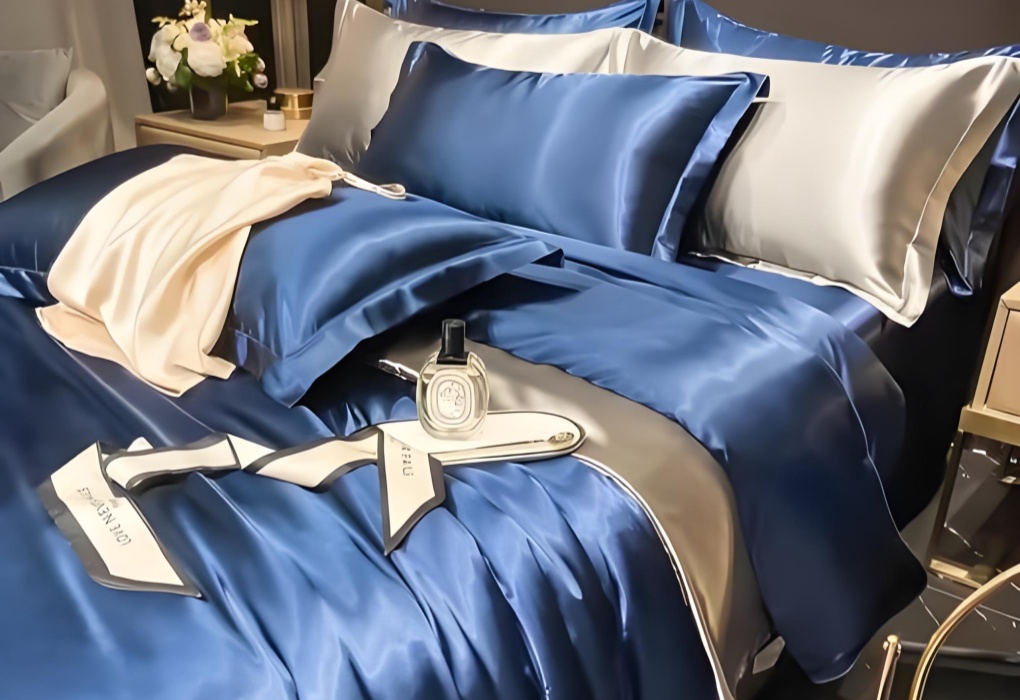
Silk is the category where China has a genuine global reputation advantage. A silk scarf at $10–20 (¥70–140) makes an everyday gift that actually reflects the origin country's craft; pillowcases at $15–25 (¥100–180) are practical and pack flat. The Qipao is the premium silk item — off-rack ready-to-wear versions at $30–70 (¥200–500) are widely available in Shanghai and Beijing tourist areas; a properly tailored silk Qipao at $140–280 (¥1000–2000) from the South Bund Fabric Market in Shanghai or a Suzhou specialist is a genuinely handmade garment worth the investment.
Paper and silk fans are the most affordable silk-adjacent item, ranging from $2–7 (¥15–50) for plain paper to $7–20 (¥50–140) for silk-backed painted pieces. Chopstick sets span an even wider range — basic bamboo pairs at $3–7 (¥20–50) are functional and lightweight; lacquered or painted sets at $7–15 (¥50–100) make for a more considered gift. Avoid raw untreated wood chopsticks from market stalls, as they may not meet import food-safety standards in some countries.
Opera Masks, Knots and Costumes
Chinese opera masks — painted in vivid colors that denote character traits, moral alignment and emotional state — are among the most visually distinctive souvenirs China produces. Painted wooden or resin masks range $5–20 (¥35–140) depending on size and finish; the larger wall-mounted pieces make striking home decor but require careful packing. Chinese knot keychains and small hanging ornaments are inexpensive ($2–7 / ¥15–50), lightweight and easy to pack in quantities — they work well as party favors or office gifts.
For visitors drawn to traditional costume, off-rack Han, Tang or Qipao garments serve as photo-wear or display pieces without a significant financial commitment. Tailor-made versions, sourced at fabric markets in Shanghai or Suzhou, produce wearable keepsakes in quality fabric — though the cost and complexity of international shipping for a full garment should factor into the decision. Wall-hanging Chinese knot pieces, intricately knotted in colored silk cord, range $10–30 (¥70–200) and ship more easily than costume.
🏙️ Explore Modern Capital Malls: If you prefer air-conditioned flagship complexes, luxury boutiques, and high-end department stores for buying authentic jade and jewelry in the capital, check out our guide to top Beijing Shopping Malls.
Food Souvenirs from China
Edible souvenirs are China's most underrated export. The country's regional pantry — Sichuan pepper, Yunnan Pu'er, Xi'an's dried spices, Ningxia goji berries — has influenced global cooking for centuries, and most of it is available in sealed, export-ready packaging at prices far below equivalent quality abroad. The key is buying brand-name products from established counters rather than loose unpackaged goods, and sticking to vacuum-sealed or tins that survive airline luggage handling.
- Regional Snacks and Confectionery: Mooncakes in sealed gift boxes (~$10–25 / ¥70–180, best bought outside the Mid-Autumn festival window when prices drop); White Rabbit toffees and milk candy; pi pa gao (loquat syrup) for sore throats; Cantonese egg rolls; vacuum-packed pi dan (century egg).
- Spices, Tea and Pantry: Sichuan peppercorns in sealed bags from Xi'an brand-name vendors (~$5–10 / ¥35–70 per 100g); Luobogan dried radish strips; Pixian doubanjiang (chili bean paste); Lao Gan Ma chili crisp oil; star anise and cassia bark; small bottles of baijiu for checked luggage only.
- Dried Fruit, Nuts and Specialties: Jujube stuffed with walnut (red dates with walnut, named in source material); Ningxia goji berries; dried longan and dried lychee; roasted sunflower and pumpkin seeds; dried bamboo shoots for soup base; bird's nest, ginseng and cordyceps as premium-tier gifts in specialty stores.
Regional Snacks and Confectionery
Mooncakes are the most culturally resonant food gift from China, sold in handsome lacquered boxes that function as a gift container and keepsake in one. A sealed gift box of four to eight mooncakes costs roughly $10–25 (¥70–180) depending on brand and filling — the highest-quality lotus seed paste with double yolk versions sit at the top of that range. The practical tip: mooncakes are cheapest outside the Mid-Autumn festival period (roughly mid-August to mid-September), when gift boxes go on sale at 40–60% discounts.
White Rabbit candy — the milk toffee with a edible rice-paper wrapper — has been produced since 1943 and remains China's most internationally recognized confectionery. Individual bars are cheap and packable, though the sealed multi-bar boxes make for a more cohesive gift. Pi pa gao, a loquat and herb syrup in a small jar, is a traditional throat remedy popular with travelers who pick up a cold; it keeps without refrigeration and is a surprisingly useful gift for anyone who sings or speaks publicly.
Spices, Tea and Pantry
Sichuan peppercorns are the pantry item most visitors seek, and for good reason — the citrusy-numbing quality they impart to mapo tofu, dan dan noodles and countless stir-fry dishes is genuinely difficult to replicate outside China. Buy from brand-name vendors in Xi'an's Muslim Quarter or from established spice shops, in sealed bags labeled with the net weight. Expect to pay roughly $5–10 (¥35–70) per 100g for quality Sichuan pepper in sealed export-ready packaging.
Pixian doubanjiang — the fermented chili bean paste that defines Sichuan cuisine — ships well in sealed jars. Lao Gan Ma, the brand whose chili crisp oil has achieved global cult status, is available everywhere in China at roughly $2–5 (¥15–35) per jar. Star anise, cassia bark and other whole spices from Xi'an or Chengdu markets cost a fraction of equivalent quality in Western supermarkets. For alcohol, small bottles of baijiu (Moutai, Fenjiu or regional varieties) in sealed, commercially packaged 50–100ml bottles are permissible in checked luggage — never attempt to carry open or half-empty bottles.
Dried Fruit, Nuts and Specialties
Jujube stuffed with walnut — red dates split and filled with a walnut half, a traditional sweet-and-nutritious combination — is one of Sichuan's most distinctive and gift-friendly dried products. Individually wrapped versions survive luggage handling better than loose unpackaged pieces. Ningxia goji berries (wolfberries) are another premium-tier pantry item — the region is considered the source of the highest-quality goji, and sealed bags of dried goji are widely available at a fraction of Western health-food-store prices.
Dried longan and dried lychee represent southern China's dried-fruit tradition, sweet and chewy with concentrated flavor. Roasted sunflower and pumpkin seeds are a casual, inexpensive snack that travels easily and appeals to a broad range of tastes. At the premium end of the specialty tier, bird's nest (edible bird's nest, cave-harvested swiftlet secretion), ginseng root and cordyceps (caterpillar fungus) are sold in specialty health stores and represent a significant financial commitment — these are appropriate gifts for close family members or for occasions where the recipient understands and values traditional Chinese medicinal categories.
🎁 Plan Your Capital Shopping Itinerary: From traditional souvenir streets and night markets to modern commercial hubs, discover the best places to buy gifts and authentic local crafts with our comprehensive guide to Shopping in Beijing.
Where to Buy: Markets, Malls and Duty-Free
Location matters as much as product when buying souvenirs in China. Market stalls in tourist-heavy areas near major attractions charge inflated prices for mass-produced items that may be identical to products sold at a fraction of the cost a short distance away in a neighborhood market. The table below benchmarks the most reliable named markets by city, including what to buy there, typical hours and a practical tip on bargaining or timing. After the table, the duty-free and tax-refund sections cover the options for last-minute or discount purchases before departure.
Famous Markets and Shopping Streets
Airport Duty-Free at PEK and PVG
Beijing Capital Airport Terminal 3 and Shanghai Pudong International Airport are China's primary international hubs, and both operate duty-free shops that concentrate premium, gift-ready items in one location. The selection is narrower than city markets but curated toward products that travel well and clear customs cleanly — Moutai and Fenjiu in sealed gift boxes, premium Longjing and Tieguanyin in sealed tins, panda plush from certified outlets, Silk Road-themed porcelain and jade-and-gold pendants with certificates.
For last-minute purchases, pre-packaged gift boxes are the practical choice — they eliminate the need to source and pack loose items under airport security time pressure, and the sealed retail packaging is more likely to pass through customs without query than a wrapped artisan piece with no documentation. Watches and lighters are also available at both airports, though electronics and larger items are better purchased in the city where selection is wider and prices are lower.
Tax Refund for Foreign Tourists
Foreign passport holders staying in China for fewer than 183 days are eligible for the tourist tax refund scheme, which applies in 24 or more provinces and major cities. The minimum single-day purchase threshold at a participating store is typically about ¥500 (roughly $70), after which the refund covers the VAT-equivalent component — generally 9–13% of the purchase price, depending on the province.
To claim the refund, present the store's tax-refund form and your passport at the Tax Free counter in the departure terminal before checking in for your flight. The refund can be processed to Alipay, WeChat Pay or a credit card — confirm the exact refund rate and payment options at the official counter on the day of departure, as procedures and rates are subject to change. Keep all receipts and the original goods accessible for inspection, as customs may verify purchases before the refund is finalized.
Bringing Souvenirs Home: Customs and Tariffs
Buying souvenirs in China and shipping them home involves two separate regulatory layers: the export rules of China (generally straightforward for commercially packaged goods) and the import rules of your destination country. For US travelers — the primary audience of this guide — the relevant framework includes the personal exemption, the current state of de minimis treatment for low-value parcels, and the Section 301 tariff surcharges that still apply to certain Chinese goods. Rules change; always confirm the current position with the destination country's customs authority before you fly.
- US personal exemption: $800 per traveler, per stay, for goods for personal use — the baseline figure most visitors will work within without triggering duties.
- De minimis threshold: The suspension of de minimis treatment for low-value China-origin parcels has changed in recent policy cycles — confirm the current threshold on the CBP website before relying on it for larger purchases.
- Section 301 tariffs: Certain categories of China-origin goods still attract additional Section 301 duties on top of standard import rates — electronics, certain textiles and some manufactured goods fall into this category.
- Destination-country rules vary: EU, UK, Australia and Canada each have their own duty thresholds, restricted categories and documentation requirements — this section uses the US as the primary reference point.
- Ivory and antiques: Ivory of any kind (including antique items) faces severe import restrictions in most Western countries; antiques without an export certificate from the Chinese authorities may be confiscated.
US Tariff and Customs Rules
The US personal-use exemption allows returning residents to bring in up to $800 worth of goods duty-free per trip — a threshold that comfortably covers most souvenir purchases, including several items of clothing, a quantity of tea, some food gifts and one or two craft pieces. Purchases above that value are subject to a flat 10% flat-rate duty on the excess amount for personal imports, on top of any applicable Section 301 surcharges.
The de minimis rule — which previously exempted single low-value shipments from duties — has been subject to policy reversals and legislative changes in 2024–2025. For visitors who intend to ship purchases home rather than carry them as luggage, confirming the current threshold is essential before committing to a large shipment. Section 301 tariffs continue to apply to certain Chinese goods entering the US, including some textile products, electronics and specific manufactured categories; these add cost on top of the base duty rate and are applied at the CBP's assessment, not at point of purchase.
What to Declare at the Airport
The golden rule of customs declaration is straightforward: if you are uncertain, declare it. Ivory, antique items older than a specified threshold (varying by country), replica weapons, large sums of cash and most food items are restricted or prohibited on international flights. Fresh fruit, unprocessed seeds and unpackaged dried products are the categories most likely to be stopped — vacuum-sealed, commercially packaged food gifts in sealed tins or sealed bags generally clear without issue, but the declaration is still required.
Keep all receipts and invoices accessible in your carry-on luggage. If a customs officer questions an item, the receipt documents the purchase price and — in the case of craft items or antiques — serves as evidence of legal acquisition. For baijiu and other alcohol, standard duty-free alcohol allowances apply by country — typically 1 liter per adult for the US, with amounts above that subject to additional duty. The safest approach is to buy sealed, commercially packaged bottles in standard 50–100ml travel sizes and declare them at the customs desk.
Frequently Asked Questions
Q: What are some good souvenirs from China?
The most reliable categories are tea (Longjing, Pu'er, Tieguanyin), silk (scarves, pillowcases, Qipao), jade (pendants and bangles with certificates), calligraphy scrolls and chops, Peking or Sichuan opera masks, Chinese knot keychains, painted fans and quality chopstick sets. These are covered in detail in the Classic Chinese Souvenirs section above.
Q: What is the best souvenir to bring back from China for friends?
Small, light and non-fragile items travel best: Chinese-knot keychains, White Rabbit candy in sealed boxes, mooncakes in sealed gift tins, chopstick pairs in a flat sleeve, tea in sealed tins, or panda plush from certified Chengdu outlets. Each fits comfortably in carry-on luggage and ships easily if purchased in quantity.
Q: What are the most unique souvenirs from China?
Cloisonné (jingtailan) from Beijing factory shops, Shu embroidery from Chengdu, Tang-dynasty papercuts and shadow puppets from Xi'an, face-changing opera masks, Su double-sided embroidered fans from Suzhou, personalized calligraphy chops from Liulichang or Qinghefang, and terracotta-warrior replicas in graduated sizes represent the most culturally specific and visually distinctive categories.
Q: Where is the best place to buy souvenirs in China?
City-specific markets outperform tourist malls consistently: Beijing Panjiayuan and Liulichang; Shanghai Yu Garden, Tianzifang and South Bund Fabric Market; Hangzhou Meijiawu and Qinghefang; Xi'an Muslim Quarter; Chengdu Jinli Street. For last-minute purchases, airport duty-free at PEK T3 and PVG stock premium gift-ready items. The markets table in the Where to Buy section provides hours, locations and practical tips for each venue.
Q: Can tourists still bring souvenirs back from China with tariffs?
Yes. The US personal exemption of $800 per traveler covers most souvenir purchases comfortably. Some China-origin goods still attract Section 301 duties above the standard rate, and the de minimis treatment of low-value parcels has changed — confirm the current threshold with CBP before shipping large purchases. Full details are in the Bringing Souvenirs Home section above.
Q: How much Chinese tea should I buy as a gift?
50–100g per person of Longjing, Tieguanyin or Da Hong Pao is a generous single-person portion. Vacuum-sealed tins protect the aroma and survive luggage handling. Expect to pay roughly $20–40 (¥140–280) per sealed tin depending on grade — enough for several steepings per serving and a meaningful gift presentation.
Q: Are souvenirs cheap in China?
Paper fans, chopsticks, Chinese-knot keychains, White Rabbit candy and dried fruit are inexpensive at $1–7 (¥7–50) per item. Silk scarves, jade pendants, quality opera masks and mid-grade tea scale to $10–150 (¥70–1000). Premium silk items, tailored Qipao and high-grade tea reach $150–300 (¥1000–2100+). Overall, basic craft items are genuinely cheap; quality craft and premium food items offer strong value relative to equivalent quality abroad.
Q: What cute or kid-friendly souvenirs can I get in China?
Panda plush from certified Chengdu research base outlets is the standout kid-friendly item — children respond to the authenticity and the connection to the actual breeding program. Other options include Silk Road cartoon magnets, opera-mask stickers, painted chopsticks for craft use, calligraphy practice sets, White Rabbit candy and mooncake gift boxes (outside the festival window, when the premium packaging is available without the scarcity premium).
Q: What should I not buy as a souvenir in China?
Ivory and real tortoiseshell items are illegal to export from China and illegal to import into most Western countries — the penalties are severe and enforcement is active. Uncertified antiques older than 1949 may be export-restricted and require official documentation. Unlabelled traditional medicine products and unpackaged food items that lack sealed commercial packaging may be confiscated at your destination's customs. Always verify before purchasing any item that involves restricted materials, age-dated artifacts or biological products.