Contemporary Chinese Clothing
Foreign travelers tend to associate cutting-edge fashion with Paris, Milan, or Tokyo — yet contemporary Chinese clothing has become one of Asia's most active design scenes, and the experience of shopping it in person is hard to replicate online. From new-wave designers clustered in Shanghai's former French Concession to fabric markets where a custom suit can be measured, fitted, and finished in under a week, the country offers hands-on access to a fashion culture that still feels under-discovered. This guide covers where to browse, buy, and try contemporary Chinese clothing in China — including designer boutiques, fabric-market tailors, and modern hanfu rental studios.
Quick Facts
Shanghai — China's Contemporary Fashion Hub
-


- Uma Wang
-
- SHUSHU/TONG
Shanghai is the heart of contemporary Chinese clothing, where most internationally visible designers keep studios and flagship stores. Three sub-zones carry the bulk of the scene: Xintiandi and the Former French Concession for boutique density and walkable shopping; Nanjing West Road for flagship stores mixing local designers and global brands; South Bund Fabric City for the practical, hands-on side — fabric markets and custom tailoring.
- Uma Wang: Known internationally for knitwear; sold at top-tier retailers worldwide and at the label's Shanghai studio.
- Ms Min: Shanghai-based womenswear designer; her clean, architectural aesthetic has a strong local following.
- Zuczug: Accessible contemporary label; multi-floor concept store on Anfu Road.
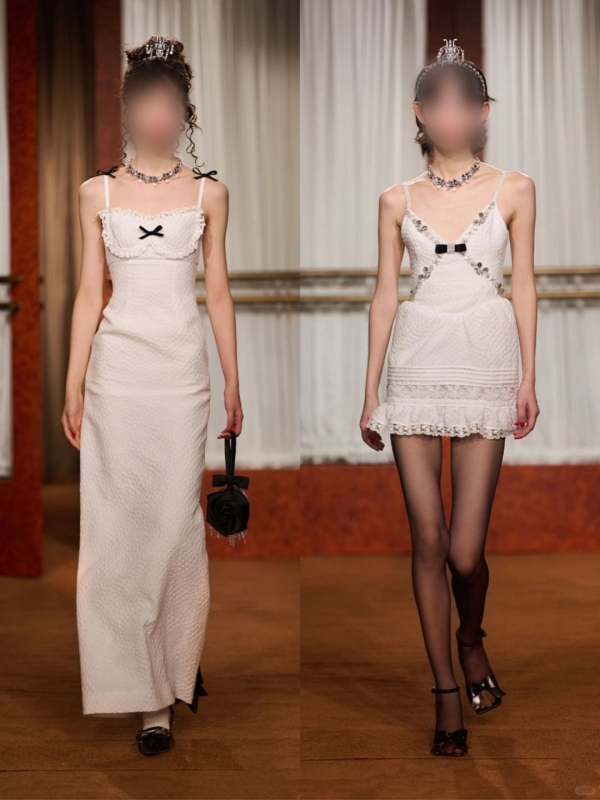
- Shushu/Tong: Shanghai youth label combining femininity with street edge; stocked at Dover Street Market Beijing and Shanghai.
- Comme Moi: Founded by Lu Yan; positioned between luxury and contemporary; flagship on Huaihai Road.
Xintiandi & the Former French Concession
Xintiandi offers pedestrianised lanes mixing restored shikumen architecture with global boutiques — the closest thing Shanghai has to a fashion-village atmosphere. The Former French Concession (FFC) runs across low-rise, leafy streets including Anfu Road, Changle Road, and Fuxing Road, lined with independent Chinese designer stores, vintage shops, and concept stores. The FFC is the recommended area for spotting new labels before they appear in international press. Many boutiques here are small, and staff English varies — visiting in the afternoon when the stores are fully staffed tends to work best.
Nanjing West Road & Designer Flagships
Nanjing West Road (南京西路) is Shanghai's flagship-mall corridor — Plaza 66, IAPM, and Réel anchor the stretch. Chinese designers including Icicle and Marisfrolg keep anchor stores alongside international labels. This corridor is useful for visitors who want to see contemporary Chinese clothing in a controlled, English-friendly retail environment with tax-refund processing available at most stores.
South Bund Fabric City & Tailor Market
South Bund Fabric City (南外滩面料市场), near the Lupu Bridge area, is a multi-floor fabric-and-tailor complex where a custom suit or qipao can be commissioned in 3–7 days. Visitors pick fabric on lower floors, are measured by an upstairs tailor, and return for fittings. This is the practical side of Shanghai's fashion scene — different in register from designer boutiques, and the place where local families have bought made-to-measure clothing for decades. A tailored suit with mid-range fabric typically lands at about $200–500 (¥1,500–3,500).
👗 Explore East China's Fashion Capital: To discover boutique clusters, fabric markets, and vintage stores across Xintiandi and Anfu Road, explore Shanghai Shopping Places.
Beijing — Boutiques, Studios & the 798 Scene

Contemporary Chinese Clothing
Beijing's contemporary Chinese clothing scene is smaller and more scattered than Shanghai's, but it carries two distinct ecosystems — Sanlitun and Taikoo Li for retail, and 798 Art District for studio-level independent labels. The city also carries the Guochao mainstream brands (Li-Ning, Peacebird) more visibly than Shanghai, especially around Sanlitun.
- Sanlitun Taikoo Li: Open-air luxury and designer mall; easy entry point for foreign visitors with generally higher staff English levels.
- 798 Art District: Converted Dashanzi factory complex; dozens of independent Chinese designer studios and seasonal pop-up shows.
- WF Central: Wangfujing flagship; curated Chinese designer floor alongside international luxury.
- Guomao / CBD department stores: Mainstream Guochao brands in accessible, high-traffic locations.
Sanlitun & Taikoo Li
Sanlitun is Beijing's main bar-and-retail strip; Taikoo Li is its open-air mall complex, mixing global flagships with Chinese designer stores. This is the easiest Beijing entry point for foreign visitors. Staff English levels are generally higher here than at smaller Beijing boutiques, and several stores process tax-refund paperwork for foreign passports on the spot.
798 Art District Showrooms
798 (Dashanzi Art District) is a converted 1950s electronics-factory complex in Chaoyang District, now home to galleries, design studios, and independent Chinese fashion labels running by-appointment showrooms and seasonal pop-ups. Better suited for visitors who already know the names they want to see; less browse-friendly than Sanlitun. Weekday mornings are the best time to visit, when studio owners are most likely to be present and available to talk.
🛍️ Explore Capital Retail Hubs: Beyond boutique streets, discover multi-story luxury centers and modern retail complexes in our guide to Beijing Shopping Mall.
Beyond Shanghai & Beijing
Hangzhou — Silk Capital
Hangzhou has been China's silk centre for over a thousand years. Visitors typically pair a West Lake itinerary with a stop at the China Silk Museum (free entry) and the China Silk Market near Wulin Square for ready-made silk garments, scarves, and quilted silk bedding. The city makes a natural side-trip from Shanghai — roughly 1 hour by high-speed rail — and a logical stop on any eastern-China fashion itinerary.
Guangzhou — Garment Manufacturing Hub
Guangzhou sits at the manufacturing end of the contemporary Chinese clothing supply chain. The Baima Clothing Market (白马服装市场) and surrounding Keqi and Zhanqiu fabric markets carry huge volume at low prices. The experience is closer to a working wholesale market than a curated boutique, but it offers unmatched selection for sharp buyers. Most vendors speak limited English — a translation app and the ability to bargain are practical essentials here.
👔 Southern China's Apparel Hubs: If your fashion itinerary includes wholesale garment markets and retail districts in the Pearl River Delta, explore Shopping in Guangzhou.
Chengdu — Street Style & Independent Labels
Chengdu's contemporary Chinese clothing scene is smaller and more street-style-driven than Shanghai's. Chunxi Road and Taikoo Li Chengdu anchor the retail side. The Yintai Centre and surrounding lanes host independent Chinese designer pop-ups, especially around the IFS panda sculpture. The city's slower pace also makes it a solid city for tailors — fabric markets and small workshops are scattered through the older districts.
🏬 Discover Southwest Retail Districts: Want to discover where modern streetwear, traditional Hanfu rentals, and trendy boutiques intersect in China's southwest capital? Explore Shopping in Chengdu.
Hanfu, Guochao & the New Chinese-Style Revival

Contemporary Chinese Clothing
Two overlapping but distinct cultural-fashion phenomena are part of contemporary Chinese clothing and are very visible to foreign visitors: hanfu (traditional-style historical robes, modernly rented and worn as everyday fashion or photo-shoot outfits) and Guochao (国潮, "national tide" — modern streetwear incorporating Chinese characters, calligraphy, classical colour palettes, and traditional motifs). Both are easier to experience hands-on in China than anywhere else.
- Hanfu rental studios: Found near major scenic sites in Xi'an, Luoyang, Suzhou, Hangzhou, and Beijing; standard package ~$15–40 (¥100–280) for 2–4 hours including garment, hair styling, and basic makeup.
- Guochao flagship stores: Li-Ning, Peacebird, and Bosideng anchor department-store floors; Icicle runs museum-style concept stores.
- Qipao / cheongsam shops: Specialty boutiques in Shanghai's Yuyuan area and Beijing's Liulichang; modern qipao ~$50–200 (¥350–1,400).
- China Silk Museum, Hangzhou: Free entry; provides contextual background on silk garments — useful before buying.
- Hanfu parades at scenic sites: Especially active during Luoyang's Peony Festival and Xi'an's Tang Paradise seasonal events.
Hanfu Rental Studios
Hanfu rental has become a standard tourist activity in historic cities. Studios cluster near major scenic sites — Xi'an's Big Wild Goose Pagoda area, Luoyang's Lijingmen gate, Suzhou's Pingjiang Road, Beijing's Forbidden City and Nanluoguxiang. The standard package runs about $15–40 (¥100–280) for 2–4 hours, including garment, hair styling, and simple makeup; photography add-ons cost extra. Most studios operate in Mandarin with few English-language websites, so booking through Trip.com experiences or Klook is the practical route for international visitors.
Guochao Brand Boutiques & Pop-ups
Guochao (国潮) is the contemporary Chinese clothing phenomenon most visible on mainstream shopping streets. Sportswear brands Li-Ning and Anta have re-positioned around Chinese motifs; ready-to-wear labels Peacebird and Bosideng anchor department-store floors; Icicle runs museum-style concept stores. Prices overlap with mid-market international labels — a Guochao graphic tee runs about $25–60 (¥180–420); a Bosideng down jacket typically costs $200–500 (¥1,400–3,500).
The Tailoring Experience: Custom-Made in China
Getting clothing custom-made is one of the most distinctive contemporary Chinese clothing experiences available to foreign visitors. The infrastructure is fast, affordable by Western standards, and concentrated in a small number of fabric markets. The core process: pick fabric on the lower floors, get measured by a tailor upstairs, return for fittings, and leave with a finished garment in under a week. Shanghai's South Bund Fabric City is the best-known cluster; Beijing has comparable tailors around Panjiayuan and Yabao Road.
- Browse fabric: Wool, cotton, silk, and linen available in budget and luxury tiers across market floors.
- Get measured: Roughly 10 minutes; bring a reference garment if copying a specific fit.
- First fitting: Usually 2–3 days later; seams are pinned for adjustments.
- Second fitting: Final tweaks before the garment is completed.
- Final pickup: 5–7 days from the initial visit. Custom suit ~$200–500 (¥1,500–3,500); silk qipao ~$80–250 (¥560–1,800); shirt ~$40–80 (¥280–560).
Choosing a Tailor & Fabric
Most fabric-market tailors work on a walk-in basis. A practical selection heuristic: tailors on upper floors of larger markets (Shanghai South Bund, Beijing Panjiayuan) tend to handle more complex garments, while lower-floor stalls often specialize in shirts and simpler pieces. Fabric choice drives cost more than the tailor's fee. A Chinese-made wool blend runs about $10–25 per meter (¥70–180/m); Italian imported wool costs roughly $40–80 per meter (¥280–560/m).
From Measurement to Final Fitting
Bring your own reference trousers or jacket if there is a fit you want copied. Standard turnaround involves three fittings spread over roughly 5–7 days. Rush jobs completed in 1–2 days carry a surcharge of about 30%. Most tailors speak limited English — having fabric choices written in Chinese characters, or working through a translation app, makes the process considerably smoother.
Practical Tips for Foreign Visitors
A few practical items make the difference between a frustrating and a smooth experience of contemporary Chinese clothing in China.
- Payment: Alipay and WeChat Pay dominate. Foreign cards work at major boutiques, Taikoo Li, and department stores, but rarely at fabric-market tailors. Book tours and experiences through Trip.com or Klook to lock in mobile-friendly payment.
- Sizing: Chinese clothing uses Asian size labels (S/M/L with cm measurements). Bring your Western measurements and ask staff to convert before purchasing.
- Language: Boutique staff in Shanghai and Beijing's international districts speak basic English. Market vendors often do not — a translation app helps bridge the gap.
- Tax refund: Available at major stores for foreign passport holders spending above a daily threshold. Ask at checkout; confirm the current minimum amount on the day of purchase.
- Shipping: Most stores can ship internationally via courier. Otherwise, use hotel consolidation services or a forwarding service for bulkier items.
- Currency: Bring RMB cash for fabric markets and small hanfu studios. ATMs are widely available, but cash remains essential in wholesale and market settings.
Frequently Asked Questions
Q: Where is the best place to buy contemporary Chinese clothing as a foreigner?
Shanghai is the strongest single destination — Xintiandi and the Former French Concession for independent designers, Nanjing West Road for flagships, and South Bund Fabric City for tailors. Beijing (Sanlitun and 798) is the secondary hub. Most major Chinese designers keep flagship stores in both cities.
Q: Can tourists get custom-tailored clothing in China?
Yes. Shanghai's South Bund Fabric City and comparable markets in Beijing (Panjiayuan, Yabao Road) and Guangzhou (Baima) accept walk-in customers. Typical turnaround is 5–7 days for a custom suit. Bring a reference garment and a translation app for the smoothest process.
Q: How much does a custom suit cost in Shanghai or Beijing?
A mid-range tailored suit with wool-blend fabric and two fittings typically runs about $200–500 (¥1,500–3,500). High-end imported-wool suits push to roughly $700–1,200 (¥5,000–8,500). Rush jobs add a surcharge of about 30%.
Q: What is Guochao and how is it different from hanfu?
Hanfu refers to historical-style robes, modernly rented and worn as cultural or fashion expression. Guochao ("national tide") is a broader contemporary Chinese clothing movement — modern streetwear and ready-to-wear incorporating Chinese characters, calligraphy, classical colour palettes, and traditional motifs. The two often overlap but target different audiences.
Q: Can foreign tourists rent hanfu outfits?
Yes. Hanfu rental studios cluster near scenic sites in Xi'an, Luoyang, Suzhou, Hangzhou, and Beijing. A standard package including garment, hair styling, and basic makeup runs about $15–40 (¥100–280) for 2–4 hours. Booking through Trip.com experiences or Klook is the most reliable route for English-speaking visitors.
Q: Do designer boutiques in China accept foreign credit cards?
Major flagship stores and international-style malls (Taikoo Li, Plaza 66, IAPM) accept Visa, Mastercard, and UnionPay. Smaller boutiques, fabric markets, and hanfu studios usually take only Alipay, WeChat Pay, or cash. A foreign-linked Alipay or WeChat Pay account (set up via the in-app "Tour Card" feature) is the most reliable way to pay across the full spectrum.
Q: When is Shanghai Fashion Week and can visitors attend?
Shanghai Fashion Week runs twice a year — typically March or April for Autumn/Winter collections and October for Spring/Summer. Most runway shows are industry-only, but the parallel trade shows (Mode Shanghai, Showroom Shanghai, Labelhood) are open to the public on selected days. Tickets and schedules are published on the official Shanghai Fashion Week site each season.