Chinese Designer Brands
China has moved well beyond manufacturing for global luxury houses. A generation of Shanghai- and Beijing-based designers now sets the agenda at Paris couture shows, London Fashion Week, and the LVMH Prize shortlists. For visitors who want to buy rather than just observe, the flagship boutiques are concentrated in two cities: Shanghai's Xintiandi and Anfu Road districts, and Beijing's Taikoo Li Sanlitun cluster. This guide covers ten labels worth knowing, where to find their boutiques, and the practical details—payment, sizing, tax refunds—that foreign visitors need before spending.
Quick Facts
10 Chinese Designer Brands Worth Knowing
China's independent fashion scene has grown from a local movement into a global force. Shanghai Fashion Week provides the domestic calendar, while labels like Guo Pei and Uma Wang have appeared on Paris runways and in International Woolmark Prize cycles. The ten brands below span three tiers: haute couture, avant-garde menswear, and accessible contemporary womenswear.
Luxury & Couture Labels
Guo Pei
At the apex of Chinese fashion sit the couture houses with red-carpet credentials and Paris showings. These are the labels with the strongest international track records.
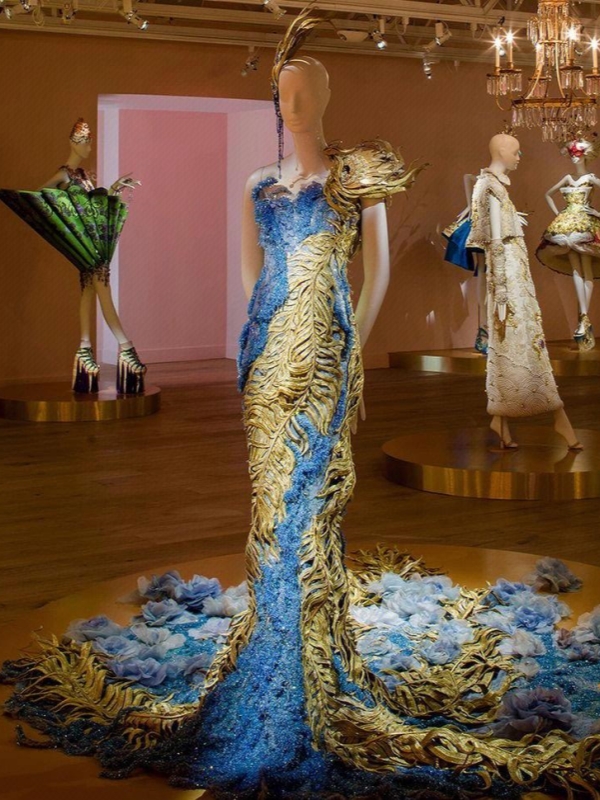
- Guo Pei (郭培) — Founded by Guo Pei in Beijing, 1997. Hand-embroidered couture gowns are the house specialty; Rihanna wore a Guo Pei yellow cape dress at the 2015 Met Gala, which remains one of the most-seen fashion moments of the decade. Flagship in Beijing operates by private appointment. Couture gowns typically start at about $5,000 (¥35,000) and can exceed $15,000 (¥100,000+).
- Uma Wang — Shanghai-based womenswear label founded by Uma Wang in 2005. Known for knitwear-led, draped collections that sell internationally at specialty boutiques and select department stores. Flagship in Shanghai. Ready-to-wear dresses typically run about $400–900 (¥2,800–6,500).
Avant-Garde & Conceptual Designers
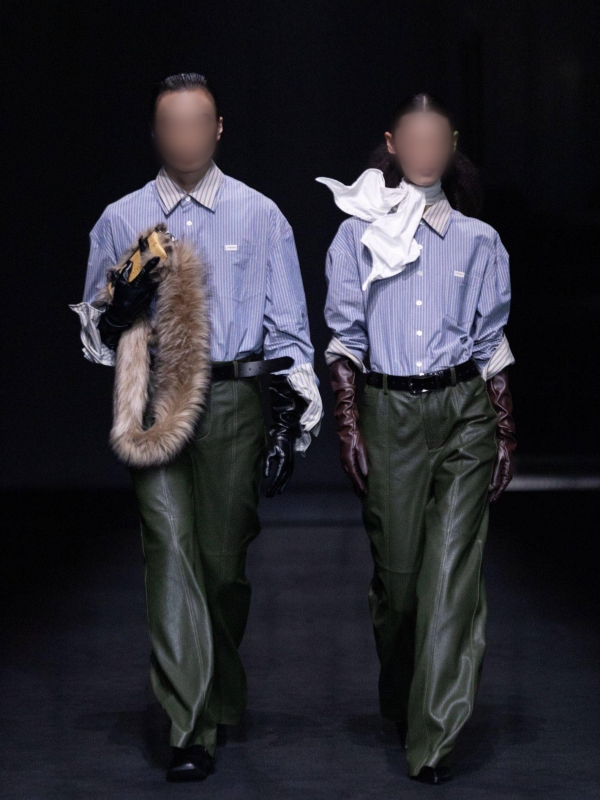
Feng Chen Wang
These labels have built reputations by showing in Paris and London and by placing in LVMH Prize and Woolmark Prize shortlists. Their work tends toward sculptural silhouettes, technical fabrics, and streetwear crossover.
- Chen Peng — Shanghai label founded by Chen Peng in 2012. Known for sculptural down and quilted puffer jackets with gender-fluid cuts. Flagship on Anfu Road, Shanghai. Puffer jackets typically about $800–1,500 (¥5,500–10,500).
- Feng Chen Wang — Menswear label founded by Feng Chen Wang, based in London and Shanghai. Technical, layered silhouettes shown at London Fashion Week. Shanghai flagship. Ready-to-wear pieces typically about $300–900 (¥2,000–6,500).
- Sankuanz — Xiamen- and Shanghai-based label founded by Shimo Zhou. Known for streetwear-inflected avant-garde menswear and a distinctive color palette. Concept stores in Shanghai and Xiamen. Streetwear pieces typically about $250–700 (¥1,800–5,000).
- Xander Zhou — Shanghai menswear label founded by Xander Zhou. Known for sci-fi and techwear-influenced tailoring. Shanghai flagship. Ready-to-wear pieces typically about $300–900 (¥2,000–6,500).
Contemporary Womenswear
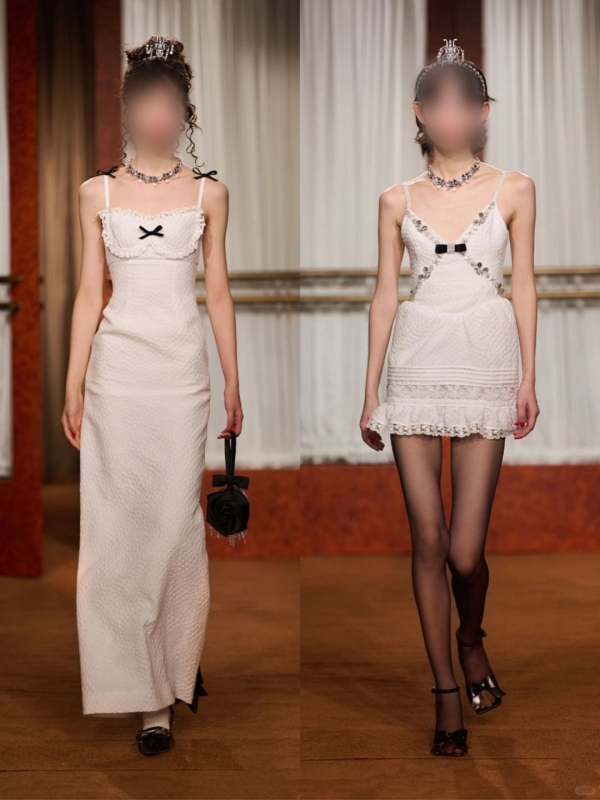
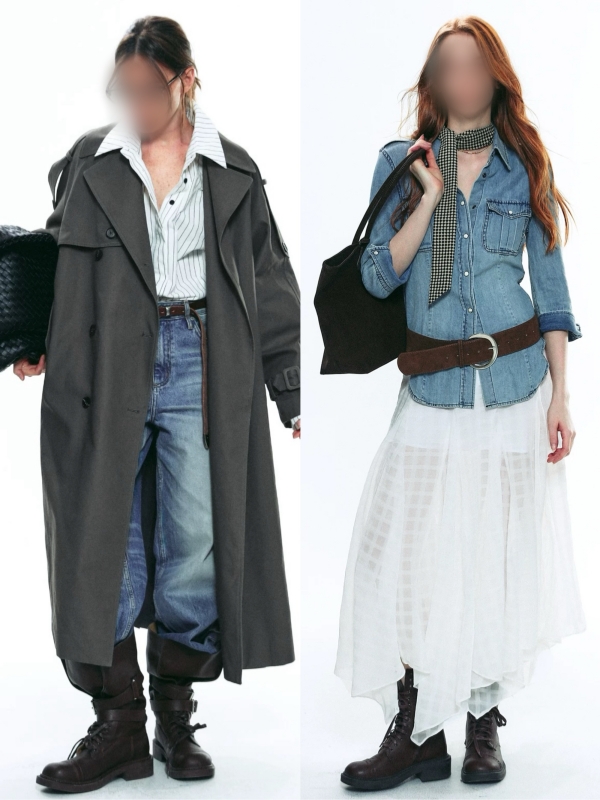
SHUSHU/TONG
These four labels offer the most accessible entry point for foreign visitors. Price points sit in the contemporary range, and boutique density in Shanghai and Beijing makes in-person shopping straightforward.
- Shushu/Tong (SHUSHU/TONG) — Shanghai label founded in 2014 by Lei Liushu and Tong Youshu. Schoolgirl-inspired tailoring, plaid, and puffed-shoulder silhouettes define the aesthetic. Flagship in Shanghai Xintiandi. Dresses and ready-to-wear typically about $200–600 (¥1,400–4,200).
- Ms Min (MIN) — Minimalist womenswear label founded by Min Liu, rooted in Xiamen and Shanghai. Restrained, architectural daywear is the signature. Flagship in Xiamen, boutique presence in Shanghai. Dresses typically about $400–800 (¥2,800–5,500).
- Comme Moi — Shanghai- and Paris-based contemporary womenswear label founded by supermodel Lu Yan in 2013. Clean, sophisticated silhouettes with a global client base. Shanghai flagship plus Paris boutique. Ready-to-wear typically about $200–600 (¥1,400–4,200).
- Angel Chen — Shanghai womenswear and gender-fluid label founded by Angel Chen in 2014. Bold prints, sportswear crossovers, and streetwear elements. Shanghai flagship. Dresses and ready-to-wear typically about $200–600 (¥1,400–4,200); outerwear reaches $700–1,200 (¥5,000–8,500).
🛍️ Explore Southern Designer Outlets: For travelers hunting for luxury fashion and designer labels at discounted prices in Southern China, visit guangzhou outlet.
🏷️ Shanghai Designer Outlet Villages: If you want to shop discounted designer collections near Qingpu or Pudong, explore outlet shanghai.
Where to Shop: Boutique Locations and Online Channels
Nearly all ten brands maintain their primary flagship or boutique presence in Shanghai. Beijing holds a smaller but significant cluster, anchored by Guo Pei's couture house. Chengdu, Hangzhou, and Xiamen each have one or two standalone boutiques for labels with regional ties.
Shanghai Shopping Districts
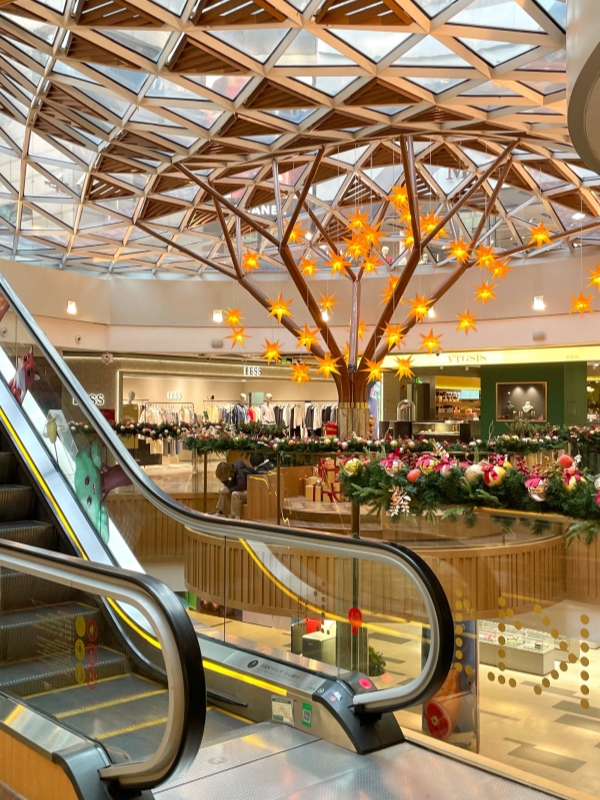
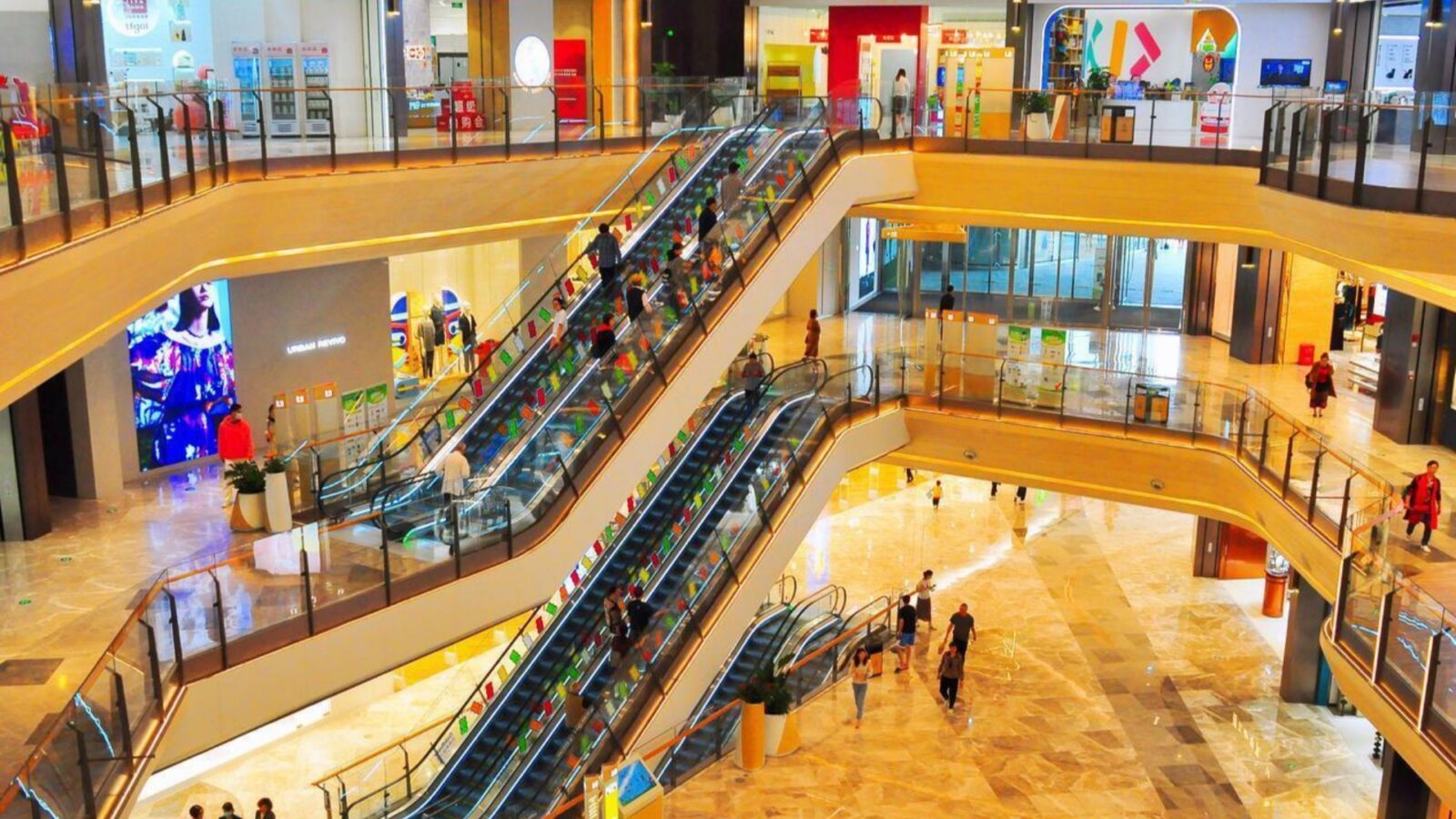
Inner of K11 Art Mall
Most of the ten brands either originate in Shanghai or operate their primary flagship there. The density of boutiques makes Shanghai the obvious first stop for designer fashion shopping.
- Xintiandi (新天地) — Huangpu District, Madang Road and Taicang Road area. Shushu/Tong flagship, Comme Moi presence, and rotating pop-ups for several of the ten brands.
- Anfu Road (安福路) — Xuhui District, near Wukang Road. Chen Peng flagship and a concentration of concept stores; smaller ateliers where staff may not speak English.
- IAPM Mall — 999 Huaihai Road Middle. Mixed luxury-and-designer selection including some of the contemporary labels.
- Plaza 66 / 恒隆广场 — 1266 Nanjing Road West. Luxury department-store context with occasional designer pop-ups.
- Jing'an Kerry Centre — 1515 Nanjing Road West. Designer-floor presence covering several of the contemporary labels.
- Taikoo Li Qiantan (前滩太古里) — Yangpu District, Dongyu Road. Newer district with select designer boutiques.
- K11 Art Mall — 300 Huaihai Road Middle. Boutique-floor concept featuring emerging Chinese labels alongside established names.
✨ Shanghai's Premier Luxury Mall: To shop major global luxury houses and top designer boutiques along West Nanjing Road, explore plaza 66 shanghai.
Beijing Shopping Districts
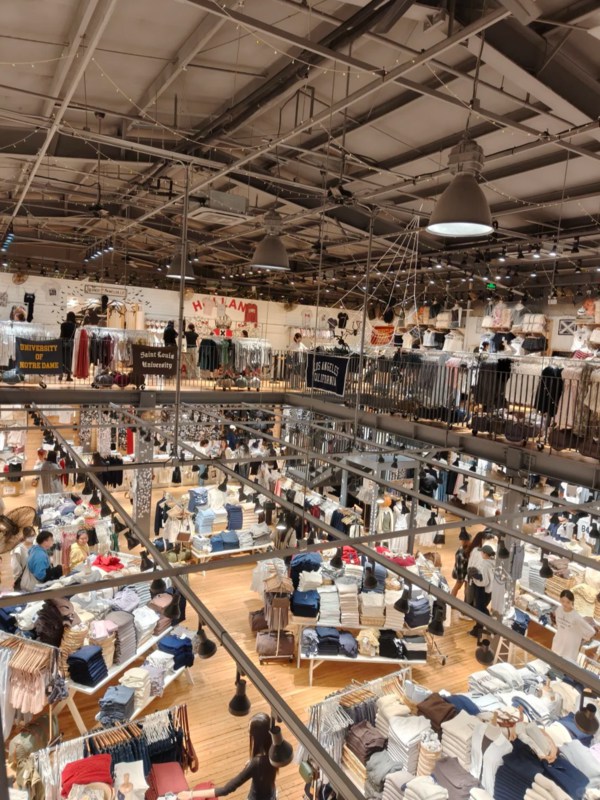
BM of Sanlitun
Beijing's independent-designer footprint is smaller than Shanghai's but is anchored by Guo Pei's couture house and a strong department-store presence in Chaoyang District.
- Taikoo Li Sanlitun (三里屯太古里) — Chaoyang District, Sanlitun Road. Contemporary Chinese designer boutiques and pop-ups including Shushu/Tong presence.
- China World Mall / 国贸商城 — Chaoyang District, Jianguomenwai Avenue. Luxury department-store context.
- WF Central / 王府井地区 — Dongcheng District, near Wangfujing. Selective designer-floor presence.
- Park Hyatt / Yintai Centre area (银泰中心) — Chaoyang District, Jianguomenwai. Luxury flagship context with designer presence.
- Guo Pei Couture House — Beijing, appointment-only showroom. The brand operates by private fitting appointment rather than a walk-in boutique.
Online Channels for Foreign Visitors
Buying Chinese designer brands from outside China, or sending purchases home from a hotel, requires channels that accept foreign cards and ship internationally.
- Brand official websites — Uma Wang, Ms Min, Guo Pei, Chen Peng, Feng Chen Wang, Sankuanz, Shushu/Tong, and Angel Chen all operate their own sites with international shipping; verify by country at checkout.
- Global luxury platforms — SSENSE, FARFETCH, Net-a-Porter, and Mytheresa stock several of the ten brands and accept international shipping with foreign cards.
- Mainland-only channels — Tmall Luxury Pavilion, JD.com TOPLIFE, and brand WeChat mini-programs require a Chinese phone number, Alipay, or WeChat Pay; most foreign visitors cannot use these.
- In-person travel — For one-of-a-kind couture pieces and fitting-sensitive ready-to-wear, buying in Shanghai or Beijing remains the standard advice.
📏 Convert International Clothing Sizes: Chinese apparel sizing often runs smaller than Western standards, so check exact measurements using our size chart for china clothes.
Price Ranges and What to Budget
The Chinese designer landscape operates as a three-tier price pyramid. Couture sits at the apex, mid-tier ready-to-wear occupies the middle, and accessible contemporary forms the base. The table below covers all ten brands.
Entry-level pieces like a Shushu/Tong accessory start around $150–250 (¥1,000–1,800). The mid-range ticket for an Uma Wang or Ms Min dress sits at roughly $400–800 (¥2,800–5,500). At the top, Guo Pei haute couture gowns reach $5,000–15,000+ (¥35,000–100,000+). Fitting-room-sensitive pieces are best bought in person; online ordering works well for accessories and less fit-dependent items.
Buying Tips for Foreign Visitors
Payment, sizing, and tax refunds are the practical realities that most affect foreign visitors buying Chinese designer brands in Shanghai or Beijing. The tips below cover the observable facts that matter at point of purchase.
- Payment: Major Shanghai and Beijing boutiques accept Visa, Mastercard, Amex, and UnionPay. Smaller ateliers on Anfu Road often prefer Alipay or WeChat Pay, so having a Chinese-payment-enabled backup option is helpful.
- Sizing: Chinese designer brands use European sizing (XS/S/M/L or 34/36/38). Ready-to-wear tends to be cut for slimmer fits. Trying on in-store is recommended before committing to mid-range or tailored pieces.
- Language: Flagship boutiques in Xintiandi, Plaza 66, and Sanlitun usually have English-speaking staff. Smaller Anfu Road ateliers may not, so a translation app is a practical tool to carry.
- Customs and tax refund: Purchases over ¥500 (about $70) at Tax-Free-Shop-designated boutiques qualify for the China departure tax refund. The refund counter is at the airport, typically Terminal 2 at PVG or Terminal 3 at PEK.
- Boutique hours and holidays: Most luxury boutiques open 10:00–22:00 daily. Chinese New Year week (late January or February) sees reduced hours across the board.
- Authenticity: Buy direct from brand flagships or authorized stockists such as SSENSE, FARFETCH, or Net-a-Porter. Avoid street-market stalls claiming to carry these labels.
Payment, Customs, and Cultural Notes
The departure tax-refund scheme, customs declarations, and local etiquette all matter when purchasing high-value pieces in China.
- Departure tax refund: Purchases over ¥500 (about $70) at Tax-Free-Shop-designated boutiques qualify. The refund is claimed at the airport Tax-Refund counter on departure. Keep receipts and passport readily accessible at check-in.
- Customs declaration: For high-value couture pieces, Guo Pei gowns can exceed $5,000 (¥35,000). Keep the purchase receipt and declare if required by your home country's customs regulations.
- Cultural notes on gifting: Designer pieces are commonly given at Chinese weddings, particularly qipao-adjacent or contemporary bridal-adjacent designs. This cultural context shapes some label collections.
- Tipping: Not expected in boutiques. Service charges are included in the retail price.
Frequently Asked Questions
Q: Are Chinese designer brands good quality?
Yes, particularly at the couture and avant-garde tiers. Guo Pei uses hand-embroidered fabrics and has dressed global celebrities; Chen Peng down jackets use technical outerwear construction; Uma Wang knitwear is sold in international specialty boutiques. Quality is comparable to mid-tier European houses at similar price points. Contemporary labels like Shushu/Tong and Angel Chen target a different segment, with construction quality closer to international contemporary brands.
Q: Where can I buy Chinese designer brands outside China?
Brand official websites ship internationally—verify by country at checkout. Global luxury platforms SSENSE, FARFETCH, Net-a-Porter, and Mytheresa stock several of the ten brands. Flagship stores in Shanghai and Beijing remain the best channel for the full collection and for fitting-sensitive pieces. Tmall Luxury Pavilion and WeChat mini-programs are mainland-restricted and not accessible to most foreign visitors.
Q: Do Chinese designer boutiques accept foreign credit cards?
Major boutiques in Xintiandi, Plaza 66, and IAPM in Shanghai, and at Taikoo Li Sanlitun and China World Mall in Beijing, accept Visa, Mastercard, American Express, and UnionPay. Smaller ateliers on Anfu Road and in less-touristy districts may prefer Alipay or WeChat Pay. Setting up an Alipay Tour Pass or WeChat Pay tourist account provides a useful backup.
Q: Can foreign visitors claim a tax refund in China?
Yes. Purchases over ¥500 (about $70) at Tax-Free-Shop-designated boutiques qualify for the China departure tax-refund scheme. The refund is claimed at the airport Tax-Refund counter on departure, typically Terminal 2 at PVG or Terminal 3 at PEK. Keep receipts and passport accessible at check-in.
Q: How do Chinese designer prices compare to European luxury brands?
Couture pieces from Guo Pei at $5,000–15,000+ (¥35,000–100,000+) are comparable to mid-tier European haute couture. Mid-tier ready-to-wear from Uma Wang, Ms Min, Chen Peng, and Feng Chen Wang at $400–1,500 (¥2,800–10,500) sits between contemporary European brands and accessible luxury. Accessible contemporary labels Shushu/Tong, Angel Chen, and Comme Moi at $200–600 (¥1,400–4,200) overlap with international contemporary pricing.
Q: What is the most internationally recognized Chinese designer brand?
Guo Pei holds the highest international recognition, driven by her Paris haute couture showings and Rihanna's 2015 Met Gala appearance in her yellow cape dress. Uma Wang is widely stocked in international specialty boutiques. Shushu/Tong has shown at London Fashion Week and receives substantial international coverage.
Q: Do Chinese designers show at Paris or Milan Fashion Week?
Yes. Guo Pei shows haute couture collections in Paris. Uma Wang, Shushu/Tong, and Feng Chen Wang have shown at international fashion weeks including London and Paris. Shanghai Fashion Week remains the main domestic platform for the full calendar of Chinese independent designers.
Q: Are boutique stores open on Sundays and public holidays?
Yes. Major mall boutiques in Shanghai and Beijing open 10:00–22:00 daily, including Sundays. Smaller ateliers on Anfu Road typically open 11:00–20:00 with one weekday closure. Chinese New Year week (late January or February) and the first three days of National Day Golden Week (October 1–3) see reduced hours.