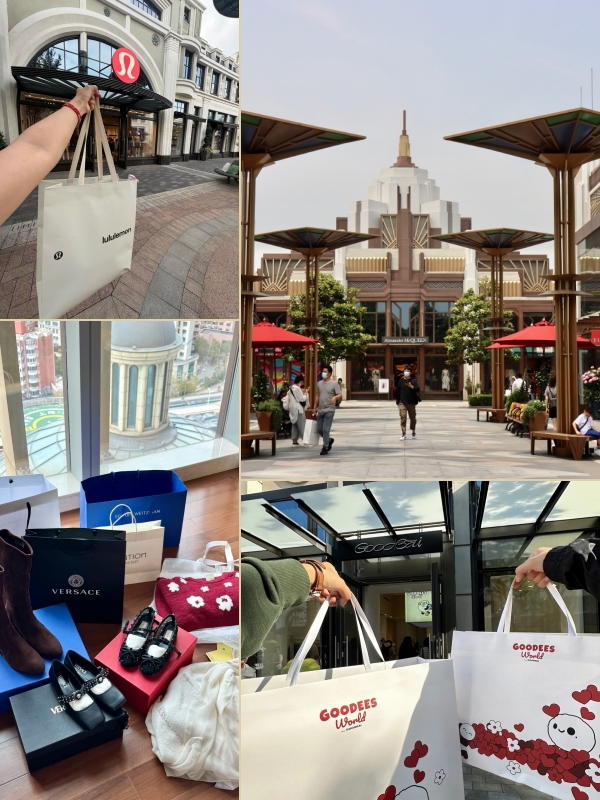
Shopping Places in Shanghai
Shanghai is one of the more rewarding cities in Asia for shopping — and one of the most variable. Most arrive expecting department stores and tourist tat. What they instead find is that Shanghai is built on six shopping layers: classic commercial streets, specialist markets, world-class malls, designer outlets and fabric shops, craft night markets, and one of the world’s last great cult traditions of tailoring. Shanghai shopping places work best when you match the right space to the right goal. In this guide we cover those six categories clearly — where each one is, roughly what it costs, and exactly how to make your way through as a foreign visitor in 2026.
Shopping Streets: Huaihai Road vs. Nanjing Road
Huaihai Road — Where Locals Actually Shop
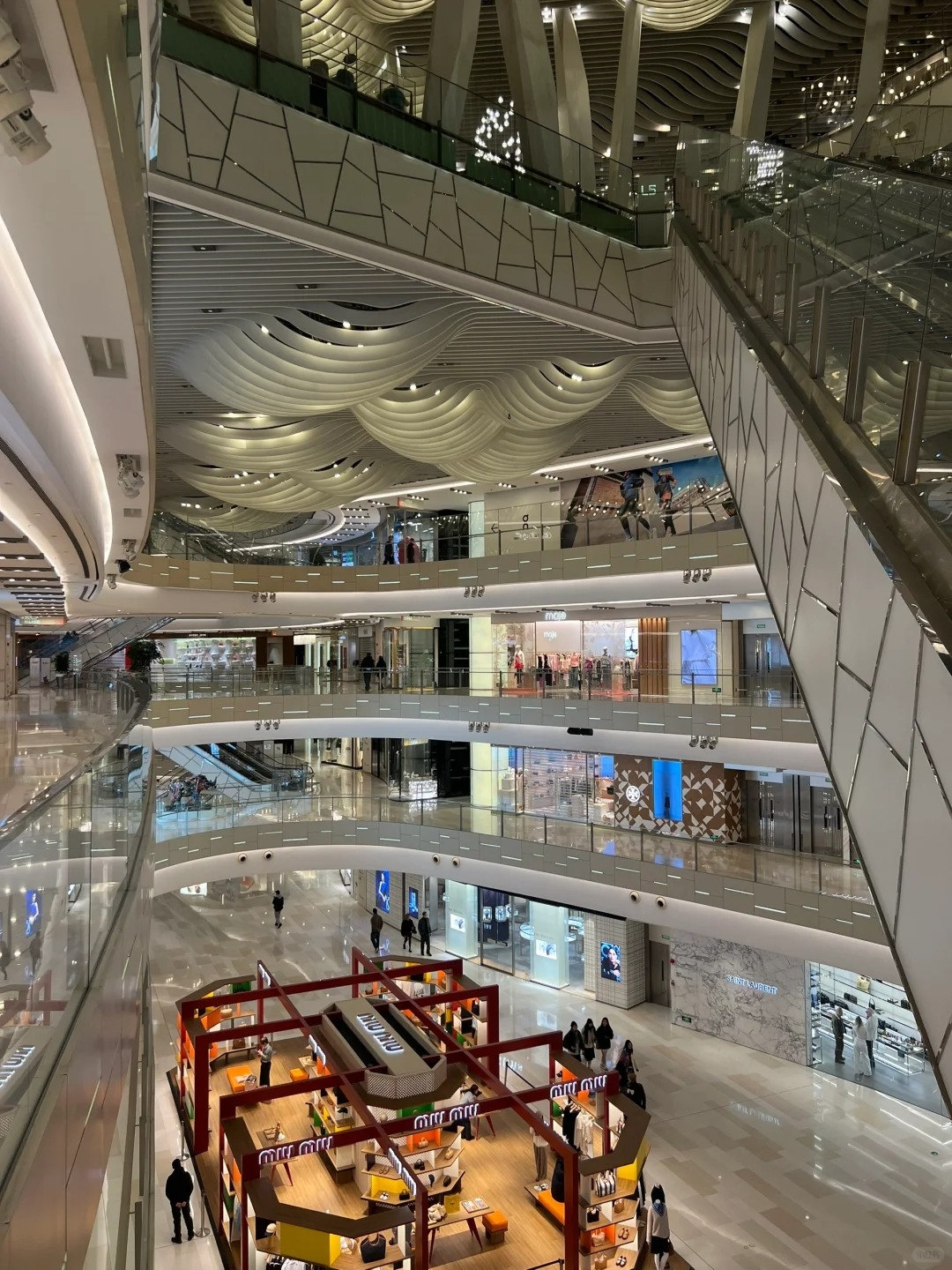
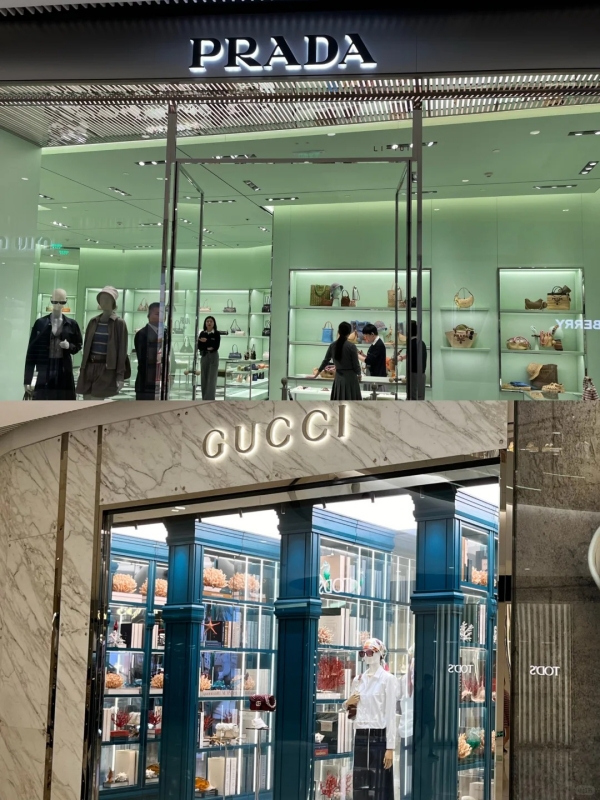
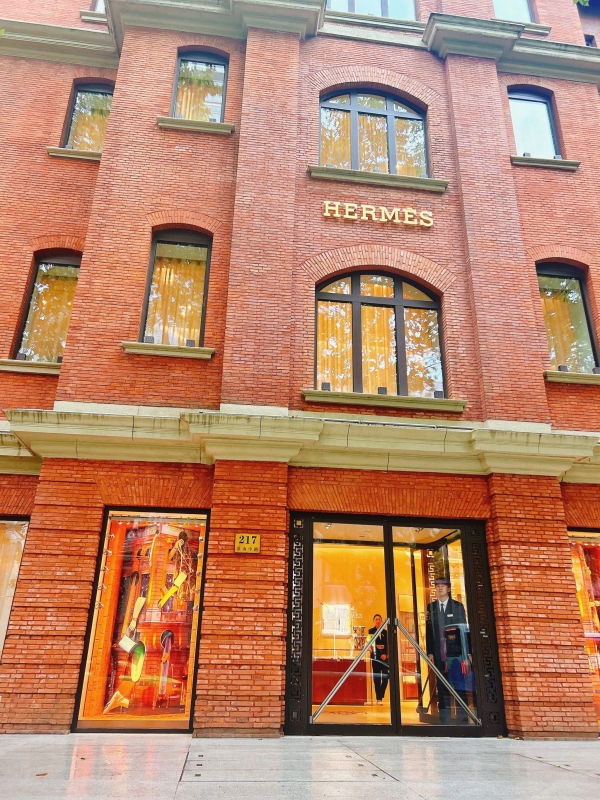
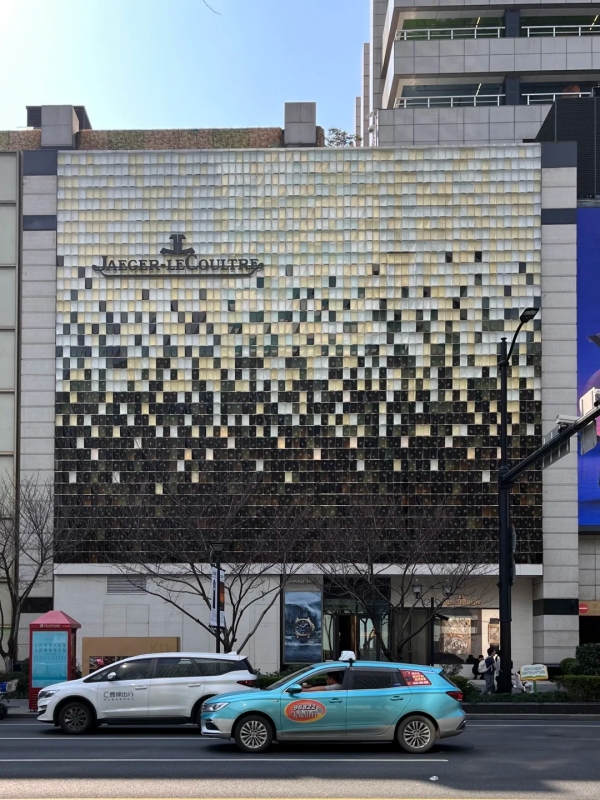
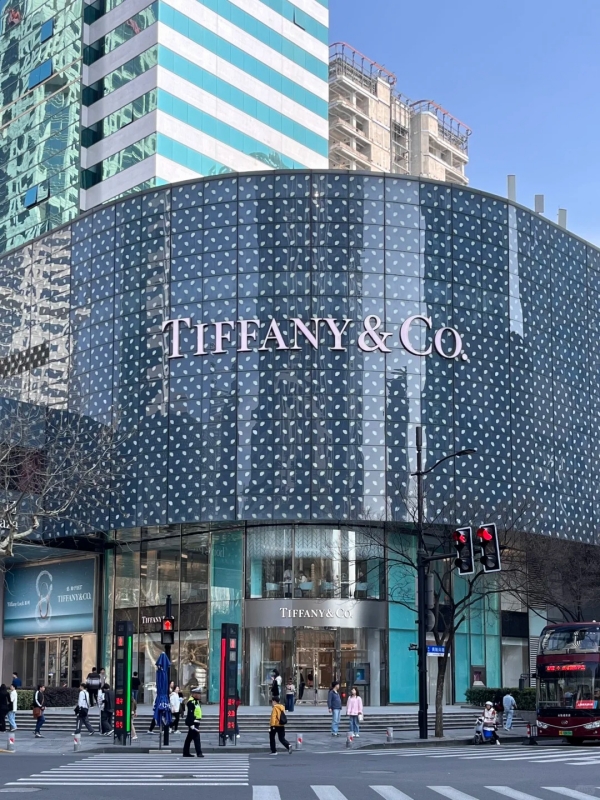

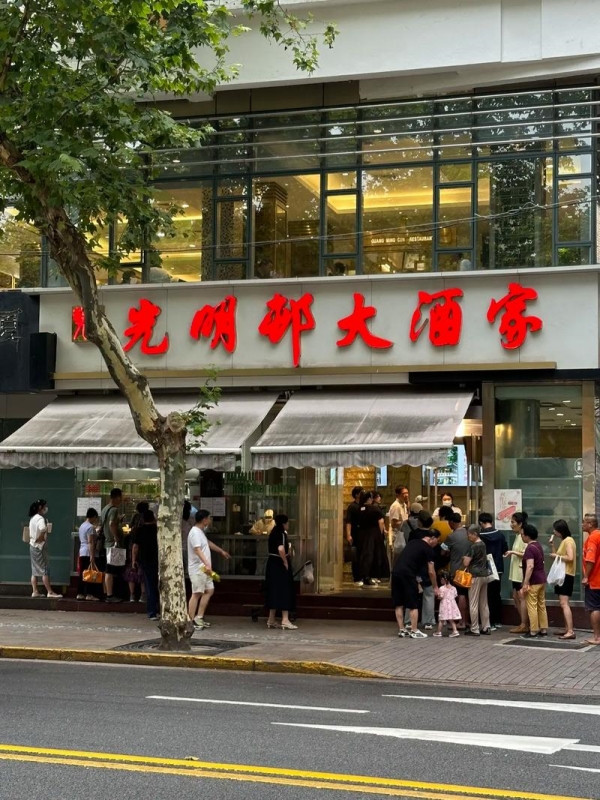
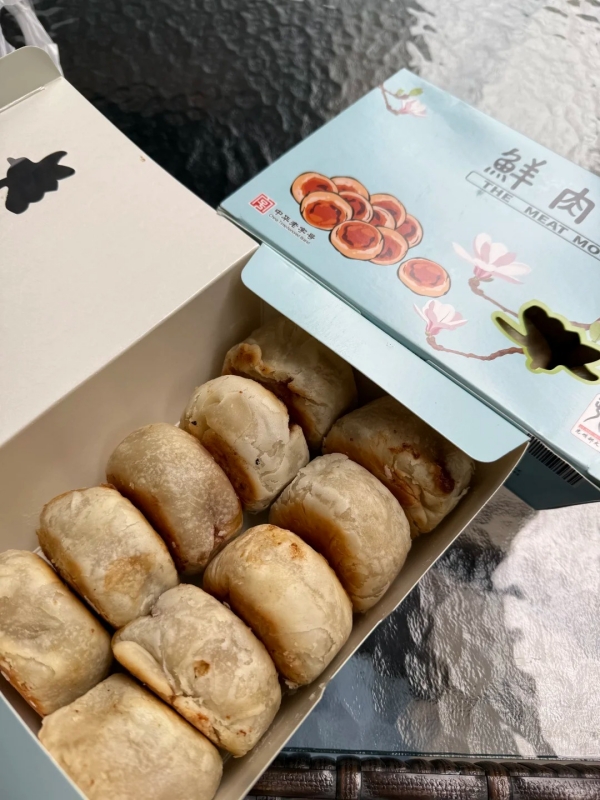
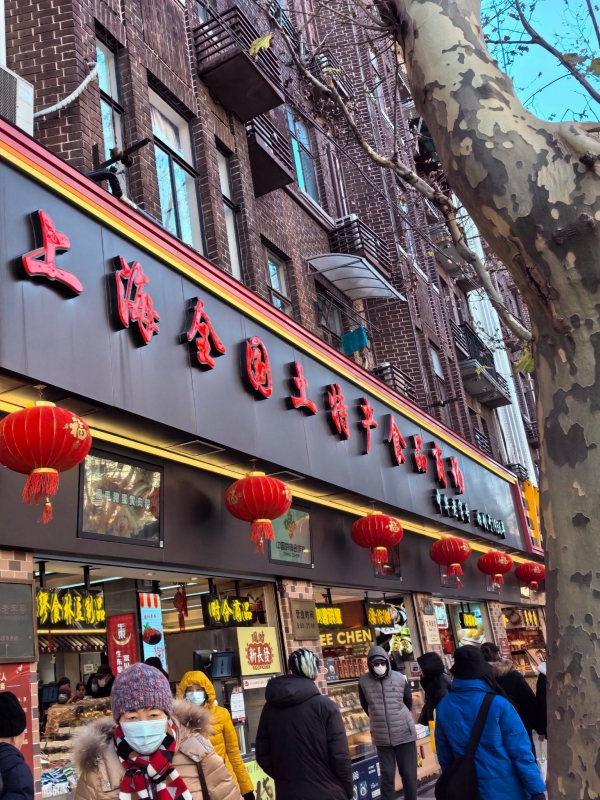
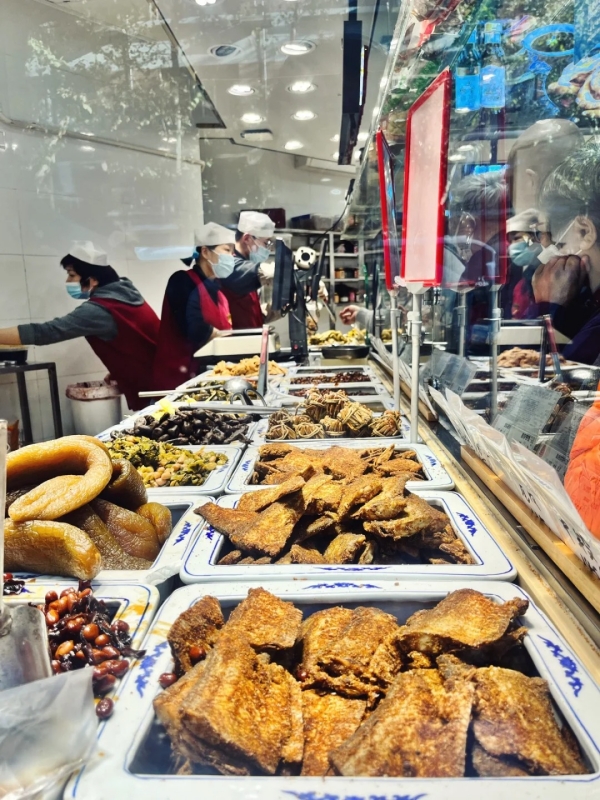
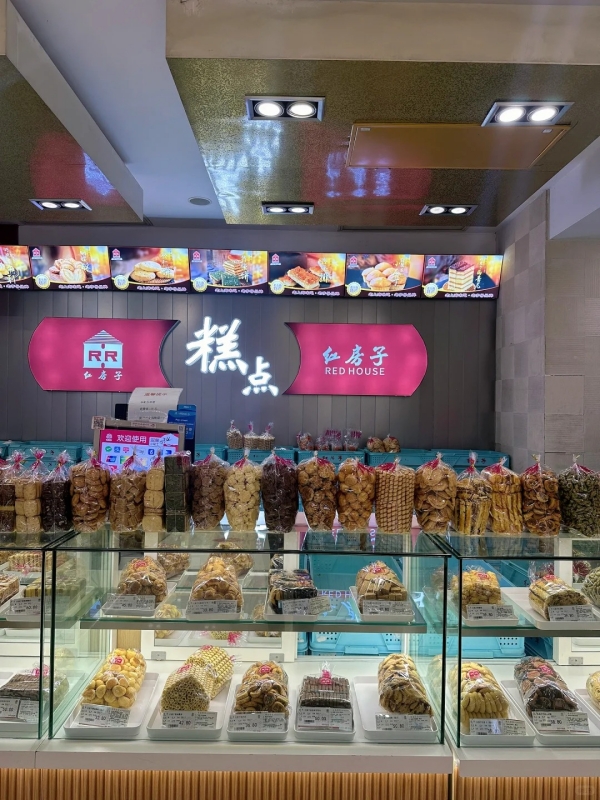
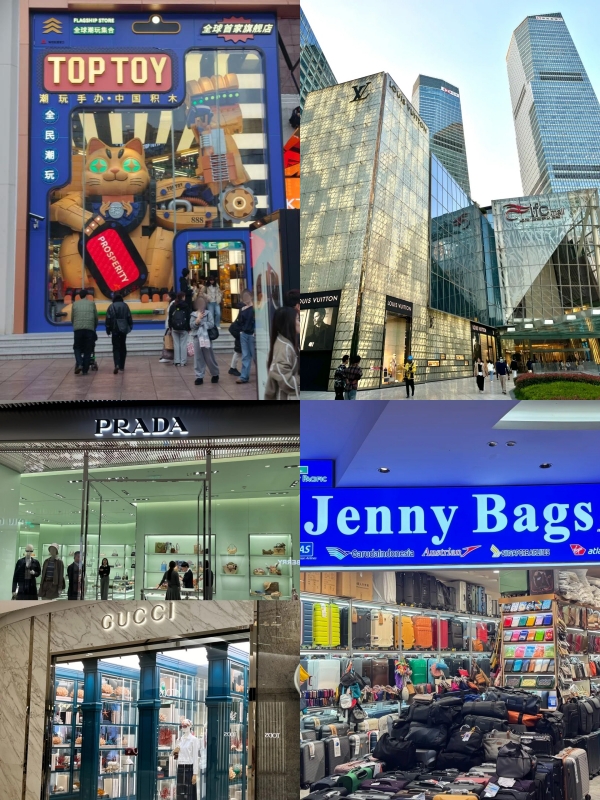
Huaihai Road (HH Rd.), which runs 5.5km through the former French Concession, was built in 1901 as Avenue Joffre. It packs in 125 years of Shanghai commercial history. It’s home to LV, Gucci and Cartier flagships across from local brands that have been around for a hundred years. The atmosphere is cool, gallerylike and not so crowded as Nanjing Road.
- Luxury Anchors:
- IAPM Mall, K11, Plaza 66 cluster along this road
- All three accessible from a single metro stop
- Local Legends:
- Gujin underwear — a 100-year-old Shanghai brand
- Laofengxiang jewellery sits alongside global flagships
- Atmosphere:
- Cooler, shadier, and more refined than Nanjing Road
- Shanghainese dress up for Huaihai Road — tone is gallery-like
- 2026 Milestone:
- Middle Huaihai Road celebrates its 125th anniversary
- Pop-up events and limited-edition local brand drops throughout the year
💡 Tip: Visit Huaihai Road on a weekday afternoon. The street empties between 14:00–17:00, giving you relaxed access to flagship stores without queues.
📍 Huaihai Road Shopping: Brands, History & 2025 Savings Strategies — full deep-dive guide.
Nanjing Road — The Tourist Spectacle
-
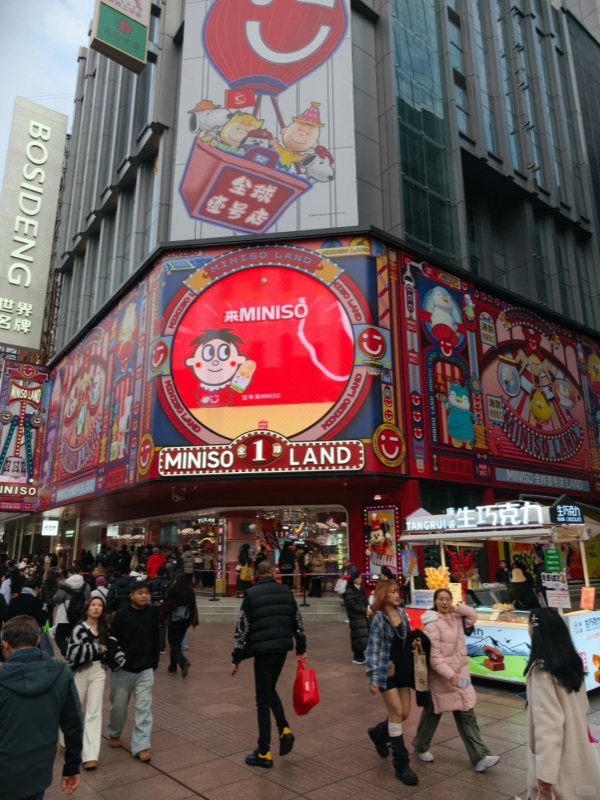

- MINISO on Nanjing Road
-
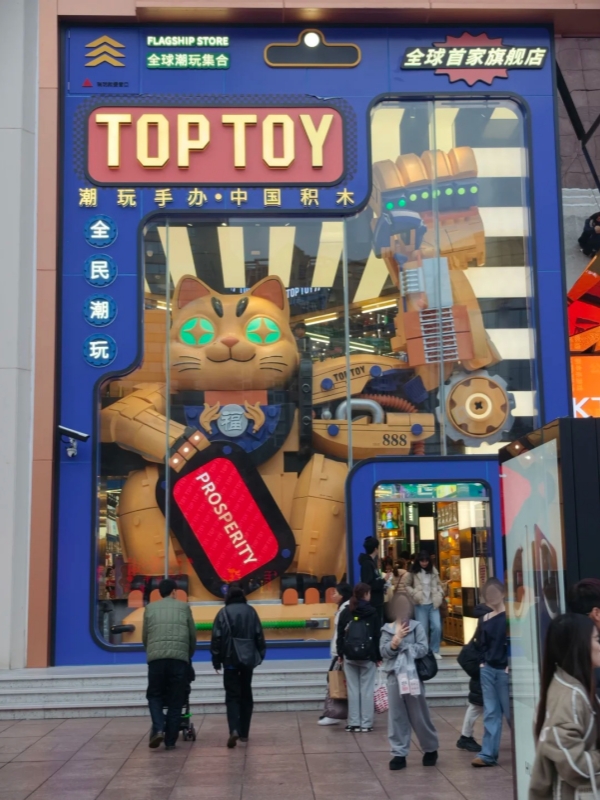
- TOP TOY on Nanjing Road
-
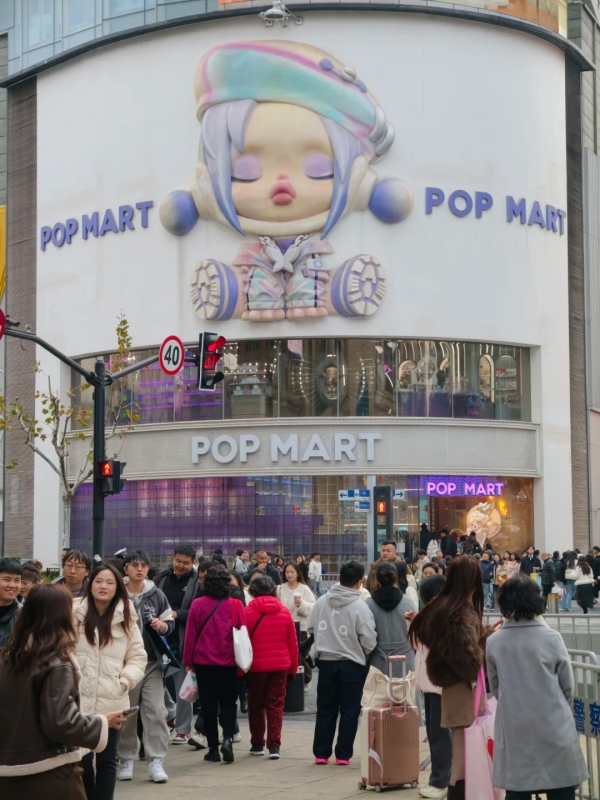
- Pop Mart on Nanjing Road
Nanjing Road is the most famous shopping artery in China. It stretches 5.5 km from The Bund to Jing'an Temple. Its pedestrianised central section draws over 1.5 million visitors daily. It functions more as a spectacle than a bargain zone — prices match international retail, not local deals.
| Detail | Info |
|---|---|
| Length | 5.5 km; pedestrianised central section from The Bund to Jing'an Temple |
| What's here | 360+ malls, department stores; flagship Nike / Adidas / Apple; mainstream Chinese souvenirs |
| Daily visitors | 1.5 million — Shanghai's #1 tourist commercial artery |
| Best use case | First night in Shanghai; buying known brands at predictable prices; iconic photo backdrop |
| Honest caveat | Prices are not lower than international — it is spectacle, not a bargain zone. Pickpocket risk in crowds. |
| Best time | Weekday mornings (quiet); weekend evenings (neon show worth seeing) |
Condé Nast Traveller describes Nanjing Road as "less a shopping destination than a theatrical statement — the sheer scale of commercial energy is the point." Most visitors buy a souvenir or two and move on.
— Condé Nast Traveller, Shanghai Shopping Review
Markets and Bargains: Tailors, Fakes, and Night Stalls
South Bund Fabric Market — What to Buy and How to Shop
-
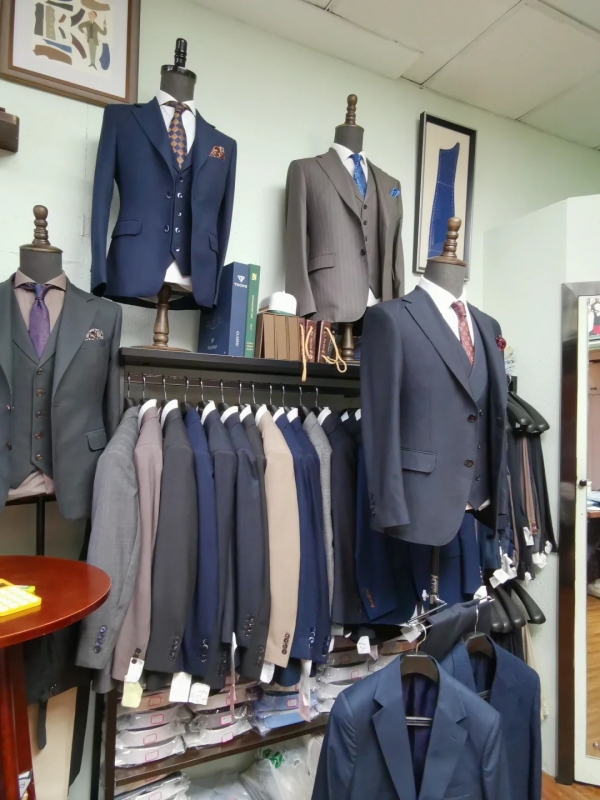
- Suits at South Bund Fabric Market
-
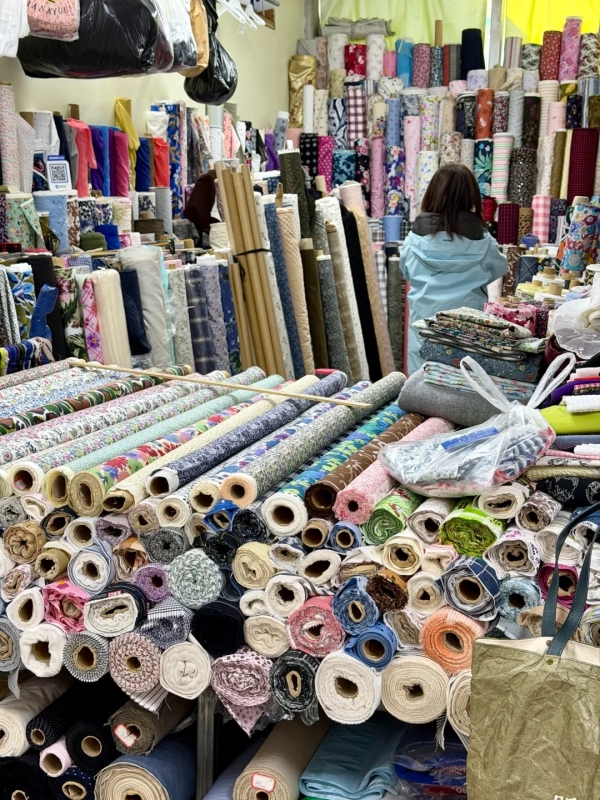
- South Bund Fabric Market
-
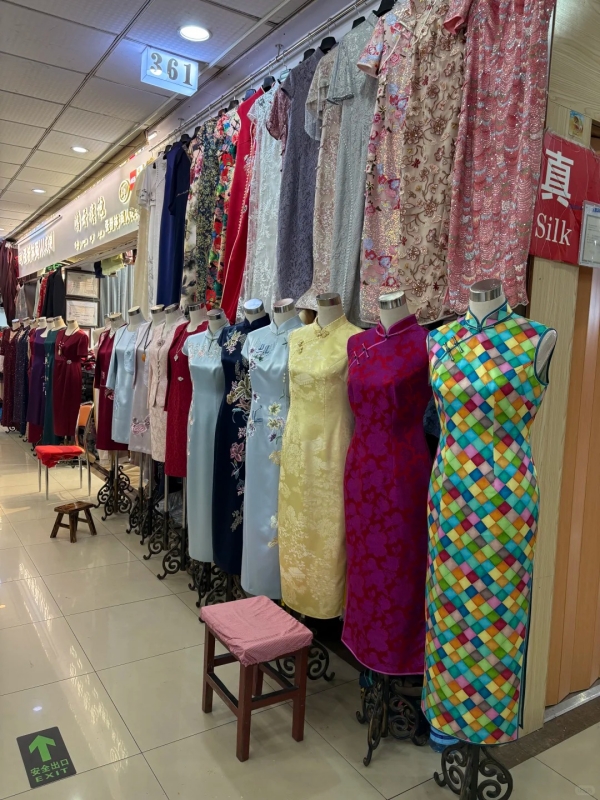
- Qipao at South Bund Fabric Market
🧵
What South Bund Fabric Market Actually Sells
South Bund is a shopping market first. Three floors hold over 100 vendors selling: finished ready-to-wear garments (suits, shirts, qipao, dresses), fabric by the metre (English wool, Italian silk, cashmere, cotton blends), and full custom-made pieces. You can buy a finished qipao off the rack for ¥300–¥800 ($41–$110), choose fabric to make your own garment, or commission a completely bespoke item. Most foreign shoppers combine all three in a single visit — buying finished pieces they like and commissioning one tailored item.
South Bund Fabric Market is precisely the layout you would expect. Floor 1, all about finished garments/casual wear. Second Floor, suits, shirts, and formal tailoring. Floor 3, rolls of fabric and silk by the metre. Unless you are commissioning something -and even then- you really don’t need to set foot in South Bund or anywhere else in Shanghai with the intention of commissioning something: many visitors just buy and in the process, save 60-70% from what the equivalent garments actually cost in Europe or the US.
💡 Tip: Decide your shopping priorities before arrival. Tailored clothing and pearls require 2+ days of lead time. Build that into your itinerary from day one.
A Comprehensive Shopping and Pricing Guide to the Fabric Market
| What to Buy | Where in the Market | Price Range | Shopping Note |
|---|---|---|---|
| Ready-to-wear qipao | Floor 1; Stall 308 area | ¥300–¥800 ($41–$110) | Try on first; sizes run small — S/M here equals XS/S abroad |
| Finished men's suit | Floor 2; Stall 309 area | ¥1,200–¥2,500 ($165–$345) | Same quality as $600–$900 suits in Western stores |
| Custom-made shirt | Floor 2; Stall 310 area | ¥400–¥800 ($55–$110) | 24-hr turnaround; bring a reference shirt for collar/cuff style |
| Silk by the metre | Floor 3; fabric stalls | ¥80–¥300/m ($11–$41/m) | Ask for mulberry silk (桑蚕丝); request certificate of authenticity |
| Cashmere fabric | Floor 3; fabric stalls | ¥150–¥600/m ($21–$83/m) | Rub fabric between fingers — genuine cashmere is soft with no pilling |
| Bespoke suit (commission) | Floor 2; any tailor stall | ¥1,500–¥3,000 ($207–$415) | Requires 2 visits over 24–48 hrs; bring a photo of desired style |
Bargaining is expected on all goods here. Open at 30% below the first quoted price. Vendors show a price on a calculator — you counter on the same calculator. Buying multiple items from the same stall unlocks steeper discounts. Payment by cash or Alipay International; most stalls do not accept foreign credit cards directly.
💡 Shopping Tip: Visit South Bund on day one of your Shanghai trip — not the last day. Commissioning a tailored item requires at least one fitting visit 24–48 hours later. Budget two separate visits for the best result.
📍 Related: Pearl Market Shanghai — adjacent tailor stalls at Hongqiao Pearl Market offer a lower-pressure alternative with competitive pricing.
A.P. Plaza Yinyang Market — The Fake Market Reality Check
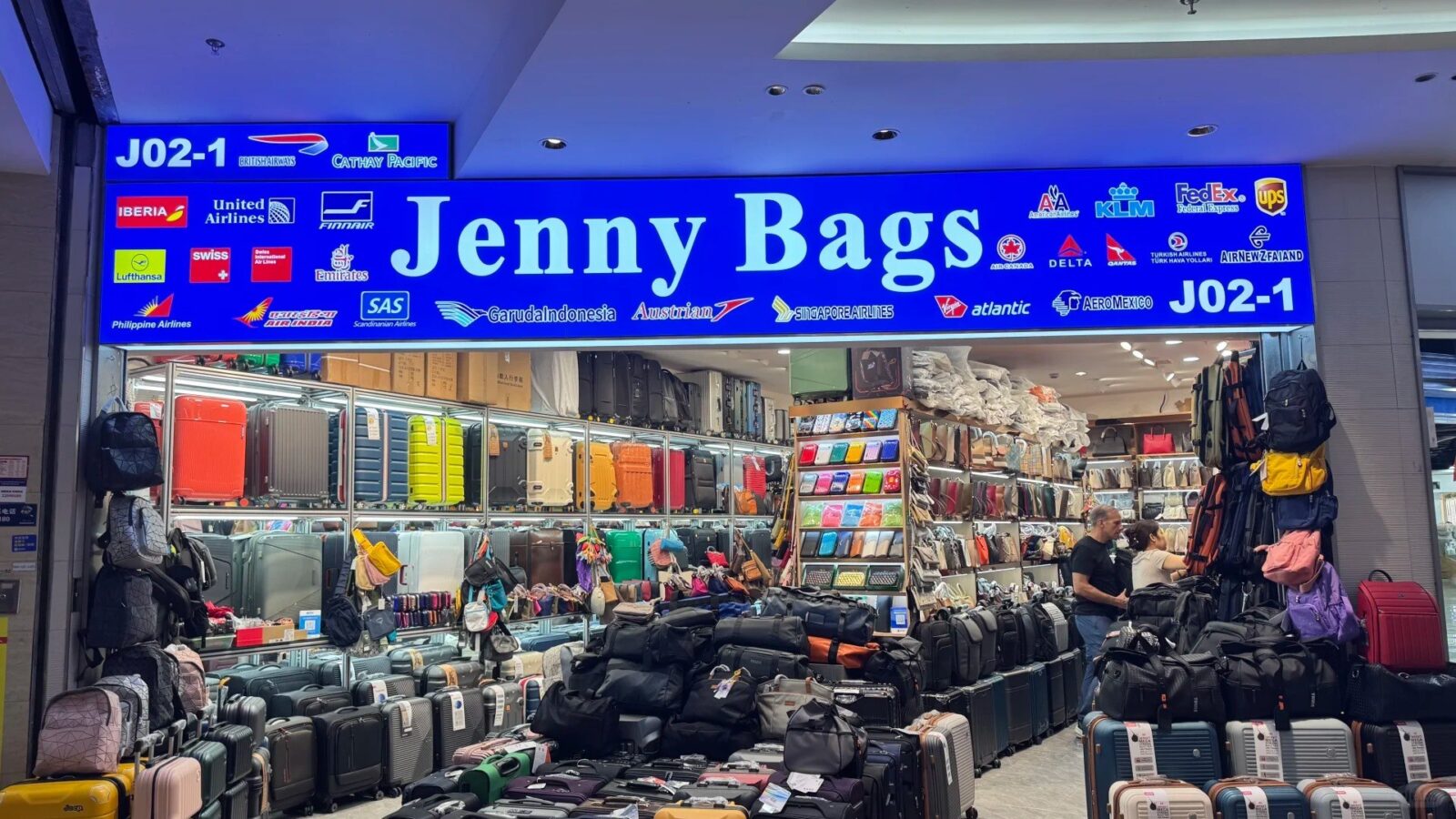
A.P. Plaza Yinyang Market
🛍️
What A.P. Plaza Actually Is — Honest Overview
A.P. Plaza Yinyang Market in Xujiahui is a multi-floor market selling replica sportswear, bags, and accessories. It is legally grey but openly tolerated. Real 2025 price benchmarks: Manchester United jersey ¥220 ($30) vs. retail ¥730 ($100); LuluLemon socks ¥15/pair ($2) vs. retail ¥130 ($18). Go for affordable sportswear copies and casual accessories — not for electronics or claimed "luxury" goods. Bargain opening position: start at 50% below the vendor's first price.
Effective bargaining at A.P. Plaza uses a two-person strategy. One person negotiates actively while the other expresses visible doubt — "I'm not sure it's worth it." Buying multiple items from the same stall always unlocks steeper discounts. Vendors at the market entrance inflate prices by 5× for tourists who look underprepared.
"We spent two hours at Yinyang Market and spent about ¥600 ($83) total between three people. The trick is to walk away at least once — the vendor always calls you back at a lower price. Great fun, just don't expect quality on anything electronic."
— Group travel review, TripAdvisor, November 2025
💡 Safety Tip: Use Didi or the metro to reach A.P. Plaza. A street taxi at the market ranks charged one traveller €350 for a 20-minute ride versus €37 via Didi — a reported TripAdvisor incident from 2025.
📍 Shanghai Clothing Stores — neighbourhood-by-neighbourhood clothing breakdown across all six districts. | Best Things to Buy in Shanghai 2025 — curated souvenir and gift guide.
Night Markets — After-Dark Shopping in Shanghai
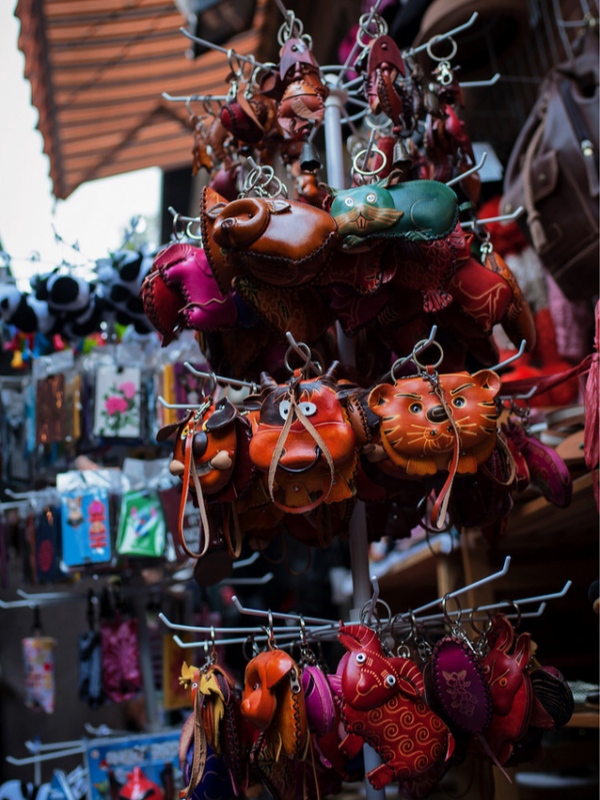
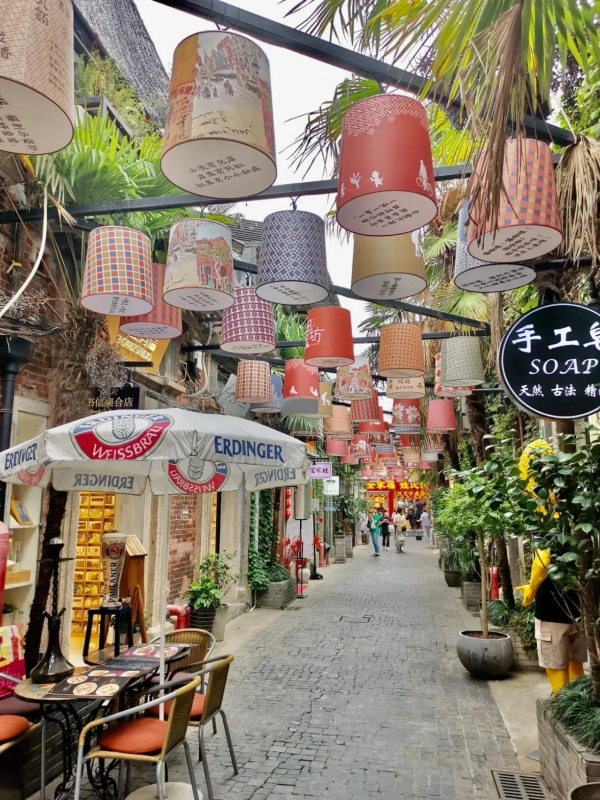
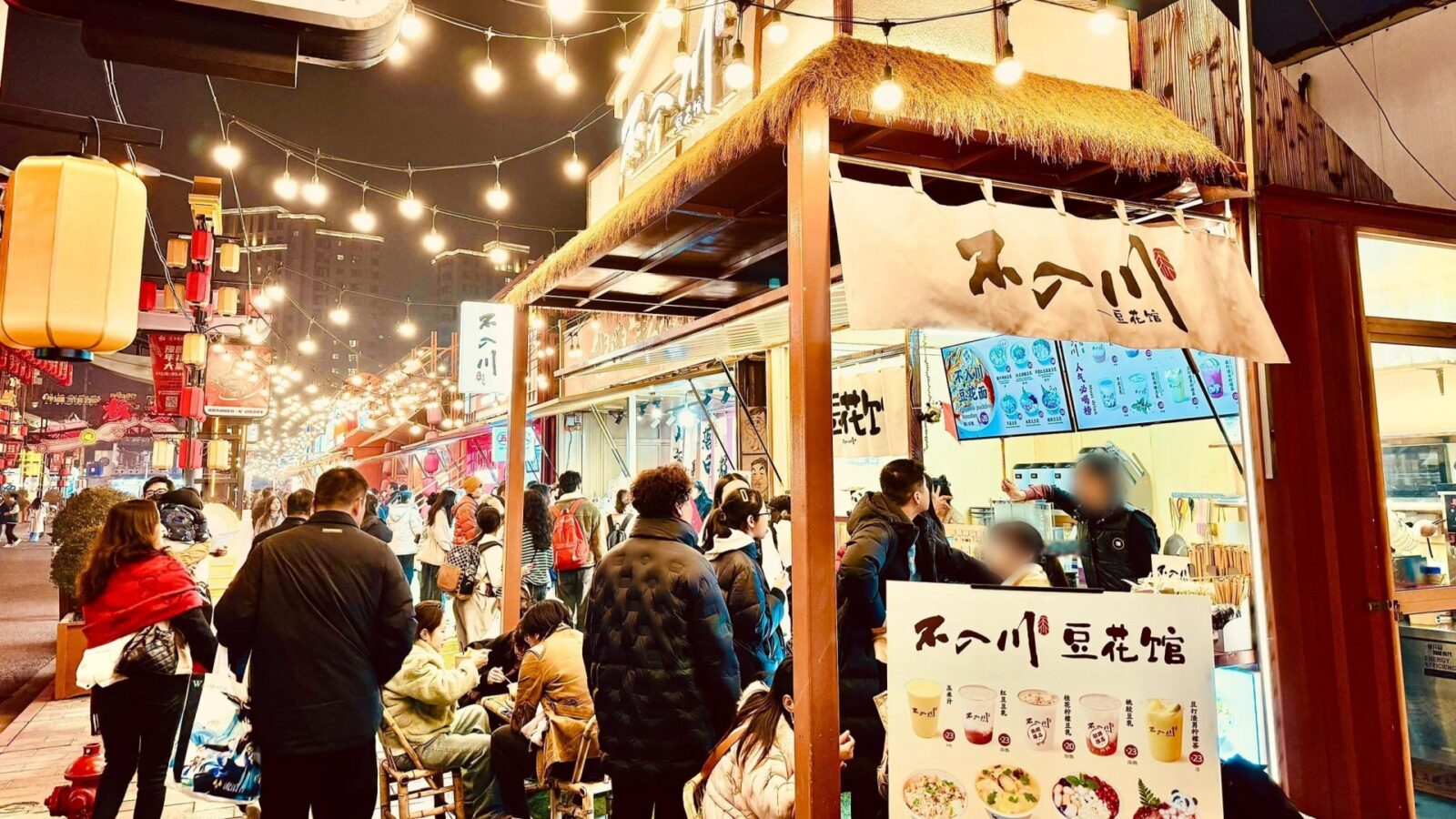
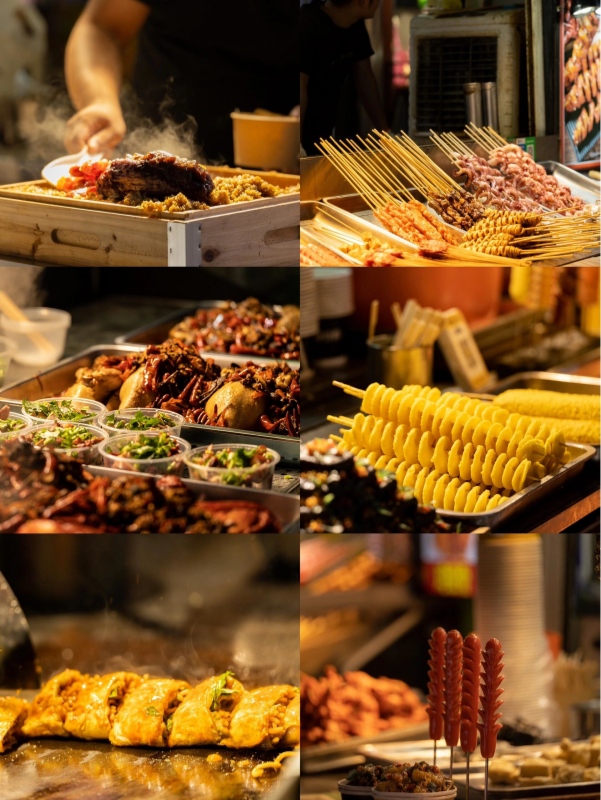
Night markets in Shanghai are street food plus artisanal and casual goods. This is not where you come to buy something big. Rather, it is the right place to end a day - browsing small things, eating well, and seeing how locals in Shanghai spend evenings out of doors.
- Tianzifang (French Concession):
- Open until 11pm; boutique crafts and independent fashion labels
- Restored shikumen alleys with local food stalls
- Best for unique gifts under ¥200 ($28)
- Yuyuan Night Market (Huangpu):
- Seasonal, lantern-lit — especially atmospheric during Spring Festival
- Souvenir-focused; most items ¥50–¥150 ($7–$21)
- Crowds are heavy on weekends
- Dishui Lake Night Market (Pudong):
- Friday–Sunday, 17:00–22:00; younger crowd
- Anime merchandise, Korean fashion, and street food
- Budget ¥40–80 ($5–$11) per person for a full evening
📍 Full guide: 12 Iconic Night Markets in Shanghai — addresses, hours, and seasonal calendar.
Shopping Malls: How to Choose the Right One
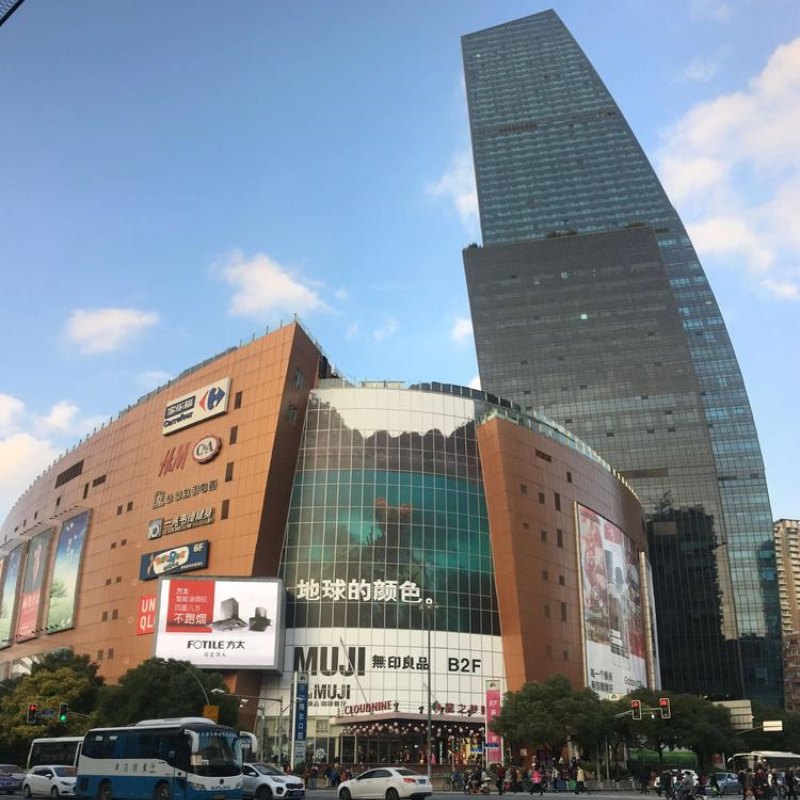
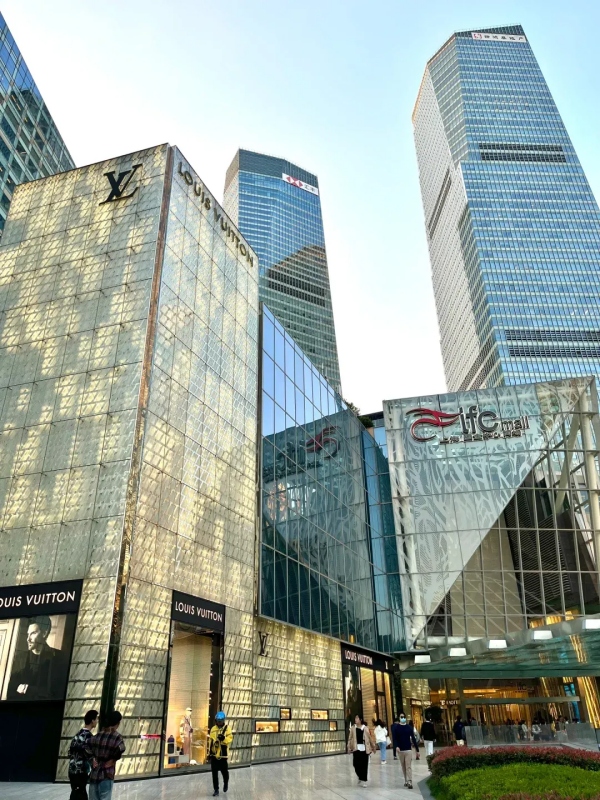
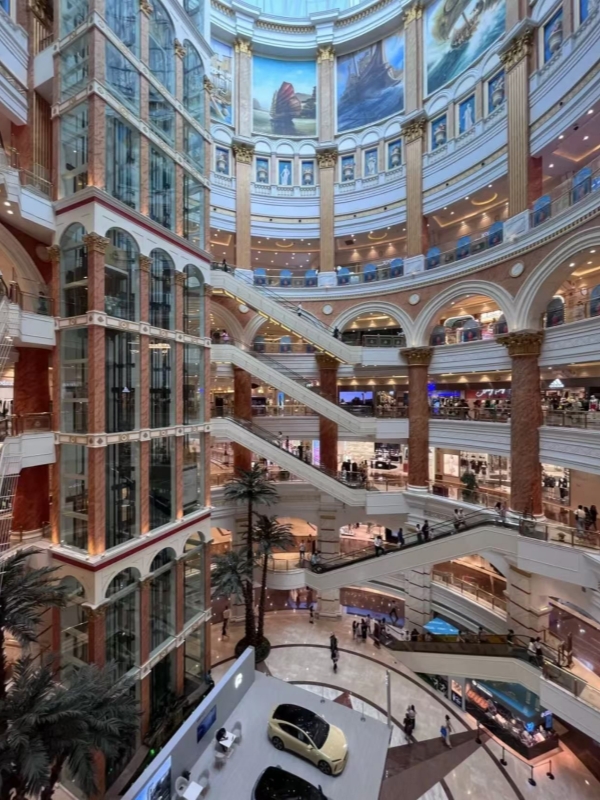

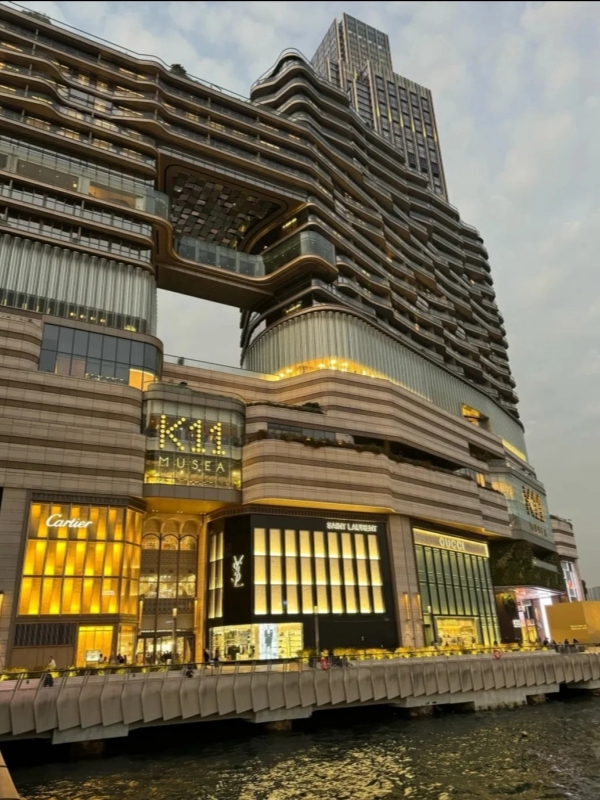
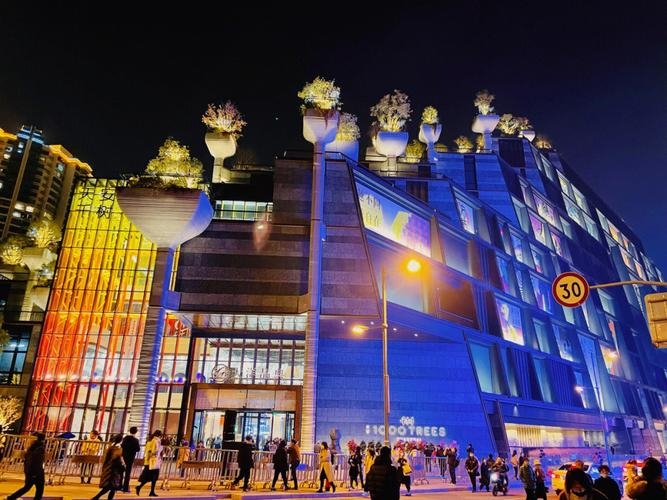
Mall Comparison at a Glance
Each major mall occupies a distinct niche. Cloud Nine and HKRI Taikoo Hui serve mid-to-high-budget shoppers. Plaza 66 and IFC Mall target luxury buyers. IAPM and K11 blend art with shopping. 1000 Trees appeals to architecture tourists and local brand fans. Match your priority to the right venue before committing travel time.
| Mall | District | Best For | Signature Feature | Price Level |
|---|---|---|---|---|
| Cloud Nine 九号广场 | Changning | International brands + local surprises | Nike China-exclusives; UNIQLO UT collabs | Mid–High |
| IFC Mall | Pudong / Lujiazui | Luxury under skyscrapers; gourmet food hall | 5 floors; gourmet basement supermarket; Pearl Tower views | Luxury |
| Plaza 66 | Jing'an | Top-tier luxury flagships | Hermès, LV, Chanel + seasonal art installations | Luxury |
| IAPM / K11 (Huaihai) | French Concession | Art + shopping hybrid; evening dining | K11 art museum in basement; mixed luxury and accessible brands | Mid–High |
| 1000 Trees 千树 | Suzhou Creek | Architecture lovers + local brands | Terraced green rooftop; Benlai 本来 Chinese brand; skating rink | Mid |
| Xintiandi | Huangpu | Designer Chinese brands + dining | Shikumen architecture; Uma Wang, Shanghai Tang; al fresco dining | High |
| HKRI Taikoo Hui | Jing'an West | Mixed-price mall + Starbucks Reserve | World's largest Starbucks Roastery next door; 8-level mall | Mid |
Time Out Shanghai named 1000 Trees one of "the most photographed new buildings in China" in 2025 — the cascading terraced exterior is visible from Suzhou Creek promenade. Even non-shoppers visit just for the architecture and the rooftop ice rink.
— Time Out Shanghai, 2025 Annual Guide
📍 Detailed reviews: Cloud Nine Shanghai: Shopping & Dining Guide | Nike Store Shanghai: Prices, Spots & Tips | IFC Mall Shanghai Guide for Luxury Shopping | Plaza 66 Shanghai: Luxury Brands, Floor Directory.
Outlet Shopping: Three Options, Honest Discounts
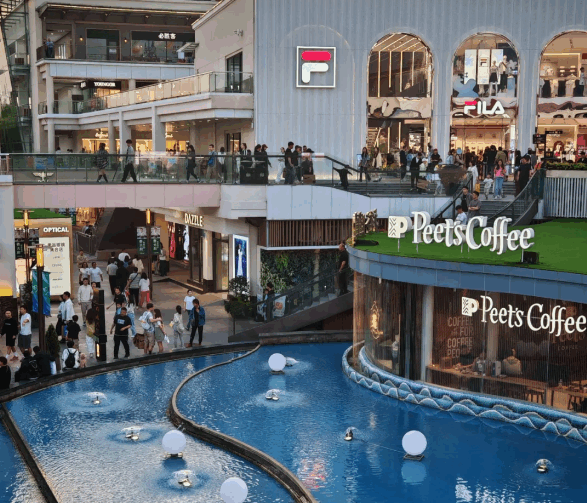
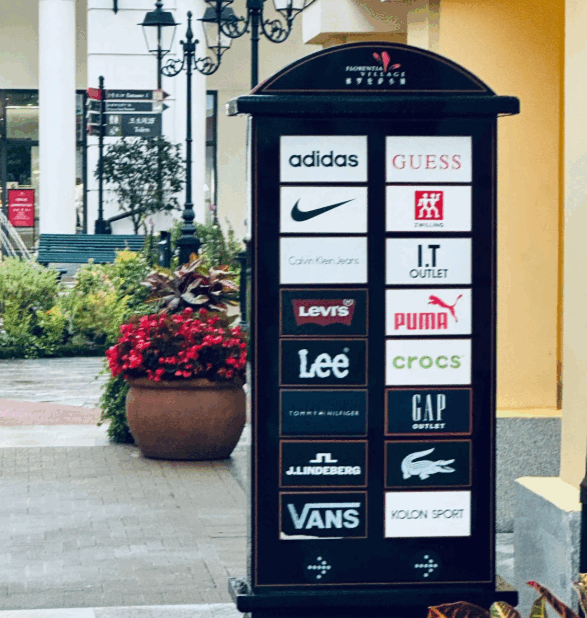
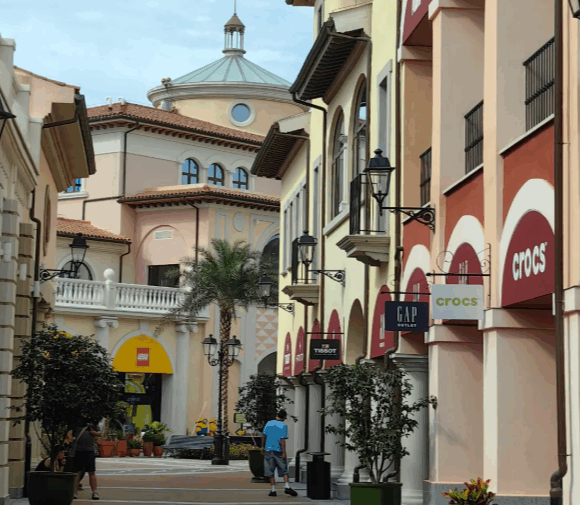
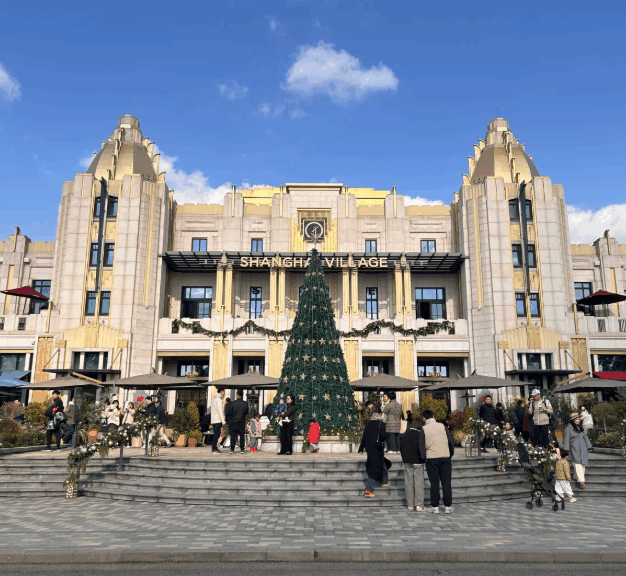
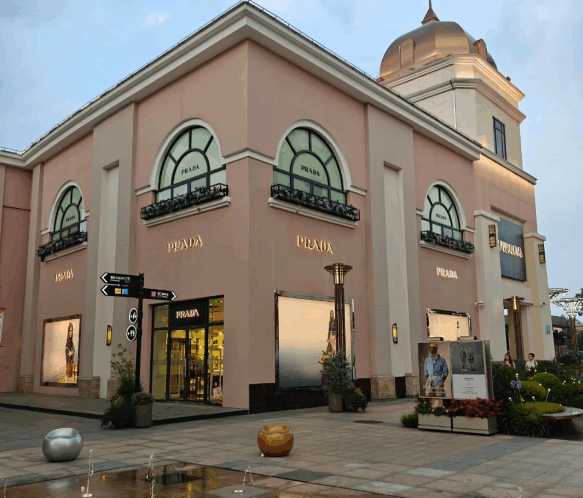
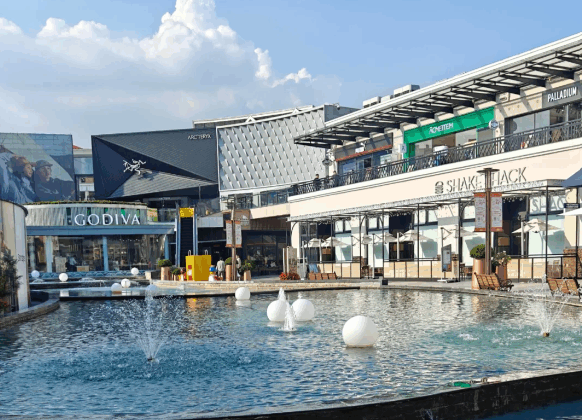
The Three Outlet Options — Honest Comparison
| Outlet | Location | Brands | Discount Reality | Best For |
|---|---|---|---|---|
| Florentia Village | Qingpu (45 min from centre) | Prada, Gucci, Coach, Burberry | 30–50% off; a ¥2,000 ($276) bag becomes ¥1,500 ($207) — genuine, not spectacular | Luxury shoppers with half a day |
| Bailian Outlet Plaza | Minhang (30 min) | Nike, Adidas, Li Ning, mid-range clothing | 30–60% off sportswear; prices comparable to European sale season | Sportswear + everyday brands |
| Shanghai Village (Disney) | Pudong (near Disney) | European-style outlet streets; premium + accessible brands | Half shopping, half tourism; fountains and walking paths make it a half-day trip | Families + casual luxury browsers |
Florentia Village is the place to hit for true designer deep-discounts. Bailian bargains on sportswear. Shanghai Village is more hot air than zipped shopping space. All of the above require some advanced planning: Beijing commuters should check traffic apps prior to departure—the Qingpu route can tack on over 30 minutes extra driving time. Weekday mornings will find the aisles at all three the emptiest.
⚠️
Set Realistic Discount Expectations
TripAdvisor outlet reviewers consistently note that Shanghai outlet discounts are lower than equivalent Japanese or Korean outlets. A ¥10,000 ($1,380) handbag at Florentia Village may cost ¥6,000–¥7,000 ($828–$966) — a real saving, but not a steal. These outlets are worth visiting if you are already in Shanghai, not worth a dedicated international trip solely for outlet shopping.
💡 Tip: Bring your passport to all three outlets. Some brand stores offer an additional tax refund process on-site for purchases above ¥500 ($69) — your passport is required to initiate the form.
📍 Full outlet breakdown: Exploring 3 Outlets in Shanghai: A Shopper's Hidden Adventure
Shopping Logistics: What to Buy, When to Go, How to Pay
What to Buy in Shanghai: The Short List
These seven categories offer the strongest value-for-money and cultural authenticity in Shanghai. Avoid branded electronics — import costs mean prices are not lower than abroad.
| Item | Where to Buy | Price Range | Why Here |
|---|---|---|---|
| Bespoke suit / dress | South Bund Fabric Market | ¥1,200–¥3,000 ($165–$415) | Half the Western price; 24hr turnaround possible |
| Freshwater pearls | Hongqiao Pearl Market | ¥100–¥3,000 ($14–$415) | Strung in front of you; check luster under light before buying |
| Silk scarves / fabric | South Bund or Yuyuan | ¥80–¥600 ($11–$83) | Mulberry silk at half European retail; ask for certificate |
| Jade bracelet | Yuyuan or Pearl Market | ¥180–¥800 ($25–$110) | Carries cultural significance; natural jadeite has clean light transmission |
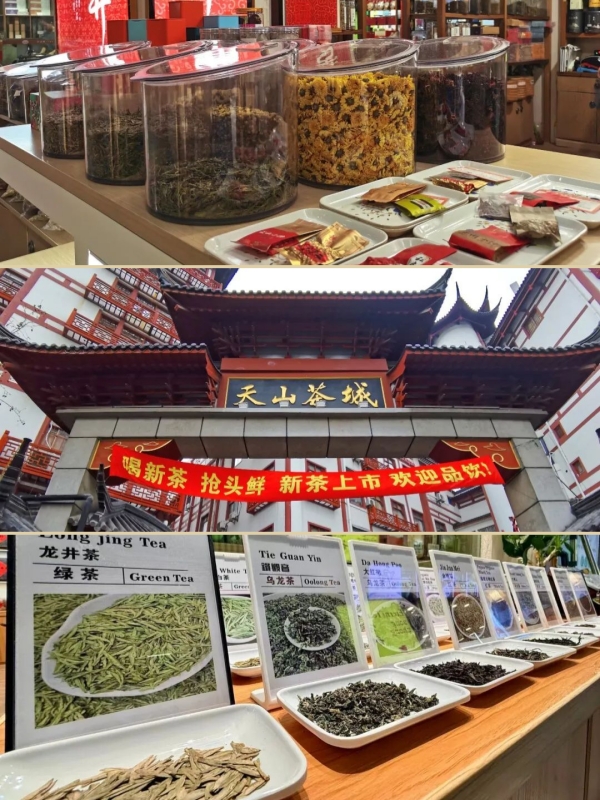
| Loose-leaf tea | Tianshan Tea City (Shop 1119) | ¥50–¥500 ($7–$69) | English-speaking staff; tasting before buying is standard |
| China-exclusive sneakers | Nike Flagship / Cloud Nine | ¥600–¥1,500 ($83–$207) | China-only colorways and UNIQLO collabs unavailable abroad |
| Local ceramics | Spin Ceramics / Tianzifang | ¥80–¥800 ($11–$110) | Jingdezhen-sourced limited editions; ships worldwide |
📍 Full souvenir guide: Best Things to Buy in Shanghai 2025: Top 10 Picks
When to Go Shopping in Shanghai
Timing affects both crowd levels and available discounts significantly. The table below matches each season to its specific shopping implication.
| Season / Period | Shopping Implication |
|---|---|
| October–November | Best weather for street shopping; golden plane trees on Huaihai Road; no major holidays — crowds manageable |
| Spring Festival (Jan–Feb) | Yuyuan + Nanjing Road transform with lanterns; real discounts at malls (¥100M / ~$13.8M government subsidy drives retailer deals in 2026); some small shops close on festival days |
| National Day (Oct 1–7) | Major crowds everywhere; malls run promotions but queues make luxury shopping unpleasant |
| July–August | Extreme heat and humidity make outdoor markets unpleasant; malls are blissfully air-conditioned — a reasonable escape |
💡 Tip: The 2026 Spring Festival shopping subsidy (¥100M / ~$13.8M government-backed programme) means January–February delivers real mall discounts. Check participating stores on arrival — not all brands opt in.
📍 Seasonal bonus: Shanghai Spring Festival Market 2026: 2,570 Events + Shopping Guide
Payment, Bargaining & Practical Survival
Four practical areas determine whether your shopping trip runs smoothly. Each has specific rules depending on the venue type.
💳 Payment Methods
- Malls & flagship stores: Visa and Mastercard accepted at most tills
- Markets: cash-preferred; carry ¥500–¥1,000 ($69–$138) in small notes
- Set up Alipay International before travel — it now supports foreign bank cards and covers most market vendors
🤝 Where to Bargain vs. Fixed Price
- Bargaining zones: South Bund Market, A.P. Plaza, Pearl Market, Yuyuan Bazaar
- Fixed-price zones: all brand malls, outlet stores — never negotiate here
- Calculator bargaining (vendor shows number on phone, you counter) works without shared language
🧾 VAT Tax Refund
- Purchases of ¥500+ ($69+) at qualifying stores are eligible for an 11% VAT refund at departure
- Retain all receipts and allow 45 extra minutes at Pudong (PVG) airport for processing
🗣️ Language & Size Notes
- Major malls have English-speaking staff at customer service desks
- Chinese retail sizes run 1–2 sizes smaller than European / US equivalents — always try on
- WeChat Translate camera function reads Chinese price tags and menus instantly — download before arrival
- Custom tailoring bypasses the sizing problem entirely — your measurements are the size
These four pillars — payment, bargaining zones, tax refund, and language tools — cover 95% of practical friction foreign visitors encounter. Address each before your first shopping day and you move through Shanghai's markets and malls without friction.
FAQs: Common Questions About Shopping in Shanghai
Q: Is Shanghai a good place for shopping?
Yes — shanghai shopping places cover every budget and category, from ¥20 ($3) street night markets to ¥50,000 ($6,900) bespoke suits. No other major Asian city combines overnight custom tailoring, freshwater pearls at source, China-exclusive brand releases, and luxury flagship stores in a single accessible destination. Shanghai earns its reputation as Asia's most versatile shopping city.
Q: What is the most famous shopping street in Shanghai?
Nanjing Road is the most famous, receiving 1.5 million visitors daily. However, shanghai shopping places on Nanjing Road deliver spectacle more than bargains. Locals prefer Huaihai Road — it is more refined, tree-lined, and home to both global luxury houses and century-old Shanghai heritage brands. For serious shopping, Huaihai Road wins.
Q: What is worth buying in Shanghai?
Shanghai shopping places deliver the strongest value on: bespoke tailored clothing, freshwater pearls, mulberry silk, loose-leaf tea, jade pieces, and China-exclusive sneaker colorways. These items cost 50–70% less than abroad and carry authentic cultural provenance. Avoid branded electronics — import duties mean prices are not lower than international retail.
Q: Are the fake markets in Shanghai worth visiting?
Yes, with tempered expectations. Shanghai shopping places like A.P. Plaza Yinyang Market in Xujiahui are the main destination — jersey shirts start around ¥220 ($30) versus ¥730 ($100) retail. Go for fun and atmosphere, not for electronics or "luxury" goods. Bargain firmly and use Didi, not street taxis outside the entrance.
Q: How much should a custom suit cost at South Bund Fabric Market?
A quality suit using English or Italian wool costs ¥1,500–¥3,000 ($207–$415) when shopping in Shanghai's South Bund Market. Delivery typically takes 24–48 hours. Bring a reference photo, specify 100% natural fibre explicitly, and budget ¥50 ($7) extra to upgrade from the default buttons to quality alternatives.
Q: What is cheap shopping in Shanghai?
Budget shanghai shopping places concentrate at A.P. Plaza (replica sportswear from ¥30 / $4), Qipu Lu clothing market (wholesale-to-retail clothes), Yuyuan Bazaar (souvenirs from ¥20 / $3), and night markets. Bargaining is expected and effective everywhere except fixed-price brand stores.
Q: Where is the best outlet shopping in Shanghai?
Florentia Village in Qingpu carries top designer labels at 30–50% off. Bailian Outlet Plaza offers practical sportswear deals on Nike, Adidas, and Li Ning. Both require 30–45 minutes of travel from the city centre. Plan shanghai shopping places outlet visits as a half-day trip and check traffic conditions before departing.
Q: Can foreigners use WeChat Pay or Alipay in Shanghai shops?
Yes. Both Alipay and WeChat Pay now support international credit and debit cards, making shanghai shopping places accessible to foreign visitors without local bank accounts. Set up Alipay International before travel. For markets, carry ¥300–500 ($41–$69) cash as backup — some small vendors accept apps only, others are cash-only.
Q: Is shopping in Shanghai cheaper than in Europe or the US?
Shanghai shopping places beat Europe significantly on: custom tailoring, silk, tea, pearls, and local ceramics — typically 50–70% less. For international luxury brands, prices are comparable or slightly higher due to import duties. For designer bargains, visit outlets or time your trip to the annual shopping festival in June or November.
Q: When is the best time to go shopping in Shanghai?
October–November offers the best combination of comfortable weather, manageable crowds, and post-Golden Week promotions for shanghai shopping places. Spring Festival (January–February) is uniquely atmospheric, with ¥100M (~$13.8M) in government-backed consumer subsidies active in 2026 — though some smaller shops close during the holiday week itself.