AP Plaza Fake Market Shanghai
AP Plaza Fake Market Shanghai sits underground at the Science & Technology Museum station on Metro Line 2, and it’s one of Pudong’s most well-known bargain spots. The place is packed with small stalls selling replica bags, watches, clothes, and random gadgets, all squeezed into narrow walkways that can feel busy from the moment you arrive. Prices usually start high—¥80–200 for basic items—but bargaining is part of the process, and most deals land much lower. Quality varies a lot, so checking details matters. It’s not polished or quiet, but it shows a very real, everyday side of shopping in Shanghai. If you want to compare this bargain-heavy market with Shanghai’s luxury shopping scene—take a look at this detailed guide to IFC Mall Shanghai.
Quick Facts about AP Plaza Fake Market Shanghai
| 📍 Address | AP Plaza, No. 722 Lujiazui Ring Road, Pudong, Shanghai |
| ⏰ Opening Hours | Daily 10:00 AM – 9:30 PM |
| 🛒 Market Type | Multi-floor fake market with clothes, bags, watches, electronics |
| 🏃 Best Visiting Time | Weekdays morning or late afternoon to avoid crowds |
| 🚇 Nearest Metro | Line 6: Huamu Road Station, 5-min walk |
| 💰 Price Range | ¥5–150 depending on item & haggling |
| 👗 Popular Goods | Tailor-made clothes, replica handbags, watches |
| 📸 Photo Tips | Respectful photography, bring camera, lots of visual variety |
| ⚠️ Safety Tips | Keep an eye on belongings; cash preferred |
Must-Visit Shops & Hidden Gems
Designer Bags & Accessories
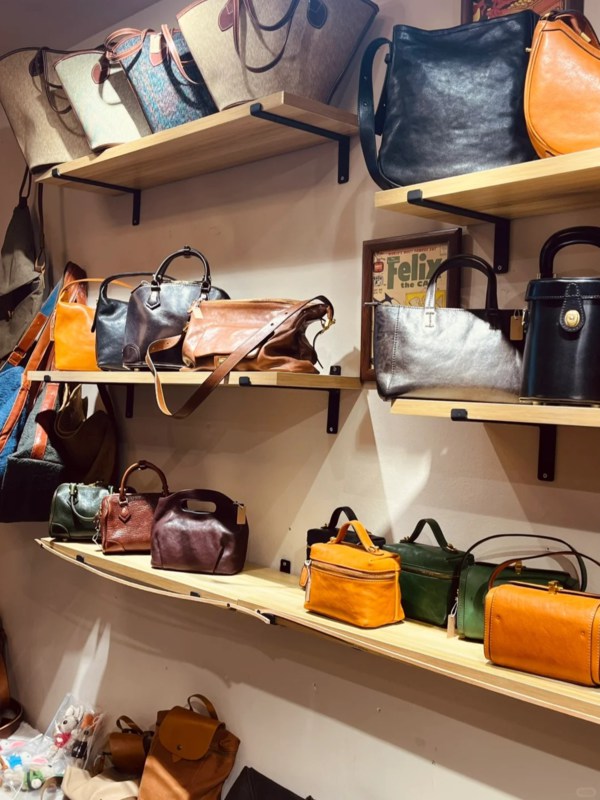
Recommended Shops & Floors: Most of the bag and accessory shops are concentrated on the first and second floors. I remember a small store near the central escalator on Floor 1 called “Li’s Leather Studio” that had a surprisingly organized display of replica handbags. Another one on Floor 2, closer to the corner near the elevator, called “Shanghai Bag House”, carried branded-looking wallets and belts. There’s also a well-known stall often referred to by visitors as “Mary’s Shop Scarf & Bags”, which is frequently mentioned in travel blogs for better-quality leather items. The shop signs often have English errors or quirky pinyin names, which actually helps you spot the tourist-oriented stores.
Price Range & Quality: Prices usually range from ¥80–200 for handbags, depending on size and material. Leather-feel items often cost around ¥120–150, while smaller accessories like wallets or keychains are around ¥50–80. Quality can be uneven—stitching and zippers are the easiest ways to check. I’ve seen bags that looked perfect at first but had glue stains inside, so a quick inspection matters.
Retail vs Market Price:
Retail price: around $2,500 for a branded travel bag
Market price at AP Plaza: around $150–$200 depending on quality
This gap explains why some visitors are willing to spend more time comparing stalls. Higher-priced replicas often use better materials, especially when labeled as “real leather,” but you still need to check carefully before buying.
Shopping Experience & Bargaining Tips: Vendors expect bargaining, so start about 30% below the listed price. I found that pretending to browse multiple items at once works better than focusing on just one—it gives a subtle impression that you might leave if the price isn’t right. One store I visited, “Li’s Leather Studio”, even had a sign saying “No photos,” but a polite nod and quick phone shot were usually okay. If you’re looking for better-quality leather bags specifically, many travelers recommend checking “Mary’s Shop Scarf & Bags” first before deciding. Keep small bills ready; carrying ¥500 notes only slows things down.
Tailor-Made Clothes & Suits
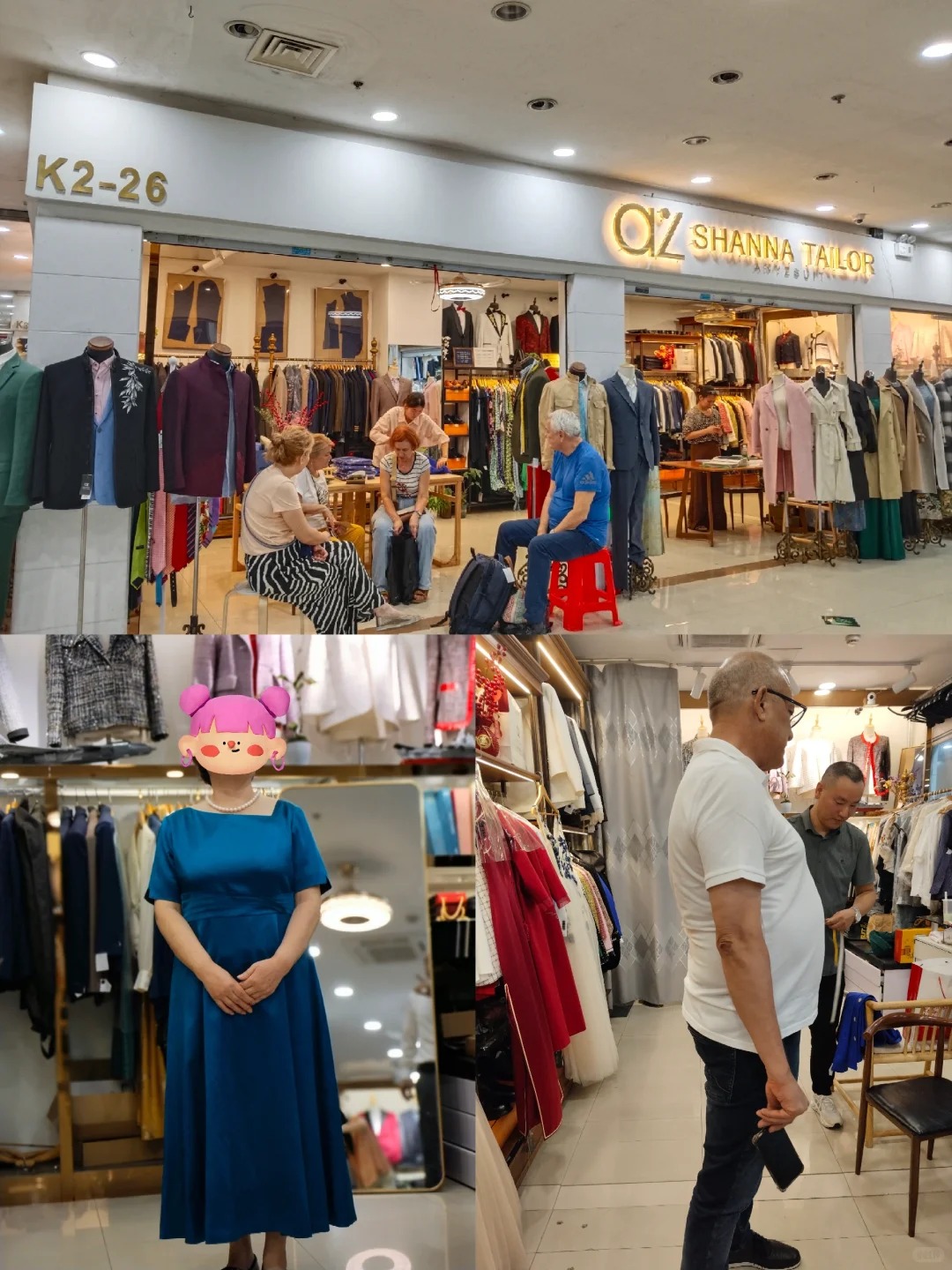
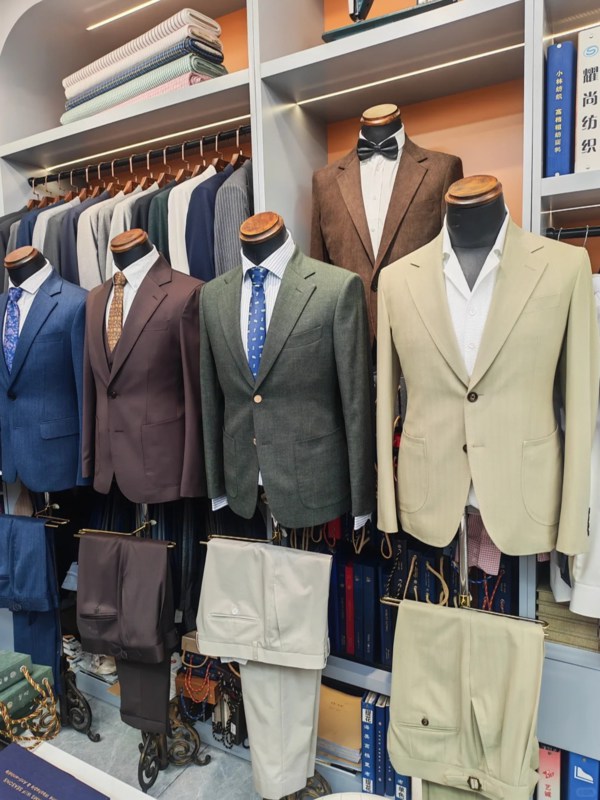
Confidence Shops and Reviews: Custom made clothes are located on Floors 3 and 4. Based on numerous TripAdvisor reviews and posts made by Xiaohongshu, there are several shops such as “Shanghai Suit Master” on the 3rd floor, “Golden Needle Tailor” on the 4th floor, and “Liang’s Bespoke” on the corner near the central escalator. The overall feedback is generally positive. They deal in casual wear as well as full suits, and some vendors even speak a little English, which is helpful when taking measurements or discussing styles.
Sizing, Delivery & Prices: Regular suits cost ¥500–800, while casual shirts are around ¥150–250. Most tailors can deliver within 3–5 days if the fabric is in stock; otherwise, it might take up to a week for more complex designs or custom fabrics. Measurements are taken on-site, but I usually carry my own tape just to double-check. Pants or simple shoes typically stay under ¥300, depending on material and finish.
Retail vs Market Price:
Retail price: around $500–$1,000 for a basic tailored suit
Market price at AP Plaza: around ¥500–800 (≈$70–110) depending on fabric
This difference is why many travelers try at least one custom piece here, even if it’s just a shirt. The fabrics are not always premium, but for short-term use or travel wear, the value is noticeable.
Bargaining: Haggling is expected, though not as aggressive as with bags. I observed that showing interest in fabric and cut would often lead to a small discount—usually around 10–15% off. Some tailors mention traditional Shanghai styles, so asking about a “classic Shanghai fit” can make the interaction smoother. Not all shops follow Western sizing standards, so it’s safer to rely on actual measurements rather than standard size labels.
Watches & Electronics
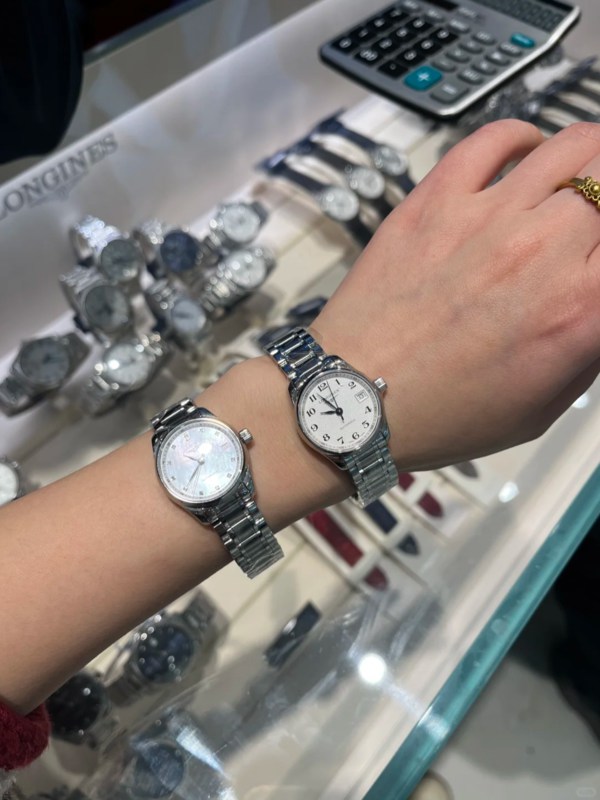
Recommended Stores: Electronics and watches are primarily on the first floor near the main entrance. I’ve marked a few shops that seemed reliable: one with a simple English name “Tech World” carried smartwatches and Bluetooth earbuds that actually worked well. Another small store near the escalator, “Orient Gadgets”, sold watches resembling well-known brands—some were surprisingly solid for the price. There’s also “Shanghai Timepieces”, tucked into a corner near the elevator, which specializes in budget-friendly replicas of classic watches.
Potential Pitfalls & Quality Checks: Many vendors display items openly, but some will substitute lower-quality products if you’re not watching. Check the battery, screen, or clasp before paying. I once got a smartwatch that had a missing button; politely returning it worked, but it was a hassle. Electronics usually range ¥100–300, watches from ¥150–250, depending on style.
Retail vs Market Price:
Retail price: around $300–$800 for branded watches or earbuds
Market price at AP Plaza: around ¥100–300 (≈$15–40) depending on function
This price gap explains why expectations should stay realistic—most items are fine for short-term use, but not built to last.
Shopping Stories & Insights: One funny moment was when I tried a watch that beeped unexpectedly every 30 minutes—it was either a prank or a defect, but the vendor laughed it off and offered a small discount. Small details like this make it clear that patience pays off. Many items are functional but not durable long-term, so consider them souvenirs as well as gadgets.
Souvenirs & Miscellaneous Items
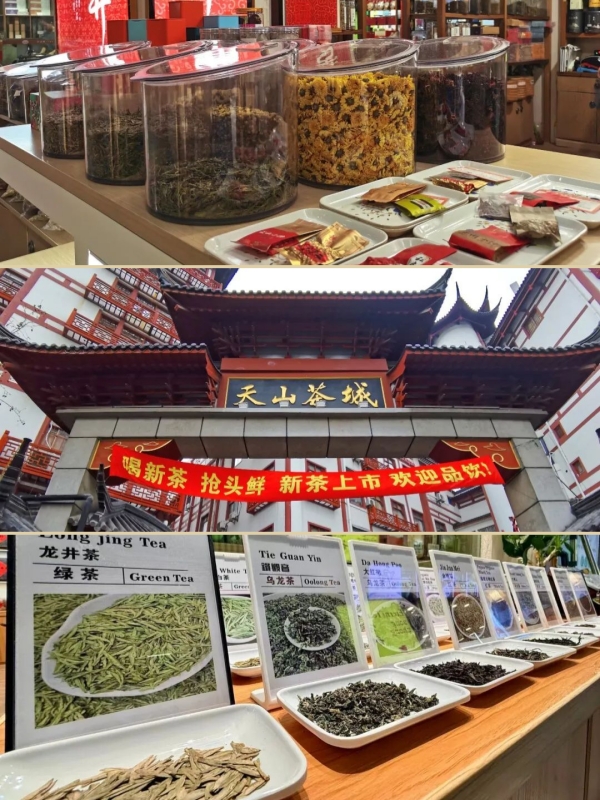
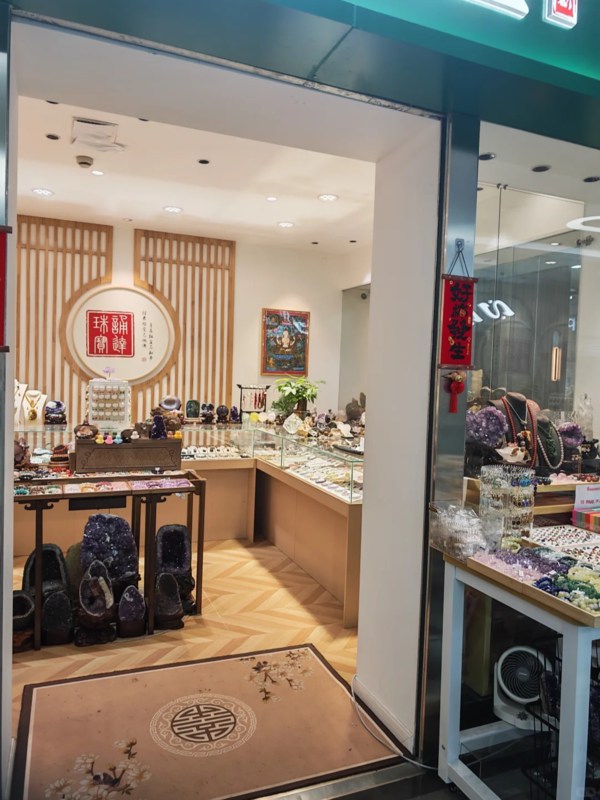
Interesting Finds: Souvenirs and odds are spread out all over the floors, in small corner shops. I found small sculpture skyline keychains at ¥30–50 from “City Charm Gifts”, unusual tea sets at ¥80–120 at “Oriental Tea House”, and some T-shirts in the local print with terribly incorrect English expressions—funny and easy to remember—from “Shanghai Fun Prints”. There are also some stalls selling calligraphy brushes or panda-themed items, such as “Panda Corner”, which may make good gifts.
Price & Purchase Tips: Products are inexpensive, most likely less than ¥100, but do not think that the initial price is the last. A glance-around strategy tends to reduce it by 20–30%. It is also fine to buy lots of trinkets if you intend to gift. I usually request to have things bundled together—it is easier to do than negotiating individually.
Retail vs Market Price:
Retail price: around $10–$30 for souvenirs in regular shops
Market price at AP Plaza: around ¥20–100 (≈$3–15) depending on item
This makes small souvenirs one of the easiest categories to buy without overthinking quality too much.
Shopping Advice: My strategy is to carry a small backpack. The shelves are small, and carrying too many items at once makes you slower. In addition, inspect the packaging—some souvenirs are packed in very simple plastic, so be careful if you plan to bring them home. I also noticed that tourists who spent too long at one stall often missed other hidden finds in nearby corners, so it’s worth keeping your pace flexible.
🏪 Want to explore more authentic Shanghai shopping experiences? Our comprehensive Shanghai shopping places guide covers shopping streets, markets, malls, outlets, logistics, and FAQs—everything you need for a successful Shanghai shopping trip.
Shopping Tips & Haggling Strategies
-
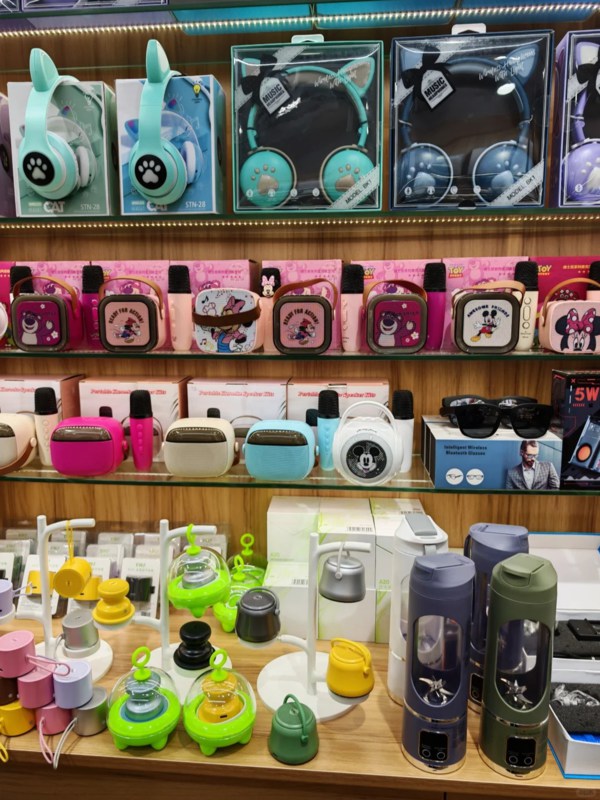

- Electronics
-
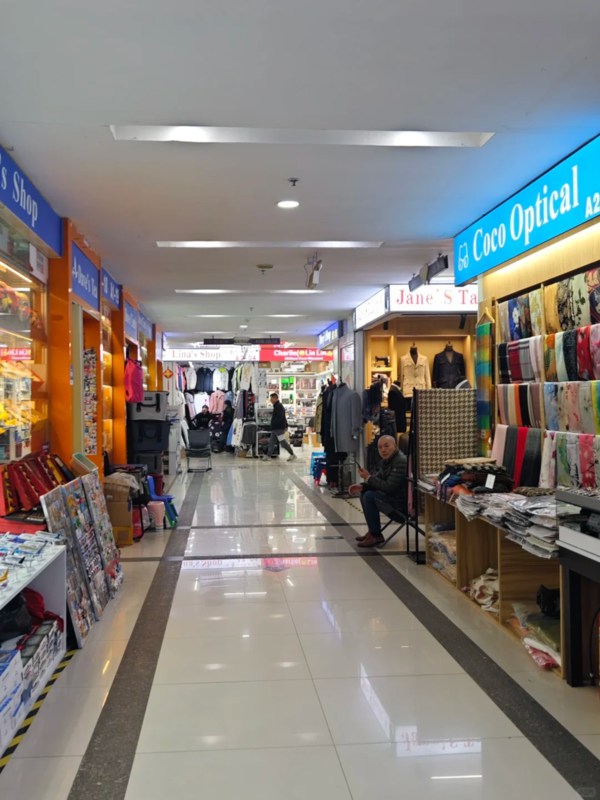
- Inside of the Plaza
-
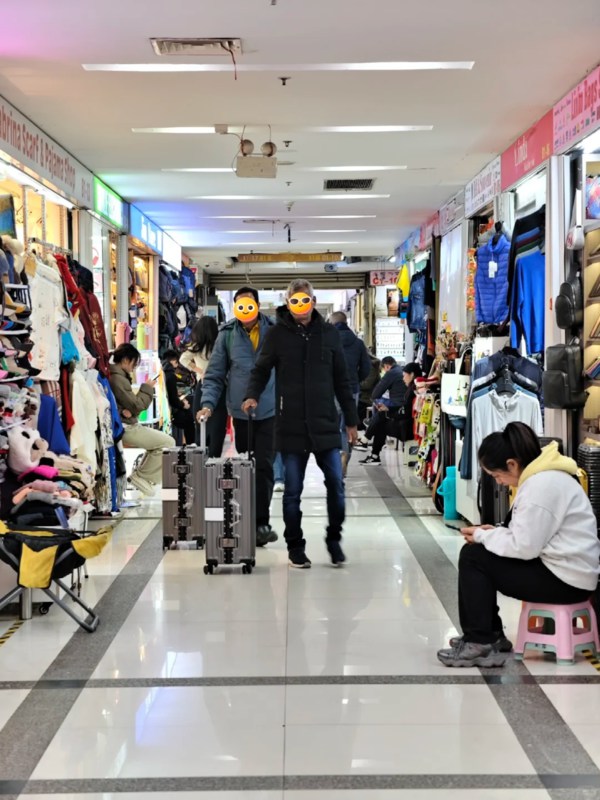
- Shops in AP Plaza
Spotting Quality vs Low-Quality Fakes
Inside AP Plaza Fake Market Shanghai, many products look convincing from a distance. Under bright display lights, bags and watches can appear almost identical. The real difference shows up once you slow down and check details. I usually start with the stitching and the edges of the material. Clean seams, straight lines, and smooth zipper movement usually signal a better piece. If threads stick out or glue marks appear around the edges, that item probably came from a cheaper batch.
Another simple check is weight and texture. Better replicas often feel slightly heavier and more structured. Lightweight materials usually mean thinner synthetic layers. Logos can also reveal a lot. I’ve noticed some bags where the brand letters were spaced unevenly or the metal badge looked slightly tilted. Those small inconsistencies are common in lower-quality products.
One quick lesson I learned here came from a watch stall near the entrance. The watch looked fine under the display glass, but when I turned it over, the engraved logo on the back cover was slightly crooked. The seller immediately replaced it with another piece, which was noticeably better. Moments like that remind you that inspection matters. In AP Plaza Fake Market Shanghai, the first item shown isn’t always the best one available.
Effective Bargaining Strategies
Negotiation is part of the normal routine at AP Plaza Fake Market Shanghai. Prices written on tags or spoken by the vendor are usually starting points rather than final numbers. At first the process feels awkward, but after a few stalls it becomes surprisingly natural.
A simple approach works best. When a seller quotes a price—say ¥200 for a bag—I usually reply with something around ¥120 or ¥130. Sometimes the seller laughs, sometimes they shake their head, but the conversation continues. The exchange usually goes back and forth for a minute or two until both sides land somewhere in the middle.
Body language matters as much as words. Looking relaxed and browsing other items signals that you’re not desperate to buy. Walking a few steps away occasionally brings the vendor calling you back with a lower price. It doesn’t work every time, but often enough to try.
Another small trick is combining items. If I’m buying a wallet and a belt together, asking for a “better price for both” often leads to a quick discount. Vendors tend to prefer selling multiple pieces rather than negotiating for a single item. Bargaining here isn’t aggressive—it feels more like a quick marketplace ritual that everyone understands. If you plan to explore more retail areas beyond this market—check out this guide to the best shopping places in Shanghai.
Payment Methods & Safety
It is easy to pay within AP Plaza Fake Market Shanghai, yet there is a way of saving time and avoiding some minor inconveniences:
- Cash Preference:The stalls still see cash being preferred in many stalls. Price of small bills like ¥50 or 100 is quicker. Big notes also tend to slow down transactions since the vendors have to locate change.
- Mobile Payment: There are larger stores that have Alipay or WeChat Pay. Some passengers use these applications to associate foreign cards with it, but it varies according to the bank. Receipt Situation:Formal receipts are not very common. Majority of purchases are fast and informal and in this case, it is important to check the item before paying.
- Security Advice:Wallets and phones should be placed in front pockets or small crossbody bags. The entry points and escalators are prone to congestion particularly over weekends.
- Confirmation of Items: Before exiting the stall, check the package and ensure that you are getting what you have checked. Sellers tend to package products in a rush and a quick inspection prevents misunderstanding in the future.
These minor routines make the process of buying easier and eliminate minor but irritating errors.
Common Pitfalls
Even the shoppers who are experienced sometimes end up in minor huddles within AP Plaza Fake Market Shanghai. It is an active and densely populated market, where some patterns can be observed over and over again:
- Peak Times:Weekends and afternoons are the busiest times. Small corridors are more difficult to walk, and the process of bargaining is prolonged.
- High Starting Prices:There are sellers who start out with two to three times high prices. This is not out of the ordinary and will just create space to bargain.
- Language Differences: There are stalls where English is spoken, and there are those where English is not. The prices are often communicated rapidly with the help of short phrases, pointing, and calculator screens.
- Impulse Buying: A lot of visitors purchase the first thing they come across. Your stroll through a few stalls will make you know the normal price ranges.
- Navigation confusion:Corridors are quite similar. A snap shot of a store sign or of an object close by is helpful in case you want to go back some other time.
After knowing these patterns, it will be much easier to shop in AP Plaza Fake Market Shanghai. Rather than being disorganized, it begins to appear as an organized hunt to the best bargain buried in-between the stalls.
My Personal Experience & Fun Moments
-
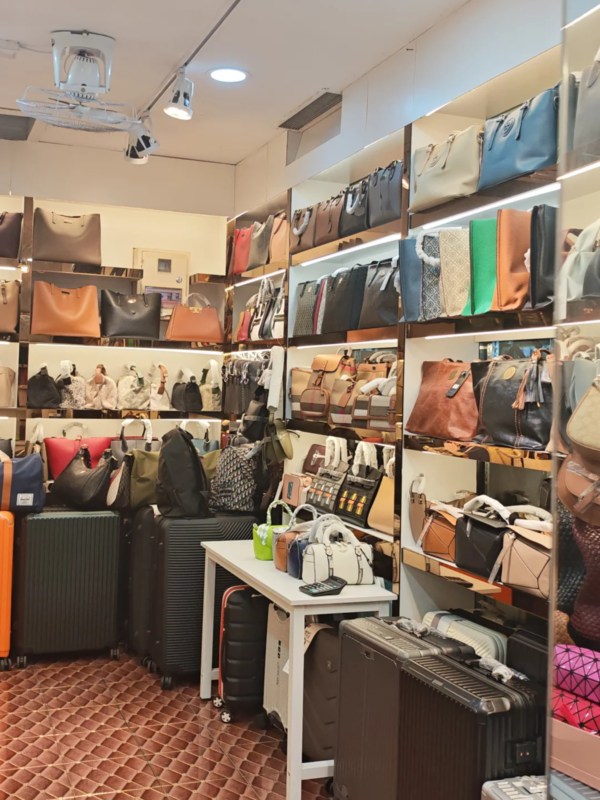
- Bags in the Plaza
-
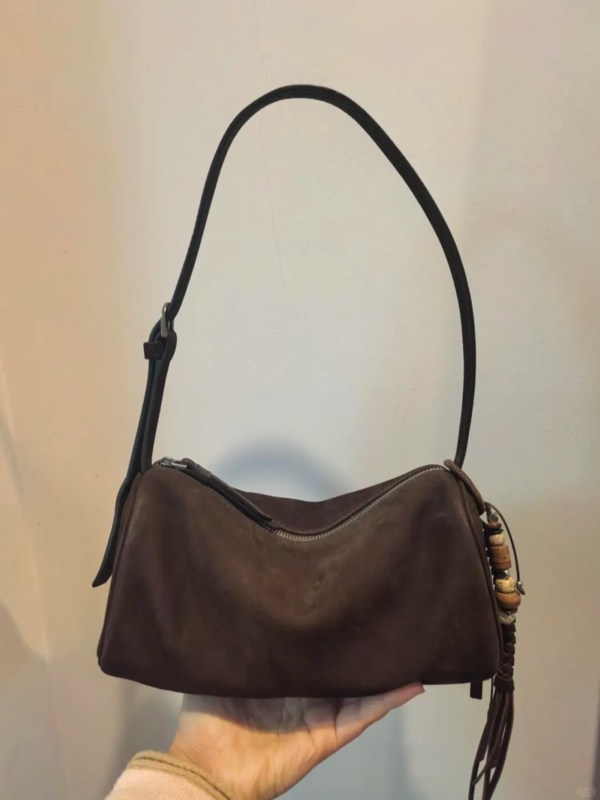
- My Personal Experience
-
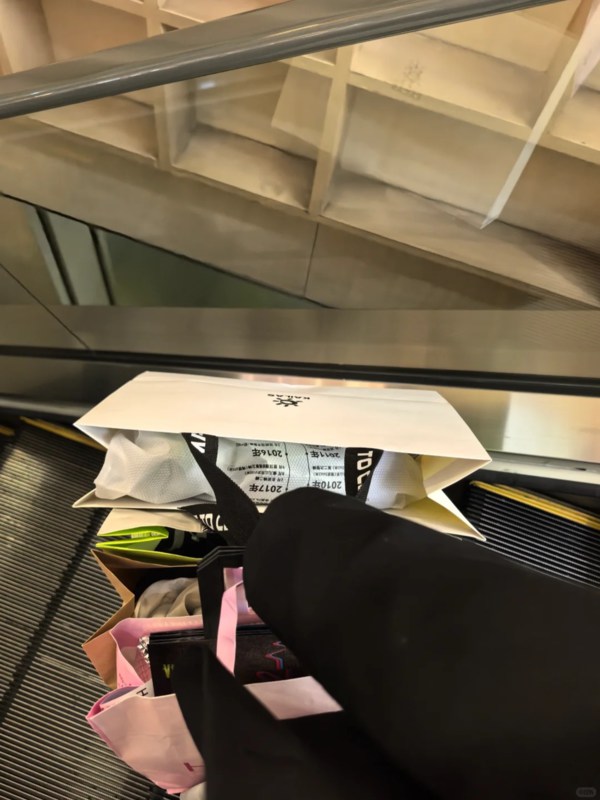
- Shopping Experience
First Impressions
Walking into AP Plaza Fake Market Shanghai feels a bit like stepping underground into a busy trading hall. The entrance corridor is narrow, and within a few steps you start hearing the same phrases from different directions—“bag?”, “watch?”, “good price!” The clicking sound of calculators becomes constant. Sellers type numbers, turn the screen toward you, then wait for your reaction. After a few minutes, that simple bargaining ritual starts to feel like part of the background rhythm of the market.
The air carries a mixed smell of leather bags, plastic packaging, and occasionally perfume drifting from accessory stalls. Lighting is bright but uneven, which explains why shoppers often lean closer to the displays to check details. The place is crowded, but not chaotic once you adjust to the flow.
A few small details become obvious quickly:
- Crowd Flow: The areas around escalators and main corridors stay busy most of the day. Tour groups often gather there first, which makes those sections louder and slower to pass through.
- Shop Layout: Most stalls are small, sometimes only a few meters wide. Bags hang from walls, belts stack in glass counters, and watches sit under bright LED strips.
- Unexpected Variety: I expected mostly replica bags, but within ten minutes I noticed tailor shops, luggage stalls, small electronics, and even tea sets. The range of goods is wider than many visitors assume.
After walking deeper into the corridors, the environment begins to make sense. What first feels crowded gradually turns into a structured pattern of small stalls repeating across several floors.
Key Takeaways
After spending a few hours walking through AP Plaza Fake Market Shanghai, a few practical lessons became clear. The market works best when you approach it with patience and curiosity rather than rushing to buy the first interesting item. Bags, belts, and small accessories usually offer the best balance of price and quality, often falling somewhere around ¥80–200 depending on material and negotiation.
Electronics and complicated gadgets can be less reliable, so many visitors treat them more like novelty items than long-term purchases. Walking through several stalls before deciding helps a lot because prices vary noticeably from shop to shop. Some travelers love the lively bargaining atmosphere, while others find it a little overwhelming, especially during busy hours. Either way, the experience feels less like a typical shopping mall and more like exploring a maze where every corner hides another small deal waiting to be discovered.
FAQ About Visiting AP Plaza Fake Market Shanghai
Q: Where is AP Plaza Fake Market Shanghai located?
AP Plaza Fake Market Shanghai is located in Pudong, inside the underground shopping area near the Science & Technology Museum metro station. The official address is No. 2002 Century Avenue, Pudong New Area, Shanghai. Most visitors enter directly from Metro Line 2 (Shanghai Science and Technology Museum Station), which connects straight into the market. Because it sits underground beneath the metro exit, many travelers arrive there without even realizing it at first. Clear signs inside the station guide visitors to the shopping area.
Q: What are the opening hours of AP Plaza Fake Market Shanghai?
Most shops in AP Plaza Fake Market Shanghai operate daily from around 10:00 AM to 9:00 PM. Some stalls open slightly later in the morning, especially on weekdays when visitor traffic is lower. Evenings tend to be busier, particularly with tourists finishing sightseeing in Pudong. If you prefer a quieter shopping experience and better bargaining opportunities, weekday mornings or early afternoons are usually the best times to visit.
Q: What kinds of products are sold at AP Plaza Fake Market Shanghai?
The market is known for selling a wide range of replica goods and tourist items. Common categories include handbags, wallets, watches, sunglasses, sneakers, luggage, and accessories inspired by well-known international brands. Besides replicas, visitors can also find tailor-made clothing, casual fashion, souvenirs, electronics accessories, and small travel items. Many travelers come specifically for custom suits or dresses because several tailoring shops offer quick turnaround times.
Q: Is bargaining expected at AP Plaza Fake Market Shanghai?
Yes, bargaining is a normal part of the shopping experience at AP Plaza Fake Market Shanghai. Vendors usually start with higher initial prices, expecting customers to negotiate. It is common for buyers to offer 40–60% lower than the first quoted price and slowly move toward a middle point. Sellers often use calculators to show prices during negotiations. Bargaining is usually friendly and part of the market culture rather than a serious confrontation.
Q: Are the products at AP Plaza Fake Market Shanghai good quality?
Quality varies widely across stalls in AP Plaza Fake Market Shanghai. Some shops sell higher-grade replicas with better materials and stitching, while others offer cheaper versions mainly aimed at tourists looking for souvenirs. Checking details such as zippers, stitching, logos, and material thickness can help determine quality. Walking around several stalls before purchasing is a good strategy because prices and product quality can differ significantly from shop to shop.
Q: Can you get tailor-made clothes at AP Plaza Fake Market Shanghai?
Yes, several shops specialize in custom clothing, including suits, shirts, dresses, and coats. Tailors typically measure customers on the spot and offer fabric samples to choose from. Many stores promise completion within 24–72 hours, although more complex designs may take longer. Prices depend on fabric and style, but a simple tailored suit often starts around ¥600–¥1000. Some shops also provide international shipping if travelers cannot return for fittings.
Q: What payment methods are accepted at AP Plaza Fake Market Shanghai?
Most vendors accept cash (Chinese yuan), which is still the simplest option for many purchases. However, some stalls also support mobile payments such as Alipay or WeChat Pay, especially when dealing with Chinese customers. Credit cards are rarely accepted in smaller stalls. Travelers who prefer flexibility usually bring a mix of cash and mobile payment options when shopping in the market.
Q: Is AP Plaza Fake Market Shanghai worth visiting for tourists?
For many visitors, AP Plaza Fake Market Shanghai is worth visiting as a cultural shopping experience rather than a traditional retail destination. The market offers a chance to practice bargaining, observe local selling culture, and explore dozens of small stalls packed into an underground maze. Even travelers who do not plan to buy anything often enjoy walking through the corridors, comparing products, and watching negotiations happen between shopkeepers and tourists.