Peace Chinese Symbol
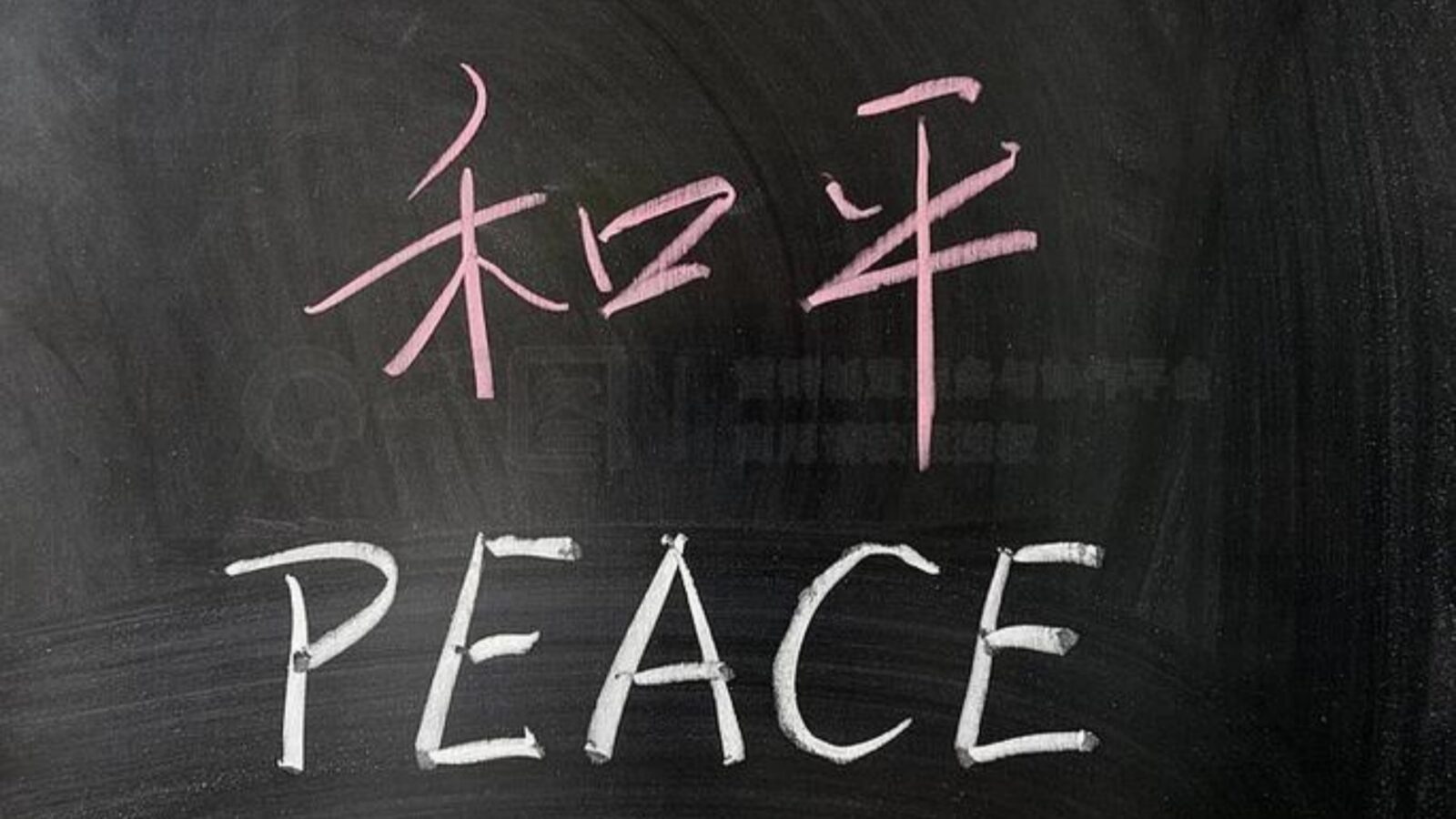
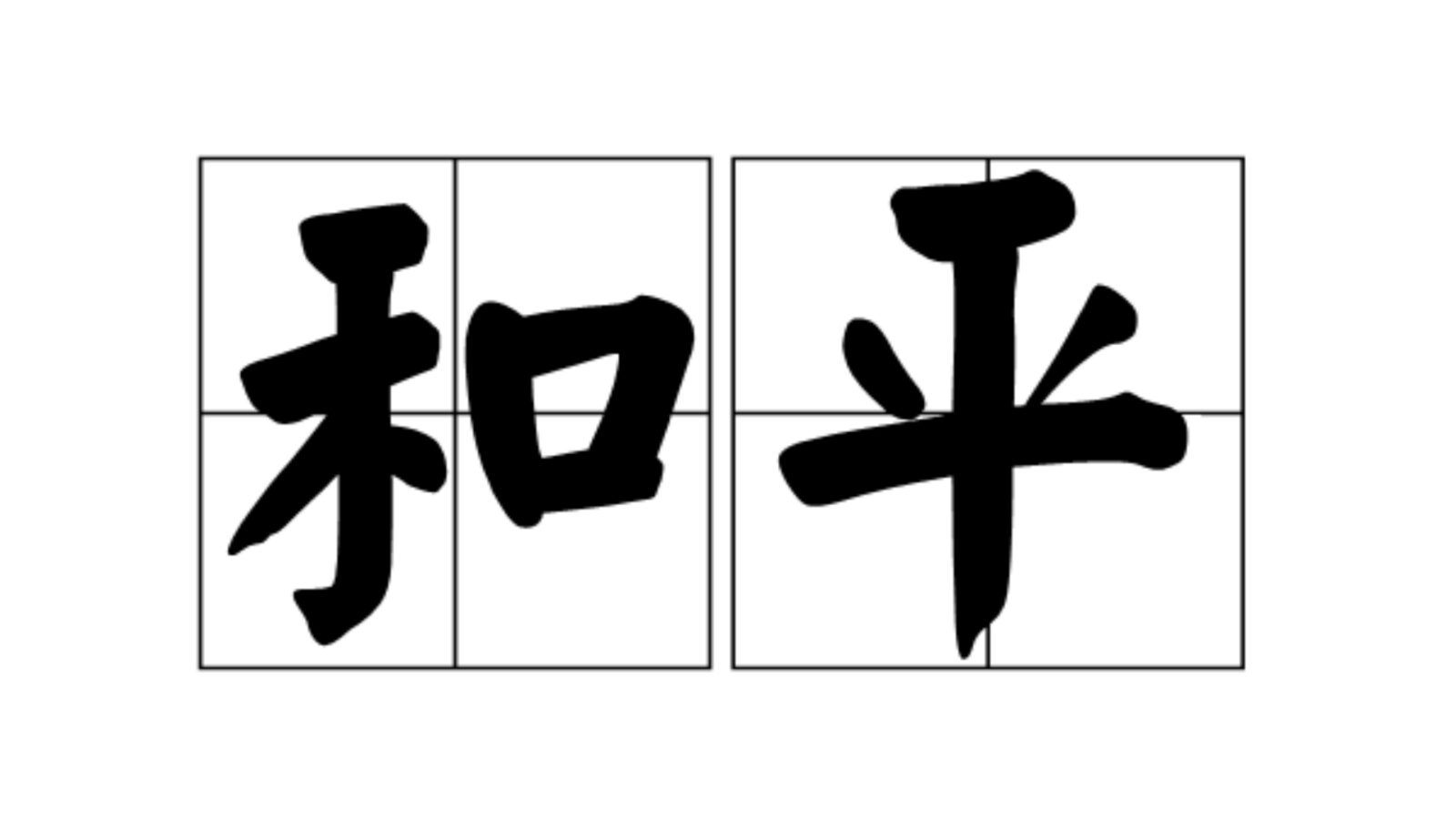
The character 和平 (hépíng) represents the Chinese concept of peace. It combines 和, meaning harmony or balance, with 平, meaning level or equal. Together, the two characters translate directly as "peace" or "peaceful." This symbol appears throughout China — carved into monuments, written in calligraphy, and embedded in the names of parks, hotels, and memorial halls. Understanding 和平 means understanding a core value in Chinese culture, one that dates back thousands of years and remains visible in modern cities.
This guide covers the pronunciation and structure of 和平, its ancient origins, and the real places in China where you can see peace symbolism in person. It also explains related characters, how to write 和平 yourself, and answers common questions about this widely recognized symbol.
Quick Facts
The "和平" Character: Pronunciation, Strokes, and Meaning
和平 is read hépíng in Mandarin pinyin. Both syllables carry the second tone (rising pitch). In Japanese on'yomi, the same characters read as wahē; in Korean they appear as 화평 (hwapyeong). The pronunciation has remained relatively stable across centuries of linguistic evolution.
The first character, 和, is a phono-semantic compound. It combines the grain radical 禾 (hé) with the mouth radical 口 (kǒu). The top component 禾 also serves as the phonetic guide. Historically, the character described harmony in eating or a balanced grain harvest. Over time, its meaning expanded to cover harmony in music, social relations, and state governance. The second character, 平, depicts a balanced scale. Its core meanings are "even," "level," and "equal." The visual simplicity of 平 — a horizontal top, a descending stroke, and a vertical line — reflects its core sense of equilibrium.
Taken together, 和平 translates as "peace" in both noun and adjective form. It appears in common collocations such as 维护和平 (safeguard peace), 和平共处 (peaceful coexistence), 和平条约 (peace treaty), and 和平演变 (peaceful evolution). Each of these compound terms extends the core meaning of hépíng into diplomatic, political, and social contexts.
Ancient Origins and Cultural Meaning
Peace Chinese Symbol
The character 和 first appears in oracle-bone inscriptions from the Shang dynasty (roughly 1600–1046 BCE). Those early instances carried the meaning of harmonious sounds — the resonance of music or the balanced rustling of grain. The character 平 is attested on Western Zhou bronze inscriptions (1046–771 BCE), where it consistently represents the concept of an even, level scale. Both characters therefore predate the Warring States period by several centuries.
In classical Chinese philosophy, 和 became a foundational ethical concept. The Confucian Analects (Lunyu) contains the passage 礼之用,和为贵 — "In the application of ritual, harmony is most prized." This line elevated harmony from a descriptive term to a prescriptive ideal. Daoist thought reinforced the same principle by linking 和 to the natural balance of yin and yang. Harmony, in this philosophical framework, was not merely a social nicety but the underlying order of the universe.
The composite term 和平 became a formal diplomatic expression in the early 20th century, as Chinese political discourse adopted modern international language. Mao Zedong's own handwritten 和平 in cursive style is displayed publicly at the National Museum of China. This particular piece of calligraphy has become one of the most reproduced peace-calligraphy works in the country, blending the ancient philosophical roots of the character with modern political symbolism.
How to Draw "和平": Stroke Order and Writing Tips
The character 和 consists of eight strokes. Write the top component 禾 first, then the bottom 口. The character 平 contains five strokes. Begin at the top and work downward, keeping the verticals perpendicular to the horizontals.
- 和 — 8 strokes: Start with the grain radical 禾 (four strokes: horizontal-left-falling, dot, horizontal, falling-right), then write the mouth radical 口 (four strokes: vertical, horizontal, vertical, horizontal).
- 平 — 5 strokes: Top horizontal, down-left stroke, vertical, second horizontal, final vertical. The proportions require the vertical strokes to bisect the horizontals evenly.
- Writing tip — balanced structure: Keep the left-right ratio of 和 at approximately 1:1. An off-center placement of the bottom 口 makes the character feel unstable.
- Writing tip — perpendicular verticals: For 平, ensure both vertical strokes stand at roughly 90 degrees to the horizontals. Slanted verticals distort the sense of balance the character represents.
- Writing tip — practice square: A standard practice square (田字格) helps maintain proportion. Both characters fit neatly within the central space when properly scaled.
- Style variation: Seal-script (篆书) and cursive (草书) forms of both characters differ significantly from regular script (楷书). Artistic calligraphy may follow these alternative forms.
🔢 Explore Modern Texting & Number Shorthand: Beyond classical characters like 和平, young locals frequently use numerical homophones to send messages of peace and affection online. Learn how 520, 888, and 1314 work in our guide to Chinese Number Slang.
Where to See the Chinese Peace Symbol in the Real World
Peace Hotel
Across China, the concept of peace finds physical expression in monuments, memorials, parks, and historic buildings. Some of these sites bear the character 和平 directly; others embody peace symbolism through imagery, naming, or architectural design. The following sections list the most accessible and historically significant locations for foreign visitors.
Beijing — Monuments, Memorials, and Calligraphy
Beijing's Tiananmen Square holds the densest concentration of peace-related landmarks in China. Three sites stand out for their direct connection to the 和平 symbol and its imagery.
- Monument to the People's Heroes: This towering obelisk anchors the northern side of Tiananmen Square. Its carved reliefs depict scenes of liberation and peace, and the character 和平 has been incorporated into its decorative inscriptions. Access is free. The site is closed on Mondays for maintenance. Nearest metro: Tiananmen Station (Line 1).
- Chairman Mao Memorial Hall: Located directly south of the Monument to the People's Heroes, this hall houses Mao Zedong's preserved body. Entry is free, but reservations are required via the official site. Open Tuesday through Sunday mornings. Nearest metro: Tiananmen East Station (Line 1).
- National Museum of China: The museum displays Mao's handwritten 和平 calligraphy as part of its permanent collection. Entry is free with a reservation. Open Tuesday through Sunday, 9:00–17:00. Nearest metro: Tiananmen East or Qianmen Station (Line 1).
Beyond Beijing — Parks, Gates, and Memorials in Other Cities
Peace symbolism is not limited to the capital. Several other major cities feature sites that carry the 和平 character or embody peace themes in their design and naming.
- Shanghai Peace Park: Established in 1958 in Hongkou District, this free public park covers approximately 4 hectares. Its classical Chinese garden layout includes water features and shaded walkways. Nearest metro: Dalian Road Station (Line 4).
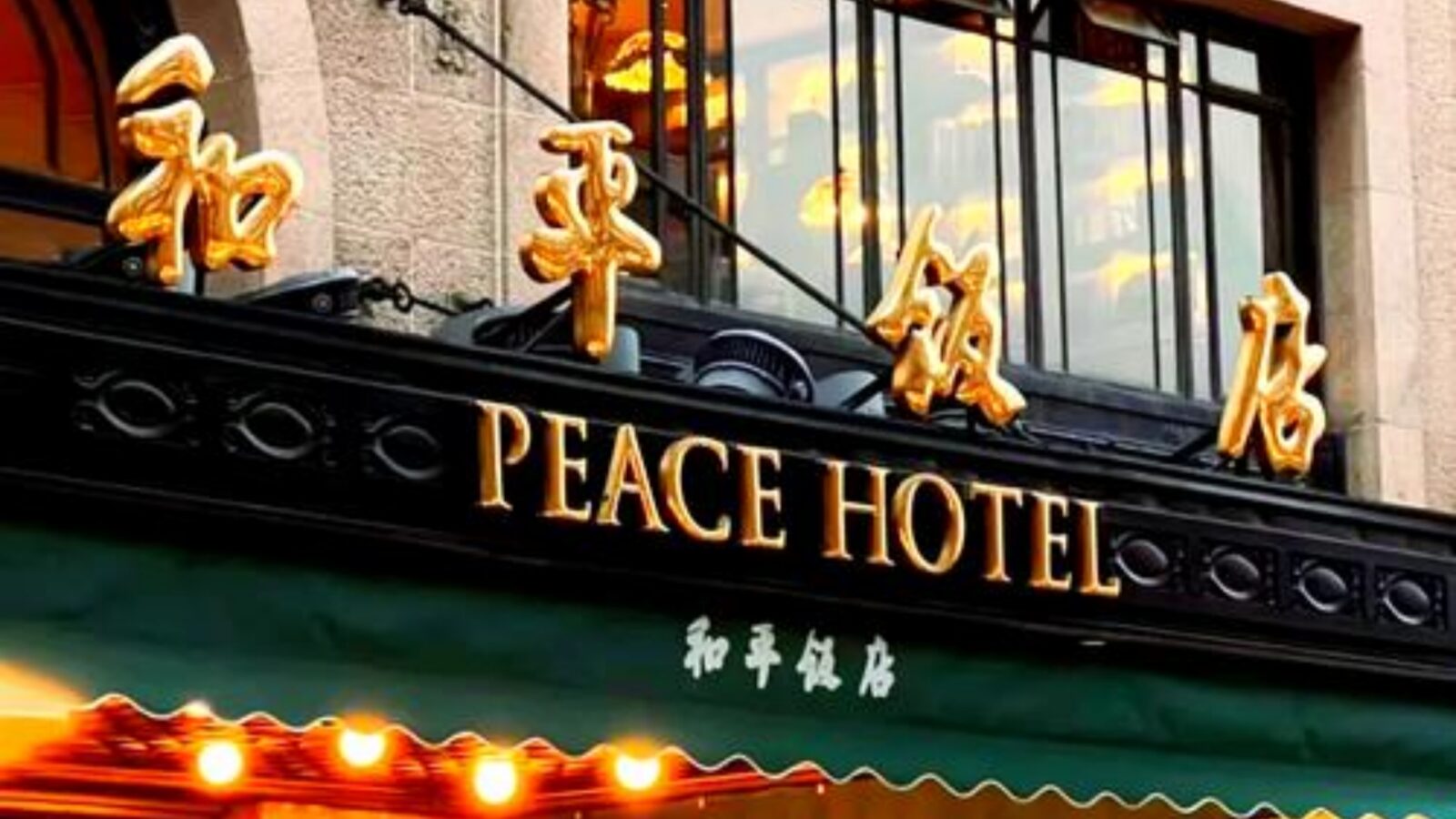
- Peace Hotel (和平饭店): Built in 1929 on the Bund, this Art Deco landmark is one of Shanghai's most recognizable buildings. The ground-floor public areas, including the famous lobby and bar, are accessible without a reservation. Nearest metro: Nanjing East Road Station (Lines 2 and 10).
- Nanjing Massacre Memorial Hall: Opened in 1985, this hall commemorates the victims of the 1937 Nanjing Massacre. Entry is free with a reservation. Open Tuesday through Sunday, 8:30–17:30. Nearest metro: Yunjin Road Station (Line 2).
- Peace Gate references: Several Chinese cities preserve historical references to peace gates in their old city walls. Beijing's former Andingmen area and Xi'an's historic city wall plans include gates named for peace, though most surviving structures date from later reconstructions.
- White dove sculptures: Across major Chinese cities, the white dove (大白鸽) appears in public sculptures as a peace symbol paralleling the Western dove motif. These installations are found in parks, squares, and ceremonial spaces, often near venues associated with international events.
Major Peace-Symbol Sites Compared
📛 How Peaceful Characters Shape Personal Names: Aspirational characters like 和 (harmony) and 平 (peace) are frequently chosen by parents to convey life wishes in personal names. Discover how names are structured in our guide to a Typical Chinese Name.
Other Chinese Symbols Connected to Peace
Beyond 和平, several other Chinese characters and symbols carry meanings related to peace, harmony, and tranquility. These appear in calligraphy, architecture, and everyday language.
- 和 (hé): Harmony. This is the philosophical root of 和平. It functions as both a noun meaning "harmony" and a verb meaning "to reconcile." Common in compounds like 和解 (reconcile) and 和谐 (harmonious).
- 安 (ān): Peace, safety. This character appears in 平安 (píng'ān, peace and safety) and 安宁 (ānníng, peace and tranquility). It is widely used in names and on buildings as a protective symbol.
- 宁 (níng): Tranquility, calm. The classical form 寧 remains visible in traditional signage. It appears in 宁静致远 (tranquility leads to distance — a classical proverb on the rewards of stillness).
- 静 (jìng): Stillness, quiet. This character is central to Buddhist concepts of inner peace. It appears in 禅静 (chánjìng, Zen stillness) and 心静 (xīnjìng, a calm mind).
- Lotus (莲): In Buddhist tradition, the lotus represents purity emerging from muddy water — a form of spiritual peace. It appears frequently in temple architecture and art.
- White dove (鸽子): The dove parallels the Western peace dove. White dove sculptures and images appear in Chinese parks, squares, and ceremony venues, often released during peace commemorations.
⚔️ Deep Dive into the Five Elements System: To see how natural harmony and elemental balance shape traditional philosophy and design, check out our overview of Metal WuXing.
Frequently Asked Questions
Q: What is the Chinese symbol for peace?
The most common Chinese symbol for peace is the two-character word 和平 (hépíng). The character 和 means harmony, and 平 means level or equal. Together, they convey the concept of peace as both a noun and an adjective in modern Mandarin.
Q: How do you pronounce 和平?
The character 和平 is pronounced hépíng in Mandarin pinyin — both syllables carry the second tone (rising pitch). In Japanese on'yomi the same characters read as wahē; in Korean they appear as 화평 (hwapyeong).
Q: Is there an ancient Chinese peace symbol?
The individual characters 和 and 平 both appear on oracle-bone inscriptions from the Shang dynasty and on Western Zhou bronzes, dating to roughly 1600–771 BCE. The combined term 和平 became a standard modern expression in the early 20th century.
Q: What is the Chinese symbol for inner peace?
For inner peace specifically, classical Chinese uses 安 (ān, peace/safe), 宁 (níng, tranquility), or 静 (jìng, stillness). In Buddhist contexts, 心安 (xīn'ān, "peace of heart") is the direct term for inner peace.
Q: What is the Chinese symbol for peace and love?
The Chinese symbol for peace and love combines 和平 (peace) with 爱 (ài, love). In tattoo and design contexts, these characters often appear together with shared visual framing or in a paired arrangement.
Q: How do you draw the Chinese peace symbol?
The character 和 contains 8 strokes: write the top grain radical 禾 first (4 strokes), then the bottom mouth radical 口 (4 strokes). The character 平 contains 5 strokes: top horizontal, down-left stroke, vertical, second horizontal, final vertical. A standard practice square helps maintain proportion.
Q: Where can I see the 和平 symbol in China?
The Monument to the People's Heroes in Tiananmen Square, Mao Zedong's 和平 calligraphy at the National Museum of China, Shanghai Peace Park, the Peace Hotel on the Bund, and the Nanjing Massacre Memorial Hall are the most accessible sites. Entry to all listed locations is free, and several require advance reservation.
Q: Is 和平 the same as 和?
No. 和平 is the modern standard word for "peace" in both noun and adjective form. The single character 和 means "harmony" or acts as a verb meaning "to reconcile." It is the philosophical root of the longer compound, but the two are not interchangeable.