Beijing duck usually looks easier to eat than it actually is. The duck arrives glossy and crisp, a chef starts slicing at the table, and suddenly there are pancakes, scallions, cucumber strips, sweet bean sauce, maybe even sugar on the side. Most first-time visitors spend the first few minutes quietly watching other tables to figure things out. I did the same thing in a crowded Siji Minfu branch near Wangfujing, while tourists beside me accidentally tore three pancakes in a row. Honestly, learning how to eat Beijing duck properly changes the whole meal. Otherwise, it just turns into expensive roast duck wrapped badly in a pancake.
What You Get When You Order Beijing Duck
The Duck Is Usually Carved Right Beside Your Table
The Duck Is Usually Carved Right
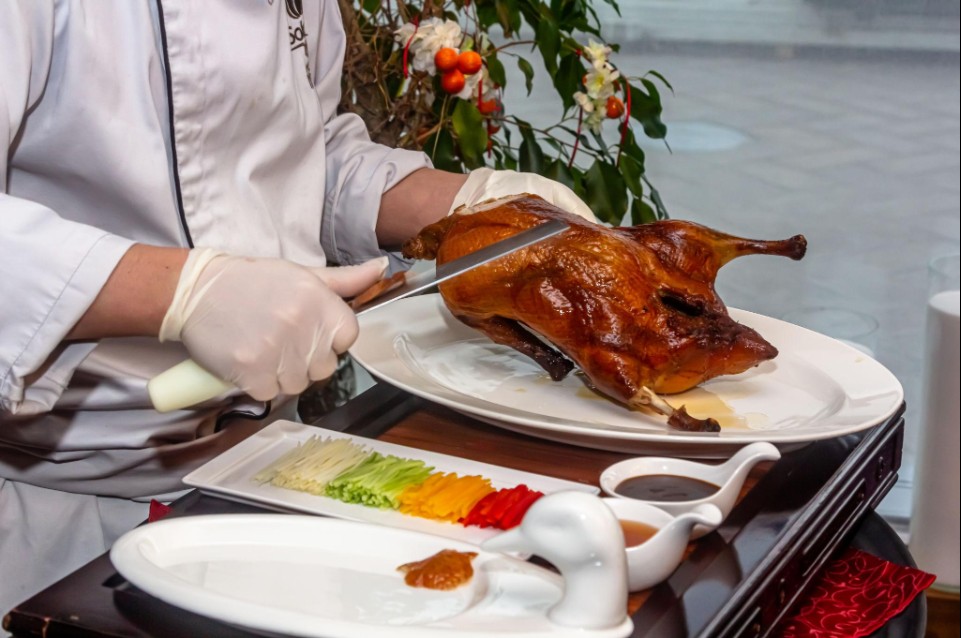
A proper authentic Beijing duck meal normally starts with the carving, not the eating. In older restaurants around Beijing, the duck often arrives on a metal cart beside the table, still steaming slightly under the lights. Then the chef starts slicing almost immediately. You hear the knife hitting the board in quick taps, and the skin reflects that deep reddish glaze people always photograph.
Some restaurants separate the crispy skin first, while others carve skin and meat together. I noticed Da Dong moves pretty fast — tourists barely finish taking videos before half the duck disappears onto plates. At places like Siji Minfu, the carving feels a little slower and more theatrical. Sometimes the staff even announce the number of slices, which honestly surprises people the first time.
🍷 Elevate Your Meal: To complement the rich, crispy textures of tableside roast duck with the perfect beverage, explore our expert advice on Wine and Chinese Food Pairing.
The Crispy Skin Often Comes First
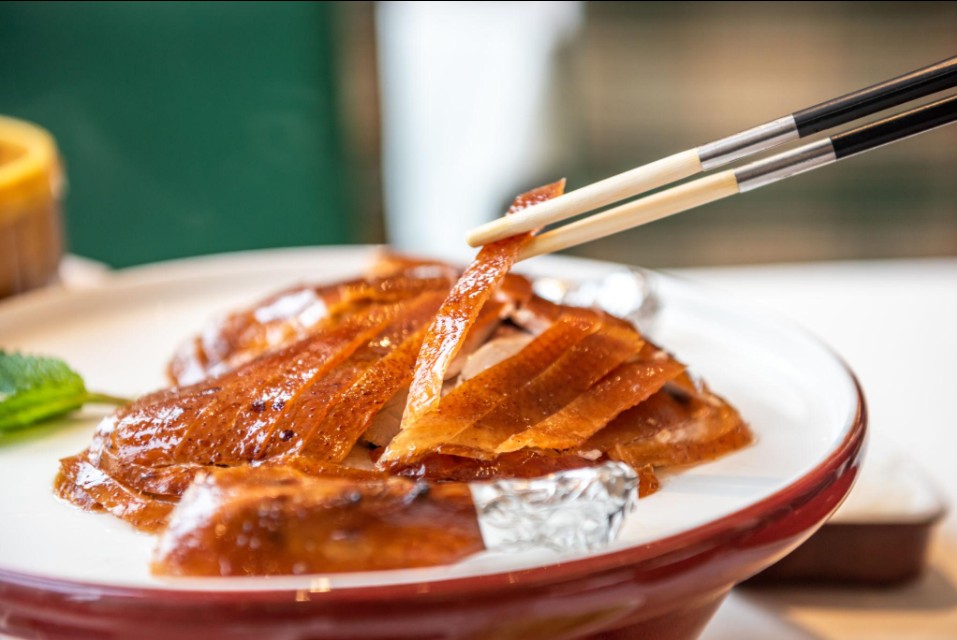
The Crispy Skin
One thing that confuses visitors immediately is why the crispy duck skin Beijing restaurants serve arrives before anything else. It feels backwards at first. But in traditional Beijing eating style, the skin is the star.
Some places serve the skin with white sugar. Yes, really. A few tourists at the next table in Quanjude looked genuinely nervous trying it. Then they ordered another plate. The sugar catches the hot duck fat and somehow makes the skin taste even lighter.
Different restaurants lean different ways. Da Dong is famous for thinner, cracklier skin. Siji Minfu tastes richer and slightly heavier, in a good way. You hear the skin crack softly when bitten, especially while it’s still hot.
Most Restaurants Also Serve Pancakes, Sauce, and Side Dishes
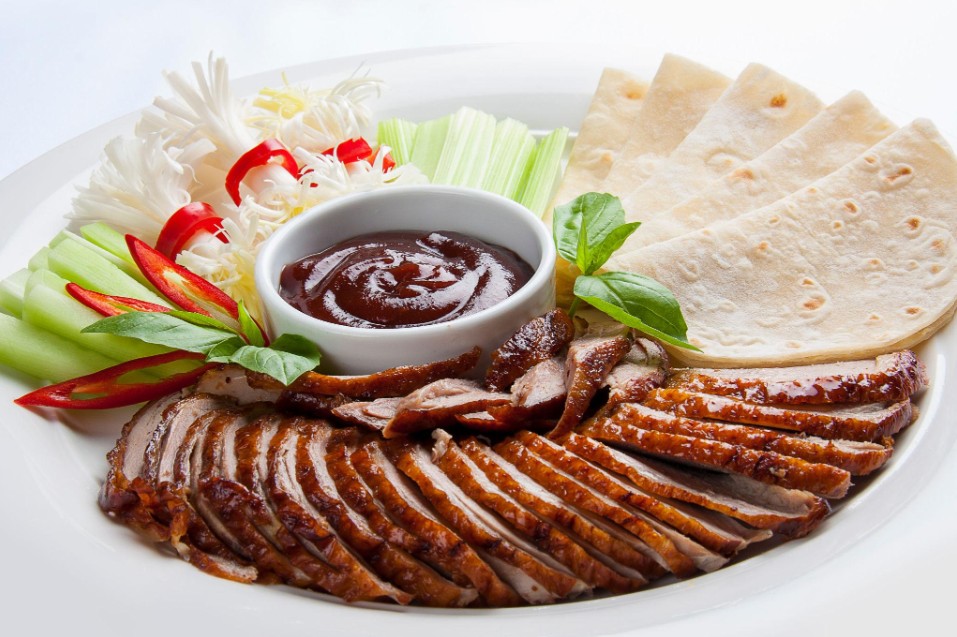
Pancakes, Sauce, and Side Dishes
The peking duck pancakes usually arrive stacked in bamboo steamers. They look delicate because they are. The pancakes tear easily if you rush them, especially when they’re hot.
Then come the side dishes: cucumber strips, scallions, sweet bean sauce, sometimes garlic paste. The vegetables matter more than people expect. Without them, the duck gets heavy after two or three wraps. Locals often add extra scallions for the sharpness.
Some modern restaurants add strange little upgrades now — caviar, blueberry sauce, even cheese in a few places near Sanlitun. Personally, the traditional peking duck sauce still works best.
Most tourists make the same mistake and overload the pancake immediately. Too much duck, too much sauce, and suddenly everything falls apart in your hands.
The Leftover Duck Usually Becomes Another Dish
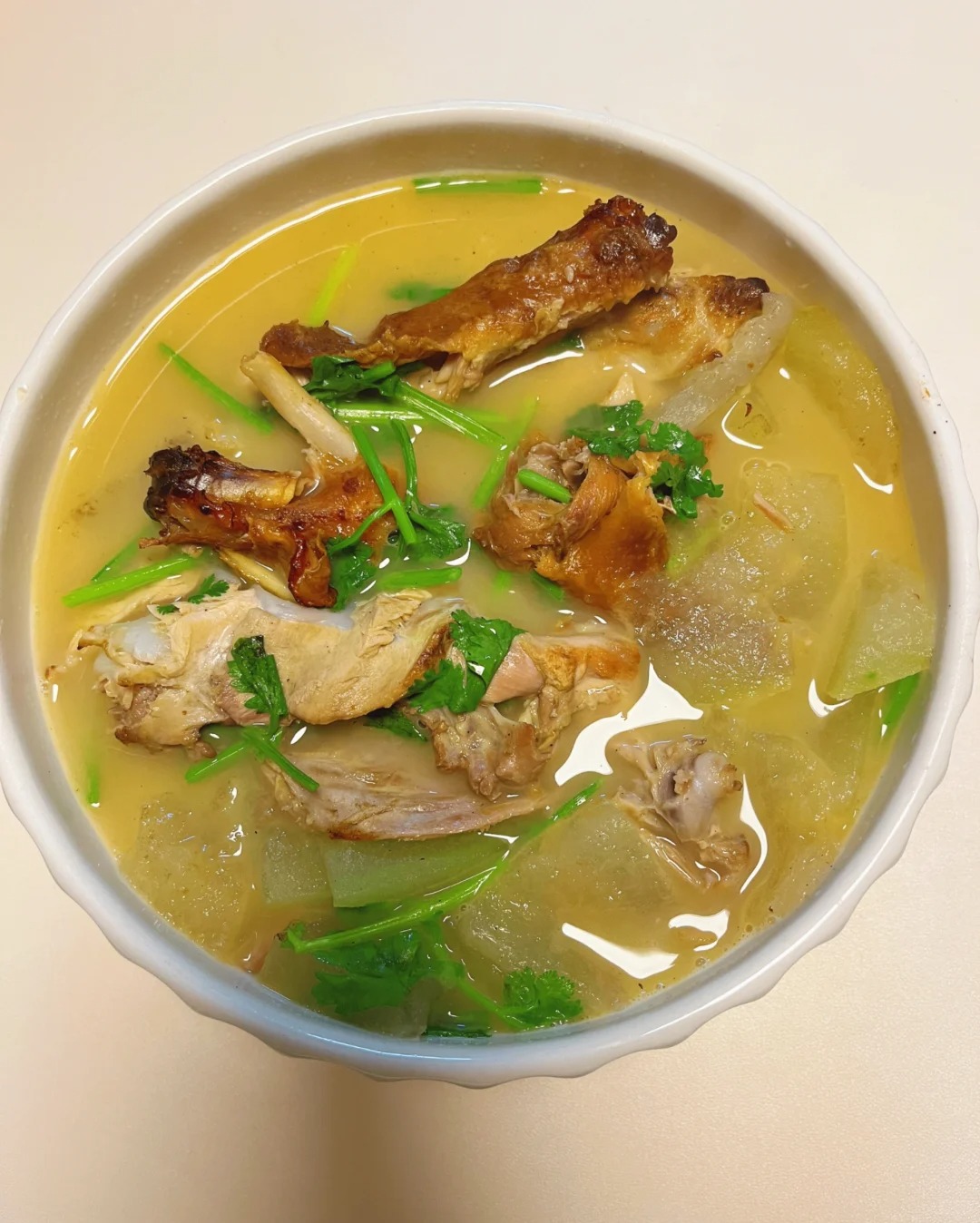
The Leftover Duck
A lot of first-time visitors think the meal ends after the wraps. It usually doesn’t. The leftover duck rack often goes back to the kitchen for another dish.
The most common options are duck rack soup, salt-and-pepper fried duck bones, or stir-fried duck with garlic and chili. Older Beijing diners care quite a bit about this second course. Some even choose restaurants based on the duck rack soup quality alone.
Honestly, the soup surprises people. After all the rich duck skin and sauce, the broth tastes lighter than expected. It’s also one of the few moments during the meal when the whole table suddenly goes quiet.
How to Eat Beijing Duck Step by Step
Step 1 Start With a Thin Layer of Sauce
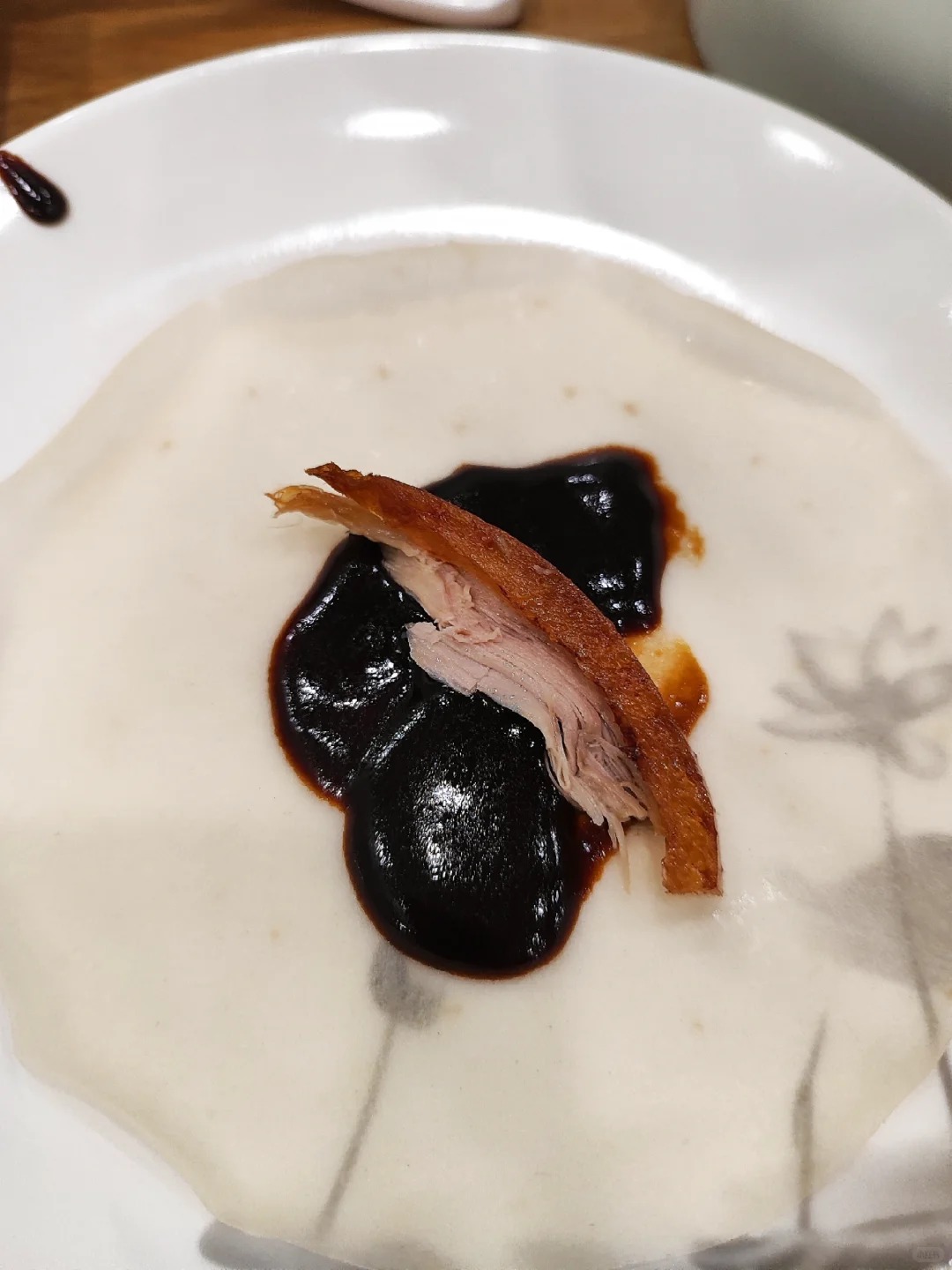
Start With a Thin Layer of Sauce
The sauce is usually the first thing people misunderstand when figuring out how to eat Beijing duck. Sweet bean sauce looks harmless, almost like something you can apply freely, but it carries a strong salty-sweet punch that quickly takes over the whole bite. In many Beijing restaurants, especially busy places around Wangfujing or Qianmen, I’ve noticed first-time visitors treat it like ketchup, which almost always leads to an overly heavy wrap.
Locals don’t do that. The usual habit is a very thin layer, just enough to create a base flavor without blocking the duck itself. When the warm pancake touches the sauce, there’s a slight rise of aroma — slightly fermented, slightly smoky, and a bit sweet at the edges. That moment matters more than people realize. If the sauce is too thick, the pancake becomes slippery and the duck flavor gets buried immediately.
One small detail I remember from Siji Minfu: a couple at the next table tried to rebuild their wrap three times because they kept adding too much sauce. The waiter didn’t correct them directly, just quietly brought extra pancakes. That kind of thing happens more often than you think.
A proper Beijing duck bite should still taste like duck first, not sauce first.
Step 2 Add Duck Skin and Meat Before the Vegetables
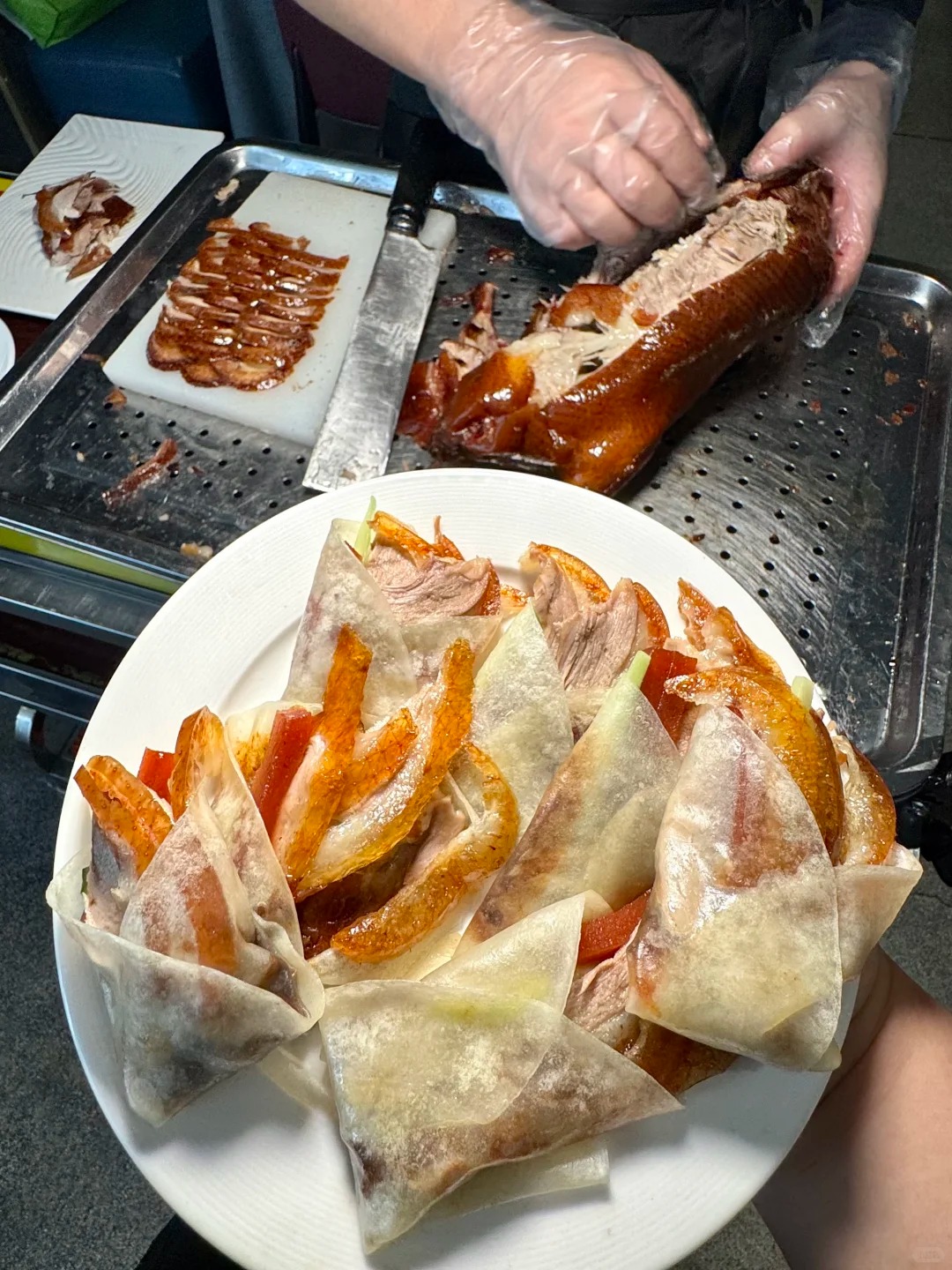
Add Duck Skin and Meat
Once the sauce is set, the next step is building the actual flavor base, and this is where most beginners either overcomplicate things or miss the point completely. The duck skin is not just a topping — it’s the most important part of the entire bite. It carries the aroma of roasted fat and gives that slight crunch that defines Beijing duck in the first place.
Many visitors choose only lean slices because they look easier to manage. I get why — it feels less greasy and more “balanced” at first glance. But inside the wrap, lean meat alone doesn’t hold much character. It feels dry after a few seconds, especially once it mixes with sauce and pancake. The skin changes that completely. It melts slightly, releases fat, and adds depth.
Different restaurants treat this balance differently. At Da Dong, the slices often feel lighter and crispier, almost like they are designed to emphasize texture. At Siji Minfu, the meat is slightly richer, and you get a more traditional fatty aroma. Neither is wrong, but the experience changes noticeably depending on where you sit.
If your wrap doesn’t include crispy skin, you’re basically skipping the part that gives Beijing duck its identity.
Step 3 Cucumber and Scallions Balance the Fatness
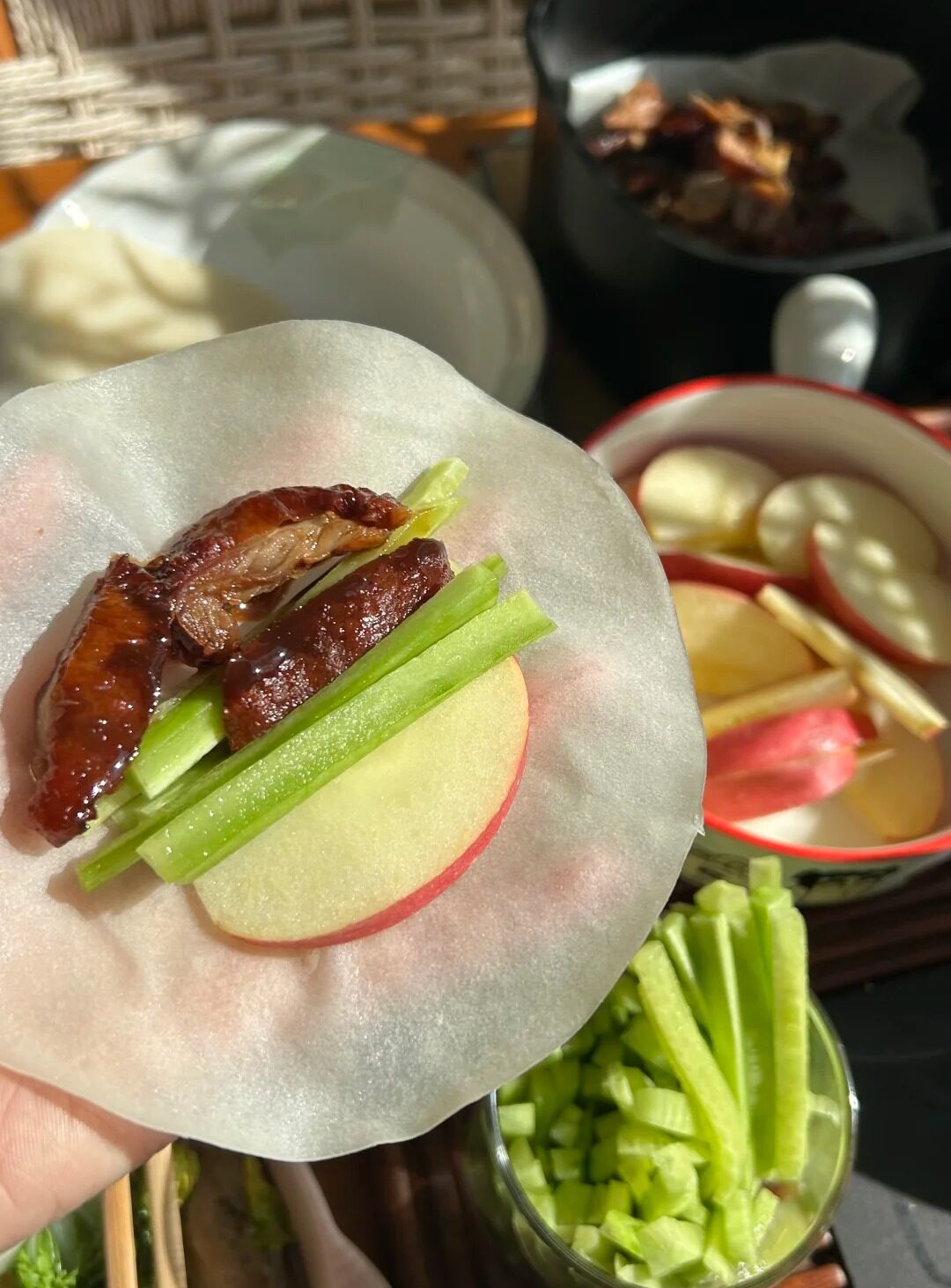
Cucumber and Scallions Balance the Fatness
At first glance, cucumber and scallions look optional, almost like decoration. A lot of tourists treat them that way and only add a few pieces, but that usually changes the whole experience. Without them, the duck becomes heavy very quickly, especially after two or three bites.
Cucumber plays a cooling role. It brings a clean crunch that cuts through the richness of the duck fat. Scallions, on the other hand, are sharper and slightly spicy, and they lift the flavor upward rather than just balancing it. In Beijing, I’ve seen locals add far more scallions than expected, sometimes almost half the wrap filled with them.
There’s also a small sensory detail that stands out. Once the scallions hit the warm pancake, you can actually smell the sharp onion aroma rising before you even take a bite. That smell is part of the dish as much as the taste.
Foreign visitors usually realize this halfway through the meal. The first wrap is often too heavy, but by the second or third, they start increasing the vegetables without being told.
Without cucumber and scallions, the duck feels flat no matter how good the roast is.
Step 4 Fold the Pancake Before It Falls Apart
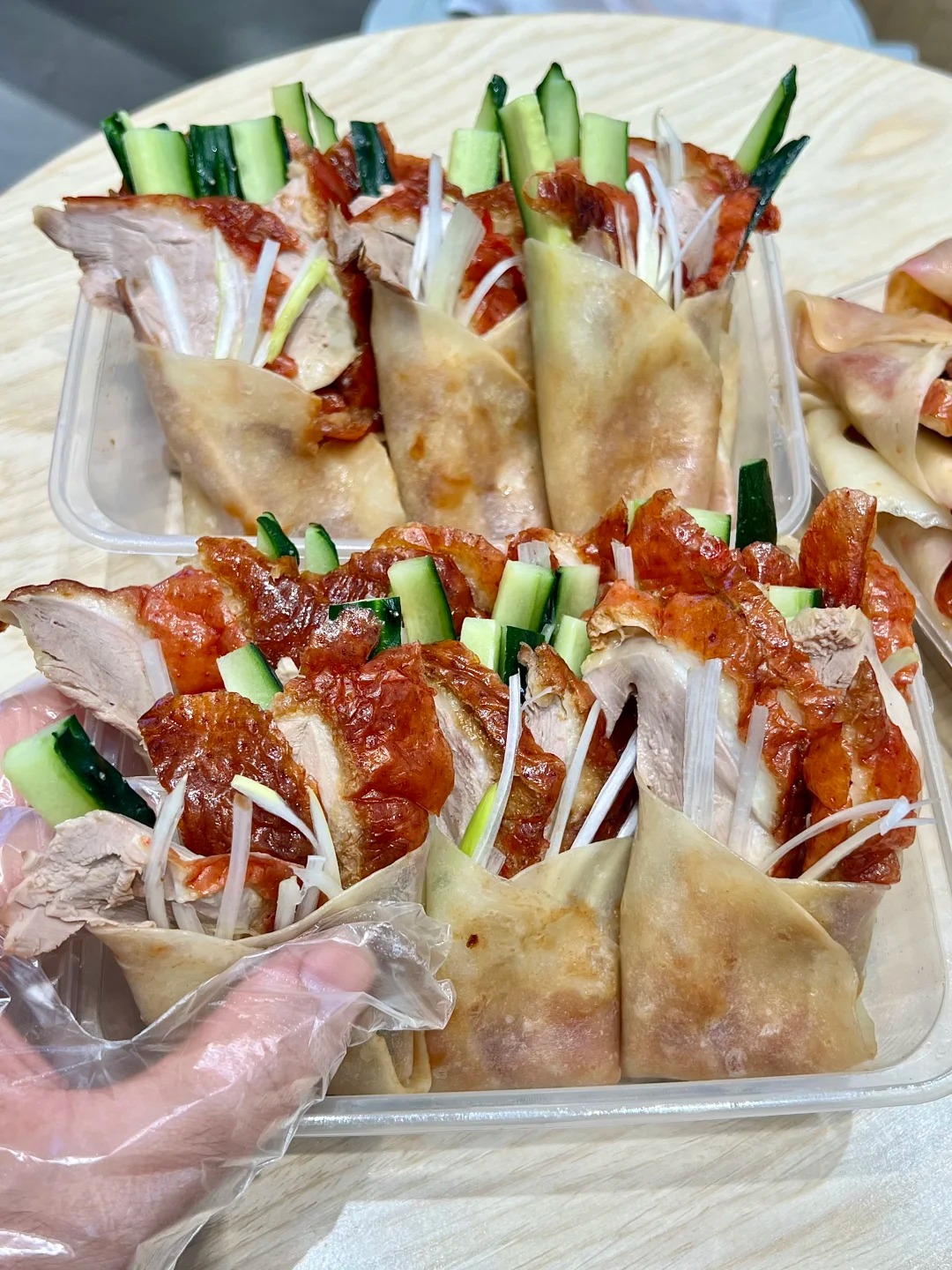
Fold the Pancake
The pancake itself looks simple, but it’s actually one of the most fragile parts of the meal. It starts soft and flexible, but the moment sauce and steam hit it, the structure weakens fast. That’s why timing matters more than technique.
The correct approach is to build and fold quickly in one sequence. Bottom first, then both sides, then roll forward. It’s closer to a small burrito than a flat wrap. If you hesitate too long while assembling, the pancake absorbs moisture and starts tearing even before you lift it.
This is where most first-time visitors run into trouble. They try to make it perfect, stacking too much inside — duck, sauce, vegetables — thinking more filling equals better taste. In reality, it just increases the chance of collapse. I’ve seen this happen repeatedly at busy tables in Quanjude, where people end up eating half their meal with chopsticks off the plate instead of inside the wrap.
Sometimes, especially in tourist-heavy restaurants, waiters will step in and fold the first one for you. It’s not because it’s difficult, but because they know the first attempt usually goes wrong.
If you overfill the pancake, it stops being a wrap and becomes a mess in seconds.
Step 5 Some Locals Eat the Skin Separately With Sugar
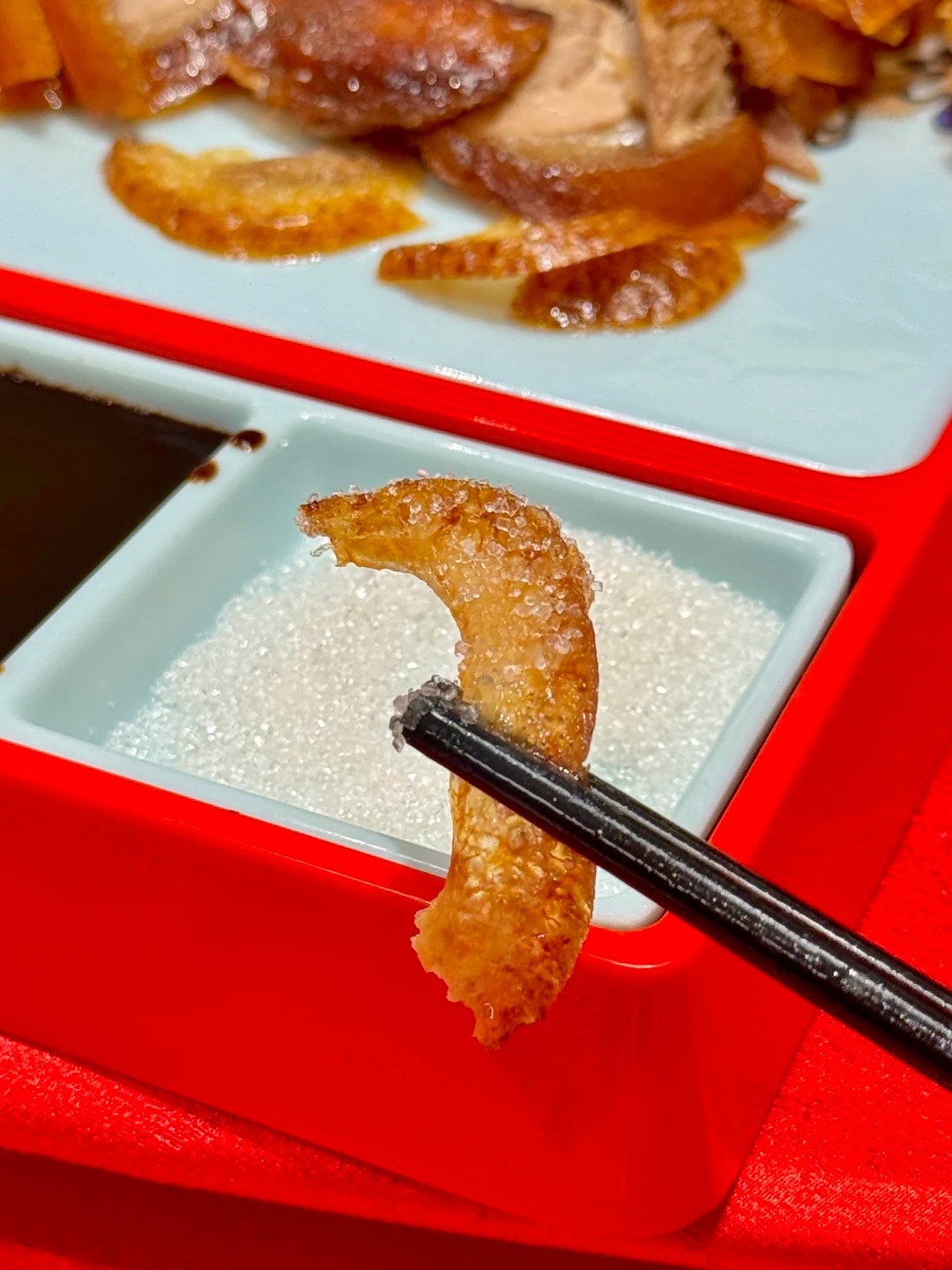
Eat the Skin Separately With Sugar
Not every Beijing duck experience starts with a pancake. In fact, many locals begin with something much simpler — just the crispy skin and a small plate of white sugar. It sounds unusual at first, especially for visitors expecting the full wrap experience, but it’s a long-standing Beijing habit.
The idea is not to sweeten the duck completely, but to highlight the fat and aroma in a different way. The hot skin meets the sugar and slightly softens at the surface, while still keeping the crunch underneath. It creates a contrast that is hard to explain until you try it.
I remember reading a TripAdvisor comment that described it as “unexpected but strangely addictive.” That feels accurate. Some tourists hesitate at first, then end up ordering an extra plate of skin just for sugar dipping after finishing their pancakes.
This method and the wrap method don’t replace each other. They sit side by side, depending on how you want to experience the dish at that moment.
Once you accept the sugar-dipped skin, the whole idea of how to eat Beijing duck shifts completely.
Mistakes First-Time Visitors Always Make
Using Too Much Sauce Hides the Duck Flavor
One of the most common issues when learning how to eat peking duck correctly is overusing the sauce. Sweet bean sauce looks harmless, so many first-timers treat it like a key flavor layer instead of a supporting one. The result is usually the same: the sauce takes over everything.
In Beijing restaurants, the duck itself already carries strong roasted aroma and natural fat richness. When too much sauce is added, that balance disappears quickly. You stop tasting the crisp skin and start tasting only saltiness and sweetness. Locals usually apply just a thin layer, almost like a stain rather than a spread.
I’ve seen this mistake happen repeatedly in busy places near Wangfujing. Tourists often think “more flavor means better,” but here it works the opposite way.
If the sauce dominates the bite, the duck simply disappears underneath it.
Overstuffing the Pancake Makes Everything Fall Out
Another frequent mistake in how to wrap Beijing duck is trying to fit everything into one pancake. Many visitors assume more filling equals better value, so they load duck, vegetables, and sauce all at once.
The problem is the pancake is extremely thin. Once it absorbs heat and moisture, it loses structure fast. If you overfill it, the bottom often breaks before the first bite even happens. I’ve seen this more than a few times at Siji Minfu, especially during dinner rush when people are rushing through their first attempt.
Social media is full of these moments — duck slipping out, sauce dripping onto plates, people laughing while trying to salvage half a wrap. It’s normal, but avoidable.
A good Beijing duck wrap is balanced, not overloaded.
Many Visitors Forget to Order Extra Pancakes
A surprisingly practical mistake is not ordering enough pancakes. Many restaurants serve a standard portion, which often feels enough at the beginning but runs short once people get into the rhythm of eating.
Locals usually know this and will quietly ask for extra rounds of pancakes without hesitation. Tourists, on the other hand, often realize too late that they still have duck left but no wraps remaining. Eating leftover duck alone without pancakes changes the entire experience and feels incomplete.
This happens more often in popular places like Quanjude or Da Dong, where portions are generous but pacing is fast.
Running out of pancakes is one of the easiest mistakes to avoid, but also one of the most common.
Famous Restaurants Can Have Very Long Waits
Timing is another issue many first-time visitors underestimate. Popular Beijing duck restaurants like Siji Minfu often have long queues, especially during dinner hours. It’s not unusual to wait over an hour during weekends or holidays.
Da Dong tends to be slightly more predictable, but peak dinner time still gets crowded fast. Arriving early, around 5 pm, usually makes the experience smoother. Reservations help, but not all branches accept them, especially smaller or older locations.
I’ve seen travelers walk in confidently at 7 pm thinking it’s fine, only to be told the wait could stretch well beyond their planned dinner time.
If you don’t plan your timing, even great Beijing duck can turn into a waiting game.
Where to Try Beijing Duck in Beijing
Siji Minfu Is the Most Popular First Stop for Tourists
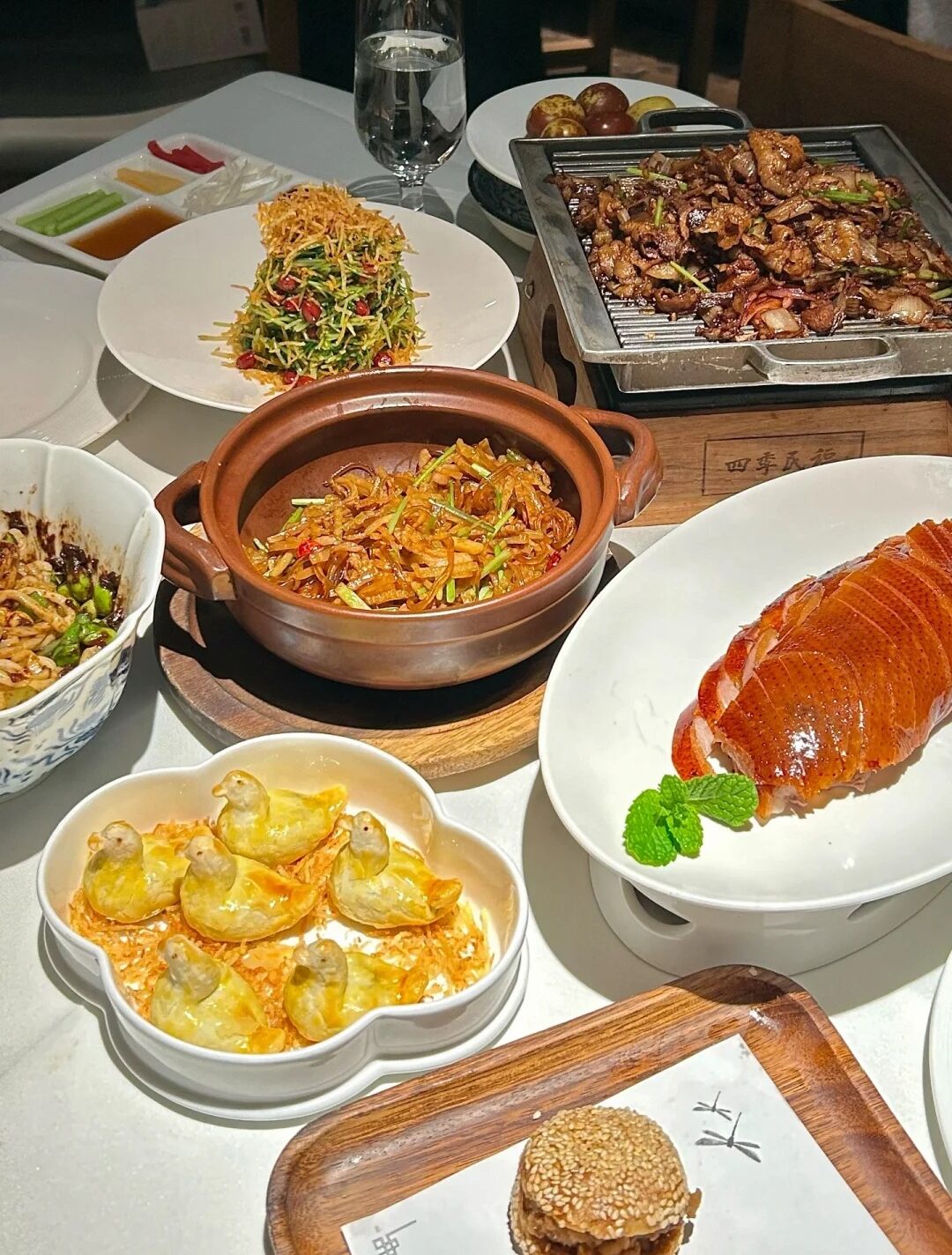
Siji Minfu
Siji Minfu is usually the first real stop for many foreign travelers who want to try Beijing duck without overthinking it. It sits close to major tourist areas like Wangfujing and the Forbidden City, so it naturally becomes part of most itineraries. You’ll often hear English, Spanish, and Korean mixed together in the waiting line, especially during dinner hours, which already tells you how international it is.
- Representative dishes: classic whole roast duck with pancakes, duck skin served first with sugar or sauce, duck rack soup, simple cold appetizers like cucumber and garlic paste
- Taste profile: rich but still balanced, noticeable duck fat aroma, slightly heavier than modern fine dining versions but not overwhelming
- Special feature: staff are used to first-time visitors, often guiding how to build the first pancake wrap without being asked
- Suitable for: first-time tourists, families, and groups who want a reliable introduction to Beijing duck without confusion
- Note: queues can reach 1–2 hours at peak dinner time, especially near Wangfujing, and smaller branches feel slightly more chaotic than suburban ones
Siji Minfu works because it removes uncertainty from the first experience, not because it is the most refined version of Beijing duck.
Da Dong Roast Duck Is Known for Crispier Skin
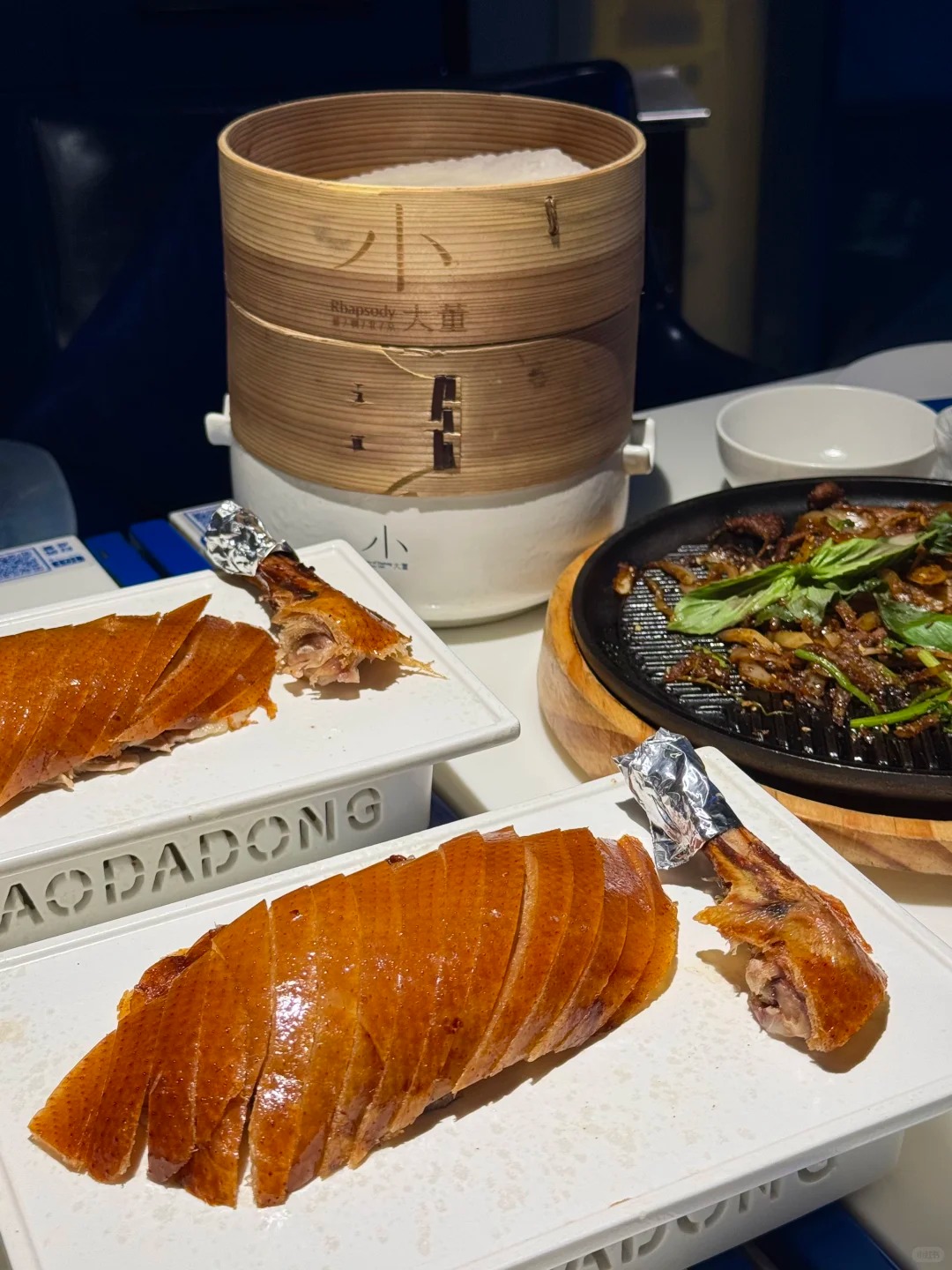
Da Dong Roast Duck
Da Dong feels like a different interpretation of Beijing duck altogether. The first thing you notice is not just the food, but the environment. It’s brighter, quieter, and more structured compared to traditional duck restaurants. Many foreign business travelers end up here because it feels closer to a modern dining experience than a local banquet hall.
- Representative dishes: ultra-crispy skin duck slices, low-fat roast duck set menus, duck skin served in elegant portions, modern duck appetizers with small creative plating
- Taste profile: noticeably lighter and cleaner, less oily mouthfeel, sharper focus on skin crispiness rather than heavy roast flavor
- Special feature: presentation is highly controlled, plates arrive in stages, and the skin is often served like a highlight dish rather than part of a whole
- Suitable for: business travelers, couples, and visitors who prefer a refined, less greasy version of Beijing duck
- Note: price level is higher than most traditional restaurants, and portions can feel slightly smaller compared to classic Beijing portions
Da Dong is less about tradition and more about precision in texture and presentation.
Quanjude Still Feels Like a Classic Beijing Experience
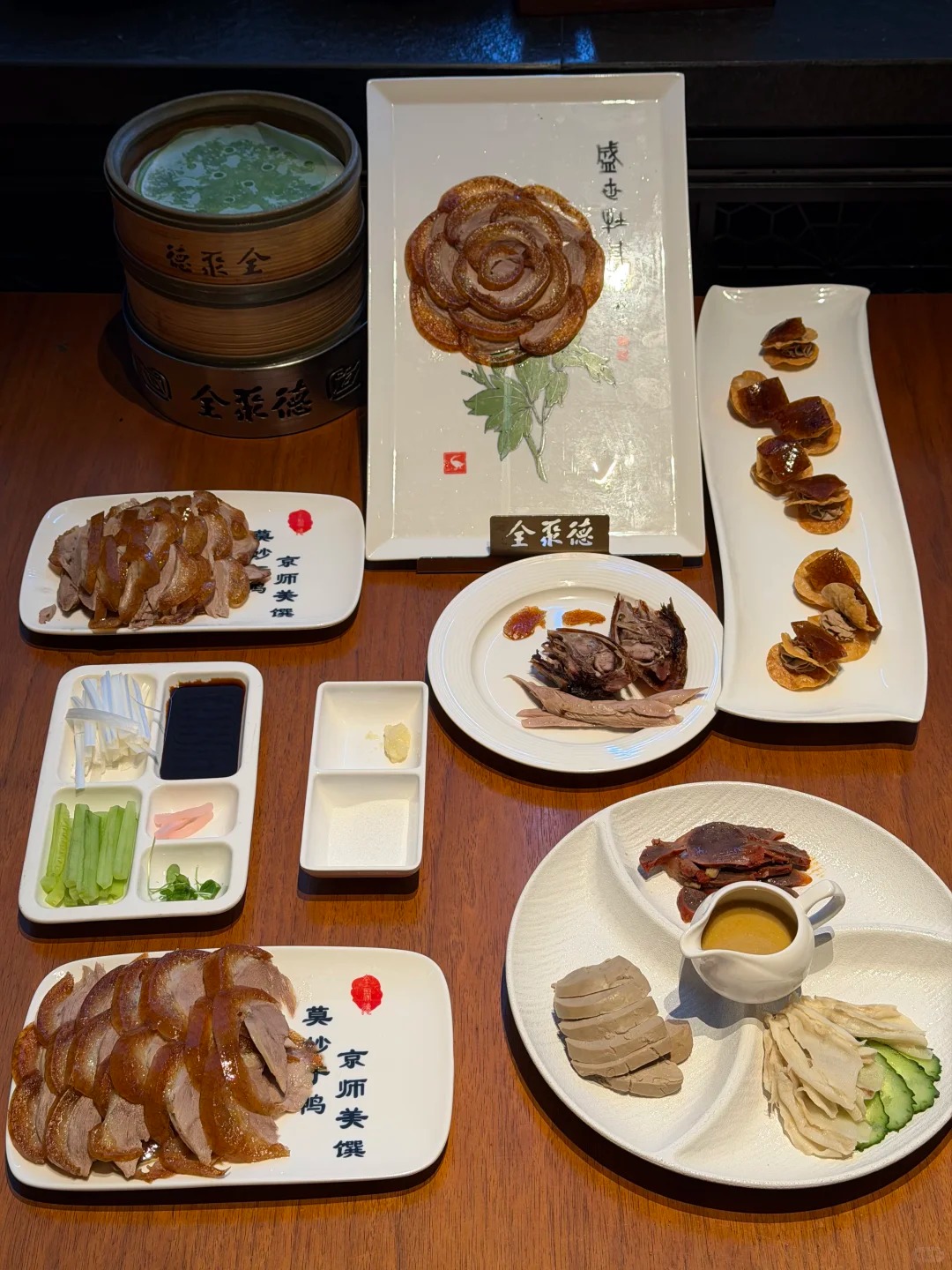
Quanjude
Quanjude is probably the most historically recognized Beijing duck brand, and eating here feels like stepping into a long-running institution. The atmosphere is bigger, louder, and more structured, often filled with tour groups and large family tables. It doesn’t try to feel intimate—it feels like a stage where Beijing duck is performed at scale.
- Representative dishes: traditional whole roast duck set, classic pancakes with duck skin and meat, duck bone soup, standard cold starters like jellyfish or pickled vegetables
- Taste profile: deeper roast aroma, slightly heavier seasoning, classic old Beijing style that leans more traditional than modern refinement
- Special feature: visible carving process and ceremonial serving style, sometimes with staff announcing slices in a very formal way
- Suitable for: travelers who want a “must-try landmark” experience and don’t mind crowds or structured service flow
- Note: can feel highly commercialized and crowded, especially during holidays and peak tourist seasons, but still widely considered a cultural reference point
Quanjude is not subtle, but it is one of the clearest snapshots of Beijing duck as a cultural symbol.
Duck de Chine Feels More Relaxed and Modern
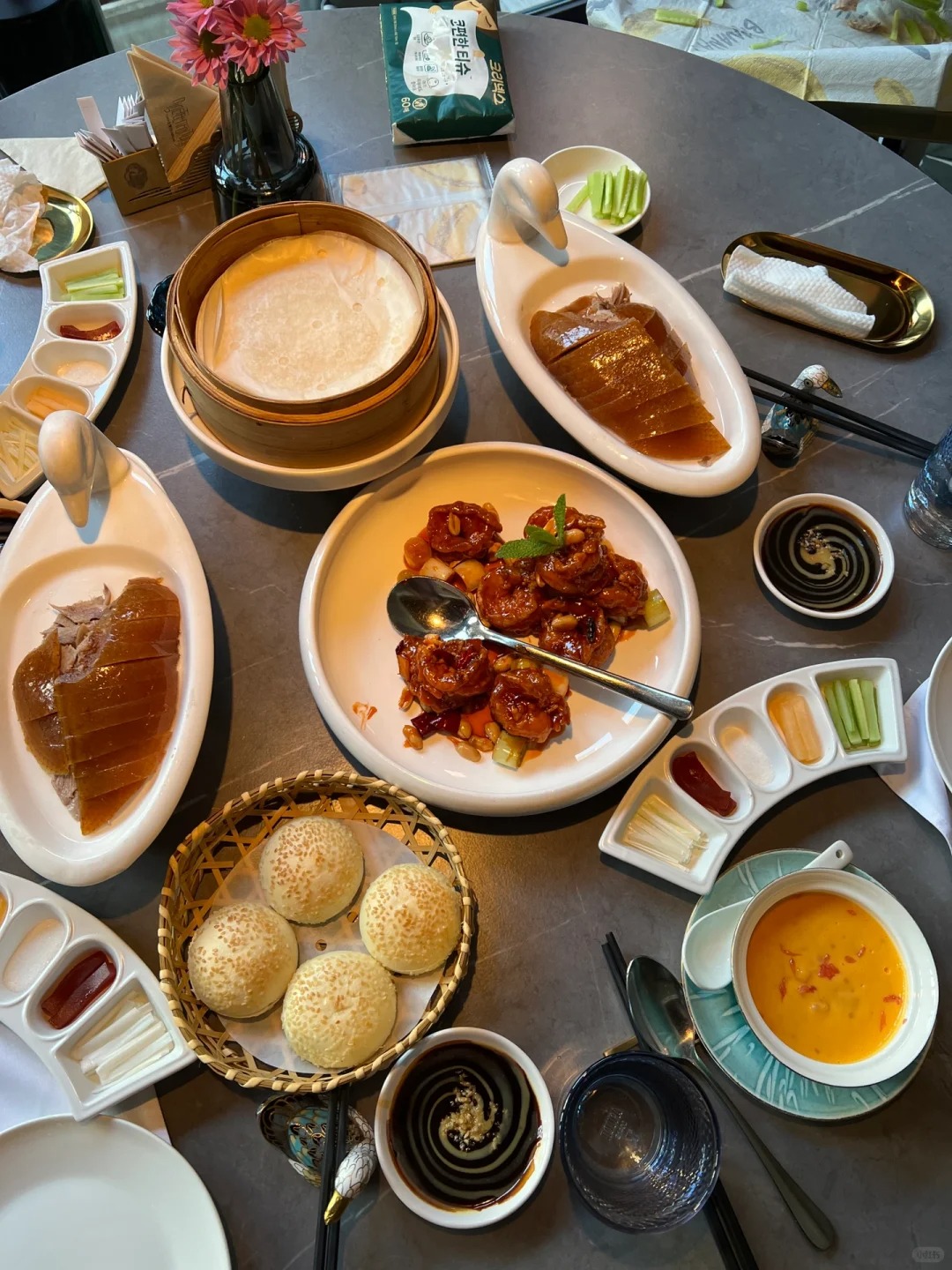
Duck de Chine
Duck de Chine sits in a completely different category from the classic Beijing duck spots. The atmosphere is calm, slightly upscale, and designed more like a modern restaurant experience than a traditional roast duck house. Many visitors come here after trying the more crowded places and want something quieter and more controlled.
- Representative dishes: refined roast duck set, creative duck appetizers, duck skin with modern sauces, small plated side dishes with fusion influence
- Taste profile: balanced seasoning, less oily than traditional versions, smoother finish with emphasis on presentation and comfort
- Special feature: Western-style dining environment with soft lighting, slower service pacing, and a more relaxed dining rhythm
- Suitable for: couples, international visitors, and travelers who prefer comfort over tradition-heavy dining experiences
- Note: menu is more experimental, so it may feel less “classic Beijing” compared to older establishments like Quanjude
Duck de Chine feels like Beijing duck adapted for a slower, more global dining style.
FAQ about How to Eat Beijing Duck
Q: What is the correct way to eat Beijing duck for beginners?
The simplest way is to follow the order used in most Beijing restaurants: sauce first, then duck skin and meat, then vegetables, and finally wrap everything in a pancake. Beginners often rush or overfill the wrap, but the key is balance. A thin layer of sweet bean sauce, a few slices of crispy skin, some duck meat, cucumber, and scallions is enough. If you try to pack too much in one bite, the pancake usually breaks and the flavor becomes messy. The correct way is not complicated, but it needs patience and small portions per wrap.
Q: Do you eat Beijing duck skin with sugar or sauce?
Both are acceptable, but sugar is the more traditional Beijing-style method. Locals sometimes eat crispy skin directly with white sugar before making any pancake wraps. The sugar slightly melts on contact with the hot duck skin and enhances the roasted aroma instead of covering it. Sauce-based eating is more common among tourists because it feels familiar. If you want a local experience, try sugar at least once before switching to sauces.
Q: Why is sweet bean sauce used in Beijing duck?
Sweet bean sauce is used because it adds a salty-sweet base flavor that matches the rich roasted duck fat. However, it is not meant to dominate the dish. Many first-time visitors use too much, which hides the natural duck aroma. In traditional eating style, only a thin layer is applied to the pancake. The sauce should support the duck, not replace its flavor.
Q: What if I don’t like scallions or cucumber?
You can still eat Beijing duck without them, but the experience will feel heavier and less balanced. Cucumber adds freshness, while scallions cut through the fat with a sharp aroma. Without these vegetables, the duck skin and sauce can feel overwhelming after a few bites. Some restaurants allow substitutions, but locals rarely skip them. They are not decoration—they are part of the flavor balance.
Q: How many pancakes do I usually get with Beijing duck?
Most restaurants provide a standard number of pancakes per duck, often enough for the initial servings but not always for the entire meal. Depending on appetite, people often need extra orders. Some diners underestimate how quickly they run out, especially when building thicker wraps. It is normal to request extra pancakes during the meal, and locals often do it without hesitation.
Q: What is the biggest mistake tourists make when eating Beijing duck?
The most common mistake is overloading the pancake with too many ingredients. When the wrap becomes too full, it breaks easily and loses structure. Another frequent issue is using too much sauce, which hides the duck flavor completely. Some visitors also skip vegetables, making the dish overly rich. Beijing duck works best when each ingredient is kept in balance, not maximized.
Q: Is it necessary to go to famous restaurants like Quanjude or Da Dong?
It is not strictly necessary, but each restaurant offers a different experience. Quanjude gives a traditional, large-scale dining atmosphere, while Da Dong focuses on modern, crispy-skinned duck with refined presentation. Siji Minfu is often chosen for a balanced first experience. Duck de Chine offers a quieter, more contemporary setting. Trying at least one famous restaurant helps understand the full range of Beijing duck styles.
Q: Can I eat Beijing duck without wrapping it in pancakes?
Yes, you can. Some locals eat crispy skin separately with sugar or enjoy duck meat with sauce alone. Restaurants also serve duck rack dishes like soup or fried bones after the main course. The pancake wrap is just the most common method, not the only one. Beijing duck can be enjoyed in multiple ways depending on preference and texture.
Q: What should I expect in terms of price for Beijing duck in Beijing?
Prices vary depending on the restaurant. Casual popular places like Siji Minfu are usually more affordable, while Da Dong and Duck de Chine are higher-end. Quanjude sits somewhere in the middle but can feel expensive in tourist-heavy branches. A full duck meal typically includes multiple courses beyond just the duck itself. Most travelers spend more than expected because side dishes and extras add up quickly.