Famous Chinese Drinks
China's drinking culture spans thousands of years, from ancient tea ceremonies to high-stakes banquet toasts. Whether you are sipping a hand-rolled Longjing in Hangzhou or watching a host pour small ceramic glasses of baijiu at a business dinner, famous Chinese drinks reveal how the country connects food, hospitality, and social ritual. These beverages range from caffeine-forward teas and bitter-sweet herbal infusions to powerful grain spirits that can reach 65% ABV. Understanding what to order, how to drink it, and when it appears on the table transforms a confusing menu into an invitation.
The diversity of Chinese drinks reflects the country's regional geography. Southern China favors sweet fermented rice wines and cooling herbal teas; northern tables crowd around warming huangjiu and cold bottles of pale lager. The southwest associates baijiu with formality and face, while the southeast treats tea as both art and daily practice. This guide covers 12 of the most significant drinks, organized so visitors can move from curiosity to confident ordering in teahouses, restaurants, and duty-free shops alike.
Quick Facts
Chinese Tea and What to Order
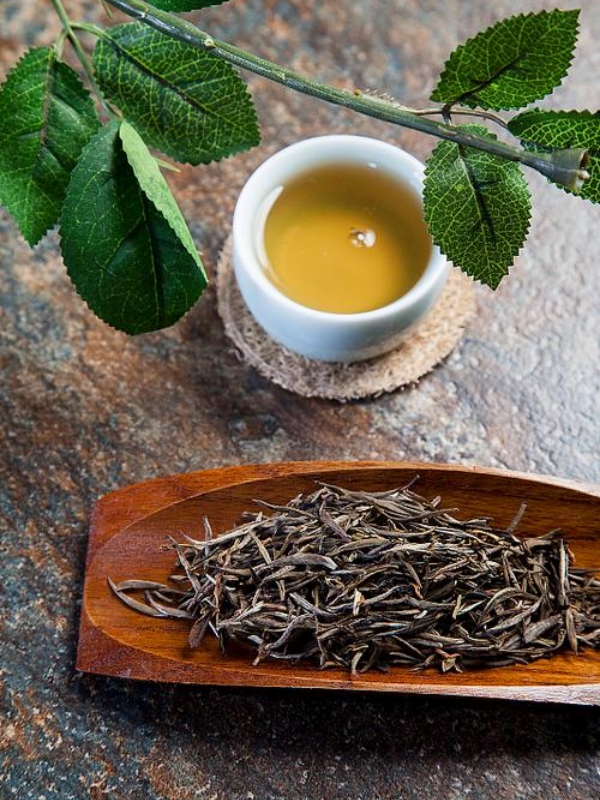
Chinese Tea
Tea is the most universally recognized of all famous Chinese drinks. It anchors meals, gifts, business meetings, and quiet mornings across every province. Longjing (Dragon Well) from Hangzhou, Tieguanyin (Iron Goddess) from Fujian, Da Hong Pao (Big Red Robe) from Wuyi Mountains, and aged Pu'er from Yunnan dominate the visitor lexicon. Each carries a distinct processing method, flavor profile, and cultural weight. When a restaurant server asks "Pu'er or green?", the choice signals everything from digestive intent to regional loyalty. The two sections below break down the tea families by type and then map the settings where visitors are most likely to encounter quality brews.
The Four Tea Families
Chinese tea culture traditionally recognizes six categories, though white and yellow teas remain niche visitor targets compared to these four. The green-black-oolong-dark framework gives travelers an immediate sorting system at any teahouse counter.
Where Tourists Drink Tea
Visitor-facing tea culture concentrates in specific urban settings, each offering a distinct experience level. Beijing's Qianmen area clusters teahouses around Laoshe Teahouse, where traditional performance accompanies pot service. Hangzhou's West Lake teahouses specialize in Longjing leaf-grade tastings with lake views. Chengdu's People's Park teahouses immerse visitors in the bamboo-chair and mahjong scene — loud, social, and deeply local.
- Beijing Laoshe Teahouse: Qianmen area, live performance, pot service — tourist-friendly and centrally located.
- West Lake Teahouses, Hangzhou: Longjing-grade tastings, lakeside setting, seasonal harvest visits.
- People's Park Teahouses, Chengdu: Bamboo chairs, mahjong tables, people-watching, local crowd.
- Guangzhou Hotel and Dim Sum: Hotel breakfast pots and Cantonese gongfu tea service with morning carts.
- Jingdezhen Ceramic Museums: Porcelain-and-tea ceremonies pairing local craft with local leaf.
🍃 Classic Brews: Explore the distinct brewing styles and famous varieties of green tea with our feature on Chinese Green Tea Drink.
Baijiu and Strong Chinese Spirits
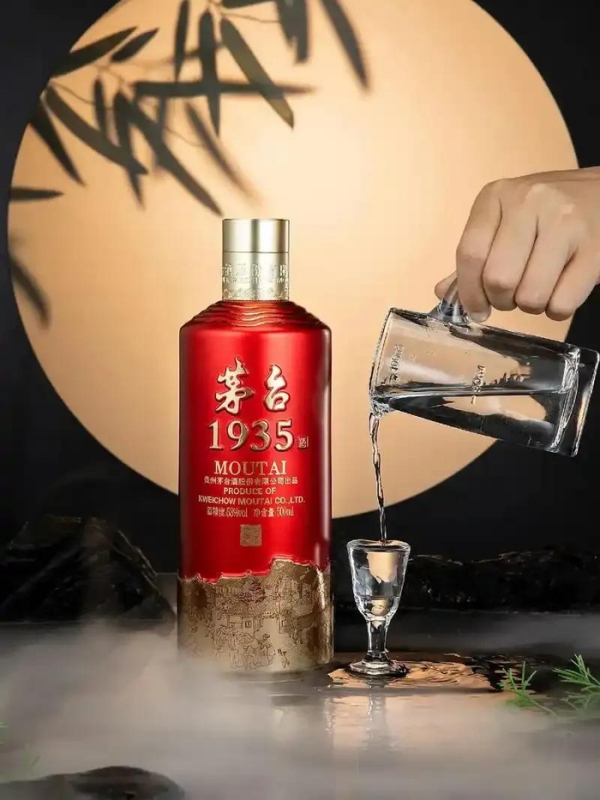
Chinese Baijiu
Baijiu is the most formally significant of all famous Chinese drinks in the business and celebration context. Distilled from sorghum and sometimes barley, wheat, or glutinous rice, it typically reaches 38–65% ABV. Hosts pour small ceramic glasses at banquet tables as a ritual of hospitality and face. The pour is never generous — a thumb's width per glass signals restraint and respect. Kweichow Moutai, the prestige benchmark, has served foreign dignitaries since the 1970s and sits at formal dinners as a shorthand for honor. Two layers matter for visitors: how the spirit tastes and what is in the bottle when you order.
How Baijiu Tastes and Is Served
The Chinese national standard recognizes four official aroma categories. Each defines a flavor family and signals regional origin. Ordering by aroma type rather than brand name helps visitors find a style that matches their palate.
- Sauce aroma (酱香): Soy sauce and molasses depth; Maotai is the reference example; rich and complex.
- Strong aroma (浓香): Sweet, full-bodied, fermented fruit; Wuliangye and Luzhou Laojiao define this style; broadly popular.
- Light aroma (清香): Dry and clean; Fenjiu from Shanxi is the gateway; easiest entry for new palates.
- Rice/feng aroma (米香/凤香): Soft, faintly sweet; Guilin Sanhua Jiu and Xifeng represent this smaller category.
The serving convention favors a small ceramic or shot glass at room temperature. Sipping replaces gulping. At banquets, the host leads the first round with a "ganbei" (bottoms-up) signal, but visitors can pace themselves with a sip-and-pause approach — a gesture with the glass communicates participation without overconsumption.
Famous Baijiu Brands to Know
🧧 Festive Beverages: Discover traditional and trending seasonal options served during Lunar New Year celebrations in our guide to Chinese New Year Drinks 2026.
Rice Wine, Beer and Grape Wine
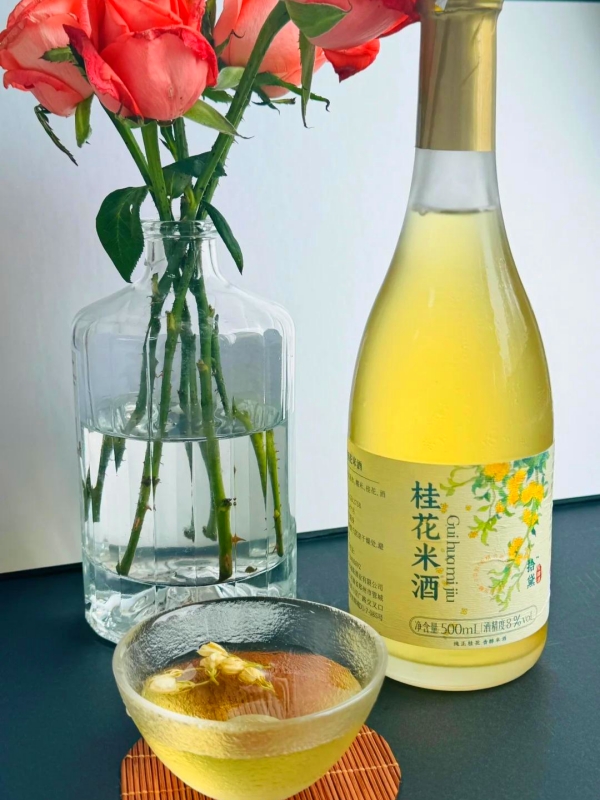
Chinese Rice Wine
Beyond tea and baijiu, everyday Chinese drinks include fermented grain wines, pale lager, and a growing domestic wine industry. These three categories occupy the middle ground of the drinking map — less formal than baijiu, more structured than bottled water. Mijiu and huangjiu carry centuries of culinary tradition; beer arrived from Russia and Germany in the late 1800s and now saturates every convenience store shelf; Ningxia wine represents a serious modern investment in viticulture.
Mijiu and Huangjiu
The Mijiu (米酒) and huangjiu (黄酒) are fermented rice or grain drinks ranging from 10–20% ABV. Mijiu hails from southern China, presenting a milky, sweet-tangy profile often infused with osmanthus or jasmine. It appears as a dessert drink or a sweet finish to a meal. Huangjiu — "yellow liquor" — is considerably older; the most famous variant, Shaoxing wine from Zhejiang, dates to the Shang and Zhou dynasties (1600–314 BCE). Shaoxing functions as both a table drink, warmed in winter, and the standard Chinese cooking wine, sold in ceramic pots and bottles. For visitors, the practical entry point is asking for warm huangjiu at a northern restaurant in cold months or sampling osmanthus mijiu at a dessert-focused venue.
Chinese Beer
Pale lager dominates the casual beer market across China. The style arrived in the late 19th century via Russian, German, and Japanese influence and built mass-market dominance through state-era industrial breweries. Tsingtao from Qingdao holds the highest international profile and distributes globally; Harbin, Snow, and Zhujiang (Pearl River) command strong regional shares. All four are sold in 330ml and 500ml bottles and cans at every supermarket and convenience store. A typical retail bottle costs about $1.50–3 (¥10–22). Beer gardens and yan'ge (draft) halls provide casual, all-season drinking venues in major cities, with draft poured by the jin (half-liter).
Chinese Grape Wine
Vitis vinifera grape cultivation entered China via the Silk Road during the Han dynasty (206 BC–220 AD), but the modern commercial wine industry is a 20th-century development. The flagship production region clusters around Ningxia's Helan Mountain east foot, where elevation, low humidity, and sandy soil create favorable viticultural conditions. Key labels include Changyu, Great Wall, and Dynasty. Red and white Ningxia wines appear increasingly at formal urban dinners. A small but growing winery-tourism infrastructure operates in Ningxia, with cellar-door tastings available for longer itineraries. International grape varieties (Cabernet Sauvignon, Merlot, Chardonnay) dominate plantings alongside some native hybrids.
📜 Legal & Cultural Regulations: Before ordering alcohol or participating in banquet toasts, check our guide on the official China Drinking Age.
Herbal Tea, Yogurt and Bottled Drinks
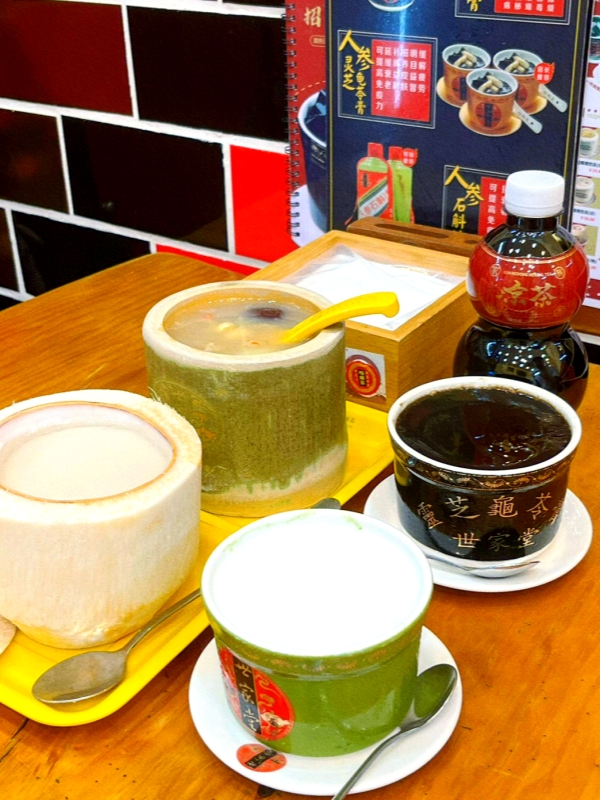
Chinese Liangcha
The non-alcoholic and wellness-angled third of the famous Chinese drinks landscape fills a gap that surprises many visitors. Cantonese liangcha (cooling herbal tea), drinkable yogurt, and ready-to-drink bottled teas each serve specific daily moments — street food counters, breakfast buffets, and convenience-store coolers — that sit outside the formal tea-and-spirit framework. These drinks also represent the most practical ordering category for visitors who want flavor and refreshment without alcohol or caffeine.
Liangcha and Cooling Herbal Infusions
Liangcha (凉茶) means "cooling tea" in Cantonese, though it contains no tea leaf. These bitter-sweet herbal infusions trace to centuries of folk medicine, sold historically from street counters as a counterbalance to humid southern heat. The category has matured into major retail brands recognizable across the country.
- Wanglaoji (王老吉): Brand dates to 1828 in Guangzhou; the category's founding name.
- Jiaduobao (加多宝): Rival label that emerged from the same traditional formula after a commercial split.
- Format and price: Red 310ml cans; sweet-bitter profile; about $0.70–1.00 (¥5–7) per can.
- Food pairing: Natural companion to BBQ, hotpot, lamb skewers, and any heavily seasoned street food.
- Caffeine note: Contains no caffeine — safe to drink in the evening without sleep disruption.
Yogurt Drinks
Drinkable yogurt is a breakfast and snack staple across China, sold in convenient 200–250ml bottles from every convenience store and hotel breakfast buffet. Three national dairy giants dominate the market.
- Major brands: Yili (伊利), Mengniu (蒙牛), Bright Dairy (光明) control the national market.
- Hero SKUs: Anmuxi (安慕希, Yili), Mod Garden (莫斯利安, Bright), Mengniu Pure Cow (纯甄).
- Flavors: Original, strawberry, blueberry, and goji berry — goji is the China-specific option.
- Typical price: 200–250ml bottle costs about $1.50–2.50 (¥10–18).
- Where to find: Hotel breakfast buffets, convenience-store coolers, supermarket dairy sections.
Modern Bottled Teas and Tisanes
Ready-to-drink bottled tea saturates transit hubs, convenience stores, and supermarket shelves. Master Kong (康师傅) and Uni-President (统一) lead the iced-tea segment with sweetened and unsweetened varieties. Genki Forest (元气森林) introduced sparkling flavored water with fruit to the mainstream market and commands growing shelf space. Fresh sugar-cane juice appears at street stalls throughout southern China — a single green stalk pressed on the spot, served sweet and cooling. Prices across the bottled-tea category typically range $1–2 (¥7–14) per bottle, with unsweetened and low-sugar options expanding annually as health-conscious consumers drive demand.
🍵 Modern Tea Culture: Step inside modern tea shops and popular street beverage brands with our complete guide to Milk Tea in China.
Drinking Scenarios for Visitors
Knowing what to drink matters less than knowing when and how to engage with famous Chinese drinks in context. The scenarios below map the practical moments where each drink appears — from formal toasts to street-counter refreshment — so visitors can move from observer to participant without misstep.
Banquet and Business Dinner Etiquette
The formal banquet is where baijiu claims its territory. Understanding the ritual structure prevents social misreads and allows confident participation. The host controls the pacing and leads the first toast; guests follow. "Ganbei" signals a bottoms-up moment, but visitors who sip in waves rather than draining the glass signal caution without refusal — a diplomat's approach that experienced international guests use regularly.
- Host leads: Wait for the host's first toast before drinking from your own glass.
- Ganbei means bottoms-up: At this signal, guests empty their small ceramic glasses; visitors can sip in acknowledgment.
- Glass-rim hierarchy: When clinking glasses, keep your rim lower than a senior or senior guest's rim as a sign of respect.
- Standard banquet spirits: Moutai, Wuliangye, and a local premium baijiu appear most frequently on formal dinner tables.
- Sip-and-pause strategy: Accepting a pour and then nursing it through multiple toasts is perfectly acceptable; a full refusal reads as a slight.
Hotpot, Street Food and Teahouse Pairings
Chinese drinking culture is inseparable from food pairing. In Sichuan and Chongqing, cold beer — Tsingtao, Snow, or Harbin — cuts through the chili oil and numbing peppercorn burn of regional hotpot. Liangcha in its red can serves the same cut-and-cool function with BBQ, lamb skewers, and the dry-heat noodles of Chongqing xiao mian. Teahouse pairings follow regional cuisine: Longjing with light Jiangsu or Shanghai dishes; Tieguanyin with Fujian or Chaozhou dim sum served in the Cantonese gongfu tea style; aged Pu'er alongside the greasy depth of Yunnan cured meats and ham. Yogurt drinks anchor the Chinese breakfast — Yili or Mengniu from a convenience-store cooler provides the dairy balance to congee or bao.
Where to Buy Bottles to Take Home
Sealed bottles of baijiu and packaged loose-leaf tea clear China customs under standard personal luggage allowances. Several retail formats serve different price points and itineraries.
- Airport duty-free: Beijing Capital, Shanghai Pudong, and Guangzhou Baiyun offer premium Moutai and Da Hong Pao gift boxes before departure.
- City supermarkets: Walmart, Carrefour, and Sam's Club carry mid-tier baijiu and bottled RTD tea for straightforward souvenir purchases.
- Maliandao Tea Street, Beijing: The wholesale loose-leaf market — buy by the jin, negotiate openly, and ship through the vendors' partner logistics services.
- Tianzifang and Yu Garden, Shanghai: Boutique tea shops in these tourist districts offer smaller-quantity purchases with branded packaging suitable for gifting.
- Maotai Town, Guizhou: The distillery town itself supplies direct-purchase options for dedicated baijiu travelers with longer regional itineraries.
Frequently Asked Questions
Q: What is the most famous Chinese drink?
Tea holds the position of most globally recognized non-alcoholic Chinese drink, with Chinese green tea (Longjing) serving as the primary international ambassador. Among alcoholic options, baijiu is the most famous — and Kweichow Moutai specifically is the single most cited baijiu brand, often referred to as China's national spirit. Both sit at opposite ends of the formality spectrum, from teahouse to banquet table.
Q: Is baijiu safe for visitors to try?
Yes, with deliberate pacing. Baijiu runs 38–65% ABV, so sipping rather than gulping is essential. Alternating with water or soft drinks reduces the pace comfortably. If a host presses additional pours, a polite hand gesture and a half-empty glass signal that the pace is acceptable. Light aroma baijiu (Fenjiu) offers the gentlest entry point for a new palate — less intense than sauce or strong aroma styles.
Q: What Chinese drinks are non-alcoholic?
Several categories carry no alcohol: all tea types (green, black, oolong, white, yellow, dark/Pu'er); liangcha cans (Wanglaoji, Jiaduobao); bottled drinkable yogurt (Yili, Mengniu, Bright Dairy); RTD bottled tea (Master Kong iced teas); fresh sugar-cane juice; and Genki Forest sparkling water. None of these contain alcohol unless the label explicitly states otherwise.
Q: What is the right way to drink baijiu?
Pour a small amount into a ceramic glass at room temperature. Sip rather than gulp. At banquets, wait for the host's opening toast before drinking. When the host signals "ganbei," a guest can empty the glass or acknowledge with a sip — both are acceptable for visitors. Keep your glass rim lower than a senior guest's when toasting. Pacing through multiple waves of toasts is standard and preferred over rapid consumption.
Q: Where can visitors buy Chinese tea to take home?
Maliandao Tea Street in Beijing offers wholesale loose-leaf purchases with vendor-assisted shipping. The Tianzifang and Yu Garden areas in Shanghai stock boutique quantities in gift-ready packaging. Airport duty-free shops at Beijing Capital, Shanghai Pudong, and Guangzhou Baiyun carry Da Hong Pao and Longjing gift boxes for convenient pre-departure purchases. Teahouses around Hangzhou's West Lake sell fresh seasonal Longjing directly from producers.
Q: What is the famous Chinese cooling tea?
Liangcha (凉茶) — Cantonese herbal cooling tea — is the category. The best-known labels are Wanglaoji (王老吉) and Jiaduobao (加多宝), sold in red 310ml cans at convenience stores nationwide. The flavor profile is sweet-bitter; the function is cooling and digestive. It pairs naturally with spicy and grilled foods. Liangcha contains no caffeine and is safe for evening consumption.
Q: How much does baijiu cost in China?
Entry-tier baijiu (500ml) starts around $15–40 (¥100–280). Mid-tier options like Wuliangye and Luzhou Laojiao (500ml) range $40–150 (¥280–1,050). Premium Kweichow Moutai Feitian (500ml) retails roughly $300–400 (¥2,100–2,800). These figures reflect prices available on Trip.com, Klook, and Asia City Supermarket.
Q: Do restaurants in China accept English drink orders?
Major-city tourist restaurants in Beijing, Shanghai, Guangzhou, Chengdu, and Xi'an frequently stock English menus or photo menus where tea, beer, and bottled drinks (liangcha, yogurt) can be pointed at directly. Hotel restaurants and international-chain venues always accommodate English. Banquet-style venues and rural restaurants less frequently offer English support. Hotel concierge staff can pre-order beverages by phone for delivery to restaurants where language is a barrier.