Milk Tea in China
Milk tea in China is everywhere, but it’s not as straightforward as it looks. Shops line almost every mall and street corner, with menus full of options that don’t always translate clearly. What sounds like a simple order quickly turns into choices—sugar level, ice level, toppings you may not recognize. I’ve seen people hesitate at the counter, then step aside to figure it out on their phones.
Still, once you get past that first moment, it starts to click. The drinks are fresher, more customizable, and honestly a bit addictive. Miss it, and you’re skipping a big part of daily life here.
Types Of Milk Tea In China
Modern Bubble Tea In China
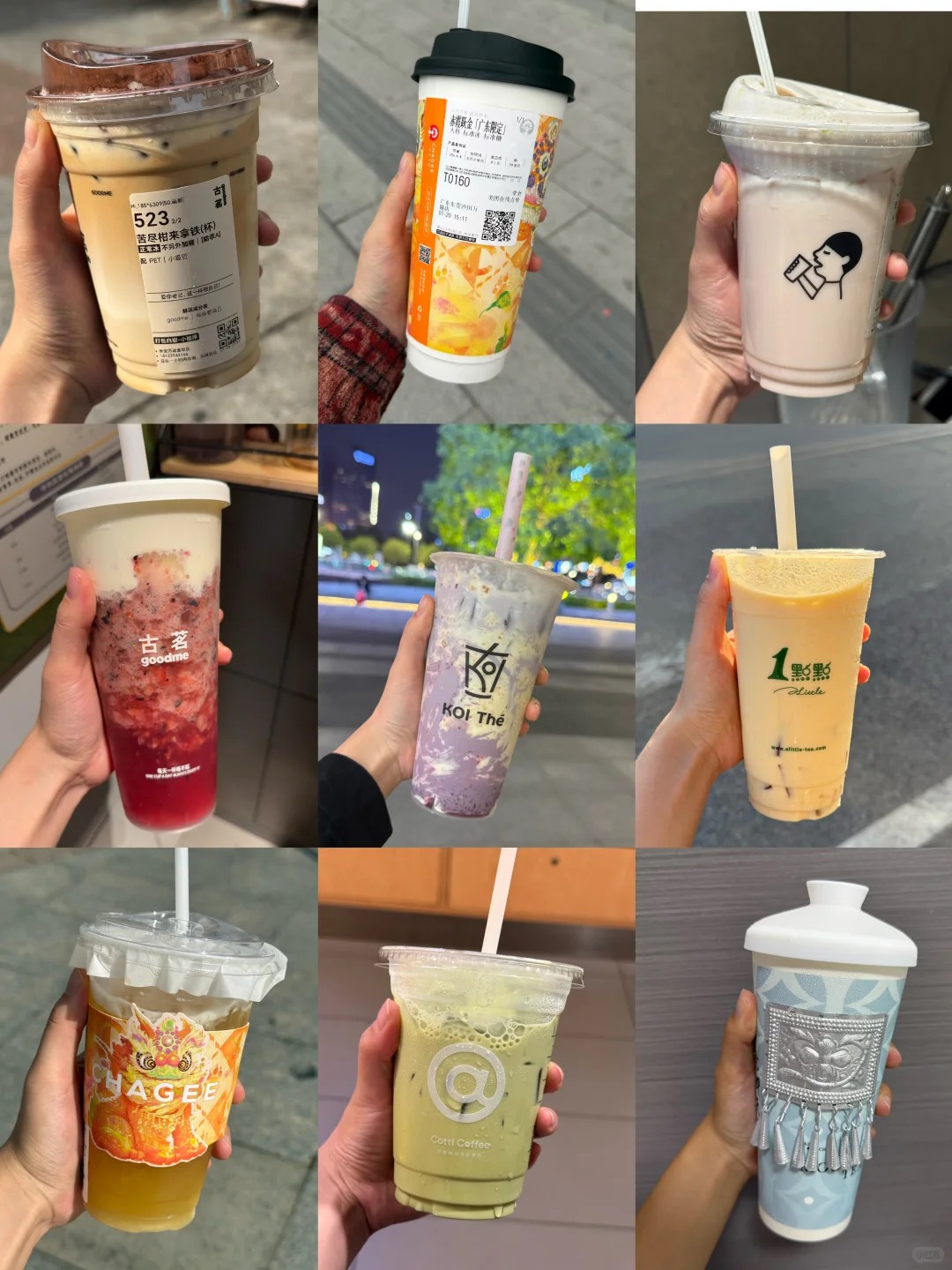
Walk through any shopping mall or subway exit and you’ll see it immediately—bright counters, long queues, and people holding oversized cups with thick straws. This is the version of milk tea in China most visitors run into first. It’s fast, visual, and built around customization. You don’t just order a drink; you adjust it. Sugar can drop from full to 30%, ice can disappear completely, and toppings stack up quickly if you’re not paying attention.
The setting matters just as much as the drink. Groups stop mid-walk to take photos, someone always shakes the cup before the first sip, and the lids often come sealed like takeaway coffee. Flavors change constantly. One week it’s cheese foam on top of tea, the next it’s fresh fruit blends or taro paste thick enough to feel like dessert. I’ve noticed menus sometimes list limited items with odd English names—“Super Mango Boom” or something similar—which usually means it’s a seasonal release.
Traditional Milk Tea In China
Step away from the cities and the idea of milk tea shifts quite a bit. Traditional milk tea in China feels closer to food than a quick drink. In places like Xinjiang or Inner Mongolia, tea is brewed strong, mixed with milk, and often salted. It’s served hot, sometimes alongside bread or dried meat, and people drink it slowly rather than on the go.
Tibetan butter tea goes even further. It’s thick, slightly oily, and designed for high-altitude energy rather than taste. The first reaction from visitors is usually hesitation. Some say it tastes like soup, others get used to it after a few sips. It’s still milk tea in China, just from a completely different system.
🌿 Healthy Balance: If you want to balance your love for modern milky brews with a cleaner, wellness-focused brew, explore our guide on Chinese Teas and Benefits: Master Your Skin & Energy Ritual to discover the ultimate natural glow-up.
Popular Milk Tea Brands In China
HEYTEA (喜茶)
-
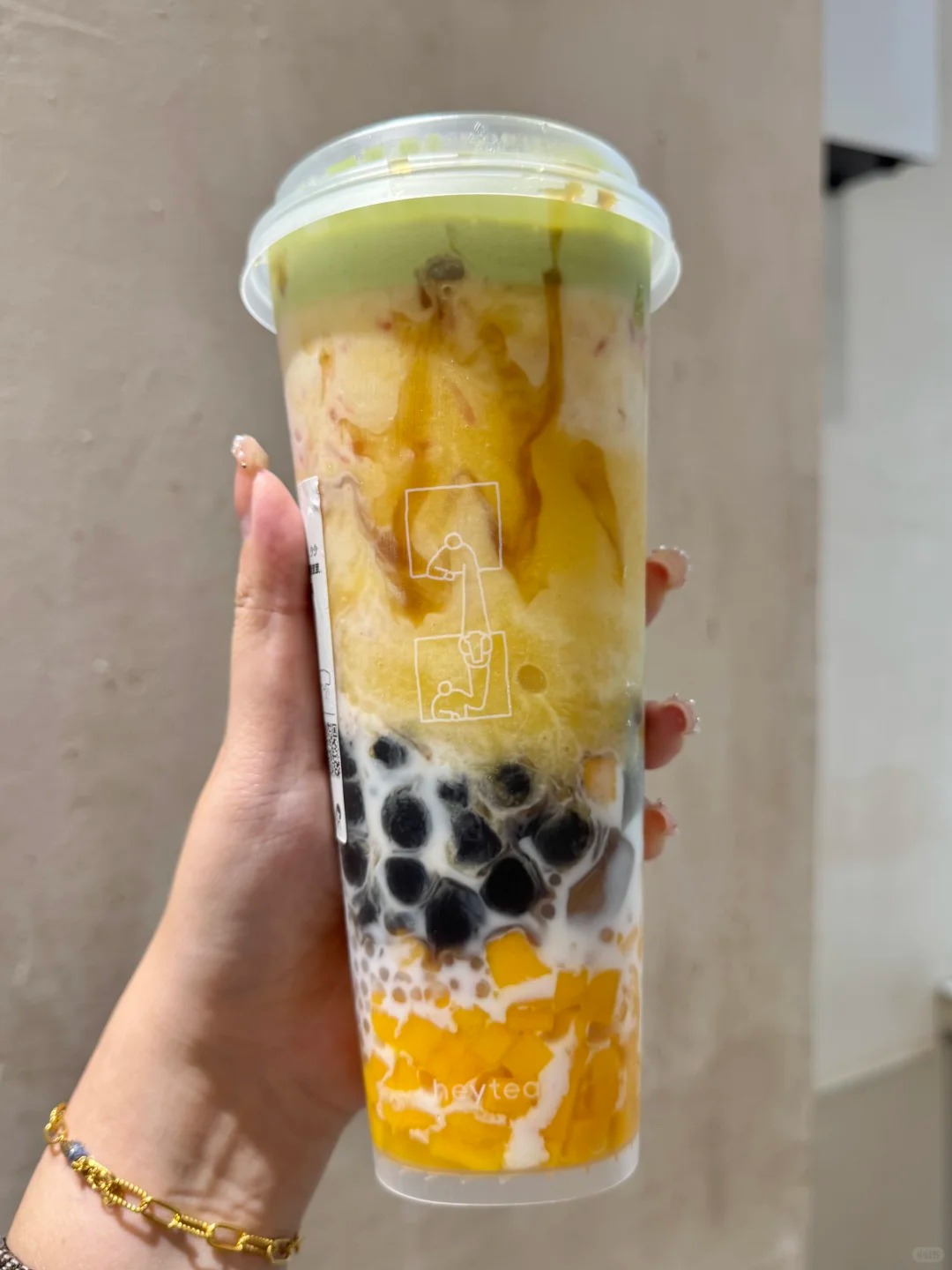

- HEYTEA
-
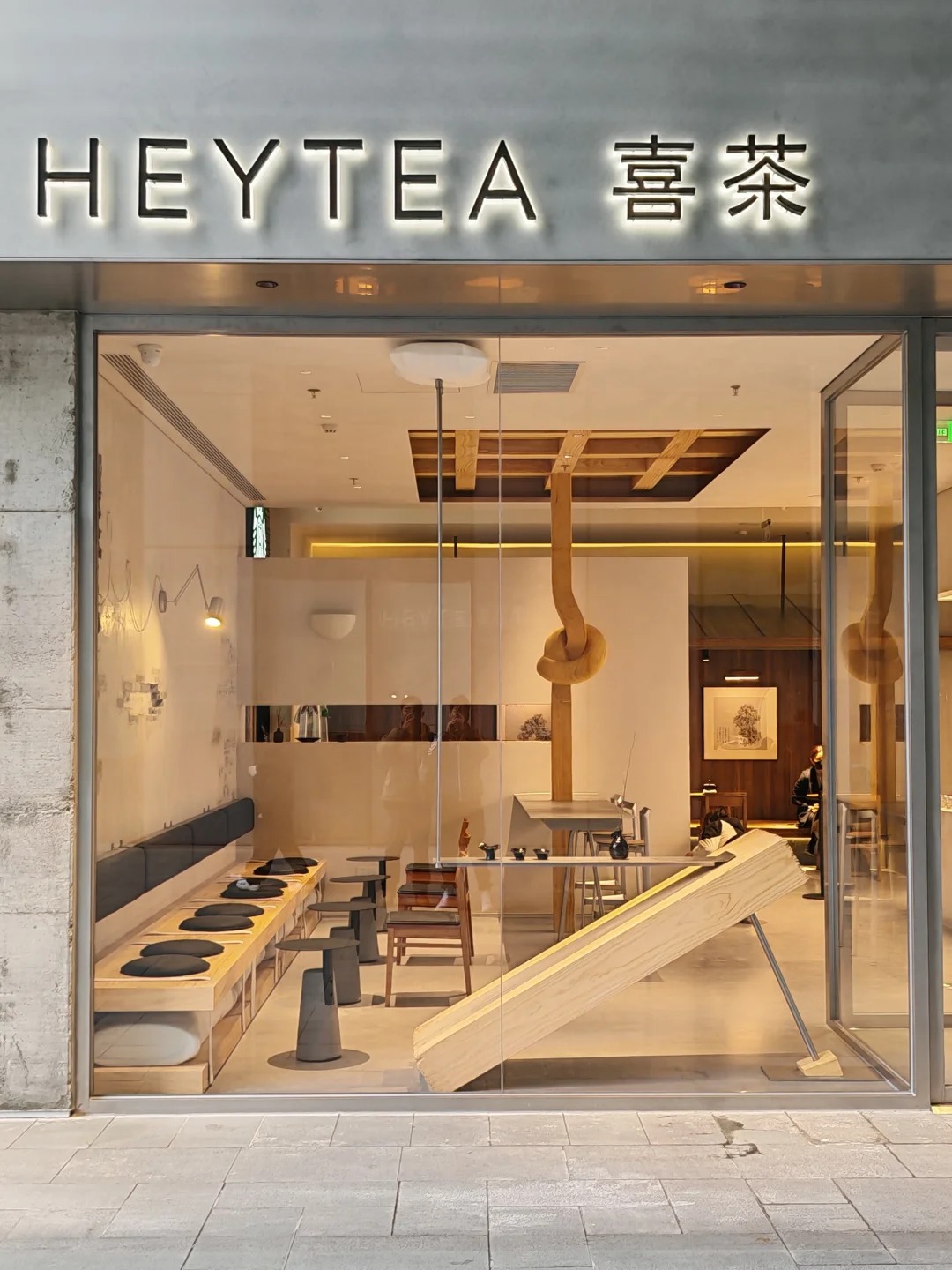
- Store of HEYTEA
-
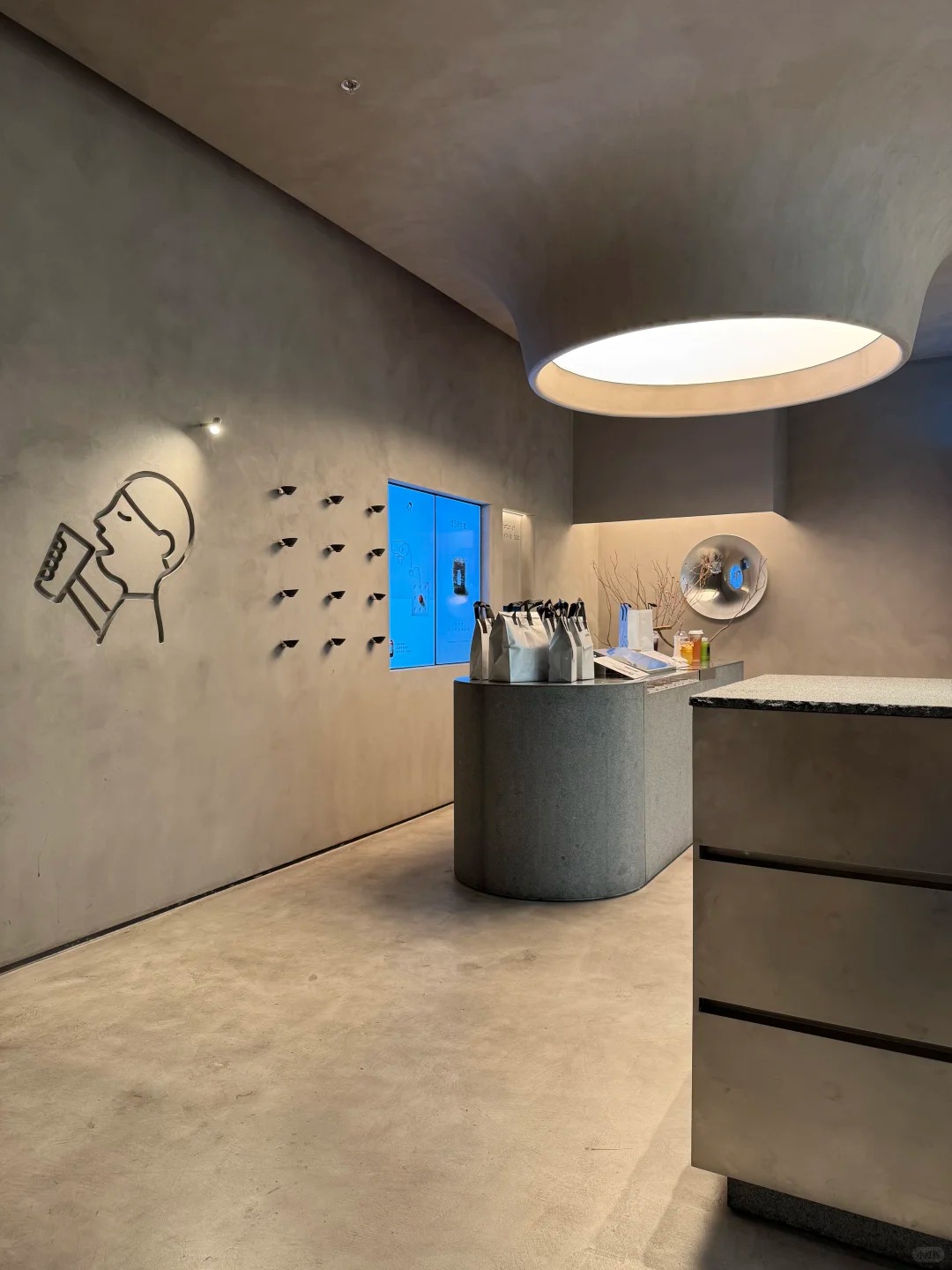
- Inside of HEYTEA
HEYTEA is usually the first brand people notice when they talk about modern milk tea in China. It doesn’t feel like a simple drink shop anymore, more like a small design-driven retail space that happens to sell tea. In big cities, you can almost always spot a queue forming near the entrance, especially in shopping malls where foot traffic is high.
• Positioning:
High-end milk tea brand in China, mainly targeting young urban consumers and trend-sensitive customers in first-tier cities like Shanghai, Shenzhen, and Guangzhou.
• Feature:
Most stores are compact but visually polished, with clean lighting and open counters. Ordering is done through mobile scanning, and the workflow feels very digital. At peak hours, waiting time can reach 30–60 minutes, although the line usually moves faster than it looks. I’ve noticed people rarely leave once they join the queue, even if it looks long.
• Signature Drinks:
Cheese Foam Tea, Very Grape (多肉葡萄), seasonal fruit-based teas that change frequently depending on the city and time of year.
• Price:
Around 20–35 RMB, with limited seasonal items sometimes slightly higher.
Nayuki (奈雪的茶)
-
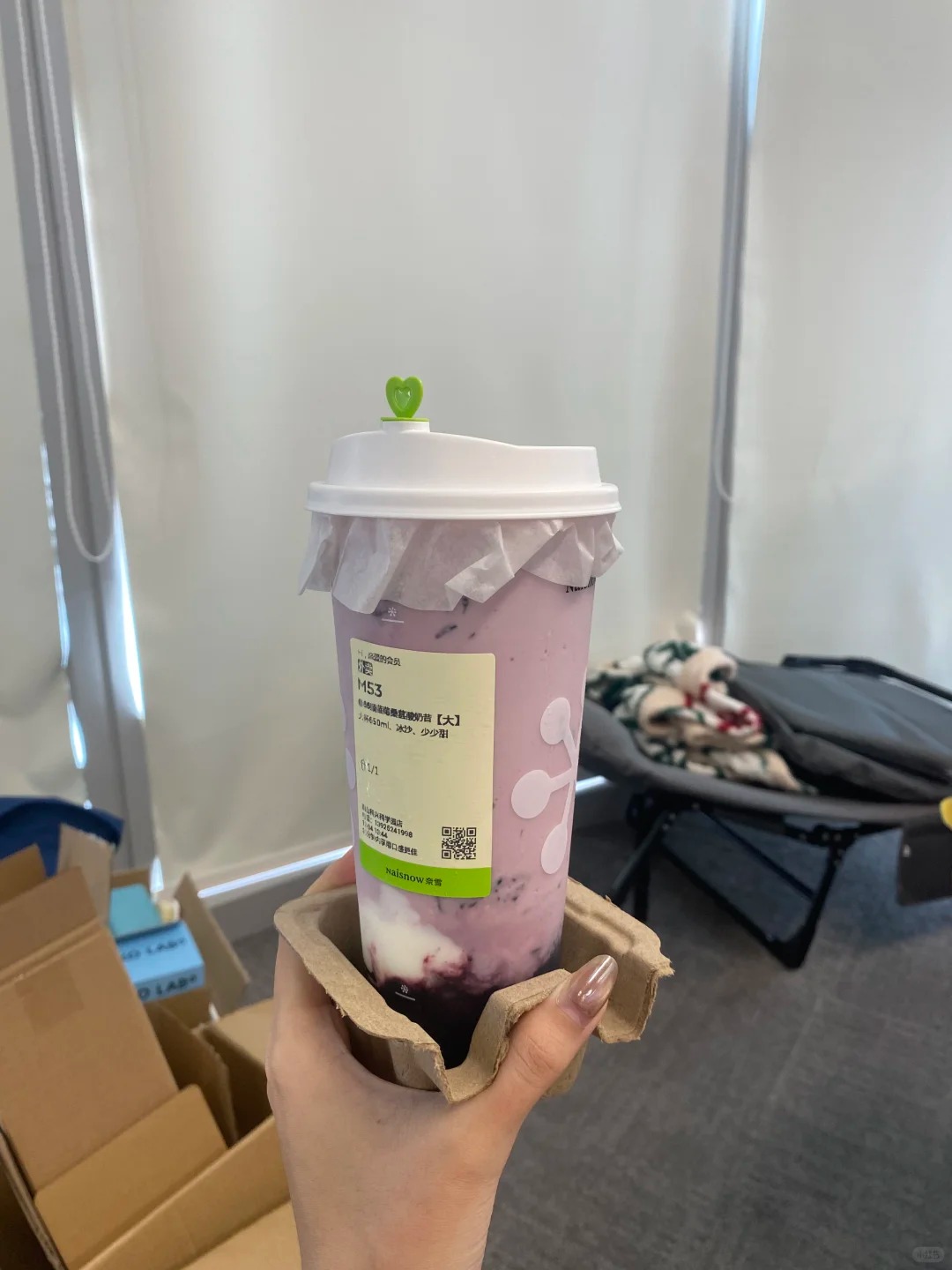
- Nayuki
-
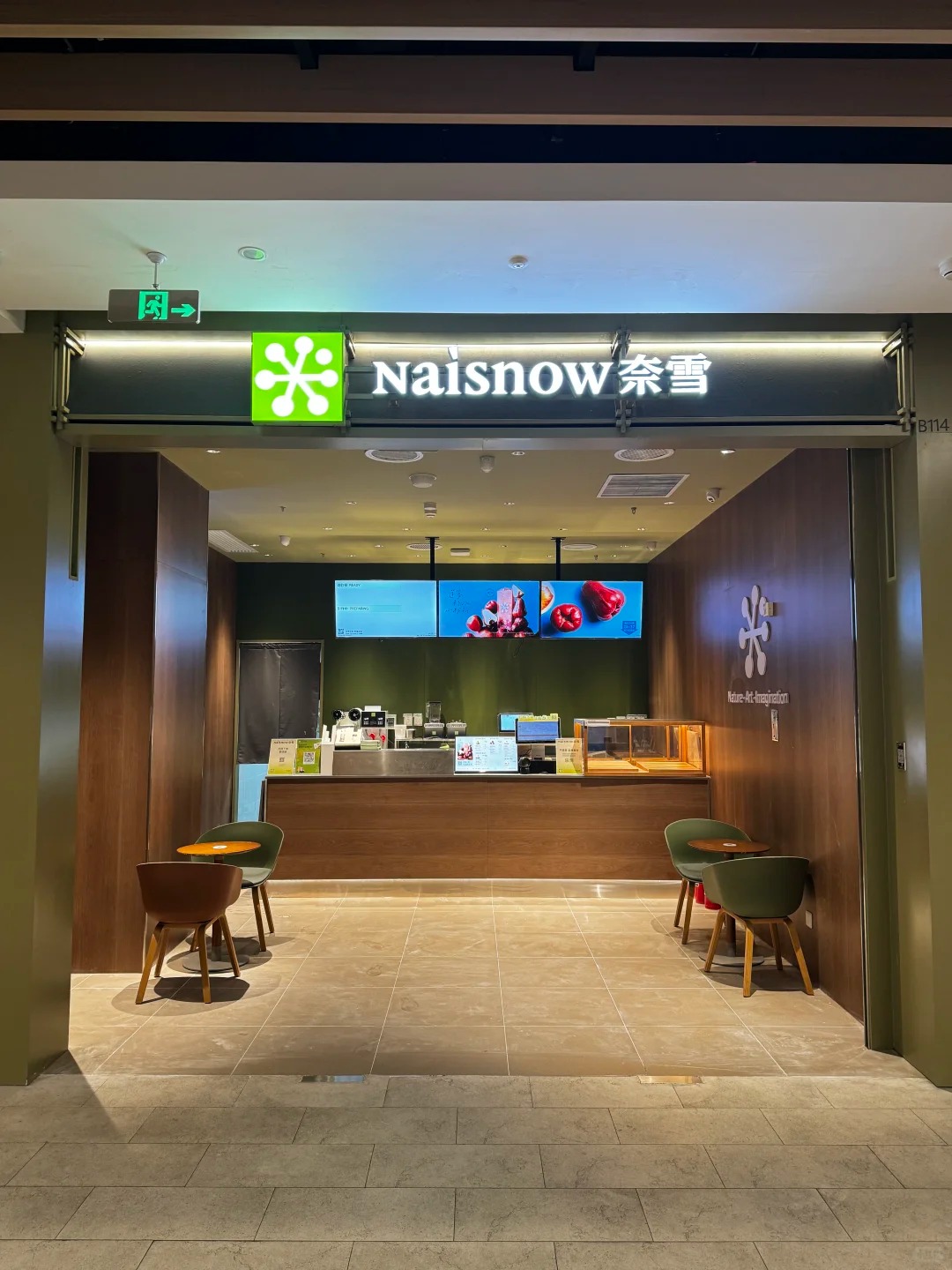
- Store of Nayuki
-
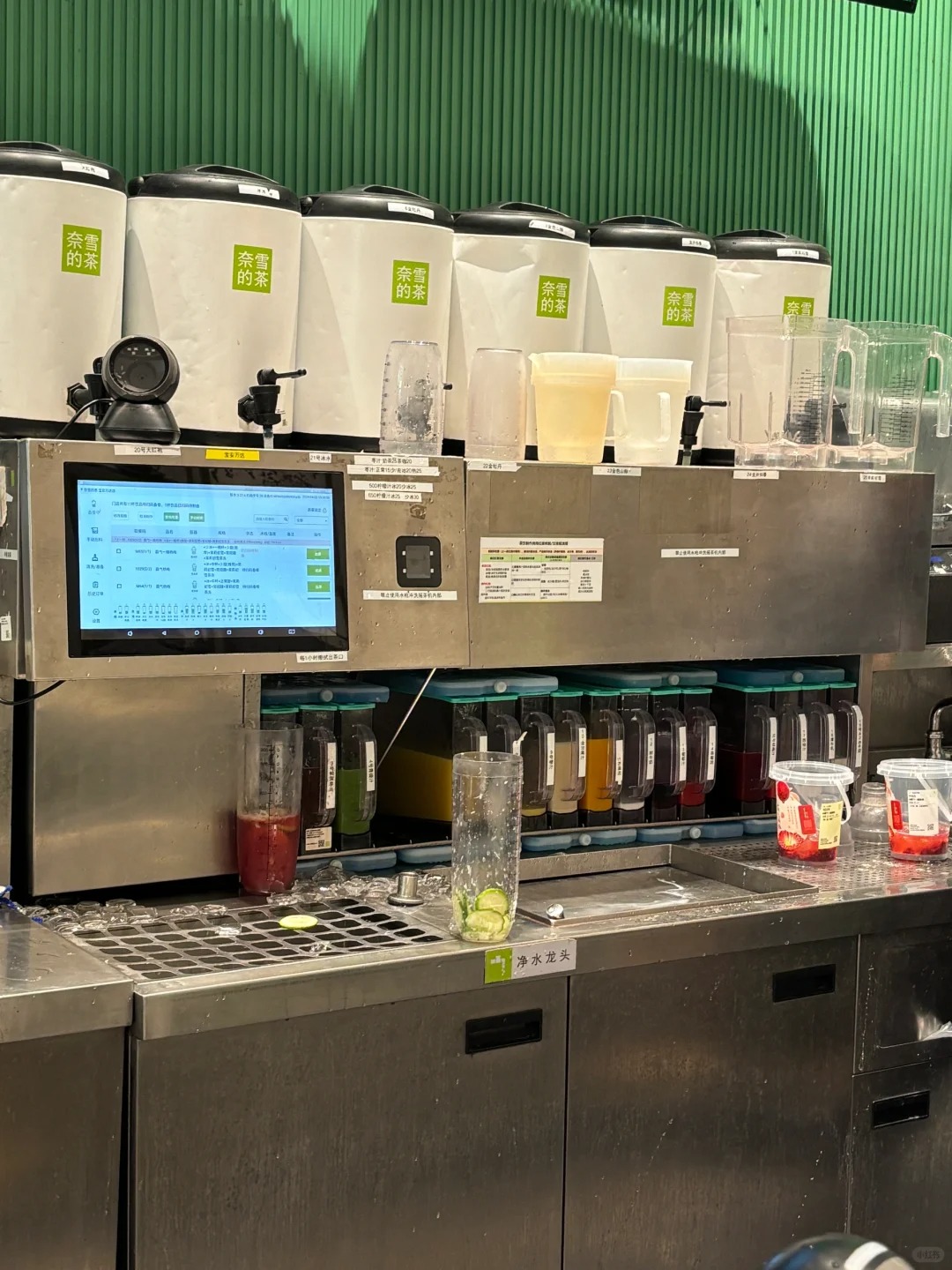
- Inside of Nayuki
Nayuki feels less like a typical milk tea shop and more like a relaxed café space where people accidentally end up staying longer than planned. Compared to faster-paced chains, it slows things down a bit, especially in shopping districts where seating is available. Some travelers even use it as a short break spot between sightseeing stops.
• Positioning:
Café-style milk tea brand in China combining tea drinks with bakery products, designed for longer stays rather than quick takeaway.
• Feature:
Most stores include seating areas, soft lighting, and table service elements. It is common to see people working, chatting, or just resting with food and drinks. The pace is slower, and orders take slightly longer during busy hours, especially when bakery items are involved.
• Signature Drinks:
Cheese tea series, fresh fruit tea, seasonal drinks paired with soft European-style bread.
• Price:
Usually around 25–40 RMB, slightly higher due to the café environment and bakery offerings.
Chagee (霸王茶姬)
-
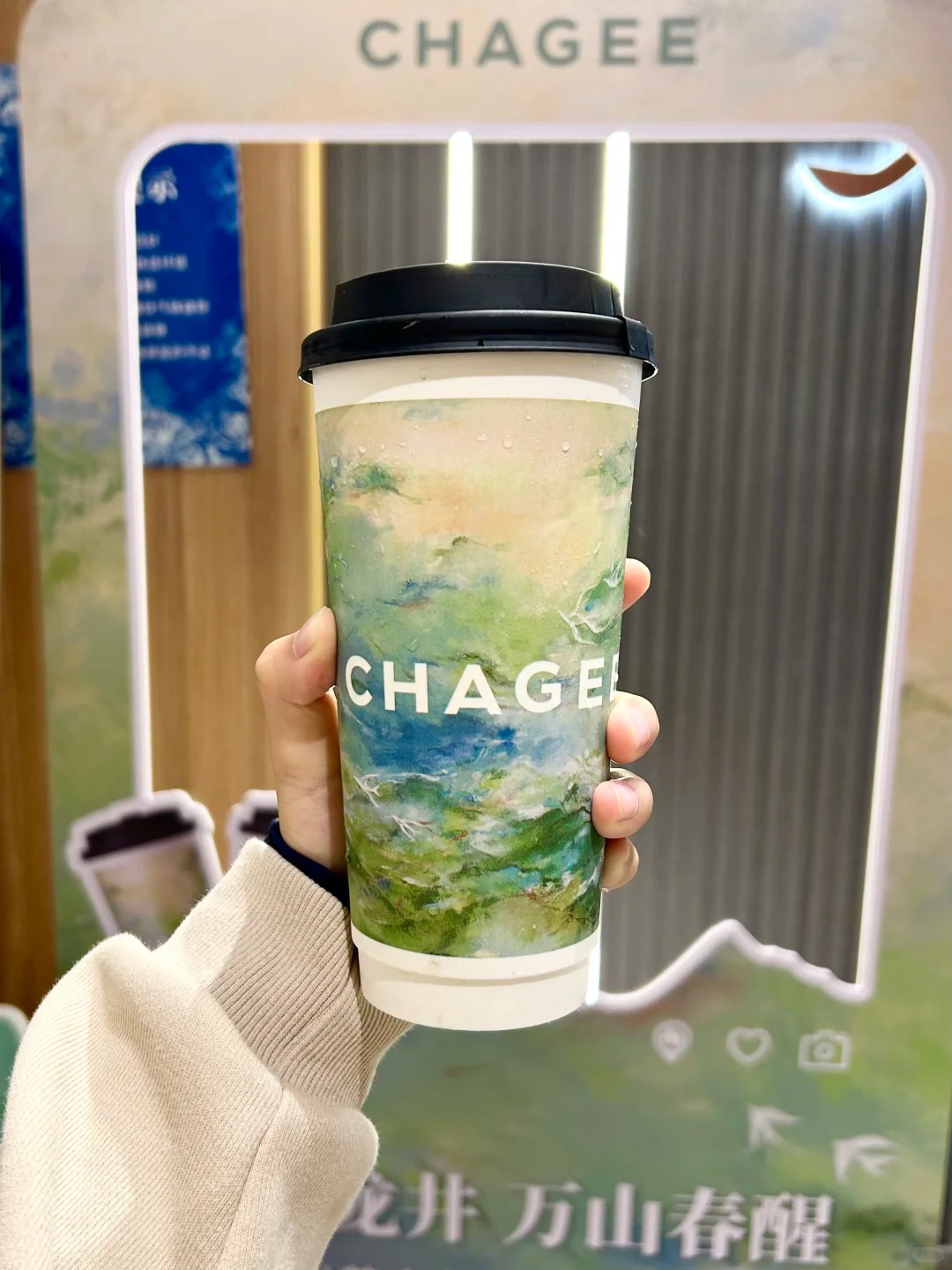
- Chagee
-
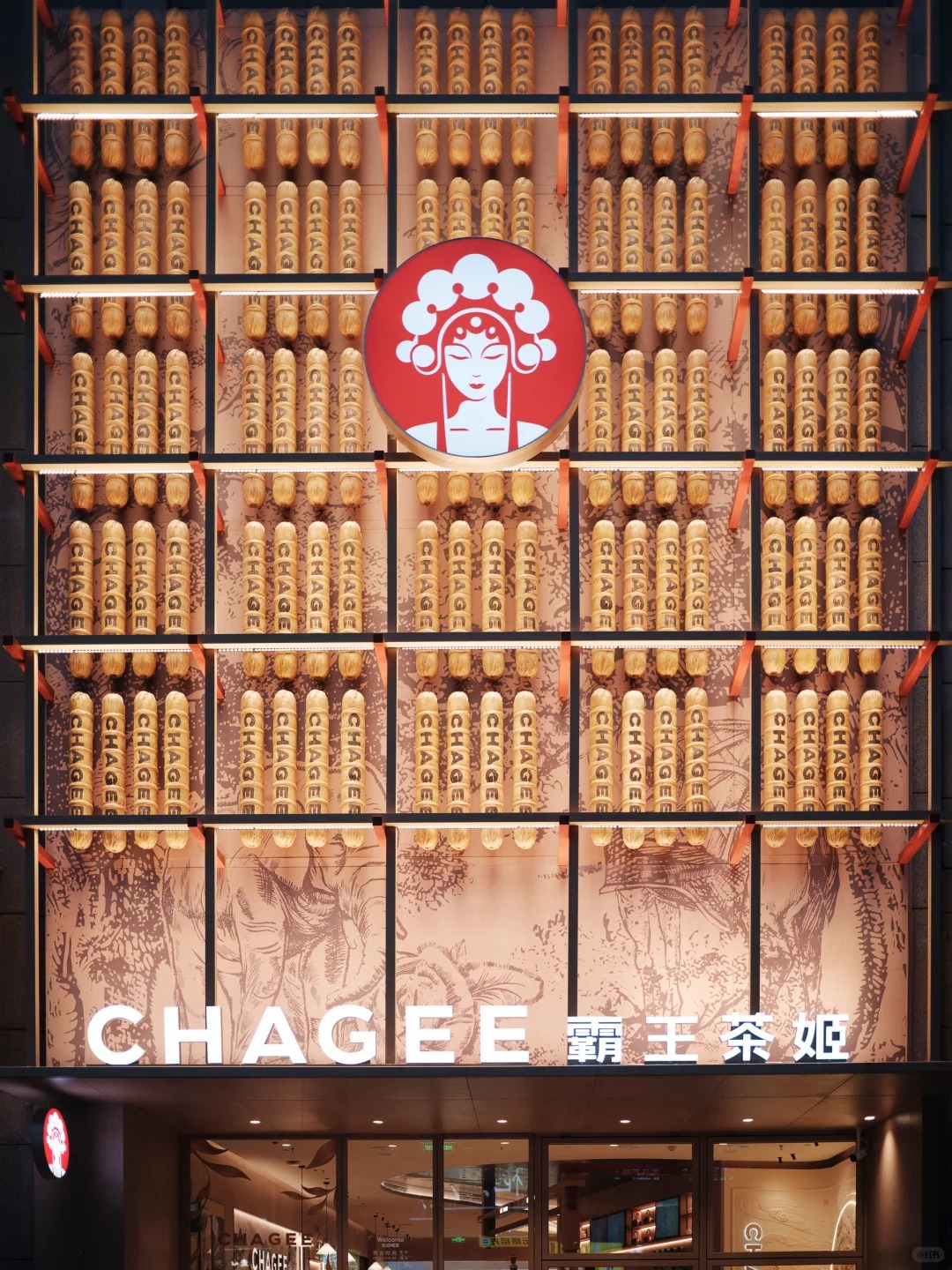
- Store of Chagee
-
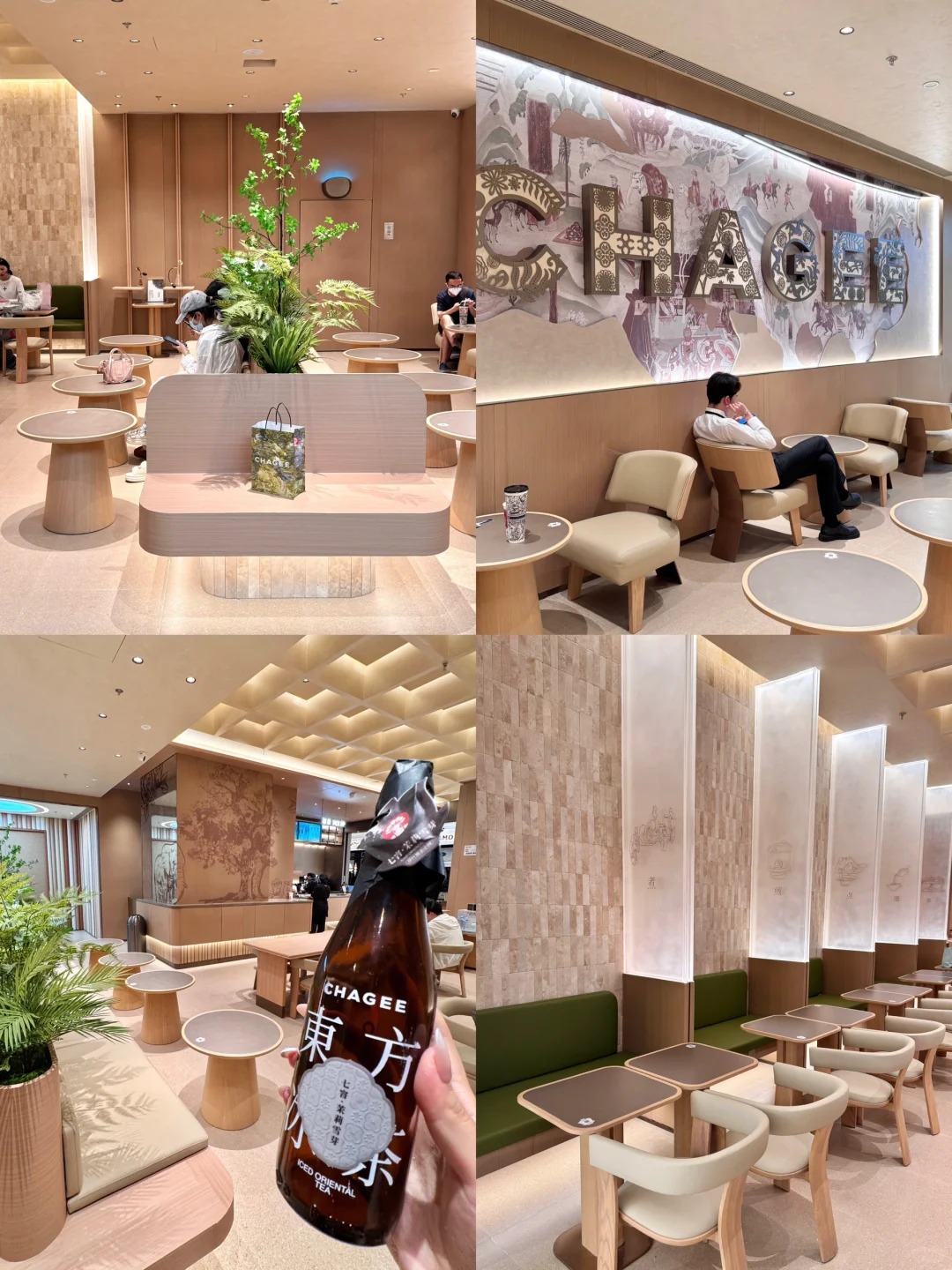
- Inside of Chagee
Chagee stands out because it feels more controlled and structured compared to trend-driven bubble tea brands. The design, packaging, and even flavor profile are more consistent. In many cities, it is positioned as a “lighter” alternative for people who want tea without too much sweetness.
• Positioning:
Modern Chinese tea brand focused on tea base + milk drinks with a strong emphasis on traditional tea culture aesthetics.
• Feature:
Stores usually have a clean and uniform design, with Chinese-style branding and consistent menus across cities. Drinks are generally less sweet, and customization is more limited compared to brands like CoCo or Yi Dian Dian. It feels more standardized, almost like a curated tea system.
• Signature Drinks:
Boya Jue Xian (伯牙绝弦), jasmine milk tea series, light tea-based milk drinks.
• Price:
Around 18–30 RMB, positioned in the mid-range market.
CoCo (都可)
-
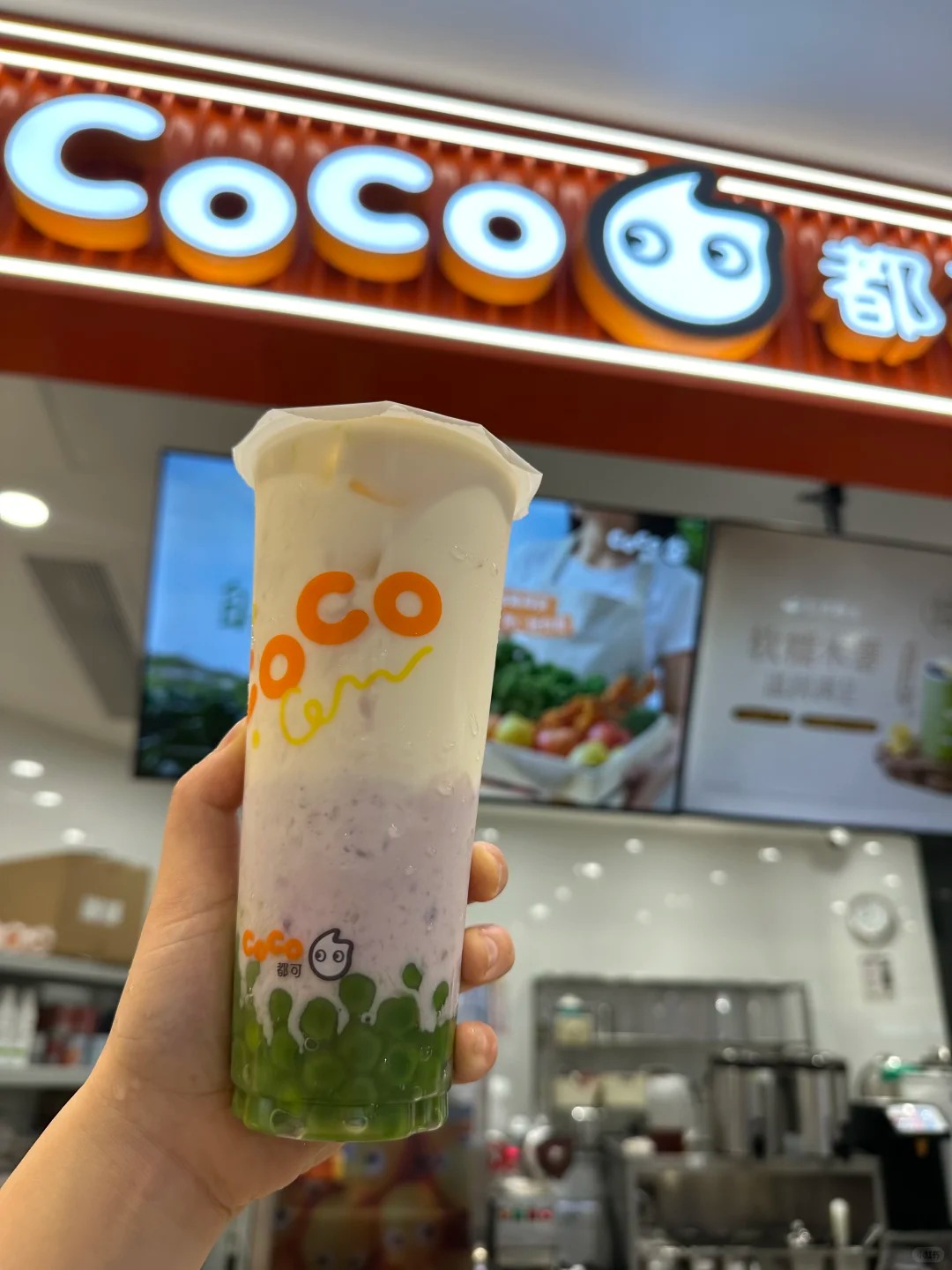
- Coco
-
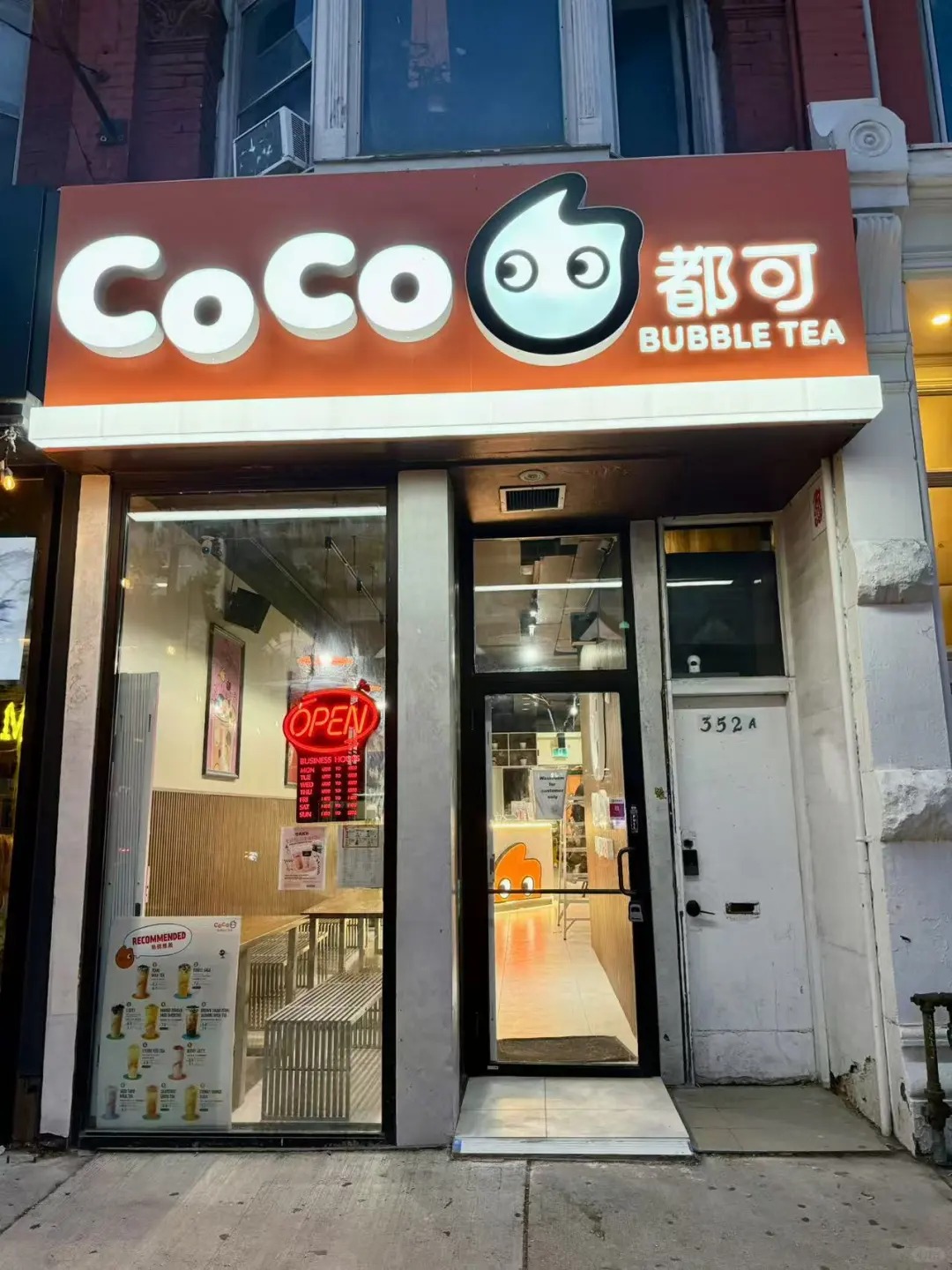
- Store of Coco
-
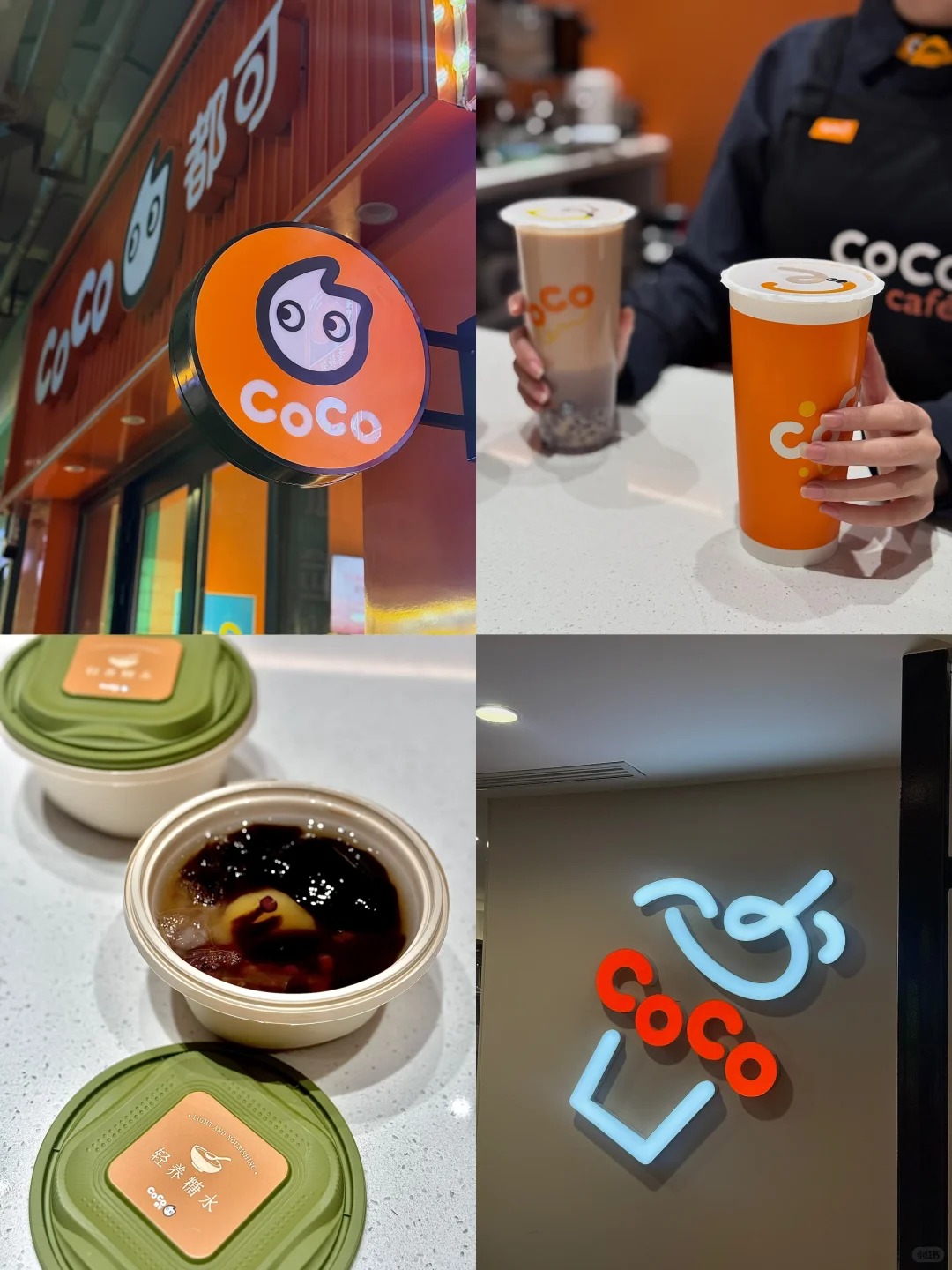
- Inside of Coco
CoCo is one of those brands you don’t really plan for—you just end up seeing it everywhere. In smaller cities especially, it often becomes the default choice because it is easy, familiar, and quick. Many tourists use it as their first introduction to milk tea in China simply because there is almost always one nearby.
• Positioning:
Mass-market milk tea brand in China with extremely wide coverage across cities of all sizes.
• Feature:
Stores are simple and functional, with fast service and short queues. Many locations provide English-friendly menus, making ordering easier for foreign visitors. It’s not designed for long stays, just quick purchases.
• Signature Drinks:
Classic pearl milk tea, lemon drinks, seasonal fruit teas.
• Price:
Around 10–20 RMB, making it one of the most affordable mainstream options.
Yi Dian Dian (一点点)
-
- Yi Dian Dian
-
- Store of Yidiandian
-
- Inside of Yidiandian
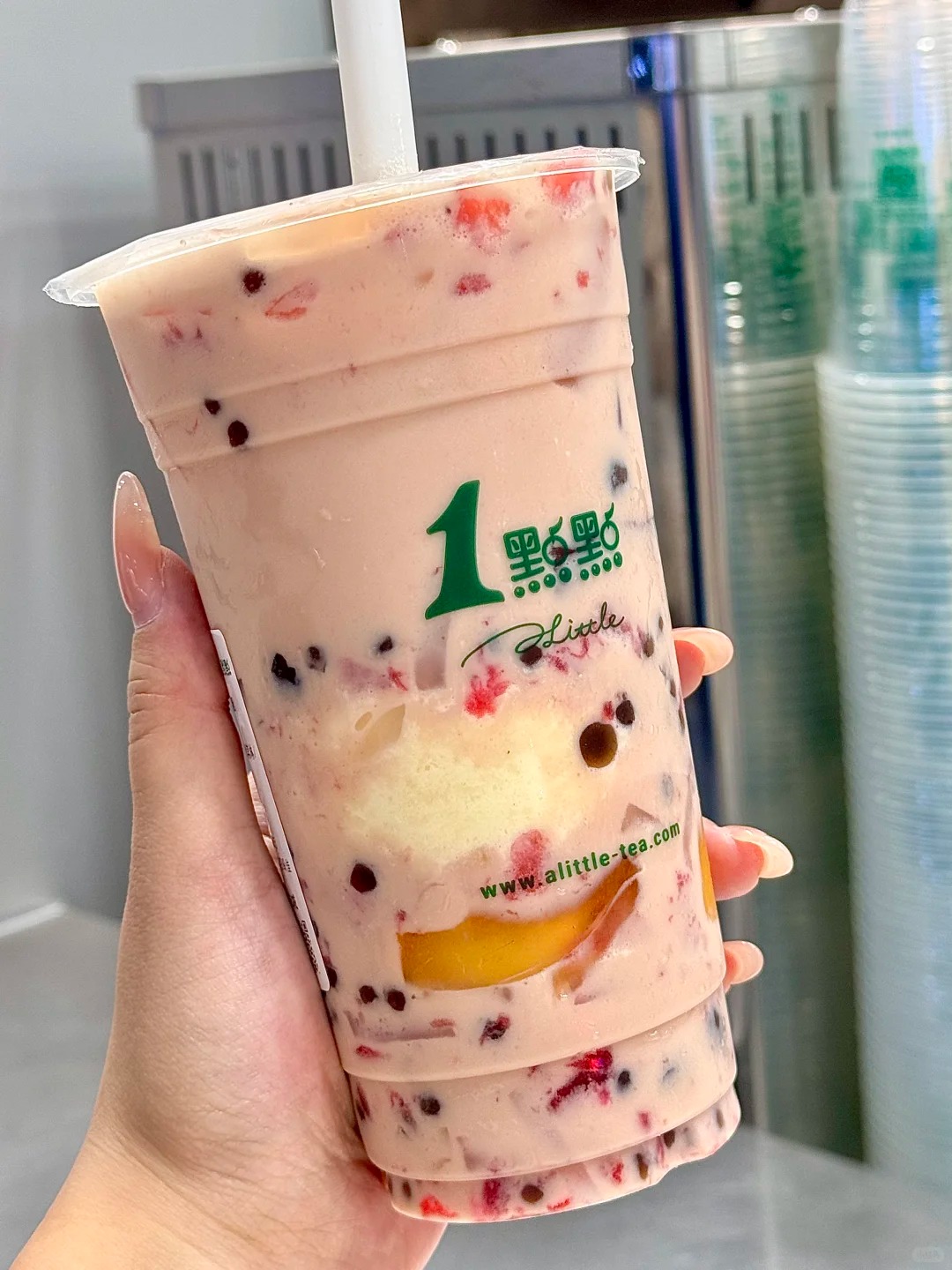
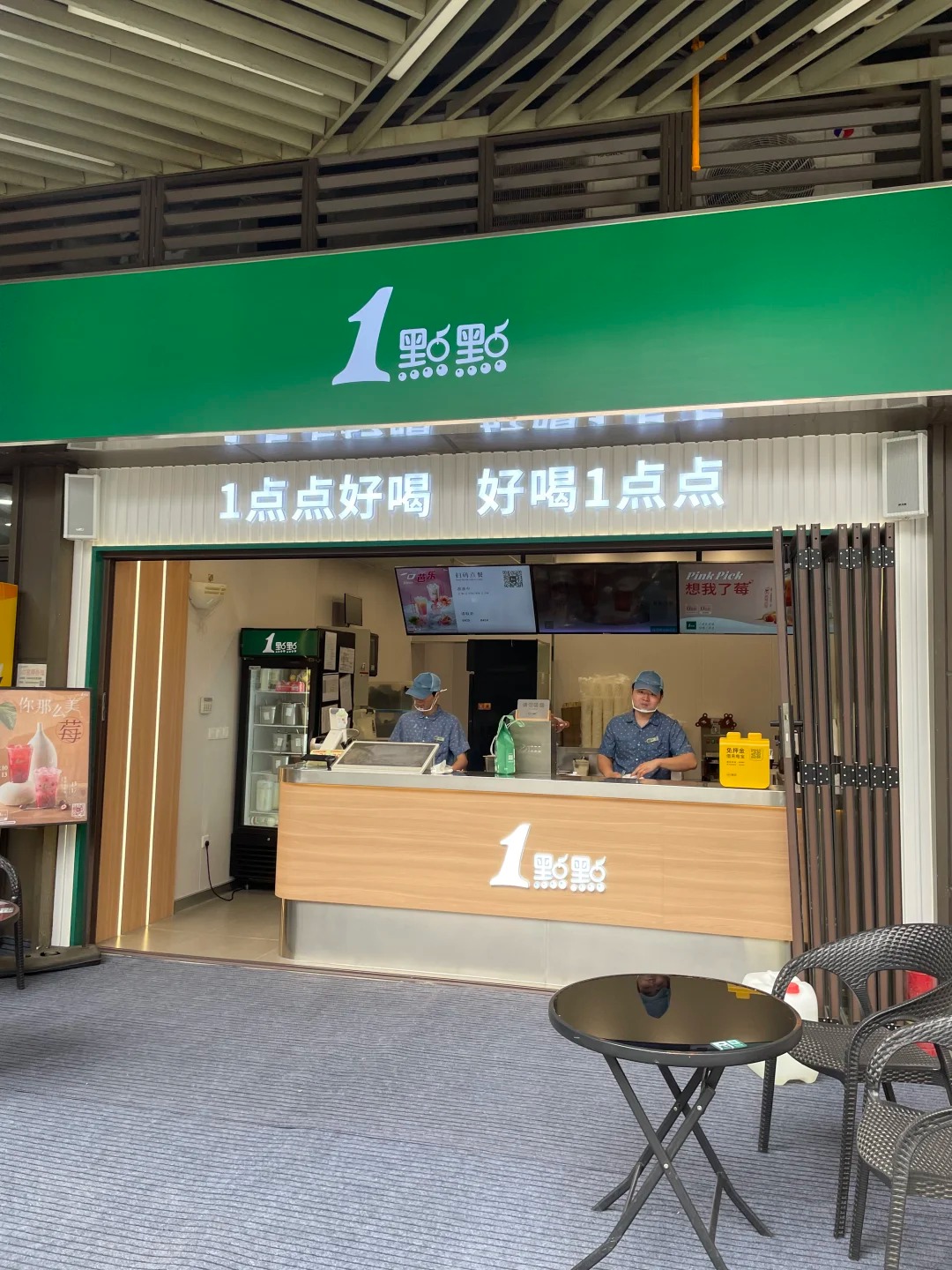
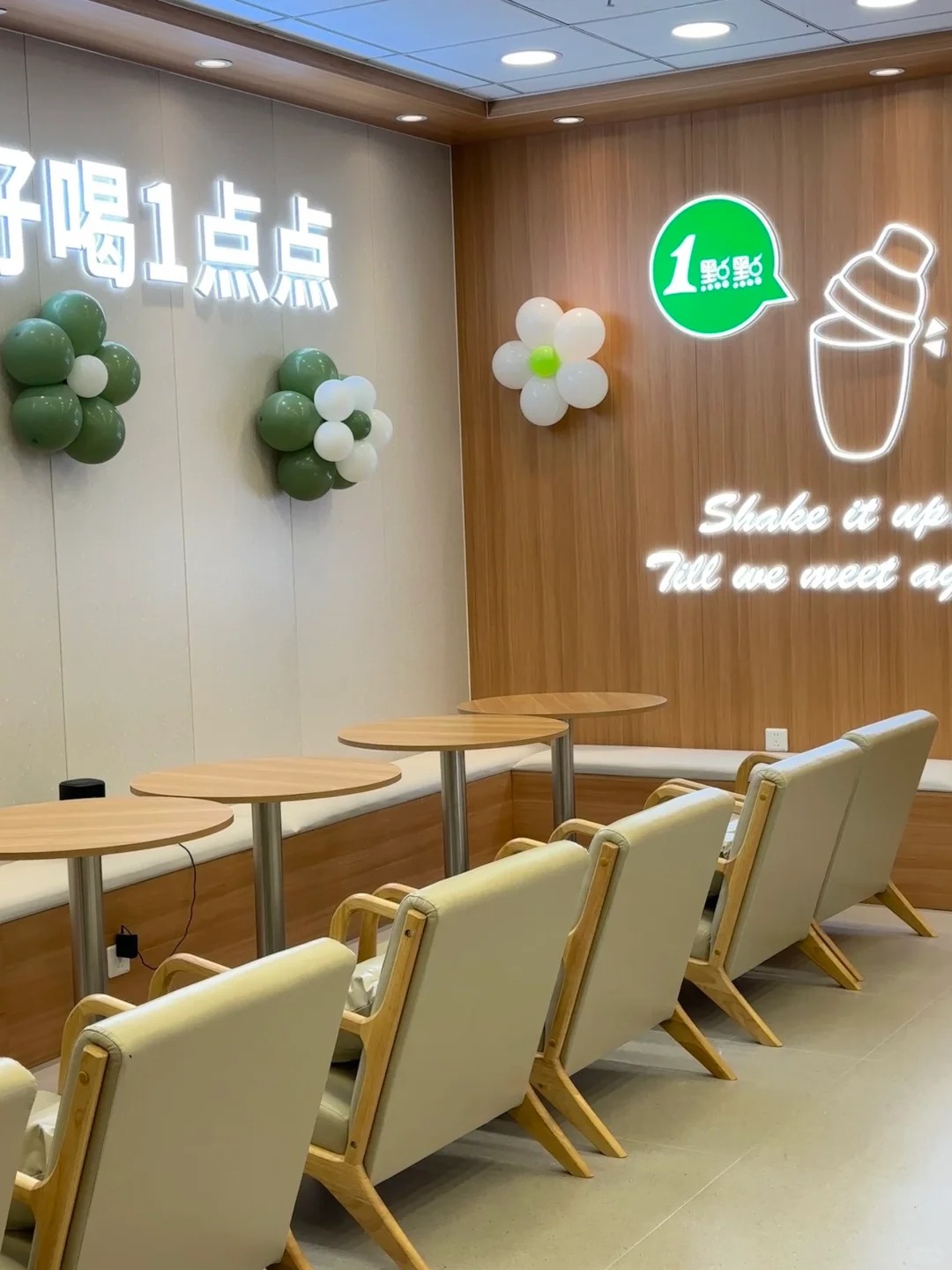
Yi Dian Dian has a slightly different feel because it comes from Taiwan, and you can tell from the way the menu is structured. It’s less about visual branding and more about drink customization. People who already know what they like tend to prefer it.
• Positioning:
Taiwan-origin milk tea brand in China known for classic bubble tea and high customization.
• Feature:
Customers can adjust sugar, ice, and toppings in detail, which makes each order slightly different. The stores are usually small and focused on takeaway rather than seating. It feels closer to traditional bubble tea culture.
• Signature Drinks:
Boba milk tea, brown sugar pearl milk tea, classic customizable milk tea.
• Price:
Around 12–22 RMB, depending on toppings and adjustments.
Tea Yan Yue Se (茶颜悦色)
-
- Tea Yan Yue Se
-
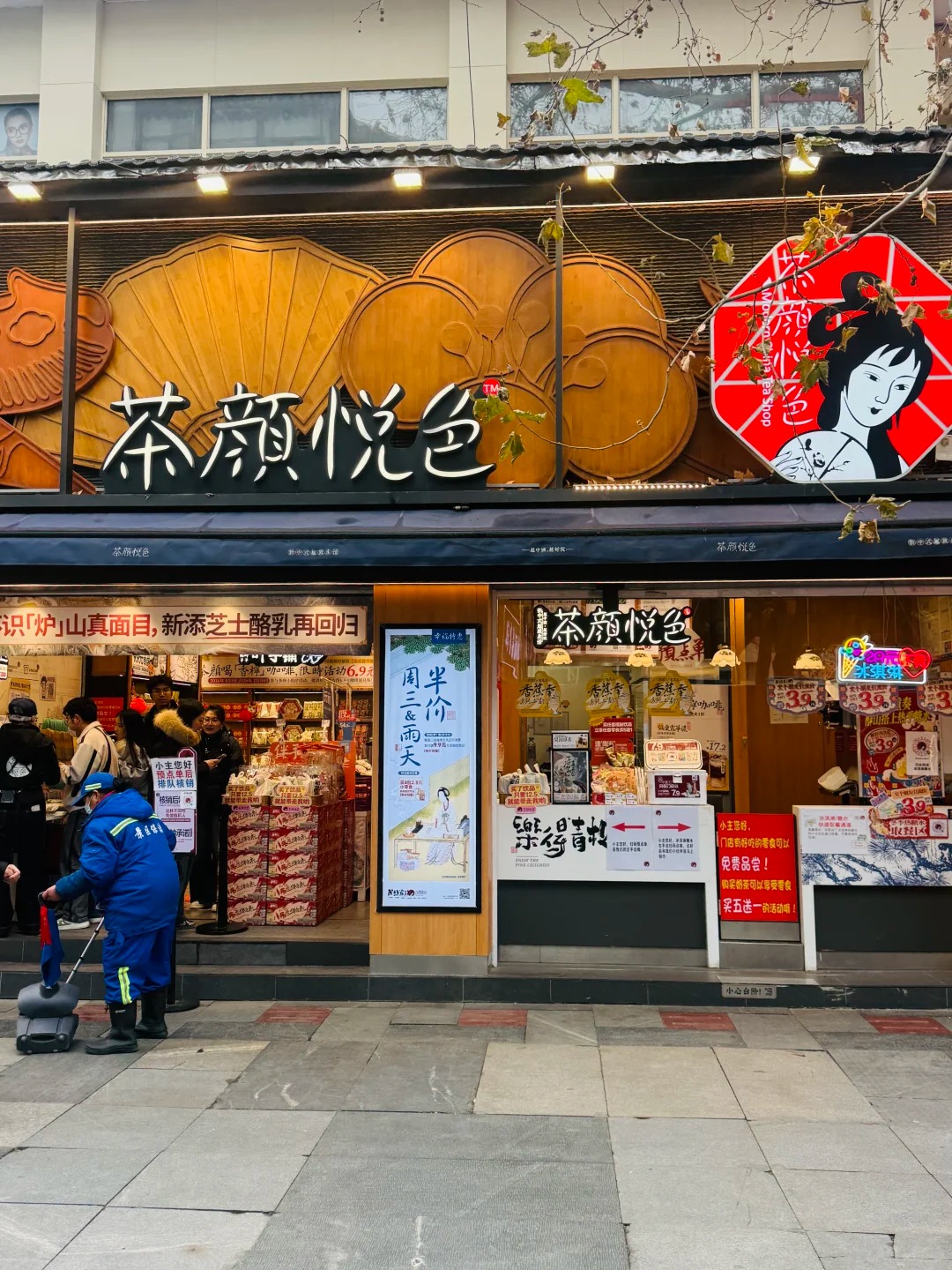
- Store of Tea Yan Yue Se
-
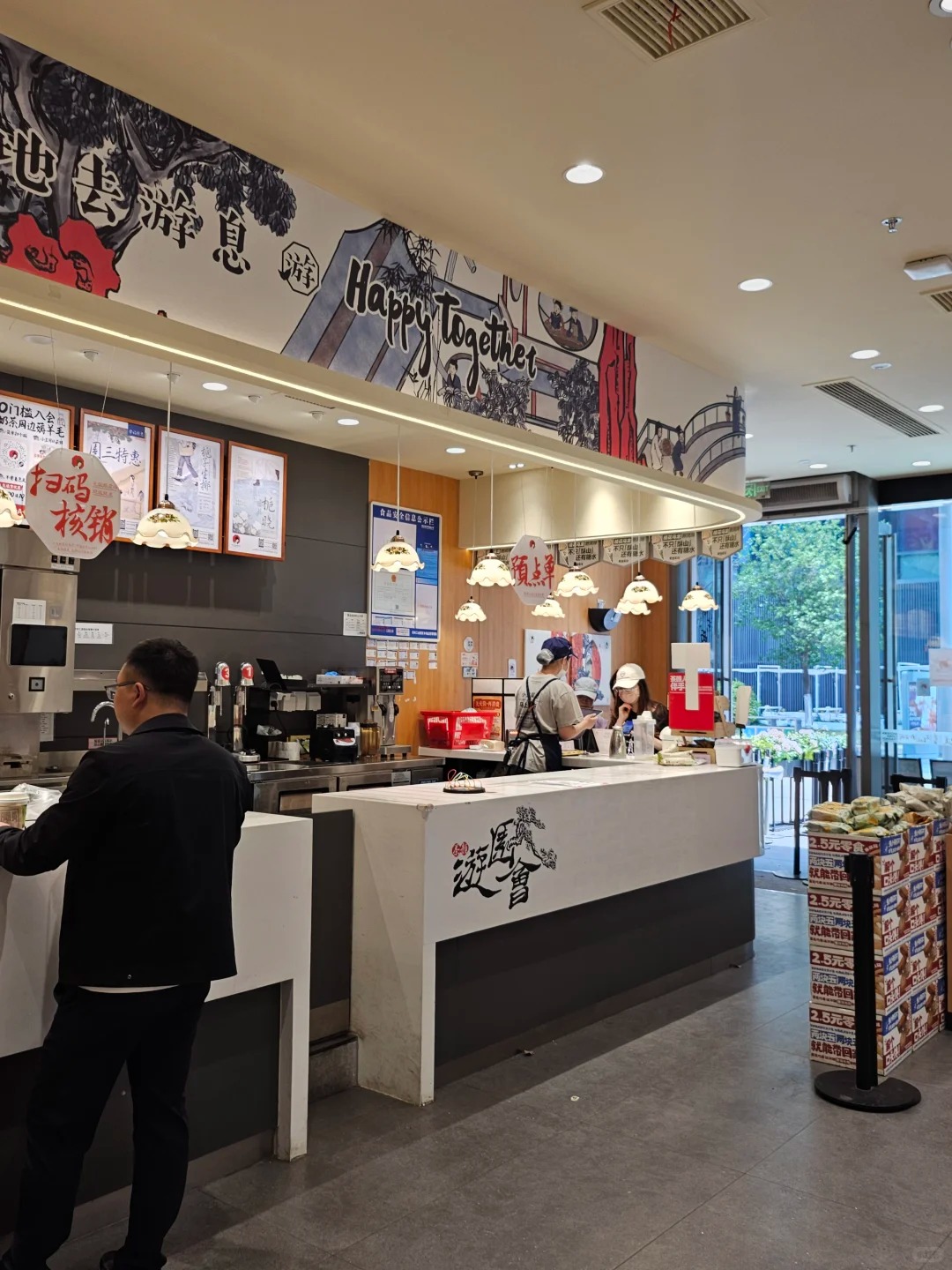
- Inside of Tea Yan Yue Se
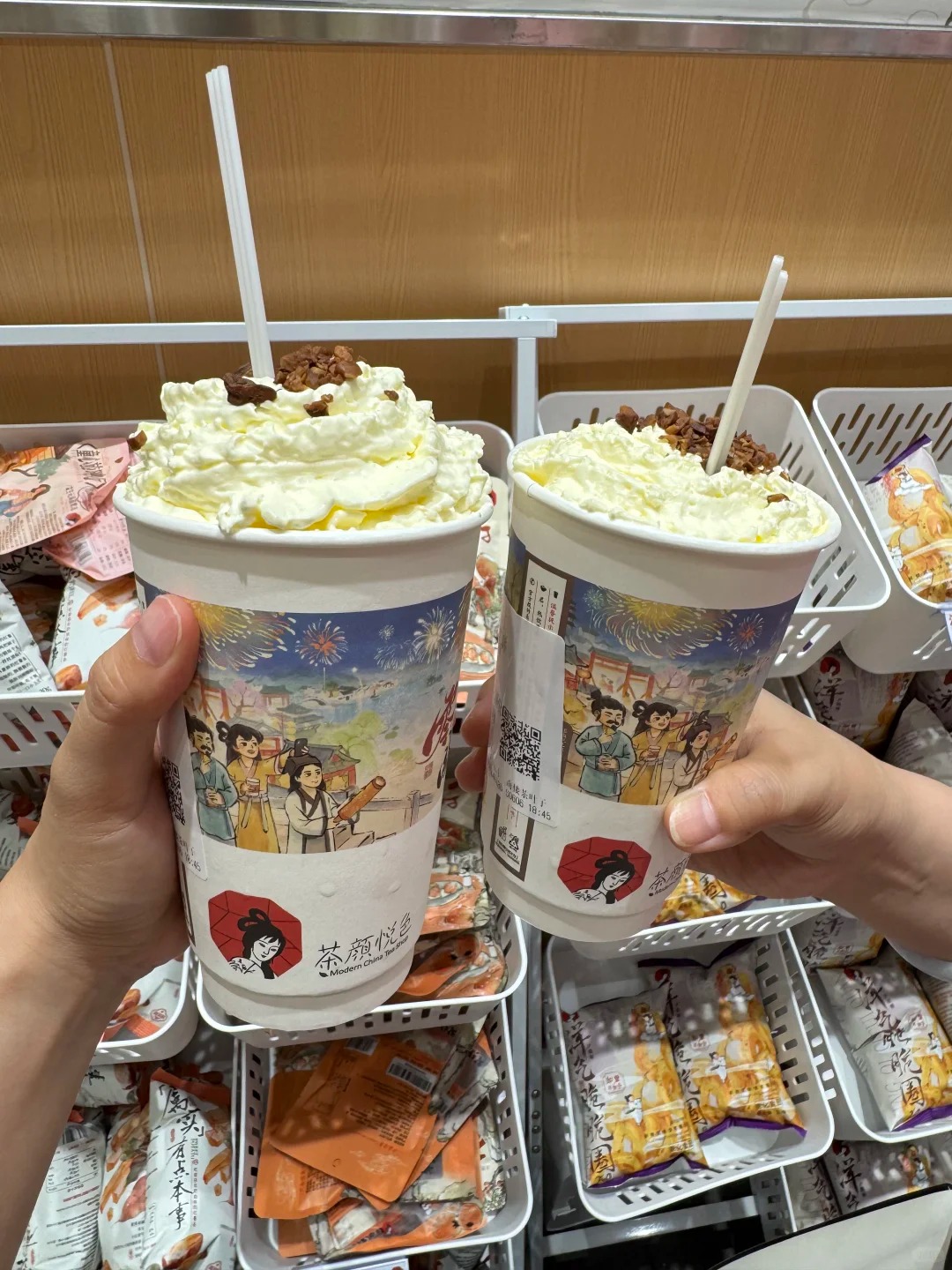
Tea Yan Yue Se is not something you find everywhere, which is part of why people talk about it so much. It is mostly based in Changsha, and that regional limitation actually increases its popularity. Many visitors treat it as something you “should try if you are there anyway.”
• Positioning:
Regional Chinese milk tea brand in China with strong cultural and visual identity.
• Feature:
Long queues are common, especially in tourist-heavy areas. The brand is also very visible on social platforms like Xiaohongshu, where it is often recommended for photos. Availability is limited, which makes it feel more exclusive compared to national chains.
• Signature Drinks:
Youlan Latte (幽兰拿铁), seasonal Chinese-style milk tea variations.
• Price:
Around 16–25 RMB, but waiting time can easily exceed 1 hour during peak hours.
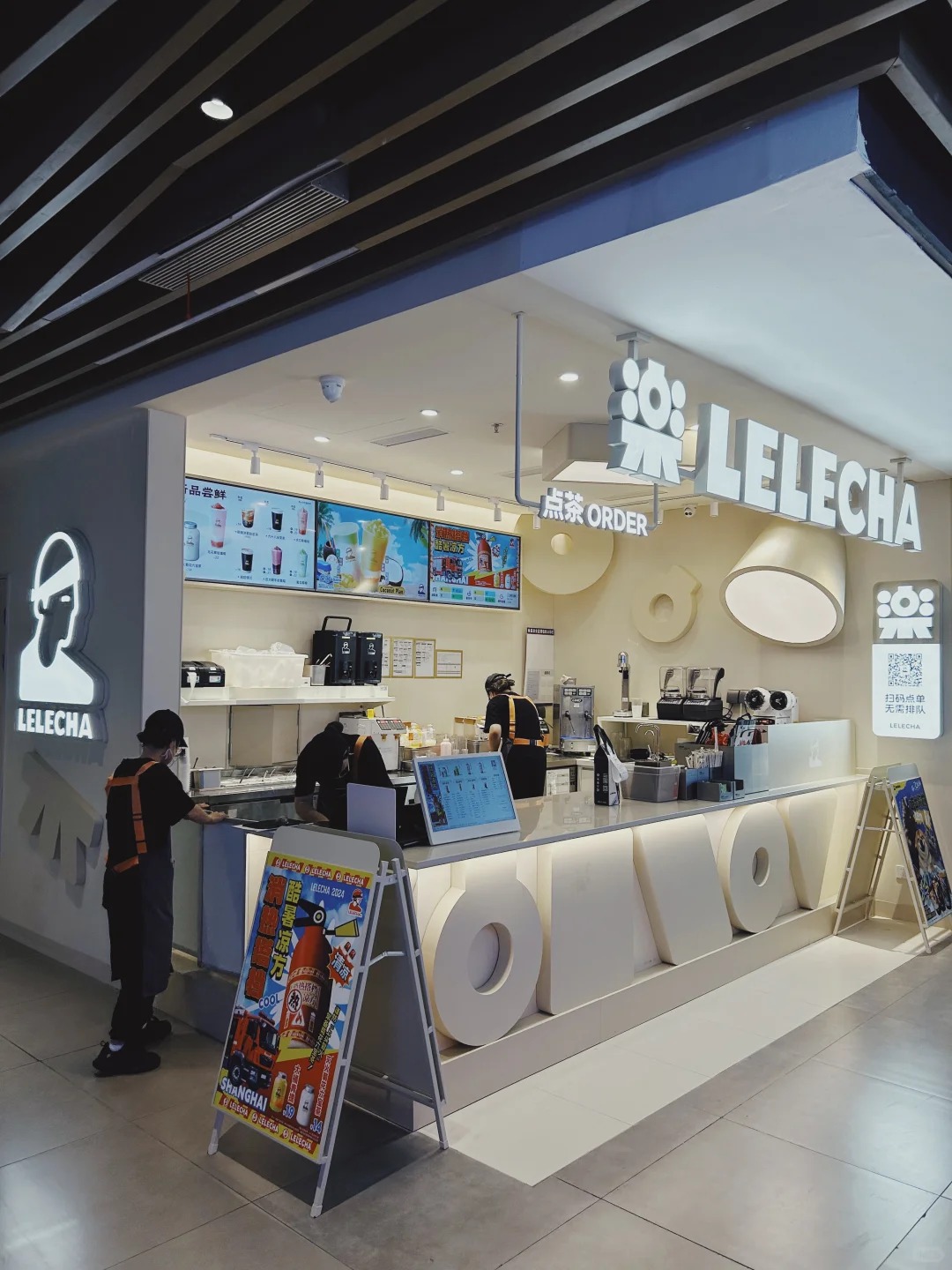
LeLeCha (乐乐茶)
-
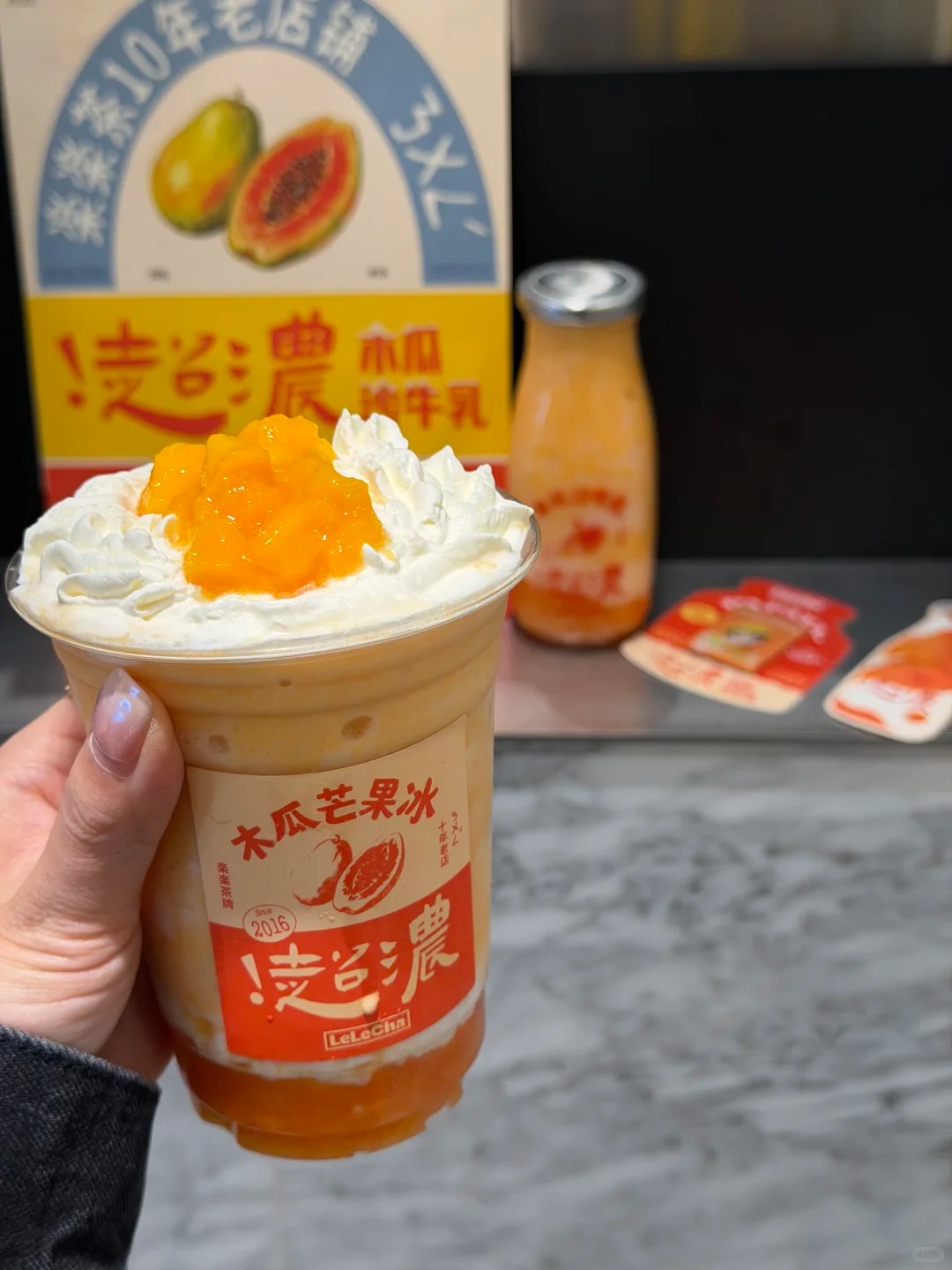
- LeLeCha
-
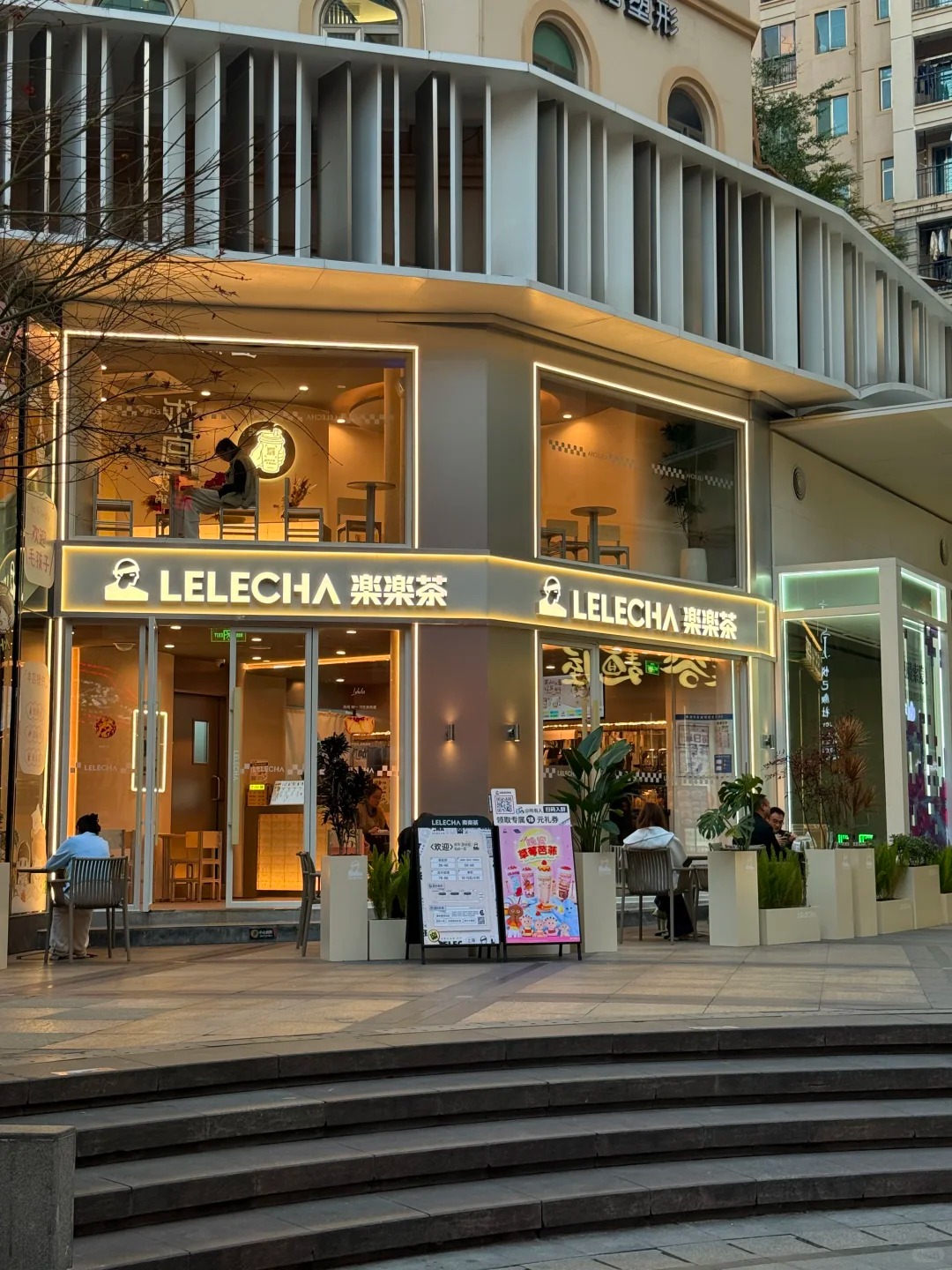
- Store of Lelecha
-
- Inside of Lelecha
LeLeCha usually feels more playful compared to traditional milk tea brands. The drinks are designed with visual impact in mind, and you’ll often see people taking photos before drinking. It sits somewhere between dessert shop and tea brand.
• Positioning:
Trendy milk tea brand in China focusing on fruit tea and dessert-style drinks.
• Feature:
Stores are modern and bright, with strong emphasis on visual presentation. Drinks are often paired with bakery items, and seasonal menus change frequently. It feels more lifestyle-oriented than functional.
• Signature Drinks:
Cheese fruit tea series, seasonal fruit blends with cream toppings.
• Price:
Around 20–30 RMB, slightly higher due to presentation and ingredients.
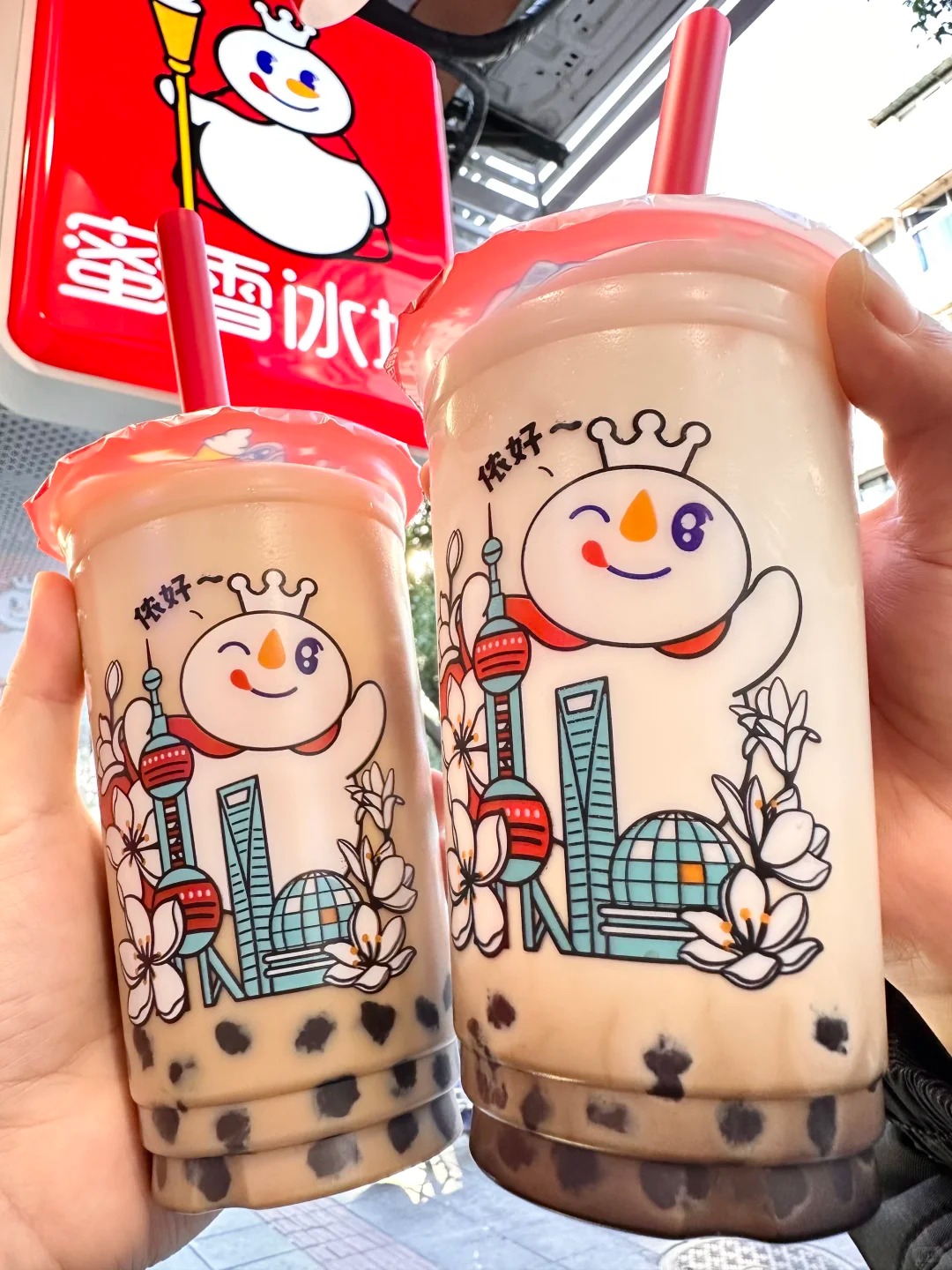
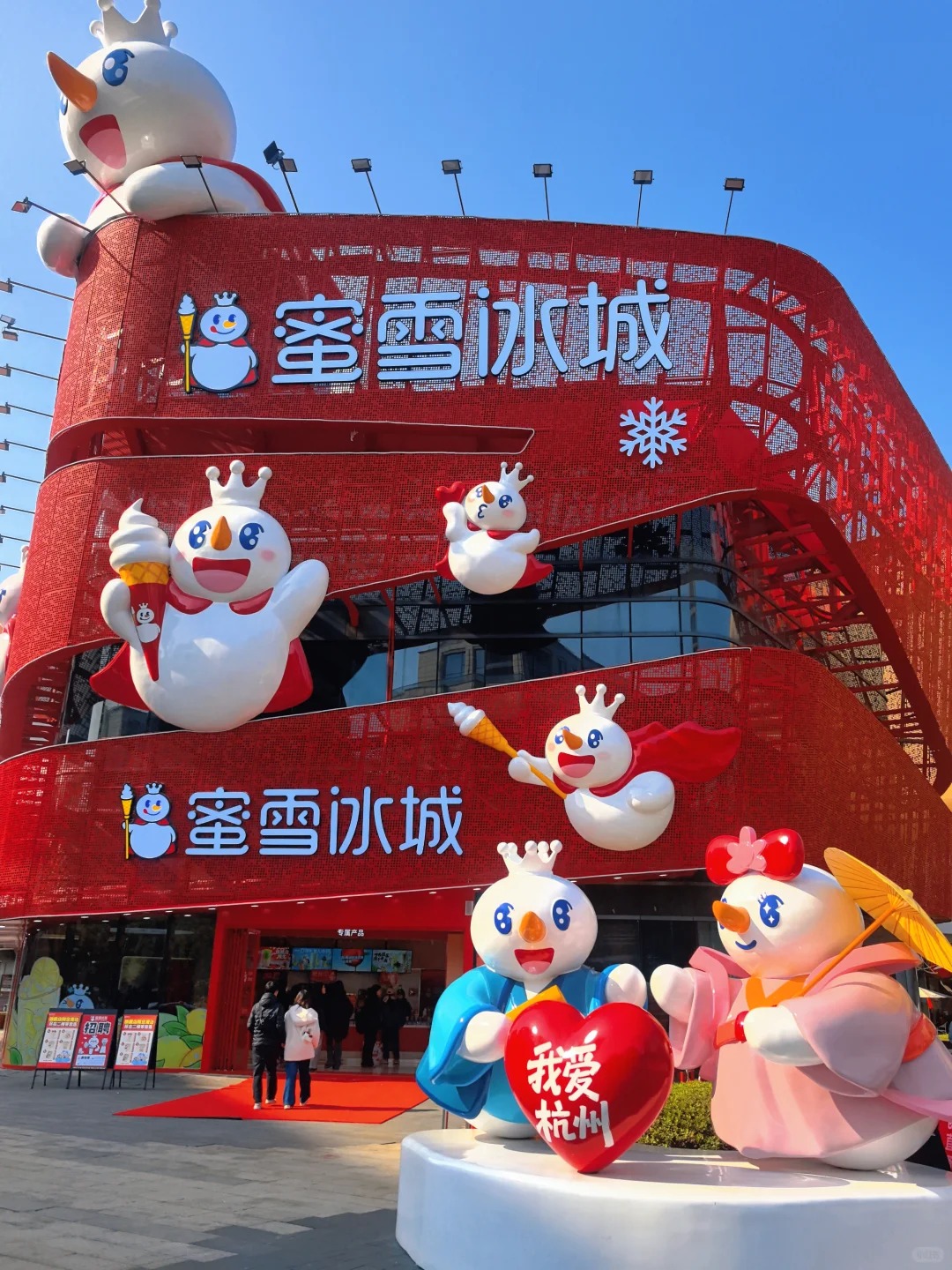
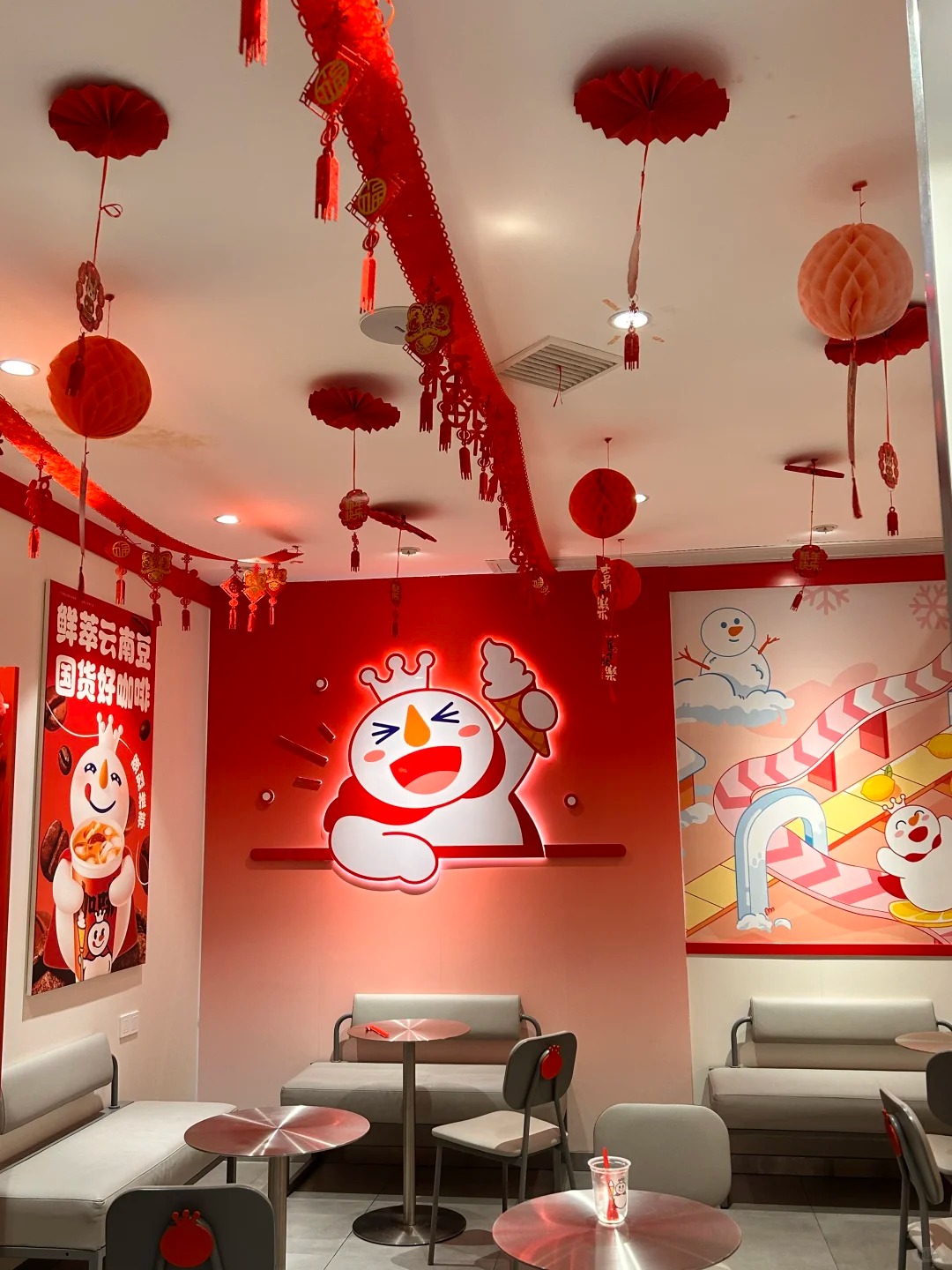
Mixue Bingcheng (蜜雪冰城)
-
- Mixue Bingcheng
-
- Store of Mixue Bingcheng
-
- Inside of Mixue Bingcheng
Mixue Bingcheng is probably the most recognizable low-cost milk tea brand in China. It is everywhere—from small towns to university areas—and often becomes the default option when people don’t want to think too much about what to order.
• Positioning:
Ultra-budget milk tea brand in China with massive coverage across urban and rural areas.
• Feature:
Stores are simple, service is extremely fast, and branding is highly recognizable (snowman logo and catchy theme song). It focuses on volume rather than customization or premium experience.
• Signature Drinks:
Basic milk tea, lemon water, soft-serve ice cream.
• Price:
Around 6–10 RMB, making it the cheapest widely available option.
Traditional Milk Tea In China
Xinjiang Milk Tea (新疆奶茶)
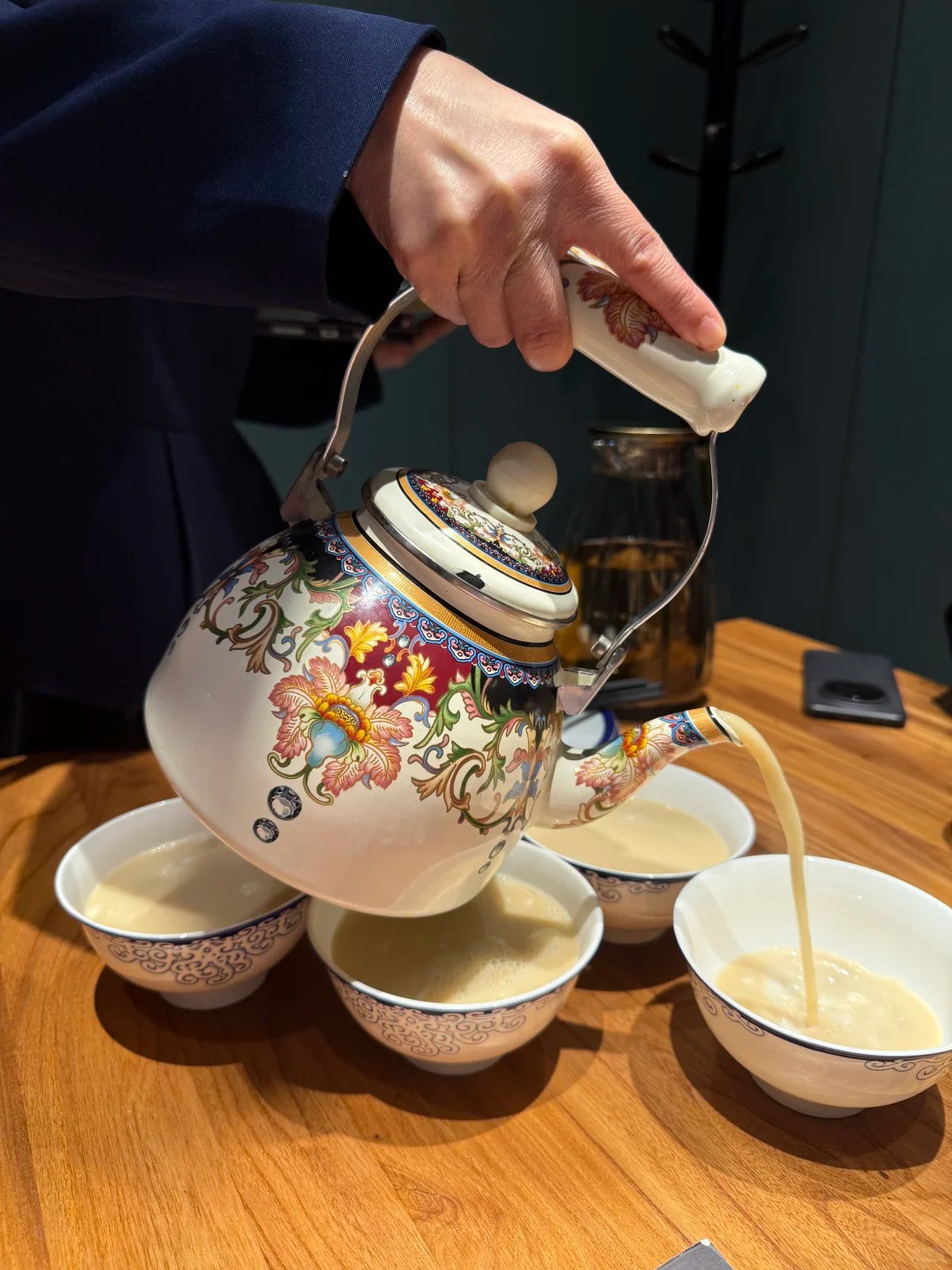
Xinjiang Milk Tea
In Xinjiang, milk tea is usually served in a completely different way compared to what most people expect from milk tea in China. It is not treated as a sweet drink, but more like part of a daily meal. You’ll often see it placed on the table together with flatbread, and people drink it slowly while eating. If you want to understand how Xinjiang’s food culture shapes this style of salty milk tea, you can take a closer look at local dishes and dining habits here.
• Positioning:
A traditional regional milk tea in China that is closer to a staple food than a beverage, commonly found in Uyghur households and local eateries.
• Feature:
Usually served hot in small bowls or cups, often shared during meals. It is commonly paired with naan bread or dried snacks. The texture is light but slightly creamy, and it is rarely consumed alone.
• Taste:
Lightly salty with a soft milk base and mild tea aroma, not sweet at all compared to modern bubble tea.
Inner Mongolia Milk Tea (内蒙古奶茶)
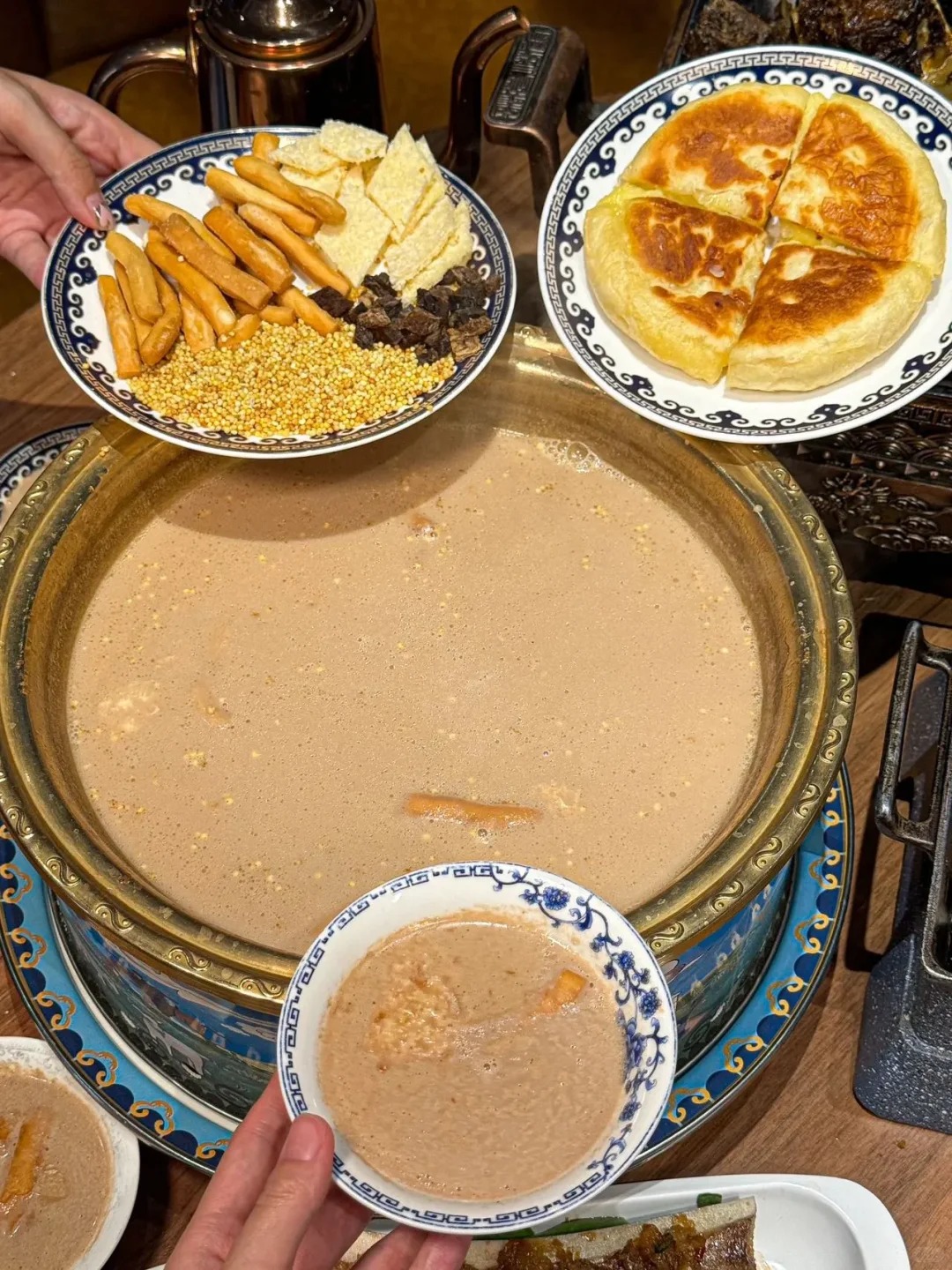
Inner Mongolia Milk Tea
Inner Mongolia milk tea feels more structured and rustic. It is often prepared in large pots and served in bowls, especially in rural or grassland areas. Compared with modern milk tea in China, this version feels much heavier and more filling.
• Positioning:
A traditional grassland milk tea in China deeply connected with nomadic food culture and daily energy needs.
• Feature:
Made using brick tea boiled for a long time, then mixed with milk, butter, and sometimes salt. It is often consumed during breakfast or cold weather, and can replace a full meal in some cases.
• Taste:
Salty, creamy, and slightly earthy due to the strong tea base, with a thick texture that feels more like food soup.
Hong Kong Milk Tea (港式奶茶)
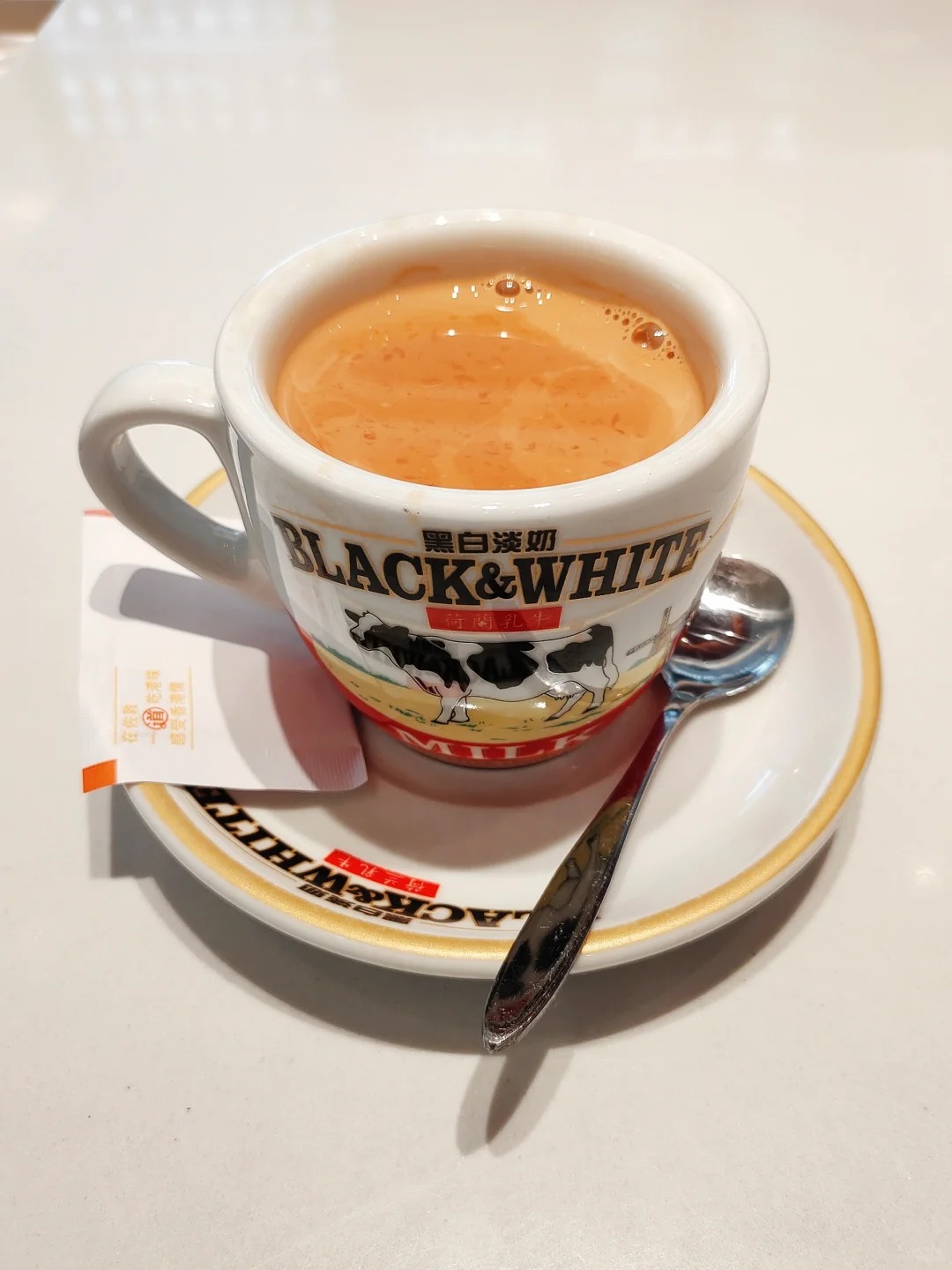
Hong Kong Milk Tea
Hong Kong milk tea is probably the most familiar traditional style for international visitors. It is widely available in cafés and tea restaurants, and it sits somewhere between British tea culture and local adaptation. Many people compare it to a stronger, more concentrated version of black tea with milk.
• Positioning:
A hybrid milk tea in China influenced by British colonial tea culture, commonly found in Hong Kong-style cafés.
• Feature:
The tea is usually brewed through a filtering method that makes it very smooth and strong in flavor. It is often served hot or iced, and is commonly paired with breakfast sets or toast.
• Taste:
Strong tea flavor with creamy milk, slightly bitter if unsweetened, and more intense than most modern milk teas.
Tibetan Butter Tea (酥油茶)
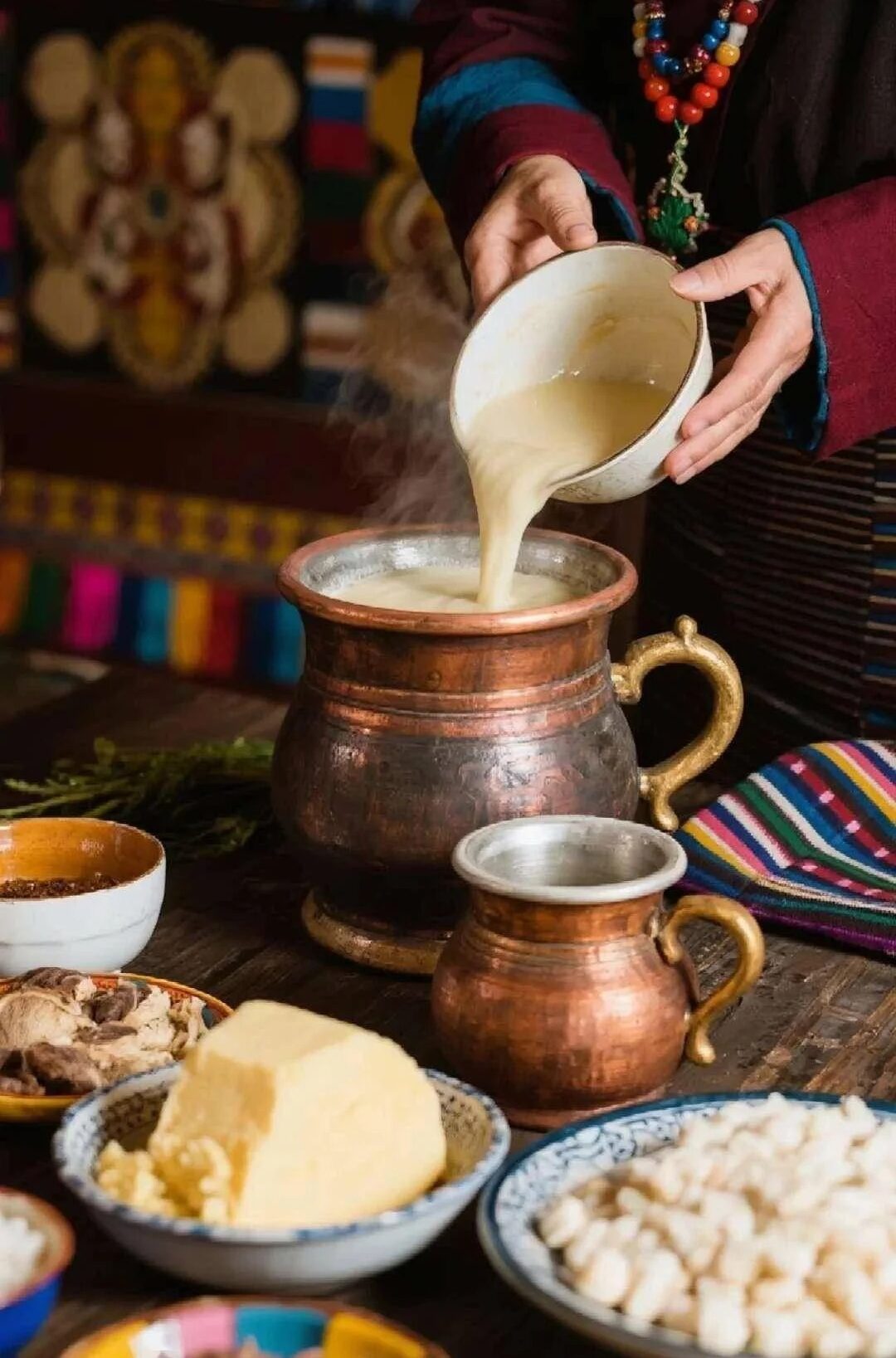
Tibetan Butter Tea
Tibetan butter tea is one of the most unusual versions of milk tea in China. It is prepared using tea, yak butter, and salt, and it is designed for high-altitude environments where energy intake matters more than taste preference.
• Positioning:
A high-altitude traditional milk tea in China, essential in Tibetan daily life and local hospitality culture.
• Feature:
Prepared by churning tea with butter in a special container until fully blended. It is usually served repeatedly during gatherings, and refusing it is considered impolite in some areas.
• Taste:
Very salty and oily, with a thick texture and strong aftertaste, often described as an acquired taste for first-time visitors.
How To Order Milk Tea In China
Sugar Levels In Milk Tea In China
Sugar levels in most milk tea shops in China are not explained in long descriptions, they are usually just shown as quick options on the screen: 100%, 70%, 50%, and 30%. In practice, 100% means full sweetness, which can feel quite strong if you are not used to local taste preferences. 70% is still noticeably sweet but slightly more balanced, while 50% is what many locals and visitors end up choosing because it sits in the middle without being overwhelming. 30% is quite light and sometimes feels closer to unsweetened tea with only a hint of flavor.
From what I’ve seen in different cities, especially in popular chains like HEYTEA or CoCo, most foreign visitors quietly adjust their order after the first try. 50% sugar is usually the safest starting point for milk tea in China, especially if you are not sure how sweet the drink will be. Some shops don’t clearly warn you that even “normal sugar” can taste stronger than expected, so small adjustments matter more than people think.
Ice Levels In Milk Tea In China
Ice levels are another detail that often surprises first-time visitors. The options are usually simple: normal ice, less ice, or no ice at all. The difference is not just temperature, it also changes how strong the flavor feels. Full ice can dilute the drink slightly as it melts, while less ice keeps the taste more concentrated. No ice makes the drink warmer faster but also stronger in flavor from the first sip.
In warmer cities like Guangzhou or Shenzhen, I noticed people still choose “less ice” quite often, even in summer, just to avoid the drink becoming too watery. For milk tea in China, this small choice actually affects the final experience more than expected, especially for fruit-based teas.
Toppings In Milk Tea In China
Toppings are where milk tea in China becomes more flexible than many visitors expect. The most common option is pearl, also called boba, which adds a chewy texture at the bottom of the cup. Coconut jelly is lighter and slightly sweet, while taro paste gives a thicker and more filling texture. Milk jelly is softer and blends more smoothly with the tea.
What I noticed is that toppings are not just extras—they often change how the drink feels completely. A basic milk tea can turn into something closer to dessert just by adding taro or jelly. In chains like Yi Dian Dian or LeLeCha, people often mix two or even three toppings, although it can make the drink quite heavy.
Prices And Common Mistakes When Buying Milk Tea In China
Milk Tea Prices In China
Milk tea in China is generally not expensive, but the price range still changes depending on the city and brand. In most cases, you’ll see drinks priced between 10–35 RMB, with smaller chains like Mixue at the lower end and premium brands like HEYTEA closer to the higher range. In first-tier cities such as Shanghai or Shenzhen, the same drink can easily cost a few RMB more compared to smaller cities, mainly due to rent and branding differences. For travelers who are new to China, even simple purchases like milk tea in China often involve mobile payment, so it’s useful to understand how foreigners pay locally before ordering.
For most travelers, the milk tea price china range feels reasonable, especially compared to café drinks in Europe or the US. Still, once you try a few different brands, you’ll notice how quickly small add-ons like toppings or seasonal drinks can push the price up without you really noticing. Overall, milk tea in China stays affordable, but not always predictable if you don’t check the menu carefully.
Common Ordering Mistakes
Ordering milk tea in China looks simple on the surface, but a few small mistakes can easily change the whole experience. One common issue is choosing the wrong sugar level. Many first-time visitors assume “normal sugar” is safe, but it often turns out much sweeter than expected. Another frequent mistake is forgetting toppings, which are usually optional but significantly affect texture and flavor. Drinks without them can feel incomplete compared to what locals typically order. If you are new to daily interactions in China, it also helps to understand basic local etiquette before ordering or dining out.
• Sugar Level Mistake: Choosing 100% sugar when 50% is usually more balanced for first-time visitors
• Topping Oversight: Skipping pearls or jelly, which are often part of the standard experience in milk tea in China
• Size Misunderstanding: Ordering large sizes without realizing how sweet or heavy the drink can be over time
These mistakes are small, but they change how milk tea in China feels on your first try. Once you adjust these details, the ordering process becomes much more predictable and easier to enjoy.
FAQ about Milk Tea in China
Q: Is milk tea in China the same as bubble tea?
Milk tea in China often overlaps with bubble tea, but they are not exactly the same. Bubble tea usually refers to drinks with pearls or toppings like tapioca, while milk tea in China includes a wider range such as fruit tea, cheese foam tea, and even traditional salty versions in some regions. In daily use, people often mix the two terms, especially in cities where modern chains dominate. The main difference is that “milk tea in China” is a broader category covering both modern and traditional styles, while bubble tea is just one part of it.
Q: What is the most popular milk tea in China right now?
The most popular options usually come from large chains like HEYTEA (喜茶), Nayuki (奈雪的茶), and Chagee (霸王茶姬). These brands are commonly seen in shopping malls and city centers. Among drinks, fruit-based teas and cheese foam tea are especially popular in younger groups. Trends change quickly, but these brands consistently appear in most major cities. In practice, popularity often depends on location rather than one single drink dominating everywhere.
Q: How much does milk tea in China usually cost?
Most milk tea in China ranges from about 10 to 35 RMB depending on the brand and city. Budget chains like Mixue Bingcheng are at the lower end, while premium brands like HEYTEA are more expensive. First-tier cities such as Shanghai or Shenzhen tend to be slightly higher in price compared to smaller cities. Extra toppings or seasonal drinks can also increase the final cost without being very obvious at first.
Q: Is milk tea in China very sweet?
It can be, but sweetness levels are usually customizable. Most shops offer 100%, 70%, 50%, and 30% sugar options. Locals often choose 50% or lower, especially for fruit teas or cheese foam drinks. If you are not used to sweet beverages, full sugar (100%) might feel too strong. Adjusting sugar level is one of the easiest ways to control the taste.
Q: Can foreigners easily order milk tea in China?
Yes, but the ordering system is mostly digital. In many stores, you need to scan a QR code to access the menu, which is usually linked to WeChat or a local app. Some chains provide English menus, but not all. Once you understand the system, it becomes quite fast. The main challenge for first-time visitors is not language, but the self-service ordering process.
Q: What is the best milk tea brand in China for beginners?
CoCo (都可) is often recommended for beginners because it is simple, widely available, and easy to order. The menu is familiar, prices are low, and the taste is consistent across locations. HEYTEA is also popular, but it can feel more crowded and slightly more complex for first-time visitors. For a first experience of milk tea in China, CoCo is usually the easiest starting point.
Q: What is traditional milk tea in China?
Traditional milk tea in China refers to regional styles such as Xinjiang salty milk tea, Inner Mongolia milk tea, Hong Kong milk tea, and Tibetan butter tea. These are very different from modern bubble tea. They are usually less sweet, sometimes salty, and often served as part of meals rather than as snacks. In some regions, milk tea is considered everyday nutrition rather than a dessert drink.
Q: Where can I find the best bubble tea in Shanghai?
Shanghai has many options, but popular areas like Nanjing Road, Xintiandi, and major shopping malls usually have top brands like HEYTEA, Nayuki, and LeLeCha. These locations often feature seasonal drinks and limited items. The “best” choice depends more on the brand experience you want rather than one specific shop. HEYTEA is often mentioned for premium taste, while CoCo and Yi Dian Dian are more casual and budget-friendly.