Chinese Sheep New Year
The Chinese Sheep New Year is the eighth stop on the twelve-animal zodiac wheel — a lunar cycle that returns every twelve years and lands next on February 6, 2027. Travelers planning a trip tend to ask two questions at once: what does the Year of the Sheep actually mean, and where can a visitor experience Spring Festival at its most vivid? This guide answers both. It explains how the Sheep year shapes Chinese New Year traditions — from the reunion dinner to lamb hot pot to red lanterns — and lays out the strongest cities in China to see the festival firsthand, from Beijing's temple fairs and Xian's lantern displays to Hong Kong's night parade and Lijiang's Naxi New Year.
Whether you are visiting during the 2027 Lunar New Year or looking ahead to future Sheep years, the information here covers zodiac basics, cultural customs, lucky symbols, and practical travel details for seven destinations across China.
Quick Facts
Year of the Sheep at a Glance
The Sheep holds the eighth position in the twelve-animal zodiac sequence: Rat, Ox, Tiger, Rabbit, Dragon, Snake, Horse, Sheep, Monkey, Rooster, Dog, Pig. The animal is associated with the Yin Earth element and the Earthly Branch Wei. The other Yin Earth animals are the Ox, Dragon, and Dog. The Sheep year runs from Lunar New Year's Day to New Year's Eve. In Bazi astrology, the dividing point is Li Chun, which falls around February 3 to 4. Those born in a Sheep year tend to be described as gentle, kind, and artistic — traits that carry cultural weight in how the year is celebrated and planned around.
Sheep, Goat, or Ram? The Naming Question
The Chinese character 羊 (yang) covers sheep, goat, and ram without distinguishing between them. Major English-language publishers and Chinese tourism bodies use both "Year of the Sheep" and "Year of the Goat." There is no single consensus translation. This article uses "Sheep" as its primary term, but visitors will encounter both variations in official and informal contexts throughout China.
Element, Branch, and Recent Years
The element for this zodiac cycle is Yin Earth, paired with the Earthly Branch Wei. Recent Sheep years include 1955, 1967, 1979, 1991, 2003, and 2015. The next Sheep year begins on February 6, 2027. The zodiac cycle places 2025 as the Year of the Snake and 2026 as the Year of the Horse.
🖌️ Understand the Written Symbol: The character for Sheep (羊 - yáng) shares ancient roots with the Chinese characters for beauty and auspiciousness. Discover its calligraphic origins in Chinese Symbol for Sheep.
How a Sheep Year Shapes Spring Festival
Spring Festival during a Sheep year carries the same core structure as any Chinese New Year — reunion dinner, red envelopes, lantern displays, and temple visits — but the cultural framing of the Sheep adds specific touches. The animal symbolizes peace, family harmony, and nurturing, which influences how traditions are observed. Lamb and mutton dishes appear more prominently on holiday tables. Decorative motifs may include sheep imagery alongside the usual prosperity symbols. The overall atmosphere tends toward quieter family gatherings rather than large public spectacles, though the major cities maintain their usual festival programs.
Traditional Foods for the Sheep Year
-
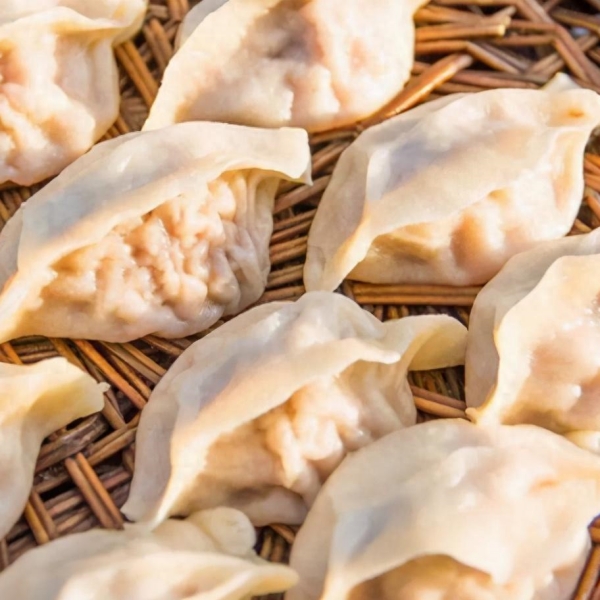

- Jiaozi
-
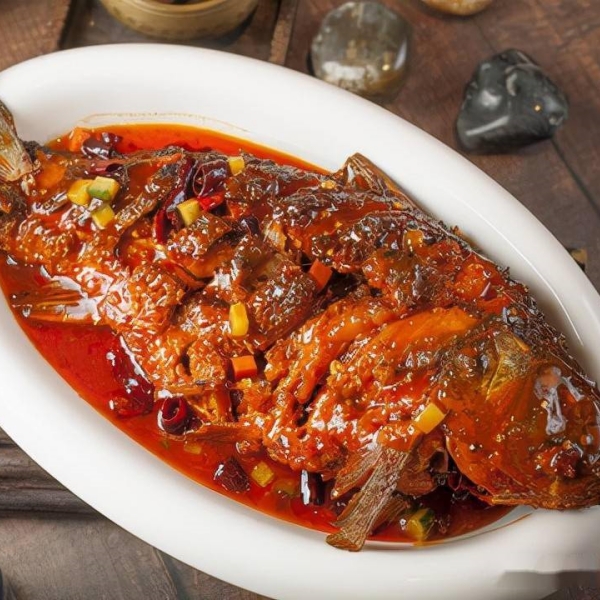
- Whole Fish
-
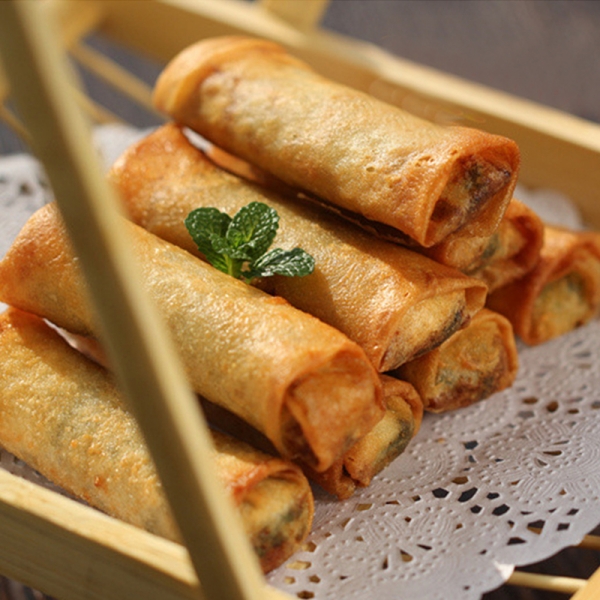
- Spring Rolls
-
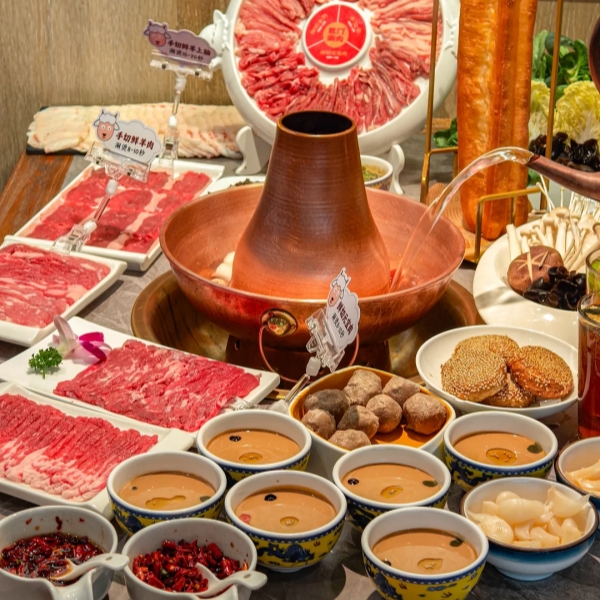
- Lamb Hot Pot
The reunion dinner is the centerpiece of Spring Festival. A typical spread follows a loose structure: cold dishes first, hot main courses next, and a whole fish served last.
- Niangao (年糕): Steamed rice cake symbolizing rising fortune — the name sounds like "higher year" in Chinese.
- Jiaozi (饺子): Dumplings shaped like gold ingots, representing wealth and prosperity.
- Whole Fish (鱼): The word for fish sounds like "surplus," and the dish carries the phrase "nian nian you yu" — abundance every year.
- Spring Rolls (春卷): Fried rolls resembling gold bars, associated with incoming wealth.
- Lamb Hot Pot (羊肉火锅): The signature Sheep-year dish. Mutton-based hot pot features at many holiday tables during a Yin Earth Sheep year.
A mid-range reunion dinner in a Beijing restaurant costs roughly $30 to $50 per person (about 200 to 350 yuan), with higher-end options available in major hotel dining rooms.
Customs, Decorations, and Lucky Rituals
-
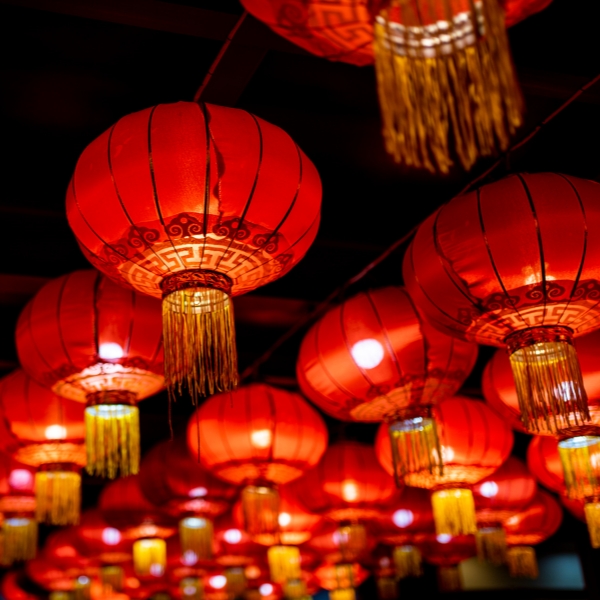
- Red Lanterns
-
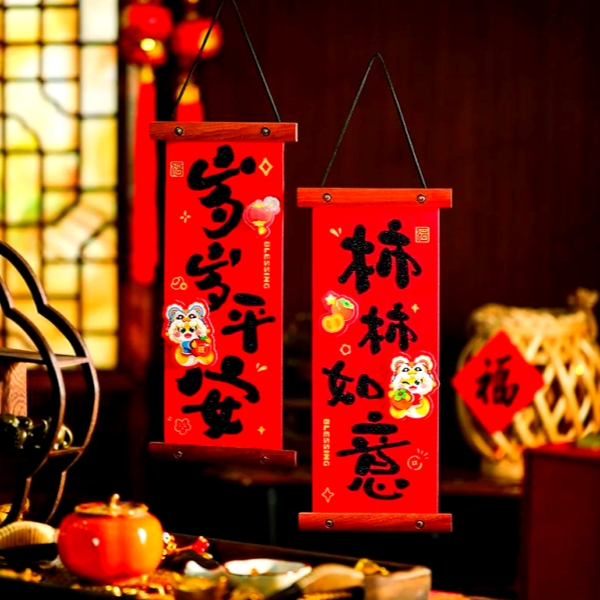
- Spring Couplets
-
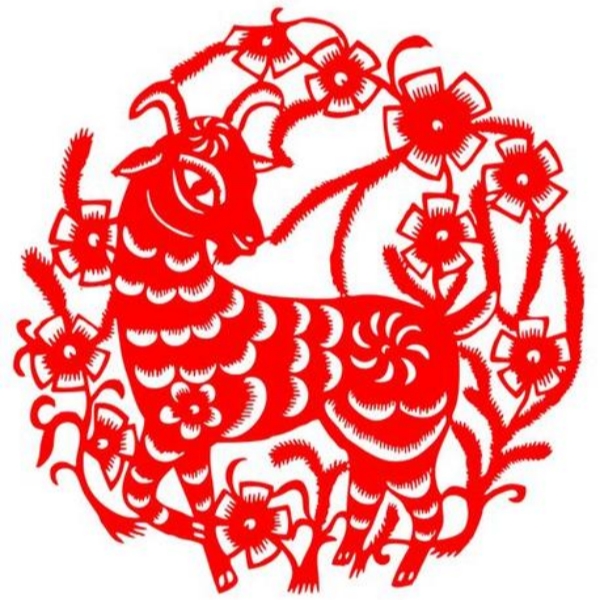
- Paper Cuttings
-
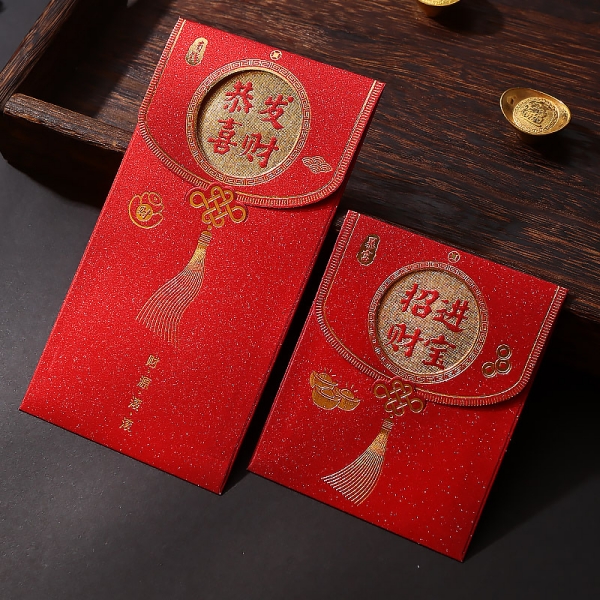
- Hongbao
Several key decorations and rituals define the Spring Festival period across China.
- Red Lanterns (红灯笼): Hung on doorways and along streets throughout the festival.
- Spring Couplets (春联): Vertical red banners with poetic lines placed on door frames, expressing good wishes for the year.
- Paper Cuttings (剪纸): Intricate designs cut from red paper, often featuring the Fu character or sheep motifs during a Sheep year.
- Upside-Down Fu (福): The character for blessing is hung upside down so that fortune literally pours into the home.
- Shousui (守岁): Staying up past midnight on New Year's Eve to honor elders and welcome the new year.
- Hongbao (红包): Red envelopes filled with money, traditionally given to children and unmarried adults by married family members.
- Chunyun (春运): The world's largest annual migration, as millions travel to hometowns before the festival.
The first temple or ancestor visit typically occurs on the second or third day of the new year (the初二 or 初三).
What to Avoid During Sheep Year
Folk beliefs associated with the Spring Festival include several taboos meant to protect good fortune in the year ahead. These are cultural traditions, not binding rules.
- No washing hair on the first day: The Chinese word for hair (fa) sounds like the word for prosperity (fa); washing hair is believed to wash away good fortune.
- No sweeping floors on the first day: Sweeping is thought to sweep luck out the door before it has a chance to settle.
- No breaking glass or using sharp objects: Breaking items is associated with fracturing good luck or relationships.
- No lending money in the first days: Starting the year by lending money is believed to set a pattern of financial loss.
🔥 Explore Dragon Zodiac Traits: Interested in how elemental combinations shape different birth years? Check out our feature on Fire Dragon in Chinese.
Best Places in China for a Sheep Year New Year
China offers a wide range of Chinese New Year experiences, from icy northern celebrations to mild southern flower markets. The seven destinations below represent the strongest options for foreign visitors during a Sheep year. Each provides a distinct flavor of the festival, and most overlap with the February 6, 2027 Lunar New Year date.
At-a-Glance Comparison
Beijing Temple Fairs and Lanterns
Beijing hosts some of the most traditional Spring Festival events in China. Temple fairs at Ditan Park (Temple of Earth), Longtan Park, Yuanmingyuan (Old Summer Palace), and Baiwangshan offer cultural performances, folk art, and holiday snacks. Entry to most temple fairs costs about $1.40 to $4 (10 to 30 yuan).
- Ditan Park Temple Fair: Classic Beijing CNY hub with traditional performances and market stalls.
- Longtan Park Temple Fair: Popular fair with folk demonstrations and holiday foods.
- Yuanmingyuan Temple Fair: Historical setting with cultural exhibitions and lantern displays.
- Baiwangshan Temple Fair: Quieter option with traditional rituals and local crafts.
- Beijing Lantern Festival: Held at Lotus Hill Park or Longqing Gorge; marks the end of the Spring Festival period.
Transport within Beijing is straightforward. The city metro costs $0.40 to $1.30 per ride. The Airport Express costs roughly $3.50 (25 yuan). A taxi from the airport to central Beijing runs about $14 to $21 (100 to 150 yuan).
🏮 Beijing Holiday Event Guide: Planning to celebrate in the nation's capital? Discover schedule details, locations for iconic temple fairs, and holiday parades in our guide to Beijing Chinese New Year Events.
Xi'an, Harbin, and Northern Heritage Cities
The northern cities offer strong cultural programs during the Spring Festival period.
- Xi'an City Wall: The ancient city wall hosts an extensive lantern display during the festival. Full-circuit admission costs about $7.50 (54 yuan).
- Xi'an Muslim Quarter: The food street stays active through the holiday, with biangbiang noodles, roujiamo (meat sandwiches), and persimmon cakes available at market stalls.
- Harbin Ice and Snow World: The festival runs from early December through late February and overlaps with the 2027 Lunar New Year period. Admission costs $35 to $46 (250 to 330 yuan).
- Harbin Central Street: An outdoor ice sculpture walk along the pedestrian shopping street, open throughout the winter season.
High-speed rail between Beijing and Xi'an takes about five hours. Second-class tickets cost roughly $55 to $72 (400 to 515 yuan). A flight from Beijing to Harbin takes about two hours, with fares around $97 to $140 (700 to 1,000 yuan).
📍 Explore Imperial Xi'an: Planning an extended stay in the ancient capital past the lantern displays? Check out top sightseeing recommendations in Things to Do in Xi'an.
Southern Escapes and Hong Kong Festivities
Southern China and Hong Kong provide milder weather and distinct festival traditions.
- Guangzhou Flower Fair: The annual flower market tradition (年前花市) runs from late January through early February near Yuexiu Park. Entry is free.
- Hong Kong CNY Night Parade: Held in Tsim Sha Tsui along Nathan Road, featuring floats, dancers, and acrobats. Entry is free. Road closures affect traffic on parade night.
- Hong Kong Victoria Park Flower Market: A major CNY tradition, typically running January 29 through February 1. Entry is free.
- Lijiang Naxi New Year: The Naxi ethnic minority celebrates its own New Year in the Lijiang Old Town, featuring traditional performances and rituals. The Old Town maintenance fee is about $11 (80 yuan), sometimes waived for short visits. Winter temperatures in Lijiang are considerably milder than in the north.
High-speed rail from Shanghai to Hong Kong via the Futian port crossing takes about eight hours. Fares run roughly $125 to $170 (900 to 1,200 yuan). A flight from Shanghai to Hong Kong takes about 2.5 hours, with tickets around $110 to $170 (800 to 1,200 yuan).
🌸 Experience Southern Flower Markets: Guangzhou's celebrated flower fairs showcase vibrant kumquat trees, festive blooms, and street food stalls. Plan your trip with our guide to the Guangzhou Spring Festival Market.
Personality, Compatibility, and Lucky Symbols
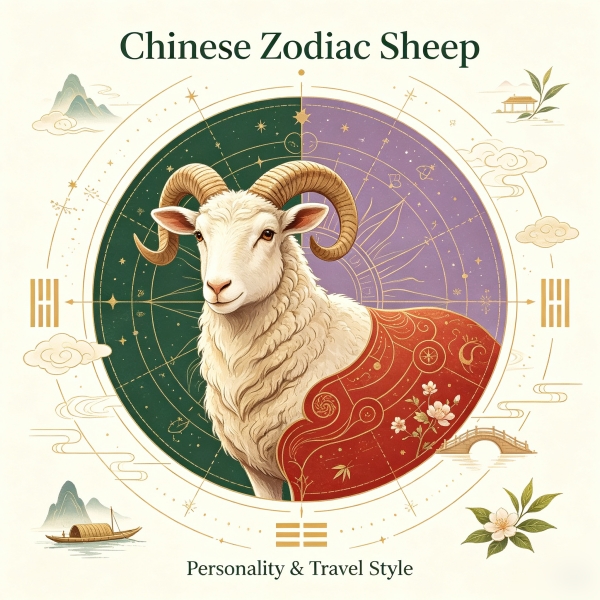
In Chinese zodiac tradition, people born in a Sheep year are often described using a consistent set of traits. These are cultural generalizations, not personality science. The Sheep is also associated with specific lucky symbols that feature in celebrations, gifts, and personal choices during the year.
Personality Traits of the Sheep
Commonly cited positive traits include gentle, kind, artistic, introverted, empathetic, and peace-loving. Less positive descriptors include indecisive, pessimistic, and dependent. These characterizations reflect cultural convention rather than individual psychology. They are most relevant as background for understanding how the Sheep year is framed in Chinese popular culture and seasonal greetings.
Lucky Numbers, Colors, and Directions
- Lucky Numbers: 3, 4, 5
- Lucky Colors: Green, red, purple
- Lucky Directions: East, southeast
Compatibility with Other Zodiac Animals
In Chinese astrology, compatibility between zodiac animals derives from the harmony or clash of their Earthly Branches. The Sheep is considered most compatible with the Rabbit, Horse, and Pig. It tends to face more challenges in relationships with the Ox, Dragon, and Dog. These pairings reflect traditional zodiac convention and are used in fortune-telling and matchmaking contexts.
The Legend of the Sheep and the Lunar Calendar
The zodiac system assigns the Sheep as the eighth animal based on the story of the Great Race, in which the Rat won by hitching a ride on the Ox. However, a separate origin myth specifically explains why the Sheep holds a place of gratitude and reverence in Chinese culture. The lunar calendar formula also allows anyone to calculate which years are Sheep years without consulting a table.
The Origin Myth of the Sheep
According to legend, a divine sheep descended from the heavenly palace, observed that humans were starving, and flew to the imperial fields to steal grains — rice, millet, wheat, beans, and hemp. The sheep carried the stolen seeds back in its mouth and shared them with humanity. The Jade Emperor was furious and punished the sheep by taking its life. Humans, grateful for the gift of grain, elected the sheep as the eighth zodiac animal in recognition of its sacrifice. In some rural areas, a harvest ceremony still honors this act.
How to Calculate Sheep Years
The formula is straightforward: divide the lunar year by 12. If the remainder is 11, the year is a Sheep year. For example, 2003 divided by 12 equals 166 with a remainder of 11, confirming it as a Sheep year.
The Lunar Sheep year officially begins on Lunar New Year's Day (the first day of the first lunar month) and ends on New Year's Eve (the last day of the twelfth lunar month). In Bazi astrology, the year change is marked by Li Chun, which falls around February 3 to 4. Sheep years in the modern era include 1907, 1919, 1931, 1943, 1955, 1967, 1979, 1991, 2003, 2015, 2027, 2039, and 2051.
Frequently Asked Questions
Q: Is the Chinese New Year animal a sheep or a goat?
The Chinese character 羊 covers both sheep and goat without distinction. Major English-language publishers and Chinese tourism bodies use both "Year of the Sheep" and "Year of the Goat." Neither translation is incorrect, though this article uses "Sheep" as its primary term.
Q: When is the next Year of the Sheep?
The next Year of the Sheep begins on February 6, 2027 and runs through January 25, 2028. The following Sheep year after that falls in 2039.
Q: What does the Year of the Sheep symbolize?
The Sheep year symbolizes gentleness, kindness, compassion, and artistic sensitivity. The Yin Earth element adds an association with stability and practicality. Culturally, the Sheep represents nurturing, harmony, and peace within the family and community.
Q: What are the personality traits of someone born in the Year of the Sheep?
People born in the Year of the Sheep are commonly described as gentle, kind, empathetic, artistic, introverted, and peace-loving. Less positive traits include indecisiveness, pessimism, and a tendency toward dependency. These are cultural generalizations, not personality science.
Q: What foods are traditionally eaten during a Sheep Year Chinese New Year?
Traditional dishes include niangao (rice cake), jiaozi (dumplings), a whole fish (symbolizing annual surplus), spring rolls (representing wealth), and lamb or mutton hot pot as the Sheep-year signature dish. The reunion dinner is the centerpiece of the holiday.
Q: What should be avoided during the Year of the Sheep?
Folk taboos include washing hair on the first day of the new year, sweeping floors on the first day, breaking glass or using sharp objects, and lending money in the opening days of the festival. These are cultural beliefs rather than binding rules.
Q: Which cities in China are best for celebrating Chinese New Year?
The strongest options for foreign visitors include Beijing (temple fairs and lanterns), Xi'an (city wall lanterns and Muslim Quarter food), Harbin (Ice and Snow World), Shanghai (Yu Garden lanterns), Hong Kong (CNY Night Parade and Victoria Park flower market), Lijiang (Naxi ethnic New Year and mild weather), and Guangzhou (the traditional flower fair).
Q: What are the lucky numbers and colors for the Sheep?
The lucky numbers are 3, 4, and 5. And the lucky colors are green, red, and purple. The lucky directions are east and southeast.
Q: Which Chinese New Year years were Year of the Sheep?
The recent and upcoming Sheep years are 1955, 1967, 1979, 1991, 2003, 2015, 2027, 2039, and 2051. Note that 2025 is the Year of the Snake and 2026 is the Year of the Horse.
Q: How do you calculate which years are Sheep years?
Divide the lunar year by 12. If the remainder is 11, the year is a Sheep year. For example, 2003 divided by 12 equals 166 with a remainder of 11, confirming 2003 as a Sheep year.