Chinese New Year Family Traditions
Chinese New Year family traditions in our household start around two weeks before the actual date. We follow the lunar calendar, so it shifts every year—sometimes late January, sometimes early February. The preparations involve cleaning the entire house, preparing specific foods, and getting red envelopes ready for the kids.
These traditions came from my grandparents' generation and we've adapted some parts to fit our life in America. The core practices remain the same though. We still cook the same reunion dinner dishes, exchange oranges with relatives, and avoid sweeping on New Year's Day. Some families celebrate differently, but for us, these customs mark the most important celebration of the year. If you want to see these traditions on a much larger scale, discover how Beijing celebrates Chinese New Year with temple fairs, dragon dances, and massive lantern displays.
🧧 Ready to set the stage for your family’s timeless rituals? Discover our Lunar New Year Decoration Ideas 2026 to transform your home into a vibrant sanctuary of luck and Horse Year cheer!
Chinese New Year Family Traditions Start with Our Deep Clean
-

- The Two-Day Sweep
-
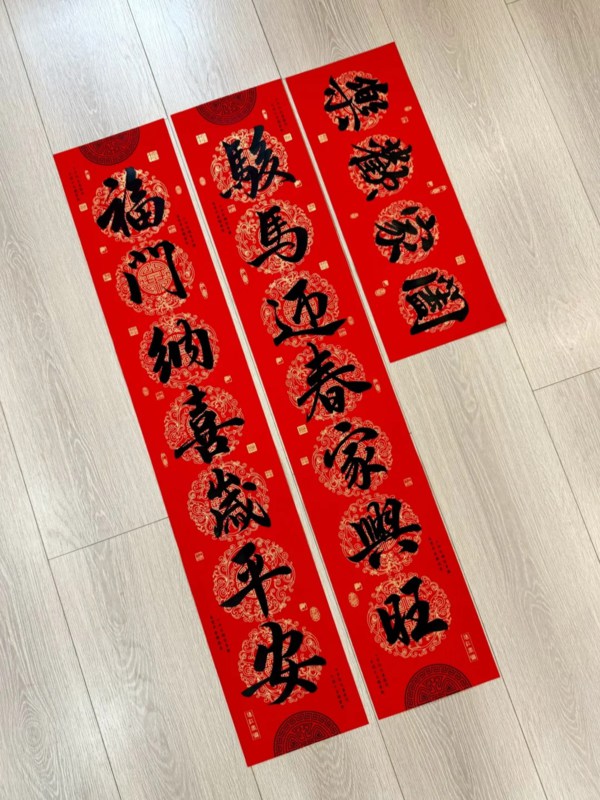
- Spring Couplets
-
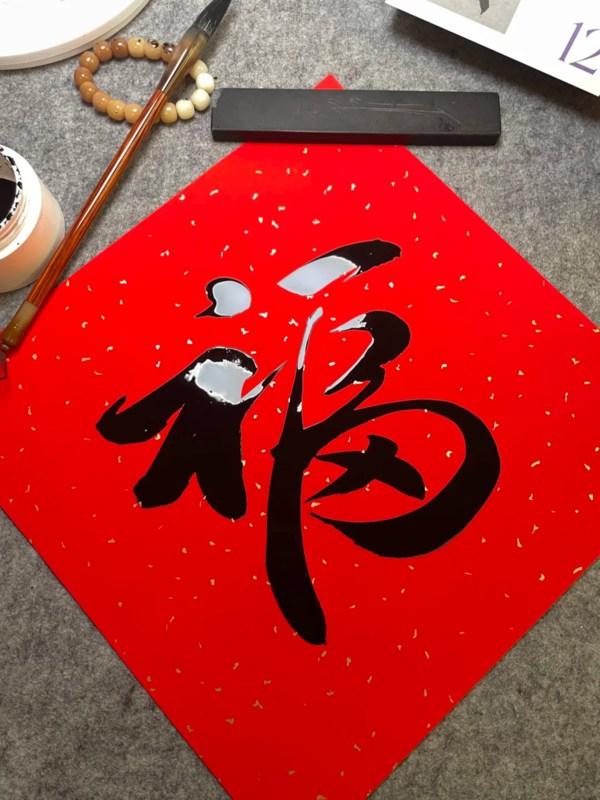
- Fu Character
The Two-Day Sweep We Time Perfectly
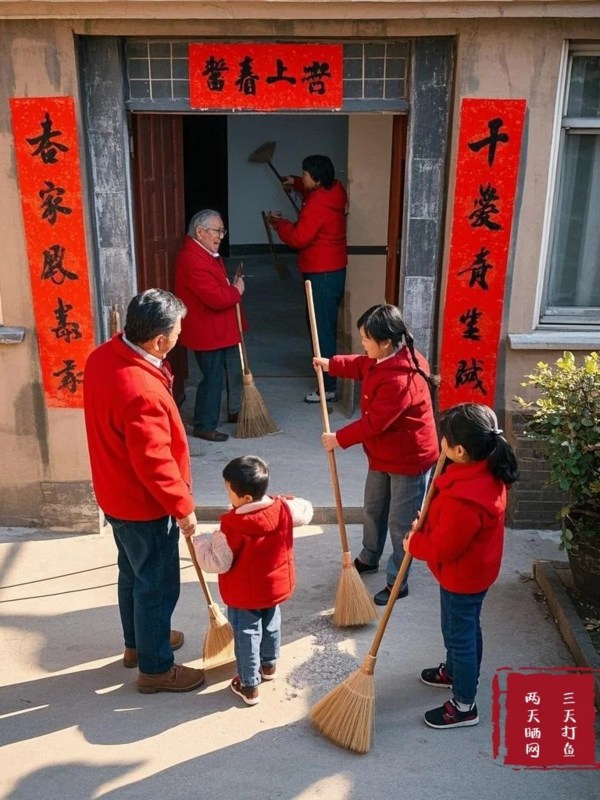
We generally begin cleaning on 28 th day of the twelfth lunar month. That leaves us two days and a half till the New Year. My mom is a kind of a general when it comes to delegating the rooms, she occupies the kitchen, my father does the windows, and we children go about our rooms, and the living room.
Time is important since there is no use sweeping on New Year day. Getting it all out by sweeping you off is sending all the good fortune you just got away. On the first day, my grandmother would conceal the broom, even to the extent of ensuring that no one would accidentally touch the broom. These are family rituals of cleaning activities that we observe during Chinese New Year even in times we are so tired of cleaning.
The previous year my brother attempted to evade mopping beneath his bed. My mom discovered dust bunnies when she checked in on her and caused him to repeat it. She tells her it must be done everywhere--the misfortune of the old year lurks in unsuspected spots. I am not even sure whether that is scientifically accurate but our place of residence certainly becomes lighter when everything is clean.
🏮 Festive Wardrobe & Customary Dress: Complete your holiday preparations by exploring symbolic colors and traditional style choices in our guide to Traditional Chinese New Year Outfits.
Red and Gold Take Over Our Home
Immediately we are over with cleaning up, the decorations are put up. There are spring couplets on each side of the front door, which always have a pair. The fu character is placed upon the door itself. My father insists that it must be inverted since upside down fu is a phrase that, in Chinese means fortune arrives. This was the subject of a twenty-minute argument between us last January.
The children assist in pasting window decals- normally animals or flowers associated with zodiacs. My niece stuck a rabbit sticker at an angle last year and my mom left it in that position. She claimed that the imperfection drives away the jealous spirits. I believe she simply did not want to take it off and begin all over again.
Our porch has its red lanterns. The staircase railing is decorated with gold coins and knots. All brightsome, all to bring good luck and to keep the evil spirits away. Such family traditions convert our usual suburban home into one that actually appears to be prepared to the upcoming year.
🎲 Ready to bring these timeless customs to life with some friendly competition? Jump over to our 28 Chinese New Year Games Guide to find the best ways to keep both kids and adults laughing throughout the Fire Horse Year!
The Reunion Dinner That Anchors Our Chinese New Year Family Traditions
-
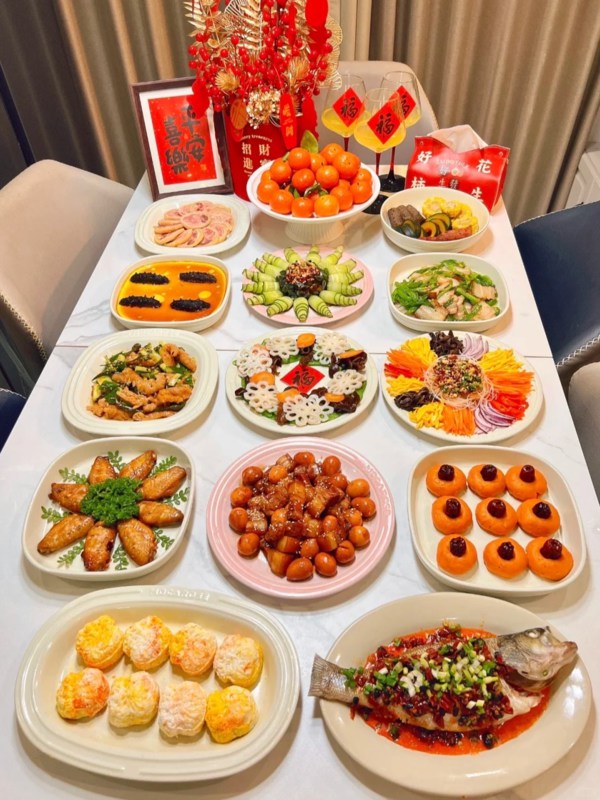
- Dishes of New Year
-
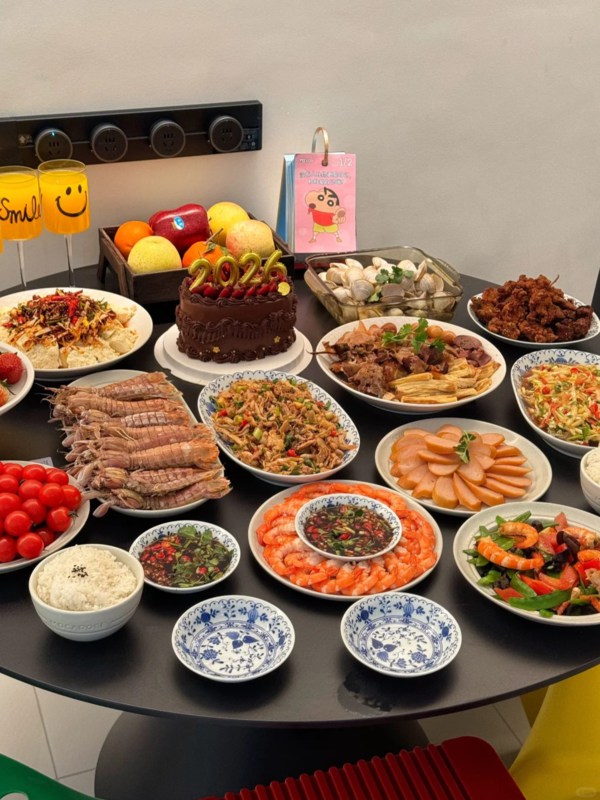
- Family Feast
-
- The Whole Fish
Eight Dishes We Must Have on the Table
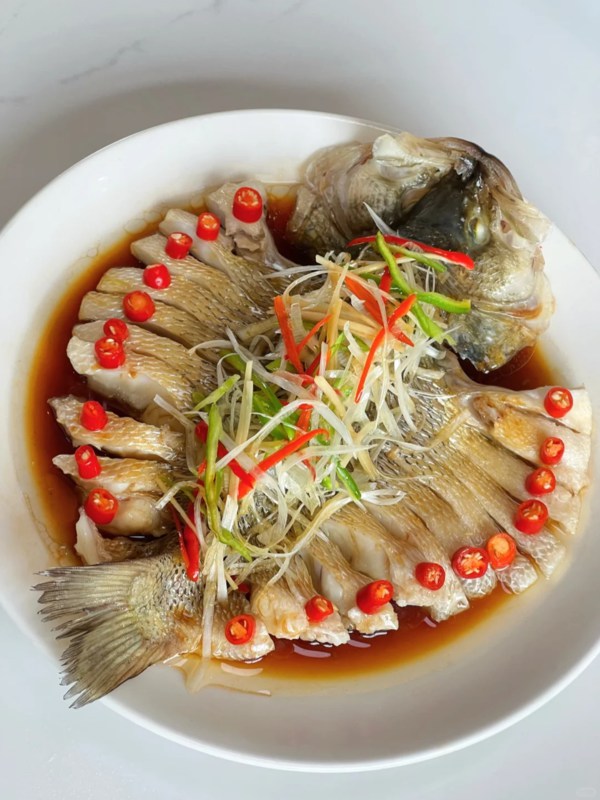
The reunion dinner occurs on New Year Eve and we have not changed our menu much within two decades. We begin with a whole steamed fish, which is either sea bass or carp, when we happen to find it fresh. The fish symbolizes plenty, the words nian nian you yu that means excess every year.
This is followed with dumplings since they resemble the shape of ancient gold ingots. My mom makes hundreds and freezes the majority of them. We have used ones bought in the stores and the wrappers are too thick. Long noodles are a symbol of long life-span- you are not supposed to chop them. Slurps his dramatically my dad. Spring rolls resemble gold bars. Whole roasted chicken is a symbol of family. Typically, we take one to the Chinese BBQ store since it is too much space on the oven to roast at home.
Foods such as bok choy that are leafy greens are a sign of prosperity that is on the rise. The name of the rice cake, nian gao, transliterates to get higher every year in terms of progress and success. We steam or fry the slices in a pan.
It was more difficult to find ingredients in America. Ranch 99 and other Asian supermarkets are present now. The fish must be entire--head and tail on it. Ordinary groceries sell fillets only and it does not serve the symbolic purpose. Wondering how these dishes compare to what families eat in China? See how Shenzhen locals prepare their New Year's Eve dinner.
Where Everyone Sits and Why It Matters
When he comes, my grandfather sits facing the door. That is the seat of honor, and the oldest member of the family only. My grandmother is seated next to him. Then by generation then by age--my parents, my uncle and aunt, then we kids, by birth order.
No one sits before the elders sit. We do not even begin to eat until my grandfather puts his chopsticks down. He will normally say a few words concerning family and health and then everyone will raise a glass of whatever they are consuming. These kinds of reunion dinner traditions preserve the structure, when we are all simply hungry and want to have something to eat.
It is also dependent on the toasting order. When toasting the elders, the elders toast first, and then we toast. People at the table then toast one another. In respecting them when toasting, you lower your glass as respecting the glass of the elder. My cousin forgot this and my aunt told him at the table itself.
There is interchange of Cantonese and English. My grandparents enquire about school and employment. We discuss traveling and family rumspringa. My mom always inquires who is having a new partner, and this makes dinner awkward to whoever she is targeting at a given year. That is one of it, however, this meal is the core of our family celebrations since all the people turn up and we literally sit down and have a face to face.
The Whole Fish We Never Finish
The fish comes in in its entirety; with the head and the tail facing the elders. You take the middle but leave the rest to another day. When you eat all the fish you have exhausted your annual store of luck.
My dad is the one who normally serves the fish. He takes off the skin and the tender parts first. Cheek and collar meat is sent back to my grandfather since they are the most delicious. We take a teddy meal about the bones.
The following day, my mother warms up the fish that was left behind with ginger and scallions. She makes congee sometimes with the bones and all that meat remains. That food left-over seems significant--it brings the plenitude of the Eve of the New Year into the new year. We attempted to do this one time and simply eat the fish on the first night. Disrespecting tradition was the subject of a lecture provided by my grandma, thus leaving some of it we always do.
Red Envelopes Bring Chinese New Year Family Traditions to Life
-
- Red Envelopes
-
- Receive Lucky Money
How We Prepare Lucky Money
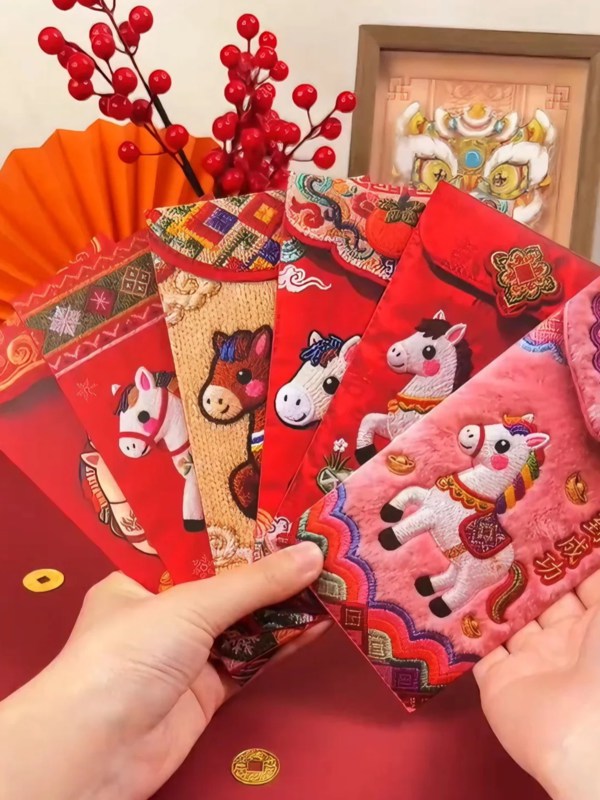
At the beginning of January we start to purchase red envelopes. My mother likes the plain red ones with gold inscriptions whereas my father takes fancy ones with zodiac animals or embossed ones. They are sold at an Asian bookstore at two or three dollars a ten-pack.
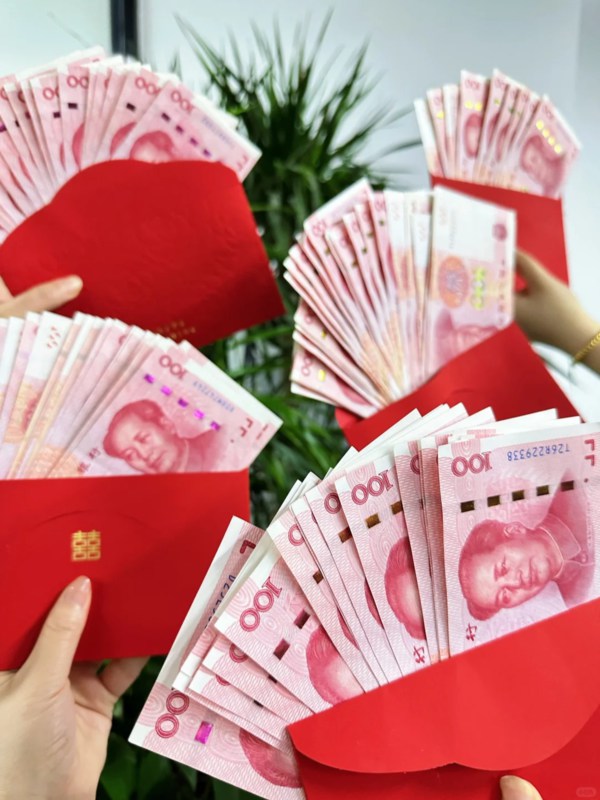
The cash within must be new crispy bills. Banks empty quickly leading up to the Chinese New Year and we do it two or three weeks before. You request the teller to give you new twenties, or tens or fives. The bank restricted us to forty dollars in new bills each last year and thus my dad took my brother with him to expand the number.
The quantity would not count as much but the quantity would have to be even and auspicious. We shun four, as it is a word that sounds like death in Chinese. Eight is perfect--like prosperity. So we took out eight dollars, eighteen or twenty-eight. In the case of closer family members such as nieces and nephews probably fifty or eighty-eight. The tradition of this red envelope is intergenerational due to the fact that the ritual remains unchanged despite an increase or decrease in dollar quantity.
Other individuals draw blessings on the envelopes. My grandmother writes "身体 healthy" meaning healthy or study progress (study) 学any progress. We do not always do so but it seems more personal and intimate than cash.
New Year's Morning and the Hongbao Exchange
On the morning of the New Year, the children put on new clothes. It is typically of a red or at least a bright color. Last year my niece insisted on pink dress, because, she said, red was too obvious. My mom let it slide.
Hongbao ceremony begins after breakfast. Children welcome the adults using certain phrases. The most common is "Gong xi fa cai" which means basically to prosper. There are families that say xin nian kuai le as happy new year. The children either bow a little or just stand at the location and say it in an awkward manner.
Then the red envelopes are given over by the adults. Young children tear them up, and count the cash. The elder children wait later and this is more polite but not so entertaining to observe. One of my nephews received twelve envelopes in the morning when he came to visit three different relatives. He put them in his pocket and banged the corners and this irritated my aunt.
You should receive the envelope between the two hands and say thank you. Single adults and those who are not married are also given envelopes but in most cases the amount will be less. After you get married you change sides, now it is you that are doing the preparing and giving out the luck money rather than receiving it.
Chinese New Year Family Traditions Live in Every Dumpling We Fold
-
- New Year’s Dumplings
-
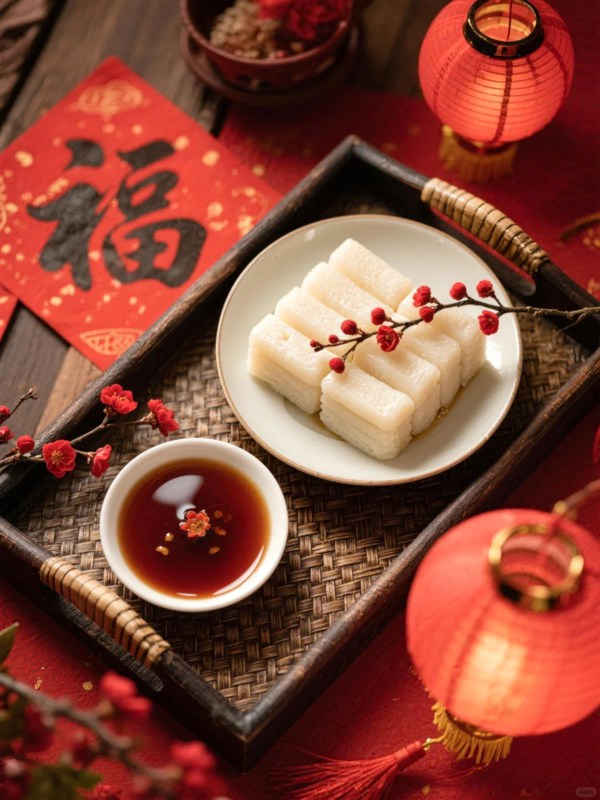
- New Year Cake
-
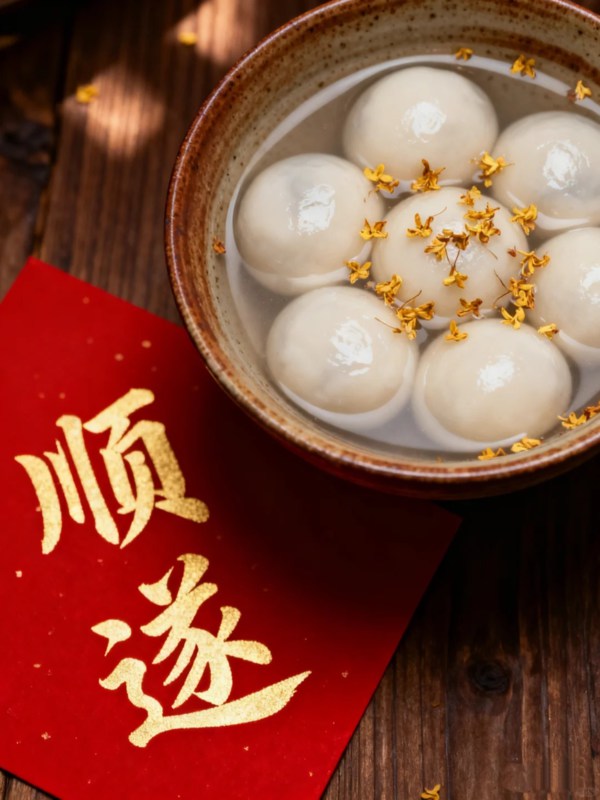
- Sweet Dumplings
Our Dumpling-Making Marathon
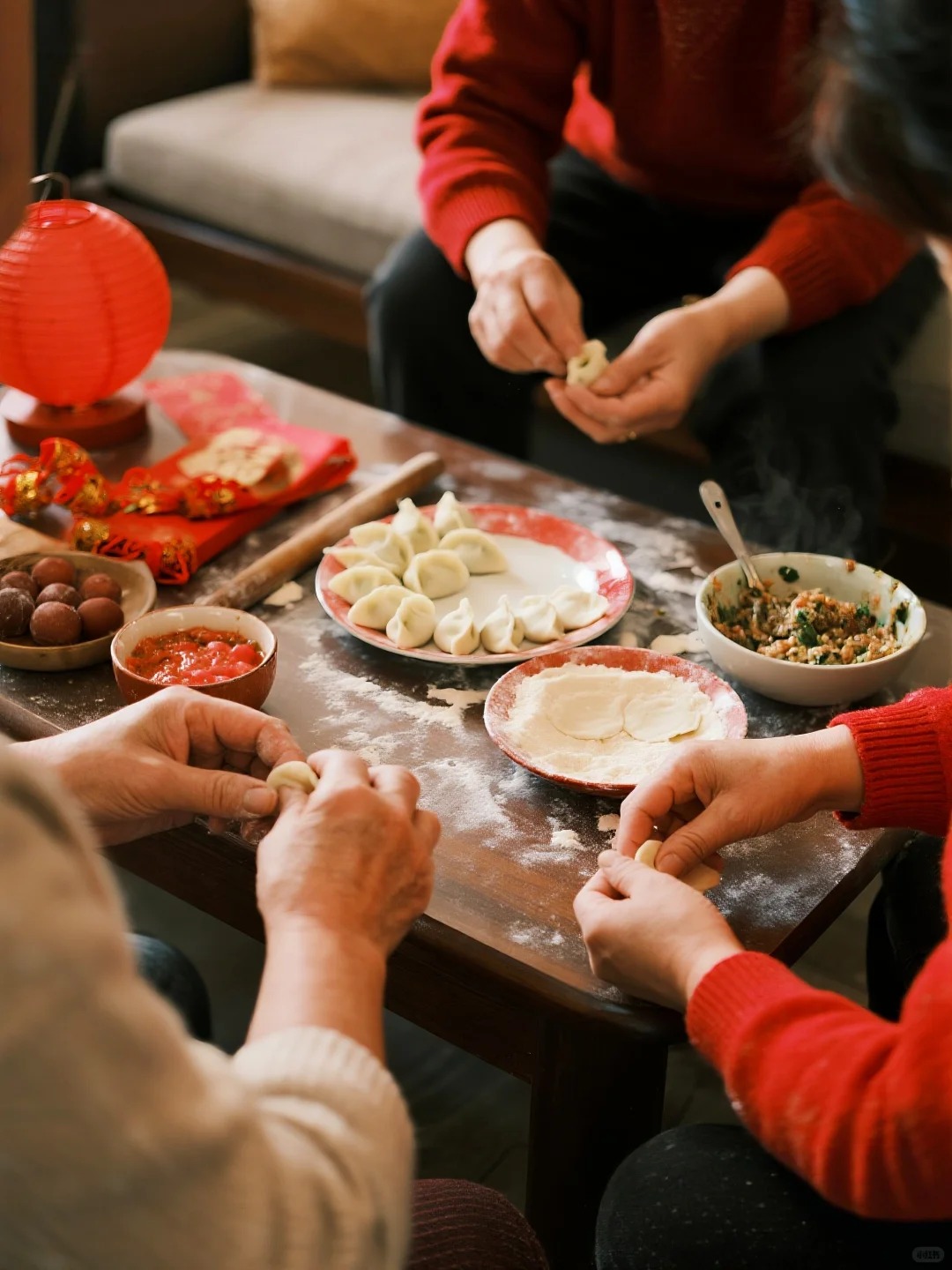
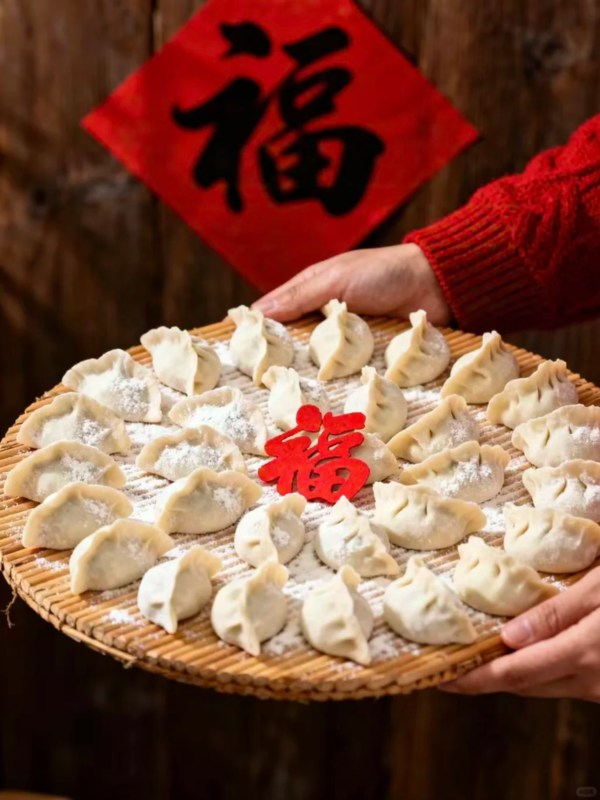
Dumpling making begins two or three days prior to the New Year Eve. My mom prepares the dining table in a chain fashion, with bowls of filling on one side and stacks of wrappers on the other. We made 287 dumplings last year. I counted because my brother challenged me that I could not make over fifty.
It typically has pork and cabbage, occasionally shrimp. My mother prefers to cut everything with her fingers due to the fact that she feels that the food processor makes it too liquid. The trick is in making the wrapper edges moist enough to close without being dipped.
These complex pleats of small accordions were done by my grandmother. She even attempted to educate me at the age of perhaps ten. Mine was unearthed with stuff sticking out. My niece is school-going and hers are about as ugly as mine. But there is nothing that bonds our family more than cooking together than pleats do.
Most of the dumplings are frozen on baking sheets and bagged after freezing. There are families that prepare them at the very midnights on the New Year Eve. We generally boil a lot of them at about 11 PM and have them fresh. The months to come are believed to have been fortified by the time of the year.
Sweet Foods for a Sweet Year Ahead
Nian gao is a product found at all Chinese homes during New Year. It is a sticky rice cake which may be steamed or pan fried. The name itself is similar to year higher that means improvement. Ours are purchased at a bakery in the Chinatown since it takes her years to prepare and my mom explains that it never drys in our kitchen.
Tang yuan are sticky rice balls with sweet sesame or peanut paste. They are served in hot sweet soup, normally with ginger. On the fifteenth we eat these on the Lantern Festival, at which point the period of the celebration finishes. Roundness outlines family unity and togetherness.
The candy tray is a wooden box and is subdivided into eight parts. They have something different in each part, chocolate mints covered with gold foil, candied lotus seeds, coconut strips, dried fruits. Customers choose the tray when they make a visit. It is these food traditions surrounding sweets that are meant to make the next year a good one and not a bitter one. I believe that people simply like to have a reason to eat candy during two weeks in a row.
Oranges We Exchange with Everyone We Love
The best type of oranges and tangerines to give are those that have leaves on them. The leaves symbolize long life. The Chinese pronouncement of fruit resembles gold, and therefore you are giving a person a wish of wealth. We purchase a complete pallet of the Asian market during the end of January.
The trading occurs when you pay a visit to your relatives or close friends. You take a pair of oranges with you, they give you a pair in return. It sounds useless at the beginning since you come away with what you came with. But it is about the gesture, of giving greetings and taking them.
Before we go out my dad always takes the prettiest ones we have in the crate. He puts them in a decorative bag or even as loose. On our arrival, he offers them both hands and utters some words such as gong xi fa cai or luan shi ru yi meaning everything goes well. Our host accepts them, and thanks us, and presents us each his own before we go. This has been done with the same three families over the past fifteen years.
Visiting Relatives and Going to Temple Fairs During Chinese New Year
-
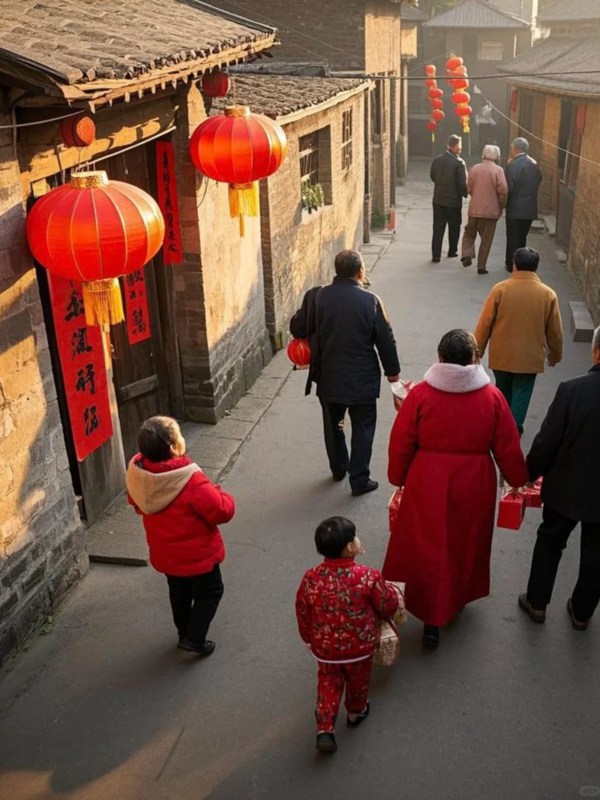
- Walking from House to House
-
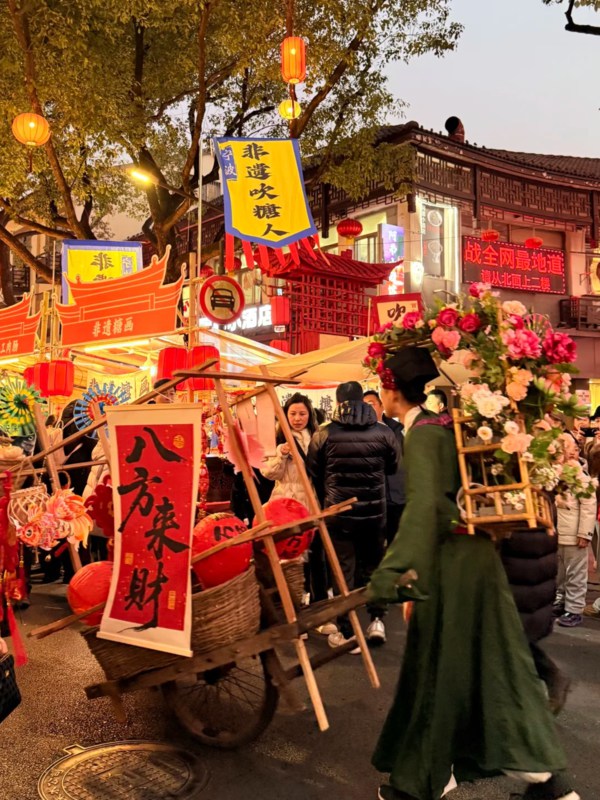
- Temple Fairs
Walking from House to House with Oranges and Greetings
The second and third days of Chinese New Year are reserved for visiting. We don’t show up empty-handed. Each visit starts with a pair of oranges, sometimes tucked into a red gift bag, sometimes carried loose if we’re stopping by multiple homes.
There’s a rhythm to these visits. You arrive, exchange greetings, hand over the oranges with both hands, and say something auspicious—gong xi fa cai or wan shi ru yi. The host accepts them, then immediately gives you two oranges in return. You sit, drink tea, eat candy from the tray, and make small talk about health, school, work, and travel plans.
The conversations repeat from house to house, but they never feel meaningless. These visits reaffirm family ties in a way phone calls don’t. Even relatives we only see once a year still feel connected through this ritual of showing up, sitting down, and sharing food.
🎁 Festive Baskets & Etiquette: Explore auspicious fruit baskets, luxury tea sets, traditional treats, and gift-giving etiquette in our guide to the Chinese New Year Gift Hamper.
Temple Fairs as a Public Celebration of the New Year
If time allows, we usually go to a temple fair sometime during the first week. In China, temple fairs are massive—filled with food stalls, lion dances, calligraphy booths, folk performances, and crowds. In the U.S., they’re smaller, often organized by local Chinese communities or temples, but the spirit is still there.
Red lanterns hang overhead. Incense smoke drifts through the air. There are stalls selling sugar figurines, paper crafts, and zodiac decorations. Sometimes we see lion or dragon dances performed in parking lots or community squares, complete with drums that echo for blocks.
My grandmother insists on lighting incense and making a brief prayer—not asking for anything specific, just wishing for peace and health. We don’t stay long, but the visit marks a transition from the private family celebration to something shared with the wider community.
Fifteen Days of Chinese New Year Family Traditions We Celebrate
-
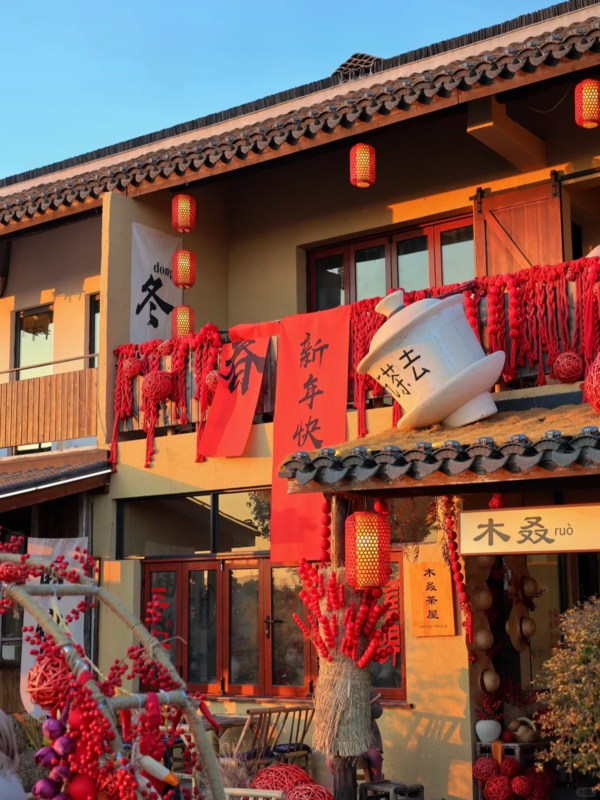
- Spring Festival
-
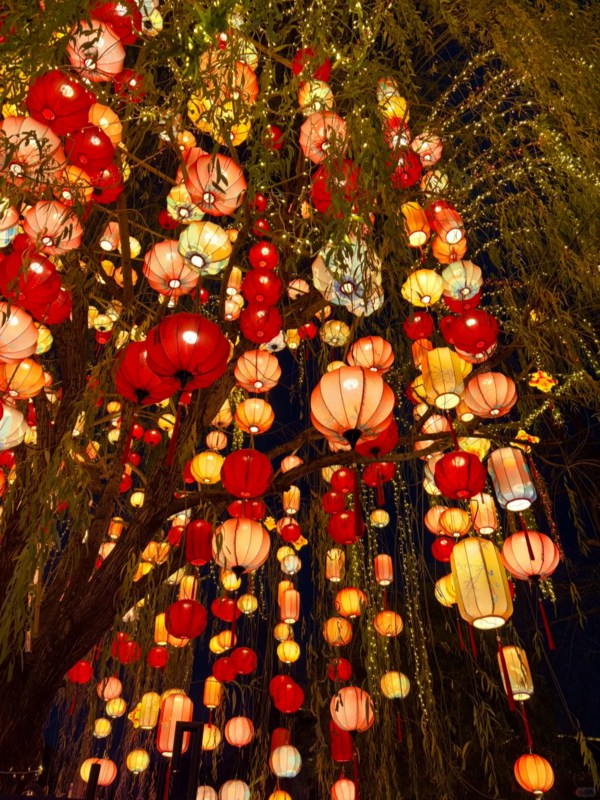
- Lantern Festival
How We Start New Year's Day Right
What you say first on New Year day must be something good. My mother tends to say gong xi fa cai to the first person she comes across. My dad accompanies it with Xin nian hao that simply translates to happy new year. You are expected not to complain, argue or utter anything negative as this will be the mode of the entire year.
New clothes are worn by everyone but they are usually red or bright. This is despite my brother making one attempt to appear in his usual jeans when my grandmother insisted. Then she sent him away upstairs to change. Black and white are certainly out of fashion-- those are funeral colors.
Breakfast is normally vegetarian. My mother prepares a noodle soup using bok choy and mushrooms or occasionally sticky rice using sweet toppings. There should be no meat on the first day an old Buddhist influence, still not all families do that.
These taboos are grave at our house. No sweeping, no trash removal, no hair washing, no sharp blades such as scissors and knives unless absolutely necessary. It is ill omen to break something. Crying is prohibited particularly among children. One year my niece had a scraped knee and she cried the whole time before my grandmother told her that it was alright to cry a little.
Keeping the Spirit Alive Until Lantern Festival
The celebration officially lasts fifteen days, though most people return to work after a week. Each day has its own customs and meaning, but we don't observe all of them strictly. The seventh day is everyone's birthday according to tradition. Some families cook noodles to celebrate collectively.
We visit different relatives on different days. Extending the celebration this way means you're constantly going to someone's house or hosting people at yours. My mom keeps the candy tray refilled and always has extra oranges ready. The house stays decorated the entire time—spring couplets don't come down until after the fifteenth day.
Lantern Festival on the fifteenth day marks the end. We eat tang yuan and sometimes go to a local temple or community center if they're doing lantern displays. My kids used to carry paper lanterns with candles inside, but now most are battery-powered LED versions.
After the fifteenth day, decorations come down and life goes back to normal. The red envelopes get tucked away in drawers. Leftover candy gets eaten over the next month. But the feeling lingers longer than that.
FAQ About Chinese New Year Family Traditions
Q: When should we start preparing for Chinese New Year family traditions?
Start about two weeks before the actual date. First, check when the lunar new year falls—it changes every year, usually late January or early February. Buy red envelopes and decorations first since stores run out. Get fresh bills from the bank at least ten days early. Deep cleaning happens two days before New Year's Eve. Grocery shopping for the reunion dinner should be three to four days out. Fresh fish and vegetables can wait until the day before. Don't leave everything for the last minute because Asian supermarkets get packed the final week.
Q: Can non-Chinese families celebrate these traditions respectfully?
Yes, if you approach it with genuine interest instead of treating it like a costume party. Learn the meanings behind what you're doing. If you're joining a Chinese family's celebration, bring oranges or a small gift. Ask questions but don't expect them to explain everything—do some research beforehand. Don't appropriate the traditions for social media clout. Participating in a family tradition means respecting their specific way of doing things, which might differ from what you read online. The cultural celebration works best when you're invited in rather than just copying superficial elements.
Q: How much money goes in red envelopes?
It depends on your relationship and budget. For young kids in your family, anywhere from eight to twenty-eight dollars works. Closer relatives like nieces and nephews might get fifty or eighty-eight. The number matters more than the amount—stick to even numbers and avoid four. Eight is lucky because it sounds like prosperity. Some families give higher amounts, some give less. New bills are more important than big bills. If you're tight on money, eight dollars in a crisp new bill beats a wrinkled twenty any day.
Q: What if we can't gather with extended family for Chinese New Year?
Video calls work better than you'd think. Set up the call during the reunion dinner so everyone eats together virtually. Some families mail red envelopes ahead of time. You can celebrate with close friends instead—the spirit matters more than blood relation. Cook the traditional foods even if it's just your immediate household. Keep the taboos like not sweeping on New Year's Day. One year we couldn't travel and invited our neighbors over for dumplings. It felt different but still meaningful.
Q: Are there foods we must avoid during Chinese New Year?
Porridge is traditionally avoided because it symbolizes poverty. White foods can be seen as unlucky since white represents mourning in Chinese culture. Some people skip eating certain types of fish that have inauspicious names. My grandmother won't serve anything cut into four pieces because of the death association. But honestly, most families focus more on what to eat rather than what to avoid. If you accidentally eat something "wrong," don't stress about it. The taboos vary by region and family anyway.
Q: How do we teach these Chinese New Year family traditions to young children?
Let them participate instead of just watching. Kids can help stick decorations, fold dumplings even if they're messy, or hand out oranges to guests. Explain in simple terms—"we clean to push out bad luck" or "red means happy." Picture books about Chinese New Year help a lot for younger kids. My niece learned the zodiac animals from a children's book before she understood the deeper meanings. Make it fun rather than a lecture. Let them keep their red envelope money so they see immediate benefits from participating.
Q: What makes Chinese New Year different from Lunar New Year celebrations?
The terms are often used interchangeably, but Lunar New Year is broader. Vietnamese families celebrate Tet, Korean families celebrate Seollal—both follow the lunar calendar but have different customs. Chinese New Year specifically refers to Chinese cultural traditions. Using "Lunar New Year" shows awareness that multiple Asian cultures have celebrations around this time. It's respectful to acknowledge the diversity. That said, within Chinese communities, people usually just say Chinese New Year because that's what we're celebrating. Context matters for which term you use.
Q: How long do Chinese New Year family traditions actually last?
Officially fifteen days, ending with the Lantern Festival. But practically, most people go back to work after three to seven days depending on their job. The first three days are the most intense—reunion dinner, New Year's Day taboos, visiting relatives. Days four through seven involve more visiting and eating. After that, it's mostly about keeping decorations up and finishing leftover special foods. The fifteenth day closes everything out with tang yuan and lantern displays. Some families take down decorations right after, others wait a few more days.