Chinese New Year Games
Chinese New Year parties need games that work for mixed groups. You've got kids running around, grandparents sitting at the table, and cousins checking their phones. Most online game lists suggest activities that need too much setup or only fit one age group. Games make more sense when you understand the holiday's cultural context, which is why exploring Chinese New Year family traditions and what they mean helps you choose activities that actually resonate with the celebration.
These Chinese New Year games come from actual gatherings—some in Beijing apartments, others in office break rooms. A few flopped. Most stuck around because people asked to play them again next year. The good ones need basic materials and don't require everyone to speak Chinese.
Quick Game Finder: Chinese New Year Games by Age, Size & Setting
-
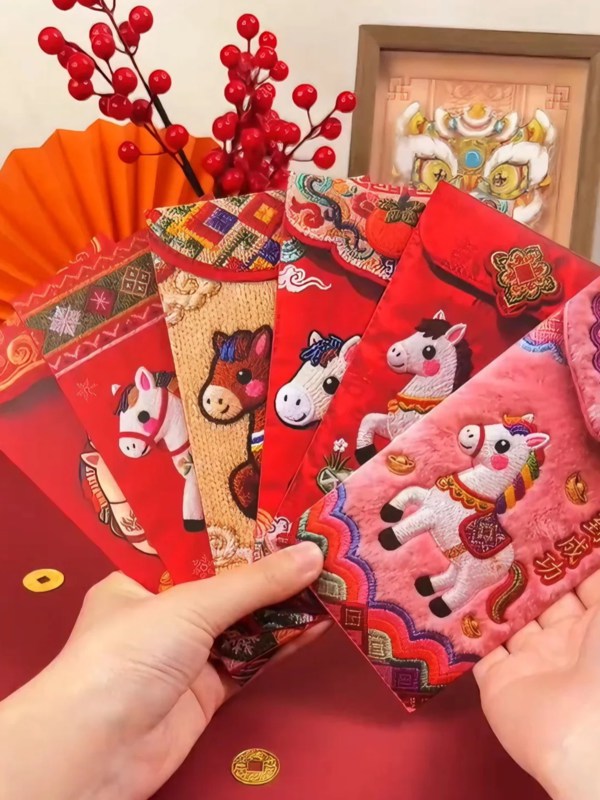

- Red Envelopes
-
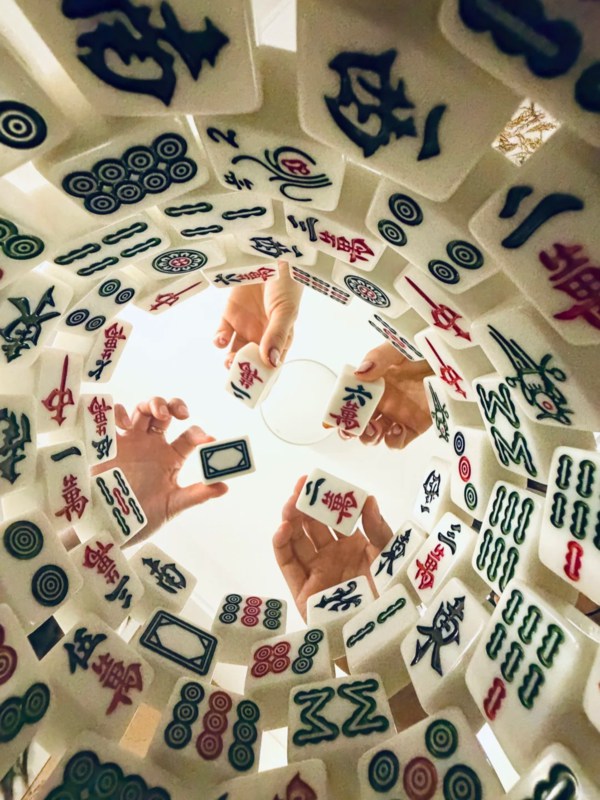
- Mahjong
-
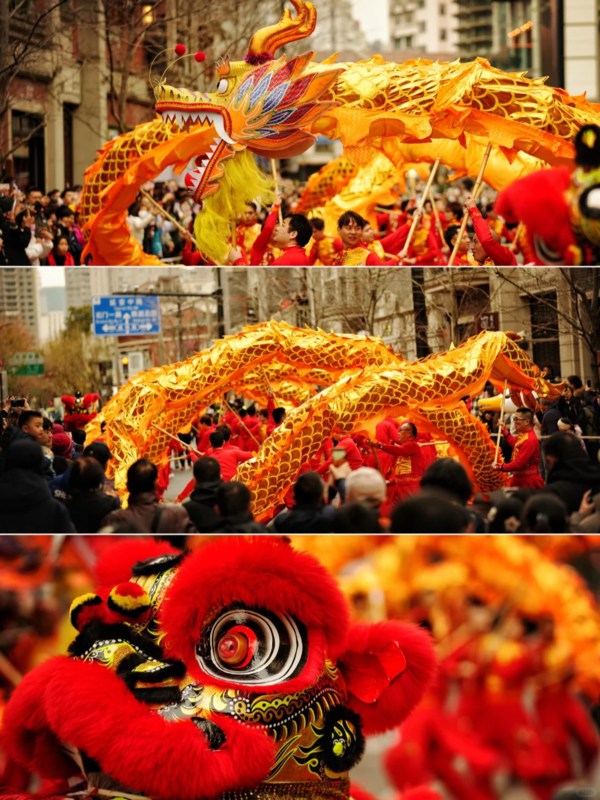
- Dragon Dances
Finding the right Chinese New Year games depends on who shows up and how much space you have. A quick breakdown saves time.
For kids under 12: Red Envelope Hunt works for toddlers and older kids. Dragon Dance Relay burns energy. Chopstick Challenge and Zodiac Memory Game fit different ages. Most need 10-20 minutes and basic supplies.
For adults and office parties: Mahjong takes longer but keeps people engaged. Red Envelope Gambling without real money still gets competitive. Zodiac Trivia fits lunch breaks. These festive activities work indoors with 4-15 people.
Online options: Virtual Red Envelope Exchange through WeChat or Zoom. Digital Mahjong platforms like Mahjong Time. I've run these across three time zones. They work, though you lose some chaos.
Quick games (5 minutes): Chopstick races, dice games, simple riddles. Good when dinner runs late.
Large groups (15+ people): Dragon relay, team trivia, firework riddles. Team-based celebration games beat individual challenges.
Most traditional games need minimal setup. Red paper, chopsticks, dice—under ¥50 at Asian grocery stores.
Chinese New Year Games for Kids (Ages 3-12)
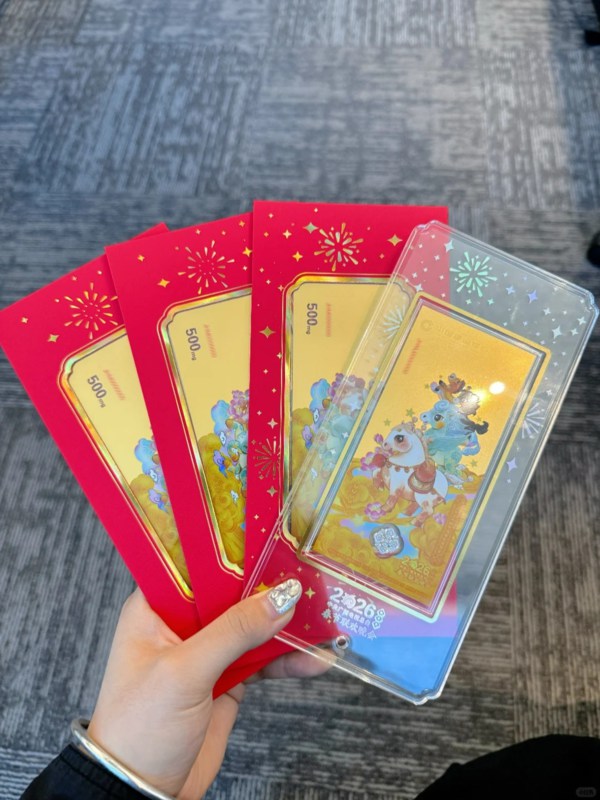
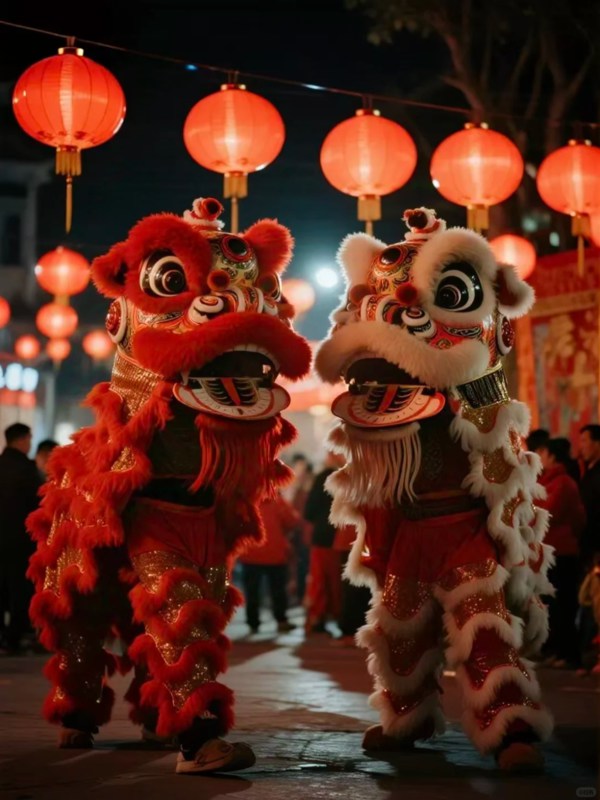
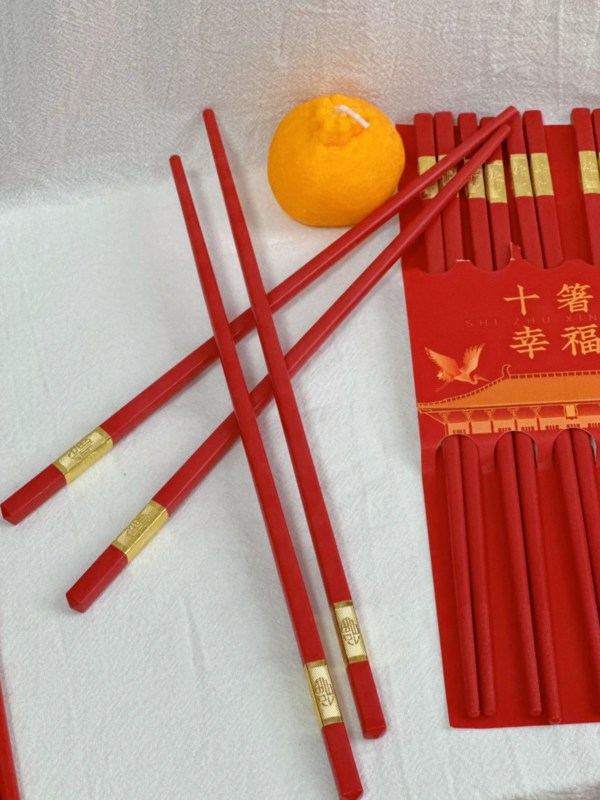
Chinese New Year games for kids need to be simple enough that you don't spend 20 minutes explaining rules. These four work across different ages and energy levels.
Red Envelope Hunt (The Toddler-Proof Version)
Steps & Tips:
Prepare the envelopes: Plant red covers around the house or yard.
Placement by age:
Toddlers (3-5 years): place in obvious spots, such as under cushions, behind doors, or on low shelves.
Children (6-8 years): hide in more challenging spots, like inside books or taped under chairs.
Team play: Consider team hunts where siblings search together.
Envelope type: Use plastic envelopes for durability; paper ones tear easily, especially if handled roughly.
Motivation: The hunt itself is rewarding; kids often enjoy finding empty envelopes just as much as ones with treats.
Safety: For younger children, use candies or stickers instead of coins to avoid choking hazards.
Setting: Suitable as an indoor game or outdoor when the weather is mild.
Setup time: Approximately 15 minutes.
Dragon Dance Relay (Gets Rid of Sugar Rush)
Steps & Tips:
Form the dragon: Children line up in a dragon formation. The front person holds the dragon head, and the rest hold the waist of the person in front.
Prepare the dragon head:
Use cardboard, red paper, and markers.
Cut an oval shape, add eyes and teeth, and attach it to a stick.
Preparation takes about 10 minutes.
Team setup: Split children into teams of 4-6.
Course layout:
For straight courtyards (like in Beijing), teams race directly.
For narrow or winding lanes (like in Shanghai), the dragon must make turns—this adds humor and challenge.
Winning condition: The first team to reach the finish line without breaking the chain wins.
Rounds: Schedule at least two rounds to let children participate multiple times.
Safety tips:
Clear the course of furniture and obstacles.
Watch for dragon tails—they can trip easily.
Energy management: This game quickly burns off energy, so it works well for high-energy kids.
Chopstick Challenge for Little Hands
Steps & Tips:
Objective: Children use chopsticks to transfer small objects from one bowl to another. The first to move all items wins.
Materials & Difficulty Levels:
Easy: marshmallows or foam pieces
Medium: dried beans or small candies
Hard (ages 10+): rice or small beads
Chopstick practice:
Younger children (5-7) can use chopsticks with attached training tops.
Older children can use regular chopsticks.
Cultural tip: In Chinese families, children are often encouraged to use their right hand for chopsticks. Not mandatory, but may come up in family settings.
Fair play adjustments:
Give smaller children a slight advantage or fewer items to transfer.
Focus on successful transfers rather than speed to keep younger children engaged.
Scalability: This game works well across varying skill levels and ages.
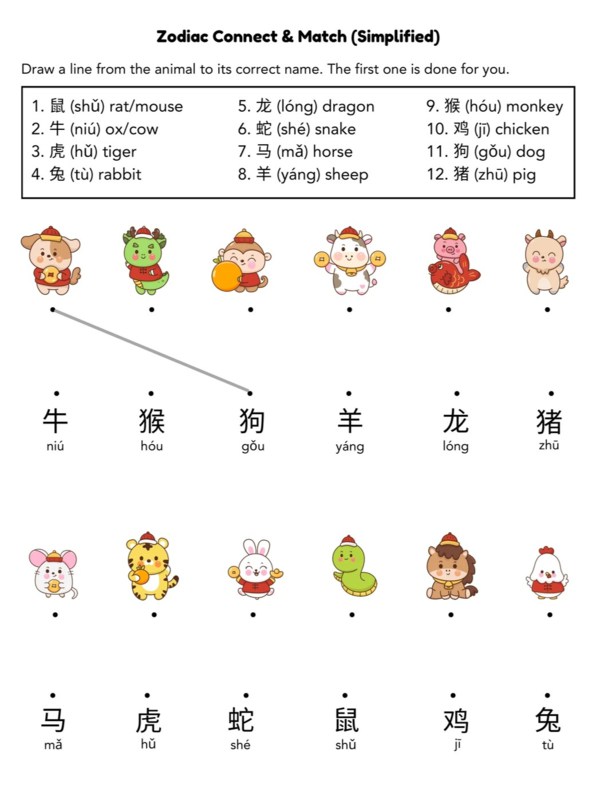
Chinese Zodiac Memory Game (Printable Version)
Steps & Tips:
Prepare the cards:
Publish 12 zodiac animal cards on two pieces of paper and place them face down.
Each card should have one animal: rat, ox, tiger, rabbit, dragon, snake, horse, goat, monkey, rooster, dog, pig.
Gameplay:
Children take turns flipping two cards at a time.
If a pair matches, they keep the cards.
Standard memory game rules apply.
Materials:
Printable templates are available online for free, or you can draw simple cards by hand.
Learning goal:
As children play, they learn the order of the 12 zodiac animals.
Tips for engagement:
Foreign children often favor dragon or tiger first.
Pig and rat may be paired later as kids become familiar with all animals.
Extended play:
Once a pair is matched, children can create short stories about why the animal is important during Chinese New Year.
Alternatively, children can act out the movements of the animals.
This can extend a 10-minute game into a 20-minute activity for more fun.
Chinese New Year Games for Adults & Office Parties
-
- Mahjong Made Simple
-
- Red Envelope Gambling
-
- Guess That Year Zodiac Trivia
Chinese New Year games for adults need to work during lunch breaks or after-work gatherings. These three fit into office settings without making HR nervous. If your team is based in Shanghai and wants to expand beyond workplace games, exploring what Chinese New Year events and public celebrations the city hosts in 2026.
Mahjong Made Simple (No-Stress Rules for Beginners)
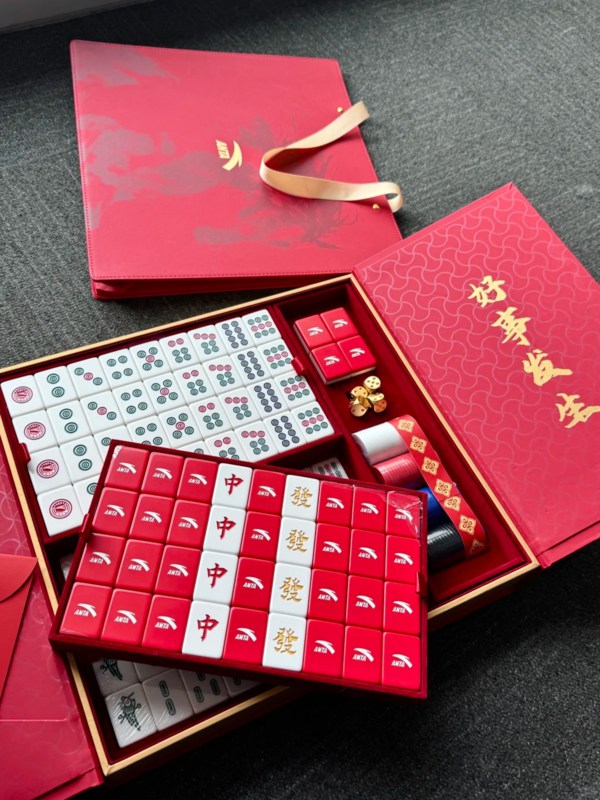
Disregard the elaborated way of scoring. Simplified mahjong is based on matching the tiles into sets and pairs. The players required are four, the tiles are 144, and an explanation of basics needs approximately 15 minutes.
The idea is to construct four sets (three similar or consecutive tiles) and one pair. Deal 13 tiles per person. Each turn players will draw and discard tiles. First person to finish his hand is the winner. That's the core rule. Office game skip point counting- play to win bragging rights.
Mistakes: the persons will keep the tiles and with this, they are hoping to come up with a perfect combination. The best way to forget it is to abandon what you sketch and get accustomed to drawing it. Moreover, newbies fail to call out when picking discarded tiles. Just announce it clearly.
The office tourneys are most effective when there is 8-12 people rotating between table. Each table winners play a last-round. I have had this run over long lunch periods. Approximately 90 minutes in total when you maintain a round.
Mahjong Time or Real Mah Jong apps are also quite a decent option in the case of virtual teams. The interface is easy to become accustomed to, yet it is better than struggling to describe the rules in Zoom with physical tiles in hand.
🎯 More Group Activities: If you are looking for other popular social games to enjoy with friends or colleagues in the city, check out our guide on Shanghai Darts.
Red Envelope Gambling (Office-Safe Version)
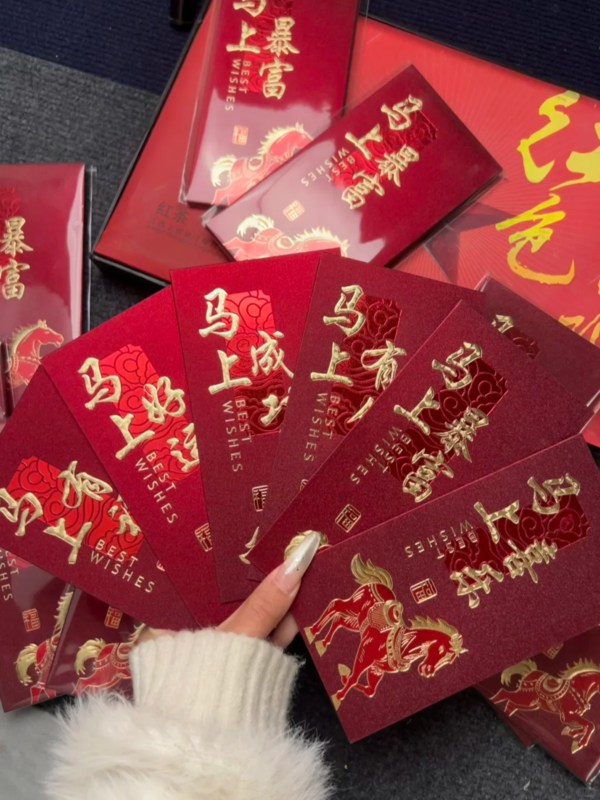
The usage of red envelopes gambling involves real money. Office versions replace money with tickets, points or minor prizes. There are three variations suitable in playing games in the workplace.
- Dice guessing: This is where one individual rolls three dice in a cup. Others make a bet as to whether the total is more than 10 or less than 10. Reveal the dice. Winners get a point. The winner of the prize is the first to 10 points. Simple, quick rounds.
- Coin flip version: In this version, a coin is concealed under one of three red envelopes. Others guess which envelope. Correct guess earns a ticket. Most tickets at the end wins.
- Draw numbers: Get paper slips to the number with numbers written 1-20, and stuff them into red envelopes. Each person draws one. First and last place winners take prizes. Forms suspense without complexities.
Other companies want nothing that is like gambling. Read the room first. In case your office already does white elephant gift exchange or Fantasy Football pool, these team activities should work. When the management disapproves of March Madness brackets, then you should not engage in the gambling activities.
Ideas of prizes: additional PTO hour, coffee shop gift cards (¥50-100), picking the next place of the team lunch, a premium parking spot in a month. Non-cash options do not make one feel as a real gambler.
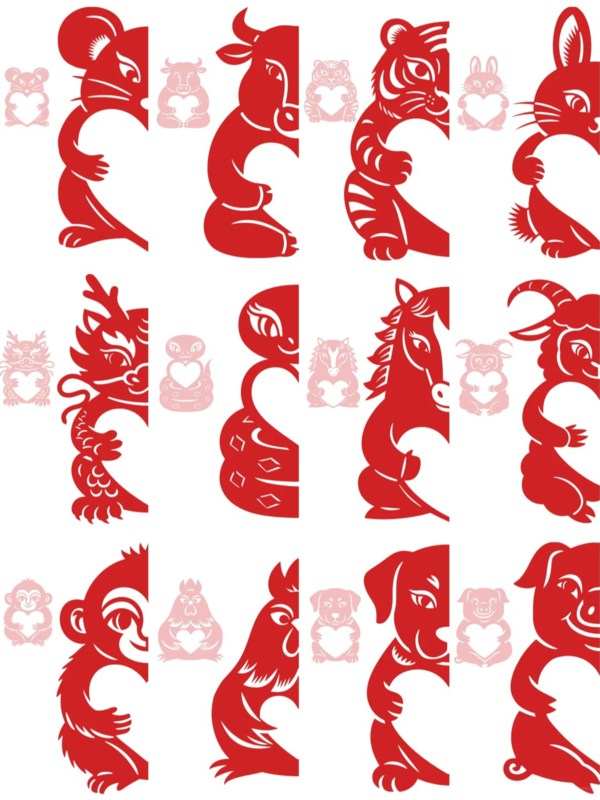
"Guess That Year" Zodiac Trivia
Steps & Tips:
Objective: One person calls out a year; players guess the corresponding zodiac animal.
Materials Needed:
Cards with years written on them (mix of recent and historical).
List of the 12 zodiac animals.
Scorekeeping method (paper, whiteboard, or app).
Team Setup:
Divide participants into 3-4 teams for corporate celebrations.
Teams discuss answers together and submit their guesses.
Gameplay:
Correct guess earns 1 point.
Play 15–20 rounds.
Duration: approximately 25 minutes, including debates about calculations.
Difficulty Levels:
Easy: "What animal is 2024?" → Dragon
Medium: "What about 1976?" → Dragon
Hard: "Which are the Monkey years between 1990–2000?" → 1992, etc. (requires calculating the 12-year cycle)
Tips:
The order of animals is often confused, especially by foreign participants; dragon and tiger are remembered first, snake or goat often forgotten.
Team play is more effective than individual play; encourages discussion and learning the zodiac cycle collectively.
Consider printing a zodiac chart for reference to help beginners.
Traditional Chinese New Year Games with Modern Twists
-
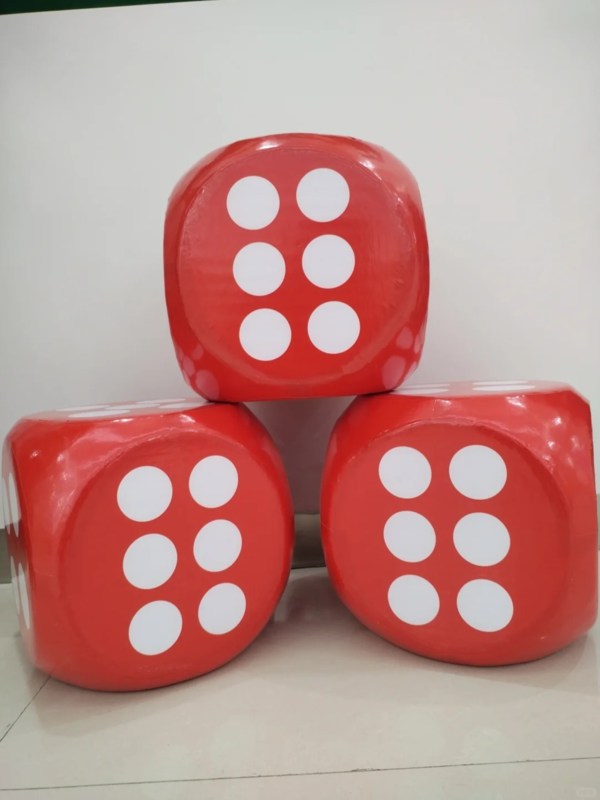
- Dice Games
-
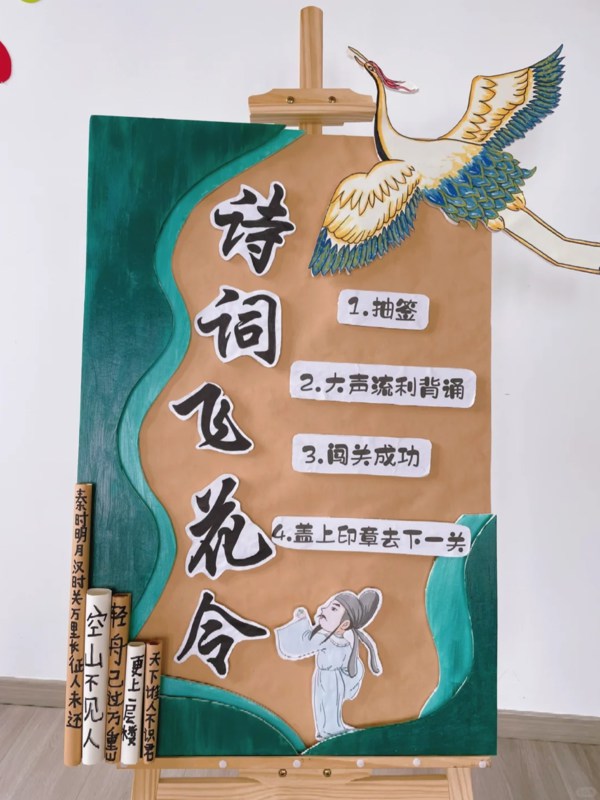
- Tang Poetry Challenge
-
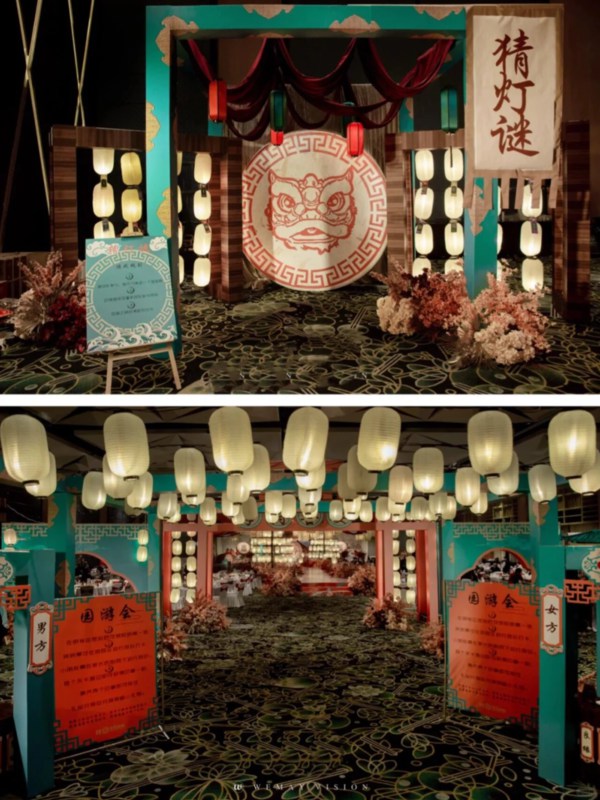
- Firework Riddles
Traditional Chinese New Year games adapt surprisingly well to modern gatherings. These three keep cultural roots while fitting current party styles.
Dice Games (Sic Bo Without the Casino)
Steps & Tips:
Overview: Traditional Chinese New Year dice games are used for fun and entertainment. Modern versions remove betting but keep excitement.
Game Variations:
Odd/Even Guessing:
Shake three dice in a cup.
Others predict whether the sum is odd or even.
Reveal the dice; correct guesses can earn a small prize.
Highest Roller Wins:
Each person rolls once.
Highest total gets the prize.
Sequence Challenge:
Roll specific numbers in order (e.g., 1, 2, 3).
First to complete the sequence wins.
Regional Styles:
Guangdong: more complex rules with multiple cups.
Fujian: simpler odd-even guessing.
Choose the style based on your group’s patience and experience level.
Materials Needed:
Three dice per game.
DIY dice cup: plastic cup with felt padding inside to muffle sound (enhances the shake effect).
Proper dice cups can be purchased near temple areas for ¥15–30.
Tips:
These games are family-friendly and quick to set up.
Adjust rules depending on the age and patience of participants.
Tang Poetry Challenge (Even If You Can't Read Chinese)
Steps & Tips:
Objective: Reciting Tang Dynasty poems is believed to bring good fortune. This modern adaptation makes it accessible for non-Chinese speakers.
Presentation Methods:
Pinyin & Translation Matching:
Print poems in pinyin (romanized Chinese).
Provide the English translations separately.
Players match the pinyin to the correct English version.
Audio Matching:
Use audio recordings of the poems.
Players guess which printed poem corresponds to the audio.
Requires some preparation, but runs smoothly once set up.
Suggested Poems for New Year:
"Remembering My Brothers on Mountain-Climbing Day" – Wang Wei
"Quiet Night Thought" – Li Bai
"Spring View" – Du Fu
"Spring Dawn" – Meng Haoran
"New Year's Day" – Wang Anshi
Themes: family, reunion, new beginnings
Materials Needed:
Printed poems in pinyin and/or English
Audio recordings (downloaded beforehand to avoid streaming issues)
Tips:
Download recordings prior to the event to prevent interruptions.
Works well for mixed groups and can be adapted for both children and adults.
Firework Riddles (The Safe Alternative)
Steps & Tips:
Objective: Continue the festival tradition of riddles while avoiding actual fireworks.
Game Setup:
Prepare 20 riddles of mixed difficulty (easy and hard).
Write each riddle in both Chinese and English for mixed groups.
Examples:
"I'm red and loud but I don't speak" → Firecracker
"Twelve animals in a race, I came first" → Rat/Zodiac
"Round and sweet, we share at midnight" → Tangyuan
Safety & Alternatives:
Real fireworks require permits and have strict regulations (especially after 2018).
Use electronic firework projections or phone apps as safe substitutes.
Less dramatic than real fireworks but safe and legal.
Gameplay:
Participants solve riddles together or individually.
Encourage discussion and teamwork.
Prizes & Rewards:
Award small prizes for correct answers: candy, red envelopes with fortunes, or letting the winner choose the next game.
Keep prizes simple to focus on fun and participation rather than competition.
Online Chinese New Year Games for Virtual & Hybrid Celebrations
-
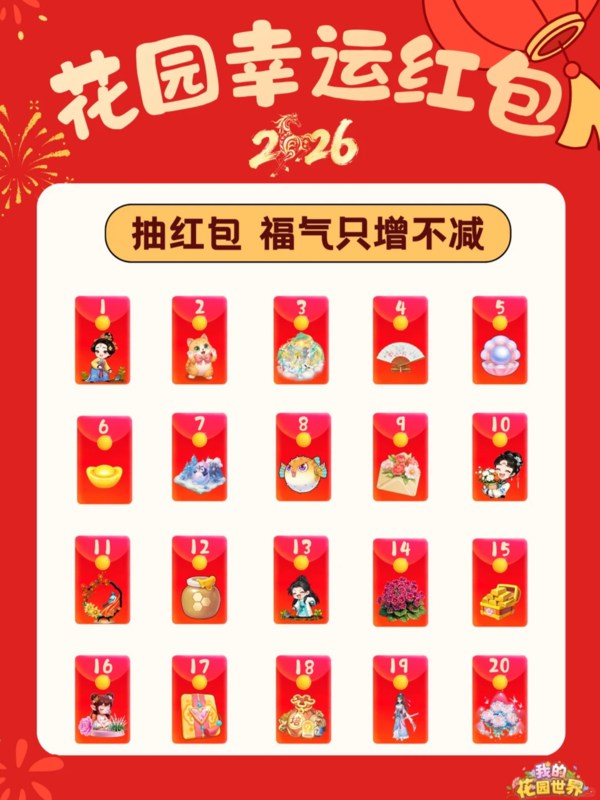
- Virtual Red Envelope Exchange
-
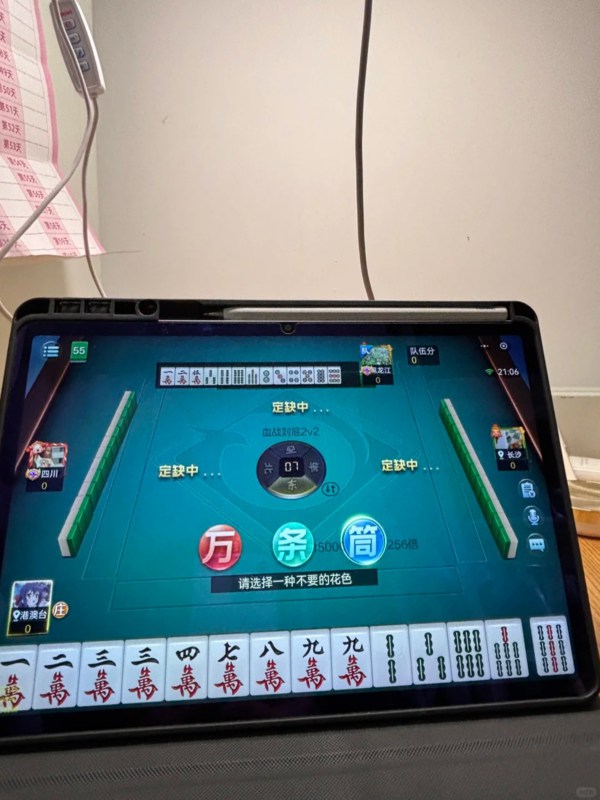
- Digital Mahjong Platforms
Online Chinese New Year games need stable internet and platforms everyone can access. These two options work for remote teams or mixed in-person and virtual groups.
Virtual Red Envelope Exchange (Zoom-Friendly)
WeChat is better when your group is already using it. Virtual red envelopes are being sent by everyone in the group chat. You may make random amounts or make fixed amounts. The application automatically allocates money to individuals who tap to open them. Setups occur within a period of two minutes after you have entered payment details.
Another method is provided by zoom breakout rooms. Place individuals in random 34 rooms. They are told fun facts or wishes, and the host declares what room has won a prize. Rotate rooms 2-3 times. Produce team work when teams are not able to use WeChat because of the company policy.
I managed this in a 50-person marketing team that was divided between Shanghai, Singapore and San Francisco. We were on Zoom with 8-minute scheduled rotations. Had to occupy the people some 30 minutes or so. The time zone dispersion implied that Singapore and Shanghai became live whilst SF people watched the recordings back home. Not ideal but functional.
In case of international teams with 12 or more hour time distance, document the exchange portion. Live participants receive the live energy, the rest of the participants receive it asynchronously and can submit their answers. Or run two separate sessions.
Digital Mahjong Platforms Actually Worth Using
There are four apps that can be singled out as virtual mahjong. Mahjong Time is available on English interface and tutorial videos. Free version is all okay, premium is approximately $5/month. Real Mah Jong also has better graphics, but initially the navigation is not quite clear. Mahjong 4 Friends is a multiplayer game, and it requires all users to install the application.
Red Mahjong plays well with four players like video chatting. Prices 300 yen/month following one week trial. Interface will remain in English when you configure it during signup.
Be careful of the apps which demand in-game purchases. There are those that induce you to purchase tile sets or themes. Use sites that can give you the entire game in free versions. Real Mah Jong attempts to sell decorative backgrounds but still the basic game is free.
Digital celebrations have to be cross-device compatible. Mahjong Time is an application that operates on tablets, browsers, and phones. Red Mahjong is compatible with iOS and Android though the browser version is underperforming. Do a trial on the site prior to your real meeting. There is no way to make things grind to a halt like half the group trying to load the game and the rest of the group waiting.
FAQ About Chinese New Year Games
Q: What are the most popular Chinese New Year games for kids?
Red Envelope Hunt tops the list for kids ages 3-8. Hide envelopes around the house and let them search. Dragon Dance Relay works for ages 6-12 and burns off energy fast. Chopstick Challenge fits ages 5-12 with different difficulty levels. All three need minimal explanation and basic supplies you probably have already. Setup takes under 10 minutes. Kids stay engaged for 15-30 minutes depending on the game. These Chinese New Year games for kids work because they're active, simple, and don't need much supervision once started.
Q: Can I play Chinese New Year games online with remote family?
Yes. Virtual Red Envelope Exchange through WeChat works if your family uses it. Zoom breakout rooms create random pairings for quick chats and games. Digital mahjong platforms like Mahjong Time or Real Mah Jong support 4-player games with video chat. You need stable internet and everyone needs the same app installed beforehand. For big time zone gaps, record sessions or run two separate game times. I've done this with family across 12-hour differences. Live works better but async participation beats skipping the celebration entirely.
Q: Are gambling games acceptable for Chinese New Year celebrations?
Traditionally, light gambling during Chinese New Year is considered bringing good luck. Many families play mahjong or dice games with small stakes. But context matters heavily here. At home with family, modest betting is usually fine. In office settings, anything resembling gambling creates HR issues. Safe alternatives use points, tickets, or small non-cash prizes instead of money. Dice guessing, coin flip games, and red envelope draws work without actual betting. Keep it clearly recreational and optional, not pressuring anyone to participate.
Q: What Chinese New Year games work best for office parties?
Simplified Mahjong, Zodiac Trivia, and Red Envelope Exchange (prize version) fit office parties well. For teams of 8-15 people, mahjong tournaments or team trivia work during extended lunch breaks. Takes 60-90 minutes. For quick 20-30 minute games during regular breaks, try chopstick races or riddle contests. Consider cultural sensitivity—avoid anything looking like gambling or requiring cultural knowledge that excludes non-Chinese colleagues. Games should feel inclusive not exclusive. Team-based activities work better than individual competitions for office dynamics.
Q: How do I adapt traditional Chinese New Year games for non-Chinese speakers?
Use visual cues instead of verbal instructions. Print zodiac animal pictures, not just Chinese characters. For poetry games, provide pinyin and English translations side by side. Simplify rules to core mechanics—mahjong becomes "match tiles into sets" rather than explaining complex scoring. Three easiest games for beginners: Chopstick Challenge (needs zero language), Red Envelope Hunt (visual and physical), and Dice Guessing (numbers are universal). Demonstrate games first rather than explaining verbally. People learn faster by watching one round than hearing five minutes of rules.
Q: What materials do I need for Chinese New Year games?
Basic supplies cover most games: red envelopes or paper (¥20-50 for a pack), chopsticks (probably in your kitchen), three dice (¥10), small bowls, and candies or small objects. For dragon dances, you need cardboard and markers to make a head. Mahjong sets cost ¥80-200 depending on quality. Taobao has everything cheaper than Amazon. DIY alternatives work too—draw zodiac cards instead of buying printed ones, use plastic cups as dice shakers, make red envelopes from construction paper. Most games cost under ¥100 total to set up.
Q: How long should Chinese New Year game sessions last?
For kids' parties, plan 60-90 minutes of games total with 3-4 different activities. Kids lose interest after that. Adult gatherings can run 2-3 hours if people are engaged, but have exit points every 45 minutes so people can leave without feeling rude. Office celebrations should fit lunch breaks—30-45 minutes max. Watch energy levels. If people start checking phones frequently or conversations drift, wrap up the current game and transition to eating or free socializing. Better to end while people still want more than drag things out.
Q: Are there Chinese New Year games suitable for large groups (20+ people)?
Dragon Dance Relay works for groups up to 40 by forming multiple teams. Team-based Zodiac Trivia scales well with 4-5 people per team. Firework Riddles can handle crowds if you have a microphone and clear space. For these games, you need enough room for people to move or see clearly. Split large groups into teams rather than individual play. Keeps things organized and prevents 30 people standing around while one person takes their turn. Outdoor games work better than indoor for 20+ participants because space limitations disappear.