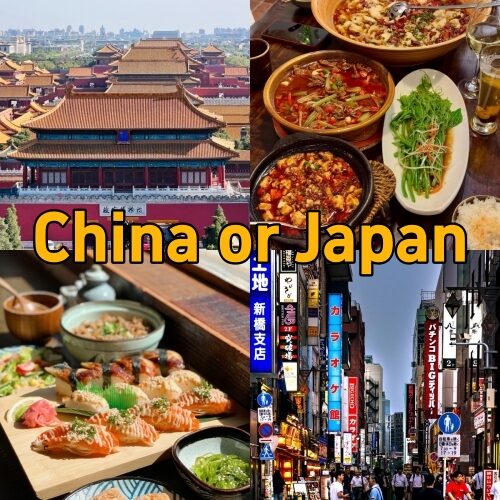
China or Japan? To many travelers it seems a beautiful dilemma. I’ve been faced with that choice more than a few times in my days of wanderlust across Asia. So, I compared the two giants of the region throughout my travels and have written this guide to their ancient past and magnificence, to how they groove in modern life. Instead of declaring a winner, let’s find the right choice for you. Side by side we’ll compare budget, culture and transport. May my stories inspire your next big adventure overseas. Read on for your perfect destination, then go!
Cultural Heritage: Grander Imperial Landmarks Remain in China
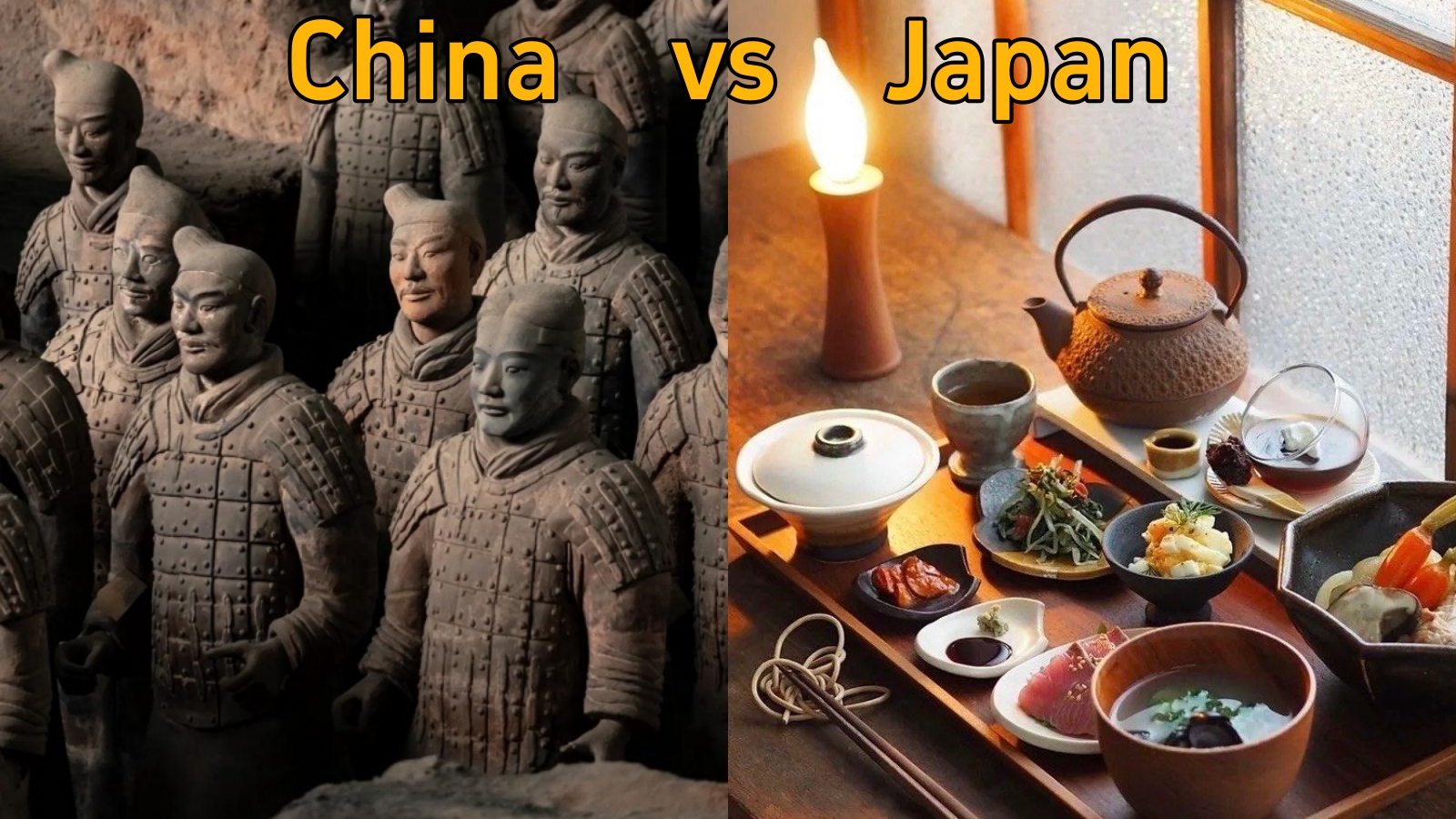
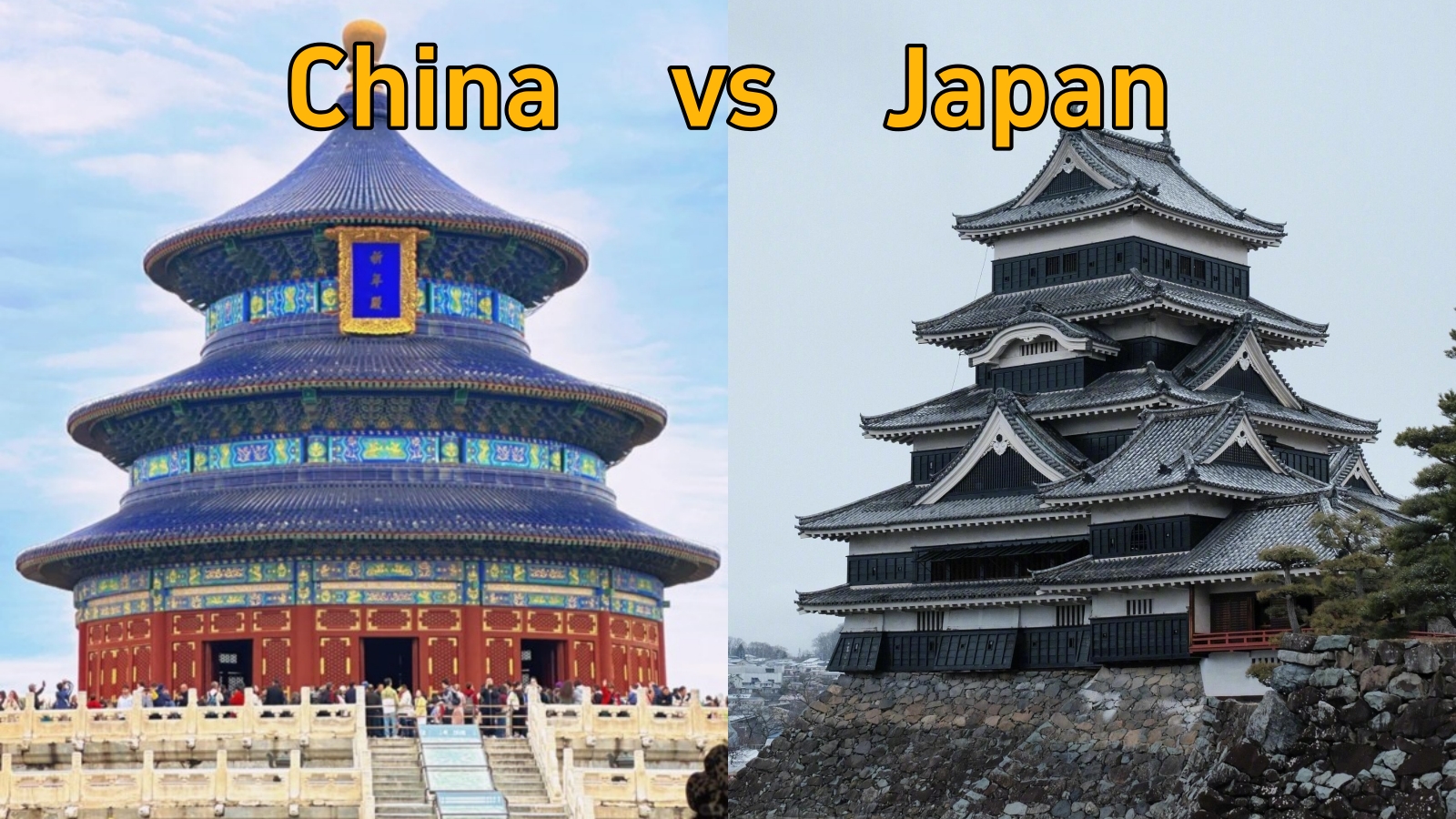
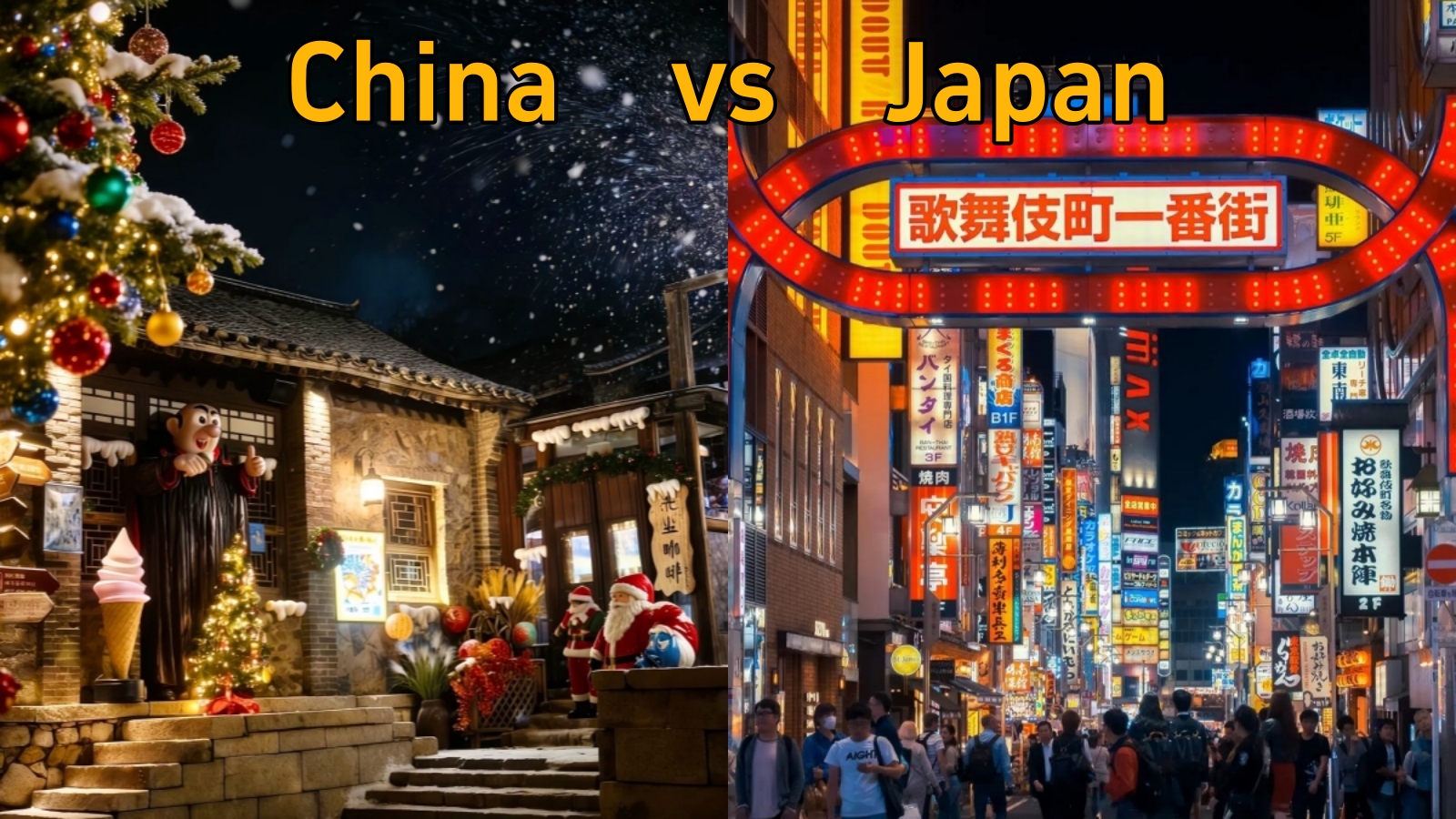
Ancient Foundations and Living Traditions
| Heritage Factor | 🇨🇳 China | 🇯🇵 Japan |
|---|---|---|
| Atmosphere | Grand, sprawling, and deeply archaeological. | Intimate, zen-focused, and highly detailed. |
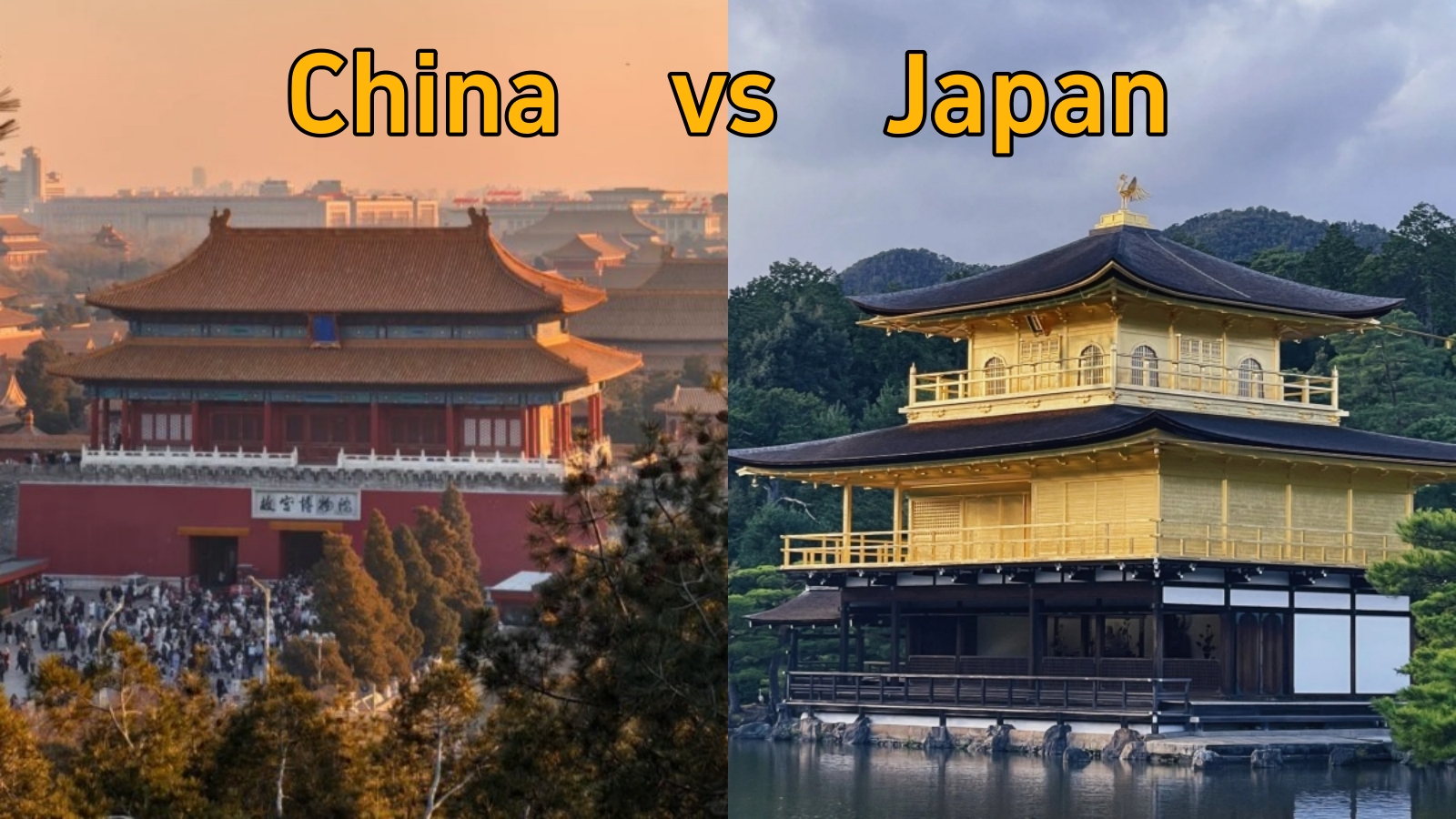
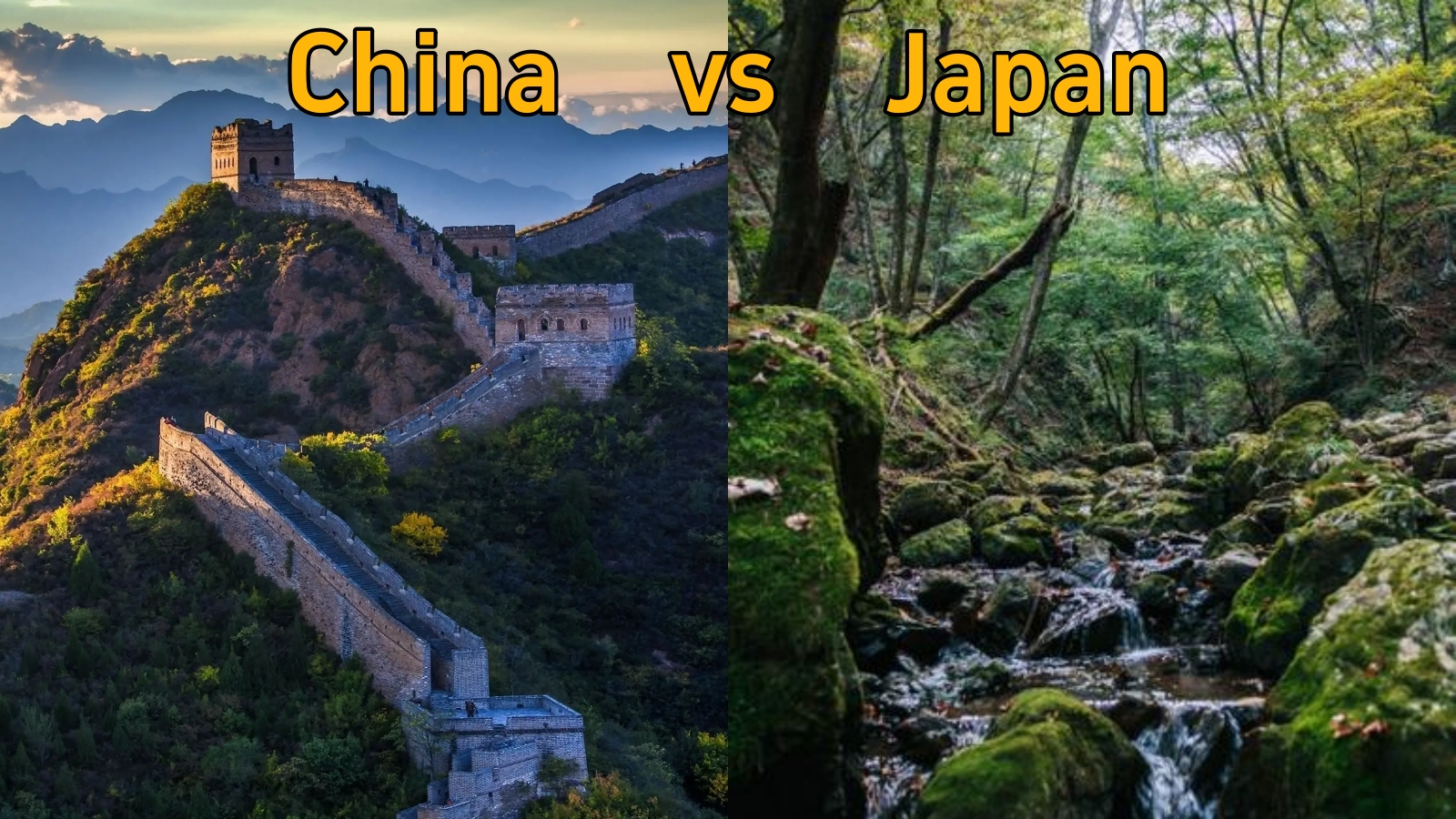
It was amazing to walk the Great Wall as if stepping into a living history book. No photos could possibly prepare me for the actual size of the Forbidden City, and the quiet temples in Kyoto served as a balance to the stimulus of Shibuya's neon lights. Because China is so huge, you can even find serene Zen style gardens in Suzhou that are akin to Japan's. Architecture against spiritual detail? Which is your choice?
- Epic Historical Relics in China:
- Forbidden City: Sprawling palaces reflecting the eternal majesty of imperial power.
- The Great Wall: A massive stone dragon winding across rugged mountain ridges.
- Terracotta Army: Thousands of silent warriors guarding the first emperor's tomb.
- Temple of Heaven: Sacred circular architecture where emperors prayed for cosmic harmony.
- Ancient Water Towns: Traditional canal villages preserving the gentle rhythm of history.
- Refined Zen Traditions in Japan:
- Kyoto Temples: Serene wooden structures surrounded by the silence of Zen.
- Tea Ceremonies: A slow ritual focused on the grace of the moment.
- Rock Gardens: Minimalist landscapes of sand and stone for deep reflection.
- Samurai Castles: Elegant fortresses showing the noble power of the past.
- Geisha Districts: Living traditions preserved in lantern-lit alleys of old Kyoto.
🌏 The China Deep Dive: If you’ve leaned toward China for its sheer scale, your next decision is the “Great Divide.” To choose between the ancient, wheat-loving plains of the North and the misty, rice-growing peaks of the South, see our guide on North and South China: Weigh Every Difference to Plan Your Ideal Trip.
Natural Wonders: Staggering Variety Defines the Chinese Landscape
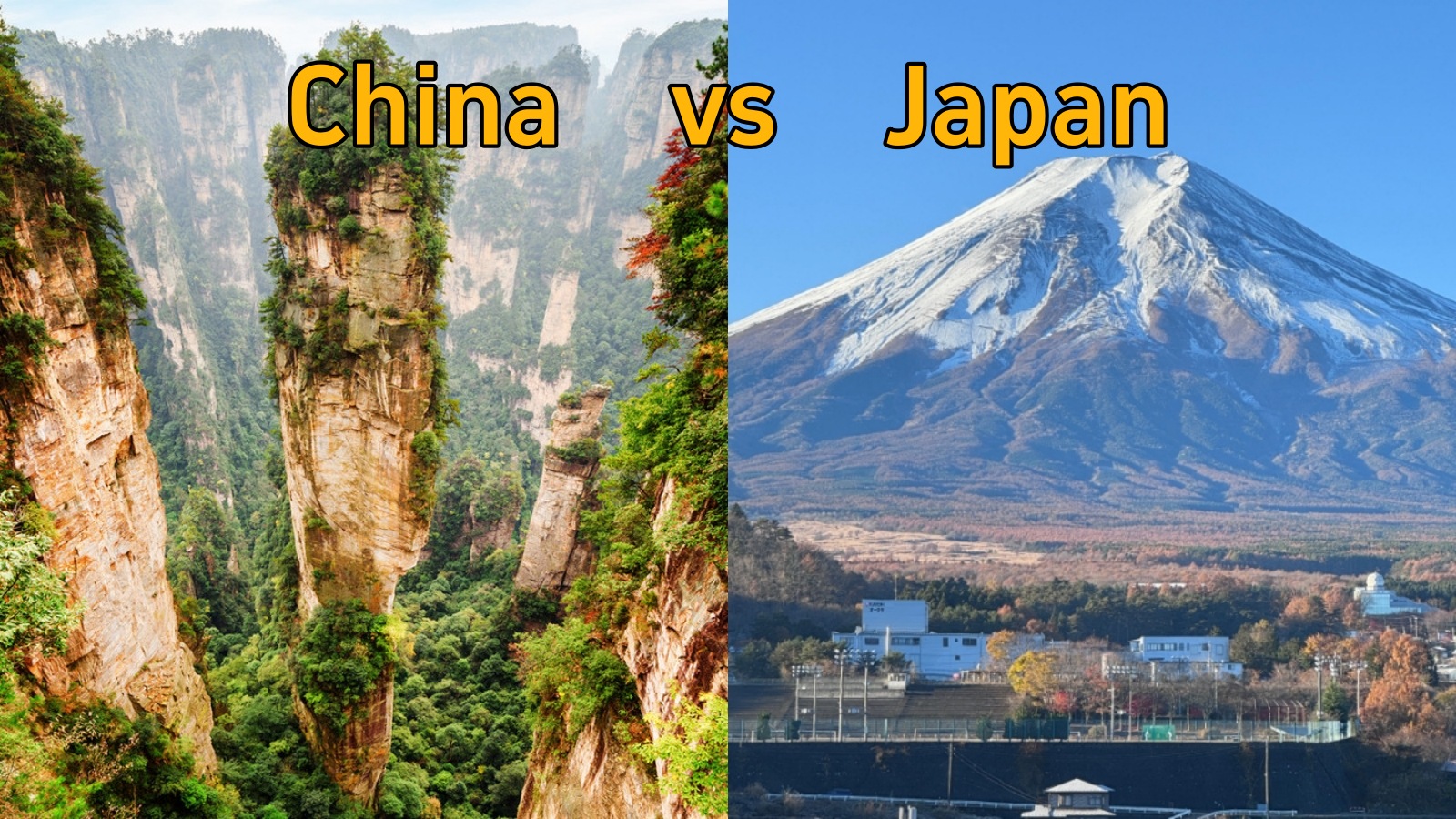
Mountain Peaks and Coastal Dreams
| Scenery | 🇨🇳 China | 🇯🇵 Japan |
|---|---|---|
| Variety | Vast, wild, and incredibly diverse geography. | Intimate, volcanic, and seasonal beauty. |
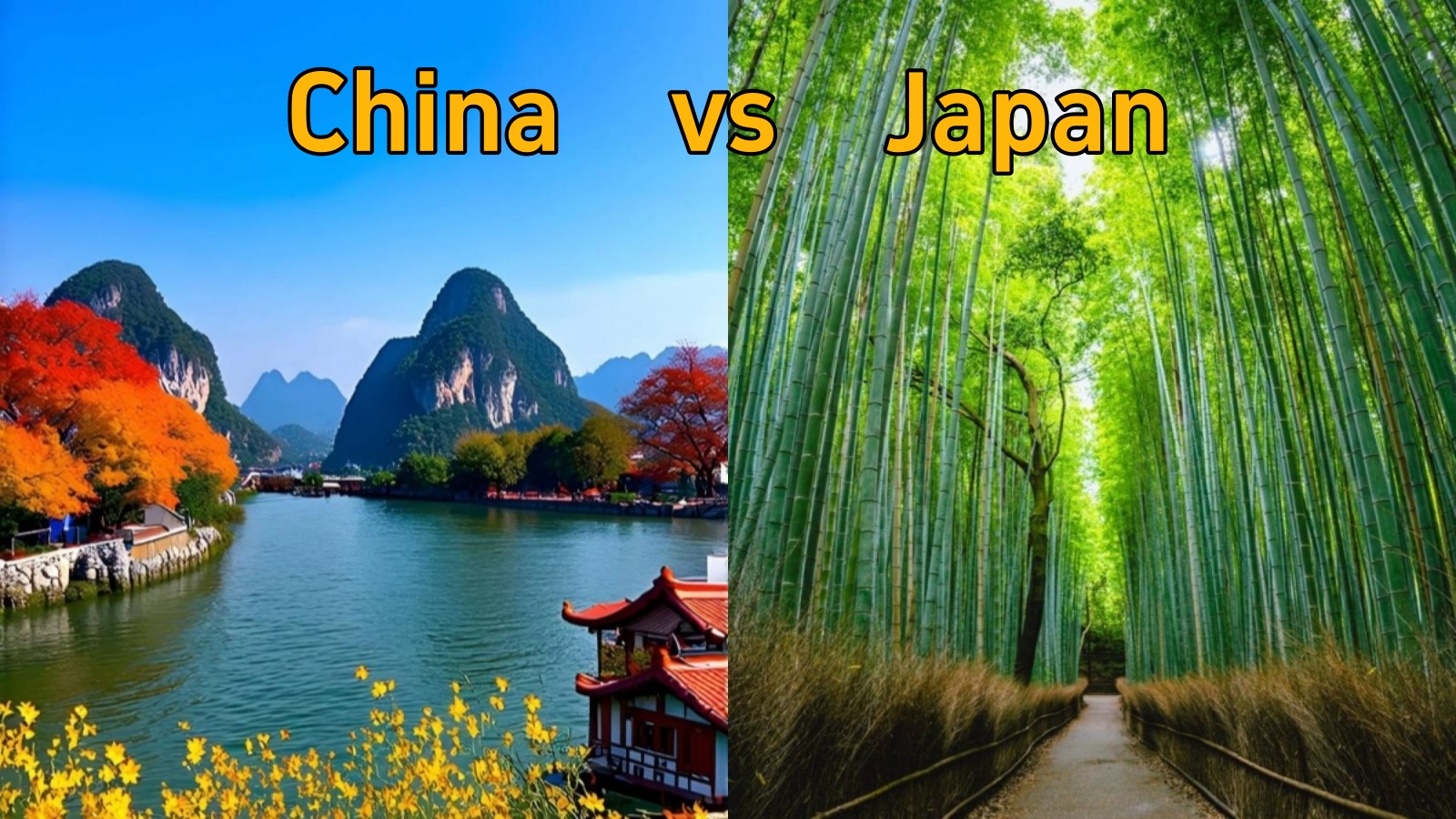
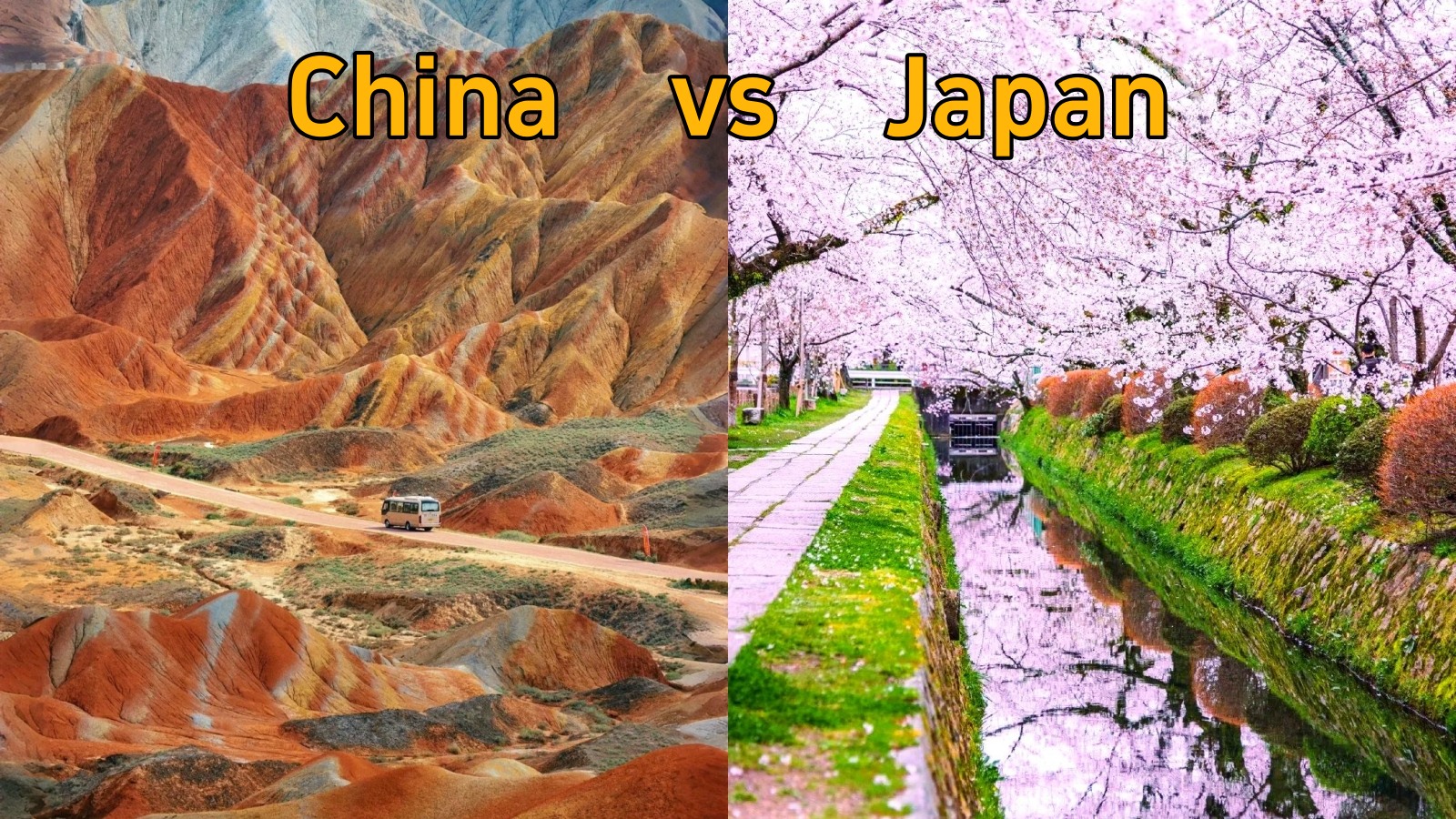
I still remember standing amongst the floating stone pillars of Zhangjiajie. The clouds creeping through the peaks were pure magic. Since you’re in China which has incredible things Yunnan has volcanic peaks and hot springs too, just like Japan. You’re in a country that unrolls everything from sun-drenched Sanya to snowy Harbin! All of Japan fits nicely into this one moon of a country. But Japan crowds its beauty within a rush of spring pink cherry blossoms.
- Wild Geographic Wonders in China:
- Zhangjiajie Pillars: Ethereal floating mountains that inspired worlds beyond our own.
- Guilin Karst: Emerald peaks rising from the mist along peaceful rivers.
- Rainbow Mountains: Vibrant layers of colored earth creating a surreal painted desert.
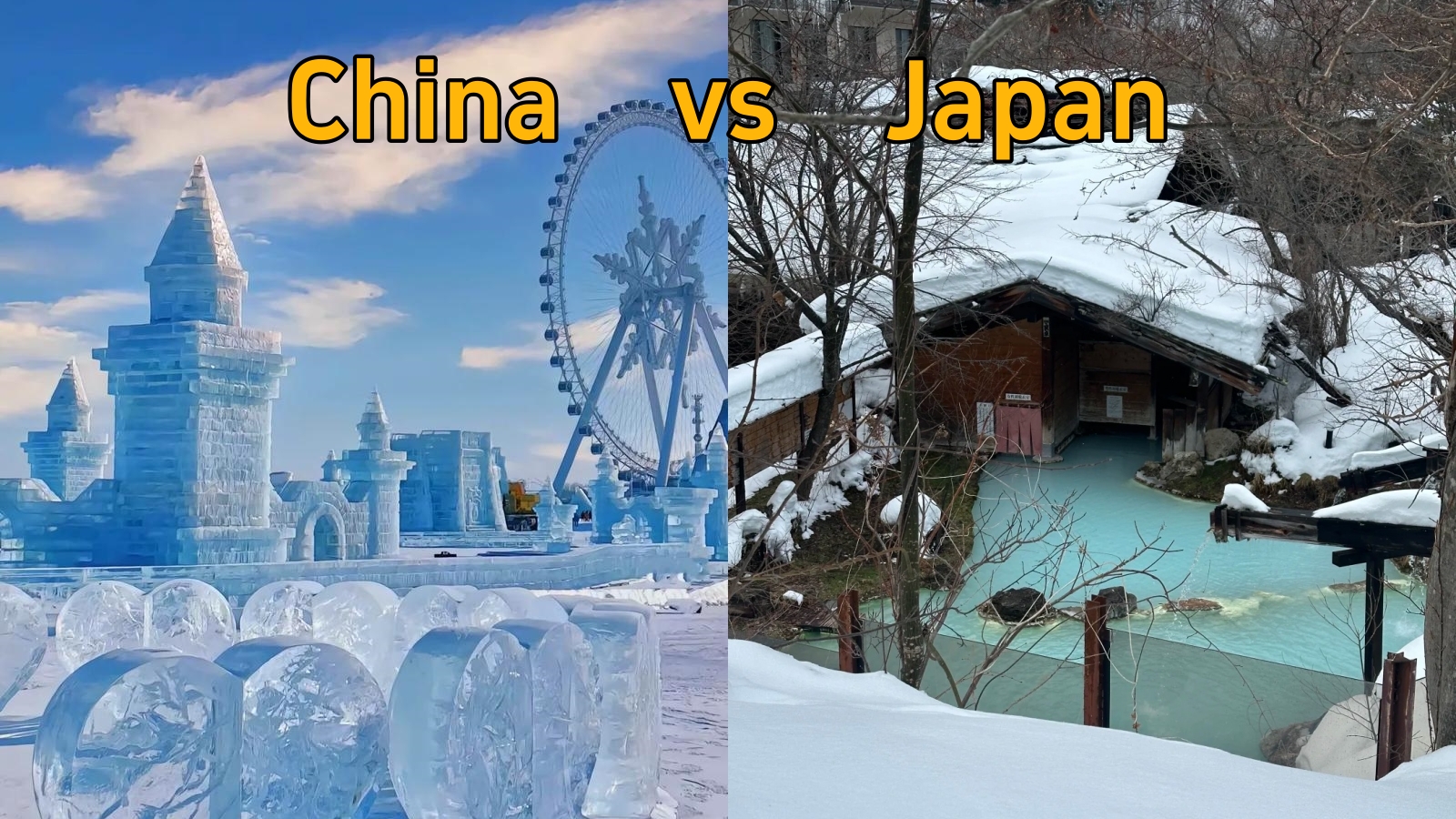
- Harbin Ice: A radiant crystal world glowing under the northern lights.
- Yunnan Valleys: Lush hidden paradises tucked away in deep, green mountains.
- Manicured Island Landscapes in Japan:
- Mount Fuji: A sacred white peak mirrored in silent, still waters.
- Arashiyama Bamboo: Emerald whispering shadows in a tall and swaying forest.
- Hokkaido Blooms: Vast floral carpets stretching toward the cold northern horizon.
- Volcanic Onsens: Warm healing waters found within misty and green valleys.
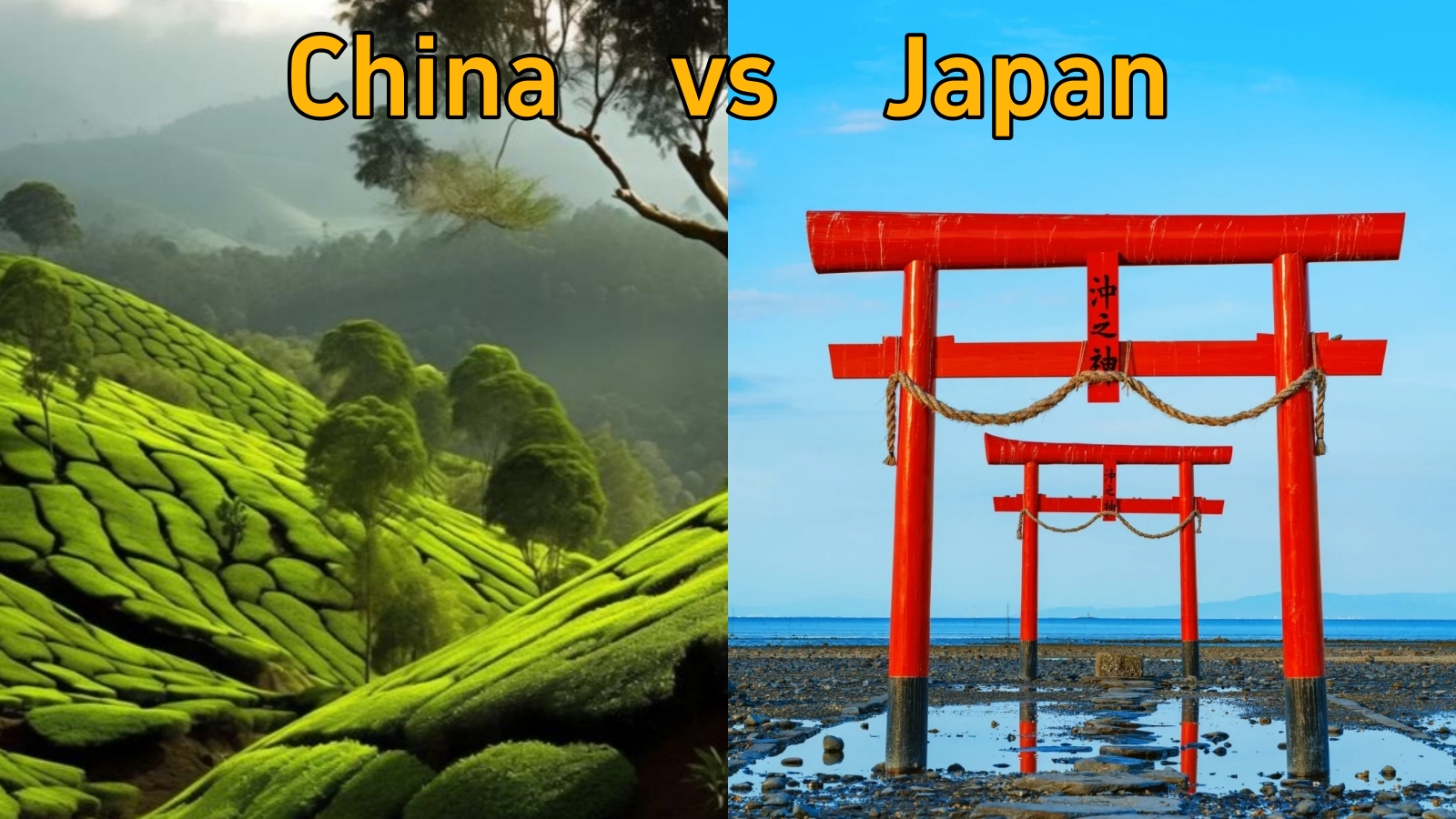
- Miyajima Gates: A crimson spirit floating on the rising seaside tide.
Retail Therapy: Japan Offers Superior Tax-Free Shopping

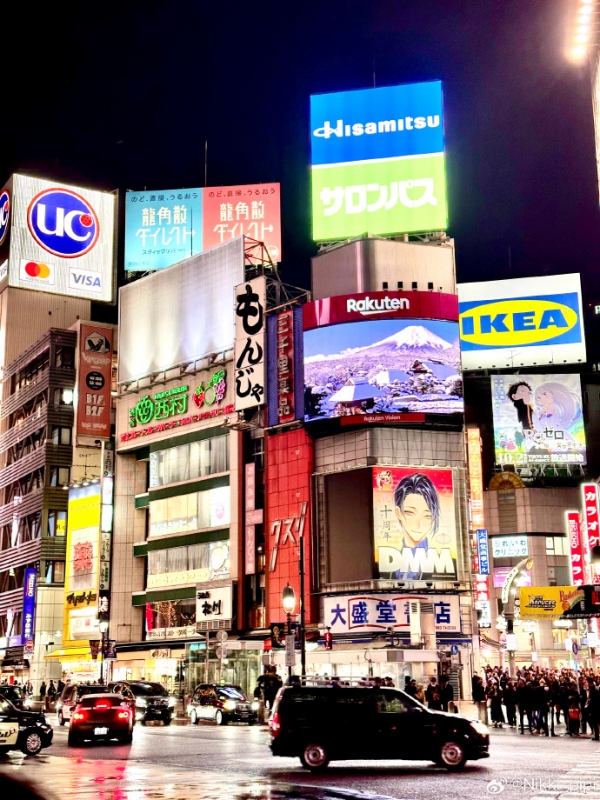
Cultural Treasures and Futuristic Shopping Plazas
| Factor | 🇨🇳 China | 🇯🇵 Japan |
|---|---|---|
| Main Focus | Heritage crafts and high-tech mega-malls. | Luxury boutiques and pop culture hubs. |
I always leave a bit of space in my suitcase for the souvenirs! China is so diverse, with fabulous markets for traditional handicrafts and far-out mega-malls for all those luxury brands—we can find beautiful porcelain at old street markets or have them next to luxury brands in massive glass Malls !! Japan combines centuries-old department store with futuristic shopping avenues. Wandering through the modern toys lets us peek into their lives, if that’s our thing—ancient soul or futuristic retail thrills? You decide!
- Artisanal Heritage and Modern Malls in China:
- Traditional Crafts: Discover world-famous Jingdezhen ceramics and high-quality Su-style silk in ancient workshops.
- Taikoo Li (Chengdu): An open-air plaza that blends traditional Sichuan architecture with global luxury fashion.
- SKP Beijing: Experience one of the most successful luxury department stores featuring incredible futuristic art installations.
- Refined Lifestyle and Urban Hubs in Japan:
- Ginza District: The gold standard for high-end boutiques and historic department stores like Mitsukoshi.
- Shibuya & Harajuku: Explore vibrant hubs for youth fashion, unique street styles, and the famous Shibuya 109.
- Department Store Excellence: Enjoy flawless "Omotenashi" service while browsing through perfectly curated fashion and cosmetic counters.
Culinary Traditions: China Surpasses Japan in Regional Diversity
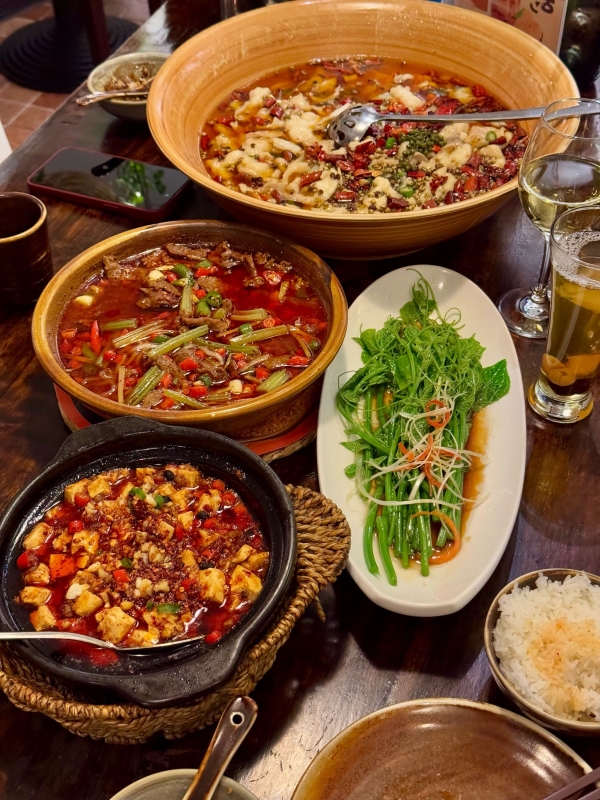
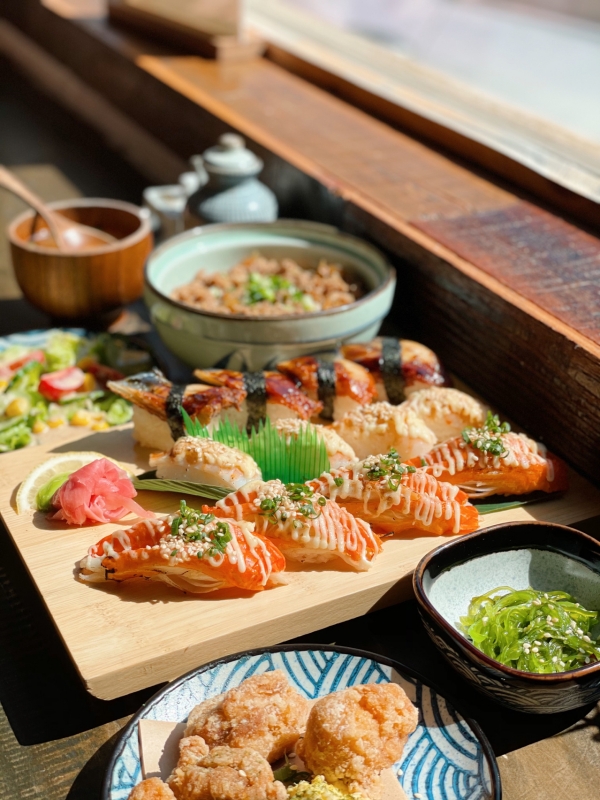
Cuisine Style & Regional Variety
| Factor | 🇨🇳 China | 🇯🇵 Japan |
|---|---|---|
| Main Palette | Complex, bold, and diverse spices. | Natural, subtle, and seasonal purity. |
Chengdu was a food city of a spicy, exhilarating variety, an adventure that remains dear to my heart. The quiet beauty of a sushi bar in Tokyo offered an entirely different kind of magic. Somenostardirt.com/eating-in-chengdu/most ramen and flavors of Japan traces its origins on some level to the culinary geography of China. The street food there tends to be boisterous, convivial and cheap in a way that any person can afford. In Japan, the meal matters and the experience of each season in its own right.
- China's Regional Boldness:
- Sichuan Spices: Famous for the unique numbing sensation of peppercorns and deep, layered heat.
- Cantonese Delicacies: Known for subtle flavors, fresh seafood, and the artistic tradition of dim sum.
- Japan's Culinary Precision:
- Sushi Mastery: A focus on the perfect balance between seasonal fish and high-quality rice.
- Ramen Culture: Each region offers a unique broth style, from creamy tonkotsu to clear shoyu.
Seasonal Timing: Japan Offers a More Consistent Travel Window

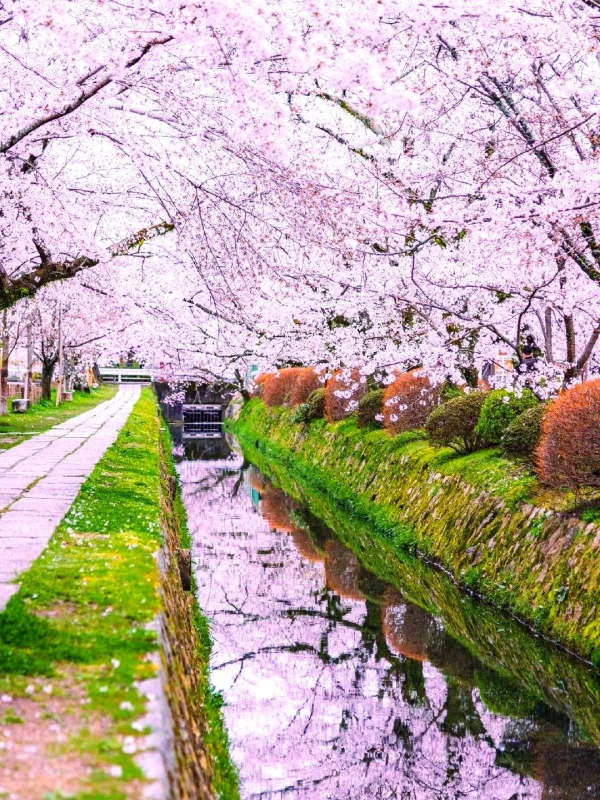
Seasons, Blossoms, and Peak Periods
| Season | 🇨🇳 China | 🇯🇵 Japan |
|---|---|---|
| Best Months | Spring (Apr-May) and Autumn (Sep-Oct). | Spring (Mar-Apr) and Autumn (Oct-Nov). |
I found that planning a trip to Japan is very straightforward for seasonal sights. Specifically, the weather across the main island is quite consistent during the autumn months. However, China's climate varies wildly from the frozen north to the tropical south. For instance, Harbin is perfect for winter ice festivals. Meanwhile, seeing the vibrant flowers in Guangzhou during spring provides a unique southern experience. Furthermore, viewing cherry blossoms in China has become a popular and scenic alternative to Japan. Therefore, Japan is better for a single, themed season trip. Conversely, China offers year-round opportunities for those willing to travel further.
- Year-Round Variety in China:
- Winter Magic: Harbin offers the world's largest ice and snow festival in the north.
- Summer Peaks: Tibet and the high plateaus are cool and pleasant when cities are hot.
- Consistent Peaks in Japan:
- Sakura Season: Pink blossoms cover the nation in a predictable wave from south to north.
- Autumn Foliage: The entire country turns vibrant red and orange, creating stunning temple views.
Railway Excellence: Superior Punctuality Standards Distinguish Japanese Rail
Bullet Trains, Didi, and Metro Life
| Mode | 🇨🇳 China | 🇯🇵 Japan |
|---|---|---|
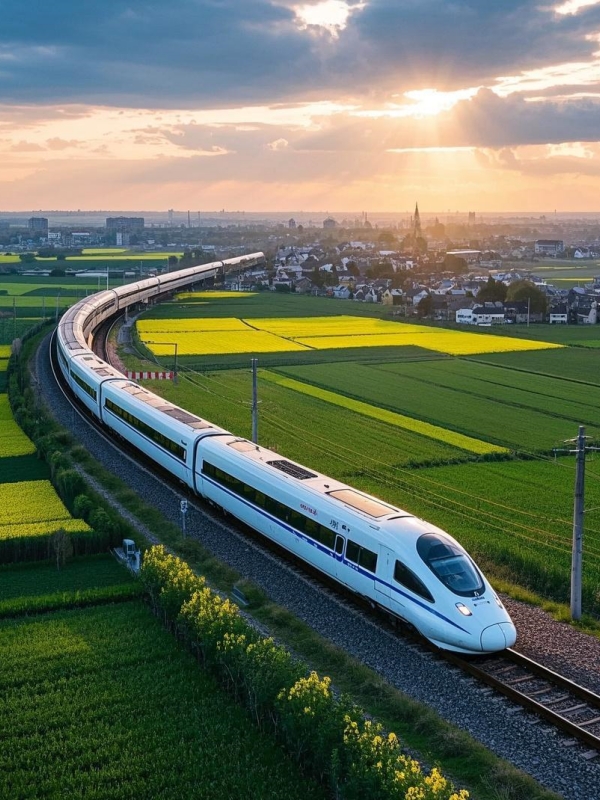
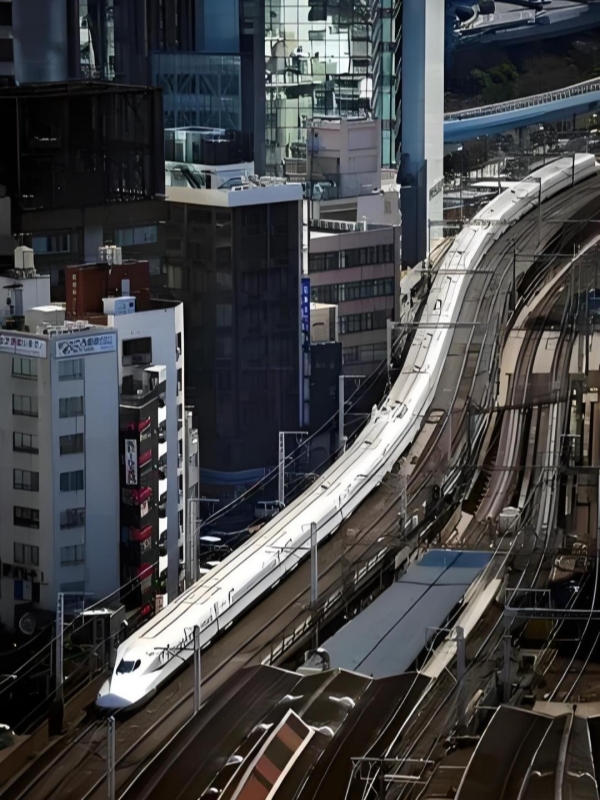
| Rail Network | 45,000km HSR - Reaches 500+ cities. | 3,500km Shinkansen - Focused corridors. |
I love how easy it is to call a Didi in Beijing. Visiting foreign people have nothing to worry about the whole way. Japan might also have it when I ride in a Shinkansen to watch beautiful countryside fly past. The metros in both are incredibly clean as well, making it so simple to get around massive cities. You won’t need a car in either destination.
- Smart Mobility in China:
- Didi Chuxing: The essential English app that lets you hail cars instantly for very low prices.
- High-Speed Rail: A massive network connecting remote provinces like Xinjiang at 350km/h.
- Punctual Traditions in Japan:
- Shinkansen: Legendary trains where delays are measured in seconds rather than minutes.
- IC Cards: One card that works seamlessly for all trains, buses, and even vending machines.
Lodging Variety: China Surpasses Japan in Luxury Value

Hotels, Ryokans, and Boutique Stays
| Factor | 🇨🇳 China | 🇯🇵 Japan |
|---|---|---|
| Luxury Cost | High-end rooms average $100 - $180 USD. | High-end rooms average $250 - $500 USD. |
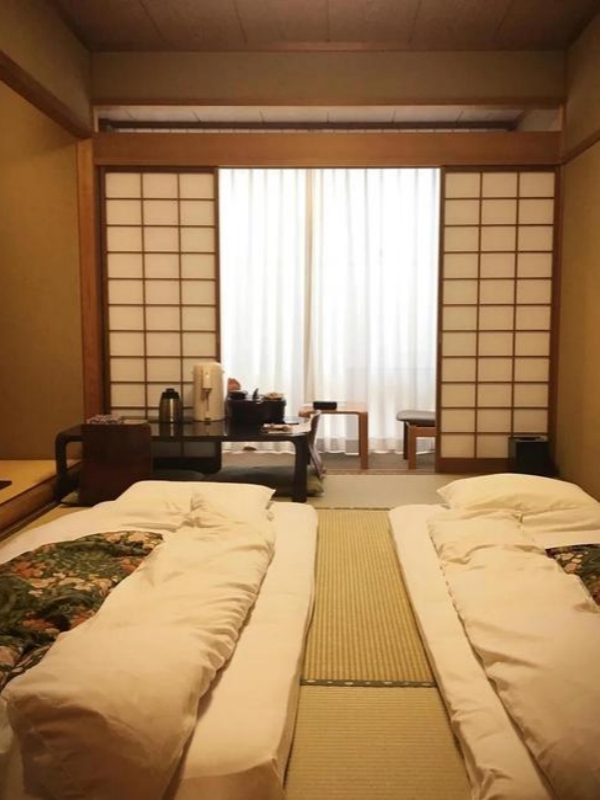
I discovered that hotels in China average double the size of those in Japan. Even boutique hotels in rural China provide world-class features and incredible views of the valley below. Then there’s Japan and its Ryokans—all that history in one room creates a spiritual presence that hotels cannot match. So if it is space you need and modern-room design that gives you joy, China wins. Everyone should experience a tatami matt room in Japan once.
- Modern Comforts in China:
- Space Value: Standard rooms are huge and often feature high-tech smart home systems.
- Boutique Variety: Yunnan and Sichuan have stunning mountain lodges tucked into deep valleys.
- Cultural Stays in Japan:
- Ryokan Living: Sleep on futons and enjoy private onsen baths in a quiet, wooden setting.
- Punctual Service: Hotel staff provide a level of hospitality and attention that is world-renowned.
Travel Expenses: China Offers Better Value for Long-Term Exploration
Daily Budget and Financial Practicality
| Budget Level | 🇨🇳 China | 🇯🇵 Japan |
|---|---|---|
| Mid-range Daily | $50 - $80 USD. | $110 - $160 USD. |
I found that my travel budget went further during my stays in China. Splurging on fine dining in Shanghai is much cheaper than dining in either Tokyo or Osaka. On the other hand, Japan’s convenience store meals keep your daily total within reach if you’re a budget tourist. The local trains and inter-city trains in China are subsidized so they’re also very cheap. China is better if you want to make your dollars go further.
- Budget Strengths in China:
- Luxury Access: Five-star hotels often cost less than a budget room in Tokyo.
- Food Value: A massive, delicious local dinner can be easily found for under $8 USD.
- Value Factors in Japan:
- Convenience: High-quality meals at local stores help keep your food budget low.
- Free Sights: Many beautiful shrines and historic city parks cost absolutely nothing to explore.
Traveler Security: Japan Ranks Safer Than Most Global Nations
Security for International Visitors
| Indicator | 🇨🇳 China | 🇯🇵 Japan |
|---|---|---|
| Safety Ranking | Extremely high personal security in all major cities. | Consistently ranked as a global leader in low crime. |
I’ve wandered through the streets of Beijing and Tokyo at midnight and was untroubled. Crime against tourists is unheard of in either peaceful nation. Japan really is the perfect place for a solo female traveler, as it is for every kind of woman, and China’s high-tech cities and polite people offer a very safe environment to roam. Just enjoy the sights and leave your worries at home!
- Safety Features in China:
- Monitoring: Visible security and high-tech systems keep public areas very well-monitored.
- Night Safety: Cities are well-lit and remain active with families until very late hours.
- Safety Culture in Japan:
- Lost and Found: It is legendary that lost wallets are returned with everything inside.
- Respect: A culture of deep politeness ensures travelers feel consistently safe and welcome.
🚨 Emergency Protocol: > While both nations are incredibly safe, being prepared is your best defense. Read our guide on [110 in China: How to Call the Police and What Really Happens] to understand the emergency response process for foreigners in 2026.
FAQs: China or Japan Answered Directly
Q: Is it cheaper to visit China or Japan?
Choosing China or Japan for your budget depends on your travel style. Generally, China is much cheaper for food, local transport, and luxury accommodation. Japan offers great value through convenience stores but has higher baseline costs. Therefore, China remains the better choice for budget-conscious travelers right now.
Q: Should US citizens travel to China right now?
Many US citizens are currently deciding between China or Japan for their next big vacation. Traveling to China is safe and open for American tourists with a valid visa. However, ensure you check the latest entry requirements before booking your flight. Most visitors enjoy a trouble-free and very welcoming experience.
Q: Which is safer for tourists — China or Japan?
Both destinations are incredibly safe when you compare China or Japan to most Western nations. Japan is often ranked slightly higher in global safety indexes for tourists. Nevertheless, China’s major cities are also extremely secure with very low rates of petty crime. You can travel both countries confidently.
Q: Should I visit Beijing or Tokyo first?
Deciding between Beijing or Tokyo depends on your personal interest in history versus modernity. Beijing offers deep imperial history and ancient sites like the Great Wall. On the other hand, Tokyo is a futuristic metropolis with incredible pop culture. I suggest Tokyo for ease and Beijing for depth.
Q: Which country has better bullet trains, China or Japan?
Comparing bullet trains in China or Japan reveals two of the world’s best systems. China has the largest network, reaching almost every corner of the country. Japan invented the technology and offers unmatched punctuality and onboard service. If you want scale, choose China. If you want precision, choose Japan.
Q: Can I visit both China and Japan in one trip?
Combining China or Japan into one single itinerary is a fantastic way to see East Asia. Many travelers fly between Shanghai and Tokyo in just three hours. This allows you to experience the contrast between these two cultures. However, ensure you have enough time to appreciate both countries fully.
Q: Is China or Japan better for first-time Asia visitors?
Japan is often considered the easier choice for first-time visitors choosing China or Japan. The signage is consistently in English, and the navigation is very intuitive. However, China is becoming much more accessible thanks to translation apps and new visa policies. Both are welcoming to newcomers from the West.
Q: Which is more beautiful — China or Japan?
Beauty is subjective when deciding between China or Japan for their natural landscapes. China offers vast, wild diversity like the karst mountains in Guilin. Japan provides refined, seasonal beauty like the autumn leaves in Kyoto. I believe both countries are stunning in their own unique, historic ways.
Q: Is China or Japan better for living and working abroad?
Living in China or Japan offers very different lifestyle experiences for most expats. Japan is known for its high quality of life and stable society. China offers rapid career growth and a lower cost of living for many professionals. Your choice depends on your long-term career and lifestyle goals.
Q: What’s the best time of year to visit China vs. Japan?
The best time for China or Japan is generally during the spring or autumn months. Spring brings blossoms to both nations, while autumn offers cool weather and vibrant colors. Avoid the peak summer heat and major national holidays in both countries. Planning around the seasons ensures the best experience.
External Reference
Further Reading and Official Resources
- 🌐 Tourism in China — Comprehensive Data on Chinese Destinations and Travel Infrastructure
- 🌐 Tourism in Japan — In-depth Guide to Japanese Cultural Sites and Tourism History