What Do People Wear in China
What Do People Wear in China —— Modern Chinese cities have fully embraced global fashion — jeans, T-shirts, sneakers, and casual dresses are the everyday uniform from Shenzhen to Chengdu. However, the country spans enormous climate extremes, from Harbin's −25 °C winters to Hong Kong's year-round humidity, and visitors encounter distinct dress norms at temples, palaces, and business districts. Dressing well in China means layering for sudden temperature swings, packing modest cover-ups for historic sites, and choosing shoes that handle both cobblestones and long hiking stretches. This guide breaks it down season by season and city by city, so you can pack with confidence.
The sections below cover everyday urban dress, seasonal packing advice, city-specific quirks, and the cultural norms that matter most at sites like the Forbidden City, Longmen Grottoes, and Shanghai's Jing'an Temple. Whether you are visiting in humid August or dry January, the practical checklist that follows will keep you comfortable and appropriately dressed.
Quick Facts
How Chinese People Dress in Daily Life
What Do People Wear in China
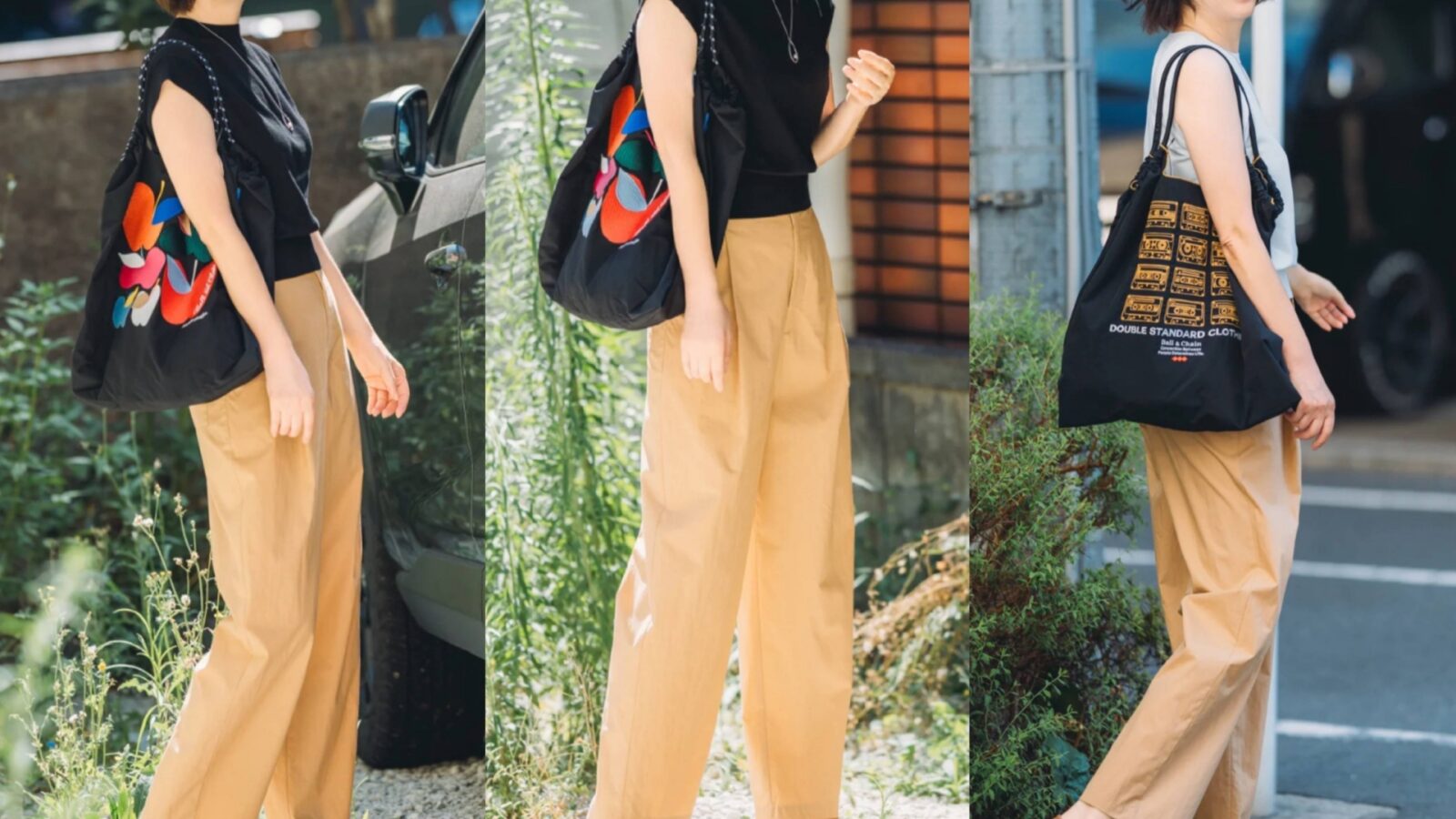
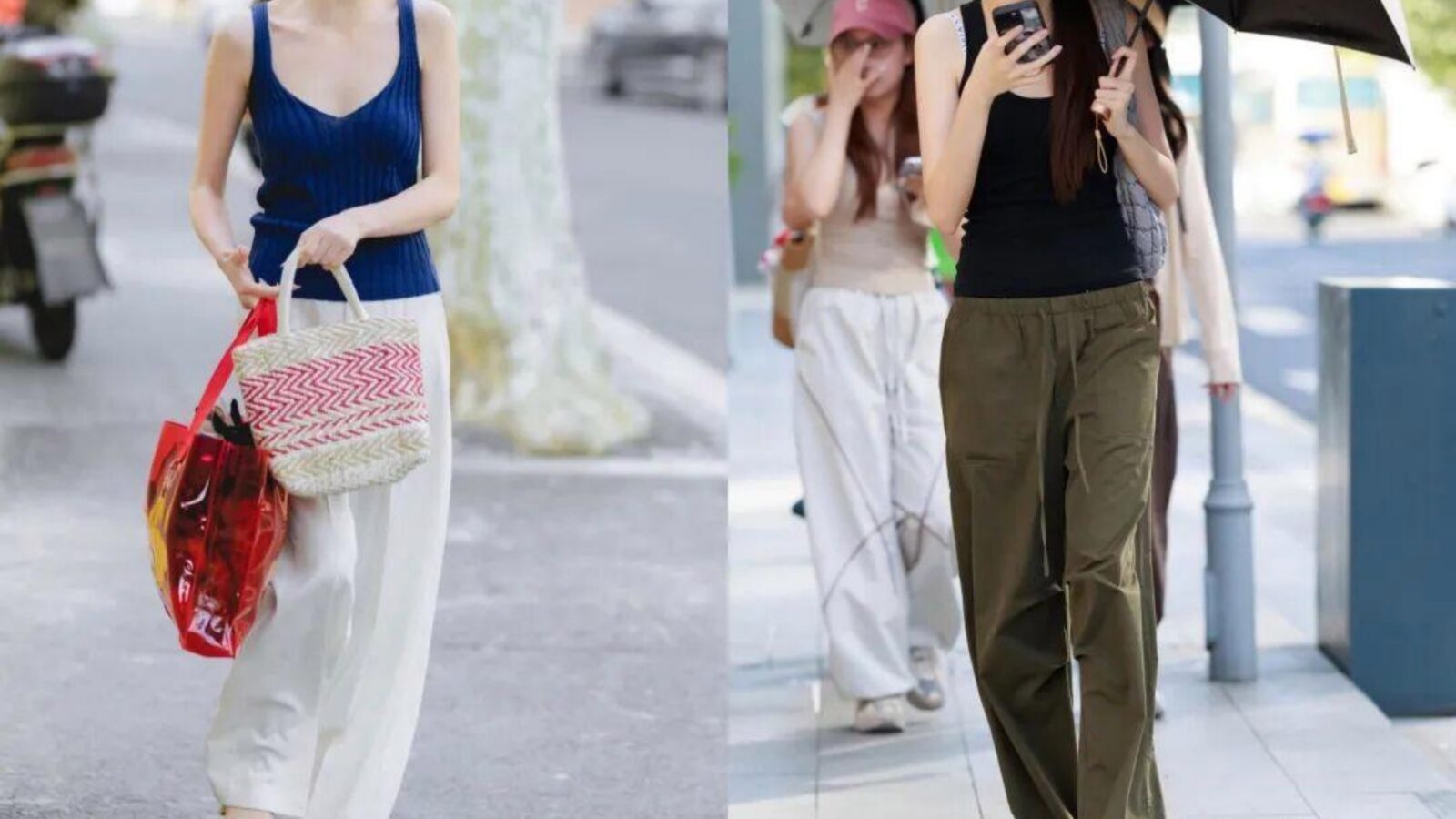
Urban Chinese dress in a style that would feel entirely familiar to visitors from Europe, North America, or Australia. Jeans, T-shirts, polo shirts, casual dresses, light jackets, and white sneakers form the baseline across major cities. The under-35 demographic tends to follow K-pop-influenced streetwear and domestic brands such as Li-Ning, Anta, and Bosideng. Business districts in Shanghai, Beijing, and Shenzhen see suits and tailored separates during working hours. Rural and small-town China leans toward looser cuts, practical cotton fabrics, and more muted colors — athleisure is increasingly visible but the overall aesthetic remains understated and functional.
Footwear skews toward comfort across all age groups. White sneakers dominate city streets; formal occasions call for leather dress shoes. Older generations in rural areas frequently wear flat caps and cloth shoes, while younger rural migrants adopt urban styles once they settle in larger cities. The regional palette varies: the northeast (Dongbei) favors heavier coats and darker colors in winter, Hong Kong stays light and polished year-round, and minority regions in Yunnan, Guizhou, and Xinjiang retain traditional garments for festivals and village life.
Urban Fashion in Major Cities
Beijing, Shanghai, Shenzhen, and Guangzhou share the same jeans-and-T-shirt foundation but each city has its own tilt. Shanghai leads on fashion-forward dressing — international brands, statement pieces, and polished sneakers are common on Huaihai Road and in Xintiandi. Beijing runs slightly more layered and conservative, particularly in the western business districts around Zhongguancun. Shenzhen skews tech-casual, with younger workers favoring clean, functional silhouettes. The daily outfit context is set by metro commutes, air-conditioned malls, and office buildings — formal occasions are infrequent outside of business meetings and weddings.
👕 Fashion Trends:Explore how modern aesthetics blends with cultural heritage in our overview of Contemporary Chinese Clothing.
Traditional, Regional, and Generational Differences
The hanfu revival has gained momentum among young urbanites, who wear historical-style garments for festivals, photoshoots, and cultural events rather than daily routines. The qipao (cheongsam) appears at weddings and tourist-photo studios but rarely on city streets. In ethnic minority regions — Yunnan, Guizhou, Xinjiang, Tibet — traditional garments remain visible in village daily life and ceremonial contexts. Older rural Chinese often favor practical Mao-style or plain cotton jackets, loose trousers, and simple flat shoes. Spring Festival is the one occasion when almost everyone buys new clothing, with red serving as the symbolic color for fresh starts and good fortune.
👘 Festive Wardrobe:Discover the cultural symbolism and modern styles of holiday attire in our guide to Traditional Chinese New Year Clothing.
What Tourists Should Wear in China by Season
What Do People Wear in China
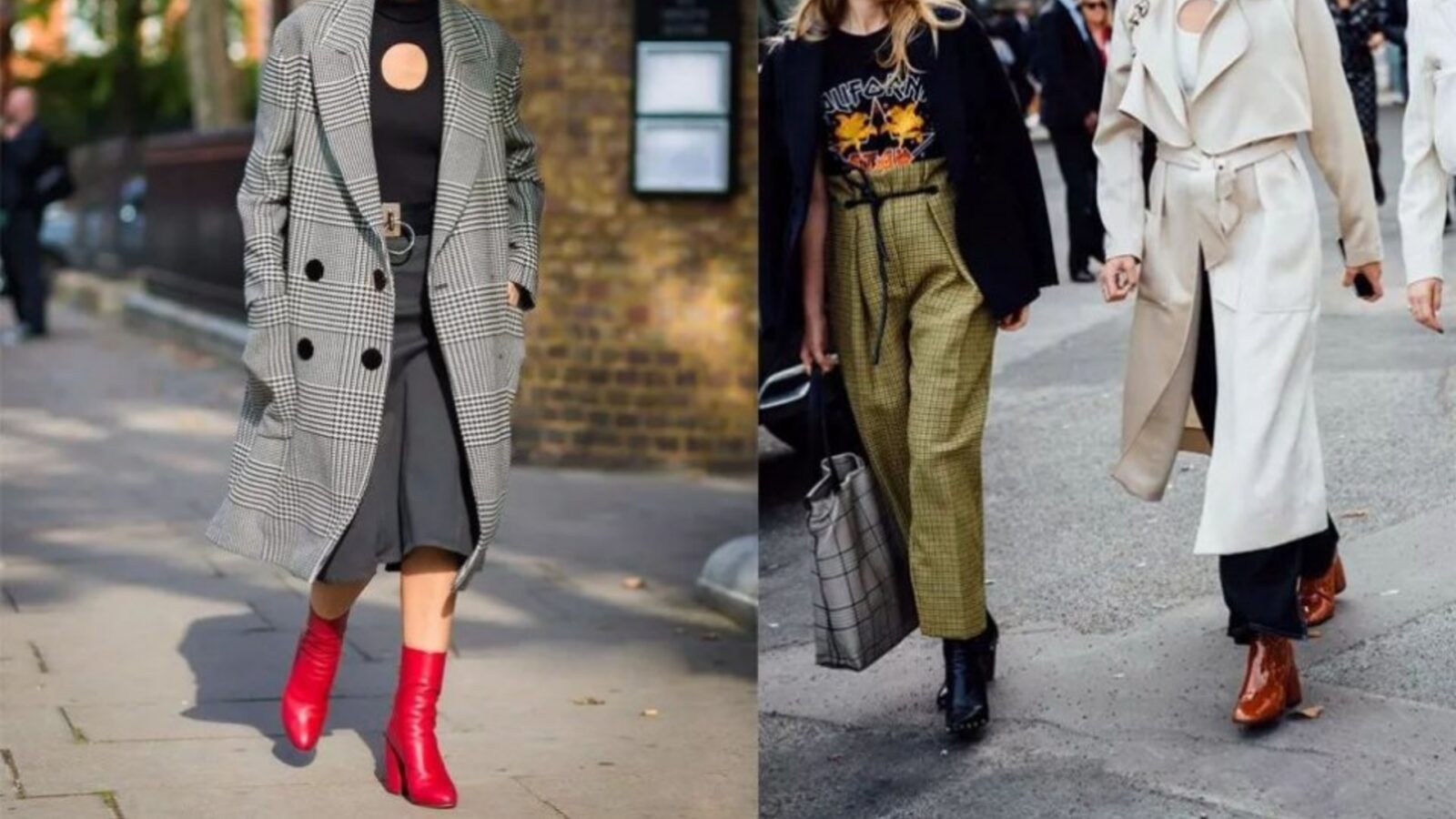
China's seasonal range is extreme. Pack for the season you are visiting, but always include one adaptable layer — indoor air conditioning and sudden weather shifts catch unprepared travelers off guard throughout the year.
Spring (March–May)
Spring brings dramatic temperature swings across the country. Northern China ranges from 5 to 22 °C with dusty, windy days in Beijing and Tianjin, while the south sits between 12 and 25 °C with lingering rain. Layering is essential.
- Light down or fleece jacket: needed for north China evenings, still cold at altitude even in May.
- Long-sleeve shirts plus one short-sleeve layer: add or remove as temperatures shift during the day.
- Scarf or buff: protects against Beijing's spring dust and sand storms; also works as a temple cover-up.
- Waterproof walking shoes: the south remains wet through April; roads and temple paths get slippery.
- Compact umbrella: late spring brings drizzle to central and southern regions; essential for daily use.
Summer (June–August)
Summer means heat and humidity across most of the country. The plum rain (meiyu) season saturates the Yangtze River basin from mid-June through July, while northern cities like Beijing experience intense dry heat above 35 °C. Even when overcast, UV levels stay high.
- Breathable linen or cotton T-shirts and loose pants: loose fits allow airflow and prevent sweat marks; avoid synthetic fabrics that trap heat.
- Portable folding umbrella or light rain jacket: sudden downpours are common during meiyu; umbrellas also serve as sun shade.
- Quick-dry socks: humidity makes cotton socks heavy and uncomfortable; quick-dry fabric handles sweat and rain alike.
- Sun hat plus SPF 50+ sunscreen: UV penetrates cloud cover; high-SPF sunscreen is non-negotiable in the south and at altitude.
- Light cardigan or shawl: restaurants, museums, and bullet trains run heavily air-conditioned even when outdoor temperatures exceed 35 °C.
Autumn (September–November)
Autumn is widely considered the best travel season. The weather turns dry and pleasant across most of China, making September through November peak tourist season. October, however, brings a rapid cooldown — especially in the north.
- Layered tops: T-shirt plus button-down shirt or light knit allows adjustment through the day.
- Light-to-medium jacket: needed from October onward in Beijing and the north; southern cities stay mild into November.
- Jeans or trousers: comfortable, practical, and appropriate for both hiking trails and city dining.
- Closed comfortable walking shoes: autumn is hiking-friendly; trails around Huangshan, Zhangjiajie, and the Great Wall are at their best.
Winter (December–February)
Winter reveals China's enormous north–south divide. Harbin and the northeast can drop below −25 °C, Shanghai hovers around 0–10 °C with damp cold, and Hong Kong rarely needs more than a light jacket. Pack for your destination, not the country as a whole.
- Heavy down jacket: rated to roughly −15 °C for Beijing and the northeast — quality down jackets are widely available on Trip.com and Klook from about $70–210 (¥500–1,500).
- Thermal underlayer: long johns and a thermal top add critical warmth without bulk; synthetic base layers work well.
- Scarf, gloves, and wool hat: exposed skin loses heat rapidly in northern dry cold; these accessories are non-negotiable in Beijing and Harbin.
- Waterproof boots with grip: northern pavements ice over in freezing temperatures; non-slip soles prevent falls on slick surfaces.
- Lip balm and hand cream: indoor heating and outdoor dry cold combine to crack skin; carry these from the start of your trip.
City-by-City Clothing Guide
What Do People Wear in China
Climate varies sharply between cities. The table below summarizes key variables, with expanded city-specific notes following.
Beijing
Spring dust storms in March and April make a light scarf or buff genuinely useful — it keeps sand out of your hair and dust out of your lungs on windy days around the hutongs. The Forbidden City involves long stretches of uneven stone paving; comfortable walking shoes are essential, not optional. The Great Wall's Mutianyu and Jinshanling sections feature steep, uneven steps — new shoes that have not been broken in will punish you. Winter dryness cracks skin within days; hand cream and lip balm should be in your day bag from December onward. Summer, despite Beijing's northern latitude, reaches genuinely high temperatures — do not underestimate it.
Shanghai
Humidity is the defining clothing factor in Shanghai. Fabrics that breathe matter more than thickness — linen, cotton, and quick-dry synthetics outperform denim and wool in August. The Bund at night catches a river breeze even during heat waves, so a light layer extends your evening comfort. Late summer brings typhoon warnings; windows seal against driving rain, and indoor plans become essential. Winters are mild in temperature but damp — a wool coat combined with an umbrella outperforms a heavy parka that traps moisture. Shanghai's fashion-forward atmosphere means dressy casual works well for dinners in Xintiandi and the French Concession.
💃 Historical Vintage:Step back into the glamorous era of early 20th-century qipao elegance in our article on Chinese 1920s Fashion.
Hong Kong
Hong Kong's subtropical climate makes heavy clothing unnecessary nearly all year. Light layers serve better than bulk. The consistent exception is indoor air conditioning — malls, the MTR, offices, and upscale restaurants run aggressively cold even in July. A cardigan or light jacket is the single most useful item for navigating air-conditioned interiors. The dress code for Victoria Peak, Star Ferry evening sailings, and dim sum restaurants in mid-range hotels runs smart-casual. Flip-flops and tank tops are acceptable at street-food stalls and casual diners but read as underdressed in nicer establishments. Swimwear belongs at hotel pools or Repulse Bay — never on city streets or in shopping districts.
High-Altitude and Subtropical Edges
Lhasa and the Tibet plateau present extreme UV exposure even on overcast days. High-SPF sunscreen, quality sunglasses, and a wide-brim hat are non-negotiable from arrival. Days can warm to comfortable temperatures, but nights drop below freezing most months. Layering handles this swing better than a single heavy coat. Chengdu and Chongqing share a humid gray climate — locals call it "sweater weather" even when thermometers read 15 °C, because damp cold penetrates clothing. Quick-dry fabrics and a light rain shell serve well. Guilin's karst landscape creates persistent humidity; pack quick-dry layers and a compact rain jacket. Urumqi and the northwest (Gansu, Xinjiang) show continental extremes within single trips — temperatures can shift 20 °C between a morning desert crossing and an evening in the mountains. Always carry both sun protection and a warm layer.
🛍️ Retail Destinations:Find tailor markets, designer boutiques, and popular shopping hubs in our detailed guide to Shanghai Clothing Stores.
Practical Packing Tips for China
Tourists in China typically walk significantly more than expected. The Forbidden City, the Great Wall, Tiananmen Square, Yu Garden, and the Lujiazui skyline all involve hours on your feet across uneven surfaces. Packing decisions should prioritize comfort, adaptability, and site-specific requirements.
Shoes, Layers, and Accessories
The right shoes and a few strategic accessories handle most climate challenges. Focus on versatility over volume — you will be moving through airports, bullet trains, and crowded metro cars with your luggage.
- Broken-in walking shoes or trail shoes: cobblestone paths, steep steps, and full-day sightseeing demand proper support; new shoes cause blisters after a few hours.
- Slip-on or easy-off shoes: temples, mosques, and many public restrooms outside airports and malls still use squat toilets — quick removal saves time and awkwardness.
- Layering system: T-shirt plus button-down or light knit plus jacket beats one bulky item; layers fold flat and adapt to indoor-outdoor transitions throughout the day.
- Compact umbrella: handles sudden summer rain, harsh sun, and indoor AC chill — one item solves three problems.
- Sunglasses and sun hat: high-altitude destinations (Lhasa, Zhangjiajie, Huangshan) and summer sun in any city make UV protection necessary.
- Light scarf or buff: doubles as dust cover, sun shield, temple modesty layer, and AC defence; packs to nothing and earns its place in every carry-on.
📏 Sizing Checklist:Ensure you convert international clothing sizes accurately before shopping locally with our comprehensive Size Chart for China Clothes.
Cultural Norms and What to Avoid
Chinese cities are broadly tolerant of foreign dress, but specific sites carry expectations. Understanding these norms prevents awkward situations and shows respect at sacred and historic locations.
- Temples and mosques require covered shoulders and knee-length bottoms: carry a scarf or light cardigan; temples are often among the first stops on a tourist itinerary.
- Never point the soles of shoes at people or Buddha statues: this is considered rude; sitting cross-legged with feet pointed at an altar is especially disrespectful.
- Avoid all-white or all-black outfits at festive events: white carries funeral associations in Chinese tradition; all-black is less charged but still avoided at celebrations like Spring Festival and weddings.
- Remove hats inside Buddhist halls: headwear in temple buildings signals disrespect; this applies to men and women alike.
- Activewear belongs at the gym or hiking trails: yoga pants and sports tops read as gym-only clothing in upscale restaurants; keep them for your hotel fitness center or mountain paths.
- Swimwear stays at the pool or beach: visible swimsuits on city streets or in shopping malls attract attention; change before leaving the hotel.
Where to Shop for Clothes in China
China functions as both a global fashion market and a manufacturing hub, which means high-quality clothing at reasonable prices is accessible to visitors who know where to look.
- Uniqlo, MUJI, and Decathlon: reliable basics at predictable prices — T-shirts start from about $11 (¥79); these chains are bookable on Trip.com for pickup and are present in every major mall.
- Domestic sports brands: Li-Ning, Anta, and Erke offer affordable sportswear and casual clothing; quality has improved significantly over the past decade.
- South Bund Fabric Market (Shanghai) and Hengshan Road tailors: made-to-measure suits, dresses, and coats with 2–3 fittings; basic suits start from about $70 (¥500), wool suits from roughly $210 (¥1,500).
- Suzhou silk markets: silk scarves, qipao fabric, and embroidered items at negotiated prices; quality varies — inspect stitching before purchasing.
- Beijing's Sanlitun and Shanghai's Tianzifang: independent designers, vintage boutiques, and streetwear stores catering to younger urban tastes.
- Counterfeit goods caveat: copies of luxury brands are illegal to import in many countries; Beijing's Silk Street and Shanghai's AP Plaza tourist markets sell counterfeits — purchase knowingly or avoid them entirely.
Frequently Asked Questions
Q: Do people in China wear jeans?
Yes, very commonly. Jeans are the default casual bottom across Chinese cities for all age groups, from university students to office workers on weekends. Rural older generations more often wear loose cotton trousers, but jeans are increasingly common in smaller towns as well.
Q: What should tourists wear in China?
Comfortable walking shoes, layered tops that adapt to indoor-outdoor temperature shifts, one weather-appropriate jacket, a light scarf or buff for temple modesty and dust, and a compact umbrella. Breathable fabrics are essential in summer; thermals and a heavy coat are needed in northern winter.
Q: Is it OK to wear shorts in China?
Yes in summer and at casual tourist sites. However, avoid shorts at Buddhist and Taoist temples, mosques, and some historic palaces — long pants or a midi skirt is the safer choice at those locations. Standard tourist attractions like the Bund and Tiananmen Square have no shorts restrictions.
Q: Do I need to cover my shoulders in China?
Not in everyday city life. However, most Buddhist temples, the Forbidden City, the Temple of Heaven, mosques, and some upscale restaurants require covered shoulders. Carrying a light layer solves this problem without requiring a wardrobe change.
Q: What should I wear to the Great Wall?
Sturdy shoes with good grip, layered tops for temperature swings, a sun hat in summer, and a warm jacket in winter. Mutianyu and Jinshanling involve long climbs on uneven steps — avoid shoes that have not been broken in. A compact backpack for water and layers serves well.
Q: Can I wear Western clothes in China?
Absolutely. Jeans, T-shirts, sneakers, dresses, and Western business attire are all standard in Chinese cities. Local residents are neutral toward foreign dress; no special accommodation is required beyond common-sense modesty at sacred sites.
Q: Are there dress codes for Chinese restaurants?
No strict dress code applies at most restaurants. Upscale hotel dining rooms and mid-range restaurants in tourist areas expect smart casual — no flip-flops, tank tops, or gym wear. Street-food stalls and casual diners accept anything clean and covered, regardless of style.