Cherry Blossom China
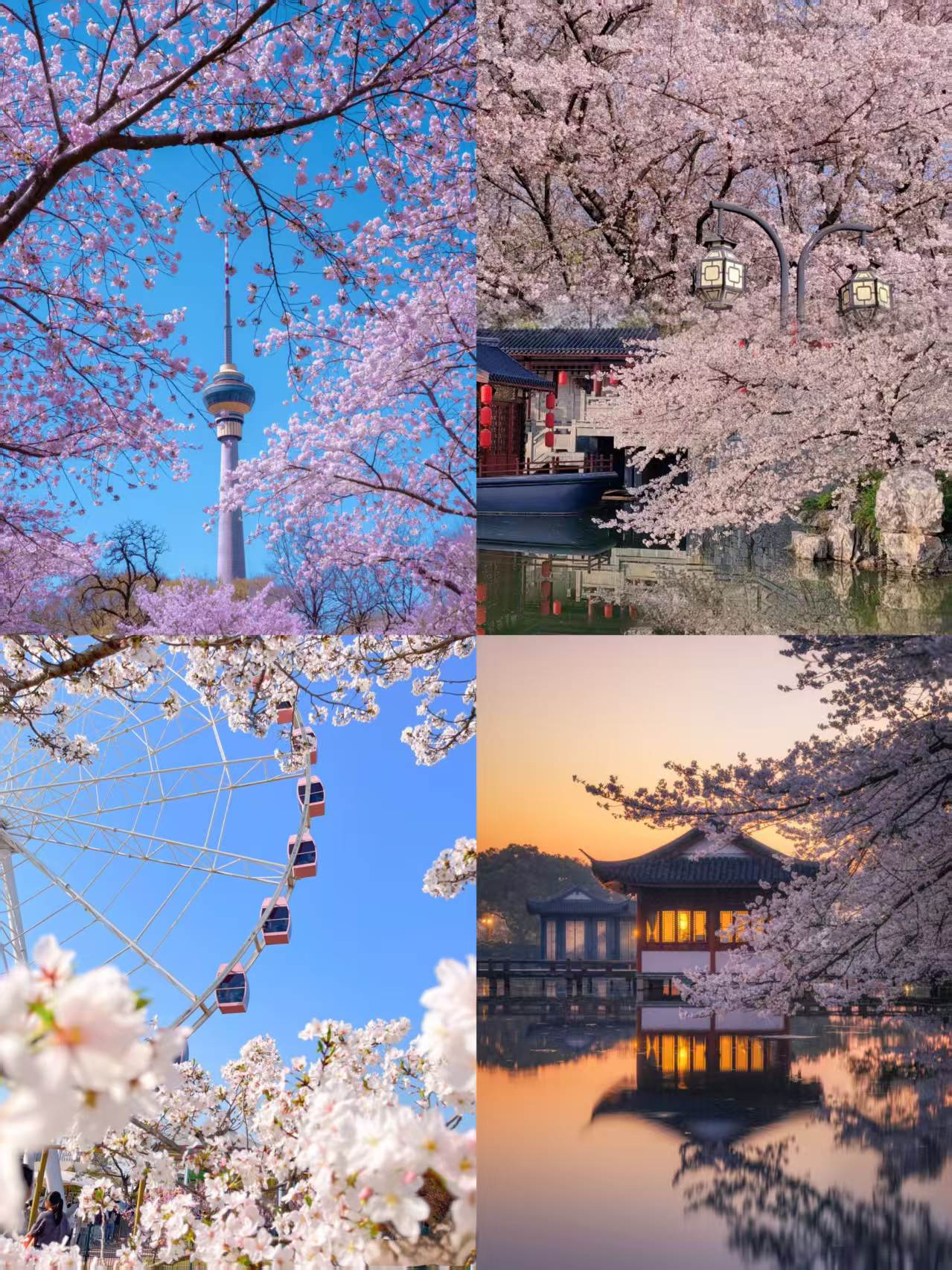
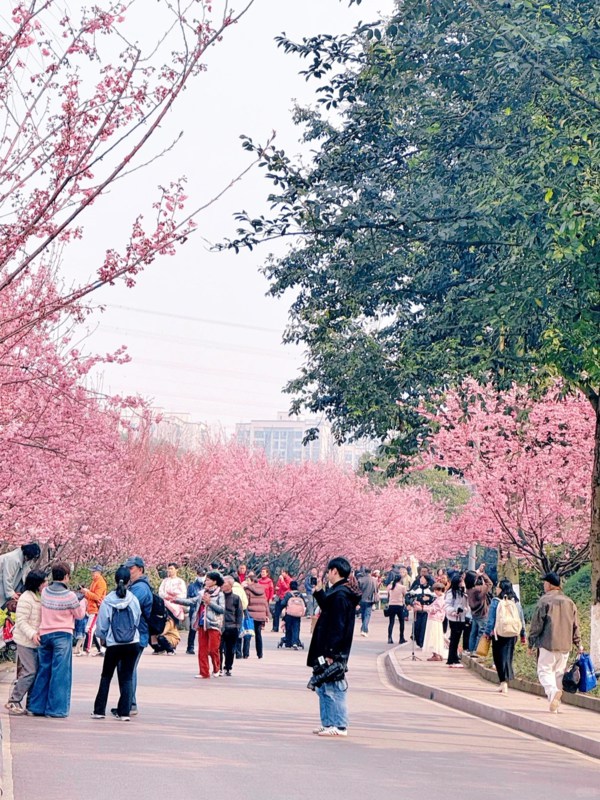
Spring in China hits differently when the cherry blossoms start to bloom. Walking through Yuyuantan Park in Beijing, petals litter the paths and the air carries a faint, sweet scent of flowers mixed with street food from nearby vendors. People pause for selfies, cyclists dodge fallen blooms, and cafés along the way are already busy with locals sipping coffee. Shanghai’s Gucun Park is louder, but the cherry trees still carve out quiet corners if you know where to look. Experiencing Cherry Blossom China like this makes you realize it’s more than just a photo—it’s a small pause in the city rush.
Top Cities and Famous Parks for Sakura
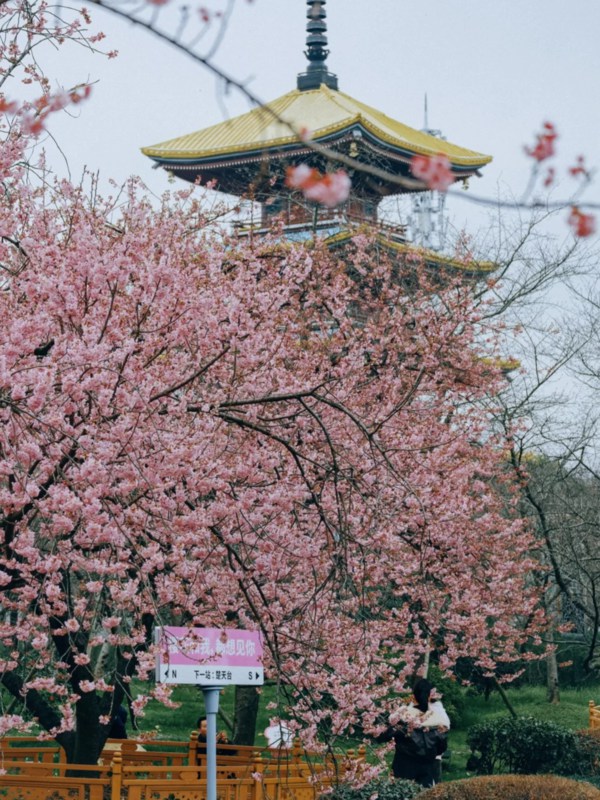
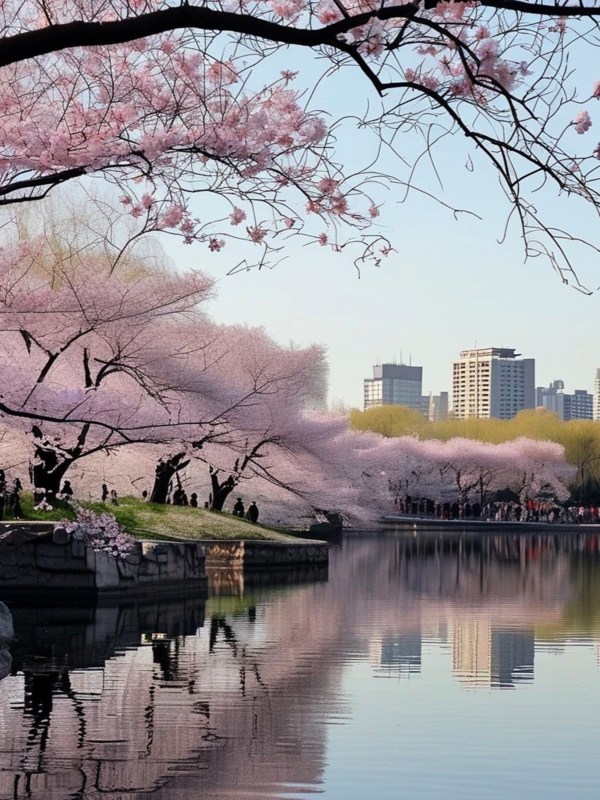
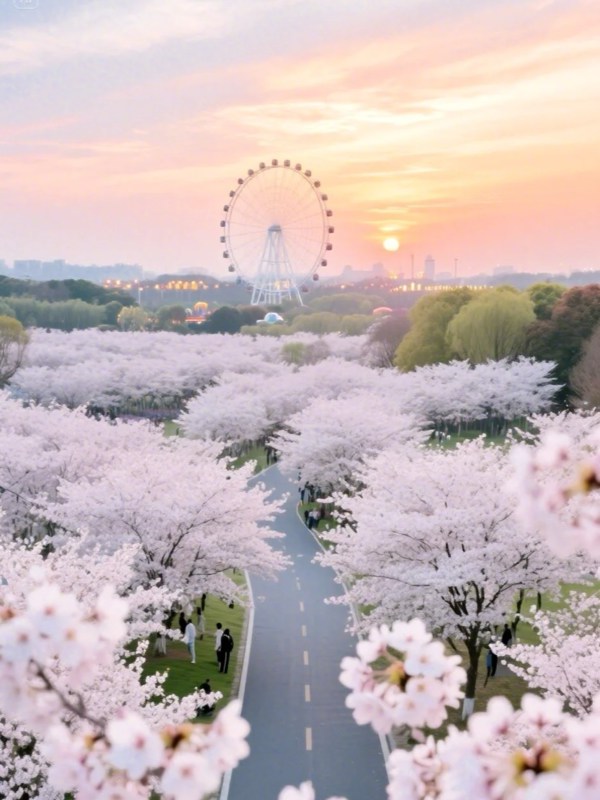
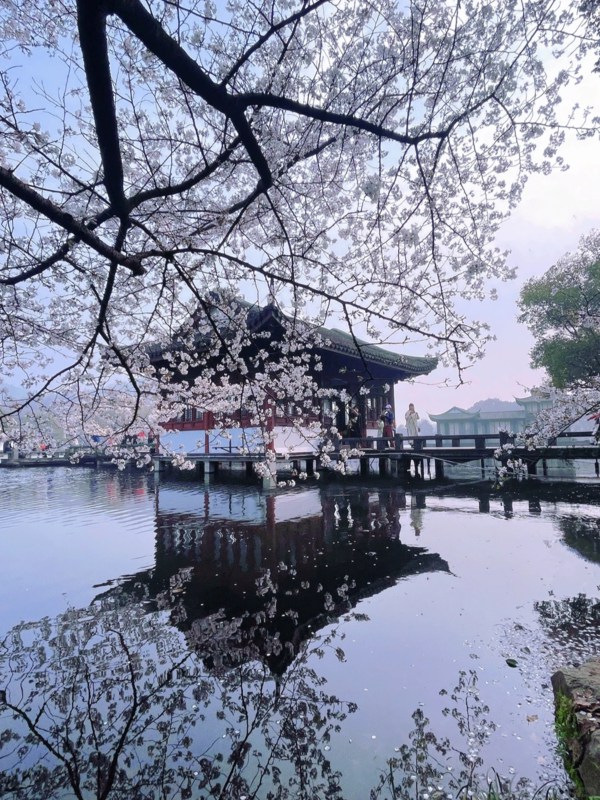
1. Wuhan East Lake and University Campus Trails
- Best Visiting Time: Early March to late March. Peak bloom usually lasts about one week depending on temperature. Early morning (before 9 AM) and late afternoon offer fewer crowds.
- Ticket & Reservation: East Lake public paths are free. Wuhan University campus usually requires reservation during peak bloom season, with tickets around ¥30–40. Online booking is recommended for weekend visits.
- Suggested Walking Route: Start from the East Lake lakeside promenade and continue toward the Wuhan University cherry blossom road. Walking the quieter eastern trails near the lotus ponds helps avoid the main tourist flow.
- Highlights: Cherry blossom avenues inside the university campus, lakeside walking paths, and bicycle routes around the lake road that allow visitors to explore multiple blossom areas in one trip.
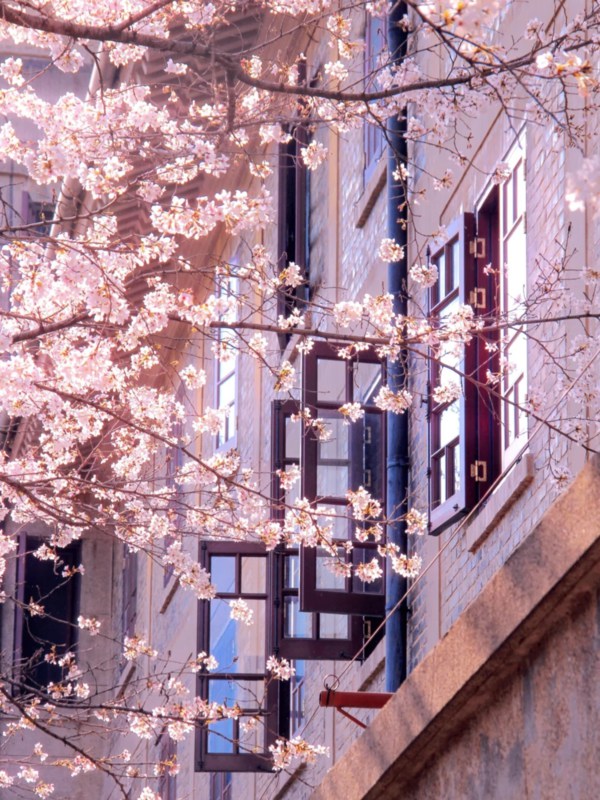
East Lake in Wuhan is one of the largest cherry blossom destinations in central China. The main routes run along the lakeside and through Wuhan University, where iconic cherry gates and campus paths create natural photo frames. Bicycle rentals along the lake road help visitors reach quieter corners where petals fall around historic campus buildings.
Nearby amenities include small cafés and bike stations along the lake. Taxi pick-up points are located near major park entrances.
2. Beijing Yuyuantan Park for Iconic Lakeside Blooms
- Best Visiting Time: Late March to early April. The best viewing hours are before 9 AM when lighting is softer and crowds are lighter.
- Ticket & Reservation: Standard entry fee is around ¥5–10. During peak blossom season, visitor flow control may apply and online ticket purchase is recommended.
- Suggested Walking Route: Enter from the west gate and walk counterclockwise along the lake toward the north shore. This route avoids tour groups and offers better morning light across the water.
- Highlights: Cherry Blossom Avenue, lakeside bridges, and scenic reflections along the eastern lake section.
Yuyuantan Park is Beijing’s most concentrated cherry blossom viewing area with more than 2,000 trees surrounding the central lake. The main avenue near the south gate becomes crowded after 10 AM, especially on weekends.
Facilities around the park include cafés, snack kiosks, convenience stores near the entrances, and clearly marked taxi or ride-hailing pick-up points.
🌸 Plan Your Visit: Timing is everything for the perfect bloom. Check our [How to Visit Yuyuantan Park in 2026] for the latest cherry blossom forecast and exclusive photography routes to beat the crowds.
3. Shanghai Gucun Park Festival and Family Areas
- Best Visiting Time: Mid-March to mid-April during the Shanghai Cherry Blossom Festival. Weekday mornings usually provide the most comfortable experience.
- Ticket & Reservation: Festival tickets typically cost ¥20–25. Advance online booking is recommended because tickets can sell out during weekends.
- Suggested Walking Route: Enter from Gate 2 and follow the lakeside boardwalk toward the flower bridges. Continue into the outer cherry forest areas to avoid the heaviest crowds.
- Highlights: Large cherry blossom forest, themed flower sections, lakeside bridges, and seasonal festival installations.
Gucun Park is the largest cherry blossom viewing area in Shanghai and the main venue of the annual festival. During the festival season, temporary art installations, food stands, and weekend performances appear around the central lawn area. If you’re curious about more local traditions and cultural spots that surround Shanghai’s festival scene, check out in-depth insights here.
The park is easily accessible via Metro Line 7 (Gucun Park Station). Visitor traffic is usually highest between 11 AM and 4 PM, while late afternoon provides better lighting for photos on bridges facing west over the water.
4. Hangzhou West Lake for Traditional Garden Views
- Best Visiting Time: Mid-March to early April depending on weather conditions. Early morning visits before 8 AM offer the calmest scenery.
- Ticket & Reservation: West Lake itself has no entrance fee. Some nearby scenic gardens may charge small admission fees.
- Suggested Walking Route: Start from Broken Bridge, walk along Su Causeway, and continue toward Maojiabu for quieter lakeside paths.
- Highlights: Cherry blossoms mixed with historic scenery including bridges, pavilions, and traditional gardens.
West Lake does not have a single concentrated blossom park. Instead, cherry trees appear along scenic routes such as Su Causeway and the Broken Bridge area. These spots attract large tourist flows during peak bloom.
Walking along the western lakeside paths in Hangzhou toward Maojiabu provides a calmer experience with fewer vendors and a more traditional landscape. Early spring mornings often produce the clearest reflections across the still water.
Understanding Bloom Timing from South to North
-

- Bloom Timing
-
- Cherry Blossom Festival
-
- Cherry Blossom in Wuhan University
Bloom Timing – When I Found the Perfect Peak
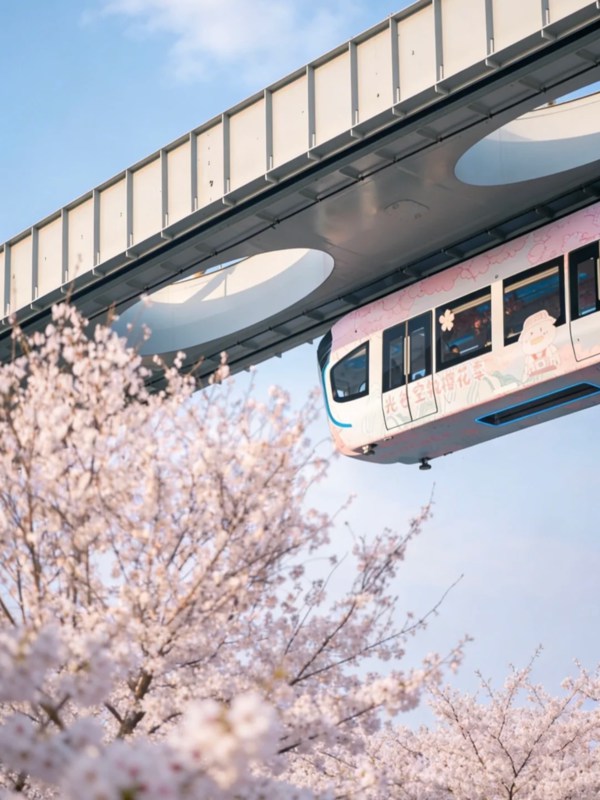
Bloom timing in China moves from south to north. In Hangzhou, early varieties can start opening in early to mid-March. Shanghai usually follows in mid-to-late March. Beijing typically peaks from late March to early April. Temperature swings matter more than calendar dates—three warm days can push full bloom quickly, while a cold front can delay it nearly a week. The full peak stage often lasts only 5–7 days before petals begin falling.
How I Avoided Crowds:
- I avoided the first sunny weekend after official “full bloom” announcements. That is usually the heaviest traffic day.
- I entered parks before 8:30–9:00 AM on weekdays; tour groups usually arrive after 9:30 AM.
For real-time bloom conditions, local users post daily updates with photos on Xiaohongshu and short-video platforms. Searching the park name plus “today’s bloom” gives practical, same-day references. Compared to fixed travel guides, these updates are more accurate. If planning a multi-city cherry blossom china trip, schedule southern cities first, then move north within a 7–10 day window to follow peak timing.
Entry Fees, Passes, and Festival Tickets I Used
During blossom, the rules of the ticket are adapted, particularly in Shanghai.
Typical Costs I Paid:
- Beijing parks (e.g., Yuyuantan): ¥5 -10 regular admission; flowering can increase the time of the ticket control.
- Shanghai Gucun Park in festival: approximately ¥2025; reservations may be made on weekends.
- Hangzhou West Lake: free, yet certain gardens within the picturesque land can cost ¥10-30.
In Beijing and Shanghai, there are several cases of half-price tickets on student IDs. Even with a free ticket, some parks will need to be booked online, primarily to regulate the movement of visitors. Purchasing tickets a day or two or three days early will avoid the manual purchase lines which may take between 30 minutes and more in rush periods of the weekends.
Transport Tips – How I Got Around Cities Without Stress
In blossom season, the traffic around the major parks moves very slowly around the periods between 10 AM and 4 PM. Beijing and Shanghai have the most reliable options of Metro systems since they avoid road congestions. Exits of the park are well indicated and are generally directed to the pedestrian traffic on the high traffic days.
What Worked Best for Me:
- Metro to arrive, taxi to leave early in the morning before the rush hour.
- Moving around in parks, rather than using community bikes when walk paths were congested.
Internal shuttle carts can be used in big parks such as Gucun, although queues can be long after noon. High-speed trains are used in the city-to-city travel involving the connection of Beijing, Shanghai and Hangzhou within 1-5 hours depending on the route. Reservation in 5-7 days in advance will guarantee good seat selection. Getting in the city the evening before a scheduled visit to the blossoms will eliminate stress and enable one to enter when gates open the following morning.
Experiencing Cherry Blossom China Like a Local
-
- Cherry Blossom in Olympic Park
-
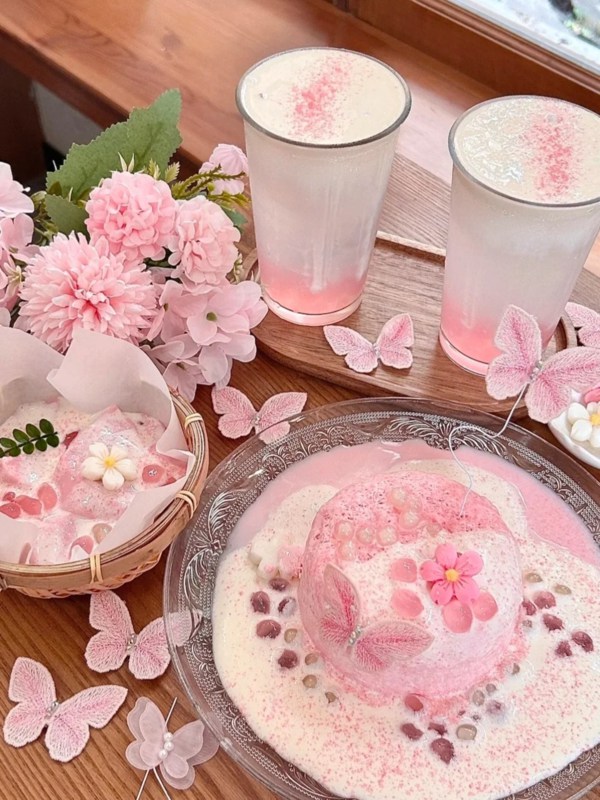
- Food Made by Cherry
-
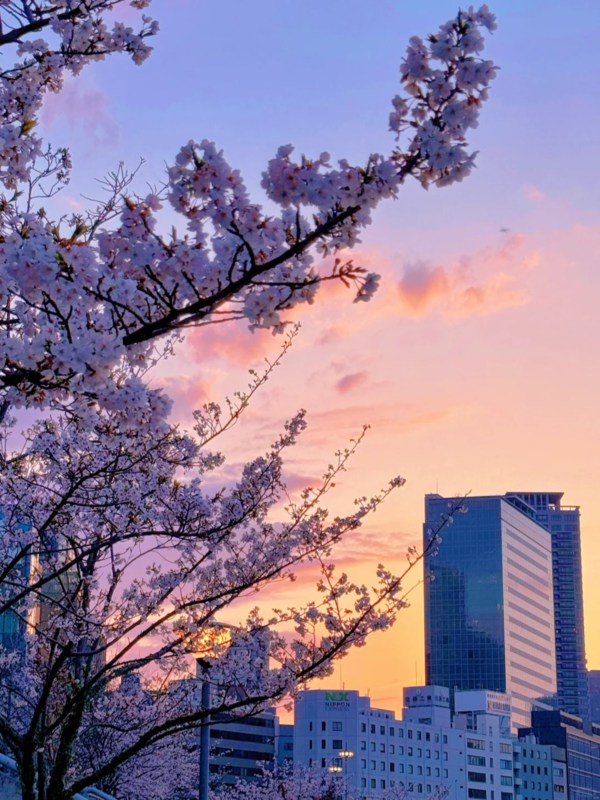
- Sunset
Hidden Parks and Lesser-Known Trails
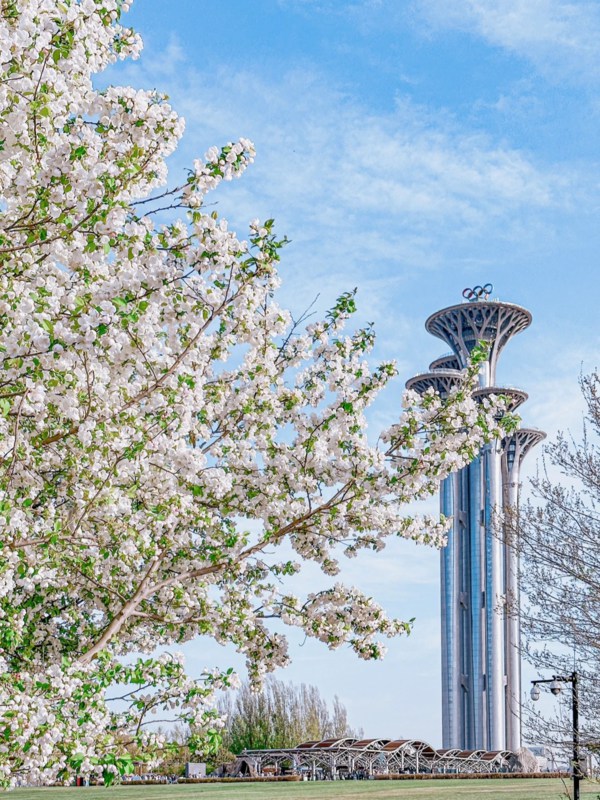
Beyond the famous blossom parks, I found quieter alternatives that still deliver strong seasonal views. In Beijing, the Olympic Forest Park inside the Olympic Green area has scattered cherry trees along wide open lawns. Most visitors stay near landmark structures, so walking deeper toward the northern lake sections reduces foot traffic significantly.
In Shanghai, Changfeng Park offers lakeside cherry trees without festival-level crowds. The east side of the lake, away from the amusement area, has cleaner backgrounds for photos and more bench seating.
Hangzhou’s Gushan trails near West Lake surprised me the most. Instead of staying near Broken Bridge, I followed smaller stone paths climbing slightly uphill. The combination of cherry blossoms, traditional pavilions, and fewer tour groups made it easier to pause and observe details rather than rush through.
How I Found Quiet Corners:
- I avoided entrances closest to metro exits and walked 10–15 minutes further inside.
- I looked for secondary paths on park maps instead of following the main cherry avenues.
These smaller spaces gave me a more relaxed version of cherry blossom china, with space to actually enjoy the surroundings rather than navigating constant crowds.
Seasonal Food and Cafés I Loved Near Sakura Spots
Food that is in-season comes in very fast when the flowers are open. Bakeries established in and around large parks launch minimal sakura-related sweets including chiffon cakes, soft cream rolls, and lattes with cherry. These products are usually empty by mid-afternoon during weekends.
Small cafes outside the west gates of the park in Beijing usually have shorter queues as compared to the cafes facing the main entrance. Independent coffee shops on residential blocks within the Gucun Park proved to be better in seating and had less noise in their indoors on festival days in Shanghai. In Hangzhou, near West Lake, there are traditional tea houses that serve Longjing tea and light pastries; sitting by the windows in the afternoon is a pleasure compared to walking all day.
My Success Break Management:
- I did not choose peak lunch hours (12–1:30 PM) at which time the cafes and the restrooms are the busiest.
- I used snack stops and route adjustments, where the breaks were taken to refocus on the less busy parts of the park.
Timing food averts tiredness and lessened waiting period.
Photography Tips from Sunrise to Sunset
The lighting and the crowd density can be influenced by the timing. The period between 7:00-8.30 AM is less bright and the traffic of pedestrians is not too big. Background distractions grow after 10.30 AM.
Technical Adjustments which were helpful:
- Minor under exposure of smartphones so that they are not overexposed petals.
- Portrait mode is to be used with caution, as bushes may get in the way of detecting the depth.
One morning in the early days of Hangzhou, the still water could only reflect a few minutes after which tour boats arrived and began with their operations. It was more likely to record a cleaner composition by arriving prior to the official activity hours.
Festivals, Cultural Activities, and Local Stories I Encountered
-
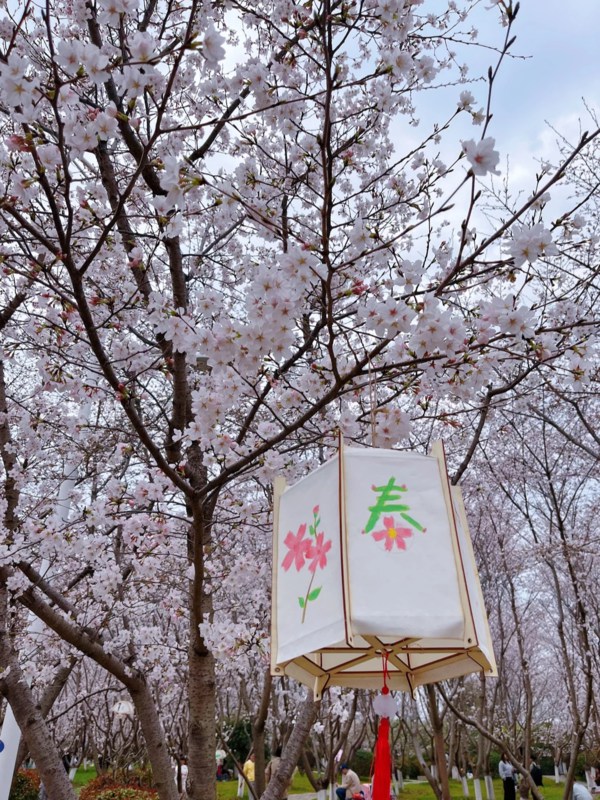
- Major Festivals
-
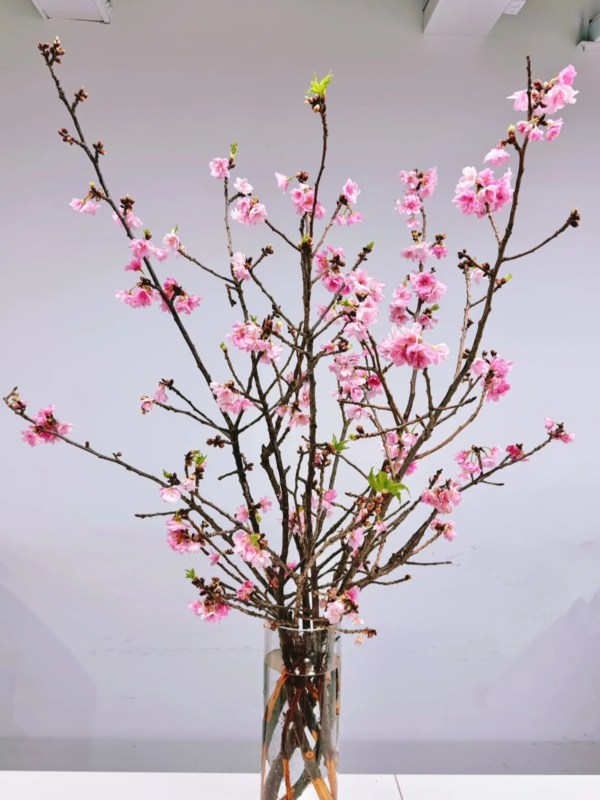
- Traditional Experiences
Major Festivals in Beijing, Shanghai, and Hangzhou
During blossom season, large parks organize structured activities beyond simple viewing. In Beijing, Yuyuantan Park typically sets up flower exhibitions explaining cherry varieties and bloom stages. Informational boards are practical if you want to understand differences between early and late blooms rather than just take photos. Online reviews often mention good layout planning but warn about congestion between 10:30 AM and 3 PM.
Shanghai’s Gucun Park runs a month-long cherry blossom festival with themed display zones, photography contests, and weekend performances. Visitor ratings frequently highlight the scale of the cherry forest while advising weekday visits for easier movement. The central lawn area is usually the most crowded section.
Hangzhou integrates blossom activities more subtly around West Lake gardens. Instead of one concentrated festival zone, small-scale floral displays and garden exhibitions are scattered. Compared with larger northern events, the atmosphere feels less commercial and more blended into daily city life—an aspect I noticed clearly while planning my cherry blossom china route.
Sakura-Themed Performances and Traditional Experiences
Seasonal programming often includes short cultural demonstrations. In Beijing and Shanghai, temporary tea booths sometimes introduce green tea basics in 10–15 minute sessions. Hangzhou naturally emphasizes Longjing tea culture, and some lakeside tea houses offer simple tasting explanations during peak bloom weeks.
Handcraft stalls are common near festival entrances. Items usually include pressed-flower bookmarks, small ceramic pieces, and blossom-themed postcards. Prices remain moderate, but cashless payment apps are widely preferred.
Street-level performances are typically acoustic singers or small instrumental groups rather than large staged shows. These appear near main entrances or open lawns and tend to gather standing crowds for short periods. Joining one performance break helps divide long walking routes and gives context beyond photography.
Tips for Joining Festivals Without Crowds
Crowd control determines overall experience more than the flowers themselves.
What Reduced Waiting Time for Me:
- Arriving within the first 60 minutes after park opening; security checks and ticket scans move fastest then.
- Visiting on Tuesday to Thursday rather than Friday afternoon or weekends.
- Moving toward outer exhibition paths instead of stopping at central stages.
- Scheduling cultural booths or stamp collections before 9:30 AM, when queues are shortest.
If possible, check weather forecasts carefully. The first clear day after rain often attracts the heaviest visitor volume. Adjusting by even one day can significantly improve mobility and overall comfort.
FAQ about Cherry Blossom China
Q: When is the best time to see cherry blossoms in China?
Peak bloom varies by region. Southern cities like Hangzhou usually start in early March, Shanghai around mid-March, and northern cities including Beijing and Tianjin hit peak late March to early April. Weather fluctuations can shift this by a few days, so I always check local park social media or crowd-sourced updates on Little Red Book (Xiaohongshu) before planning. Early mornings often give the clearest view with minimal people.
Q: Which cities have the most beautiful cherry blossom displays?
Beijing’s Yuyuantan Park offers vast avenues of blossoms, Shanghai’s Gucun Park has dense cherry forests and festival setups, and Hangzhou’s West Lake combines lakeside cherry views with historic scenery. Smaller parks like Beijing Olympic Forest Park or Changfeng Park in Shanghai provide quieter alternatives for photography or casual walks. It’s worth considering multiple cities if your schedule allows for a full bloom experience.
Q: How can I avoid crowds during cherry blossom season?
Timing is critical. Visiting before 9 AM or after 4 PM significantly reduces congestion. Weekdays are far less crowded than weekends. Choosing secondary entrances or walking slightly away from central exhibition zones also helps. In Shanghai, early festival weeks or weekdays before peak Instagram activity can make a huge difference.
Q: Are there hidden or lesser-known cherry blossom spots?
Yes. I found quiet trails at Beijing Olympic Forest Park, Changfeng Park in Shanghai, and smaller paths around Hangzhou’s Gushan. These areas offer more personal experiences without sacrificing scenic quality. Locals often know these spots, and using a cherry blossom china map with bloom timing helps locate them efficiently.
Q: What is the cost of visiting major cherry blossom parks?
Typical entry fees range roughly from ¥10–40, with festival or special exhibition tickets sometimes ¥50–80. Student and senior discounts are common. Some parks like West Lake areas don’t require an extra cherry blossom ticket, only general access fees. Online booking can save time, especially for large festivals.
Q: Can cherry blossom viewing be combined with other sightseeing?
Absolutely. In Hangzhou, West Lake views combine historic bridges and pagodas with blossoms. Beijing’s Yuyuantan Park connects easily to nearby hutongs or museum visits, and Shanghai’s parks are adjacent to shopping streets and cafés. Planning a half-day for flowers and half-day for cultural spots makes for balanced itineraries.
Q: Are there local foods or cafés near cherry blossom spots?
Yes. Seasonal sakura-themed pastries, cherry-infused desserts, and local teas are often available at cafés near park entrances or slightly off the main gates. In Hangzhou, Longjing tea houses complement the lakeside stroll. Checking online reviews for crowd timing helps pick spots with seating availability.
Q: How to take the best photos during cherry blossom season?
Early morning light is soft and avoids harsh shadows; late afternoon provides warmer tones but more people. Low angles and reflections in ponds work well. Using manual exposure or adjusting smartphone brightness preserves petal details. I found that small bursts of patience often catch fleeting moments, like a breeze lifting blossoms over calm water.