Things to Buy in Beijing
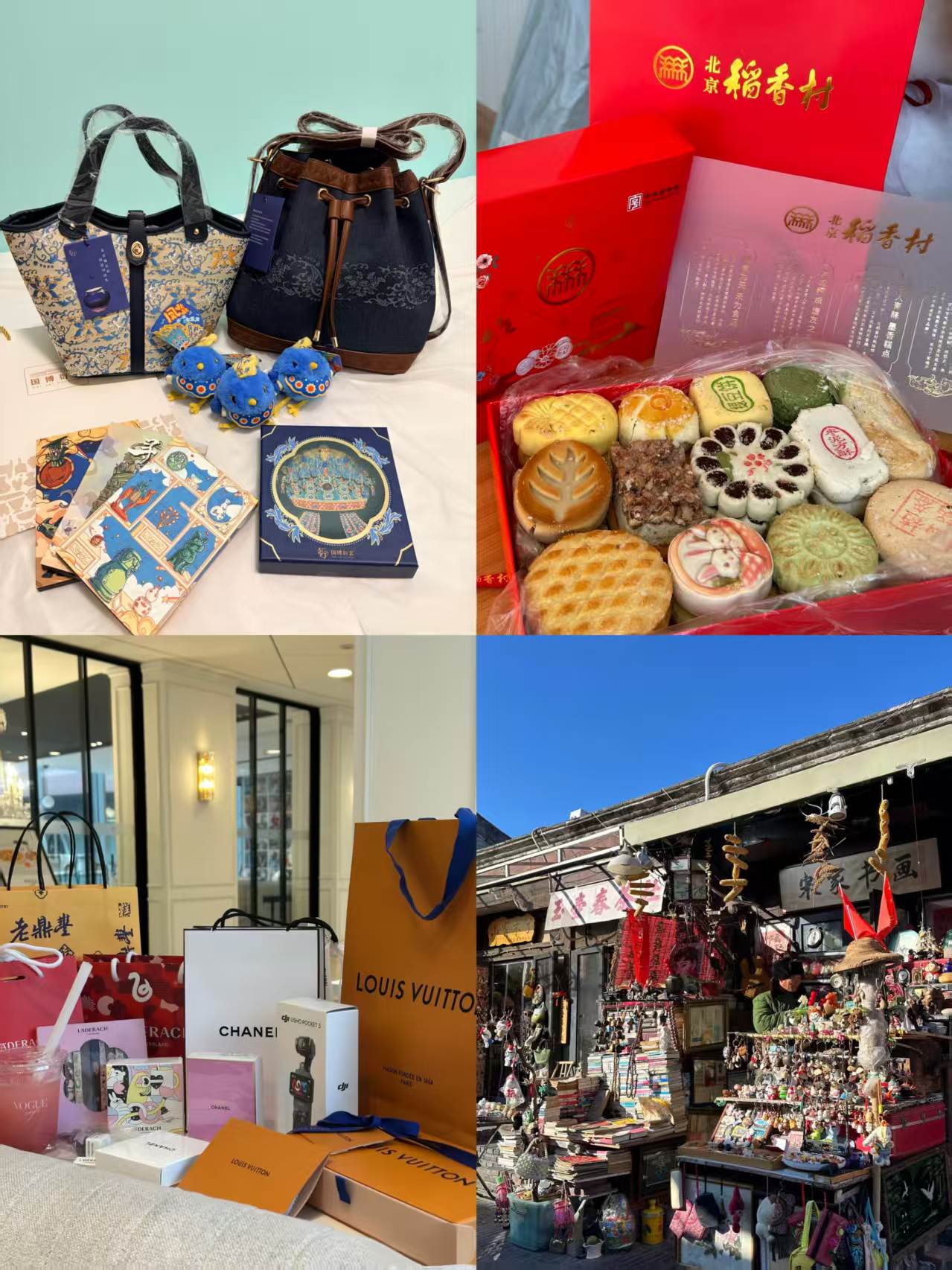
Beijing doesn’t make souvenir shopping easy. You step onto Wangfujing and suddenly you’re surrounded by silk scarves, tea tins, panda magnets, jade bracelets, and ten different versions of the same “traditional” gift. Prices swing wildly. Quality isn’t always obvious. And if you’re only here a few days, you don’t want to waste luggage space on something forgettable. If you’re also curious where locals actually shop beyond tourist streets, take a look at my full Sanlitun shopping breakdown here. I’ve spent enough time figuring out which things to buy in Beijing are genuinely worth it and which ones feel good for five minutes. This isn’t a generic list—it’s what I’d actually pack again.
Authentic Beijing Crafts Worth Bringing Home
-

- Cloisonné
-
- Peking Opera
-
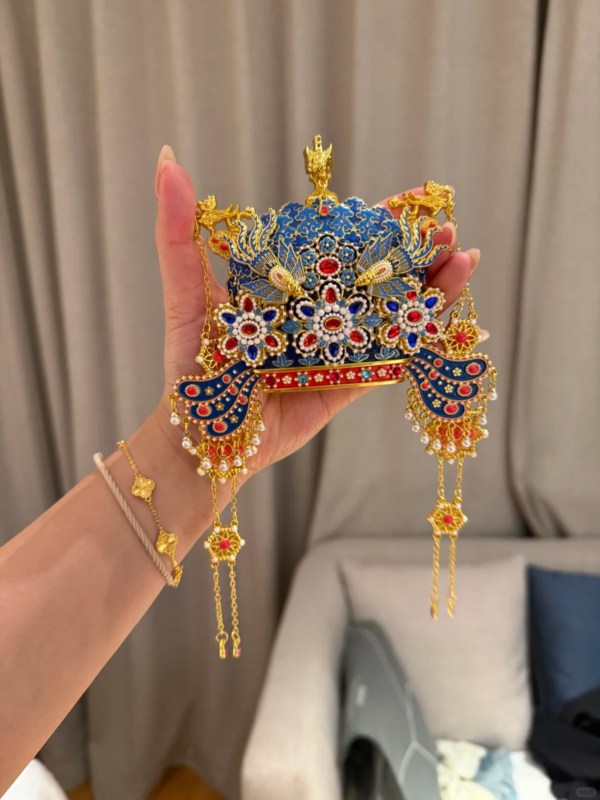
- Palace Museum Creative Products
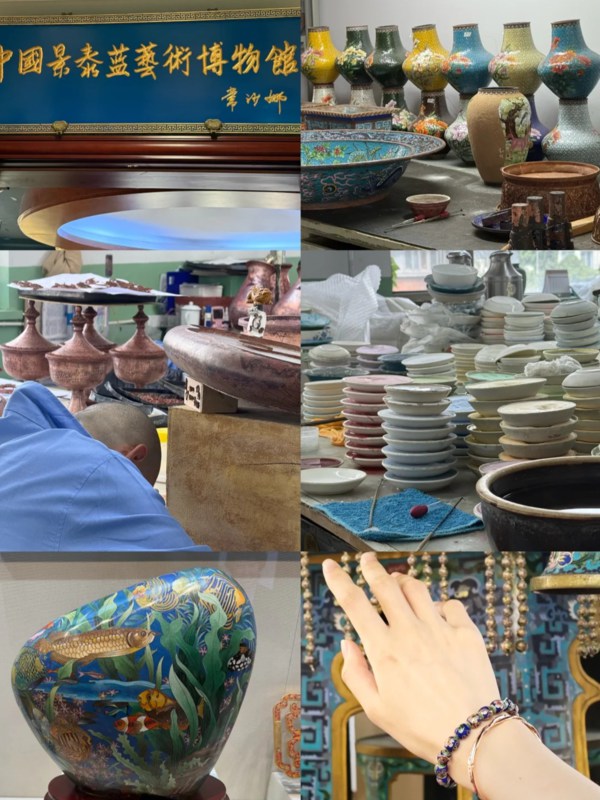
Cloisonné (景泰蓝) – The Craft Beijing Is Actually Famous For
Cloisonné, or Jingtailan, isn’t just another decorative bowl. It’s one of the few Beijing handicrafts that actually developed and matured here, especially during the Ming and Qing dynasties. Workshops once operated near the imperial court, which is why you still see traditional blue enamel patterns inspired by palace designs.
The difference between handmade and machine-made pieces is obvious once you slow down. Handmade cloisonné has slightly uneven wire lines and deeper enamel colors. Machine-made versions look too perfect, almost flat. If every pattern line is identical, it probably came from a mold.
Typical Price Ranges to Expect:
- Small pendants or trinket boxes: around ¥80–200
- Mid-sized vases: ¥600–1,500
- Collector-level pieces: easily ¥3,000+, sometimes far more
I once bought a small enamel bracelet in Panjiayuan (潘家园旧货市场). I remember paying roughly ¥120 after a short negotiation. The vendor had a sign written in slightly awkward English: “Hand Work Real Beijing.” It wasn’t museum quality, but it felt authentic. The same style near a Forbidden City exit was marked at ¥380—no bargaining allowed.
Avoid buying cloisonné right outside major attractions. The rent there pushes prices up, and you rarely get proper craftsmanship. If you’re serious about meaningful things to buy in Beijing, go to Panjiayuan on a weekend morning. Arrive before 10 a.m. It gets crowded, and serious buyers show up early.
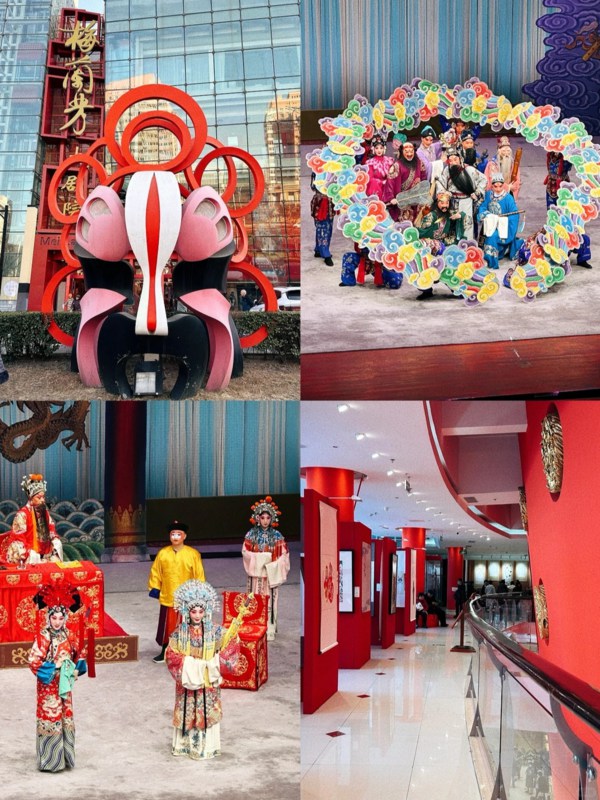
Peking Opera Masks – What’s Decorative and What’s Handmade
The Peking Opera masks sound rather dramatic and not all of them have the actual artistic worth. The majority of tourist editions are lightweight and made of plastic or printed resin, typically ¥20-50. They are good enough to decorate walls, but they are mass-produced.
It is not the case with hand-painted masks. You will find brush strokes and a little asymmetry about the eyes. The typical starting prices are ¥150 to 300, based on size and detail.
Color is important, though it does not require an explanation. Red can be taken to mean loyalty, black strength, white cunning. Vendors do not always tell the truth, and therefore, explanations should be taken lightly.
Size is practical here. The size above 25 cm is difficult to pack. My favorite sizes are medium that can fit in my carry-on bag and not be crushed.
Sellers frequent with local people may recommend Liulichang Cultural Street (琉璃厂). It is less bustling as Wangfujing and more oriented towards old art. Already, look at at least three stores and pay.
Palace Museum Creative Products – Surprisingly Good Gifts
The Gift shops in the Palace Museum transformed the game of souvenirs in Beijing. They do not sell dusty imitations; they offer redesigned cultural goods: lipsticks based on imperial colors, iPhone cases based on outdated patterns, minimalist bookmarks in the form of doors of a palace.
Young travelers love these. In TripAdvisor, most of the visitors mentioned that they had to wait in line to say that it was worth that unique designs. I have read remarks about how objects are contemporary as opposed to being trite.
General Price Guide for Museum Cultural Products:
- Bookmarks and tchotchkes: ¥40-80.
- Stationery sets: ¥100–200
- Limited collections: higher
Anticipate queues, particularly at high seasons. Sometimes 20–30 minutes. Alternatively, the official online store of the Palace Museum will be available online via Chinese sites in case queues appear untenable.
Of all the items to purchase in Beijing, this could be the least risky bet in case you desire something with cultural undertones but something that would also be useful.
🎁 Discover Top Chinese Keepsakes: Beyond Beijing's night markets and shopping streets, explore traditional handicrafts, tea, and unique regional gifts across the country in our guide to Souvenirs from China.
Snacks and Treats from Beijing That Make Great Travel Gifts
-
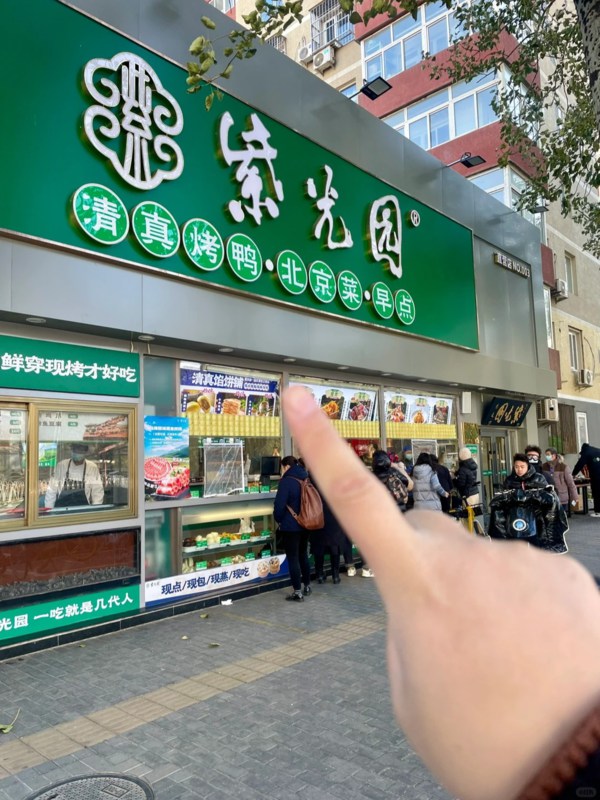
- Peking Duck
-
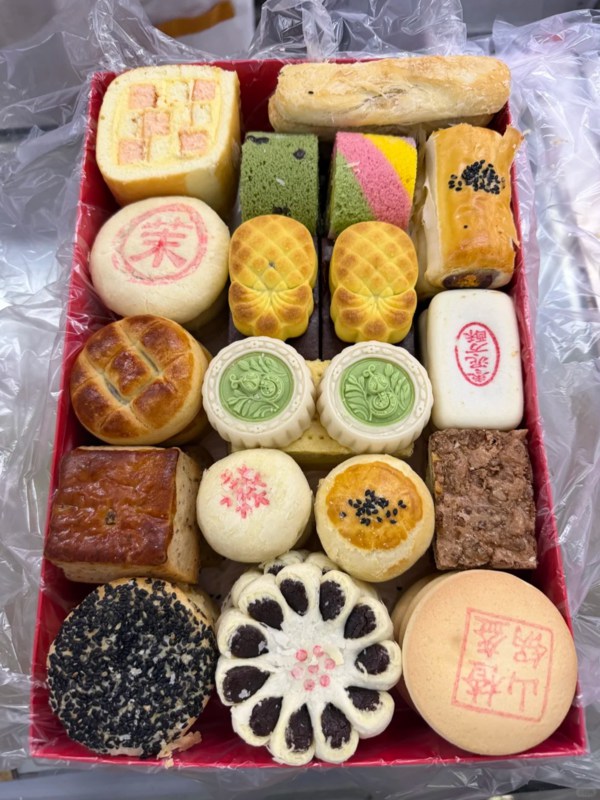
- Daoxiangcun Pastries
-
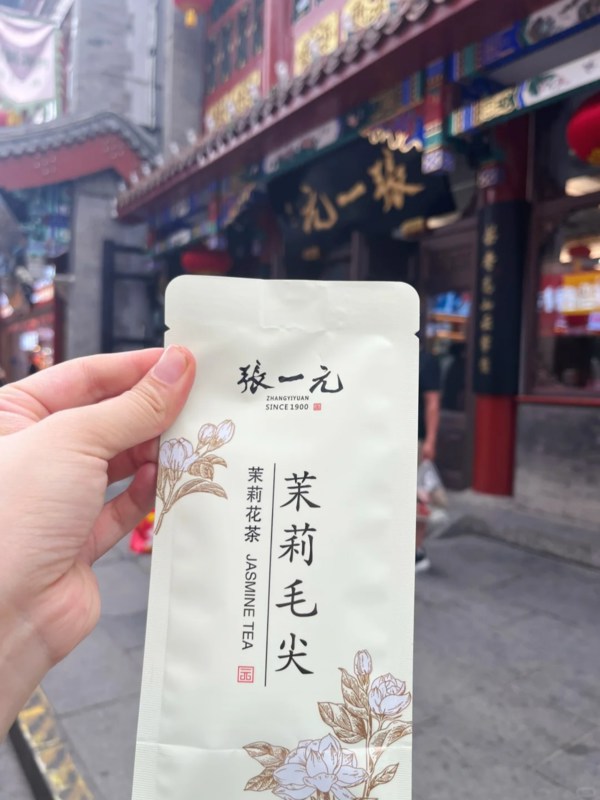
- Chinese Tea from Maliandao
Vacuum-Packed Peking Duck – Worth It or Overrated?
Fresh Peking duck is unbelievable in the restaurant. Fried chicken, hot pancakes, sweet pork sausages. However, that version does not travel. In the supermarkets and specialty shops, you will find vacuum-packed duck, with plastic wrappings and packets of sauce.
Fresh vs. Vacuum-Packed Peking Duck:
- Fresh in-store duck: delicious, crispy skin, to be consumed in a few hours.
- Vacuum packed: less dense and more of a marinated roast meat.
Cost is typically ¥60–120 per pack, depending on price and weight. Most travellers know their names as Quanjude (全聚德) and Bianyifang (便宜坊). Once I checked price at a branch in downtown in Quanjude and then compared it in the airport in the capital in Beijing- the price in the airport was approximately 20-30 percent higher.
Customs rules matter. In some nations, the importation of meat is limited. I witnessed people at the airport inquiring employees about whether sealed duck is considered processed meat. It is dependent on where you are going. Look at the customs site of your nation and make a purchase. Otherwise, your favorite food souvenir can find its way in a rubbish bin.
Assuming that you are seeking cheap stuff to purchase in Beijing that is related to food, then you can purchase vacuum duck works, provided that it can be consumed in your own country.
Daoxiangcun Pastries (稻香村) – The Safe Gift Option
If duck feels risky, Daoxiangcun pastries are much safer. Locals buy them during festivals, especially the traditional “Jingbajian” (京八件) gift boxes. These boxes usually include eight classic Beijing-style pastries, filled with red bean, jujube paste, or mixed nuts.
Typical Daoxiangcun Gift Box Pricing:
- Small assorted box: ¥60–90
- Larger gift box: ¥120–200
Shelf life usually ranges from 7 to 20 days. Always check the printed production date. Staff rotate stock frequently, but during busy seasons older boxes sometimes remain on display.
Locals rarely buy these inside tourist streets. Instead, they visit neighborhood Daoxiangcun branches or supermarkets. I once compared a Wangfujing branch price with a residential district store; the difference wasn’t huge, maybe ¥10–15, but the crowd level was dramatically lower outside the tourist core.
They’re easy to pack, rarely questioned at customs, and generally well received as office gifts. Not fancy, but dependable.
Chinese Tea from Maliandao – How Not to Overpay
It does not feel like souvenir streets in Maliandao Tea Market (马连道茶城). Lining up of little stores, thick air of jasmine, attendant pouring little tasting cups without question.
The jasmine tea is the classic of Beijing. A good mid-range jasmine tea can be priced at ¥150–300 per 500g, but prices are highly variable depending on grade. Premium batches are able to reach much higher.
It is the issue of inconsistency. Two shops may give quite different prices on similar leaves.
Why Tea Prices Vary and How to Avoid Overpaying:
- You should not hurry to the initial tasting.
- Ask for price per 500g clearly.
- Do not use such general statements as top imperial grade.
Other sellers will lower the price a bit, when you purchase 2-3 small tins. There is bargaining, which is mild. Tea is not a tourist trifle; the profits are lower.
Tea may be the most convenient of the edible items to purchase in Beijing since it is lightweight, has a long shelf life, and can be easily declared at the customs. It is just not to presume that the price you listen to at first is the last.
Cheap Things to Buy in Beijing (That Don’t Feel Cheap)
-
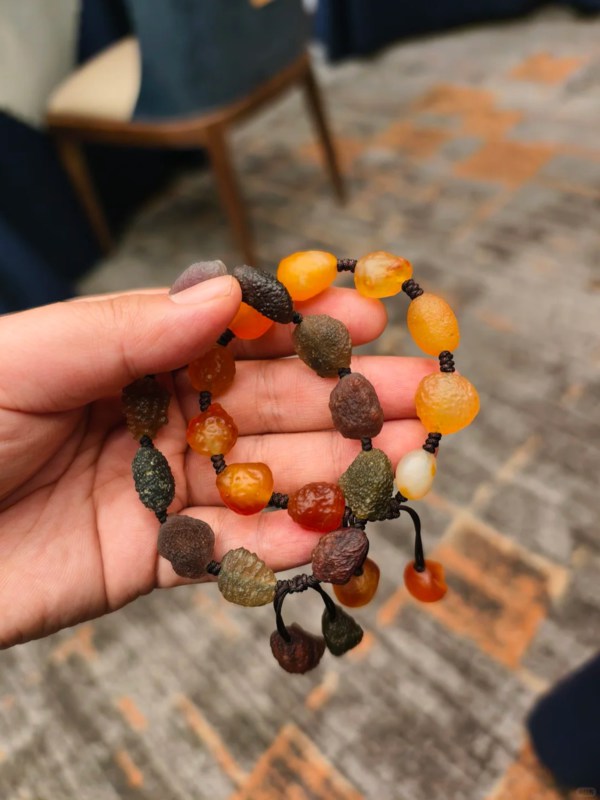
- Small Handicrafts
-
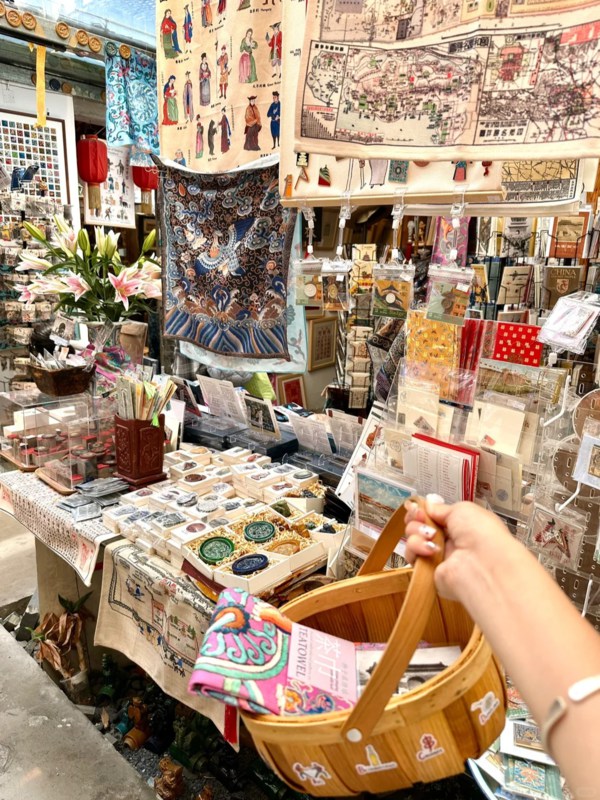
- Silk Scarves
-
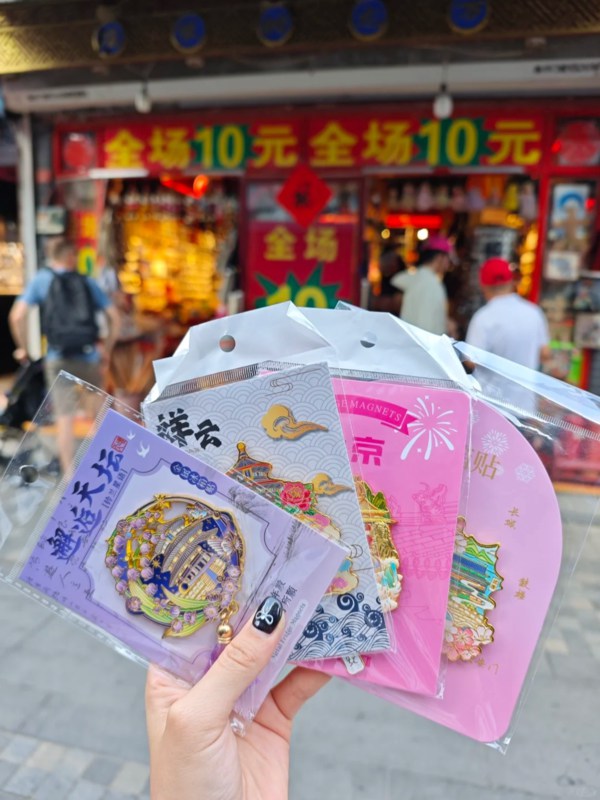
- Fridge Magnets
Chinese Knots & Small Handicrafts
Chinese knots are everywhere—hutongs, temple fairs, souvenir streets. Prices are low, but quality varies more than you’d expect.
Typical Price Range for Chinese Knots:
- Small hanging knots: ¥10–25
- Medium decorative styles: ¥30–60
They’re lightweight and easy to distribute as office gifts. I once brought back ten small ones for colleagues, and they packed flat inside a jacket pocket without damage.
If you’re wondering where to buy cheap souvenirs in Beijing, local wholesale-style markets or smaller side streets usually offer better value than central Wangfujing stalls. When buying multiple pieces, don’t ask “Can you discount?” Instead say, “If I take ten, what’s your best price?” Vendors respond better to quantity-based negotiation.
Check stitching and symmetry. Loose threads or uneven knots signal rushed production. Even for low-cost items, choose pieces that look balanced. Cheap doesn’t have to look careless.
Silk Scarves – How to Avoid Fake Silk
The word silk is luxurious and not all of the 100 percent silk labels speak the truth. Most of the scarves that are found in tourist areas are polyester mixtures.
Simple Ways to Check Real Silk:
- When touched, real silk is cool.
- When squeezed with your hand it wrinkles.
- Colors are slightly toned down, not slick.
Bargaining is anticipated at Silk Street ( shine water street ). A seller might open at ¥300. I have witnessed the similar scarf being sold near ¥120-180 following peaceful bargaining. Grin, obstruct your counteroffer, and be willing to leave.
That notwithstanding, I would not recommend spending a lot. Do not buy so-called premium until you know what silk grades are, and the price goes over ¥400 in tourist shops. The best places to buy high-end silk are in form of well-known Chinese brands or in the department stores.
Mid-range scarves are the perfect choice to use in case of practical travel shopping as they allow balancing the cost and authenticity.
Beijing-Themed Tote Bags & Fridge Magnets
These are the last-minute purchases that are the safest. Skyline prints or panda design tote bags made with canvas tend to be priced at ¥25-60. Fridge magnets cost between 10-35, depending on the material.
They are slim and flat and difficult to break. In case you forget to go shopping in the city, the shops of the Beijing capital airport do have good designs as well. Prices have been slightly increased, but they are not drastically high.
Style is more important than cost in this case. No magnets with indistinct writing or typing errors. Select clean graphics- Forbidden city outlines, minimalistic characters or plain red and gold.
These are the least risky among all of the low-budget purchases in Beijing. No problems with customs, no authenticity controversies, and could fit in any pocket of a suitcase.
Beijing Luxury Finds Worth Splurging On
-
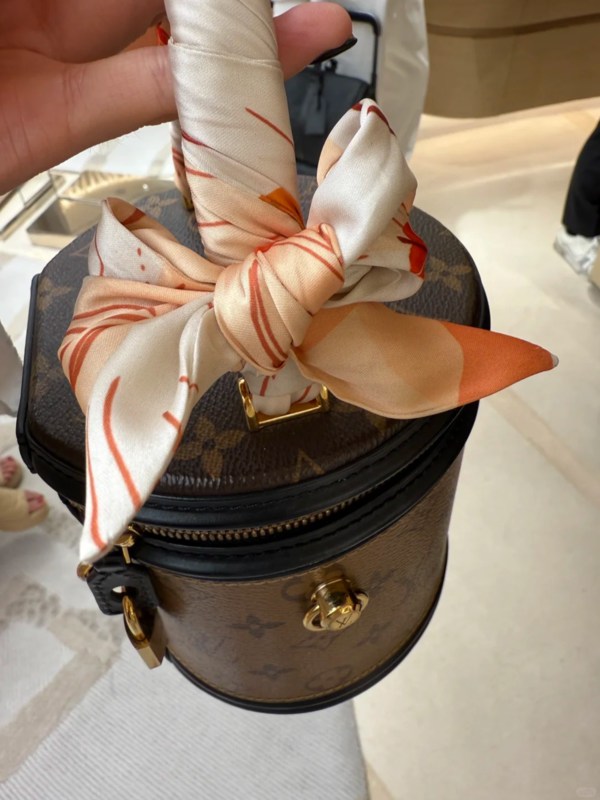
- Luxury Shopping
-
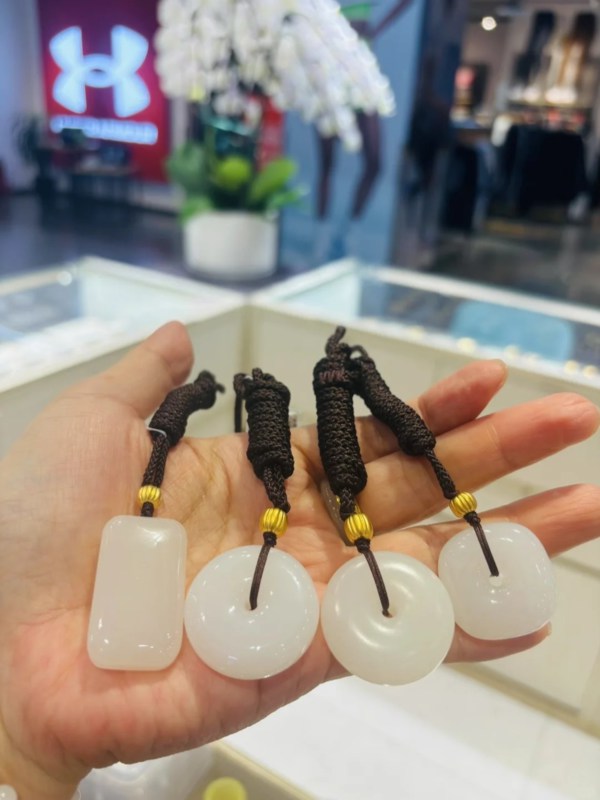
- Jade Jewelry
Luxury Shopping in Beijing – SKP & China World
Beijing is not just street markets and souvenir stalls. If you’re interested in luxury shopping in Beijing, two names come up repeatedly: SKP and China World Mall.
What to Expect Inside SKP:
SKP (located in Chaoyang District) is often ranked among the world’s top-performing luxury department stores by sales. Inside, you’ll find,
- Louis Vuitton, Chanel, Hermès
- Cartier, Van Cleef & Arpels
- High-end beauty brands and designer boutiques
The environment feels comparable to Tokyo or Paris flagship malls. Staff are used to international customers, and English service is generally available.
China World Mall, connected to the China World Trade Center complex, offers a slightly calmer layout. It combines luxury labels with premium dining and hotel access, which makes it convenient if you’re staying nearby.
Tax refunds are possible for eligible foreign tourists. Look for “Tax Free” signs and keep your passport when paying. Refund counters are usually inside the mall, but processing time varies, so don’t leave it until the last hour before heading to the airport.
Prices for global luxury brands are often similar to other major cities. The advantage is convenience, not dramatic savings.
Jade Jewelry – What Tourists Often Get Wrong
Jade is traditional and worthwhile, yet it is also among the most misconstrued purchases.
Common Jade Grading Terms You’ll Hear:
- A grade (natural jade, untreated)
- B-grade (chemically treated)
- C-grade (colored or much modified)
The issue is that it can not be checked only by visual inspection as it does not ensure authenticity. Certificates may be useful though not all are equally credible.
The most common mistake made by tourists is the purchase of jade at high prices in the picturesque places after being persuaded through a convincing presentation. I have observed that small pendants cost between 3,000 and 5,000 yen with no clear information on grading.
You should not buy high-ticket jade in case you are not experienced. Maybe 300-1,000 on plain items of well-known shops in the mall instead of random touring may be a safer range of casual buyers.
Jade is not a meaningless souvenir. This is the category where one can spend more of his/her money safely rather than cheaply because it is one of the high-end things to purchase in Beijing.
FAQ About Things to Buy in Beijing
Q: What are the best things to buy in Beijing for first-time visitors?
For first-time visitors, focus on items that are culturally rooted but easy to carry. Cloisonné pieces, Palace Museum creative products, jasmine tea, and medium-sized Peking Opera masks are solid choices. They represent local culture without being overly fragile or hard to pack. If you want edible gifts, Daoxiangcun pastry boxes are safe and practical. When people ask about the best things to buy in Beijing, I usually suggest mixing one traditional craft item with one modern cultural product for balance.
Q: Are souvenirs cheaper in markets or shopping malls?
Markets are generally cheaper, especially for small handicrafts and decorative items. However, quality varies significantly. Shopping malls offer more fixed pricing and better return policies, but usually at higher cost. For example, silk scarves and Chinese knots tend to cost less in local markets, while jade and branded goods are safer in malls. If your priority is price, markets win. If your priority is authenticity and peace of mind, malls are more reliable.
Q: Where to buy cheap souvenirs in Beijing without getting scammed?
If you’re searching for where to buy cheap souvenirs in Beijing, avoid stalls directly outside major attractions. Instead, check local markets like Panjiayuan or smaller neighborhood shops. Compare prices at three different stalls before paying. Look closely at stitching, material, and print quality. Scams often rely on rushed decisions. Calm comparison is your best protection. Also, buying multiple items at once usually gives you leverage for a better price.
Q: Is bargaining expected in Beijing?
Bargaining is common in markets and tourist shopping streets, but not in shopping malls or official museum stores. In markets, start at about 50–60% of the asking price and negotiate calmly. Don’t act overly aggressive; polite negotiation works better. If the seller refuses your offer, walking away sometimes leads to a lower counteroffer. In malls, prices are fixed. Knowing where bargaining applies helps you navigate different types of things to buy in Beijing efficiently.
Q: What food items can I bring back home?
Packaged tea, sealed pastries, and commercially vacuum-packed snacks are usually acceptable, but regulations depend on your home country. Meat products like vacuum-packed Peking duck may be restricted in some destinations. Always check customs rules before purchasing. Tea is the safest option: lightweight, long shelf life, and rarely restricted. When choosing edible things to buy in Beijing, prioritize factory-sealed packaging and clear ingredient labels.
Q: Is it safe to buy jade in Beijing?
It can be safe, but only if you buy from reputable stores. Avoid high-priced jade in tourist zones without clear certification. Understand basic A, B, and C grading concepts before spending significant money. If you are not experienced, stick to lower price ranges and treat jade as decorative rather than investment-grade. Among all things to buy in Beijing, jade requires the most caution because pricing and authenticity vary widely.
Q: What are good gifts for coworkers?
Lightweight, affordable items work best: Chinese knots, fridge magnets, small tea tins, or Daoxiangcun pastry boxes. These are easy to distribute and don’t require deep cultural explanation. Tote bags with Beijing designs are also practical and neutral. Avoid overly personal or expensive items unless you know the recipient well. For office gifting, choose items that are easy to pack and unlikely to cause customs issues.
Q: What to buy in Beijing airport if I have only 30 minutes?
If time is limited, focus on ready-to-go items: packaged tea, branded pastries, tote bags, or official cultural merchandise. Airport stores carry reliable brands, though prices may be slightly higher. Avoid fragile crafts or items requiring negotiation. In a short window, the goal is convenience, not maximum savings. Airport shopping is more about efficiency than finding the absolute best things to buy in Beijing.
Q: Are luxury goods cheaper in Beijing?
Luxury prices in Beijing are usually comparable to other global cities. Major brands maintain relatively consistent international pricing. Occasionally, exchange rates or seasonal promotions create slight differences, but don’t expect dramatic discounts. The advantage is access to flagship stores and tax refund options for eligible tourists. If you are already planning luxury shopping in Beijing, compare prices online beforehand so you understand the global baseline.