Rhinoplasty in China
China nose surgery costs 60–70% less than equivalent procedures in the US or UK — hospital operating theatres draw tens of thousands of foreign patients to their doors every year. Chinese plastic surgeons perform hundreds of thousands of rhinoplasty each year, with incredible depth in Asian rhinoplasty; bridge augmentation, tip refinement, and structural rebuilding using autologous cartilage is done at scale. This guide covers what you actually care about: how to find the best hospital for your situation, how to find the best qualified surgeon whose credentials you can verify yourself, and exactly what the surgical procedure flow looks like from start to finish — with real price ranges, the four core techniques, and a day-by-day trip timeline to leave nothing to imagination.
China Rhinoplasty Costs and Price Ranges
Types of Nose Surgery and Price Breakdown
The table below reflects typical all-in international patient quotes — surgeon fee, anesthesia, one to two nights' hospital stay, and standard follow-up.
| Procedure | International Package (USD) | Direct Public Hospital (USD approx.) |
|---|---|---|
| Silicone implant augmentation | $3,000 – $7,000 | $2,200 – $5,000 |
| Ear / septal cartilage rhinoplasty | $3,600 – $8,300 | $2,800 – $6,500 |
| Rib cartilage rhinoplasty (full / semi) | $5,400 – $16,700 | $4,100 – $12,000 |
| Tip plasty only | $2,100 – $4,900 | $2,100 – $3,800 |
| Revision rhinoplasty | $8,200 – $20,800+ | $6,500 – $16,000+ |
If you book directly at a public tertiary hospital without concierge add-ons, the surgical fee alone commonly lands around ¥15,000–¥60,000 (~$2,100–$8,300), depending on material grade and whether cartilage grafting is required. Material choice is the single biggest cost variable — not the hospital brand.
City pricing: Chengdu and Wuhan run roughly 20–30% cheaper than Shanghai for equivalent procedures. However, specialist concentration still ranks Shanghai Ninth (整复外科) first, followed by PUMCH, then West China Hospital. Popular specialists at Shanghai Ninth also book out 2–4 months in advance — factor that into your timeline. For patients also considering other procedures, see our guide to laser eye surgery in China.
What Is Included in the Surgery Package
Most international quotes include surgeon fee, anesthesia, one to two nights' inpatient monitoring, domestic-grade silicone, and one or two follow-up visits. What they typically do not include:
- Premium implant materials: upgrading to imported NMPA-certified silicone or ePTFE can add ¥10,000–¥30,000.
- Interpreter / coordination fees: usually $200–$600 via third-party platforms.
- Accommodation and flights: budget these independently.
- Extended follow-up: visits beyond the first month are often billed separately.
Always get an itemized written quote (逐项报价) and verify the implant brand and NMPA registration before proceeding. Foreign patients make a note: they will likely ask you for payment to be in cash or online payment like Alipay or Weixin (WeChat Pay). Neither Shanghai Ninth or PUMCH accept foreign credit cards for whatever reasons or even the union pay. Best to take out some rmb from the union pay ATM in the 711 next in the alley and exchange for a bunch at an authorized bureau on the day of.
Top Hospitals for Rhinoplasty in China
No.1 Shanghai Ninth People's Hospital
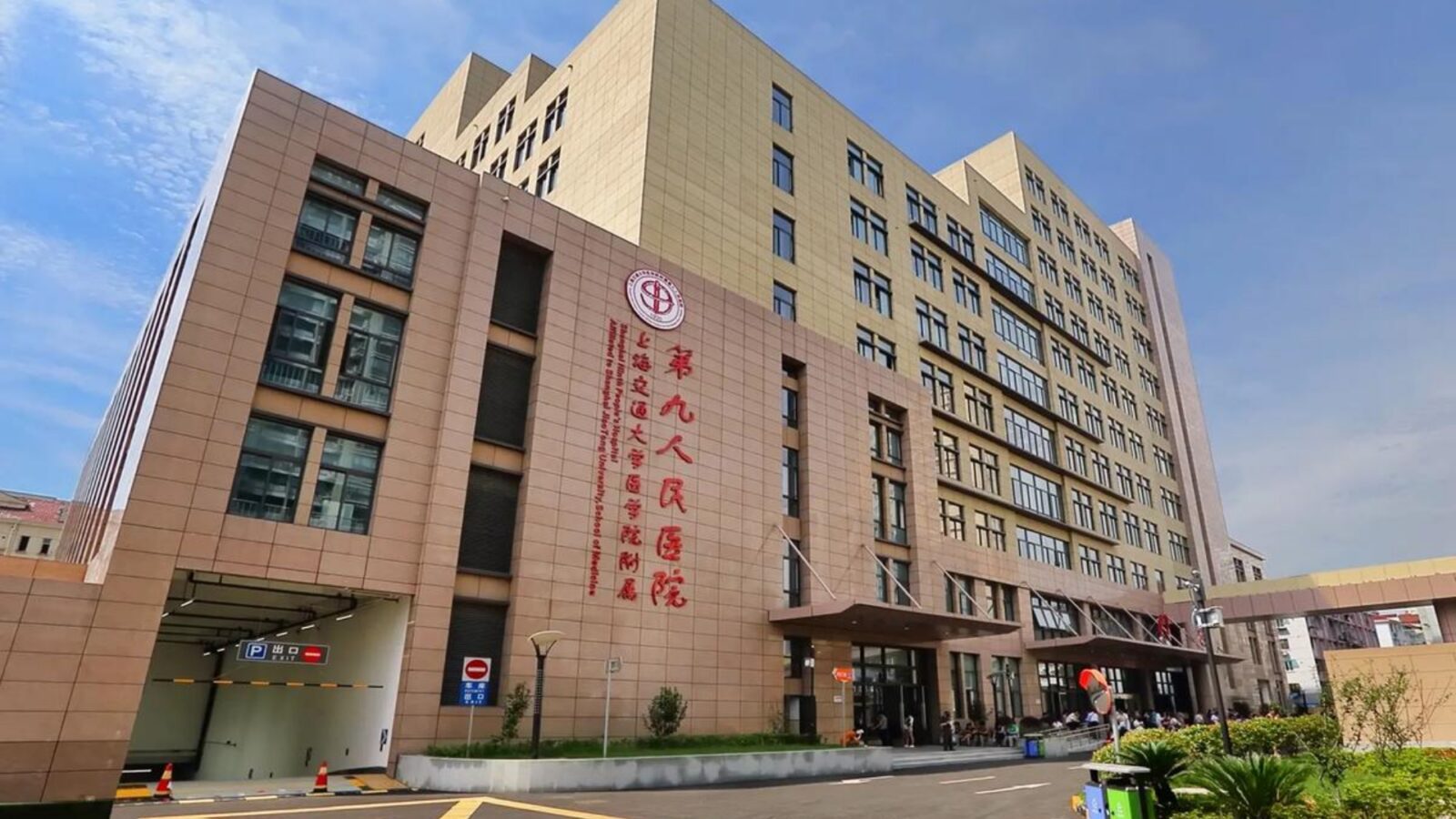
Shanghai Ninth People's Hospital
Full name: Shanghai Ninth People's Hospital, Affiliated to Shanghai Jiao Tong University School of Medicine — Department of Plastic and Reconstructive Surgery (整复外科). China's nationally ranked #1 plastic surgery department and one of the highest-volume reconstructive surgery centres in the world — the default first choice for china nose surgery among international patients.
Campus — do not go to the wrong one:
- Rhinoplasty outpatient clinic + inpatient surgery: Huangpu Campus (South), 639 Zhizaoju Road, Huangpu District, Shanghai. Inpatient wards in the adjacent Qüxi Road 500 block.
- Pudong Campus (1908 Gaoke West Road): does NOT operate complex 整复外科 procedures — do not navigate here for rhinoplasty.
- Subway: Line 8, Xizang South Road Station, Exit 5, approximately 5 min walk.
Booking: via hospital WeChat mini-programme ("上海第九人民医院") or Haodf.com / Weiyi. Walk-in surgical consultations are not accepted. Popular specialists book out 2–4 months in advance.
Plastic and Reconstructive Surgery staff are attendings and attendings crossed with chief residents at all levels, from profs on down, most with a doc or post-doc and funded national projects & committees on the go for the academic society pushes - and of course handle the full spectrum from the primary surgery to the nasty fix-it and reconstruction projects using all the tricks in the bag that only the sheer volume permits can generate. Surgeon groups devoted to micro specialisation; e.g. "rhinoplasty" is itself a subgroup of Implant augmentation / autologous cartilage (ear/septal/rib) / tip refinement & revision reconstruction.
No.2 Peking Union Medical College Hospital
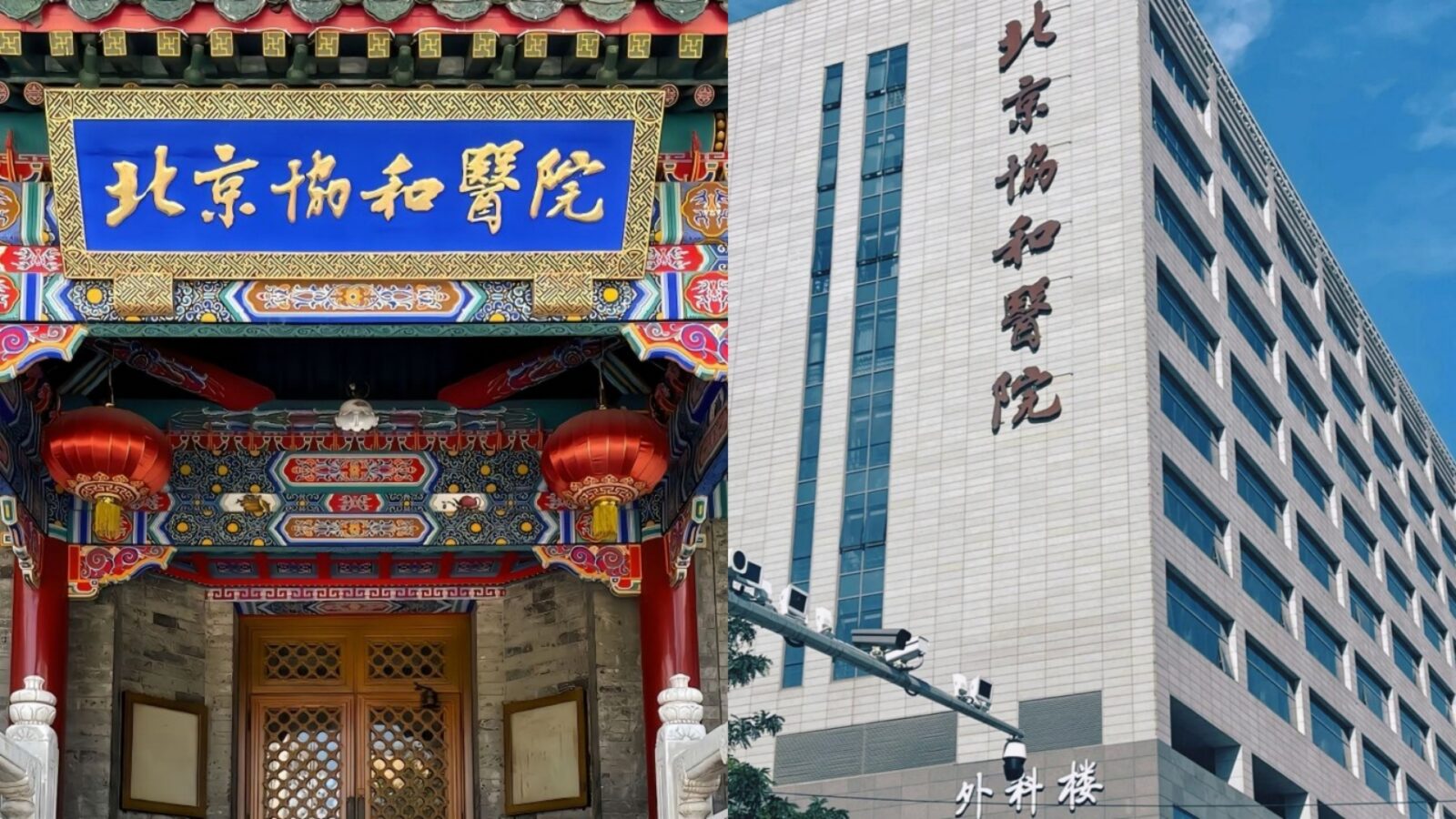
Peking Union Medical College Hospital
PUMCH (北京协和医院) — plastic surgery is a nationally designated key clinical specialty, known for conservative, proportion-focused results that read as natural rather than obviously surgical.
Campus split — critical for foreign patients:
- Outpatient consultation (整形美容外科门诊): Xidan Campus, 41 Damucang Hutong, Xicheng District, Beijing — Outpatient Building, 5th floor.
- Inpatient ward and OR: Dongdan Campus, 1 Shuaifuyuan, Dongcheng District — Surgical Building, 7th floor.
- International Medical Services (IMS): Dongdan Campus. English coordination. Contact: +86 10-6915 5288 / [email protected].
PUMCH's plastic surgery faculty holds chief physician / professor / doctoral supervisor credentials with extensive publication records, national society committee roles, and international fellowship experience. The department's philosophy favours structural precision over dramatic change — a natural-looking outcome that preserves ethnic harmony rather than imposing a standardised aesthetic. For foreign patients choosing Beijing, see our overview of hospitals in Beijing.
No.3 West China Hospital, Sichuan University
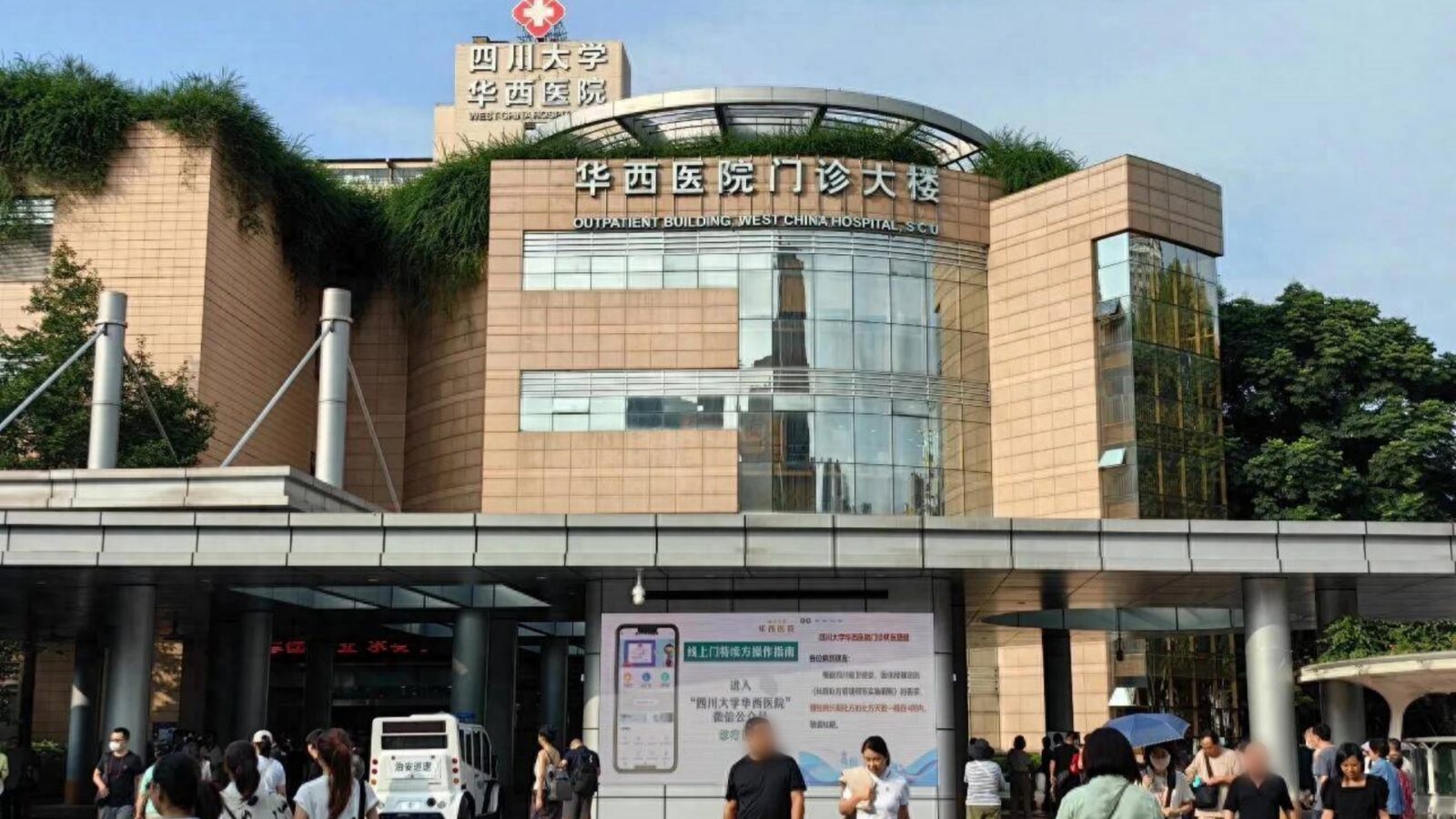
West China Hospital, Sichuan University
West China Hospital (华西医院) — top-five national ranking, with a plastic surgery / burns department (整形外科/烧伤科) handling both reconstructive and aesthetic cases. Address: 37 Guoxue Lane, Wuhou District, Chengdu. Typically 20–30% cheaper than Shanghai for equivalent procedures.
The surgeons in the department are all full docs/associate professors, and also have clinical subspecialty experience correcting complex nasal deformities, secondary nasal reconstruction for cleft lip, and aesthetic rhinoplasty revision—expertise obtained both from training at Shanghai Ninth’s Plastic and Reconstructive Surgery as well as fellowship programmes in the US. International patients: contact international / VIP channel in advance; walk-in pathways for non-Chinese ID holders are much more complex.
No.4 Accredited Private Plastic Surgery Centers
Guangdong Hanfei Plastic Surgery Hospital
China's private sector ranges from genuinely excellent to dangerously non-compliant. Industry audits found that only roughly one in eight venues advertising "medical aesthetics" operated fully within licence. Rather than recommending a specific brand, the framework below lets you evaluate any private facility yourself.
Three non-negotiable checks:
- 《医疗机构执业许可证》: see the original; confirm facility name, address, and that approved specialties include 整形外科 or 医疗美容科.
- 《医师执业证书》: get the certificate number and verify at zgcx.nhc.gov.cn.
- NMPA-approved implant materials: request a written material list with the NMPA batch number (批准文号) before surgery day.
A 门诊部-only licence cannot legally host full-anaesthesia inpatient surgery. Walk away if that is what's proposed. Our guide to health insurance for expats in China explains the coverage options available to foreign patients.
Best Doctors for Rhinoplasty in China
Those hospitals provide the safety net of institutional level. This directory goes one layer deeper - actual surgeons, sorted by what they’re on paper and what they actually specialize in, with verifiable credentials pulled from hospital official pages + public registries. All names below are cross-checkable at zgcx.nhc.gov.cn (医师执业注册信息查询). Source tier noted per entry: 1 = hospital official page; 2 = platform-aggregator (Haodf / Weiyi / Youlaiyisheng - confirm against their live schedule).
Type A: Primary Implant Augmentation
Best fit: flat nasal bridge, acceptable tip anatomy, primary goal is bridge height with shorter recovery and lower cost.
1. 徐鹏 (Xu Peng)
Associate Chief Physician · Shanghai Ninth People's Hospital, Plastic and Reconstructive Surgery
- Source (Level 1): Shanghai Ninth Hospital official expert directory — 9hospital.com.cn/list/19/expert.html. Listed clinic specialty tags: "Eye & nose surgery, scar plastic surgery and wound repair".
- Clinic schedule (official page): Specialist clinic (South/Huangpu Campus) Thursday morning; specialist clinic (North Campus) Wednesday morning and Friday morning.
- Platform supplement (Level 2): Haodf profile confirms practising physician status and places him within the Plastic and Reconstructive Surgery nasal / ocular aesthetics pool. Treat as indicative — confirm live against hospital schedule.
✔ Verification steps: (1) Search "徐鹏 + 上海第九人民医院 + 整复外科" at zgcx.nhc.gov.cn:9090. (2) At consultation: ask directly whether your skin thickness means a plain implant risks show-through, and whether a cartilage cap or ADM buffer layer is part of the plan.
2. 黄如林 (Huang Rulin)
Associate Chief Physician · Shanghai Ninth People's Hospital, Plastic and Reconstructive Surgery
- Source (Level 1): Shanghai Ninth Hospital personal profile page — 9hospital.com.cn/article/41/41068.html. Listed specialty text covers: "Nose surgery and repair for flat nose, saddle nose, injection rhinoplasty, traumatic deformity, rib/ear cartilage graft, hump nose, deviated nose and wide nose correction, plus revision rhinoplasty." alongside scar reconstruction and fat grafting.
- Clinic schedule (official page): Specialist clinic (South/Huangpu Campus) Saturday morning; VIP clinic (Gaoke Campus) Wednesday afternoon.
✔ Verification steps: (1) zgcx search: "黄如林 + 上海第九人民医院". (2) At consultation: ask him to explain whether your case warrants implant-only vs implant + cartilage tip coverage — the reasoning he gives will directly reflect his experience depth.
Type B: Composite Rhinoplasty
Best fit: patients who want both bridge height and tip projection / tip shaping / alar refinement — a complete nasal profile rather than bridge augmentation alone.
3. 戴婷婷 (Dai Tingting)
Associate Chief Physician · Shanghai Ninth People's Hospital, Plastic and Reconstructive Surgery
- Source (Level 1): Shanghai Ninth Hospital personal profile page — 9hospital.com.cn/article/41/41107.html. Listed specialty: "Nose plastic surgery, repair, eye bag, tear trough and dark circle correction.". Profile notes doctoral training pathway through Plastic and Reconstructive Surgery, long-term clinical focus on nasal aesthetics and revision, and fat grafting.
- Notable credential on official page: Holds utility model patent "Integrated stent for rhinoplasty" (Patent No. ZL202121866784.8) — indicating a structural/engineering approach to tip support. Committee member, Chinese Medical Beauty Association — Rhinoplasty Branch, per official page.
- Clinic schedule (official page): Specialist clinic (South/Huangpu Campus) Saturday afternoon; specialist clinic (East Campus) Tuesday morning; VIP clinic (Gaoke Campus) Tuesday afternoon.
✔ Verification steps: (1) zgcx: "戴婷婷 + 上海第九人民医院". (2) At consultation: ask her to explain the structural rationale — ear cartilage cap + shield vs columellar strut, silicone vs ePTFE for the dorsum, and why (or why not) rib is indicated for your anatomy. A confident, anatomy-specific answer is the signal you want.
4. 袁捷 (Yuan Jie)
Associate Chief Physician · Shanghai Ninth People's Hospital, Plastic and Reconstructive Surgery
- Source (Level 1): Shanghai Ninth Hospital personal profile page — 9hospital.com.cn/article/41/9218.html. Specialty text explicitly includes: "Comprehensive rhinoplasty with cartilage grafting, nasal lengthening, tip reshaping and alar narrowing".
- Credentials (official page): Medical doctorate. International fellowship training at UPMC Children's Hospital Pittsburgh, NYU Langone, Harvard Brigham and Women's Hospital, and University of Pennsylvania Children's Hospital of Philadelphia — per official profile text. Principal investigator on a National Natural Science Foundation of China funded project (grant no. 81471886, listed on profile page).
- Clinic schedule (official page): Specialist clinic (South/Huangpu Campus) Monday afternoon; VIP clinic (Gaoke Campus) Thursday afternoon.
✔ Verification steps: (1) zgcx: "袁捷 + 上海第九人民医院". (2) At consultation: ask him to sketch the four-point nasal profile relationship (dorsal line → tip defining point → columellar break → alar rim) on paper. Surgeons who can do this quickly and fluently tend to produce more predictable outcomes.
Type C: Rib Cartilage & High-Support Reconstruction
Best fit: thick-skinned patients with poor support, pronounced short/upturned nose, or patients with structure destroyed by multiple prior surgeries (reconstruction over aesthetics).
5. 卿勇 (Qing Yong)
Associate Chief Physician / Associate Professor · West China Hospital, Sichuan University, Plastic and Reconstructive Surgery/Burn Surgery
- Source (Level 1): West China Hospital official doctor profile — wchscu.cn/details/85064.html. Listed specialty (original text): "Comprehensive rhinoplasty and correction for complex nasal deformities including flat nose, deviated nose, bulbous tip, hawk nose, cleft-lip nose and traumatic nose defects.".
- Credentials (official page): Plastic surgery doctorate; postgraduate training at Shanghai Ninth People's Hospital 整复外科 and the Cleveland Clinic (USA). Member of Sichuan Province Plastic and Aesthetic Surgery Association executive committee — per official profile.
- Clinic schedule (Level 2 — platform aggregated): Haodf/public listings indicate Monday morning, Monday afternoon, and Tuesday full-day slots across West China's Huaxiba / Jinjiang campuses. Confirm via West China Hospital official app or WeChat mini-programme — final schedule is released there.
✔ Verification steps: (1) zgcx: "卿勇 + 四川大学华西医院". (2) For rib cartilage cases, ask three questions at consultation: which rib will be harvested (6th or 7th?), what is the approximate incision length, and what is the emergency return protocol if breathing difficulty or chest pain develops post-op? A surgeon comfortable with these questions has done this procedure at volume.
6. 黄渭清 (Huang Weiqing)
Chief Physician / Professor / Doctoral Supervisor · PUMCH (北京协和医院), Plastic and Reconstructive Surgery
- Source (Level 1): PUMCH official doctor profile — pumch.cn/detail/4872.html. Listed specialty includes: "Nose and chin plastic surgery including comprehensive rhinoplasty" within a broader plastic surgery scope (ocular aesthetics, facial rejuvenation, breast, gynaecology-related, congenital deformities, scar management).
- Credentials (official page): PUMCH doctoral training; chief physician / professor / doctoral supervisor. Multiple listed academic society roles and research fund / journal committee positions — per profile page text.
- Clinic schedule (Level 2): Third-party aggregators commonly list Xidan Campus (整形美容外科门诊): Monday and Thursday full-day, Wednesday morning. Most reliable booking is via PUMCH official app or IMS channel ([email protected]) — confirm before travelling.
✔ Verification steps: (1) zgcx: "黄渭清 + 北京协和医院". (2) Before rib cartilage rhinoplasty at PUMCH: request written confirmation of surgeon name + that the procedure is scheduled in a PACU-linked general-anaesthesia operating room. Ask the same rib harvest and post-op emergency protocol questions listed under Qing Yong above.
Private Facility Reference
The entries above cover public tertiary hospitals. For foreign patients considering a private facility, the example below illustrates the minimum verifiable credential fields you should obtain from any private surgeon — not as an endorsement, but as a verification template.
7.崔东 (Cui Dong)
Licensed Physician · Primary institution: Guangdong Hanfei (韩妃) Plastic Surgery Hospital, Guangzhou
- Verifiable credential fields (public registry / aggregated sources): Physician grade: Licensed Practicing Physician; Practice category: Clinical; Practice scope: Surgical Specialty; Medical aesthetics principal physician specialty: Aesthetic Surgery Specialty; Practice licence number: 110440106004834; Issuing authority: Guangzhou Municipal Health Commission (广州市卫生健康委员会).
- Institution note: Guangdong Hanfei Plastic Surgery Hospital holds a tertiary-level (三级) private plastic surgery hospital licence issued by Guangzhou municipal health authorities. As with any private facility, independent verification of the above fields — and of the operating surgeon's credentials — is mandatory before proceeding.
✔ Template verification steps: Copy licence number 110440106004834 into zgcx.nhc.gov.cn:9090 and confirm it matches the facility name on the door. Additionally request: (a) implant brand + NMPA batch slip; (b) written confirmation the procedure will be performed in a licensed OR with a credentialed anesthesiologist present; (c) a written consent document listing exactly what will be done (tip plasty / implant / rib cartilage — itemised).
Common Nose Surgery Techniques in China
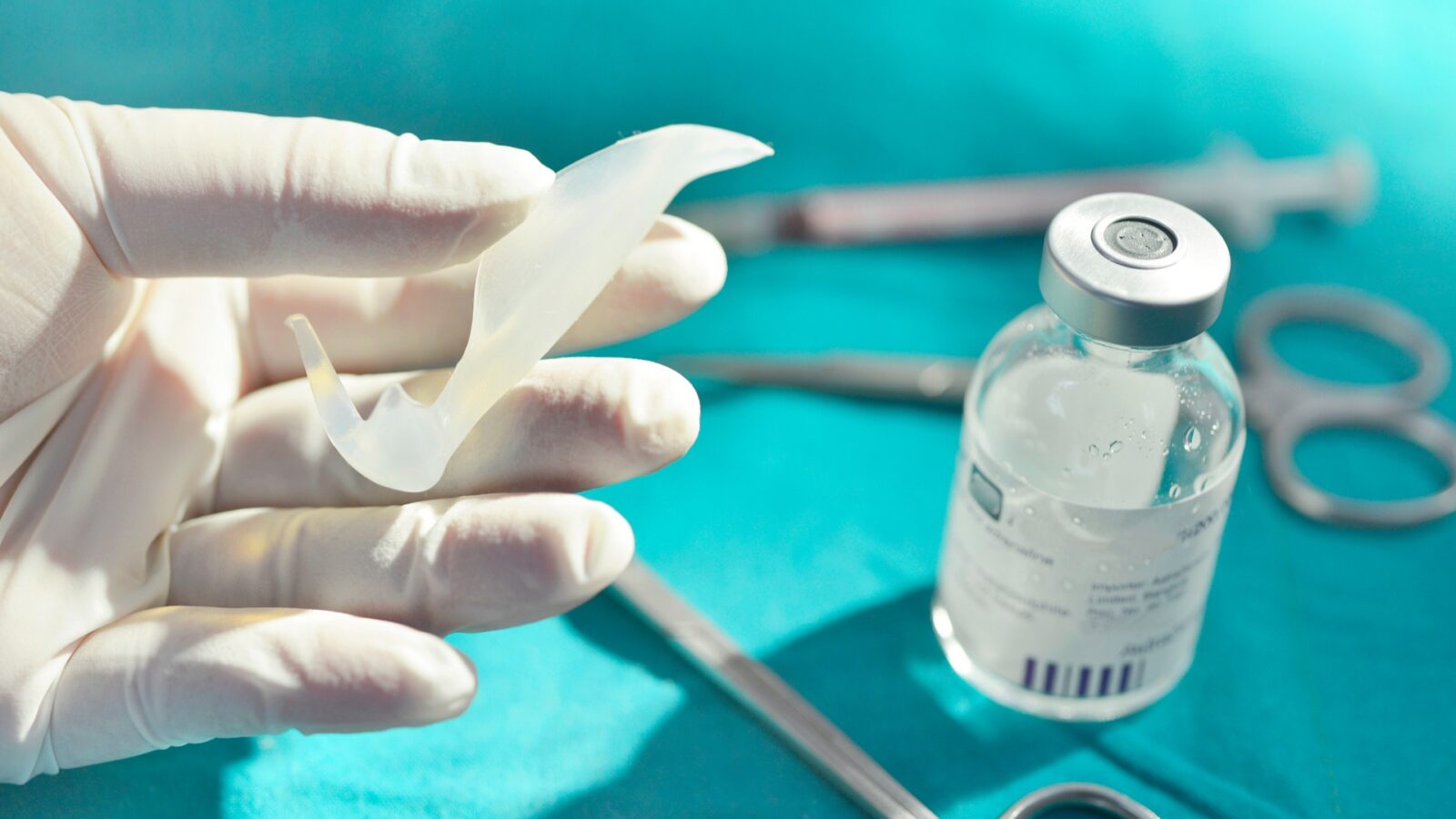
Rhinoplasty Implant Materials
Silicone Implant Augmentation
Silicone implant augmentation is the most common entry point for asian nose job patients seeking a higher bridge. The implant is inserted through an incision inside the nostril — no external scar — with roughly one week of recovery. China's market runs three tiers:
- Domestic basic-grade (Wanhe, Yanguan etc.): material cost up to ¥2,000; adequate for thicker-skinned patients on a budget.
- Imported NMPA-certified silicone (Hanseo, Surgiform): ¥5,000–¥15,000; better shape and feel, commonly used at tier-one hospitals.
- Expanded PTFE / ePTFE (Lixiu, Implantech): integrates more naturally with surrounding tissue but is significantly harder to remove if infection occurs.
For patients with thin nasal skin, experienced plastic surgeons typically switch to ePTFE or add an acellular dermal matrix (ADM) buffer layer over the implant tip — rather than inserting the cheapest silicone regardless.
Autologous Cartilage Rhinoplasty
Autologous cartilage produces no rejection risk and permanent results. China nose surgery centres perform more rib cartilage rhinoplasties annually than almost anywhere globally. Three donor sites, each with real trade-offs:
- Ear cartilage (most common): incision hidden behind the ear fold; low deformity risk. Limited supply — best for tip grafts, not major bridge support.
- Septal cartilage: no extra external incision; can correct deviation simultaneously. Many Asian patients have a thin septum, limiting available material.
- Rib cartilage (6th/7th rib): largest supply for major structural rebuilding. The ~2–3 cm chest incision is genuinely uncomfortable for the first 3–5 post-operative days. Pneumothorax is rare but documented — reputable hospitals screen with a pre-op chest X-ray or CT. Per CMUH post-op protocol: if breathing difficulty develops after rib harvest, return to hospital immediately without waiting for the next scheduled visit.
Worth asking about: high-density porous polyethylene (Medpor / Supor) has gained traction over the last three years as a structural alternative that avoids rib harvest trauma while providing comparable support.
Tip Plasty and Alar Reduction
Tip plasty surgical reshape the nasal tip not the bridge - the look for simple alteration. Mostly alongside alar reduction (nostril narrowing).As the average asian nose comes with thicker tip skin and weaker cartilage, and adding structure via ear or septal cartilage grafts is called for, thus the “augment, not reduce” logic informs asian nose job technique.
Price note: legitimate surgical tip plasty costs ¥15000-35000 (~$2100-$4900).Ads showing “¥9800 tip plasty” are almost always advertising filler or thread-lift style non-surgery so do not muse that those if comparing quotes.
Revision Rhinoplasty
Revision rhinoplasty is harder to perform than a primary operation — the presence of scar tissue has distorted the anatomy — and is priced accordingly at roughly $8200–$20800+. Common issues include implant infection, migration or extrusion; over-rotated nasal tip; dorsal irregularities; and capsular contracture. Shanghai Ninth's Plastic and Reconstructive Surgery and PUMCH's plastic surgery department both have dedicated revision caseloads and the surgical depth to tackle them.
Hard rule: revision should only be performed by a plastic surgeon with documented revision experience at a facility with full inpatient OR capabilities.
Rhinoplasty Procedure Flow for Patients
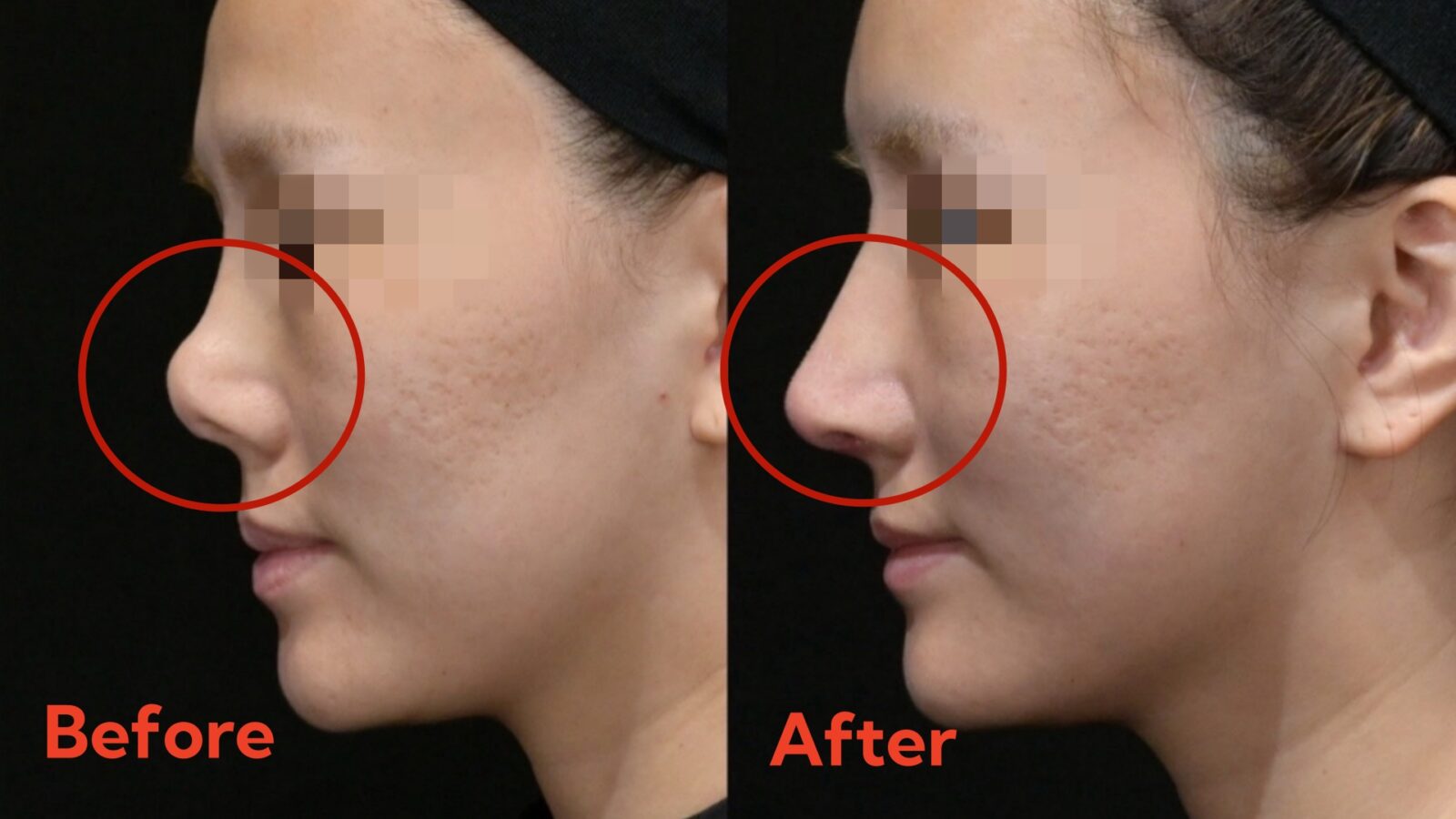
Rhinoplasty Before & After Comparison
A china nose surgery at a major Chinese tertiary hospital follows a fixed clinical sequence. Understanding each step before you travel reduces anxiety and sets accurate expectations.
- Remote consultation: submit front, side, and upward-angle photos. Top hospitals offer 3D simulation — request it explicitly. Surgeon outlines technique and material options based on your anatomy.
- Pre-op screening (on arrival): blood panel, ECG, and chest X-ray or CT if rib cartilage is planned. Separate anaesthesiologist evaluation of airway and medical history.
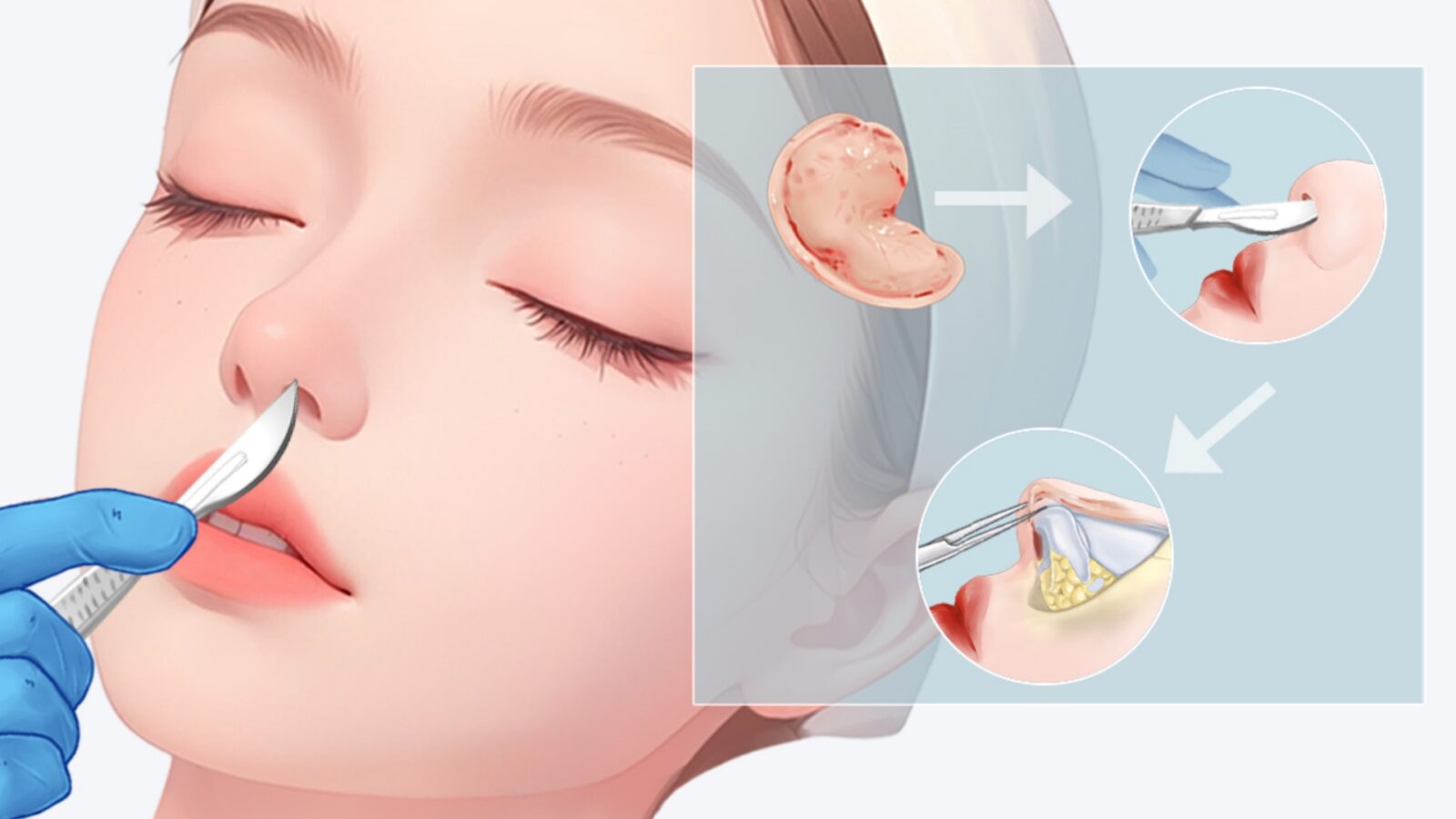
- Anaesthesia and incision: general anaesthesia, 1.5–3 hours for primary rhinoplasty; 3–5 hours for revision or rib cartilage. Closed approach (no external scar) for implant-only; open approach (small columellar incision) for complex tip work.
- Implant / cartilage preparation: implants carved chairside to match dorsal contour. Autologous cartilage harvested via a secondary incision — ear fold for ear cartilage, inframammary crease (~2–3 cm) for rib.
- Framework construction: tip support built with grafts and sutures (shield, cap, columellar strut, spreader), establishing final rotation, projection, and nostril shape.
- Closure and splinting: absorbable sutures close incisions; thermoplastic splint immobilises the structure for 5–7 days. One to two hours in PACU, then overnight ward monitoring.
- Splint removal and discharge: sutures and splint removed at day 5–7. Most patients cleared to fly home at day 10–14 (long-haul: wait until day 14). Final shape assessable at 3–6 months, not at discharge.
How to Choose a Plastic Surgeon in China
Verifying Licenses and Professional Credentials
Three sequential checks — each takes minutes online and each has caught unqualified practitioners.
- Step 1 — Facility licence: ask to see the original 《医疗机构执业许可证》. The licence number, full name, and address must match what you see on-site, and approved specialties must include 整形外科 or 医疗美容科.
- Step 2 — Surgeon's certificate: get the surgeon's full Chinese name and 执业证书 number. Go to zgcx.nhc.gov.cn → 医师执业注册信息查询 → enter name + province. If the name does not appear, or the registered institution does not match the clinic you are sitting in, that is a disqualifying finding.
- Step 3 — Evaluate experience: look for at least 5–10 years of rhinoplasty-specific experience, 100+ cases annually, and a portfolio of timestamped before-and-after photos across multiple patients — not a single curated selection.
Structural point: rhinoplasty under general anaesthesia with cartilage grafting requires inpatient surgical authorisation. A 门诊部 licence does not cover full-anaesthesia inpatient procedures. Before your procedure, our guide on health insurance for expats in China helps clarify what coverage to have in place.
Warning Signs and How to Avoid Risks
Several industry audits - including those cited by Xinhua and People.cn - found that only one in eight medical aesthetics establishments was fully licensed, with tens of thousands of unlicensed storefronts nationwide. The BBC’s 2021 report on actress Gao Liu is the clearest illustration: a four-hour procedure at a Guangzhou clinic left her with necrosis of the nasal tip, and a two-month hospital stay. The same clinic had already received five administrative penalties in the previous eight months. Check the licence before you check the price.
Walk away if you see any of these:
- No original 《医疗机构执业许可证》 on display: all licensed facilities are legally required to post it visibly.
- Surgeon cannot produce their 执业证书 number: legitimate practitioners expect this request.
- Quote 50%+ below comparable tertiary hospital rates with no explanation: the gap is almost always explained by unlicensed materials or unqualified staff.
- Full-anaesthesia surgery proposed at a 门诊部-only facility: illegal regardless of how professional the premises look.
- No qualified anaesthesiologist on staff: ask for their name and practising certificate number.
- Refusal to provide written informed consent, or pressure to sign without adequate reading time.
Recovery Tips and Aftercare Advice
Managing Swelling and Splint Removal
The first week is about protecting the result while healing begins. Protocols below are drawn from post-operative guidance used at accredited Chinese hospitals including CMUH.
- Ice application: 20 min on, 30–40 min off. Wrap ice pack in a thin towel — direct skin contact causes cold injury. First week only.
- Sleep position: head elevated above heart level; stay on your back. Side sleeping places lateral pressure on the nose during the most vulnerable healing window.
- Wound care: keep incisions dry until suture removal. Clean twice daily with a sterile saline swab, then apply prescribed anti-inflammatory ointment. Intranasal sutures removed at day 5–7; external incisions at day 7.
- Medications: take prescribed antibiotics and anti-swelling drugs on schedule. Anticoagulants (aspirin etc.) remain off-limits throughout recovery.
- Diet and lifestyle: alcohol, coffee, spicy food, and tea are all prohibited. No smoking — including second-hand. No strenuous activity or heavy lifting for at least two weeks.
- Environment (Beijing and northern cities): limit outdoor time on high-pollution days. Patients with a history of rhinitis should disclose this to their surgeon before the procedure.
- Rib cartilage patients — urgent: if breathing difficulty or worsening chest pain develops after rib harvest, return to hospital immediately. Do not wait for the next scheduled visit.
Flying Home and Long-Term Healing
Standard clearance: 10–14 days post-surgery, once the splint is off and wound closure is confirmed. For long-haul flights (8+ hours), wait until day 14. Rib cartilage cases may require a longer stay — confirm at your day 7–8 follow-up. In-flight: low cabin humidity intensifies nasal dryness — drink water steadily and avoid anything resting on the nasal bridge.
Long-term milestones:
- 3 months: majority of swelling resolved; photograph now for a comparison baseline.
- 6 months: result largely stable and assessable.
- 12 months: full softening complete; rib cartilage cases may need the full 12 months to stabilise.
- Revision window: revision surgery should not be considered until at least 12 months after the initial procedure.
If you are combining your trip with another procedure, our guide to dental implants in China covers another commonly combined treatment with a similarly structured timeline and cost breakdown.
FAQs about Nose Surgery in China
Q: How much does a nose job in China cost compared to the US?
For patients researching china nose surgery, the cost advantage is substantial: a primary silicone implant rhinoplasty at a top Chinese tertiary hospital runs roughly $2,200–$7,000 all-in, versus $8,000–$15,000+ for the same procedure in the US. The saving reaches 60–70% on the surgical fee itself, driven by government volume-based procurement policy and lower labour overhead. After flights and a two-week stay, the net saving for a US-based patient may still be $3,000–$6,000 — and grows significantly for more complex procedures.
Q: Is China good for plastic surgery?
At nationally accredited tertiary hospitals — Shanghai Ninth, PUMCH, West China — china nose surgery is performed to a standard that matches any top global academic medical centre. The risk is concentrated almost entirely in the unlicensed private layer, where industry audits suggest fewer than one in eight venues operates fully within licence. The single highest-leverage decision is not "China versus Korea versus Thailand" — it is whether the facility and plastic surgeon you choose sit on the right side of the licence line.
Q: Which country does the best nose jobs?
China, South Korea, and Thailand are Asia's three main destinations for rhinoplasty, each with a different strength. China nose surgery leads in raw annual asian nose job volume and has the deepest expertise in rib cartilage reconstruction. South Korea is known for overall facial aesthetic design. Thailand offers the lowest price points but a smaller pool of top-tier specialists. For patients prioritising academic medical infrastructure, verifiable credentials, and meaningful cost savings, china nose surgery at a top tertiary hospital is the strongest combination.
Q: What nose shape do most Chinese patients ask for?
Understanding local aesthetic preferences is useful context before planning china nose surgery. The dominant request is a naturally straight or gently concave dorsum with improved tip projection and a modestly narrowed alar base — proportioned to East Asian skeletal structure rather than a Western high-bridge profile. Some younger patients now ask their surgeons to preserve a mild dorsal curve rather than over-straighten it. Bring reference photos, state clearly whether you want the dorsal line straightened or preserved, and ask the surgeon to show comparable cases from their own portfolio before agreeing to a plan.
Q: Can foreign patients book rhinoplasty consultations online?
Yes — and for most patients, an online consultation is the recommended first step before committing to china nose surgery. Most top-tier hospitals and medical coordination platforms offer video consultations: submit front and side facial photos, a brief medical history, and your goals. A definitive surgical plan still requires an in-person consultation with 3D imaging after arrival in China. PUMCH's IMS accepts initial enquiries by email at [email protected] for patients planning their china nose surgery trip through that channel.
Q: What implant materials are used for rhinoplasty in China?
One of the advantages of china nose surgery is access to a full range of NMPA-approved implant options. Three main categories are used at certified hospitals: medical-grade silicone (most common; domestic basic-grade vs imported NMPA-certified variants with a significant quality and price gap); expanded PTFE/ePTFE (integrates more naturally, harder to remove if complications arise); and autologous cartilage (no rejection risk, permanent results, highest cost). High-density porous polyethylene (Medpor / Supor) has also grown as a structural alternative to rib harvest over the past three years. Always request the implant's NMPA registration batch number (批准文号) in writing before the procedure.
Q: How long after surgery can I fly home?
Recovery planning is a key part of any china nose surgery trip. Standard clearance is 10–14 days post-surgery, once the splint is off and incisions have achieved primary closure. For flights over 8 hours, day 14 is the recommended minimum. Rib cartilage cases may require a longer ground stay — confirm the specific timeline at your day 7–8 follow-up visit. Note that final china nose surgery results are not assessable until 3–6 months post-procedure: what you see on the plane home is still a work in progress.