Where to Visit China in Late April
Late April occupies the quietest stretch on China's travel calendar. The Qingming holiday (April 5, 2026) has cleared its domestic surge, while the May Day break (May 1–3) remains a week away. This means the country's headline sites — the Great Wall, the Terracotta Warriors, West Lake — move at a pace that early spring and Golden Week simply do not allow. Temperatures have warmed enough for Jiangnan garden walks and tropical Yunnan escapes, yet the air stays cool enough for comfortable Great Wall hiking. Most importantly, the season's signature blooms — Luoyang's famous peonies and Nyingchi's mountain-framed peach blossoms — reach their peak within this very window. This guide maps the full country by region, with late-April-specific weather figures, a bloom calendar, and practical booking advice for 2026.
Quick Facts
Late April Weather by Region
The last ten days of April mark a noticeable warming compared to the first half of the month. North of the Yangtze, the spring dust risk from the Gobi persists but typically diminishes after mid-April rains. South of the river, humidity climbs steadily — the first Guangdong thunderstorms usually appear in this window. The Tibetan Plateau stays cold at night, but daytime temperatures in Lhasa and Nyingchi become genuinely comfortable for sightseeing. Northwest China's wind and sand events can still occur; travelers heading toward Dunhuang or Xinjiang should monitor conditions closer to departure.
North & East China in Late April
Beijing & the Great Wall in Bloom
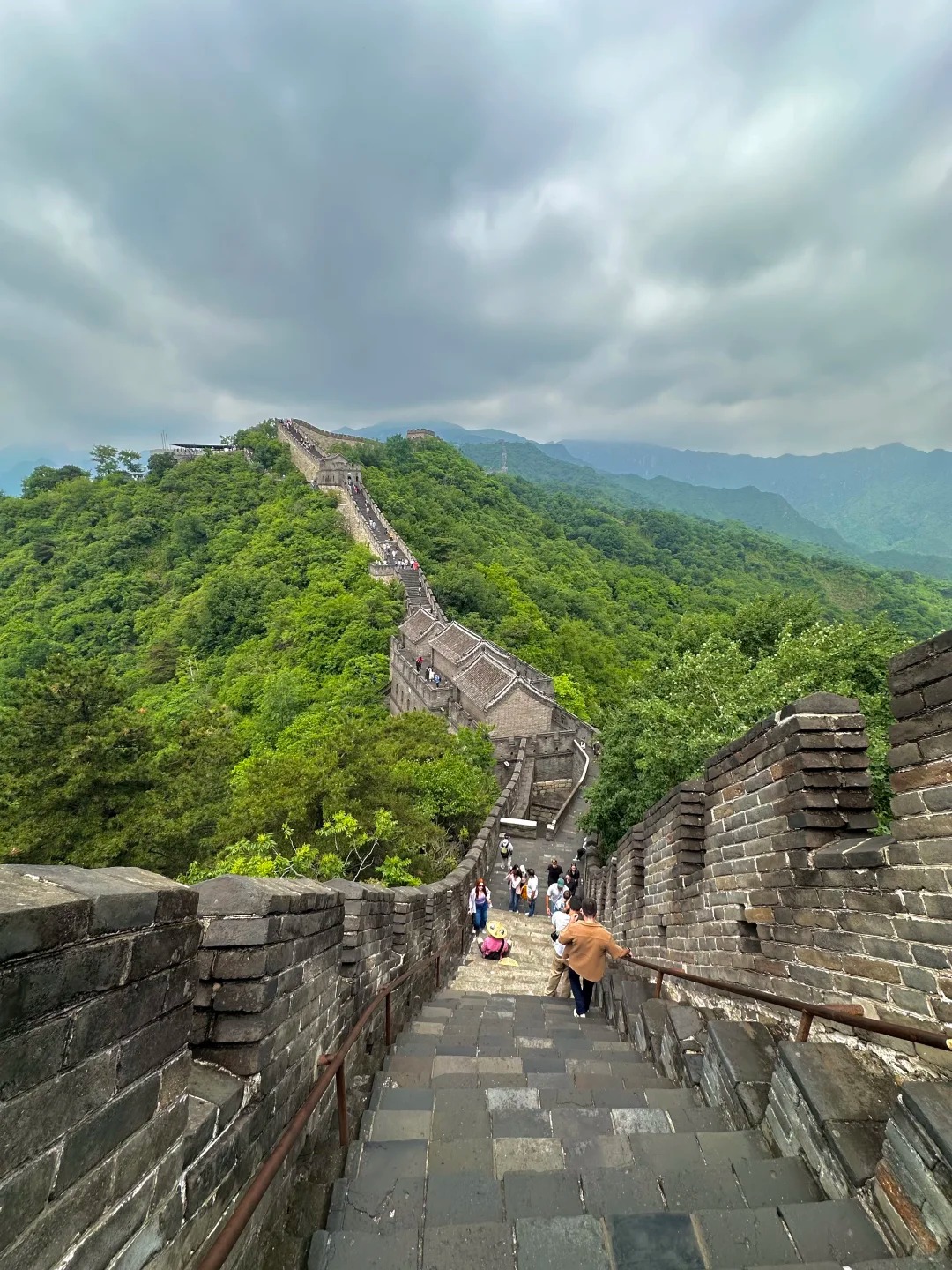
Mutianyu
The Great Wall hits a sweet spot in late April. Mutianyu and Juyongguan sections offer the best combination of restored structure and spring scenery — the latter lies on the old imperial route where the S2 suburban train runs through a tunnel nicknamed "a train bound for spring" when cherry blossoms line the cutting. Badaling, the most-visited section, stays packed even in shoulder season, so we recommend it only if time is extremely tight. Quieter alternatives include Jiankou's wild unrestored stretch and Huanghuacheng, where the wall runs along a reservoir. Within the city, the Forbidden City, Temple of Heaven, and Summer Palace all see comfortable April conditions. Three days covers the capital's highlights without rushing.
Tickets for the Forbidden City run about $10 (¥60) and sell out during peak windows, though availability improves in late April. Mutianyu entrance costs roughly $7 (¥45), with cable car access additional — bookable through Trip.com or Klook to skip the box-office queue.
Xi'an and the Terracotta Warriors
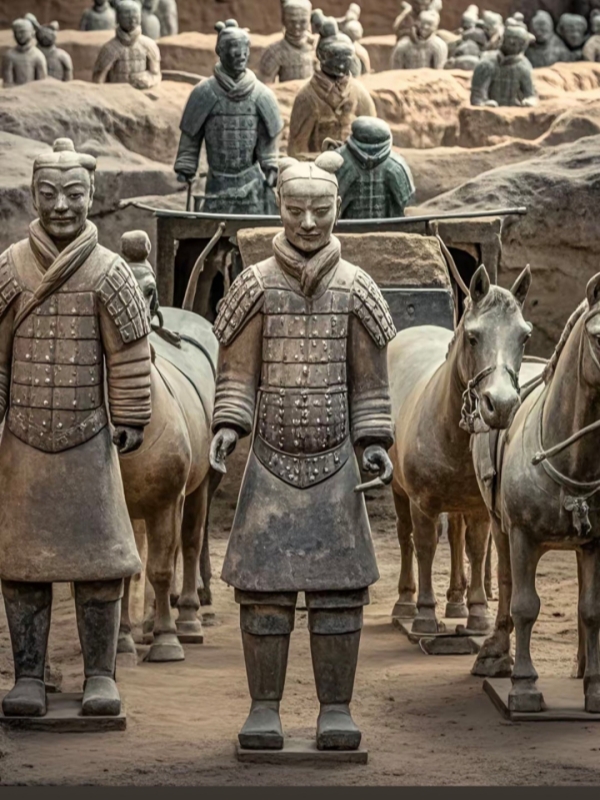
Terracotta Warriors
Xi'an makes a strong late-April case. Afternoons warm to 22–26°C, evenings cool to a comfortable 12–14°C — no summer crowding or heat yet. The Terracotta Warriors museum stays the day's centerpiece, but the City Wall bike loop, the Muslim Quarter's street-food stalls, and the Hanfu-dressed visitors in Han Street give the city real texture. A half-day at the Big Wild Goose Pagoda rounds out the itinerary. Two to three days suffices for Xi'an proper; combine it with Luoyang (one hour by high-speed rail) for a cultural corridor that peaks in late April.
Luoyang & the Peony Festival (Late-April Peak)
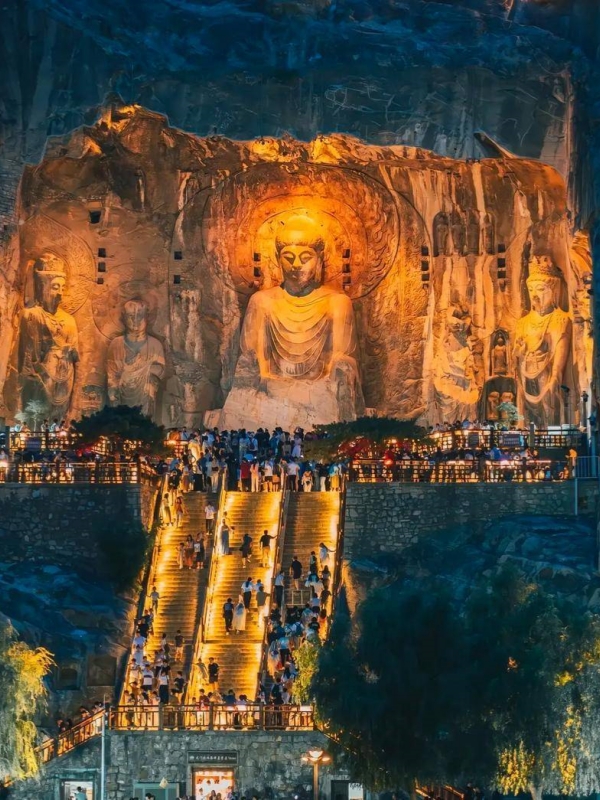
Luoyang, Henan, China
This is the headline destination for late April. The Luoyang International Peony Festival reaches peak bloom around April 20, and late April visitors catch the festival at or near its absolute best. Three sites draw the most attention: the International Peony Garden (the classic large venue), the China National Flower Garden (good variety), and the Sui-and-Tang Town Botanical Garden, which our pick for sheer variety. Entry to the gardens costs roughly $7 (¥50) each.
The Longmen Grottoes sit 30 minutes south of the peony gardens by taxi. Carved over more than 400 years, the site covers 30,000 square meters with over 100,000 Buddhist statues — the largest standing Buddha reaches 17 meters. Longmen Grottoes entrance runs about $10 (¥70). Pair the two as a single full day: peonies in the morning, grottoes in the afternoon.
Shanghai & the Bund
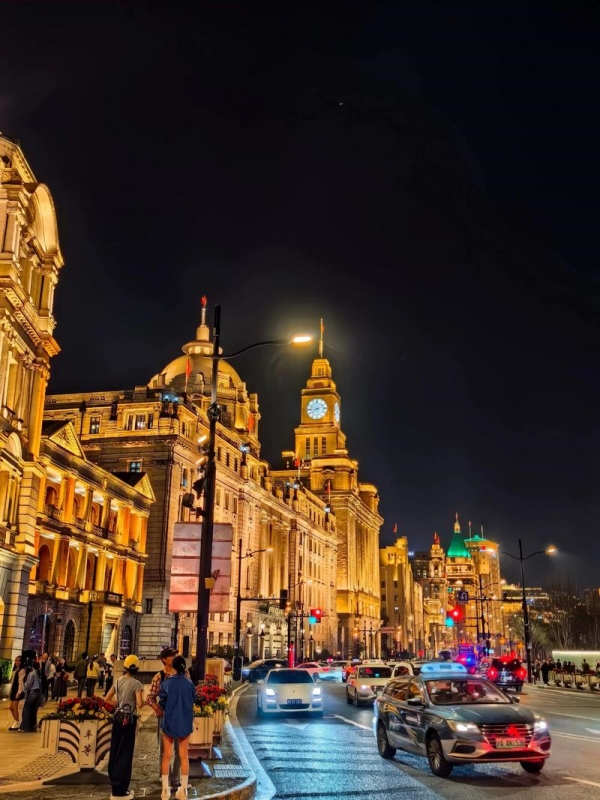
Shanghai
Shanghai in late April means warm afternoons (24–28°C), increasing humidity, and occasional light rain. The Bund at dusk remains the city's signature view. Beyond the waterfront, Yu Garden, the French Concession's tree-lined streets, and Pudong's skyline from the Huangpu River cruise all fit comfortably into two days. A day-trip to Zhujiajiao water town — 45 minutes from the city center — adds a canal-town contrast without requiring an extra night.
🌸 Spring Travel & Highlights: Discover upcoming museum shows, seasonal concerts, live performances, and cultural happenings in our roundup of Shanghai April 2026 Events Festivals Exhibitions Concerts.
Suzhou, Hangzhou & the Jiangnan Canals
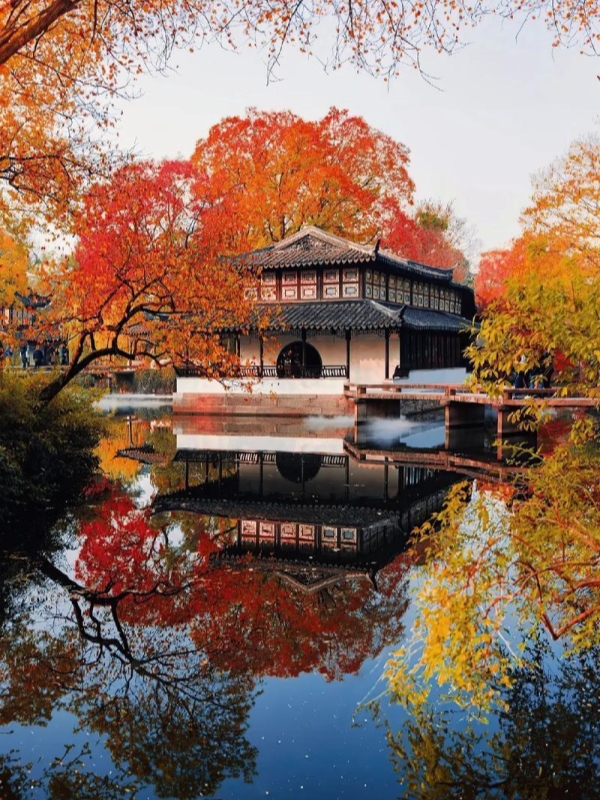
Humble Administrator's Garden, Suzhou
The Jiangnan water towns and gardens peak in spring, and late April's mild drizzle suits them perfectly. Suzhou's Humble Administrator's Garden and Lingering Garden showcase Ming-dynasty landscape design in full spring growth. Hangzhou's West Lake — free to walk around — stays uncrowded on weekday mornings; Leifeng Pagoda provides the classic elevated view. From Shanghai, Wuzhen Water Town (combined ticket about $25 (¥180)) and Yangzhou's Slender West Lake make strong additions to a three-to-four day Jiangnan circuit. High-speed rail connects all these cities efficiently, with Hangzhou reachable from Shanghai in under an hour.
Pingyao, Datong & the Weifang Kite Festival
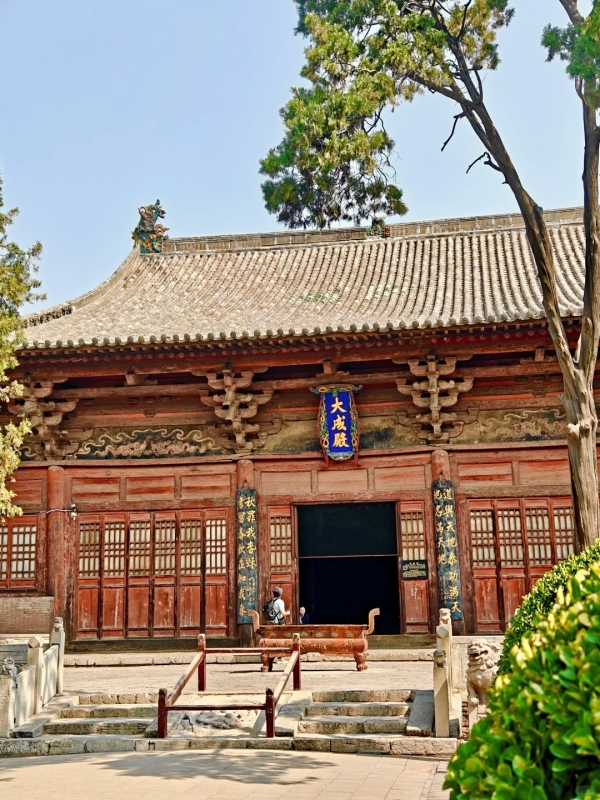
Dacheng Hall of Confucian Temple, Pingyao
Northern Shanxi and Shandong offer a quieter circuit. Pingyao's UNESCO-listed walled city dates to the Ming dynasty and remains remarkably intact. Nearby, Datong holds the Yungang Grottoes (roughly $10 (¥70) entry) — 51 caves with 252 grottoes carved in the 5th century — and the Hanging Monastery, which clings to a cliff face (about $15 (¥110)). Nine-Dragon Wall in Datong completes the city's trifecta.
The Weifang International Kite Festival in Shandong falls on the third Saturday of April; in 2026 this places it in late April (April 18). Founded in 1984, the festival draws competitors to the coastal city where the World Kite Museum stands. Kite Museum entry runs about $5 (¥35). Three destinations in one loop — Shanxi's ancient cities plus Shandong's coastal festival — work well as a seven-to-ten day northern circuit.
South, Southwest & Coastal China in Late April
Guilin & the Li River
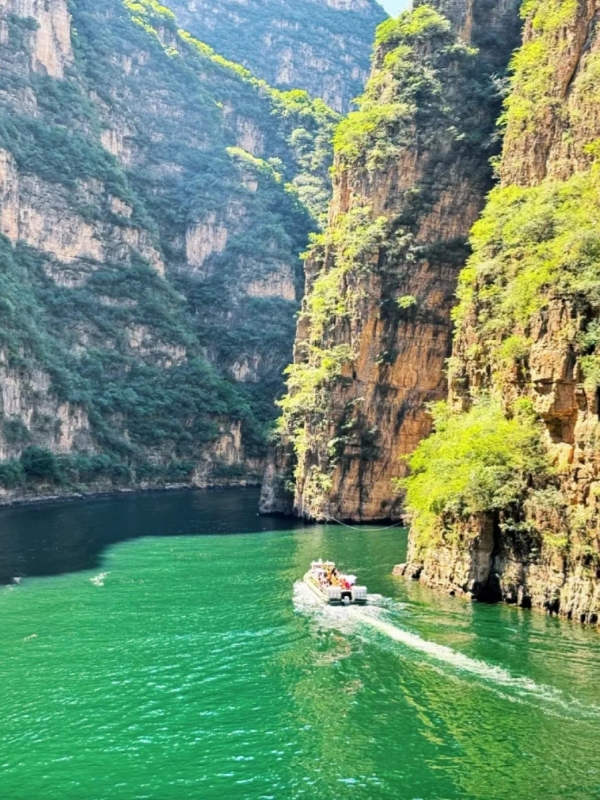
Longqing Gorge Little Guilin River Cruise
Guilin's karst landscape reaches a reflective peak in late April. The Longji rice terraces — famous for their spring rapeseed bloom — have mostly finished by mid-to-late April, but the green terraces themselves remain striking. The Li River cruise from Guilin to Yangshuo passes the sandstone formations that have drawn painters and poets for centuries; Xianggong Mountain provides the elevated viewpoint over the river's sharpest bends. At river level, bamboo rafts on the Yulong River and a walk through Xingping Ancient Town (the 20-yuan banknote scene) offer the most intimate access. Daytime temperatures of 16–23°C keep hiking comfortable. Two to three days in the Guilin-Yangshuo area covers the highlights.
Zhangjiajie National Forest Park
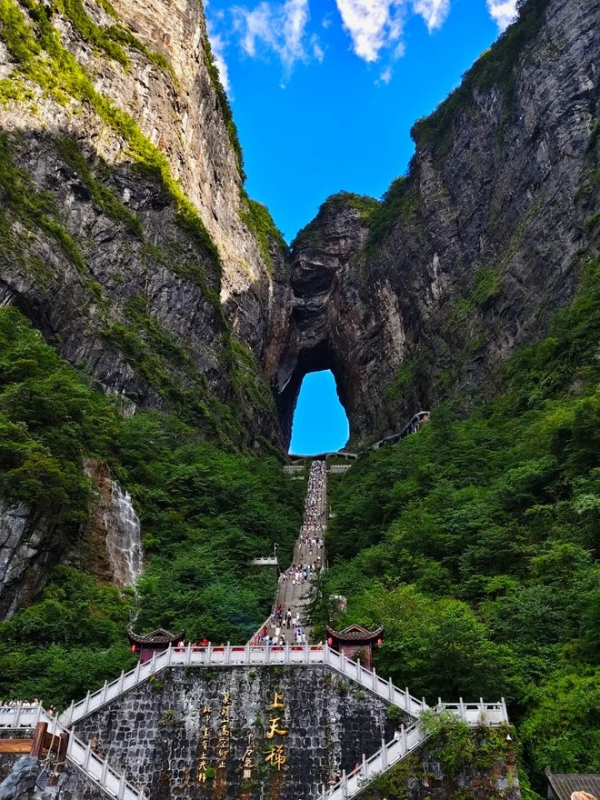
Zhangjiajie
The sandstone pillars that inspired Avatar rise dramatically above the Wulingyuan valley floor. Late April brings full spring foliage, improving visibility compared to the misty summer months. Wulingyuan entrance runs about $30 (¥225); the park's main attractions — the Avatar Hallelujah Mountain, Golden Whip Stream, and the cliff-hugging Huangshi Village walkway — require a full day each. Tianmen Mountain, reachable by the longest passenger cableway in the world (the operator bills it as such), adds a second day. Baofeng Lake completes a three-day Zhangjiajie itinerary. Book the cableway ticket (approximately $25 (¥180)) online to secure your departure time slot.
Yunnan: Kunming, Dali & Lijiang
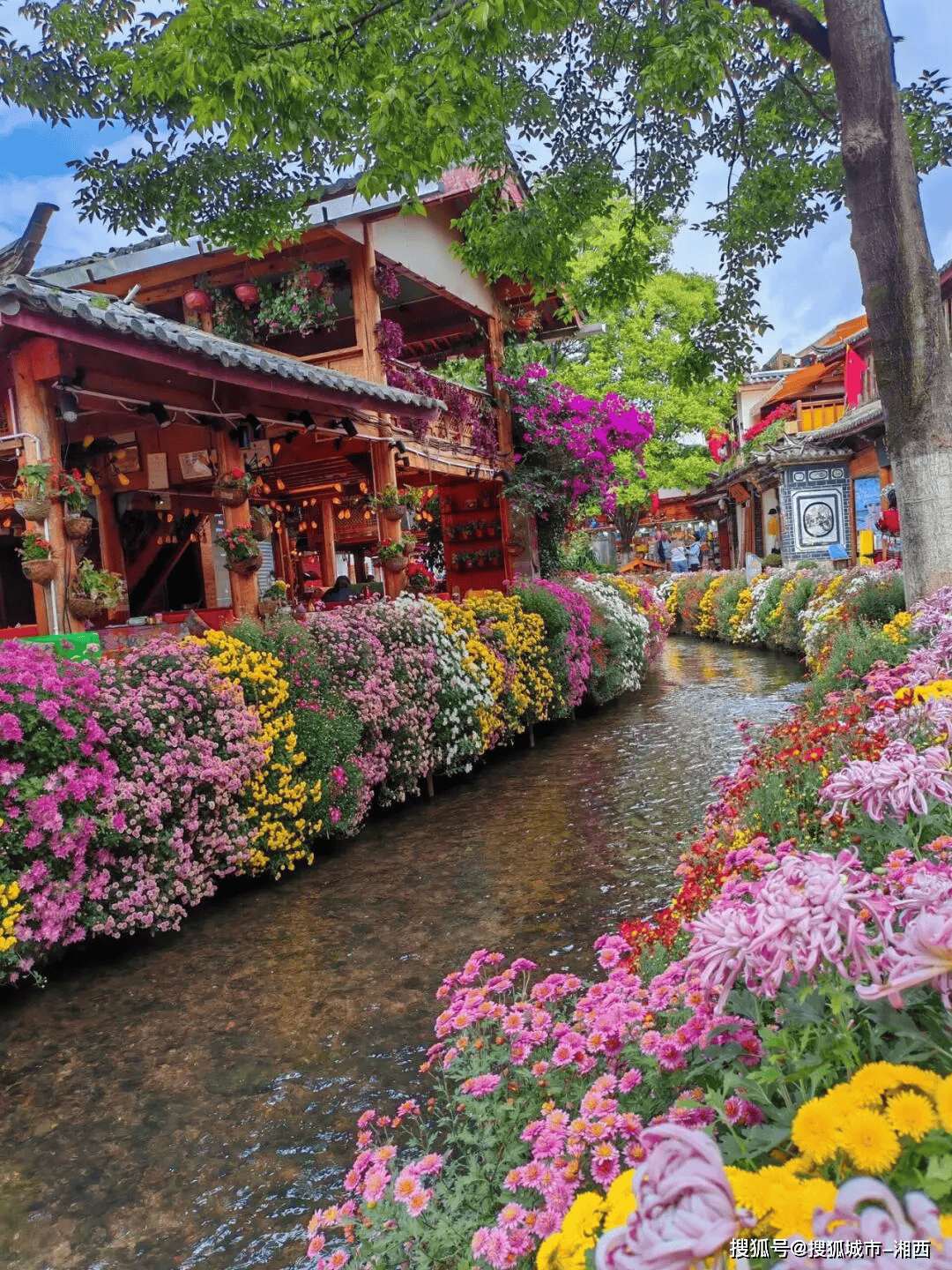
Dali, Yunnan
Yunnan spans a remarkable altitude range, and late April captures the province at its most varied. Kunming — "Spring City" — sees late cherry blossoms around Dianchi Lake and mild 22–24°C days. Dali's Old Town sits at the foot of Cangshan Mountain beside Erhai Lake; cycling the lake road in spring weather is a proven formula. Lijiang Old Town connects by road to Yulong Snow Mountain, where rhododendrons reach peak bloom at altitude in late April. The optional Shangri-La extension (Dukezhong Old Town, Songzanlin Monastery) adds four to five days for travelers with the time. Kunming, Dali, and Lijiang link by domestic flights or high-speed rail; the Yunnan circuit works well as a seven-to-ten day loop.
Xishuangbanna (Warm Escapes & Late Water Festival)
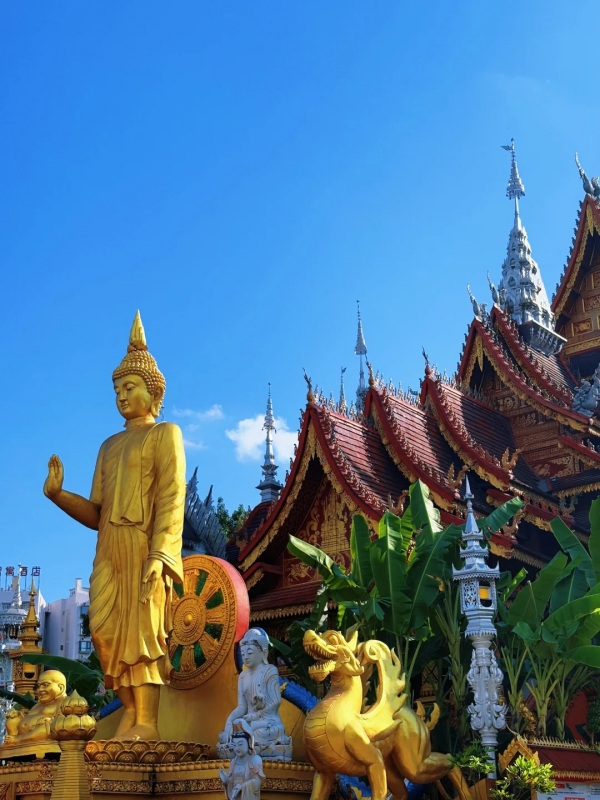
Xishuangbanna
The Water-Splashing Festival in Xishuangbanna falls April 13–15 in 2026, placing it just before the late-April window. However, the tropical warmth that drives the festival — 28–33°C and high humidity — holds through the end of the month. Mengle Buddhist temple, the night markets of Jinghong, Wild Elephant Valley, and Dai-village homestays draw travelers seeking heat and cultural texture. The botanical gardens near Menglian showcase tropical flora at peak spring growth. Pair Xishuangbanna with Kunming: fly Kunming to Jinghong in under two hours, then continue by rail or air back toward the Yunnan circuit. Lightweight clothing, sunblock, and bug repellent are essential here.
Chengdu, Chongqing & Jiuzhaigou
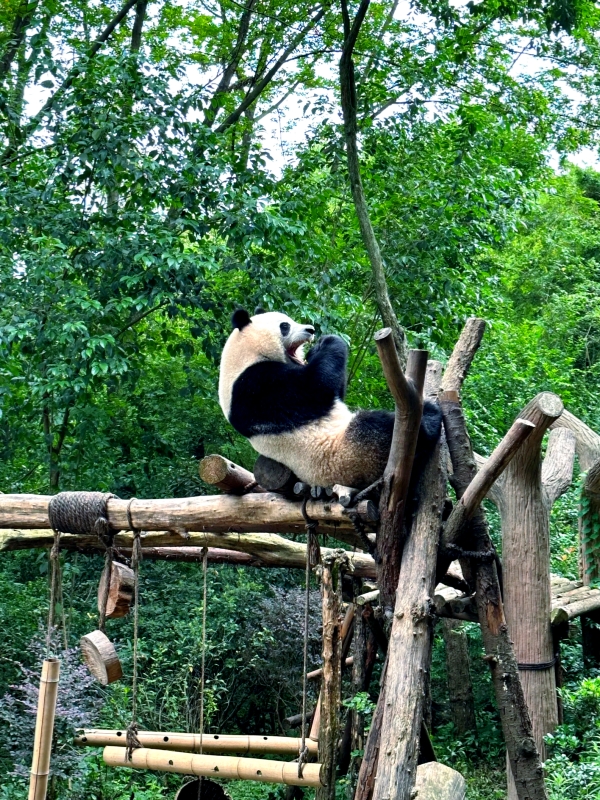
Giant Pandas of Chengdu
The Sichuan basin offers three distinct cities plus one of China's most celebrated natural sites. Chengdu's Panda Base (approximately $7 (¥55)) runs morning feeding sessions when the animals are most active; Jinli Street and Kuanzhai Alley showcase the city's food culture between visits. Mount Qingcheng, a Taoist mountain, provides a full or half-day escape from the city. Chongqing's Liziba monorail — which passes through a residential building — has become a social-media landmark; the Yangtze night cruise and a bowl of Chongqing hotpot round out the experience. Jiuzhaigou, five hours northeast by road, sees its season shift in late April: snowmelt begins, waterfalls reach their spring flow, and plum and peach blossoms peak in the valley. Jiuzhaigou entrance plus the mandatory sightseeing bus runs about $37 (¥270) combined. Plan three to four days for the full Chengdu-Chongqing-Jiuzhaigou arc.
Fujian Coast: Xiamen, Gulangyu & Xiapu Mudflats
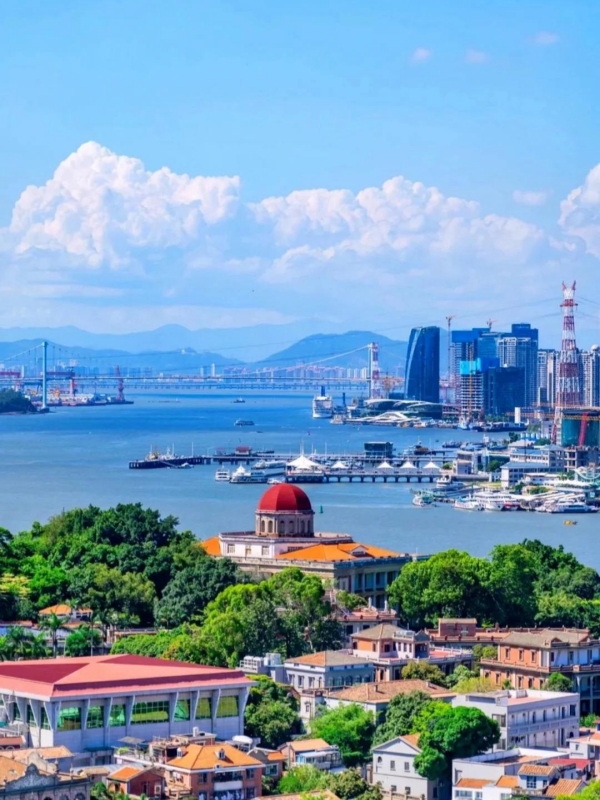
Xiamen City Tour
The Fujian coast delivers two very different experiences within easy reach of each other. Gulangyu Island, off Xiamen, bans cars and fills with colonial architecture, piano museums, and evening sea breezes. The ferry from Xiamen costs roughly $2 (¥15); once on the island, most attractions are free to walk to. About two hours north, Xiapu's tidal mudflats draw photographers for the dramatic net-casting and clamming scenes at sunrise — the flat's tidal patterns are best observed on a two-day visit. Late April brings tulip and azalea bloom to regional gardens along the coast, adding color to the coastal drive. Gulangyu plus Xiapu makes a strong four-day Fujian add-on from a Xiamen arrival.
Hainan, Hong Kong & Macau
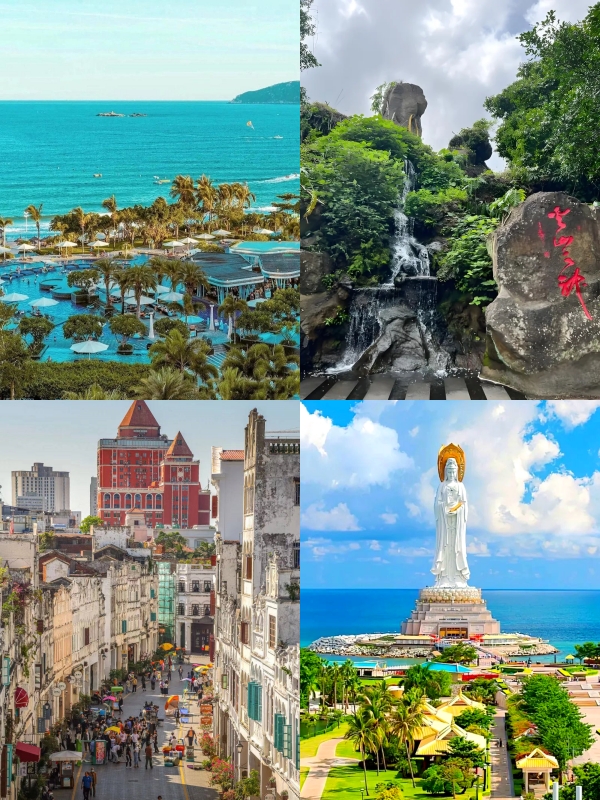
Things to Do in Hainan Island China
For travelers seeking warmth, late April delivers in three distinct flavors. Sanya on Hainan's southern tip sits at 26–30°C — beach season without the peak-season crowds or inflated pricing. Yalong Bay's beachfront, Wuzhizhou Island's diving, and the Tianya Haijiao rocky seascape give the island its reputation. Hong Kong keeps mild (22–26°C) with manageable humidity; Victoria Peak, the Star Ferry crossing at dusk, and the Peak Tram remain the essential highlights. Macau, an hour by ferry from Hong Kong, offers Senado Square's Portuguese-style plaza, the Ruins of St Paul's, and the quieter Coloane village — a compact heritage contrast that fits into a long-day trip. All three destinations connect by air; Hong Kong and Macau also link via the Hong Kong-Zhuhai-Macau Bridge from the mainland.
Tibet & the Plateau in Late April
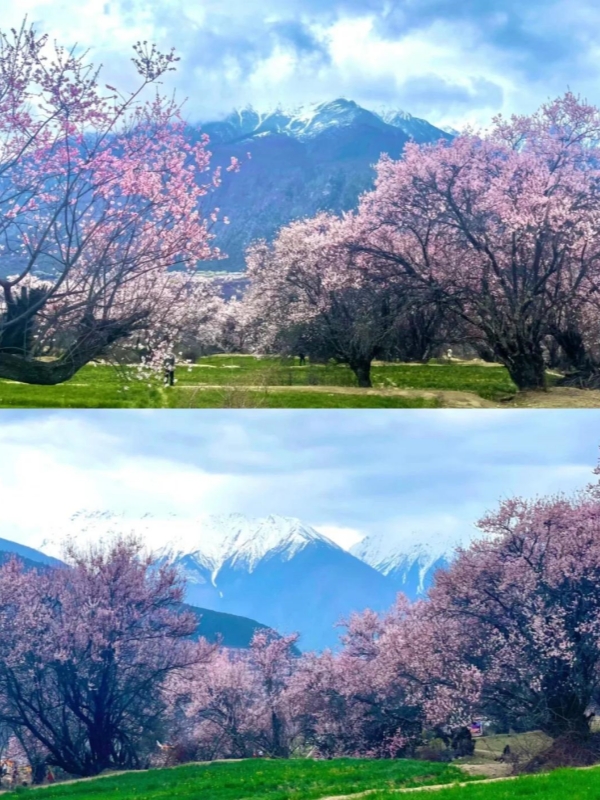
Nyingchi Peach Blossom Festival
Lhasa and the Start of the Season
Late April opens Tibet's tourism season. Lhasa's days reach 14–18°C under strong plateau sun — comfortable for sightseeing, though the altitude demands a slow first day. The Potala Palace, which once served as the winter home of the Dalai Lama, imposes a strict daily visitor cap; advance booking is mandatory. Jokhang Temple, Tibet's most sacred Buddhist site, draws pilgrims on Barkhor Street's circumambulation path. Sera Monastery hosts its famous debating sessions in the afternoon courtyard. Nights drop to –2 to 5°C, so a warm layer is essential after dark. Acclimatization in Lhasa for two nights before ascending to higher elevations (Shigatse at 3,800 m, the Everest approach at 5,000 m) is the standard medical recommendation.
Nyingchi Peach Blossom Valley
The Yarlung Tsangpo and Nyang Chu valleys around Nyingchi (Báyì Town) host one of China's most photographed spring scenes: thousands of wild peach trees in bloom against the snow peaks of Namcha Barwa (7,782 m) and Gyala Peri (7,294 m). The peach blossom season at lower elevations (~2,900 m) peaks mid-to-late April, with some higher sites still holding bloom into the final week. Days warm to 14–20°C, making valley walks genuinely pleasant; evenings require a heavier jacket at 4–9°C. Combine a Nyingchi visit with the Lhasa arrival — Lhasa to Nyingchi flights cross the eastern Himalayas in under two hours and offer sweeping views on clear days. The bloom draws its own crowd, but the scale of the valley absorbs visitors effectively.
Late April Flower & Festival Calendar
Specific bloom dates shift year-to-year by roughly a week depending on spring temperatures — a warm March pushes everything forward, a cool one delays it. For late-April trips, the peony festival in Luoyang remains the most reliable headline, while Nyingchi peach blossoms are typically still spectacular at valley level. Other blooms on this calendar function as bonus scenery rather than trip anchors. Cross-check the official Luoyang Peony Festival schedule within one to two weeks of your travel date to confirm current bloom stage.
Late April Travel Tips: Crowds, Packing & Booking
Why Late April Is a Shoulder-Season Sweet Spot
The 2026 calendar positions late April as the clearest shoulder-season window of the year. Qingming falls on April 5, and domestic travel surges clear by approximately April 7. Labor Day 2026 (May 1–3) then drives the next crowd surge beginning May 1. Between these two dates lies a roughly twenty-day stretch where site occupancy runs 30–50% below Golden Week levels — based on general seasonal traffic patterns — without the domestic holiday congestion of either endpoint. The Great Wall, the Forbidden City, the Terracotta Warriors, and West Lake all move at a noticeably calmer pace. This window closes as soon as May 1 bookings materialize; travelers who arrive in the last week of April capture the quietest conditions of the spring season.
What to Pack by Region
Packing for China in late April requires regional differentiation. North and Northwest (Beijing, Pingyao, Datong): layered shirts, a light sweater, a windbreaker, a dust mask for Gobi dust events, and sunblock. East and Central (Shanghai, Suzhou, Luoyang, Xi'an): long sleeves for daytime, a light jacket for evenings, and a compact umbrella — spring showers increase south of the Yangtze. South and Hainan (Guangzhou, Hong Kong, Sanya): T-shirts, sunscreen, and a light rain shell; humidity is noticeable. Tibet and the Plateau (Lhasa, Nyingchi): a down jacket, gloves, a warm hat, SPF 50+ sunblock (UV is extreme at altitude), and lip balm — nights regularly drop below freezing. Comfortable walking shoes work across all regions, particularly for the Great Wall's uneven steps and Jiangnan's garden paths.
Booking Tips for the Peony Festival
Luoyang's hotels fill 2–4 weeks ahead for the April 15–25 window, and the high-speed rail tickets from Beijing and Xi'an sell out quickly for peak festival dates. Book Luoyang accommodation and train seats together as a package when your dates are set; Trip.com and Klook accept foreign cards and offer confirmed tickets without requiring a Chinese phone number. Peony garden entry — approximately $7 (¥50) per site — can be purchased at the gate on the day or pre-booked online; pre-booking eliminates the queue that forms at the International Peony Garden on peak weekends. Cross-check the official Luoyang tourism site within one to two weeks of your visit for current bloom-status updates.
Transport & Getting Around
China's high-speed rail network makes the north-and-east corridor remarkably accessible. Beijing, Xi'an, Luoyang, Shanghai, Hangzhou, Guilin, Kunming, and Chengdu all connect via direct trains; the Beijing–Shanghai corridor reaches 350 km/h. For longer distances, domestic flights link Lhasa, Lijiang, Sanya, and Kunming efficiently. Within cities, DiDi (China's Uber equivalent) handles most point-to-point trips; however, DiDi and the QR-code payment systems require either a Chinese bank card or Alipay/WeChat Pay linked to a foreign card — a practical requirement that foreign visitors must arrange before arrival. The high-speed rail booking systems and airport counters accept passport details directly.
Frequently Asked Questions
Q: Is late April a good time to visit China?
Yes — late April is the strongest shoulder-season window of the year. Temperatures are comfortable across most regions, site crowds run well below holiday levels, and two of the country's most celebrated spring blooms — Luoyang peonies and Nyingchi peach blossoms — peak during this very period. The weather is warm enough for the south and the Great Wall simultaneously, which does not occur again until autumn.
Q: Where can I see peonies blooming in late April?
Luoyang in Henan Province hosts the Luoyang International Peony Festival, with peak bloom around April 20. The three main garden sites are the International Peony Garden, China National Flower Garden, and Sui-and-Tang Town Botanical Garden — all within the city and each charging roughly $7 (¥50) entry. Beijing's Summer Palace also maintains a peony section that blooms in the same window as a smaller-scale alternative.
Q: What is the weather like across China in late April?
Late April is warmer and drier than early April north of the Yangtze. Northern and Eastern China range from 18–25°C during the day with cool nights (6–16°C). Southern China sits at 24–28°C with rising humidity and occasional thunderstorms. The Tibetan Plateau reaches 14–18°C in daytime but drops well below freezing at night in Lhasa and Shigatse.
Q: How crowded is China in late April?
Not very. The 2026 Qingming holiday (April 5) cleared its domestic surge by mid-month, and the Labor Day break (May 1–3) has not yet begun. Late April consistently produces the lowest site occupancy between March and the May Golden Week — visitors to the Great Wall, the Forbidden City, and the Terracotta Warriors will notice significantly shorter queues compared to surrounding holiday periods.
Q: What should I pack for China in late April?
Layered clothing works across most regions: T-shirts or light shirts for daytime plus a jacket or sweater for evenings. A compact umbrella covers spring showers in the south and east. Sunblock and a brimmed hat are essential on the Tibetan Plateau, where UV intensity is extreme. Walking shoes suit both the Great Wall's uneven steps and Jiangnan's garden paths. The plateau and the northwest require heavier insulation than the south.
Q: Is Tibet open to foreign tourists in late April?
Yes — Lhasa and the broader Tibet Autonomous Region open to foreign tourists in April. However, a Tibet Travel Permit (TTB) and an Alien's Travel Permit (PSB) are mandatory and must be arranged 10–15 days in advance through a registered travel agency. This is a government requirement, not a suggestion. Everest North Base Camp access is sometimes restricted during the spring season; confirm current status through your registered agency before finalizing any high-altitude plans.
Q: Where is warm in China in late April?
The warmest destinations are Hainan (Sanya reaches 26–30°C), Xishuangbanna in tropical south Yunnan (28–33°C), Hong Kong and Macau (22–26°C), and the Pearl River Delta around Guangzhou and Shenzhen (24–28°C). Coastal Fujian and southern Guangxi also run warm with moderate humidity. The Tibetan Plateau and northwest remain cold at altitude and after dark despite pleasant daytime sun.
Q: Where can I see peach blossoms in China in late April?
Nyingchi in southeastern Tibet offers the most dramatic late-April peach display. Wild peach trees bloom across the Yarlung Tsangpo and Nyang Chu valleys at approximately 2,900 m elevation, backed by the snow peaks of Namcha Barwa (7,782 m). The bloom peaks mid-to-late April at lower elevations and remains strong through late April at the valley level. Smaller late-bloom peach sites exist around Kunming and in northwestern Yunnan, though Nyingchi dominates by scale and setting.
Q: Do I need to book Luoyang hotels far in advance for the Peony Festival?
Yes — Luoyang hotels regularly sell out 2–4 weeks before the April 15–25 peak window, particularly mid-range and boutique properties near the garden sites. High-speed rail tickets from Beijing and Xi'an also sell out quickly for these dates. Book both accommodation and train seats together once your travel dates are confirmed. Peony garden entry itself (roughly $7 (¥50) per site) can be purchased on the day or pre-booked online to avoid gate queues on weekends.