What to Wear to Chinese New Year 2026
February 17, 2026 marks the start of the Year of the Horse, specifically the Fire Horse (丙午) in the traditional stem-branch calendar. For foreign visitors arriving in China during this period, the holiday brings a distinct wardrobe challenge: dressing appropriately for a celebration rooted in symbolism and cultural expectation. The good news is that getting it right requires only three steps — understanding the lucky colors, selecting the right outfit for each setting, and knowing where to acquire pieces quickly and affordably. This guide covers all three.
Cold winter weather across most of China in February means layering is essential regardless of what you wear. The cultural dress code, however, is warm and festive. Red and gold dominate the streets, but the palette runs deeper than those two classics. Whether you are attending a family reunion dinner, visiting a temple, or celebrating at a party, the right combination of color, garment, and accessory signals respect — and keeps you comfortable in temperatures that typically hover between 2°C and 10°C.
Quick Facts
Lucky Colors for Chinese New Year
What to Wear to Chinese New Year 2026
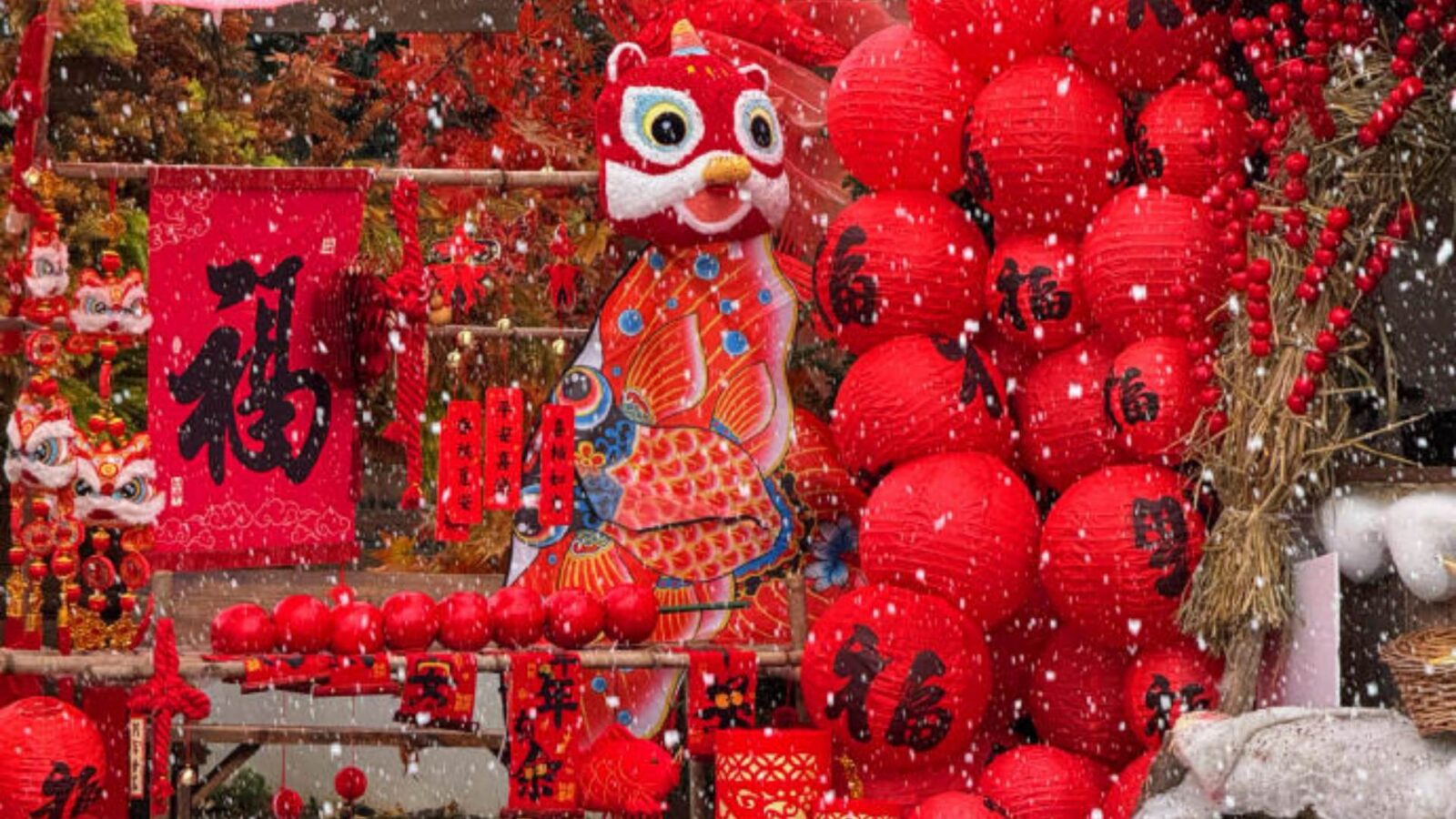
The festive palette for Chinese New Year is both culturally meaningful and visually cohesive. At its center stands red, the most widely recognized symbol of the holiday. Around it orbit gold, burgundy, pink, purple, and modern metallic shades — each carrying specific auspicious meanings that visitors can incorporate strategically. The 2026 Year of the Horse adds a slight twist to the traditional palette, leaning particularly toward red and gold with warm earth tones as the dominant combination.
Understanding what each color represents helps visitors make smart purchasing decisions. A red scarf carries different weight than a red dress, and knowing the difference allows for precise outfit planning across multiple events without duplicating spend.
- Red: Luck, happiness, and prosperity. Worn to ward off bad fortune and signal a fresh start. The default choice for any CNY event.
- Gold: Wealth and abundance. Pairs naturally with red and works as a standalone accent for those who find full red too bold.
- Burgundy: Sophisticated deep red for office-friendly or formal settings where bright red feels excessive.
- Pink: Love, joy, and youthful energy. Often paired with another lucky color rather than worn alone.
- Purple/Silver: Traditional purple (大紅大紫) ties to nobility and wealth; modern lilac and metallic silver function as contemporary festive accents.
Red, Gold, and the Auspicious Palette
Red functions as the default CNY color for good reason — it carries the deepest symbolic weight of any auspicious shade. The color represents luck, happiness, and a clean start, making it appropriate at every level of formality from family dinners to temple visits. Gold adds the dimension of wealth and abundance, completing the classic pairing that dominates storefronts, red packets, and festival decorations across China.
Together, red and gold form the safe default combination. Visitors who feel uncertain about the dress code can anchor their outfit around these two colors without risking a misstep. Even a small red accent — a scarf, a handbag, a lip color — signals awareness of the cultural context.
Modern Auspicious Shades
The traditional CNY palette has expanded in recent years to include shades that suit contemporary fashion preferences while retaining auspicious meaning. Burgundy serves as a sophisticated alternative to bright red, offering the same positive associations in a more subdued tone that works well for professional settings or evening events.
Pink carries associations with love and joy, making it particularly suitable for occasions with a romantic or youthful character. Purple, tied to the expression 大紅大紫 (going red and purple, meaning prosperity and high status), ranges from saturated traditional shades to modern lilac and lavender tones now commonly seen on Chinese streets during the festival.
- Burgundy: Sophisticated red for office-friendly events and formal dinners where bright red feels too casual.
- Pink: Love and joy symbolism; pair with red or gold rather than wearing as the sole festive color.
- Purple: Nobility and wealth from the 大紅大紫 tradition; works in saturated traditional shades or modern lilac.
- Silver/Metallic: Contemporary alternative to gold representing 金銀滿屋 (gold and silver filling the house); subtle festive shine without full commitment to yellow tones.
Year of the Horse 2026
The 2026 lunar year introduces the Fire Horse (丙午) into the zodiac cycle. Horse years traditionally favor energy, freedom, and mobility — and the fire element amplifies warmth and dynamism. The practical result for dressers is a palette that leans heavily into red, gold, and warm earth tones, with some practitioners suggesting particular caution around certain blue shades during this Horse year cycle.
The good news for visitors is that red and gold remain the safest defaults regardless of zodiac nuances. Anyone dressing in the classic combination is on solid ground. The Horse-year specificity matters most for those already engaged with Chinese zodiac practices or seeking to align more precisely with traditional recommendations. For everyone else, the standard festive palette covers all cultural bases.
🧧 Traditional Attire Selection: For detailed advice on selecting red Tang suits, lined Hanfu, and modern festive garments, explore traditional chinese new year clothing.
Traditional Garments Visitors Can Wear
-

- Traditional Chinese New Year Clothing
-
- Chinese Tang Suit
-
- Traditional Chinese New Year Clothing
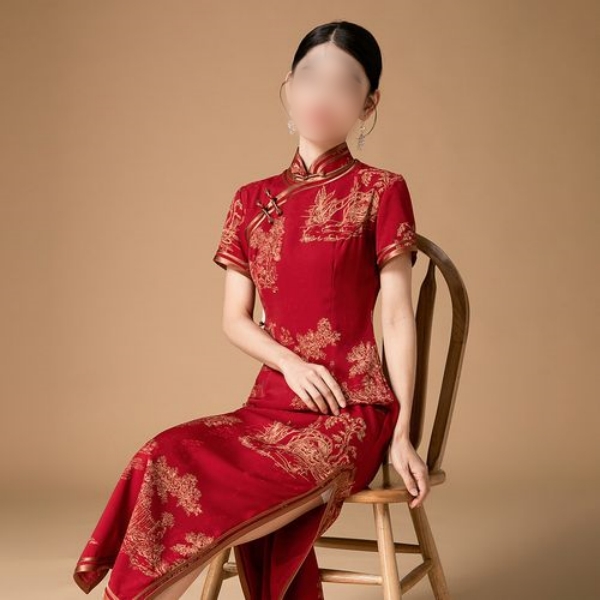
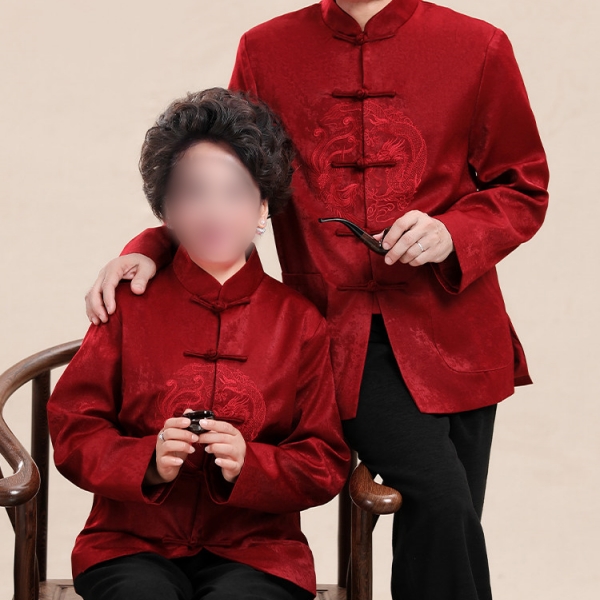
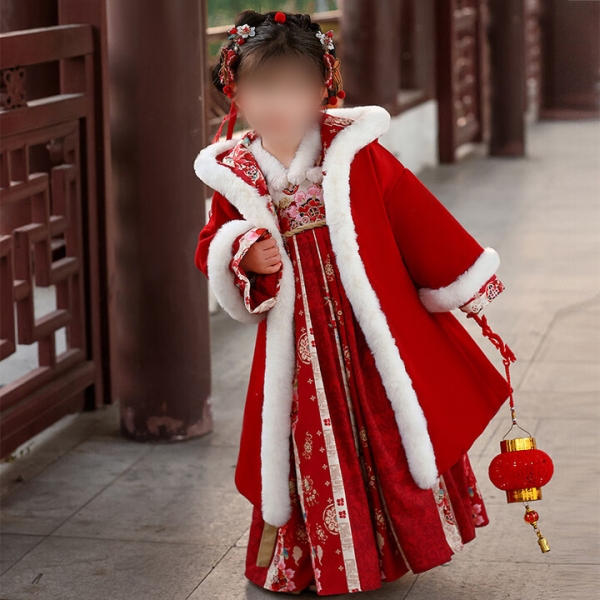
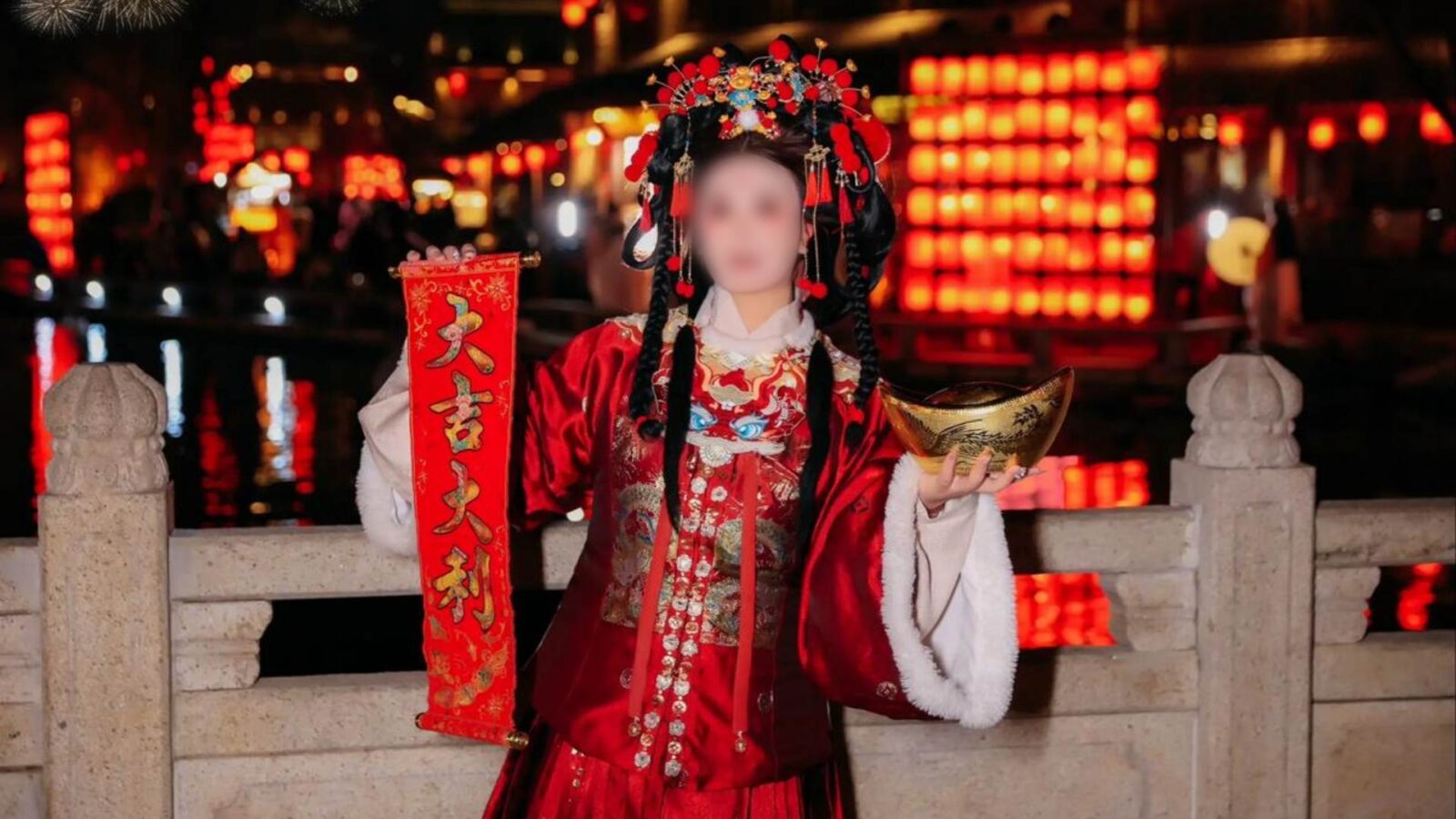
Chinese New Year offers a rare opportunity to wear traditional Chinese garments outside a museum or costume shop. Three main options work well for visitors: the cheongsam or qipao for women, hanfu for any gender, and tangzhuang or Tang suit for men or as a unisex option. Each has distinct characteristics, price points, and cultural contexts that suit different occasions and comfort levels.
- Cheongsam/Qipao: High-collared fitted dress with side slit; the most recognizable Chinese formal garment for women.
- Hanfu: Flowing pre-Qing dynasty dress available for all genders; popular through the 2003 Hanfu Revival movement with extensive rental infrastructure.
- Tangzhuang: Jacket based on the Manchu Magua; upright collar, Chinese knot closures; works as separates or full outfit.
Cheongsam and Qipao
The cheongsam — known in Mandarin as qipao — traces its origins to the Manchu banner gowns that preceded it, but the modern form most visitors recognize emerged in 1920s Shanghai. The high-collared, fitted silhouette with a side slit creates a distinctive silhouette that photographs well and signals cultural engagement without requiring a full costume commitment.
Fabrics range from silk and satin for formal occasions to cotton and velvet for everyday or cooler-weather wear. Visitors typically rent cheongsam for one-off events ($30–80 per day, or about ¥215–575) or purchase ready-to-wear pieces for $60–150 (approximately ¥430–1080). February weather makes lined or velvet options the practical choice over silk for anyone spending time outdoors.
Hanfu Revival
Hanfu refers to the clothing traditions of Han Chinese culture before the Qing dynasty standardized Manchu dress. The style features flowing cross-collar tops, wide sleeves, and either a skirt for women or trousers for men — creating an elegant, layered silhouette quite different from the fitted qipao.
The 2003 Hanfu Revival movement sparked a renaissance that made hanfu rental shops common in major tourist cities. Full-day rental with hairstyling and accessories typically costs $25–60 (about ¥180–430), making it an accessible option for visitors who want the experience without purchasing. The shops cluster in historic areas of Beijing's Dongcheng district and Shanghai's Yuyuan and Tianzifang neighborhoods.
Tangzhuang and Modern Adaptations
Tangzhuang — often called Tang suit in English — draws from the Manchu Magua jacket rather than Tang dynasty dress, despite the name. The defining features are an upright collar, straight lapels, and Chinese knot closures at the chest. The garment reads as formal and celebratory while remaining practical for movement and layering.
Modern adaptations often treat tangzhuang pieces as separates that mix with contemporary clothing. A brocade jacket over jeans or tailored trousers strikes a balance between festive and casual. Ready-to-wear tangzhuang costs $40–120 (approximately ¥290–870) at department stores and $25–60 (about ¥180–430) at market stalls, depending on material quality and craftsmanship.
🎉 Festive Styling Ideas: To learn how to assemble festive combinations for temple fairs, banquets, and family gatherings, read our guide to traditional chinese new year outfits.
Outfit Ideas by Occasion
What to Wear to Chinese New Year 2026
Chinese New Year events range from intimate family dinners to crowded temple visits and lively parties. Each setting carries different expectations around formality, coverage, and footwear. The common thread is the color palette — red, gold, and supporting auspicious shades — combined with weather-appropriate layering for February conditions across most of China.
- Family Dinner: Red or gold top with dark trousers or midi skirt; modest neckline; qipao acceptable for women.
- Temple Visit: Modest coverage (shoulders and knees); warm layers; comfortable walking shoes; small crossbody bag.
- Party: Red or gold dress, qipao, or sparkly top with tailored trousers; festive jewelry; modest formality level.
- Casual Outing: Red knit or gold scarf with comfortable trousers; one signature color pop; flat comfortable shoes.
Family Dinner and Gatherings
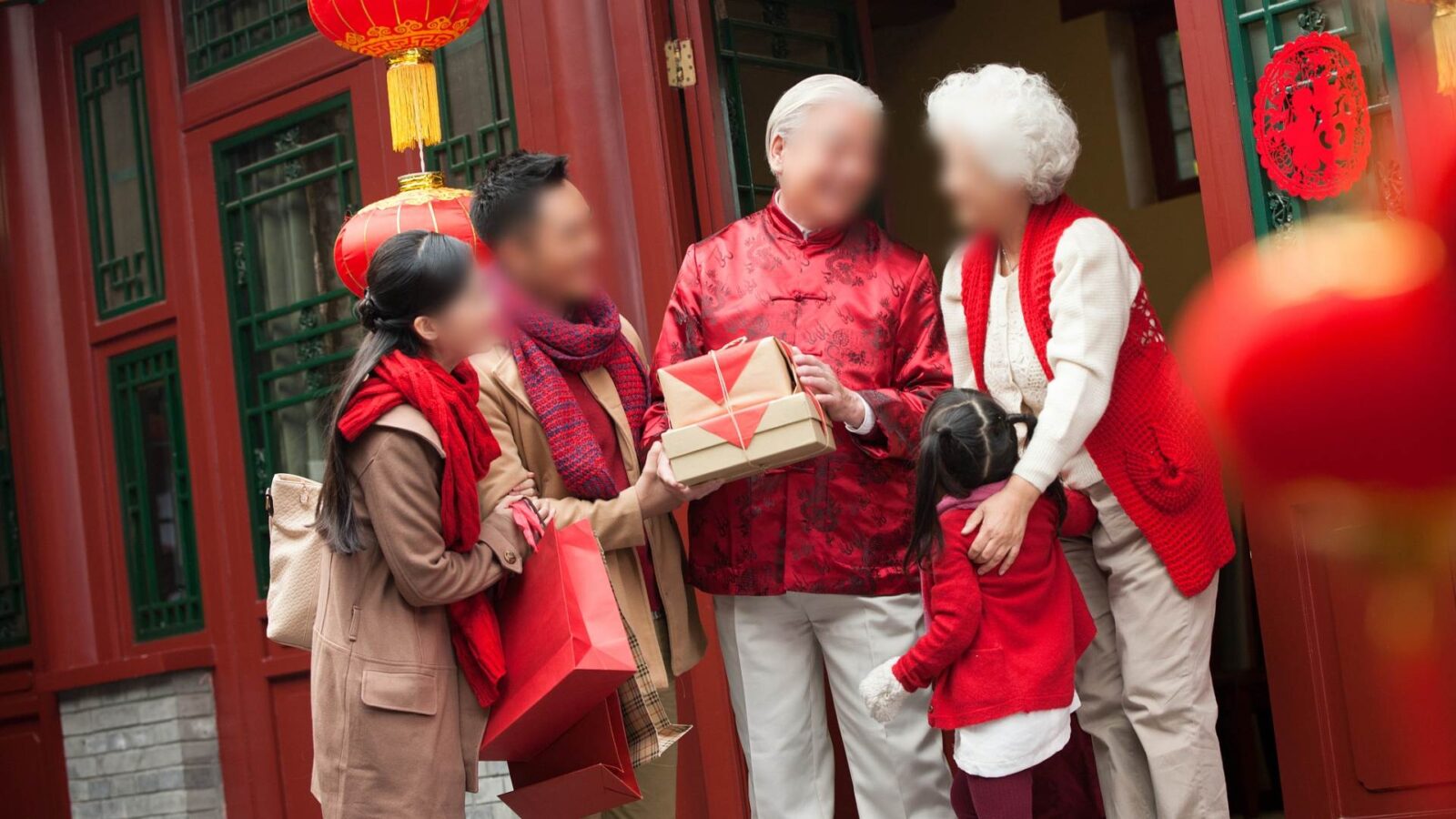
The family reunion dinner is the centerpiece of Chinese New Year, and the dress code reflects that importance without demanding formal wear. A smart-casual approach works well: a red or gold top paired with dark trousers or a midi skirt signals festive intent without outdressing the hosts.
Modesty matters at the family table. Deep necklines and overly short hemlines create an uncomfortable dynamic with older relatives present. Women who own a qipao will find it welcome at this event. Visitors should note that some families wear matching pajama sets during the holiday — visiting guests should not adopt this style, which signals insider family membership rather than guest status.
- Women: Red or gold blouse with dark tailored trousers or midi skirt; qipao is appropriate if owned.
- Men: Red or gold button-down shirt with dark trousers; tangzhuang jacket over a plain top works well.
- Footwear: Closed shoes rather than sandals; avoid sneakers unless the family setting is deliberately casual.
Temple and Outdoor Visits
Temple visits during Chinese New Year involve standing for extended periods, incense smoke, cold outdoor temperatures, and a requirement for modest coverage out of respect. February conditions across Beijing, Shanghai, and Xi'an typically range from 2°C to 10°C, making layered warmth essential rather than optional.
Shoulders and knees must be covered when entering temple halls. Loose layers that can be added or removed as temperatures change work better than a single heavy coat. Comfortable walking shoes matter — the standing time adds up, and uneven stone pathways are common at older temples.
- Coverage: Long sleeves and trousers or a knee-length skirt; bring a scarf for shoulder coverage if wearing a sleeveless top.
- Layers: Thermal base layer, sweater, and a coat that can be checked at temple entrances where available.
- Footwear: Comfortable closed shoes with good grip; avoid heels on stone pathways.
Parties and Hosting
Chinese New Year parties step up the formality compared to family dinners, allowing for more decorative and expressive outfit choices. A red or gold dress fits the occasion well, as does a qipao for women or a tangzhuang jacket for men. The sparkle factor can increase — sequins, beading, and metallic fabrics are welcome at celebratory evening events.
Festive jewelry adds polish without requiring a full wardrobe change. Gold drop earrings range from $20–80 (approximately ¥145–580), and red enamel bangles cost $10–30 (about ¥75–220) as accessible finishing touches. Hosts at parties often wear full qipao, setting a visual standard that guests can reference for formality level.
- Women: Red or gold dress at knee length or longer; modest qipao; sparkly top with tailored trousers.
- Men: Tangzhuang jacket; red or gold button-down with dark tailored trousers.
- Accessories: Gold earrings, red enamel bangle, small clutch or evening bag in a lucky color.
Casual Festive Outings
The lantern festival and market strolls that extend through the CNY period call for relaxed festive dressing rather than formal wear. One signature color pop suffices to signal participation in the celebration without committing to full holiday regalia for a day of walking and browsing.
A red knit sweater, a gold scarf, or statement earrings in a lucky color creates the right impression. Pair these pieces with comfortable trousers and flat shoes suitable for hours of outdoor activity. The weather remains cold, so warmth takes priority over elegance.
- Women: Red knit top or gold scarf with dark jeans; statement earrings in red or gold; warm coat.
- Men: Red or gold sweater over a plain shirt; dark jeans; warm jacket.
- Footwear: Comfortable flat shoes or boots; allow for cold and potential wet pavement.
📜 Explore Classic Collar Aesthetics: To understand how historical cut variations influence modern festive tops and Hanfu coats, learn more about tang dynasty neckline.
What Not to Wear on Chinese New Year
Certain colors, items, and practices carry negative associations that visitors should understand and avoid. The taboos fall into two categories: color-based prohibitions rooted in mourning symbolism, and object or behavior-based restrictions tied to linguistic associations or broader luck beliefs. Understanding the reasoning behind each rule makes compliance easier and more intuitive.
- Black: Mourning and funeral associations; avoid at all main CNY events.
- White: Loss and sadness symbolism; best avoided throughout the holiday period.
- Gray and Blue: Secondary mourning tones; treat with particular caution in the 2026 Horse year.
- Damaged Clothing: Ripped or torn items represent bad luck for the year ahead; only wear pristine pieces.
- Revealing Outfits: Disrespectful at temples and with elders; maintain modest coverage in formal settings.
- Sharp Accessories: Knives, scissors, and pointed items symbolize conflict for the coming year.
- New Shoes During CNY: The word for shoes (鞋) sounds like evil (邪); buy footwear before the holiday when possible.
- Number 4: Homophone for death (死); avoid four of any item and anything featuring the digit.
- Hair Cutting or Washing on New Year's Day: Hair (髮) sounds like prosperity (發) and washing (洗) sounds like death (死); postpone grooming until after February 17.
Colors to Avoid
Black and white sit at the center of the CNY color prohibition because both carry mourning associations in Chinese culture. Black specifically ties to funerals and formal grieving, making it the most visible mistake a visitor can make at a celebratory event. White represents loss and sadness, functioning as the secondary mourning color.
Gray and blue fall into a more cautious category. Blue carries particular weight in the 2026 Horse year, where some practitioners recommend extra distance from this shade. If a dark outfit is unavoidable — such as at a business event with a strict dress code — the workaround is straightforward: add a red scarf, carry a red bag, or wear red lipstick to maintain a visible lucky accent.
- Black: Mourning and funeral; absolute avoid for most visitors at most events.
- White: Loss and sadness; best skipped throughout the holiday.
- Gray: Secondary mourning tone; treat with caution even in casual settings.
- Blue: Extra caution warranted in 2026 Horse year; if worn, pair with red accents.
- Workaround: If dark clothing is necessary, add red scarf, bag, or lipstick for a visible lucky accent.
Items, Accessories, and Practices to Avoid
Beyond colors, specific objects and behaviors carry taboos based on linguistic associations or symbolic meaning. Damaged or ripped clothing represents the most common inadvertent violation — a small tear in a jacket or a loose thread sends a negative signal about the year ahead. Revealing outfits create a different problem, signaling disrespect at temples and family gatherings where modesty is expected.
Sharp objects like knives and scissors carry conflict symbolism, representing arguments or cutting ties in the coming year. The shoe taboo operates through homophonic association: 鞋 (xié, shoe) sounds like 邪 (xié, evil), so buying new shoes during the holiday period is traditionally avoided. Items featuring the number 4 trigger the death homophone (四/sì sounds like 死/sǐ), making four of anything particularly inauspicious.
- Damaged Clothing: Tears, rips, or fraying signal bad luck; wear only pristine pieces during CNY.
- Revealing Outfits: Disrespectful at temples and with elders; maintain modest coverage.
- Sharp Accessories: Knives, scissors, and pointed items symbolize conflict; leave at home.
- New Shoes During CNY: Buy before the holiday when possible; avoid wearing newly purchased shoes bought during the period.
- Number 4: Avoid four of any item; skip the digit in gifts and packaging.
- Hair Cutting/Washing: Postpone until after February 17; the homophone associations with prosperity and death make this a widely observed practice.
Where to Buy or Rent Outfits
The four major cities for foreign visitors — Beijing, Shanghai, Xi'an, and Hong Kong — each offer distinct shopping environments for CNY garments. In addition, online platforms provide access to a wider range at lower prices, though with corresponding tradeoffs in fit assurance and immediacy. Planning two weeks ahead of CNY allows sufficient time for rental bookings, alterations, and delivery.
A few practical notes apply across all locations. First, sizing in Chinese retail runs small compared to Western standards — trying items on before purchase or requesting a size up is advisable. Second, tier-1 cities (Beijing, Shanghai, Hong Kong) generally accept international cards at established shops and department stores, but market stalls and smaller rental shops often prefer cash or Alipay. Bringing a payment backup is sensible. Third, English signage varies significantly — a translation app helps at market stalls and smaller shops even in international-facing areas.
Frequently Asked Questions
Q: What is the lucky color to wear for Chinese New Year 2026?
Red remains the safest default for the 2026 Year of the Horse, paired naturally with gold for wealth symbolism. The Fire Horse year leans specifically toward red, gold, and warm earth tones, with particular caution around blue shades. Gold alone works as an accent or standalone festive color.
Q: Is it okay for visitors to wear a cheongsam or qipao?
Yes. The cheongsam and qipao are entirely appropriate for visitors at cultural events, parties, and during hanfu rental photo sessions. Modest cuts are preferred over revealing styles, and rental shops in Beijing and Shanghai make the experience accessible without requiring a purchase.
Q: Can I wear black to a Chinese New Year celebration?
Black is best avoided at most CNY events due to mourning associations. If a dark outfit is unavoidable — such as at a business function — pair it with a red scarf, red bag, or red lipstick to maintain a visible lucky accent.
Q: What should I wear to a Chinese New Year party as a guest?
The festive formula for party attendance includes a red or gold top with tailored trousers, or a modest red or gold dress. A qipao is welcome if available. Avoid white, all-black outfits, and any damaged or ripped clothing.
Q: Where can foreigners rent hanfu in Beijing or Shanghai?
Hanfu experience shops concentrate in Beijing's Nanluoguxiang and Dongcheng areas, and Shanghai's Yuyuan and Tianzifang neighborhoods. Booking 1–2 weeks ahead during CNY peak is advisable. Full-day rental with hairstyling and accessories typically costs $25–60 (about ¥180–430).
Q: What is the most important clothing taboo for visitors?
Three taboos matter most for visitors: avoid black and white at main events, skip damaged or ripped clothing, and leave sharp accessories at home. These are the most visible mistakes and the easiest to prevent with minimal planning.
Q: Should I avoid buying new shoes during Chinese New Year?
Buy new shoes before the holiday when possible. The Mandarin word for shoes (鞋, xié) sounds like the word for evil (邪, xié), making shoe purchases during CNY traditionally inauspicious. Wearing shoes bought during the holiday period is the specific concern.
Q: What is appropriate to wear to a Chinese New Year temple visit?
Temple dress requires modest coverage of shoulders and knees, warm layers for February temperatures, and comfortable walking shoes for extended standing. Avoid all-black and all-white outfits. Red or gold accents are welcome but not required inside temple halls.