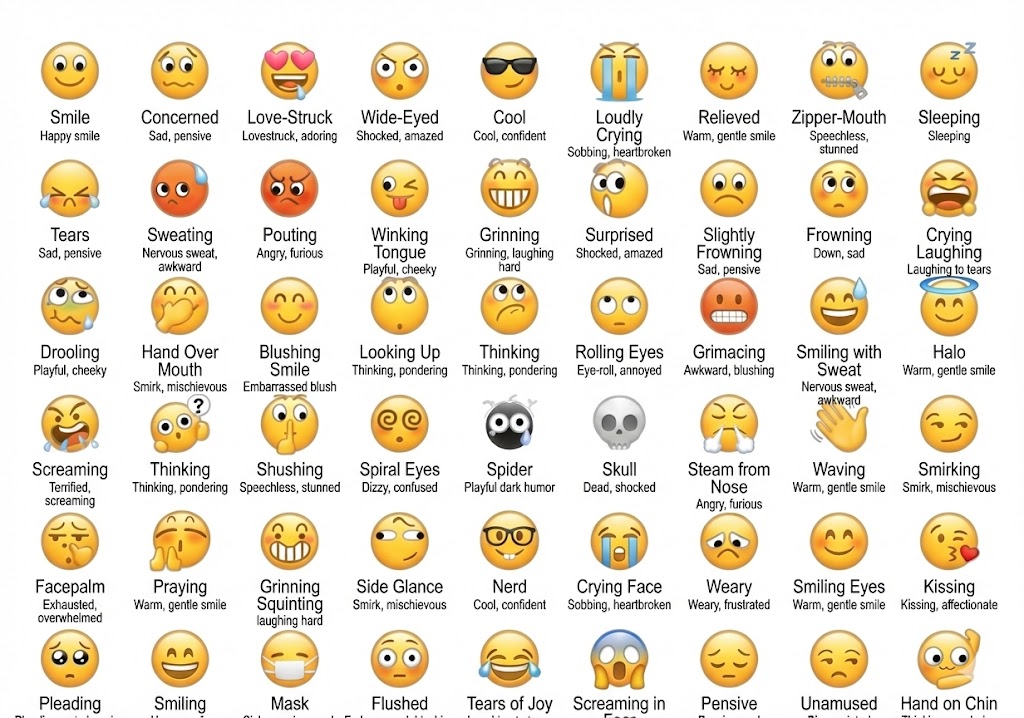
Complete List of WeChat Emojis and Their Hidden English Meanings
In China, conversations don’t just flow through texts—they flow through WeChat Stickers. These mini PNGs and looping GIFs are the cultural shortcuts and “silent roar” behind every indulgent group chat. Militarized in their existence, a friendly “Smile” may be just that to a grandmother but a cold “Death Stare” to a Gen Z office mate. This dramatic chasm in the interpretation of system emojis by different generations and social cliques means every tap is a gamble between honest and ironic. Decoding these layers is the only way to MASTER the Official Sticker Gallery and POLITELY LONG PRESS those viral memes.
💬 Social Etiquette: Visuals are only half the battle. To master the unspoken rules of digital conversation, see our WeChat Reply Guide: How to Message Like a Local for a deep dive into response times, emoji ironies, and professional texting habits.
WeChat Emojis and Their Changing Meanings in Chats
While WeChat Stickers carry the "flair," the built-in system emojis carry the "risk." Even the most standard icons can trip you up if you aren't tuned into the generational code, as their meanings often flip depending on who is receiving them.
⚠️ The "Danger Zone": Generational Misinterpretations
The biggest risks lie in emojis that have taken on a sarcastic or dismissive subtext among younger users:
The "Death Smile" (😊):
- Younger View: A polite shrug or veiled sarcasm ("Sure, whatever").
- Older View: Genuinely friendly and neighborly.
The "Chat Killer" (👍):
- Younger View: A signal that the conversation is over; "Noted."
- Older View: A sincere seal of approval or "Well done!"
The Weighty Request (🙏):
- Younger View: A casual, breezy "Thanks!"
- Older View: A solemn "Please" or an urgent, heartfelt plea.
✅ The "Safe Bets": Universally Positive Icons
To avoid any digital faux pas, these emojis are generally interpreted the same way across all age groups:
- 😂 (Crying with Laughter): Signals genuine amusement and lightens the mood.
- 🥰 (Smiling Face with Hearts): Conveys warmth and affection between friends or partners.
- 🎉 (Party Popper): The go-to for celebrating promotions, birthdays, or good news.
Deciphering Hidden Meanings in Your WeChat Emojis and Stickers
Generational Cheat Sheet for Popular WeChat Symbols
The table below breaks down 12 of the most commonly used WeChat system emojis ― and how their perceived meaning shifts depending on who's sending them.
| Official Name | Young Users (18–35) | Older Users (40+) | Misuse Risk |
|---|---|---|---|
| Smile | Cold, passive-aggressive, even mildly threatening | Polite and neutral ― a courteous default | 🔴 Very High |
| Smiling Face | Dismissive; "noted, moving on" | Warm and genuinely friendly | 🔴 High |
| Thumbs Up | Conversation ender; "I've seen this" | Strong approval or praise | 🔴 High |
| Grin | Awkward laugh; nervous or forced smile | Happy, laughing out loud | 🟡 Medium |
| Strong | Ironic praise ― "oh wow, sure" | Sincere encouragement or admiration | 🟡 Medium |
| Eye Roll | Sarcasm or deliberate disbelief | Genuine surprise or confusion | 🟡 Medium |
| Folded Hands | Casual "thanks" between friends | "Please" ― a humble or urgent request | 🟡 Medium |
| Crying with Laughter | Pure laughter ― something's hilarious | Mixed sadness softened with politeness | 🟡 Medium |
| Flirty Face | Playful teasing between close friends | Complimenting someone's appearance | 🟡 Medium |
| Face Palm | Embarrassment or secondhand cringe | Shock or stunned disbelief | 🟢 Low |
| Cupped Fist Salute | Retro or ironic show of respect | Genuine respect, gratitude, or greeting | 🟢 Low |
| Awkward Sweat Drop | Mild cringe; "this is painfully awkward" | Nervousness or anxiety | 🟢 Low |
| Shy | Humble brag; "I did well but I'm modest" | Genuine shyness or flattery | 🟡 Medium |
| Crying | Dramatic flair; "I'm dying laughing" | Real sadness or deep emotion | 🟡 Medium |
| Angry | Used ironically to express mock frustration | Actual anger or serious displeasure | 🟡 Medium |
| Dizzy | Overwhelmed or too-much-information response | Literally feeling dizzy or unwell | 🟢 Low |
| Pout | Mild passive aggression; "whatever" | Genuine displeasure or dissatisfaction | 🟡 Medium |
| Smirk | Playful mischief between friends | Suspicious or untrustworthy intent | 🟡 Medium |
| Clapping | Sarcastic applause; "wow, really?" | Genuine praise or congratulations | 🔴 High |
| Waving Goodbye | Abrupt dismissal; "this conversation is over" | Friendly and polite farewell | 🔴 High |
🔴 High / Very High ― sending to the wrong generation may seriously change your intended tone
🟡 Medium ― context-dependent; use with some care
🟢 Low ― relatively safe to use across age groups
🔢 Beyond Visuals: In a fast-paced chat, sometimes even a GIF is too slow. Chinese netizens often skip the gallery and use "Numeric Shorthand" to express complex emotions in seconds. See our Guide to Chinese Number Slang (2026) to decode these 3-digit emotional codes and use our quick-translator to find the perfect reply.
A Closer Look at How 11 Common Emojis Function in Chat
Beyond the surface, each of these emojis carries a subtext that varies dramatically by generation, relationship, and context. Here's what they actually communicate ― and how to use them without accidentally sending the wrong signal.
1. 🙂 微笑 — The "Death Smile"
Official Name: Smile (微笑)
Actual Meaning:
- Young users: "I don't want to talk about this." / "Sure, fine, whatever." / A veiled expression of displeasure or even quiet anger ― all wrapped in a technically polite exterior.
- Older users: A standard, perfectly appropriate smile. Warm, neutral, and professionally friendly.
Function:
Among younger users, 🙂 has evolved into one of the most loaded emojis in the WeChat dictionary. Its unblinking stillness is interpreted as emotionally flat—the equivalent of a door gently snapping shut. It is a way to extinguish a conversation without conflict, to proclaim boredom, or to indicate disagreement, without saying just that. To older users, the very same emoji conveys the opposite: politeness, professionalism, and goodwill.
Real Conversations:
Between younger friends:
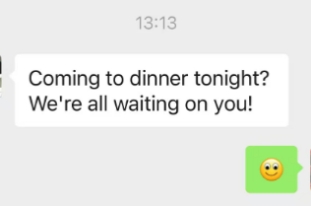
Death Smile
Subtext: I really don't want to go, but I'd rather let this emoji do the explaining than start an argument.
Between colleagues (older generation):
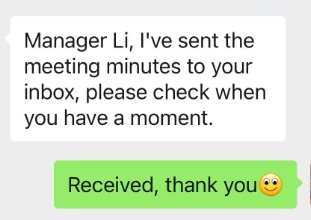
Death Smile
Subtext: A polite, professional acknowledgment ― nothing more, nothing less.
⚠️ Warning: Unless you're certain the recipient belongs to an older generation that uses 🙂 straightforwardly, avoid sending it to anyone under 35. It will almost certainly land as cold or passive-aggressive. Safer alternatives: 😄 or 🤣 to signal genuine warmth.
2. 😊 Smiling Face — Warm or Dismissive?
Official Name: Smiling Face
Actual Meaning:
- Young users: A softer version of 🙂 ― sometimes genuinely friendly, but increasingly used as a polite brush-off. "Message received. Moving on."
- Older users: Warm, approachable, and unambiguously pleasant.
Function:
Unlike the WeChat-native 🙂, the universal 😊 carries slightly less baggage among younger users ― but it's trending in the same direction. In professional group chats, sending 😊 to close a message reads as cordial but transactional, especially if it replaces a substantive reply. Among friends, it can imply mild enthusiasm at best.
Real Conversations:
In a work chat:
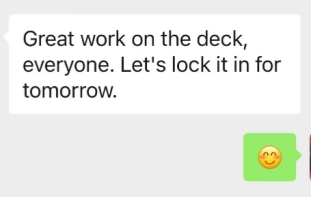
Smiling Face
Subtext: Acknowledged. I have nothing more to add.
From an older relative:
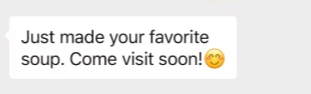
Smiling Face
Subtext: Genuinely warm and inviting ― pure affection, no irony.
3. 👍 Thumbs Up — The Silent Conversation Killer
Official Name: Thumbs Up (强)
Actual Meaning:
- Young users: "I've seen your message and I have nothing to say." The thumbs up is widely understood as a conversation-ender ― polite but terminal.
- Older users: Genuine praise or enthusiastic approval. "Well done!"
Function:
Younger WeChat users resent being given a lone 👍 thumbs up — an acknowledgment without engagement, the least substantial of responses, when they’ve uploaded something important or personal. Older people use thumbs up to pay someone a compliment, the digital equivalent of patting them on the back. It’s such a large gap that giving thumbs up to a younger co-worker who shares happy news can be a depressant rather than an encouragement.
Real Conversations:
Younger colleague's perspective:
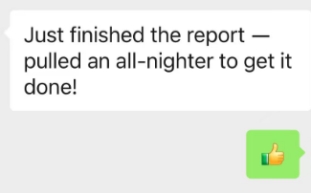
The Silent Conversation Killer
Manager means: Great job, I'm proud of you. You read it as: Cool, noted.
4. 😁 呲牙 — The Awkward Grin
Official Name: 呲牙 (Grin / Teeth-Showing Smile)
Actual Meaning:
- Young users: An awkward or forced smile ― the face you make when something is painfully uncomfortable but you're trying to play it cool. Can also convey mild embarrassment or sheepishness.
- Older users: Genuine laughter or happiness ― someone who thinks something is funny or is simply in a great mood.
Function:
This emoji has drifted far from its official meaning among younger users, who use it to express cringe, secondhand embarrassment, or the "I don't know how to respond to this" feeling. When a younger person sends 😁, they're often not smiling at all.
Real Conversations:
Younger user:
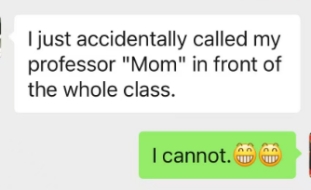
The Awkward Grin
Subtext: This is the most cringe-worthy thing I've heard today.
5. 💪 强 — Ironic Praise in Disguise
Official Name: 强 (Strong / Great)
Actual Meaning:
- Young users: Often used sarcastically ― "Wow, sure, impressive" with an eye-roll baked in. The tone depends heavily on context.
- Older users: A sincere thumbs-up for someone's achievement or effort. "You're doing great!"
Function:
Among younger speakers, it has a dimension of irony, so that when it follows an extreme boast or an obvious bad decision, it registers as mock admiration. The trick is that it looks, on the surface, very polite, so that sarcasm goes undetected by the uninitiated, which makes it useful for gentle ribbing.
Real Conversations:
Ironic use between friends:
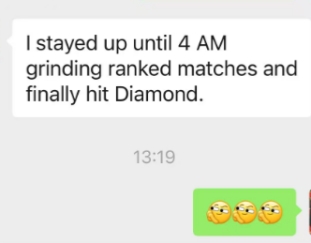
Ironic Praise in Disguise
Subtext: Okay, very impressive ― but also, you need to get a life.
6. 🙄 翻白眼 — Eye Roll, Literally
Official Name: 翻白眼 (Eye Roll)
Actual Meaning:
- Young users: Pure sarcasm. "Are you serious right now?" or a dramatic expression of exasperation.
- Older users: Can read as surprise, confusion, or even shock ― not necessarily negative.
Function:
This one seems relatively universal in its meaning to younger users - the eye-roll is the eye-roll in any language. Older users can sometimes miss and interpret the wide white eyes as disbelief rather than derision, meaning what might come across as sarcasm from a teen might land as genuine surprise.
7. 🙏 Folded Hands — From "Thank You" to "I'm Begging You"
Official Name: Folded Hands (合十)
Actual Meaning:
- Young users: "Thanks!" ― a quick, lightweight expression of gratitude between friends. Casual and warm.
- Older users: A sincere and sometimes solemn request ― "Please, I'm counting on you." Or an equally heartfelt expression of thanks for something that genuinely mattered.
Function:
The generational divide in this emoji is a directional one, not a weighty one; they’re all using 🙏 to express thanks or gratitude, and yet the emotional register is completely different. It’s carefree and breezy for the young; for the old it’s got real weight to it. A carefree 🙏 sent to an oldie after doing a small favour could be intensely received; to send it to a younger friend as a weighty plea might fall flat.
Real Conversations:
Young person's quick thanks:
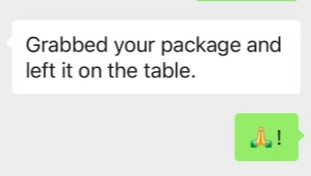
Begging
Subtext: Cheers, mate. Light and breezy.
Older user's earnest request:
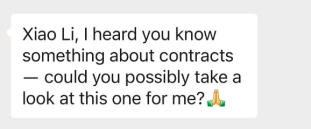
Begging
Subtext: This is important to me and I wouldn't ask if I weren't truly in need of your help. I'm genuinely grateful.
8. 😂 微笑哭泣 — The Swiss Army Knife of Reactions
Official Name: 微笑哭泣 / Crying with Laughter (破涕为笑)
Actual Meaning:
- Young users: The go-to "haha" ― something is genuinely, possibly uncontrollably funny. Also used as a polite non-response when you don't know what else to say.
- Older users: A more emotionally complex reaction ― laughing through tears, or a bittersweet smile at something touching but melancholy.
Function:
For younger users, 😂 is the Swiss Army knife of emojis. Stack three, and you’re howling. Send one in strange response to a touchy situation, and you’re commiserating without specifying just where things stand. It’s an emotional utility player. The older user tends to use it more specifically, as a sign that a given situation provokes something at once happy and sad.
Real Conversations:
Pure laughter:
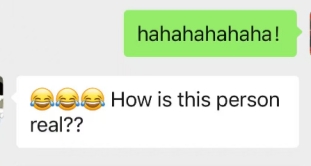
The Swiss Army Knife of Reactions
Subtext: Genuinely cannot stop laughing.
Polite non-engagement:
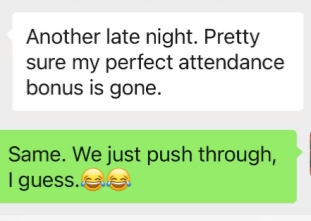
The Swiss Army Knife of Reactions
Subtext: I relate to your pain, I don't have a solution, and this emoji is easier than a real conversation.
⚠️ Warning: If someone is sincerely venting about something hard, a solo 😂 in reply may come across as dismissive or tone-deaf. Read the room before deploying.
9. 😍 色 — Playful Flirt or Genuine Compliment?
Official Name: 色 (Flirty / Naughty Face)
Actual Meaning:
- Young users: Teasing or playful ― sent between close friends to exaggerate attraction or mock someone's obvious crush. It's more joke than flirtation.
- Older users: A genuine, if slightly bold, compliment on someone's appearance ― "You look amazing!"
Function:
This emoji is about context and relationship closeness. To friends, it says "in-joke". To someone out of the loop or who doesn't know you well, it can seem inappropriate regardless of yours.
10. 🤦 捂脸 — The Face Palm
Official Name: 捂脸 (Face Palm / Covering Face)
Actual Meaning:
- Young users: Secondhand embarrassment, cringe, or self-deprecating awkwardness. "I cannot believe this is happening."
- Older users: Shock, stunned disbelief, or a sharp "Oh no!"
Function:
One of the safest emojis to use across generations, the gap is in width not direction; both age groups interpreted it as negative surprise emoji, but Gen Z seems most likely to deploy it with humor and irony. Emotionally, it works as an “this is so bad it’s funny” combination with😂.
11. 😅 汗 — The Sweat of Awkwardness
Official Name: 汗 (Awkward Sweat Drop)
Actual Meaning:
- Young users: Mild cringe or social discomfort. "This is awkward and we all know it." Often self-deprecating.
- Older users: Nervousness, anxiety, or the feeling of being caught in an uncomfortable situation.
Function:
One of the more intuitive emojis on this list ― the image of a sweat bead communicates discomfort across age groups. Younger users tend to reach for it in reaction to someone else's awkward behavior ("why would you say that 😅"), while older users use it to flag their own anxiety or uncertainty.
🎭 Stickers enhance conversations, but WeChat offers much more for travelers. For the complete guide covering all features, visit our How to Use WeChat in China guide.
Finding and Downloading More WeChat Stickers in 2026
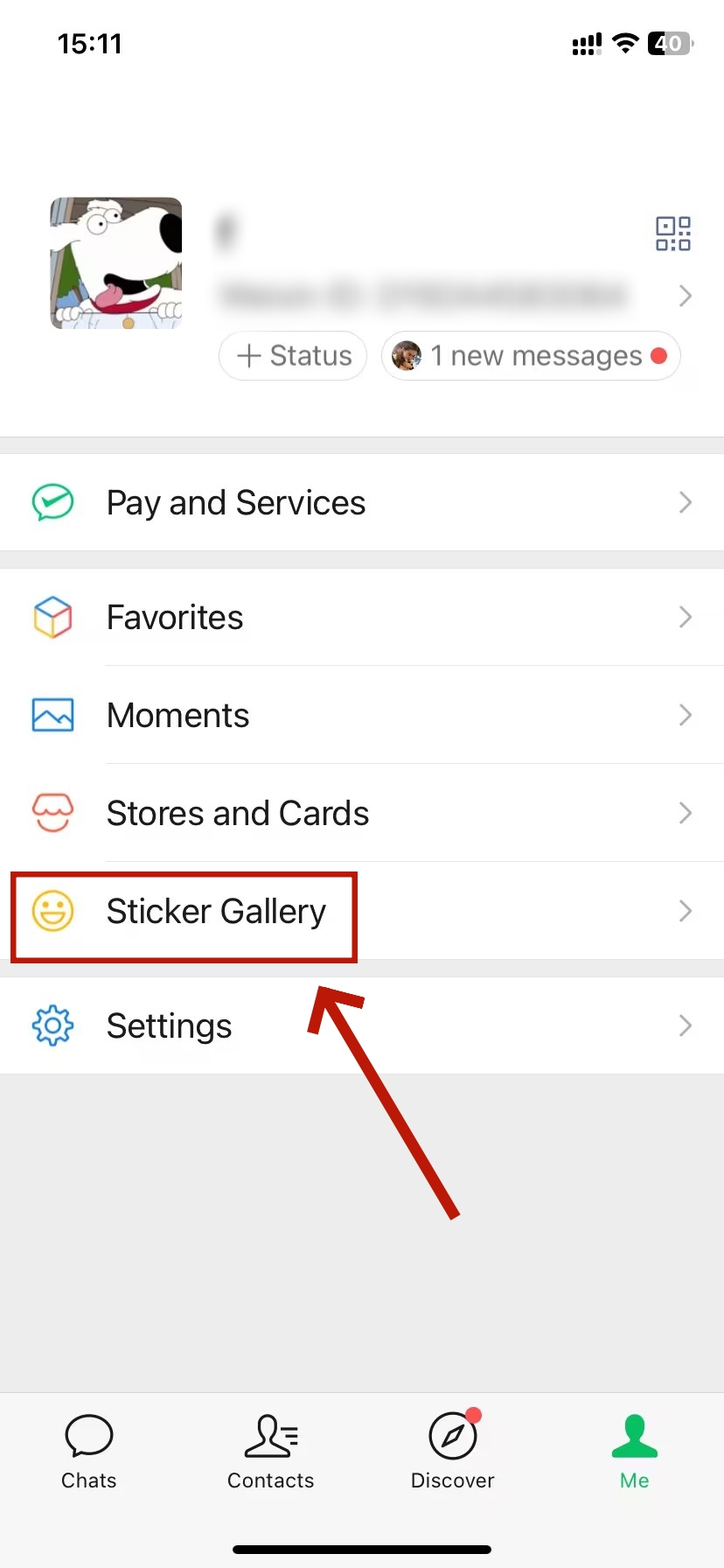
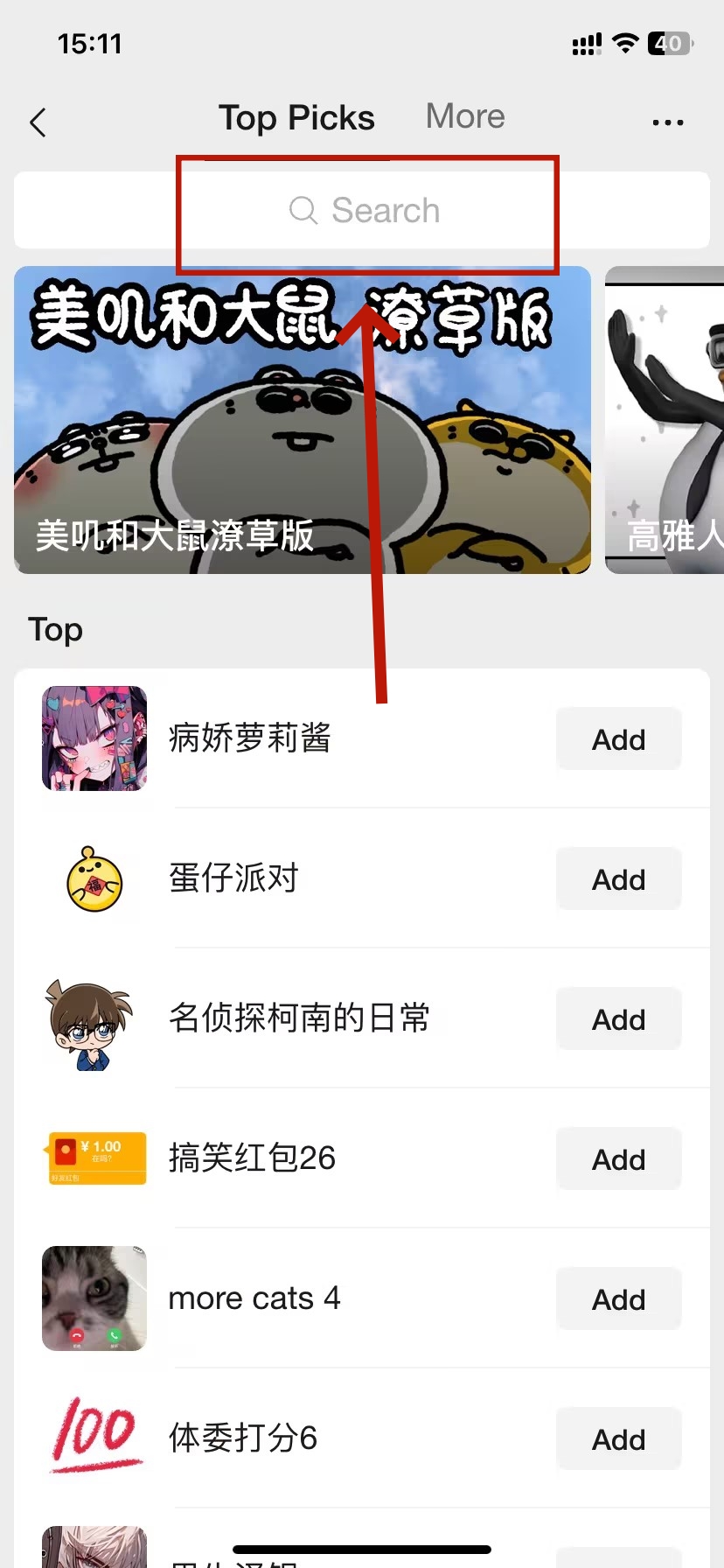
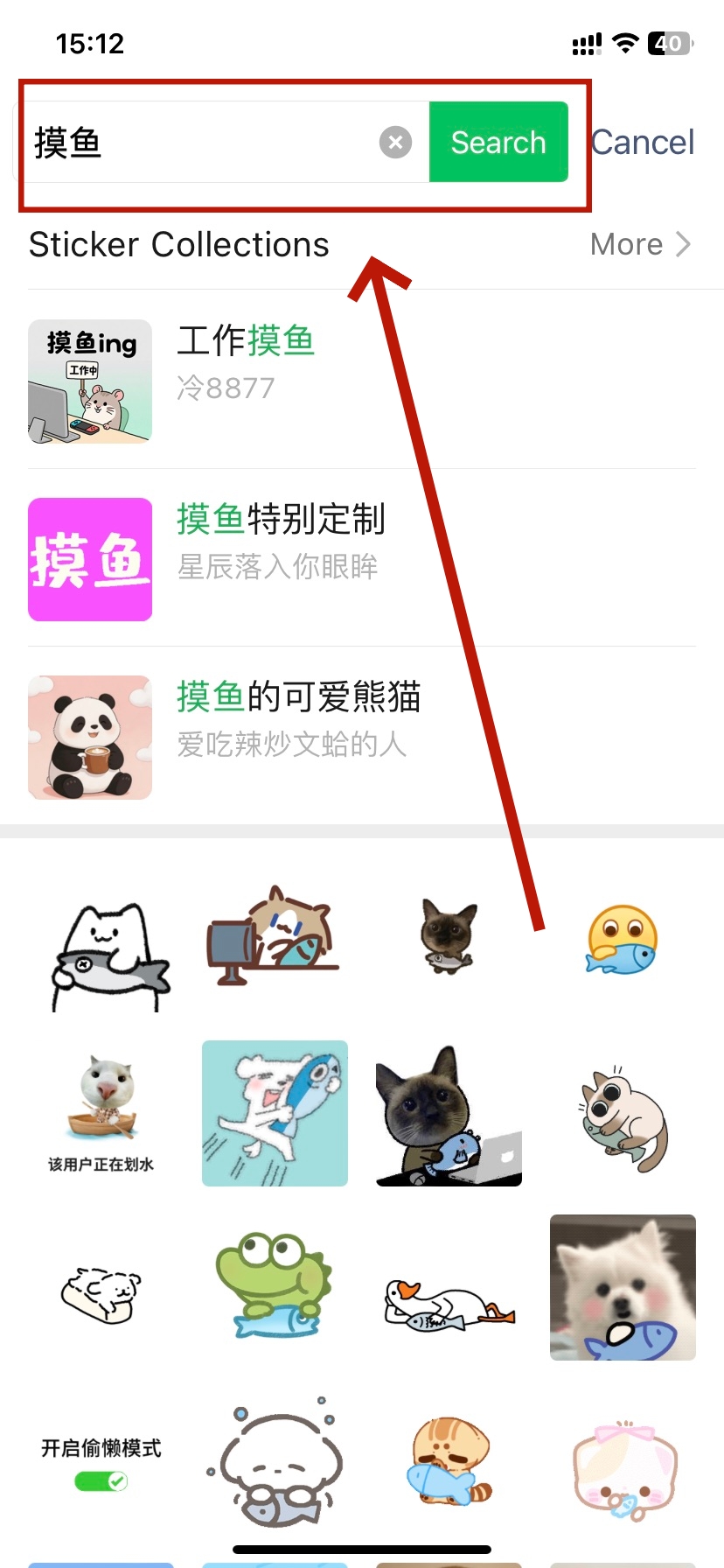
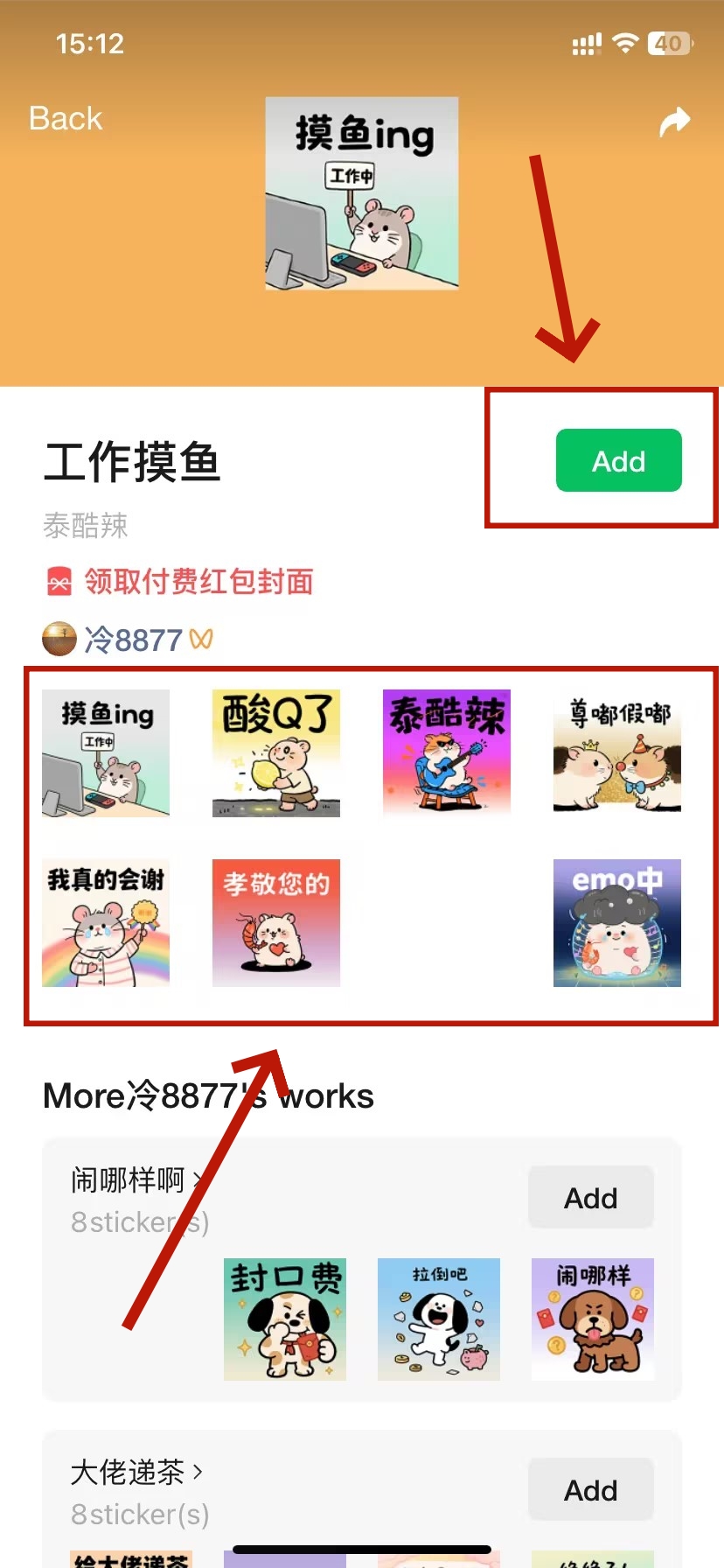
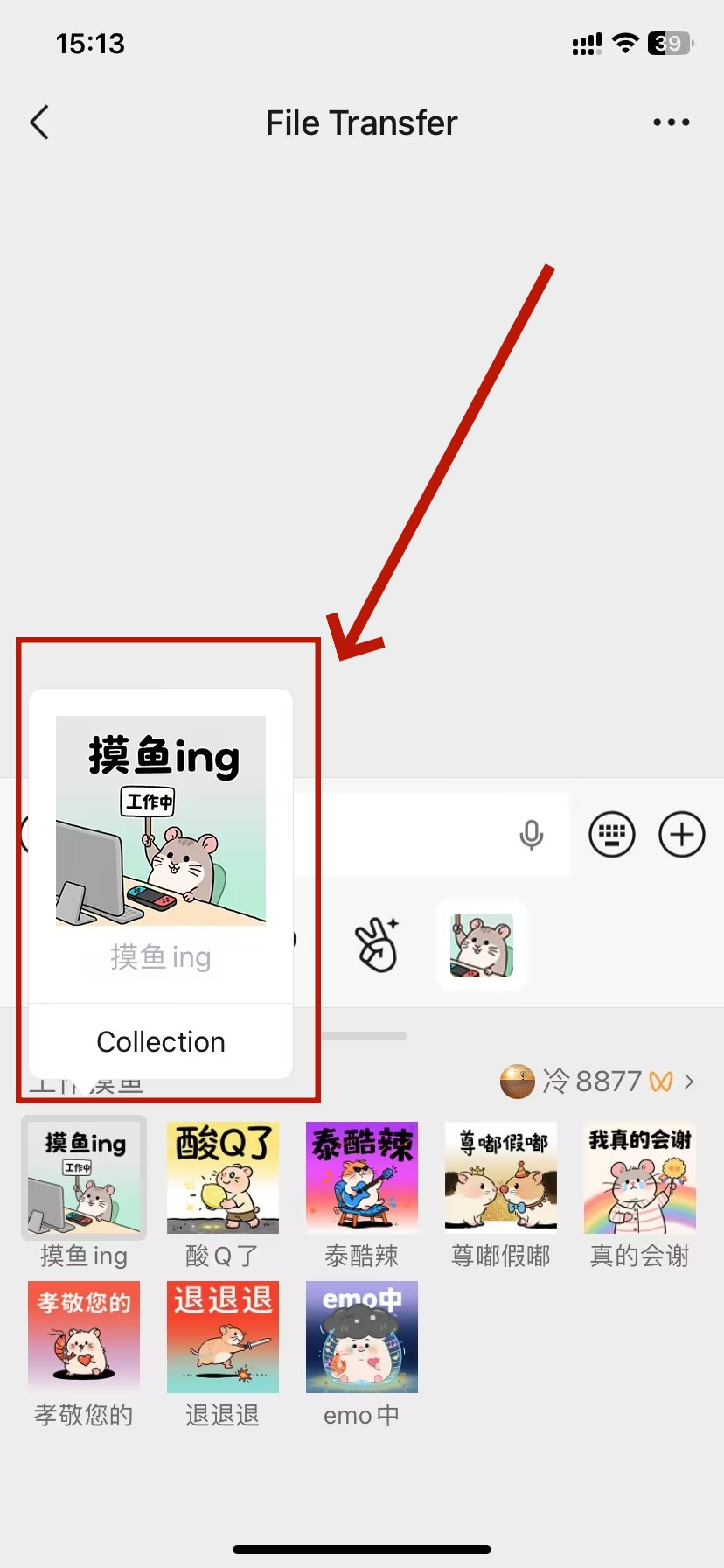
Official Sticker Gallery: Where the Treasure Hunt Starts
If you’ve never poked around the Official Sticker Gallery, you’re missing half the fun of WeChat Stickers. It’s tucked inside your WeChat menu—tap Me > Sticker Gallery—and suddenly you’re in a wall of icons, some moving, some static, all waiting to be claimed. The trick? Search in both Chinese and English. Type 猫猫 if you’re after cats, or try cat to see a different mix. Want something cheeky? 摸鱼 (“slacking off”) works. For seasonal sets, throw in 拜年 during Lunar New Year or “meme” when you’re in the mood for internet humor.
Each pack comes with a preview, so you can check if the style fits your chat vibe before hitting download. Updates roll out quietly—old packs vanish, new ones appear without much fanfare—so it pays to peek in now and then. I’ve stumbled across limited-time animations just because I was bored on the subway. That’s part of the magic: you never know what you’ll find until you’re scrolling through, coffee in one hand, thumb swiping in the other.
From Chats: Long‑Press to Add
Sometimes the best WeChat Stickers aren’t in the gallery at all—they pop up mid-conversation. You’re in a group chat, someone drops a perfect reaction, and you just know you’ll need it later. All you do is long-press that sticker, tap Add, and it’s yours. Feels almost like pocketing a good joke for later.
There’s a limit, though: 300 custom stickers. Once you hit that, WeChat throws up the “sticker limit reached” warning, and you’ll have to delete a few before adding new ones. My habit? Every couple of weeks, scroll through and dump the ones I haven’t used lately. It’s oddly satisfying—like cleaning out an old desk drawer.
And here’s the thing: grabbing stickers this way means you’re collecting directly from friends, so you end up with a set that’s uniquely yours. It’s not just a sticker—it’s a memory of that chat, that moment, frozen in a loop.
Limited Editions and Brand Packs
Some WeChat Stickers don’t sit in the gallery forever—they show up like pop-up stores, here one season, gone the next. Think brand collabs with coffee chains, holiday packs during Lunar New Year, or quirky mascots tied to a game launch. Most of these slip in through WeChat Official Account posts, topic campaigns, or even little side quests in mini programs.
Catching them is part timing, part luck. I’ve stumbled on a Starbucks set just by scanning a code on a receipt, and once grabbed a Mid-Autumn Festival pack from a mooncake brand’s WeChat push. Feels like you’re collecting souvenirs more than stickers.
One thing though—watch the source. Stick to official releases or trusted brands, because random file shares can be shady, and copyright’s no joke here. Miss one of these limited packs, and well, you might be scrolling resale posts on Taobao in regret.
Creating Stickers from Your Gallery
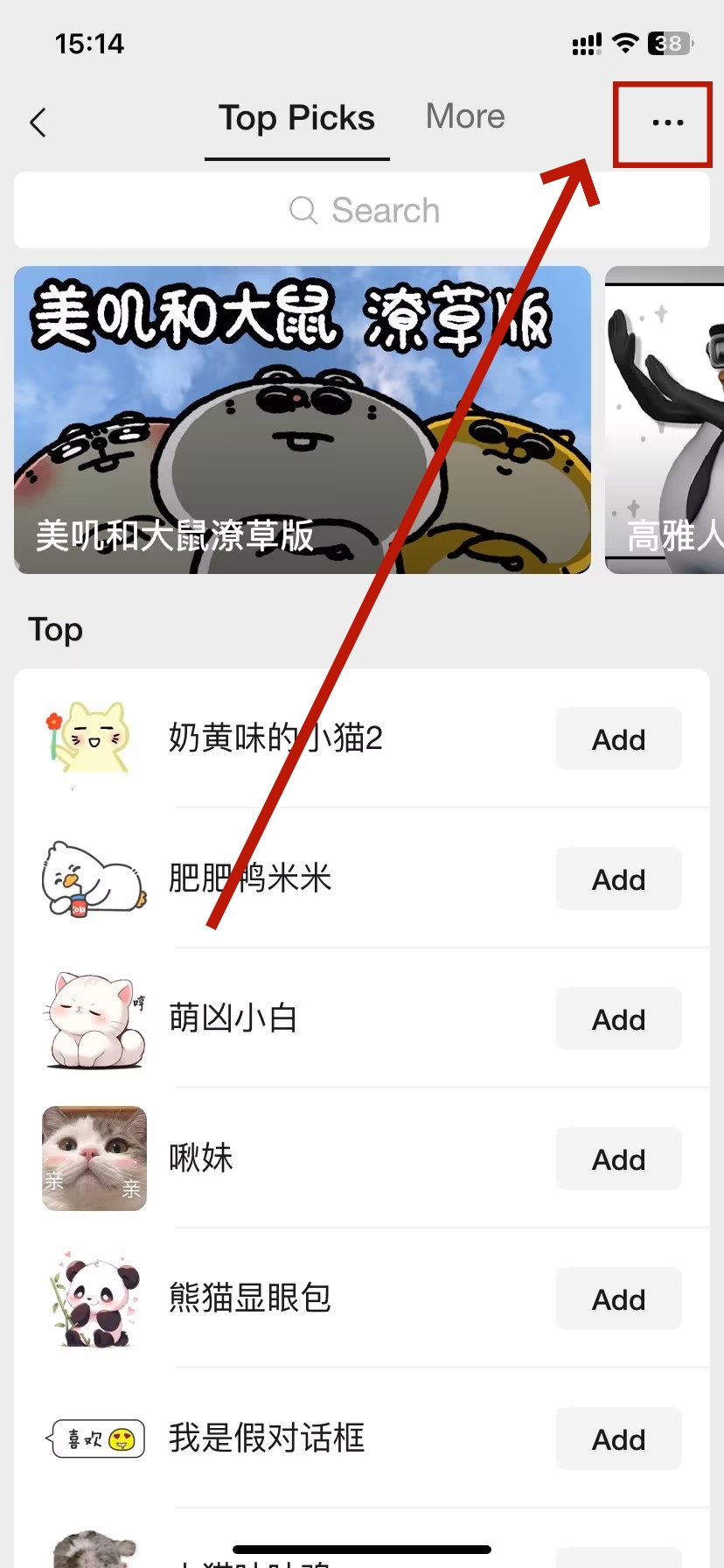
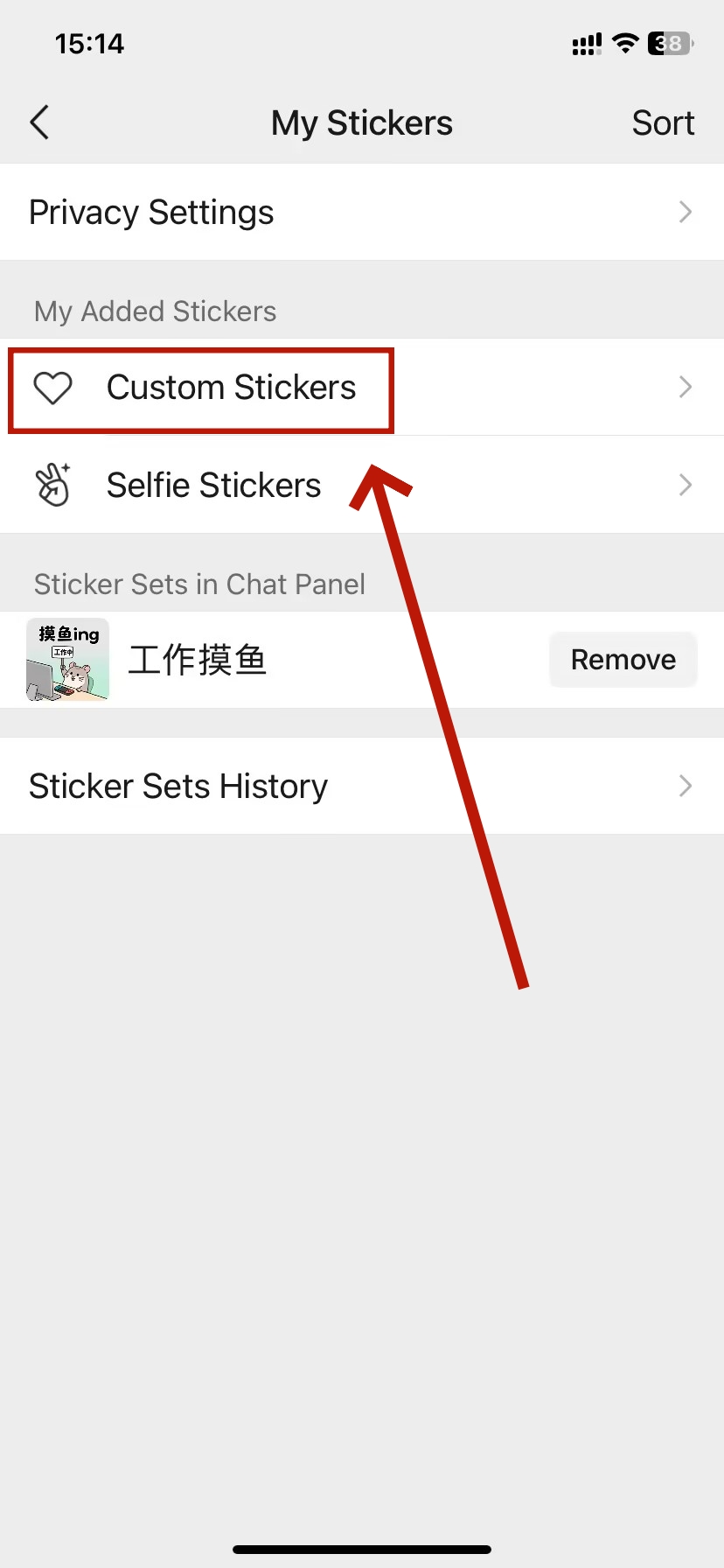
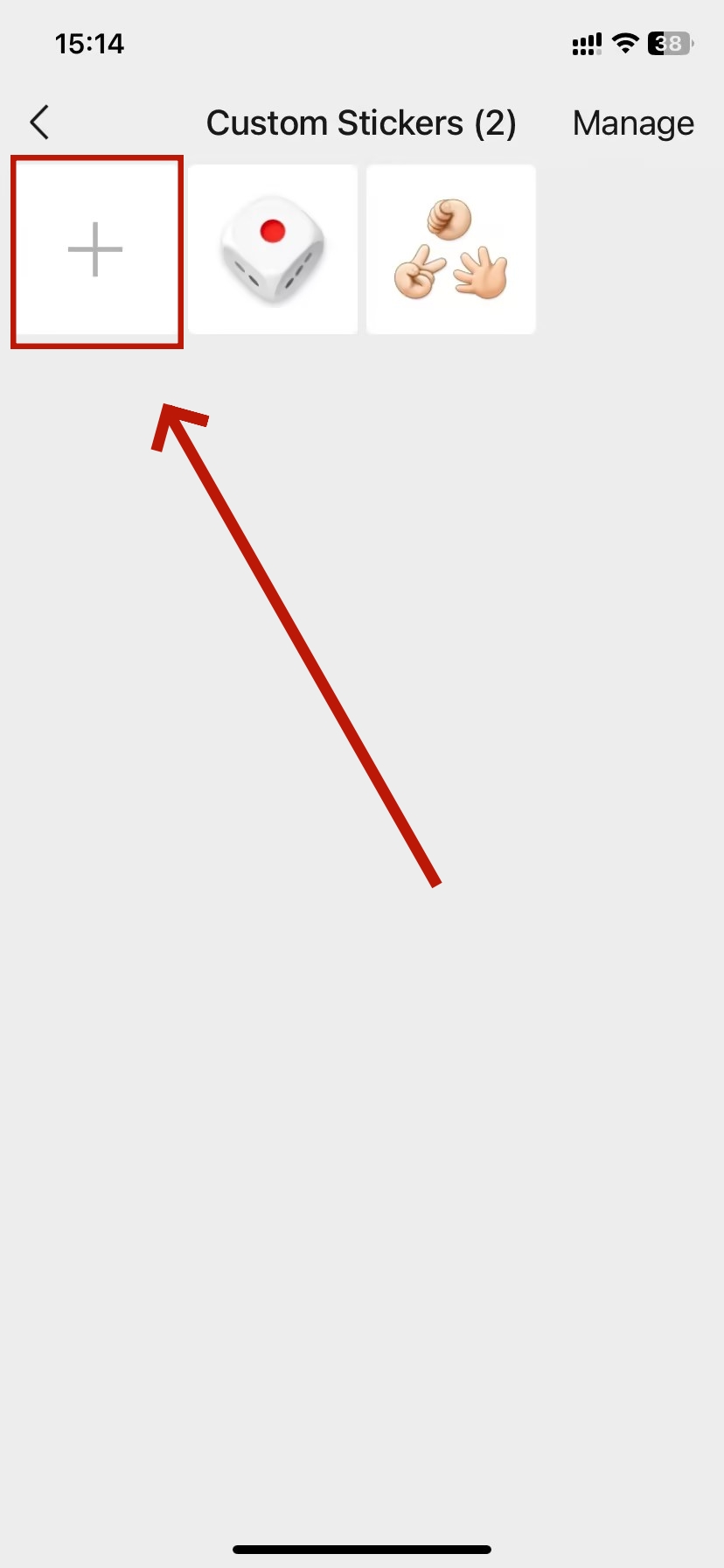
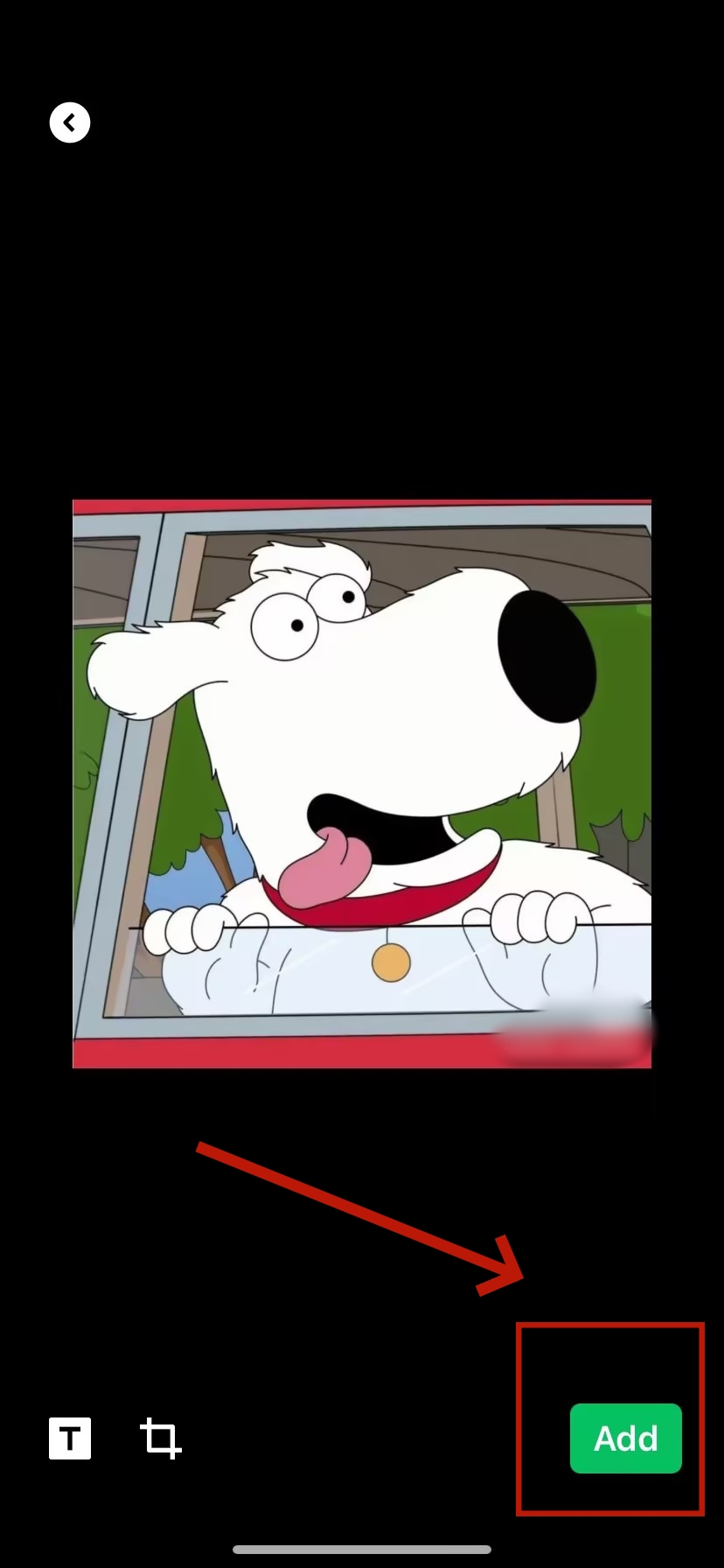
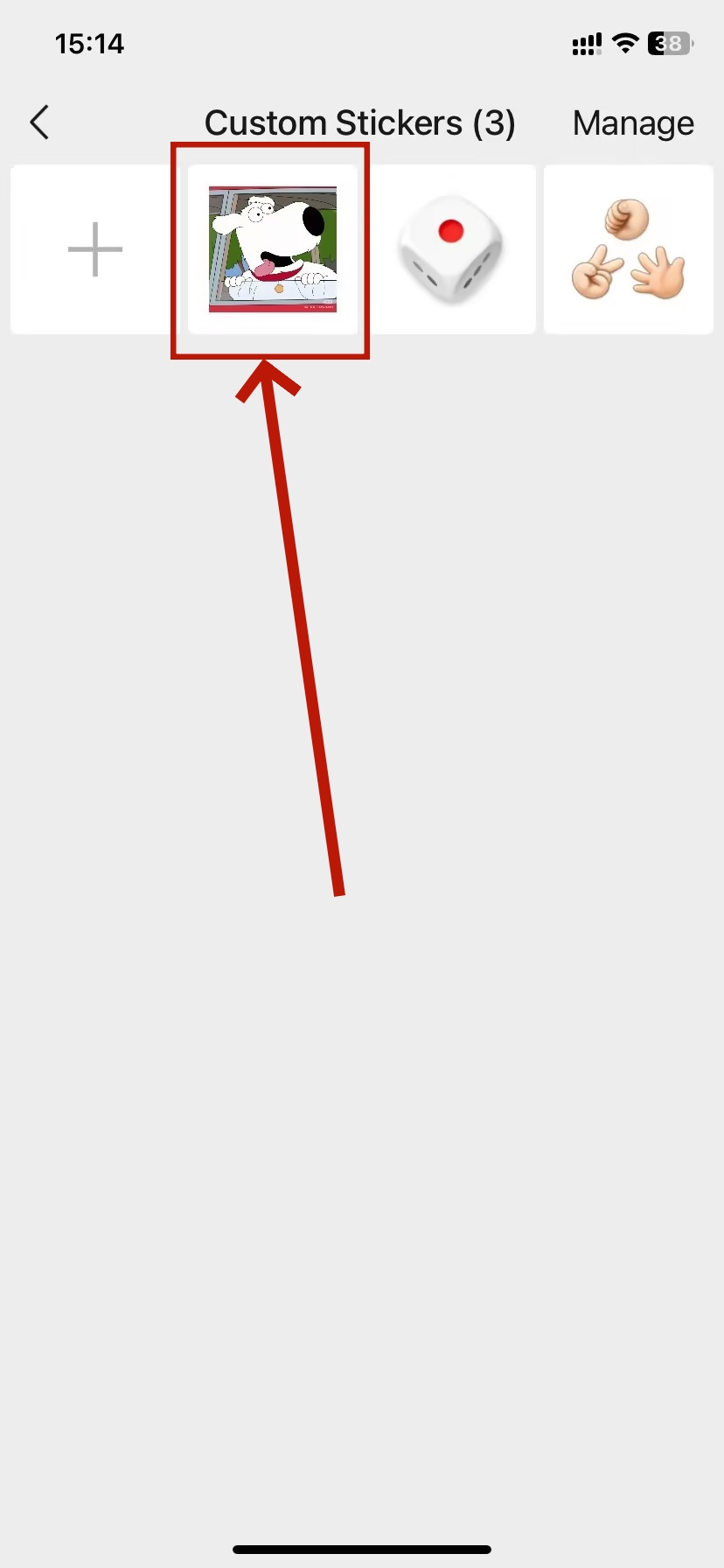
Open your WeChat Sticker Gallery and tap the small gear in the top right—this is where the magic starts. Hit “Custom Stickers” and then the plus sign to pick an image from your phone. A transparent PNG works best, especially if it’s trimmed clean so the edges look smooth in chat. I’ve found that keeping it under 240px fits nicely without looking oversized, and a file under 500KB loads instantly. You can tweak loop settings for GIFs and give each sticker a short, clear name so it’s easy to spot later. Once added, test it in both light and dark chat backgrounds—some colors pop in one mode but disappear in the other, and you don’t want your perfect sticker to get lost mid-conversation.
Marketing Benefits of Stickers
For brands, WeChat Stickers aren’t just decoration—they’re little ambassadors. A playful mascot waving “hi” or a clever phrase in your brand colors can stick in someone’s mind longer than a banner ad ever will. They slide into everyday chats, so your logo or style shows up in moments that feel personal, not pushy. That’s why coffee chains drop latte-sipping cats during winter, or tourist boards roll out landmark sketches ahead of holiday seasons—it turns casual sticker use into soft marketing.
The magic is how they bridge gaps. A fun sticker can make a business chat less stiff, help followers feel part of an inside joke, or even push a seasonal campaign without saying a word. For younger users—especially Gen Z—stickers feel native to how they communicate. If your brand can land there, you’re not just selling, you’re part of their daily scroll.
Two Main Distribution Options
Brands usually share WeChat Stickers in two ways. The simpler route is through a WeChat post—just drop the images in your article so readers can long-press to save each one. You don’t need an enterprise account for this, which means you can slip in a small logo or brand colors without much red tape. It feels casual, like gifting fans a set of inside-joke emojis.
The other path is getting your pack into the Sticker Gallery, which reaches a much wider audience. Here’s the catch: you’ll need to remove obvious branding or submit extra paperwork—business license, authorization letters, operator’s ID, even a linked WeChat account. And yes, Tencent screens for sensitive topics, so no finance, medicine, or blatant ads. Review times hover around ten working days, but when your pack appears in the gallery, it can travel far beyond your own followers.
Beyond stickers, you might also want to learn how WeChat Pay works with international cards, explore the clever uses of WeChat QR codes for tickets and adding friends, or pick up tips on using WeChat groups to keep conversations lively.
Frequently Asked Questions (FAQs)
Q: Can I use WeChat Stickers in group chats with people I’m not friends with?
Yes, but it depends on the group’s privacy settings. In most public or semi-public groups, your WeChat Stickers will display normally as long as you’re a member. However, in very large groups or certain official account groups, sticker sending might be restricted to reduce spam. It’s worth testing before you rely on them for a reaction.
Q: Do WeChat Stickers work the same on iOS and Android?
Mostly, yes. Your saved WeChat Stickers sync across devices when you log in, but the display quality can differ slightly—Android sometimes compresses GIFs more. If you switch devices often, it’s a good idea to back up your custom stickers, just in case a system update messes with them.
Q: Can I animate my own photo into a WeChat Sticker?
You can, but you’ll need a third-party app to make a short GIF or PNG sequence before importing it. WeChat doesn’t have built-in animation tools, so keep the file size under 500KB and make sure the background is clean for better visibility in chats.
Q: Are there cultural meanings behind certain popular WeChat Stickers?
Definitely. Stickers like the “抱拳” (fist salute) often signal respect or thanks in Chinese culture, while the “狗头” (dog head) meme adds a joking or sarcastic tone. Learning these cues can make your chat replies feel more natural—and less likely to be misunderstood.
Q: Can brands send me WeChat Stickers directly without me downloading them?
Yes, if you follow their official account or join a campaign mini program. Some brands push sticker packs as part of promotions—clicking the message usually downloads them instantly. Just be cautious of unofficial sources to avoid low-quality or unsafe files.