Getting from Vietnam to Yunnan
Traveling from Vietnam to Yunnan is utterly doable – by land or air or fortified by the scenic railway detour via Laos. Yunnan Province in southwestern China shares around 1,300 km of border with Vietnam making it one of the most accessible destinations across the Southeast Asian border! In this guide we cover every practical step: how to reach the border, how to cross, what visa to hold and what to bring!
As well as the transport, logistics, and entry processes and documentation you’ll need to enter China without hassle, we give you a fully formed itinerary covering the classic “Kunming, Dali, Lijiang” route so you know where to aim next. Read on to select your preferred transport route and begin planning your cross-border mission.
How to Get from Vietnam to Yunnan: 5 Transport Options
| Method | Est. Cost | Total Time | Difficulty | Best For |
|---|---|---|---|---|
| ⭐ Train + HSR (Method 1) | ~$30–40 USD | 14–18h total | Medium | Budget travelers · scenic · most popular |
| Flight (Method 2) | $60–150 USD | 3–5h door-to-door | Easy | Short trips · time-sensitive |
| Laos Railway (Method 3) | $80–120 USD | 2–3 days | Complex | Cross-country rail enthusiasts |
| Self-drive (Method 4) | Varies | Varies | Complex | Border exploration by car |
| Lai Châu bus (Method 5) | Low | Half-day | Unpredictable | Off-the-beaten-path travelers |
Method 1: By Land — Bus or Train + High-Speed Rail (⭐ Recommended)
This is the most popular and cost-effective route. The journey starts in Hanoi or Sapa, crosses the border at Lào Cai–Hekou, and continues by high-speed rail into Yunnan. Total cost runs approximately $30–40 USD per person, excluding visa fees.
1️⃣ Step — Hanoi or Sapa to Lào Cai Border
-
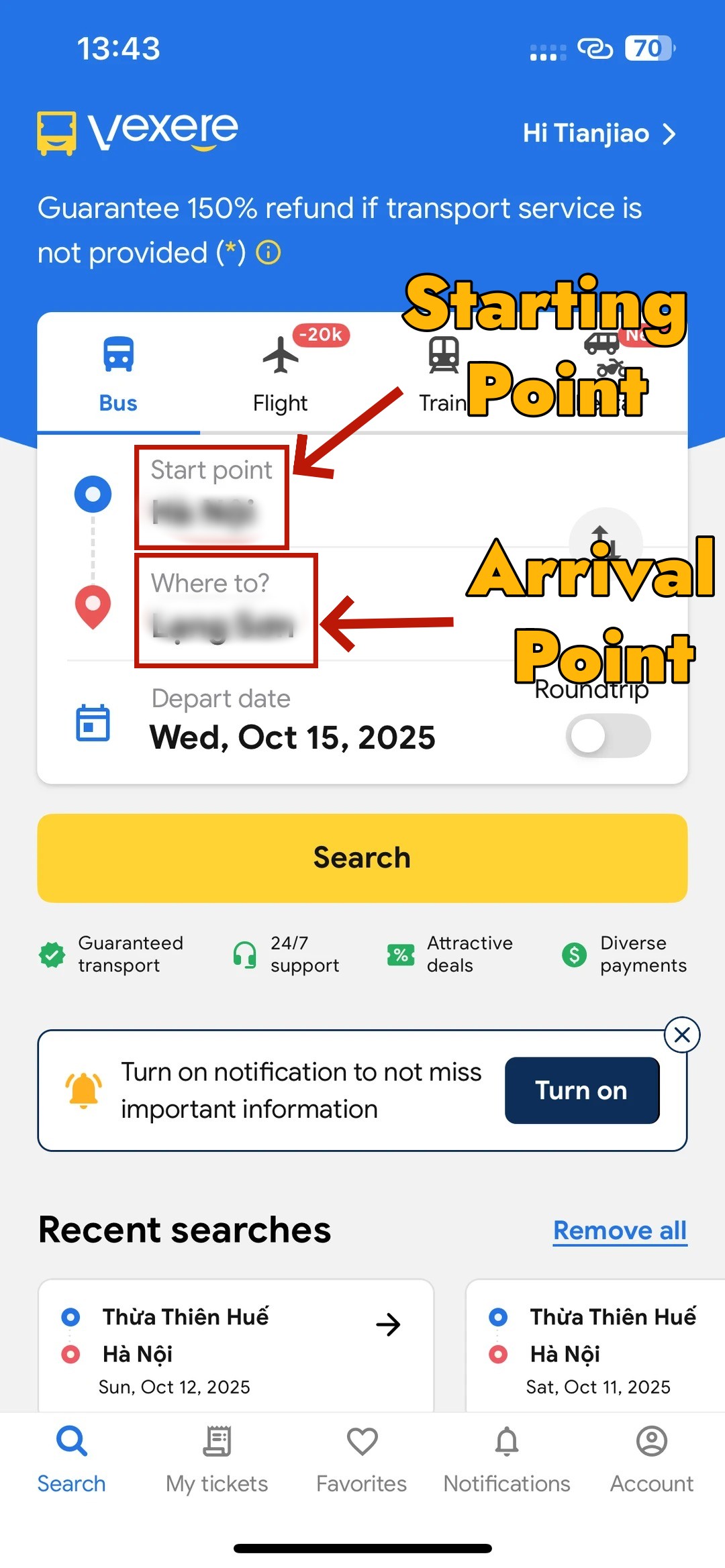

- Book Vietnam to Yunnan Bus Tickets on Vexere(Step 1)
-
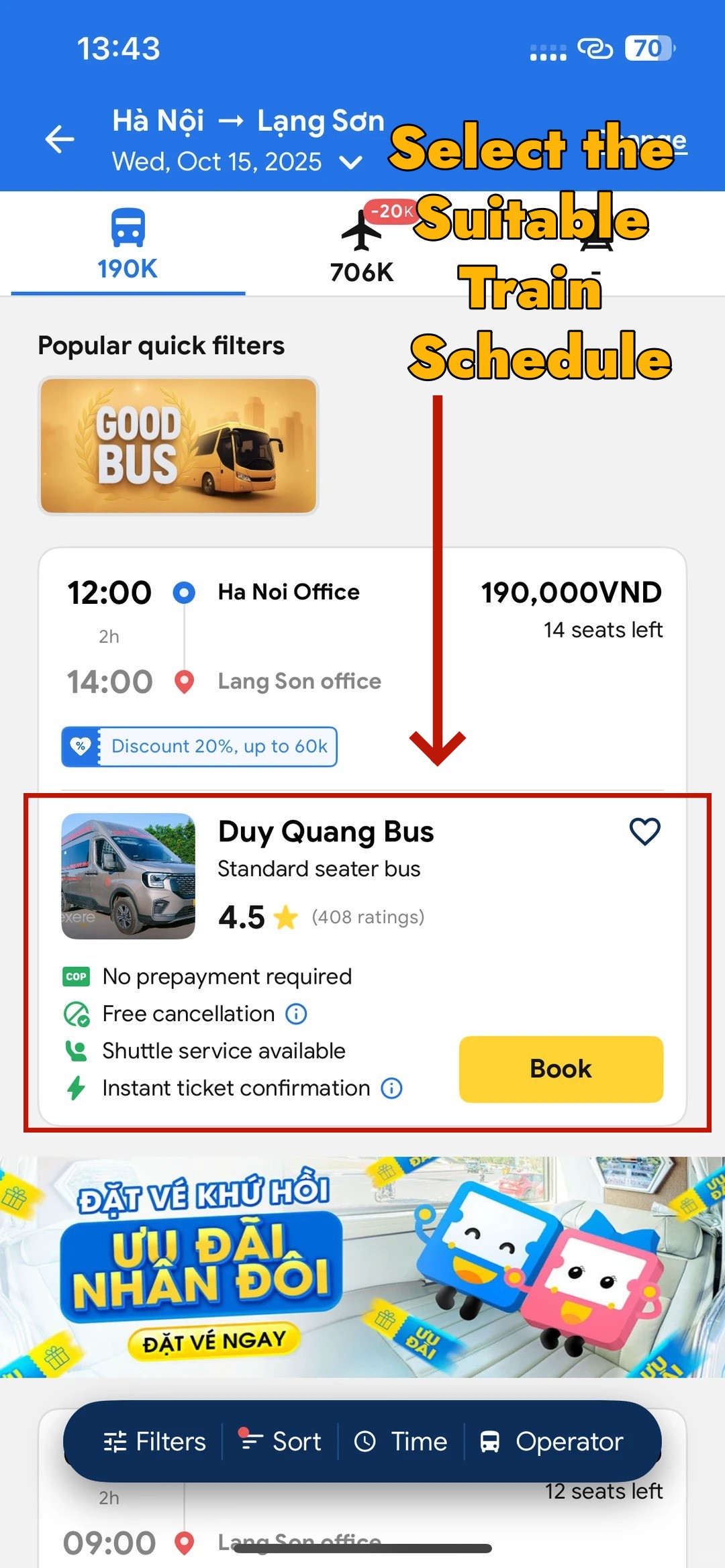
- Book Vietnam to Yunnan Bus Tickets on Vexere(Step 2)
-
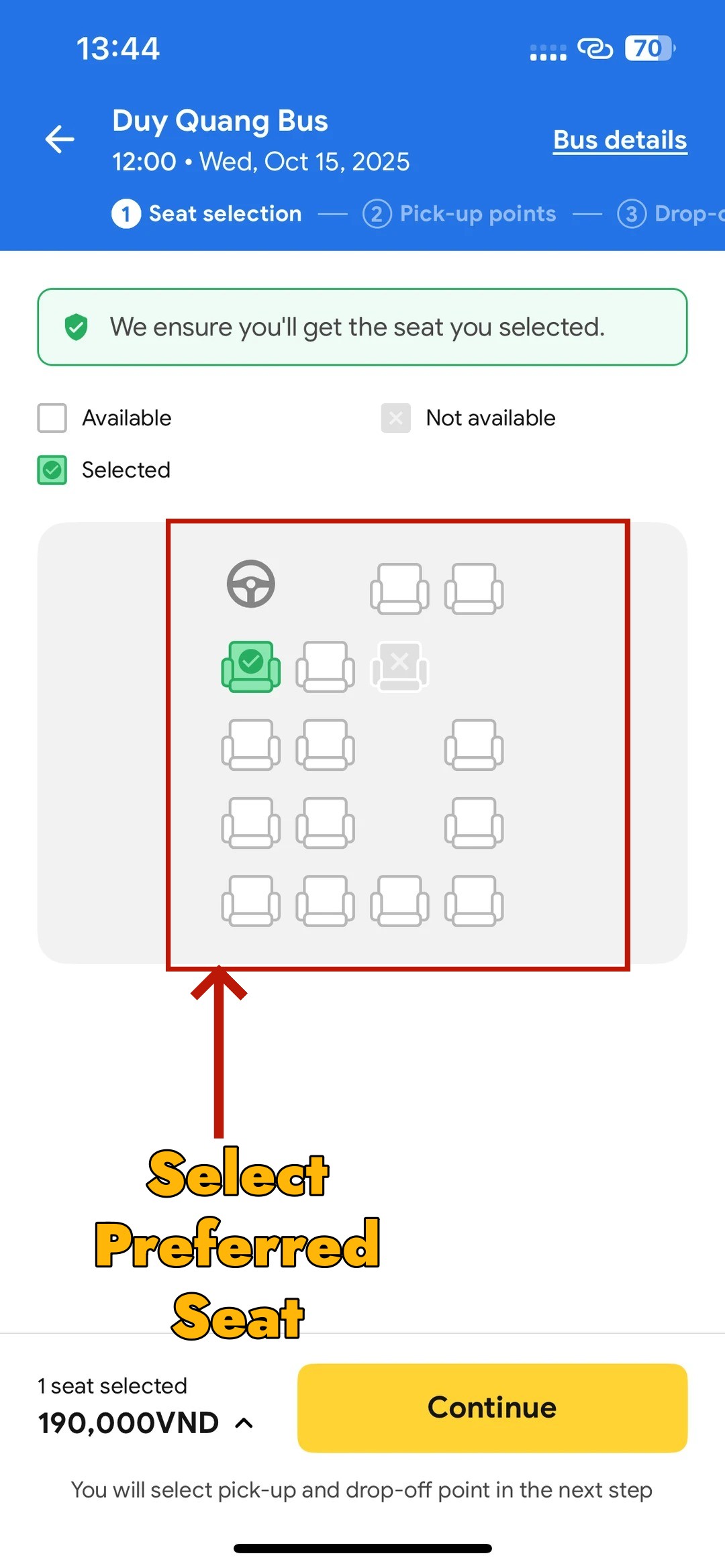
- Book Vietnam to Yunnan bus tickets on Vexere(Step 3)
-
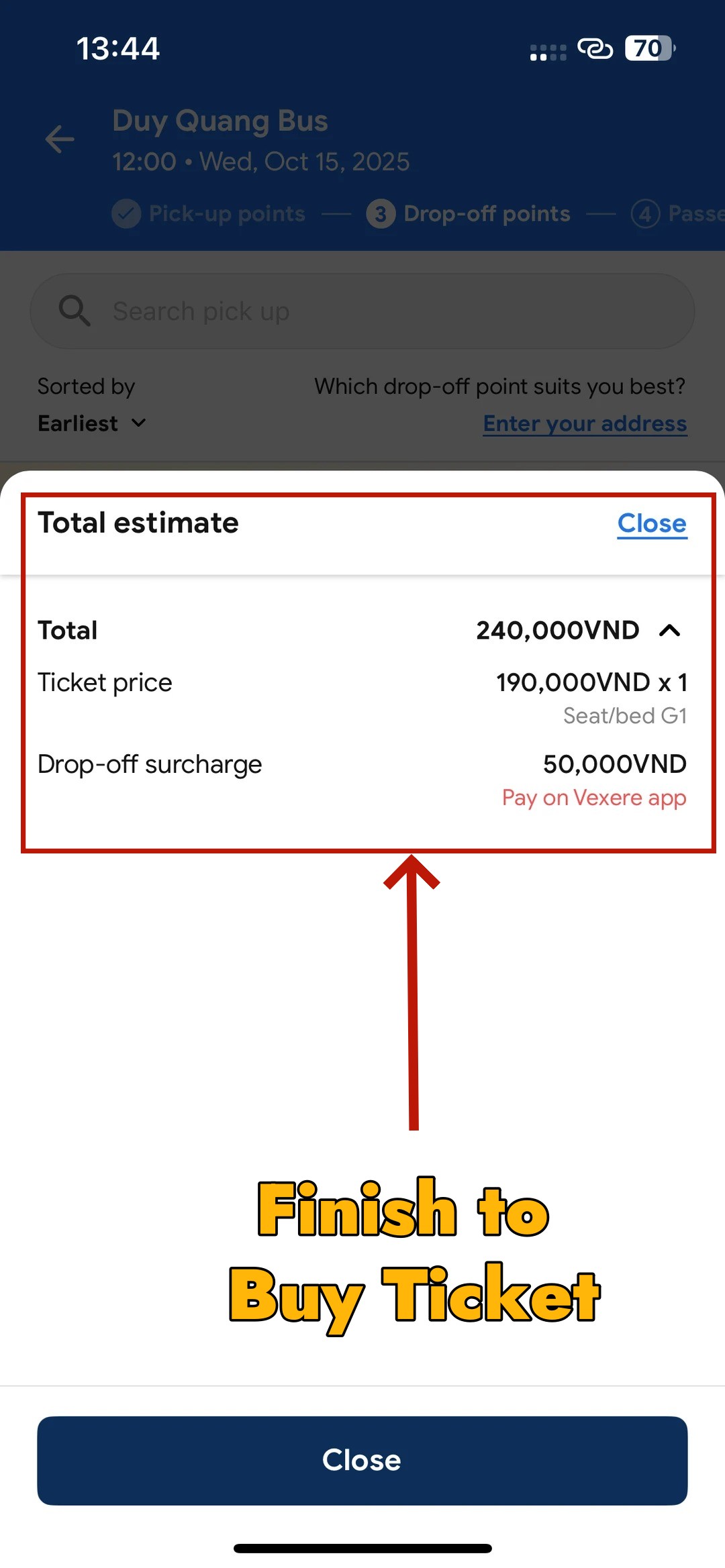
- Book Vietnam to Yunnan bus tickets on Vexere(Step 4)
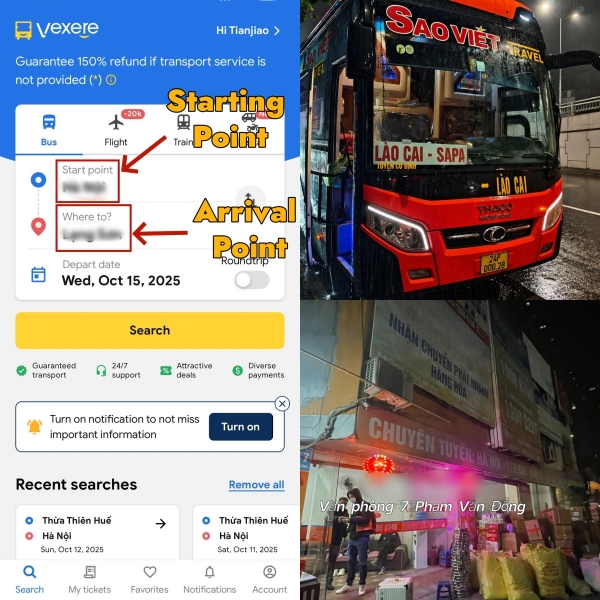
- From Hanoi: Book an overnight bus to Lào Cai via the Vexere app or the WeChat mini-program "青游堂." Travel time is 5–6 hours. Choose a service stopping near Lào Cai Train Station or the customs gate. Alternatively, the Vietnam Railways overnight sleeper train (~7.5h, departs ~21:30) costs around 750,000–950,000 VND for a soft sleeper.
- From Sapa: Take a local bus to Lào Cai. The trip takes approximately 1 hour and connects easily to the border.
2️⃣ Step — Walk Across the Border
-
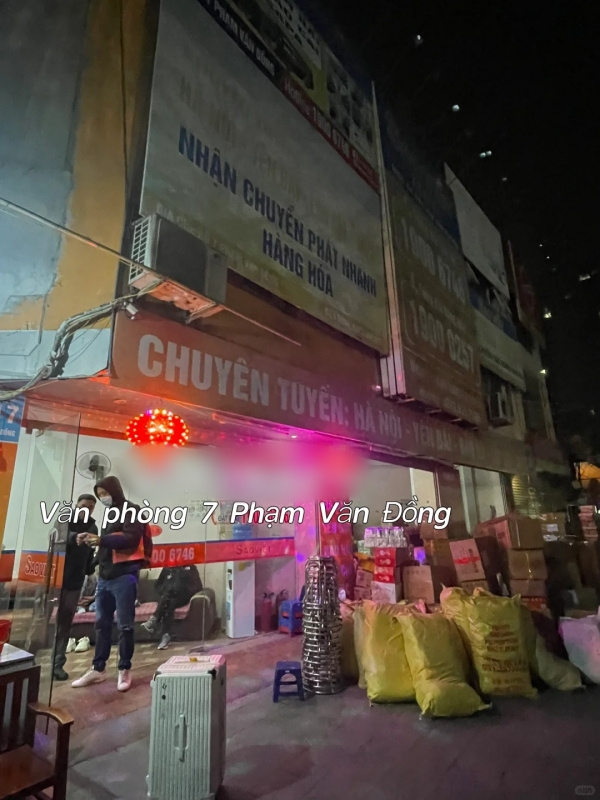

- Saoviet Bus Station at 7 Phạm Văn Đồng, Hanoi
-
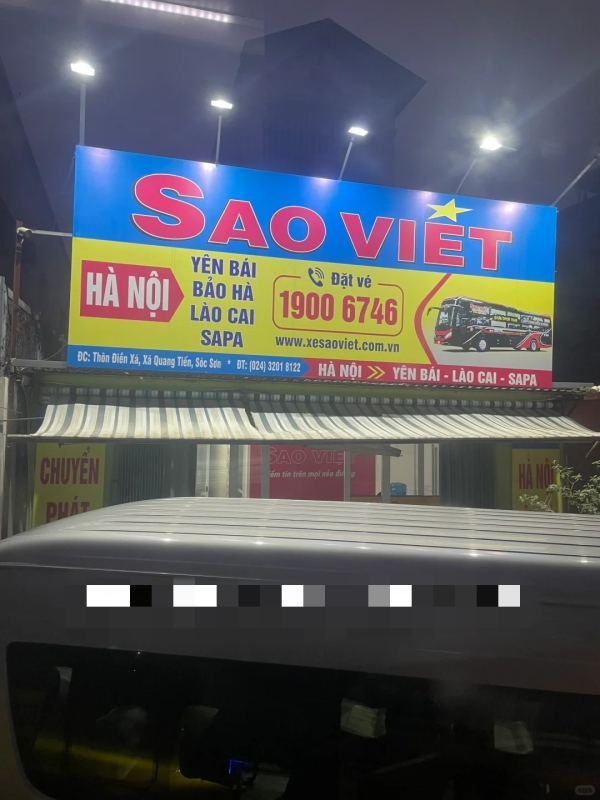
- Hanoi – Lao Cai Bus Stop Sign (Sao Viet Lines)
-
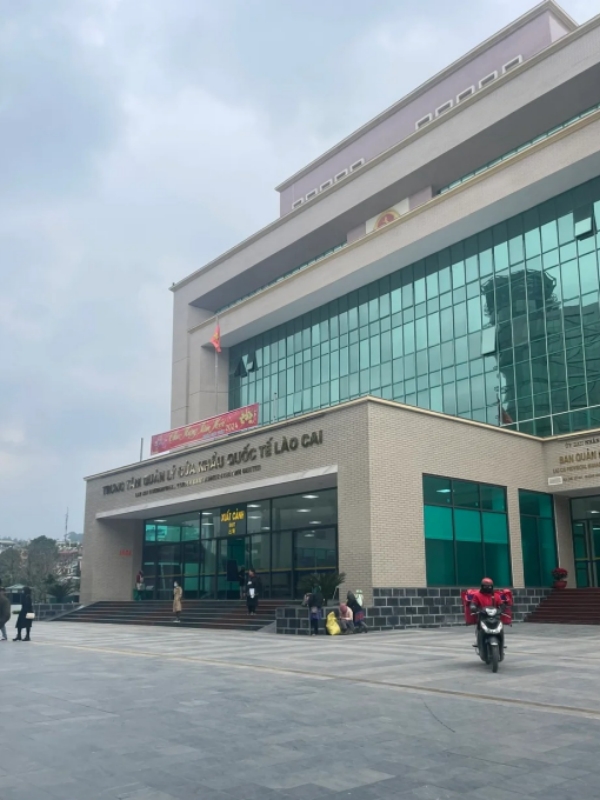
- Lao Cai International Border Control Center (Vietnam)
-

- Hekou International Port Building
- Vietnam exit: Queue at the "Xuất cảnh" (exit) counter. Present your passport and valid Chinese visa. Note that Vietnamese customs will retain your separate-page visa at this stage.
- Timing tip: Arrive before 7:00 AM to avoid the morning rush. Overnight trains from Hanoi tend to arrive around the same time, so queues build quickly.
- Cross the bridge: Walk approximately 500 meters across the Friendship Bridge into China's Hekou port.
- China entry: Complete the health declaration in advance via WeChat mini-program "海关旅客指尖服务." Save the generated QR code as a screenshot. Self-service immigration lanes are available and speed up processing considerably.
3️⃣ Step — Onward Travel from Hekou
- To Kunming / Dali / Lijiang: Take a taxi (approx. ¥15) to Hekou North Railway Station (河口北站). Book tickets via 12306.cn or Trip.com. High-speed trains reach Kunming in 3.5–4.5 hours (approx. ¥90). For Dali or Lijiang, transfer at Kunming South Station.
- To Yuanyang / Jianshui: Board a direct bus from Hekou Bus Terminal instead — no need to travel all the way to Kunming first.
Method 2: By Air — Direct Flights from Vietnam to Yunnan
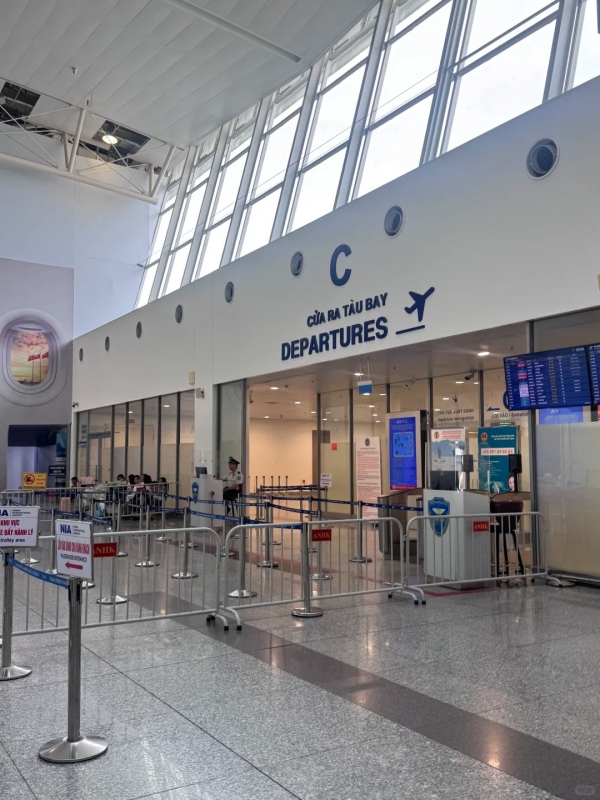
Noi Bai Airport (HAN), Hanoi
For travelers with limited time, flying is the fastest option. Several carriers operate routes from Hanoi (HAN) directly into Yunnan airports.
- Available routes: Hanoi to Kunming (KMG), Dali (DLU), and Lijiang (LJG).
- To Kunming: Most flight choices are on this route. China Eastern and Vietnam Airlines both operate it. Flight time is approximately 2 hours. Fares start from around 2,800,000 VND one-way.
- To Dali: Lucky Air (祥鹏航空) operates Hanoi–Dali on Wednesdays and Sundays. Flight time is approximately 1.5 hours. However, these are charter schedules — always confirm before booking anything non-refundable.
- To Lijiang: Charter flights operate on irregular schedules. Check seasonally via airline websites.
- Where to book: Use Trip.com (Ctrip), Fliggy, or the official airline websites for the most current fares and schedules.
Method 3: China–Laos Railway via Vientiane
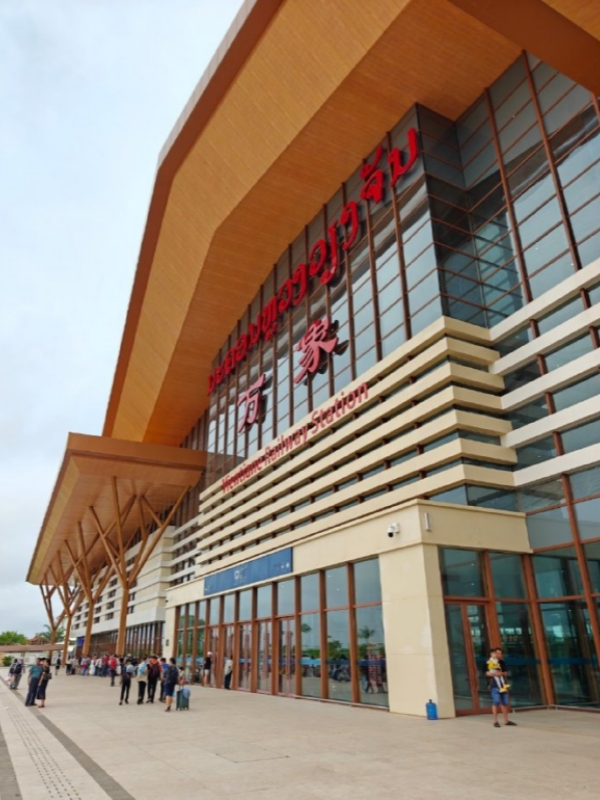
Vientiane Railway Station Facade (China-Laos Railway)
This is a niche "curved" route that suits travelers with extra time who want a genuine cross-border rail experience. However, it requires transiting through Laos first — adding significant travel time and planning complexity.
- Step 1 — Vietnam to Vientiane: Travel from Hanoi to the Lao capital by bus or train. Plan accommodation in Vientiane in advance. This leg alone takes considerable time.
- Step 2 — Vientiane to Kunming by rail:
- Tickets: Purchase via the LCR Ticket app or through a local agent (a passport copy is required for booking).
- Physical ticket: Border crossing requires a paper ticket. Therefore, exchange your booking at the station window before departure — do not rely on a digital ticket alone.
- Train: Board train D88 from Vientiane Station (not the Laos-Thailand terminal) to Kunming South. The journey takes approximately 10 hours.
This route is not recommended as a primary option. Nevertheless, for those drawn to the experience of crossing three countries by rail, it is a memorable journey worth planning well in advance.
Method 4: Cross-Border Self-Drive
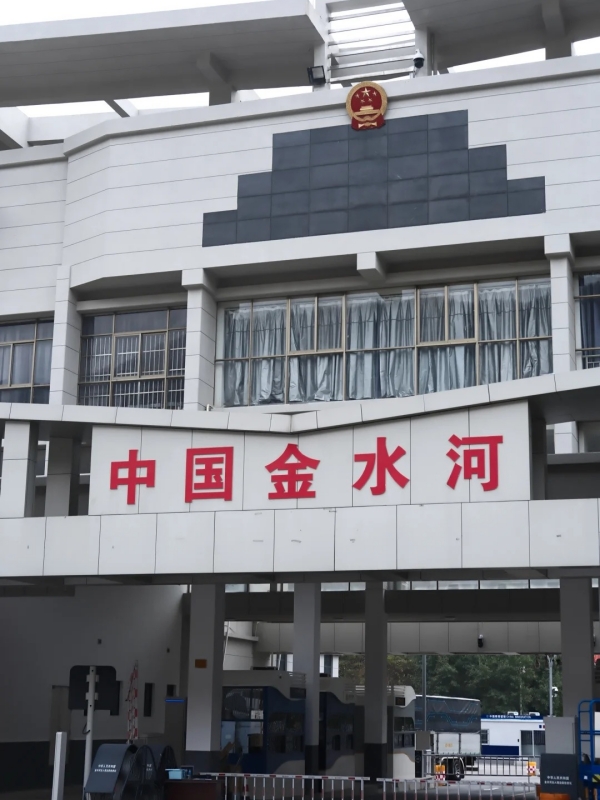
China Jinshuihe Border Gate (Jinshui River Port)
Self-driving into Yunnan offers maximum freedom. Nevertheless, vehicle documentation requirements make this the most complex option to arrange — and not the right choice for most travelers.
- Main crossing ports: Hekou Port or Jinshui River Port (金水河口岸).
- Vehicle permit: An exit permit (出境通行证) must be obtained in advance. The process involves coordination across multiple government departments and requires significant lead time.
- Recommended port: Hekou Port has the most complete facilities and is the busiest crossing. As a result, it is the preferred choice for self-drivers entering from Vietnam.
- Alternative port: Jinshui River Port is quieter. Moreover, a Saturday border market there draws local traders and offers a distinctly different atmosphere from the main crossing.
Method 5: Niche Land Route — Lai Châu to Jinshui River (金水河)
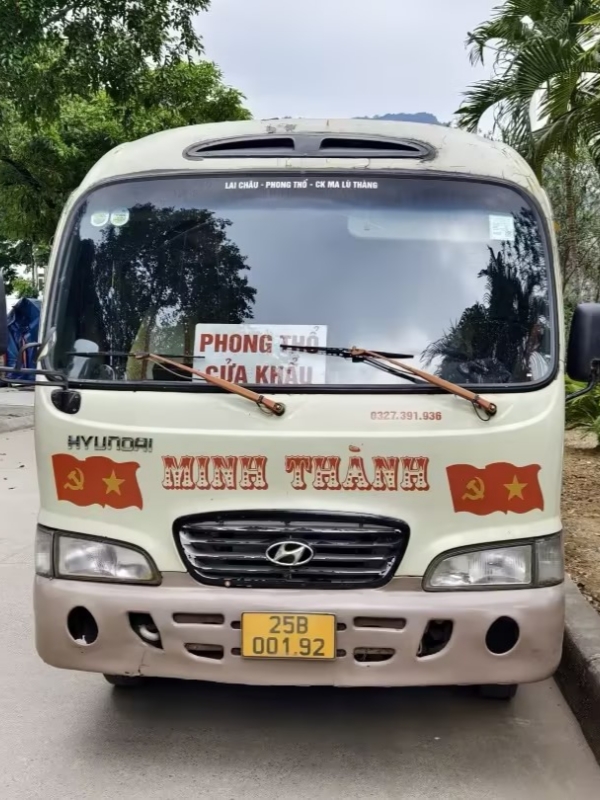
Lai Châu to Jinshui River Cross-Border Bus (Vietnam)
This is a low-traffic crossing for explorers who enjoy going off the beaten path. Patience and flexibility are essential. That said, the experience is genuinely unlike any mainstream entry point from Vietnam into China.
- Route: From Lai Châu City (Lai Châu Province), cross at Ma Lù Thàng border gate. Board an international cross-border bus to Jinshui River Port (金水河口岸) in Jinping County, Yunnan.
- Schedule: Departures are extremely infrequent — possibly only on specific calendar dates each month (for example, the 30th, departing at 6:00 AM from Lai Châu). The service launched in 2023. Always confirm the current timetable before making any plans around it.
- Note: Facilities are basic. English-language support is minimal. However, the crossing provides a raw, local border perspective that the Lào Cai–Hekou route simply cannot match.
🌍 Border Logistics: For a broader look at all available crossing points and the latest entry requirements beyond the Yunnan route, see How to Cross from Vietnam to China: A 4-Method Guide Updated for 2026.
Border Transit: Step-by-Step Clearance Process
The Lào Cai–Hekou crossing is the main land border between Vietnam and Yunnan. It sits within Lào Cai city. A short taxi ride (approx. 50,000 VND) or local bus from Lào Cai Train Station takes you directly to the checkpoint, about 3 km away.
Checkpoint Operating Hours
| Checkpoint | Opening Hours | Time Zone |
|---|---|---|
| Vietnam — Lào Cai Port | 07:00 – 22:00 | Hanoi Time (UTC+7) |
| China — Hekou Port | 08:00 – 23:00 | Beijing Time (UTC+8) |
Important: China is 1 hour ahead of Vietnam. Plan to arrive at immigration so both sides are cleared well before they close. Try to be at the Vietnamese gate no later than 20:00 Hanoi time and you will not be caught between the two sides when they close.
Border Clearance Steps
- Vietnam exit: Present your passport and valid Chinese visa or border pass at the Vietnamese immigration counter. Receive your exit stamp and proceed toward the bridge.
- Walk across the Friendship Bridge: Follow the marked pedestrian path — approximately 500 meters — into Chinese territory. The crossing is straightforward and signed.
- China entry:
- Open WeChat mini-program "海关旅客指尖服务" and submit the health declaration before arriving. Save the generated QR code screenshot to your phone camera roll.
- At the immigration counter, submit your passport and visa. Answer questions about travel purpose and destination briefly and honestly. Officers typically ask about accommodation and how long you plan to stay.
- Provide fingerprints and a photo. Receive your China entry stamp.
- Customs inspection: Pass luggage through the X-ray machine. Do not carry fresh fruits, vegetables, or meat products — these are confiscated without exception. Cash exceeding ¥20,000 CNY or its foreign-currency equivalent must be declared.
On weekday mornings, the crossing typically takes 30–60 minutes. However, during weekends, public holidays, or when overnight trains arrive simultaneously, allow up to 90 minutes or more.
Alternative Border Crossing Options
Smaller crossings are available for specific routes. The procedure at each is similar to Lào Cai–Hekou. However, facilities, signage, and English-language assistance are more limited.
- Jinshui River Port (金水河口岸): Entry point for the Lai Châu route (Method 5) and the self-drive alternative (Method 4). A Saturday border market draws local traders. Always confirm the port is open before traveling here.
- Tianbao (田宝) and other minor gates: Occasionally used by border-area residents. Not suitable for general tourist entry without prior confirmation of operating status.
- Tip: Before traveling to any non-Lào Cai crossing, verify it is open and accepts non-local travelers. Conditions at smaller gates can change without public notice.
Pre-Trip Preparation: Visa and Document Needs
Vietnamese citizens must obtain a Chinese visa before departure. There is no visa-on-arrival at any entry point into China. The right document depends on how far into Yunnan you plan to travel.
Passport Requirements
- Validity: Your passport must remain valid for at least 6 months beyond your planned exit date from China. Check this before booking any travel.
- Blank pages: At least 2 blank visa pages are required. Border officers will notice if pages are full.
- Copies: Carry a physical photocopy and a digital scan of your passport data page. Store them separately from the original document in case of loss.
Tourist Visa (L Visa)
- Type: Single-entry is standard for most Vietnamese applicants. Double-entry is available upon request but less commonly granted for first-time applicants.
- Validity: Valid for 90 days from the issue date. The permitted stay on each entry is generally 15 days, extendable to 30 days at a local Public Security Bureau (PSB) office in China.
- How to apply: Submit an application at the Chinese Embassy or Consulate in Vietnam, or at the Chinese Visa Application Service Center (CVASC). An appointment, fingerprints, and supporting documents are required. Processing typically takes 4–7 business days.
- Required materials: Completed application form, passport-size photo, proof of itinerary (transport bookings), hotel reservations, and evidence of return or onward travel.
China issues several other visa categories depending on travel purpose. For a full breakdown of each type and its conditions, this guide to Chinese visa types explains the differences clearly before you decide which to apply for.
Border Pass (Giấy Thông Hành)
- Scope: Permits short stays — generally 24 hours — in designated border zones only, such as Hekou. It does not allow travel to Kunming, Dali, Lijiang, or any inland city.
- How to obtain: Apply at the Lào Cai border checkpoint or through a local travel agent. A Vietnamese national ID card is sufficient — no passport required. Processing takes approximately 1 day. The fee is around 350,000 VND.
- When to use it: Suitable only for quick shopping or day-trip visits to Hekou. For any travel beyond the immediate border zone, a full tourist L Visa is required. Attempting to travel inland on a border pass will result in refusal at internal transport checkpoints.
⚠ Key Rule: Secure your visa before purchasing any non-refundable transport tickets or hotel bookings. Processing delays do occur, particularly around Chinese public holidays.
Departure Readiness: Final Essential Checklist
Run through this list before leaving Vietnam. Missing any item below can delay or prevent entry at the border — and some cannot be solved on-site.
| Item | What to Check or Prepare |
|---|---|
| Passport | Valid ≥6 months beyond exit date from China; 2+ blank visa pages; physical + digital copies stored separately. |
| Chinese visa or border pass | Confirm issue date, validity period, entry type (single/double), and permitted stay duration before departure. |
| Vietnamese national ID card | Carry alongside passport at all times — required for border pass applications and may be requested at checkpoints. |
| Transport bookings | Print or save electronic copies of bus/train tickets and any onward bookings from Hekou. Evidence of travel plan may be requested. |
| Hotel reservations | Confirmation printout or screenshot for your first night in China. Immigration officers occasionally ask for accommodation proof. |
| Return or onward ticket | Evidence of departure from China — either a return bus/train booking or an outbound flight. Have it accessible, not buried in email. |
| WeChat health declaration QR code | Complete via mini-program "海关旅客指尖服务" within 24h before crossing. Screenshot the QR code to camera roll — do not rely on internet access at the gate. |
| Chinese yuan (CNY) cash | Carry at least ¥200–500 for immediate expenses. Exchange in Vietnam before departure — Lào Cai border rates are available but often unfavorable. Setting up Alipay before departure is also worthwhile. This Alipay setup guide for foreign travelers walks through every step in advance. |
| Pen for forms | Paper forms are still used at some counters. Carry a pen — do not assume stationery is available at the gate. |
| Emergency contact list | Save the contact details for the Chinese Embassy in Hanoi and the Vietnamese Consulate General in Kunming. Store offline in case of connectivity issues. |
During Journey: Practical Border Crossing Tips
These observations come from the crossing itself and from navigating Yunnan as a foreign traveler. For a broader look at daily life inside China, this China survival guide is worth reading before departure.
Border Checkpoint Etiquette and Timing
- ✅ At the checkpoint — stay calm and quiet. Do not photograph or make phone calls inside immigration or customs areas at either border. Answer officers' questions honestly and concisely. Avoid volunteering unsolicited information.
- ✅ Keep your documents immediately accessible. Hold your passport, visa, and health declaration QR code in your hand before reaching the counter — not buried in a bag. Fumbling slows the queue and draws unnecessary attention.
- ✅ Cross during weekday mornings when possible. Weekends, public holidays, and the early-morning arrival window (when overnight trains from Hanoi reach Lào Cai simultaneously) see the heaviest queues. A Tuesday or Wednesday morning crossing is typically the fastest.
Onward Transport and Connectivity
- ✅ Transport from Hekou port. Public buses and taxis run between Hekou Port and Hekou North High-Speed Rail Station. Taxis charge approximately ¥10–20 for this short trip. Additionally, Hekou Bus Terminal is nearby for direct bus routes to Yuanyang and Jianshui.
- ✅ Phone and SIM card. Standard Vietnamese SIM cards do not work inside China. Therefore, arranging a China-compatible SIM before or upon arrival is strongly advisable. This SIM card comparison for China travel covers current options. Furthermore, this guide on using your phone in China addresses network compatibility and VPN considerations for accessing foreign apps.
Local Culture and Return Journey
- ✅ Respect Yunnan's minority communities. Yunnan is home to 25 officially recognized ethnic groups. Observe dress codes at religious sites, follow photography rules in villages, and approach local customs with genuine respect rather than as a tourism spectacle.
- ✅ Public toilets in Yunnan. Squat toilets are standard in border areas and rural Yunnan. In most cases, toilet paper is not provided. Carry a small pack at all times. This practical guide to toilets in China sets realistic expectations before arrival.
- ✅ Return journey — build in buffer time. When leaving China, allow at least 2 hours before the border gate closes. Chinese exit immigration and Vietnamese re-entry procedures each require separate queuing. Moreover, note Vietnam's customs duty-free allowances for goods purchased in China — these are enforced on return.
Post-Arrival Exploration: Yunnan Itinerary Planning
Classic Kunming Dali & Lijiang Route
Once you’ve crossed the border at Hekou, the classic first leg of the Yunnan route is Kunming→ Dali→ Lijiang. This loop takes in the old town of Dali, Erhai Lake, Jade Dragon Snow Mountain, and the alleyways of the UNESCO-listed old quarter in Lijiang.
Kunming earns its "Spring City" nickname with its pleasantly mild temperatures all year around and an easygoing, cosmopolitan character uncommon in inland China. The UNESCO-listed Stone Forest (石林), with its striking outcrops of jagged limestone pillars, is just 90 minutes away by bus, while the Dianchi Lakeshore and old Muslim quarter of Shuncheng Jie make for easy half-day excursions within the city itself.
Dali lies between the Cangshan mountain range and the expanse of Erhai Lake, framing a space within which many travelers have lingered for far longer than intended. Traditional Bai ethnic architecture in the old town, lakeside paths for bicycles around Erhai Lake, and the Three Pagodas rising from a knitting of low foothills amidst a seascape of mountains is more than enough to attract curious wanderers.
Lijiang is a UNESCO-listed wonder; its old town (大研古镇) is one of the finest-preserved ancient towns in China. Traditional cobblestoned lanes, especially Naxi-style courtyard guesthouses, combine with the irresistible view from the rooftops of the spherical snow-capped rounded peak of Jade Dragon Snow Mountain (玉龙雪山). Lijiang serves as the northern gateway to the mighty Tiger Leaping Gorge, notorious as one of the deepest river gorges on earth, while bringing world class trekking through gorges to China.
Trip Duration and Itinerary Planning
A 7–10 day circuit suits most itineraries entering from the Hekou land crossing. High-speed trains connect the three cities efficiently, keeping each leg to 3–4 hours at most. If you're planning your days in the province after arrival, this Kunming–Dali–Lijiang tour itinerary covers the full classic route with day-by-day logistics and transport links.
Faqs: Vietnam to Yunnan Travel Questions
Q: Is Yunnan next to Vietnam?
Yes. Yunnan Province in southwestern China shares a border of approximately 1,300 km with three Vietnamese provinces. For anyone planning vietnam to yunnan travel, the most practical crossing point is Hekou, directly opposite Lào Cai across the Red River. The two towns are linked by the Friendship Bridge, making it a walkable land crossing without any vehicle transfer.
Q: What city in China is closest to Vietnam?
Hekou (河口) is the Chinese border town directly opposite Lào Cai — the nearest entry point for any vietnam to yunnan overland journey. Kunming, Yunnan's provincial capital, sits roughly 280 km inland. From Hekou North Station, high-speed trains reach Kunming in approximately 3.5–4.5 hours, making it a convenient same-day connection.
Q: Is it possible to go from Vietnam to Yunnan by train?
Yes, though no single train crosses the border. For a vietnam to yunnan journey, travelers typically take an overnight bus or train from Hanoi to Lào Cai, walk across the border on foot, then board a high-speed train at Hekou North Station toward Kunming. Total journey time is roughly 14–18 hours depending on connection times.
Q: Do Vietnamese citizens need a visa to enter China?
Yes. Vietnamese nationals must obtain a Chinese Tourist Visa (L Visa) before any vietnam to yunnan trip — there is no visa-on-arrival at any land or air entry point. The only alternative is a Border Pass (Giấy Thông Hành), which restricts travel to the Hekou border zone only. Therefore, apply at the Chinese Embassy in Vietnam well before departure.
Q: What are the operating hours of the Lào Cai–Hekou border gate?
The Vietnamese side (Lào Cai) operates from 07:00 to 22:00 (Hanoi time). The Chinese side (Hekou) runs from 08:00 to 23:00 (Beijing time). For anyone making a vietnam to yunnan crossing here, plan to arrive by 20:00 Hanoi time at the latest. Missing the window means waiting until the following morning — there is no accommodation directly between the two gates.
Q: What is the cheapest way from Vietnam to Yunnan?
The overland route is the most budget-friendly vietnam to yunnan option. An overnight bus from Hanoi to Lào Cai combined with high-speed rail from Hekou to Kunming costs approximately $30–40 USD total per person. This is significantly less than direct flights, which typically run $60–150 USD one-way. Note that visa fees apply separately to either option.
Q: How long does the Lào Cai–Hekou border crossing take?
Under normal conditions, allow 30–60 minutes to complete both Vietnamese exit and Chinese entry procedures at this vietnam to yunnan crossing. However, during weekends, national holidays, or when overnight trains arrive simultaneously, wait times can extend to 90 minutes or more. Crossing on a weekday morning generally provides the fastest passage through both sides.
Q: Do I need to prepare a WeChat health declaration before crossing into China?
Yes. Before any vietnam to yunnan border crossing, complete the health declaration via WeChat mini-program "海关旅客指尖服务" and save the generated QR code as a phone screenshot. Chinese customs officers scan it at the checkpoint. Complete the form the evening before departure — submitting too early may cause the code to expire before it is actually scanned.
Q: Can I use mobile payment (WeChat Pay / Alipay) in Yunnan as a foreigner?
Foreign travelers can link an international Visa or Mastercard to WeChat Pay or Alipay, but setup requires advance preparation. For a smooth vietnam to yunnan trip, configuring mobile payment before leaving Vietnam is strongly recommended. Nevertheless, carry at least ¥200–500 in cash as a backup — especially in border towns and smaller settlements where card infrastructure may be limited.
Q: What is the best time of year to travel from Vietnam to Yunnan?
March to May and September to November offer the most comfortable conditions for a vietnam to yunnan trip. Spring brings mild temperatures and wildflowers across the highlands; autumn delivers clear skies with lower visitor density. Avoid China's Golden Week (October 1–7) — border queues, train seats, and Yunnan accommodation all become heavily congested during this national holiday period.