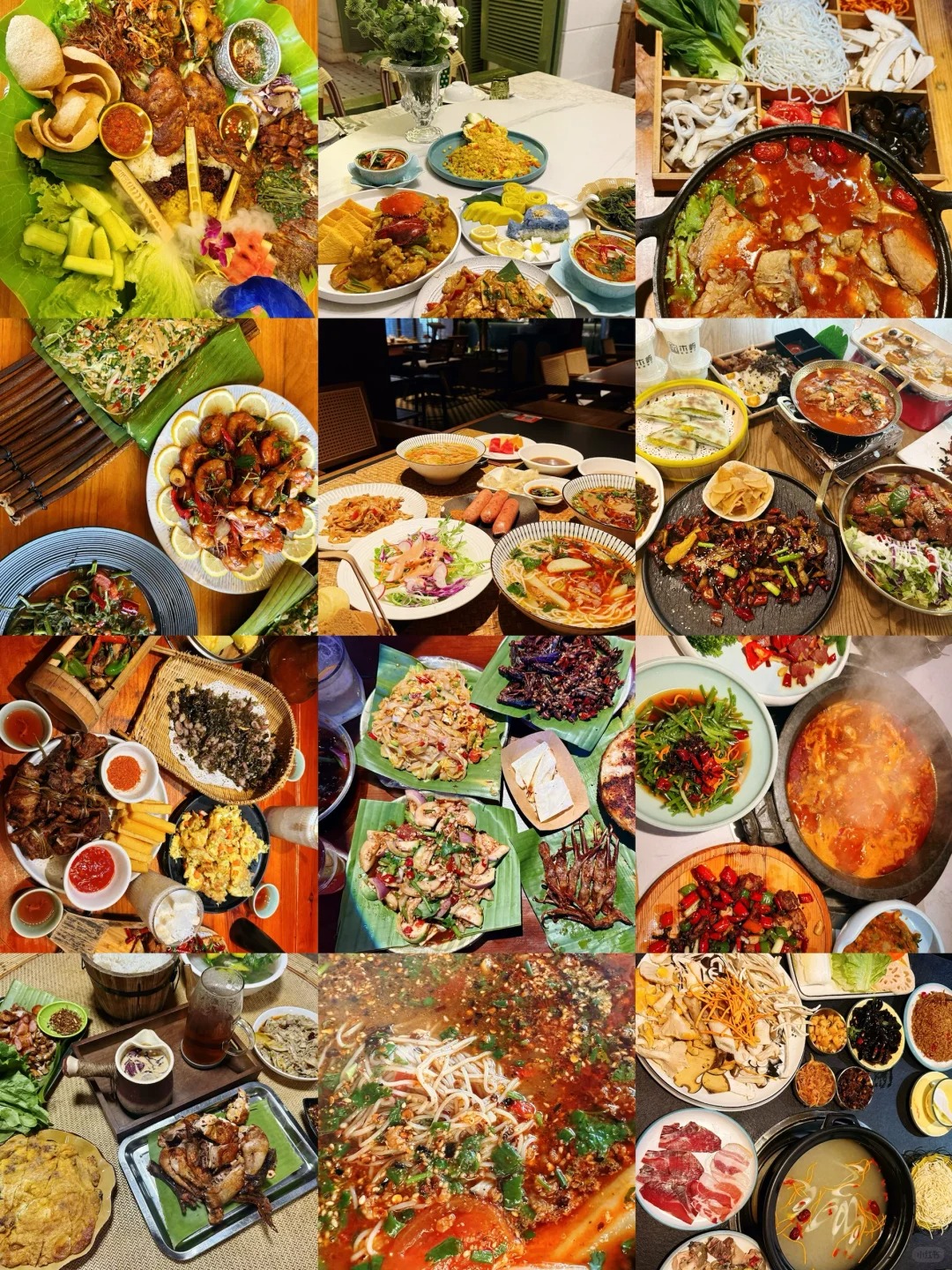
Lijiang Restaurant
Lijiang restaurants can be a little confusing at first. A lot of places inside the Old Town look almost identical from the outside — wooden signs, lanterns, rooftop seats, the same “authentic Yunnan food” wording everywhere. Some are genuinely good. Others survive mostly because tourists stop there after walking too long on the stone streets. After spending time eating around Dayan Old Town and nearby alleys, I realized the better meals usually came from smaller places with busy local tables, smoky barbecue smells, or mushroom pots simmering near the entrance. That’s where Lijiang starts feeling less staged and much more real.
Best Lijiang Restaurants Near the Old Town
A Ma Yi Naxi Restaurant
-
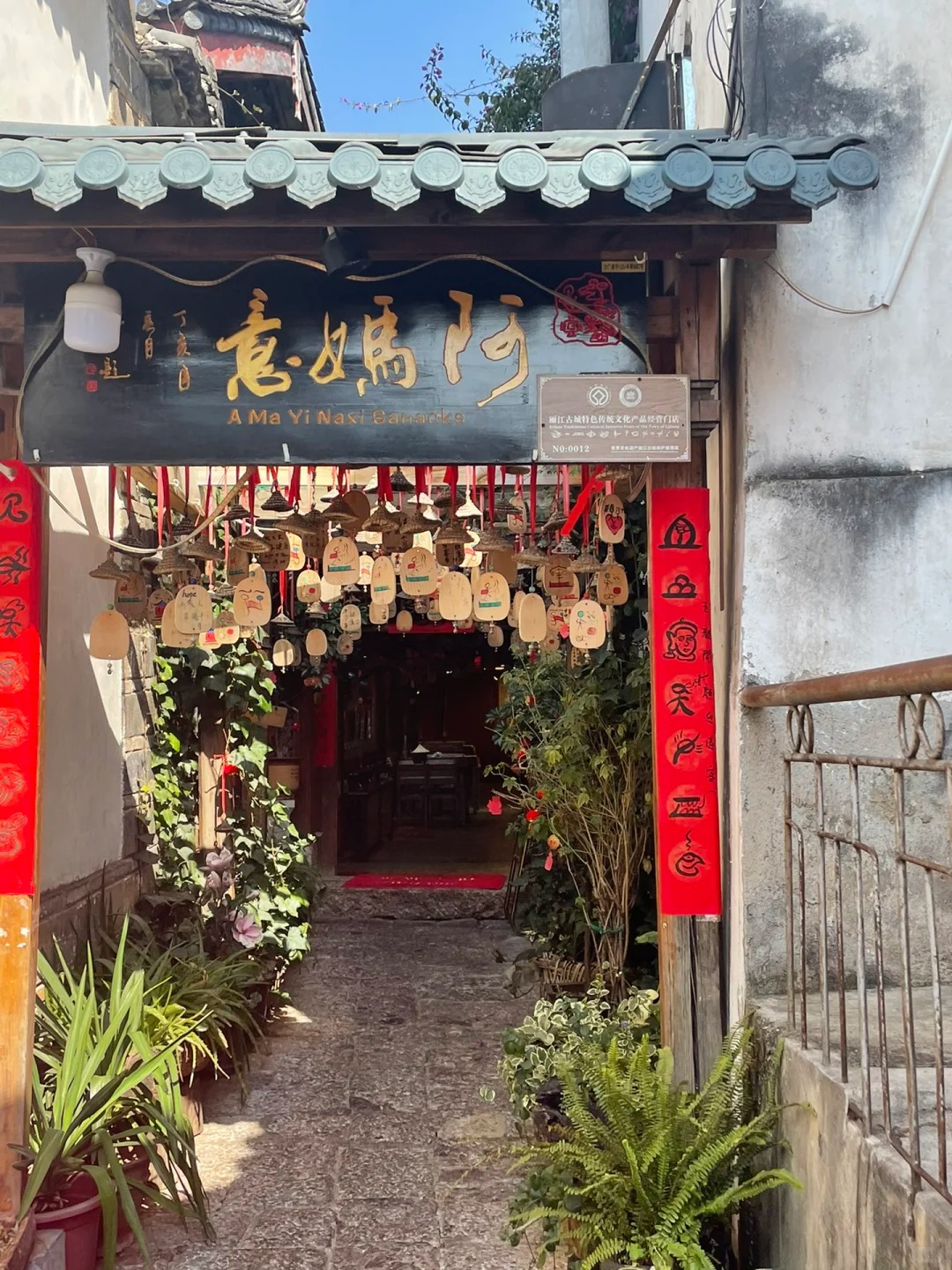

- A Ma Yi Naxi Restaurant
-
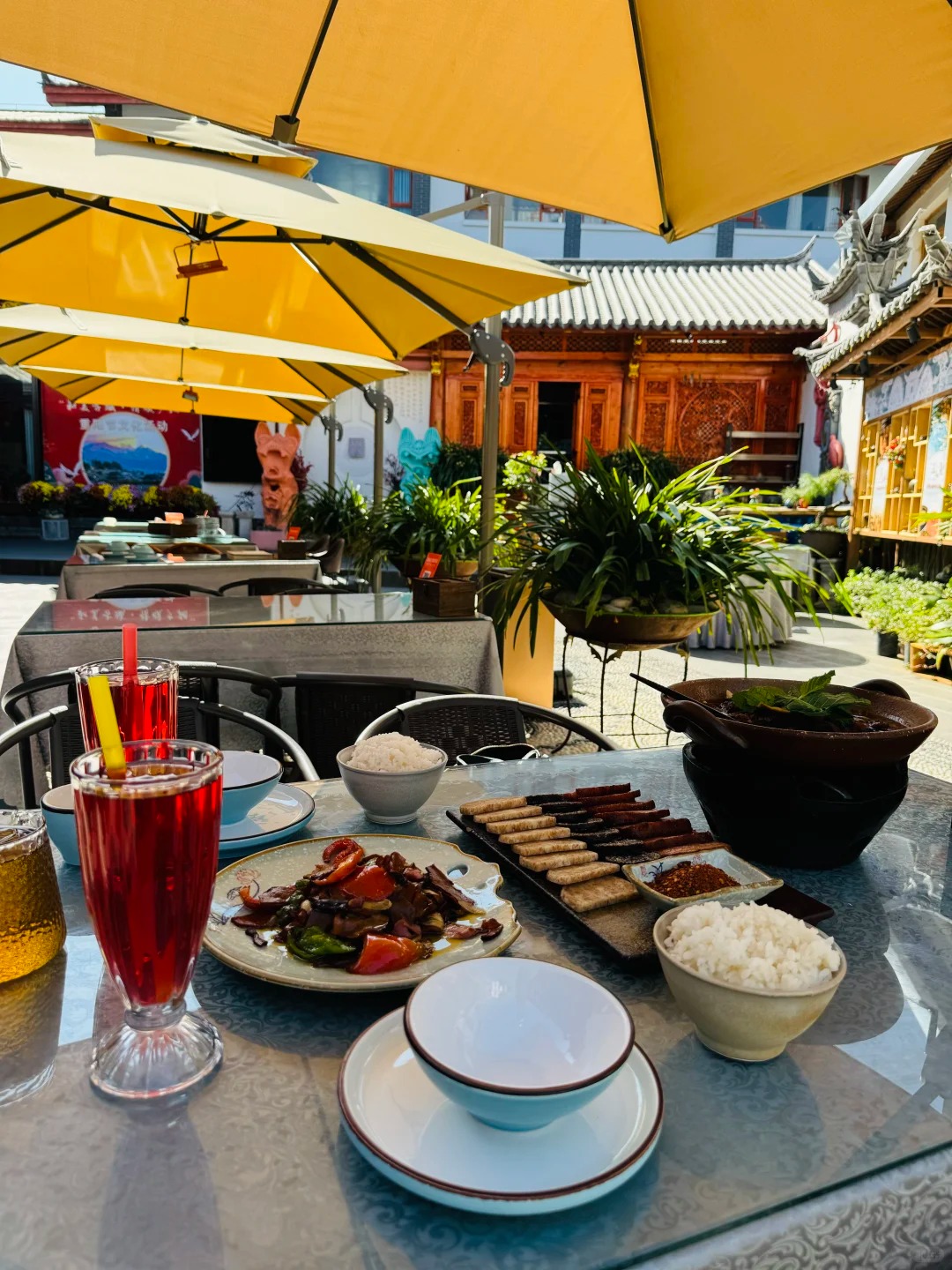
- Dishes of A Ma Yi Naxi Restaurant
A Ma Yi is one of those Lijiang restaurant places that feels calmer the moment you walk inside. The streets around Dayan Old Town can get noisy at night, especially near the larger bars and rooftop restaurants, but this place sits slightly deeper inside the smaller alleys. The wooden courtyard, warm lights, and slower service style make it feel much more local than most restaurants near the main square.
A lot of foreign travelers seem to like it for the same reason. The food still tastes distinctly Yunnan, but it does not go too hard on spice or heavy oil. After a few days in Lijiang, that balance starts to matter more than people expect. I noticed several tables around me speaking English, but the restaurant still had local families eating there too, which is usually a good sign in tourist areas.
- Signature Dishes: Naxi grilled pork, chickpea jelly, stir-fried wild mushrooms
- Service: Relaxed and friendly, though dishes sometimes arrive slowly during dinner hours
- Rating: Around 4.5/5 across Chinese review apps and TripAdvisor comments
- Flavor Style: Mildly spicy, smoky, earthy rather than heavily salty
The grilled pork usually gets recommended first. It comes out slightly charred with a smoky smell that spreads across the courtyard almost immediately. The mushroom dishes are probably safer for first-time visitors to Yunnan cuisine. Rich flavor, but not overwhelming. Several TripAdvisor reviews also mention that the English menu is limited but workable enough.
At night, the courtyard lighting becomes part of the experience. A lot of Xiaohongshu photos from here focus more on the atmosphere than the food itself. Honestly, that feels understandable once the lanterns turn on.
V Sherry Restaurant
-
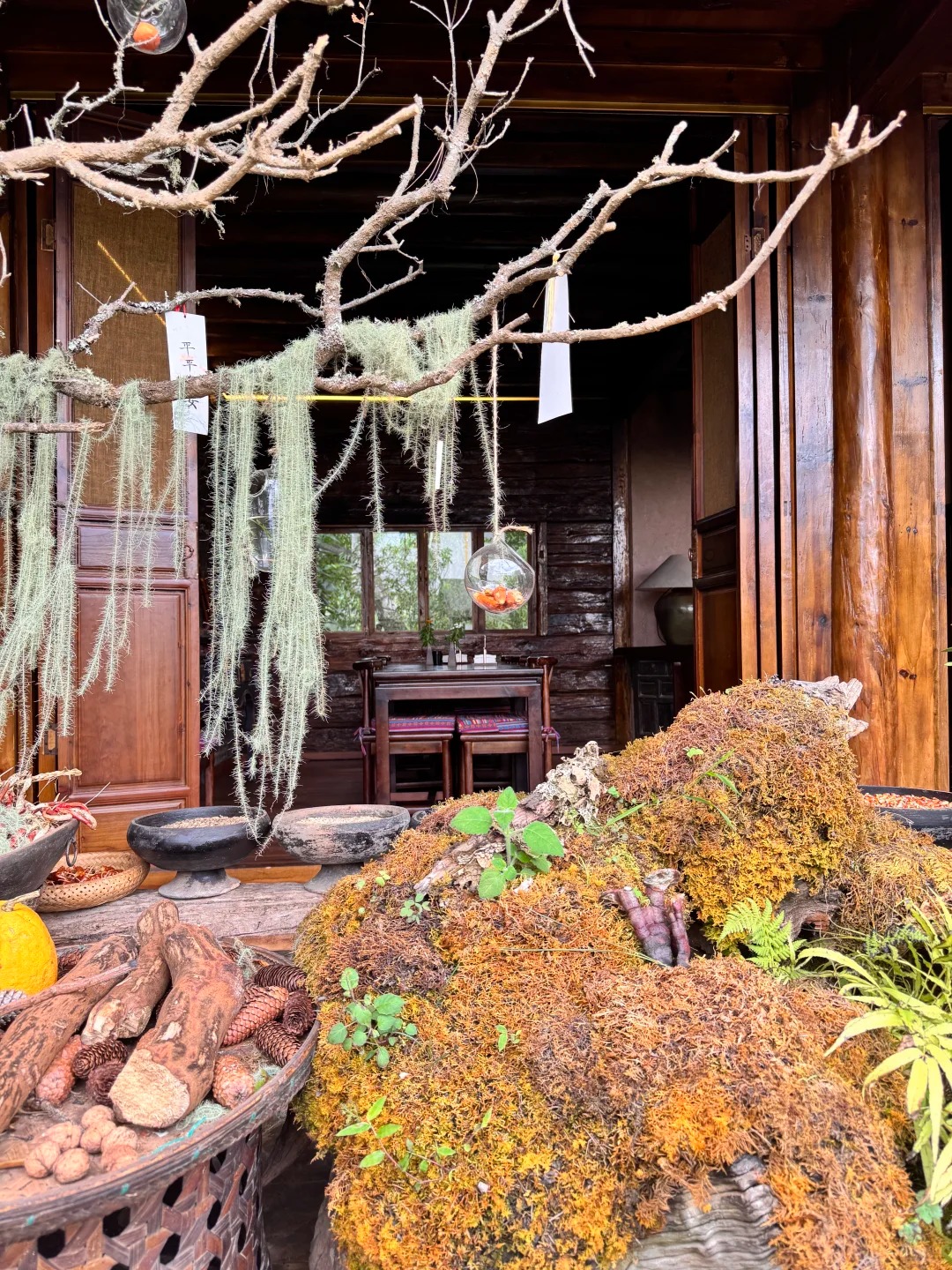
- Scene in V Sherry
-
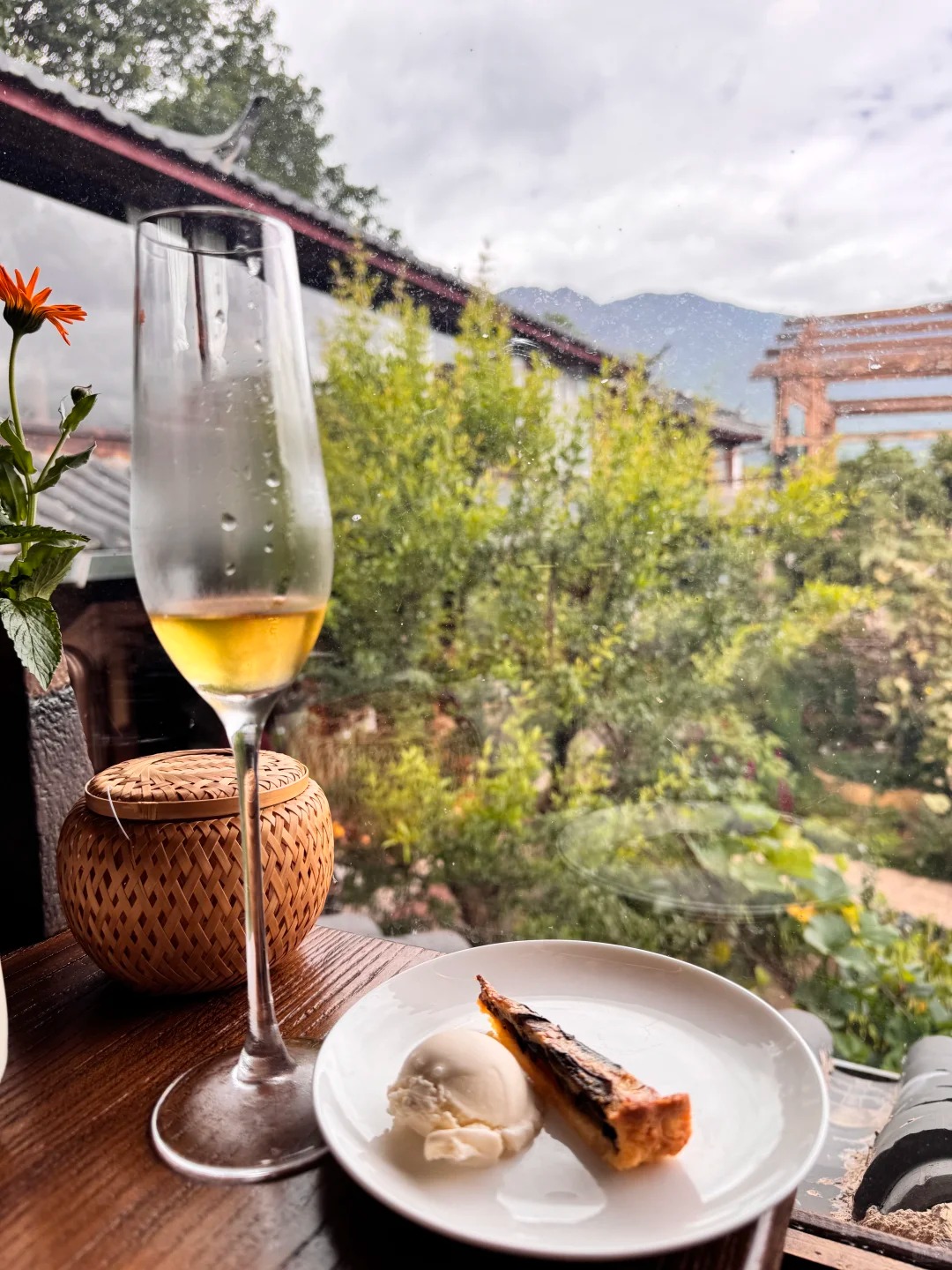
- V Sherry
V Sherry shows up constantly when people search for the best restaurants in Lijiang, mostly because of the rooftop view. Around sunset, nearly every table points toward the mountains and rooftops instead of the menu. The view stretches across the Old Town roofs, and on clearer evenings you can even see part of the Jade Dragon Snow Mountain skyline in the distance.
This place works best for travelers who want a slower dinner rather than purely local food. Couples stay here a long time, solo travelers order drinks and watch the lights come on, and people often arrive “just for photos” before accidentally staying through dinner. One TripAdvisor comment described it pretty accurately — the rooftop keeps pulling people into another round.
- Signature Dishes: Yunnan mushroom pasta, pan-fried beef with mint, rose cocktails
- Service: More polished than most Old Town restaurants, staff used to foreign tourists
- Rating: Roughly 4.4/5 depending on platform and season
- Flavor Style: Slightly lighter and more fusion-style, less spicy than traditional Yunnan food
Not every dish deserves the hype though. Some Western breakfast items feel average considering the price. The stronger choices are usually the Yunnan-inspired fusion dishes instead of the fully Western menu pages.
The atmosphere carries this place more than pure food quality. But honestly, rooftop dining in Lijiang is partly about sitting above the lantern streets while the temperature drops after sunset. V Sherry understands that better than most nearby restaurants.
Shi Po Tian Jiang Hu
-
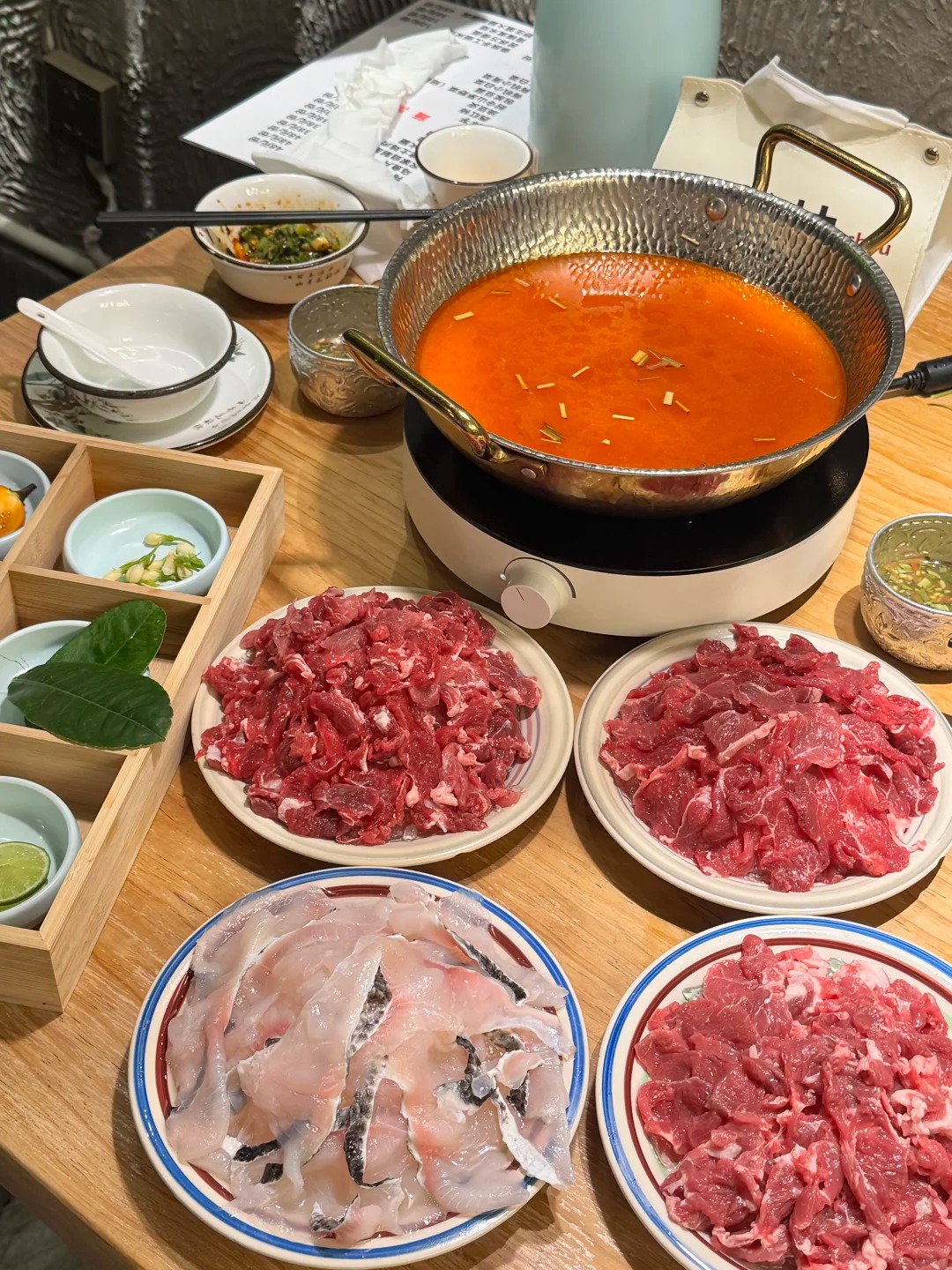
- Shi Po Tian Jiang Hu
-
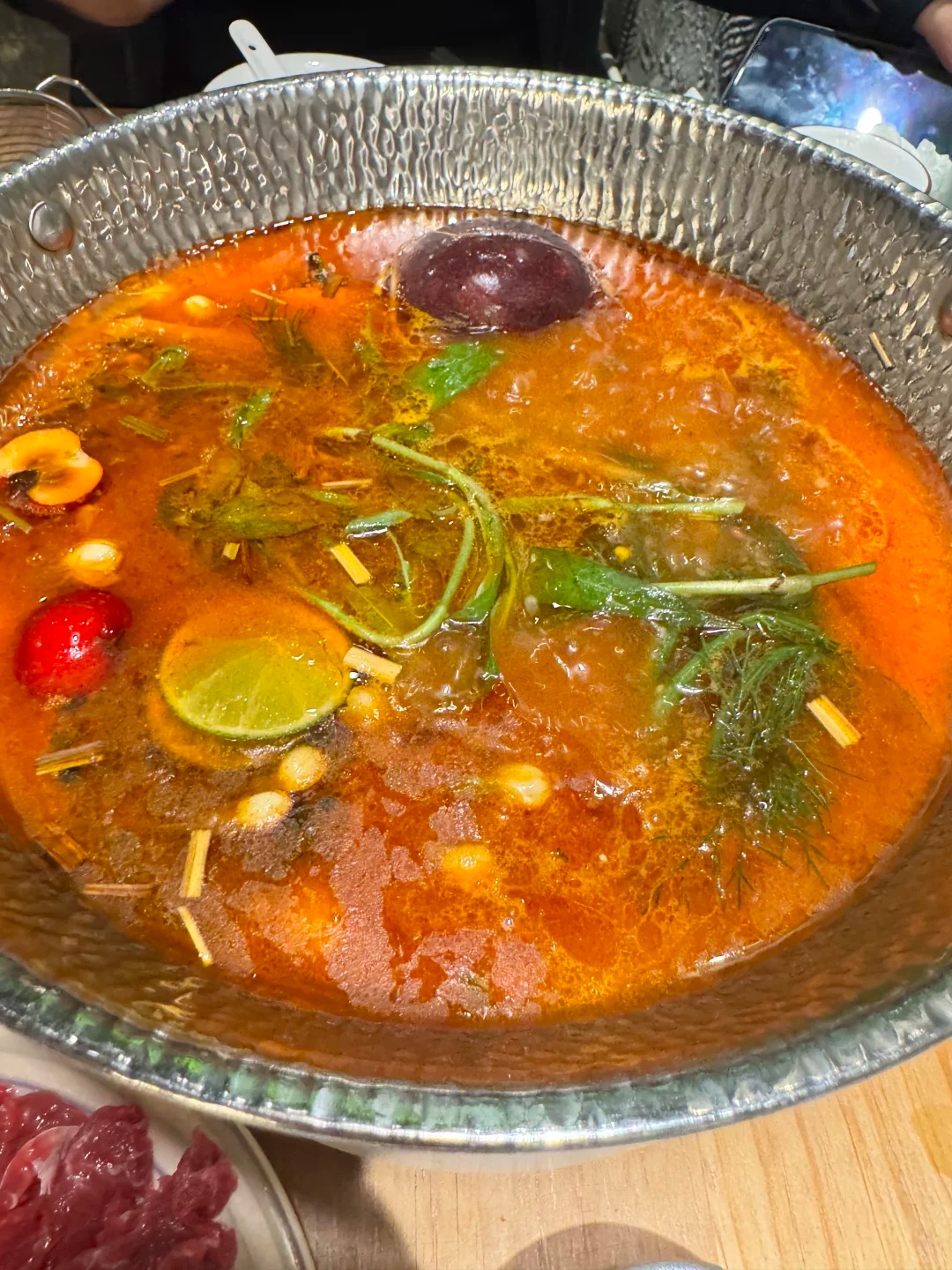
- Hot Pot of Shipotian
Shi Po Tian Jiang Hu feels loud in the best possible way. Smoke hangs above the tables, staff move quickly between giant trays of grilled fish, and somebody always seems to be opening another beer nearby. Compared with quieter Naxi restaurants, this place feels much more chaotic and very obviously Sichuan-influenced.
A lot of foreign travelers end up here because it looks busy every night. That instinct usually works. In China, crowded local restaurants often mean the food actually matters. By around 7pm, people start waiting outside near the entrance, especially during holidays and summer evenings.
- Signature Dishes: Spicy grilled fish, lamb skewers, grilled vegetables
- Service: Fast but slightly chaotic during peak hours
- Rating: Around 4.3/5, mainly praised for atmosphere and portion size
- Flavor Style: Oily, smoky, noticeably spicy unless adjusted
The spicy fish is the main reason people come. Huge tray, heavy chili, bubbling broth, garlic everywhere. It looks intimidating at first, but the spice level can usually be reduced if asked early enough. Travelers unfamiliar with Sichuan food should probably avoid choosing “extra spicy,” even if they normally handle chili well back home.
What makes this Lijiang restaurant memorable is not elegance. It is the noise, the heat from the grills, the beer bottles stacking beside tables, and the feeling that dinner somehow turned into a full evening without planning it.
Yunxueli Restaurant
-
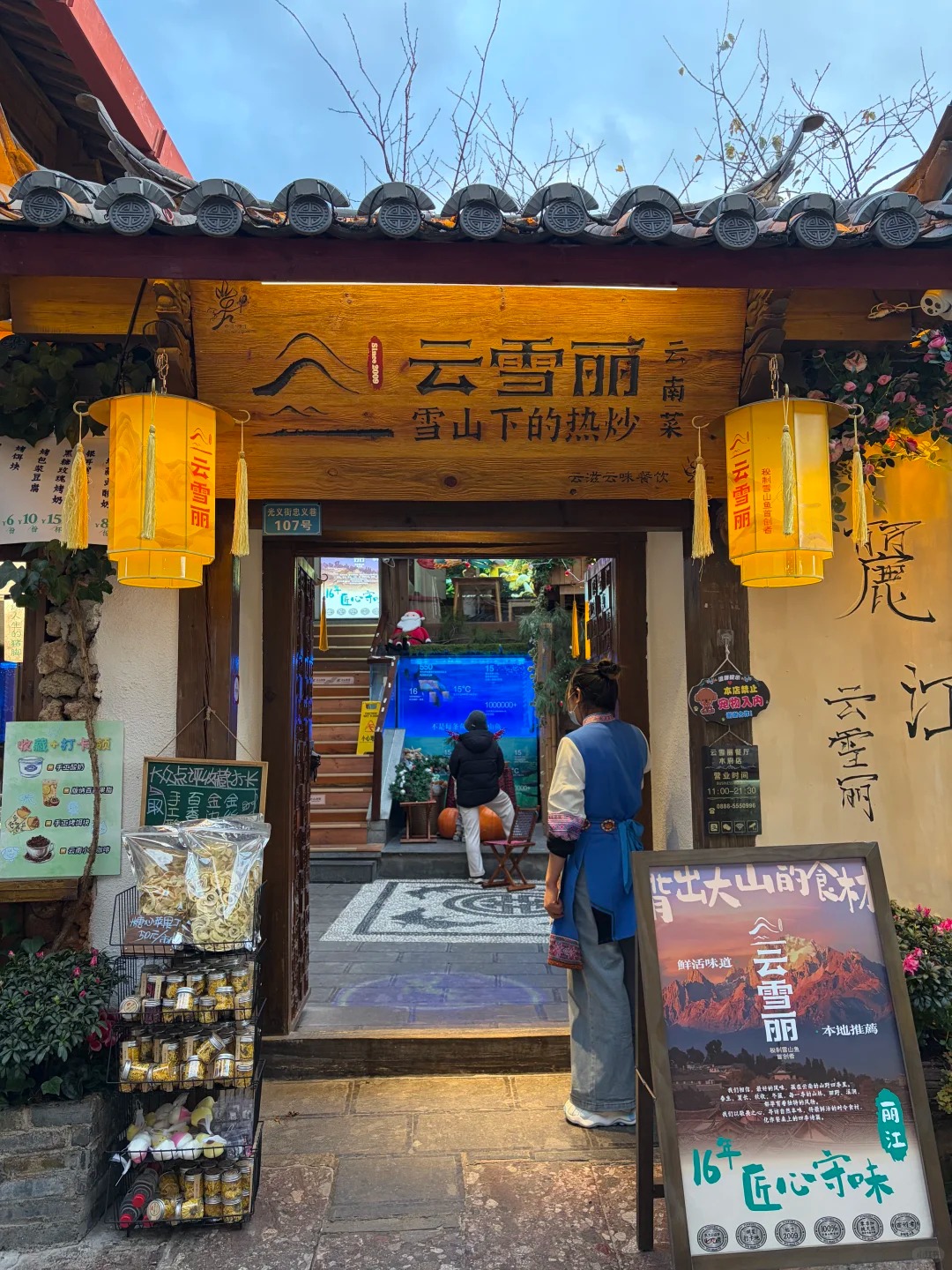
- Yunxueli
-
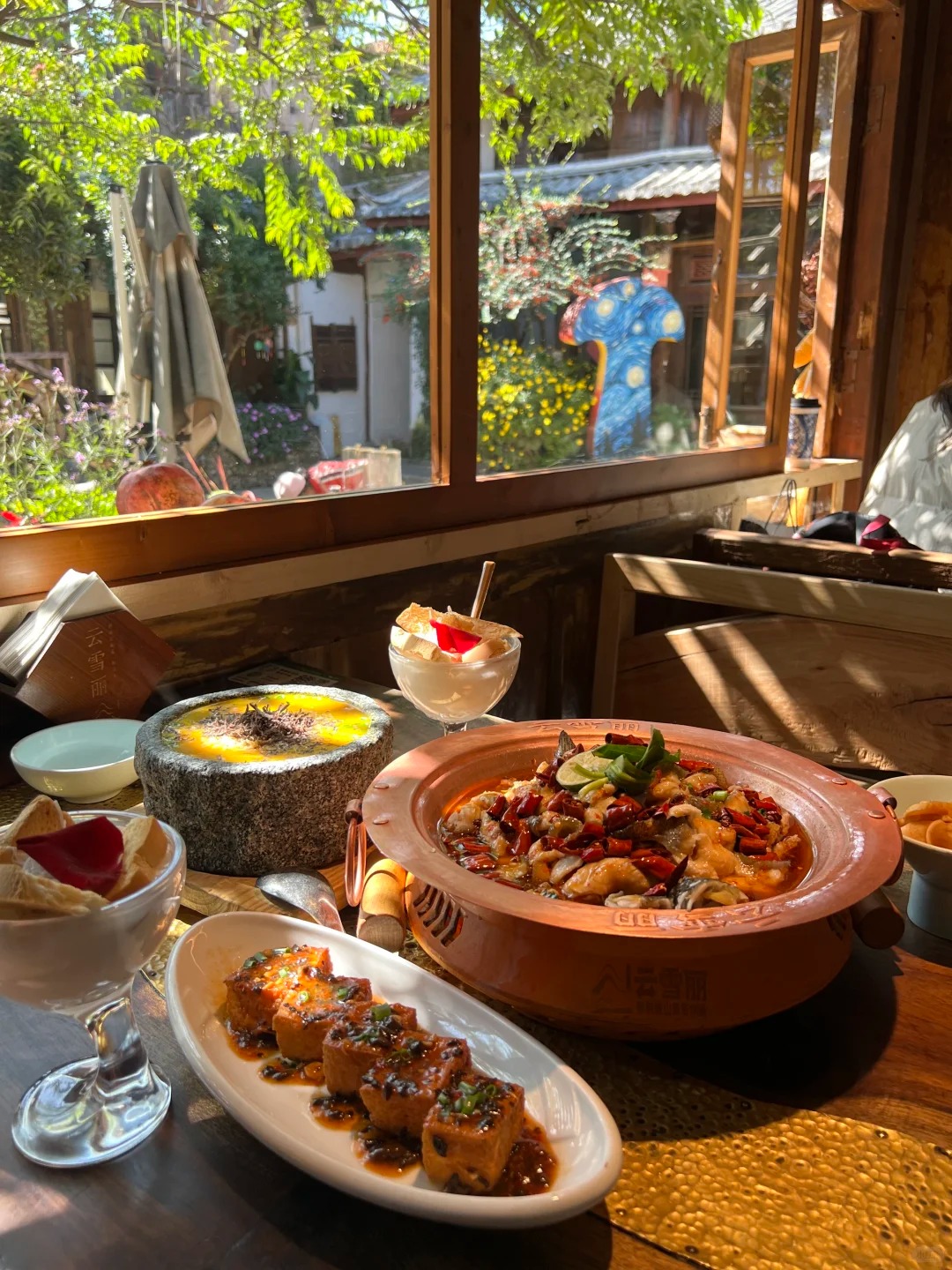
- Dishes of Yunxueli
Yunxueli feels more refined than most restaurants around the Old Town. Cleaner presentation, quieter atmosphere, steadier service — it attracts travelers who want Yunnan food without the louder barbecue energy found elsewhere in Lijiang. Families and small groups seem especially comfortable here.
The restaurant focuses more on modern Yunnan fusion cuisine, so the dishes arrive looking more polished than traditional local restaurants nearby. Some travelers prefer that immediately. Others might think it loses a little local character. Honestly, it depends what kind of dinner people want that night.
- Signature Dishes: Yunnan mushroom soup, slow-cooked beef, flower-themed desserts
- Service: Professional and more consistent than average Old Town restaurants
- Rating: Around 4.5/5, especially strong for atmosphere and presentation
- Flavor Style: Mild, balanced, less oily and less spicy than traditional barbecue spots
The mushroom soup stands out here. Cleaner flavor, lighter texture, and easier to finish at high altitude than heavier hotpot meals. The beef dishes also work well for travelers who want something rich without too much chili.
This is probably one of the safer restaurant choices in Lijiang for people traveling with parents or children. It may not become the wildest food memory of the trip, but the overall experience feels reliable, which honestly matters more than people admit when traveling in busy tourist towns.
Hidden Garden Naxi Kitchen
-
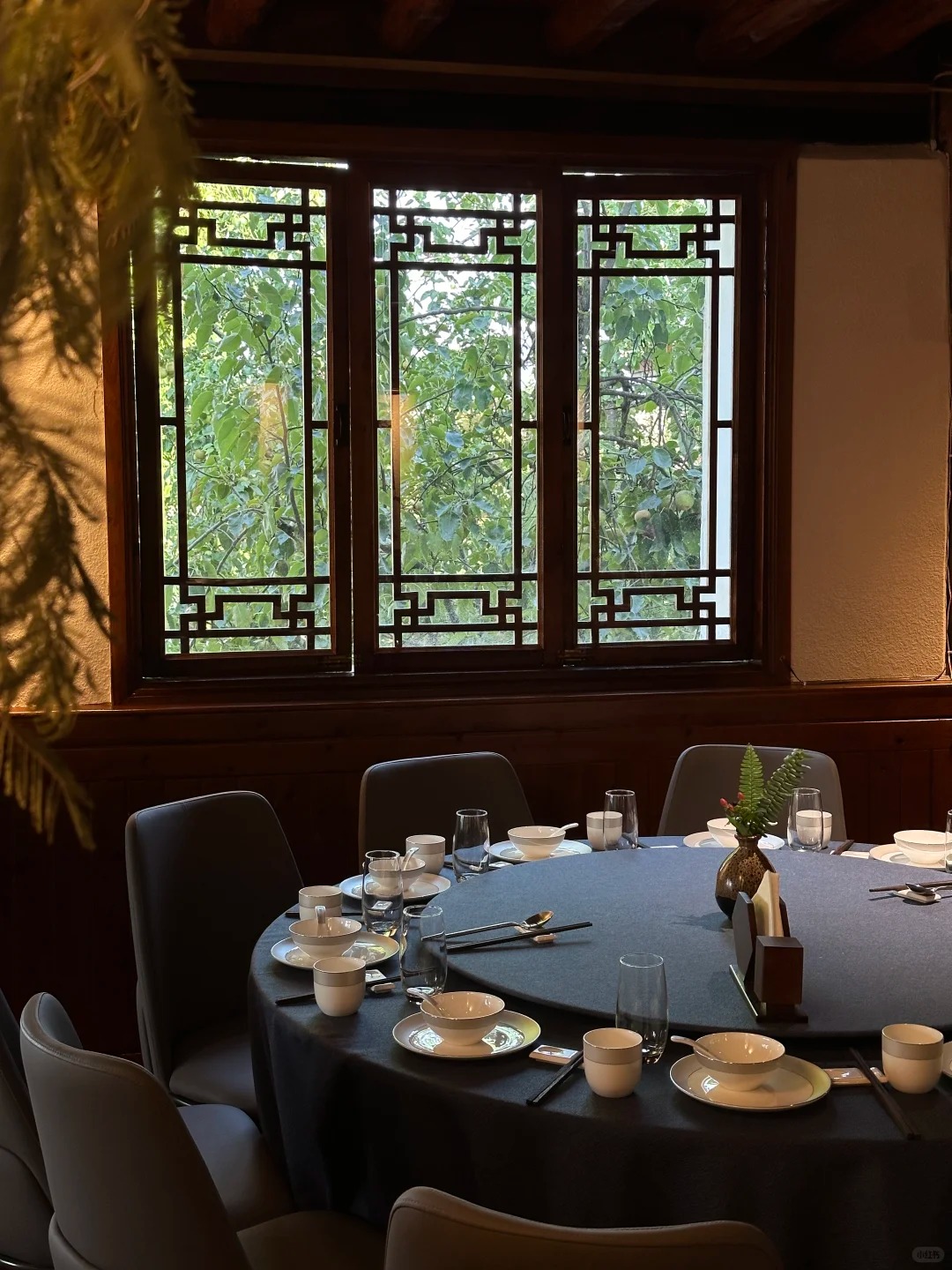
- Hidden Garden Naxi Kitchen
-
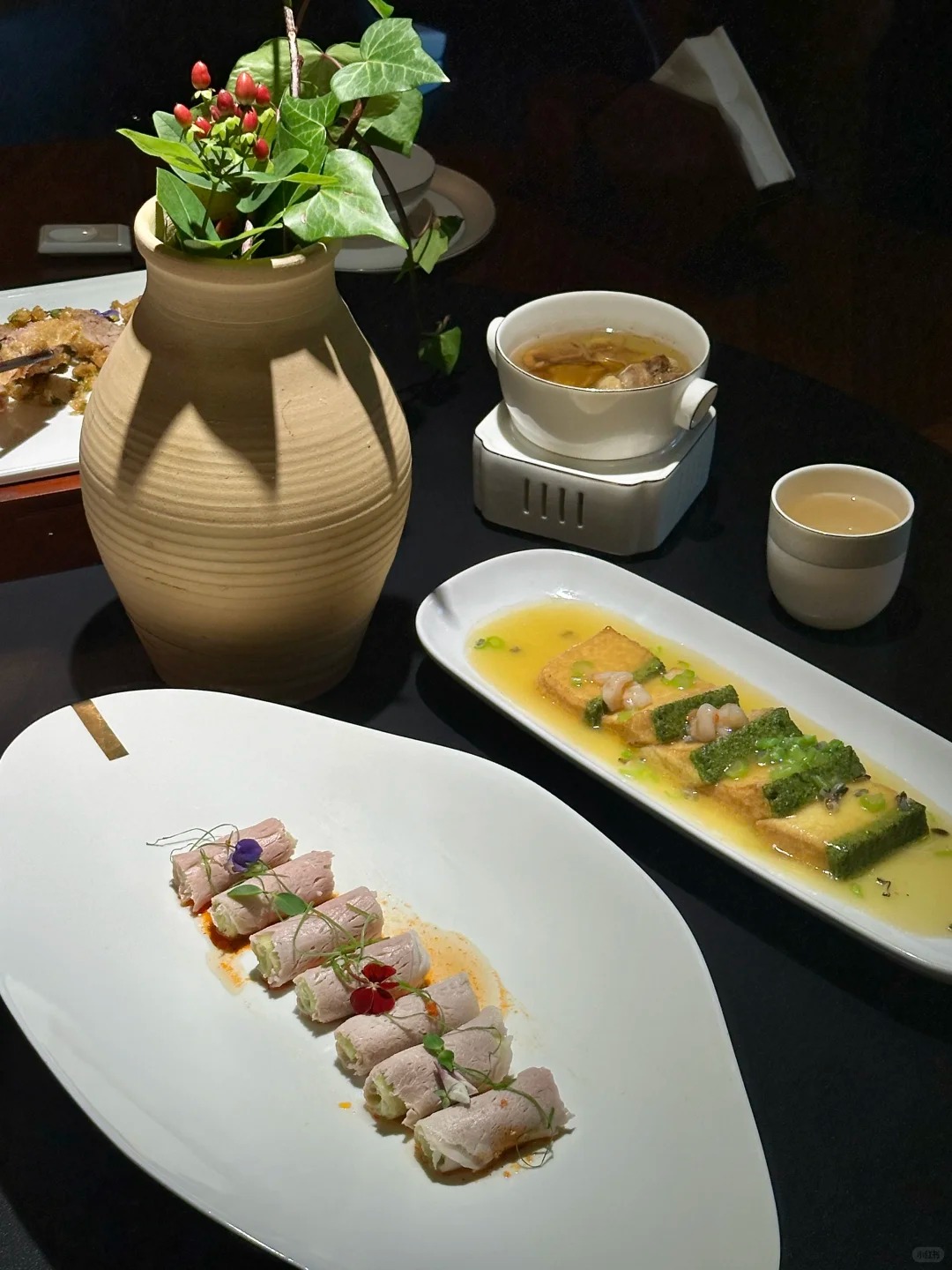
- Dishes of Hidden Garden Naxi Kitchen
Hidden Garden Naxi Kitchen is one of those Lijiang restaurant spots that you easily miss unless you walk deeper into the side alleys of Dayan Old Town. The entrance is narrow, and from the outside it looks more like a private courtyard than a restaurant. Inside, however, it opens into a small stone-paved yard with plants, wooden tables, and a quiet atmosphere that feels slightly removed from the tourist streets.
Compared with rooftop restaurants nearby, this place focuses more on home-style Naxi cooking. The food is not heavily adjusted for international taste, but it is still approachable for most visitors. I noticed more local diners here than in many central Old Town restaurants, especially during early dinner hours.
- Signature Dishes: Naxi-style braised chicken, wild mushroom soup, stir-fried greens
- Service: Family-run, slow but attentive, limited English communication
- Rating: Around 4.4/5 on local review platforms
- Flavor Style: Lightly salty, earthy, mild spice level
The braised chicken is the most ordered dish, usually served in a clay pot with a thick but not oily broth. Mushroom soup here feels simpler than upscale restaurants, but the flavor is cleaner and less heavy. Service is not fast, especially when the courtyard gets full, but the pacing actually matches the environment quite well.
This is the kind of Lijiang restaurant where you stop checking your phone halfway through the meal without really noticing it.
Stone Lantern Courtyard Restaurant
-
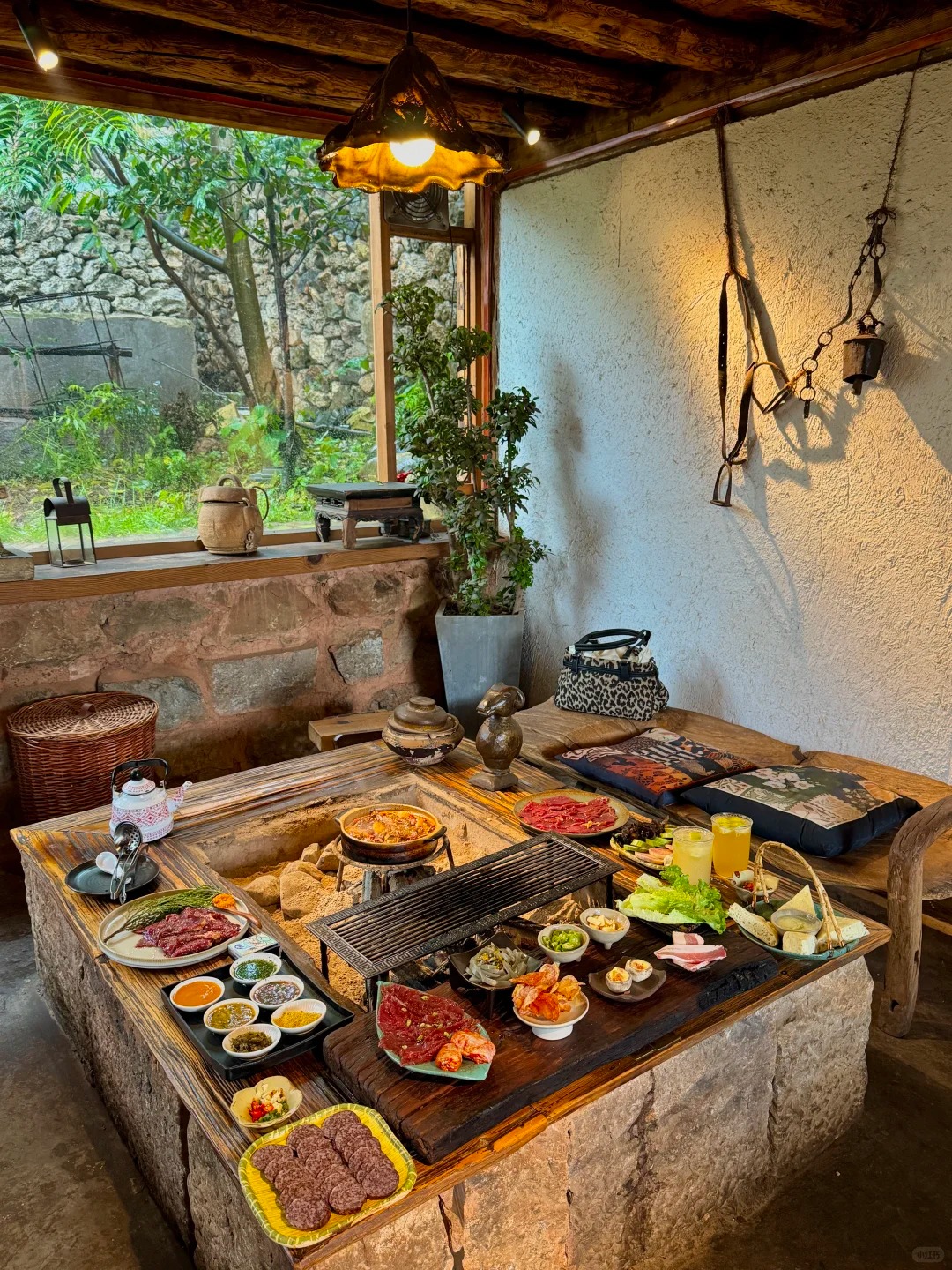
- Stone Lantern Courtyard Restaurant
-
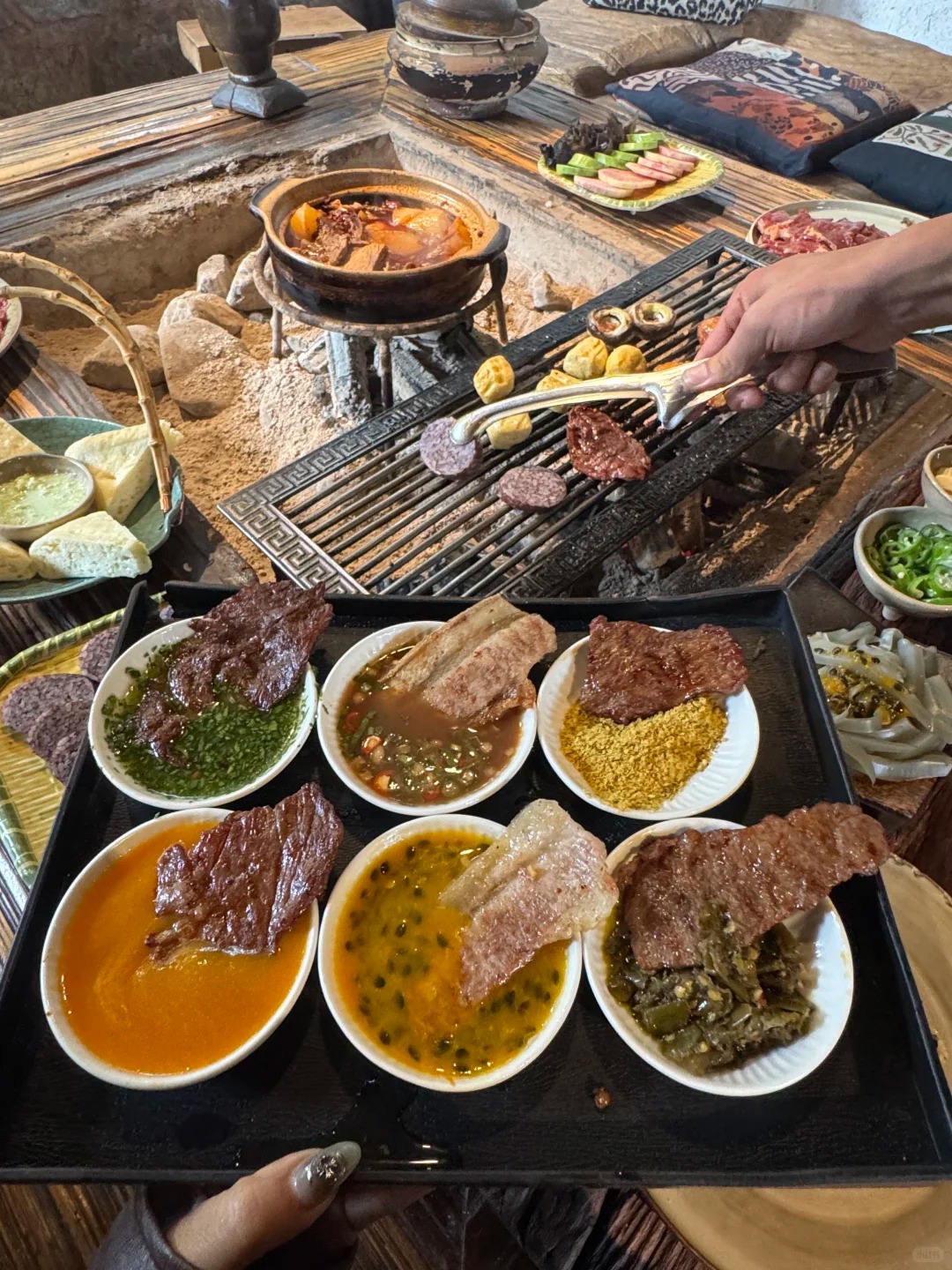
- Dishes of Stone Lantern Courtyard Restaurant
Stone Lantern Courtyard Restaurant sits closer to one of the quieter canal areas in Lijiang Old Town, where the crowd density drops slightly compared to the central streets. The restaurant uses traditional stone lantern decorations and low wooden seating, giving it a slightly more atmospheric feel at night.
Unlike more commercial rooftop places, this restaurant leans into simple Yunnan dishes rather than fusion or Western-style food. It attracts a mix of domestic travelers and foreign visitors who are exploring beyond the main dining clusters.
- Signature Dishes: grilled trout, Yunnan-style tofu, spicy potato slices
- Service: efficient but basic, staff focus more on turnover during peak hours
- Rating: around 4.3–4.5 depending on season
- Flavor Style: medium spice, slightly smoky, more savory than sweet
The grilled trout is usually recommended first, often served with garlic and chili on a hot plate. Potato slices are surprisingly popular here because of their strong cumin seasoning. Compared with more refined restaurants, presentation is simple, but portion sizes are generous.
Many travelers end up here after wandering away from the main Old Town streets, and surprisingly, they often say it feels more “real” than the famous spots nearby.
Rooftop Restaurants and Night Dining in Lijiang
Why Rooftop Dining Feels Different in Lijiang
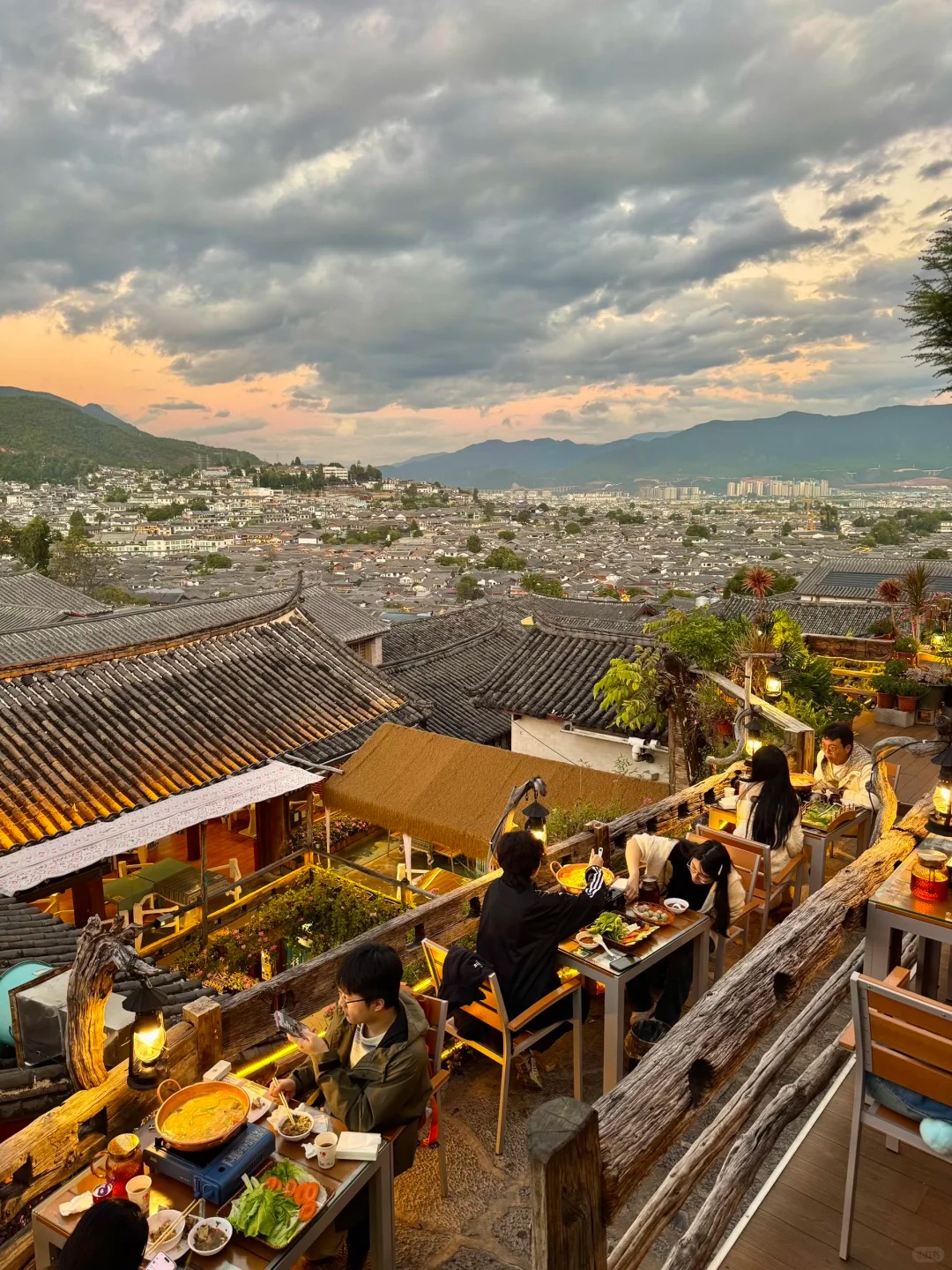
Rooftop Restaurants
A rooftop restaurant Lijiang experience feels different mainly because the Old Town sits low and dense. Wooden rooftops spread almost endlessly across the stone streets, so once you get above the alleys, the whole town starts looking layered instead of crowded. Around sunset, lanterns slowly turn on one section at a time. From above, it looks less like a tourist town and more like overlapping orange lights floating through the dark.
Rain changes the atmosphere even more. During light rain, rooftop tables usually stay busy because the wet roof tiles reflect lantern light across the Old Town. A lot of travelers actually prefer rainy evenings here. The city becomes quieter, music echoes farther, and barbecue smoke mixes with the colder mountain air.
Some rooftop places focus almost entirely on drinks and atmosphere, but a few restaurants manage to balance both food and views reasonably well.
- Restaurant: V Sherry Restaurant
- Signature Dishes: Mushroom pasta, mint beef, rose cocktails
- Service: Friendly toward foreign travelers, slower dinner pacing
- Rating: Around 4.4/5
- Flavor Style: Mild, fusion-style, not heavily spicy
- Restaurant: Sky View No.9 Terrace
- Signature Dishes: Yunnan beef hotpot, grilled mushrooms, fruit cocktails
- Service: Better for couples and quieter dinners
- Rating: Roughly 4.3/5
- Flavor Style: Slightly sweet cocktails, medium spice food options
Live music also changes the mood completely after dark. Some rooftop bars hire local singers playing folk songs or softer acoustic music. Other places accidentally create atmosphere just from nearby sounds drifting upward from the streets below.
People usually stay much longer at rooftop restaurants in Lijiang than they originally planned. Dinner slowly turns into drinks, then into sitting quietly watching the lanterns below.
The Best Time to Find a Good Table
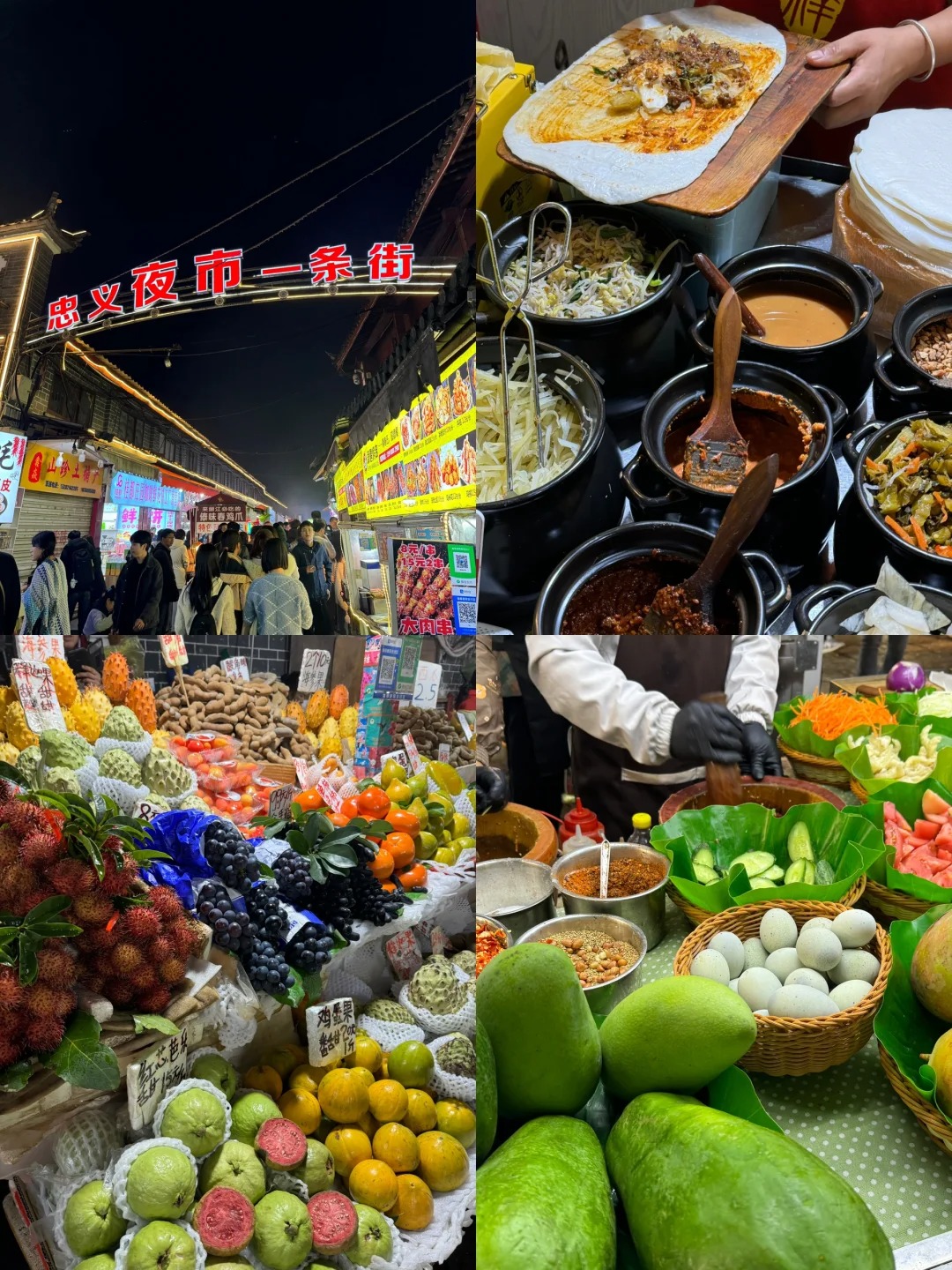
Zhongyi Market Night Stalls
Timing matters more than people expect when eating at a Lijiang restaurant at night. Around 5:30pm to 6:30pm, the rooftops still feel relatively calm. Staff move slower, sunset colors start appearing behind the mountains, and it becomes easier to grab the better balcony tables.
After roughly 7pm, especially during summer and Chinese holidays, the popular rooftops fill very quickly. The front-row seats facing the Old Town lights usually disappear first. Some restaurants allow reservations through WeChat, but smaller places still work mostly on a walk-in basis.
- Best Arrival Time: Around 30-45 minutes before sunset
- Peak Hours: 7pm-9pm
- Rainy Season Advantage: Cooler weather, softer lighting, fewer tour groups
- Busy Seasons: July-August and Chinese national holidays
Travelers who want the best photo angles usually fight for corner tables overlooking both the rooftops and mountain skyline. Honestly though, the quieter side tables sometimes feel better after an hour or two because the center balconies get crowded with people constantly taking photos.
If rooftop dining feels too packed, the smaller late-night food streets around Zhongyi Market become a better option. The atmosphere there feels more local and less staged.
- Night Food Area: Zhongyi Market Night Stalls
- Signature Dishes: Yak skewers, grilled tofu, rose yogurt, fried potatoes
- Service: Fast, casual, mostly street-food style
- Rating: Around 4.4/5 for atmosphere and local snacks
- Flavor Style: Smoky, salty, mildly spicy with some sweeter snack options
The market gets busiest after 9pm when bars start emptying into the nearby streets. Plastic stools, loud conversations, steam rising from grills — this part of Lijiang feels far more alive than the polished rooftop restaurants sometimes do.
Snow Mountain Panorama Rooftop Restaurant

Snow Mountain Panorama Rooftop Restaurant
Snow Mountain Panorama Rooftop Restaurant is located slightly higher than most rooftop spots in Lijiang Old Town, which gives it a clearer view of Jade Dragon Snow Mountain on good weather days. Compared with more central restaurants, it feels a bit quieter and less crowded, especially outside peak dinner hours.
- Signature Dishes: Yunnan-style grilled beef, mushroom hotpot, simple fried noodles
- Service: standard tourist service, slightly slow during sunset peak time
- Rating: around 4.3–4.5 depending on season and visibility
- Flavor Profile: mild to medium spice, slightly salty, not sweet-focused
This place is less about cocktails and more about the open view. On clear evenings, the snow peak becomes visible just before sunset, which is why many people stay longer than planned even if the food is fairly simple.
Most visitors don’t come here for the menu—they come for the moment when the snow mountain finally appears behind the rooftops.
Sky View No.9 Terrace
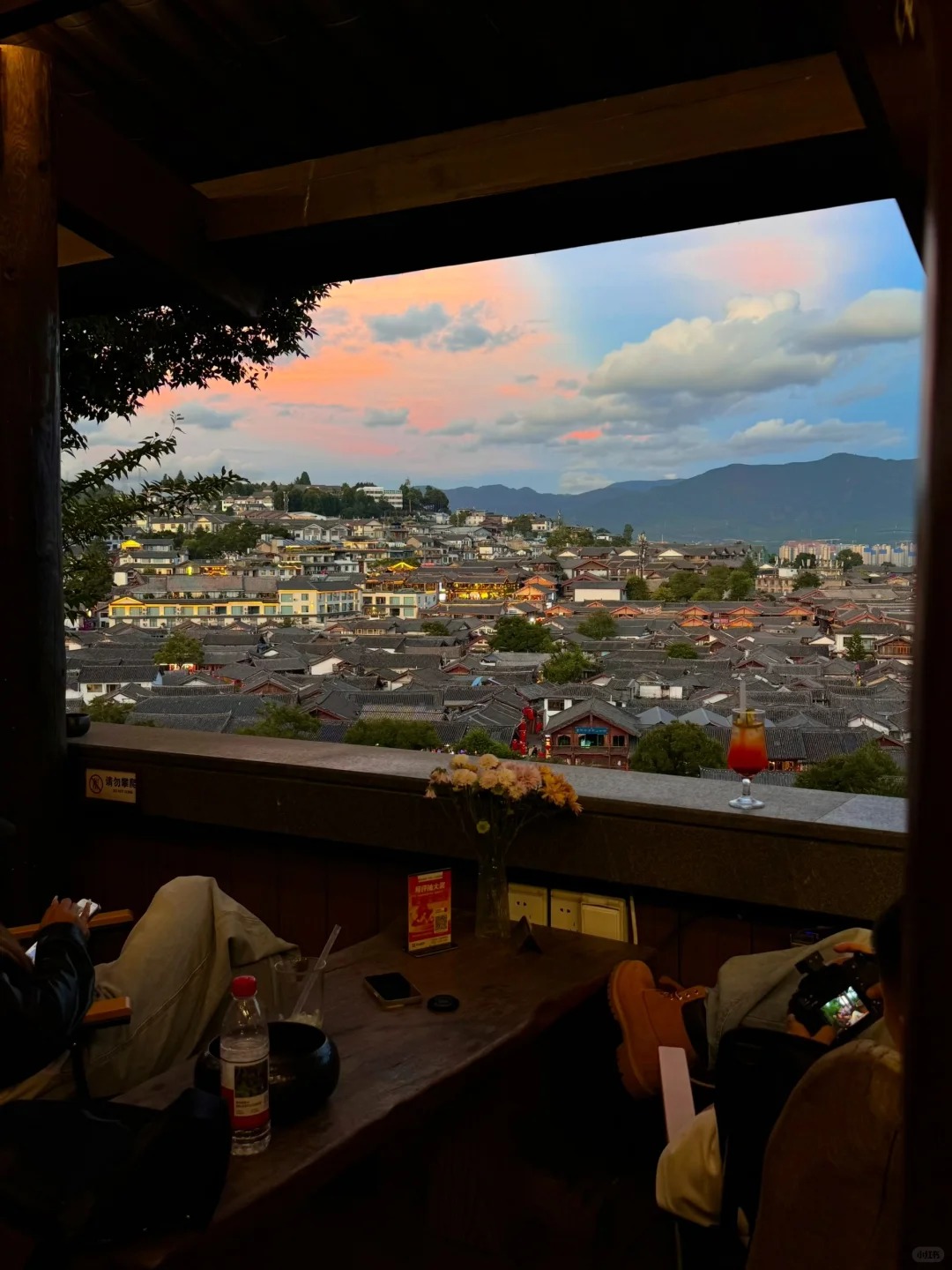
Sky View No.9 Terrace
Sky View No.9 Terrace is a quieter rooftop option compared to V Sherry, often chosen by travelers who want a more relaxed dinner without too much crowd noise. It sits slightly away from the busiest lanes of Lijiang Old Town.
- Signature Dishes: Yunnan beef hotpot, grilled mushrooms, fruit-based cocktails
- Service: more private feel, slower but attentive
- Rating: around 4.3/5 depending on season
- Flavor Profile: balanced taste, mild spice, slightly sweet drinks
This is a better option for people who want to actually talk during dinner instead of constantly taking photos.
The View Rooftop Café
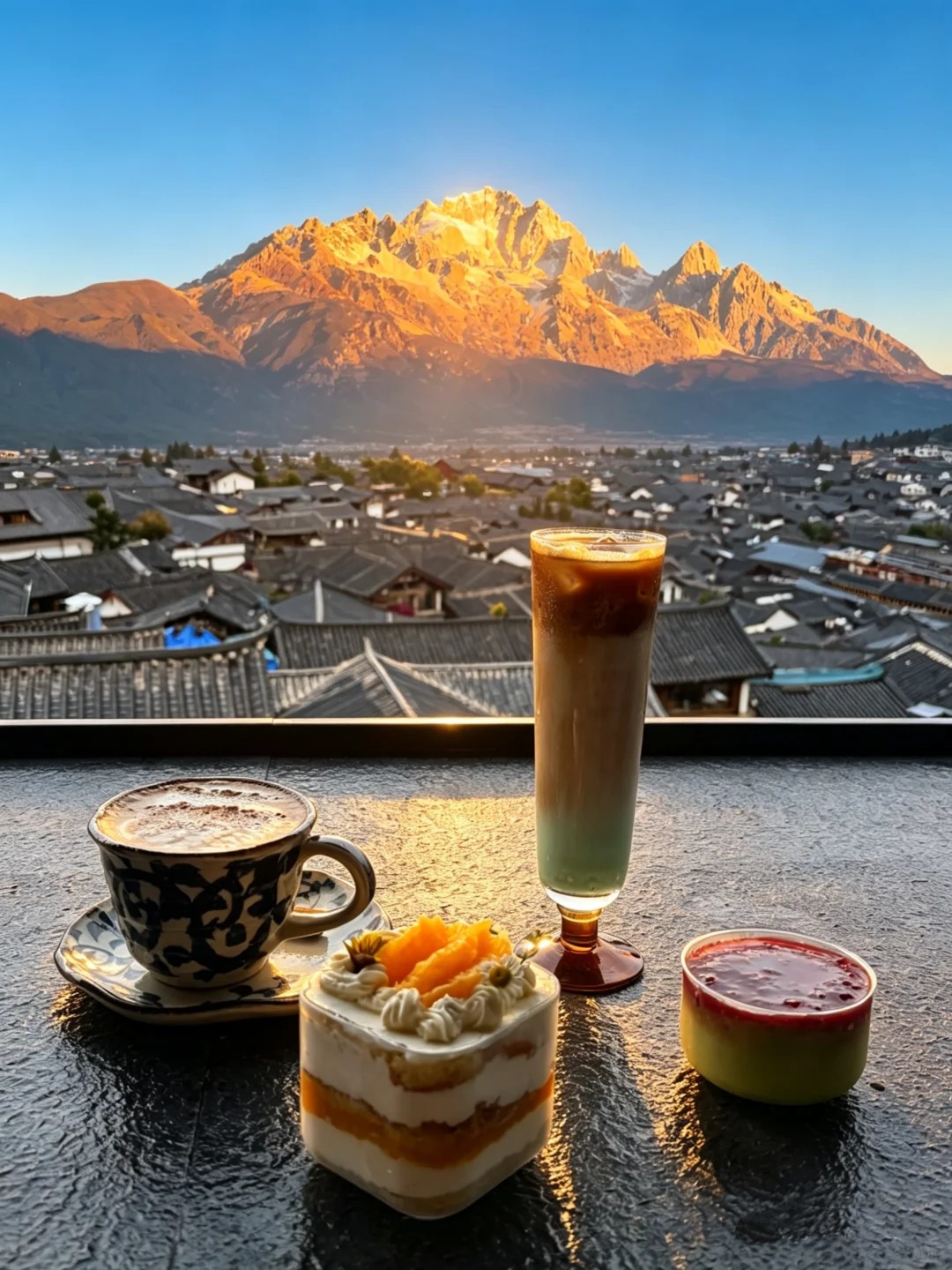
The View Rooftop Café
The View Rooftop Café is smaller and less commercial than the other two, but it attracts steady traffic in the evening because of its direct overlook of the Old Town lantern streets.
- Signature Dishes: simple grilled skewers, fried rice, local beer sets
- Service: casual, self-paced ordering, less formal than rooftop restaurants
- Rating: around 4.2–4.4/5
- Flavor Profile: mildly salty, slightly smoky, low sweetness
This is the kind of place where people come for one drink and accidentally stay for two hours watching the rooftops light up one by one.
What to Eat in Lijiang Besides Rice Noodles
Wild Mushroom Hotpot
-
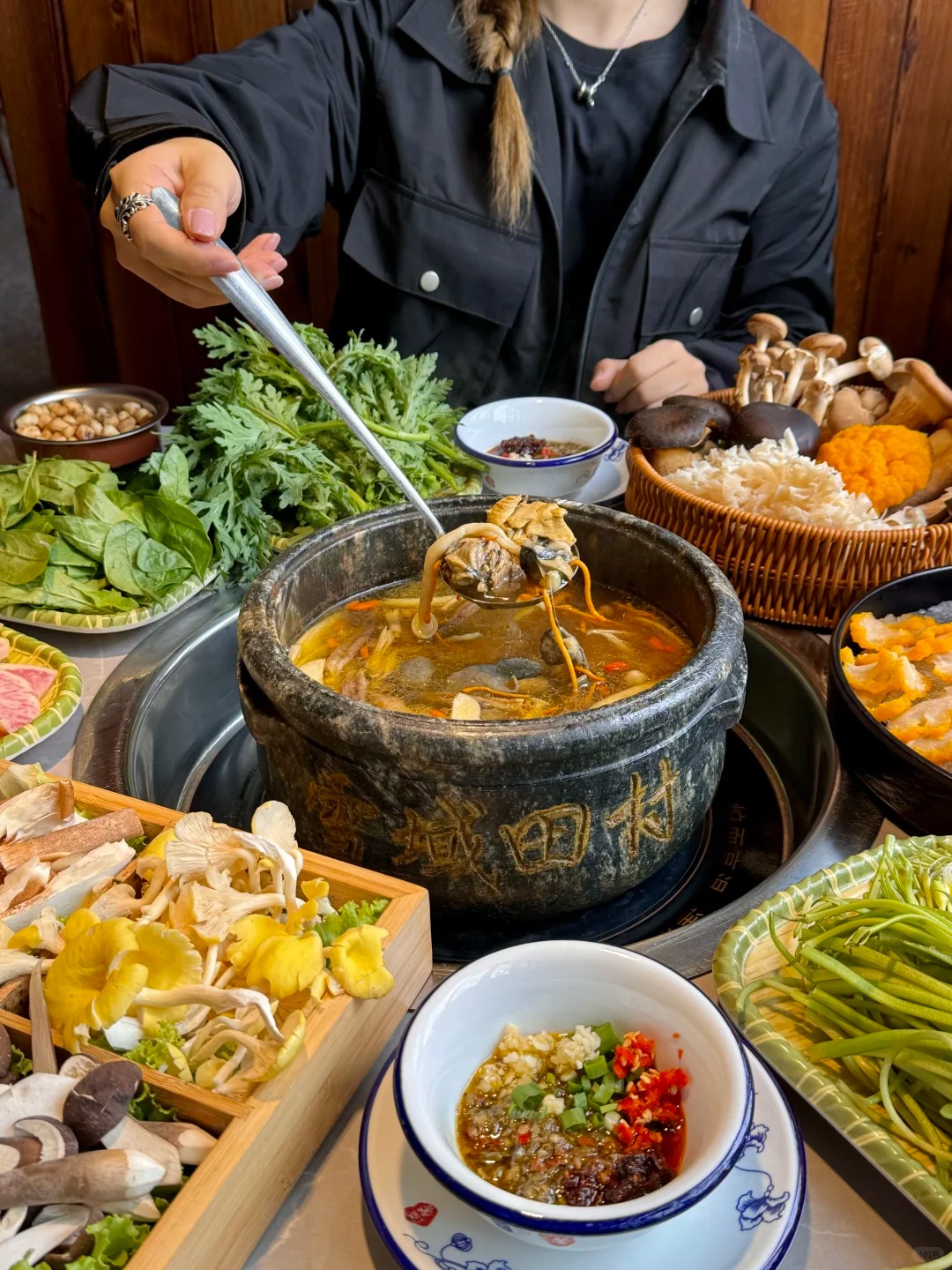
- Shiguo Junwang Mushroom Hotpot
-
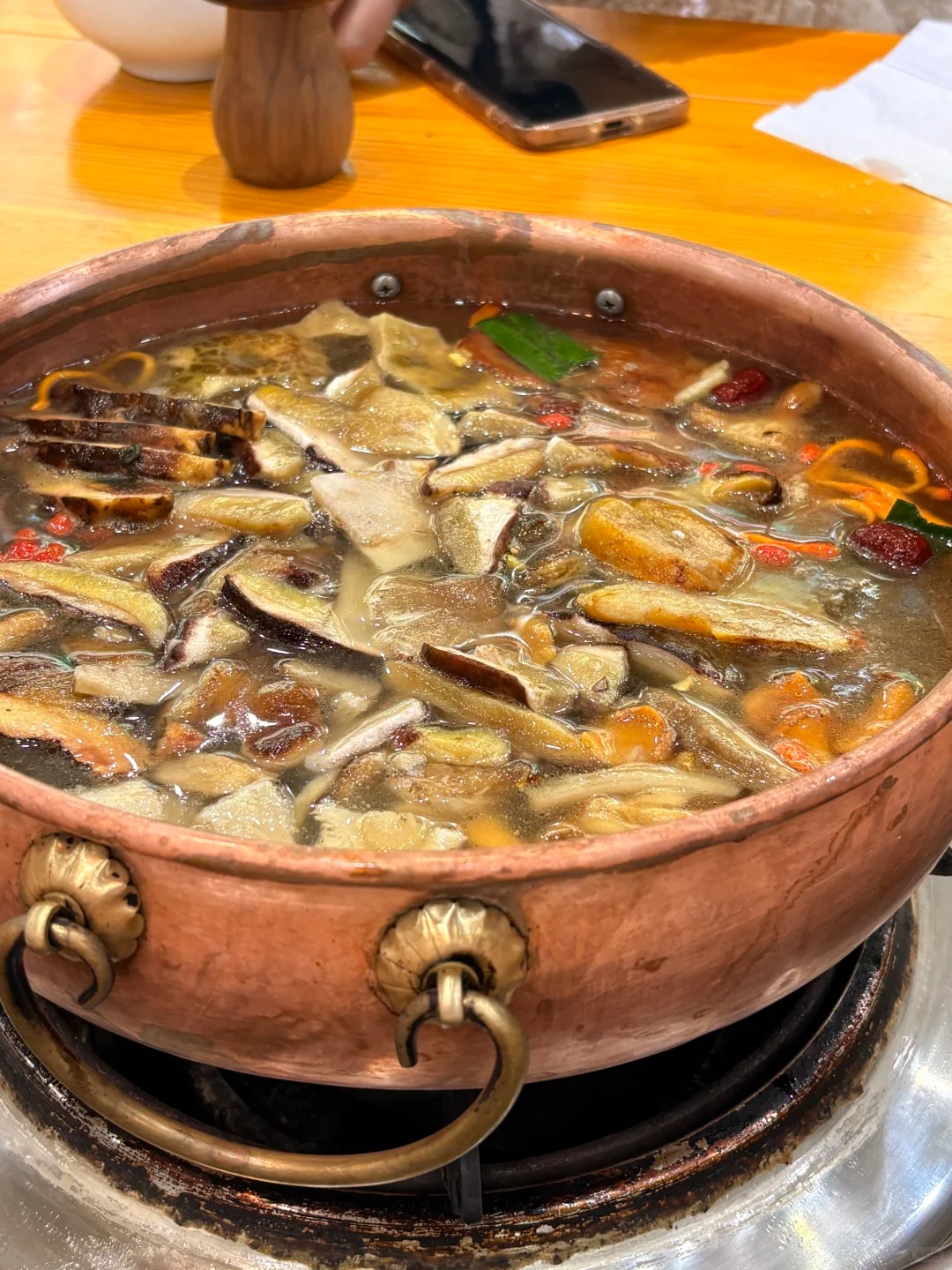
- Junxiangyuan Wild Mushroom Hotpot
Wild mushroom hotpot shows up in almost every serious Yunnan food in Lijiang conversation, and after trying it a few times, the hype starts making sense. Yunnan has one of the largest varieties of wild mushrooms in China, especially during the rainy season from roughly June to September. Some restaurants display baskets of fresh mushrooms near the entrance like seafood tanks. Locals stop and inspect them very carefully too, which tells you how seriously people take this stuff here.
One thing that surprises first-time visitors is how strict restaurants are about cooking time. Staff will often tell customers not to touch the mushrooms for at least 15 or 20 minutes. At first it feels overly cautious, then somebody explains that undercooked wild mushrooms can actually cause hallucinations or food poisoning. Suddenly everyone waits patiently.
- Representative Restaurants: Shiguo Junwang Mushroom Hotpot, Junxiangyuan Wild Mushroom Hotpot
- Signature Dishes: Wild mushroom soup, mixed seasonal mushroom pot, mushroom fried rice
- Service Style: Staff usually explain cooking times and help choose mushroom types
- Rating: Most popular mushroom restaurants stay around 4.4-4.6/5 locally
- Flavor Style: Earthy, rich, lightly herbal, usually not very spicy
The flavor is deeper than normal mushroom soup back home. Some broths taste almost meaty even without much meat inside. Foreign travelers who enjoy hotpot usually adapt quickly to it. The harder part for some people is the texture. Certain mushrooms feel soft and slippery in a way that not everyone likes immediately.
Honestly, mushroom hotpot works best on colder nights in Lijiang. The altitude cools the city down faster than many visitors expect after sunset, especially near the Old Town canals.
Naxi Barbecue
-
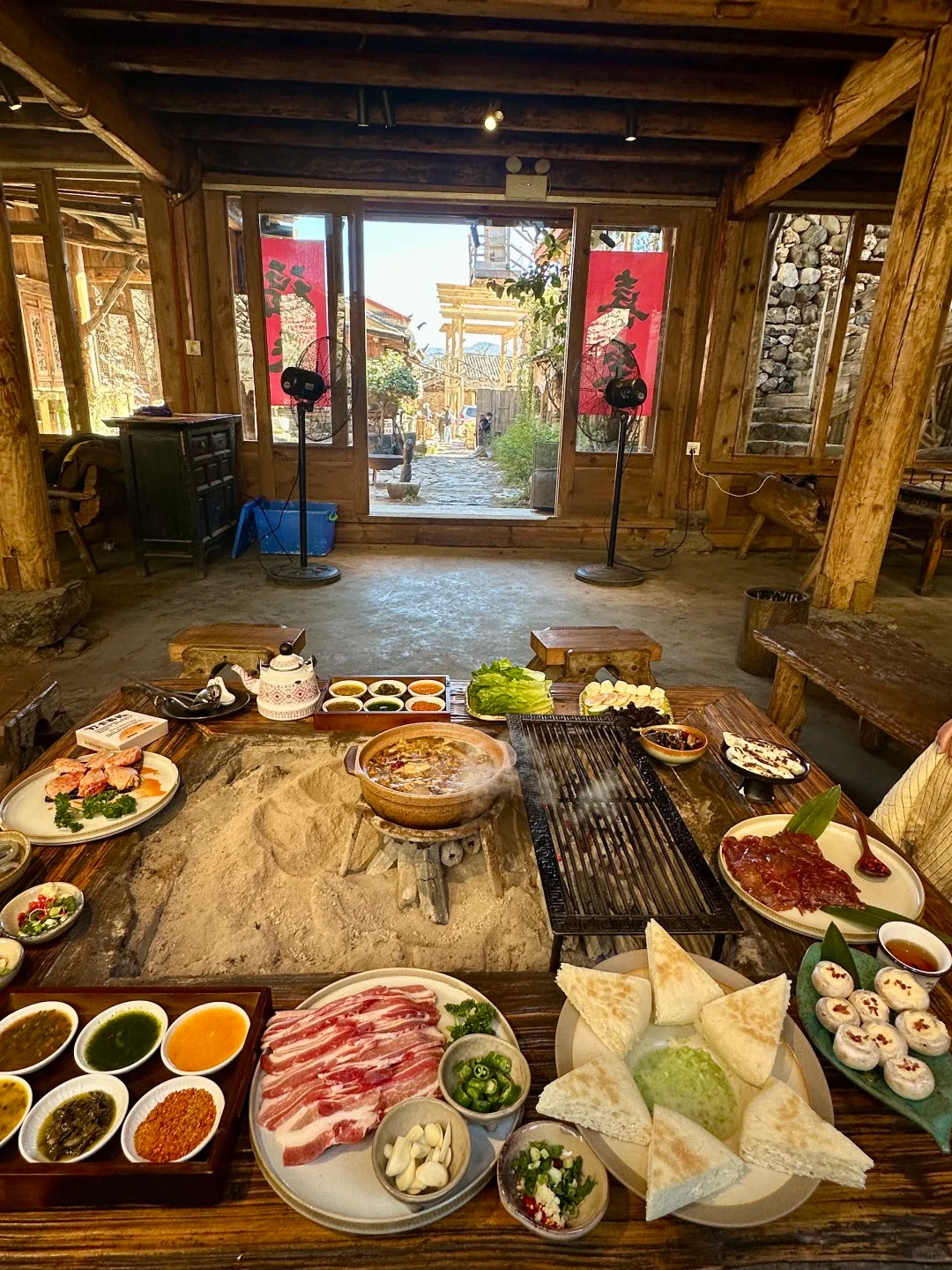
- Old Town Charcoal Naxi BBQ
-
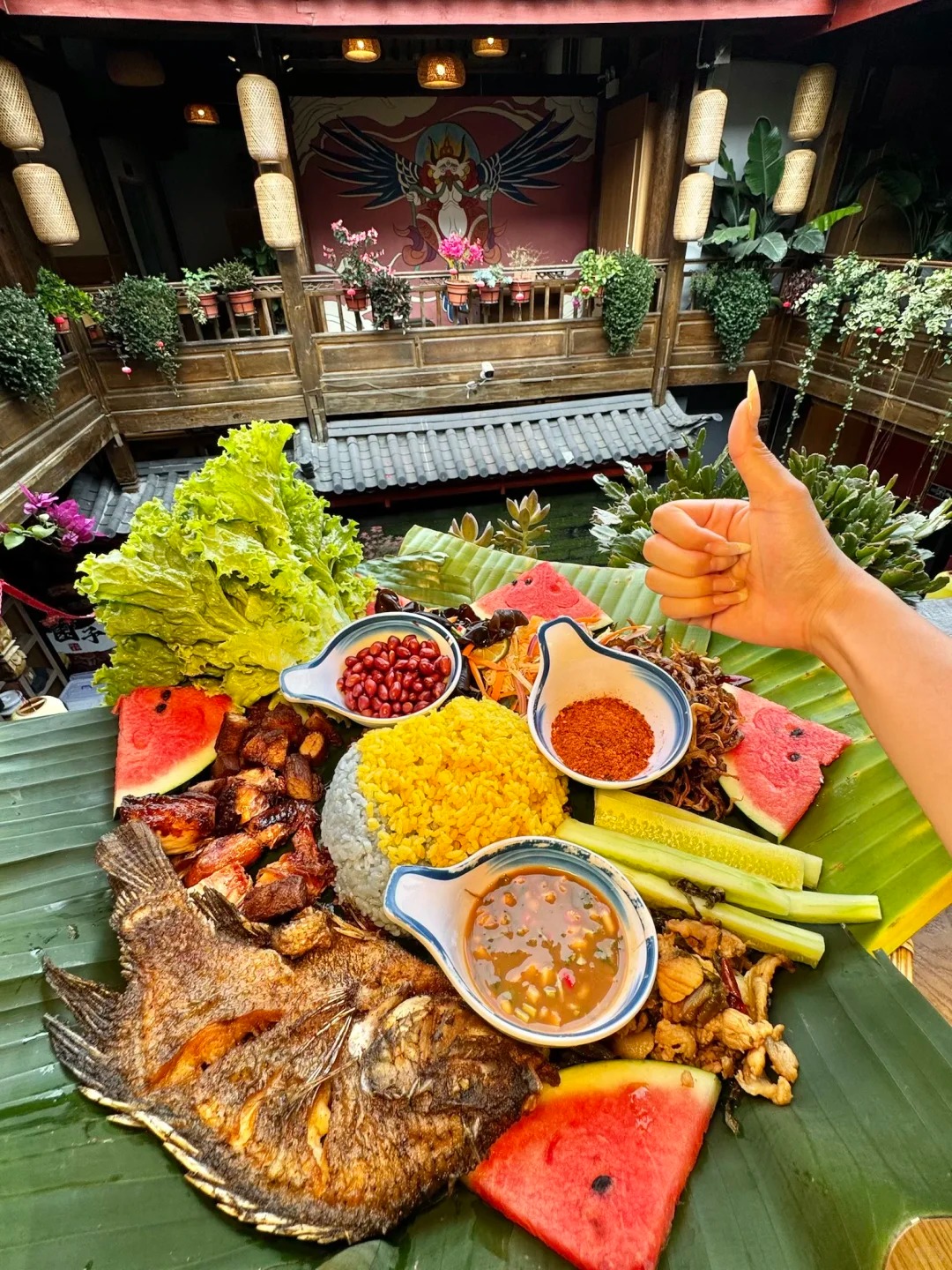
- Black Goat BBQ Courtyard
Naxi barbecue feels less like a formal meal and more like something people slowly drift into after dark. Around 8pm, the smell of charcoal starts spreading through the stone alleys near the Old Town bars and smaller side streets. Tables fill up with beer bottles, skewers, and smoke thick enough to stick to jackets afterward.
Compared with Beijing-style barbecue or heavier northeastern Chinese grilling, Lijiang old town food tends to stay simpler. More cumin, less sauce. Yak meat appears constantly on menus, though honestly the quality depends heavily on the restaurant.
- Representative Restaurants: Old Town Charcoal Naxi BBQ, Black Goat BBQ Courtyard
- Signature Dishes: Yak skewers, grilled mushrooms, spicy potatoes, charcoal tofu
- Service Style: Fast-paced, casual, often noisy during peak evening hours
- Rating: Usually around 4.3-4.5/5 mainly for atmosphere and late-night energy
- Flavor Style: Smoky, salty, mildly to medium spicy depending on chili powder
The yak skewers taste leaner than regular beef, sometimes slightly gamey. Not everyone loves them immediately. The safer orders are usually grilled mushrooms and potatoes, especially with local Yunnan beer.
What makes Naxi barbecue memorable is really the atmosphere around it. Plastic stools, cold mountain air, smoke drifting between lanterns, somebody singing badly nearby after two beers — that combination feels much more “Lijiang” than expensive rooftop dining sometimes does.
Chickpea Jelly and Rose Pastry
-
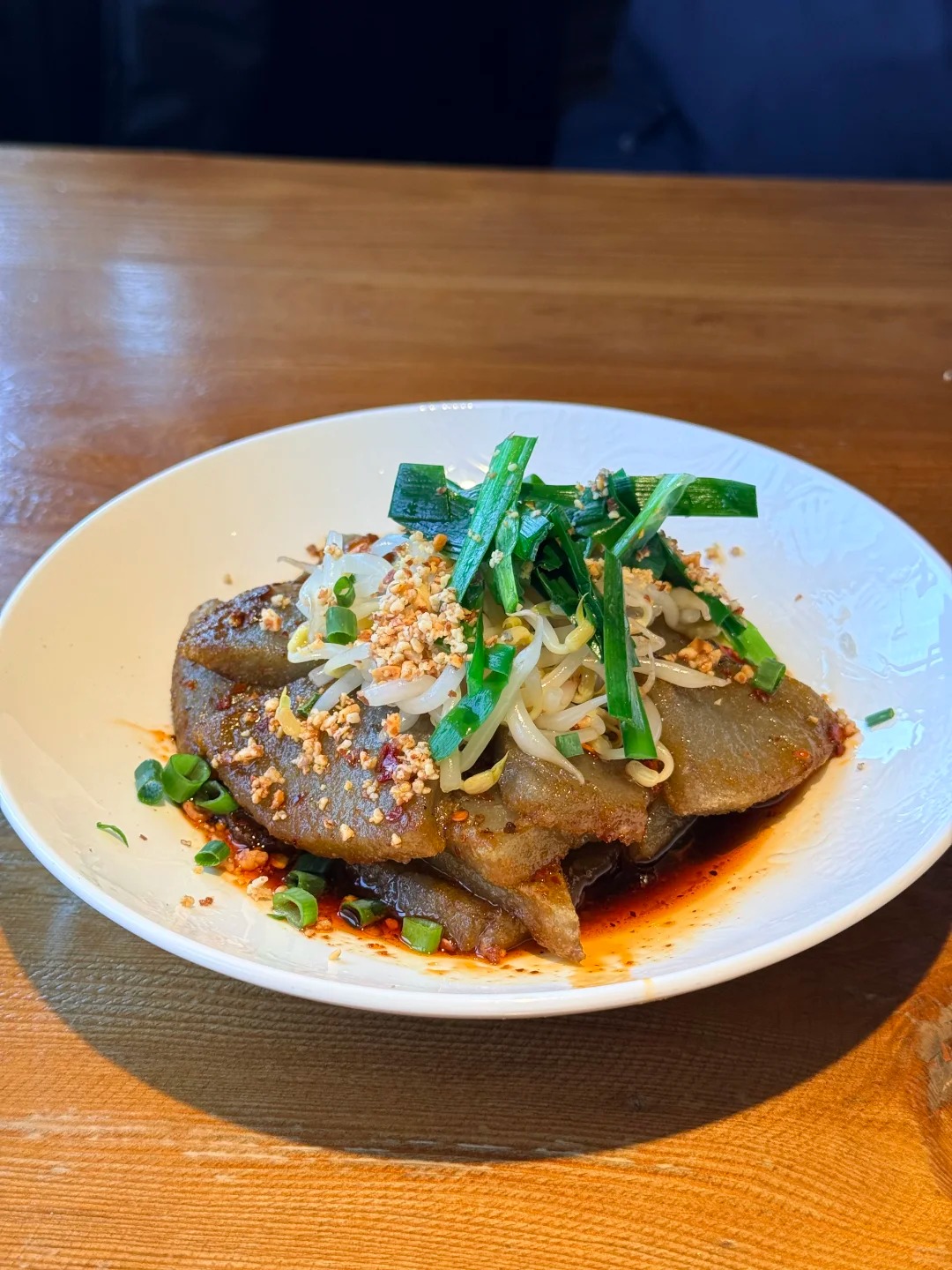
- Chickpea Jelly
-
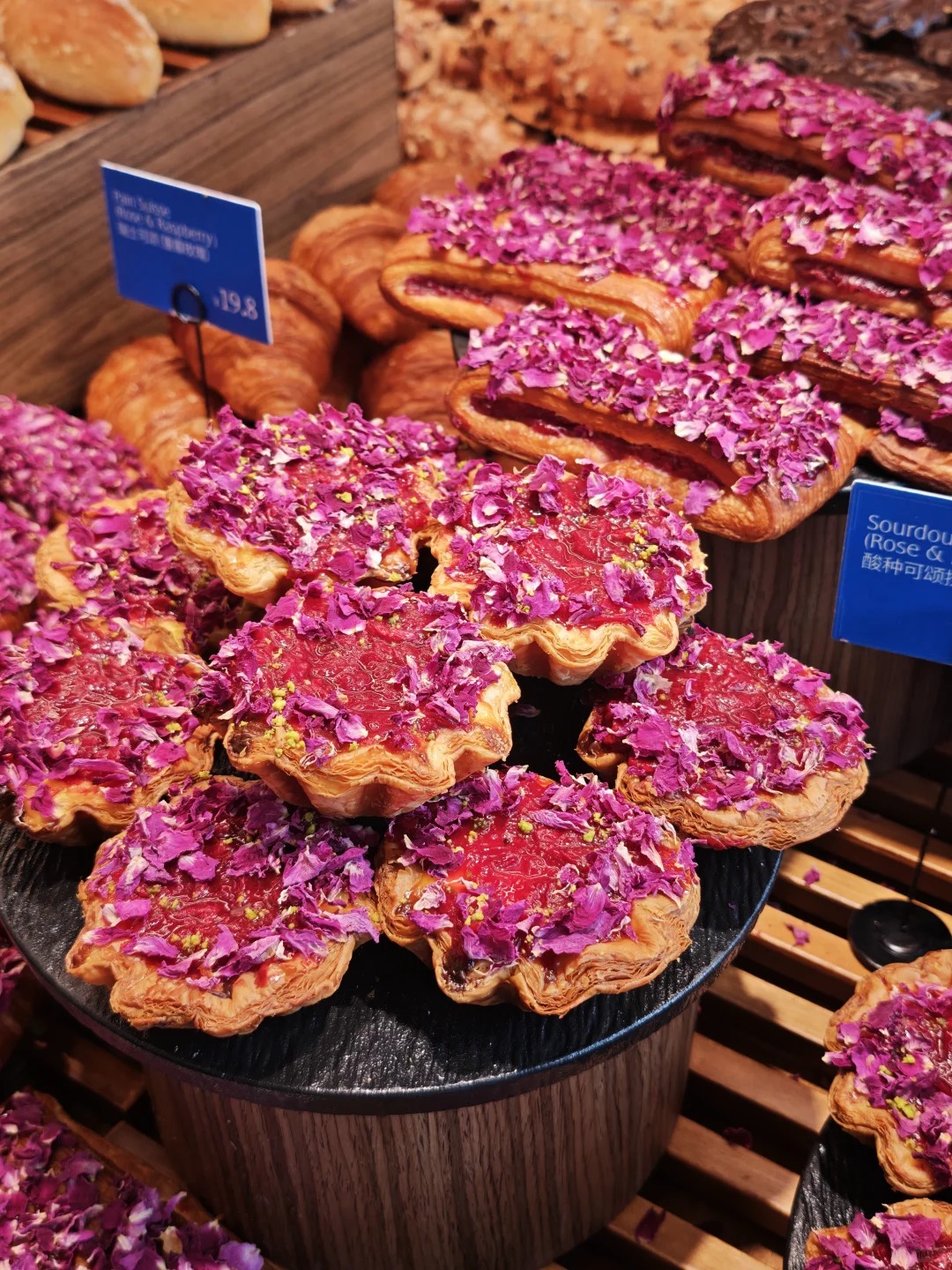
- Rose Pastry
These are probably the two local food in Lijiang items that confuse foreign travelers the most at first bite. Chickpea jelly, called Ji Dou Liang Fen locally, looks firmer than it tastes. It usually arrives cold with vinegar, garlic, soy sauce, chili oil, and herbs poured over the top.
The texture catches people off guard immediately. Soft, slippery, slightly chewy. Some travelers love it because it feels refreshing after greasy barbecue meals. Others clearly spend half the meal trying to decide if they actually enjoy it.
- Representative Restaurants: Small snack shops inside Dayan Old Town, A Ma Yi Naxi Restaurant
- Signature Dishes: Chickpea jelly, rose pastry, rose yogurt drinks
- Service Style: Mostly quick snack-style service
- Rating: Around 4.2-4.5/5 depending heavily on personal taste
- Flavor Style: Chickpea jelly is savory and mildly spicy; rose pastry is sweet and floral
Rose pastry divides people even faster. The filling tastes strongly floral, almost perfume-like to some visitors. Chinese tourists often buy boxes to take home, but foreign travelers usually react in two completely different ways: either “surprisingly good” or “this tastes like soap.”
Still, both dishes are worth trying once. Part of eating through Lijiang restaurant food is figuring out which local flavors actually stay with you afterward, even the strange ones.
Useful Tips Before Eating at a Lijiang Restaurant
English Menus Are Common in Tourist Areas
Around Lijiang Old Town, finding an english menu lijiang restaurant setup is honestly easier than many travelers expect. Most rooftop restaurants, larger Naxi restaurants, and places near the busiest stone streets usually have at least partial English translations. The problem is accuracy. Some menu translations feel surprisingly clear, while others turn into strange phrases that explain almost nothing. I once saw a mushroom dish translated as “forest bacteria explosion,” which did not exactly help.
Photo menus usually work much better. Many restaurants in the tourist parts of Lijiang include large dish pictures beside the names, and that honestly prevents a lot of ordering mistakes. If the menu looks confusing, checking nearby tables first is sometimes the safer move. Watching what local groups order tends to work better than trying to decode awkward translations.
Another useful trick is keeping the Chinese dish name screenshot on your phone before going out for dinner. Staff in busy restaurants often recognize the photo immediately, even if English communication feels limited.
Most Food in Lijiang Is Less Spicy Than People Expect
A lot of visitors arrive expecting Sichuan-level heat everywhere in Yunnan, but spicy food in Lijiang usually feels more manageable. Even the hotter dishes tend to focus more on smoky flavor, herbs, or mushroom richness rather than pure chili overload.
Wild mushroom dishes are often barely spicy at all. Most mushroom hotpots rely more on earthy broth and fresh ingredients than heavy seasoning. Naxi barbecue can become spicy if extra chili powder gets added, but restaurants usually adjust the heat level without much trouble.
Compared with Chengdu or Chongqing, the spice in Lijiang feels softer and easier to control. That said, some Sichuan-style restaurants near the bars and night streets still go quite heavy on oil and chili. If unsure, asking for “little spicy” normally works fine.
The altitude also changes how heavy food feels after a long day walking through the Old Town. Rich hotpot and strong chili sometimes hit harder than expected up there.
Mobile Payment Is Everywhere but Cash Still Helps Sometimes
Paying in Lijiang restaurants is mostly straightforward now. WeChat Pay and Alipay dominate almost everywhere, including smaller cafes, barbecue stalls, and many snack shops hidden inside the older alleys. Even tiny late-night places often have QR codes taped directly onto the tables.
Foreign bank cards connected to Alipay or WeChat usually work in larger restaurants, though smaller family-run places can still get confused occasionally. I remember one barbecue shop near the north side of Lijiang Ancient Town only accepting local QR payments and cash because their card machine “stopped working” sometime months earlier and apparently never returned.
Cash still helps as backup, especially for:
- night markets
- older street stalls
- very small local restaurants
Credit cards remain less reliable overall. Visa and Mastercard work mainly in hotels, upscale restaurants, or larger tourist businesses. For normal dinners around the Old Town, mobile payment or cash feels much safer.
FAQ About Lijiang Restaurants
Q: What food is Lijiang most famous for?
Lijiang is mainly known for wild mushroom dishes, Naxi barbecue, and local snacks like chickpea jelly. Many travelers also try Yunnan-style hotpot made with seasonal mushrooms. Around Lijiang Old Town, restaurants usually combine these traditional dishes with more tourist-friendly options like grilled meat and simple stir-fried vegetables. The overall food style is less oily than Sichuan but still rich in flavor.
Q: Are Lijiang restaurants expensive?
Prices vary depending on location. Inside Lijiang Old Town, a normal meal usually costs around ¥80–150 per person, while rooftop restaurants can go up to ¥150–250 per person. Smaller local eateries outside main tourist streets are cheaper. Compared with big cities like Shanghai or Beijing, Lijiang is still relatively affordable, especially for casual dining and street food.
Q: Is food in Lijiang spicy?
Most food in Lijiang is not extremely spicy compared to Sichuan cuisine. Mushroom dishes are usually mild and earthy, while barbecue can be adjusted depending on how much chili is added. Some restaurants do serve spicy Sichuan-style dishes, but you can usually request “less spicy.” Overall, spice levels are flexible and manageable for most foreign travelers.
Q: What is the best restaurant area in Lijiang?
The most popular area is definitely Lijiang Old Town, especially the narrow streets near the canals and rooftop clusters. This area has the highest concentration of restaurants, from traditional Naxi courtyards to modern rooftop dining spots. Outside the Old Town, the quieter streets also have good local places, often with fewer crowds and slightly lower prices.
Q: Do Lijiang restaurants accept foreign tourists easily?
Yes, most restaurants in tourist areas are used to foreign visitors. Many have English menus or picture menus, especially around the Old Town. Staff may not always speak fluent English, but ordering is usually not difficult. Pointing at dishes or using translation apps works fine in most situations.
Q: Are rooftop restaurants in Lijiang worth it?
Rooftop restaurants are more about atmosphere than pure food quality. The view over Lijiang Old Town at sunset or night is the main reason people go. Places like V Sherry are popular because of the scenery and relaxed dinner setting. If the goal is local food only, rooftop spots may feel slightly overpriced, but for views and experience, they are usually worth it.
Q: What time do restaurants get busy in Lijiang Old Town?
Dinner rush usually starts around 6:30pm to 7:30pm. Rooftop restaurants and popular barbecue places fill up quickly during this period. After 8pm, some places have waiting lines, especially in peak travel seasons. Earlier dinner or slightly later after 9pm is usually easier for getting seats without waiting.
Q: Is mushroom hotpot safe in Lijiang?
Yes, mushroom hotpot is safe as long as it is properly cooked. Restaurants are usually very careful with wild mushrooms and often remind customers about cooking time. The key is to wait at least 15–20 minutes before eating. Locals take this seriously because some wild mushrooms require full cooking to be safe.