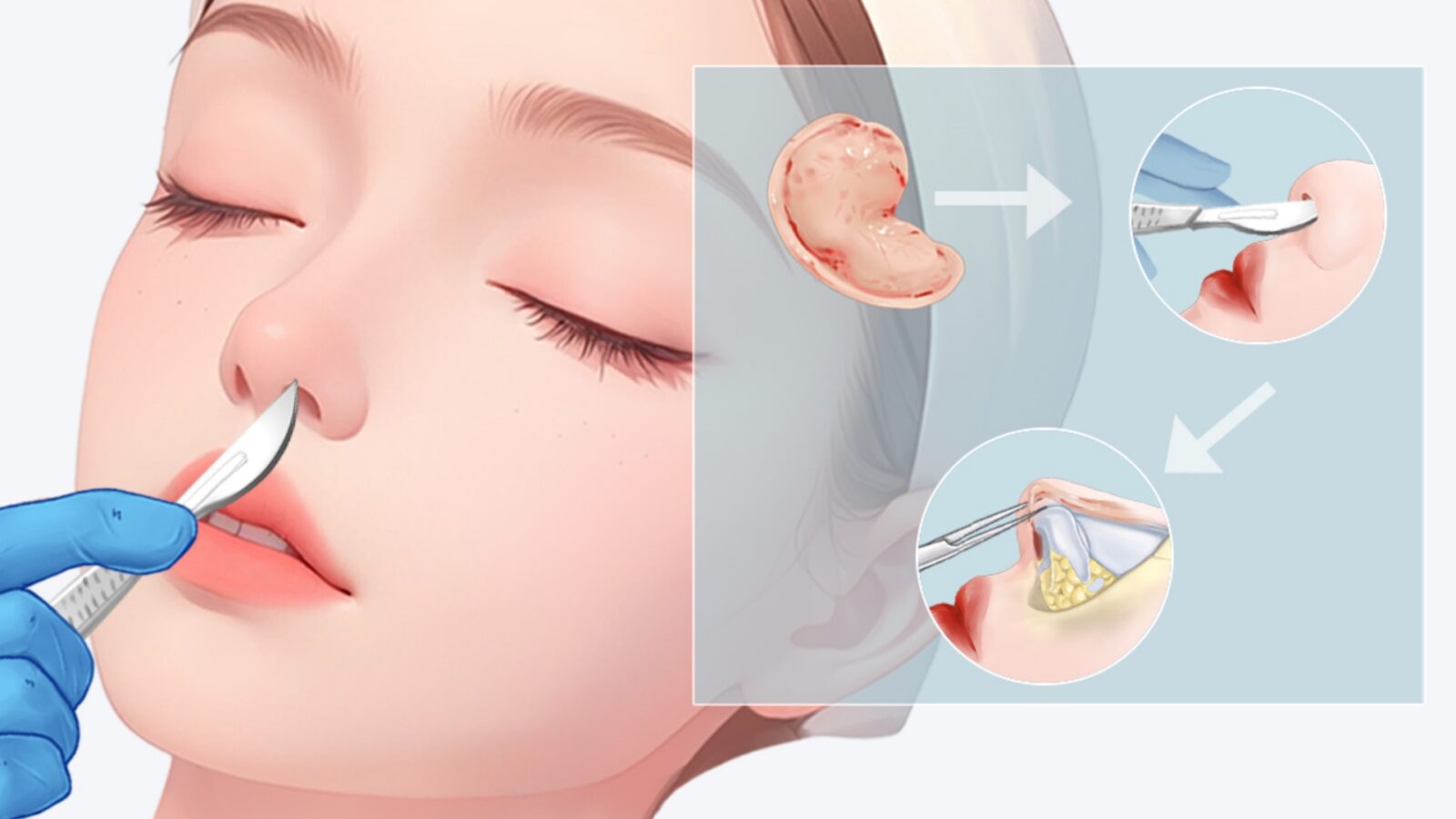
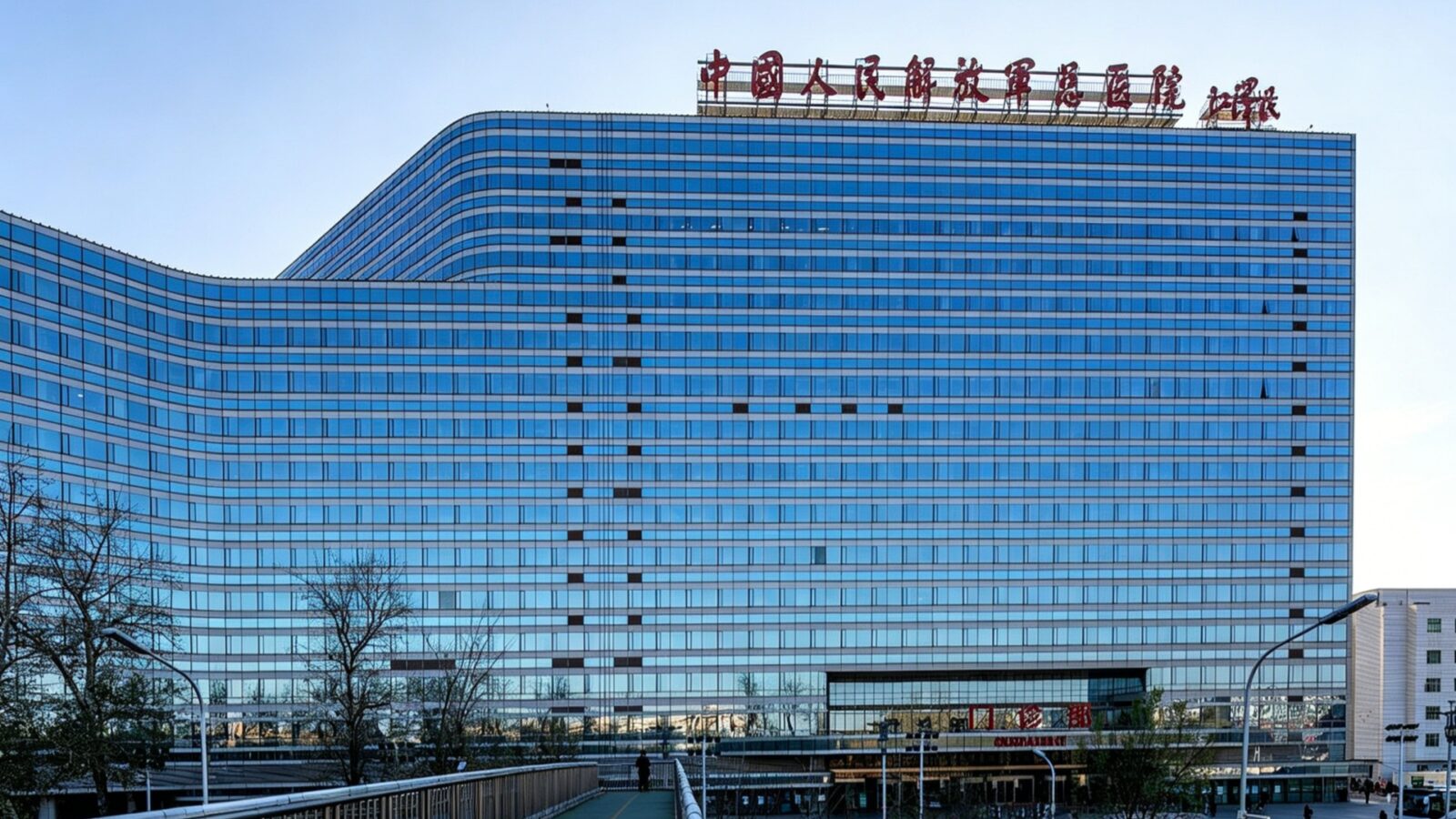
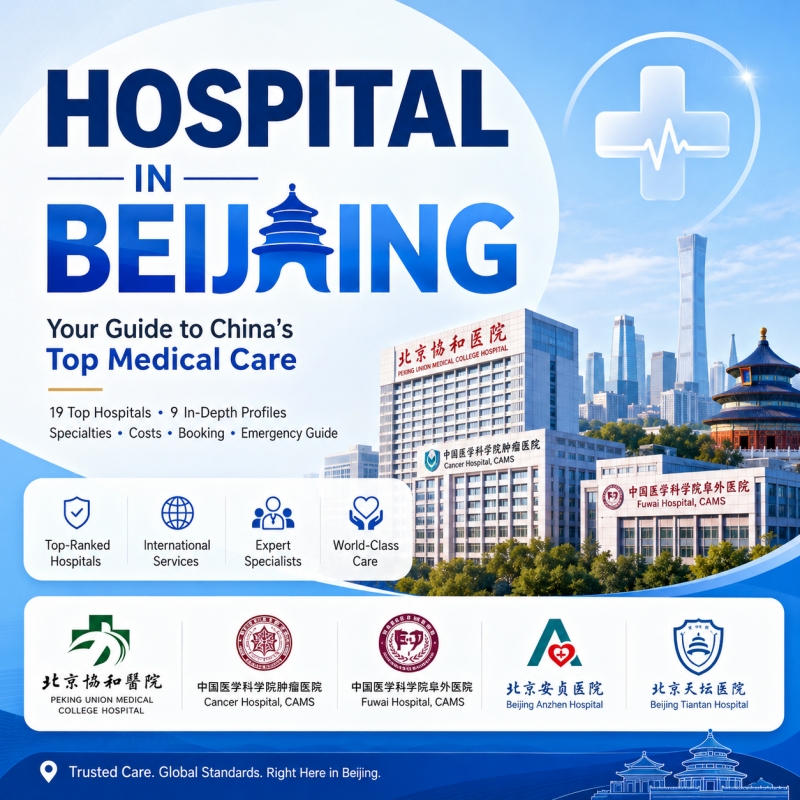
The global medical tourism market reached $35-38 billion in 2024. Industry analysts project 16.1% compound annual growth through 2030. The Asia-Pacific region now dominates 75% of the worldwide market share. Traditional healthcare systems struggle with long waiting times and high costs. These factors push patients toward top-medical-tourism-countries offering immediate access, high-quality care, and significant cost savings. Leading destinations such as Thailand, India, and Malaysia have become focal points for this expansion, leveraging advanced infrastructure and specialized expertise to meet the surging international demand.
🏙️ Ready to pinpoint the exact destination for your treatment? Dive into our [Premier 10 Health Tourism Cities 2026] to see why Shanghai’s rapid ascent is making it a global favorite for international patients!
Three Major Advantages Driving Medical Tourism Growth in 2026
1. Massive Cost Savings: Patients Save 50-90% Compared to Western Healthcare Prices
Save between 50% and 90% in comparison with prices in the United States or the United Kingdom. Heart surgery in India costs between $5,000 and $15,000, while in America, it can cost up to $150,000. The cost of hip replacement in Thailand is $12,000 instead of $50,000 in their countries. Turkey has all-inclusive hair transplants for $2,500-4,000 instead of $12,000. The financial advantages accrue across nearly all kinds of procedures.
2. Dramatic Waiting Time Reduction: Access Surgery Within Weeks Instead of Months
India schedules major surgeries within 2 weeks of consultation. The UK's NHS requires patients to wait 6-12 months for the same procedures. Thailand's JCI-accredited hospitals offer immediate booking for elective surgeries. Germany provides access to cutting-edge cancer treatments without bureaucratic delays. Time-sensitive patients benefit dramatically from these accelerated timelines.
3. Advanced Technology Access: Experimental Treatments Available Abroad Before Home Approval
Stem cell therapies are considered experimental in Western countries but can be performed elsewhere. For example, FDA-unapproved innovative treatments are legally provided in the Boao Lecheng pilot zone in China. Moreover, proton beam therapy costs less than a third of what it does in America. Developing nations compete by usurping the latest technological advances in medicine. This allows patients to explore treatments that are yet to be available in their countries.
Top 10 Medical Tourism Countries: Comprehensive Rankings for 2026
This section analyzes the world's leading medical tourism countries in depth. Each destination excels in specific specialties and price points. We examine industry statistics, cost comparisons, top hospitals, and visa requirements. The rankings reflect patient volume, safety records, and value propositions.
NO. 1 Thailand - The Global Leader in Medical Tourism Excellence
Thailand
Industry Statistics: Every year, Thailand earns the applause of 3 million medical tourists. In turn, this industry earned $4.5 billion in revenue in 2024. The country has about 62 JCI-accredited medical institutions throughout its territory. Bangkok and Phuket are the major medical hubs of Thailand. Thailand ranks highest in medical tourism satisfaction scores worldwide.
Best For: Cosmetic surgery procedures including facelifts and breast augmentation. Dental implants and full-mouth reconstructions attract thousands yearly. Orthopedic surgeries like hip and knee replacements show excellent outcomes. IVF and fertility treatments offer success rates matching Western clinics. Wellness retreats combine medical care with traditional Thai healing practices.
Cost Example: Hip replacement surgery costs $12,000 in Thailand. The identical procedure runs $50,000 in the United States. Patients achieve 76% savings on this common orthopedic intervention. Dental implants cost $1,000-2,000 per tooth versus $3,000-6,000 domestically. Full-mouth All-on-4 restorations run $4,000-8,000 total.
Top Hospitals:
- Bumrungrad International Hospital: Treats 1.1 million patients from 190 countries annually. The facility earned JCI accreditation and maintains English-speaking staff throughout.
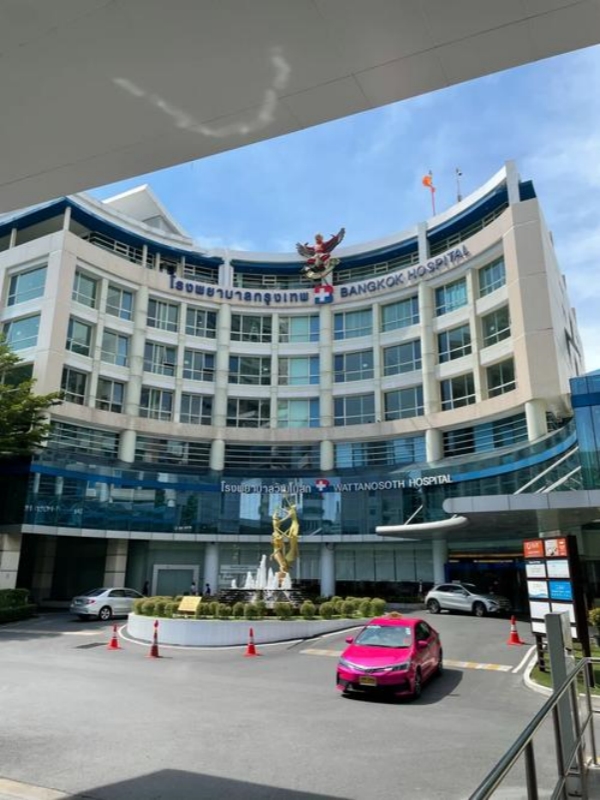
- Bangkok Hospital: Operates 14 JCI-accredited locations across Thailand. Specializes in cardiology, oncology, and orthopedic procedures.
- Samitivej Hospital: Known for pediatrics, maternity care, and complex surgeries. Offers premium amenities with hotel-level patient rooms.
Visa Requirements: Thailand introduced a 90-day Medical Treatment Visa in 2023. Applicants need a hospital invitation letter and medical records. Processing takes 5-7 days with approximate $80 fees. The visa allows ample time for surgery and recovery.
Language Support: English proficiency remains excellent across all major hospitals. Multilingual staff speak Arabic, Russian, Chinese, and other languages. Communication barriers rarely pose problems for international patients.
NO. 2 China - Emerging Dark Horse with Traditional Medicine Integration
China
Industry Statistics: China has 77 hospitals accredited by the Joint Commission International, which puts it ahead of Thailand and India. Boao Lecheng Medical Tourism Pilot Zone of Hainan welcomed 260,000-plus medical tourists in 2024, reflecting a year-on-year growth of 45% in the volume of foreign patients. The government invested $2.8 billion in healthcare infrastructure in 2024. New regulations aim to attract 2 million medical tourists annually by the year 2030.
Best For: Traditional Chinese Medicine integration with modern surgical techniques. Oncology treatment with experimental CAR-T therapy and stem cell treatments. Proton therapy and immunotherapy in regulatory-relaxed Boao zone. Chronic pain management combining acupuncture with Western procedures. Complex cancer treatment at fraction of Western costs.
Cost Example: Comprehensive cancer treatment costs $15,000-50,000 in China. American patients pay $150,000-500,000 for comparable care. This represents 70-85% savings on life-saving oncology interventions. Proton therapy runs $20,000-35,000 versus $80,000-150,000 in United States. TCM-integrated orthopedic rehabilitation costs $3,000-8,000 including traditional therapies.
Top Hospitals:
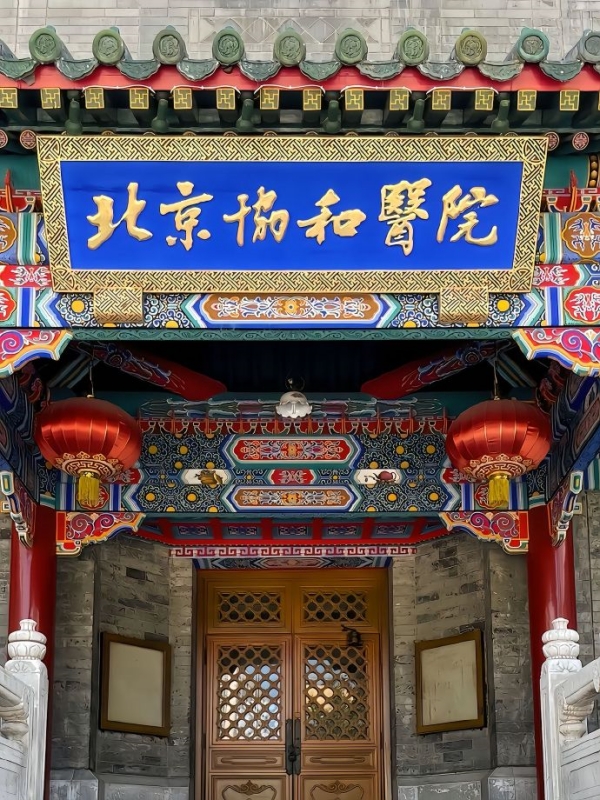
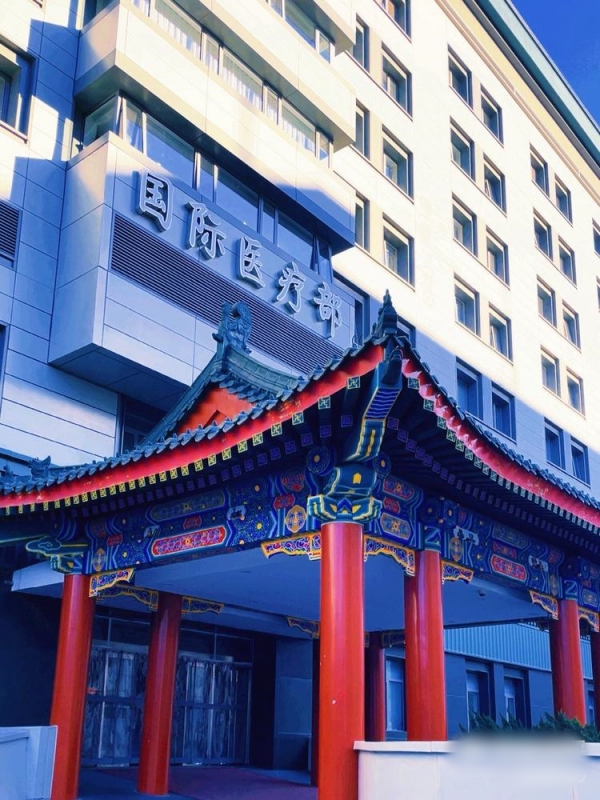
- Peking Union Medical College Hospital: National leader in comprehensive care with English-speaking international department.
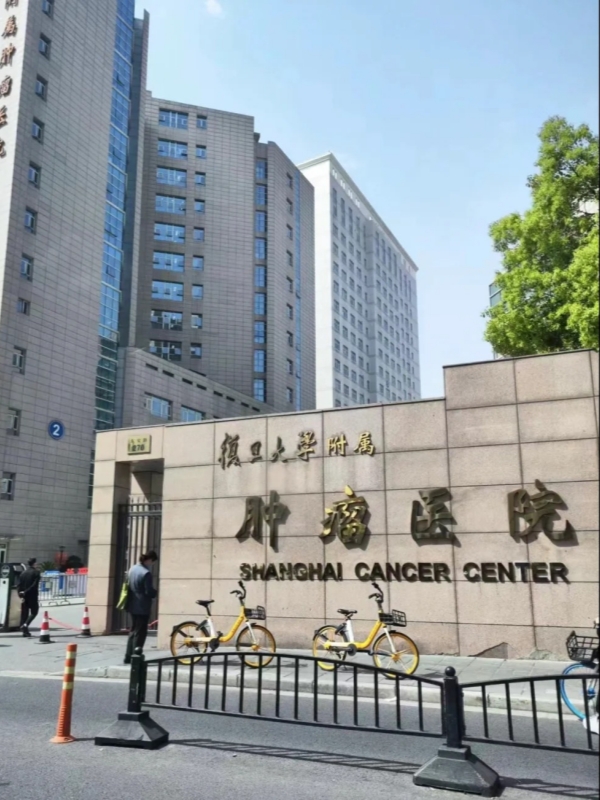
- Fudan University Shanghai Cancer Center: Asia's premier oncology facility with innovative treatment protocols.
- Shanghai Ruijin Hospital: JCI-accredited institution renowned for hematology and endocrinology expertise globally.
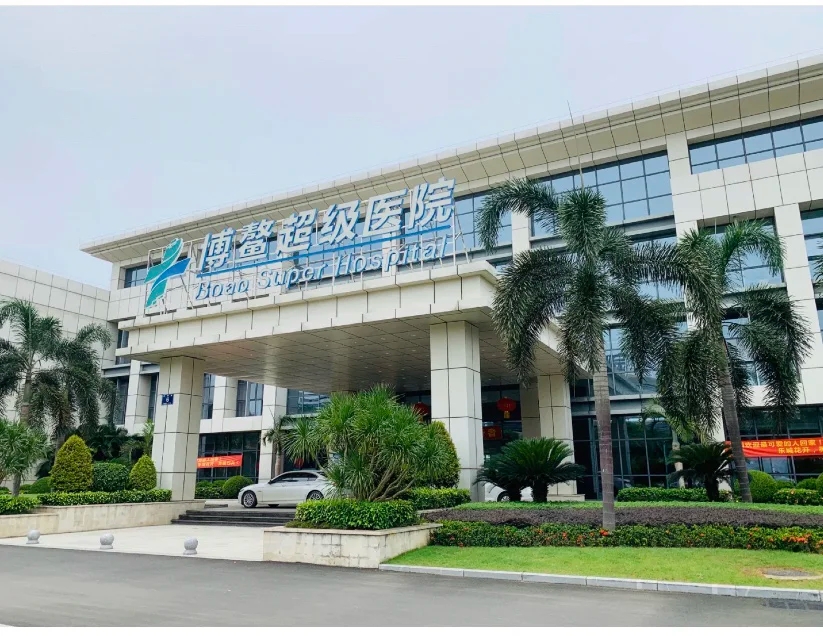
- Boao Super Hospital: Hainan's flagship medical tourism facility accessing unapproved drugs with luxury accommodations.
Visa Requirements: China offers S1/2 Visa for medical purposes with 30-90 day validity. Application requires hospital invitation letters in Chinese and English. Processing takes 4-7 days with fees of $140-200. Proof of funds showing $5,000+ in accounts needed. September 2024 reforms reduced rejection rates from 18% to 5%.
💡 TIPS: Want to know more about China's emerging role in medical tourism? We provide detailed analysis of policy breakthroughs, TCM integration benefits, and safety considerations in our comprehensive guide below.
🌏 For a dedicated breakdown of everything China offers international patients, head to our complete guide to Medical Tourism in China — covering visa requirements, top hospitals, and real cost comparisons.
NO. 3India - Unbeatable Value for Complex Procedures

India
Industry Statistics: India is an international healthcare destination and treated around 6.1 million international patients every year. The country is the global leader in cardiac surgery. India has 61 JCI accredited hospitals and 4650 NABH accredited hospitals. Revenue from medical tourism has crossed the $9 billion mark as of 2024. Continued annual growth is at 18%, as our reputation spreads.
Best For: Heart surgery including bypass, valve replacement, and angioplasty. Orthopedic procedures like joint replacements and spinal fusion. Organ transplants including kidney, liver, and bone marrow. Cancer treatment with radiation, chemotherapy, and surgery. Neurosurgery for brain tumors and spinal conditions.
Cost Example: Coronary artery bypass grafting costs $5,000-15,000 in India. American patients pay $150,000 for identical CABG procedures. This represents 85-90% savings on life-saving cardiac interventions. Hip replacement runs $4,000-8,000 versus $50,000 in Western countries. Liver transplants cost $30,000-50,000 compared to $500,000+ abroad.
Top Hospitals:
- Apollo Hospitals: Serves 20,000 international patients annually across 70+ locations. Pioneered India's corporate healthcare model with cutting-edge technology.
- Fortis Healthcare: Treated 200,000 patients from 175 countries cumulatively. Excels in cardiology, neurosurgery, oncology, and orthopedics.
- Max Healthcare: Operates JCI-accredited centers in Delhi and NCR region. Known for robotic surgery and minimally invasive techniques.
- Medanta - The Medicity: Asia's largest multi-specialty hospital in Gurgaon. Houses 45 specialty departments under one roof.
Visa Requirements: India offers e-Medical Visa with 60-day validity. The visa permits three entries during its validity period. Two attendants can accompany patients on MED-X visas. Processing takes 2-5 days with fees ranging $10-80 by nationality. NABH or ICMR-certified hospital invitation letters are mandatory. Applicants must show $3,000+ proof of funds.
Considerations: English quality varies outside top-tier metropolitan hospitals. Smaller cities may require translation assistance for seamless communication.
NO. 4Turkey - Cosmetic Surgery and Hair Transplant Capital

Turkey
Industry Statistics: Turkey witnessed the arrival of 1.8 million medical patients in 2023, representing a 27 percent annual growth far beyond competitors. Over 40 hospitals today hold JCI accreditation. Hair transplant procedures are an example of surgeries in Turkey that pass the over 500,000 annual mark. Turkey ranks #1 globally for the highest cosmetic surgery volumes.
Best For: Hair transplants using FUE technique with guaranteed density. Dental care including veneers, implants, and smile makeovers. Brazilian butt lifts and liposuction procedures. Gastric sleeve and other bariatric weight loss surgeries. Organ transplants particularly liver and kidney.
Cost Example: All-inclusive hair transplant packages cost $2,500-4,000 in Turkey. The same procedure runs $12,000+ in the United States. Patients save 70-80% including accommodation and transfers. Gastric sleeve surgery costs $2,150-7,000 versus $20,000-35,000 domestically. Full-mouth dental veneers run $3,000-5,500 total.
Top Hospitals:
- Acibadem Healthcare Group: Affiliated with Johns Hopkins Medicine for quality standards. Operates 24 hospitals and 16 outpatient clinics.
- Memorial Healthcare Group: Seven hospitals across Turkey specializing in oncology. Known for cancer treatment and complex surgeries.
- Liv Hospital: Premium facility with English-speaking international patient departments. Excels in cardiology, oncology, and neurology.
- Medicana International: Network of hospitals in Istanbul, Ankara, Izmir. Strong in orthopedics and cosmetic procedures.
Visa Requirements: Citizens from 79 countries enjoy 90-day visa-free entry. Others can obtain e-Visa with instant online approval. Application costs approximately $50 for most nationalities. No medical invitation letter required for visa-free countries.
Strategic Advantage: Istanbul serves as a hub with 2-4 hour flights from Europe and Middle East. Patients combine treatment with tourism in this historic city. Direct flights from major global cities make access convenient.
NO. 5Mexico - Convenient Choice for US and Canada Patients
Industry Statistics: Mexico treats 1.4 million American patients yearly. The medical tourism market reached $4.5 billion in 2024. Approximately 80% of medical tourists seek dental procedures. Proximity to the United States drives consistent patient flow. Border cities see heaviest medical tourism traffic.
Best For: Dental implants with All-on-4 full-arch restorations. Bariatric surgery including gastric bypass and sleeve gastrectomy. Cosmetic procedures like breast augmentation and tummy tucks. Orthopedic surgeries for joint replacement and spine. Prescription medications at significantly lower prices.
Cost Example: All-on-4 dental implants cost $7,500 per arch in Mexico. US prices for identical treatment reach $25,000 per arch. Savings total 70% without compromising on materials or expertise. Gastric sleeve ranges $4,400-8,500 versus $20,000-35,000 domestically. Tummy tuck procedures run $2,500-5,000 compared to $8,000-15,000 north.
Top Destinations:
- Cancun offers resort-style medical facilities with beach recovery.
- Tijuana provides easy access for Southern California residents.
- Guadalajara houses internationally trained specialists in modern facilities.
- Monterrey attracts patients seeking advanced cardiac and cancer care.
Visa Requirements: US and Canadian citizens need no visa for stays up to 180 days. A valid passport suffices for entry and medical treatment. This eliminates visa application complexity and delays completely.
Unique Advantage: Patients can drive across the border rather than flying. Border city clinics offer same-day appointments and immediate return. No international flight booking or jetlag concerns.
NO. 6 South Korea - K-Beauty and Advanced Cancer Care
Industry Statistics: South Korea welcomes 600,000+ medical tourists annually. The nation claims the world's highest stomach cancer survival rate at 73%. Seoul's Gangnam district concentrates hundreds of cosmetic surgery clinics. Government actively promotes medical tourism through dedicated agencies. K-pop and K-drama influence drives aesthetic procedure interest.
Best For: Plastic surgery including double eyelid and rhinoplasty. Cosmetic procedures like skin treatments and anti-aging. Oncology particularly stomach, liver, and lung cancers. Advanced diagnostics with full-body health screenings. Robotic surgery and minimally invasive techniques.
Cost Example: Double eyelid surgery costs $1,500-3,000 in South Korea. Western countries charge $6,000+ for the same procedure. Rhinoplasty runs $3,000-6,000 versus $8,000-15,000 abroad. Full-body executive health screening costs $500-1,500 comprehensively.
Top Hospitals:
- Samsung Medical Center: Seoul's premier tertiary hospital with cutting-edge technology.
- Asan Medical Center: Largest single-location hospital globally by bed count.
- Severance Hospital: Yonsei University facility known for cancer treatment excellence.
Medical Innovation: South Korea leads in robotic surgery adoption and AI diagnostics. Stem cell research and regenerative medicine advance rapidly. Patients access experimental treatments unavailable elsewhere.
NO. 7 UAE (Dubai/Abu Dhabi) - Luxury Medical Tourism Hub
Industry Statistics: The UAE welcomed 691,000 medical tourists in 2023. Dubai ranks 6th globally by Medical Tourism Index scores. The government projects healthcare expenditure reaching AED 112.7 billion ($30.7 billion) by 2027. Rapid infrastructure investment positions UAE as premium destination. MENA region considers Dubai the top medical tourism choice.
Best For: Cosmetic surgery in luxury hospital environments. Orthopedic procedures including joint replacement and spine surgery. Oncology with access to latest cancer treatments. Executive health check-ups and preventive screenings. Wellness treatments combining medical care with spa services.
Cost Comparison: UAE pricing sits higher than Asian competitors. However, costs run 30-40% less than US or UK rates. The premium reflects luxury amenities and concierge medical services. Affluent international clients accept higher prices for comfort.
Top Hospitals:
- American Hospital Dubai: Provides top-tier oncology, cardiology, and cosmetic surgery.
- Cleveland Clinic Abu Dhabi: US hospital brand operating in UAE capital.
- King's College Hospital Dubai: British healthcare quality in Dubai Healthcare City.
- Burjeel Hospital: Known for oncology, orthopedics, and organ transplants.
Visa Requirements: Dubai Healthcare City issues Medical Visas lasting 3-6 months. Hospital sponsorship streamlines the application process. This extended duration accommodates lengthy treatments and recovery. Processing takes 3-5 days with fees around $200-500.
Luxury Factor: Five-star hospital rooms rival luxury hotels in amenities. Concierge medical services handle all logistics for patients. Dubai combines world-class healthcare with tourism attractions.
NO. 8 Singapore - Premium Quality, Advanced Technology
Industry Statistics: Singapore treated 500,000 international patients in 2023. The city-state ranks first in Global Health Security Index. Strict government regulation ensures consistent quality standards. Medical tourism focuses on complex procedures and wealthy clientele. Regional hub status attracts patients from across Asia.
Best For: Oncology with latest immunotherapy and precision medicine. Cardiovascular surgery for complex cardiac conditions. Pediatric care including neonatal intensive care. Robotic surgery across multiple specialties. Complex diagnostics requiring advanced imaging and pathology.
Top Hospitals:
- Raffles Hospital: Private facility known for comprehensive international patient care.
- Mount Elizabeth Hospital: Two campuses offering specialized tertiary care.
- Gleneagles Hospital: Premium hospital with executive health programs.
- Singapore General Hospital: Public hospital with world-class academic medicine.
Cost Structure: Singapore charges more than other Asian destinations. Prices run 20-50% less than United States rates. Quality justifies premium pricing for complex cases. Patients prioritize outcomes over cost savings here.
Innovation Leadership: Singapore pioneered many advanced treatments in Asia. Clinical trials offer access to experimental therapies. Government investment in biomedical research drives innovation.
NO. 9Malaysia - Affordable Care with Strong JCI Presence
Industry Statistics: Malaysia hosted 1.3 million medical tourists in 2023. The country offers 30-60% cost savings versus Western nations. Kuala Lumpur serves as the primary medical hub. Government actively promotes Malaysia as affordable quality destination. Middle Eastern, Australian, and Central Asian patients dominate.
Best For: Fertility treatments including IVF with high success rates. Cardiology procedures and cardiac surgery. Cosmetic surgery at fraction of Western prices. Orthopedic procedures for joint problems and spine. Traditional and complementary medicine integration.
Top Hospitals:
- Sunway Medical Centre: JCI-accredited facility in Kuala Lumpur. Specializes in cardiology, oncology, and orthopedics comprehensively.
- Prince Court Medical Centre: Premium hospital targeting international patients. Known for excellent service and hotel-like amenities.
Visa Requirements: Malaysia offers medical visa programs with straightforward applications. Many nationalities qualify for e-Visa with 3-7 day processing. Hospital appointment confirmation letter facilitates approval. Costs range $20-100 depending on nationality.
Regional Hub Status: Centrally located for Southeast Asian and Oceanian patients. English widely spoken as former British colony. Islamic healthcare practices attract Muslim patients seeking halal options.
NO. 10 Germany - Europe's Gold Standard for Complex Cases
Best For: Orthopedic surgery particularly spinal procedures and joint replacements. Cancer treatment with advanced oncology and radiation therapy. Neurology including brain surgery and neurological disorders. Cardiac care for complex heart conditions. Precision medicine approaches for rare diseases.
Cost Structure: German healthcare costs 30-50% less than United States. Prices exceed Asian destinations but reflect European quality standards. Complex cases justify the premium for German expertise. Insurance may cover some German treatments for EU citizens.
Key Hospitals:
- Charité - Universitätsmedizin Berlin ranks among Europe's finest.
- University Hospital Heidelberg excels in cancer treatment and research.
- Multiple university hospitals maintain excellent international patient programs.
Reputation Factors: Germany pioneered many surgical techniques still used globally. Precision and attention to detail define German medical culture. Cutting-edge technology adoption runs ahead of many countries. Academic medical centers lead in research and innovation.
Why China Is Suddenly on Every Medical Tourism Radar
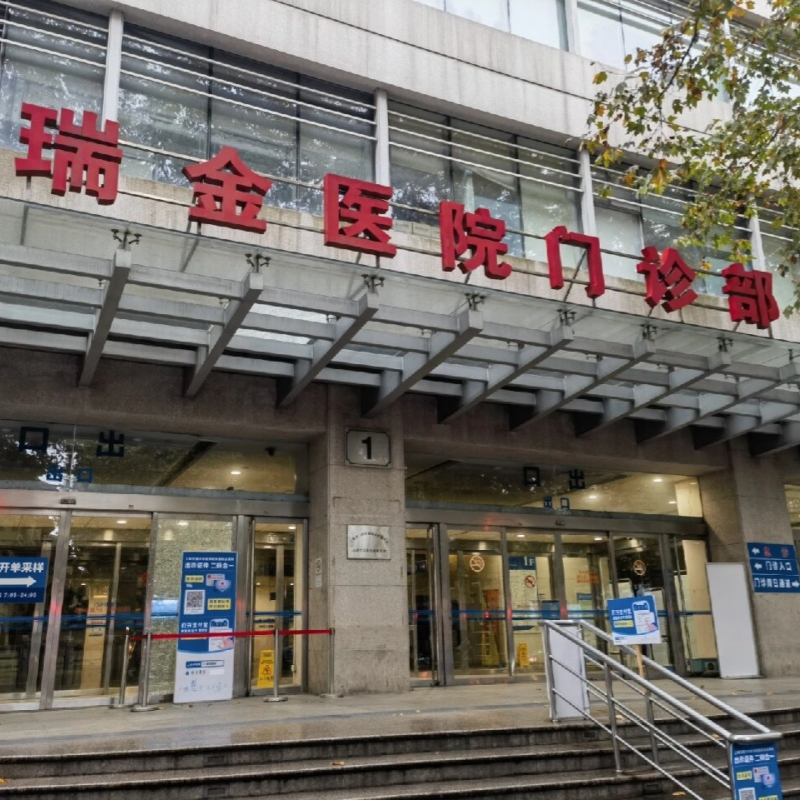
At present, China has 77 JCI-accredited hospitals, while Thailand has 62 and India has 61. It is in the world's top three for JCI certifications. Hainan's Boao Lecheng Medical Tourism Pilot Zone received over 260,000 medical tourists in 2024. This was a 45% year-on-year increase in international patient volume. The new medical tourism policies in September 2024 represent a defining moment.
Policy Breakthrough: China's government simplified medical visa processes significantly. The 15-day visa-free policy expanded to cover medical tourism purposes. New regulations target attracting 2 million annual medical tourists by 2030. Government investment in healthcare infrastructure reached $2.8 billion in 2024. This exceeds Thailand's $1.2 billion and India's $1.5 billion spending.
| Metric | China | Thailand | India |
|---|---|---|---|
| JCI Hospital Count | 77 | 62 | 61 |
| Annual Growth Rate | 45% | 12% | 18% |
| Government Investment 2024 | $2.8B | $1.2B | $1.5B |
| Medical Tourists 2024 | 260,000+ | 3,000,000+ | 6,100,000 |
China's 3 Unbeatable Specialty Advantages
1.Traditional Chinese Medicine Integration Creates Unmatched Holistic Treatment Approach:
China uniquely combines 5,000 years of TCM tradition with cutting-edge modern healthcare, where acupuncture and herbal therapies seamlessly integrate with Western surgical techniques for superior chronic pain management and post-surgical recovery, attracting Southeast Asian, Japanese, Korean, and European patients seeking alternative therapy approaches unavailable in other top medical tourism countries.
2.Oncology Cost-Effectiveness Delivers 70-85% Savings With Cutting-Edge Innovation Access:
Comprehensive cancer treatment costs $15,000-50,000 compared to America's $150,000-500,000, while simultaneously providing access to proton therapy and immunotherapy in Hainan Boao's regulatory-relaxed zone that permits international unapproved innovative drugs, with top-tier oncology departments at hospitals like Fudan Cancer Center rivaling Western standards at fraction of cost.
3.Regenerative Medicine Frontier Positions China as Global Leader in Experimental Therapies:
With the unlikely "Nine Policies" rule set, Boao Lecheng now allows the application of CAR-T cell therapy and stem cell treatments years ahead of mainland approval. Patients who have burnt out all the options in the West now access regenerative medicine at much lower costs-50 to 60% that of American experimental programs- putting China in the ranks of top medical tourism spenders for frontier treatments.
Currently, China's numbers rank below established leaders. However, growth rates point toward rapid catch-up potential. Policy reforms have removed previous barriers that shrouded international access. Dark Horse is revving on so fast.
Top Chinese Hospitals for International Patients
1. Peking Union Medical College Hospital: Ranks first nationally for comprehensive medical capabilities. The international department employs English-speaking staff throughout. Located in Beijing with easy access for foreign visitors. Specializes in complex cases across multiple specialties.
2. Fudan University Shanghai Cancer Center: Asia's premier cancer treatment and research facility. Leads in oncology outcomes and innovative treatment protocols. International patient programs accommodate non-Chinese speakers with translation services. Shanghai location offers modern city amenities for patients.
3. Shanghai Ruijin Hospital: Globally renowned for hematology and endocrinology expertise. Blood disorders and diabetes management attract international referrals. JCI-accredited with international patient department. Historic hospital with modern facilities and equipment.
4. Boao Super Hospital: Hainan pilot zone flagship facility with highest internationalization. Accesses drugs and devices not yet approved in mainland China. Purpose-built for medical tourism with luxury accommodations. English-speaking staff standard throughout the facility. Coastal location allows recovery in tropical environment.
How to Choose the Right Country for Your Medical Needs
Match Your Procedure to the Best Destination
Different medical tourism countries excel in specific specialties. Matching your procedure to destination expertise ensures optimal outcomes. Cost, experience, and technology vary significantly by procedure type. This decision matrix simplifies complex choices systematically.
| Surgery Type | Top Destinations | Key Reason | Cost Range |
|---|---|---|---|
| Cosmetic Surgery | Turkey, South Korea, Thailand, China | Turkey: all-inclusive packages; Korea: K-beauty expertise; China: TCM recovery | $2,000-8,000 |
| Dental Care | Mexico, Turkey, Costa Rica, China | Mexico: US proximity; Turkey: full-mouth implants; China: TCM pain management | $1,500-7,000 |
| Heart Surgery | India, Thailand, Germany, China | India: volume expertise; Germany: complex cases; China: cost-effective with quality | $5,000-40,000 |
| Orthopedics | India, Thailand, Germany, China | India: hip/knee replacements; Germany: spinal; China: rehab with TCM integration | $4,000-25,000 |
| IVF/Fertility | Czech Republic, Greece, India, Thailand | Czech: EU standards at 50% savings; Greece: favorable egg donation laws | $3,000-8,000 |
| Cancer Treatment | Germany, Singapore, South Korea, China | Germany: precision medicine; Singapore: cutting-edge; China: stem cell trials | $15,000-200,000 |
| Hair Transplant | Turkey, Thailand | Turkey: 500,000 procedures yearly with proven results | $2,500-5,000 |
| Weight Loss Surgery | Mexico, Turkey, India, China | Mexico: FDA-trained surgeons; Turkey: all-inclusive; China: traditional post-op care | $3,000-10,000 |
Why Matching Matters: Choosing Thailand for basic dental work maximizes efficiency. Selecting India for complex cardiac surgery leverages their specialized 200,000+ annual procedures. China's TCM integration uniquely suits chronic pain management with orthopedic surgery. Turkey's assembly-line hair transplant expertise produces consistent results. Mismatched destinations waste money and risk suboptimal outcomes.
Critical 4 Safety Factors You Must Verify Before Booking
1. JCI Accreditation Verification: Visit jointcommissioninternational.org immediately. Search their official database for hospital name verification. Thailand maintains 62 certified facilities currently. India operates 61 JCI hospitals plus 4,650 NABH facilities. China leads with 77 JCI-accredited hospitals. Singapore has 10+ certified facilities. Red flags appear when hospitals claim "JCI accreditation pending" status. Only confirmed database listings count as legitimate.
2. Doctor Credentials Deep Dive: Verify physician board certification through their training country's medical board. Complex surgeries require doctors with 10+ years dedicated experience. Annual surgical volume matters immensely for procedural expertise. Example verification: "Dr. Li at Shanghai Ruijin performs 300+ cardiac procedures annually. Twenty years of dedicated cardiac surgery experience documented."
3. Facility-Specific Complication Rates: Request hospital infection rates directly from administrators. Thirty-day readmission rates indicate quality control effectiveness. Developing countries show ICU infection rates averaging 5.6 per 100 procedures. Hospitals refusing to provide data raise immediate red flags. China's top-tier hospitals approach Western infection control standards.
4. Legal Recourse & Contract Review: Examine contract jurisdiction clauses carefully. Medical malpractice insurance coverage must extend to international patients. Professional advice: Spend $200-500 for international medical attorney contract review. China presents the most complex legal recourse scenarios. Verify insurance covers post-return complications explicitly in policy language.
True Cost Calculation: The Hidden 20-40% You're Not Told About
Quoted surgery prices represent only partial total expenses. Hidden costs add 20-40% to advertised rates. Transparent budgeting prevents unpleasant financial surprises. This comprehensive breakdown reveals commonly overlooked expenses.
| Cost Category | Typical Range | Often Overlooked Items | China-Specific |
|---|---|---|---|
| Quoted Surgery | $2,000-50,000 | ✓ Base procedure fee | Confirm VAT inclusion (6-13% tax) |
| Pre-Op Testing | $200-800 | Blood work, imaging, EKG, consultations | Itemized billing, budget 20% higher |
| International Flights | $500-2,000 | ❌ Frequently forgotten | Beijing/Shanghai to US/EU: $800-1,500 |
| Accommodation | $50-300/night × 7-14 days | Patient + companion double room | Tier-2 cities: $40-80/night savings |
| Meals & Transport | $30-100/day | Dining outside hospital, taxis, local travel | China costs 30% less than Thailand |
| Translation Services | $50-200/day | Professional medical interpreter (not tourist translator) | Mandatory in China: $700-2,800 total |
| Medical Tourism Insurance | $100-500 | Post-return complication coverage | Essential - China legal recourse hardest |
| Post-Op Follow-Up | $500-2,000 | Home doctor visits 3-6 months | Find willing local doctor (challenging) |
| Complication Buffer | Surgery cost × 20-30% | Infection, blood clots, emergency treatment | Reserve credit $3,000-10,000 |
| Visa Fees | $10-500 | Multiple entry, expedited processing costs | China: $140-200 standard processing |
Turkey Hair Transplant "$3,000 Package" Real Total Cost:
- Surgery + hotel package: $3,000
- US round-trip flights: $800
- Additional meals/transport: $300
- Medical tourism insurance: $250
- Post-op PRP injections (not included): $500
- Actual Total: $4,850(62% higher than quoted)
China Cancer Treatment "$25,000 Quote" Real Total Cost:
- Proton therapy base: $25,000
- Translation services (14 days): $1,400
- Accommodation + meals (30 days): $2,400
- Pre-op testing (not included): $600
- Flights + visa: $1,000
- Medical insurance: $500
- Actual Total: $30,900 (24% higher than quoted)
Pro Budgeting Tip: Always request "all-inclusive itemized quotes" from hospitals. Add 25% financial buffer for China due to language costs. Other destinations require 20% cushion for unexpected expenses. Hospitals refusing itemization should be avoided completely. Walk away from facilities that won't provide transparent pricing. Hidden costs destroy savings and create financial stress.
Critical Risks Every Medical Tourist Must Understand Before Traveling
General Inquiries-In addition to complications occurring in 3-5% of overseas surgical procedures, the risk should be evaluated carefully before making those commitments. CDC states that the ICU infection rates of the developing countries are three times higher than the American standards. The rates stand at 5.6 per 100 procedures compared to in the US at 1.6-2.9. Most importantly, legal recourse becomes very difficult in cases where things go wrong overseas.
Fixing post-operative complications will cost between $1,350 and $25,000 for the medical traveler returning back home. Barriers, although slightly more complicated, still exist in the arenas of language, scope of insurance, and clauses on jurisdiction. These realities must be explored very carefully before an overseas procedure is undertaken. The subsequent sections clarify how to verify a hospital's accreditation, what safety standards are to be assessed, and how to work around the complications of risks.
FAQs: Your Top Medical Tourism Questions Answered
Q: What is the safest country for medical tourism?
Singapore, Germany, and South Korea rank highest for safety with world-class regulations. JCI-accredited hospitals in Thailand, Turkey, and India maintain excellent safety records when properly vetted. China's top-tier hospitals match Western standards, but language barriers increase miscommunication risks. Always verify facility accreditation when choosing among top medical tourism countries.
Q: How much can I realistically save with medical tourism?
Savings range from 40-90% depending on destination and procedure selected. Hip replacement in India costs $4,000-8,000 versus $50,000 in the United States. China offers 70-85% savings on cancer treatment but requires higher translation budgets. Calculate your all-in total cost before committing to top medical tourism countries overseas.
Q: Will my insurance cover medical treatment abroad?
Most standard US and UK health insurance excludes elective procedures performed abroad. Separately purchase medical tourism complication insurance costing $100-500 for post-return issues. China has the lowest international insurance acceptance rates among top medical tourism countries currently. Budget for full out-of-pocket payment using credit cards or wire transfers.
Q: What if something goes wrong after I return home?
This is why medical tourism insurance proves critical for protection. Complications occur in 3-5% of cases and can cost $1,350-25,000 to fix. Keep all medical records and establish communication bridges before leaving. China's legal recourse presents the most challenging scenarios among top medical tourism countries. Triple-verify your contract's jurisdiction clauses and complaint procedures.
Q: How do I verify a hospital's credentials aren't fake?
Visit jointcommissioninternational.org and search their accreditation database immediately. Check doctor credentials through medical boards in their training countries. For China, verify both JCI status and Ministry of Health hospital tier. Three-tier-A designation (三级甲等) indicates top government rating when evaluating top medical tourism countries.
Q: Can I combine medical treatment with vacation activities?
Yes, but timing matters critically for infection prevention. Post-surgery, follow strict activity restrictions from your surgeon. Some countries like Thailand offer medical-wellness packages among top medical tourism countries. China's TCM hospitals increasingly offer spa-like recovery programs blending traditional therapies with modern post-surgical care.
Q: Which country is best for heart surgery specifically?
India leads in cardiac procedures, performing 200,000+ surgeries annually. Top facilities like Apollo and Fortis rival Western standards. China's cardiovascular departments at Fuwai Hospital and Shanghai Chest Hospital provide 70-80% cost savings. Avoid countries without robust ICU infrastructure when selecting top medical tourism countries for cardiac care.
Q: Do I need to speak the local language for medical tourism?
Top medical tourism hospitals employ multilingual coordinators and English-speaking doctors. Thailand, India, Singapore, and UAE excel at language support. China presents the biggest communication challenge among top medical tourism countries overall. Budget $700-2,800 for professional medical translation services covering your typical 7-14 day stay.
Q: What happens with follow-up care once I'm home?
Establish a care plan before leaving the destination country. Find a local doctor willing to handle post-op monitoring. Some complications emerge weeks later after returning home from top medical tourism countries. China's post-op support is improving but time zone differences complicate consultations.
Q: Are medical tourism facilities as clean as Western hospitals?
JCI-accredited facilities match Western standards, but infection rates vary significantly. Developing countries show ICU infection rates three times higher. China's tier-three hospitals meet international cleanliness standards consistently among top medical tourism countries. Don't assume luxury hotels equal medical safety automatically.