How Much Does a Day in Shanghai Cost in 2026
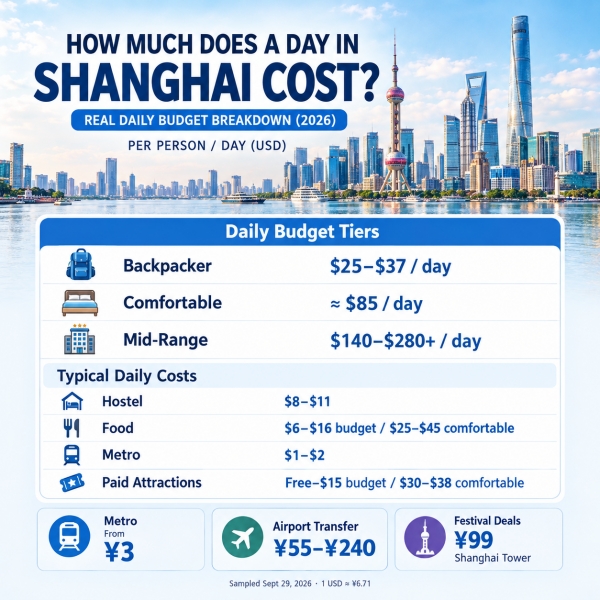
A realistic daily budget in Shanghai ranges from about $25 (¥170) for a backpacker sleeping in a hostel dorm to roughly $85 (¥575) for a comfortable day with a budget hotel, sit-down meals, and one or two paid attractions. If you want a mid-range experience with a proper hotel room and restaurant dinners, budget $140–$280 (¥1,000–¥2,000) per day. Every figure in this guide is sourced from official or independently verified 2026 channels and dated to the sampling point — no third-party aggregator price lists are used.
The single biggest lever on your Shanghai budget is timing. The 2026 Shanghai Travel Festival runs September 12–27, when 49 major attractions drop to half price or below: the Shanghai Tower 118th-floor observation deck falls from ¥189.9 to ¥99 (about $15), the Jin Mao 88th-floor view drops from ¥120 to ¥60 (about $9), and the Oriental Pearl two-sphere plus day cruise bundle plunges from ¥279 to ¥139 (about $21). Visiting during that window can cut your attraction spending by nearly half. Read on for the full daily budget breakdown, every transport option from Pudong Airport into the city, and the complete 2026 attraction pricing picture.
Quick Facts
🌆 Planning Your East Coast Strategy: Read our detailed breakdown of accommodation, dining, and transit in our master guide to Shanghai Cost of Living.
Daily Budget Tiers for Shanghai in 2026
Daily Budget Tiers for Shanghai in 2026
Shanghai's daily cost is not a single number — it is a function of your travel dates, the district you stay in, and the booking channel you use. A hostel bed that costs ¥57 in a late-September OTA snapshot may cost ¥90 during Chinese New Year week. A Bund-view room that reads ¥573 in a midweek sample may surge to ¥1,200 on a Saturday night. Treat every budget figure in this guide as a range tied to a specific sampling date, and check live rates before your trip.
Backpacker Budget — $25–$37 (¥170–¥250) Per Day
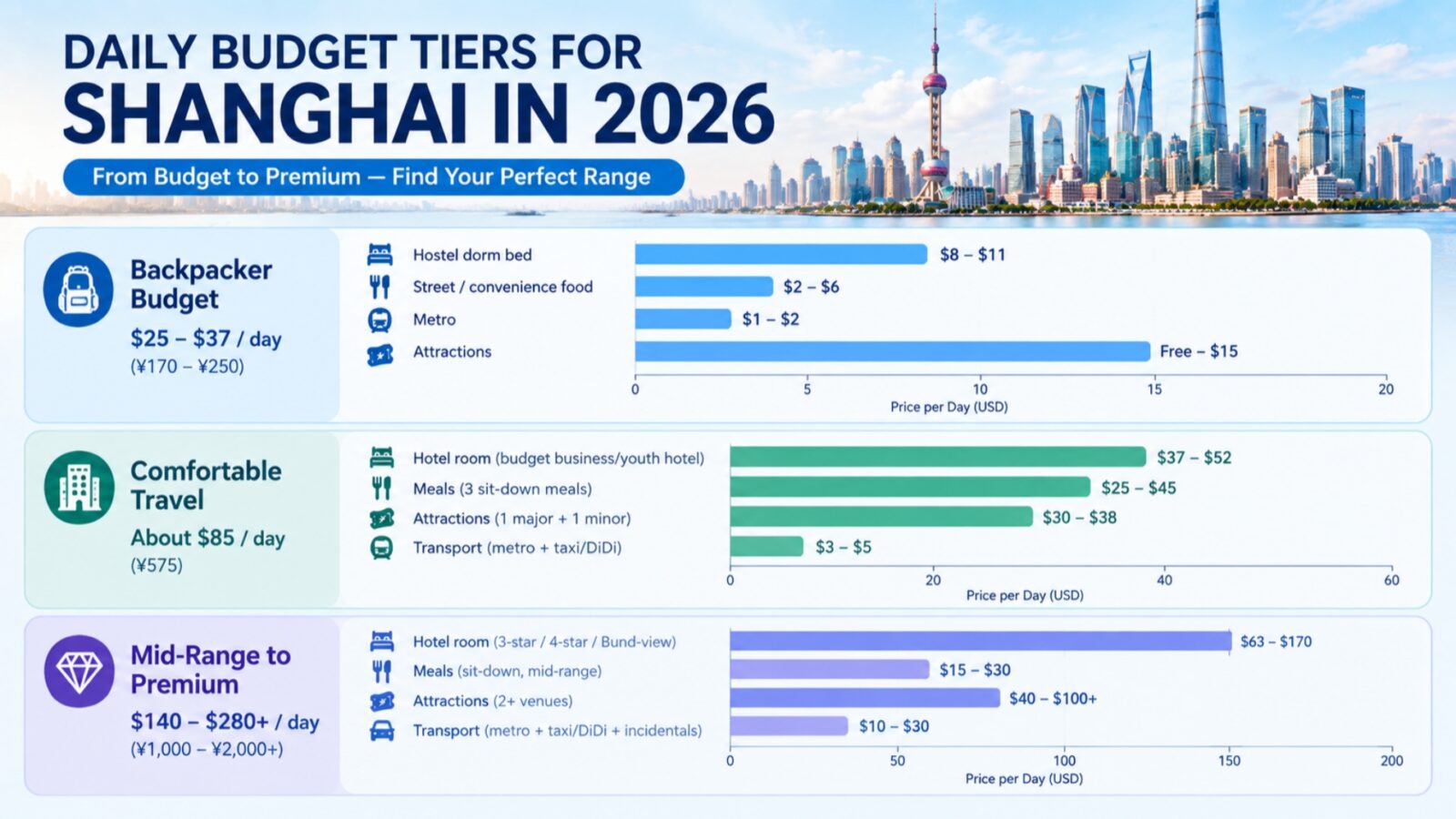
On a tight backpacker budget you can survive — and even thrive — in Shanghai on $25–$37 per day. Accommodation in a shared hostel dorm runs about $8–$11 (¥57–¥73 per night, sampled September 29, 2026 via online travel agent snapshot — peak travel week, so off-peak dates may be lower). Three street-food or convenience-store meals come to roughly $6–$16 (¥40–¥110). Metro rides using the ¥3 base fare plus ¥1 per additional 10 km typically total $1–$2 (¥5–¥15) per day. Attractions on non-festival days are the biggest variable: the Bund, Nanjing Road, Wukang Road, and the old-city lanes around Yu Garden are completely free. During the September 12–27 Travel Festival window, you can add one major discounted attraction for under $15 (¥99 Shanghai Tower, $9 Jin Mao 88F) without blowing your budget.
- Hostel dorm bed: $8–$11 (¥57–¥73) per night, peak-week OTA sample
- Street / convenience food: $2–$6 (¥15–¥40) per meal × 3 meals
- Metro: $1–$2 (¥5–¥15) per day using official fare formula
- Attractions: Free on most days; Travel Festival window cuts paid venues to $9–$15
Comfortable Travel — About $85 (¥575) Per Day
A comfortable mid-range day in Shanghai costs roughly $85 per person. A private room in a budget business hotel or youth hotel runs $37–$52 (¥250–¥350 per night). Three sit-down meals — breakfast at the hotel, a lunch at a local diner, and dinner at a proper restaurant — typically total $25–$45 (¥170–¥300). One major paid attraction (¥170–¥199 regular-season observation deck) plus one minor venue (¥40–¥60 Yu Garden or Jing'an Temple) adds roughly $30–$38 (¥200–¥260). Local transport, mostly metro with one or two taxi rides, runs $3–$5 (¥20–¥35). This $85 figure is a midpoint sample, not a ceiling — weekends, holidays, and premium locations push costs higher.
Mid-Range to Premium — $140–$280+ (¥1,000–¥2,000+) Per Day
Travelers seeking a mid-range hotel, multiple restaurant meals, and several paid attractions should plan for $140–$280 per day. A three-star or boutique hotel room in central Shanghai costs $63–$120 (¥420–¥800 per night), while a four-star or Bund-view property runs $85–$170 (¥573–¥1,140). Hotel samples from September 29, 2026 show luxury Bund-view rooms reaching $180–$360 (¥1,200–¥2,417) depending on star rating and weekend surge. Sit-down dinners at mid-range restaurants run $15–$30 (¥100–¥200) per person per meal. Two or more major attractions, occasional taxi or DiDi rides, and incidentals push the daily total into the $140–$280 range. At the premium end, luxury hotels starting at $120 (¥800) per night combined with fine dining at $30–$60 (¥200–¥400) per meal and multiple observation decks or Bund-area experiences easily exceed $280 per day.
⛰️ Inland China Budget Alternatives: Looking to stretch your budget further while exploring China's mountain mega-cities? Explore our detailed guide on the Cost of Living in Chongqing.
Getting from the Airport to the City Center
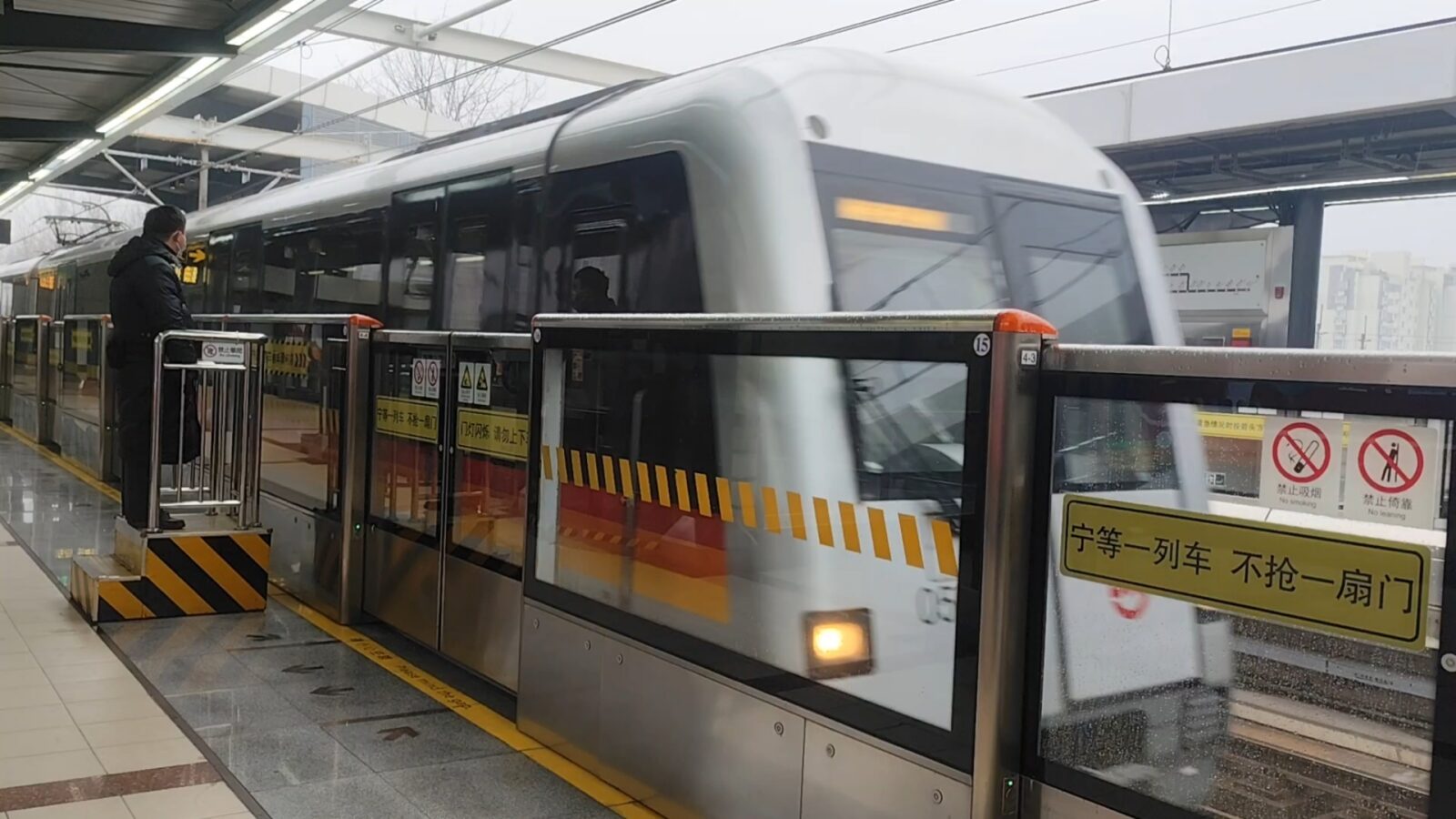
Metro Line in Shanghai
Your first budget decision in Shanghai happens the moment you land. Pudong International Airport (PVG) sits roughly 40 kilometers east of the city center. Three main options span a wide price range — from $8 (¥55 maglev-plus-metro through-ticket) to $36 (¥240 by metered taxi in heavy traffic). Here is exactly what each option costs and how long it takes.
Maglev + Metro — Fastest Budget Option
The Maglev is both the fastest and, with the combined through-ticket, one of the most predictable choices. A single-journey Maglev ticket costs $7 (¥50). If you have a same-day boarding pass for an incoming flight, the fare drops to about $6 (¥40). The most practical option for metro-connected travelers is the combined maglev + metro through-ticket at $8 (¥55), which covers the Maglev ride from Pudong Airport to Longyang Road Station plus the Line 2 continuation into central Shanghai. Maglev trains depart every 15–20 minutes from 6:45 am to 10:40 pm; the ride to Longyang Road takes about 8 minutes. From Longyang Road, transfer to Line 2 and reach People's Square in roughly 20–30 minutes more. Total door-to-door time: 28–40 minutes.
- Maglev regular seat: $7 (¥50)
- Maglev with same-day boarding pass: $6 (¥40)
- Maglev + Metro through-ticket: $8 (¥55)
- Duration: ~8 min Maglev + ~20–30 min Metro to city center
- Departures: Every 15–20 min, 6:45 am–10:40 pm
Metro Line 2 — Budget Route
Line 2 runs directly from Pudong Airport Terminals 1 and 2 to People's Square — no transfer required. At roughly 40–44 kilometers, the fare calculates to $1–$2 (¥7–¥8) using the official formula (¥3 base + ¥1 per 10 km beyond 6 km). This is the cheapest flat-route option, but it has trade-offs: no luggage storage on board, potential rush-hour crowding, and trains run roughly 6:00 am to 10:00 pm with variation by station. Confirm same-day departure times at the station before boarding if your flight lands late.
Taxi and Ride-Hail — Comfort at a Premium
Metered taxis and DiDi (China's dominant ride-hail platform) use identical official fare rules. A trip from Pudong Airport to People's Square typically runs $22–$36 (¥150–¥240) in normal traffic. That range widens significantly during peak congestion, with the 30% night surcharge kicking in from 11 pm to 5 am, and with holiday extras — ¥10 per trip during Chinese New Year long-distance rides, ¥5 for the first National Day or May Day trip. There is no official airport flat-rate in Shanghai; always insist on the meter. DiDi uses the same fare rules as taxis, so the same numbers apply, but confirm the fare estimate in the DiDi app before booking during peak periods.
🏙️ Comparing Tier-1 Mega Cities: Curious how Shanghai's budget compares to Southern China's tech and financial capital? Read our breakdown on the Cost of Living in Shenzhen.
Getting Around Shanghai
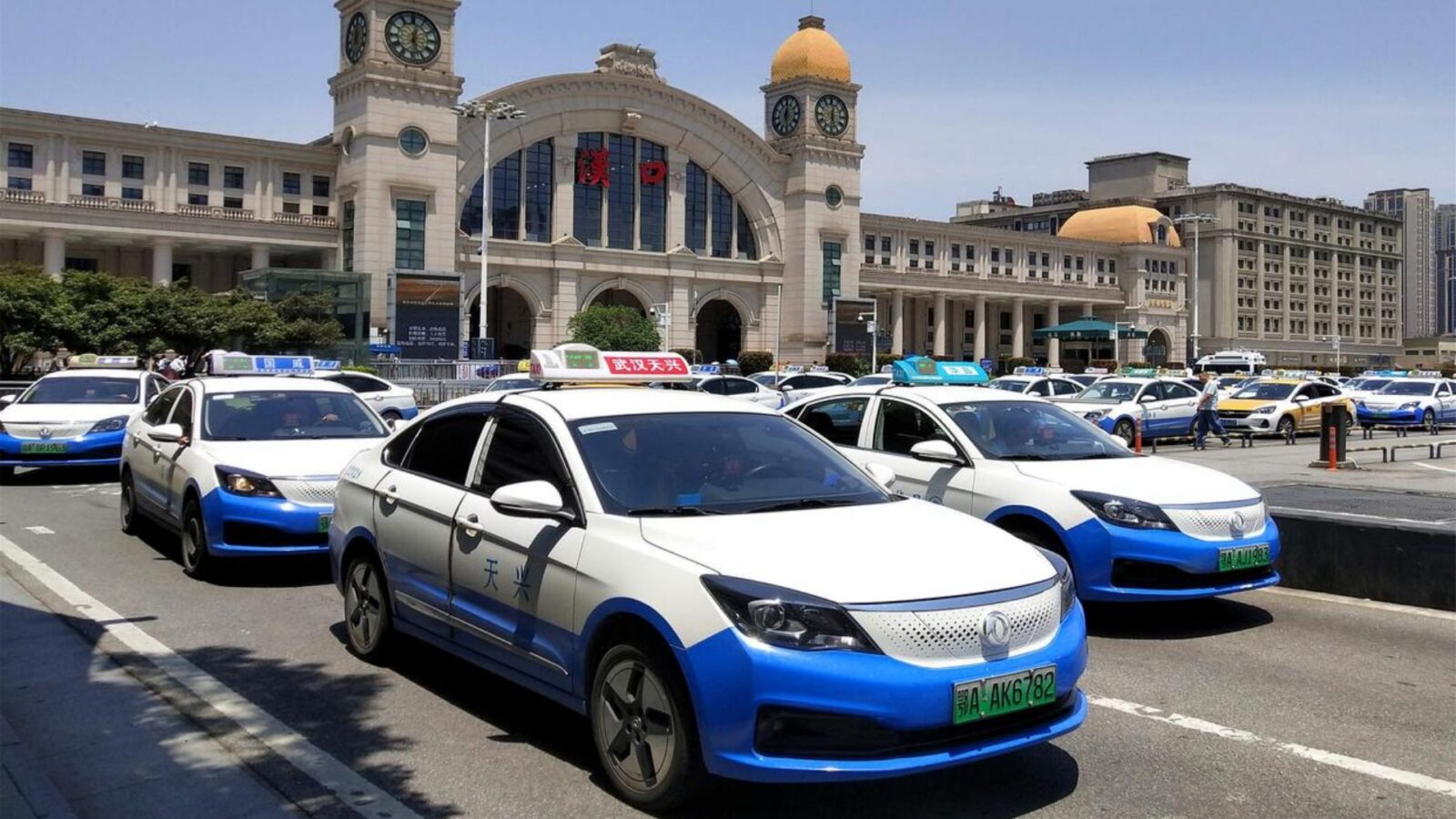
Taxi, DiDi, and Ride-Hail in Shanghai
Shanghai's metro network spans over 800 kilometers across more than 20 lines — the fastest and most predictable way to move through the city. Taxis and DiDi are readily available for trips where the metro is inconvenient, but understanding the full fare structure prevents surprises.
Shanghai Metro — Routes, Hours, and Foreign Card Access
The Shanghai Metro charges ¥3 for the first 6 kilometers, then adds ¥1 for every additional 10 kilometers. At the official formula rate, a typical 8–12 km intra-city ride costs ¥4–¥5 (about $0.60–$0.75). Most lines operate from approximately 5:30 am to 10:30 or 11:00 pm, though exact times vary by station — always verify at the platform before traveling.
For foreign visitors, the most practically significant update in recent years: since June 28, 2025, the entire Shanghai Metro network — including all city-area lines — accepts Visa, Mastercard, American Express, and JCB chip contactless cards directly at the turnstile, as well as Apple Pay, Google Pay, Samsung Pay, and Huawei Pay that support NFC financial IC card standards. No Chinese bank card is needed. Enable small-ticket quick-pay in your phone wallet settings before your first ride. Alternative transit cards include the MetroGrandmother app, Suishenxing, and Alipay or WeChat transit codes.
Taxi, DiDi, and Ride-Hail — Full Fare Breakdown
Understanding the complete Shanghai taxi fare structure is essential for accurate budgeting, especially for trips over 15 kilometers, at night, or during holiday periods. The official fare rules cover four separate surcharge types:
- Flag-drop: $2.09 (¥14) per 3 km (regular vehicle); $2.38 (¥16) per 3 km (pure EV such as Touran or ROEWE Ei5)
- Per km after flag-drop: $0.40 (¥2.7) per kilometer
- Long-distance surcharge: 50% added to the per-km rate for trips exceeding 15 km
- Night surcharge: 30% added to both flag-drop and per-km rate from 11 pm to 5 am
- Holiday extras: +¥10 per trip for Chinese New Year long-distance rides; +¥5 for the first trip on National Day or May Day
- Low-speed wait: ¥2.70 per 4 minutes (counts as 1.5 km of flag-drop distance)
A typical 3–5 km city-center taxi ride in normal daytime traffic costs roughly $3–$5 (¥20–¥35). Budget 30% more for unexpected taxi trips, and always insist the driver uses the meter — no airport flat-rate exists in Shanghai.
Attraction Tickets and Sightseeing Costs
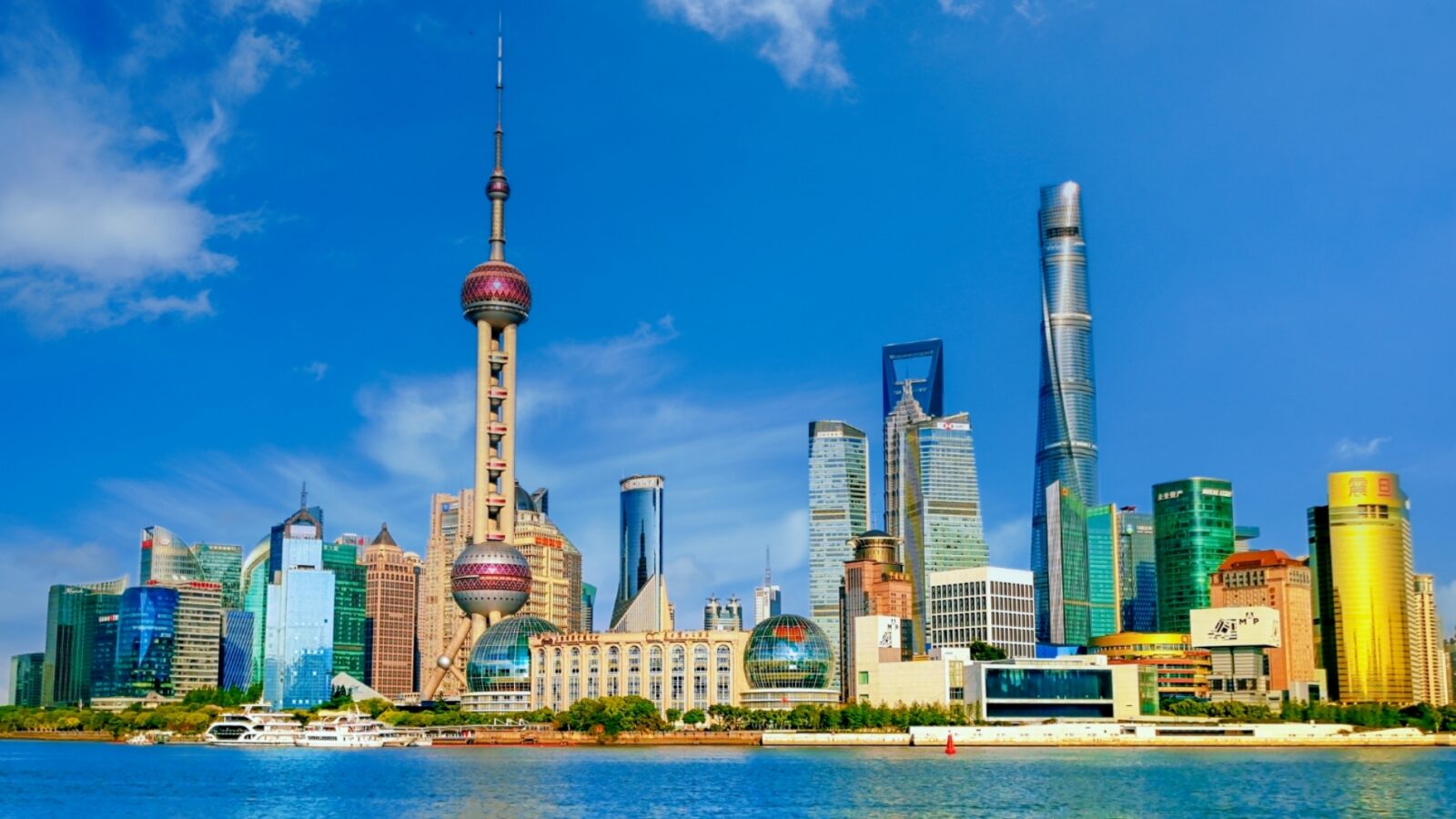
Oriental Pearl in Shanghai
Shanghai's attraction landscape has two distinct pricing layers: the discounted window during the 2026 Shanghai Travel Festival (September 12–27), when 49 attractions offer half-price or special-rate tickets, and regular-season pricing for the rest of the year. Understanding which window you fall into is the single most impactful budget decision for sightseeing.
2026 Shanghai Travel Festival — Half-Price Attractions (September 12–27)
The biennial Shanghai Travel Festival returns September 12–27, 2026, offering discounted entry at dozens of major venues across the city. The following reductions are confirmed from the official Shanghai Culture and Tourism Department announcement published via Shangguan News on September 24, 2026:
- Shanghai Tower 118F "Skywalk" observation: Regular ¥189.9 → Festival $15 (¥99); "CloudEnjoy Package" ¥258 → $21 (¥138); "CloudEnjoy Ticket" ¥218 → $16 (¥109)
- Jin Mao Tower 88F: Regular ¥120 → $9 (¥60) adult, ¥90 → $7 (¥45) student; discount window 8:30 am–5:00 pm only
- Oriental Pearl two-sphere + day cruise: Regular ¥279 → $21 (¥139)
- Full 49-attraction list: Check the official Shanghai tourism portal for the complete directory
Tickets during the festival can sell out quickly at popular venues. Book early through official attraction channels or verified online platforms for the Travel Festival window dates. The saving versus regular-season pricing is substantial — a single Shanghai Tower 118F visit during the festival saves roughly $14 (¥95) per person.
Regular-Season Ticket Prices for Major Attractions
Outside the festival window, the following prices represent sampled in-market rates as of September 29, 2026 via online travel agent listings. Confirm current pricing at each attraction's official website or at the venue on the day, as rates vary by date and booking channel.
Free and Low-Cost Attractions
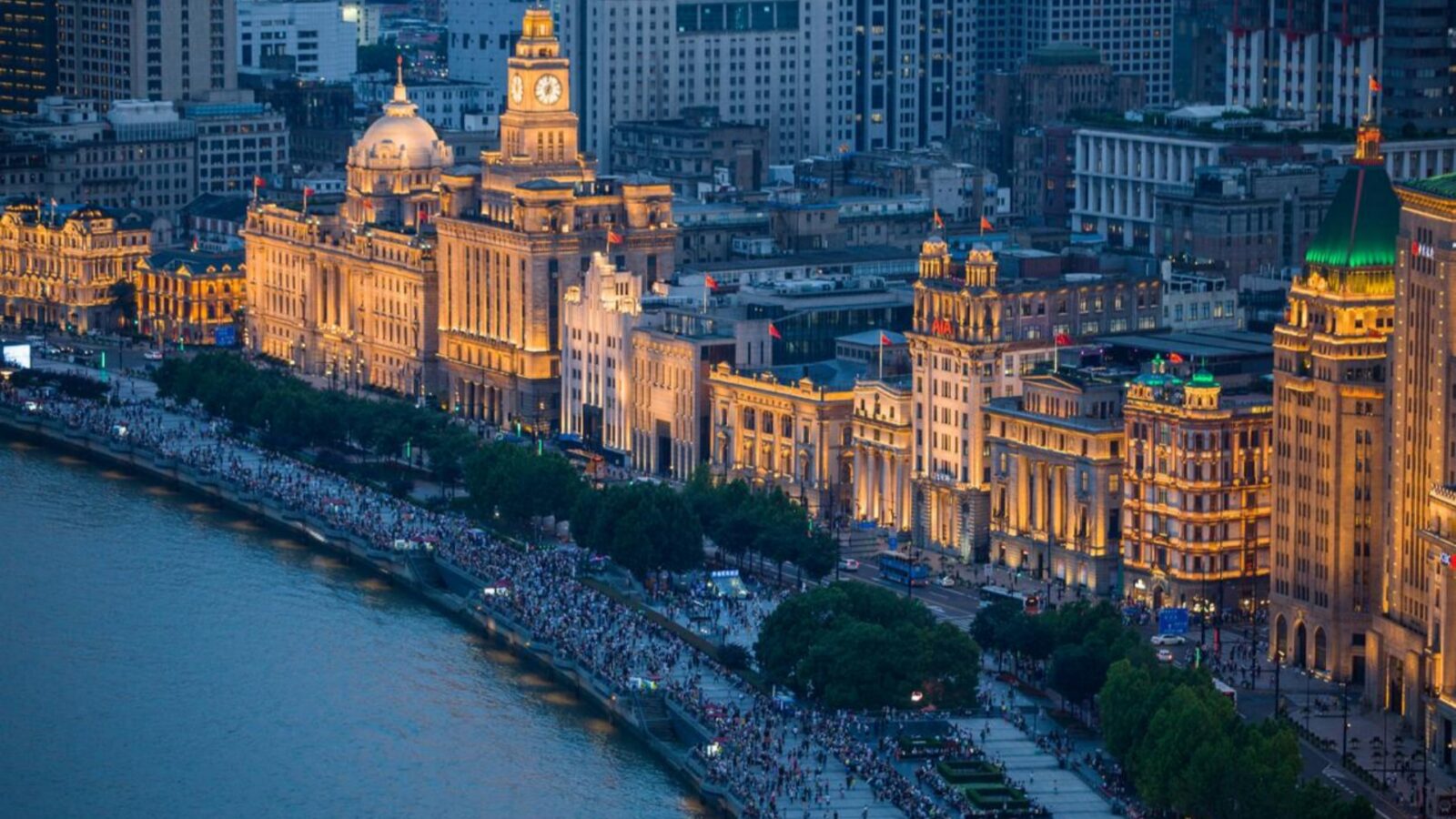
The Bund (Waitan) in Shanghai
Some of Shanghai's most memorable experiences cost nothing at all. The city's iconic waterfront, historic pedestrian zones, and preserved heritage blocks are permanently free to access — and they are not consolation prizes. The Bund at night, the Nanjing Road pedestrian street at rush hour, and the Wukang Road–Anfu Road heritage neighborhood on a quiet afternoon are among the most photographically striking experiences in the city.
- The Bund (Waitan): Riverfront walkway along Huangpu River; free at all hours; best views of Pudong skyline at night
- Nanjing Road pedestrian street: Asia's longest shopping pedestrian zone; free to walk; links directly to The Bund
- Wukang Road–Anfu Road block: Preserved 1920s–30s French Concession architecture; free self-guided walking
- Old city lanes around Yu Garden: Traditional Shikumen lane neighbourhoods; free to explore; connects to Yu Garden exterior
- Suzhou Creek riverside walk: Waterfront promenade between Waibaidu Bridge and Chengdu Road; less crowded than the Bund
- People's Square open square: Open public plaza with fountains; free; adjacent to Nanjing Road and Shanghai Museum
Frequently Asked Questions
Q: What is a realistic daily budget for Shanghai?
A realistic daily budget for Shanghai depends heavily on your travel style. A backpacker can manage $25–$37 (¥170–¥250) per day with hostel accommodation, street food, free attractions, and metro rides. A comfortable mid-range day with a business hotel, sit-down meals, and one or two paid attractions runs about $85 (¥575). Mid-range travelers spending $140–$280 (¥1,000–¥2,000) can access boutique hotels, restaurant dinners, and multiple attractions. All budget figures are sampled from September 29, 2026 OTA data; verify for your specific travel dates.
Q: Is Shanghai expensive for tourists?
Shanghai sits in the mid-range by global city standards. Accommodation spans from $8 (¥57) hostel beds to $360 (¥2,400) luxury hotels. Street food meals cost $2–$6 (¥15–¥40); a proper sit-down restaurant meal runs $9–$30 (¥60–¥200) per person. A metro ride starts at $0.45 (¥3). A full day of sightseeing, meals, and transport is achievable on a backpacker budget of $25, while a comfortable experience costs roughly $85 per person excluding accommodation.
Q: Can I use a foreign bank card on the Shanghai Metro?
Yes. Since June 28, 2025, the entire Shanghai Metro network accepts Visa, Mastercard, American Express, and JCB chip contactless cards directly at turnstiles, as well as Apple Pay, Google Pay, Samsung Pay, and Huawei Pay with NFC financial IC card support enabled. No Chinese bank account or mobile payment setup is required. Alternative options include the MetroGrandmother app, Suishenxing, and Alipay or WeChat transit codes.
Q: When is the cheapest time to visit Shanghai?
The cheapest window for attraction spending is late September during the biennial Shanghai Travel Festival — next edition September 12–27, 2026 — when 49 major attractions drop to half price or below. January through mid-February (except Chinese New Year week itself) and July through August generally see lower hotel demand and cheaper rates, though some attractions have reduced summer hours and the weather is hot and humid. Chinese New Year and National Week (October 1–7) are the most expensive periods across the board.
Q: How much does a taxi cost in Shanghai?
Shanghai taxi flag-drop starts at $2.09 (¥14) per 3 kilometers for a regular vehicle or $2.38 (¥16) for a pure-EV. Each additional kilometer costs $0.40 (¥2.7). Trips over 15 kilometers add a 50% surcharge. From 11 pm to 5 am both flag-drop and per-km rates carry a 30% night surcharge. A typical 3–5 kilometer city-center ride in normal daytime traffic costs roughly $3–$5 (¥20–¥35). From Pudong Airport to People's Square expect $22–$36 (¥150–¥240) by meter in normal conditions.
Q: Are attractions in Shanghai open during the travel festival?
Yes — the travel festival is a city-wide promotional period, not a closure. Most major attractions remain fully open and offer discounted tickets. The Shanghai Tower, Jin Mao Tower, and Oriental Pearl all participate with specific discounted bundles listed in the official announcement. Tickets at popular venues during the festival can sell out quickly; book as early as possible through official attraction channels or verified online platforms.
Q: How do I avoid tourist pricing traps in Shanghai?
Key strategies: use the metro for predictable, low-cost transport; book attraction tickets through official channels or verified platforms rather than vendors at the entrance; prioritize the September 12–27 Travel Festival window for major paid attractions; understand that free landmarks like The Bund, Nanjing Road, and the Wukang Road–Anfu Road block are not lesser experiences — they are the city's most iconic landscapes; buy temple and museum entry only at official counters or verified online channels; and always confirm current Shanghai Museum ticketing policy at shanghaimuseum.net before visiting, as the free permanent hall is currently suspended during the special exhibition period.