Beijing Clubs
Beijing clubs are mostly concentrated around Sanlitun, Gongti, and a few hutong areas, and the experience changes a lot depending on where you go. Sanlitun is where most foreigners end up first, with easy entry, English-speaking staff, and packed bars on weekends. Gongti feels bigger and louder, with heavy bass, long queues, and more commercial nightclubs, while hutong clubs are smaller and more local.
Most places accept WeChat Pay, and ID checks are standard at the door. Prices usually range from around ¥100–300 for entry, depending on the night and the club.
Where Foreigners Go At Night
Sanlitun Clubs For First Night Out
-

- Supermiami
-
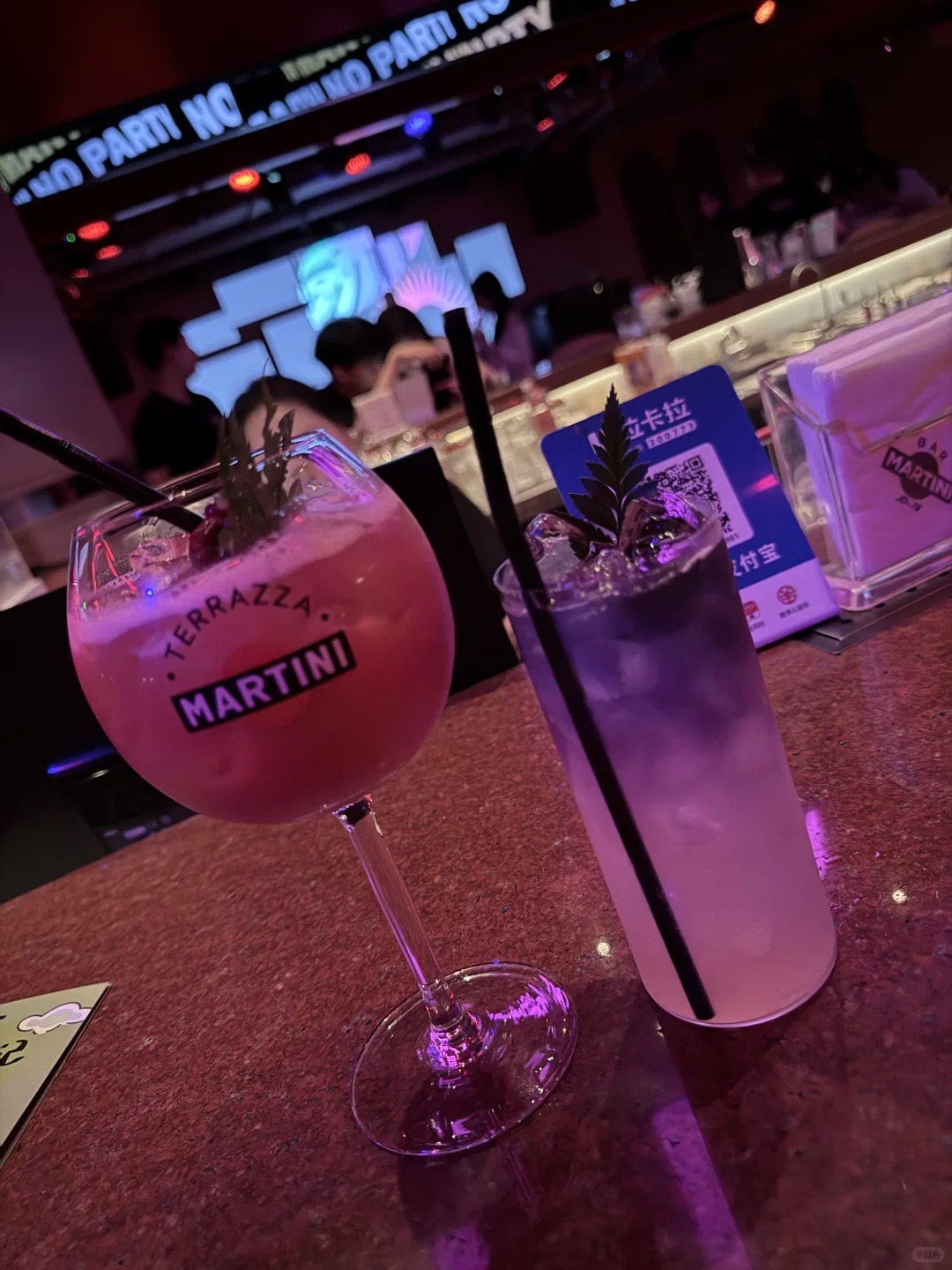
- Martini
-
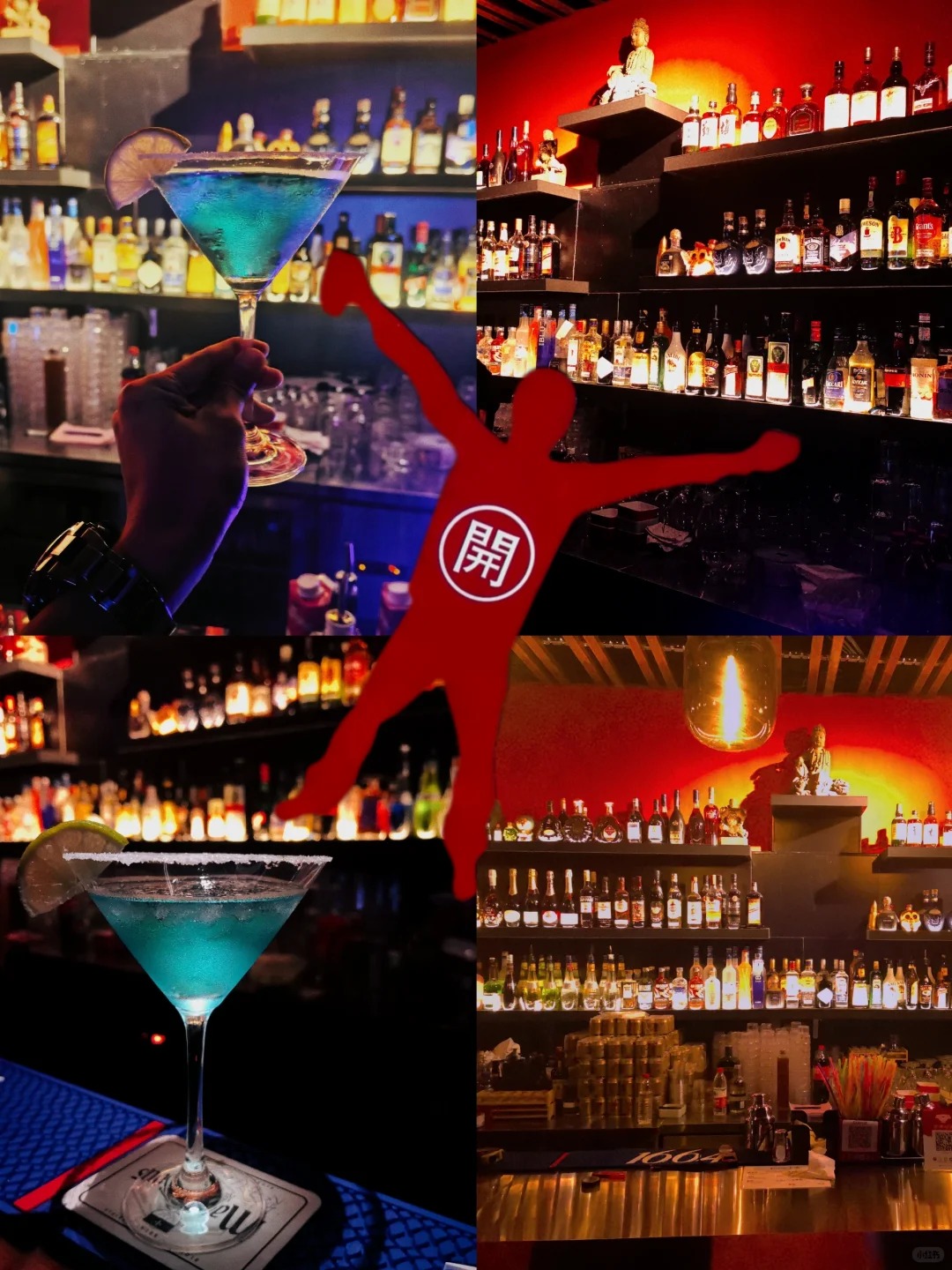
- Kai Club
Sanlitun is usually the first stop for most foreigners exploring Beijing clubs nightlife. It sits in Chaoyang District and works almost like a nightlife hub where bars and clubs are packed within walking distance. The main reason people start here is simple: English is widely used, navigation is easy, and nobody really feels out of place even on a busy night.
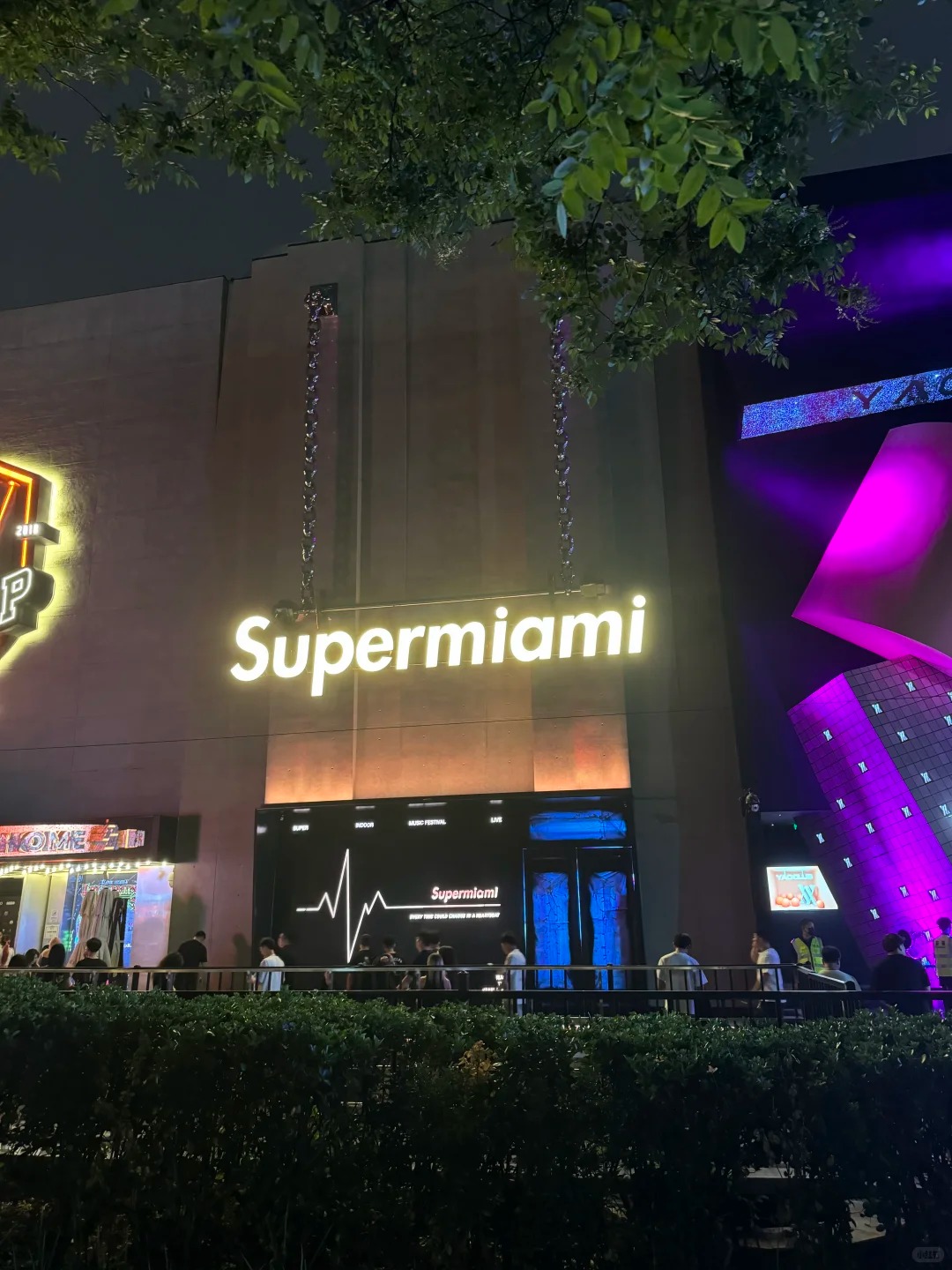
Club Access: Supermiami
Location: Sanlitun North Street, Chaoyang District, Beijing(北京朝阳区三里屯北街)
Opening Hours: 21:00 – 04:00 (Fri–Sun may extend later)
Contact: WeChat official account “Supermiami” / walk-in available
Crowd: Mostly European and North American visitors
Entry: ¥100–200 depending on DJ nights
Style: Large-scale EDM / international commercial party
Dress Code: Smart casual recommended, avoid slippers or sportswear
Experience: Feels like a compact international festival in the middle of the city.
Supermiami is probably the most straightforward entry into Sanlitun’s club scene. The music is loud but predictable, and most staff can switch to English without hesitation.
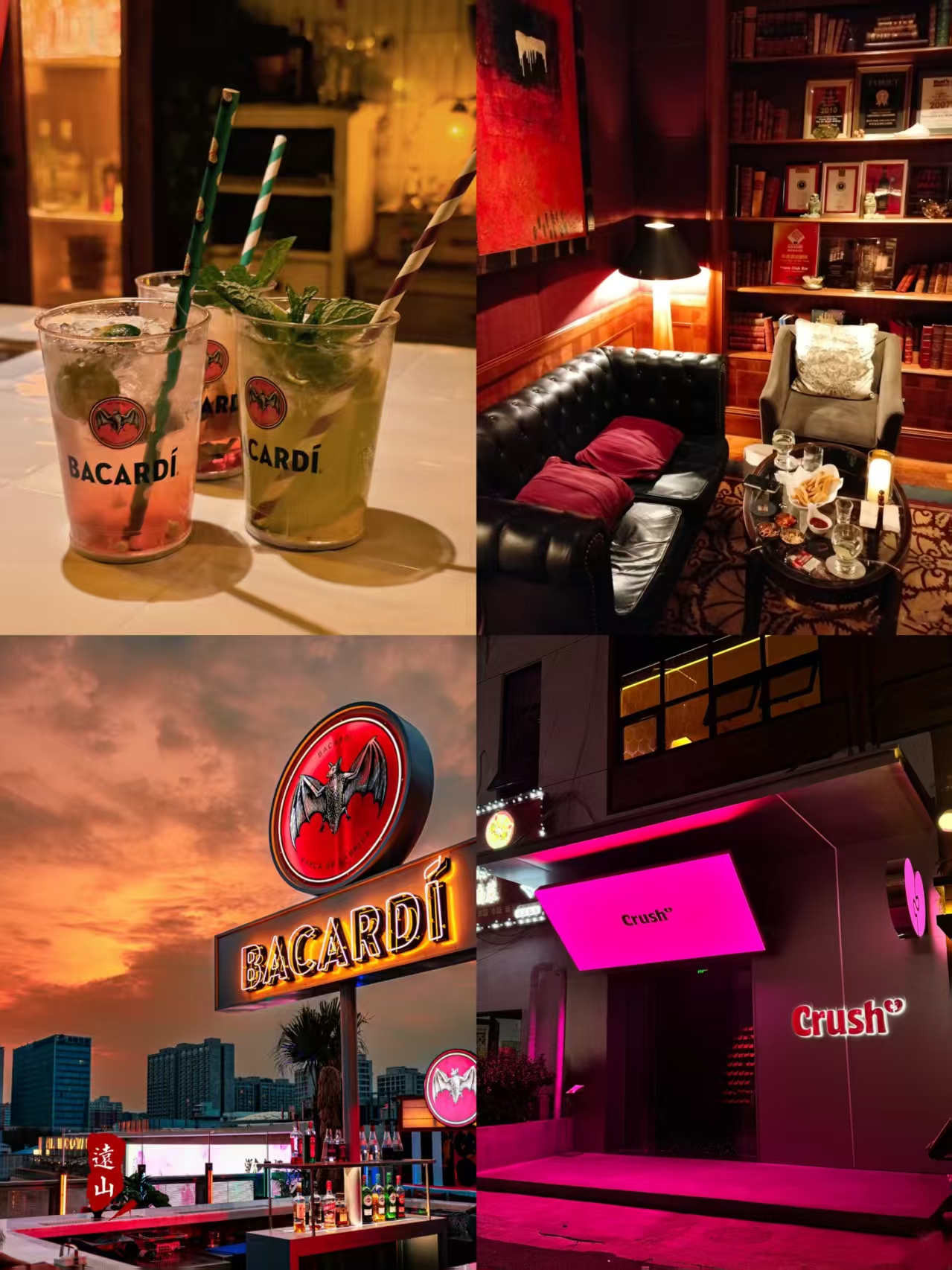
Relaxed Option: Martini Bar
Location: Sanlitun Bar Street, Chaoyang District, Beijing(北京朝阳区三里屯酒吧街)
Opening Hours: 19:00 – 02:00 (daily, varies slightly)
Contact: Walk-in / no strict reservation system
Crowd: Expats, tourists, mixed international guests
Entry: Usually free entry
Style: Chill bar, light electronic / pop background music
Dress Code: Very casual, no strict rules
Experience: Relaxed meeting point rather than a full nightclub, easy for first drinks before clubbing.
Martini is not a full nightclub, but it often sets the tone for the night. People usually start here, then move to bigger venues once the street gets busier.
Pre-Party Spot: Kai Club
Location: Sanlitun Area, Chaoyang District, Beijing(北京朝阳区三里屯附近)
Opening Hours: 20:00 – 03:00 (weekends later)
Contact: WeChat booking / walk-in possible
Crowd: Students, expats, young locals
Entry: Usually free or low cover charge
Style: Pre-party bar / commercial music warm-up
Dress Code: Casual acceptable
Experience: A transition spot before moving into bigger Sanlitun clubs.
Kai Club feels more like a warm-up zone. Conversations start here more easily than in louder clubs, especially for solo travelers.
By around 11 pm, Sanlitun streets become tightly packed. Music leaks from multiple doors, and groups move without a fixed plan. A common scene is people switching clubs two or three times in one night without even checking names properly. Sanlitun works less like a destination and more like a walking nightlife circuit.
A lot of first-time visitors report a similar feeling: no one really speaks Chinese, but it somehow doesn’t matter. You just follow the sound and crowds. If there is one place in Beijing where you can start without planning too much, this is it.
Gongti Big Night Clubs
-
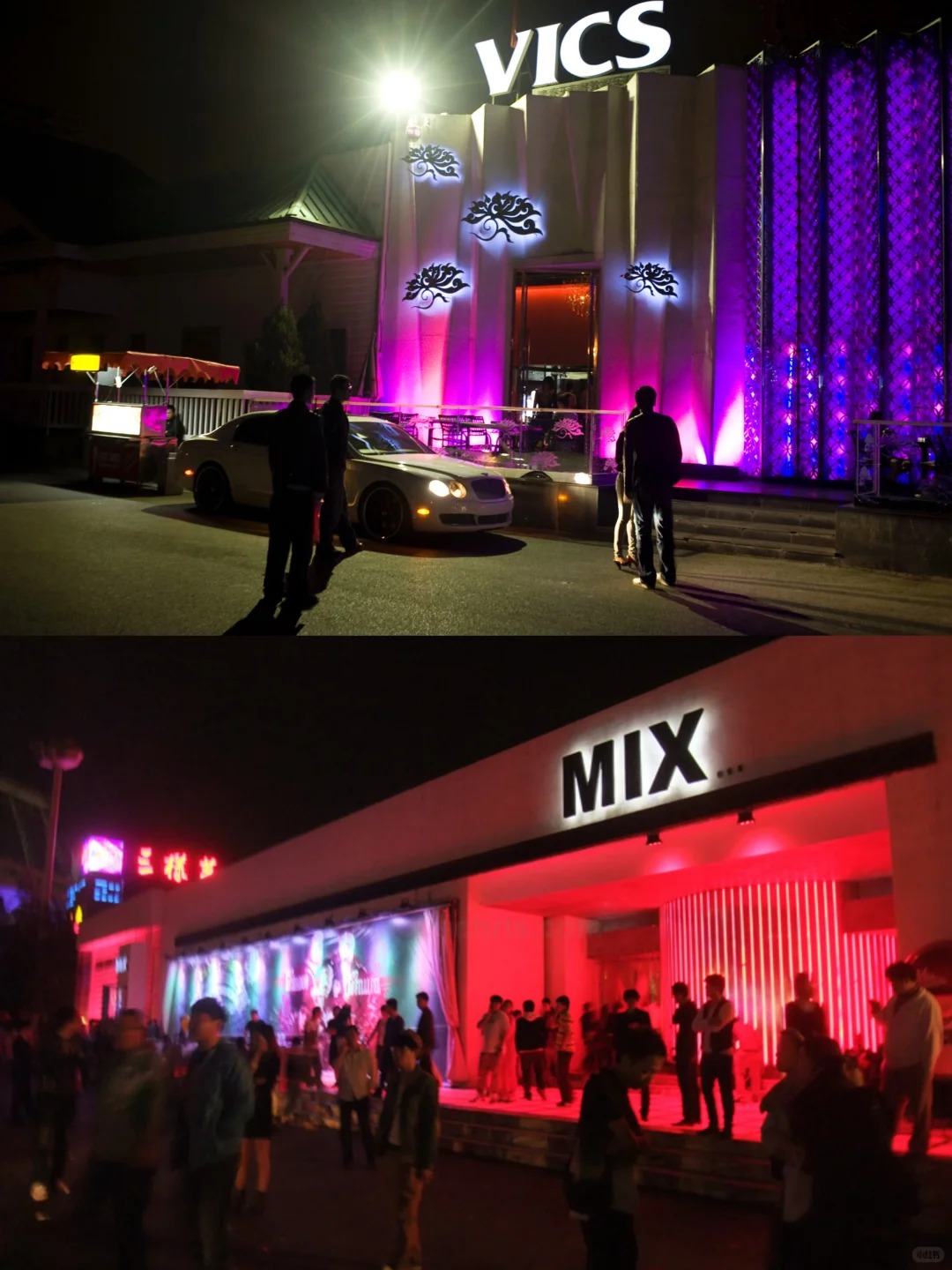
- VICS&MIXS
-
- Cargo
-
- Babyface
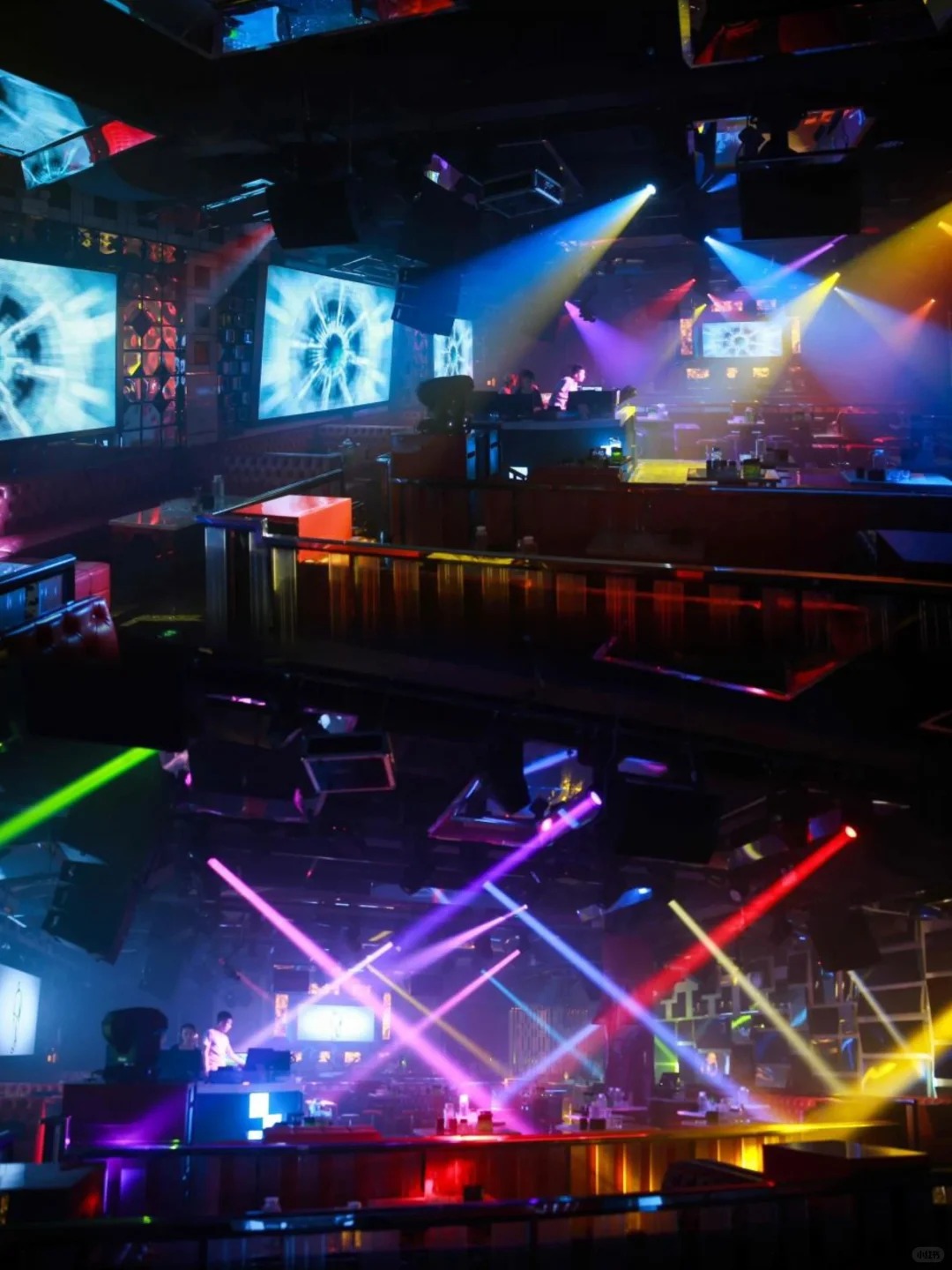
Gongti (Workers’ Stadium area) is where Beijing clubs become much larger, louder, and more commercial. Compared to Sanlitun, everything here is scaled up: queues are longer, entrances are brighter, and club interiors feel closer to concert venues than bars.
VICS Club
Location: Workers’ Stadium South Gate, Chaoyang District, Beijing(北京朝阳区工体南门)
Opening Hours: 21:00 – 04:00 (weekends peak later)
Contact: WeChat / walk-in queue system
Crowd: Mixed but foreign-heavy on weekends
Entry: ¥100–180
Style: Hip-hop / EDM / commercial sets
Dress Code: Smart casual, avoid sportswear
Experience: Long-running expat-friendly club with stable crowd and predictable party energy.
VICS has a reputation for being easy to enter and consistently busy. It is not the most trendy place anymore, but still reliable for a full dance-floor experience.
Mix Club
Location: Workers’ Stadium Area, Chaoyang District, Beijing(北京朝阳区工体附近)
Opening Hours: 22:00 – 05:00
Contact: WeChat booking / event-based entry
Crowd: Hip-hop crowd, strong international presence
Entry: ¥120–200 depending on event
Style: Hip-hop / trap / R&B
Dress Code: Trendy streetwear preferred
Experience: High-energy dance floor, often packed after midnight with strong crowd interaction.
Mix is where the energy shifts. The crowd is more active, and the dance floor is usually packed early into the night. It feels less tourist-oriented and more performance-driven.
Cargo Club
Location: Workers’ Stadium Area, Chaoyang District, Beijing(北京朝阳区工体商圈)
Opening Hours: 21:00 – 04:00
Contact: WeChat mini program / ticketed events
Crowd: Expats, young professionals, music fans
Entry: ¥120–250 depending on DJ lineup
Style: EDM / techno / house
Dress Code: Smart casual / fashion street style
Experience: Strong light show and production value, closer to a festival-style club.
Cargo is one of the most “show-style” venues in the area. The lighting setup often dominates the experience, especially during guest DJ nights.
Babyface
Location: Workers’ Stadium Area, Chaoyang District, Beijing(北京朝阳区工体商圈)
Opening Hours: 21:00 – 04:00
Contact: Reservation via WeChat / table booking preferred
Crowd: High-spending locals, expats, business groups
Entry: ¥150–300 (higher on weekends)
Style: Commercial EDM / hip-hop crossover
Dress Code: Fashion-forward, avoid casual sportswear
Experience: VIP-heavy atmosphere, more about table culture than free dancing space.
Babyface is not for casual visits. It is more structured around tables and group bookings than open dancing.
Overall, Gongti feels more intense than Sanlitun. The crowd density is higher, and weekends often mean waiting outside before entry. If Sanlitun is about ease, Gongti is about scale and volume.
Hutong Bars And Underground Spots
-
- Modernista
-
- School Bar
-
- DADA
Hutong nightlife is a different category inside Beijing clubs culture. It is not about large crowds or bright LED screens. Instead, it focuses on smaller rooms, live music, and underground energy hidden in narrow streets.
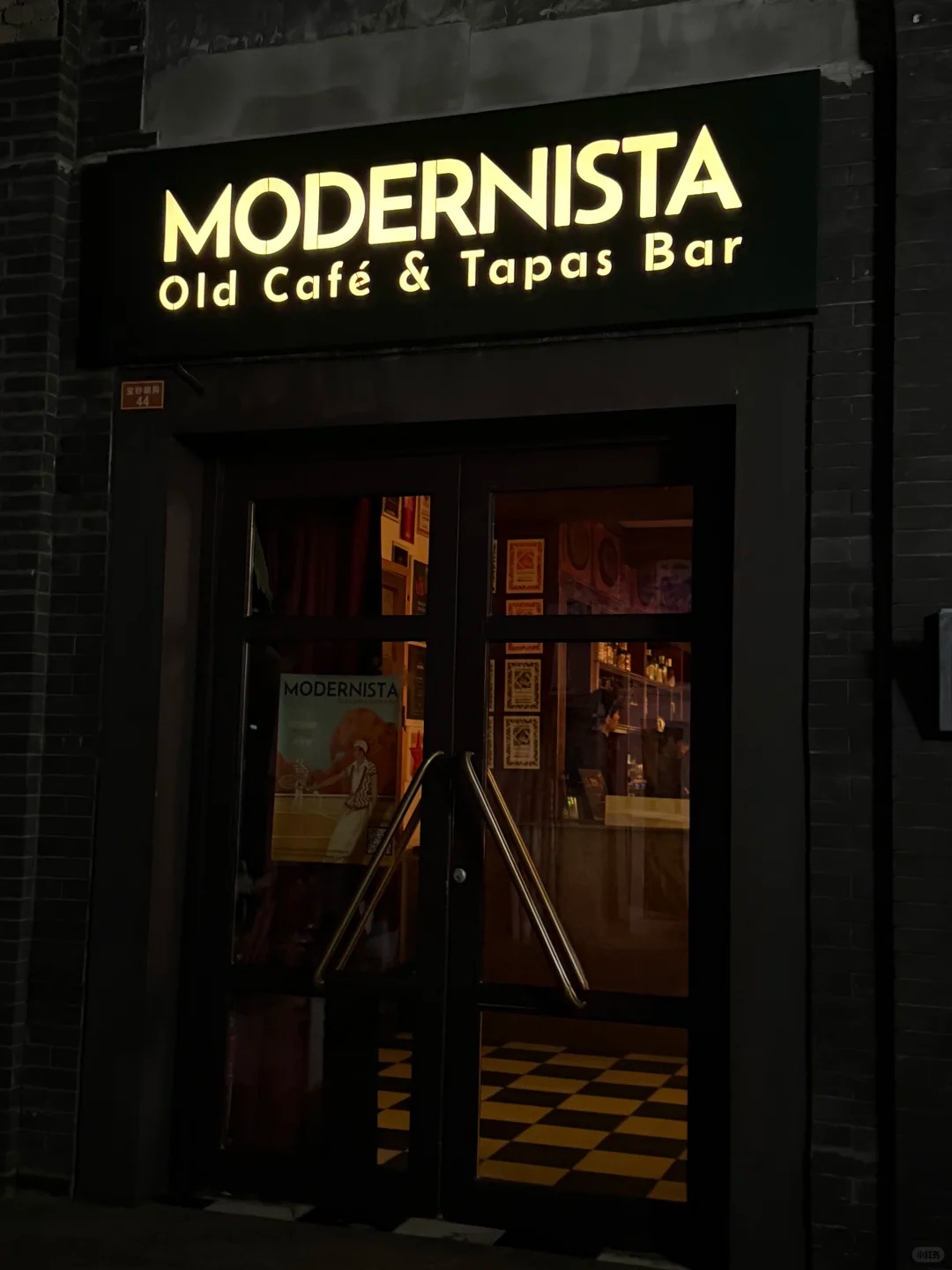
Modernista
Location: Baocao Hutong, Dongcheng District, Beijing(北京东城区宝钞胡同)
Opening Hours: 18:00 – 01:00
Contact: Walk-in / no reservation required
Crowd: Expats, artists, long-term residents
Entry: Usually free
Style: Jazz / acoustic / Latin vibe
Dress Code: Casual
Experience: Feels like a small European-style bar hidden inside a Beijing hutong.
Modernista feels more like a social bar than a club. People sit closer together, and conversations matter more than the music volume.
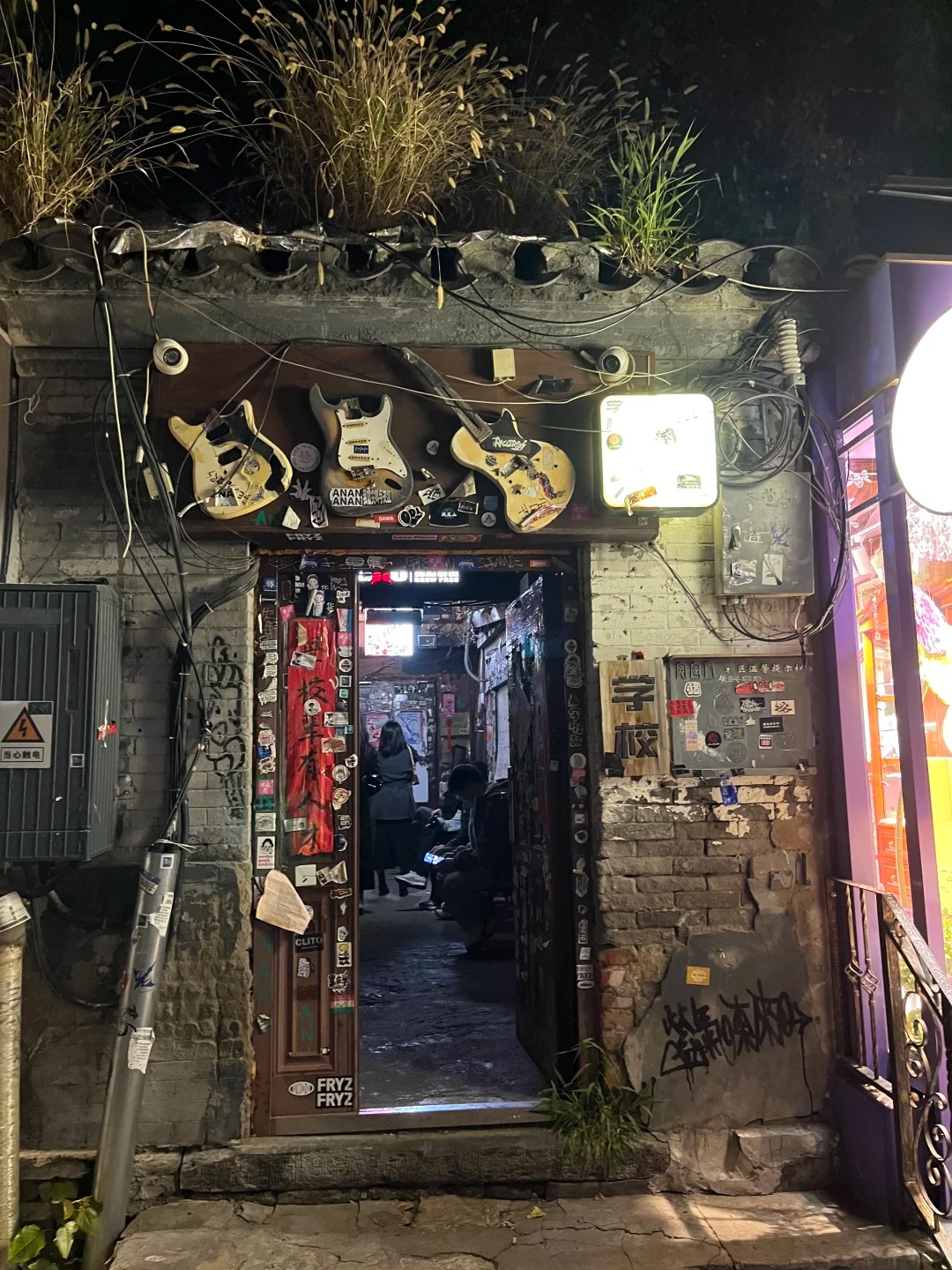
School Bar
Location: Wudaoying Hutong, Dongcheng District, Beijing(北京东城区五道营胡同)
Opening Hours: 19:00 – 02:00
Contact: Walk-in / event-based entry
Crowd: Indie music fans, expats, students
Entry: ¥50–100 (live shows)
Style: Rock / indie live bands
Dress Code: Casual
Experience: One of the most consistent live music venues in Beijing.
School Bar is one of the few places in Beijing where live rock still has a stable audience. It’s small, sometimes crowded, and often loud in a raw way rather than polished production.
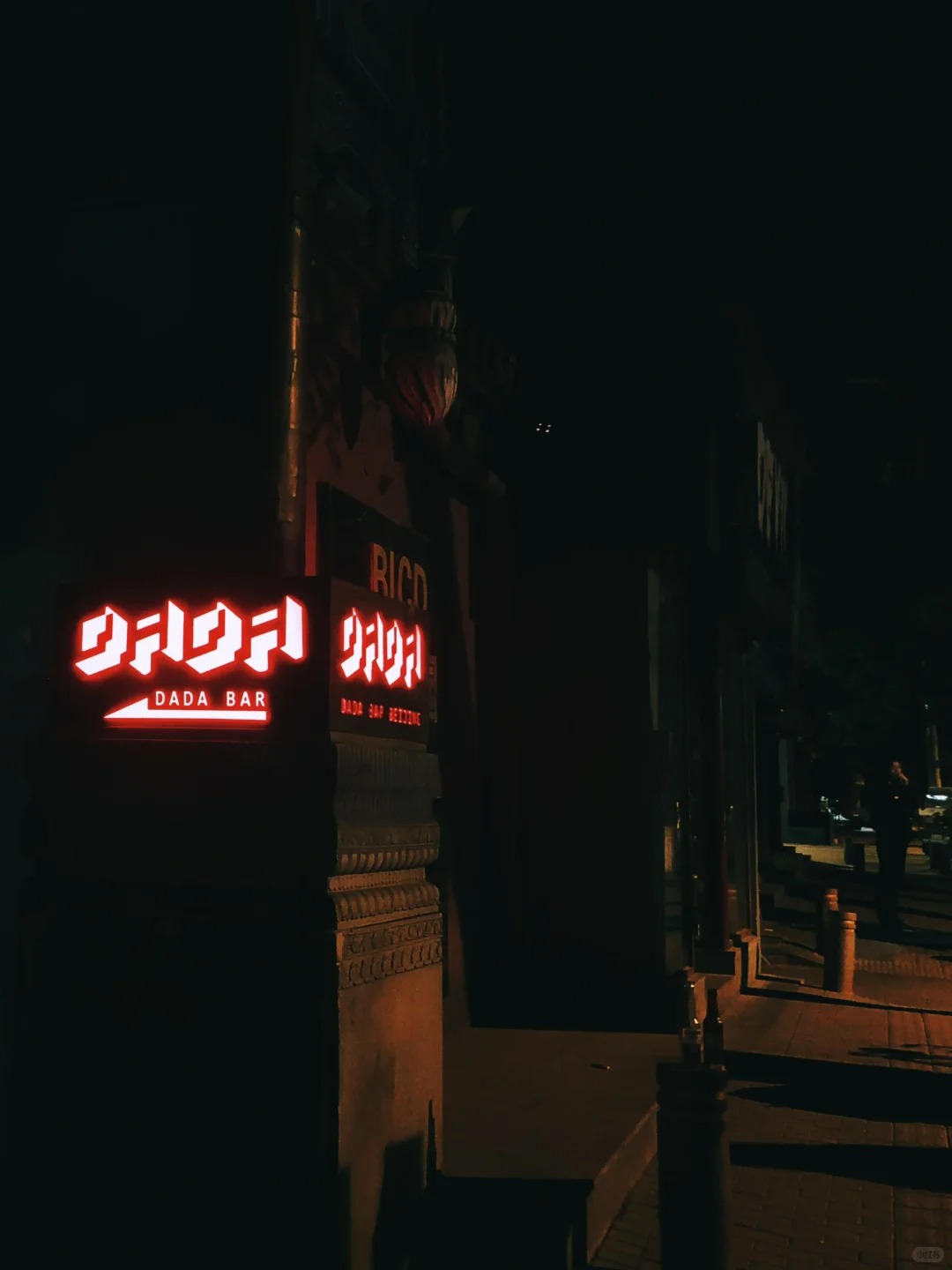
DADA
Location: Gulou Dong Dajie, Dongcheng District, Beijing(北京东城区鼓楼东大街)
Opening Hours: 21:00 – 04:00
Contact: WeChat / event ticket system
Crowd: Underground music fans, expats
Entry: ¥80–150
Style: Techno / bass / underground electronic
Dress Code: Casual streetwear
Experience: Dark, intimate space focused on DJ-driven underground sound.
DADA is probably the most “underground” feeling among these. There is no big visual show, just sound and movement. People usually come specifically for DJs, not atmosphere decoration.
Hutong venues don’t try to impress with scale. Instead, they rely on closeness and music selection. You might not stay long in one place, but the experience feels more local and less structured. For people tired of commercial clubs, this is where Beijing starts to feel more real.
Music And Crowd Types In Clubs
Foreign Heavy Clubs
-
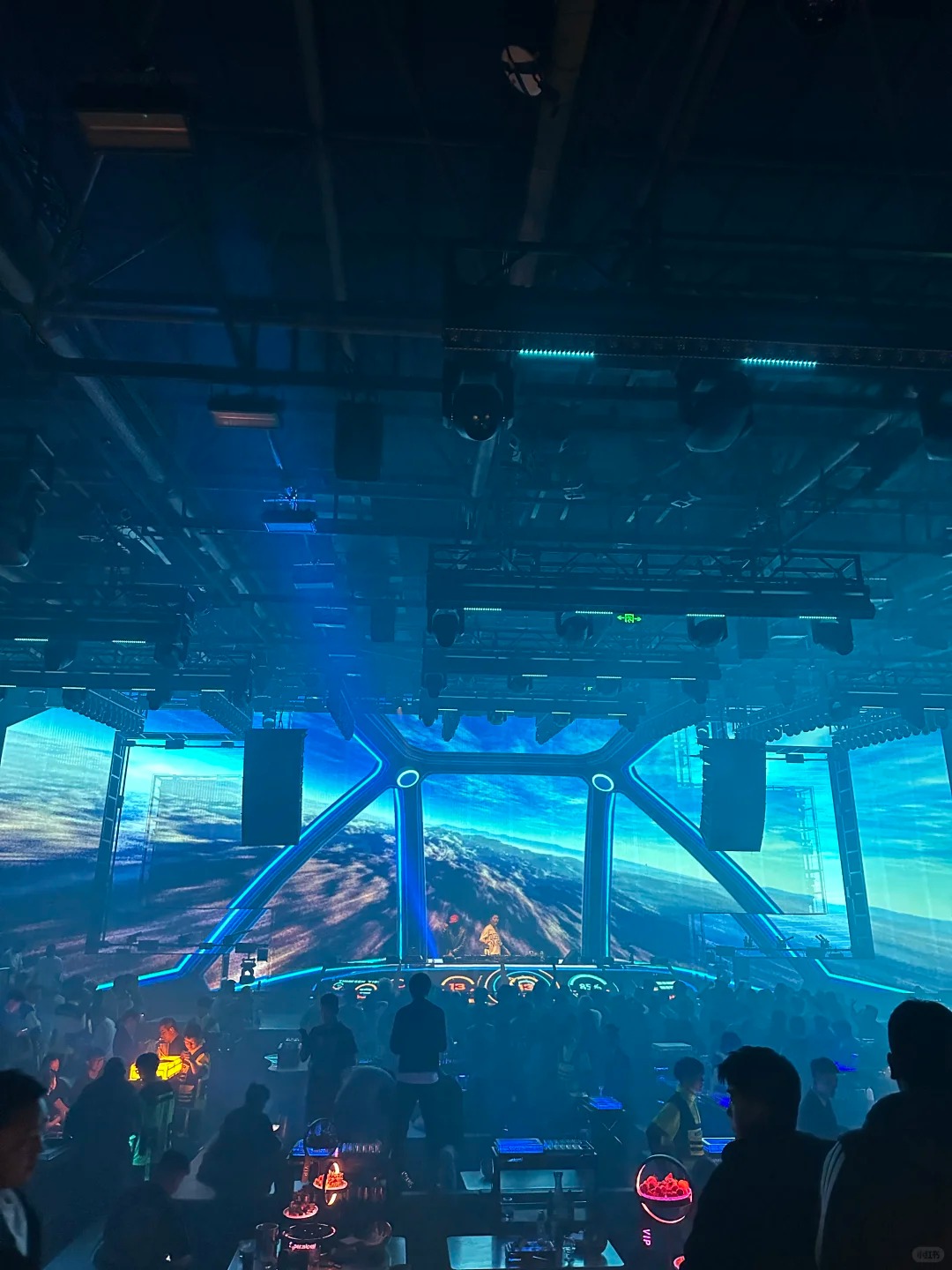
- Foreign Heavy Clubs-Supermiami
-
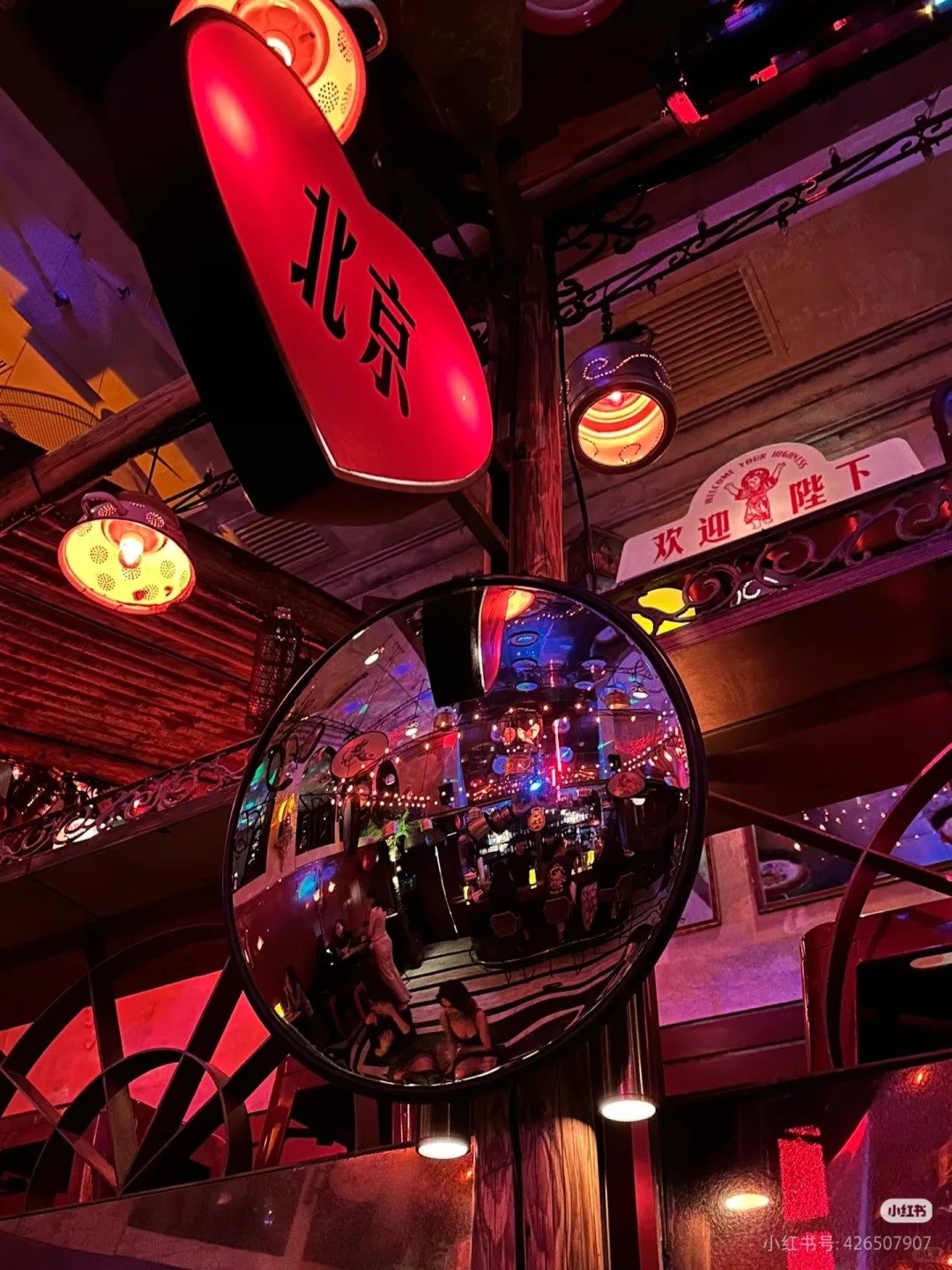
- Foreign Heavy Clubs-Martini
-
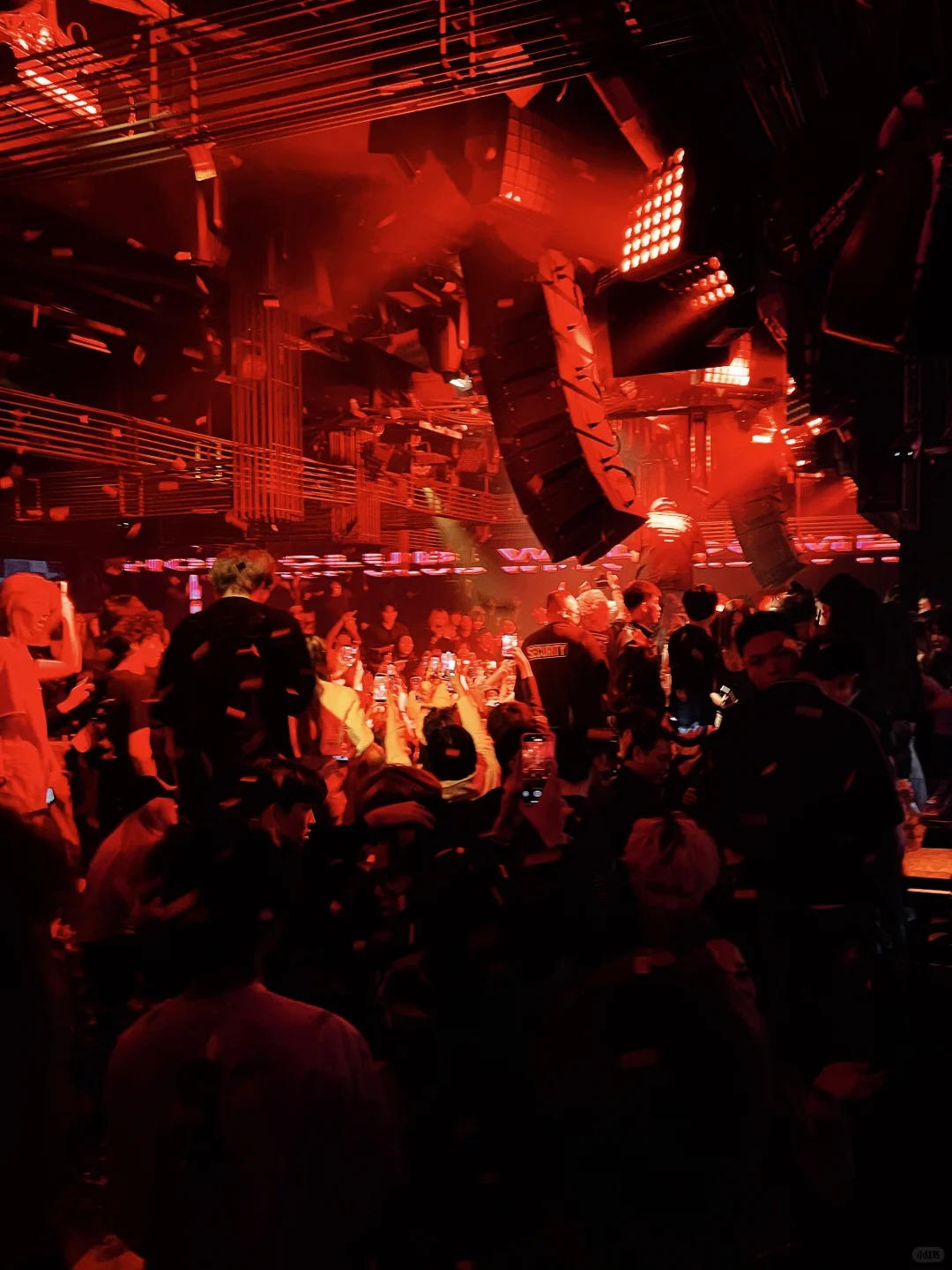
- Foreign Heavy Clubs-Club
Foreign-heavy venues in Beijing clubs are mostly concentrated in Sanlitun and parts of Gongti. These places are not just popular with tourists but also long-term expats who already know the city rhythm. The key difference here is communication—English is widely used, and social interaction feels more natural compared to local-only venues.
Supermiami
- Crowd: Mostly Western expats (EU / US / Canada)
- Language: English fully supported at entry and bar
- Entry: Around ¥100–200 depending on DJ events
- Social vibe: High interaction, people talk between sets
- Highlight: “It feels more like a social party than a silent dance floor.”
Supermiami is often the first stop for foreigners who want a safe and predictable club experience. It is easy to enter, and most people are open to conversation without strong language barriers.
YAO
Location: Workers’ Stadium Area, Chaoyang District, Beijing(北京朝阳区工体商圈)
Opening Hours: 21:00 – 04:00 (weekends may run later)
Contact: WeChat official account “YAO” / ticket or table booking via mini program
Crowd: Mixed crowd with many expats on weekends
Entry: ¥120–220 depending on DJ lineup and event night
Style: EDM / commercial electronic / guest DJ sets
Dress Code: Smart casual recommended, avoid overly casual sportswear or slippers
Feature: Modern lighting system and large-stage party atmosphere
Experience: Feels more like a high-production show than a small club, especially during peak DJ sets when the crowd fills the main floor quickly.
YAO has become one of the better-known large clubs around Gongti in recent years. The crowd is more polished than some older Beijing clubs, and weekends usually bring a strong mix of locals, travelers, and expats. The music leans commercial EDM rather than underground electronic, but the sound and lighting setup are noticeably stronger than many mid-size venues nearby.
Martini
- Crowd: Expats + local professionals
- Price: Drinks ¥60–120
- Style: Bar-first, club-later transition space
- Use case: Pre-drinking and meeting people
Martini is less of a pure nightclub and more of a starting point. Many people stay for one or two drinks before moving to larger clubs nearby.
In these venues, communication is rarely a problem. Even small interactions like ordering drinks or joining a table happen smoothly. This category is usually the safest entry point for solo travelers or first-time visitors in Beijing.
EDM And Underground Clubs
-
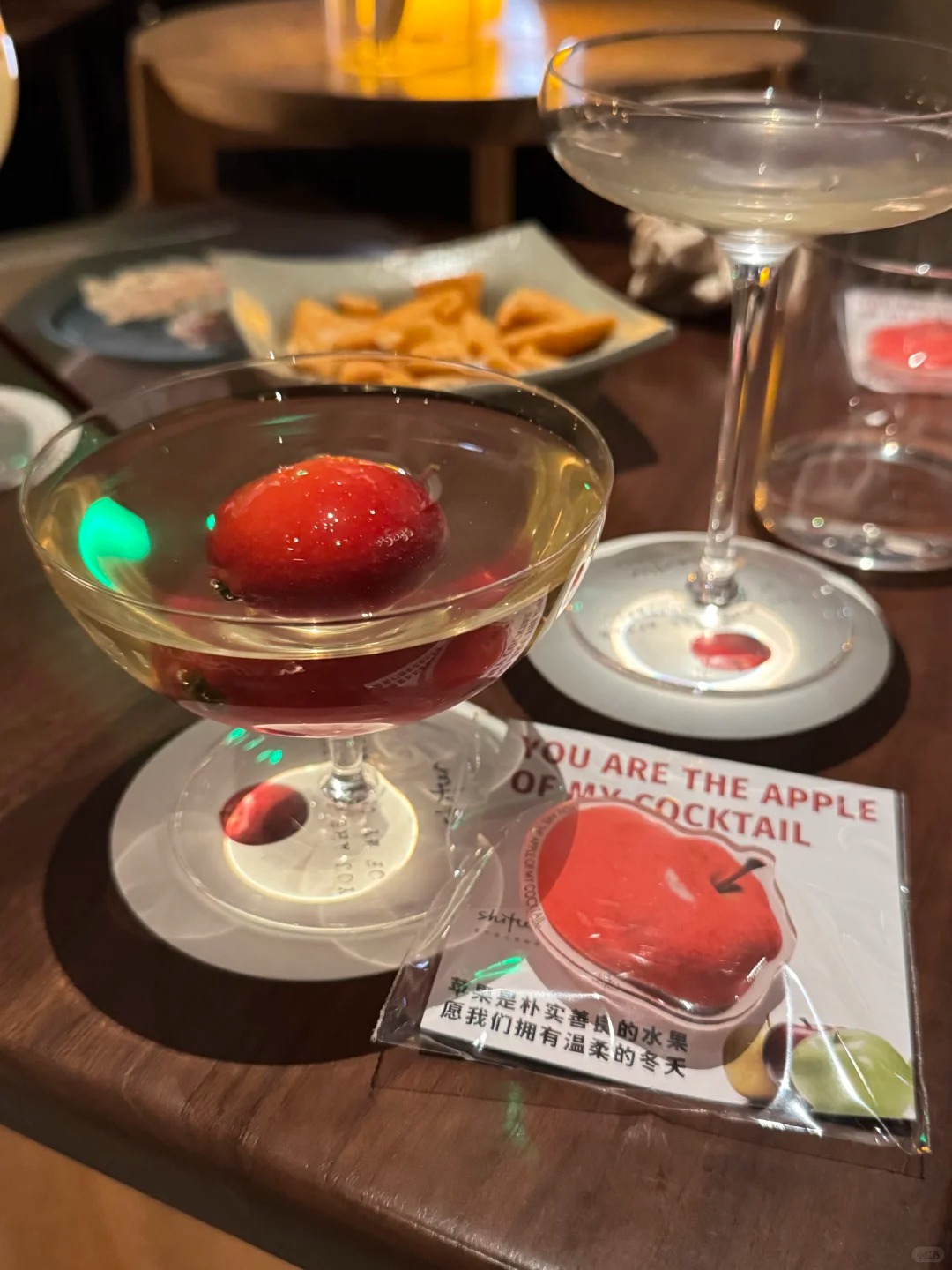
- EDM And Underground Clubs-Cargo
-
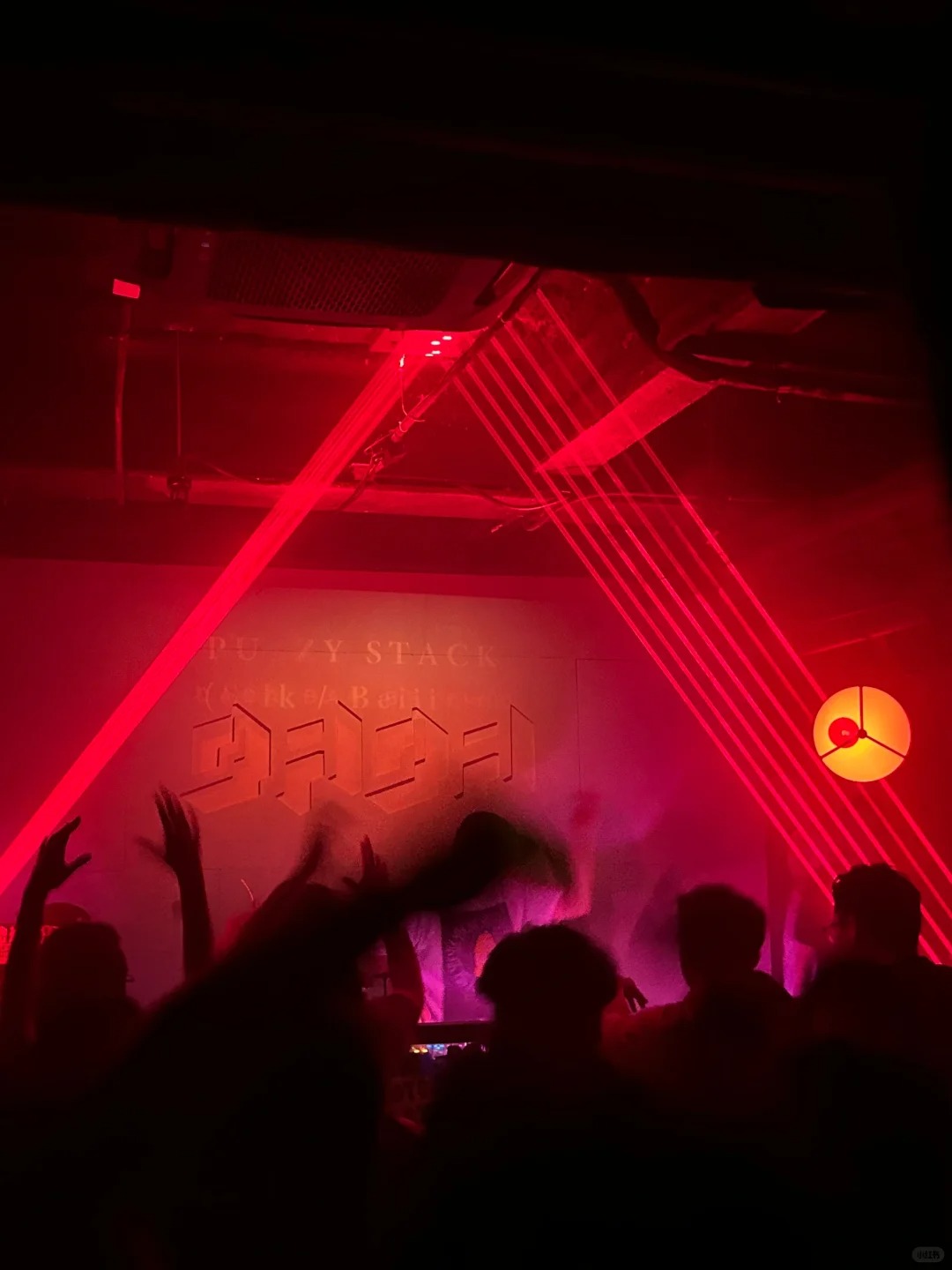
- EDM And Underground Clubs-DADA
EDM and underground venues inside Beijing clubs focus more on sound systems and DJs than social interaction. These spaces are darker, louder, and less structured compared to mainstream clubs.
Cargo
- Crowd: Young professionals + electronic music fans
- Music: Techno / house / progressive EDM
- Entry: ¥100–250 depending on lineup
- Feature: High-end lighting and stage production
- Note: DJ sets are the main reason people come here
Cargo feels closer to an international club standard. The visuals are synchronized with music, and the crowd usually stays focused on the DJ rather than socializing.
DADA
- Crowd: Underground music community + expats
- Music: Techno / bass / experimental electronic
- Entry: Around ¥50–100
- Environment: Small, dark, minimal design
DADA is very different from large clubs. It does not prioritize comfort or visual luxury. Instead, it focuses on sound quality and DJ selection. People come specifically for sets, not atmosphere decoration.
These two venues represent the underground side of Beijing nightlife. The experience is less about talking and more about staying inside the rhythm for hours without interruption.
Hip Hop Clubs
-
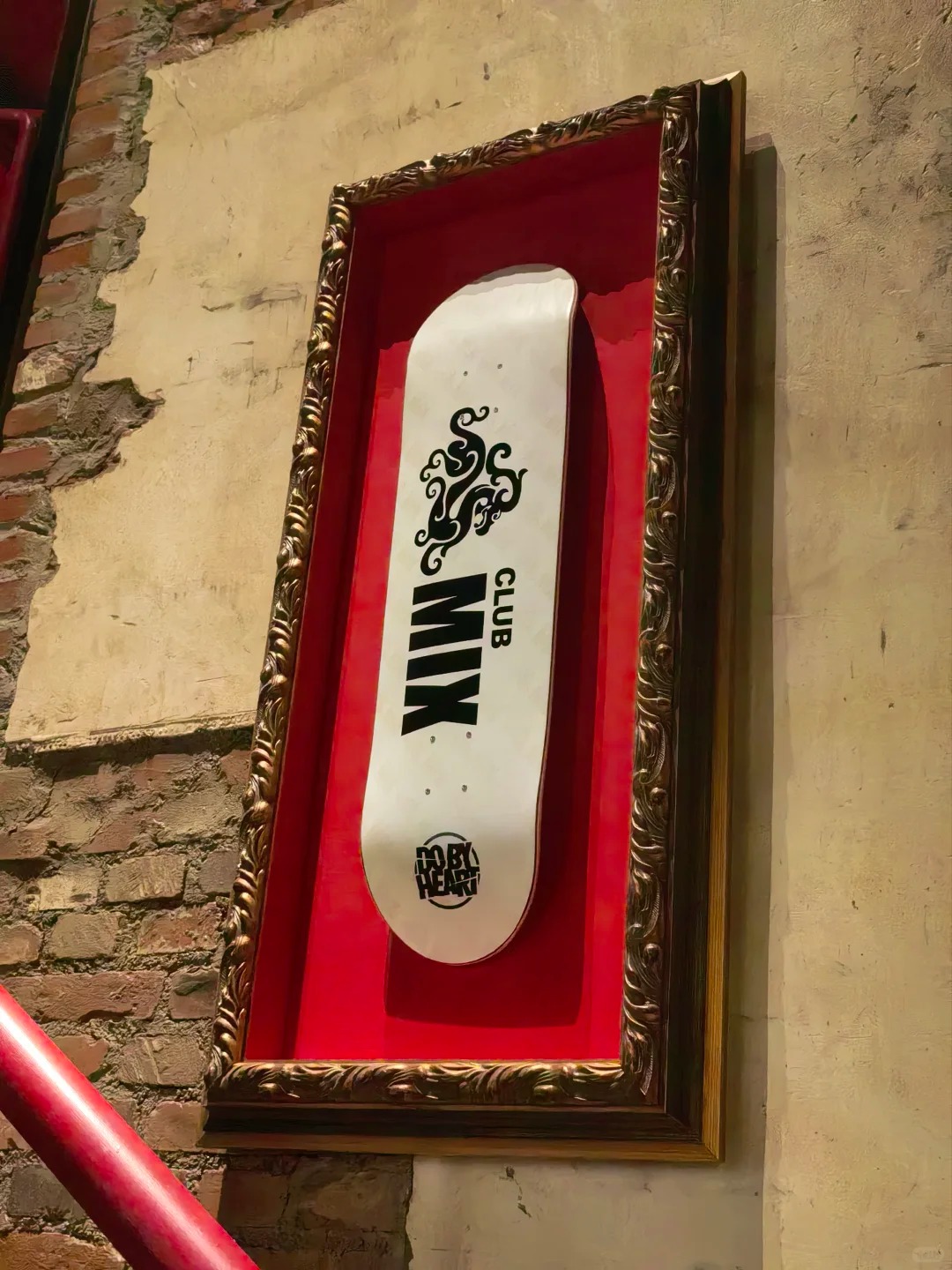
- Hip Hop Clubs-MIX
-
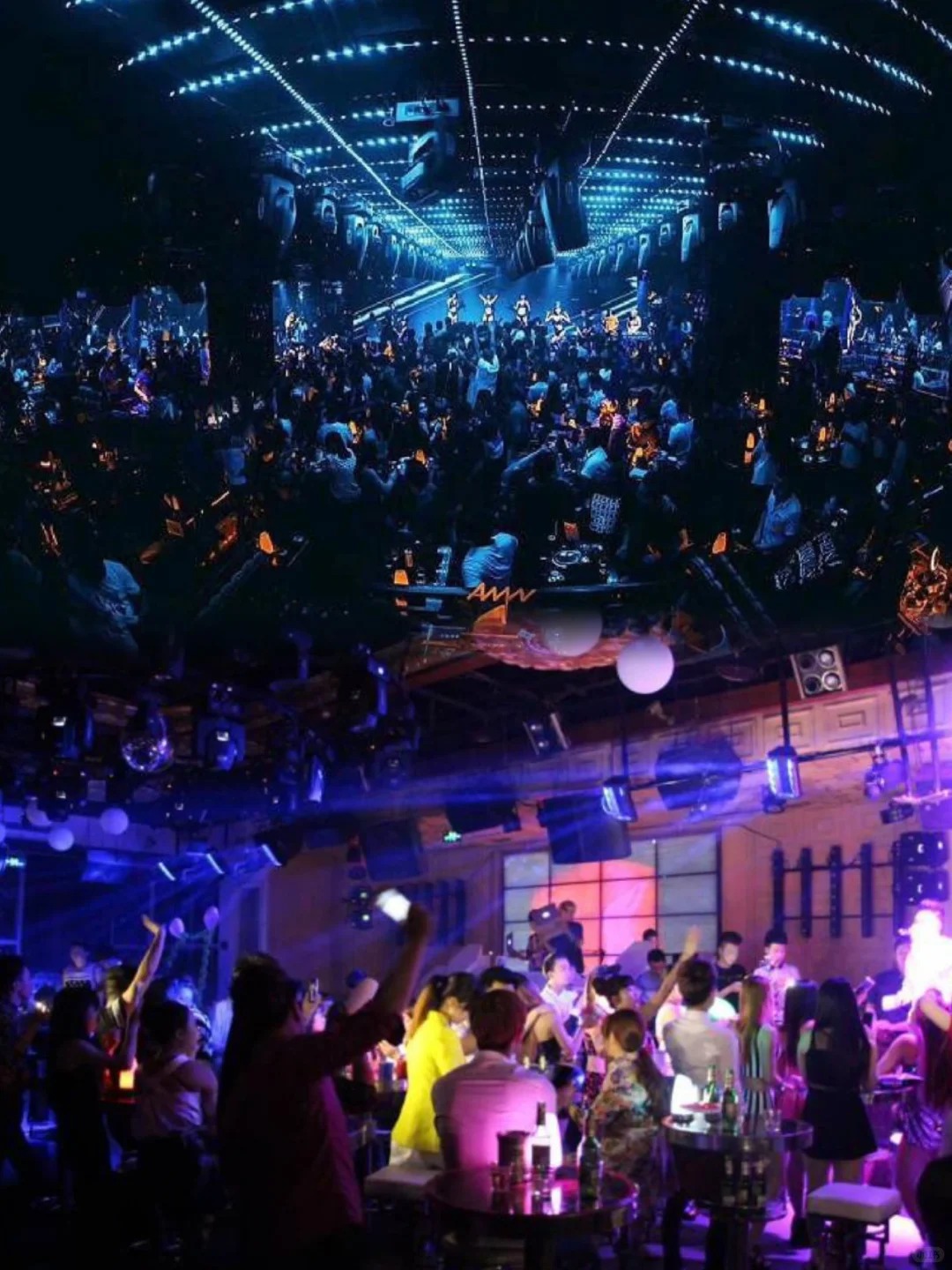
- Hip Hop Clubs-Babyface
Hip-hop focused venues in Beijing clubs tend to be louder in social interaction and more performance-driven. Compared to EDM clubs, there is more crowd participation, shouting, and visible energy on the dance floor.
Mix Club
- Crowd: Hip-hop fans + international DJs
- Music: Hip-hop / trap / R&B
- Entry: ¥100–200
- Highlight: Strong MC presence and live DJ mixing
- Feature: High crowd interaction on weekends
Mix is one of the most active hip-hop venues in Gongti. The energy builds quickly after midnight, and the dance floor becomes tightly packed.
Babyface
- Crowd: Higher-spending local groups + expats
- Price: Tables often start from ¥2000+
- Style: Premium hip-hop nightlife
- Entry: Controlled, table-focused system
Babyface is less casual than Mix. It operates more like a bottle-service club where groups dominate space rather than open dancing.
Hip-hop clubs in Beijing usually feel more social and expressive. People react to the music, shout along, and move between tables frequently. If EDM is about immersion, hip-hop clubs are about visible crowd energy.
LGBTQ Friendly Spots
-
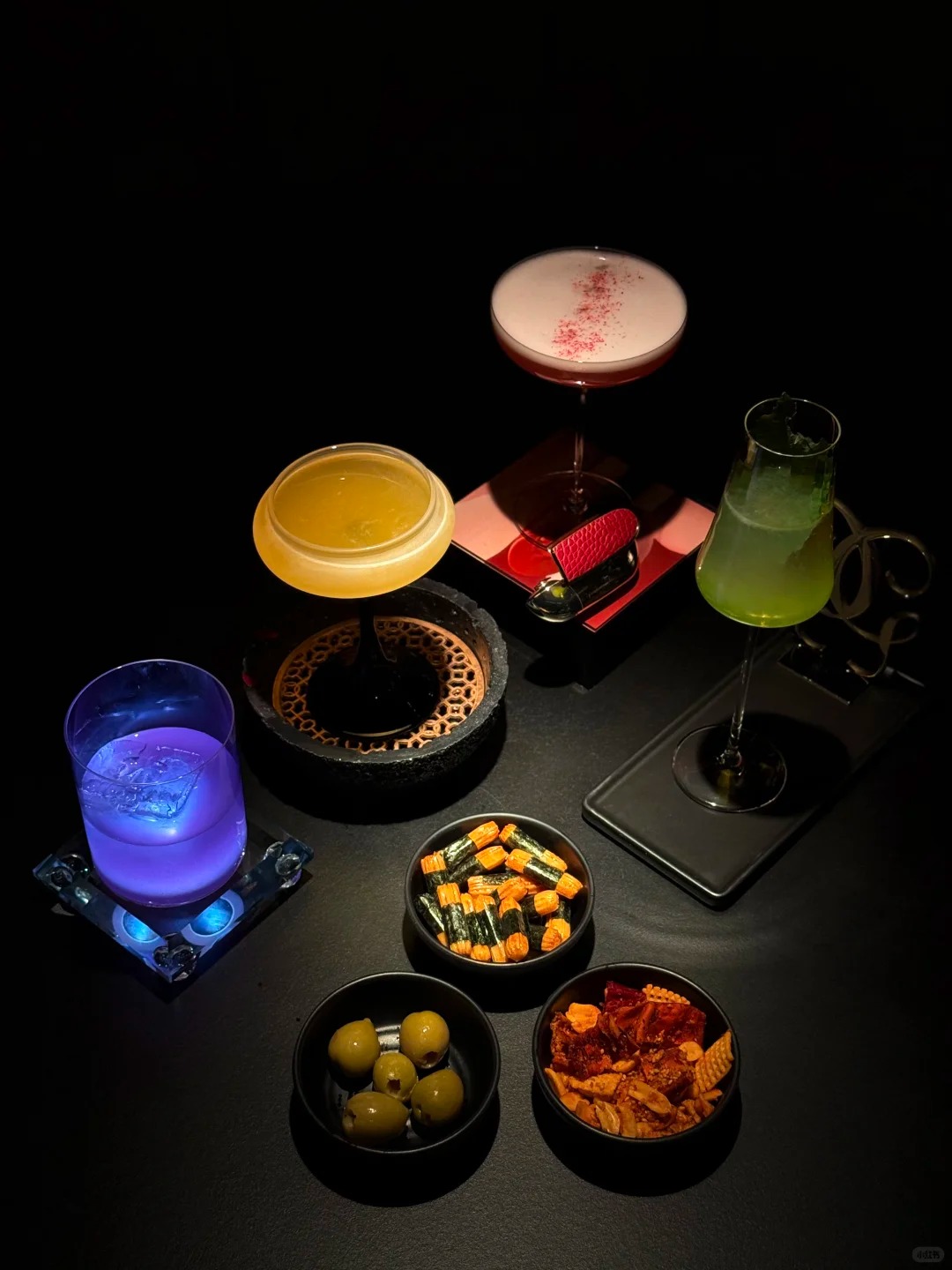
- LGBTQ Friendly Spots-ALFA
-
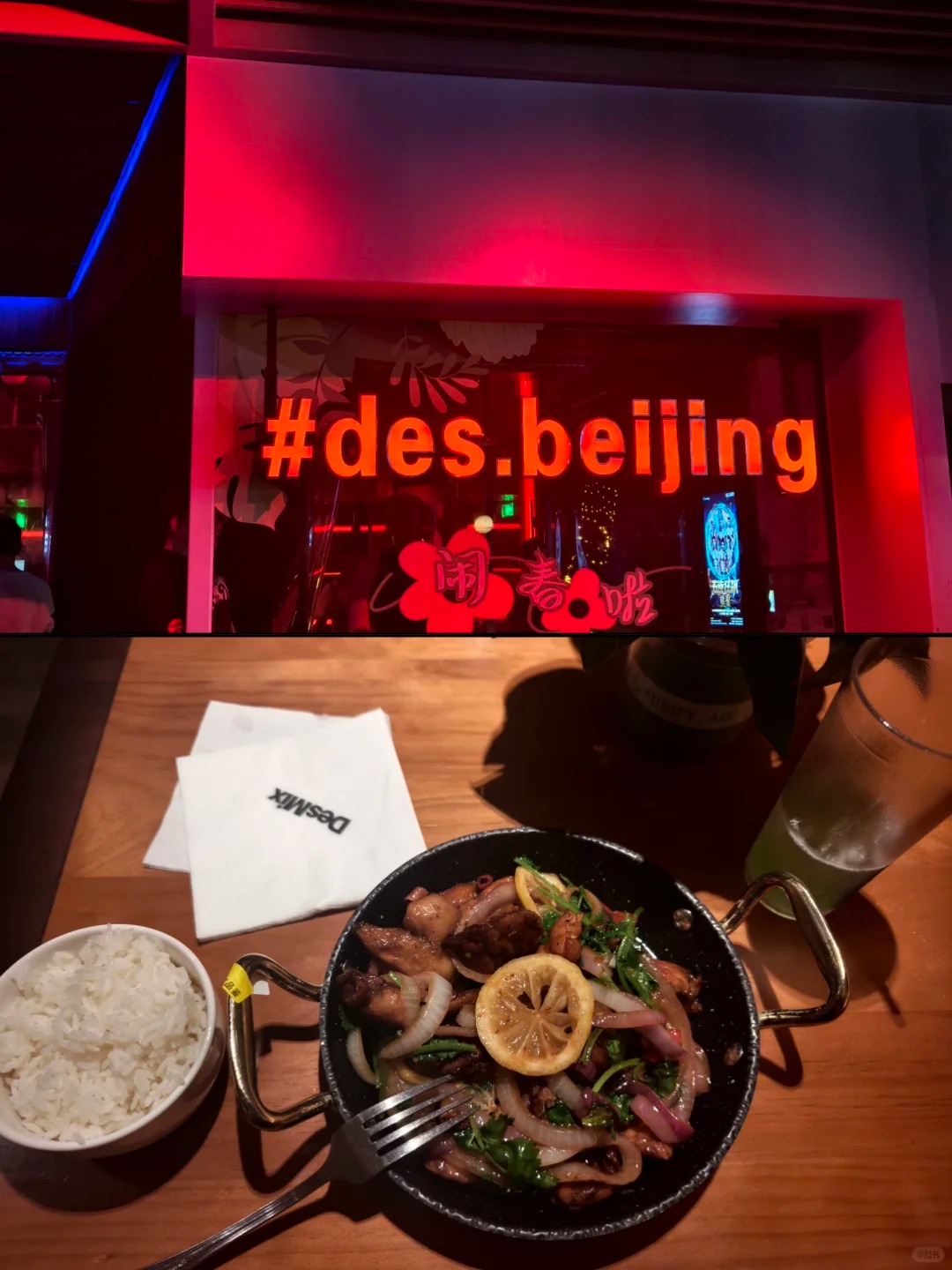
- LGBTQ Friendly Spots-Destination
LGBTQ-friendly venues within Beijing clubs are smaller in number but offer a noticeably different atmosphere. These places focus on inclusiveness rather than scale or exclusivity.
Alfa
Location: Gongti Area, Chaoyang District, Beijing(北京朝阳区工体附近)
Opening Hours: 20:00 – 03:00
Contact: WeChat / themed event booking
Crowd: LGBTQ+ friendly mixed crowd
Entry: ¥80–150 depending on event
Style: Pop / 80s / themed nights
Dress Code: Flexible, creative outfits welcome
Experience: Inclusive nightlife space with themed parties and open social atmosphere.
Alfa is known for its relaxed entry policy and inclusive atmosphere. People usually come in small groups, and interaction is more open compared to mainstream clubs.
Destination
Location: Sanlitun Area, Chaoyang District, Beijing(北京朝阳区三里屯)
Opening Hours: 20:00 – 03:00
Contact: WeChat / event-based entry
Crowd: LGBTQ+ friendly + international mix
Entry: ¥80–180
Style: Pop / EDM / themed nights
Dress Code: Casual to creative
Experience: Known for themed parties and a relaxed, inclusive crowd.
Destination is slightly larger and more commercial than Alfa, but still maintains a mixed and open crowd structure.
These venues are not only about music but also about providing safe social spaces. Many visitors describe them as easier places to relax compared to high-pressure nightlife environments. They offer one of the most comfortable social atmospheres in Beijing’s nightlife scene.
Entry Rules And Costs
ID And Entry Rules
Entry rules in Beijing clubs are fairly standard, but they are enforced more strictly than many first-time visitors expect. Almost every club requires a valid passport for foreigners or a Chinese ID for locals. At the entrance, staff usually scan the document and register basic information into a system before letting people in.
The process is not complicated, but it does feel formal. Some clubs also do quick age checks, especially in Gongti venues where the crowd is younger and more mixed. If someone looks under 25, they may be asked extra questions or held briefly at the door.
There is also a clear separation between regular entry and VIP access. VIP guests often enter through a different line with table reservations, while walk-in guests wait in a general queue. On busy weekends, this difference can easily decide whether you enter in 10 minutes or wait half an hour outside.
Overall, the system is consistent across most venues, but timing matters. Arriving early—before 11 pm—usually avoids most delays.
Club Prices In Beijing
Pricing inside Beijing clubs varies a lot depending on area and club style, but the general structure is predictable once you’ve been out a few times.
The entry fee for most mid-to-high range clubs sits around ¥100–300, especially in Sanlitun and Gongti. Some nights with international DJs or special events can go higher, but regular weekends usually stay within this range.
Drinks are another key factor. A standard cocktail usually costs around ¥80–150, while imported beers are slightly cheaper but still high compared to regular bars. If you stay at the bar instead of a table, a full night can still be relatively manageable.
Tables and VIP seating change the experience completely. In Gongti clubs like Babyface or Cargo, a basic table often starts at ¥2000+, and premium sections can go much higher depending on group size and location in the club.
There is also a clear difference between areas. Sanlitun clubs tend to feel slightly more flexible with pricing and promotions, while Gongti venues are more structured and event-driven. In simple terms, Sanlitun is easier on the wallet, Gongti is easier on the spectacle.
Dress Code Expectations
Dress codes in Beijing clubs are not uniform, but they usually fall into two categories: relaxed casual in Sanlitun and more controlled fashion standards in Gongti.
In Sanlitun, most clubs accept smart casual outfits. Clean sneakers, jeans, and basic shirts are generally fine. The atmosphere is more flexible because the crowd is mixed and includes many tourists and expats.
Gongti clubs, however, tend to be stricter. Entry staff may reject people wearing slippers, sportswear, or overly casual outfits. This is especially true in higher-end venues where table service dominates the layout.
There is no need for formal clothing, but appearance does matter. Many locals dress as if they are going to a fashion event rather than a casual night out. Even a simple upgrade—like switching from sports shoes to clean sneakers—can make a noticeable difference at the door.
Scams To Avoid
Nightlife in Beijing clubs is generally safe, but there are a few common situations that confuse first-time visitors. Most of them are not dangerous, but they can lead to overspending or awkward experiences.
One of the most reported issues is the so-called “lady bar” approach. In some areas near nightlife districts, promoters may invite visitors into bars that look normal from outside but later push extremely high drink minimums. The pricing is not always clear upfront, which leads to surprise bills.
Another common situation is the “free VIP entry” offer. Someone outside a club may claim they can bypass the queue or bring guests into a VIP area. In reality, this often leads to forced table spending or hidden charges that are not explained in advance.
Drink pricing inside certain clubs can also be inconsistent if menus are not checked carefully. Ordering without asking for the price first can sometimes result in unexpectedly high bills, especially for imported alcohol.
There are also casual street promoters near busy areas like Gongti who encourage people to follow them to “better clubs.” Most of the time, these are not scams in a strict sense, but they often lead to venues that are overpriced or low quality.
The safest approach is simple: stick to known clubs, check prices before ordering, and avoid anyone pushing urgent offers outside the venue. Most problems in Beijing nightlife come from impulse decisions, not the clubs themselves.
Real Night Experience In Beijing Clubs
First Night In Sanlitun
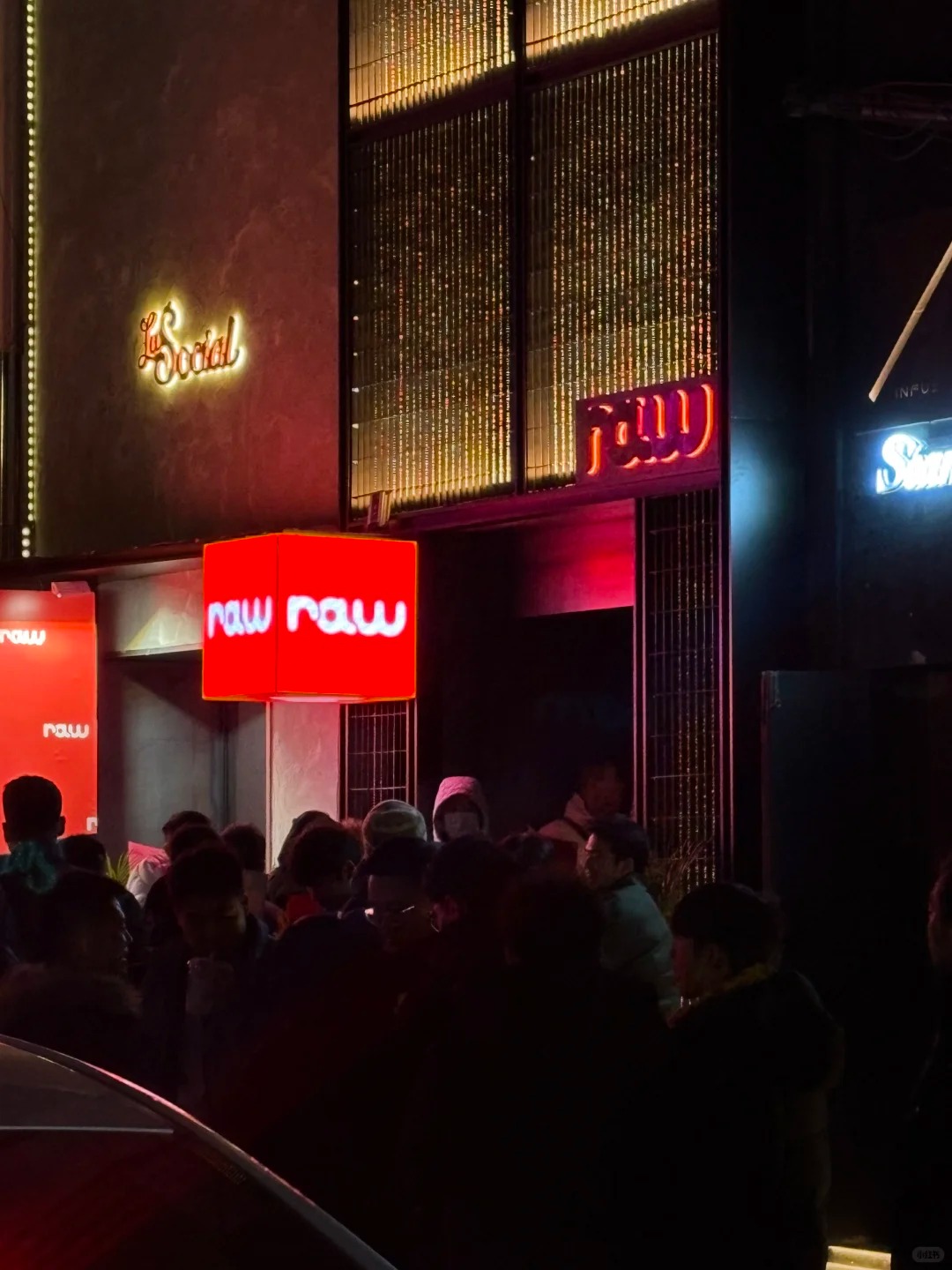
Crowds of Club Entry
The first night in Sanlitun usually feels slightly chaotic for anyone exploring Beijing clubs for the first time. Streets are dense, signs are bright but not always clear, and clubs sit next to each other without much separation. It is common to walk in circles a few times before deciding where to enter.
Most visitors don’t follow a fixed plan. They move between small bars and club entrances, sometimes stopping just because the music sounds louder from one door. Finding the exact place can feel confusing at first, especially if the names are only partly in English, but the layout is compact enough that it becomes easy within 20–30 minutes.
Outside the clubs, the atmosphere already feels like part of the night. People stand on the street with drinks, promoters talk to passersby, and music leaks from multiple directions. It feels less like entering a single venue and more like stepping into an open nightlife zone.
Social interaction happens naturally here, even without effort. Groups mix quickly, and it is not unusual for strangers to end up moving between clubs together after a short conversation. There is very little pressure, which makes the first experience easier than expected.
By the end of the night, most people realize they never really followed a plan—they just followed sound and movement. Sanlitun works more like a walking nightlife circuit than a single destination.
Peak Hours In Gongti
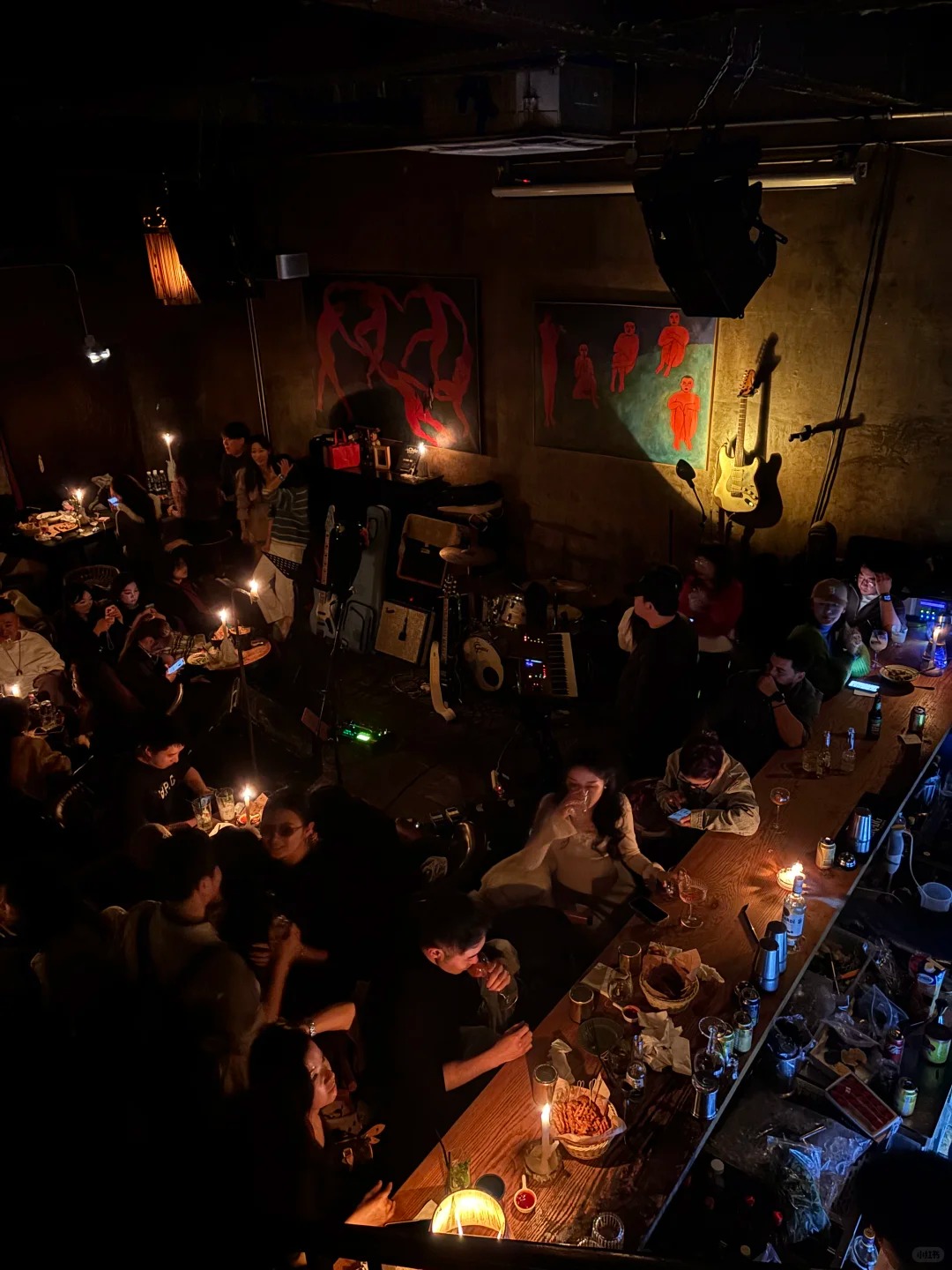
Peak Hours In Gongti
Gongti shows a very different side of Beijing clubs once midnight passes. The area becomes more concentrated, louder, and far more structured in how crowds move. Entry lines grow longer, and the waiting outside often becomes part of the experience itself.
Inside, the shift is immediate. Lighting systems go into full effect, DJs build intensity, and the dance floor fills quickly. The peak period usually starts after 12 am and can last until 3 or even 4 am depending on the venue.
Crowd density is noticeably higher than Sanlitun. People are packed closer together, especially near the DJ booth or central dance areas. It is not unusual for movement to feel limited during peak sets, but that is also when the energy is highest.
At its peak, Gongti feels less like individual clubs and more like one large synchronized party across multiple venues. The sound from different clubs overlaps slightly in outdoor areas, creating a layered nightlife atmosphere.
Even though it can be tiring due to queues and crowds, many visitors stay until closing time. The momentum of the music and lighting keeps the energy consistent through the early morning hours, and leaving early often feels like missing the main part of the night.
Calm Nights In Hutongs
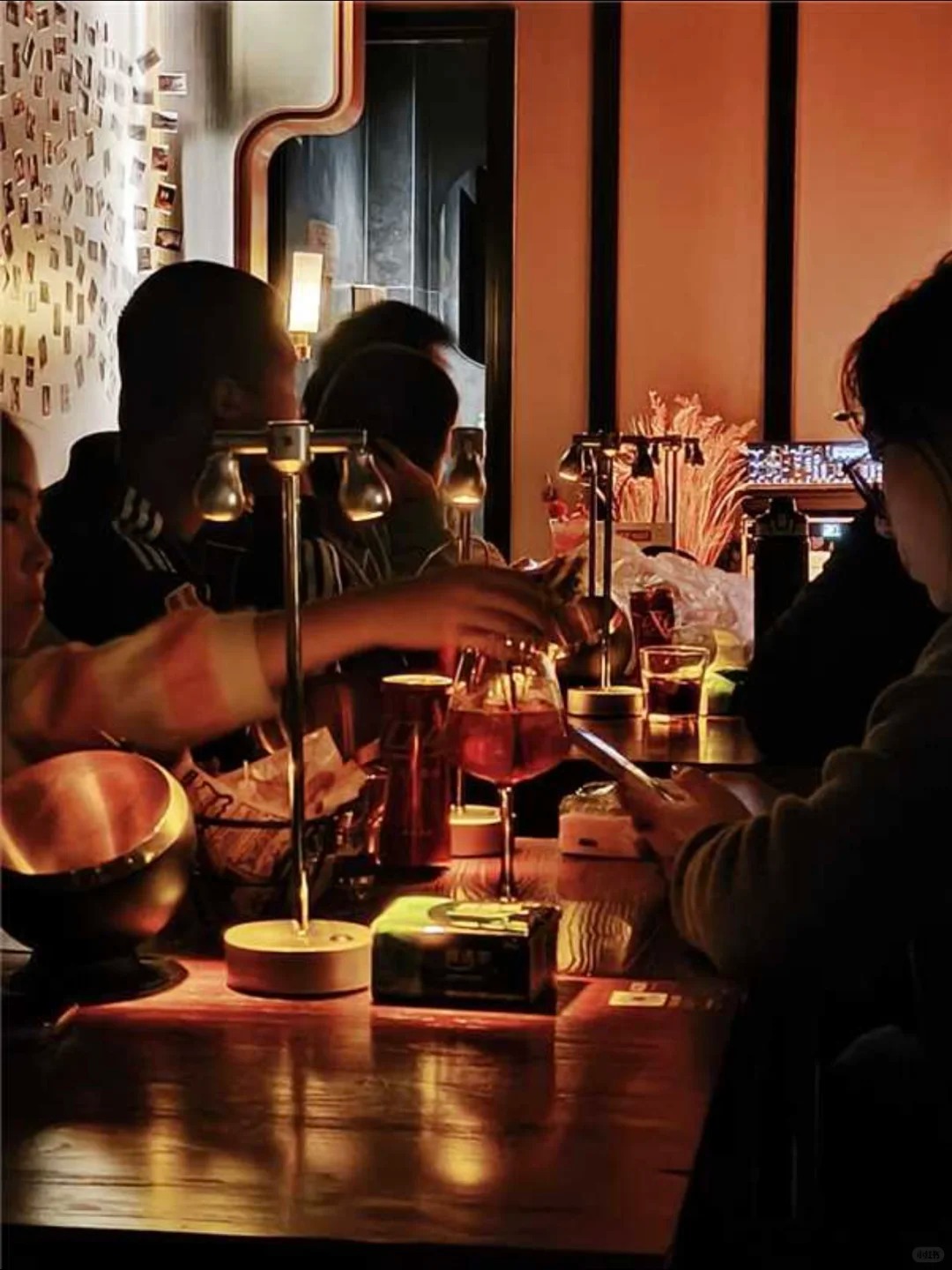
Calm Nights In Hutongs
Hutong nights offer a quieter contrast within the world of Beijing clubs. Instead of large crowds and bright LED setups, the environment here is smaller, slower, and more focused on music itself rather than spectacle.
Walking into these venues, the first noticeable difference is the sound level. Music is present but not overwhelming, allowing conversations to continue without shouting. People tend to sit or stand in small groups rather than moving constantly between spaces.
The music selection also feels more intentional. Live bands, indie sets, or low-tempo electronic music create a steady background rather than a peak-driven club structure. There is no strong push toward dance-floor energy, and that changes how people interact.
Crowds here are more local and regular. Many visitors are repeat guests or people who already know the venue staff or performers. This creates a more familiar environment, even for newcomers who stay longer than expected.
Hutong nightlife is less about intensity and more about staying in one place without rushing. Conversations last longer, drinks move slower, and the night feels less segmented compared to Sanlitun or Gongti.
For many travelers, this becomes the most relaxed version of Beijing nightlife. It is not the loudest or the most visually impressive, but it often feels the most stable and easy to settle into.
How To Find Parties And Events
WeChat Channels
WeChat is the most direct and updated source for nightlife information in Beijing. Almost every major club uses it as their main communication tool.
Official Updates: Beijing nightlife accounts
- Purpose: Club announcements, DJ lineups, event posters
- Use case: Checking what is happening this weekend
- Note: Some clubs post updates only 24–48 hours before events
- Tip: “If it’s not on WeChat, it’s probably not happening.”
Most venues in Sanlitun and Gongti push event details through their official accounts. You don’t really need websites—WeChat mini programs often handle everything from ticketing to table booking.
Mini Programs: Club booking systems
- Function: Entry tickets, table reservations
- Payment: WeChat Pay / sometimes Alipay
- Advantage: Instant confirmation without queue
- Limitation: Interface mostly in Chinese
These mini programs are important because many events sell out before the night starts. Even if you arrive early, entry is not always guaranteed without a reservation.
Real-time advantage
- Updates: Fastest source of lineup changes
- Crowd info: Sometimes shows expected attendance level
- Event timing: Late changes are common (especially DJs)
WeChat remains the most reliable system because it connects directly to venue operations. Compared to other platforms, it is the closest thing to “official truth” for nightlife planning in Beijing.
Reddit And Facebook Groups
Outside China, Reddit and Facebook are often where foreigners check real experiences about Beijing clubs. These platforms are less official but more honest in tone, especially when it comes to warnings or unexpected situations.
Beijing community insights
- Content: Nightlife advice, club recommendations
- Value: Real visitor experiences, not marketing
- Common topics: Safety, pricing, crowd quality
- Limitation: Not always up to date for weekly events
Reddit threads are useful when you want honest feedback. People often share what actually happened on a specific night, including whether a club was crowded, overpriced, or worth visiting.
Facebook expat groups
- Purpose: Event sharing + social meetups
- Audience: Long-term expats and travelers
- Content: Party invitations, club nights, DJ events
- Strength: Quick peer recommendations
Facebook groups are often where smaller parties or invite-only events are shared. Unlike WeChat, they are more open but less structured.
Key takeaway
- Reddit = experience-based reviews
- Facebook = community-driven event sharing
- Both are useful for avoiding bad nights rather than planning perfect ones
Tickets And Entry Tips
Ticketing for Beijing clubs is not always straightforward, and the system changes depending on club size and event popularity. Some nights are walk-in friendly, while others require advance booking even for basic entry.
Pre-sale vs Walk-in entry
- Pre-sale: Cheaper, guaranteed entry
- Walk-in: Flexible but risky on weekends
- Best use: Pre-sale for Gongti events
- Tip: “Weekend entry without booking is always uncertain.”
Many popular clubs in Gongti sell tickets online before the event night. If it’s a DJ night or themed party, pre-sale tickets often sell out earlier in the day.
VIP table booking system
- Method: WeChat contact or promoter booking
- Cost: From ¥2000 upward depending on club
- Benefit: No queue + guaranteed space
- Reality: Most tables are group-focused
VIP tables are common in Gongti clubs like Babyface or Cargo. They are not just about comfort—they also affect whether you get inside quickly on busy nights.
Weekend planning reality
- Sanlitun: Usually walk-in friendly
- Gongti: Often requires booking on Fridays/Saturdays
- Hutongs: Rarely need reservations
- Risk: Late arrival often means long queues or full capacity
In practice, timing matters more than price. Arriving before 11 pm usually avoids most entry problems, while arriving after midnight increases waiting time significantly.
Final practical note
- Always check WeChat updates before going
- Assume Gongti needs planning on weekends
- Treat walk-ins as flexible, not guaranteed
In Beijing nightlife, preparation often decides the quality of your night more than the club itself.
FAQ About Beijing Clubs
Q: Are Beijing Clubs Foreign Friendly?
Most major venues in Sanlitun and Gongti are foreign-friendly, especially places like Supermiami, VICS, and Mix. Staff usually handle basic English, and entry procedures are similar for locals and foreigners. Smaller hutong bars may have less English support, but communication is still manageable through gestures or translation apps. Overall, foreigners rarely face entry issues if they bring a passport and follow basic rules.
Q: Which Area Is Best For First Time Visitors To Beijing Clubs?
Sanlitun is generally the easiest starting point. Clubs are close together, the atmosphere is relaxed, and you can move between venues without planning too much. Gongti is better for high-energy nights, but it can feel crowded and overwhelming for first-timers. Hutongs are more local and better for people who prefer music-focused or quieter experiences rather than large club environments.
Q: Do I Need A Passport To Enter Beijing Clubs?
Yes, most clubs require a passport for foreigners. Staff usually scan it at the door for registration, and this is standard across Sanlitun, Gongti, and most larger venues. Without valid ID, entry is often refused even if you already bought a ticket. It’s not complicated, but it is strictly enforced, especially in bigger commercial clubs.
Q: How Much Does A Night At Beijing Clubs Cost?
A typical night can vary depending on the area and spending style. Entry fees usually range from ¥100–300, cocktails cost around ¥80–150, and VIP tables can start from ¥2000 or more in Gongti clubs. Sanlitun tends to be slightly cheaper overall, while Gongti focuses more on premium table service. Hutong bars are usually more affordable, with lower drink prices and often no entry fee.
Q: Is It Safe To Go To Beijing Clubs Alone?
Yes, most nightlife areas in Beijing are generally safe, including Sanlitun and Gongti. Solo visitors are common, especially foreigners. However, it’s still important to stay aware of drink prices and avoid unofficial promoters outside clubs. Most issues come from scams rather than safety risks inside the venues. Sticking to well-known clubs significantly reduces any potential problems.
Q: What Kind Of Music Do Beijing Clubs Play?
Music depends heavily on the venue. Sanlitun clubs usually play commercial EDM and mainstream tracks, Gongti venues focus more on hip-hop, EDM, and big DJ sets, while hutong bars often feature live rock, jazz, indie, or underground techno. Some clubs also host themed nights, so the style can shift depending on the event or guest DJ.
Q: Do Beijing Clubs Accept Credit Cards Or Only Mobile Payment?
Most clubs prefer WeChat Pay and Alipay, which are the standard payment methods in China. Some larger venues in Sanlitun and Gongti may accept Visa or Mastercard, but this is not guaranteed. Foreign visitors should assume mobile payment is primary. Staff usually help with payment setup if needed, especially in expat-friendly clubs.
Q: What Time Do Beijing Clubs Get Busy?
Most clubs start filling up around 10:30 pm, but peak hours are usually between 12 am and 2 am. Sanlitun gets active earlier due to bar hopping, while Gongti reaches full capacity later in the night with queues outside popular venues. Hutong bars tend to stay steady throughout the evening without a strict peak time, especially for live music nights.