The Madness of Nights in Beijing
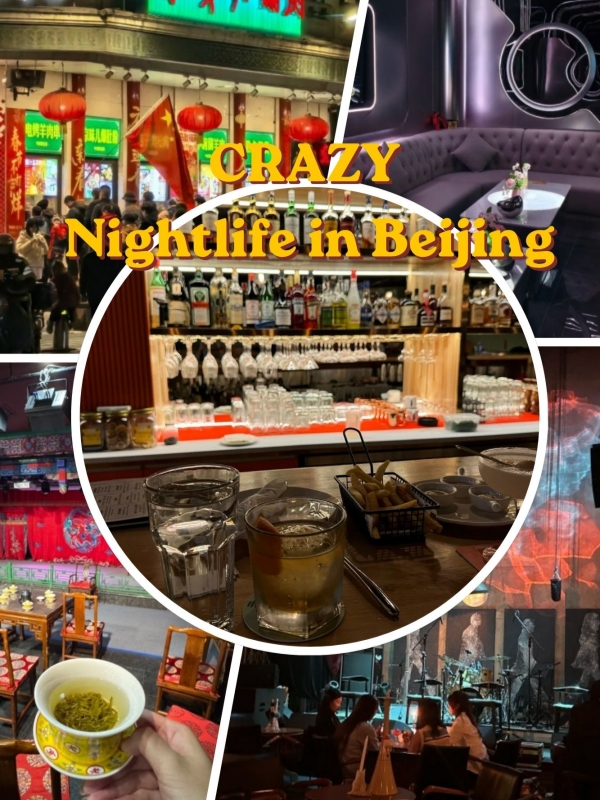
When the sun slips under Beijing’s skyline, another city rises. Neon signs switch on. Live music floats from half-open doors. The sizzle of street vendors fans their burning bats of charcoal as quietly as possible. Six cities wait for you in the Beijing night: buzzing bars, performing arts halls, theaters, teahouses, KTV joining rooms, and nightmarkets. That’s why we’ve outlined every corner of the after dark city for you, so you can step out every night in real confidence.
🍺 Diverse Bars and Rhythmic Clubs
From award-winning cocktail bars to twenty-square-meter hutong hideouts, Beijing's drinking scene is breathtakingly diverse. This section breaks down the city's social bar map by atmosphere and neighborhood so you can quickly find the kind of night you are looking for, whether you want a cozy lounge or a high-energy party using our Beijing Clubs Guide For Foreigners Who Want A Real Night Out In Beijing. For a deeper look at the specific bars, live music venues, and crowd dynamics surrounding this historic lake, check out our dedicated guide to the Houhai Bar Area in Beijing: Where Most Travelers End Up at Night to plan your perfect evening by the water.
Electronic Music Dance Clubs
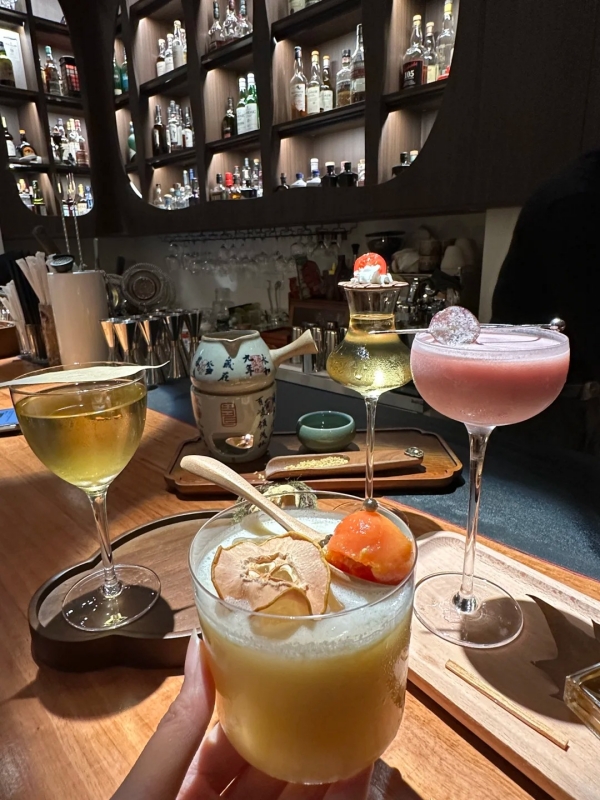
The Local Bar at Sanlitun
Sanlitun (三里屯) is the absolute hub of international nightlife for Beijing. Start off your night at Taikooli (太古里), where, as the weekend crowd builds from early dusk, the party starts. Then dive into a cocktail bar like The Local. Or enter a secret speakeasy hidden behind the shelves of a bookshelf. Finally, as the witching hour approaches, the energy shifts to Gongti (工体), and clubs like BEEN and MIX (MIX俱乐部) stay open well past 4 AM. However, most of the best clubs here do enforce a dress code and have cover charges, so budget for about 500–1,000 RMB (roughly $70-140) for a whole night out in this area.
Waterfront Folk Music Bars
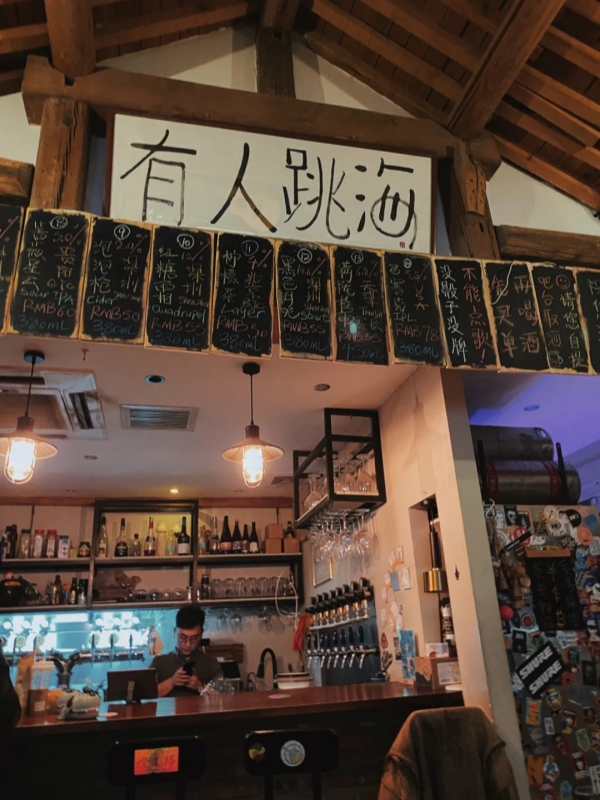
Jiao Hai Bar at Houhai
Houhai (后海) wraps its bars around a glittering lake — and the cinematic effect is real. Start with a lakeside dinner as the lantern reflections ripple over the surface of the water, then duck behind the main strip to wander through the hutong alleys and find Jiao Hai (跳海) — this craft beer bar is a local favorite with a lot of character. Small live-music venues offer folk and pop throughout the night on the main strip, but be wary of the touts eager to usher you into overpriced traps. Trust your instincts and follow the crowds you see packed into places — if a bar is full of locals, it’s probably ok.
Hutong Courtyard Craft Breweries
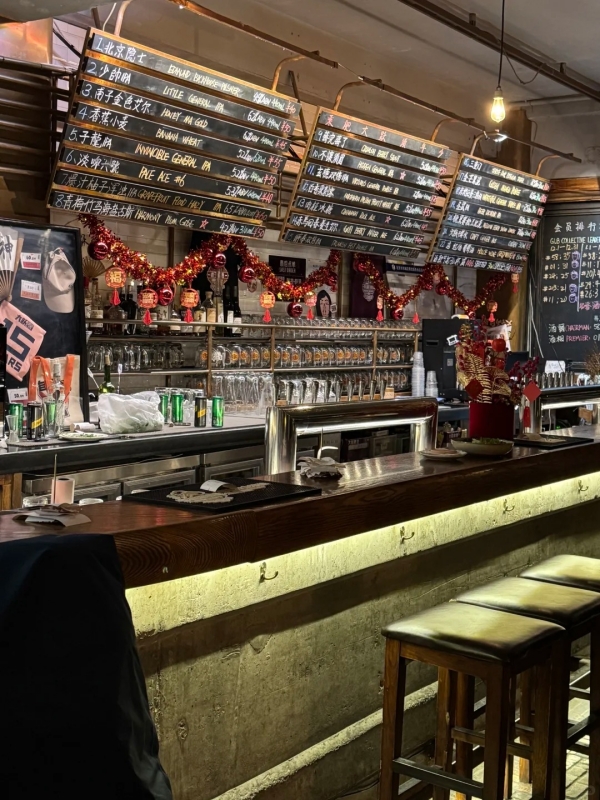
Great Leap Brewing #6
Gulou (鼓楼) is where the city’s independent culture was born, and it still shows: craft beer spots, indie Livehouse venues and creative cocktail bars cluster more tightly here than across the rest of the city. Great Leap Brewing #6 (大跃啤酒) serves excellent ales from an adorable traditional courtyard setting, while notorious punky venue School Bar offers rock shows from a gloriously scummy basement space. But part of the fun is the navigation: these places are hidden away in the narrow hutong alleys, and sometimes you’ll want to close your pocket map app, put your phone in your pocket, and let yourself be beautifully lost inside the lanes.
Historic Hotel Cocktail Bars
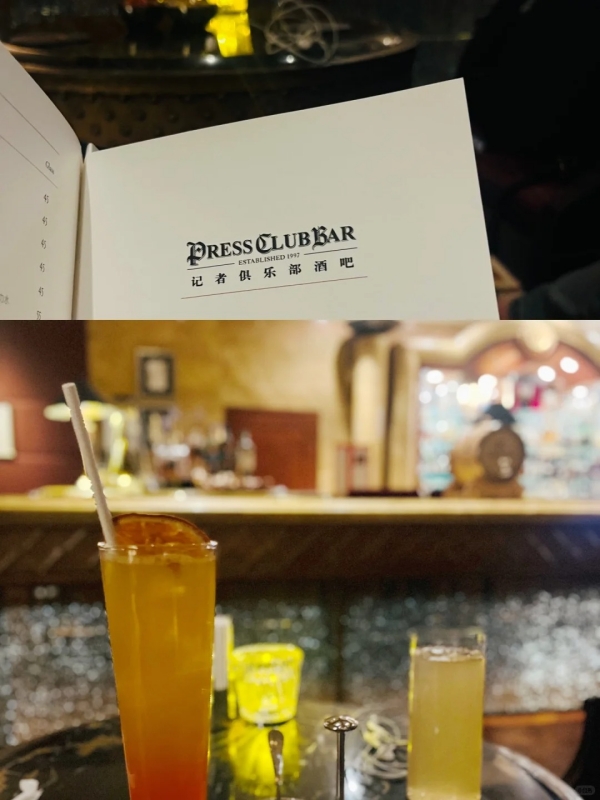
Press Club Bar
Some Beijing bars exist entirely outside the neighborhood scene. Charlie’s Bar (查理酒吧) at Jianguo Hotel (建国饭店) has a distinctive 1980s diplomatic-era charm to it, and each night a live Filipino band performs to attentive long-ters regulars. Press Club Bar has quiet, private-club touches — a good spot for a serious drink. John Bull Pub (约翰牛酒吧) has a warm “proper pub” feel. If you want a venue that’s totally divorced from the club scene, these institutions have an atmosphere that no new place can fake.
🎭 Timeless Heritage Performing Arts
To truly understand Beijing, you must step inside a theater. Traditional performing arts here carry centuries of craft and storytelling. Moreover, they deliver an emotional impact that no bar could ever replicate.
Peking Opera House Shows
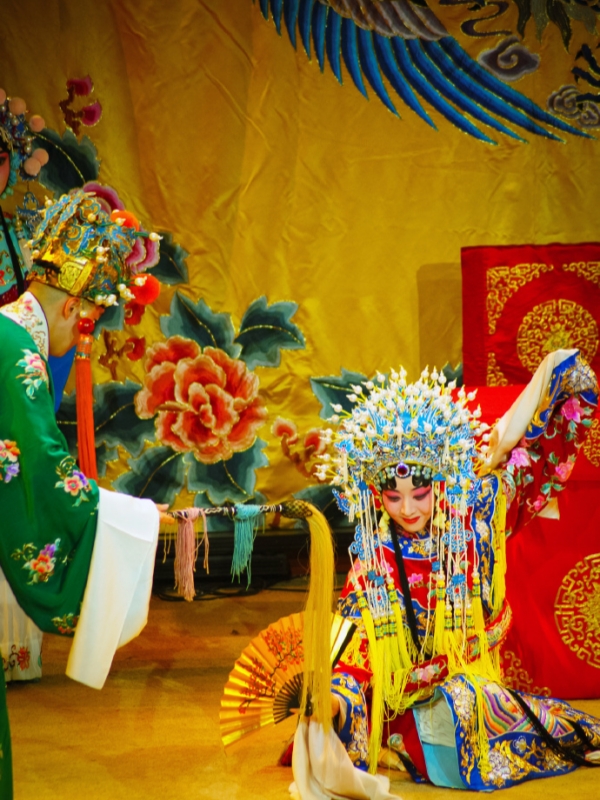
Peking Opera at Huguang Guild Hall
Peking Opera (京剧) is an intangible cultural heritage listed by UNESCO, and to experience it live, electric! Every nuance of the performer’s face carries meaning. Red represents loyalty and courage; black, if I recall correctly, signals integrity and honour. But even without following a complete plot, you can feel the story unfold — for your first dip it’s enough to book a zhezixi (折子戏) program — selections of highlights, for an economical 60–90 minutes long. Venues such as Huguang Guild Hall (湖广会馆) and Zhengyi Temple Theater (正乙祠戏楼) help inject magic into every performance.
Acrobatics and Circus Theatre
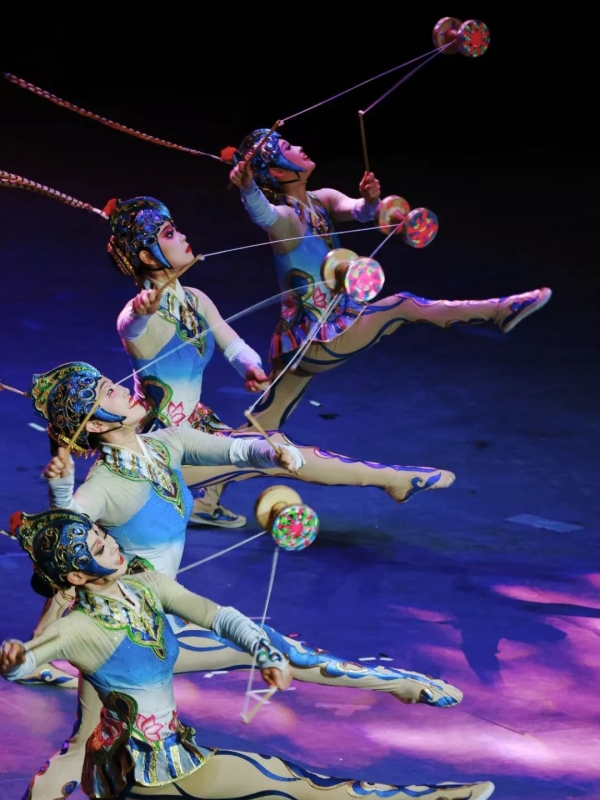
Acrobatics Performance at Chaoyang Theatre
Chaoyang Theatre (朝阳剧场) is the most accessible traditional arts venue for international visitors. Shows run approximately 75 minutes and feature plate-spinning, contortion, aerial silk work, and breathtaking human pyramids. Therefore, no language skills are needed at all — the spectacle communicates entirely through the senses. Moreover, the fast-paced, high-energy format makes it ideal for families, groups, and anyone short on time. Book tickets directly at the theater box office or through major travel platforms. In fact, many visitors name the acrobatics show as the single most thrilling moment of their entire Beijing trip.
Folklore Puppet Theatre
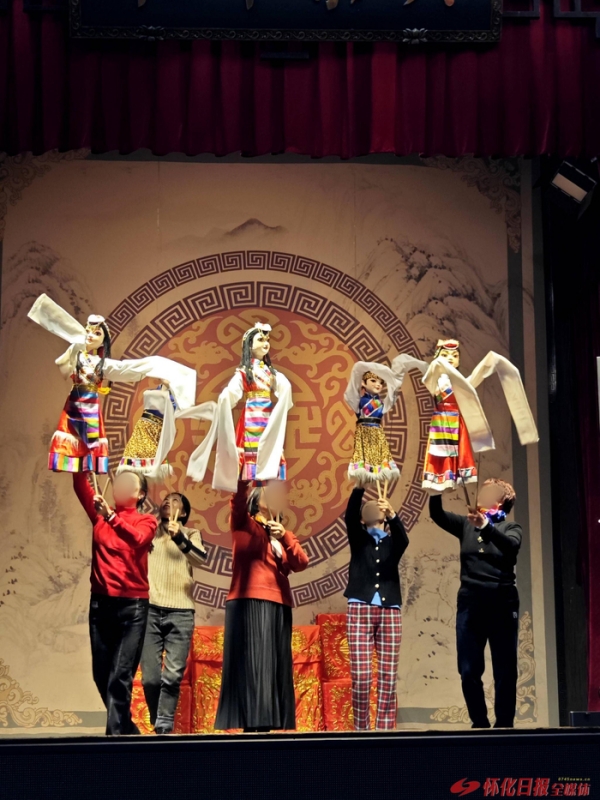
Puppet Theatre
China's puppet theater tradition stretches back over two thousand years. However, even in modern Beijing, it still finds a stage in cultural teahouses and intimate performance spaces. Movement and music carry the full narrative — so language is never a barrier to enjoyment. Therefore, this is an excellent choice for families traveling with children. It also pairs beautifully with a teahouse evening. Arrive early, order your tea, and let the performance unfold at a gentle, unhurried pace. For instance, check local cultural centers for scheduled programs, as puppet shows appear seasonally rather than nightly.
🎻 Contemporary Music and Global Stages
Beyond tradition, Beijing's cultural pulse beats in sync with the world. Grand opera, indie rock, and smooth jazz all find a home here. So whatever your taste, there is a stage waiting for you tonight.
Opera and Ballet Productions
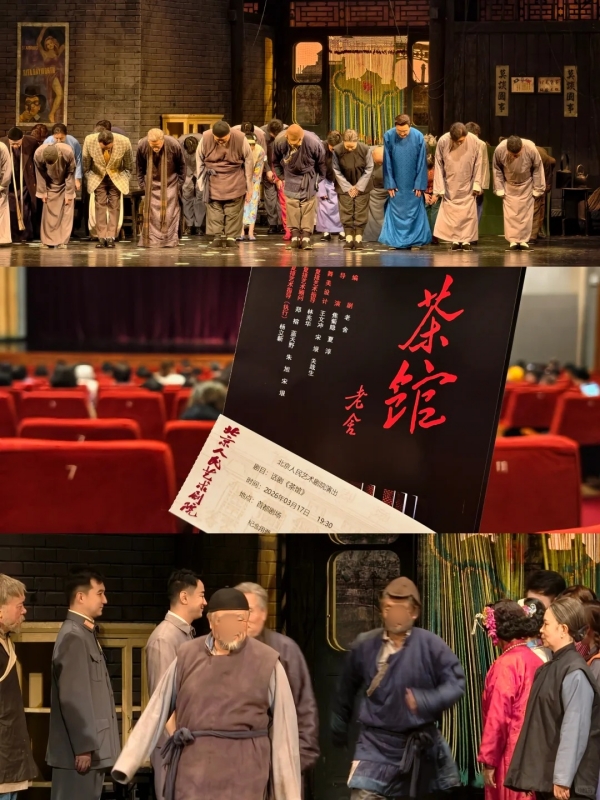
Teahouse Theatre at Beijing People's Art Theatre
The National Centre for the Performing Arts (国家大剧院). Nicknamed “The Egg,” China’s premier venue hosts world-class ballet, opera symphonies concerts and international touring productions year-round. Western opera and ballet are language-neutral, so they are safe and rewarding choices for international visitors. Meanwhile, Beijing People’s Art Theatre (北京人民艺术剧院) is known for landmark Mandarin-language plays, with Teahouse (茶馆) being its signature-concept work. Book tickets through official websites well in advance. All of which means you can count on a polished and deeply memorable cultural experience.
Jazz and Indie Livehouses
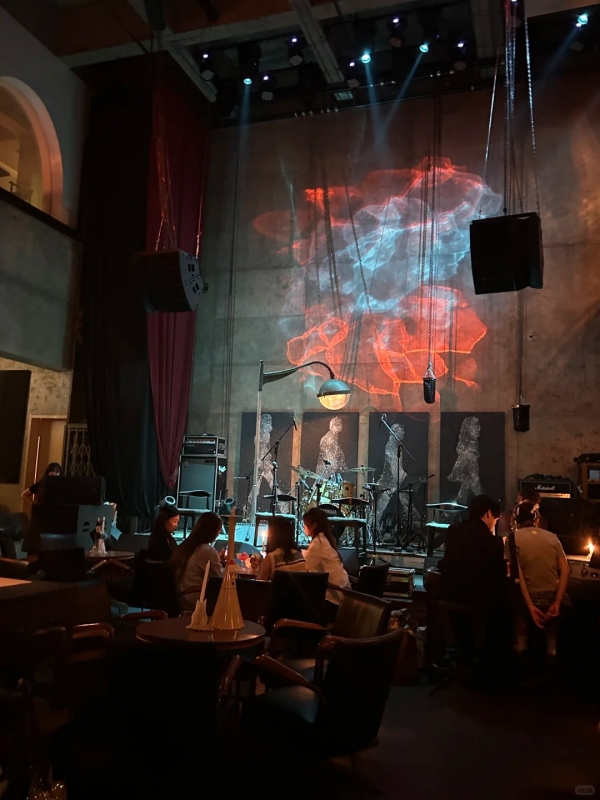
Livehouse Show in Beijing
Blue Note Beijing, housed within a historic former US Embassy complex (原美国大使馆建筑群), brings world-class jazz to the capital every week. However, the city's live music scene extends far beyond one iconic name. OMNI SPACE (疆进酒) is a key stage for China's most exciting independent bands — raw, energetic, and completely authentic. Therefore, for a genuine underground experience, use local ticketing apps like Damai (大麦) or Xiudong (秀动) to browse upcoming shows. Most Livehouse concerts begin between 8 and 9 PM. So plan your evening sequence accordingly and arrive a little early for the best standing spots.
🍵 Serene Tea House Social Rituals
Beyond neon and noise, Beijing's teahouses offer a completely different kind of night. Slow down, breathe in the jasmine-scented air, and let the city's ancient hospitality wrap gently around you.
Folk Arts Cultural Teahouses
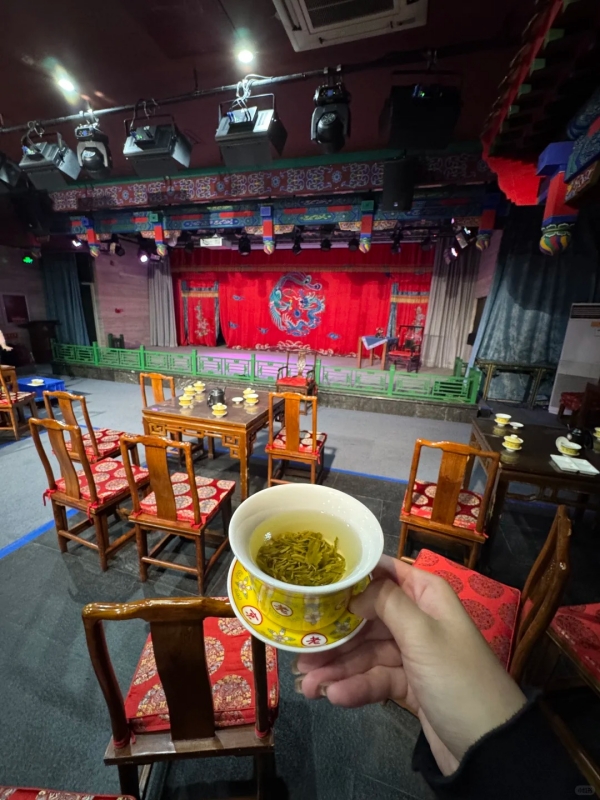
Lao She Teahouse
Lao She Teahouse (老舍茶馆) is the place for the culture hungry. In one session you can see Peking Opera, crosstalk comedy (相声), acrobatics, and drum storytelling (鼓书) before drinking tea and nibbling on Beijing-style snacks — perfection, in other words. This is the traditional culture version of an all-you-can-eat buffet, and the jostle and bustle in the market hall atmosphere make you feel right at home, at least if you have a nosebag. For time-pressed travelers Lao She holds the widest selection for the briefest stay, so book ahead for the evening shows — especially on weekends.
Traditional Tea Ceremony Spaces
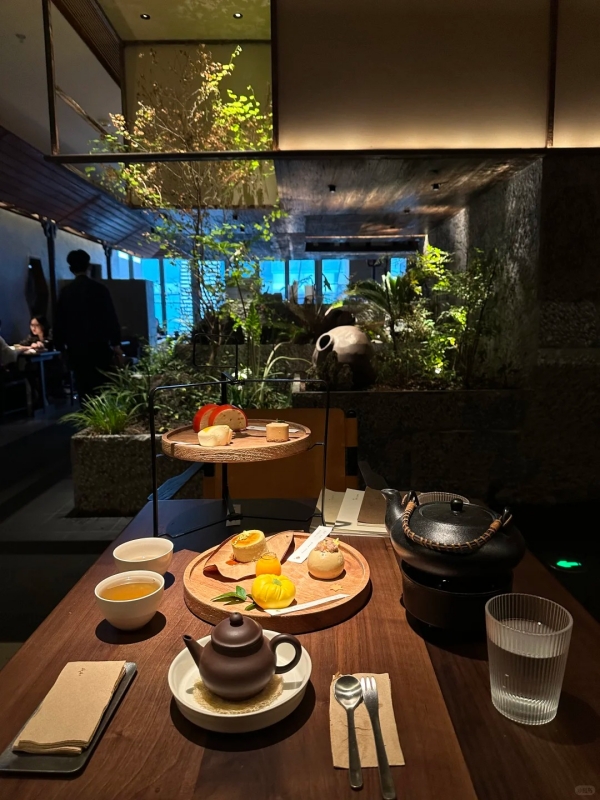
New-style Teahouse at Sanlitun
For a quieter evening, new-style teahouses (新式茶馆) focus entirely on the art of the brew. These calm, beautifully curated spaces invite you to appreciate the differences between Dragon Well (龙井), Pu'er (普洱), and Rock Oolong (岩茶). Moreover, a knowledgeable host will guide each pour with graceful, unhurried ceremony. Therefore, this style suits business conversations, romantic evenings, or simply anyone who needs a true break from the noise. In fact, many visitors describe a teahouse session as the most unexpectedly peaceful moment of their entire Beijing stay.
🎤 Private Karaoke and Local Celebrations
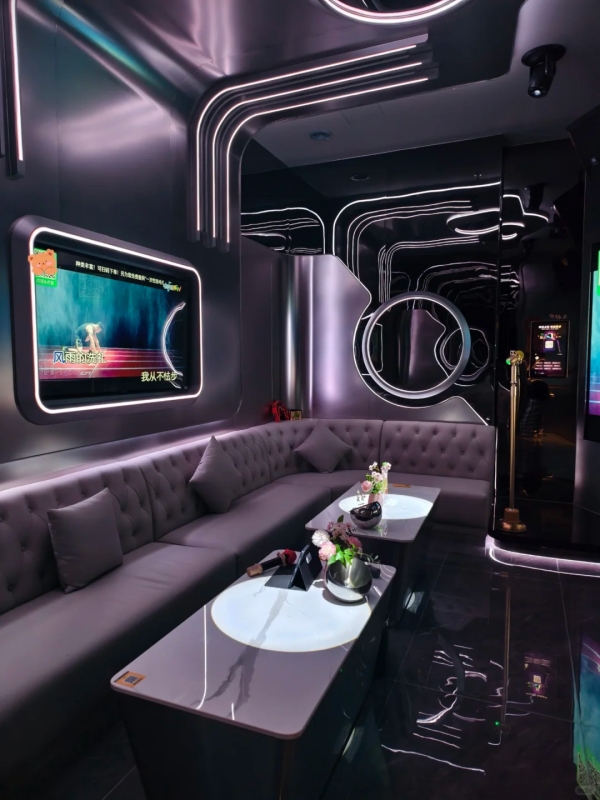
KTV in Beijing
Ask any Beijing local where they go with friends — and KTV tops the list almost every time. This is not just karaoke. It is a private social ritual at the very core of local nightlife culture.
KTV (卡拉OK包厢) = booking a room for your group for some no-audience-pressure singing. As a standard feature, expect decent sound in each room, a massive catalog of songs, and a tablet to order drinks and snacks to your door. My KTV of choice is Pure K (纯K), which have great sound and tons of songs in Chinese, English, Japanese and Korean. Mei KTV (魅KTV) was decent and a bit cheaper. They charge by the number of people in the room and the time slot, and over per-person spending isn’t too different from going to a bar. But the real benefit is cultural: this is where Beijingers let their hair down — so accept any invitation you get to join a KTV party!
🍢 Sizzling Night Market Street Flavors
If bars are the soul of Beijing nightlife, then night markets are its heartbeat. Charcoal smoke, red lantern glow, and the calls of street vendors — this is the city at its most vivid and real. For more detail, see our in-depth guide to Beijing night markets.
Ghost Street Spicy Crayfish
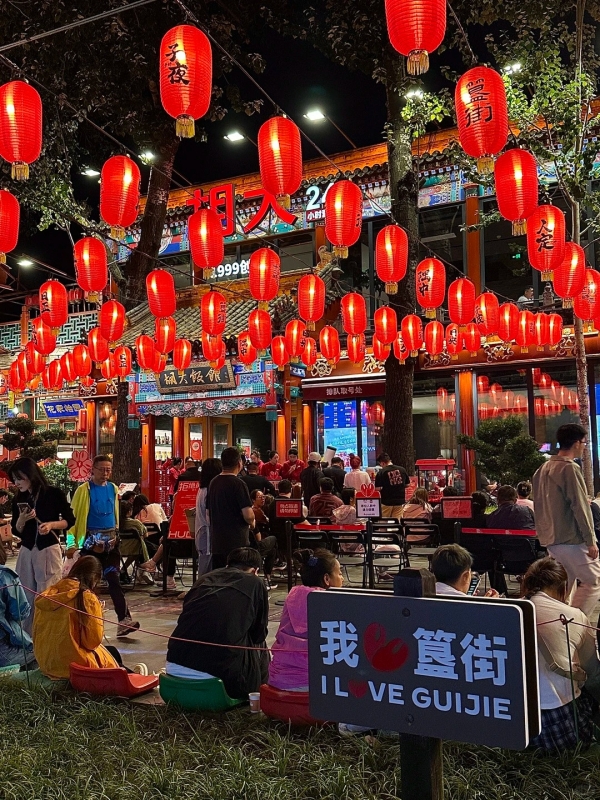
Hu Da at Guijie Night Market
Guijie (簋街) or Ghost Street is a 1.5km stretch of restaurants that glows red with lanterns. The signature dish is hand-cracked spicy crayfish (麻辣小龙虾), which is best devoured with cold beer at for-hire communal tables all night long. This is where I’m always pointed to for satisfying late night hunger, and at places like Hu Da (胡大饭馆) you can always expect to be dining shoulder to shoulder with a stranger until well past 2 AM. Oh, the electric street energy of midnight is for experiencing, so whether you show up at 9 PM or 1 AM, Guijie always delivers.
Weekend Antique Ghost Markets
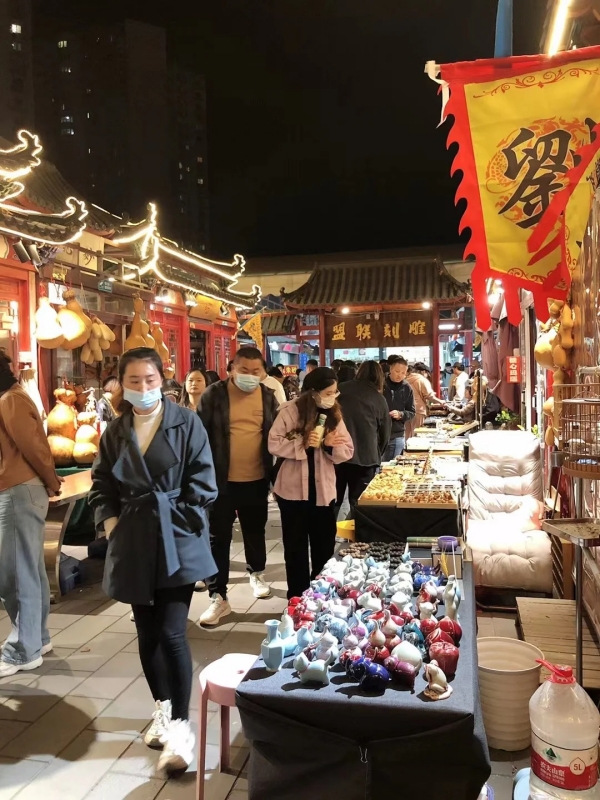
Panjiayuan Antique Market
Panjiayuan Antique Market (潘家园旧货市场) transforms into a so-called "ghost market" (鬼市) every Friday night through Saturday morning. Vendors unload antiques, folk art, curios, and calligraphy scrolls by flashlight in the pre-dawn darkness. Therefore, bring a torch — and bring healthy skepticism, since items range from genuine antiques to artful fakes. However, the experience is less about what you buy and more about the atmosphere itself. In fact, bargaining under an open sky with strangers at 3 AM is a uniquely Beijing moment. For adventure-seekers, this is an unmissable stop.
Muslim Quarter Street Food
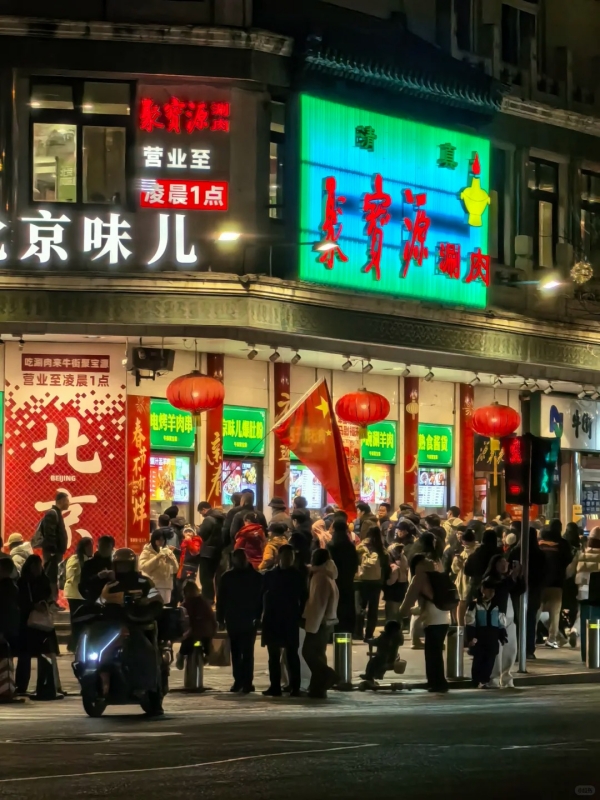
Niujie at Night
Many visitors still search for Wangfujing Snack Street (王府井小吃街) and Donghuamen Night Market (东华门夜市) — but both have closed or been significantly transformed due to urban redevelopment. Therefore, save yourself a disappointing detour and head to Guijie instead for late-night dining. Additionally, Niujie (牛街) is the best destination for Beijing's Muslim-influenced street food, with lamb skewers, sesame flatbread, and sweet rice desserts. Moreover, most major shopping districts now feature dedicated food streets at ground or basement level. So the spirit of Beijing's street food scene lives on — just in newer locations.
📍 District Vibes and Urban Geography
Beijing is enormous. However, knowing which district matches your mood makes all the difference. Here is a quick-reference overview to help you choose the right starting point — from high-energy international zones to deep local charm.
| District | Vibe | Best For | Key Venues |
|---|---|---|---|
| Sanlitun / Gongti (三里屯/工体) ★★★★★ | International energy hub | First-timers, party lovers, fashion crowd | The Bricks, Casa Bacardi, BEEN, PH Club |
| Gulou / Houhai (鼓楼/后海) ★★★★☆ | Bohemian & laid-back | Indie lovers, craft beer fans, couples | Great Leap Brewing, School Bar, No Name Bar |
| Guomao (国贸) ★★★☆☆ | Luxury skyline | Business travelers, special occasions | Migas Mercado terrace, Atmosphere (80F) |
| Wudaokou (五道口) ★★★☆☆ | Student energy zone | Budget travelers, young crowd, backpackers | Lush, Pyro Pizza |
| Baitasi / Shuangjing (白塔寺/双井) ★★☆☆☆ | Local insider scene | Repeat visitors, deep explorers | Slowboat Brewery, Sihe Whisky Bar |
| Standalone Gems ✦ | Worth a special trip | Music fans, whisky lovers | Blue Note Beijing, DADA, YAN Whisky Bar |
Sanlitun and Gongti (三里屯/工体) ★★★★★
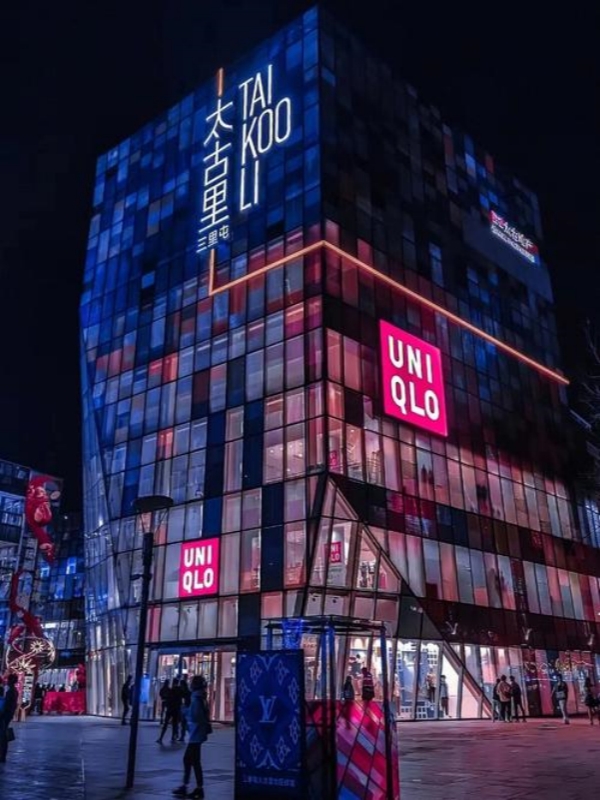
Sanlitun in Beijing
This should be the first stop for most newcomers—you have every reason to start here. The area is cosmopolitan, always buzzing, and easy to get around, and with so many bars, clubs, and restaurants, every type of traveller should find their groove by night. So if you have only one night in Beijing get ready to start in Sanlitun and let the night lead you where it may!
Gulou and Houhai (鼓楼/后海) ★★★★☆
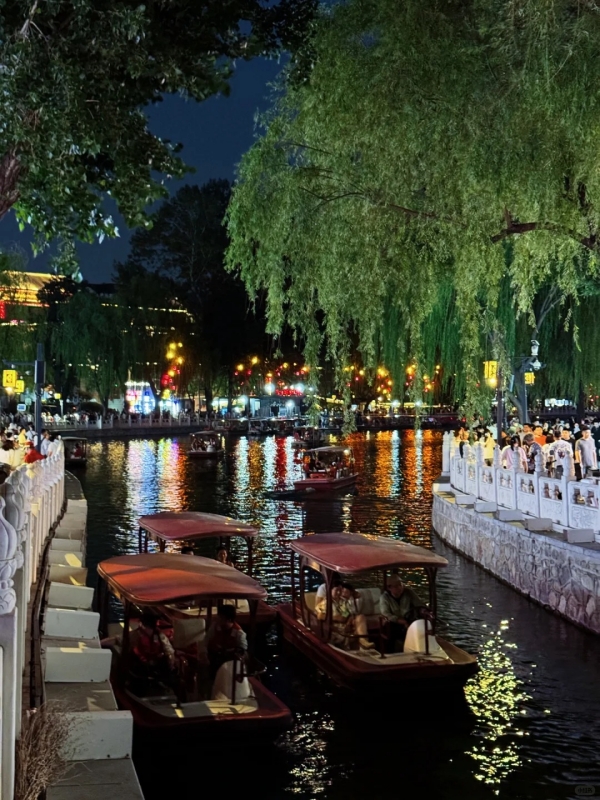
Houhai in Beijing
This district rewards slow, curious exploration above all else. The hutong bars here feel handmade and personal, while the lake views at Houhai add a natural beauty to the evening. For instance, a walk between Gulou's craft beer bars and Houhai's lakeside spots creates one of the most atmospheric nights in the entire city. However, skip the touristy main waterfront strip and go deeper into the alleys for the real experience.
Guomao (国贸) ★★★☆☆
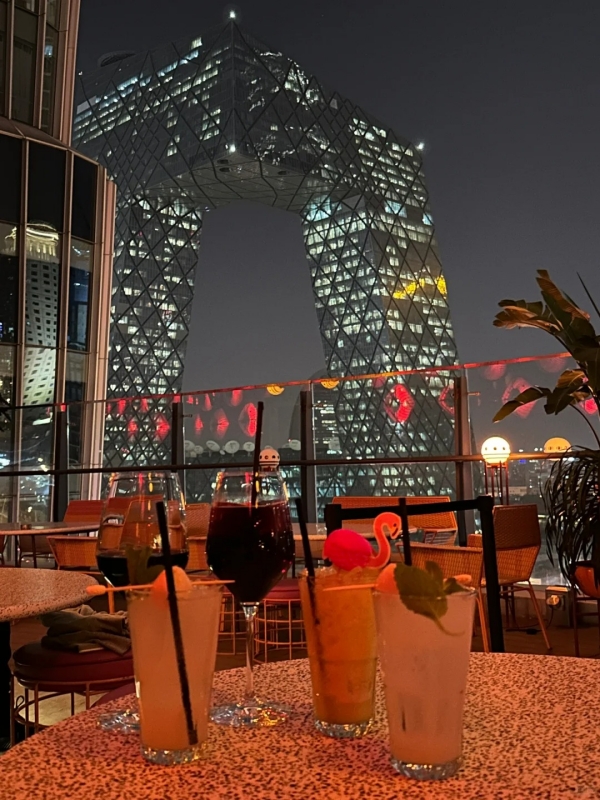
Guomao's Rooftop Bars in Beijing
Guomao's rooftop bars and premium clubs sit high above the city's glass towers. Therefore, this district suits business travelers, special occasions, and anyone seeking a polished, elevated night out. Migas Mercado's open terrace and Atmosphere (大气酒廊) at the top of China World Summit Wing (国贸大厦) are the standout venues. However, expect pricing to match the altitude — this is premium territory.
Wudaokou (五道口) ★★★☆☆
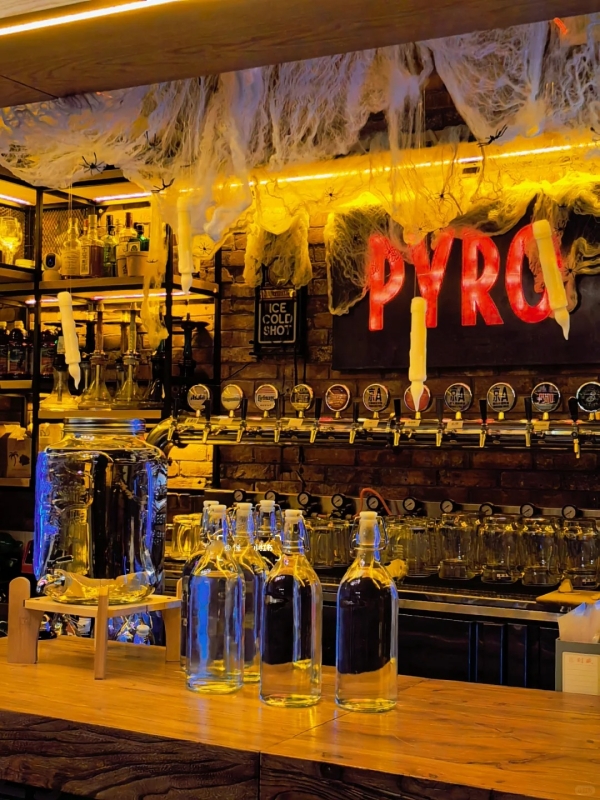
Pyro Pizza in Wudaokou Beijing
Wudaokou is university district territory — young, noisy, affordable, and gloriously unpretentious. For instance, Lush and Pyro Pizza are local institutions that draw a spirited mix of students, backpackers, and young expats. Moreover, the energy here runs late and loose. Therefore, this district suits budget-conscious travelers who want a fun, pressure-free night without heavy cover charges or dress codes.
Baitasi and Shuangjing (白塔寺/双井) ★★☆☆☆
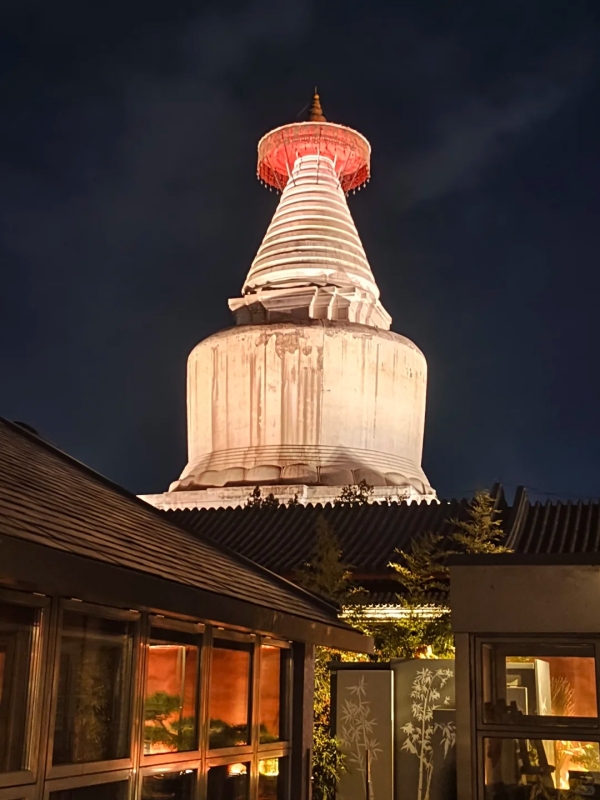
Baitasi in Beijing
These quieter districts reward repeat visitors and genuine deep explorers. Slowboat Brewery (慢船精酿) and Sihe Whisky Bar (四合威士忌) attract a loyal local crowd that values quality over spectacle. Therefore, if you want a night that feels genuinely local rather than curated for tourists, this is your destination. Moreover, the relaxed, low-key atmosphere makes everything feel more intimate and personal.
Essential Evening Logistics and Safety
Great nights start with smart preparation. Therefore, here are three essential things every visitor should know before heading out into Beijing after dark. These tips will help you move freely, pay easily, and stay safe throughout.
💡 Beijing After-Dark Planner: Nights out pair perfectly with daytime adventures covered in the ultimate guide to the best things to do in Beijing.
Midnight Transport and Bikes
Beijing's subway system is excellent — but it stops running between 23:00 and 23:30. Therefore, plan your late-night transport before the evening begins. Didi (滴滴出行), China's ride-hailing app, is the standard solution for cross-city travel after midnight. Download it and link an international credit card before going out. Meanwhile, shared bikes like Meituan Bike (美团单车) and Hello Bike (哈啰单车) work well for short distances within a neighborhood. For instance, the walk between Sanlitun and Gongti takes only about ten minutes on foot. So many evenings require no transport between stops at all.
Mobile Payment Account Setup
Almost every bar, club, and food stall in Beijing accepts WeChat Pay (微信支付) or Alipay (支付宝) — but not always international credit cards. Therefore, setting up mobile payment before your first night out is essential. Both apps now support international credit card binding, though the setup takes a little time upfront. Meanwhile, cash is rarely accepted at trendier venues. For reference: Gongti clubs run 500–1,000+ RMB per person, Sanlitun bars average 150–300 RMB, hutong bars cost 80–150 RMB, and KTV is billed hourly per room. So budget accordingly based on which districts you plan to visit.
Safety Habits and Etiquette
Beijing is generally very safe at night — but a few practical habits make a clear difference. First, keep your phone and wallet close in crowded bar districts like Sanlitun. Moreover, politely decline if someone outside a club offers "free entry" or "cheap drinks" — this often leads to inflated bills. Top clubs at Gongti (工体) enforce dress codes: no flip-flops, no shorts, and smart footwear is expected. Therefore, dress accordingly if you are planning to visit a major club on a Friday or Saturday night. Additionally, save the address of your destination in Chinese characters to show your Didi driver — many venues have no visible English signage outside.
Frequently Asked Beijing Evening Queries
Q: Is Beijing nightlife safe for solo travelers and tourists?
Beijing nightlife is generally very safe and welcoming for solo visitors. However, a few simple habits make a real difference. Keep your phone and wallet secure in crowded bar districts. Avoid accepting drinks from strangers at clubs, and always use Didi rather than unmarked taxis late at night. With basic awareness, most travelers find Beijing nightlife to be a genuinely positive experience from start to finish.
Q: What time do bars and clubs close in Beijing?
Closing times vary depending on the venue type. In Beijing nightlife, Sanlitun bars typically serve until around 4 AM, while top Gongti clubs can run all night on busy weekends. However, traditional teahouses usually wrap up by 22:00–23:00. Therefore, plan your evening sequence based on where you want to start — and where you want to end the night.
Q: How do I get around Beijing at night after the metro closes?
The metro stops around 23:00–23:30. However, Beijing nightlife stays active well past that point. Use Didi (滴滴出行) for cross-city journeys — download the app and add a payment method before going out. Shared bikes work well for short distances within a neighborhood. Moreover, areas like Sanlitun and Gongti are close enough to walk between, so a taxi is often not even needed.
Q: Can I use cash or credit cards in Beijing bars and clubs?
Beijing nightlife runs almost entirely on mobile payments. WeChat Pay (微信支付) and Alipay (支付宝) are accepted essentially everywhere. However, cash is rarely welcome at modern bars, and foreign credit cards work only at a handful of high-end venues. Therefore, set up a mobile payment account before your first night out — it removes friction from every single transaction throughout the evening.
Q: What is the best area for nightlife in Beijing for first-time visitors?
Start with Sanlitun (三里屯). Beijing nightlife here is international, diverse, and easy to navigate on a first visit. The area offers a wide variety of bars, restaurants, and clubs to suit every mood and budget. Moreover, it is well-lit and has plenty of convenient Didi pickup zones. Therefore, most first-timers feel immediately comfortable and well-catered for from the moment they arrive.
Q: Is there a dress code at Beijing nightclubs?
Top clubs in Gongti (工体) enforce a smart dress code — no flip-flops, no shorts, and presentable footwear is expected at the door. However, Beijing nightlife in Sanlitun bars is noticeably more relaxed about appearance. Meanwhile, hutong bars in Gulou are completely casual with no restrictions at all. Therefore, check the specific club's rules in advance if you plan to visit a high-profile venue on a weekend night.
Q: How much does a night out in Beijing cost?
Beijing nightlife covers a very wide cost range depending on where you go. Gongti clubs run 500–1,000+ RMB per person, Sanlitun bars average 150–300 RMB, and hutong bars in Gulou cost as little as 80–150 RMB per person. KTV is billed by the room and time slot. Therefore, you can enjoy a genuinely great night for under 200 RMB if you choose the right neighborhood and type of venue.
Q: Where can I watch Peking Opera or traditional Chinese performances at night?
Beijing nightlife includes some outstanding traditional performance options. Huguang Guild Hall (湖广会馆) and Zhengyi Temple Theater (正乙祠戏楼) offer the most atmospheric Peking Opera experiences in the city. However, for a language-barrier-free option, Chaoyang Theatre (朝阳剧场) is best for acrobatics. Moreover, Lao She Teahouse (老舍茶馆) packages multiple folk arts — opera, comedy, and more — into one single convenient evening program.
Q: What is KTV and how does it work for foreigners visiting Beijing?
KTV is private-room karaoke — one of the most popular expressions of Beijing nightlife among local residents. Book a private room, browse a song library with thousands of English-language tracks, and order drinks and snacks directly to your room. For instance, chains like Pure K (纯K) make the whole process easy and welcoming for first-time foreign visitors. Moreover, the per-person cost is far more affordable than most Western nightlife equivalents.
Q: Are the famous Beijing night markets like Wangfujing still open?
Wangfujing Snack Street (王府井小吃街) and Donghuamen Night Market (东华门夜市) have closed or been significantly redeveloped in recent years. However, Beijing nightlife's street food culture is absolutely alive and well. Guijie (簋街) operates 24 hours a day, and Niujie (牛街) offers excellent Muslim-influenced flavors any night of the week. Therefore, skip the old addresses and head to these active, thriving alternatives for a truly authentic street food experience.