What Does Yuanxiao Taste Like
Every Lantern Festival, China marks the final night of the Spring Festival season with glowing streets and steaming bowls. Yuanxiao, made from glutinous rice and filled with either black sesame or peanut paste, have been part of families’ meals for more than 2,000 years now. Yuanxiao is a unique festival food that makes no effort to persuade you; rather, it is a mild sweetness, lovely nuttiness, and soft texture that will appeal to your palate. This guide will provide you with the number of fillings, broths, and the best way for you to enjoy your first bowl of yuanxiao.
🎑 Sweet dumplings are only half the magic! Pair your treats with a night under the lights by checking out the [9 Best Beijing Lantern Festival Events] for 2026.
Yuanxiao 101: The Anatomy of a Rolled Masterpiece
🏮 Deepen Your Roots: This dual identity stems from a 2,000-year legend. Explore the [Meaning of Yuan Xiao Jie(元宵节)] to discover the story of the palace maid who started it all.
What yuanxiao actually is — a physical description first
Pick one up before it enters the pot. It feels heavier than expected. Then drop it into boiling water and watch the skin puff slightly and turn from chalky to a soft translucent sheen.
- Size and color: roughly ping-pong ball sized, white or pale cream, with a slightly uneven and lightly powdery outer surface
- Structure: a thick glutinous rice flour shell built through repeated rolling, encasing a dense pre-formed filling center
- Weight: noticeably heavier and firmer than it looks — the compact filling creates a solid, satisfying heft
- Texture shortcut: think denser than mochi, thicker-skinned than any frozen rice ball from an Asian grocery store
- One-line definition: a rolling-made glutinous rice ball with a robust chew and a warm, flowing filling inside
💡 Tip: Choose yuanxiao with an evenly powdery surface and no visible cracks or dry patches. A fresh yuanxiao should feel gently springy when pressed — not hard and rigid.
Yuanxiao vs. Tangyuan — How the Rolling Method Changes Everything
Most visitors assume yuanxiao and tangyuan are the same food — they look identical in the bowl. However, the process behind each one creates fundamentally different results in skin thickness, filling texture, and shelf life. The rolling method builds yuanxiao's characteristic rough, dense skin layer by layer; tangyuan is hand-wrapped from pre-made dough, producing a thinner, smoother result. That single difference explains why tangyuan fills every Asian supermarket freezer while genuine yuanxiao is almost never found there.
| Feature | Yuanxiao | Tangyuan |
|---|---|---|
| Regional Origin | Northern China (Beijing) | Southern China (Shanghai / Sichuan) |
| Production Method | Rolling method (filling pre-formed, coated repeatedly in dry flour) | Hand-wrapping method (skin made first, filling enclosed inside) |
| Skin | Thick, rough surface | Thin, smooth surface |
| Filling Texture | Slightly grainy, drier texture | Smooth, more freely flowing when hot |
| Freezer-Safe | ❌ Skin cracks when frozen — sold fresh only | ✅ Freezer-stable — widely available in supermarkets |
This is precisely why you find tangyuan in every Asian supermarket freezer but almost never yuanxiao — the rolling method creates a drier skin that simply doesn't survive freezing.
So, How Does a Bowl of Yuanxiao Actually Feel
-

- Black Sesame
-
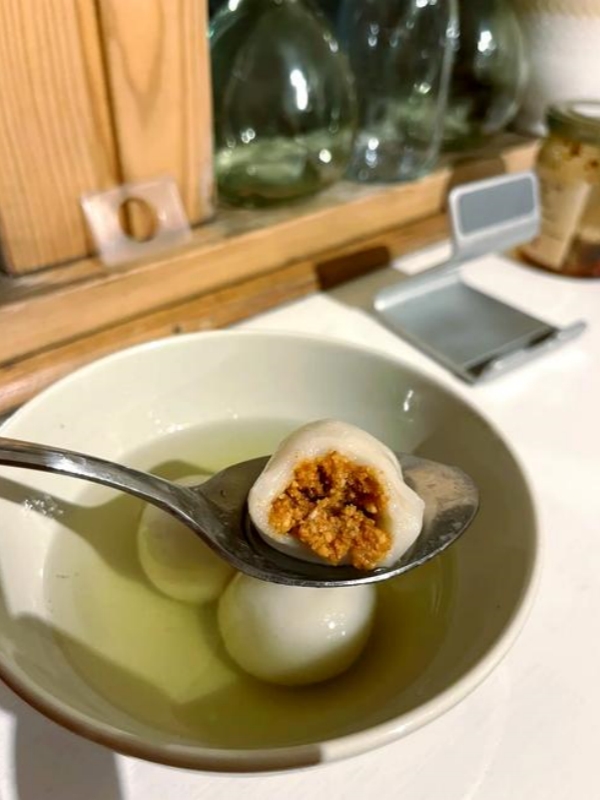
- Peanut Paste
-
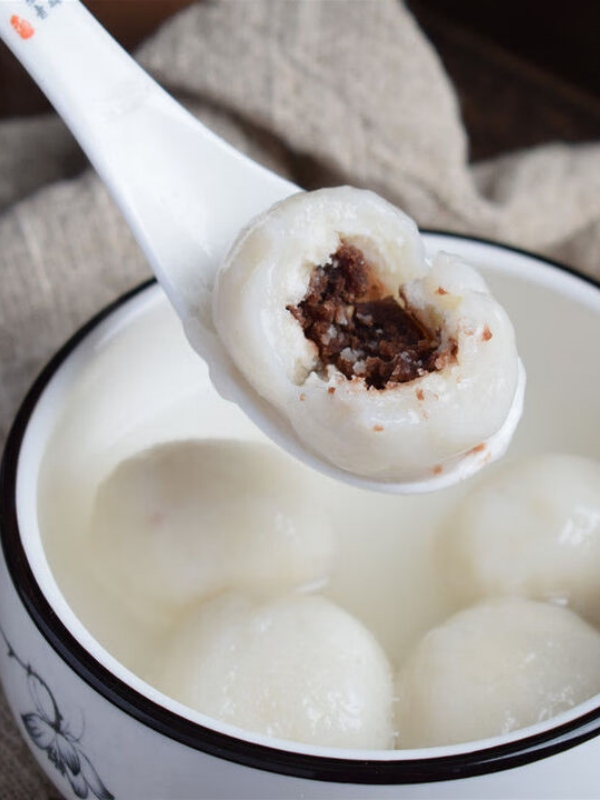
- Red Bean Paste
The skin — chewy, neutral, and all about texture
Bite in fresh from the pot. The skin stretches and yields gradually. Then as you chew, the warmth builds from inside — and the filling pushes through from the center outward.
- Fresh and hot: the skin feels bouncy and elastic, like warm mochi but noticeably thicker and more substantial in every bite
- At room temperature: glutinous rice sets within minutes, tightening into a denser chew with more satisfying resistance
- Thickness advantage: the rolling method builds more layers than hand-wrapped tangyuan — so you taste the skin longer before the filling breaks through
- Flavor profile: almost entirely neutral — mild, starchy, and clean — designed purely to frame and contrast the filling's richness
- Western reference point: softer than Japanese daifuku, firmer than Korean glutinous rice cake, with a slightly thicker bite than either
💡 Tip: Eat yuanxiao within three minutes of serving. The skin softens and stretches best when hot — therefore, let it cool too long and the texture shifts from pillowy to chewy-dense.
The filling — where the real flavor lives
China's regions each bring their own voice to the same round shape. The filling changes the meaning slightly — not in philosophy, but in feeling. The real answer to what does yuanxiao taste like lives entirely inside that soft skin. So hold the first bite carefully — the filling holds heat longer than the outside does.
| Region | Traditional Filling | Flavour Profile |
|---|---|---|
| North China (Beijing) | Black sesame paste (黑芝麻) | Intensely fragrant; runs when bitten |
| South China (Guangzhou, Shanghai) | Red bean paste (红豆沙) | Earthy, gentle sweetness |
| Fujian / Taiwan / Southeast Asia | Peanut and sugar (花生糖) | Nutty, grainy, lightly sweet |
| Hangzhou / Suzhou | Osmanthus and brown sugar (桂花糖) | Floral, delicate, faintly perfumed |
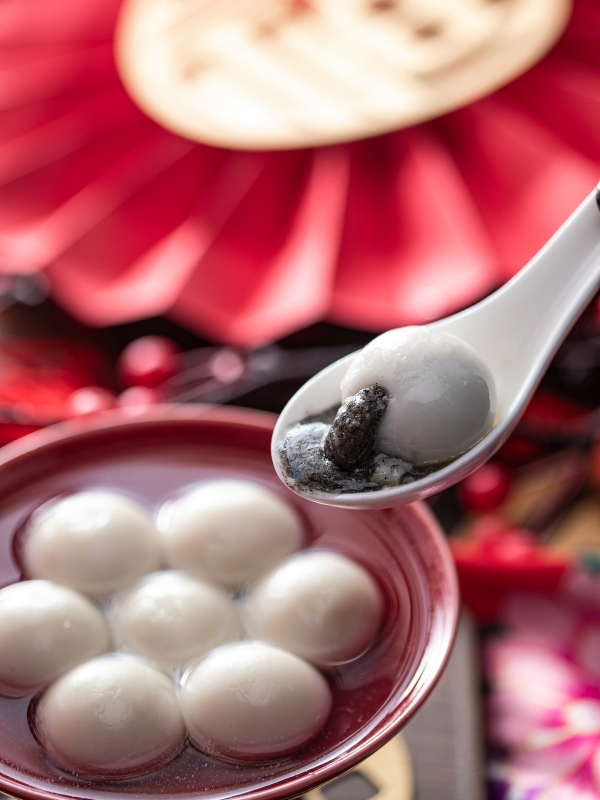
- Black sesame (the classic): deeply nutty and faintly smoky, with a low bitter edge and a warm sweetness — flows like thickened tahini mixed with dark sugar when hot
- Peanut paste: roasted and slightly grainy, with a drier, firmer texture — lighter and crunchier in character than the intense sesame option
- Red bean paste: smooth, mild, and directly sweet — the most approachable filling for first-time tasters unfamiliar with sesame
- Savory five-spice (rare today): a northern regional tradition with minced meat and aromatics, almost never seen in modern commercial yuanxiao
- Heat warning: all fillings retain heat inside the skin — moreover, black sesame flows freely when hot, so always bite from the side, never the center
💡 Tip: Start with black sesame for the most iconic answer to what does yuanxiao taste like. Its flowing texture and nutty depth represent the classic yuanxiao experience that most locals choose first.
The eating experience as a whole — why it's more than the sum of parts
Lift a yuanxiao on your spoon and sip the broth first. Then bite into the ball with some soup still on your tongue. The broth and filling meet in the middle — and together they create something neither achieves alone.
- Plain water: clean and neutral, directs full attention to the filling's own flavor — best for tasting yuanxiao on its own terms without distraction
- Ginger sugar soup: adds warmth and subtle spice — complements sesame or peanut filling beautifully, especially on cold Lantern Festival evenings
- Osmanthus fermented rice wine broth: introduces floral fragrance and a light tangy note — the most layered and aromatic pairing, particularly with red bean filling
- Overall impression: warming, subtly sweet, and quietly nutty — not cloying or overpowering, but the kind of comfort that builds deeper with every slow, deliberate bite
- Serving size: typically three to five balls per bowl — enough to satisfy without overwhelming, so you can actually pause and taste each one properly
💡 Tip: Try the ginger sugar broth version on your first visit. The spice and warmth balance the sesame richness in a way that plain water simply cannot replicate on a cold festival night.
How to Make Yuanxiao at Home — Step by Step
-
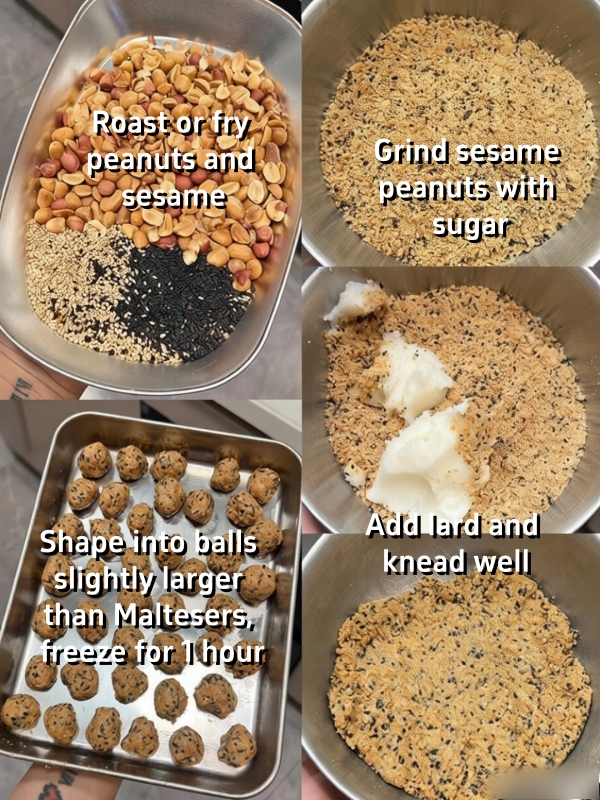
- Homemade Sesame Peanut Yuanxiao Filling
-
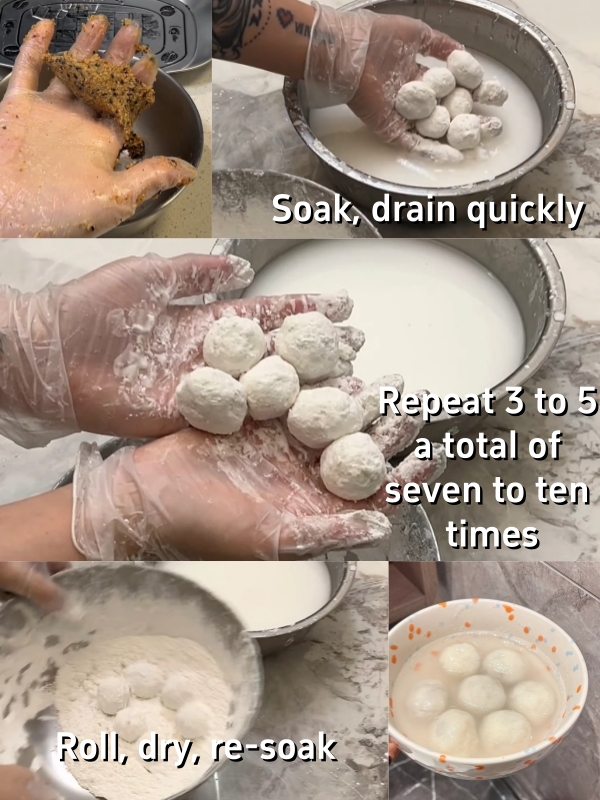
- Yuanxiao Rolling Steps
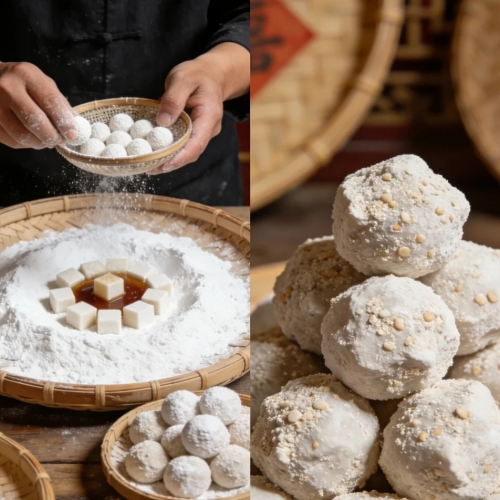
Yuanxiao is not wrapped — it is rolled. Start with a frozen filling ball. Roll it through dry glutinous rice flour. Dip it briefly in cold water. Roll it again. Repeat this seven to ten times, and the ball grows thicker with each pass. No dough-making, no rolling pin, no kneading required. If you can shake a pan back and forth, you can make yuanxiao at home today.
What you'll need
Assemble all components within arm's reach before starting. Additionally, choose a wide and shallow pan for rolling — a deep bowl makes the motion uneven and coats the balls poorly.
- Black sesame filling: ground black sesame powder + sugar + melted coconut oil (or lard), mixed thoroughly and chilled until completely firm and scoopable
- Peanut filling: finely crushed roasted peanuts + sugar + neutral oil — drier than sesame and slightly more forgiving during the rolling process
- Skin material: pure glutinous rice flour, fine and completely dry — never mix it with water in advance, it stays dry in the pan throughout rolling
- Equipment: one wide shallow pan for rolling flour, one bowl of cold water for dipping, and a freezer-safe tray to pre-freeze filling balls solid
- Optional: a light mist spray bottle instead of a water bowl — gives more precise control over the dip step and reduces over-soaking risk
💡 Tip: Freeze filling balls for at least two hours before rolling. Partially frozen filling softens mid-roll and collapses the ball — additionally, it wastes an entire pan of glutinous rice flour in one failed batch.
Step-by-step — the rolling method
Work close to your station and keep every movement quick. Additionally, never let the water-dipped balls sit in open air between the dip and the return to the flour pan.
Steps:
- Prepare your station. Fill a wide shallow pan with dry glutinous rice flour. Place a separate bowl of cold water directly beside it. Keep both within one arm's reach.
- Drop frozen filling balls into the flour. Work in batches of four to five for best control. Then shake the pan gently from side to side in a smooth, steady motion.
- Coat every surface evenly. Continue shaking until no part of the filling shows through the flour coat. Check all sides — then move on to the dip.
- Dip in cold water — quickly. Lift each ball and submerge it for one to two seconds only. Remove it immediately. Speed matters here more than anything else.
- Return to the flour pan immediately. Drop the wet balls straight back in. The surface moisture activates the outer layer and holds the next flour coat firmly in place.
- Repeat steps 3 to 5 a total of seven to ten times. Moreover, the ball should visibly grow rounder and plumper with each completed cycle — like a snowball growing in slow motion.
- Cook in a wide pot of boiling water. Once all yuanxiao float to the surface, cook for two more minutes. Then serve immediately in your chosen broth.
💡 Tip: Floating signals nearly cooked — not fully cooked. Therefore, always wait for two additional minutes after the balls rise before removing them from the pot.
First-timer tips
Start with a small test batch of eight to ten balls. Therefore, if something goes wrong mid-roll, you lose minutes — not an entire evening of prep work.
- Filling size: roll each filling ball to 10–12 grams — smaller balls create fragile skins that split; larger balls crack the flour coat and expose filling mid-roll
- Same-day eating: yuanxiao tastes best immediately after cooking; the skin stays soft, springy, and perfectly chewy for only a few hours after rolling
- Overnight storage: the skin firms up considerably by the next morning; therefore, re-boil briefly in fresh water to restore some softness before eating
- Freezing warning: do not freeze finished yuanxiao — the skin cracks internally as the filling expands during freezing, and the texture becomes grainy and broken
- Practice motion: shake the pan with a smooth rocking motion, not a jerky toss — moreover, the goal is gradual rotation of the ball, not speed
💡 Tip: The rolling method — and the reason yuanxiao cannot survive freezing — is exactly what separates it from tangyuan. The next section explains why the supermarket freezer aisle only ever carries one of them.
Where and How to Get Yuanxiao — Seasonal Bakeries or Specialty Shops
-
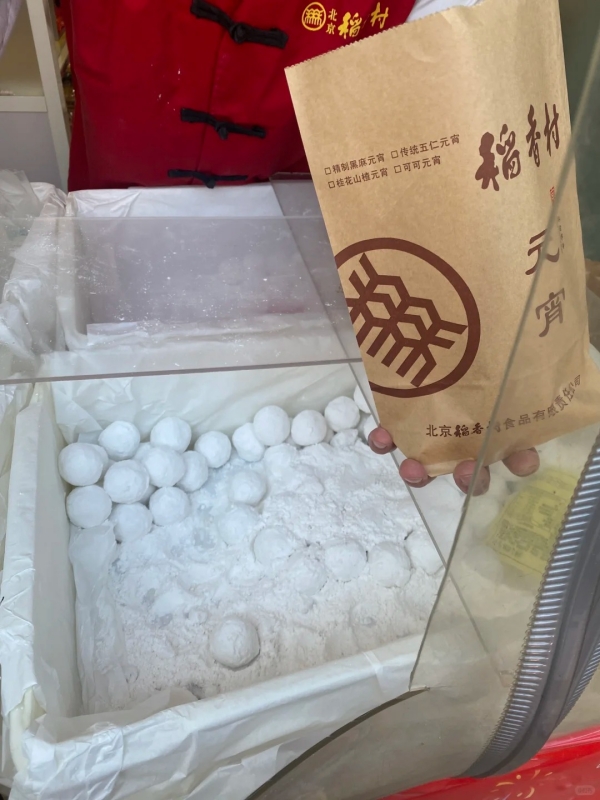
- Daoxiangcun Yuanxiao
-
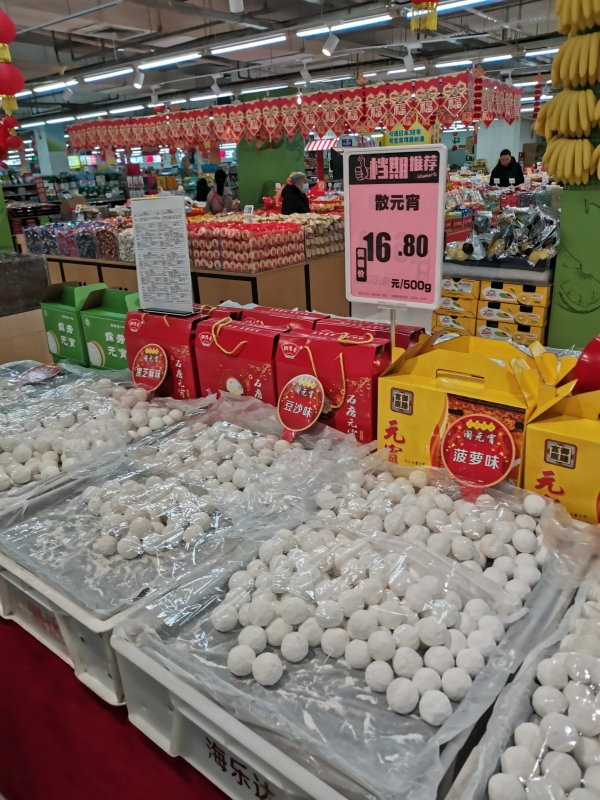
- Fresh Yuanxiao at Chinese Supermarket
In China — follow the freshness
The queue outside a good yuanxiao counter tells you everything. Follow the line. The wait is part of the experience — and the payoff at the counter justifies every minute.
- Loose vs. pre-packaged: loose yuanxiao from the counter is made that morning — the skin stays soft and the filling tastes cleaner and fresher than any bagged version
- Selection tip: look for an evenly powdery surface with no visible cracks or dry patches — these are the visible signs of same-day freshness at the counter
- Daoxiangcun: the most trusted name in Beijing for traditional yuanxiao, with consistent quality and lines that form before the store opens each morning
- Peak window: the freshest batches appear from about two weeks before the festival through the evening of the 15th — visit early in that window for the widest filling selection
- Regional variation: Tianjin's yuanxiao carries a slightly drier, grainier filling texture than Beijing's — additionally, some shops offer lard-based sesame filling for a richer, older-style flavor
💡 Tip: Ask specifically for loose, counter-rolled yuanxiao at the bakery window. Pre-packaged versions use the same recipe — however, they rarely match the texture of a same-morning fresh batch.
Outside China — what's actually in the freezer aisle
The right filling choice closes most of the gap. Additionally, upgrading the broth from plain water to ginger soup adds warmth and depth that push the experience noticeably closer to the original.
- Best substitute filling: black sesame tangyuan from Sanquan or Wanchai Ferry — the filling flavor closely mirrors traditional yuanxiao black sesame in both depth and warmth
- Peanut paste tangyuan: a strong second option — roasted and dense, with enough body to give a genuine sense of the nutty, satisfying original filling
- Soup base upgrade: cook frozen tangyuan in ginger sugar water instead of plain water — this single change adds warmth and spice that plain water cannot provide
- Specialty bakery option: Chinese bakeries in major cities (New York, London, Toronto, Sydney) produce small fresh yuanxiao batches during the Lantern Festival period each year
- Availability note: specialty bakery batches sell out within the first hour of opening — so call ahead, arrive early, and confirm availability before making the trip
💡 Tip: Search for Chinese bakeries in your city around the Lantern Festival period each year. Moreover, some specialty stores post fresh yuanxiao availability on WeChat or Instagram — follow local accounts to catch the announcement before stock runs out.
FAQs — Quick Answers to What People Search Most
Q: What does yuanxiao taste like compared to mochi?
Yuanxiao and mochi both come from glutinous rice flour, but what does yuanxiao taste like is quite different from mochi. Yuanxiao has a thicker, chewier skin and a flowing warm filling — usually dark sesame or peanut. Mochi is smaller, sweeter, and softer. Yuanxiao feels more substantial, warm, and savory-leaning in its overall experience.
Q: Is yuanxiao sweet or savory?
The short answer is sweet. What does yuanxiao taste like in most bowls? A warm, moderate sweetness from black sesame, peanut, or red bean fillings — none of them cloying. However, a traditional savory version filled with five-spice minced meat still exists in parts of northern China. If you order yuanxiao without specifying, a sweet bowl always arrives.
Q: What is the most popular yuanxiao filling?
Black sesame is the undisputed classic. When first-time eaters ask what does yuanxiao taste like, black sesame delivers the most representative answer — deeply nutty, faintly smoky, and warm enough to flow freely when hot. Peanut ranks second, offering a drier crunch. Red bean suits those who prefer a lighter, cleaner sweetness without the intense nuttiness.
Q: Why does yuanxiao have a thicker skin than tangyuan?
The rolling method builds the skin layer by layer over seven to ten passes. Each pass adds one thin coat of flour. Therefore, what does yuanxiao taste like in texture is directly shaped by this process — a thicker, slightly rougher skin that chews more slowly. Tangyuan is hand-wrapped from pre-made dough, creating a thinner, smoother result from the start.
Q: Can you eat yuanxiao if you are gluten-free?
Traditional yuanxiao uses glutinous rice flour — and despite the word "glutinous," it contains no wheat gluten. So what does yuanxiao taste like is naturally safe in its standard form for most gluten-free diets. However, always confirm with the vendor. Some commercial fillings include wheat-based thickeners or additives that introduce gluten into an otherwise rice-only product.
Q: What soup is yuanxiao served in?
The broth shapes what does yuanxiao taste like as a complete dish. Plain water highlights the filling's natural flavor directly. Ginger sugar soup adds warmth and gentle spice. Osmanthus fermented rice wine broth introduces floral sweetness and a light tangy note. Therefore, choosing your broth is not a minor detail — it fundamentally changes the eating experience from the first sip.
Q: Where can I buy yuanxiao outside of China?
Finding real yuanxiao outside China is genuinely difficult. What does yuanxiao taste like in its original form is best experienced fresh — and the fragile rolled skin simply cannot survive freezing intact. However, some specialty Chinese bakeries in cities like New York, London, Toronto, and Sydney produce small fresh batches during the annual Lantern Festival period, usually in early February.
Q: How do you pronounce yuanxiao correctly?
Yuanxiao is pronounced yuán xiāo — two syllables with a rising second tone and a flat first tone. However, what does yuanxiao taste like matters far more than perfect tones once you are standing in front of the pot. Most vendors warmly appreciate any honest attempt at the name, regardless of tonal accuracy or regional accent.
Q: Is yuanxiao the same as tang yuan?
They are not the same. What does yuanxiao taste like differs from tangyuan in real and noticeable ways — a thicker and rougher skin, a drier and grainier filling, and a more substantial overall bite. The key difference lives in the making process: yuanxiao is rolled through flour repeatedly, while tangyuan is hand-formed from pre-made dough. That single process difference creates every visible and edible contrast between them.
Q: When is yuanxiao eaten — only on the Lantern Festival?
Yuanxiao is traditionally eaten on the Lantern Festival — the 15th night of the first lunar month, usually falling in late January or February. However, what does yuanxiao taste like is good enough that many people eat it throughout the two-week Spring Festival season. Most traditional vendors stop producing it immediately after the festival — so the eating window is real, short, and worth planning around.