Traditional Chinese Snacks
China's snack culture runs deeper than almost any other culinary tradition on earth. For thousands of years, small-eatery cooks called 小吃 (xiǎochī) have prepared bite-sized foods between meals, alongside tea, and at seasonal festivals — items that Western travelers often encounter without realizing how much history sits behind each stall. These are not appetizers or side dishes; in China, a snack carries its own identity, its own neighborhood reputation, and sometimes its own regional rivalry.
This guide maps that landscape for foreign visitors. It covers the five core categories, explains why certain snacks appear at specific holidays, breaks down the major regional traditions from Beijing to Guangzhou, and points to the night markets and teahouses where the best examples are served today. The goal is straightforward: by the time you finish reading, you will be able to recognize, order, and understand the snacks that Chinese people eat every day.
Quick Facts
What Are Traditional Chinese Snacks?
The Chinese word 小吃 (xiǎochī) translates directly as "small eat," and that definition captures the essence. These are foods eaten between main meals, offered at teahouses, sold from pushcarts at festivals, and served at specialized snack restaurants where the menu may list sixty to one hundred different items. They are not dim sum — a term that refers specifically to the Cantonese yum cha tradition of tea-paired small plates — though the two categories overlap in practice. Where dim sum follows a morning-to-early-afternoon brunch schedule in teahouses, xiǎochī operates around the clock and across every price tier.
Historically, the snack tradition traces to the Xia Dynasty (c. 2205–1776 BCE), when archaeological evidence shows dough pressed and baked on hot river stones. Han Dynasty cooks (206 BCE–220 CE) introduced yeast fermentation and oil-layering methods that would eventually produce the flaky pastries and steamed buns recognizable today. By the Ming (1368–1644 CE) and Qing (1644–1911 CE) dynasties, confectioners had refined mooncakes and New Year pastries into elaborate ritual foods with symbolic weight. Regional variation settled into a durable pattern: southern Chinese snack culture leans toward sweeter and more delicate textures — bean paste, osmanthus, sticky rice — while northern traditions favor savory, wheat-based, and heavily spiced items. The modern result is a culinary map where the same ingredient can appear as a sweet dumpling in Guangzhou and a spicy skewer in Chengdu.
Categories at a Glance
🥮 Explore Heritage & Classic Bites: From Tang dynasty pastry techniques to hand-steamed rice cakes and seasonal holiday treats, discover the history and craft behind Traditional Chinese Snacks.
Iconic Snacks Across China
The items below represent the most recognizable names in Chinese street and teahouse snacking. Each one carries enough cultural weight that a traveler who can name two or three will signal familiarity to vendors and fellow diners. The list covers sweet and savory territory, with per-item prices and brief descriptions to support confident ordering.
Sweet Snacks
-
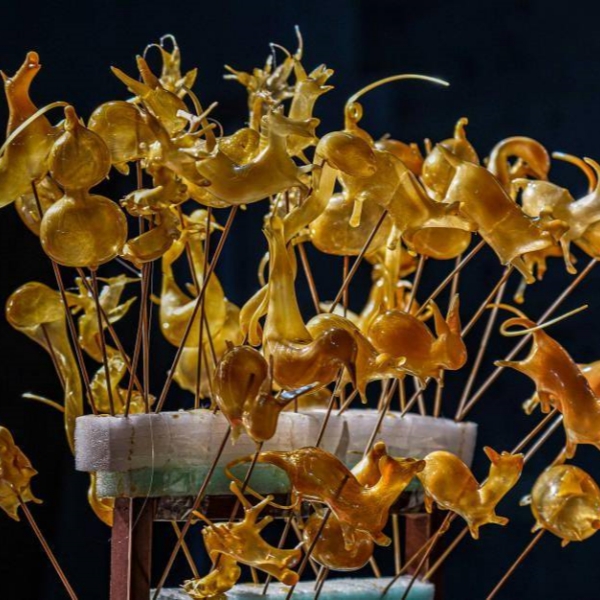

- Sugar figurines
-
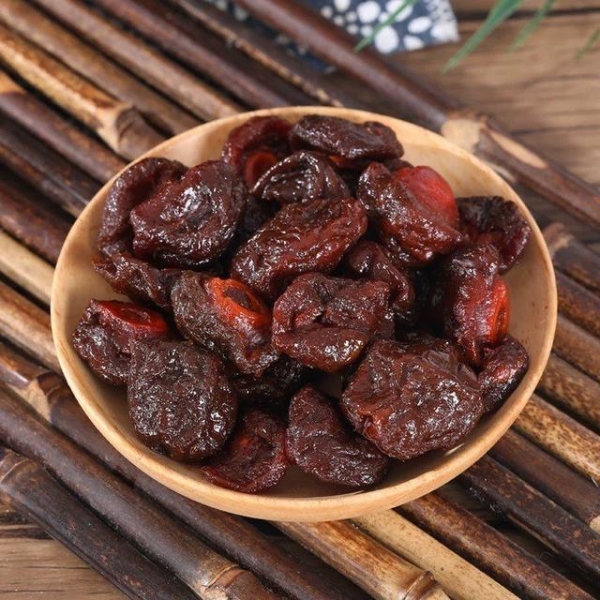
- Preserved fruit
Sweet snacks in China tend to center on fruit, sugar, or red bean paste, and they appear everywhere from winter street carts to dim sum tables. Many of them function as tea pairings, where the sugar cuts through the bitterness of oolong or pu'er. Travelers will notice that sweetness levels run lower than comparable Western confections — the flavor profile leans toward tart or floral rather than cloying.
- Tanghulu (糖葫芦): Hawthorn fruit skewered and coated in a thin, hardened sugar shell. Seasonal in winter; found at night markets and tourist streets. About $1–2 (¥5–10) per skewer.
- White Rabbit Candy (大白兔奶糖): Creamy milk candy wrapped in edible rice paper. First produced in the 1950s; famously presented to Richard Nixon during his 1972 visit to China. About $3–6 (¥20–40) per bag.
- Haw flakes (山楂片): Pressed discs of sweet-tart hawthorn fruit, sold in rolls or flat tins. A staple childhood snack across China. About $3–5 (¥20–35) per bag.
- Sesame balls (煎堆, jiān duī): Fried glutinous-rice spheres filled with red bean paste and coated in sesame seeds. Crispy exterior, chewy interior. About $1–2 (¥5–10) for three pieces.
- Sugar figurines (糖人, táng rén): Hand-pulled blown sugar shaped into animals, flowers, or characters. More craft display than everyday snack; increasingly rare. About $3–7 (¥20–50) per piece.
- Preserved fruit (蜜饯, mìjiàn): Candied plums, kumquats, or ginger, often served alongside tea. Sweet with a sharp acidic finish. About $2–6 (¥15–40) per box.
Savory Snacks
-
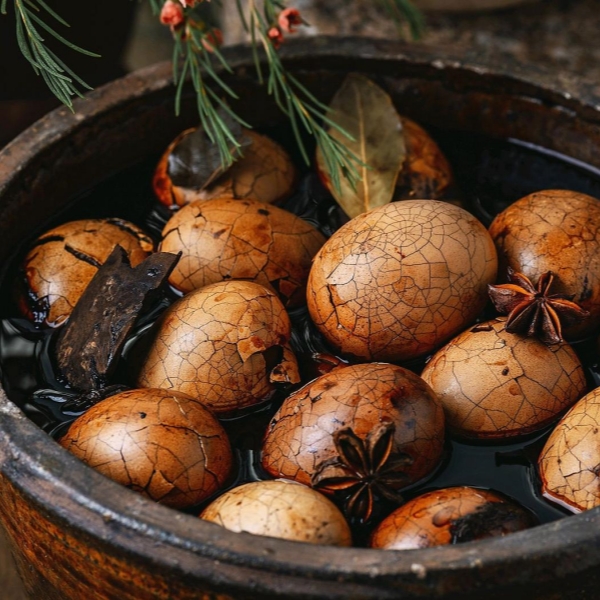
- Tea eggs
-
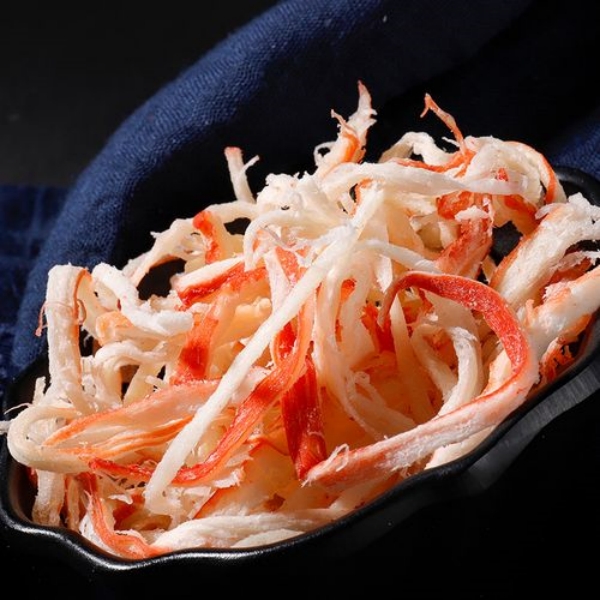
- Dried shredded squid
-
- Char siu bao
Savory snacks span fermented, fried, grilled, and steamed preparations, and they frequently pair with cold beer or strong tea rather than water. The range can be startling for first-time visitors — some items like stinky tofu rely on deliberate pungency as part of their appeal, while others like jianbing are mild and approachable. Street vendors typically cook to order, so waiting time runs two to five minutes per item during busy periods.
- Stinky tofu (臭豆腐): Fermented in brine made from dried shrimp, herbs, and soy, then fried until the exterior crisps while the interior stays creamy. The aroma is assertive, but regulars at night-market stalls insist the flavor rewards the adventurous. About $1.50–3 (¥10–20) per serving.
- Jianbing (煎饼): A thin mung-bean or wheat crepe spread with egg, scallion, hoisin sauce, cilantro, and a crispy wonton strip. Served folded and wrapped in paper for eating on the move. Common as a breakfast item but available all day at street carts. About $2–3 (¥10–20).
- Tea eggs (茶叶蛋): Hard-boiled eggs whose shells are gently cracked before steeping in a broth of black tea, soy sauce, star anise, and cinnamon. The result is a marbled surface and savory-spiced flavor throughout the white. Sold individually at convenience stores and night stalls. About $0.50–1 (¥3–5) each.
- Dried shredded squid (鱿鱼丝): Chewy strips of dried and seasoned squid, packaged in single-serve bags at convenience stores and supermarkets. Mildly salty with a natural ocean flavor. About $5–10 (¥35–70) per pack.
- Maodan (毛蛋, balut): A fertilized duck or chicken embryo boiled inside the shell, still recognizable with feathers and beak formed. Sold as a street food in many regions and polarizing for foreign palates. About $1–2 (¥5–10) each.
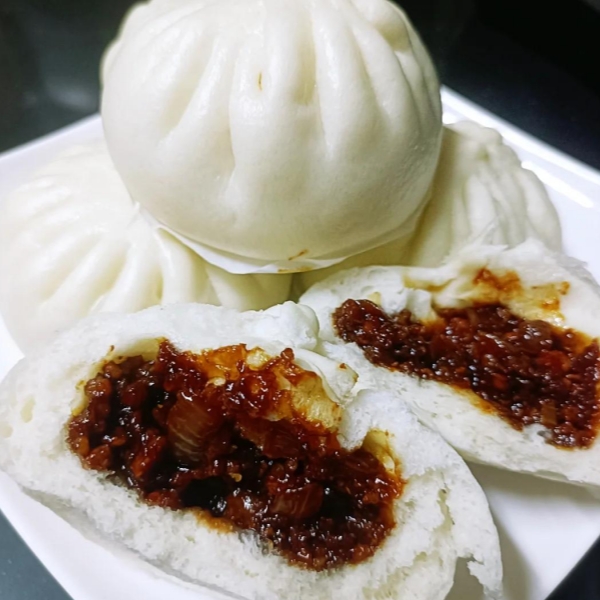
- Char siu bao (叉烧包): Steamed buns filled with barbecued pork in a slightly sweet soy glaze. A cornerstone of Cantonese dim sum service. About $1–2 (¥5–12) per bun.
🥟 Check Out Everyday Favorites: Want a practical checklist of what locals are eating today—from convenience store go-tos to night market highlights? Read our guide on Popular Chinese Snacks.
Traditional Snacks for Chinese New Year
-
- Nian gao
-
- Fa gao
-
- Dragon-and-phoenix cakes
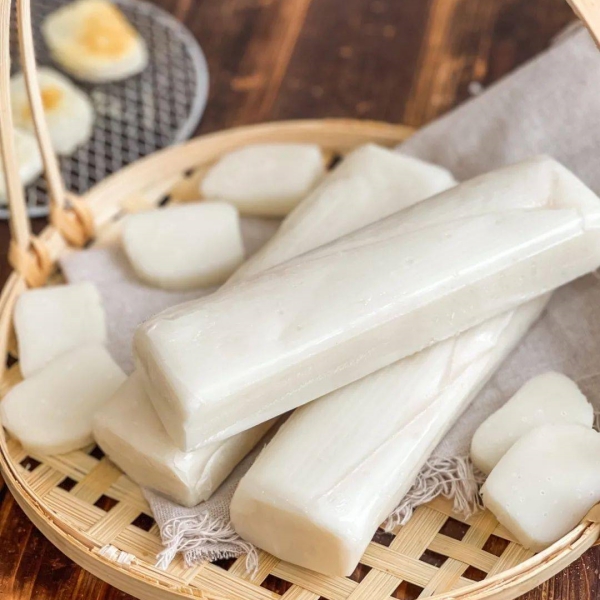
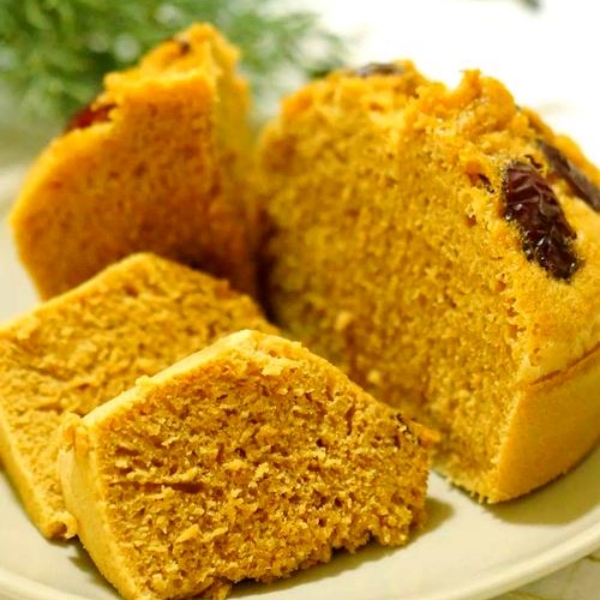
Chinese New Year (春节, Chūnjié) concentrates more snack symbolism than any other festival on the calendar. Many of these foods carry wordplay: the name 年糕 (nián gāo) sounds like "higher year," and the sticky texture of the rice cake symbolizes drawing the year closer. Others carry visual symbolism — the crack that forms on top of a fa gao represents an opening of fortune. During the two-week holiday period, these items fill household bowls, market stalls, and temple-gate vendors simultaneously.
- Nian gao (年糕): Glutinous rice cake in sweet or savory form, symbolizing rising fortune year over year. Served steamed in slices or fried until golden. About $3–7 (¥20–50) per piece.
- Fa gao (发糕): Steamed "prosperity cake" that cracks open naturally at the top as it rises — a visual omen of good fortune. Mildly sweet and dense. About $2–4 (¥15–30).
- Spring rolls (春卷): Fried or fresh rolls stuffed with vegetables or meat. The name sounds like "spring wealth" and they appear at every New Year feast. About $2–4 (¥15–25) per order of three.
- Sesame balls (煎堆): Same as the year-round sweet snack, but especially auspicious for New Year — the round shape represents family reunion. Widely available at holiday markets.
- Five-spice peanuts and sugared walnuts: Nuts coated in sugar and spices, presented in small bowls to visiting guests throughout the holiday. About $3–6 (¥20–40) per bag.
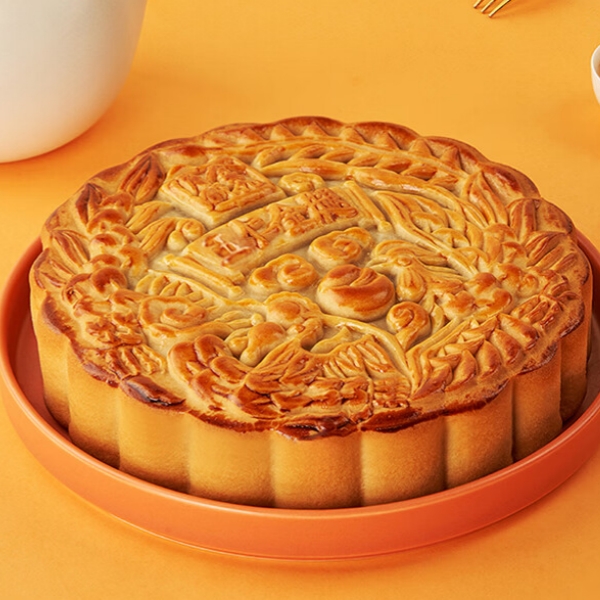
- Dragon-and-phoenix cakes (龙凤饼): Decorative pastries with stamped dragon and phoenix motifs, served at weddings and major holidays. Ornamental and edible. About $5–10 (¥35–70) per pair.
🌶️ The Cult Spicy Strip Sensation: Few packaged treats match the massive popularity of latiao, China’s iconic chewy, chili-oil-soaked wheat gluten snack. Read its history and origins in La Tiao: China's Spicy Snack with a Cult Following.
Regional Snack Traditions
Where to Try Snacks in China Today
Night markets and dedicated snack streets remain the most accessible entry point for foreign visitors. No reservation is required at street stalls; payment runs through mobile apps (Alipay, WeChat Pay) or cash at tourist-oriented locations. For travelers who prefer booking in advance, several platforms list packaged snack-tasting experiences and teahouse dim sum sessions, which removes the language barrier at traditional ordering counters.
- Wangfujing Snack Street, Beijing: The most tourist-famous night market in northern China. Skewered meats, candied hawthorn, and scorpion-on-a-stick draw curious visitors. Operates evenings through midnight.
- Yuyuan Bazaar, Shanghai: The temple-garden district has hosted snack vendors for centuries. Classical shopfronts sell sheng jian bao, osmanthus cakes, and scallion noodles alongside tourist goods. Active day and evening.
- Muslim Quarter, Xi'an: A dense lane of halal snack vendors serving rou jia mo, biangbiang noodles, and lamb skewers. The volume of foot traffic keeps food turning over quickly, which benefits freshness.
- Jinli Street and Kuanzhai Alley, Chengdu: Both locations line up Sichuan-style skewers, bing fen stalls, and three-gun sausage vendors. The regional heat level runs higher than other cities; newcomers can request "少辣" (less spicy).
- Shangxiajiu Pedestrian Street, Guangzhou: Cantonese pastry shops open early and close late, serving egg yolk tarts, char siu bao, and preserved fruit from shopfront counters. Morning hours are busiest before the heat sets in.
- Practical tips: Per-item street prices typically run $0.50–3 (¥3–20); dim sum brunch baskets of 3–4 pieces cost $4–8 (¥30–55). Night markets generally operate 17:00–23:00, while dim sum parlors serve 07:00–14:00. English menus appear in high-tourist areas; pointing at a neighboring plate or showing a photo to the vendor works everywhere else.
Frequently Asked Questions
Q: What are the most popular traditional Chinese snacks?
The most widely recognized items across regions include tanghulu (candied hawthorn), jianbing (savory crepe), stinky tofu, White Rabbit Candy, mooncakes, char siu bao, har gow, tea eggs, sesame balls, and nian gao during the New Year period. Street-side items typically cost $0.50–3 (¥3–20) each; dim sum baskets run $4–8 (¥30–55).
Q: What snacks are eaten during Chinese New Year?
Nian gao (glutinous rice cake symbolizing rising fortune), fa gao (prosperity cake that cracks open on top), spring rolls, sesame balls, five-spice peanuts, sugared walnuts, and dragon-and-phoenix pastries appear at nearly every household during the two-week holiday. Many carry wordplay or visual symbolism tied to luck and family reunion.
Q: What are the boiled, cracked, and peeled Chinese snacks?
This description matches tea eggs (茶叶蛋). Hard-boiled eggs are cracked gently so the steeping broth — black tea, soy sauce, star anise, and cinnamon — leaves a marbled pattern in the white. The shell is peeled before eating. They are sold individually at convenience stores, night markets, and street stalls for about $0.50–1 (¥3–5) each.
Q: Which traditional Chinese snacks pair with tea?
Dim sum savory items like har gow, siu mai, and char siu bao traditionally accompany pu'er or jasmine tea. Sweet pastries such as wife cake and mooncake pair well with aged oolong or black tea. Preserved fruit and osmanthus cakes suit lighter green or oolong teas. Sesame seed "Wu cakes" are more commonly eaten with soy milk than with tea.
Q: Are traditional Chinese snacks safe for foreign travelers?
Street snacks from busy, high-turnover stalls are generally safe — rapid food turnover keeps items fresh and limits time at ambient temperature. Stinky tofu and fermented items are an acquired taste; new visitors should approach them with curiosity rather than expectation. Travelers with shellfish or soy allergies should ask before ordering, as most savory snacks contain soy, and dried shredded squid is shellfish-adjacent. Carrying bottled water is advisable for sensitive stomachs.
Q: How much do traditional Chinese snacks cost in China?
Street items like skewers, sesame balls, jianbing, and tanghulu typically cost $0.50–3 (¥3–20) per piece. Dim sum baskets of 3–4 pieces run about $4–8 (¥30–55). Packaged sweets such as White Rabbit Candy, haw flakes, and preserved fruit sell for $3–6 (¥20–40) per bag. A satisfying snack-street tasting for one person generally comes to $5–12 (¥35–85).
Q: Where can travelers try traditional Chinese snacks outside mainland China?
Cantonese dim sum has the widest international footprint. Chinatown districts in London, San Francisco, Vancouver, Sydney, and Singapore all operate dim sum houses serving har gow, siu mai, char siu bao, and egg yolk tarts. Singapore and Malaysia also feature ang ku kueh and pineapple tarts especially during the Chinese New Year period. University towns with established Chinese communities — Cambridge, Massachusetts, for example — typically have at least one dim sum or dumpling house.