Three Pagodas
The air around Dali Old Town smells faintly of incense, mixed with the freshness from Cangshan’s slopes. Walking along streets with white walls and old wooden doors, the Three Pagodas suddenly come into view, standing quietly yet unmistakably against the morning sky. Tourists mill around, taking photos or pointing up at the tall central tower, while local vendors call out softly from their stalls. I wasn’t sure what to expect at first, but seeing the pagodas up close, feeling the stone under my hand, and hearing the bells, it’s clear this place has a charm you can’t really ignore.
Three Pagodas Quick Facts
| 🏯 Name | The Three Pagodas of Chongsheng Temple, a historic site reflecting Dali’s Tang Dynasty heritage |
| 📍 Location | Located just north of Dali Old Town, Yunnan, China; easy to combine with local sightseeing |
| 🏗 Built | Originally constructed in the Tang Dynasty (c. 824 AD), making them nearly 1,200 years old |
| 📏 Height | Central pagoda rises 69.13 m, while the two flanking towers are 42.19 m |
| ☯ Symbolism | Represent peace, stability, and harmony, significant in both Buddhist and local Bai culture |
| ⏰ Opening Hours | Open daily from 8:00 AM to 6:00 PM, with seasonal variations possible |
| 🎟 Ticket Price | Combined ticket with Chongsheng Temple is around RMB 121 (~$17), check Ctrip for current rates |
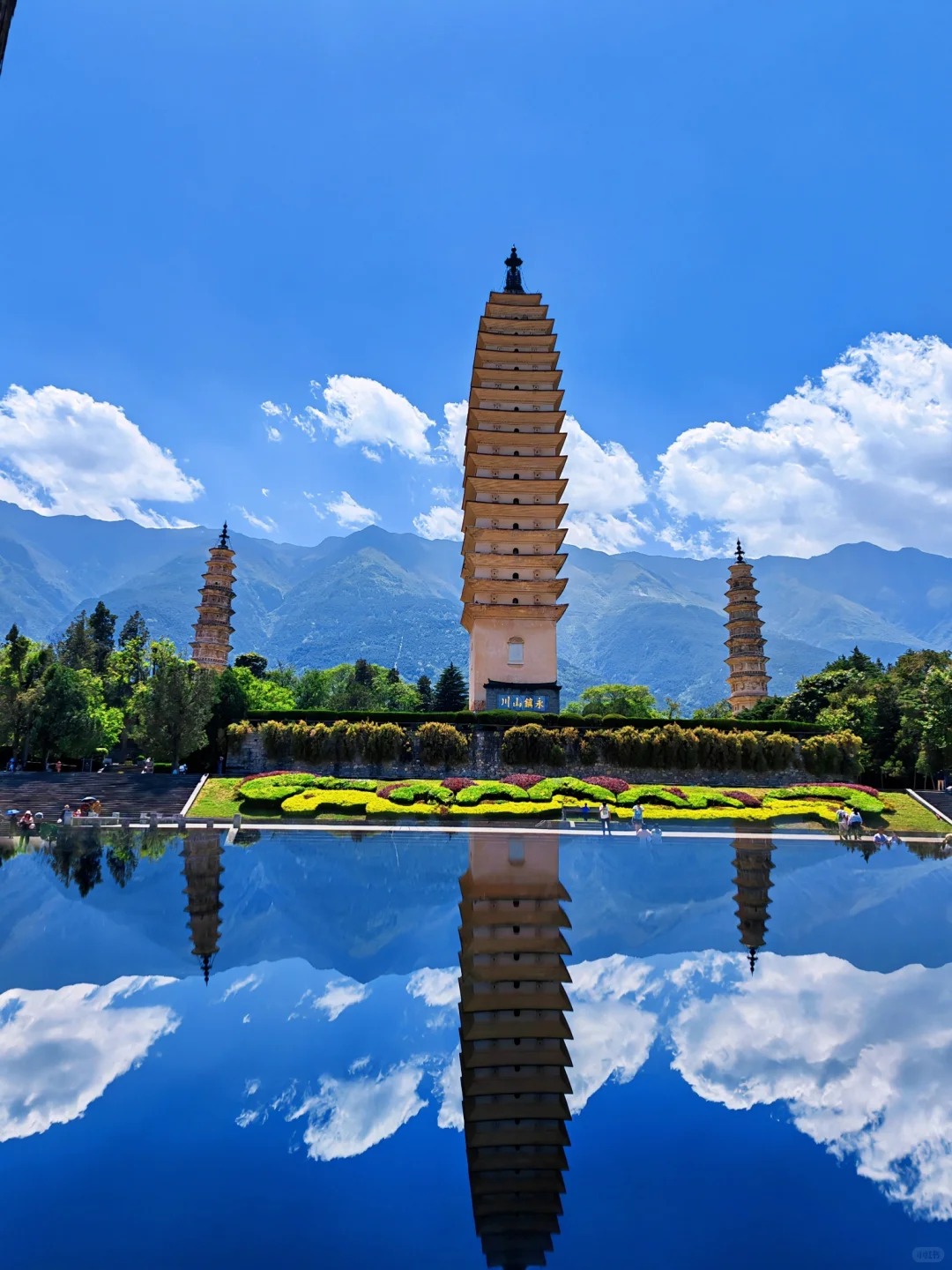
| 🌅 Best Time to Visit | Early morning for soft light or sunset for reflections in the pool; fewer crowds make photos easier |
| 🗻 Nearby Attractions | Close to Erhai Lake and Cangshan Mountain, ideal for half-day or full-day trips |
Exploring the History and Architecture of the Three Pagodas
-
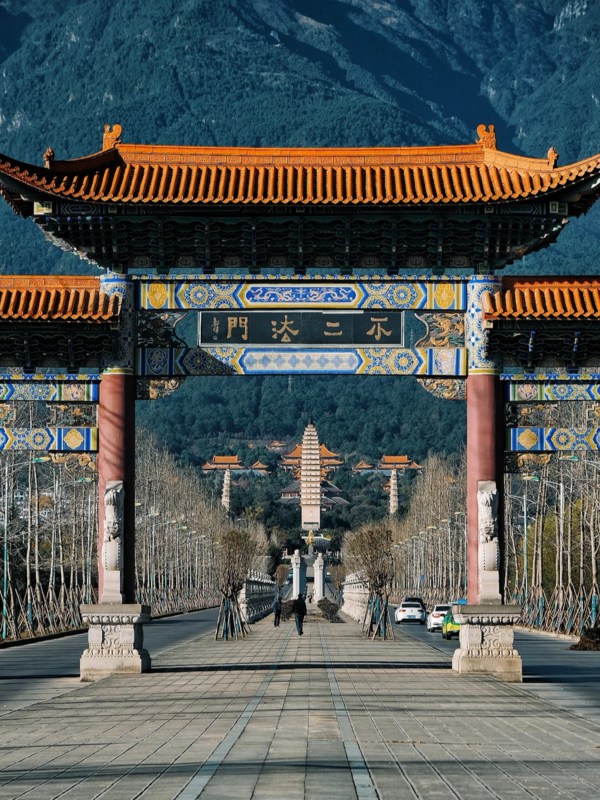

- Gate of Three Pagodas
-
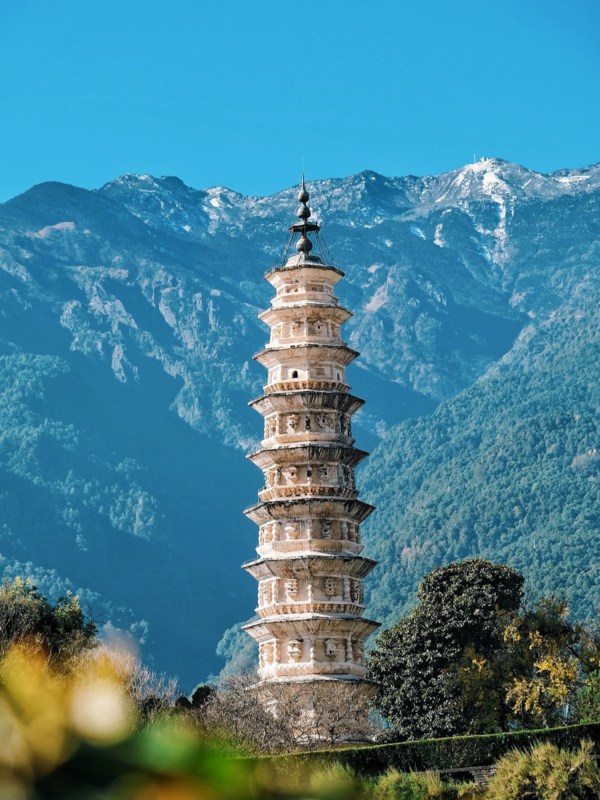
- Structural Features
-
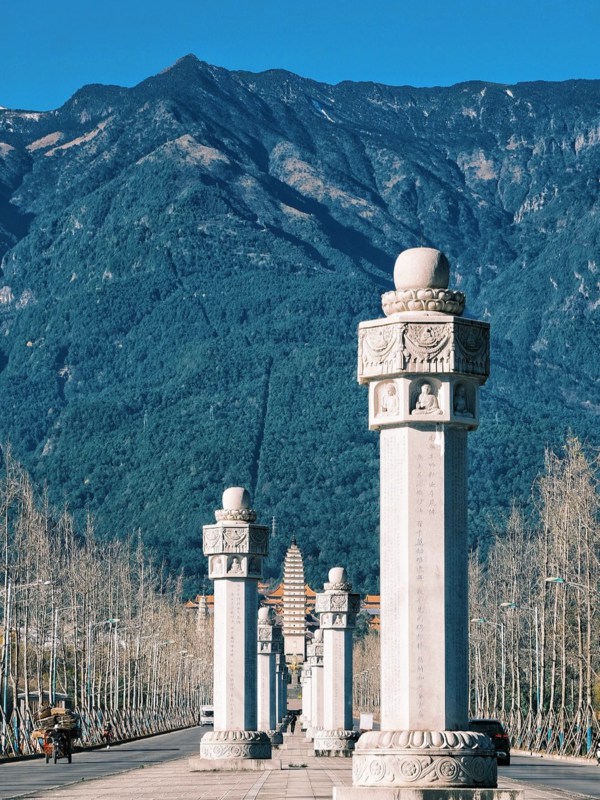
- Inside of Three Pagodas Temple
Origins and Tang Dynasty Significance
The Three Pagodas were constructed in the middle of the ninth century (circa 824 Environmental Era), during the reign of the Tang Dynasty, which was the second of four great Chinese Dynasties; the Pagodas were built to symbolize and protect Dali from the surrounding valleys of Erhai Lake. The Qianxun Pagoda is believed to be a landmark for the local travellers and to commemorate the teachings of Buddhism.
As described in TripAdvisor reviews, "Walking through the towers gives visitors a sense of Ancient Dali, quiet yet full of purpose." At over 1,200 years old, the Three Pagodas embody both the spiritual devotion of their time, as well as the city’s early urban planning. To this day, it is easy to envision Tang Dynasty monks walking through the courtyards chanting as the sun catches in their walls leaving behind an impression that visitors to this day can feel.
Structural Features and Earthquake Resilience
Rising 69 meters, the central tower stands above the two 42-meter side towers. It is built from brick and stone. The towers have octagonal bases with carved pillars and bracket details. Their roofs taper gradually as they rise. One remarkable fact is their earthquake resilience. They survived multiple major quakes throughout history. A 16th-century earthquake damaged nearby buildings but spared the three pagodas.
Visitors often touch the weathered stones in quiet amazement. Many are surprised the structure has stood for over a thousand years. Guides point out the slight lean of the smaller towers. They explain how the towers settled without collapsing. The three pagodas combine beauty and function. In sunlight, the carvings become even more striking.
Cultural Symbolism and Legends
The Three Pagodas carry deep symbolic meaning. The central pagoda represents stability and protection, while the two side towers symbolize harmony and balance, echoing Buddhist teachings and Bai cultural beliefs. Legends say the towers were built after local monks reported visions of dragons over the site, believed to guard the city from floods and conflict. Visitors sometimes notice small offerings left at the pagoda bases—incense sticks, coins, or handwritten prayers.
One traveler on TripAdvisor wrote that capturing the sunrise reflection in the nearby pool felt almost “like photographing a blessing.” Photographers and casual tourists alike linger to frame the pagodas against Erhai Lake, sensing the centuries of devotion embedded in the bricks. Even small moments, like hearing the temple bells as you circle the complex, give a sense of peace that’s hard to find elsewhere. The Three Pagodas aren’t just ancient architecture—they are a living symbol of faith, resilience, and the quiet power of history, blending stories, beliefs, and natural beauty in a single frame.
🏯 Vertical Wonders: If you are fascinated by the spiritual engineering of these ancient stone structures, discover a massive vertical Buddhist palace in eastern China by reading our guide to Tianning Pagoda: A Hidden Vertical Buddhist World Inside Changzhou.
Photography and Scenic Highlights
-
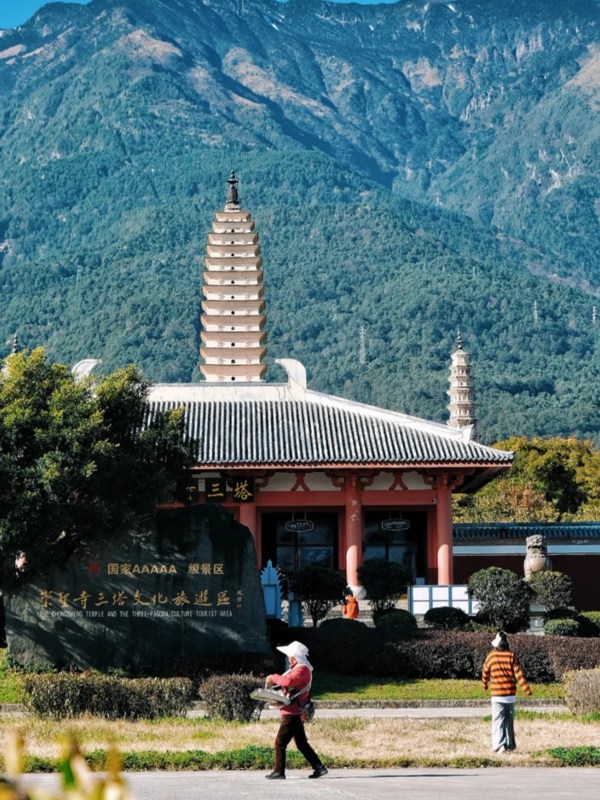
- Iconic Angles of the Three Pagodas
-
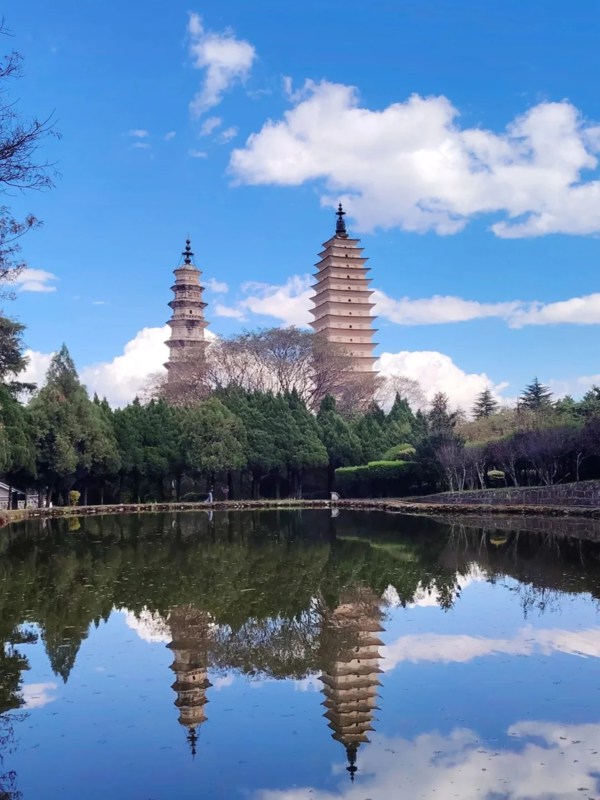
- Reflection Pool
-
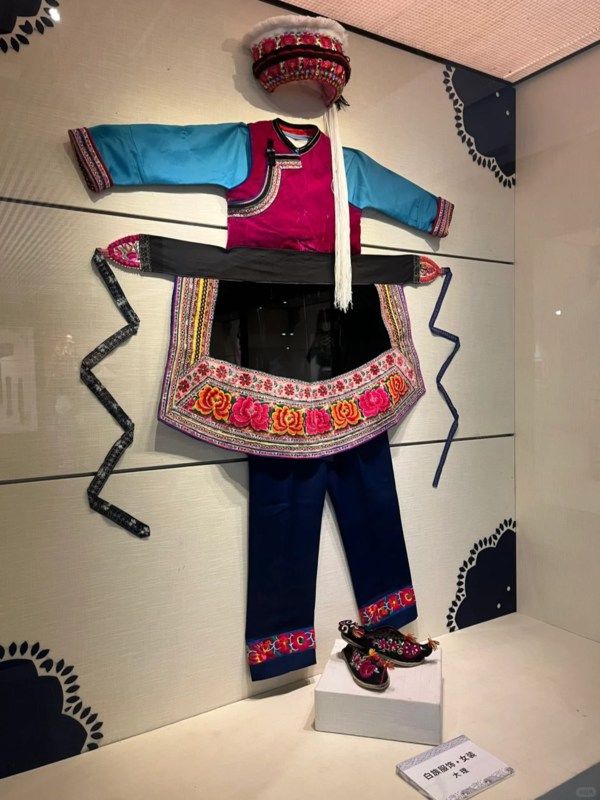
- Bai Cultural
Iconic Angles of the Three Pagodas
Reflection Pool and Sunset Views
The Three Pagodas’ small reflection pool makes a great place for taking reflective images (especially at sunset). Often times, the water reflects the central pagoda vertically—the results create symmetrical imagery and are therefore highly sought after by photographers. On my last visit around 5:30 in the evening, the sun illuminated the pagodas with a beautiful soft golden light; and the tourists scattered throughout the plaza serve as a reference point in scale of the pagodas.
Many reviewers on TripAdvisor will state that waiting a few extra moments for the light to soften will create an entirely different photo; this allows for highlighting of the carvings and outlines of the first three levels of pagoda. Additionally, if there’s a gentle breeze, ripples will form; this provides artistic distortion of the pagodas. Even casual visitors will spend extended amounts of time finding new angles using cellular telephones or digital cameras. Although taking photos of the pagodas at their best light requires more patience than elaborate equipment, not using good lighting will lead to missing one of the most photogenic moments of Dali.
Tips for Capturing Bai Cultural Elements
Architectural Details: The Bai-style buildings around the Three Pagodas offer excellent photo opportunities. Look for carved eaves, painted doors, and decorative patterns that highlight local craftsmanship.
Local People and Ceremonies: Festivals and temple ceremonies are ideal for photographing locals in traditional Bai dress. These moments add cultural context and vibrant color to your shots.
Lens and Composition: Using a wide-angle lens helps include both the towers and surrounding Bai elements. Keep the pagodas as the main focal point while incorporating architectural and human details.
Small Authentic Touches: Elements like prayer flags and curling incense smoke add atmosphere and authenticity. Many TripAdvisor reviewers find that focusing on these details enriches photos and creates lasting memories.
Cultural Depth in Photos: By capturing both the towers and surrounding heritage, your images convey the historical and cultural significance of the Three Pagodas.
🗼 Tang Legacy: The Three Pagodas' 1,200-year history connects Dali to the legacy of China's most iconic Famous Chinese Temples.
Visiting the Three Pagodas – Practical Travel Guide
-
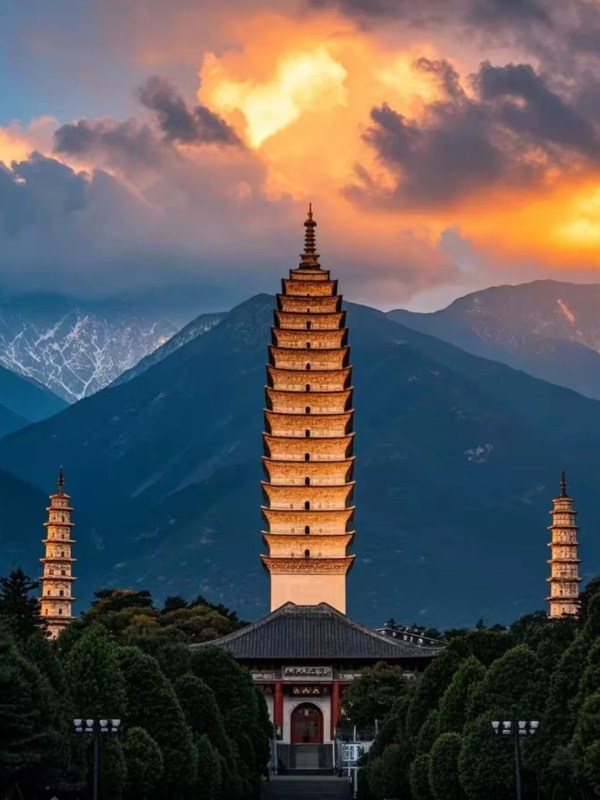
- Sunset of Three Pogodas
-
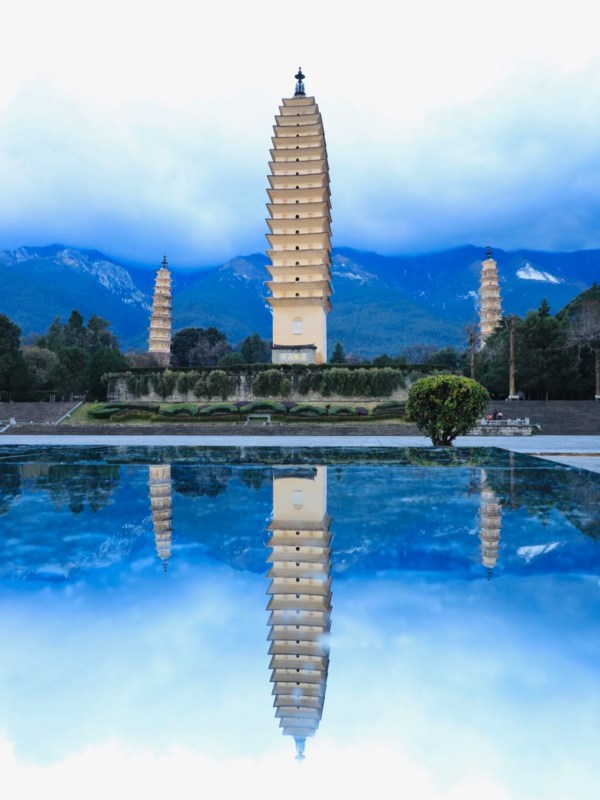
- Best Visiting Times
-
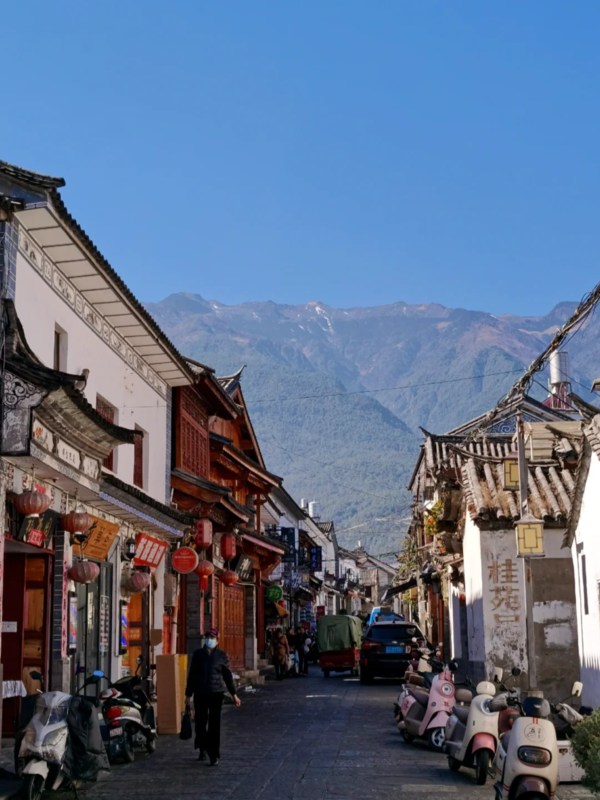
- Dali Ancient City
Ticketing, Opening Hours, and Entry Tips
How to Get There – Transport Options
Walking: The Three Pagodas are about 1.5–2 km north of Dali Old Town. A leisurely walk takes 20–25 minutes, passing cafes, small shops, and Bai architecture.
Public Bus: Local buses run frequently and cost less than RMB 5, offering a quick and convenient way to reach the pagodas.
Taxi: A taxi ride takes 5–10 minutes, depending on traffic, and is ideal for those seeking comfort or speed.
Biking: Bikes or e-bikes offer scenic views of Erhai Lake and flexibility to explore nearby alleys, murals, and local streets.
Timing Tips: TripAdvisor reviewers recommend cycling early to beat traffic and crowds. Allow extra time for spontaneous stops or photos, as the route itself is full of interesting sights. How you get there can shape the whole visit experience.
Best Visiting Times & Avoiding Crowds
The best time to visit is early morning for photos and a quieter atmosphere. Soft light touches the pagodas, and the pool usually reflects them clearly. I arrived after 7:30 a.m., and it felt almost private. Only five to ten photographers stood quietly waiting for their shots.
Sunset is another great time, with warm golden light on the bricks. Long shadows form then, but more tourists gather. Weekdays outside major Chinese holidays usually mean lighter crowds. Avoid noon when tour buses typically arrive. Better timing improves your chances of clear pagoda photos. Choosing the right time can greatly improve your experience.
Nearby Attractions and Cultural Experiences
-
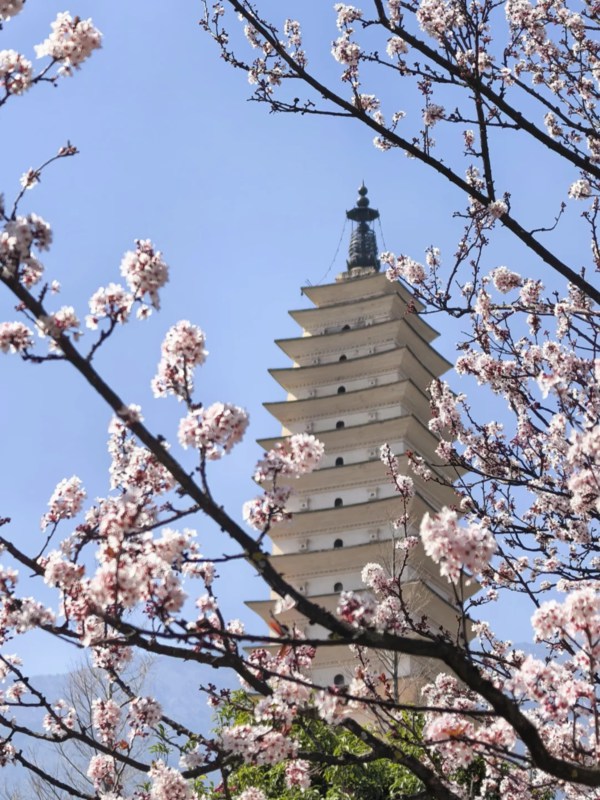
- Chongsheng Temple
-

- Cangshan
-

- Erhai
Chongsheng Temple Complex
Right behind the Three Pagodas of Chongsheng Temple, the larger temple complex stretches up the slope in a series of terraces and halls. Chongsheng Temple Dali today is a reconstruction, but its layout follows traditional Buddhist symmetry—main gates, prayer halls, courtyards, and elevated viewing platforms aligned along a central axis. Most visitors enter through the lower gate, photograph the pagodas first, then gradually walk uphill toward the main hall. f you’re interested in discovering more sacred sites beyond Dali, you can explore other historic temples across the province — discover more famous temples in Yunnan here.
I’d actually suggest the opposite if you want fewer people in your photos: explore the upper halls early, then return to the pagodas when tour groups move upward. Inside, you’ll find golden Buddha statues, incense burners, and occasional chanting ceremonies. TripAdvisor reviewers often mention the panoramic terrace at the top, where you can look back and see the three towers framed against Erhai Lake—a quiet, surprisingly reflective moment after the busy entrance plaza.
Erhai Lake and Cangshan Mountain Excursions
After visiting the pagodas, many travelers continue toward Erhai Lake or head west to Cangshan Mountain. Both are close enough to combine into a half-day or full-day outing. Renting an e-bike near the Dali Three Pagodas area makes it easy to loop toward the lakeside cycling path, which offers open views and small fishing villages along the shore.
Some visitors purchase a local sightseeing pass—often casually referred to as a three pagodas pass—that bundles nearby attractions, though availability varies seasonally. I once followed a side road toward the lake and ended up at a quiet dock where locals were drying fishing nets, far from the main tourist flow. For mountain views, cable cars up Cangshan provide cooler air and hiking trails.
The contrast between temple architecture, lake scenery, and mountain backdrops gives Dali its layered charm.
Bai Ethnic Culture and Local Food
Around the Three Pagodas Dali area and back toward the old town, Bai ethnic culture is woven into daily life. White-walled houses with gray tiles, hand-dyed textiles, and small craft shops selling silver jewelry are easy to spot. If timing allows, try local dishes like “rushan” grilled cheese or clay pot fish near Renmin Road. Some family-run restaurants display traditional embroidery or host small tea tastings. Pairing a cultural meal or craft stop with your pagoda visit makes the experience feel more grounded—less like ticking off a landmark, more like stepping briefly into everyday Dali life.
FAQ about the Three Pagodas
Q: What is the name of the Three Pagodas in China?
The official name is the Three Pagodas of Chongsheng Temple, highlighting their connection to the historic temple complex in Dali. While many travelers simply refer to them as the Three Pagodas, the full name reflects their religious roots within Chongsheng Temple Dali, which dates back to the Tang Dynasty. The tallest structure is called Qianxun Pagoda, with two smaller pagodas positioned symmetrically beside it. Together, they form a layout that has become the visual symbol of Dali, appearing in postcards, travel brochures, and countless visitor photos shared online.
Q: How much is the ticket for the Three Pagodas in Dali?
The standard three pagodas dali entrance fee is around RMB 121, which includes entry to both the pagodas and the larger Chongsheng Temple complex. During national holidays or peak travel seasons, prices may fluctuate slightly. Tickets can be purchased at the main gate or through local travel apps, which sometimes offer minor discounts. Visitors often recommend arriving early to fully explore the grounds, as the site is larger than expected and worth at least two to three hours.
Q: What does a pagoda symbolize?
In Buddhist tradition, a pagoda symbolize protection, peace, and spiritual balance. The Three Pagodas specifically are believed to guard Dali against floods, earthquakes, and misfortune. Their triangular arrangement is thought to represent harmony and stability, reflecting both Buddhist philosophy and local Bai beliefs. Even today, visitors light incense or quietly bow near the towers, showing that the symbolic meaning continues beyond history books and remains part of the living cultural atmosphere.
Q: When are the Three Pagodas open?
The typical three pagodas dali opening hours are from 8:00 AM to 6:00 PM, with last admission usually around 5:30 PM. Hours may extend slightly during summer or adjust during major Chinese festivals. It’s advisable to double-check current schedules before visiting, especially in winter. Early mornings offer cooler temperatures and fewer crowds, while late afternoons provide softer light that enhances the warm tones of the brick structures.
Q: How do I get to the Three Pagodas from Dali Old Town?
The Three Pagodas Dali site is conveniently located about 1.5–2 kilometers north of Dali Old Town. Walking takes around 20–25 minutes along relatively flat roads. Public buses are inexpensive and run regularly, while taxis provide a quick ride for a modest fare. Cycling is also popular, especially in mild weather. Many travelers mention that reaching the Dali Three Pagodas is straightforward and doesn’t require advanced planning.
Q: What are the best photography spots?
For memorable three pagodas photos, the reflection pool in front of the towers is the most iconic location. Sunset light often creates warm tones and dramatic shadows, while early morning offers calm water for symmetrical reflections. Side angles can capture depth between the three structures, and close-up shots highlight brick details and carvings. Many photographers suggest experimenting with both wide and mid-range lenses to balance architectural detail and scenic context.
Q: Are there guided tours available?
Yes, guided tours are available at the Three Pagodas and throughout Chongsheng Temple Dali. Visitors can hire licensed local guides at the entrance or book private tours in advance. English-speaking guides are sometimes available, though not guaranteed during low season. Guided explanations often cover architectural details, Buddhist symbolism, and historical context that independent visitors might overlook, adding meaningful depth to the experience.
Q: Can I combine visiting nearby attractions?
Yes, many travelers combine the pagodas with visits to Erhai Lake, Cangshan Mountain, or nearby Bai ethnic villages. Some travel agencies offer bundled sightseeing packages, occasionally referred to as a three pagodas pass, though options vary. Pairing the Dali Three Pagodas with lakeside cycling or a short mountain hike creates a balanced itinerary that blends cultural heritage with natural scenery, making the overall trip more rewarding.