Tianning Pagoda
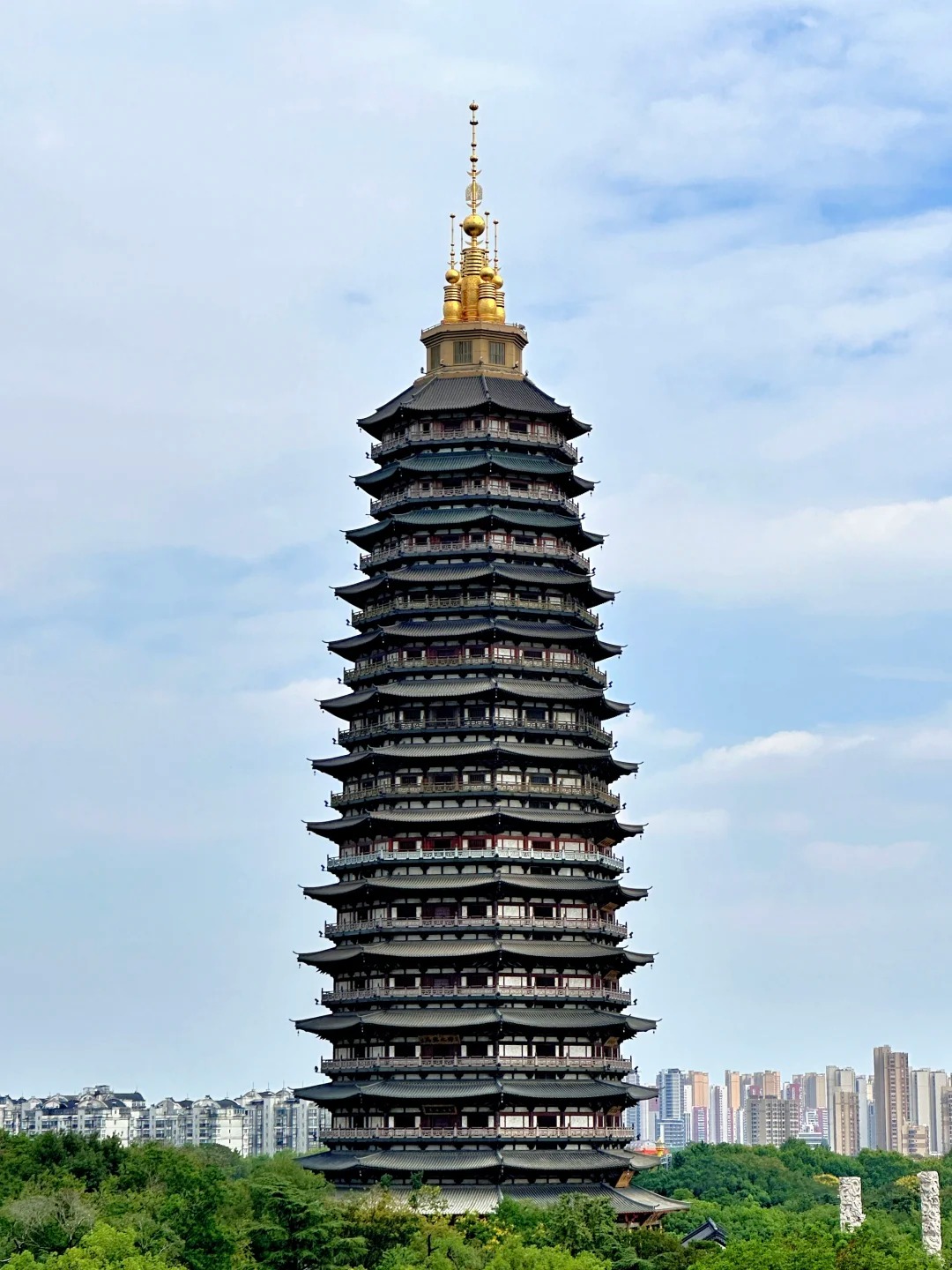
Tianning Pagoda usually surprises people because Changzhou itself feels pretty low-key at first. Most travelers pass through on the way between Shanghai and Nanjing and don’t expect to find one of China’s tallest Buddhist pagodas sitting right in the middle of the city. Then the golden tower starts appearing above the streets and apartment buildings, and suddenly the whole area feels different. If you’re curious how China’s most famous ancient pagodas compare in history and structure, you might also find it interesting to explore how other iconic towers were built across the country. The temple grounds can get noisy with incense smoke, chanting, and local worshippers, but once you go inside the pagoda, the scale of it really hits you.
Quick Facts about Tianning Pagoda
| Item | Details |
|---|---|
| 📍 Location | Tianning District, Changzhou, Jiangsu |
| 🏯 Main Area | Tianning Temple + Tianning Pagoda |
| 📏 Height | One of the tallest Buddhist pagodas in China |
| 🎫 Tickets | Temple ticket + separate pagoda access |
| 🚄 Nearest Station | Changzhou Railway Station |
| 🚇 Metro Access | Walking distance from nearby metro exit |
| 🌅 Best Time | Sunset, rainy mornings, autumn |
| 📸 Photo Spot | Reflection pond and outer square |
| 🛗 Elevator | Usually available but sometimes closed |
| ⌛ Suggested Visit | 1–3 hours |
| 🍜 Nearby Area | Qingguo Lane and canal area |
Inside Tianning Temple Before You Reach the Pagoda
The front gate feels far busier than most visitors expect
The Front Gate Feels Busy
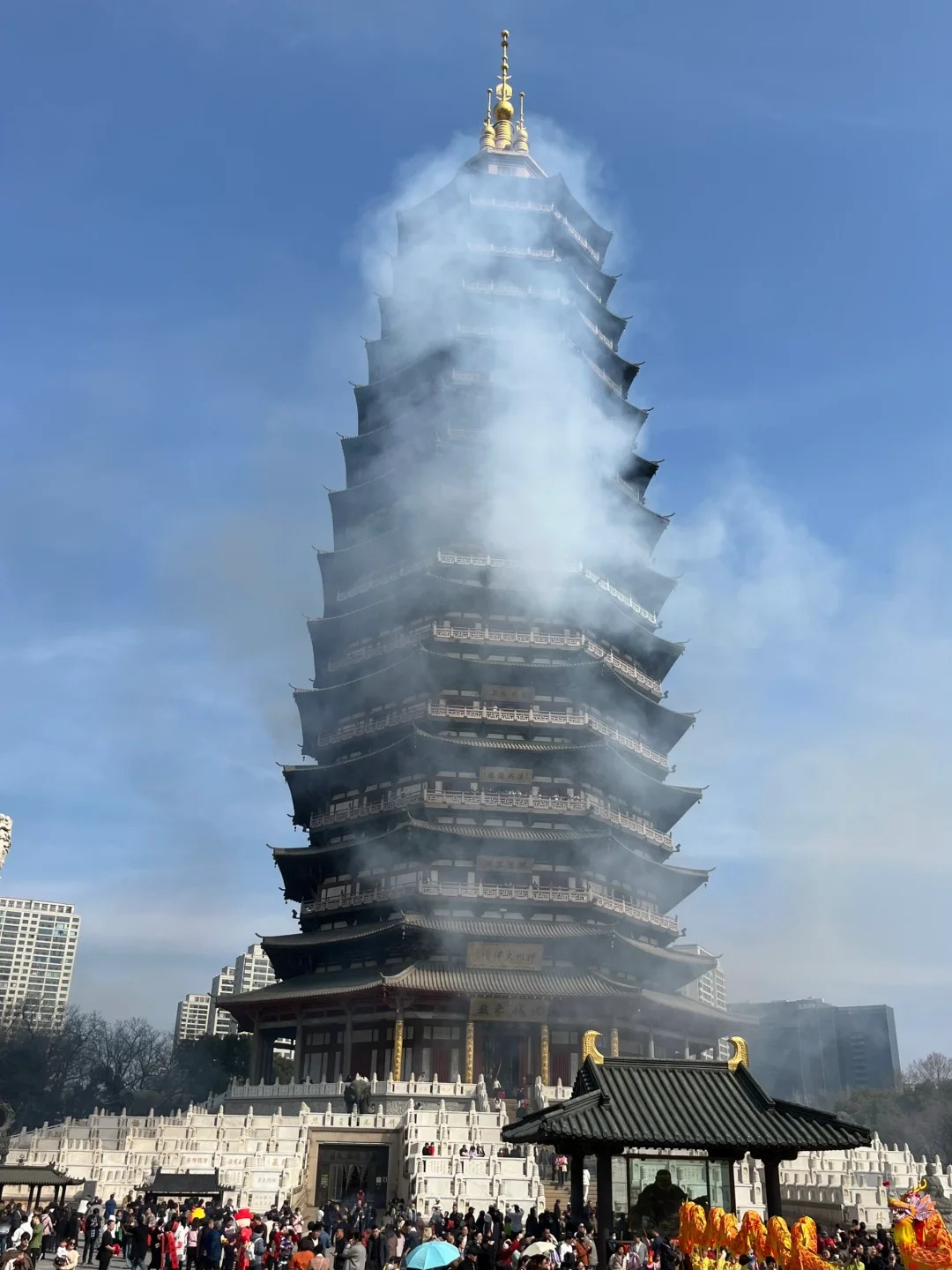
The entrance area of Tianning Temple feels more active than many foreign visitors expect from a Buddhist temple. People move constantly between the incense burners, ticket area, and temple halls, especially in the morning. Local worshippers carry large incense sticks while younger tourists stop every few steps trying to photograph Tianning Pagoda above the rooftops. The mix feels slightly chaotic at first, though not in a bad way.
The smell of incense becomes very noticeable near the main courtyard. Buddhist chanting plays softly through old speakers mounted near the halls, and you hear wooden bells or recorded prayers almost the entire time walking through the front section. Instead of feeling like a quiet museum, Tianning Temple feels like a place locals still actively use every day. Weekends become much busier after around 9:30am, especially during public holidays or temple events.
Some halls look ancient while others feel newly rebuilt
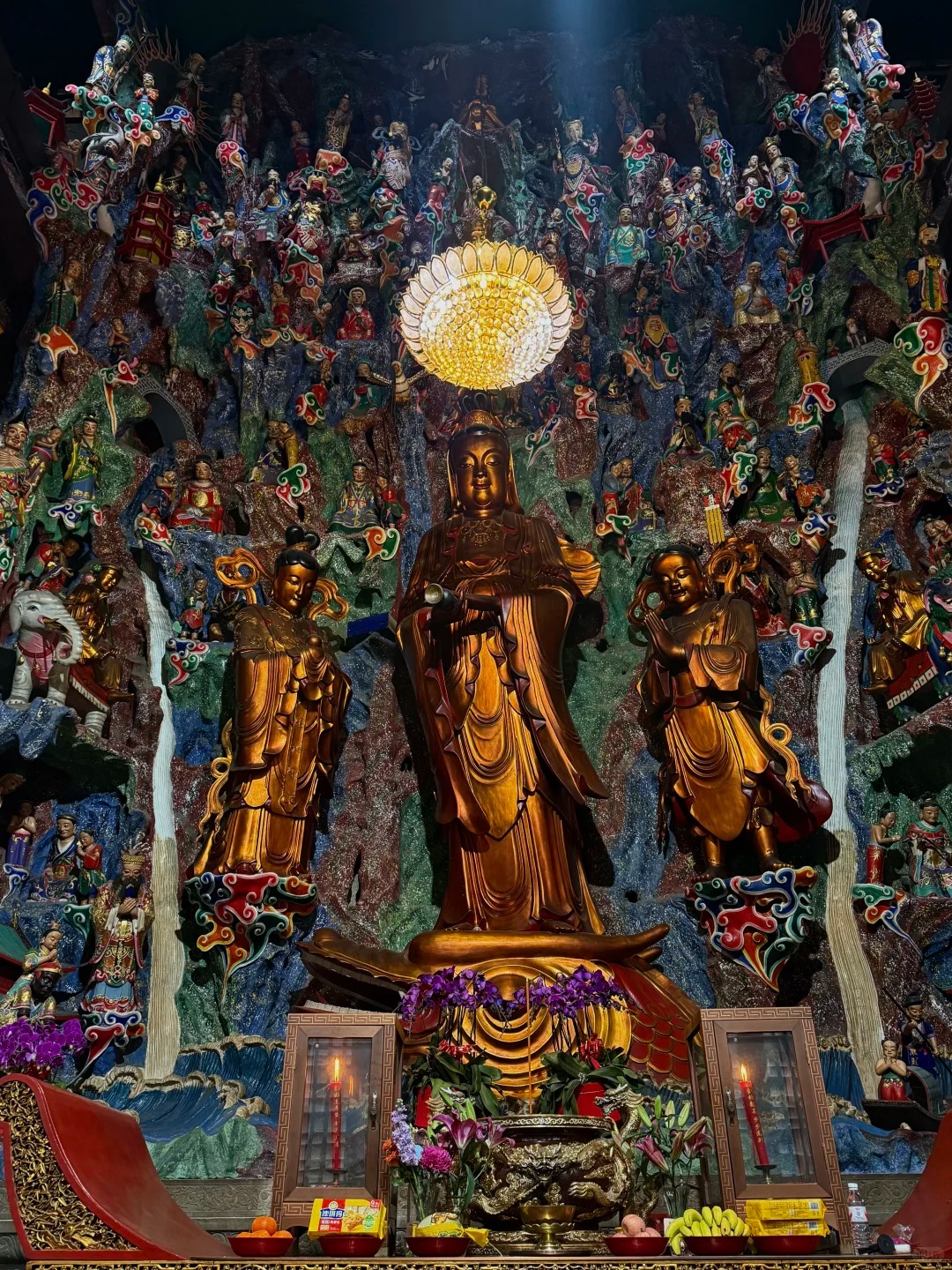
Some Halls Look Ancient
Parts of Tianning Temple look genuinely old, while other sections feel noticeably newer and cleaner. The temple has gone through multiple restorations over the years, including major rebuilding connected to the pagoda complex, so the architecture changes depending on where you walk. One hall may have dark wooden beams, smoke-stained ceilings, and worn stone floors, then the next space suddenly looks polished and bright with fresh gold paint and modern lighting.
That contrast actually makes the temple more interesting. Some travelers expect an entirely ancient-looking site and seem confused by the newer sections at first, but after a while the mix starts making sense. Tianning Temple does not feel frozen in history; it feels maintained, active, and constantly evolving around the pagoda. The giant Buddha statues, roof carvings, and heavy wooden doors still give the place a strong traditional atmosphere even when parts of the complex look recently restored.
The walk toward Tianning Pagoda slowly changes the atmosphere
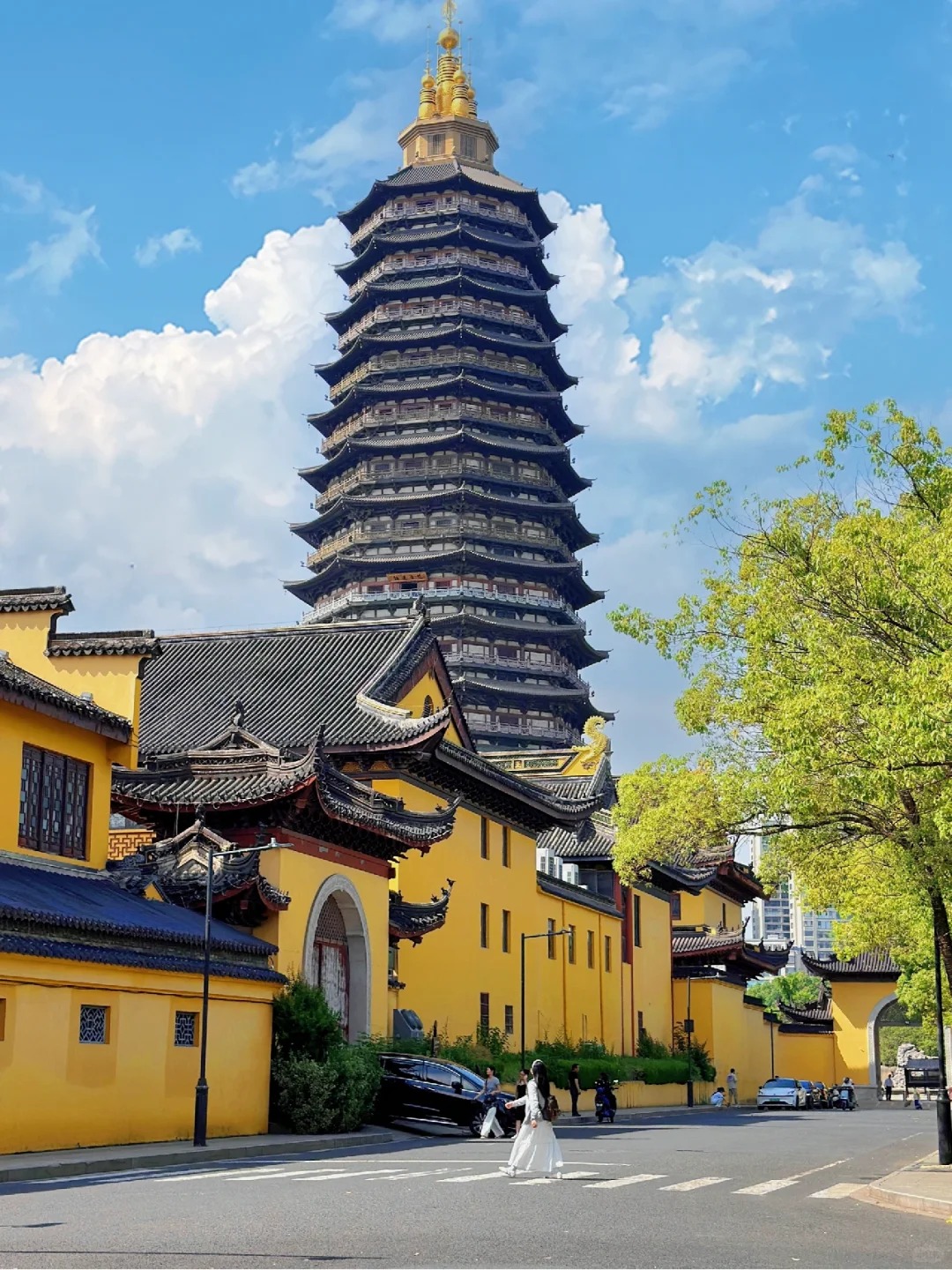
The Walk Toward Tianning Pagoda Slowly
The closer you get to Tianning Pagoda, the calmer the temple grounds become. Near the entrance, most people talk loudly, burn incense, or rush between halls. Further inside, the pace changes. Visitors naturally start slowing down and looking upward at the tower through the trees. Wind bells, stone walkways, and reflections on the wet ground begin standing out more than the crowd noise.
Rainy weather actually improves the atmosphere here. The red walls and pagoda lights reflect off the dark stone paths, and the whole area feels quieter than it does under strong midday sun. Late afternoon also works well because many tour groups have already left by then. The transition from crowded entrance to quiet pagoda courtyard is one of the most memorable parts of visiting Tianning Temple.
What It’s Like Inside Tianning Pagoda
The interior is much larger than it looks from outside
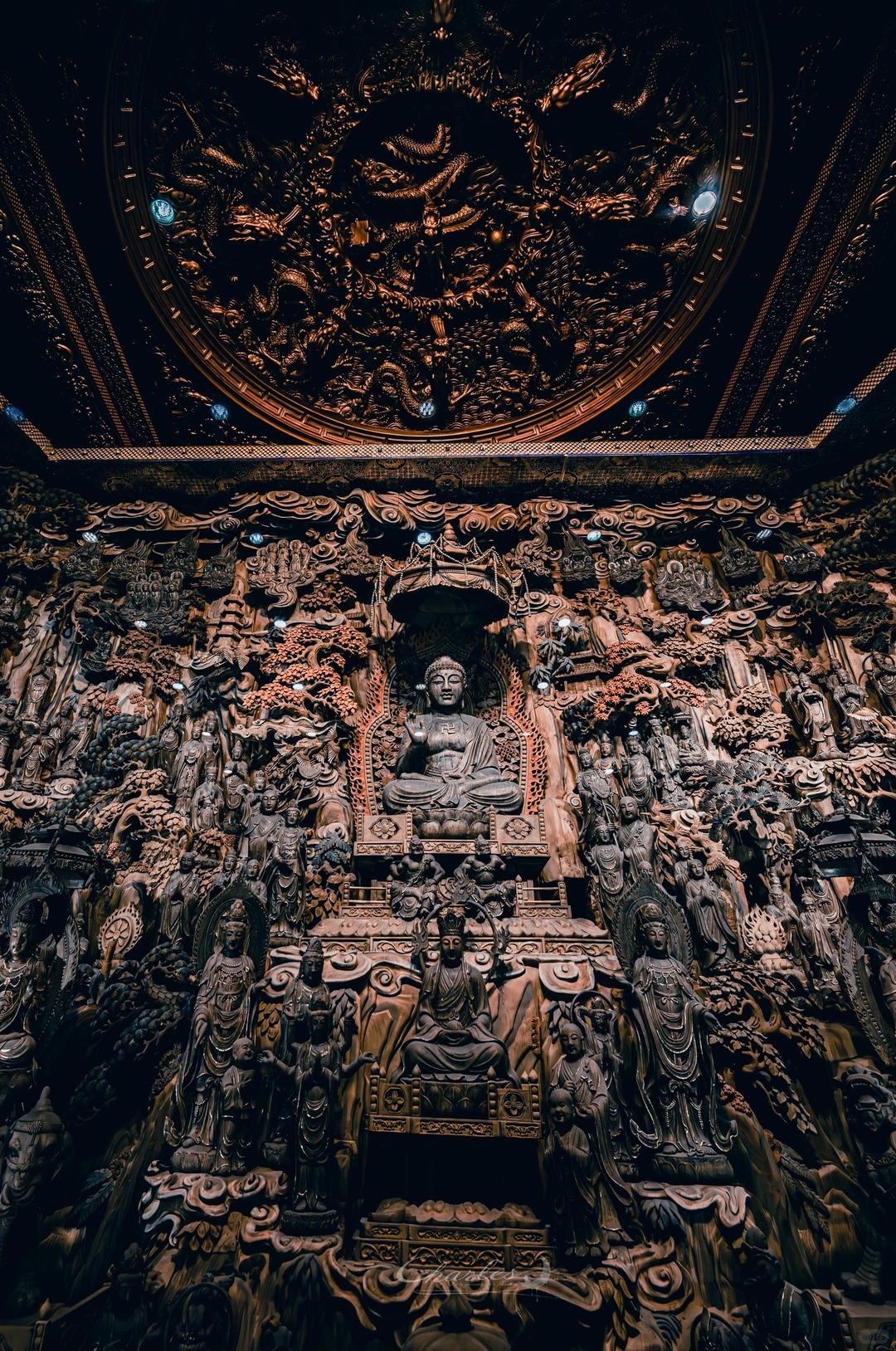
The Interior
From outside, Tianning Pagoda already looks huge, but the interior still catches people off guard. The moment you step inside, the open central structure pulls your eyes upward immediately. Several floors rise above each other through a massive hollow atrium, with wooden balconies circling the center all the way toward the roof. Photos online usually fail to show the scale properly.
The giant Buddha statues inside make the space feel even taller. Some halls glow with warm gold lighting, while darker wooden carvings cover pillars and ceilings around the upper levels. It stops feeling like a normal sightseeing tower pretty quickly and starts feeling more like a vertical Buddhist museum. Even travelers who are not especially interested in religion usually spend longer inside than they expected because every floor looks slightly different.
The woodwork also stands out more in person than in photos. Heavy beams, carved railings, and layered ceilings give the pagoda a depth that modern observation towers simply do not have. I heard someone near the central hall compare it to “walking inside a giant lantern,” which honestly was not far off.
The elevator ride changes how people experience the pagoda
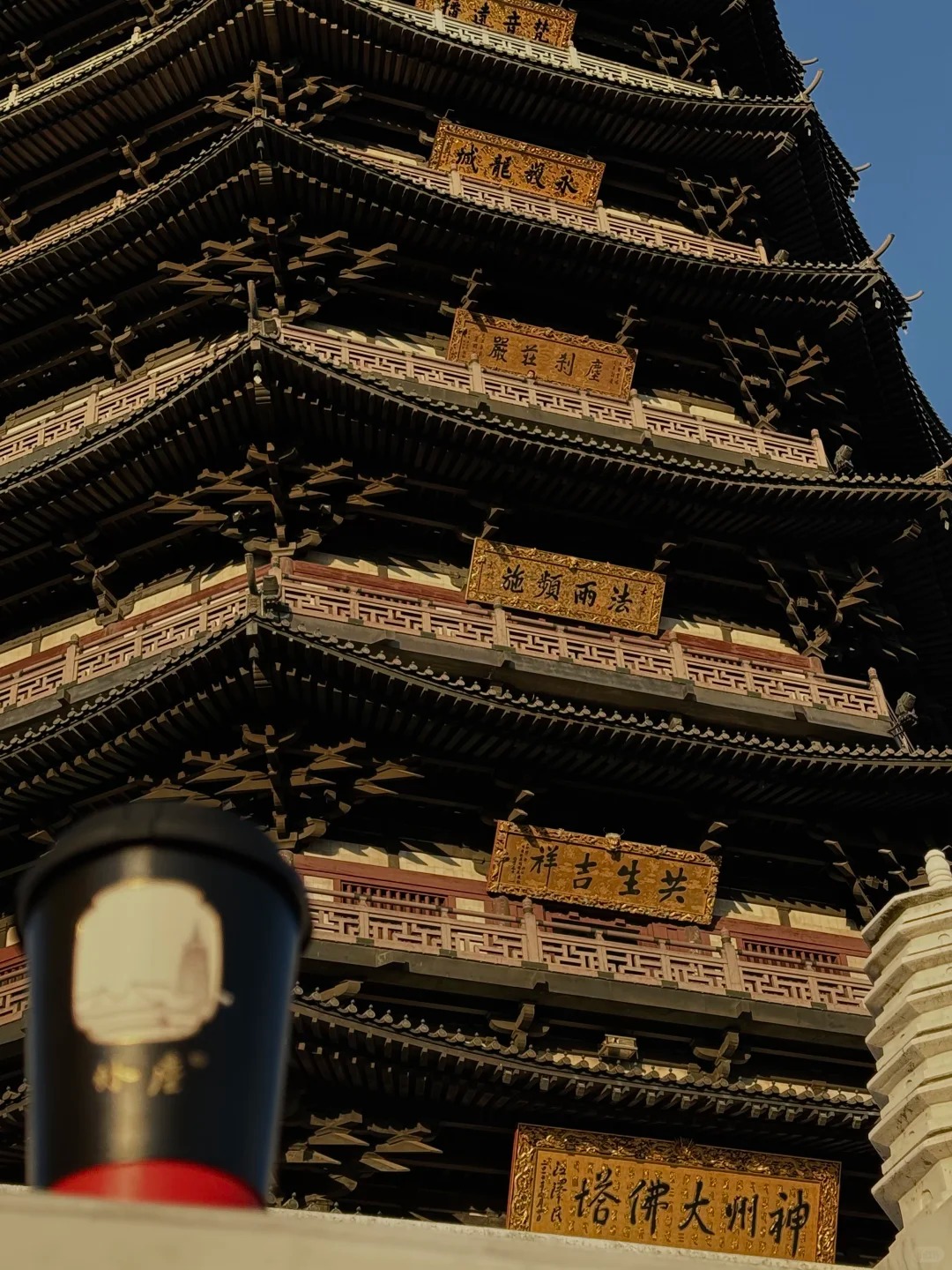
Scene of Different Floors
Most visitors use the elevator inside Tianning Pagoda instead of climbing every level by stairs, especially since the structure is much taller than people expect. The elevator usually moves visitors toward the upper floors first, then people slowly walk downward through the different exhibition areas and viewing spaces. Last time I checked, staff members were guiding visitors pretty actively during busy hours to avoid crowding.
Each level changes slightly in atmosphere. Some floors focus more on Buddhist displays and statues, while others feel almost entirely dedicated to city views through large windows. The lighting also shifts from darker golden interiors near the center to brighter observation spaces higher up. That gradual transition makes the pagoda experience feel surprisingly smooth rather than repetitive.
The elevator does occasionally stop operating for maintenance. A few Ctrip reviews mention this happening during quieter weekdays, and older visitors seemed noticeably frustrated when they had to rely more on stairs. If someone in your group has mobility concerns, it is probably safer to avoid very crowded holiday periods.
The top-floor view is the part people remember most
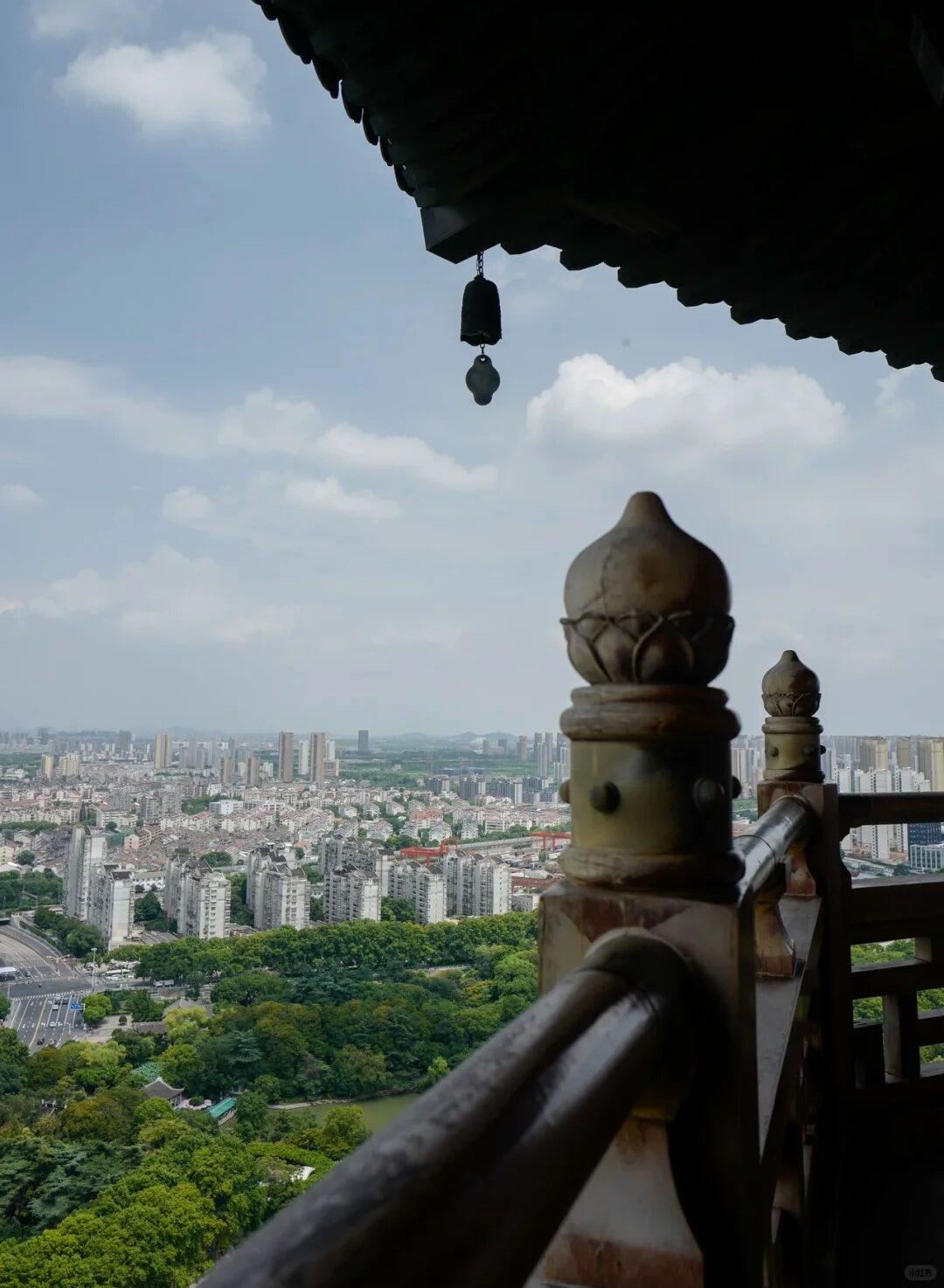
The Top-floor View
For many visitors, the highlight of Tianning Pagoda ends up being the view rather than the Buddhist displays themselves. From the upper observation levels, most of Changzhou spreads out below in every direction — apartment blocks, canals, parks, elevated roads, and temple rooftops all mixed together. On clear days, the skyline looks far more modern than many people expect from a city that rarely appears in international travel guides.
Rainy weather changes the atmosphere completely. Low clouds and light fog soften the edges of the buildings, and the canals become easier to notice from above. At sunset, the city starts reflecting orange light while the pagoda interior remains darker and quieter behind you. Several Tripadvisor reviews describe the upper floors as having a “peaceful atmosphere” despite the city surrounding the temple, and that feels pretty accurate.
The contrast between ancient temple grounds below and modern skyline outside the windows is probably what stays in people’s minds the longest. Some visitors even spend more time photographing the skyline than the pagoda itself. Honestly, I can understand why. The view feels unexpectedly cinematic, especially after rain.
The pagoda feels completely different after dark
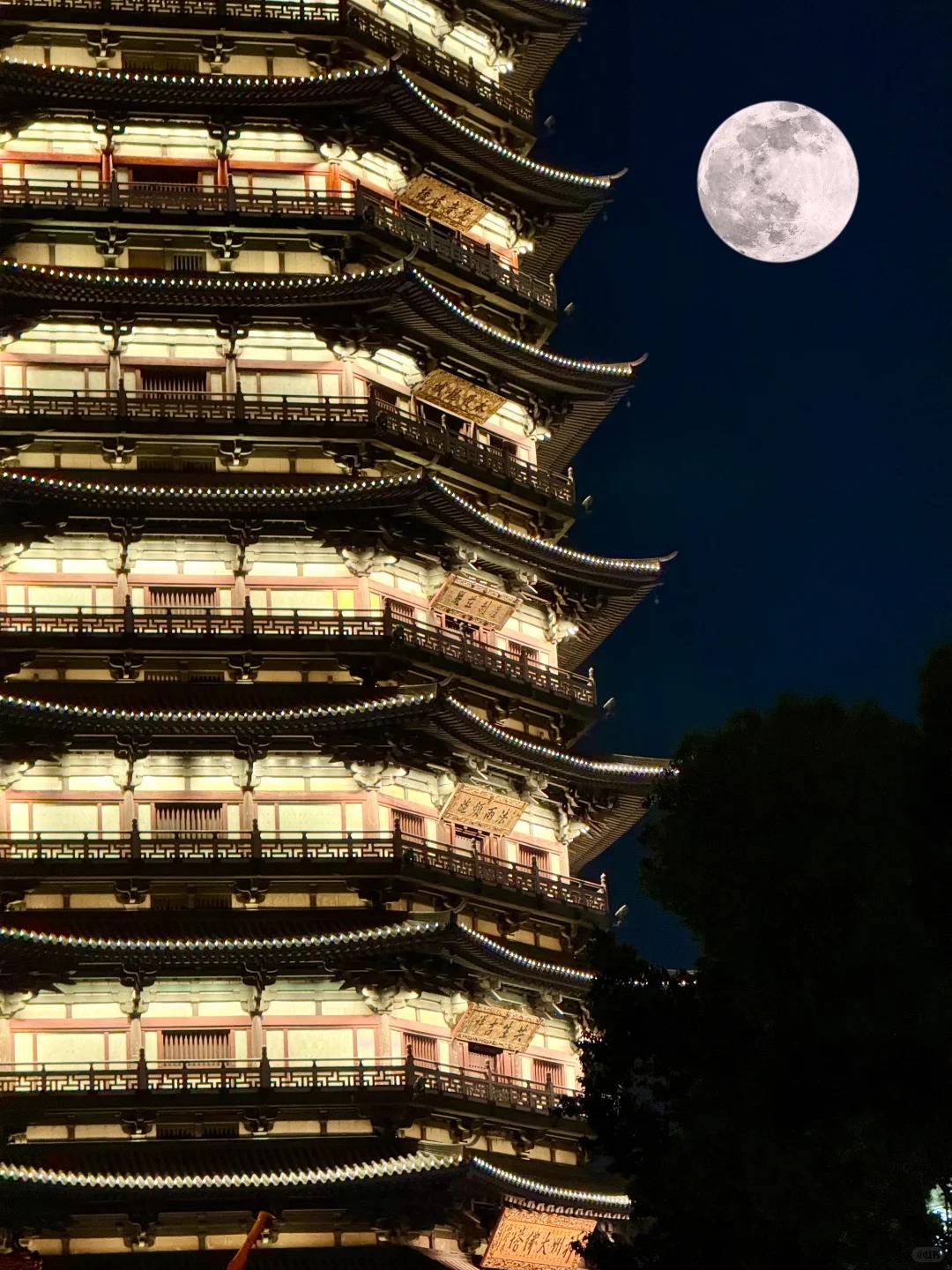
Night Scene
At night, Tianning Pagoda changes character completely. During the daytime, the tower competes with crowds, tour groups, incense smoke, and constant movement around the temple grounds. After dark, most of that energy disappears. The pagoda glows gold against the darker skyline, and the surrounding courtyards become noticeably quieter.
The blue hour just after sunset works especially well for photography. The sky still holds some color while the tower lights fully turn on, creating stronger reflections on wet stone paths and temple ponds. Even phone cameras handle the lighting surprisingly well here because the illumination stays relatively even around the structure. Night photos of Tianning Pagoda usually look more dramatic than daytime shots with much less effort.
The area around the temple also cools down significantly in the evening, especially after rain. You hear less traffic and more small details instead — footsteps, distant chanting, wind moving through the trees near the pagoda base. Compared with the busy entrance earlier in the day, the nighttime atmosphere feels almost like a different location altogether.
⛰️ Historical Contrast: While Changzhou boasts the world's tallest modern Buddhist tower, you can experience a completely different architectural style by exploring the Three Pagodas in Dali Revealed with Travel Tips, History, and Scenic Highlights, which standing as a timeless concrete symbol of the ancient Nanzhao Kingdom.
Best Photo Spots Around the Temple
The reflection pond works best after rain
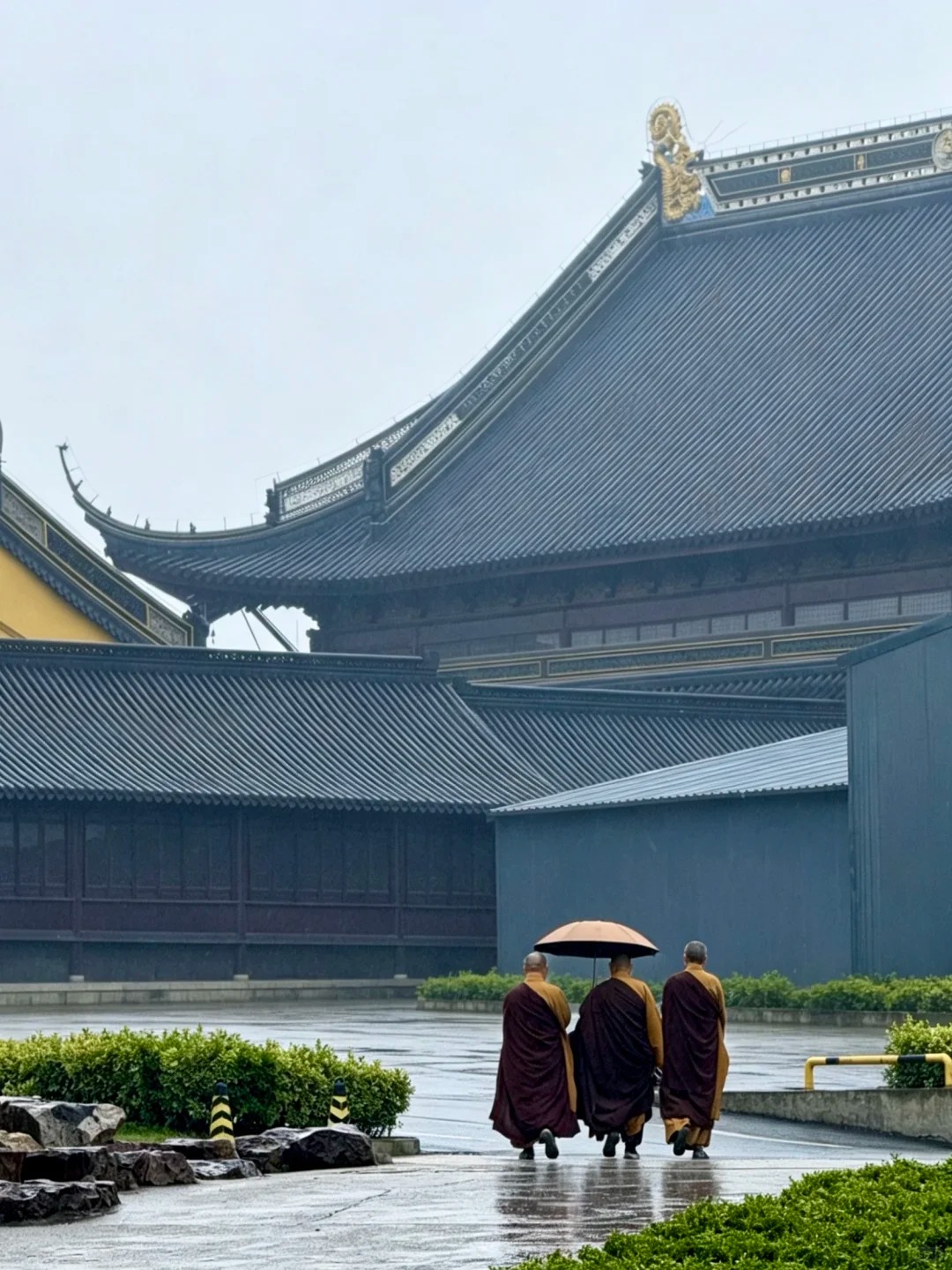
The Reflection Pond Works Best After Rain
- Location: The small pond area near Tianning Temple entrance, slightly off the main walking path toward Tianning Pagoda
- Atmosphere: After rain, the surface turns almost mirror-like. The temple walls, trees, and pagoda reflect clearly, but without the “perfect symmetry” you see in edited travel photos. It feels slightly imperfect, which actually makes it more natural. Morning light here is soft, and there are usually fewer people before 9am, so you can actually take your time.
- Feature: Most people just stand too far back or shoot too high. The better angle is low — almost phone near waist level — so the reflection includes both the water and the pagoda silhouette. On cloudy days, the contrast becomes stronger and the colors stay flat, which works better for phones than harsh sunlight. A few Ctrip reviewers also mention this spot as “unexpectedly calm compared to the main courtyard.”
The outer square makes Tianning Pagoda look enormous
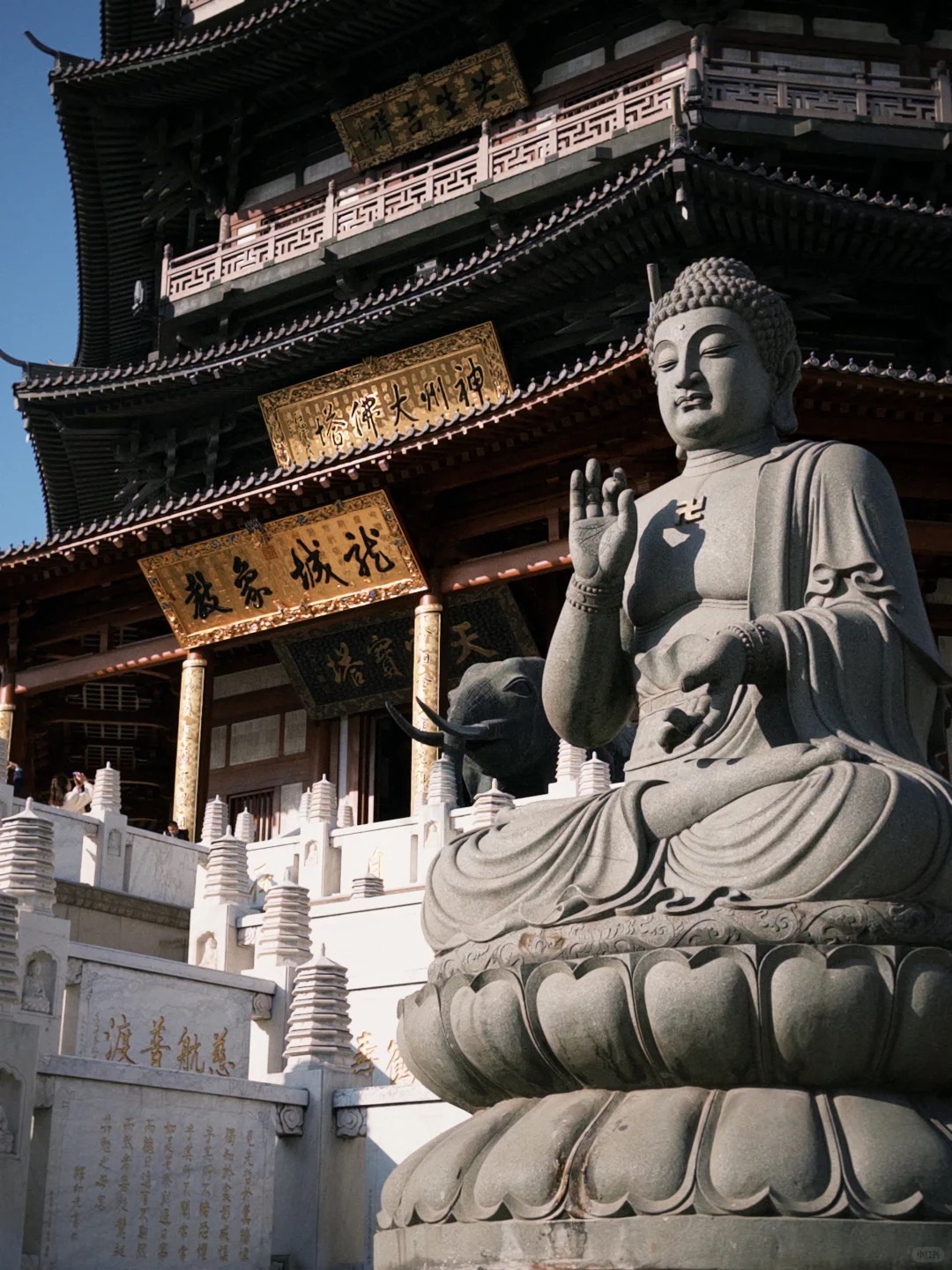
The Outer Square
- Location: Open square in front of Tianning Pagoda, right after exiting the main temple axis
- Atmosphere: This is where most visitors naturally stop without planning. The space opens up suddenly, and the pagoda feels much taller than it did from inside the temple. There’s usually a mix of tourists taking group photos and locals just walking through without stopping.
- Feature: Wide-angle shots work best here, especially from a low angle near the ground. It exaggerates the height and makes the pagoda look almost unreal in scale. Many people end up staying here longer than expected simply because every small movement changes how the tower looks against the sky. It’s also one of the easiest places to capture strong “travel shot” style photos of Tianning Pagoda without going inside.
Autumn ginkgo trees change the whole feeling of the temple
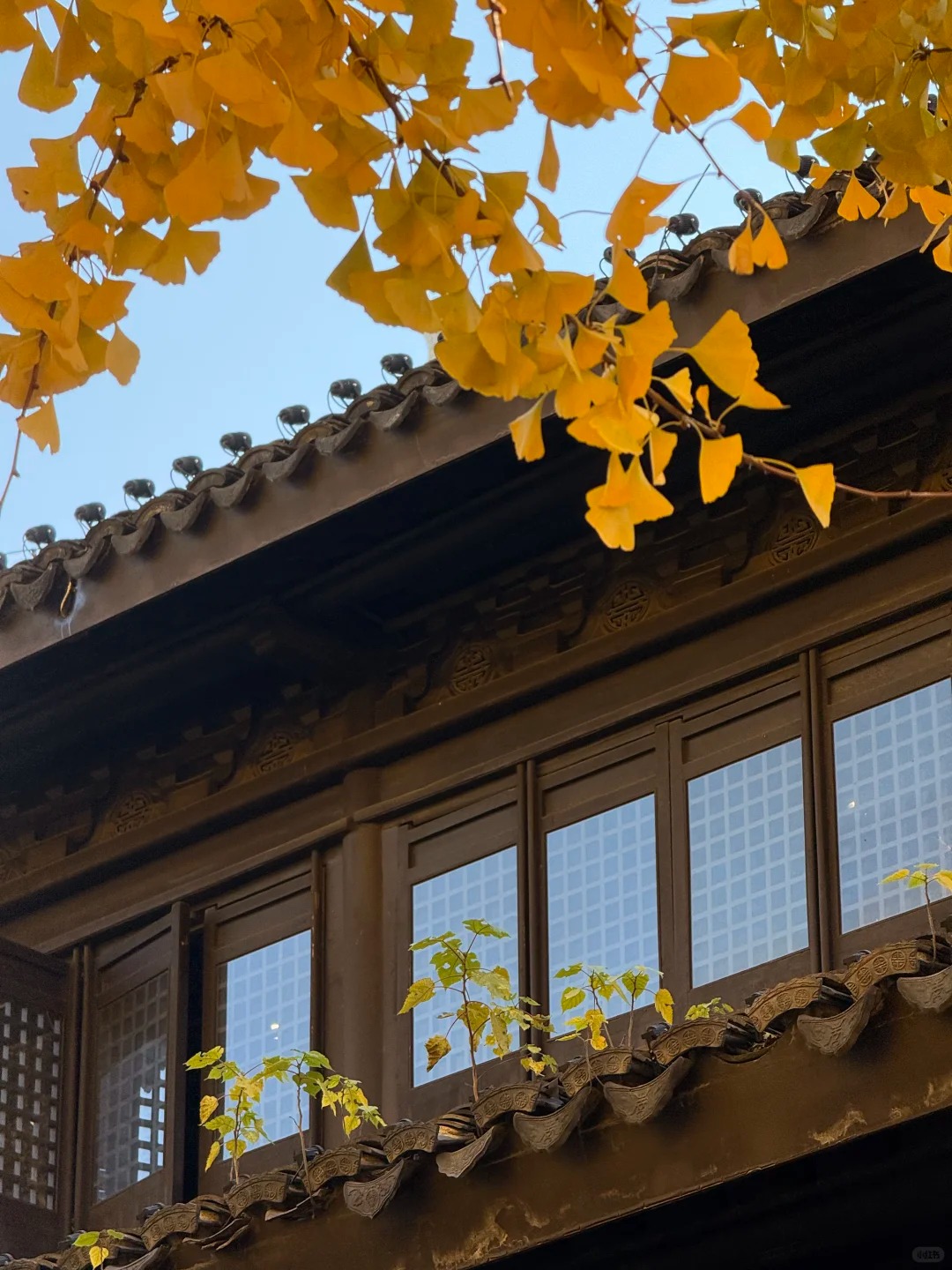
Autumn Ginkgo Trees
- Location: Tree-lined paths inside Tianning Temple, especially near side courtyards leading toward Tianning Pagoda
- Atmosphere: In late autumn, the temple turns quieter in a visual sense. Yellow ginkgo leaves cover parts of the stone paths, and the contrast between gold leaves and red temple walls becomes very noticeable. There are usually more photography-focused visitors during this season, especially on weekends.
- Feature: The best shots are not close-ups of leaves, but layered compositions — trees in the foreground, pagoda in the background. This combination gives a softer and slightly nostalgic feeling that many people associate with traditional Chinese temple photography. It is also one of the most popular spots for “tianning pagoda photos” searches among seasonal travel content.
Night photography around Tianning Pagoda is surprisingly easy
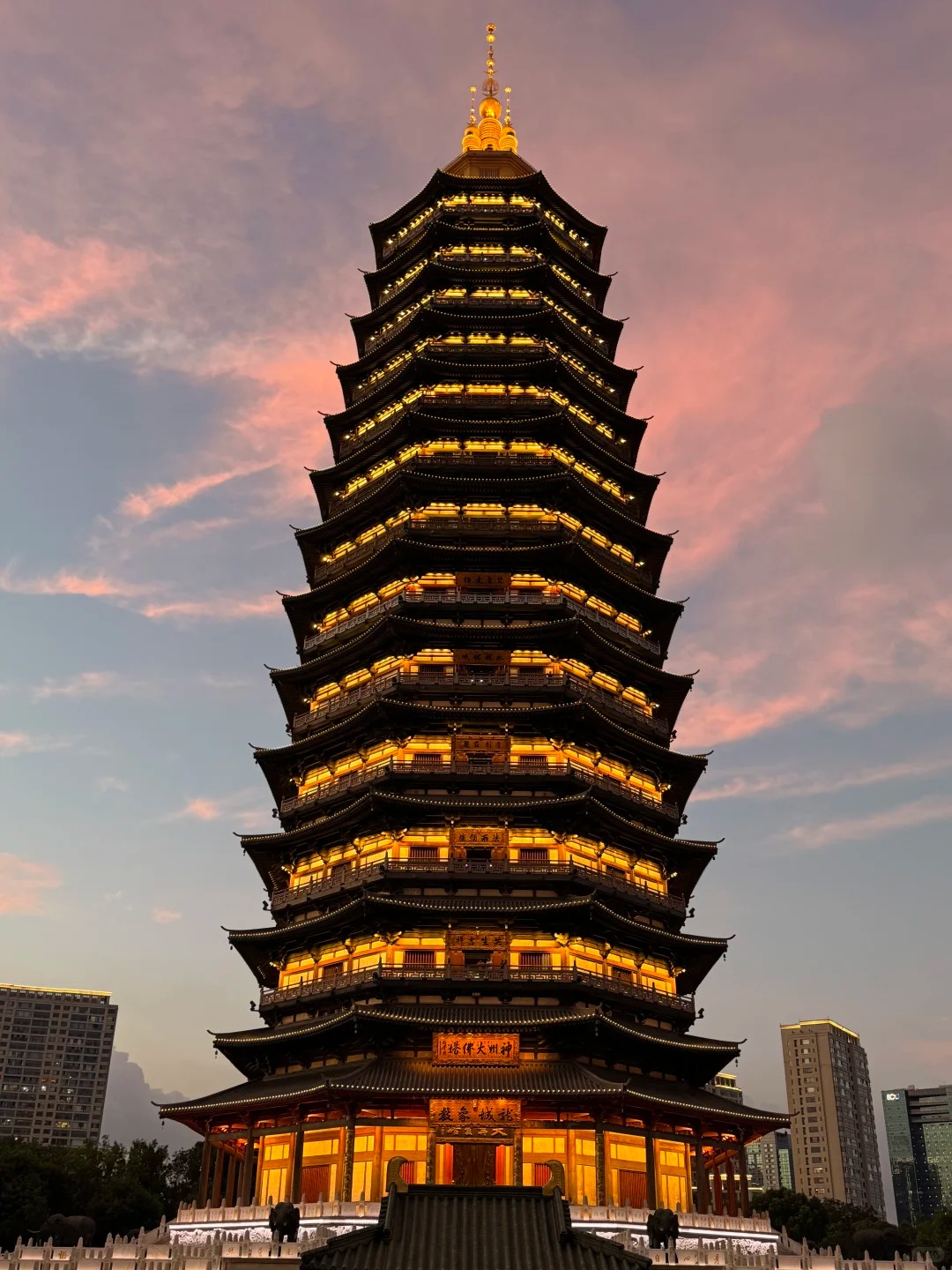
Night Photography
- Location: Surrounding walkways and water edges around Tianning Pagoda
- Atmosphere: After sunset, the temple area becomes quieter, but not empty. The pagoda lighting stays steady and warm, while the surrounding paths darken slightly, creating natural contrast. People tend to move slower at night, and there’s less crowd interference in frame composition.
- Feature: You don’t need professional equipment here. Even a phone in night mode can capture clear shots because the lighting is stable and not overly bright. The blue hour right after sunset is the most reliable timing for balanced sky and tower lighting. Reflections on wet stone paths or nearby water also help create stronger compositions without extra effort.
Useful Things to Know Before Visiting
Weekends become much more crowded than weekdays
Weekends around Tianning Temple feel noticeably different from weekdays. Local families come in groups, tour buses arrive in short intervals, and the walking pace inside the complex slows down a lot. The main paths leading toward Tianning Pagoda often form small bottlenecks, especially near photo spots and incense areas.
If you visit during public holidays, expect longer waiting time at the entrance and more crowded viewing platforms inside the pagoda. Weekday mornings are usually the only time when the temple feels relatively open and easy to walk through. Even Tripadvisor-style reviews often mention that timing matters more than the ticket itself here.
The incense smell inside some halls can be very strong
Inside certain halls of Tianning Temple, the incense smoke can feel heavier than expected, especially during busy worship hours. The air becomes thicker near large burners, and it sometimes lingers even as you move between buildings toward Tianning Pagoda.
Visitors with sensitive noses may find the indoor air slightly overwhelming in summer when heat and humidity mix with incense. Stepping back outside into the open courtyards usually feels like a noticeable relief in comparison. Some travelers choose to spend less time in enclosed halls and more time walking in open areas for this reason.
Morning usually gives the clearest skyline views
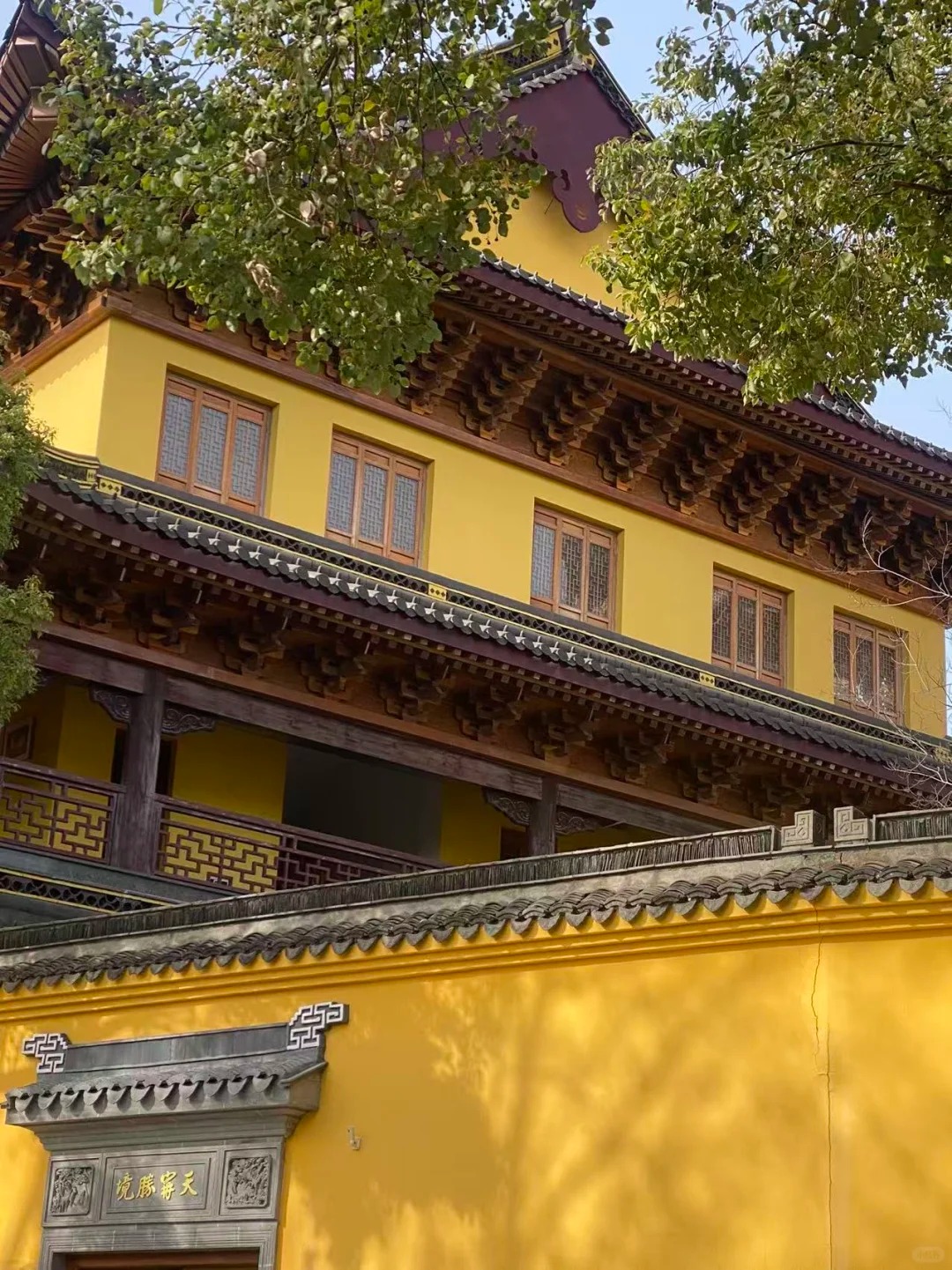
Morning of the Temple
Early mornings inside Tianning Pagoda offer the clearest views of Changzhou. The air is usually lighter, and visibility across the city is better before heat builds up during the day. You can often see sharper outlines of rivers, buildings, and distant bridges from the upper levels.
By late afternoon or sunset, haze tends to increase slightly, which softens the skyline. If the goal is photography rather than atmosphere, morning is usually the more reliable choice for sharp city shots. This is something many repeat visitors mention after comparing different time slots.
Mobile payment is more useful than cash around the temple
Most payments around Tianning Temple now rely heavily on mobile systems like Alipay and WeChat Pay, including ticket machines and nearby shops. Even small vendors near Tianning Pagoda often prefer scanning QR codes over handling cash.
Foreign visitors can sometimes use international cards through Alipay setup, but it depends on verification steps and phone access. Cash still works in limited cases, but it is clearly not the main system anymore. Automated ticket machines near the entrance also make the process faster, especially during busy hours when queues form at counters.
How to Get to Tianning Pagoda and What to See Nearby
Getting to Tianning Pagoda from Shanghai is straightforward
Reaching Tianning Pagoda from Shanghai is quite simple thanks to the high-speed rail network. Most travelers take a high-speed train (about ¥70–120 one way) from Shanghai Hongqiao Railway Station to Changzhou Railway Station, which usually takes around 50–70 minutes depending on the service. From there, a short taxi ride (around ¥15–25) or metro connection gets you close to Tianning Temple entrance. Walking is also possible if you prefer a slower city approach, taking roughly 15–20 minutes from nearby metro exits.
Qingguo Lane pairs well with a temple visit
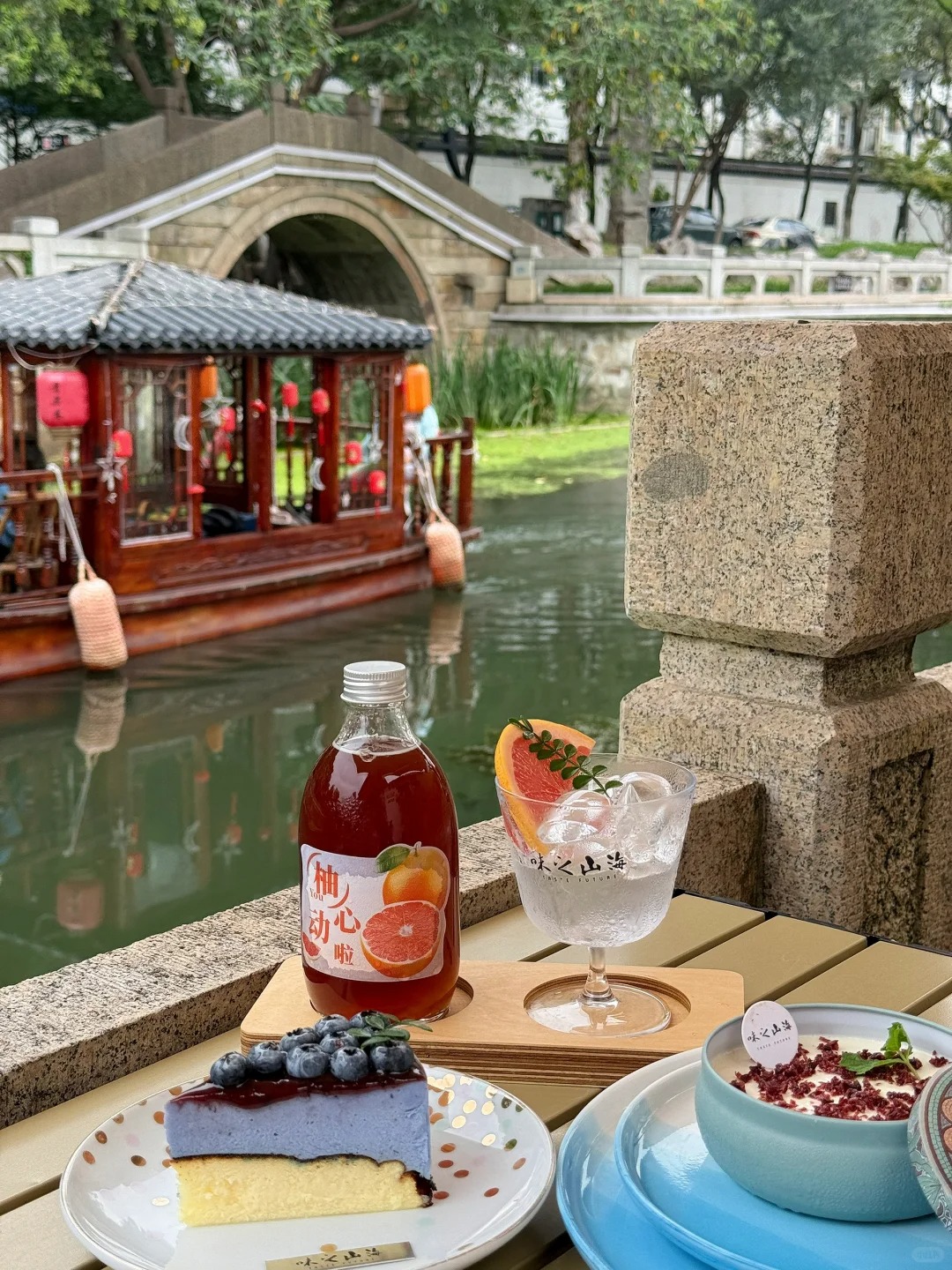
Qingguo Lane
Qingguo Lane is one of the easiest extensions after visiting Tianning Pagoda. The old canal street feels more relaxed in the late afternoon, with small cafés, noodle shops, and restored historic buildings lining the walkway. Many visitors turn it into a half-day route: temple in the morning, Qingguo Lane in the evening.
The atmosphere changes again after sunset when lantern lights reflect on the canal water. It feels less like a tourist route and more like a slow local evening walk. This is also where many travelers end up having dinner before heading back, especially those exploring general things to do in Changzhou beyond the temple area.
Hongmei Park is an easy extra stop nearby
Hongmei Park
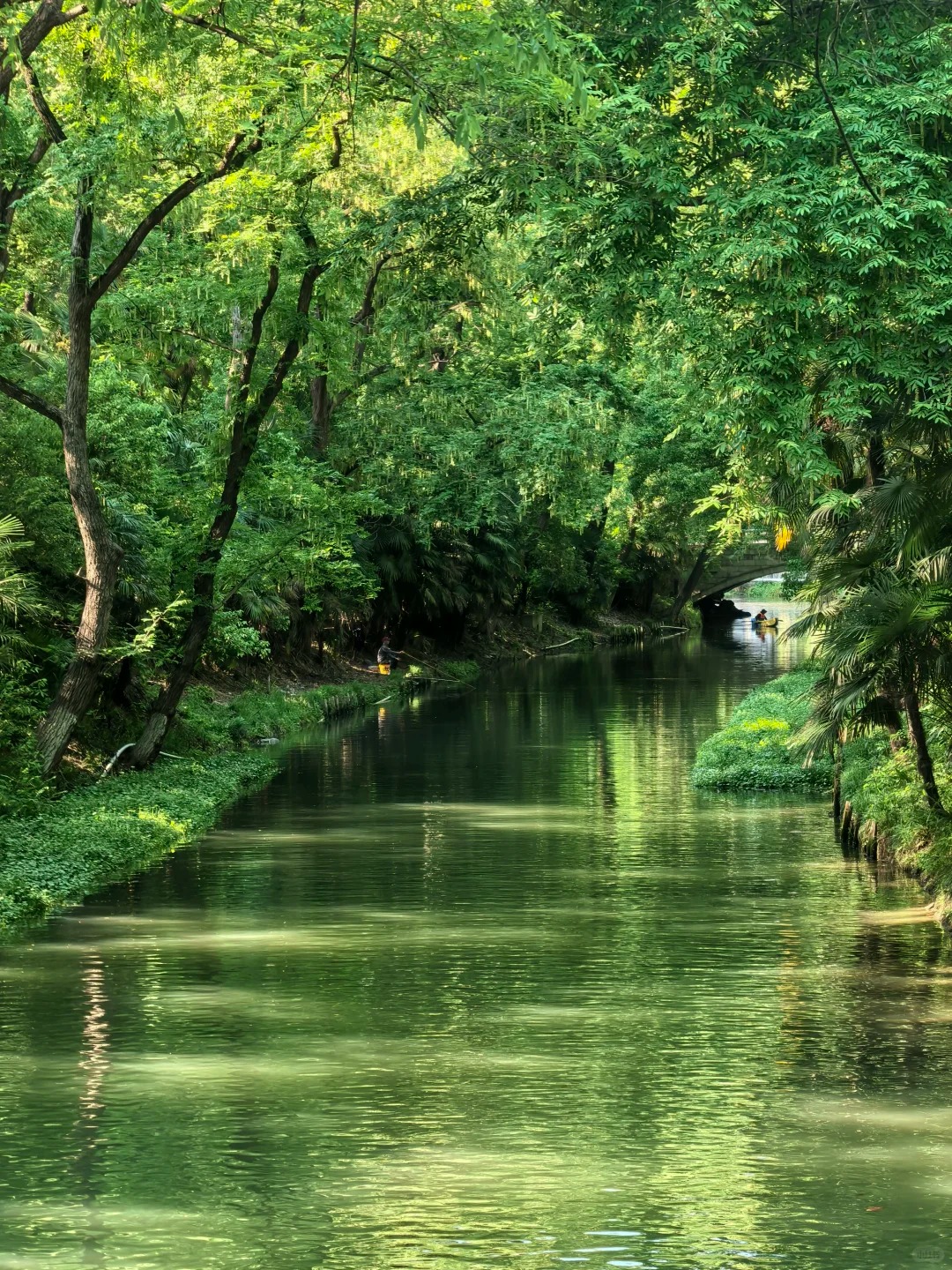
Hongmei Park sits not far from Tianning Pagoda and works well as a quiet add-on stop. The park has open lakes, walking paths, and plenty of shaded areas where local residents gather for morning exercise or evening relaxation. It feels very local rather than tourist-focused.
From certain lakeside angles, you can actually see the pagoda rising in the distance, which creates a nice contrast between modern park life and temple architecture. It is one of the easiest places to slow down after the temple visit without leaving the city center area.
FAQ About Tianning Pagoda
Q: Is Tianning Pagoda worth visiting if I only have one day in Changzhou?
Yes, Tianning Pagoda is usually the top choice for a short stay in Changzhou. Most visitors combine it with Tianning Temple and nearby streets like Qingguo Lane. The visit itself does not take a full day, usually 1.5 to 3 hours depending on how long you stay inside the pagoda. If you only have one day, it fits well as a central stop without rushing.
Q: How tall is Tianning Pagoda compared with other pagodas in China?
Tianning Pagoda is widely regarded as one of the tallest Buddhist pagodas in China, often mentioned in comparison with modern reconstructions and historic towers. While exact rankings vary depending on measurement standards, its vertical scale becomes very obvious once you enter the interior structure. It feels significantly taller than most traditional wooden pagodas in Jiangnan regions.
Q: Can visitors go inside Tianning Pagoda?
Yes, visitors can enter Tianning Pagoda with a separate ticket in addition to the temple entrance. Inside, there are multiple floors accessible by elevator and stairs, with Buddhist exhibits, statues, and viewing platforms. The experience is more like walking through a vertical cultural space rather than just climbing a tower. Some upper levels are sometimes adjusted for maintenance or crowd control.
Q: How much time should I spend at Tianning Temple?
Most visitors spend around 1 to 2 hours inside Tianning Temple if they are only exploring the main halls and walking toward the pagoda. If you include photography, rest stops, and time inside the pagoda itself, the visit can easily extend to 3 hours. The pace is flexible, and there is no fixed route, so people often stay longer than planned.
Q: What is the best time of day to visit Tianning Pagoda?
Morning and late afternoon are usually the best times for Tianning Pagoda. Morning offers clearer skyline views of Changzhou, while late afternoon provides softer light and better atmosphere inside Tianning Temple. Sunset can also be good for photography, but haze sometimes reduces visibility depending on weather conditions.
Q: Is Tianning Pagoda crowded on weekends?
Yes, weekends are noticeably busier. Tianning Pagoda attracts both local visitors and domestic tour groups, especially in the late morning and early afternoon. The temple area becomes more congested near main halls and photo spots. Weekdays are generally more comfortable if you prefer slower movement and fewer people in frame.
Q: Can foreigners buy tickets easily at Tianning Pagoda?
Yes, tickets for Tianning Temple and Tianning Pagoda can usually be purchased on-site or through mobile platforms. Foreign visitors may find mobile payment easier if they have Alipay or WeChat Pay set up. Cash is sometimes accepted, but digital payment is clearly more common at the entrance and inside nearby facilities.
Q: Is the night view of Tianning Pagoda worth it?
The night view of Tianning Pagoda is often considered one of the strongest parts of the visit. The tower lights up in warm gold tones, while the surrounding temple area becomes much quieter. The contrast between daytime crowds and nighttime stillness is quite noticeable. Many visitors stay longer than planned just for photos after sunset.
Q: What can you see near Tianning Pagoda?
Nearby areas include Qingguo Lane for evening walks, Hongmei Park for a quieter green space, and several local food streets. These places are easy to combine with a visit to Tianning Pagoda, especially if you want a relaxed half-day itinerary instead of only focusing on the temple complex.