Nirucun Trekking Routes Guide for Shangri-La’s Best Hidden Trails
Nirucun Trekking Routes Guide for Shangri-La’s Best Hidden Trails
Nirucun
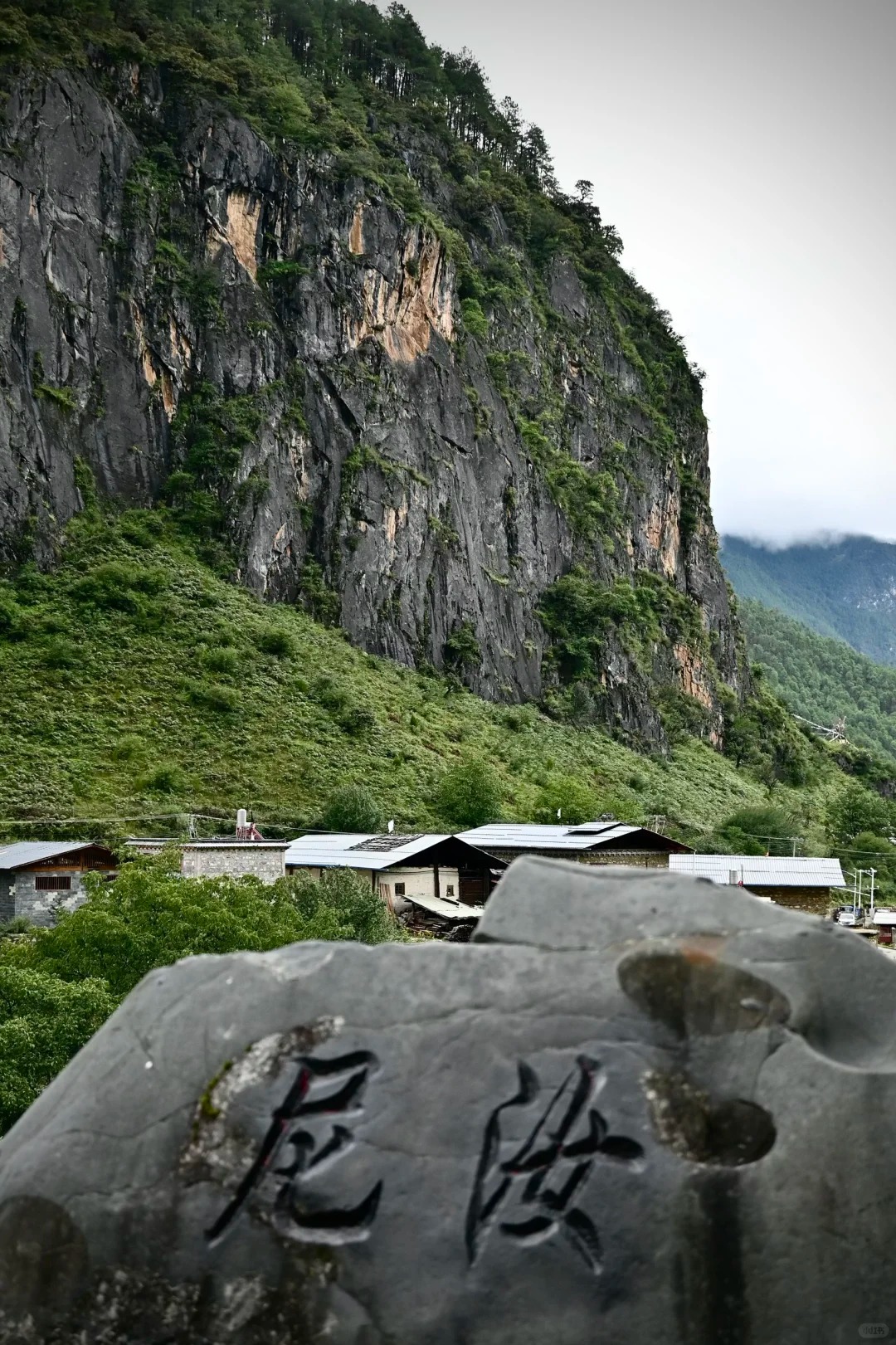
Nirucun sits a few hours away from Shangri-La, but it feels much further once the paved road turns rough and the phone signal disappears. It’s a small Tibetan village with no real tourism setup—no cafés, no souvenir streets, just homestays and a few dirt paths leading into the forest. Most people come here for the hike, not the village itself.
The trail to the Nirucun waterfall is what keeps showing up online, and for once, it’s not exaggerated. It’s a full-day walk, around 12km, with rivers, wooden bridges, and a wide waterfall that catches rainbows around midday. I wasn’t sure if it was worth the effort at first, but after doing it, I get why people keep talking about Nirucun. If you're already planning to explore remote corners around Shangri-La and want something even more dramatic, you might want to check this next.
Roughly $20–40/day (stay + food + transport share)
🥾 Main Activity
Nirucun waterfall hike and alpine trekking
🌈 Highlight
Seven Colour Waterfall (rainbow visible midday)
🗓 Best Time
May–June (flowers) / Sept–Oct (autumn colors)
❄️ Winter Note
Cold, icy trails; 4WD needed for access
📶 Signal
Very weak to none in village and trails
🍲 Food
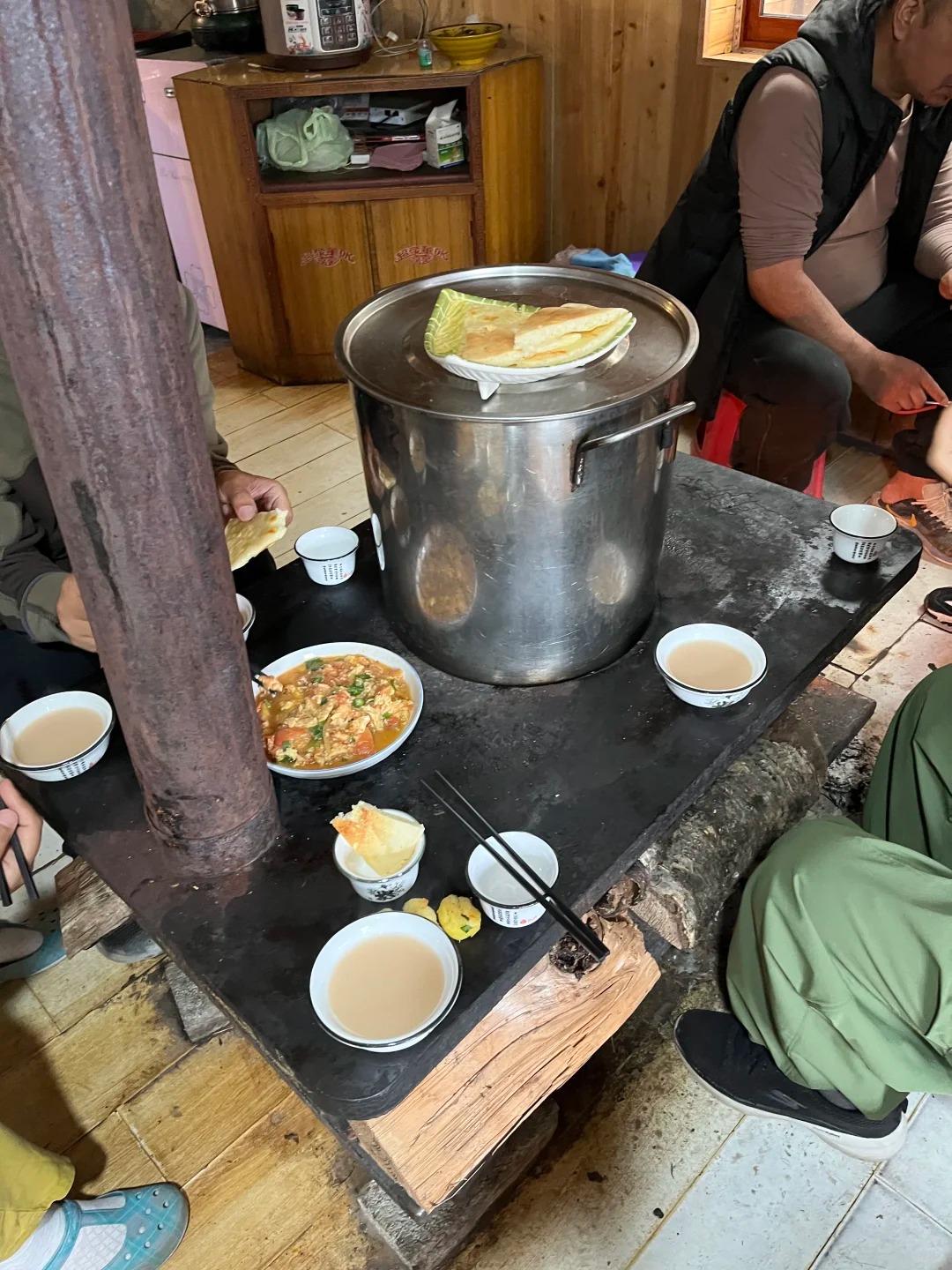
Yak hotpot, matsutake chicken, butter tea
🚙 Transport
Bus + transfer or direct SUV from Shangri-La
🌿 Vibe
Remote, quiet, minimal tourism development
Nirucun Location Altitude and Basic Information
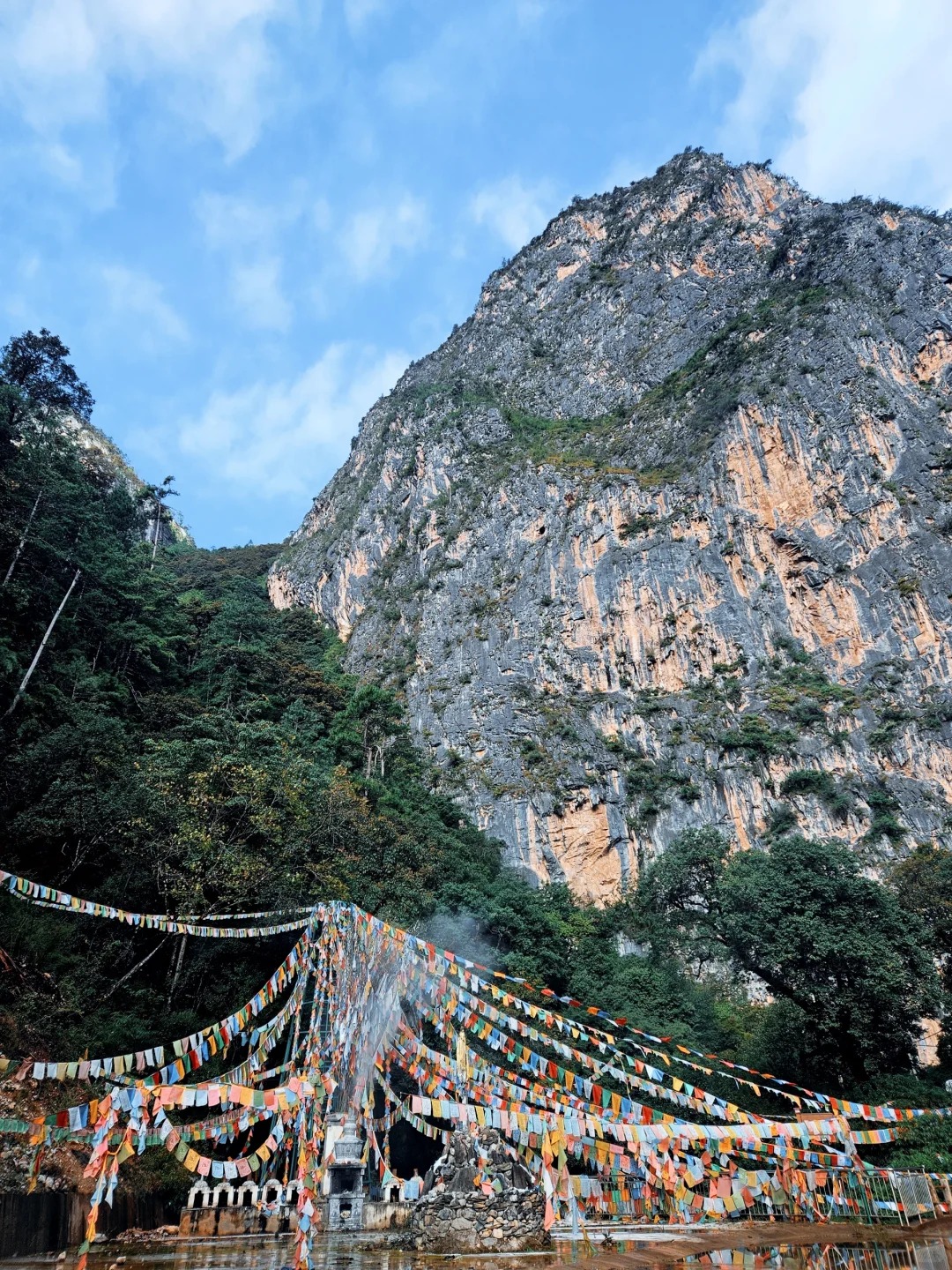
Mountains around Nirucun
Nirucun Altitude
Population Culture
Where Nirucun Is Located in Shangri-La
Nirucun sits deep inside the mountains of northwestern Yunnan, under the administration of Shangri-La. On a map it doesn’t look that far, but the last stretch changes the whole feeling of the trip.
Location: Luoji Township, Diqing Tibetan Autonomous Prefecture, Yunnan
Region: Inside the “Three Parallel Rivers” UNESCO area
Distance: About 75–120 km from Shangri-La
Access feel: The final 1–2 hours are slower, with rougher roads and fewer signs
The surroundings explain why it feels cut off. Forest covers most of the valley, with rivers cutting through and snow mountains in the distance. There isn’t a clear “entrance” either—you just keep driving, and suddenly the village appears. That last section really does feel like crossing into a different place, not just another scenic stop.
Nirucun Altitude and What It Feels Like
Nirucun sits at around 2705 meters, which doesn’t sound extreme, but you notice it pretty quickly once you start moving. Walking feels slightly heavier, and even a gentle uphill section can slow you down more than expected. It’s not the kind of altitude that forces you to stop, but it quietly changes your pace.
When you head out on hikes, especially toward higher areas like Nanbao pasture, the elevation climbs closer to 4000 meters. That’s where it becomes more obvious—breathing gets shorter, breaks get more frequent, and distances feel longer than they look on a map.
Most people adjust fine if they come from Shangri-La and spend a night there first. Skipping that step isn’t a great idea. The difference between feeling “a bit slow” and actually struggling usually comes down to whether you gave your body time to adapt.
Population Culture and Why Nirucun Feels Isolated
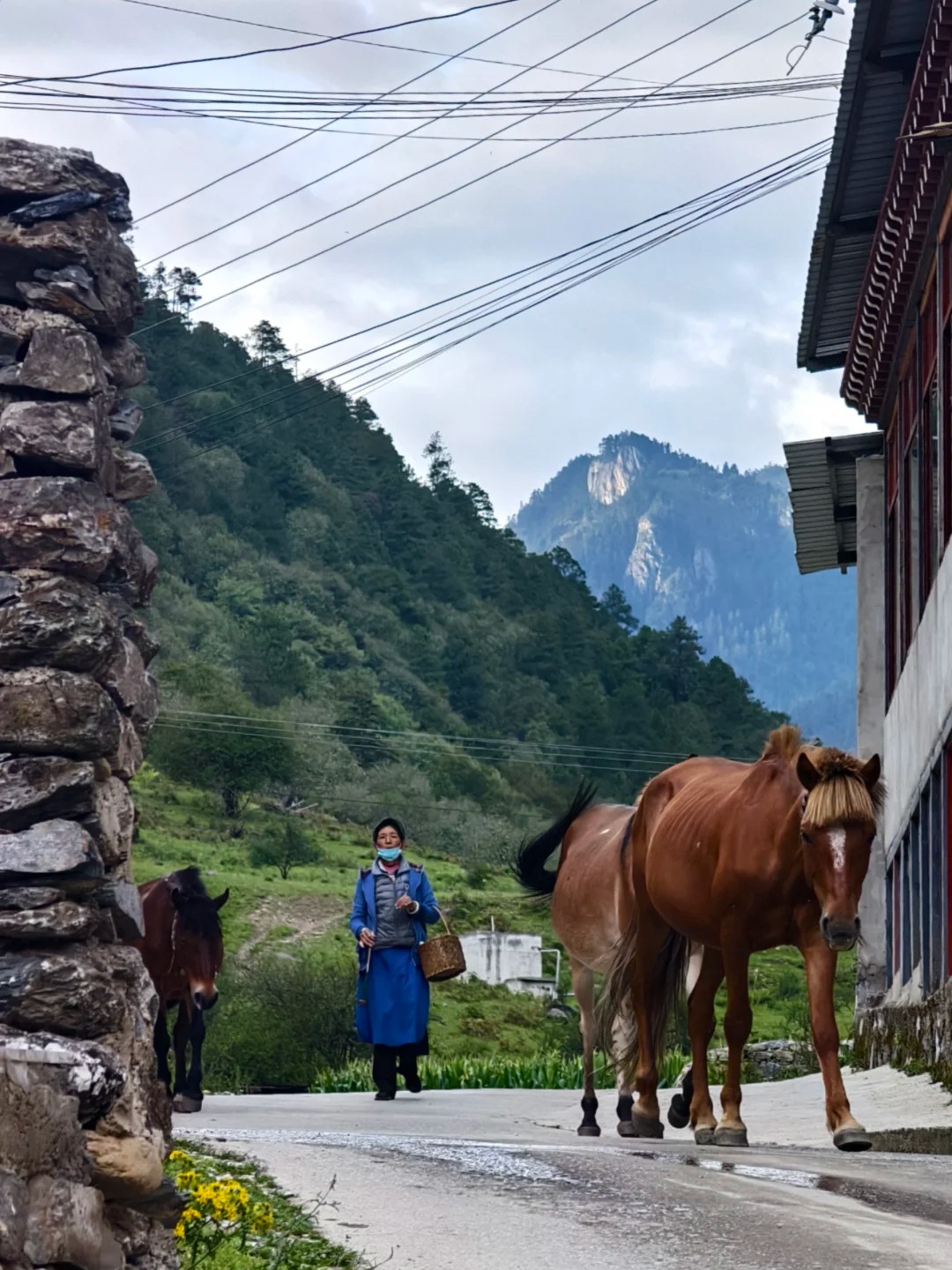
Nirucun is small, with only around 600 people, and that size shapes everything you experience there. It’s a Tibetan village through and through, not a mixed or tourist-oriented place. Daily life still runs on a local rhythm—people working, cooking, moving around the village without much attention to visitors.
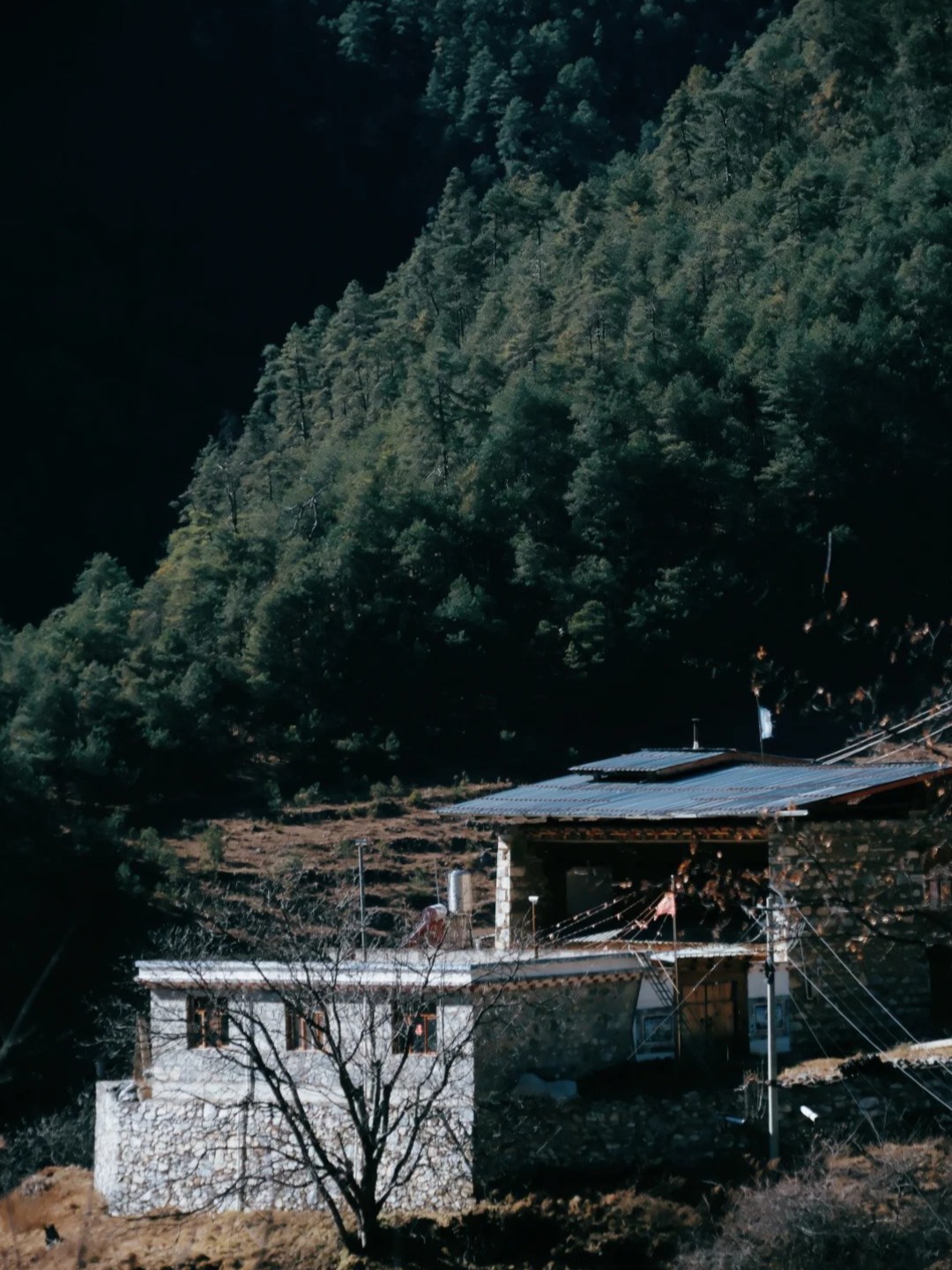
The buildings reflect that practicality. Houses are mostly wooden or stone structures, built for insulation and durability rather than aesthetics. You won’t see decorative storefronts or curated “old town” streets like in other parts of Shangri-La.
What really makes Nirucun feel isolated is the lack of development. There are no chain stores, no obvious commercial zones, and barely any signage in English. It’s not designed for tourists, and that’s exactly why it feels different. The quiet here isn’t staged—it just exists.
Nirucun Waterfall Hike Guide
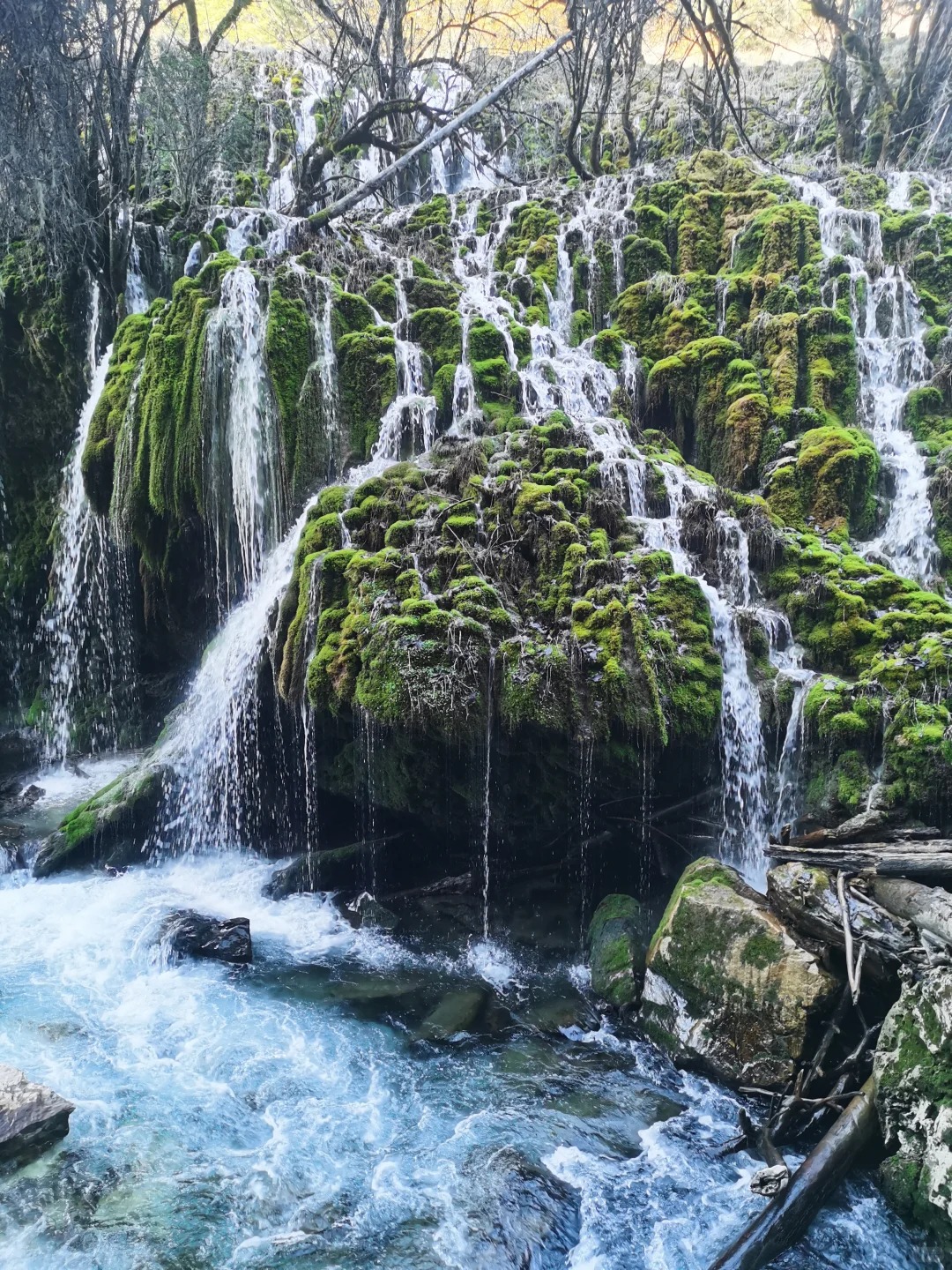
Nirucun Seven Colour Waterfall
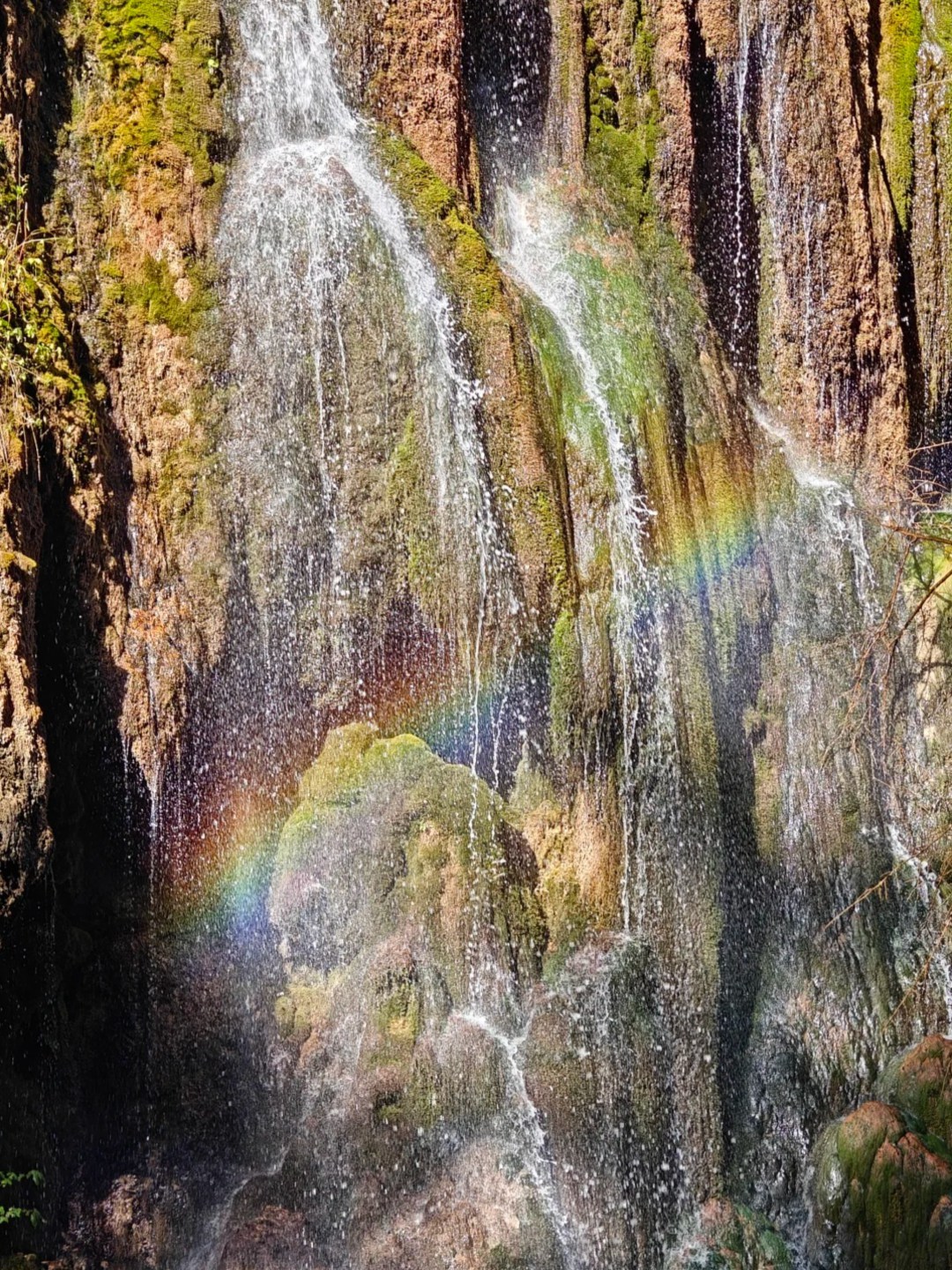
Rainbow on Waterfall
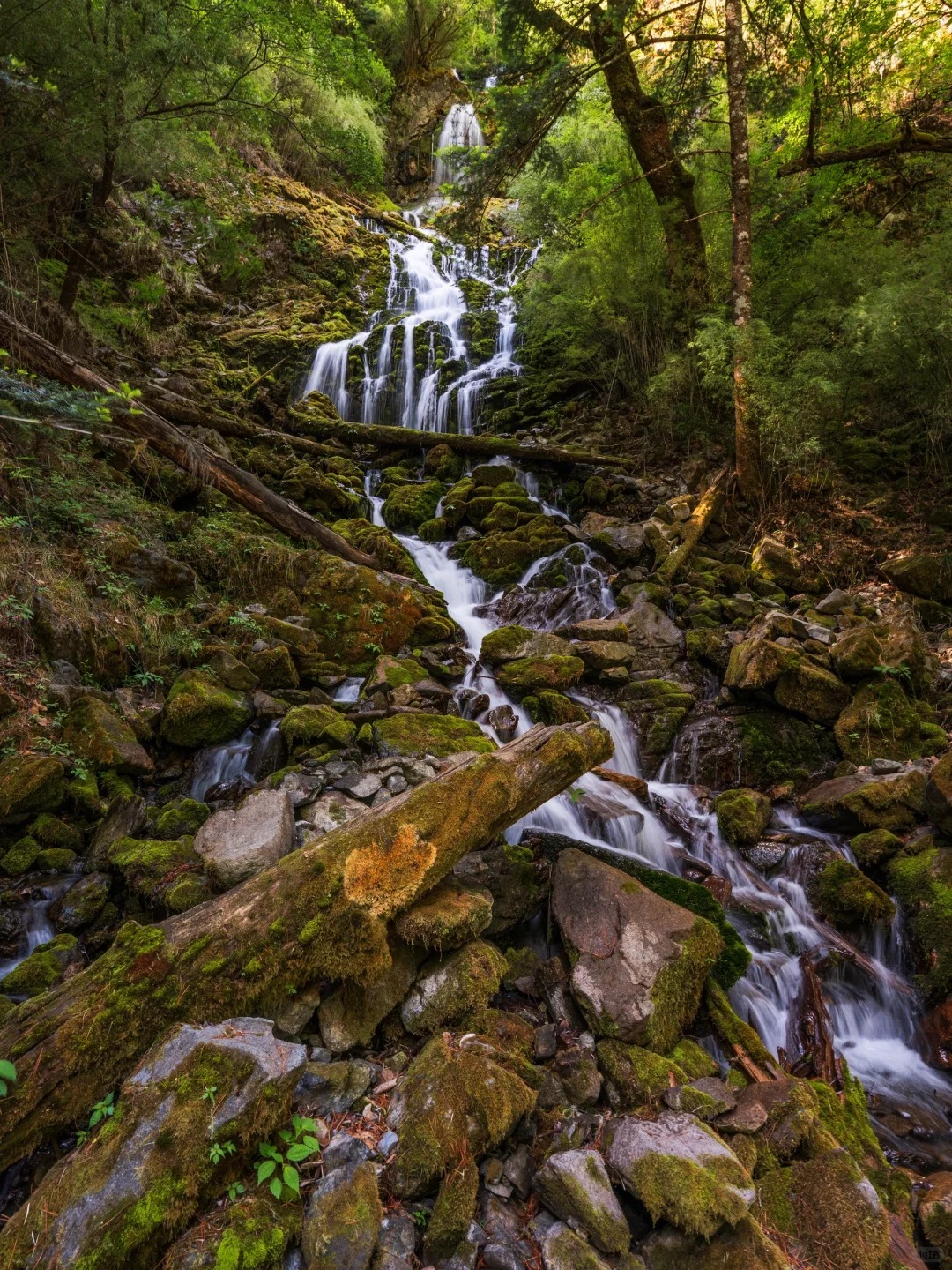
Waterfall in Forest
What the Nirucun Seven Colour Waterfall Looks Like
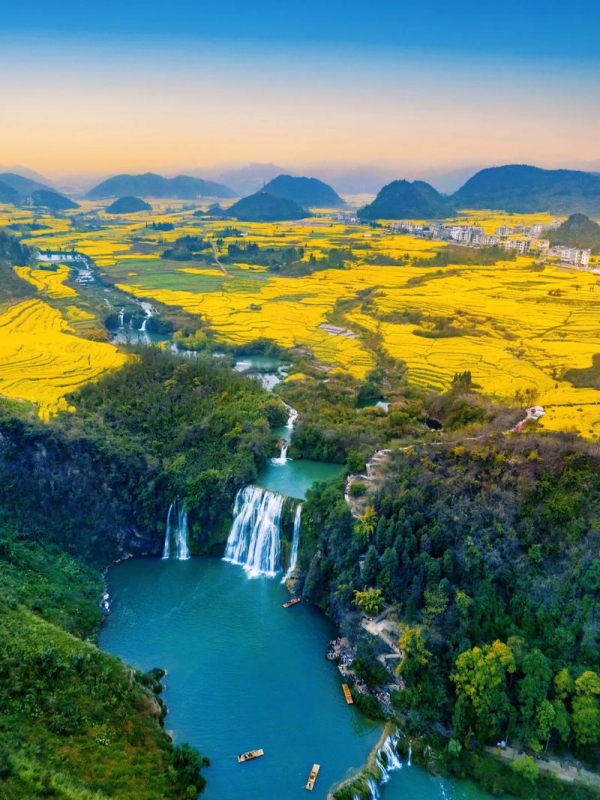
The Nirucun waterfall is wider than most people expect, and that’s the first thing you notice when you get close. It stretches across the valley at roughly 330 meters, but instead of dropping straight down, the water spreads over layered rock. These travertine steps break the flow into dozens of thin streams, so it feels more like a moving curtain than a single fall.
What makes it different is how calm it looks up close. There’s no heavy crashing sound, just a steady flow over stone. You can actually walk quite near the edge without getting soaked, which isn’t common for waterfalls at this scale. Around midday, when the sun hits at the right angle, mist builds up and forms visible rainbow arcs. It doesn’t happen all the time, but between late morning and early afternoon, chances are decent if the weather holds.
Some travelers compare it to places like Jiuzhaigou, but the setting here feels less managed, less polished. No fences, no viewing platforms—just the waterfall and the surrounding forest.
Distance Time and Difficulty of the Nirucun Waterfall Hike
The Nirucun waterfall hike is not technically difficult, but it takes time and steady pacing. The full round trip is usually around 11 to 12.5 kilometers, depending on where you start in the village. Most people finish it in about 4 to 5 hours, including short breaks.
The trail runs through forest and along a river, with occasional wooden bridges and uneven ground. There’s no steep climbing, but the altitude adds a layer of difficulty that isn’t obvious at first. Even slight inclines can feel tiring after a while.
It’s manageable for beginners, especially if you’ve done basic hiking before, but it’s not something to rush. People who underestimate the distance often end up returning later than planned, especially if they stop frequently for photos near the river sections.
Practical Tips for the Nirucun Waterfall Trail
Most problems on the Nirucun waterfall trail come from small details that are easy to ignore at the start.
Signal: No mobile signal for most of the hike, including near the waterfall
Navigation: Trail is visible but not marked clearly; no English signs
Water: Some streams along the way, but not guaranteed clean
The route feels straightforward, but it’s still a natural trail, not a maintained tourist path.
Weather: Conditions shift quickly, especially after noon
Footwear: Waterproof shoes help on muddy or wet sections
Missing the timing is probably the most common mistake. If you reach the Nirucun waterfall too late in the day, the light changes, and the rainbow effect becomes much harder to see.
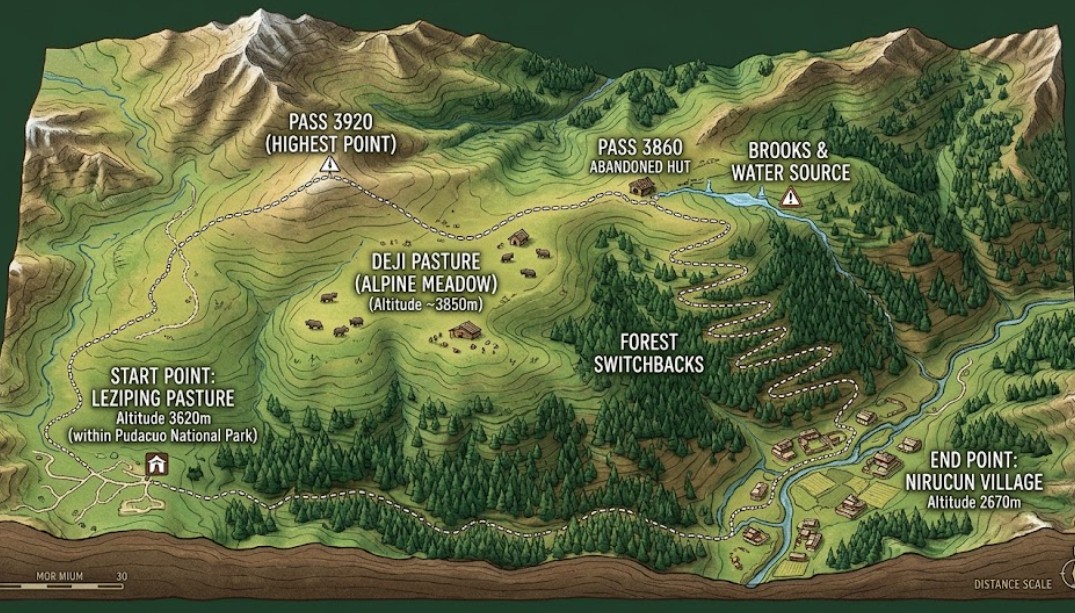
Leziping to Nirucun Is the Classic Full Scenic Entry Route
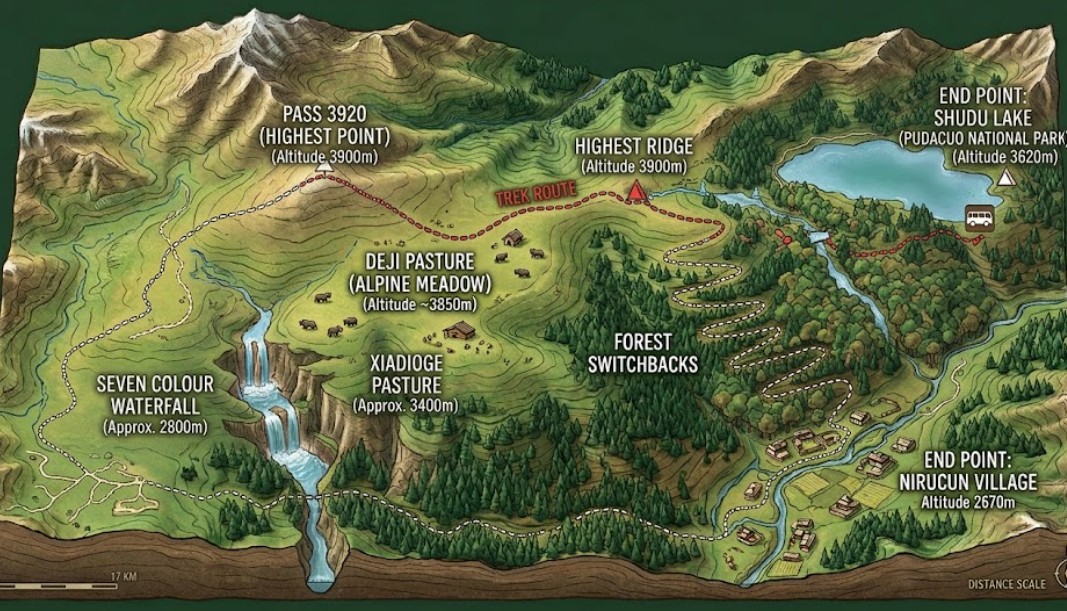
Start Point: Leziping Pasture (inside Pudacuo National Park)
End Point: Nirucun Village
Highest Altitude: 3920 m
Difficulty: Advanced
Elevation Gain/Loss: +300 m / -1250 m
This is the most complete scenic approach into Nirucun and the route most serious trekkers choose. It begins from Leziping inside Pudacuo National Park and crosses Deji Pasture, one of the largest alpine meadows in the Shangri-La region. TrekYunnan notes this is the shortest access route into Deji Pasture and one of the most rewarding meadow crossings in the area.
The first section climbs gradually over Pass 3920 before opening into wide yak-grazing grasslands. Deji Pasture sits at around 3850 meters and stretches for several kilometers, with scattered Tibetan huts and ranger shelters along the edge.
Past the meadow, the trail narrows into forest and descends toward Pass 3860, where an abandoned hut marks the midpoint. From there, the route drops through pine forest, stream crossings, and switchbacks until the first views of Nirucun appear below.
Water is available near brooks east of Pass 3860, but purification is advised.
This route is best for trekkers who want the full mountain approach experience rather than simply visiting the waterfall. If you enjoy this kind of open wetland and quiet landscape, you might want to look at another nearby spot worth adding. Reaching the waterfall around late morning improves the chance of catching rainbows in the mist.
Nirucun to Shudu Lake Is the Best Full Day Crossing Trek
Nirucun to Shudu Lake
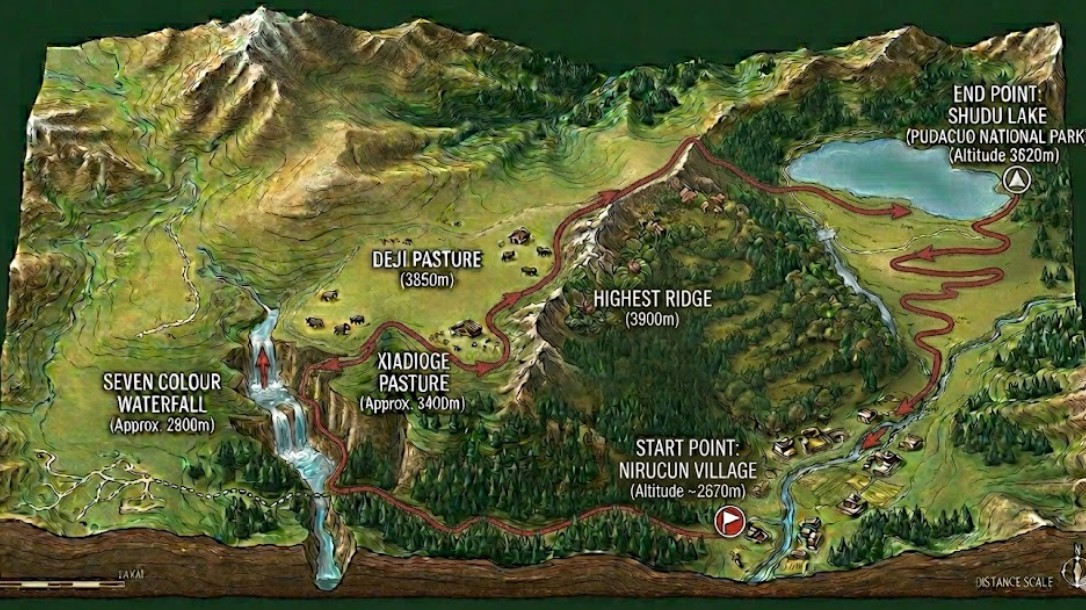
Route Map: Nirucun Village → Seven Colour Waterfall → Xiadiaoge Pasture → Deji Pasture → Shudu Lake
Distance: 17 km
Duration: Full day hike (6–8 hours average)
Start Point: Nirucun Village
End Point: Shudu Lake, Pudacuo National Park
Highest Altitude: 3900 m
Difficulty: Advanced
Elevation Gain: Approx. 1100 m
This is the strongest long-distance trek for hikers who want both waterfall scenery and high pasture landscapes in one day. According to TrekYunnan, this route combines the popular waterfall trail with the less crowded upper mountain crossing to Shudu Lake.
The first part follows the familiar canyon boardwalk to the Seven Colour Waterfall. After that, crowds disappear quickly. The trail climbs steeply toward Xiadiaoge Pasture, then continues upward into Deji Pasture.
The highest ridge reaches nearly 3900 meters before descending through forest toward Shudu Lake. Once at the lake, hikers can take Pudacuo shuttle buses back to the park entrance.
This route works best for experienced hikers who want a full traverse instead of returning to Nirucun the same day.
Seven Colour Waterfall Route Is Nirucun’s Easiest and Most Popular Hike
Seven Colour Waterfall Route
Route Map: Nirucun Village → Niru River Canyon Trail → Seven Colour Waterfall → Return
Distance: 11–12.5 km round trip
Duration: 4–5 hours
Start Point: Nirucun Village
End Point: Return to Nirucun
Difficulty: Moderate
Highest Altitude: Around 3000 m
This is the most accessible Nirucun trekking route and the one most first-time visitors choose. It follows the Niru River through forest trails and wooden boardwalk sections to the famous Seven Colour Waterfall.
Unlike vertical waterfalls, this one spreads across wide travertine rock shelves for more than 200 meters, creating layered cascades that catch rainbow light around midday. TrekYunnan describes it as relatively low in height but remarkable for its horizontal spread.
The trail is well-worn and easy to follow, though muddy after rain. There are no shops or supplies along the route, and phone signal is unreliable for most of the hike.
This route is ideal for:
First-time Nirucun visitors
Casual hikers
Families with moderate hiking ability
Where to Stay and Eat in Nirucun
Nirucun Homestays
Barley Bread
Butter Tea
Nirucun Homestays
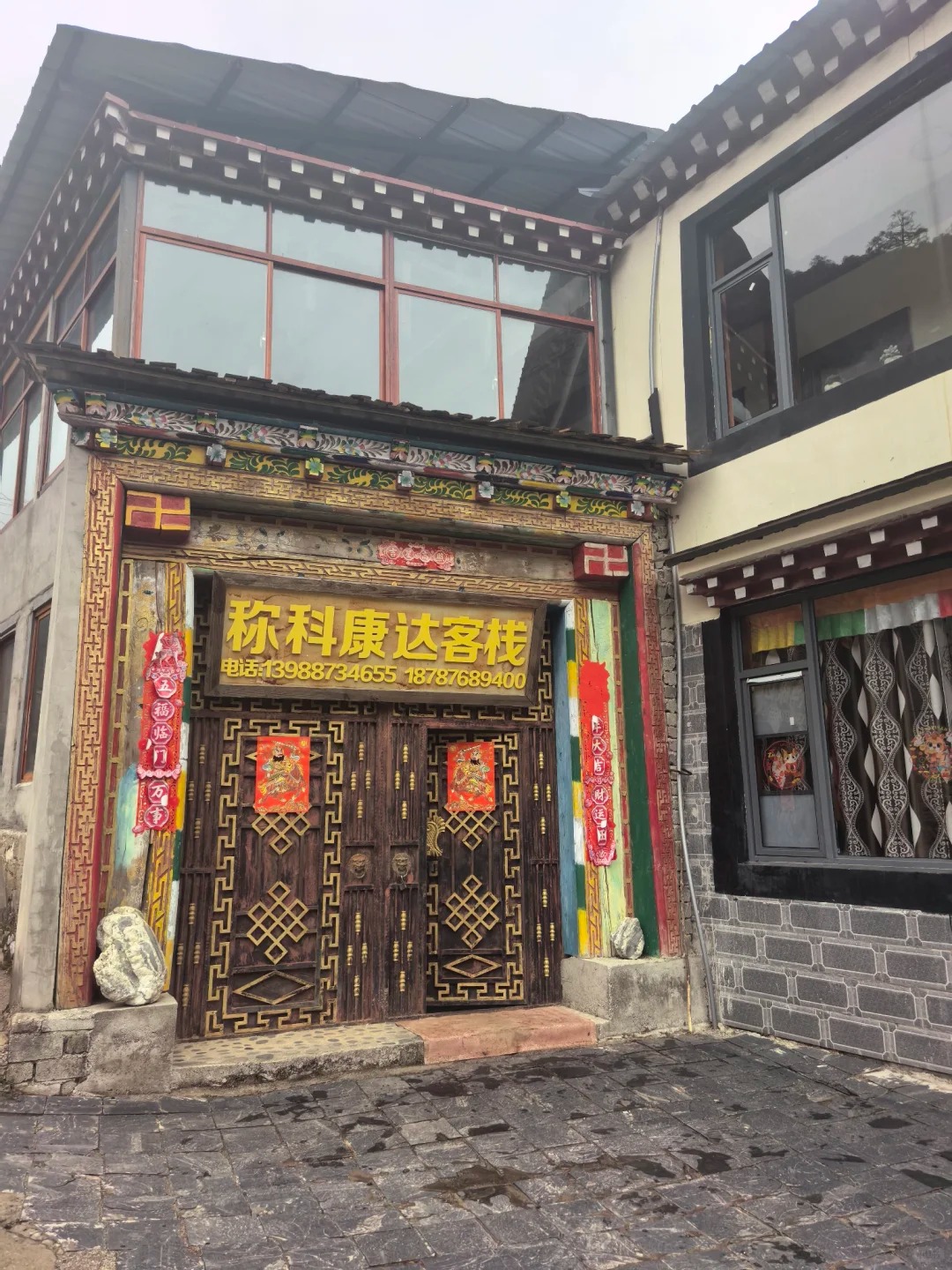
Staying in a nirucun hotel usually means choosing a local homestay rather than a formal hotel. Options are limited, but that’s part of the experience.
Price range: Around 100–200 RMB per night (≈ $15–30), sometimes slightly higher in peak season
Room type: Basic private rooms with simple beds, blankets, and wooden interiors
Facilities: Shared or simple private bathrooms, limited toiletries
Hot water: Usually available in the evening; mornings can be inconsistent
Heating: Electric blankets or small heaters, especially useful in colder months
Foreign guest acceptance: Most homestays can host foreigners, but it’s safer to confirm in advance
The overall standard is not luxury, but it’s clean enough and practical. What stands out is the setting—you wake up to mountain air, not traffic noise. Some hosts will also help arrange rides or give rough directions for nearby nirucun hiking trails, which is actually more useful than expected.
Food You Should Try in Nirucun
Food in Nirucun is simple, filling, and closely tied to local ingredients. Don’t expect menus—most meals are whatever the host prepares that day.
Yak meat hotpot: Thin slices of yak cooked in broth, usually shared; high protein and good after hiking
Matsutake chicken: Seasonal dish using local mushrooms; lighter taste compared to hotpot
Butter tea (酥油茶): Salty, oily, and strong—some people like it, some don’t
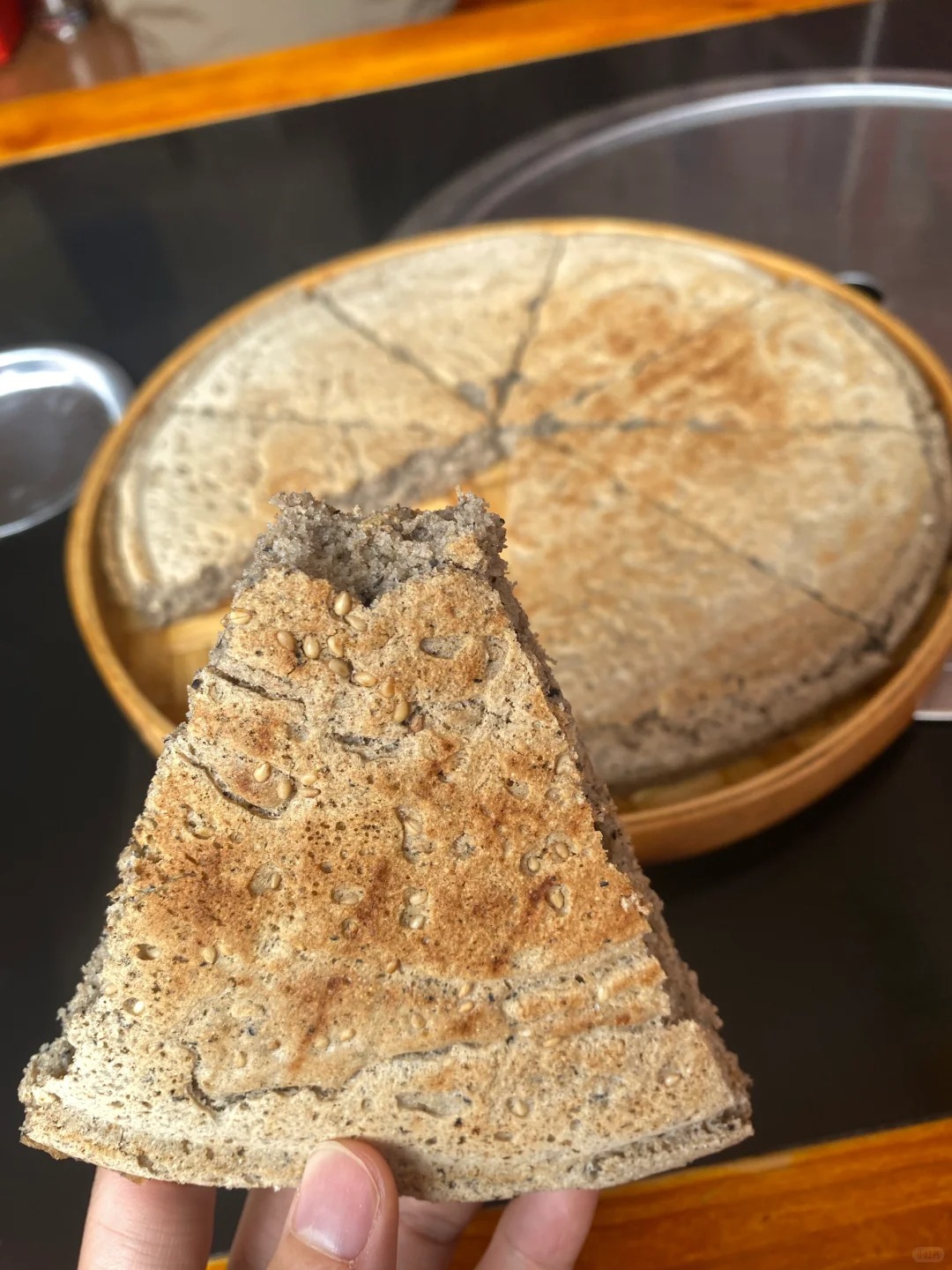
Barley bread (青稞饼): Dense and slightly dry, often eaten with tea
Vegetable dishes: Simple stir-fried greens or potatoes, depending on availability
Meals are usually included or cost around 30–60 RMB per person. The portions are generous, and the goal is clearly to keep you full rather than impress you. After a long nirucun hiking day, even basic food tastes better than expected.
What Travelers Say About Nirucun
Reviews online tend to repeat the same words: quiet, untouched, slow. Many travelers mention that Nirucun doesn’t feel like a “destination” in the usual sense. There’s no itinerary pressure, no crowds, and very little structure.
Some people find it too basic, especially if they expect comfort or convenience. But others see that as the main reason to come. If you’re comparing it with more classic routes or wondering what else is around, you can explore a broader list here. Compared to more developed parts of Shangri-La, Nirucun feels less curated. You’re not just visiting—you’re temporarily fitting into a place that already exists on its own rhythm.
Tips Before Visiting Nirucun
What to Pack for Nirucun
Packing for Nirucun requires practicality. Waterproof shoes are essential; trails can be muddy, and sudden rain is common. Trekking poles help with the ups and downs, especially on longer hikes like Nanbao Pasture. Bring at least 3 liters of water per person, as refill points are limited. Layered clothing is a must because temperatures change quickly with altitude. A small first-aid kit and snacks for energy boosts are also recommended.
Altitude and Safety Tips
Nirucun sits at 2705 meters, and some treks reach near 4000 meters. Altitude sickness is a real concern, so ascend slowly and take breaks. Walking at a relaxed pace, staying hydrated, and monitoring for headaches or dizziness can prevent issues. If you feel unwell, descend promptly. Local oxygen bottles are sometimes available in homestays for emergencies.
Environmental Rules in Nirucun
Visitors should respect the village and natural surroundings. Take all trash with you; there are no formal waste disposal points. Open flames and self-heating hotpots are prohibited to reduce fire risk. Staying mindful of local customs and the fragile alpine ecosystem ensures Nirucun remains the pristine destination it is today.
FAQ about Nirucun
Q: How do I get to Nirucun from Shangri-La city?
Most travelers take a combination of bus and private car. From Shangri-La city, buses to Luoji Township cost around 35 RMB, then a private SUV or 4WD for roughly 200–250 RMB per car reaches Nirucun. Travel time varies, usually 3–4.5 hours, depending on weather and road conditions. Roads can be muddy in the rainy season, so a four-wheel-drive is recommended. Some homestays also offer pick-up services if booked in advance, which can simplify logistics for first-time visitors.
Q: What is the best season to visit Nirucun?
The ideal months are May–June for rhododendron blooms and fuller waterfalls, and September–October for golden grasslands and stable weather. Winter months bring ice and frost, which look stunning but require careful preparation, especially for trekking. Early morning and late afternoon light can enhance photography at waterfalls and lakes. Each season offers different views, so pick according to whether you prioritize flowers, hiking, or autumn colors.
Q: How difficult is the Nirucun Seven Colour Waterfall hike?
The nirucun waterfall trail is around 11–12.5 km round trip, taking about 4–5 hours. The trail passes through forests, streams, and river valleys, with gradual altitude gain. Most first-time hikers manage it comfortably, but higher altitude can make breathing feel heavier. Good shoes and trekking poles help, especially in wet sections. Hikers should start early in the morning to avoid afternoon crowds and maximize rainbow sightings between 10:00 and 14:00.
Q: Are guided treks necessary for Nanbao Pasture?
Yes. The advanced trek to Nanbao Pasture covers 22–24 km with an altitude close to 4000 meters. The route passes alpine meadows and rugged terrain, and the paths aren’t always marked. Guides not only prevent getting lost but also provide insight into local ecology and Tibetan culture. Hiring a guide ensures safety, especially in sudden weather changes or high-altitude conditions.
Q: What types of accommodation are available in Nirucun?
Options are mostly homestays, priced 100–200 RMB per night, clean but basic. Most have hot water in the evenings, shared bathrooms, and simple furniture. There are no hotels or large resorts, which contributes to the village’s isolated charm. Staying in homestays also offers a chance to interact with locals and experience authentic Tibetan daily life.
Q: What local foods should I try?
Signature dishes include yak meat hotpot, matsutake chicken, butter tea, and barley bread. Meals are hearty and designed to fuel trekking, often served communally. Ingredients are fresh and sourced locally, giving a genuine taste of Tibetan alpine cuisine. Don’t expect elaborate plating, but the flavors reflect centuries of tradition.
Q: Is it safe to hike alone in Nirucun?
Short hikes like the Seven Colour Waterfall are manageable alone, but longer treks, especially Nanbao Pasture or hidden lakes, are risky without a guide. Trails can be slippery, altitude changes may cause dizziness, and there’s minimal mobile signal. If hiking solo, carry a map, water, and emergency oxygen, and inform a homestay or guide about your route.
Q: What should I prepare for altitude and weather?
Nirucun altitude reaches 2705 meters in the village and near 4000 meters on trails. Acclimate in Shangri-La city for a day if possible. Wear layered clothing, carry water, and move slowly. Weather can change suddenly; rainproof gear and a warm layer are essential even in summer. Monitor symptoms of altitude sickness, and descend if headaches or dizziness occur.
Q: Are there rules to protect the environment?
Yes. Visitors must carry out all trash and avoid open flames, including self-heating hotpots. Respect local customs and wildlife. Staying mindful of these rules helps preserve Nirucun’s natural beauty and ensures future visitors can enjoy its pristine landscapes.
Practical China Travel Tools, Policy & App Guides
Stay updated and travel smart in China with these essential how‑to guides and policy explainers: